

Professional Chemicals, The Choice Of Quality
High-quality chemical raw materials, with stable supply to the entire world
High-quality chemical raw materials, with stable supply to the entire world

Unilong Industry founded in 2008, the company is a growing high-tech chemical enterprise. It began to focus on fine chemicals. Later, it fully transferred to the R & D and production of new series of products.

Unilong Industry has passed the IS014001 environmental management system certification and is listed as a high-tech enterprise in Shandong Province, which provides favorable conditions for the future development of the company.
The company opened Shandong branch and began to expand the production direction related to cosmetics raw materials and daily chemical raw materials.
The company opens a polymer factory, business scope covers R&D, production and sales of daily chemical raw materials, biodegradable materials and 3D printing materials.
We already achieved product-related certificates including ISO9001, BPI DIN NTSQP, etc. There is a saying in the market “Uli-ECO, you’ll like it”.
Unilong Industry has become a one-stop purchaser and service provider for many customers around the world. At present, its products are exported to North and South America, Europe, Asia, Australia, South Africa and other dozens of countries and regions.
Unilong is keeping relationships with the top high-tech lab and engaged in more new renewable material research.With low-carbon environmental protection, non-toxic new materials direction.
Last updated on June 26, 2024
This Privacy Policy describes the policies of Unilong Industry Co.,Ltd., Chemical Industrial Park of Shandong Province. email: [email protected], phone: +86 18653132120 on the collection, use and disclosure of your information that we collect when you use our website ( https://unilongindustry.com/ ). (the “Service”). By accessing or using the Service, you are consenting to the collection, use and disclosure of your information in accordance with this Privacy Policy. If you do not consent to the same, please do not access or use the Service.
We may modify this Privacy Policy at any time without any prior notice to you and will post the revised Privacy Policy on the Service. The revised Policy will be effective 180 days from when the revised Policy is posted in the Service and your continued access or use of the Service after such time will constitute your acceptance of the revised Privacy Policy. We therefore recommend that you periodically review this page.
We use your personal information to provide you with the services you request, to communicate with you, to resolve issues, to customize your experience, to inform you about our services and Website updates and to measure interest in our Website and Services.
Like many websites, we use “cookies” to enhance your experience and collect information about visitors and visits to our website. Please see the “Do We Use ‘Cookies’?” section below for information about cookies and how we use them.
We will not sell or rent your personal information to third parties for their marketing purposes without your explicit consent. We may disclose personal information to respond to legal requirements, enforce our policies, respond to claims that a posting or other content violates the rights of others, or to protect the rights, property, or safety of anyone. Such information will be disclosed in accordance with applicable laws and regulations. We may also share personal information with service providers who help us conduct our business and with members of our corporate family who may provide joint content and services and help detect and prevent potentially illegal activities. If we plan to merge or be acquired by another business entity, we may share personal information with the other business entity and require the new combined entity to comply with the provisions of this Privacy Policy with respect to your personal information.
If you upload images to the website, Visitors to the website can download and extract any location data from images on the website.
You can access or update the personal information you have provided to us at any time by contacting us at [email protected].
We consider information an asset that must be protected and use a number of tools to protect your personal information from unauthorized access and disclosure. However, as you may be aware, third parties may be able to unlawfully intercept or access transmissions or private communications. Therefore, while we work very hard to protect your privacy, we do not promise, and you should not expect, that your personal information or private communications will always remain private.
We Support “Sample Delivery Door To Door Service”
We Support “Return Sample Fee If Quality Is Not Ok”

The key to safety production is to enhance people’s safety awareness. The key is to always adhere to the people-oriented ideology, start from establishing the dominant position of consciousness, emphasize that safety is the responsibility of managers, improve the quality of employees’ injuries at multiple levels, and build a solid safety wall. Guide employees to consciously and actively participate, and create a bottom-up, proactive and spontaneous “I want to be safe” good atmosphere.
Advocating energy conservation, water conservation, and energy consumption reduction in daily life, we have collaborated with workshop unions to organize employees to seriously learn energy-saving knowledge and requirements, take the lead in sharing energy-saving experiences, and have deeply rooted in people’s hearts. We have improved the online detection system for characteristic pollutants at the factory boundary, achieving standard emissions and ecological development.
In whole world, almost all industrial line material stock is very tight and price is increasing sharply. So under this situation, one stable supply system is more and more important . Unilong is always pay attention to supply chain system construction. Now we have one stable material supplier system so that we can overcome present situation to ensure our production line running normally.We have strict management system for every progress from Supplying,Producing,Transporting,Selling.


In whole world, almost all industrial line material stock is very tight and price is increasing sharply. So under this situation, one stable supply system is more and more important . Unilong is always pay attention to supply chain system construction. Now we have one stable material supplier system so that we can overcome present situation to ensure our production line running normally.We have strict management system for every progress from Supplying,Producing,Transporting,Selling.



The key to safety production is to enhance people’s safety awareness. The key is to always adhere to the people-oriented ideology, start from establishing the dominant position of consciousness, emphasize that safety is the responsibility of managers, improve the quality of employees’ injuries at multiple levels, and build a solid safety wall. Guide employees to consciously and actively participate, and create a bottom-up, proactive and spontaneous “I want to be safe” good atmosphere.
Advocating energy conservation, water conservation, and energy consumption reduction in daily life, we have collaborated with workshop unions to organize employees to seriously learn energy-saving knowledge and requirements, take the lead in sharing energy-saving experiences, and have deeply rooted in people’s hearts. We have improved the online detection system for characteristic pollutants at the factory boundary, achieving standard emissions and ecological development.
Unilong is a trusted manufacturer and supplier in China. We haved competitive prices, stable product quality, support for sample orders and one-to-one technical service support are the reasons for you to choose Unilong Industry.
The company supervises, controls and operates all production links in strict accordance with the requirements of ISO9001, ISO14001 and GB/T-28001. In strict accordance with the requirements of modern enterprise management norms, establish modern scientific management means and complete and reliable management assurance system for the sustainable development of enterprises.

User value is our guiding principle, and we strive to integrate social responsibility into our products and services. Adhering to the development concept of “safety, green, technology, and service”, and adhering to the spirit of “craftsmanship” for excellence. Only by constantly adjusting its strategy in the midst of change, maintaining healthy development vitality, and transforming this vitality into inertia, and continuously expressing it through effective strategies, can enterprises obtain and continuously strengthen competitive advantages, and build their success.
Our actions comply with ethical standards and remain true and transparent. Actively pay attention to environmental issues, promote green manufacturing and production, and make efforts to protect the environment. We uphold innovative thinking, continuously improve and create value. Create value for customers and become a long-term trusted partner for them. The customer first service concept continuously improves customer satisfaction and establishes good customer relationships.
Unilong Industry Co.,Ltd. is a growing high-tech chemical enterprise, and located in Chemical industrial park of Shandong province. Now Unilong company already is a world leading professional manufacturer and distributor for fine chemicals materials.
Unilong Group was established in 2008 and mainly engaged in polymer and daily material production enterprise in China. Our products have unique advantages in the market and enable to meet the individual needs of our partners. We already achieved product-related certificates including ISO quality system and environmental management system certification.

Since its inception, we have operated in good faith the principle of positive, open up, after years of hard work, the company has received the honorary title of the industry.we always look forward to the trends and offer value not only for materials, we also apply them to the production process, focusing on improvement and innovation. Our products have unique advantages in the market and enable to meet the individual needs from our partners.
We sincerely hope our first-class quality, professional service and various products composition will be the strongest backup for all our valuable customers.
Over the years, our company has become a one-stop purchaser and service provider for many customers around the world. At present, our products are exported to North and South America, Europe, Asia, Australia, South Africa and other dozens of countries and regions. and have cooperated with many internationally renowned chemical companies.
The company adheres to the core values of “innovation, integrity, collaboration, responsibility, and win-win”, and sincerely cooperates with domestic and foreign customers to provide better services with sincere enthusiasm for domestic and foreign customers.

We has become a one-stop purchaser and service provider for many customers around the world.
| Position | Number | Gender | Education | Age | Details |
| Salesperson | 6 | Unlimited | Specialist and above | 22-36 | Read More |
| Laboratory technician | 2 | Unlimited | Ph.D. | 30 years old and above | Read More |
| Equipment administrator | 1 | Male | Bachelor degree or above | 30 years old and above | Read More |
| Chemical technician | 4 | Male | Postgraduate | Unlimited | Read More |
| Security administrator | 2 | Male | Postgraduate | Unlimited | Read More |

The purpose of talent selection is fundamentally to enable enterprises to gain competitive advantages and thereby enhance their core competitiveness. Specifically, the purpose of personnel selection is to select the most suitable personnel for the requirements of the enterprise from the recruited candidates, in order to achieve enterprise human resource planning, while paying attention to the cultivation of existing talents. Effectively implement the company’s human resources strategy. In terms of employee compensation, the company implements performance evaluation for all employees, introduces market pressure and fair competition mechanisms internally, implements a salary system that combines position salary and performance bonus, and maximizes the motivation of employees. The company will care about employees’ families and remove their worries. It can also improve organizational harmony and cohesion by establishing various interest groups and sports and entertainment activities, increase social opportunities, and meet their pursuit of happiness and social needs.
Human resources are the most important strategic resource of our Unilong Industry. The quality of human resources depends on the quality of each company’s employees. Therefore, the company is building three core teams of the enterprise:

Operation and management personnel
Build a team that is good at management, possesses good professional ethics, and is adept at using modern management methods to manage personnel.

Professional technical personnel
Build a team of technical personnel with strong professionalism, innovation ability, keeping up with cutting-edge technologies, and continuously enriching the core technology of the enterprise.
Front-line operator team
Build a team of senior technical workers and general workers with good adaptability, coordination ability, diligence, perseverance, and a high level of professionalism.
Thanks
You can navigate through our menu or use this search bar.
Factory price.you can send your inquiry(product name,quantity, destination you want)to us freely. We can contact with you within 24 hours.
We have strict training process about SOP of Packing and Shipping. Detailed SOP profile is available for different mode like Safe Cargo and Dangerous Cargo by Sea, Air, Van or even Express Shipment.
ShangHai, TianJin, HuangPu, Qingdao, etc.
Most of products are under regular production, we can make delivery immediately.
a.Sample we can offer before you place bulk order.
b.Normally, we can send the sample out within 2~3days once we confirmed. You can receive it within 1 week.
Usually shipment will be made within 7-15 days against confirmed order.
Of course. We can provide Commercial Invoice, Packing List, Bill of loading, COA and Origin certificate.
We are a responsible and reputable company, we focus on an win-win and long tem communication with customers to solve customer questions.
a.Third Party like CIQ, SGS inspection before shipment upon request.
b.In Case of PSS we will hold the cargountil approval from customer side.
c.We have clear and detailed quality clause in contract with manufacturer, if any discrepancy of quality/quantity, they will take responsibility.
The manufacturer offers extensive technical support, with a team of scientists that manage your projects from innovation through development, commercialization, and then onto processing and packaging.
Statement: Unilong Industry Co., Ltd. is the official registered English name of our company, not the direct translation of Julong.

Unilong Industry Co.,Ltd. is a growing high-tech chemical enterprise, and located in Chemical industrial park of Shandong province. Now Unilong company already is a world leading professional manufacturer and distributor for fine chemicals materials.
Unilong Group was established in 2008 and mainly engaged in polymer and daily material production enterprise in China. Our products have unique advantages in the market and enable to meet the individual needs of our partners. We already achieved product-related certificates including ISO quality system and environmental management system certification.
Both Unilong Industry Co., Ltd. and Unilong Supply Chain Co., Ltd. belong to the Unilong brand system. They are work together to control the entire process from source production to end delivery, providing safe, efficient and compliant chemical products and supporting services to global partners.
Since its inception, we have operated in good faith the principle of positive, open up, after years of hard work, the company has received the honorary title of the industry.we always look forward to the trends and offer value not only for materials, we also apply them to the production process, focusing on improvement and innovation. Our products have unique advantages in the market and enable to meet the individual needs from our partners.
We sincerely hope our first-class quality, professional service and various products composition will be the strongest backup for all our valuable customers.
Over the years, our company has become a one-stop purchaser and service provider for many customers around the world. At present, our products are exported to North and South America, Europe, Asia, Australia, South Africa and other dozens of countries and regions. and have cooperated with many internationally renowned chemical companies.
The company adheres to the core values of “innovation, integrity, collaboration, responsibility, and win-win”, and sincerely cooperates with domestic and foreign customers to provide better services with sincere enthusiasm for domestic and foreign customers.
We has become a one-stop purchaser and service provider for many customers around the world.




Unilong Group was established in 2008 and mainly engaged in polymer and daily material production enterprise in China. Our products have unique advantages in the market and enable to meet the individual needs of our partners. We already achieved product-related certificates including ISO quality system and environmental management system certification.
Our Advantages
Unilong

Asia: China, Korea, Japan, Pakistan, Turkey, Israel, UAE, Cyprus, Singapore, Bangladesh, Indonesia, India, Malaysia, Thailand, Vietnam etc.
America: The United States, Canada, Mexico, Brazil, Argentina, Colombia, Chile, Peru, Costa Rica, Ecuador, Honduras etc.
Europe: Russia, Italy, Germany, France, The United Kingdom, Serbia, Belgium, Ukraine, Poland etc.
Africa: South Africa, Egypt, Nigeria, Tanzania etc.
Oceania: Australia, New Zealand.
Lastest Blog
Our products have unique advantages in the market and enable to meet the individual needs from our partners.
What are the applications of β-cyclodextrin CAS 7585-39-9
β-Cyclodextrin (CAS No. 7585-39-9) is a widely used cyclic oligosaccharide, primarily used as a functional excipient and inclusion material.
N-Its core function is like a “molecular container,” capable of encapsulating various molecules, thereby altering the stability, solubility, and other key properties of these encapsulated substances.
β-Cyclodextrin cas7585-39-9 cyclic molecule, composed of seven glucose units, has a spatial structure resembling a hollow truncated cone. This structure has two main characteristics that determine its applications:
Internal hydrophobicity: β-Cyclodextrin cas7585-39-9 “cavity” prefers to accommodate nonpolar molecules.
External hydrophilicity: The hydroxyl groups on the outer wall of the molecule make it soluble in water.
Therefore, β-Cyclodextrin cas7585-39-9 can encapsulate many hydrophobic “guest” molecules within its hydrophilic “cavity,” forming stable inclusion complexes.
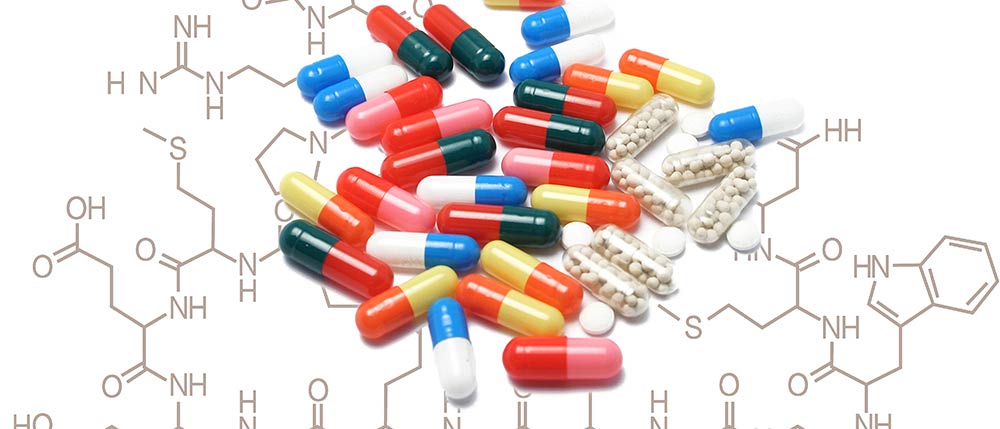
(1) Improve the bioavailability of poorly soluble drugs: For example, encapsulation of ibuprofen increases its water solubility and improves absorption efficiency.This is a crucial application. Many innovative drugs have poor water solubility, resulting in low oral absorption rates. β-CD can encapsulate these poorly soluble drugs, increasing their apparent solubility in water and thus improving bioavailability. This is a classic and effective solubilization method widely used in the pharmaceutical industry.
(2) Increase drug stability: Prevents drug oxidation, decomposition, or volatilization.
Reduce drug irritation and toxic side effects: Encapsulation can mask unpleasant odors and reduce gastrointestinal irritation.Many pharmaceutical components (such as volatile oils and borneol) are unstable and prone to volatilization, oxidation, or decomposition. The inclusion complexation of β-CD provides physical protection for these unstable molecules, significantly enhancing their stability. For example, studies have shown that after being encapsulated by β-CD and placed under accelerated experimental conditions for 14 days, borneol retained 92.88% of its relative content, while pure borneol had completely evaporated.
(3) Control drug release: Encapsulation technology can achieve sustained or controlled release of drugs.
(1) Protecting Flavor and Pigmentation: Substances like spices, flavorings, and natural pigments are delicate and prone to volatile or fading. β-CD encapsulates these substances, effectively preventing loss and prolonging the retention time of flavor and color.
(2) Eliminating or Masking Odors: It can remove the beany smell from certain food ingredients (such as soy protein) or mask unpleasant bitterness, improving the taste of food.

(3) Enhancing Emulsification and Moisture Resistance: It helps oil and water mix better and prevents some powdered foods from absorbing moisture and clumping.
Utilizing the properties of β-CD, it can also play a unique role in other fields.
Cosmetics: Stabilizes active ingredients in perfumes and cosmetics, achieving a longer-lasting and sustained release of fragrance, and making the skin feel gentler.

(1) Increasing Solubility and Bioavailability: Effectively encapsulates drug molecules that are poorly soluble in water, significantly improving their solubility in water, thereby enhancing drug absorption and utilization in the body.
(2) Enhancing Stability: Encapsulating easily oxidized, decomposed, volatile, or light- and heat-labile drug molecules can prevent their destruction and extend the drug’s shelf life.
(3) Reducing Toxicity and Irritation: Through encapsulation, unpleasant odors and tastes of drugs can be masked, while reducing the toxicity of certain drugs (such as those irritating the gastrointestinal tract).
(4) Achieving Controlled Release: Through specific encapsulation conditions or chemical modifications, drugs can be slowly released in the body, prolonging the duration of their effects.
(1) Protecting Flavor and Nutrition: Encapsulates flavorings, fragrances, pigments, and unsaturated fatty acids, preventing their volatilization or oxidation during processing and storage, thus maintaining the flavor, color, and nutritional value of food.
(2) Removes unpleasant odors: It can encapsulate odor-causing substances in food due to oxidation or its own inherent odor, thus deodorizing and flavoring, improving the taste of the food.
(3) Improves product structure: Adding it to foods such as ice cream can slow down ice crystal growth, making the texture more delicate.
(1) Stabilizes active ingredients: It can protect easily oxidized functional ingredients (such as vitamins C and E) and fragrances in cosmetics, preventing them from deteriorating.
(2) Reduces irritation: By encapsulating some potentially irritating raw materials (such as some preservatives and fragrances), it can reduce the risk of causing skin allergies and improve product safety.
(3) Controls fragrance release: As a carrier of fragrance, it can achieve slow release or long-lasting fragrance retention.
【Function 1】Enhances the stability of active ingredients: Through molecular inclusion, β-cyclodextrin effectively protects the encapsulated substance, preventing its decomposition or deterioration due to light, heat, or oxidation. This is especially crucial for volatile fragrances, flavorings, and easily oxidized vitamins and oils.
【Function 2】Improves solubility and bioavailability: It significantly improves the dispersibility and solubility of many poorly soluble drugs or nutrients in water, making them easier for the body to absorb and utilize.
【Function 3】Optimizes user experience: It can mask unpleasant odors and bitterness of drugs or functional ingredients, reducing gastrointestinal irritation and making the product more palatable.
【Function 4】Controls the release of active ingredients: As a carrier, it can regulate the release rate of the encapsulated substance, achieving sustained-release or controlled-release effects and prolonging the effective duration of action.
The market prospects for β-cyclodextrin (β-CD) are promising. It is evolving from a traditional “solvent” and “stabilizer” into a multifunctional platform compound playing a central role in fields such as pharmaceuticals, new materials, and environmental science. Industry reports and market analyses predict that the β-cyclodextrin market will maintain steady growth, primarily due to its continued penetration into traditional sectors such as pharmaceuticals and food, as well as its ongoing expansion into new high-value-added applications.
Unilong is a professional manufacturer of β-cyclodextrin (CAS 7585-39-9). Our products are widely used in industries such as food flavoring and fragrance, pharmaceutical excipients, cosmetics, daily chemicals, feed, and fine chemicals. We offer food-grade and pharmaceutical-grade specifications, with a purity of ≥98%. Each batch comes with a COA quality inspection report. We can provide SDS. The products are in stock and stable. We support sample testing. New and old customers are welcome to contact us for cooperation discussions!
Sodium Monofluorophosphate: Properties Practical Uses and Application Values
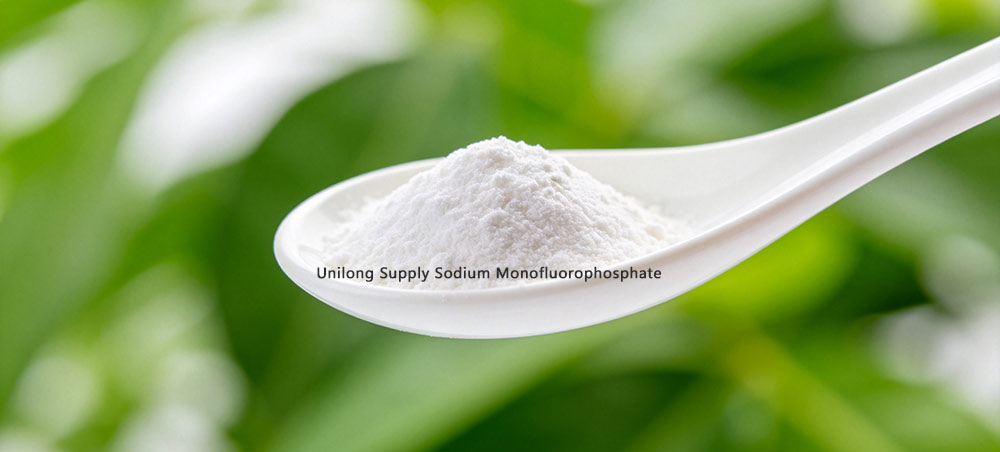
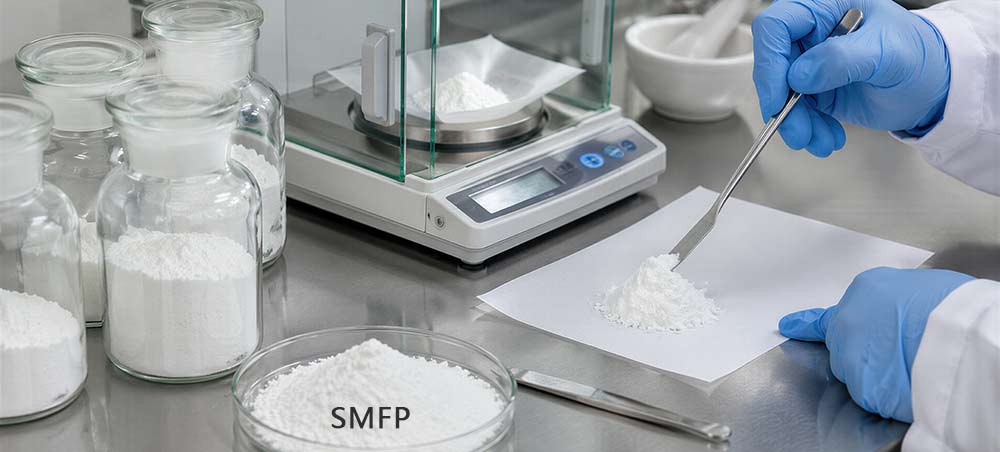
Sodium monofluorophosphate (SMFP) is a common inorganic chemical compound widely used in daily chemical and industrial fields. Its chemical formula is Na₂FPO₃, and it exists as a white and odorless powder under normal temperature and pressure. This compound has good solubility in water, which makes it easy to mix with other raw materials in production and application processes. With stable chemical properties in conventional storage environments, it does not decompose or react easily with common substances, laying a solid foundation for its wide range of practical uses. As a stable fluoride-containing additive, it has gradually become a popular material in oral care and light industrial production due to its mild properties and reliable performance.
One of the main applications of sodium monofluorophosphate lies in oral care products, especially toothpaste. Oral health problems such as dental caries and enamel damage trouble many people of different age groups. Daily eating habits will produce acidic substances in the mouth, which can erode tooth enamel and cause tooth decay and tooth sensitivity. SMFP can play a protective role on teeth through a gentle chemical mechanism. It helps strengthen the structure of tooth enamel and improves the ability of teeth to resist acid erosion. Meanwhile, sodium monofluorophosphate toothpaste can promote the remineralization of slightly damaged tooth surfaces, effectively relieving mild tooth sensitivity caused by external stimulation.
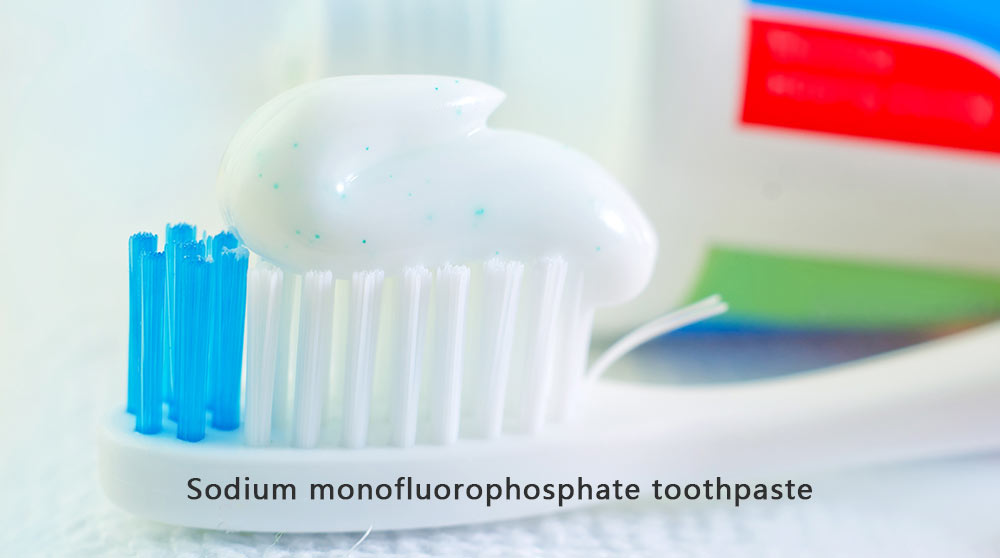
Compared with some other fluoride additives used in oral care, sodium monofluorophosphate CAS 10163-15-2 shows better safety in daily use. Its fluoride ions exist in a combined state and will not be released in large quantities in a short time. This slow-release feature reduces the risk of excessive fluoride intake during daily brushing. For long-term daily use, this compound can steadily provide fluoride elements needed for tooth protection without causing obvious irritation to oral mucosa. This advantage makes it suitable for being added in daily oral care products for ordinary people, and it is compatible with most toothpaste raw materials without affecting the stability and taste of products.

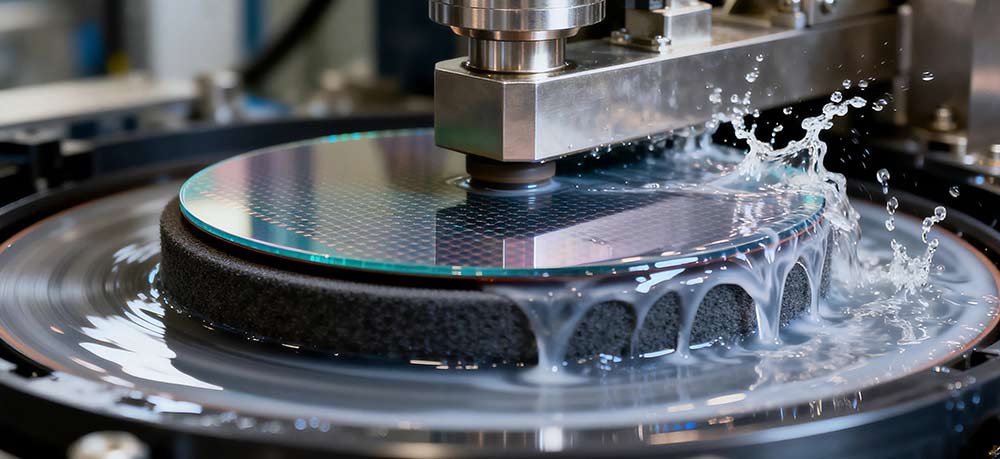
In addition to oral care, sodium monofluorophosphate SMFP also has practical value in industrial production. It can be used in metal surface treatment processes. In industrial cleaning and metal processing, it helps remove minor oxides and dirt on metal surfaces, improving the smoothness and corrosion resistance of metal surfaces. It also serves as a functional auxiliary material in the production of special glass, helping adjust the internal structure of glass and optimizing some physical properties of glass products. Besides, it can be used as a mild preservative and bacteriostat in some specific industrial formulas, playing a certain role in inhibiting the growth of harmful microorganisms and extending the service life of related products.
The chemical stability of sodium monofluorophosphate determines its convenient storage and transportation conditions. Under dry and ventilated indoor environments, it can be stored for a long time without quality change. It will not volatilize at room temperature, and its chemical state remains stable when encountering weak acid and weak base environments. In the process of industrial use, it can adapt to conventional production temperature and pressure conditions, and does not require extremely harsh processing environments. This stable physical and chemical property reduces the operation difficulty and cost in practical application, and also lowers the hidden dangers in production and use.
It is necessary to master correct usage and operation specifications when applying sodium monofluorophosphate. Although it has low toxicity and high safety in conventional use scenarios, direct contact with high-concentration raw materials for a long time should be avoided in industrial operation. Proper protective measures can prevent unnecessary skin and respiratory stimulation. In daily oral products, the content of sodium monofluorophosphate is controlled within a reasonable range, which can meet the demand of tooth protection while ensuring the safety of human body. Random increase of dosage or concentration will break the balanced state and may bring adverse effects on human body and application effect.
With the continuous development of daily chemical industry and fine chemical technology, the application scope of sodium monofluorophosphate is gradually expanding. People pay more attention to oral health maintenance, which promotes the stable demand of this compound in oral care products. In the field of industrial manufacturing, its gentle and stable characteristics also make it replace some traditional additives in many scenarios. Relevant application technologies are constantly optimized to improve its utilization efficiency and expand its application scenarios. In the future, with the progress of environmental protection and safety standards, the application value of sodium monofluorophosphate in civilian and industrial fields will be further explored.
In conclusion, Unilong supply sodium monofluorophosphate is a functional chemical material with stable performance, high safety and wide applicability. Its unique physical and chemical properties make it play an irreplaceable role in oral health protection and industrial production. Reasonable application and standardized operation can give full play to its functional advantages and avoid potential risks. As a common and practical inorganic compound, it provides reliable technical support for daily health care and modern industrial production, and has good application prospects in related industries.
Methacryloyloxyethyl trimethyl ammonium chloride (commonly known as DMC, CAS 5039-78-1) is one of the critical functional cationic monomers in the global fine chemical industry. As the key raw material for synthesizing high-performance cationic polymers, it is widely used across wastewater treatment, papermaking, oilfield chemicals, textile dyeing and other fields. With the continuous tightening of global environmental regulations and the upgrading of downstream industrial processes, the demand for DMC with high purity, high stability and excellent copolymerization performance is growing rapidly, making it one of the searched cationic monomers in international trade.

The product is mainly supplied as a 75% aqueous solution, with 600ppm of monomethyl ether hydroquinone (MEHQ) added as a polymerization inhibitor. This formulation effectively prevents self-polymerization during long-term storage and long-distance ocean transportation. Under standard storage conditions (sealed, away from light, temperature below 30°C), the product has a shelf life of up to 12 months, which can fully meet the supply cycle requirements of cross-border trade.
As a cationic monomer with dual reactive groups (methacrylate double bond and quaternary ammonium group), CAS 5039-78-1 DMC can be homopolymerized or copolymerized with acrylamide, acrylic acid, styrene and other monomers. By adjusting the ratio of DMC in the copolymerization system, the charge density, molecular weight and hydrophilicity of the polymer can be precisely controlled to meet the customized needs of different downstream applications.
The product meets the registration requirements of the EU REACH regulation, and the final polymer products do not contain formaldehyde, heavy metals and other harmful substances. It can be used in strict application scenarios such as drinking water treatment and textile products that come into contact with skin.
The cationic polyacrylamide synthesized from methacroylcholine chloride has a strong ability to neutralize negative charges. It can quickly flocculate and settle suspended particles, colloidal substances and anionic dyes in wastewater. It is especially suitable for sludge dewatering in municipal sewage treatment plants and decolorization treatment of high-chroma wastewater in printing and dyeing industries. Compared with traditional inorganic flocculants, it has the advantages of small dosage, large floc size and no secondary pollution.

As a cationic retention and drainage agent, DMC copolymer can significantly improve the retention rate of fine fibers and fillers in the papermaking process, reduce the loss of raw materials, and at the same time optimize the drainage performance of the paper machine, reduce steam consumption in the drying section and improve production efficiency. In addition, it can be used as a sizing promoter to enhance the water resistance and surface strength of paper.

In oilfield exploitation, DMC-based cationic polymers can be used as clay stabilizers to effectively prevent the swelling and migration of clay minerals in the formation, avoid blockage of oil and gas channels, and improve oil recovery. At the same time, it can be used as a thickener for fracturing fluids to adapt to high-temperature and high-salinity reservoir environments.

The cationic fixing agent synthesized from DMC can form a transparent film on the surface of fabric fibers, significantly improve the washing and rubbing fastness of dyes, and completely replace traditional formaldehyde-based fixing agents, meeting the environmental requirements of international brands for textile products.

According to industry research data, the global DMC market size was about 1.45 billion RMB in 2025, and is expected to maintain a compound annual growth rate of 4.4% in the next five years. The main driving forces include: the upgrading of municipal wastewater treatment facilities in emerging markets in Asia and the Middle East, the continuous growth of paper demand in Europe and North America, and the popularization of environmental protection requirements in the textile industry. In terms of trade, China is a major exporter of DMC globally, with its products being exported to over 50 countries and regions including Europe, the United States, Southeast Asia and South America. The market share has been increasing year by year.
Personal Protection: The product isweakly acidic and has mild irritation to eyes and skin. Operators need to wear protective gloves and goggles to avoid direct contact with the product.
Storage Requirements: Store in a cool, ventilated warehouse away from light, keep the container sealed, and keep it away from oxidants and acidic substances.
Transportation Classification: The product belongs to ordinary chemical products, and meets the packaging and transportation requirements of the International Maritime Dangerous Goods Code (IMDG), and can be transported by ocean, land and air.
As a high-performance functional monomer, DMC methacroylcholine chloride plays an irreplaceable role in multiple fields such as environmental protection, resource exploitation and material manufacturing. With the continuous optimization of production processes and the deepening of downstream application research, its performance boundaries and application scenarios will continue to expand. For global buyers, choosing a DMC product with stable quality and reliable supply chain is an important basis for ensuring the performance competitiveness of downstream products.
Unilong is a professional manufacturer of CAS 5039-78-1 DMC. DMC can be stably used in the synthesis of cationic polyacrylamide, sewage treatment flocculants, papermaking retention enhancers, textile fixation anti-static agents, oilfield additives, and daily chemical conditioning agents, among other fields. Unilong has its own production line and strictly controls the process, which enables stable supply of 78% standard specifications. It supports customized content of the polymerization inhibitor as per demand. Each batch comes with a COA quality inspection report. The packaging commonly uses 200kg plastic drums. There is an ample supply of products. It can be combined with export customs declaration and SDS materials. Welcome to request samples and negotiate for long-term cooperation.
Pyromellitic Dianhydride (PMDA), widely known as Pyromellitic Dianhydride and identified by CAS number 89-32-7, is a crucial organic chemical intermediate in the field of advanced material science. Characterized by its robust aromatic dianhydride structure, PMDA typically presents as a white to pale yellow crystalline powder or block crystal. Due to its exceptional thermal stability, high reactivity, and versatile molecular architecture, it serves as a foundational monomer and indispensable additive for synthesizing high-performance polymers, specialty chemicals, and functional materials across various demanding industries.
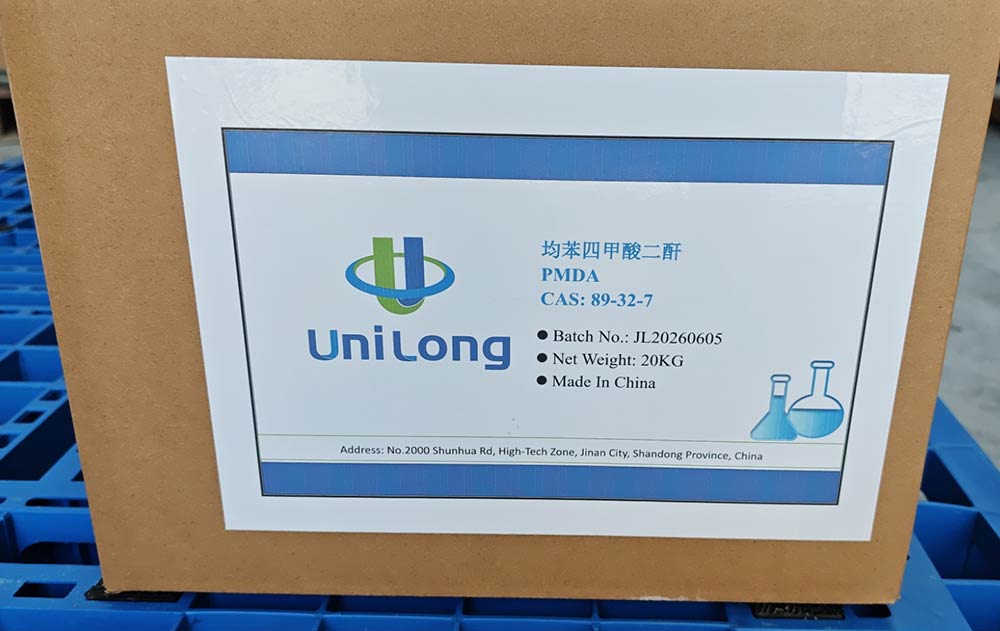
Understanding the precise physical characteristics of PMDA is essential for optimizing manufacturing processes and ensuring superior product quality. Our premium-grade PMDA is engineered to meet stringent industrial standards:
Appearance: White to light yellow powder or block crystal.
Purity: High-purity grades available, typically ≥99.5% minimum content.
Melting Point: 283°C – 287°C, reflecting its robust thermal stability.
Boiling Point: Approximately 397°C – 400°C.
Density: ~1.68 g/cm³.
Solubility: Readily soluble in polar aprotic organic solvents such as acetone, dimethylformamide (DMF), dimethylacetamide (DMAc), and dimethyl sulfoxide (DMSO). It is practically insoluble in water, though it can hydrolyze into pyromellitic acid when exposed to humid environments.
PMDA’s unique chemical reactivity makes it a highly sought-after intermediate across multiple high-tech sectors:
Polyimide (PI) Synthesis: PMDA is the primary raw material for manufacturing premium polyimide films, resins, and engineering plastics. These advanced materials are highly prized in the electronics industry for their outstanding thermal resistance, excellent electrical insulation, low thermal expansion, and mechanical strength. They are widely used in flexible printed circuits, wire insulation, and semiconductor manufacturing.

Epoxy Resin Curing Agent: Acting as a highly effective curing agent, PMDA creates densely cross-linked structures that significantly enhance the thermal, chemical, and mechanical resistance of epoxy systems. It is extensively utilized in high-grade adhesives, structural coatings, and electrical insulation molding compounds.

Polymer Modification & Additives: In the plastics industry, PMDA functions as a chain extender for polymers like PET (polyethylene terephthalate), improving heat resistance for applications such as food packaging. It also serves as a cross-linking agent for polyester resins, a matting agent in powder coatings, and a plasticizer for PVC.
Dye & Pigment Production: PMDA is a vital intermediate in the synthesis of phthalocyanine blue dyes. Its chemical structure allows for the formation of stable, highly conjugated systems, providing vibrant and durable coloration for inks, coatings, and plastics.
Specialty Chemicals: Beyond polymers, Premium pyromellitic dianhydride PMDA is utilized in the development of novel surfactants, emulsifiers with biological barrier properties, metal corrosion inhibitors, and even as a stabilizing active material in lithium-ion and sodium-ion batteries.
To maintain the high purity and prevent moisture absorption of PMDA, we employ industry-standard packaging and strict storage protocols:
Packaging: Standard export packaging consists of 20 kg corrugated case or fiber drums, with an inner lining of a PE (polyethylene) bag. For international export, vacuum-sealed bags are utilized to ensure maximum moisture protection. Custom packaging can be arranged based on specific client requirements.
Storage & Transportation: PMDA must be stored in a cool, dry, and well-ventilated warehouse, strictly protected from moisture and kept away from heat sources and incompatible materials (such as strong bases or amines).
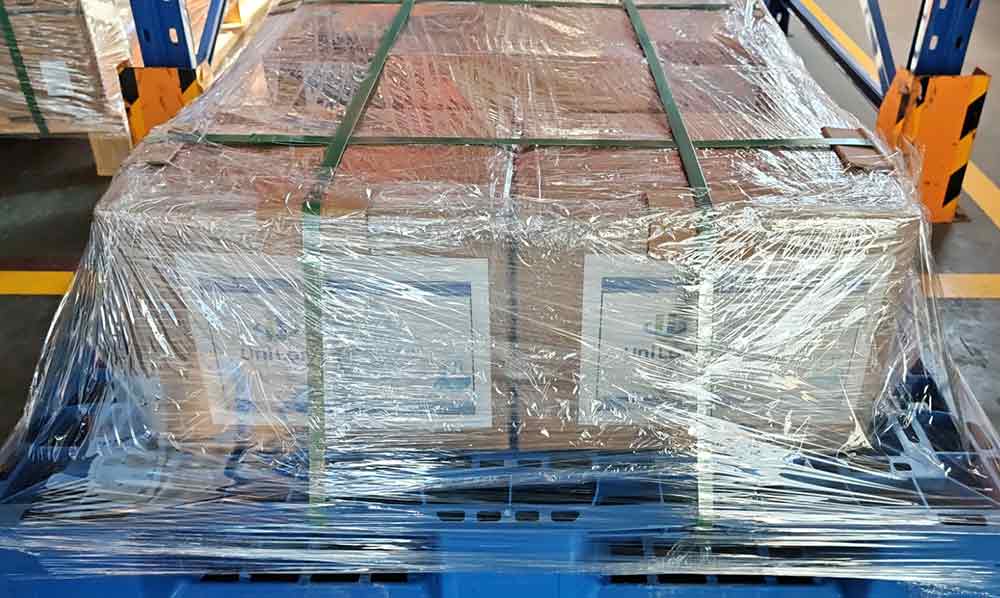
We understand that consistent material purity and timely delivery are critical for your production lines. We currently have premium-grade PMDA (CAS 89-32-7) available in stock, ready for immediate dispatch. Whether you require small-scale samples for R&D testing or bulk quantities for mass production, our robust supply chain guarantees fast turnaround times, competitive pricing, and comprehensive technical support, including TDS and COA documentation.
Our high-purity PMDA is strategically positioned to serve diverse international markets, driving innovation across key regions. In the Asia-Pacific, we are a trusted supplier to the booming electronics and flexible circuit hubs in China, Japan, and South Korea, supporting the rapid miniaturization of consumer devices. For our partners in North America and Europe, our PMDA meets the rigorous standards of the automotive sectors, enabling the production of lightweight, high-temperature resistant components for next-generation vehicles. Furthermore, we cater to the expanding chemical manufacturing landscape in the Middle East and Latin America, providing reliable raw materials for industrial coatings and adhesives. Regardless of your geographic location or industry focus, our streamlined global logistics and dedicated technical support ensure that you receive consistent, premium-grade PMDA exactly when you need it. Join our growing network of international clients and empower your business with superior materials.
Partner with a reliable supplier committed to quality and efficiency. Please reach out to our sales team for the premium pyromellitic dianhydride pricing, detailed specifications, or to place your bulk order. Let our high-purity PMDA drive your next material innovation!
What Are the Uses of N-(3-Aminopropyl)-imidazole (CAS 5036-48-6)
N-(3-Aminopropyl)-imidazole (CAS 5036-48-6) is a versatile bifunctional fine-chemical intermediate combining reactive primary amine groups and imidazole ring structures. Its unique molecular structure supports multiple chemical reaction pathways, allowing wide adoption across coatings, polymer manufacturing, pharmaceutical research, metal-surface treatment and emerging green-technology sectors. Many formulators and research teams focus on practical uses of 1-(3-Aminopropyl)imidazole when developing high-performance material systems. This article sorts out core application scenarios, product advantages, safety notes and technical tips for N-(3-Aminopropyl)-imidazole to help industry practitioners understand its real-world value.
One major use of N-(3-Aminopropyl)-imidazole is acting as curing agent and curing-promoting additive within epoxy resin systems. When added to water-based epoxy floor coatings, solvent-free epoxy adhesives and protective surface paints, N-(3-Aminopropyl)-imidazole CAS 5036-48-6 can lower effective curing temperature and raise cross-link density of cured films.
Formulators often blend 1-(3-Aminopropyl)imidazole with polyamide curing agents. Proper compounding improves substrate adhesion, especially for metal and concrete surfaces. Products using N-(3-Aminopropyl)-imidazole show good film hardness and chemical resistance. Compared with many traditional imidazole curing accelerators, it brings lower volatile performance, helping finished coatings meet low-VOC environmental requirements. Recommended dosage of N-(3-Aminopropyl)-imidazole generally falls within 3 %-8 % against epoxy solid content, adjusted according to target hardness and construction conditions.
N‑(3‑Aminopropyl)‑imidazole serves as reactive gel catalyst for flexible and semi‑rigid polyurethane foamBASF. Unlike many small‑molecule amine catalysts which easily escape and cause odor issues, N‑(3‑Aminopropyl)‑imidazole can chemically bond into polyurethane polymer chains during foaming reactions. This characteristic reduces volatile amine release from finished foam products.
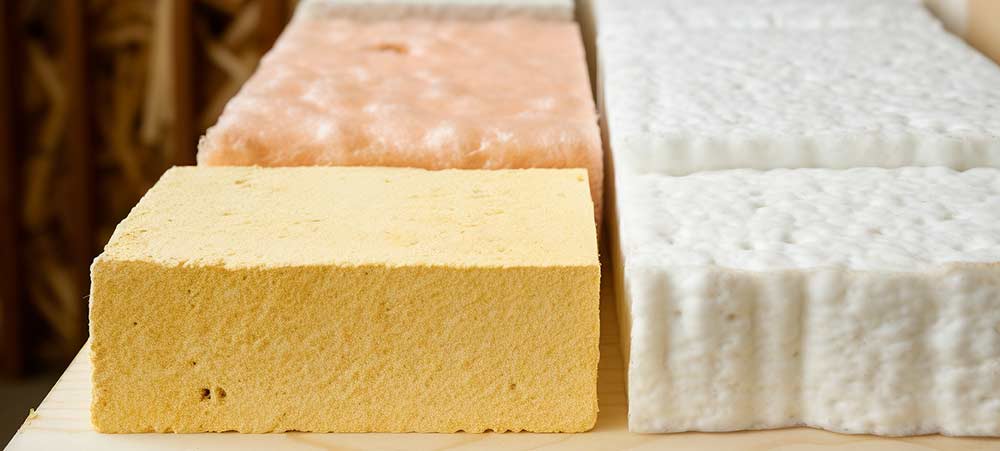
Automotive interior foams and household cushion foams are typical application targets. Adding appropriate N‑(3‑Aminopropyl)‑imidazole optimizes foam cell structure and stabilizes molding quality, supporting manufacturers to produce low‑odor interior parts.
N‑(3‑Aminopropyl)‑imidazole serves as reactive gel catalyst for flexible and semi‑rigid polyurethane foamBASF. Unlike many small‑molecule amine catalysts which easily escape and cause odor issues, N‑(3‑Aminopropyl)‑imidazole can chemically bond into polyurethane polymer chains during foaming reactions. This characteristic reduces volatile amine release from finished foam products.

Automotive interior foams and household cushion foams are typical application targets. Adding appropriate N‑(3‑Aminopropyl)‑imidazole optimizes foam cell structure and stabilizes molding quality, supporting manufacturers to produce low‑odor interior parts.
N-(3-Aminopropyl)-imidazole 5036-48-6 is an important building block for custom organic synthesis and pharmaceutical intermediate preparation. The reactive primary-amine site supports further derivation reactions to construct imidazole-contained molecular skeletons for drug-candidate research. Besides drug synthesis, N-(3-Aminopropyl)-imidazole participates in preparing ionic-liquid precursors and coordination-chemistry ligands for lab research.

Researchers keep exploring emerging uses for N-(3-Aminopropyl)-imidazole. It can perform polymer-graft modification to prepare anion-exchange membranes used in alkaline water electrolysis equipment. Materials modified with N-(3-Aminopropyl)-imidazole display decent thermal stability and ion-conducting performance. Moreover, N-(3-Aminopropyl)-imidazole-functionalized polymers show potential for reversible carbon-dioxide capture, offering ideas for greenhouse-gas-reduction material development.
1. Dual‑group reactivity: Both imidazole ring and primary‑amine take part in reactions, enabling covalent incorporation into polymer networks instead of simple physical mixing.
2. Low‑volatile feature: When used as polyurethane or epoxy catalyst, N‑(3‑Aminopropyl)‑imidazole can anchor inside polymer structures, cutting volatile‑organic‑compound emission.
3. Multi‑scenario compatibility: N‑(3‑Aminopropyl)‑imidazole fits solvent‑based, water‑borne and solvent‑free formula systems, adapting to different industrial production requirements.
4. Modifiable performance: Formulators can adjust formula outcomes by tuning N‑(3‑Aminopropyl)‑imidazole dosage and matching other co‑agents.
N‑(3‑Aminopropyl)‑imidazole belongs to irritant chemical raw material according to GHS hazard classification. Direct skin or eye contact with undiluted N‑(3‑Aminopropyl)‑imidazole may trigger irritation symptoms. Operators need to wear protective gloves, goggles during material handling. Store N‑(3‑Aminopropyl)‑imidazole inside sealed containers under cool, dry and ventilated conditions, staying far away from strong‑acid storage areas. All application parameters of N‑(3‑Aminopropyl)‑imidazole should refer to official TDS and MSDS documents provided by suppliers. Users should test small‑batch trials before large‑scale production.
To sum up, the uses of N‑(3‑Aminopropyl)‑imidazole cover epoxy coatings, polyurethane foam, metal anti‑corrosion treatment, organic synthesis and new‑energy‑related advanced‑material research. Its bifunctional molecular structure lays the foundation for these diversified applications. As industries raise demands for low‑VOC and high‑stability chemical additives, market interest in high‑purity N‑(3‑Aminopropyl)‑imidazole keeps growing. Formulators and research teams can select suitable dosage and matching systems according to project goals, to give full play to the performance strengths of N‑(3‑Aminopropyl)‑imidazole.
For more technical information about N‑(3‑Aminopropyl)‑imidazole and related fine‑chemical products, please visit our official website or get in touch with our technical support team.
Dimethyl Thio-Toluene Diamine, commonly referred to as DMTDA (CAS No.106264-79-3), is a high-value liquid aromatic diamine chain extender and curing agent for polyurethane and polyurea industries. Serving as a superior substitute for traditional solid curing agents like MOCA, DMTDA features balanced reactivity, easy room-temperature processing and excellent mechanical properties of finished goods. It is widely adopted by global formulators for elastomers, protective coatings and adhesives, especially for applications requiring reasonable pot life and outstanding dynamic load resistance.
Dimethyl thio-toluene diamine DMTDA is light‑yellow to amber transparent liquid at room temperature, with molecular formula C₉H₁₄N₂S₂. For our standard industrial grade, the amine value is controlled within 525‑535 mg KOH/g, moisture content below 0.1%, and minimum total diamine purity hits 95%.
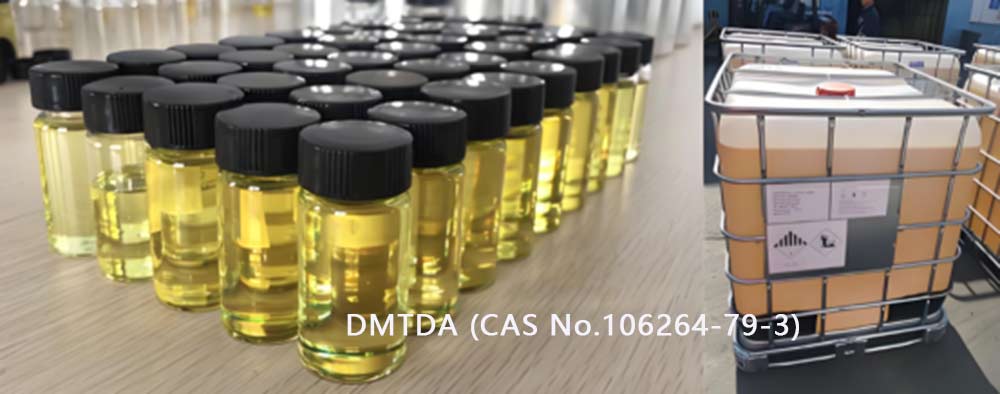
Unlike solid curing agents, Dimethyl thio-toluene diamine DMTDA stays liquid under ambient conditions, removing extra melting steps and dust hazards during production. It shows moderate curing speed, slower than DETDA, so formulators can adjust pot‑life flexibly by blending with other amine chain extenders. Final cured materials exhibit high tensile strength, remarkable tear resistance, good hydrolysis performance and stable heat resistance, suitable for harsh service conditions.
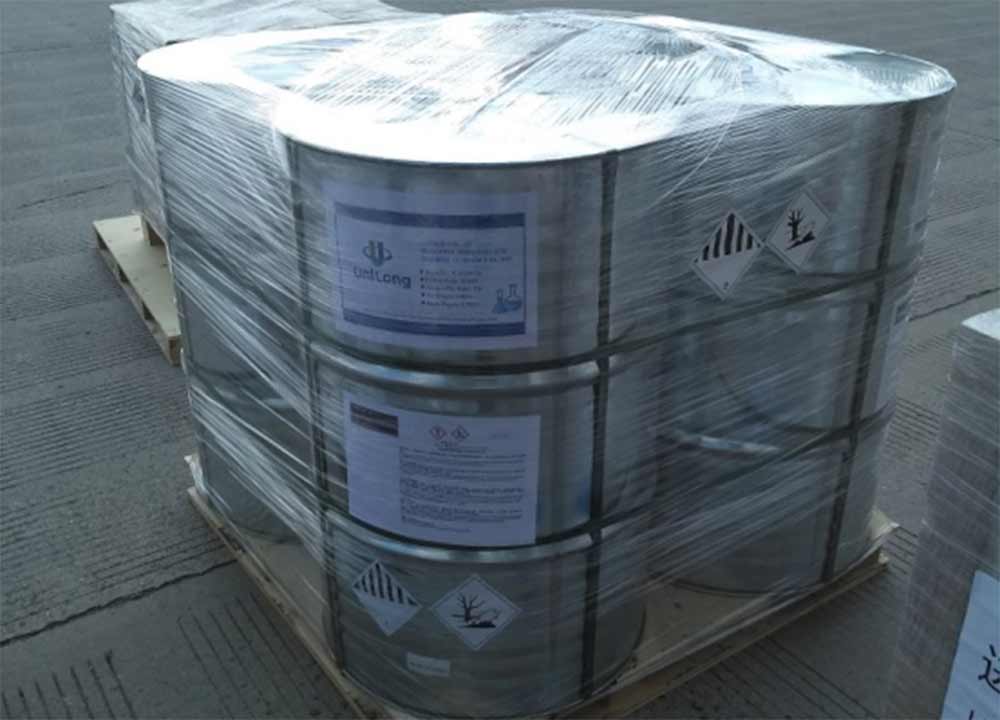
Available packaging includes 200 kg steel drums, 1000 kg IBC totes and ISO tanks for bulk delivery.
Dimethyl thio-toluene diamine plays a critical role across multiple downstream manufacturing sectors.
Primarily, it acts as chain extender for spray polyurea (SPUA) coatings and cast polyurethane elastomers, such as PU rollers, industrial wheels, casters and sealing gaskets. It fits Reaction Injection Molding (RIM) components for automotive and heavy‑duty machinery.
Besides PU & polyurea systems, Dimethyl thio-toluene diamine (DMTDA ) can also be used as epoxy curing agent for anti‑corrosion casting and electronic encapsulation. End‑products made with DMTDA cover mining wear‑resistant liners, construction waterproof membranes, textile calender rollers, high‑strength adhesives and sealants, where abrasion resistance, chemical stability and thermal performance are top priorities.

Russian Market
Russia maintains stable consumption of DMTDA for polyurea waterproofing projects, mining wear-resistant components and heavy-duty PU elastomer production. Local end-users attach great importance to robust supply chains and complete import-compliant files including TDS, SDS and other required chemical documentation. Unilong supplies flexible packaging options like IBC totes and ISO tanks for large-volume imports, and we are well-acquainted with local chemical import formalities.
South Korean Market
South Korea has strong demand from high-end automotive parts, electronic protective coatings and premium industrial elastomer industries. Korean manufacturers enforce strict requirements on product purity, low impurity level and consistent batch quality. Our DMTDA meets high-precision formulation demands, supporting both small-scale trial lots and large-volume mass shipments.
Southeast Asian Market
Southeast Asia witnesses rapid expansion in infrastructure, automobile assembly and general industrial manufacturing, which fuels growing demand for polyurea and polyurethane raw materials. Vietnam, Thailand, Indonesia and Malaysia need large quantities of DMTDA for anti-corrosion building coatings, PU rollers and mechanical elastomer parts. Thanks to short sea transportation lanes, Unilong can deliver relatively short lead times with full-set export documents prepared.
In short, DMTDA (CAS 106264-79-3) is an indispensable aromatic diamine chain extender for manufacturing high-performance polyurea and polyurethane articles.
Unilong Industry Co., Ltd is a genuine manufacturing factory rather than a pure trader. We implement strict in-house quality control to secure stable batch-to-batch performance. Both trial orders and bulk purchases are acceptable. Complete technical documents such as TDS and SDS are available on request. Customers from Russia, South Korea, Southeast Asia and worldwide are warmly welcome to send inquiries for samples, pricing and technical support.
What Are the Uses of Potassium Diformate (CAS 20642-05-1) in Animal Feed
With global restrictions on antibiotic growth promoters in animal husbandry, green, residue-free feed additives have become the mainstream demand of breeding enterprises. Potassium diformate (CAS 20642-05-1), abbreviated as KDF, is a double salt compound composed of formic acid and potassium formate, and it is the first non-antibiotic growth promoter officially approved by the European Union for livestock and poultry feed applications. This article systematically sorts out all core application scenarios and functional values of potassium diformate in pig, poultry, aquaculture and ruminant feed, combining international safety certification and feeding test data, to clarify the multiple practical uses of potassium diformate in full-cycle animal breeding.

After animals ingest feed containing potassium diformate, KDF slowly dissociates in gastric and intestinal environments, releasing formic acid molecules and potassium ions. Formic acid reduces intestinal pH value, destroys the cell wall structure of gram-negative pathogens such as Escherichia coli, Salmonella and Staphylococcus aureus, and inhibits their replication and colonization in the intestinal tract. Unlike liquid formic acid, potassium diformate has no strong corrosiveness or pungent odor, and can smoothly reach the small intestine and cecum to play a lasting bacteriostatic effect, avoiding the defect that single formic acid is only absorbed in the stomach.
Potassium diformate suppresses pathogenic bacteria and creates a low-acid living environment suitable for Lactobacillus and Bifidobacterium proliferation. Multiple feeding trials on broilers and weaned piglets prove that adding qualified potassium diformate (content ≥98%) to feed can significantly increase the abundance of intestinal probiotics, reduce the diarrhea rate of young animals, and lower the discharge of harmful bacteria in animal feces to reduce cross-contamination risk in farms.

This antibacterial use of potassium diformate applies to all monogastric animal feeds, especially the starter feed of weaned piglets and broiler chicks with fragile intestinal function, which effectively alleviates post-weaning diarrhea syndrome caused by intestinal flora disorder.
Potassium diformate reduces gastric pH, promotes pepsinogen conversion into active pepsin, and improves the activity of intestinal amylase, lipase and trypsin. When protein, fat and carbohydrate in feed are fully decomposed and absorbed, animals can obtain more nutrients from the same weight of feed, thus lowering the feed conversion ratio (FCR). Pig fattening tests show that adding potassium diformate at 6kg per ton of feed can moderately reduce feed consumption per kilogram of weight gain.
For weaned piglets, broilers, laying hens and aquatic fish, dietary potassium diformate supplementation steadily increases average daily gain. In broiler breeding cycles, groups with potassium diformate added gain more live weight before slaughter and present better carcass muscle rate. For gestating and lactating sows, potassium diformate optimizes nutrient absorption, cuts body weight loss during lactation and maintains backfat thickness to support continuous reproductive performance.
Potassium diformate can be compounded with amino acid additives, plant extracts and trace mineral elements in feed. The synergistic system of potassium diformate + probiotics, potassium diformate + organic trace elements further strengthens growth-promoting effects without producing chemical conflicts, expanding its compatibility use in compound feed formulas.

Potassium diformate inhibits the reproduction of mold and yeast in feed raw materials such as corn, soybean meal and bran. Adding a small amount of potassium diformate to complete feed can slow down mycotoxin production in damp feed, reduce feed waste during storage and transportation, and stabilize feed nutritional value for a longer period.
In ruminant roughage processing, potassium diformate added to fresh corn straw and alfalfa silage can lower silage pH, suppress spoilage bacteria, improve fermentation quality, retain crude protein content in forage, and reduce the loss of nutritional components during long-term silage storage. This use makes potassium diformate applicable to beef cattle, dairy cow and sheep feed supporting roughage processing.
Potassium diformate has weak adsorption capacity for common feed mycotoxins, reduces the toxic damage of aflatoxin and ochratoxin to animal liver and intestinal tract, and reduces the negative impact of moldy feed on animal immunity and production performance.
High-density feeding, temperature fluctuation, transportation and group switching will cause animal electrolyte imbalance and stress decline. The potassium released by potassium diformate can supplement lost mineral elements, maintain cell osmotic pressure balance, reduce stress-induced feed intake drop and egg production decline of laying hens, and improve animal anti-stress ability.
Potassium ions participate in animal protein synthesis and amino acid transport processes. Moderate potassium supplementation via potassium diformate improves the utilization efficiency of lysine, methionine and other essential amino acids in feed, reducing nitrogen emission from animal manure and lowering environmental breeding pollution load.
As a multi-functional green feed additive, potassium diformate (CAS 20642-05-1) integrates antibacterial intestinal care, growth promotion, feed preservation and mineral supplementation into one product, covering the whole industrial chain demand from feed raw material storage to full-cycle animal breeding. With stricter global restrictions on feed antibiotics, the application scope and dosage of potassium diformate in pig, poultry and aquaculture feed will keep expanding. Breeders and feed manufacturers can select food-grade potassium diformate with complete certification according to animal varieties and feeding stages, reasonably matching formula concentration to give full play to all core uses of potassium diformate, so as to realize win-win progress in animal health, breeding economic benefit and food safety. For detailed product parameters, customized feeding schemes and sample consultation, you can visit our official website link at the top of the document to obtain complete potassium diformate technical materials.
In the modern fine chemical and polymer materials sectors, the demand for highly efficient, environmentally friendly, and multifunctional chemicals is growing at an unprecedented pace. Diallyldimethylammonium Chloride (commonly abbreviated as DADMAC, CAS 7398-69-8), as a highly critical quaternary ammonium cationic monomer, has become an indispensable foundational raw material across numerous industrial applications due to its unique molecular structure and outstanding polymerization performance. Whether in municipal and industrial water treatment, papermaking chemicals, personal care products, or oilfield additives, DADMAC demonstrates irreplaceable value. This article provides a comprehensive analysis of the product’s chemical properties, core applications, technical advantages, and future development trends, offering deep technical insights for industry professionals.
English Name: Diallyldimethylammonium Chloride (DADMAC / DMDAAC)
CAS No.: 7398-69-8
Molecular Formula: C8H16ClN
Molecular Structure: The center of the molecule features a positively charged quaternary ammonium nitrogen atom bonded to two methyl groups and two allyl groups, accompanied by a chloride ion. This structure endows it with an exceptionally high cationic charge density and excellent water solubility.
Physical Form: Industrially, it is typically supplied as a colorless to slightly yellowish transparent aqueous solution (commonly at 60% or 65% solid content). It is highly soluble in water, methanol, and ethanol, but insoluble in esters, ketones, and hydrocarbons.

High Charge Density: As a homopolymer monomer, its polymer (PDADMAC) possesses an extremely high positive charge density, enabling highly efficient neutralization of negatively charged substances.
Outstanding Polymerization Capability: It readily forms high-molecular-weight polymers via free-radical polymerization under mild reaction conditions.
Biocompatibility and Safety: It exhibits excellent mildness in personal care applications and demonstrates highly efficient, non-toxic, and eco-friendly characteristics in water treatment.
Flocculation and Decolorization: DADMAC and its polymers serve as highly efficient flocculants, rapidly neutralizing suspended particles, colloids, and anionic dyes in wastewater to achieve fast sedimentation and water clarification.
Drinking Water Purification: As a safe water purifier, it performs exceptionally well in removing organic matter, microorganisms, and heavy metal ions from water without introducing harmful secondary pollution.
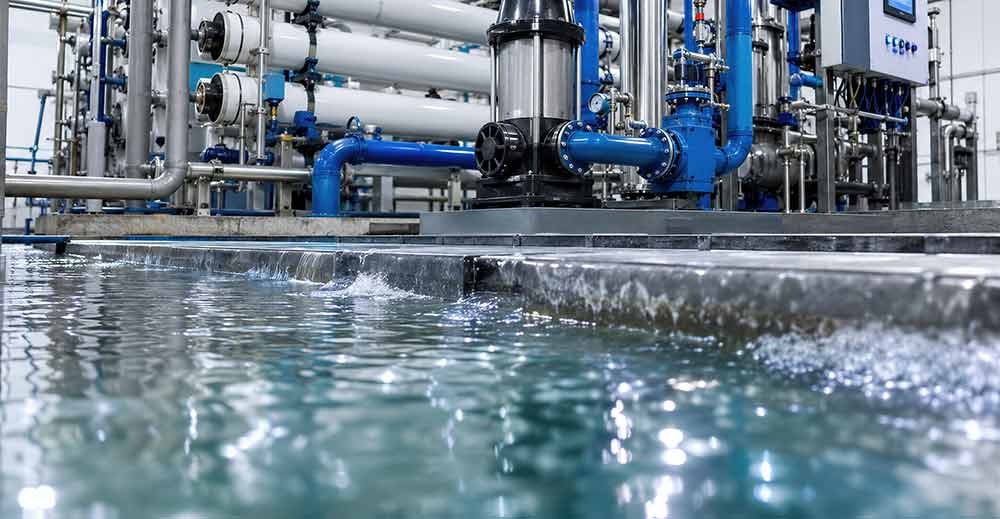
Retention and Drainage Agents: During the papermaking process, DADMAC effectively increases the retention rate of fine fibers and fillers, significantly improving the drainage performance of paper machines, thereby reducing energy consumption and enhancing paper quality.
Antistatic and Coating Additives: It imparts antistatic properties to paper surfaces and acts as an AKD (Alkyl Ketene Dimer) curing promoter, improving the sizing degree of paper.

The “Softness Code” for Hair and Body Care: In shampoos, conditioners, and body washes, DADMAC polymers act as superior conditioning and antistatic agents. They adsorb onto damaged hair strands, providing exceptional combability, softness, and shine.
Anti-fouling and Antibacterial Properties: Its quaternary ammonium structure grants products natural antibacterial and anti-fouling capabilities, helping to prevent biofilm formation.

Oilfield Additives: Used as a clay stabilizer and acid fracturing fluid additive, it effectively prevents formation swelling and particle migration, thereby enhancing oil recovery rates.
Formaldehyde-Free Color Fixing Agents: In textile dyeing, Diallyldimethylammonium Chloride DADMAC polymers form a film on the fabric surface, significantly improving color fastness while being completely formaldehyde-free, aligning with modern eco-friendly textile standards.

High-Purity and Low-Impurity Processes: As downstream high-end applications (such as electronic-grade chemicals and premium personal care products) demand higher standards, the industry is committed to utilizing advanced catalysis and purification technologies to further reduce residual chloride ions and oligomers, improving batch-to-batch stability.
Copolymer Development: By copolymerizing DADMAC with other monomers like acrylamide and acrylic acid, the molecular weight and charge density of the resulting polymers can be precisely tailored to meet increasingly complex and customized industrial requirements.
Green and Sustainable Production: Optimizing synthetic routes, improving atom economy, and reducing energy consumption and waste emissions during production are the core driving forces for the industry’s continuous development.
Handling Precautions: The product is mildly acidic and can cause slight irritation to the eyes and skin. Operators should wear protective gloves and safety goggles, and ensure good ventilation in the workplace.
Storage Protocols: Store in tightly sealed containers in a cool, dry, and well-ventilated warehouse, away from direct sunlight. Keep separate from strong oxidizers and acids.
Shelf-Life Management: Under recommended storage conditions, the product exhibits excellent long-term stability and is not prone to self-polymerization or degradation.
Diallyldimethylammonium Chloride (CAS 7398-69-8) is more than just a basic cationic monomer; it is a critical engine driving technological iteration in the environmental protection, new materials, and personal care industries. As the global pursuit of sustainable development and high-performance materials deepens, the market potential and application boundaries of DADMAC will continue to expand. Industry participants must keep pace with technological frontiers and jointly unlock the limitless potential of this core monomer by optimizing formulations and processes.
Sodium Isethionate: Fundamental Intermediate for Daily Chemical and Fine Chemical Industries
I.Basic Introduction of Sodium Isethionate
Sodium isethionate is a vital sulfur-containing fine chemical raw material with CAS registration number 1562-00-1, and its molecular formula is C2H5O4SNa. This chemical substance appears in two typical commercial physical forms: transparent aqueous liquid and white crystalline powder. At present, two standard grades are widely circulated in the global chemical market, which are 54% liquid solution and 98% crystalline solid powder. Different grades are developed to match different production techniques, logistics arrangements and processing requirements of downstream manufacturers.
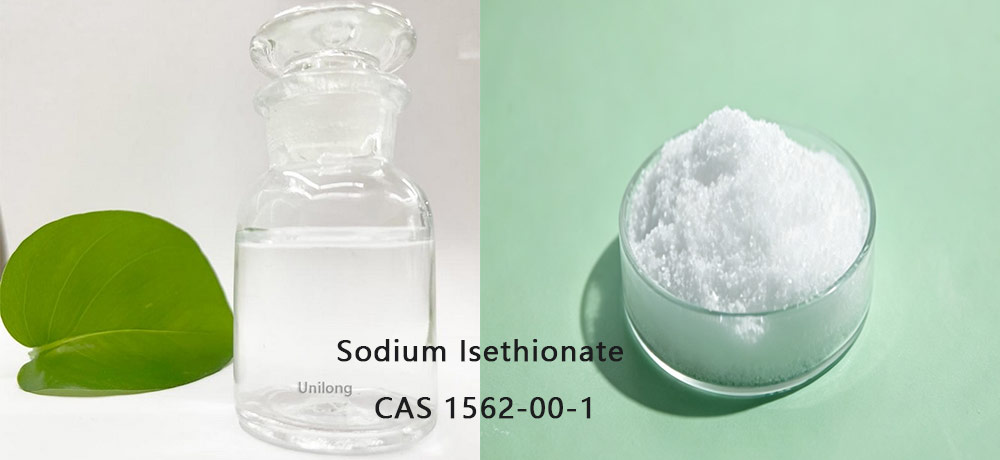
Under normal atmospheric temperature and conventional processing conditions, sodium isethionate maintains stable chemical properties. There is an active hydroxyl group inside its molecular structure, which enables it to take part in typical organic synthesis reactions, especially esterification reactions. This unique chemical trait makes it a popular synthetic intermediate used across multiple industrial fields. Manufacturers can select liquid or solid form flexibly based on production flow, transportation distance and craft design, bringing great convenience for large-scale industrial continuous production and intermittent batch production.
II.Main Application Fields
1. Daily Chemical Industry
Sodium isethionate cas 1562-00-1 is widely known as the key raw material for synthesizing coconut fatty acid acetate sodium (abbreviated as SCI). SCI is a kind of mild surfactant and occupies an important position among raw materials for personal care products. Taking sodium isethionate as the foundational starting material, factories can produce key raw materials for a wide range of consumer daily goods, including shampoo, cream shampoo and high-grade cleansing soap. Surfactants produced from sodium isethionate bring low irritation to human skin and scalp. Nowadays, ordinary consumers pay increasing attention to the mildness, comfort and safety of washing and cleaning supplies. This consumption trend steadily lifts the market demand for sodium isethionate year by year. Besides personal care products, it can also serve as an auxiliary synthetic intermediate for different types of household detergents.

2 Pharmaceutical Raw Material Industry
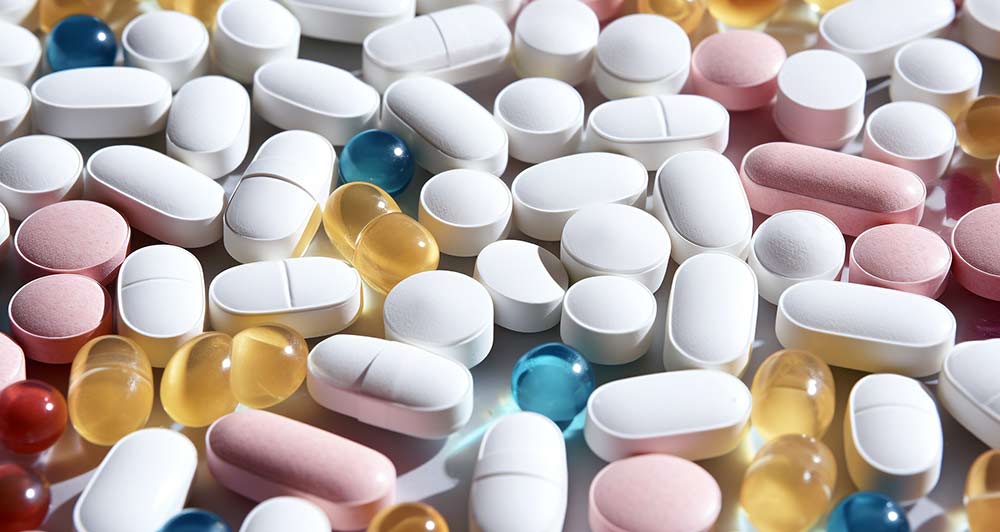
Sodium isethionate functions as an essential synthetic intermediate in the manufacturing process of pharmaceutical raw materials. Production related to medical goods sets strict standards on raw material indicators such as purity, moisture content and heavy metal impurities. Qualified sodium isethionate with controlled impurity levels can be applied in many organic synthesis routes for pharmaceutical intermediates. Stable and consistent raw material quality helps reduce uncertain risks in complex drug synthesis processes, and further ensures the stability, safety and compliance of finished pharmaceutical products.
3 Fine Chemical Industry
Within the extensive fine chemical sector, sodium isethionate (SI) provides support for research development and mass production of various specialty chemical derivatives. The production of most fine chemical items requires raw materials with stable, predictable and controllable reaction activity. Sodium isethionate can achieve stable esterification and other organic chemical reactions under suitable conditions. It offers reliable synthetic paths for chemical enterprises to develop new customized fine chemical products and enrich their overall product portfolios.
III. Core Advantages of Sodium Isethionate
1. Diversified specifications improve overall production flexibility
Two mainstream product forms can satisfy diverse production needs from different buyers. The 54% liquid grade can be directly pumped into continuous production pipelines, so manufacturers do not need to carry out extra solid dissolving procedures. The 98% crystalline powder lowers the total transportation weight during long-distance cross-border shipping. It fits batch production processes that require precise concentration calculation and strict raw material proportion control.
2. Excellent compatibility with common formulation ingredients
Sodium isethionate uses has good compatibility with most mainstream surfactants and regular additives used in chemical formulas. Unwanted phenomena like precipitation, stratification and abnormal side reactions rarely happen after mixing with other raw materials. This feature reduces technical difficulties for laboratory staff when developing and adjusting product formulas.
3. Eco-friendly performance of downstream derivatives
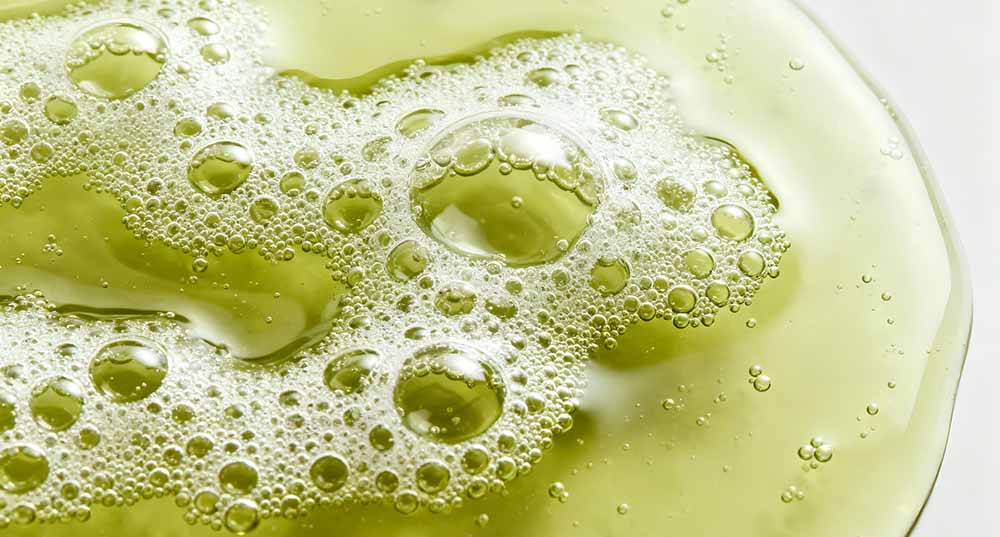
Surfactants manufactured based on sodium 2-hydroxyethyl sulfonate have favorable biodegradability. After use and discharge into the natural environment, these cleaning-related products can gradually break down, instead of accumulating persistently in water and soil ecosystems. This characteristic matches the worldwide developing trend of eco-friendly, low-carbon and sustainable chemical raw materials.
IV. Market Prospect
In recent years, the global market for mild personal care cleaning products maintains steady growth. Formulators around the world gradually tend to choose low-irritation gentle cleaning ingredients, creating continuous and stable market demand for high-quality sodium isethionate. Downstream enterprises keep exploring new application scenarios of sodium isethionate derivatives. Apart from traditional shampoo and cleansing soap, more innovative personal care formulas adopt surfactants derived from this intermediate. Along with the continuous upgrading of fine chemical manufacturing technology, the purity and quality stability of sodium isethionate will be further optimized. It will keep its status as an irreplaceable synthetic intermediate in the supply chains of daily chemicals, pharmaceutical raw materials and general fine chemicals.

V. Basic Storage Guidance
Scientific storage measures help maintain stable product quality and extend shelf life. Sodium isethionate powder should be stored away from humid air to prevent material caking. Sodium isethionate liquid need to be preserved under stable proper temperature to avoid unexpected component changes. Standard sealed packaging can effectively protect goods during long-distance ocean transport and long-term warehouse storage.
Unilong Industry Distributes Mid-Autumn Festival Benefits to All Staff
As the traditional Mid-Autumn Festival approaches, the air is filled with the warmth of reunion and festive joy. To express sincere gratitude for the hard work and dedicated efforts of every employee, and to let all staff feel the care and warmth of the company family, Unilong Industry Co., Ltd. has carefully prepared festive benefits and distributed holiday gifts to all employees recently, conveying heartfelt blessings for the upcoming festival.
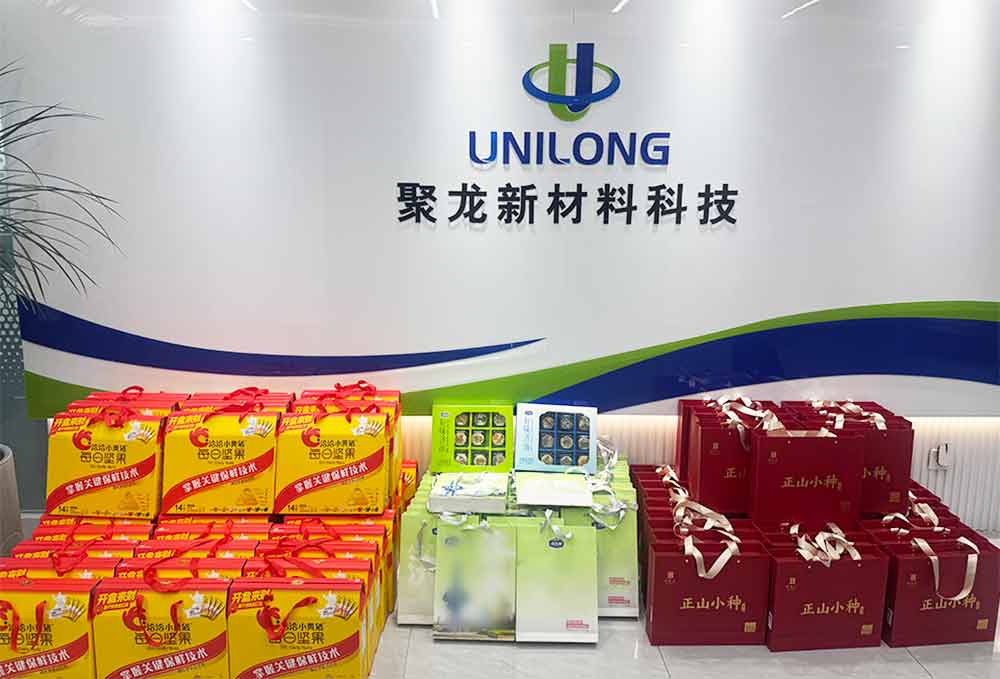
The Mid-Autumn Festival symbolizes reunion, harvest and warmth. Since its establishment, Unilong Industry Co., Ltd. has always adhered to the people-oriented corporate philosophy, attaching great importance to employee care and corporate culture construction. Every achievement and steady development of the company is inseparable from the diligent dedication, consistent perseverance and joint efforts of every team member sticking to their posts.
The holiday benefit distribution site presents a warm and harmonious atmosphere. Employees received their festival gifts in an orderly manner, with bright and joyful smiles on their faces. Every gift carries the company’s sincere recognition and deep blessings to all employees. These practical and exquisite festival benefits not only bring a strong festive atmosphere to the workplace, but also make every staff member feel the tangible warmth and sense of belonging from the enterprise.

All employees expressed their gratitude for the company’s thoughtful care. They stated that they would turn this warmth and encouragement into solid work motivation, maintain a positive and rigorous working attitude, devote themselves to future work with higher enthusiasm and professionalism, and make greater contributions to the sustainable and high-quality development of Unilong Industry Co., Ltd.
Warm care unites people’s hearts, and sincere dedication promotes development. In the future, Unilong Industry Co., Ltd. will continue to improve the employee welfare system, continuously enrich corporate cultural activities, always care about the growth and life of employees, gather team cohesion with warmth, empower enterprise development with dedication, and move forward hand in hand with all staff to create greater brilliance together.
PCL Production Trial Checklist: What to Validate Before Scale-Up
A successful lab-scale test or small material evaluation does not automatically mean a PCL grade is ready for commercial production. Moving from selection to scale-up requires a production trial that generates reproducible evidence linking the material batch, the equipment used, the process conditions applied, the resulting output, and the decision to approve or hold.
Without that chain of evidence, a “the line ran fine” result tells a buyer very little about whether the material and process will perform consistently at commercial volume.
This checklist walks through what to define, record, and evaluate during a PCL production trial, and how to turn the results into a defensible scale-up decision.
Trial success criteria should be defined before the line starts, not decided afterward by looking at whatever output came out. At minimum, the production team should agree on:
If these are not written down in advance, a trial can “run” without ever producing a usable answer. Deciding pass/fail criteria after the fact almost always biases the outcome toward whatever happened to come off the line, which defeats the purpose of a qualification trial.
The exact material being tested needs to be traceable to the specification intended for commercial supply: product identity and CAS reference, the approved grade, batch/lot number, COA and TDS for that lot, and the internal specification the batch is being checked against.
This is not about re-selecting a grade — that decision should already be made. It is about making sure the trial result can later be compared against future commercial batches of the same specification. If the trial uses
Polycaprolactone (PCL) for industrial production trials
,
keep the batch and COA on file alongside the trial record, so any future deviation in a commercial shipment can be checked against what was actually validated.
There is no universal PCL processing window that applies across all machines and formulations, so validation depends on the equipment and settings actually used. Document the equipment type, screw or machine configuration, feed system, formulation or blend composition, the actual temperature profile and line speed run, drying/conditioning actually performed, and downstream equipment involved.
Recording what was actually used — rather than assuming a generic processing guideline applies — is what allows the trial to be reproduced later.
Monitor and log feed consistency, hopper behavior including bridging or segregation if blending, visible contamination, and any handling deviations from the planned procedure.
Where relevant to the equipment, monitor melt and pressure stability, torque, output fluctuation, buildup on tooling or the die, visible degradation, and dispersion consistency if compounding.
Record what changed, when it changed, why it changed, who approved it, and what happened afterward. Reproducibility depends on knowing which variable produced which result.
A material is not production-qualified simply because the equipment processed it without stopping. The finished output needs to be checked against the buyer’s predefined acceptance criteria, which may include, depending on the application:
Building a side-by-side record between the material specification and what actually happened on the line is what turns a trial into usable qualification evidence.
| Material Record | Production Trial Record |
|---|---|
| Batch / lot number | Trial ID / date |
| Approved grade / specification | Equipment used |
| Melt index (per COA) | Actual process conditions run |
| Moisture (per COA) | Process stability observed |
| Appearance | Finished-output result |
| COA status | Pass / Hold / Re-Test decision |
This traceability — raw-material batch → production conditions → finished output — allows QA and procurement teams to identify exactly what was validated and under which conditions.
Key trial objectives and predefined acceptance criteria are met with documented, reproducible conditions.
Important data is incomplete, inconsistent, or requires technical review before a decision can be made.
The material may be suitable, but a controlled process variable or test condition needs to be validated again.
The current material or specification does not meet the predefined production requirement.
Results from a small or pilot run do not always transfer directly to commercial-scale equipment. Variables that commonly shift include equipment size and geometry, throughput, shear history, heat transfer characteristics, residence time distribution, cooling conditions, downstream handling, and feed consistency at higher volumes.
| Stage | Check | Decision Question |
|---|---|---|
| Material | Correct grade/batch confirmed | Is this the intended commercial specification? |
| Documents | COA/TDS reviewed | Is the lot traceable to a specific batch? |
| Equipment | Production-representative setup used | Will scale-up involve materially different equipment? |
| Process | Conditions fully recorded | Can the trial be reproduced from this record? |
| Stability | Feed/melt/output stability observed | Were deviations documented? |
| Finished Output | Acceptance criteria checked | Is the output commercially acceptable? |
| Documentation | Trial record complete | Can QA or procurement review it later? |
| Scale-Up | Risks identified | Go / Hold / Re-Test / Reject? |
Once a trial reaches a Go or Re-Test decision, sharing the right technical detail with the supplier helps move the project toward a commercial specification and quotation without repeating steps unnecessarily.
This lets the supplier confirm the applicable commercial specification against what was actually validated, rather than starting the conversation from scratch.
PCL Incoming Quality Control: What to Check Before Approving a Production Batch
Receiving the correct product name and a Certificate of Analysis does not automatically mean an incoming PCL batch is ready for production. A COA confirms what the supplier measured at the point of release. It does not confirm identity against the purchase order, lot traceability through the supply chain, packaging condition after transport, or consistency with the material previously qualified in-house.
Incoming quality control for Polycaprolactone exists to close that gap. The goal is to confirm five things before a batch is released to the production floor: product identity, lot traceability, conformance to the approved specification, condition of critical material parameters, and consistency with the material that was originally qualified.
A supplier COA is a meaningful quality document, but it is rarely the only release criterion a buyer relies on. It reflects one supplier’s testing of one lot, under that supplier’s test methods and conditions. Whether that is sufficient on its own depends on factors specific to the buyer’s operation.
Some buyers operate under a formal QMS that mandates incoming inspection records for every raw material lot. Others rely more heavily on supplier qualification status.
A supplier with a long record of consistent batches presents a different risk profile than a new or recently qualified source.
A PCL grade feeding a critical, tightly specified application warrants closer scrutiny than one used in a less sensitive process step.
If prior batches have shown drift in melt index, viscosity, or moisture, that history should raise the bar for the next one.
Confirm that what physically arrived matches what was ordered:
Confirming the exact grade and material identity at receiving can prevent avoidable downstream processing problems.
Traceable identifiers should connect the shipment to a defined production lot:
The purchase order, packaging label, and COA should be traceable to the same batch.
Incoming physical inspection should cover:
Compromised packaging may justify additional verification because storage and transport can alter the condition of the material after supplier release testing.
Requesting a COA is only the first half of this step. The second half — reviewing it against the specification approved for the actual grade — is where incoming QC becomes a meaningful release control rather than a filing exercise.
Buyers evaluating
Polycaprolactone (PCL) CAS 24980-41-4
should compare each incoming batch with the approved purchasing specification rather than with generic data from another PCL grade.
| Parameter | Current Unilong PCL Grade | What the Buyer Should Verify |
|---|---|---|
| Purity | 99% | Confirm the reported value meets the approved grade specification and review the referenced method or specification where available. |
| Appearance | White round particles | Check visual conformance and absence of discoloration or foreign material. |
| Inherent Viscosity | 0.82 dL/g | Compare against the approved grade window and previously qualified material. |
| MN / Molecular Weight | 60,000–80,000 | Confirm consistency with the qualified molecular-weight range. |
| Melt Index | 22–26 g/10 min @150°C | Confirm temperature, load, and method are comparable before interpreting differences. |
| Melting Point | 58–60°C | An unexpected shift should prompt review of grade, test condition, material history, and supporting batch data before a conclusion is drawn. |
| Specific Gravity (25°C) | 1.08–1.12 g/ml | Use as a supporting identity and consistency check against the approved specification. |
| Water Content | ≤1.0% | Review against the approved material limit and process sensitivity. |
| Polydispersity Index | ≤1.8 | Compare molecular-weight distribution consistency with the approved grade and prior qualified batches. |
Not every parameter on a COA carries equal weight for every buyer. Incoming verification should focus on the characteristics most relevant to the buyer’s approved material specification and downstream process.
Packaging and storage conditions during transport and warehousing may influence a batch’s moisture condition after supplier release testing.
Buyer-side verification may be appropriate where the process has a defined moisture requirement, packaging has been compromised, or storage conditions are uncertain. There is no single universal moisture acceptance limit for every PCL grade and application.
Melt-flow consistency is a useful QC indicator of changes in polymer flow behavior. Depending on the process, a significant shift may also be associated with differences in extrusion stability, output, or finished-product consistency.
MFR should not be treated as a complete predictor of large-scale processing performance. Compare only values generated under comparable temperature, load, and test conditions.
Inherent viscosity and molecular-weight indicators help confirm that the received material is the expected grade and remains within the approved batch-to-batch window.
A meaningful deviation from the established historical range can justify closer review even when the result still falls inside a broad nominal specification.
Most industrial PCL purchases follow a sequence: a trial or sample lot is evaluated, the material is approved for the buyer’s process, and production supply follows after qualification.
Not necessarily. The appropriate level of verification depends on the buyer’s quality system, supplier qualification status, end-use risk, historical batch consistency, and process sensitivity.
| Situation | Suggested Verification Approach |
|---|---|
| Established supplier, repeat grade, stable history | COA review plus identity and packaging checks may be sufficient under the buyer’s approved supplier-control and incoming-inspection plan. |
| New supplier | Fuller verification may be appropriate, including confirmation of critical specification parameters. |
| New PCL grade | Compare against the approved grade specification and verify critical parameters before full production release. |
| Damaged or moisture-exposed packaging | Additional verification may be warranted regardless of supplier history. |
| Critical finished application | Higher verification depth may be justified according to application risk and internal quality requirements. |
| Unexpected processing behavior | Investigate the specific batch even if the original COA appeared normal. |
When a discrepancy appears, the priority is documentation and controlled containment rather than immediate rework or disposal.
Batch traceability depends on keeping the correct records together rather than simply having them available somewhere.
Share your target grade, batch information, application, and required technical documentation with the Unilong team.
Unilong offers high-quality DEHA (N,N-Diethylhydroxylamine, CAS 3710-84-7). As a medium-strength organic reducing agent and highly effective free radical scavenger, DEHA plays a critical role across multiple industrial fields including polymerization control, industrial water treatment, and antioxidant protection. With excellent solubility, effective polymerization inhibition in both liquid and vapor phases, and lower toxicity, DEHA serves as an ideal upgrade alternative to traditional additives.
Diethylhydroxylamine (DEHA) is a versatile organic compound appearing as a clear, pale yellow to yellow liquid. It is miscible with water and most organic solvents. DEHA is primarily recognized for its excellent performance as an oxygen scavenger and metal passivator. It effectively inhibits free-radical polymerization of various monomers, making it a highly efficient polymerization inhibitor. Its low toxicity and ability to decompose into volatile products make it a valuable additive in numerous industrial applications, particularly in water treatment, polymer production, and photography.

The core functionality of DEHA derives from the hydroxylamine group in its molecular structure, which rapidly combines with active free radicals in the system, terminating free radical chain reactions at the source. Based on this mechanism, DEHA exhibits the following five core functions:
As a highly effective polymerization inhibitor for vinyl monomers (such as styrene, acrylates, butadiene, etc.), DEHA effectively inhibits premature polymerization and self-polymerization of monomers during distillation, purification, storage and transportation, preventing the formation of polymer scale and ensuring long-term stable operation of equipment. Compared with traditional polymerization inhibitors such as TBC (p-tert-butylcatechol) and ONP (o-nitrophenol), DEHA exhibits superior inhibition efficiency, and its performance is not affected by temperature variations.
In both liquid and vapor phases, when popcorn polymer seeds are present, DEHA can serve as a highly effective popcorn polymer inhibitor. It is particularly suitable for distillation systems of large-tonnage monomers such as styrene and butadiene, effectively preventing column fouling by polymer accumulation and reducing shutdown losses caused by polymer build-up.
DEHA is an excellent terminator for styrene-butadiene emulsion polymerization and synthetic rubber production. It precisely controls the polymerization process, terminating the reaction at a predetermined conversion rate to produce rubber products with desired characteristics, and is widely used in SBR, NBR and other emulsion polymerization systems.
DEHA serves as an antioxidant and stabilizer for unsaturated oils, resins, photosensitive resins, photographic emulsions, and synthetic resins, effectively delaying material aging and enhancing durability. In the rubber and plastics industry, DEHA acts as an antioxidant and terminator, ensuring material stability and high-quality performance. Additionally, it is used as an antioxidant in photographic developers.
DEHA serves as an oxygen scavenger for steam boiler water systems, effective not only for low-temperature deoxygenation but also for high-temperature steam condensate circulation systems, with oxygen scavenging performance superior to hydrazine and carbohydrazide. Its oxygen scavenging efficiency is even higher in the presence of catalysts. After reacting with oxygen, DEHA forms acetates, nitrogen, and water, without increasing dissolved solids in the boiler water. As a volatile, completely organic compound, DEHA distributes throughout the boiler and condensate system via steam, providing comprehensive protection against oxygen corrosion across all parts of the system. Additionally, DEHA acts as a passivating agent for metal surfaces on the water side of equipment, helping to form a dense Fe₃O₄ magnetite protective film that further prevents metal corrosion.

(1) Highly effective polymerization inhibitor for vinyl monomers such as styrene, acrylates and butadiene during distillation, purification and storage, effectively preventing polymer scale formation
(2) Prevents popcorn polymer build-up in distillation columns for large-volume monomers
(3) Highly effective terminator for SBR and NBR emulsion polymerization
(4) Antioxidant for unsaturated oils and resins, delaying product aging
(1) Oxygen scavenger for steam boilers and hot water systems, preventing pitting and general corrosion caused by dissolved oxygen
(2) Metal surface passivating agent, forming dense protective film
(3) Corrosion inhibition treatment for cooling water systems
(4) Lower-toxicity alternative to hydrazine, offering a safer and more environmentally friendly solution
(1) Effective stabilizer for photosensitive resins
(2) Stabilizer for photographic emulsions
(3) Antioxidant in photographic developers (requires photographic grade purity)
(1) Effective photochemical smog inhibitor, with value in environmental protection applications
(2) Antioxidant additive for gasoline and oils, extending storage life
(1) Chemical reagent for aldehyde determination
(2) Stabilizer in UV-curable systems (coatings, inks, 3D printing photosensitive resins), effectively inhibiting thermal polymerization and dark polymerization of monomers in photocurable systems, preventing gelation during storage and extending formulation shelf life without compromising rapid curing performance upon UV exposure
(3) Key intermediate in pharmaceutical and pesticide synthesis for production of high-value-added chemicals
(4) Used in electroplating and metal surface treatment to remove oxide layers and enhance metal gloss and corrosion resistance.

| ITEM | STANDARD |
| Appearance | Light yellow transparent liquid |
| Content | ≥85% |
| Diethylamine | ≤0.4% |
| Moisture | ≤15% |
| Color (APHA) | ≤70 |
1. Effective in Both Liquid and Vapor Phases: DEHA exhibits high polymerization inhibition efficiency not only in the liquid phase of monomers but also in the vapor phase, providing comprehensive protection against polymerization hazards in vapor pipelines.
2. High and Stable Inhibition Efficiency: DEHA demonstrates higher polymerization inhibition efficiency than traditional inhibitors such as TBC and ONP, and its performance is not affected by temperature variations, remaining stable over a wide temperature range.
3. Easily Soluble and Removable: DEHA has high solubility in monomers and can be easily removed from monomers, making it convenient to use without affecting final product quality.
4. Lower Toxicity: Compared to traditional oxygen scavengers such as hydrazine, DEHA has lower toxicity, making it a safer alternative.
5. Non-Corrosive: Non-corrosive to equipment and can serve as a corrosion inhibitor to protect metal equipment.
6. Does Not Increase Dissolved Solids: In boiler deoxygenation applications, DEHA does not increase dissolved solids in boiler water, reducing blowdown losses.
1. Storage: Should be stored in a cool, dry, well-ventilated area away from ignition sources and heat, protected from direct sunlight, and kept in sealed containers.
2. Packaging: 25kg / 200kg drums
Unilong is a professional supplier of specialty chemicals, committed to providing high-quality functional additives for the polymer, water treatment, and fine chemical industries. Our DEHA products offer stable quality to meet various industrial application requirements. We do more than just supply raw materials—we provide professional technical support and service for our customers’ process challenges. Request a sample, technical data sheet (TDS), or safety data sheet (SDS) today.
Industrial-Grade Choline Hydroxide: A Versatile Solution for PCB Cleaning
In the ever-evolving landscape of modern manufacturing, the demand for high-performance, reliable, and environmentally conscious chemical solutions has never been greater. Among these essential compounds, Industrial-Grade Choline Hydroxide (CAS: 123-41-1) stands out as a critical ingredient across multiple sectors. As a premier manufacturer and supplier, we are proud to offer premium-quality Choline Hydroxide tailored to meet the rigorous demands of the Printed Circuit Board (PCB) industry and other specialized industrial applications.
Choline Hydroxide, chemically known as (2-hydroxyethyl)trimethylammonium hydroxide, is a strong organic base with the molecular formula C₅H₁₅NO₂ and a molecular weight of 121.18 g/mol. In its industrial form, it typically presents as a clear, light yellow, viscous aqueous solution. This compound is highly soluble in water and ethanol but remains insoluble in ether. It exhibits excellent stability and boasts a melting point between 236°C and 239°C. Its strong alkaline nature, combined with its unique quaternary ammonium structure, makes it an exceptionally effective phase transfer catalyst and cleaning agent, capable of carrying hydroxide ions into organic systems with remarkable efficiency.
1. PCB manufacturing process: Alkaline cleaning to remove residual photoresist, organic contaminants, and soldering agent residues, used in the developing / decapsulation process; compared to traditional strong alkalis, it has controllable erosion on copper surfaces and is suitable for precision circuit boards.
2. Semiconductor / Microelectronics: Photoresist remover (for removing positive photoresist), commonly used organic quaternary ammonium bases in electronic chemicals.
3. Others: Organic synthesis intermediates, biochemical reagents, and the preparation of various choline salts.

As a dedicated manufacturer, we understand that industrial clients require more than just a chemical product; they require a reliable partnership. We operate state-of-the-art production facilities with stringent quality control protocols, ensuring that every batch of our Choline Hydroxide meets exacting purity and performance standards. Our robust production capacity allows us to maintain ample inventory, guaranteeing a steady and uninterrupted supply chain for our global partners. Whether you require small-scale trial quantities or large-volume industrial deliveries, our streamlined logistics network ensures rapid turnaround times and flexible shipping options to meet your production schedules.
Unbeatable Pricing and Customer-Centric Service
We believe that top-tier industrial chemicals should be accessible without compromising cost-efficiency. By optimizing our continuous flow synthesis processes and managing our supply chain directly, we are able to offer highly competitive pricing structures. We provide flexible volume tiers, ensuring that both small-scale researchers and large-scale industrial manufacturers benefit from significant cost advantages. Our commitment extends beyond the transaction; our technical support team is available to provide comprehensive Safety Data Sheets (SDS), handling guidelines, and application-specific advice to ensure safe and optimal use.

Global Market Acclaim: Southeast Asia and Europe/USA
Our Industrial-Grade Choline Hydroxide has garnered exceptional market acclaim, particularly across Southeast Asia and the European/American regions. In Southeast Asia, the rapid expansion of electronics manufacturing hubs has driven a surge in demand for high-purity PCB cleaning agents. Our product has become a preferred choice among regional manufacturers due to its consistent quality, rapid delivery, and excellent compatibility with advanced etching processes. The strong regional supply chain integration allows us to respond swiftly to the dynamic needs of this booming market.
Meanwhile, in Europe and North America, our Choline Hydroxide has been highly praised for aligning with stringent environmental and safety regulations. As industries in these regions increasingly shift toward sustainable, green chemistry, our product’s biodegradable nature and lower toxicity profile make it an ideal replacement for traditional, harsher chemicals. Customers in these markets frequently highlight our reliable compliance with international standards, coupled with our competitive pricing, as key factors in their continued partnership. This widespread international endorsement underscores our commitment to delivering premium chemical solutions that meet the diverse and rigorous demands of global industrial applications.
In conclusion, our Industrial-Grade Choline Hydroxide delivers the perfect balance of chemical efficacy, safety, and economic value. Partner with us for your PCB cleaning and industrial chemical needs, and experience the difference that a reliable, high-quality manufacturer can make in your production processes. Contact us today for a customized quotation and discover how we can support your industrial success.
What is 2,2,4-Trimethyl-1,3-pentanediol TMPD and its applications
2,2,4-Trimethyl-1,3-pentanediol, abbreviated as TMPD, is an organic chemical intermediate for Texanol esters and TXIB plasticizers. It is commonly used in the synthesis of unsaturated polyesters, printing inks, surfactants, plasticizers, synthetic lubricants, insect repellents, fragrances, polyurethanes, and extractants. Therefore, it shows wide application and high commercial value in industries such as surface coatings and petroleum processing.
2,2,4-Trimethyl-1,3-pentanediol, commonly abbreviated as TMPD or trimethylpentanediol, is an important organic chemical intermediate. Its molecular structure contains two hydroxyl groups (-OH), giving it unique chemical reactivity and making it a cornerstone for the synthesis of various polymer materials and fine chemicals.
2,2,4-Trimethyl-1,3-pentanediol is a chemical intermediate. It is a white crystalline solid, soluble in alcohols, ketones, and aromatic solvents, but sparingly soluble in water and aliphatic hydrocarbons. It is mainly used in the synthesis of unsaturated resins, alkyd resins, synthetic fragrances, and insect repellents.
(1) Improved Processing Performance: The steric hindrance effect of the side groups (isopropyl and methyl) in the TMPD molecule gives TMPD-based unsaturated polyester resin excellent storage stability at room temperature (minimal gel time drift) while maintaining sufficient reactivity under heating conditions, providing a “double advantage” for processing.
(2) Reduced Exothermic Peak: Compared with propylene glycol or ethylene glycol-based resins, TMPD-based resins exhibit significantly lower exothermic peak temperatures during curing. This reduces thermal stress generated during curing, making it possible to manufacture larger, thick-walled castings without sacrificing structural integrity.
(3) Better Dimensional Stability: The lower curing shrinkage rate of TMPD-based resins means more precise finished product dimensions.
(4)Superior Chemical Resistance: The TMPD molecular structure “shields” easily hydrolyzed ester bonds, resulting in resins with superior resistance to water, acids, alkalis, and other chemicals. For example, after immersion in boiling water for one month, the flexural strength retention rate of TMPD resin (41%) is significantly higher than that of propylene glycol resin (23%).
(1) Enhanced hydrolysis resistance and durability: The steric hindrance in TMPD molecules can “shield” easily hydrolyzed ester bonds in resins, resulting in coatings with excellent water resistance, alkali resistance, moisture resistance, and corrosion resistance, making them particularly suitable for high-humidity or chemical-contact environments.
(2) Achieving low-VOC environmentally friendly coatings: The branched structure of TMPD effectively reduces the viscosity of alkyd resins, allowing for the use of less organic solvent in formulations. This helps coatings meet low-VOC (volatile organic compound) environmental standards, complying with increasingly stringent regulations.
(3) Improved adhesion and compatibility: The asymmetric polar structure of TMPD significantly improves the adhesion of coatings to various substrates. Furthermore, the resins synthesized from it exhibit excellent compatibility with acrylic resins, amino resins, etc., facilitating modification.
(4) Application in fast-drying resin formulations: Patents show that TMPD is one of the key raw materials for preparing fast-drying alkyd resins compatible with polyurethane curing agents, enabling the resulting resins to possess characteristics such as fast drying, good matting properties, and good hardness and sandability. In the more challenging field of waterborne alkyd resins, TMPD is also used as a raw material to help improve the overall performance of coatings.
(1) Reduced resin viscosity, contributing to environmental protection: The side chains of TMPD increase intermolecular repulsion, effectively preventing macromolecular chains from approaching and entangled, thus significantly reducing the viscosity of polyurethane prepolymers. This characteristic is crucial because it allows for the reduction or elimination of organic solvents in synthesis, enabling the preparation of low-VOC (volatile organic compound) environmentally friendly waterborne polyurethanes that meet increasingly stringent environmental regulations.
(2) Improved water and solvent resistance: The side chain structure of TMPD introduces a steric hindrance effect, increasing the steric hindrance of the polymer chains, thereby greatly improving the water and solvent resistance of polyurethane. For example, studies have shown that waterborne polyurethane leather finishing agents using TMPD as a chain extender do not experience sludge loss after 24 hours of soaking in toluene at room temperature.
(3) Enhanced adhesion strength: TMPD, as a chain extender, can also improve the adhesion strength of polyurethane. For example, in waterborne polyurethane electrostatic flocking adhesives, it is used to enhance the adhesion between the adhesive layer and the flocking and substrate.
(1) Plastics and plasticizers: As an intermediate for plasticizers (such as TXIB plasticizers), it is used to improve the processing properties and flexibility of plastics and coatings.

(2) Inks and lubricants: Used in the production of printing inks and synthetic lubricants.
(3) Fine chemicals: Used as a raw material for the synthesis of surfactants, fragrances, insect repellents, bactericides, etc.
1. Used in highly stable waterborne polyester formulations, significantly improving adhesion to various substrates; *Excellent chemical, coloring, and corrosion resistance;
2. Low viscosity and low density, exhibiting excellent solubility in solvents;
3. Excellent corrosion resistance in glass fiber reinforced plastics; *Asymmetric structure provides good polarity, significantly improving adhesion to polar substrates, suitable for adhesive formulation improvement.
1. Environmental regulations are the core driving force: As global regulations on volatile organic compounds (VOCs) in coatings become increasingly stringent, low-VOC, environmentally friendly waterborne coatings are becoming the mainstream trend. TMPD, as a key intermediate in the production of high-performance waterborne coating film-forming aids and plasticizers, is therefore experiencing sustained demand.
2. Clear regional development opportunities: The focus of market growth is in the Asia-Pacific region, particularly China. Rapid urbanization, infrastructure construction, and a booming construction industry in this region directly drive demand for architectural and industrial coatings, creating a huge market space for TMPD and its downstream products.
3. The downstream derivatives market is experiencing significant growth: TMPD’s two main downstream products—film-forming aids and plasticizers—are both showing clear market growth potential.
Stricter global environmental regulations are driving the expansion of the waterborne coatings market, directly boosting demand for downstream TMPD products (such as film-forming aid Texanol and plasticizer TXIB). TMPD, with its unique performance advantages, occupies an important position in the field of environmentally friendly and high-performance materials, and its market demand is expected to maintain steady growth in the future.
Applications of polyethyleneimine in the electronics field
Polyethyleneimine is a water-soluble cationic polymer rich in primary, secondary, and tertiary amines. Relying on its five core characteristics—high-density amine groups, strong chelating ability, tunable work function, n-type doping, and excellent interfacial adhesion—it is widely used in six major electronics sectors: semiconductor manufacturing, display devices, printed flexible electronics, lithium batteries, PCB/microelectronics cleaning, and sensors. The following details its mechanisms,applications:

This is one of the most promising applications of polyethyleneimine PEI. For example, a Chinese research team precisely loaded PEI onto nanoporous materials, achieving adsorption saturation within 15 minutes. The newly designed adsorbent achieved an amine efficiency of 0.37 in simulated industrial waste gas (CO₂ concentration 10%), far exceeding conventional levels.
Mechanism of Action: Protonated amine groups carry a strong positive charge, neutralizing the negatively charged groups of photoresist and photo-induced residues. Simultaneously, it chelates metal impurity ions such as Cu, Al, and Fe on the wafer surface, reducing wafer metal contamination (total metal ions can be controlled to <10 ppb).
Applications: Residual photoresist cleaning after dry etching, 3D NAND, advanced packaging, surface activation before wafer electroplating; used with stripping solutions to enhance residue removal and reduce wafer micro-defects.
Core Advantages: Low metal impurities, low surface tension, non-corrosive to silicon/silicon oxide substrates, suitable for ultra-narrow linewidth advanced processes.
Before bonding silicon wafers and glass wafers, an ultra-thin PEI coating introduces amine-active sites into the substrate, significantly improving the adhesion of dielectric films, photoresist, and metal plating; used for temporary wafer bonding and chip packaging interface modification.
Production wastewater contains heavy metals such as copper, nickel, cobalt, and tin. PEI amine groups strongly chelate and capture heavy metal ions, causing flocculation and precipitation, meeting the environmental emission standards of wafer fabs. It is a specialized chelating flocculant for electronic wastewater.

Mechanism: PEI amine groups donate electrons, reducing the work function of the metal oxide (ZnO, ITO) cathode, significantly reducing the electron injection barrier, while simultaneously blocking holes and inhibiting exciton quenching.
Applications: Printed flexible OLEDs, Mini/Micro LEDs, inverted polymer light-emitting diodes (PLEDs); replacing traditional hygroscopic Cs₂CO₃ and LiF, significantly improving device air stability.
Performance Improvement: Reduced driving voltage at the same brightness, current efficiency more than 60% higher than the cesium carbonate system, roll-to-roll printing fabrication, suitable for mass production of flexible screens. Zinc ion chelation modification of PEI (PEI-Zn) improves conductivity by three orders of magnitude, enabling ultra-high brightness OLEDs (>100,000 cd/m²).
Spin-coating an ultrathin PEI layer between the photoactive layer and Al/Ag/Au metal electrodes transforms the high work function metal into a highly efficient electron-collecting electrode, eliminating the need for reactive Ca electrodes. This improves the air stability and conversion efficiency of photovoltaic devices, making them suitable for printed photovoltaic modules.
PEI is a classic water-soluble n-type dopant. The amine group transfers electrons to carbon materials, modulating the Fermi level and converting p-type carbon nanotubes/laser-induced graphene (LIG) into n-type conductive materials, nearly doubling the thin film conductivity.
End Products: Flexible thermoelectric films, wearable sensors, flexible conductive electrodes, graphene printed circuits.
PEI amine groups crosslink with the carboxyl groups/epoxy groups of ink resins, while simultaneously electrostatically adsorbing silver nanowires and carbon powder, improving the adhesion of inks to flexible PET and PI substrates and preventing the conductive layer from peeling off when bent; used in flexible FPCs, touch screen conductive circuits, and RFID printed antennas.
PEI can dedope PEDOT:PSS, controlling the electrode work function to prepare transparent flexible electrodes suitable for optoelectronic devices, widely used in flexible sensors and electronic skin substrate electrodes.

Fluorinated modified PEI (PEIF) coating on the lithium metal surface:
The nitrogen-rich framework possesses lithium affinity, guiding uniform lithium-ion deposition and inhibiting lithium dendrite formation;
The hydrophobic fluorine side chains isolate moisture, allowing batteries to be assembled in ordinary air environments, eliminating the need for costly drying rooms;
During cycling, a stable LiF solid electrolyte interface is generated, extending the cycle life of lithium metal batteries.
PEI-coated polyolefin separator: Amine groups adsorb electrolyte anions, improving lithium-ion conductivity; simultaneously, they chelate trace transition metal ions in the electrolyte, preventing metal deposition that could puncture the separator, improving battery safety and cycle stability.
PEI, as a lithium salt complexing carrier, coordinates Li⁺ with its amine groups, improving the ionic conductivity of the solid electrolyte, making it suitable for solid-state batteries and micro-energy storage devices.
PEI adsorbs onto the copper foil surface, providing active binding sites for solder resist inks and dry film photoresists, solving the problem of ink peeling off fine lines; used in high-end HDI and flexible PCB production.

Before nickel, gold, and silver electroplating, PEI is applied in trace amounts to the substrate to improve the uniformity of the metal plating layer and eliminate pinholes and plating defects.
In advanced molding and thin-film packaging, polyethyleneimine modifies the silicon/epoxy resin interface, reducing the probability of delamination and warpage failure.
PEI-doped single-walled carbon nanotubes are used to prepare air-stabilized n-type thermoelectric thin films for wearable body temperature power generation and self-powered sensors for the Internet of Things, significantly improving the power factor.
Polyethyleneimine PEI, with its abundant amine groups, can specifically adsorb CO₂, formaldehyde, and heavy metal ions. Coated with quartz crystals and carbon nanotube electrodes, it can be used to fabricate highly sensitive electronic gas and ion detection sensors.
An ultrathin polyethyleneimine PEI layer at the gate dielectric/semiconductor interface of organic field-effect transistors (OFETs) modulates interface charge trapping, improves carrier mobility, and reduces device leakage current.
Broad Application Potential of VA64 Drives Steady Growth of Global Polymer Raw Material Market
VA64, also named copovidone or VP/VA copolymer, carries a fixed chemical structure formed by two monomers mixed at a 60 to 40 proportion.
Basic Physical and Chemical Traits of VA64
VA64 CAS 25086-89-9 shows hygroscopic performance, so finished VA64 products need sealed packaging to avoid absorbing extra water during transportation and storage. Solubility stands out as one of its core practical features: it can dissolve evenly in pure water, ethanol and several common organic solvents, while it barely mixes with low-polarity hydrocarbon liquids. This balanced solubility balances hydrophilic and hydrophobic effects, creating flexible matching space for different formula designs.
The pharmaceutical sector consumes a large share of global VA64 output, mainly serving oral solid preparation production. In tablet making, VA64 acts as a binding agent for wet granulation and direct compression techniques. When mixed with drug powder, it connects tiny particles together to increase raw material compressibility, reducing broken tablet pieces during tableting and packaging procedures. It also serves as coating material for tablet surfaces; the thin film formed by VA64 blocks outside moisture, slows down active ingredient loss, and masks bitter taste of certain medicines without blocking normal drug release speed inside human bodies.

For slow-release and controlled-release medicine formulas, VA64 works as matrix carrier material. It wraps tiny drug crystals to slow down dissolution speed in digestive fluid, extending medicine effect time. In solid dispersion technology, VA64 improves solubility of poorly soluble drug components and prevents crystal re-growth during long-term medicine storage, lifting the absorption rate of active ingredients inside human bodies. Capsule granules and nutritional supplement tablets also add VA64 to stabilize particle shapes and extend shelf life of finished health products.
Hair styling products form the largest cosmetic application segment for VA64. Hair spray, styling gel, mousse and hair cream all add this copolymer as film-forming styling agent. After water or alcohol solvent evaporates on hair surfaces, VA64 forms thin invisible film to fix hair shapes. The film carries soft texture, avoiding stiff hair feeling after long-time use, and it can be washed away completely with normal shampoo without residual accumulation on hair cuticles. It mixes smoothly with thickening agents and mild surfactant raw materials, supporting alcohol-free mild styling formulas that suit sensitive scalp users.

Skin care lotion and facial mask base materials also add small amounts of VA64. It improves system uniformity and stabilizes suspended tiny nutritional particles inside liquid formulas. In peel-off mask products, VA64 enhances mask film integrity; after drying, the whole mask can be peeled off completely without fragment left on facial skin. Color cosmetic raw materials such as liquid foundation add VA64 to boost adhesion on skin surfaces and reduce makeup fading within daily use time.

Printing ink factories add VA64 as dispersing agent and protective colloid. It wraps pigment particles to stop pigment gathering and precipitation inside ink liquid, improving printing pattern clarity and color uniformity. Water-based ink for food packaging paper relies on VA64 to strengthen ink adhesion on paper surfaces and lower ink peeling risk during folding and transportation of printed packages.
Water-based re-moisten adhesive for paper labels takes VA64 as key additive. After label paper dries, light water contact can reactivate adhesive force, simplifying label recycling and secondary sticking operations. Coating liquid for textile surface treatment uses VA64 to form thin protective film, lifting fabric anti-fouling performance without blocking fabric breathability. Detergent raw material formulas also add VA64 to slow dye transfer between different colored fabrics during washing cycles.

Global demand for VA64 keeps stable year-on-year growth, pushed by expanding output of downstream pharmaceutical and cosmetic finished goods. Regions with developed pharmaceutical manufacturing chains maintain steady basic consumption volume, while emerging markets in Asia, Southeast Asia and Latin America record faster demand increase. Local factories in these areas expand production capacity of oral tablets and mass-market cosmetic products, lifting monthly import volume of polymer auxiliary materials including VA64.
Formula diversification expands VA64’s usable boundaries. Research teams of downstream industries test VA64 matching with new plant-derived active substances, developing milder pharmaceutical and cosmetic formulas suitable for sensitive groups. New application directions include nutritional food coating materials and water-based electronic component protective film liquid, creating extra consumption space outside traditional three major fields.
Standard unification progresses across cross-border trade. Global mainstream pharmacopoeia and cosmetic safety systems set unified testing indexes for VA64, reducing repeated inspection costs for cross-border cargo transportation. More certification documents covering purity, heavy metal and microbial indicators are accepted by customs departments of different countries, simplifying import and export clearance procedures for VA64 bulk goods.
As a multi-functional water-soluble copolymer, VA64 relies on balanced solubility, flexible film-forming performance and wide safety compatibility to maintain stable market value in multiple industrial chains. Its consumption volume grows along with global expansion of pharmaceutical, personal care and light industrial manufacturing capacity. Future market development will center on cleaner production technology, richer formula matching solutions and unified cross-border quality standards. Continuous optimization of VA64 product grades and application technology will support steady development of downstream finished product industries in the long run.
If you need this product please feel free to contact Unilong Industry Co.,Ltd.Not only can it ensure the quality of the products, but also guarantee the stability of the supply.
Application Methods and Techniques of Dazomet Soil Fumigant
Soil-borne diseases and pests can significantly reduce crop yields and quality, making effective soil management a priority for modern agriculture. Dazomet soil fumigant has become a valuable tool for growers seeking to maintain healthy soil conditions before planting. As a granular soil fumigant, dazomet works by releasing methyl isothiocyanate (MITC) gas when it reacts with soil moisture. This gas moves through soil pores to control nematodes, weeds, fungi, and other harmful organisms. Understanding the proper application methods and techniques is essential to achieve reliable results while ensuring safety and environmental responsibility.
Dazomet is not active in its dry granular form. It requires adequate soil moisture to break down and release the active MITC gas. Without sufficient water, the chemical reaction cannot occur properly, leading to poor pest control. Growers must ensure the soil has enough moisture at the time of application to initiate this process effectively.

Research and field experience suggest that soil moisture should be at field capacity for optimal performance. This typically means the soil should hold enough water that a handful squeezed firmly will form a loose ball that crumbles easily. If the soil is too dry, the fumigant will not activate fully. If the soil is too wet, the gas cannot move through the soil pores because water blocks the air spaces.
Different soils hold water differently. Sandy soils drain quickly and may need irrigation before application to reach the required moisture level. Clay soils retain water longer and may require less pre-application irrigation. Testing soil moisture at multiple depths before applying dazomet helps ensure uniform activation across the treatment area.
The depth of dazomet application should correspond to where the target pests reside in the soil profile. Nematodes, for example, often concentrate in the top 30 centimeters of soil. Applying the fumigant at this depth ensures the gas reaches the zone where pests are active. Deeper applications may be necessary for certain soil-borne pathogens or deep-rooted weed seeds.

Proper calibration of application equipment is critical for consistent depth placement. Shanks or injection knives must be set to the correct depth and checked regularly during operation. Worn or bent shanks can create uneven placement, leaving untreated zones where pests can survive. Regular maintenance of application machinery helps maintain precision.
After surface application, dazomet must be incorporated into the soil to the desired depth. Tilling or rotovating immediately after spreading helps mix the granules evenly throughout the target zone. Uniform incorporation prevents hot spots of concentrated chemical and ensures consistent gas distribution during the fumigation period.
Covering treated soil with impermeable film serves two important functions. It traps the MITC gas within the soil profile, increasing exposure time for target organisms. It also reduces gas emissions into the atmosphere, improving worker safety and environmental protection. Without proper sealing, significant amounts of fumigant can escape, reducing efficacy.

High-barrier films designed specifically for soil fumigation provide superior gas retention compared to standard polyethylene. These films should be laid smoothly over the treated area with minimal wrinkles or gaps. Overlapping seams by at least 30 centimeters and sealing edges with soil or sand prevents gas leakage. Wind conditions during installation should be considered to avoid film damage.
The tarp should remain in place for a period determined by soil temperature and label instructions. Warmer soils generally require shorter sealing periods because chemical reactions proceed faster. Cooler soils may need extended coverage to allow complete activation and pest exposure. Removing the tarp too early can compromise control, while leaving it too long delays planting schedules.
Anyone handling or applying dazomet must wear appropriate personal protective equipment as specified on the product label. This typically includes chemical-resistant gloves, goggles, long sleeves, and respiratory protection during certain operations. Following label requirements protects applicators from exposure to the active ingredient and its breakdown products.

Maintaining required buffer zones around treated areas protects nearby crops, water sources, and residential areas. Communicating with neighbors before application allows them to take precautions if needed. Posting warning signs at field entrances during the fumigation period alerts others to stay out of treated zones.
Applicators should have spill cleanup materials and emergency contact information readily available. Knowing the location of the nearest medical facility and having safety data sheets accessible ensures quick response if accidents occur. Training all workers in emergency procedures before starting application work reduces risks.
Successful use of dazomet soil fumigant depends on careful attention to moisture, depth, sealing, and safety. When applied according to label directions and adapted to site-specific conditions, this tool can support productive and sustainable agriculture. Growers should always consult current product labels and local extension resources for the most up-to-date guidance on dazomet application techniques.If you have any needs for dazomet products and soil disinfection technical services, please feel free to contact our sales team for consultation and communication.
Recently, a delegation of key overseas clients visited Unilong Industry for a site visit and inspection. They conducted in-depth discussions on core topics such as the procurement of fine chemical products, cross-border trade cooperation, and safe and compliant exports. The heads of the company’s foreign trade business, R&D, and supply chain compliance departments accompanied and received them throughout the process, fully meeting the customers’ demands for overseas market cooperation.
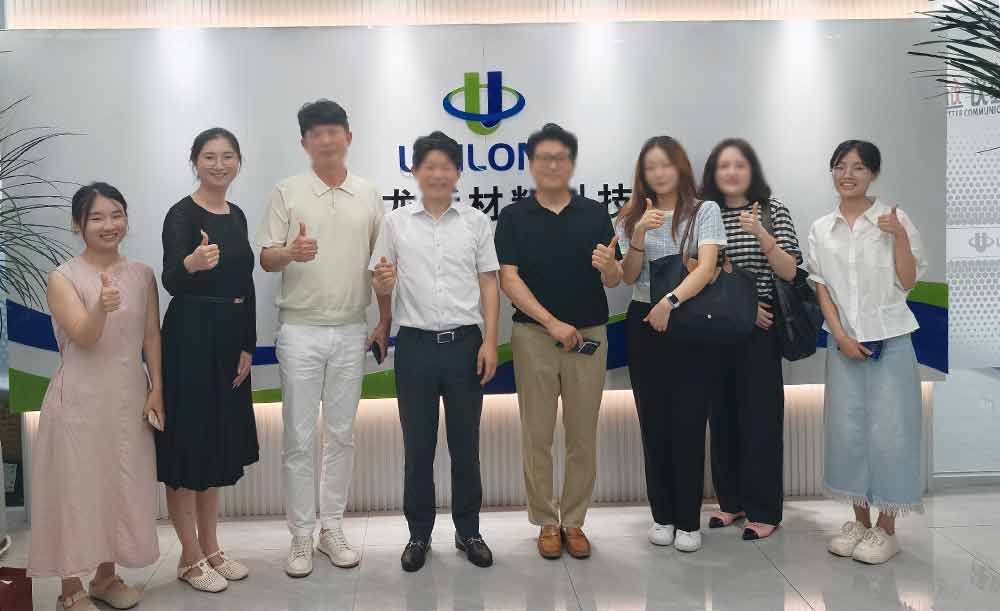
During the inspection, the foreign delegation comprehensively learned about our company’s production processes, quality control standards, and product iteration advantages of fine chemical products. The delegation focused particularly on our core product – TMPD and NPG, asking detailed questions about product performance indicators, applicable scenarios, long-term purchase pricing, batch stability, and overseas export compatibility standards. They also conducted meticulous verification and communication regarding the compliance qualifications and safe transportation norms of various products.
In response to the core pain points in overseas trade, our staff comprehensively presented to the visiting customers the company’s mature compliance operation system for foreign trade, covering hazardous material classification and grading, SDS professional filing, hazardous package qualification certification, international shipping, air transportation standardized declaration, etc., throughout the entire process of service capabilities. This fully demonstrated the company’s professionalism and standardization in the cross-border export of chemical products. At the same time, the procurement prices provided by the company were highly affirmed and recognized by the foreign delegation. They stated that the overseas chemical market has extremely high requirements for product quality, safety compliance, and logistics guarantee. Unilong Industry‘s complete control system and excellent product strength are important guarantees for the long-term cross-border cooperation between the two sides.

This visit by overseas customers is a full recognition of our company’s product strength and compliance service capabilities by the international market. It is also an important opportunity for the company to deeply penetrate the overseas chemical market and deepen foreign trade and economic cooperation.
In the future, Unilong Industry Co.,Ltd. will continue to focus on the main business of fine chemicals, adhere to the bottom line of quality and safety, continuously optimize the foreign trade service system, and continuously enhance the international competitiveness and cross-border service capabilities of products. At the same time, the company will continue to deepen the deep cooperation with overseas customers, actively expand international market resources, and empower bilateral trade development with high-quality products and professional services, jointly creating a new international development pattern of mutual benefit and win-win cooperation.
Unilong Industry High-Quality Sodium Starch Glycolate
In the rapidly evolving landscape of the global pharmaceutical industry, the focus has traditionally been heavily placed on Active Pharmaceutical Ingredients—the biologically active components that treat diseases. However, a silent revolution is taking place regarding the “inactive” ingredients that make modern medicine possible. Among these, excipients play a pivotal role in ensuring that a tablet dissolves at the right speed, a capsule releases its contents effectively, and a patient receives the full therapeutic benefit of their medication. Leading this charge in quality and reliability is Unilong Industry Co., Ltd., a premier manufacturer and supplier dedicated to elevating the standards of pharmaceutical through its flagship product: Sodium Starch Glycolate (SSG). As the demand for faster-acting and more reliable generic drugs grows worldwide, Unilong’s commitment to producing high-purity SSG is helping pharmaceutical companies optimize their formulations and improve patient outcomes.
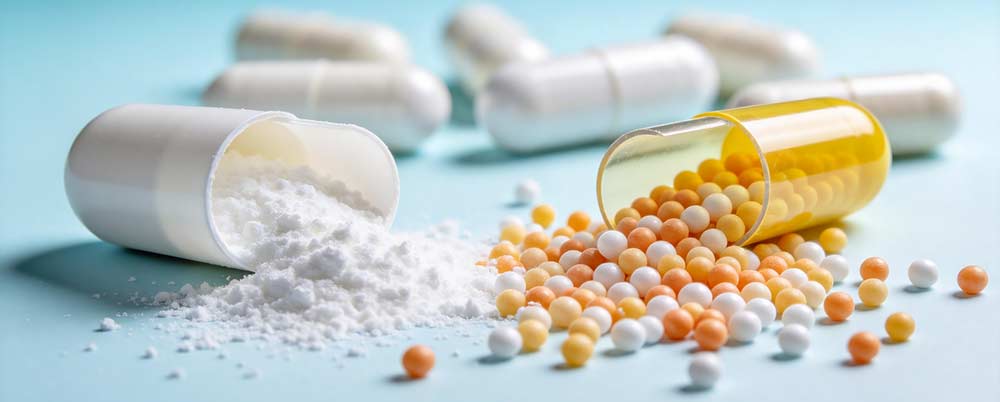
Sodium Starch Glycolate, often referred to by trade names such as Explotab or Primojel in various markets, is chemically defined as the sodium salt of a cross-linked, partly O-carboxymethylated potato starch. In the world of tablet manufacturing, it is classified as a “superdisintegrant.” But what does that mean for the final product?
When a patient swallows a tablet, it must break apart (disintegrate) into smaller granules and eventually dissolve in the gastrointestinal fluids before the drug can be absorbed into the bloodstream. If a tablet stays intact for too long, the drug may pass through the body without being absorbed, rendering the treatment ineffective. Sodium Starch Glycolate acts as a powerful sponge. Upon contact with water or gastric fluids, it swells rapidly—increasing its volume by 200% to 300% within seconds. This swelling action creates internal pressure that bursts the tablet apart, ensuring rapid disintegration and subsequent dissolution of the active drug.
Not all Sodium Starch Glycolate is created equal. The source of the starch and the degree of cross-linking significantly impact performance. Unilong Industry Co., Ltd. distinguishes itself in the market through rigorous control over these variables.
1.Superior Swelling Capacity: Unilong’s SSG is engineered to maximize swelling force. Unlike some lower-grade alternatives that rely on wicking (drawing water in) alone, Unilong’s product combines wicking with massive swelling. This dual mechanism ensures that even tablets compressed at high pressures—which are typically hard to break apart—will disintegrate efficiently.
2.Low Viscosity Solution: A common issue with inferior starch derivatives is the formation of a gel barrier that can actually slow down drug release. Unilong’s technical team has optimized the carboxymethylation process to ensure low viscosity. This means the product swells without creating a sticky gel layer, allowing fluids to penetrate the tablet core instantly.
3.High Purity and Safety: Safety is non-negotiable in pharma. Unilong’s Sodium Starch Glycolate is manufactured under strict quality management systems. It features low levels of impurities, including heavy metals and residual solvents. The product is chemically stable, inert, and compatible with a wide range of APIs, including those sensitive to moisture or pH changes. This stability ensures a longer shelf life for the finished dosage form.
While its primary fame lies in oral solid dosages, the utility of Unilong’s Sodium Starch Glycolate extends further:
1.Tablets and Capsules: Sodium Carboxyl Methylstarch is the gold standard for immediate-release tablets. Whether used in wet granulation, dry granulation (slugging/roller compaction), or direct compression, it maintains its efficacy. It is particularly useful for poorly soluble drugs where rapid dissolution is the rate-limiting step for absorption.

2.Pellets and Granules: Beyond tablets, SSG is used in pellet formulations to ensure they break down correctly within capsules.
3.Food and Industrial Applications: Leveraging its excellent thickening and binding properties, Unilong also supplies grades suitable for specific food processing applications and industrial adhesives, showcasing the versatility of their starch modification technology.

To truly understand the difference, one must look at the physical characteristics. Unilong Industry provides clear, white, free-flowing powder that is uniform in particle size distribution. This flowability is crucial for high-speed tablet press machines, preventing capping or lamination issues during production. Microscopic imagery of Unilong’s SSG reveals the unique porous structure of the cross-linked starch granules, which are responsible for its rapid water uptake. Furthermore, comparative videos of Unilong’s SSG versus generic competitors in a beaker of water demonstrate the sheer speed of the swelling action—a visual testament to the product’s efficiency.
Choosing a supplier for pharmaceutical excipients is a long-term strategic decision. Unilong Industry Co., Ltd. offers more than just a chemical compound; they offer a partnership built on reliability.
Consistent Supply Chain: With robust manufacturing capabilities, Unilong ensures that clients face no interruptions in their production lines.
Regulatory Support: Understanding the complex regulatory environment, Unilong provides comprehensive documentation, including COAs (Certificates of Analysis), MSDS, and support for DMF (Drug Master File) filings, smoothing the path for client approvals.
Solutions: The technical team at Unilong works closely with formulators to recommend the optimal grade and concentration of SSG for specific formulations, reducing development time and cost.
As the pharmaceutical industry continues to innovate, the demand for high-performance excipients like Sodium Starch Glycolate will only increase. Unilong Industry Co., Ltd. stands ready to meet this demand, providing a product that balances cost-efficiency with uncompromising quality. By ensuring that tablets dissolve faster and more reliably, Unilong is playing a vital, albeit behind-the-scenes, role in global healthcare.
For formulators looking to enhance their product’s bioavailability or manufacturers seeking a stable, high-quality supply of superdisintegrants, Unilong Industry represents the ideal choice.
Amidst continuous innovation in hair care technology, Bis-Aminopropyl Diglycol Dimaleate (CAS 1629579-82-3) has emerged as a core ingredient in the high-end hair care market, thanks to its exceptional hair repair capabilities. As the patented active ingredient for the Olaplex brand, it utilizes unique disulfide bond reconstruction technology to precisely repair hair damage caused by chemical treatments—such as coloring, perming, and bleaching—thereby redefining the standards of “healthy, beautiful hair.” This article provides an in-depth analysis of its chemical properties, application value, market prospects, and technical advantages, revealing how it drives technological transformation within the hair care industry.
English Name: Bis-Aminopropyl Diglycol Dimaleate
Molecular Structure: Formed by covalently linking bis-aminopropyl groups with diglycol dimaleate. It contains reactive diene bonds (C=C) capable of targeted binding to thiol groups (-SH) in hair, reconstructing broken disulfide bonds (-S-S-) and forming a stable -S-C-C-S- structure.

Physical Form: Colorless to pale yellow liquid at room temperature; commonly supplied as a 50% aqueous solution.
Mechanism of Action: Repairs the internal structure of hair through chemical cross-linking reactions, restoring elasticity and shine.
Stability: Stable when stored at room temperature and protected from light; shelf life of up to 2 years.
Application Forms: Suitable for various formulations, including conditioners, hair dyes, perming agents, and additives for bleaching or coloring treatments.
– When added to hair dyes, this ingredient repairs disulfide bonds damaged by oxidizing agents in real-time, preventing dryness and breakage, and achieving a “color-and-care-in-one” effect.
– Enables hair to maintain strength and resilience even after nine rounds of bleaching, providing professional salons with “worry-free” bleaching and coloring capabilities.

– Acts as an additive in perming agents, forming a protective barrier during curling or straightening processes to minimize damage to the hair core caused by high heat and chemical reagents.
– Suitable for thermal perms, ionic straightening, and other treatments, helping to maintain hair smoothness and elasticity.
– Can be incorporated into shampoos, conditioners, hair masks, and leave-in serums to provide long-lasting nourishment for damaged hair while enhancing resistance to friction and boosting shine.
– Typical formulations include sprays, gels, and creams, catering to diverse hair care needs.
– Surging demand for hair coloring: The global hair coloring market is growing at an annual rate of over 8%, with a boom in consumer demand for “damage-free coloring.”
– High technological recognition: The success of the Olaplex brand—which achieved a market valuation exceeding $7 billion thanks to this ingredient—validates its market potential.
– Expansion of application scenarios: Extending from professional salons to at-home care, driving penetration into the mass market.

– Fundamental repair: Unlike traditional surface lubricants, it directly targets structural damage within the hair core.
– Strong compatibility: Can be combined with various hair care ingredients and is adaptable to different formulation systems.
– Sustainability: Helps reduce the need for repeated treatments and minimizes resource waste caused by hair damage.
– High cost of high-purity raw materials: Reduce costs through scaled production and process optimization.
– Technical barriers: Strengthen R&D to enhance the competitiveness of domestically produced products.
– The diene bond (C=C) reacts with broken hair thiol groups (-SH) to form an irreversible -S-C-C-S- cross-linked structure.
– Post-repair tensile strength increases by 30%, with breakage resistance comparable to virgin hair.
– pH Adaptability: Functions stably in acidic to neutral environments.
– Adjustable Concentration: Significant results achieved with inclusion levels of 0.5–5%, catering to diverse product requirements.
– Third-party testing shows: After 4 weeks of continuous use of products containing this ingredient, split ends decreased by 62% and hair gloss improved by 45%.
– Storage Conditions: Store in a sealed container at room temperature (≤25°C), away from light; avoid contact with strong oxidizing agents.
– Handling Protocols: Wear protective gloves; avoid direct contact with skin or mucous membranes.
– Environmental Profile: Biodegradability complies with EU REACH standards, supporting green product development.
As consumer demand for “healthy aesthetics” evolves, the application of Bis-Aminopropyl Diglycol Dimaleate will expand into the following areas:
– Smart Hair Care: Integrating AI diagnostic technology to create personalized repair regimens.
– Natural Combinations: Synergizing with plant extracts to develop clean hair care systems.
– Cross-sector Innovation: Extending into derivative fields such as skin repair and post-aesthetic procedure care.

Your Partner—Our Commitment
As a leading global manufacturer of Bis-Aminopropyl Diglycol Dimaleate, Unilong leverages GLP/GMP-compliant laboratories and production facilities to provide:
– High-Purity Raw Materials: 50% aqueous solution, CAS 1629579-82-3.
– Technical Support: Customized formulation advice and stability testing services.
– Global Supply: Serving major markets including Europe, the US, and South Korea; meeting ISO certification requirements. Contact us today to upgrade the technology of your hair care products.
Recently, a batch of our high-quality sucrose esters of fatty acids products completed the entire process of quality inspection, customs declaration, loading operations, and officially set off for France, successfully reaching the European terminal market. This successful shipment marks the successful deep penetration of our food emulsifier product series in the French market, further expanding the European high-end export territory, and demonstrating the international competitiveness of Unilong Industry Co., Ltd. in manufacturing fine chemical products.
As a green and safe non-ionic food emulsifier, sucrose esters of fatty acids, with its excellent emulsifying, dispersing, stabilizing, and thickening properties, is widely used in food processing, baking, beverages, cosmetics and other fields. France, as the core area of the EU food industry, has extremely strict review requirements for the safety standards, quality indicators, and production traceability system of imported food additives, with the entry threshold ranking among the top globally.
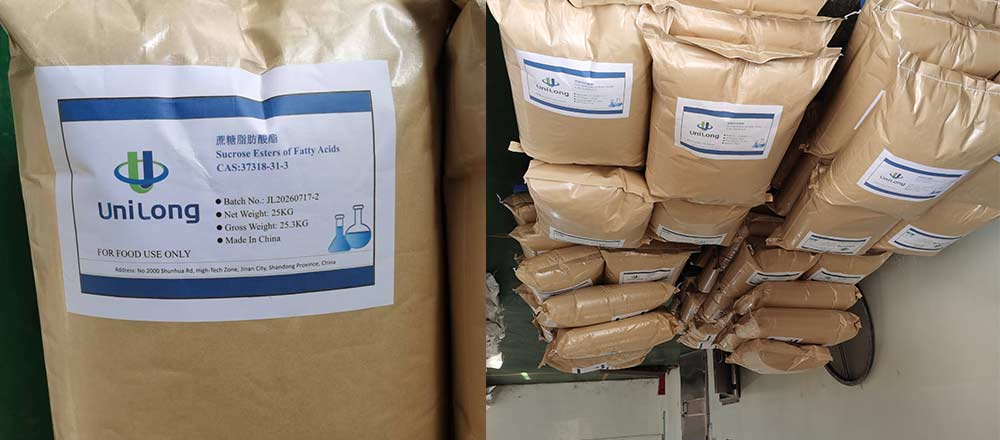
The sucrose esters of fatty acids products exported to Europe this time strictly followed the EU food grade standards and local industry norms. From raw material selection, production processing, purification and refinement to finished product testing, the entire process implemented standardized quality control procedures. They successfully passed multiple authoritative indicator tests, achieving European high-end market standards in core indicators such as purity, stability, and safety, and meeting the production and usage needs of local customers.
To ensure the efficient, smooth and safe delivery of this cross-border shipment, multiple departments of the company, including foreign trade, production, quality control and logistics, have collaborated and cooperated closely. The production department completed the detailed production of the orders in advance, strictly controlling each production process to avoid quality defects; the quality control team conducted special inspections of the finished products and rechecked all indicators, and issued a complete set of compliant test reports and traceability documents; they also pre-organized the customs declaration materials and customs clearance documents, and efficiently completed the customs declaration and verification work; the logistics team selected professional cross-border shipping channels, used specialized export packaging that is moisture-proof, dust-proof and shock-proof, and tracked the transportation status of the goods throughout the process, avoiding risks of ocean shipping and ensuring the goods were delivered intact to the customers.
In recent years, Unilong Industry has continuously focused on the fields of fine chemicals and food additives. It adheres to quality as the core and market orientation, constantly optimizing product processes, upgrading quality control systems, and improving foreign trade service procedures. It continuously creates high-quality products with good value for money and high compliance. With stable product quality, a complete service system and a good market reputation, the company’s products have been exported to multiple countries and regions successively, and have gradually gained wide recognition from global customers.
The successful delivery of sucrose esters of fatty acids this time marks an important breakthrough for the company in its efforts to enter the high-end market in Western Europe. It also serves as a strong evidence of the continuous expansion of the brand’s influence to the international stage. In the future, Unilong Industry Co., Ltd. will continue to focus on technological innovation and quality improvement, deeply engaging in the global fine chemicals and food additive sectors. It will continue to expand its presence in overseas markets such as Europe, Southeast Asia, and the Americas, continuously improving its global market layout. With higher-quality products and more professional services, it will connect with global customer demands and continuously enhance the international reputation and market share of Made-in-China products.
If you have any requirements regarding sucrose esters of fatty acids (CAS 37318-31-3), please feel free to contact us at any time. We look forward to further cooperation with you.
Premium Synthetic Anthraquinone: Optimizing Alkaline Pulping for Modern Mills
In the highly competitive North American and European pulp and paper markets, maximizing yield while minimizing environmental impact is the ultimate goal for mill operators. The key to achieving this delicate balance lies in the efficiency of the alkaline pulping process. We are proud to introduce our premium synthetic Anthraquinone (AQ), a high-performance catalyst specifically engineered to meet the rigorous standards of Western pulping operations.
Product Name: Anthraquinone
CAS No.: 84-65-1
Appearance :Pale yellow to light grey powder
Melting point :283.0°C MIN
Purity :98.5%MIN
Ash :0.5% MAX
Moisture :0.5% MAX
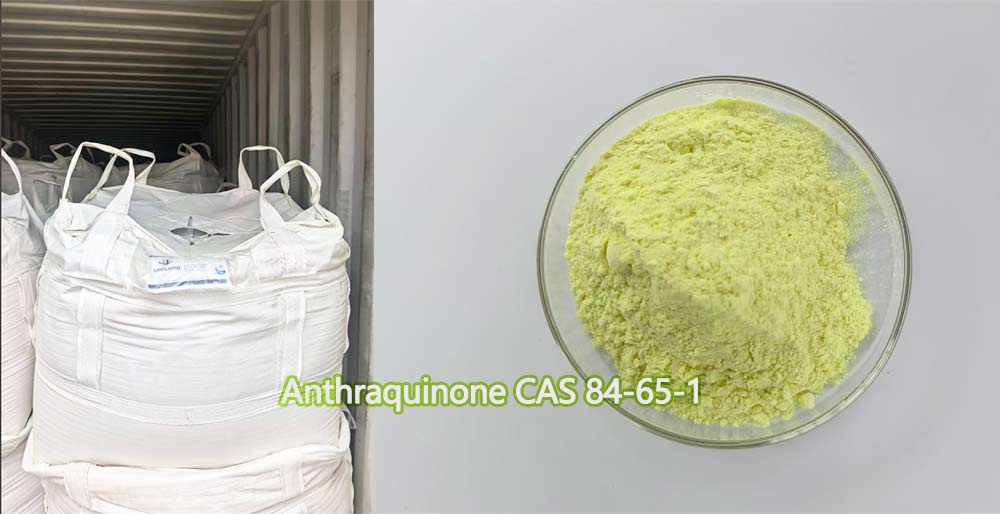
Anthraquinone is a significant quinoid organic compound, typically referring specifically to 9,10-anthraquinone. It exists both as a naturally occurring substance and as a vital synthetic chemical raw material, finding extensive applications in the dye, papermaking, and pharmaceutical industries.
Solubility: Insoluble in water, but soluble in various organic solvents such as ethanol, ether, benzene, and chloroform.
Chemical Properties: It exhibits relatively stable chemical properties and is not easily oxidized; however, it is capable of undergoing reactions such as nitration, sulfonation, and bromination.
Manufactured through an advanced, tightly controlled synthetic process, our Anthraquinone guarantees a minimum purity of 99%. In the demanding environment of a digester, purity is not just a specification; it is the foundation of performance. Our 99%+ pure AQ acts as an exceptionally efficient redox catalyst. It rapidly scavenges reducing end groups on carbohydrates, effectively preventing their degradation into low-molecular-weight acids. The direct result is a significant increase in pulp yield, often ranging from 1% to 3%, alongside a marked reduction in reject content. Simultaneously, it accelerates the cleavage of beta-ether bonds in lignin, allowing for faster delignification. For mill managers, this translates directly into reduced wood consumption, lower active alkali requirements, and substantial energy savings during the cooking cycle.
Beyond its exceptional purity, our synthetic Anthraquinone is formulated with a slightly alkaline profile, maintaining a pH between 9 and 10. This specific characteristic is a critical advantage for Kraft and Soda pulping processes. The alkaline nature of the product ensures immediate and uniform dispersion within the highly alkaline cooking liquor. It eliminates the risk of localized acidic spots that can severely compromise fiber strength and pulp quality. Furthermore, this seamless compatibility means no additional neutralization steps are required, streamlining your chemical handling process and ensuring consistent, predictable results across every batch.
We also understand that in today’s global market, supply chain resilience is just as vital as chemical performance. Many mills have experienced disruptions due to inconsistent sourcing. Our robust manufacturing infrastructure guarantees a highly stable and continuous supply of synthetic Anthraquinone, shielding your operations from market volatility and ensuring your production schedules remain uninterrupted.
Finally, we recognize that modern mills have diverse handling, storage, and automated dosing requirements. To support your unique operational needs, we offer comprehensive packaging customization. Whether your facility requires standard 25kg fiber drums for manual handling, specialized moisture-resistant packaging for long-term storage, or customized bulk solutions designed for automated feed systems, we can tailor our packaging to integrate perfectly into your workflow..
AQ functions through a dual catalytic mechanism. First, it oxidizes the reducing end groups of carbohydrates into stable aldonic acid end groups. This effectively inhibits the “peeling reaction,” preventing the alkaline degradation of cellulose and hemicellulose. Second, the reduced form of AQ (anthrahydroquinone) reacts with lignin, accelerating the cleavage of lignin macromolecules and facilitating their dissolution. Throughout this cycle, AQ is continuously regenerated.
Synthetic Anthraquinone (AQ) is a highly efficient redox catalyst used as a cooking additive in alkaline pulping processes, such as Kraft and Soda methods. Operating in extremely small doses (typically 0.02%–0.05% of dry wood weight), it significantly enhances both the economic and environmental performance of paper mills.
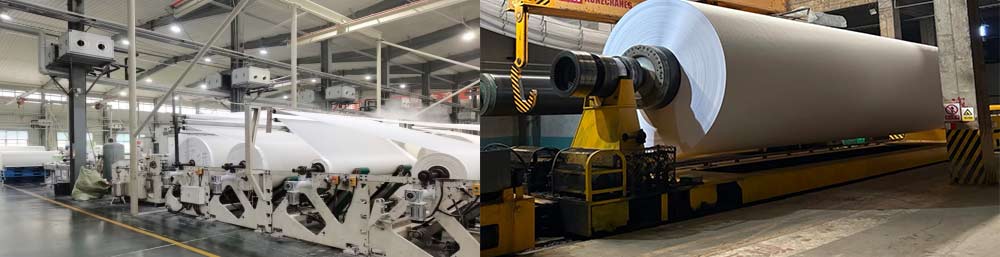
Increased Pulp Yield: By protecting carbohydrates, AQ typically boosts pulp yield by 1% to 3%, producing more paper from the same amount of wood.
Energy & Time Savings: It accelerates delignification, allowing mills to either shorten cooking time by 10%–20% or reduce cooking temperatures by about 5°C, significantly cutting steam and energy consumption.
Chemical Efficiency: Mills can reduce active alkali consumption by approximately 10%, lowering production costs and easing the burden on the chemical recovery system.
Enhanced Quality: AQ promotes uniform wood chip softening, reduces unpulped shives, and improves the bleachability of the pulp, reducing downstream bleaching chemical usage.
By choosing our premium synthetic Anthraquinone, you are investing in a strategic advantage for your pulping operations. Experience higher yields, lower operational costs, and a more sustainable production footprint. Contact us today to request a sample or discuss how our customized solutions can optimize your mill’s performance.
Unilong Industry – Uniting efforts, moving forward together
To enrich the cultural life of employees, relieve work pressure, enhance team cohesion and collaboration, and create a positive and dynamic corporate atmosphere, Unilong recently organized a themed team-building activity. All employees actively participated and enjoyed a relaxed and energetic team-building time.

During daily work, everyone performs their duties, focuses on deepening their work, and overcomes difficulties and progresses steadily in their respective positions. This team-building activity allowed everyone to temporarily put aside the busy work and step out of the office to interact and communicate closely. During the activity, all employees were enthusiastic and actively engaged, enthusiastically participating in various fun interactive sessions. They cooperated with each other, helped each other, and fully demonstrated a good spirit of close collaboration, courage to challenge, and united and hardworking efforts.

The relaxed and joyful atmosphere broke down departmental barriers and brought colleagues closer together. Everyone relaxed their minds and released stress in the joyous laughter, and deepened trust and consensus in team collaboration. It not only effectively regulated physical and mental states but also further enhanced the team’s cohesion and collective sense of belonging.
Team-building is not just a relaxation and rest, but a growth journey of gathering strength and setting off again. Every time we walk side by side is a witness to the team’s growth; every shared effort is the confidence for the company’s progress.
In the future, all employees of Unilong Industry Co., Ltd. will transform the vitality, cohesion, and team spirit gained from this team-building into work motivation. They will engage in future work with a more energetic attitude, a more pragmatic style, and a more united posture, working together to promote the company’s high-quality development to a new level!
Technical Applications and Market Prospects of Potassium Formate in the Oil Drilling Industry
Potassium formate (CAS 590-29-4) has become a critical component in advanced drilling fluid formulations, marking a significant advancement for the oil and gas industry. Relying on its unique chemical properties and environmental advantages, this high-performance salt compound is revolutionizing drilling operations. The primary application of potassium formate is as a shale inhibitor and clay stabilizer in water-based drilling fluids. Its effectiveness stems from the ability of the formate anion to control clay hydration and swelling, thereby preventing the wellbore instability issues commonly encountered in shale formations.
In terms of physicochemical properties, potassium formate maintains a neutral to slightly alkaline pH range of 7.0–8.5 in a 1% aqueous solution. This characteristic ensures compatibility with a wide variety of drilling fluid additives while preventing excessive corrosion of drilling tools. With a density of 1.91 g/cm³, this physical property allows for excellent adjustability when formulating drilling fluids to meet specific density requirements. Furthermore, potassium formate exhibits outstanding solubility, rapidly dissolving across a broad temperature range to form a uniform and stable solution system.
In petroleum engineering, potassium formate is primarily utilized for its function as a highly efficient shale inhibitor and clay stabilizer, particularly in water-based drilling fluid systems. Its mechanism of action is based on the unique chemical properties of the formate anion, which effectively controls the hydration and swelling of clay minerals. By regulating the electrical double layer structure on the surface of clay particles, it significantly reduces hydration stress in shale formations. This directly resolves wellbore instability issues in drilling engineering, demonstrating exceptional stability control, especially in shale formations rich in expansive clay minerals such as montmorillonite and illite.

In practical applications, potassium formate is mainly deployed across three key areas: drilling fluid formulations, completion and workover fluid systems, and fracturing fluid additives. As a core component of drilling fluids, potassium formate achieves optimal clay hydration control at addition concentrations ranging from 3% to 8%. This concentration range has been extensively validated in the field, effectively balancing inhibition performance with economic costs.
During completion and workover operations, potassium formate demonstrates its unique clean and non-damaging characteristics. Compared to traditional inorganic salts like potassium chloride and sodium chloride, its application in completion fluids significantly reduces the risk of formation damage. Its low-residue property means that potassium formate can be more easily removed from the reservoir post-completion, minimizing long-term impacts on reservoir permeability. This is of great significance for protecting the original productivity of oil and gas reservoirs, showing distinct advantages in the development of low-permeability and sensitive reservoirs.

In hydraulic fracturing operations, the application of potassium formate as a clay stabilizer is equally noteworthy. By adding appropriate amounts of potassium formate to the fracturing fluid system, clay minerals within the fracture network can be effectively stabilized, preventing the decline in fracture flow conductivity caused by clay swelling and fine particle migration. This application not only helps maintain the long-term effectiveness of fractures post-stimulation but also reduces the risk of proppant embedment due to clay swelling, thereby improving the overall economics of fracturing operations.
The widespread application of potassium formate in petroleum engineering is primarily attributed to its multifaceted technical advantages. In terms of environmental compatibility, potassium formate exhibits significant eco-friendly characteristics. Compared to traditional inorganic salt inhibitors, it has lower biological toxicity and good biodegradability, making it particularly suitable for operations in marine drilling and ecologically sensitive areas with strict environmental protection requirements.
Thermal stability is another major technical highlight of potassium formate. Experimental data indicates that this compound maintains its chemical stability and inhibition performance at temperatures up to 150°C, a range that covers the temperature conditions of most onshore and shallow-water drilling operations. Under high-temperature and high-pressure (HTHP) conditions, potassium formate not only maintains its inhibition performance but also synergizes with other high-temperature stabilizers to form a more stable drilling fluid system.
Regarding chemical compatibility, potassium formate demonstrates excellent formulation adaptability. Whether paired with common polymeric treatment agents (such as polyanionic cellulose and hydroxyethyl cellulose) or other inorganic salt additives, potassium formate achieves good compatibility. This broad compatibility provides drilling fluid engineers with greater freedom in formulation design, allowing them to optimize drilling fluid performance based on specific formation conditions.

In corrosion control, the application of potassium formate has brought about notable improvements. Compared to traditional chloride-based systems, potassium formate-based drilling fluids can significantly reduce the corrosion rate of drilling tools and downhole equipment. This not only extends equipment lifespan but also reduces non-productive time (NPT) caused by corrosion, delivering economic benefits to drilling operations from a life-cycle cost perspective. Field monitoring data shows that drilling fluid systems utilizing potassium formate can reduce corrosion rates by over 50%, which is highly significant for long-cycle drilling operations in deep and ultra-deep wells.
From an economic perspective, although the initial procurement cost of potassium formate is higher than that of traditional inhibitors, its comprehensive benefit advantages are clear. By reducing downhole complexities, improving drilling efficiency, and lowering equipment maintenance costs, the application of potassium formate can yield comprehensive cost savings of 10–15% per well. This economic advantage is particularly pronounced in high-cost operations such as deep and ultra-deep wells.

With the rapid development of advanced drilling technologies like shale oil and gas extraction and deepwater drilling, the demand for high-performance drilling fluid additives will continue to grow. Driven by its unique technical advantages, potassium formate is projected to maintain an average annual market growth rate of 15–20% over the next 5 to 10 years. Particularly against the backdrop of increasingly stringent environmental regulations, the eco-friendly nature of potassium formate will become a crucial competitive advantage.
Future technological development directions mainly include: developing composite formulations of potassium formate with other novel inhibitors to further enhance inhibition performance; optimizing the production process of potassium formate to reduce manufacturing costs; and exploring new application areas for potassium formate in unconventional oil and gas development. With continuous technological advancements and the accumulation of application experience, potassium formate is bound to play an increasingly vital role in the field of petroleum engineering.
What is disodium hydrogen phosphate dihydrate and its applications?
Disodium hydrogen phosphate dihydrate is a colorless orthorhombic crystal or white powder. Its relative density is d = 162.066. It is soluble in water, and its aqueous solution is alkaline. Upon heating to 95°C, it loses two molecules of water of crystallization, becoming anhydrous.
Disodium hydrogen phosphate dihydrate is used as a boiler water softener, a weighting agent for tanning leather and fabrics, a flame retardant for wood and paper, and a glaze and welding flux. It is also used as a mordant in dyeing and as a stabilizer in hydrogen peroxide bleaching in the printing and dyeing industry. It is a raw material for manufacturing sodium pyrophosphate and other phosphates. Furthermore, it is a culture medium for monosodium glutamate, erythromycin, penicillin, streptomycin, and wastewater biochemical treatment products. It combines the uses of disodium hydrogen phosphate dodecahydrate with the ability to prevent clumping during transportation and storage.

As a food additive, it is a multifunctional ingredient permitted by the national standard (GB 25568-2010), mainly acting as a quality improver, pH adjuster, nutritional supplement, emulsifier, stabilizer, and binder. It is widely used in the processing of various foods, such as:
(1) Dairy products: such as cheese, condensed milk, cream, concentrated milk, ice cream, and infant formula.
(2) Disodium hydrogen phosphate dihydrate in Grains and pasta: breakfast cereals and pasta.
(3) Others: pudding powder, isotonic beverages, vitamin capsules, etc.
(1) Stabilizing active ingredients: In toothpaste using calcium carbonate as an abrasive, it effectively stabilizes the content of soluble fluoride, ensuring the anti-cavity efficacy of the toothpaste within its shelf life.
(2) Promotes Tooth Repair: Studies have found that anhydrous toothpaste containing disodium hydrogen phosphate and micron-sized calcium carbonate has good mineralization properties and can be used to repair demineralized enamel and dentin.

In industrial applications, it is widely used as a basic chemical:
(1)Water Treatment: Used as a boiler water softener.

(2) Textiles and Paper: Used as a fabric weighting agent, dyeing detergent, and stabilizer for hydrogen peroxide bleaching.
Used as a fire retardant for wood and paper and as a raw material for welding flux.
Used as a basic raw material in the manufacture of other phosphate products such as sodium pyrophosphate and sodium hexametaphosphate.
(1) pH Buffers (Maximum Usage Scenarios)
Combined with sodium dihydrogen phosphate to form a phosphate buffer system (PBS), stabilizing the physiological pH range of 5.8–8.0:
Injectables: Infusions, sterile aqueous injections, monoclonal antibody/protein injections, preventing protein denaturation and active ingredient degradation due to acid-base fluctuations;
Eye drops, ophthalmic gels: Matching the pH of human tears, reducing eye irritation, and extending the shelf life of eye drops;
Oral solutions, syrups, suspensions: Neutralizing acidic APIs, inhibiting hydrolysis, and improving taste;
Lyophilized formulations: Lyophilization protects the buffer matrix, ensuring pH stability after reconstitution;
Topical formulations: pH adjustment for creams, lotions, and rinsing solutions.
(2) Osmotic/Isotonic Adjusters
Combined with sodium chloride to adjust the osmotic pressure of injections and dialysate, avoiding vascular irritation and cell hemolysis; used in peritoneal dialysis solutions and intravenous nutrition infusions.
(3) Stabilizers and Chelating Agents (Anti-Degradation):
These can chelate trace amounts of iron, copper, and heavy metal ions, inhibiting drug oxidation and discoloration; commonly used as preservatives and enhancers in antibiotic and vitamin injections.
(4) Solubilizers and Dispersants:
These improve the solubility of poorly soluble drugs; and prevent particle flocculation and sedimentation in oral suspensions and granules.
Combines most of the uses of both the anhydrous and dodecahydrate forms, serving as a highly efficient buffer, complexing agent, and quality improver in the food, pharmaceutical, and chemical industries.
Compared to the common dodecahydrate, the dihydrate is less prone to clumping during transportation and storage, making it more convenient to use. Compared to the anhydrous form, it is more suitable for certain reactions requiring controlled crystal water.
Looking at the overall market for disodium hydrogen phosphate, including disodium hydrogen phosphate dihydrate, the global size was approximately US$1.1 billion in 2024 and is projected to grow to US$1.65 billion by 2033, with a compound annual growth rate (CAGR) of approximately 4.6%. The market specifically targeting disodium hydrogen phosphate dihydrate (SPDD) is predicted to grow globally from US$200 million in 2022 to US$280 million in 2027, with a CAGR of 8-10%, higher than the overall category growth rate.
Disodium hydrogen phosphate dihydrate is a basic chemical raw material with stable demand and some growth potential. Its market opportunities lie more in cultivating the high-value-added pharmaceutical and food sectors, and winning customers through consistent product quality.
High-Purity Choline Hydroxide 45% Aqueous Solution
Choline Hydroxide 45% aqueous solution is a high-quality, water-soluble organic alkaline chemical widely recognized in the global fine chemical industry. Presenting as a clear, colorless transparent liquid with stable physical and chemical properties, this product features high purity, low impurity content, mild alkalinity, excellent water solubility and outstanding environmental compatibility.
As a core quaternary ammonium alkali product, it avoids the defects of traditional inorganic alkalis such as strong corrosiveness and residual pollution, and has become an indispensable basic raw material for pharmaceutical synthesis, biochemical industry, electronic manufacturing, petrochemical processing and daily chemical fields. Strictly produced in accordance with industrial and cosmetic grade standards, our 45% choline hydroxide solution delivers consistent batch stability, reliable performance and cost-effective application solutions for global industrial buyers.
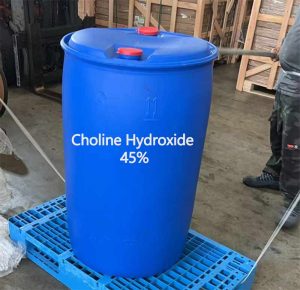
Our premium Choline Hydroxide 45% solution (CAS Number: 123-41-1) is professionally formulated with an effective content of 45% and purified water as the solvent, featuring a pure colorless transparent appearance without turbidity, precipitation or suspended impurities. Its chemical name is 2-Hydroxy-N,N,N-trimethylethan-1-aminium hydroxide, a typical quaternary ammonium strong base with a molecular formula of C5H15NO2. The product boasts superior fundamental properties that distinguish it from ordinary alkaline chemicals.
In terms of physical properties, the solution has moderate viscosity and excellent fluidity at room temperature, enabling convenient transportation, pumping and industrial dosing. It is completely miscible with water and ethanol, with no layering or segregation during dilution and compounding, ensuring uniform reaction effects in various formula systems. Chemically, it exhibits moderate and stable alkalinity, effectively participating in neutralization, condensation, hydrolysis and catalysis reactions. Different from sodium hydroxide and potassium hydroxide, choline hydroxide will not produce inorganic salt residues after reaction, and its degradation products are non-toxic and harmless, meeting modern green chemical production requirements.
We implement strict quality control standards throughout the production process. The finished product has extremely low contents of heavy metals, chloride ions, sulfate ions and other impurities, with stable pH value and no discoloration after long-term storage. Each batch of products is accompanied by complete COA quality inspection reports, ensuring stable and consistent quality for downstream high-precision production. In addition, the product has good thermal stability, no decomposition failure under conventional industrial operating temperatures, and long storage life under sealed and shaded conditions.
1. In the electronic and semiconductor industry, this product serves as a high-purity alkaline cleaning agent and etching auxiliary. It is used for surface degreasing, residue removal and micro-etching treatment of electronic wafers, circuit boards and precision electronic components. With low corrosion and no metal residue, it will not damage the precision structure of electronic devices, and can effectively improve the surface cleanliness and bonding performance of electronic materials, making it a preferred auxiliary chemical for high-precision electronic manufacturing.
In the petrochemical and fine chemical industry, choline hydroxide acts as an efficient catalyst and neutralizer. It is widely used in organic synthesis reactions such as condensation, esterification and hydrolysis, accelerating reaction rate and improving reaction efficiency. At the same time, it can be used as a stabilizer and modifier for petroleum additives, optimizing the performance of lubricating oil, fuel additives and polymer materials, and improving the stability and durability of industrial chemicals.
2. Moreover, it also has important applications in feed additives, biological fermentation and environmental protection industry. As a precursor of choline nutrients, Choline Hydroxide can be used for feed nutrition enhancement; in biological fermentation, it provides a stable alkaline environment for microbial fermentation and improves fermentation efficiency; in environmental protection treatment, it can be used for neutralization and purification of partial industrial wastewater, with environmentally friendly and pollution-free treatment effects.
Compared with traditional inorganic alkalis and ordinary organic alkalis, our 45% choline hydroxide colorless transparent solution has obvious comprehensive advantages. First of all, it features high purity and low impurity, with strict control of trace impurities, adapting to high-standard production in pharmaceuticals, electronics and other precision industries. Secondly, it has mild performance and strong stability, moderate alkalinity, no strong corrosion, no easy deterioration, and stable performance during long-term use and storage. Thirdly, it is green and environmentally friendly, with complete biodegradation, no harmful residue after reaction, and no pollution to the environment, conforming to the global green chemical development trend. In addition, the colorless and transparent liquid form ensures no color interference in formula application, suitable for the production of transparent and high-grade finished products.
In terms of supply service, we support stable batch supply, standardized packaging and customized technical solutions. With mature production technology and perfect quality inspection system, we ensure that every batch of products can meet international industrial standards and customer personalized application needs.
In conclusion, 45% choline hydroxide aqueous solution is a high-value, multi-functional fine chemical raw material with stable performance, wide applicability and green safety. Whether for pharmaceutical synthesis, electronic precision processing, fine chemical catalysis or daily chemical formula preparation, Choline Hydroxide can provide efficient and reliable technical support. It is an ideal alkaline auxiliary and synthetic intermediate for global industrial manufacturers, and will continue to create stable and high-quality value for downstream industrial chain development.
Expanding your operations in Southeast Asia? Our premium Choline Hydroxide 45% Liquid is now readily available to support the region’s thriving feed, pharma, and chemical industries! Backed by a robust supply chain and uncompromising quality, our colorless, high-purity solution ensures stable performance for your most critical formulations. Ready to upgrade your supply chain? Contact us today for regional pricing and fast delivery options!
Ethyl silicate-40 (CAS 11099-06-2): The Versatile Building Block for High-Performance Materials
In the dynamic landscape of specialty chemicals, Ethyl silicate-40 (CAS 11099-06-2) has emerged as a cornerstone material for advanced coatings, electronics, composites, and high-temperature applications. This versatile compound, also known as Ethyl Silicate 40 or Tetraethyl Orthosilicate, combines the unique properties of silicon chemistry with exceptional processability. Its ability to hydrolyze and condense into durable silicon oxide networks makes it indispensable in industries where corrosion resistance, thermal stability, and electrical insulation are paramount. This article dives into its core properties, applications, market trends, and technical advantages, shedding light on why it is a preferred choice for formulators and engineers worldwide.

● Chemical Name: Ethyl silicate-40; Tetraethyl orthosilicate
● CAS No.: 11099-06-2
● Structure: A colorless liquid with a molecular formula Si(OC₂H₅)₄. Its structure consists of a central silicon atom bonded to four ethoxy groups (–OC₂H₅). This unique structure enables it to undergo hydrolytic reactions, forming a robust silicon oxide (SiO₂) network through condensation.
● Physical State: Clear, colorless liquid with a characteristic odor.
● Density: ≈ 0.934 g/cm³
● Solubility: Miscible with organic solvents; hydrolyzes readily in water.
● Reactivity: Moisture-sensitive; reacts with acids, bases, and strong oxidizers.
● Stability: Stable under inert conditions; flammable (flash point ≈ 27°C).
● Functionality: Crosslinking agent, binder precursor, and precursor to SiO₂ coatings.
● Mechanism: Hydrolyzed Si-40 forms a three-dimensional SiO₂ network that encapsulates zinc particles, creating a sacrificial barrier.
● Advantages: 15–20-year protection against corrosion; ideal for marine, oil & gas, and industrial infrastructure.

● Semiconductor Fabrication: As a precursor for SiO₂ films (via sol-gel), ethyl silicate-40 enables low-temperature deposition of dielectric layers with tunable properties.
● Key Specs: Dielectric constant 2.8–3.2, breakdown strength > 450 V/μm.
● Castings & Refractories: Ethyl silicate-40 hydrolysate acts as a binder for molding sands, forming smooth molds resistant to 1600°C. Also used in refractory composites for furnaces and kilns.
● RTV Silicones: As a crosslinker, it enhances thermal and chemical resistance in room-temperature vulcanized (RTV) elastomers.
● Transparent Films: Controlled hydrolysis yields coatings with refractive indices of 1.45–1.52 and >92% transparency in visible light.
● Catalyst Supports: Porous SiO₂ structures (500–800 m²/g surface area) boost catalytic efficiency by 25–35% in chemical processes.
● Rapid Growth in Electronics: 15.6% CAGR driven by semiconductor and EV battery advancements.
● Coatings Dominate: 38.7% market share, with inorganic zinc coatings leading the way.
● Emerging Opportunities: Biomedical (drug delivery) and aerospace composites.

● Technical Advancement: New formulations for water-based systems and 3D printing binders.
● Sustainability Push: Replacement of solvent-based alternatives in coatings aligns with eco-regulations.
● Export Momentum: Chinese producers’ growing share via cost-effective manufacturing and quality improvements (+6.8% export price in 2026).
● Raw Material Volatility: Ethanol and silicon costs (65–70% of production) fluctuate with energy markets.
● Talent Gap: 15% shortfall in technical experts hampers R&D.
● Regulatory Compliance: Strict emissions controls drive smaller producers to consolidate.

● Solvent Compatibility: Dissolves in alcohols, ethers, and hydrocarbons.
● pH-Tunable Hydrolysis: Acidic or basic catalysts control reaction rates and network morphology.
● Customization: Blend ratios with ethanol or water adjust viscosity and curing kinetics.
● High Yield: Near-complete conversion to SiO₂ during curing minimizes waste.
● Longevity Savings: Reduced maintenance costs in coatings applications offset initial investment.
● Flammability: Keep away from ignition sources.
● Reactivity: Avoid contact with water, acids, or bases; may generate heat or flammable gases.
● Health Precautions: Inhalation or skin contact may cause irritation; use PPE (gloves, goggles, ventilation).
● Store in tightly sealed containers below 30°C in cool, dry areas.
● Protect from moisture and sunlight.
● Segregate from incompatible materials (oxidizers, acids).
As industries prioritize durability, efficiency, and eco-friendly solutions, Ethyl silicate-40 is set to expand its footprint. Key areas of focus include:
● Circular Economy: Recycling-friendly coatings and binders.
● Advanced Manufacturing: Integration with additive manufacturing (AM) technologies.
● Electronics Miniaturization: Ultra-thin SiO₂ films for next-gen chips.
Unilong Industry Co.,Ltd is a trusted supplier of high-purity Ethyl silicate-40 (CAS 11099-06-2), offering technical support and customized solutions. Contact us to explore how this versatile compound can elevate your applications.
EDTA ACID: A typical weakly acidic anhydrous organic chelating agent
Ethylenediaminetetraacetic Acid, also known as Edetic Acid, is a typical representative of chelating agents. It has molecular formulaC10H16N2O8, molecular weight 292.24 and CAS 60-00-4. It can form water-soluble complexes with alkali metals, rare earth elements and transition metals.
Thanks to its powerful metal ion sequestering capacity, stable chemical property and unique sodium-free feature, EDTA Acid has become an indispensable functional raw material applied in a great number of fields. It also serves as an antidote to accelerate the excretion of harmful radioactive metals from human body.
EDTA Acid is white crystalline powder in appearance with low hygroscopicity, and keeps stable under conventional storage conditions. It is slightly soluble in cold water, soluble in hot water and alkaline solutions, while insoluble in ethanol and ether. It owns multiple prominent core properties.
Firstly, as a classic chelating agent, it can stably combine with alkali metals, rare earth elements and various transition metals to generate soluble complexes. Secondly, it has excellent chemical stability and wide compatibility, which will not decompose under conventional production temperature and pH conditions, and can be perfectly compounded with most chemical raw materials without adverse reactions.
Thirdly, it contains no extra sodium ions, making it the preferred material for all sodium-free production systems.
EDTA Acid boasts an extremely wide range of applications across multiple industrial sectors and production processes.
Polymer & Daily Chemical Industry: EDTA Acid CAS 60-00-4 is widely adopted in polymer synthesis, plastic processing and daily chemical production lines. It effectively traps metal impurities carried by raw materials and process water, effectively delaying polymer chain degradation and preventing finished products from discoloration, stratification and performance decline. It works steadily in various cream, lotion and surfactant formulations to maintain long-term product stability.
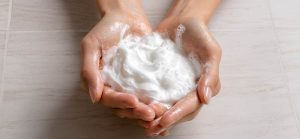
Pulp and Paper Industry: During pulp bleaching, papermaking and paper finishing processes, it fully protects hydrogen peroxide and other oxidizing bleaching agents from being decomposed by metal ions. It remarkably elevates overall bleaching efficiency, reduces material consumption, and maintains permanent whiteness, smooth texture and good surface quality of finished paper products.

Agriculture & Aquaculture: As a high-efficiency chelating additive, it is extensively blended into compound fertilizers, water-soluble fertilizers and foliar fertilizers. It converts insoluble trace metal nutrients into easily absorbable ionic state, significantly improving fertilizer utilization rate and promoting healthy growth of crops, fruits and vegetables. In aquaculture, it removes excess harmful metal ions in water, purifies water quality, reduces aquatic organism stress and creates a stable and safe breeding environment.
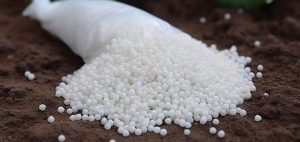
Textile Printing and Dyeing: It is an essential auxiliary in fabric desizing, scouring, dyeing and post-finishing. It thoroughly eliminates residual metal ions in dye liquor and production water, effectively avoiding common problems such as uneven dyeing, color fading, color spots and shade deviation caused by metal interference, and greatly improves color fastness and overall grade of textile products.

Photographic & Oilfield Chemicals: In photographic industry, it stabilizes developing solutions and fixing solutions, eliminates metal-induced turbidity and stains, and guarantees clear and complete imaging effect. In oilfield exploitation, it acts as scale inhibitor and fluid stabilizer for drilling fluid, fracturing fluid and pipeline systems, preventing scale deposition and ensuring continuous and efficient operation of oilfield equipment.

Water Treatment & Boiler Cleaning: EDTA Acid widely used in industrial circulating water, cooling water, heating boilers and pipeline systems. As professional water softener and scale inhibitor, it lowers water hardness, inhibits scale formation and metal pipeline corrosion, cuts down equipment maintenance frequency and operating cost. EDTA Acid CAS 60-00-4 is also a key ingredient for various industrial descaling agents and boiler cleaning products.

Analytical Chemistry: As a standard complexometric titration reagent, it is universally used in laboratories for qualitative and quantitative analysis of metal ions in water samples, industrial raw materials, environmental monitoring samples and food testing samples, delivering accurate and repeatable test results.
In addition, pharma grade EDTA Acid has special detoxification function, which can help human body rapidly excrete harmful radioactive metals and toxic heavy metals. It is also widely used as pharmaceutical excipients and synthetic intermediates for pharmaceutical preparations. In electroplating and metal surface treatment industry, it acts as an eco-friendly cyanide-free complexing agent, helping manufacturers obtain uniform, dense and bright plating layers on metal surfaces.

With the continuous development of fine chemicals, pharmaceutical manufacturing, modern agriculture, environmental protection and other related industries, the market demand for high-purity and sodium-free chelating agents keeps growing steadily. High-quality EDTA Acid with reliable performance has been widely recognized by downstream manufacturers, and the whole industry enjoys broad development prospects.
Unilong Industry specializes in the supply of fine chemical raw materials, and can stably provide full-specification EDTA Acid of different grades.
Please feel free to contact us if you have any demand for EDTA Acid at any time, thanks.
N-(n-Butyl) Thiophosphoric Triamide (NBPT), a high-efficiency, low-toxicity and eco-friendly synthetic urease inhibitor, has emerged as one of the essential functional additives in modern sustainable agricultural systems worldwide. As the dominant nitrogen fertilizer in global agricultural production, urea accounts for more than 50% of total nitrogen fertilizer consumption due to its high nitrogen content, stable physical properties, affordable price and universal adaptability to various crops and soil conditions.
However, conventional urea faces an unavoidable technical bottleneck in practical application. After being applied to farmland soil, urea is rapidly decomposed and hydrolyzed by endogenous soil urease within several days, generating a large volume of ammonia gas. A considerable proportion of this ammonia escapes into the atmosphere through volatilization, while the remaining part is transformed into nitrate which is prone to leaching and runoff loss.

Relevant agricultural field monitoring data indicate that the nitrogen utilization efficiency of traditional urea is only maintained between 30% and 40%, which means that more than half of the nitrogen resources are wasted during application. Such low fertilizer efficiency not only increases farmers’ planting costs and causes unnecessary resource waste but also triggers a series of ecological and environmental problems, including atmospheric ammonia pollution, soil nutrient imbalance, acidification and groundwater eutrophication.
In response to these prominent problems, N-(n-Butyl) Thiophosphoric Triamide has been widely promoted and applied as a targeted nitrogen stabilization additive. It can effectively suppress urease activity, delay urea hydrolysis, reduce nitrogen loss throughout the growth period, and coordinate the supply of soil nitrogen with crop nutrient absorption rules, providing a reliable technical solution for fertilizer reduction and efficiency improvement in modern agriculture.
Chemically, N-(n-Butyl) Thiophosphoric Triamide is an organic sulfur-containing phosphorus compound with the molecular formula C₄H₁₄N₃PS and a stable molecular structure. It possesses excellent chemical stability under conventional transportation, storage and field application conditions, without spontaneous decomposition or deterioration.
In addition, NBPT shows extremely high compatibility with urea, urea ammonium nitrate solutions, compound fertilizers and other nitrogen fertilizer products. It will not undergo chemical reactions with fertilizer raw materials, nor will it affect the inherent nutrient content and physical properties of fertilizers, which lays a solid foundation for large-scale industrial processing and long-term popularization. Different from common inorganic and organic inhibitors with low specificity, NBPT is a highly targeted biological inhibitor that only acts on soil urease without interfering with the activity of other soil microorganisms and enzymes.
The biochemical inhibition mechanism of NBPT is precise and efficient, and it is widely defined as a typical suicide substrate for urease. After being mixed with urea and applied to the soil, NBPT relies on soil aerobic conditions to undergo mild oxidation reaction and generate the active metabolite N-(n-butyl) phosphoric triamide (NBPTO). The molecular structure of NBPTO is highly analogous to urea, which enables it to accurately recognize and firmly bind to the active catalytic site of soil urease. This binding reaction forms a stable tridental complex, which permanently blocks the catalytic channel of urease and completely inhibits its biological activity. By deactivating soil urease, NBPT effectively slows down the hydrolysis rate of urea from the source, prolongs the existence cycle of effective nitrogen in soil, and avoids the rapid release of a large amount of ammonia in a short time. This mechanism realizes the slow and continuous supply of nitrogen nutrients, perfectly matching the nutrient demand of crops from seedling stage to maturity stage.

The popularization of NBPT-modified stabilized urea has brought remarkable agronomic, economic and environmental benefits, which have been fully confirmed by long-term regional field experiments across different climatic zones and soil types.
First and foremost, N-(n-Butyl) Thiophosphoric Triamide significantly improves nitrogen use efficiency and crop yield and quality. Field data show that the addition of a low dose of NBPT can reduce soil ammonia volatilization loss by 30% to 45%. For staple food crops such as corn, wheat and rice, as well as cash crops including vegetables and fruits, NBPT-coated urea can increase crop yield by 7% to 16% compared with conventional urea under the same fertilization dosage. Moreover, the stable nitrogen supply avoids excessive vegetative growth in the early stage and insufficient nutrient supply in the later stage, effectively improving crop grain plumpness and commodity quality.

Secondly, N-(n-Butyl) Thiophosphoric Triamide effectively reduces agricultural non-point source pollution and protects the ecological environment. The massive ammonia volatilization caused by traditional urea application is an important source of atmospheric particulate pollutants, which aggravates regional haze and air quality deterioration. Meanwhile, the rapid hydrolysis of urea leads to the rapid accumulation of soil nitrate, which easily leaches into groundwater with rainwater and irrigation water, causing groundwater nitrate pollution and soil salinization. The application of NBPT can stably control the decomposition rate of urea, greatly reduce ammonia emission and nitrate leaching risk, and effectively alleviate the ecological pressure caused by blind fertilization.
Thirdly, NBPT reduces agricultural production costs and improves planting benefits. N-(n-Butyl) Thiophosphoric Triamide has an extremely low effective addition ratio, only 0.05% to 0.2% of the total fertilizer mass, with low modification cost and simple production process, which is suitable for large-scale industrial batch production. In actual agricultural production, stabilized urea added with NBPT can reduce the frequency of topdressing, simplify fertilization procedures, and save a large amount of labor and time costs for farmland management. For large-scale modern farms and intensive planting bases, the cost-saving and efficiency-increasing effects are particularly prominent.
Although NBPT has excellent comprehensive application performance, its efficacy is still restricted by external environmental factors, resulting in certain application limitations. High temperature environment, continuous heavy rainfall and strong light exposure will accelerate the oxidative degradation of NBPT in soil, shorten its effective inhibition period, and weaken the fertilizer stabilization effect. In addition, in extreme acidic or alkaline soil environments, the activity of N-(n-Butyl) Thiophosphoric Triamide will be slightly reduced, and the urease inhibition effect cannot be fully exerted. Besides, NBPT only inhibits urease activity and cannot block the nitrification loss of soil nitrogen, which means it cannot solve all nitrogen loss problems independently.
To maximize the application effect of N-(n-Butyl) Thiophosphoric Triamide, targeted optimized fertilization strategies are required. It is recommended to adopt deep tillage and deep fertilization methods to bury NBPT fertilizer in the soil layer, avoiding long-term surface exposure under high temperature and strong light. In high-temperature rainy areas and sandy soil areas with strong water permeability, N-(n-Butyl) Thiophosphoric Triamide can be compounded with slow-release coating materials or nitrification inhibitors to form composite stabilized fertilizers, which can simultaneously inhibit urea hydrolysis and nitrogen nitrification loss. In addition, combining fertilization with reasonable irrigation and soil moisture management can effectively maintain the activity of NBPT and ensure continuous and stable nitrogen supply throughout the entire crop growth cycle.

With the global implementation of agricultural green transformation policies and the continuous promotion of chemical fertilizer reduction and efficiency improvement, NBPT, as a mature green fertilizer additive, has extremely broad market prospects and development potential. At present, N-(n-Butyl) Thiophosphoric Triamide stabilized urea has been listed as a promoted fertilizer product in China, Europe, North America and other major agricultural regions, and has formed a complete industrial chain from raw material synthesis to fertilizer processing and field application.
In the future, the research and industrial development of NBPT will focus on three core directions: the optimization of low-cost and high-purity synthetic processes to reduce industrial production costs; the development of special customized N-(n-Butyl) Thiophosphoric Triamide NBPT formulations adapted to different soil types and crop categories; and the research and development of composite inhibitor systems combining N-(n-Butyl) Thiophosphoric Triamide with other functional additives. With the continuous innovation of agricultural science and technology, NBPT will further empower the development of precision agriculture and low-carbon ecological agriculture, and become a core technical support for realizing sustainable agricultural development worldwide.
DMTDA: The Next-Generation Liquid Curing Agent Transforming High-Performance Polyurethane Industries
In the fast-evolving global manufacturing sector, the demand for high-performance, eco-friendly, and cost-efficient chemical intermediates has never been higher. Among these innovative materials, Dimethyl Thio-Toluene Diamine (DMTDA, CAS: 106264-79-3)—also known as Ethacure 300—has emerged as a game-changing liquid aromatic diamine curing agent and chain extender, redefining the standards for polyurethane (PU) and polyurea elastomer production. As a safer, more efficient alternative to traditional toxic solid curing agents like MOCA (4,4′-Methylene bis(2-chloroaniline)), DMTDA is rapidly gaining traction across automotive, construction, industrial, and coating sectors worldwide.
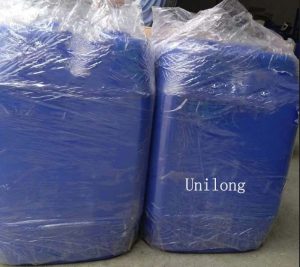
DMTDA is a pale yellow to amber viscous liquid at room temperature, with a molecular formula of C₉H₁₂N₂S₂ and a molecular weight of 214.3. It is a mixture of two isomers—2,4- and 2,6-dimethylthio toluenediamine (ratio ~78:22)—boasting low viscosity (690 mPa·s at 20°C), high purity (≥99%), and minimal moisture content (≤0.1%). Unlike MOCA, which requires energy-intensive melting and emits carcinogenic fumes during processing, DMTDA’s liquid form enables direct, room-temperature application, making it a safer and more sustainable choice for modern manufacturing.
DMTDA’s low viscosity ensures rapid, uniform mixing with PU prepolymers, eliminating the need for heating equipment and reducing energy consumption by up to 30% compared to MOCA-based processes. Its lower chemical equivalent (107 vs. MOCA’s 133.5) cuts material usage by ~20% while maintaining or enhancing product performance, directly lowering raw material costs for manufacturers. Additionally, DMTDA extends pot life (working time) by 5–9 times faster than DETDA, allowing for precise control in complex, large-scale production and reducing waste from rushed applications.
Elastomers cured with DMTDA exhibit exceptional resilience, abrasion resistance, and flex crack resistance—outperforming MOCA-cured products in harsh conditions. They deliver high tensile strength, excellent heat aging resistance, and superior chemical stability against oils, solvents, and acids, making them ideal for heavy-duty applications. Whether used in industrial rollers or offshore coatings, DMTDA-based materials maintain structural integrity even under extreme temperatures and mechanical stress.
As a low-toxicity, non-carcinogenic alternative to MOCA, DMTDA aligns with strict global environmental regulations (e.g., REACH, RoHS) and workplace safety standards. It emits no harmful volatiles during processing, reducing health risks for workers and supporting sustainable manufacturing goals. Classified as a Class 9 dangerous good for shipping, DMTDA is easy to transport with complete documentation (COA, MSDS, UN 3082), ensuring smooth cross-border logistics for international suppliers.
DMTDA’s versatility makes it indispensable across diverse industries, powering high-performance products that demand reliability and durability:
Polyurethne Elastomers (Primary Use): Manufacturing printing rollers, industrial casters, solid forklift tires, and mining wear parts—delivering high load-bearing capacity and abrasion resistance.
Spray Polyurea Elastomers (SPUA): Protective coatings for steel structures, pipelines, tunnels, and swimming pools; durable flooring for garages, warehouses, and ramps—providing seamless, waterproof, and corrosion-resistant layers.
Reaction Injection Molding (RIM): Lightweight, high-strength automotive components (bumpers, door panels, dashboard frames) and electrical enclosures—enabling cost-effective mass production.

Adhesives & Sealants: High-performance bonding and sealing solutions for automotive, and electronic applications—ensuring waterproofing and structural stability.
Epoxy Resin Curing: Enhancing toughness and chemical resistance in epoxy flooring, anti-corrosion coatings, and composite materials.

As industries shift toward sustainable manufacturing, the global demand for DMTDA is projected to grow at a CAGR of 6.8% from 2026 to 2030. Chinese manufacturers—including leading producers like Unilong Industry Co., Ltd —are driving this growth with large-scale production capacity, advanced R&D, and strict quality control. With stable supply chains, competitive pricing, and comprehensive export experience (serving Southeast Asia, Europe, North America, and the Middle East), Chinese DMTDA suppliers are well-positioned to meet the rising global demand for high-quality, eco-friendly curing agents.
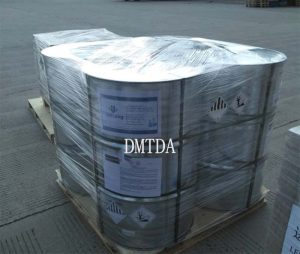
ISO Tanks: Available for bulk shipments to major industrial ports.
DMTDA represents the future of polyurethane curing technology—combining processing efficiency, superior performance, environmental safety, and cost-effectiveness in one innovative solution. As a reliable alternative to MOCA, it empowers manufacturers to produce durable, high-quality products while reducing their environmental footprint and improving workplace safety. For industries seeking to upgrade their material systems and stay ahead in a competitive market, DMTDA is not just a chemical intermediate—it’s a strategic partner for long-term success.
SUGAR ESTERS OF FATTY ACIDS: Versatile Green Additives Widely Used in Modern Industries
With the continuous upgrade of global manufacturing standards and consumer demand for safe, natural product ingredients, functional food and industrial additives have drawn growing attention in recent years. SUGAR ESTERS OF FATTY ACIDS, commonly known as sucrose esters, stand out among mainstream surfactant products for their mild properties, natural sources and diverse functional values. These organic compounds form through chemical reactions between natural sucrose and plant-derived fatty acids, and they have become essential auxiliary materials across food processing, daily cosmetics and light industrial production fields.
SUGAR ESTERS OF FATTY ACIDS feature a special molecular structure that combines hydrophilic and lipophilic groups. The sucrose segment in molecules offers water-absorbing and water-binding capacity, while fatty acid chains provide oil-soluble characteristics. This unique amphiphilic structure allows the substances to reduce surface tension between oil and water, enabling stable mixing of immiscible liquids. Different structural compositions bring varied hydrophilic and lipophilic balance levels, which support flexible application in different production scenarios. Most sucrose ester products appear as white or light yellow powder or viscous liquid, with no strange odor and mild taste, laying a solid foundation for their wide use in products closely related to daily life.
Safety and environmental friendliness constitute core advantages of sucrose fatty acid esters. Raw materials for production mainly come from common edible sucrose and natural plant oils such as palm oil and coconut oil, without reliance on harmful chemical raw materials. The finished products show non-toxic features and good biodegradability under natural environments, causing little pollution to soil and water resources. Relevant global food safety institutions have approved sucrose esters as legal additives for daily food processing. They do not produce harmful residues during application or human metabolism, meeting the strict safety standards of modern consumer markets.

The food industry is the main application field for sucrose fatty acid esters, covering baked goods, cold drinks, confectionery, dairy products and seasoned foods. In baked food production such as bread and cakes, these additives work effectively to adjust starch performance. They slow down starch aging and retrogradation processes after baking, which helps baked products maintain soft texture for a longer time and extend shelf life. Meanwhile, they improve the internal structure of dough, promote uniform fermentation and increase product volume, bringing better taste and appearance to finished baked goods.
In cold drink and ice cream production, sucrose fatty acid esters play key roles in stabilizing product texture and controlling ice crystal formation. During freezing and storage, they restrain the growth of large ice crystals inside ice cream, avoid rough and granular mouthfeel, and keep fine and smooth texture. They also stabilize the mixing state of fat and water in cold drinks, reduce ingredient stratification and precipitation, and maintain uniform product state throughout storage and sales cycles. For margarine, salad dressing and mayonnaise, these esters prevent separation of oil and water components, keep stable emulsifying state, and improve product uniformity and usability.

Confectionery and snack food industries also benefit greatly from sucrose fatty acid esters. In candy and chocolate production, SUGAR ESTERS OF FATTY ACIDS adjust fat crystallization speed and mode, avoid surface frosting and uneven texture, and improve product surface smoothness and taste. They also reduce viscosity of molten raw materials during processing, optimize production fluidity and facilitate mechanical processing and molding. In instant noodles and puffed snacks, the additives reduce oil absorption during frying or baking processes, lower residual oil content in finished products, and create healthier dietary options while maintaining crispy taste.
Beyond food processing, SUGAR ESTERS OF FATTY ACIDS have extensive application value in daily cosmetic and personal care industries. Many skin care creams, lotions, facial cleansers and hair care products contain such ingredients. Their mild surfactant properties help emulsify oil and water components in cosmetics, stabilize product formulas and avoid component stratification. Different from some synthetic surfactants, sucrose esters cause low irritation to human skin and mucous membranes, so they fit the development trend of mild and skin-friendly daily care products. In addition, they have certain dispersion effects, SUGAR ESTERS OF FATTY ACIDS can evenly distribute functional ingredients in cosmetics and ensure stable product efficacy.

Light industry and agricultural production also adopt sucrose fatty acid esters for multiple auxiliary functions. In textile processing, they serve as dispersing agents and softeners, helping disperse dye molecules evenly and improve textile dyeing uniformity and color fastness. In agricultural production, they act as auxiliary additives for pesticide and fertilizer preparations. SUGAR ESTERS OF FATTY ACIDS improve the adhesion and dispersion of liquid pesticides on crop surfaces, reduce liquid loss, and enhance the utilization rate of active ingredients. Their non-toxic and residue-free features also avoid negative impacts on crop growth and soil environments.

In industrial production fields, sucrose fatty acid esters can be used as defoaming agents and viscosity regulators. In food fermentation, paper making and pharmaceutical production processes, they eliminate excess fine foam generated in production, ensure smooth operation of mechanical equipment and improve production efficiency. For some high-viscosity raw material systems, they adjust overall viscosity of materials, optimize fluidity, and reduce difficulties in transportation, processing and packaging. They also have anti-clumping and anti-sticking effects, which prevent raw material accumulation and caking during storage and maintain stable raw material properties.

With the continuous development of green manufacturing concepts, the market demand for safe, biodegradable and multi-functional additives keeps rising. Sucrose fatty acid esters fully conform to the development direction of modern industry due to their natural raw material sources, safe use performance and diverse functional attributes. Continuous technological improvements in production processes further reduce production costs and improve product purity, expanding their application scope in emerging fields.
In the future, as consumers pay more attention to product safety and environmental protection, and downstream industries continue to upgrade production technologies, sucrose fatty acid esters will gain wider application in more fields. The continuous exploration of new functions and new application scenarios will further release their market potential, making such green additives more indispensable in modern industrial and daily consumption systems.
If you need this product please feel free to contact Unilong Industry Co.,Ltd.Not only can SUGAR ESTERS OF FATTY ACIDS ensure the quality of the products, but also guarantee the stability of the supply.
In the quest for high-performance, sustainable materials, Cellulose Acetate Butyrate (CAS 9004-36-8) has emerged as a versatile polymer with diverse applications across coatings, plastics, textiles, and specialty chemicals. This unique compound, a cellulose derivative modified with acetyl and butyryl groups, combines the natural biodegradability of cellulose with enhanced physical properties. With its excellent compatibility, solubility, and rheological control, Cellulose Acetate Butyrate has become a cornerstone in modern formulations, offering improved durability, processability, and eco-friendly solutions. This article delves into its key characteristics, applications, technical advantages, and future prospects.

Cellulose Acetate Butyrate (CAB) is a copolymer ester of cellulose, acetic acid, and butyric acid. Its chemical structure features variable ratios of acetyl (–COCH₃) and butyryl (–COC₃H₇) substituents, typically ranging from 30-54% butyryl content, with the remaining groups as acetyl and hydroxyl. This tunable composition allows customization for specific applications. CAS No. 9004-36-8, it is available in multiple grades with different viscosities and molecular weights.
– Appearance: White fibrous powder or solid.
– Solubility: Insoluble in water but soluble in ketones (e.g., MEK), esters (e.g., ethyl acetate), and high-boiling solvents.
– Physical Properties: Viscosities range from 0.06 to 0.40 Pa·s (depending on grade), with molecular weights from 12,000 to 70,000.
– Chemical Stability: Resistant to hydrolysis and offers excellent compatibility with resins and plasticizers.
– Basecoat Additive: CAB enhances flow and leveling in automotive paints, preventing solvent “biting” and improving impact resistance.
– Flow Modifier: Its rheological properties control sagging and orange peel effects in high-solids coatings.
– Metallic Effects: Enables uniform orientation of aluminum flakes in metallic coatings for superior aesthetics.

– Impact Modifier: Increases toughness and flexibility in PVC, PET, and engineering plastics.
– Processing Aid: Facilitates melt flow and reduces torque during extrusion or molding.
– Masterbatch Carrier: Ideal for dispersing colorants and additives due to its high pigment wetting ability.
– Waterproof Fabric Treatments: Provides durable coatings for outdoor fabrics (e.g., tents, umbrellas) with soft touch and weather resistance.
– Leather Finishes: Imparts gloss, abrasion resistance, and flexibility to leather surfaces.
– UV-Curable Coatings: As a rheology modifier in radiation-curable systems.
– Packaging Films: High clarity and barrier properties in food or medical packaging.
– 3D Printing Materials: Enables smooth printing and post-processing of filaments.

CAB’s versatility stems from customizable grades:
– Low Butyryl (30-35%): Ideal for high-solids coatings and flow control.
– Medium Butyryl (35-50%): Balances viscosity and compatibility for plastics.
– High Butyryl (44-54%): Excellent solvent resistance and pigment dispersion in masterbatches.
As a cellulose derivative, CAB offers:
– Biobased origin (from renewable wood pulp).
– Reduced reliance on petrochemicals.
– Potential for end-of-life recycling or biodegradation.
– Low-temperature processability.
– Compatibility with waterborne and solvent-based systems.
– Cost-effective formulation due to high efficiency at low loadings (1-5% by weight).

– Non-Hazardous: Classified as non-toxic and non-flammable.
– Handling: Store in cool, dry conditions; avoid moisture exposure.
– Disposal: Follow local regulations; biodegradable options available.
Driven by demand for sustainable coatings, lightweight plastics, and advanced materials, CAB’s market is projected to grow significantly. Key trends include:
– Electronics: Utilization in flexible displays and protective coatings.
– Electric Vehicles: Applications in battery casing materials.
– Circular Economy: Development of fully recyclable CAB-based composites.
Cellulose Acetate Butyrate (CAS 9004-36-8) bridges natural origins with advanced performance, offering formulators a sustainable and high-efficiency solution. As industries prioritize eco-friendly materials and process efficiency, CAB’s role in coatings, plastics, and emerging technologies will continue to expand. Its tunability, compatibility, and biobased credentials position it as a key enabler for next-generation products.
C12-14 Tertiary Amine: The Versatile Building Block for Advanced Surfactants
In the intricate world of industrial chemistry, certain compounds serve as the silent engines driving innovation across multiple sectors. Among these foundational materials, C12-14 Tertiary Amine stands out as a premier intermediate. As the primary raw material for producing cationic quaternary ammonium salts, this chemical compound is not merely a reagent; it is the cornerstone of modern formulation technology. From keeping our water systems sterile to ensuring the softness of our clothes and the efficiency of oil extraction, C12 – 14 Tertiary Amine plays a pivotal role in enhancing product performance and safety. Its unique carbon chain structure—derived from natural fatty alcohols—offers an ideal balance of hydrophobicity and reactivity, making it the preferred choice for chemists formulating high – performance surfactants.
The true value of C12-14 Tertiary Amine lies in its exceptional chemical versatility. It acts as a “universal adapter” in synthesis, capable of reacting with various alkylating agents to produce a diverse range of functional derivatives. This adaptability allows manufacturers to tailor surfactants for specific industrial needs, ranging from heavy – duty sanitation to delicate personal care formulations.
One of the most critical applications of C12-14 Tertiary Amine is its reaction with benzyl chloride to produce Benzalkonium Chloride, commonly known in the industry as 1227. This reaction yields a potent cationic surfactant that serves as a broad – spectrum biocide.
Mechanism: The tertiary amine’s nitrogen atom attacks the benzyl group, forming a stable quaternary structure that disrupts microbial cell membranes.
Applications: The resulting 1227 is widely used as a bactericide and algaecide. In the textile industry, it prevents mold growth on fabrics during storage and transport. In papermaking, it acts as a slimicide, controlling bacterial growth in the paper pulp water system, which is essential for maintaining paper quality and machine efficiency. Furthermore, it is a standard ingredient in industrial water treatment to prevent biofouling in cooling towers.

Beyond benzyl chloride, C12-14 Tertiary Amine reacts efficiently with other quaternizing agents such as methyl chloride, dimethyl sulfate, and diethyl sulfate. These reactions generate various cationic quaternary ammonium salts, each with distinct properties suited for different environments.
Textile Industry: When quaternized with methyl chloride or dimethyl sulfate, the resulting salts are excellent fabric softeners and antistatic agents. They adsorb onto fiber surfaces, reducing friction and static electricity, thereby improving the hand feel of garments.
Daily Chemicals (Personal Care): In shampoos and conditioners, these cationic salts provide conditioning benefits, detangling hair and imparting a smooth shine without weighing it down.
Oilfield Services: In the petroleum industry, these derivatives function as corrosion inhibitors and clay stabilizers. They protect metal pipelines from acidic environments and prevent clay swelling in reservoirs, ensuring smoother oil extraction processes.

For markets demanding gentler chemistry, C12-14 Tertiary Amine reacts with sodium chloroacetate to produce Betaine BS – 1214 (Lauramidopropyl Betaine). This reaction transforms the cationic precursor into an amphoteric surfactant.
Significance: Unlike purely cationic surfactants, BS – 1214 carries both positive and negative charges depending on the pH. This makes it extremely mild to skin and eyes.
Usage: It is a staple ingredient in baby shampoos, facial cleansers, and high – end body washes. Additionally, it acts as a foam booster and viscosity modifier, helping to stabilize formulations and improve the sensory experience of liquid soaps.
Another key transformation involves the reaction of C12-14 Tertiary Amine with hydrogen peroxide (H2O2). This oxidation process produces Amine Oxides.
Functionality: Amine oxides are non – ionic at high pH but can become cationic at low pH. They are renowned for their ability to stabilize foam and increase viscosity.
Application: In household cleaning products like dishwashing liquids and hard surface cleaners, Amine Oxides derived from C12 – 14 chains provide rich, creamy lather that consumers associate with cleaning power. They also help solubilize oils and grease, enhancing the overall cleaning efficacy of the product.

When selecting C12-14 Tertiary Amine for production, purity and safety are paramount. High – grade variants typically boast a purity of over 95%, minimizing the presence of unreacted amines or by – products that could cause odor issues or skin irritation in final products.
From a sustainability perspective, C12 – 14 Tertiary Amine is often derived from coconut or palm kernel oil – based fatty alcohols. This renewable origin makes it a more environmentally friendly alternative to purely petrochemical – based surfactants. Furthermore, the biodegradability of the C12 – 14 carbon chain ensures that the downstream products break down more readily in the environment compared to longer or branched alkyl chains.
However, handling the raw tertiary amine requires strict safety protocols. As a corrosive substance with a characteristic ammonia – like odor, it must be stored in cool, ventilated areas away from strong oxidizers. Proper Personal Protective Equipment (PPE), including chemical – resistant gloves and eye protection, is mandatory during handling to prevent burns or respiratory irritation.
C12-14 Tertiary Amine is far more than a simple chemical intermediate; it is a catalyst for functionality across the industrial spectrum. Whether it is being converted into the sterilizing power of 1227, the gentle cleansing of Betaine BS – 1214, or the foaming richness of Amine Oxides, its versatility is unmatched. For manufacturers in the textile, paper, oilfield, and personal care sectors, securing a reliable supply of high – purity C12-14 Tertiary Amine is essential for maintaining product quality and competitive advantage.
As industries continue to evolve towards greener and more efficient solutions, the role of this versatile amine will only grow. By understanding its reactivity and potential, formulators can unlock new levels of performance in their products.
Dazomet: The First Choice for Modern Planting Soil Disinfection
Against the backdrop of the rapid advancement of large-scale, facility-based, and standardized modern agriculture in my country, soil-borne diseases, root-knot nematodes, underground pests, and weed proliferation have become core pain points restricting crop yield and quality. The increasing obstacles of continuous cropping, rising pesticide resistance, the reliance on single-component traditional pesticides, and continuously rising labor and agricultural input costs have left many farmers facing multiple dilemmas: difficulty in treating diseases, controlling pests, weeding, and, even more importantly, improving quality. In this context, Dazomet (CAS 533-74-4), with its unique advantage of “one application, multiple control measures,” has rapidly become a mainstream product in the soil disinfection field, providing a safe, stable, and efficient solution for green and efficient planting.
Under the long-term intensive planting and facility cultivation model, the ecological burden on the soil has been continuously increasing, and various harmful organisms have accumulated in the soil year by year. Root-knot nematodes and cyst nematodes feed on crop roots, leading to weak plant growth, deformed galls, and severe yield reduction; fungal diseases such as wilt, root rot, and damping-off are prevalent, resulting in frequent seedling death and root rot during the growing season; underground pest larvae and pupae overwinter and reproduce in the soil, continuously damaging the root system; weeds compete with crops for water, fertilizer, and sunlight, significantly increasing field management costs.

Traditional control methods are mostly single-target control, which is difficult to address nematodes, pathogens, and weeds simultaneously. Farmers need to apply pesticides multiple times, which not only increases investment but also easily leads to pesticide residues and soil damage. The market urgently needs a broad-spectrum, highly effective, safe, and easy-to-use soil disinfection product to solve the problem of continuous cropping obstacles at the source.
Root-knot nematodes and cyst nematodes are important soil-borne pests that damage the root system of crops. Dazomet can effectively reduce the population of such nematodes in the soil, avoid the formation of root knots on crop roots, and ensure the normal absorption of water and nutrients by roots. Especially in cash crops such as ginger and strawberries, the control effect of dazomet on root-knot nematodes is more significant.
Dazomet (CAS 533-74-4) can effectively control a variety of soil-borne pathogenic fungi, including those that cause crop wilt, root rot and damping-off diseases. By eliminating the pathogenic fungi in the soil, it reduces the probability of crop fungal diseases at the seedling stage and growth stage, and improves the survival rate and healthy growth level of crops.

The fumigation effect of Dazomet (CAS 533-74-4) can inhibit the germination of most annual weed seeds in the soil, reducing the competition of weeds with crops for soil nutrients, water and light resources. This not only reduces the labor and material input of artificial weeding and chemical weeding in the later stage of planting but also avoids the pollution of chemical herbicides to the environment.
The gaseous active substance released by dazomet (CAS 533-74-4) can diffuse uniformly in the soil profile, reaching the deep root zone of crops to eliminate the harmful organisms hidden in the deep soil, achieving thorough and comprehensive soil disinfection effect.
Dazomet has a good environmental profile. When applied in accordance with the specifications, it decomposes quickly in the soil, and the by-products will not form persistent organic pollutants, which will not cause long-term damage to the soil structure and microbial ecosystem. At the same time, dazomet (CAS 533-74-4) has been included in the relevant authorized list of European soil fumigants, which fully proves its environmental safety and compliance.

By carrying out soil disinfection before planting, dazomet (CAS 533-74-4) can fundamentally reduce the occurrence of crop diseases and pests in the growing period, reduce the amount of pesticides used in the later stage, and avoid the economic loss caused by the reduction of crop yield and quality due to diseases and pests. Healthy crops grown in disinfected soil have stronger growth vigor and higher yield potential, which can bring a high return on investment for growers.
Conclusion
With the continued advancement of the national policy of “reducing pesticide use and increasing efficiency, and promoting green pest control,” the quality and safety of agricultural products and the protection of soil ecology have received high attention. Dazomet, with its comprehensive advantages of broad-spectrum efficacy, safety, environmental friendliness, ease of use, and multiple preventative effects, perfectly meets the needs of modern agricultural development.
Field demonstration data from multiple locations show that soil treated with dazomet exhibits outstanding nematode control, a significant decrease in the incidence of soil-borne diseases, a substantial reduction in weed germination rates, and significant average yield increases for crops such as strawberries, ginger, and greenhouse vegetables, along with improved high-quality fruit rates and steadily increasing planting benefits.
From greenhouse vegetables to cash crops, from seedling bases to orchards with continuous cropping, dazomet is becoming the preferred soil disinfection product for growers due to its stable and reliable performance. In the future, with continuous technological optimization and widespread application, dazomet (CAS 533-74-4) will continue to leverage its core value, helping to solve the problems of continuous cropping, restore soil ecology, and improve crop yield and quality, providing solid support for the high-quality development of modern agriculture in my country.
In the battle for healthy crops and bountiful harvests, Dazomet has proven to be the modern grower’s ace in the hole. By delivering a one-strike solution against nematodes, pathogens, and weeds, it eliminates the guesswork from soil fumigation. As we look ahead to the crucial growing seasons in 2026 and beyond, the choice is clear: prioritizing soil health with Dazomet is the most cost-effective strategy for risk management.
Don’t let soil-borne threats undermine your potential. Embrace the technology that offers deep penetration, rapid decomposition, and superior ROI. It’s time to turn the page on continuous cropping obstacles—contact our team today to secure your supply of high-quality Dazomet and take the first step towards a guaranteed, high-yield season.If you have any needs for dazomet products and soil disinfection technical services, please feel free to contact our sales team for consultation and communication.
Make debut at CPHI China 2026 and achieve remarkable results
Recently, the highly anticipated CPHI China 2026 World Pharmaceutical Raw Materials China Exhibition, which has attracted much attention from the global pharmaceutical industry, came to a successful conclusion in Shanghai. Unilong Industry Co.,Ltd. showcased its core pharmaceutical intermediates, distinctive active pharmaceutical ingredients, and high-value-added fine chemical products with great impact. It engaged in in-depth exchanges with professional buyers from all over the world and comprehensively demonstrated the company’s comprehensive strength in product research and development, quality control, export compliance, and supply chain services. During the exhibition, it achieved fruitful results and received enthusiastic responses.
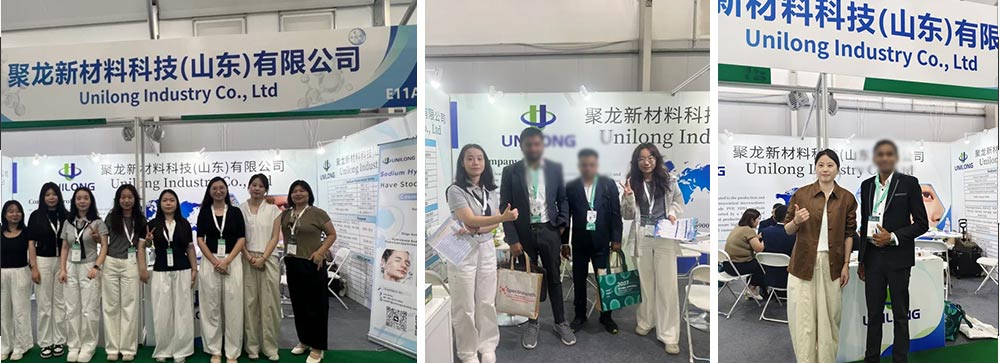
This year’s CPHI exhibition brings together high-quality resources from the global pharmaceutical industry. It serves as an important platform for enterprises to expand their international markets, connect with overseas clients, and understand industry policies. In the face of increasingly strict international regulatory environments and new policy requirements, our company focused on showcasing the compliance-based export solutions at the exhibition site. These solutions cover aspects such as product ingredient review, qualification document preparation, customs declaration guidance, and full-process risk control, providing stable, safe, and traceable supply chain services for overseas clients. This attracted a large number of buyers to stop by for inquiries and in-depth discussions.
During the exhibition, the popularity of our booth continued to rise. We received new and old customers from dozens of countries and regions such as Europe, Southeast Asia, the Middle East, and Latin America. On the spot, we not only conducted multiple rounds of in-depth business negotiations but also successfully reached intentional orders and long-term cooperation frameworks. Moreover, we established preliminary strategic cooperation relationships with several large overseas pharmaceutical companies and traders, laying a solid foundation for subsequent market expansion.
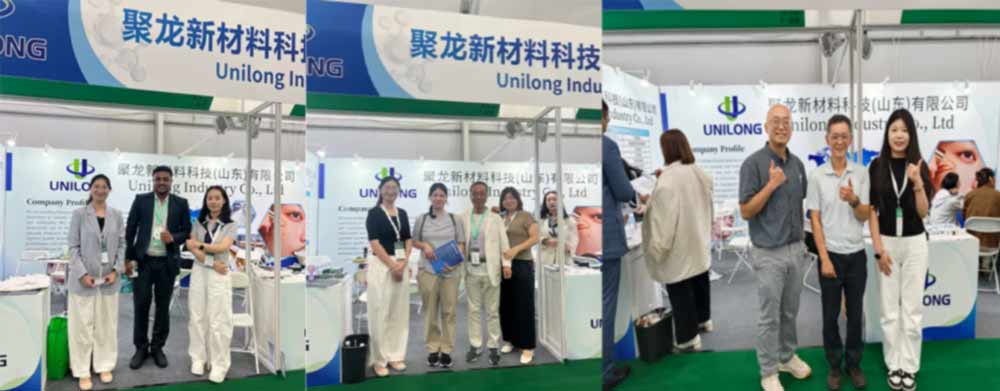
This participation in CPHI China 2026 not only demonstrated the professional image of Unilong Industry Co., Ltd. in the export of pharmaceutical raw materials and fine chemicals, but also gained valuable customer resources and market information. In the future, Unilong Industry Co., Ltd. will continue to adhere to the principles of compliant operation, quality priority, and the principle of giving priority to customers, continuously deepen its penetration into the international market, continuously enhance product competitiveness and service capabilities, and work together with global partners to contribute to the high-quality development of the pharmaceutical industry.
What is Imidazole and its applications?
Imidazole is a five-membered aromatic heterocyclic compound containing two meta-nitrogen atoms in its molecular structure. The lone pair of electrons at the 1-position of the nitrogen atom in the imidazole ring participates in cyclic conjugation, reducing the electron density of the nitrogen atom and making it easier for the hydrogen atom on this nitrogen atom to leave as a hydrogen ion. Therefore, imidazole exhibits weak acidity and can form salts with strong bases.
Imidazoles are stable to acids and possess antioxidant properties. Imidazole derivatives are widely found in nature, such as histamine, histidine, and benzimidazole. Some acyl compounds of imidazoles are interesting reagents. For example, 1-acetylimidazole is a stable acylating agent. It reacts with pyrrole to form 1-acetylpyrrole. Furthermore, under normal conditions, 1-acetylimidazole can be used with Grignard’s reagent and reducing agents to generate ketones and aldehydes. N,N′-carbonyldiimidazole reacts with a carboxyl group to generate useful reagents, acylimidazoles. Imidazoles have a very close relationship with natural compounds. For example, condensation with a pyrimidine ring yields purine derivatives, which, in addition to serving as bases in nucleic acids such as 6-aminopurine and guanine, are also found in uric acid, caffeine, and theophylline in organisms.
The imidazole ring is a classic pharmacophore in drug molecules, enhancing water solubility, targeting, and bioactivity. It is primarily used in active pharmaceutical ingredients (APIs), pharmaceutical intermediates, and pharmaceutical excipients.
(1). Antifungal Drugs (Most Mainstream Subcategory)
Imidazole antifungal drugs are first-line clinical treatments, exerting their effects by inhibiting ergosterol synthesis in fungal cell membranes.
Topical skin/mucous membrane medications:
Agricultural and medical cross-border fungicides: addressing both human skin infections and animal dermal fungal infections.
Systemic antifungal drugs are used for deep fungal infections (visceral and blood fungal diseases), often used in severe clinical settings.

(2). Imidazole fungicides are highly systemic, have a long-lasting effect, and are low in toxicity, meeting green agriculture standards:
Imidacloprid: A globally popular fruit and vegetable preservative and field fungicide, used to control post-harvest rot in mangoes, citrus fruits, and bananas, as well as Fusarium head blight and leaf spot in rice and wheat. An essential agent for fruit and vegetable import and export preservation.
Imidacloprid: Primarily used for fruit and vegetable storage preservation and fungal diseases in grapes and strawberries. Rain-resistant, widely used in orchards and cold chain storage.
Complementary formulations: Can be combined with other pesticides to broaden the fungicidal spectrum and delay the development of pathogen resistance.
Imidazole relies on its antibacterial and plant growth regulator activities to produce highly effective and low-toxicity fungicides, with smaller quantities used in insecticides and plant growth regulators. It is a core raw material for plant protection of fruits, vegetables, grains, and oil crops.
Insecticide adjuvants: Enhance pesticide penetration and insecticidal efficacy;
Herbicide intermediates: Synthesize selective herbicides for weed control in field crops;
Plant growth regulators: Micro-regulate crop flowering and fruit setting, reducing flower and fruit drop.

Utilizing their catalytic, curing, coordination, and anti-corrosion properties, these additives are widely used in resins, electronic materials, rubber, coatings, adhesives, and other industries, and are a major driver of growth in the industrial sector.
Epoxy Resin Curing Agents (Largest Industrial Application) Imidazole is a classic medium-temperature latent epoxy curing agent, distinct from ordinary curing agents: stable at room temperature and rapidly curing at medium temperature, suitable for precision industrial applications.
Electronics and Electrical Industry: Circuit boards (PCBs), copper-clad laminates, electronic component packaging, motor insulation components, current transformers; significantly improved insulation, heat resistance, and mechanical strength after curing.
Adhesives/Sealants: Epoxy structural adhesives, electronic sealants, building structural adhesives, used for bonding in home appliances, automobiles, and wind power.
Coatings: High-temperature resistant epoxy coatings, anti-corrosion industrial paints, floor paints, used for corrosion protection of engineering machinery, pipelines, and storage tanks.
Composite Materials: Carbon fiber and glass fiber composites (wind turbine blades, rail transit components).
Metal Corrosion Inhibitors/Rust Inhibitors: Imidazole nitrogen atoms can form a dense coordination protective film with metal ions such as copper, iron, and zinc, blocking oxygen and corrosive media from contacting the metal surface.
Copper-Specific Rust Inhibitors: PCB circuit boards, integrated circuit copper wiring, copper precision instruments; prevents oxidation, blackening, and corrosion; essential for electronics manufacturing.
Steel/Non-ferrous Metal Rust Inhibitors and Water Treatment Corrosion Inhibitors: Industrial circulating water, equipment rust prevention, metalworking fluid additives.
Resin and Rubber Additives: Urea-formaldehyde resin and phenolic resin curing accelerators; shorten curing time and increase product hardness; Rubber vulcanization aids and anti-aging agents; improve rubber’s heat resistance and aging resistance; used in tires and seals.

A universally used reagent in research, commonly stocked by universities, pharmaceutical companies, and testing institutions worldwide, with stable usage.
Core Reagent for Protein Purification
A dedicated eluent for Ni column affinity chromatography in recombinant protein and enzyme production: Imidazole competes with the histidine tag (His-Tag) for binding to nickel ions, gently eluting the target protein without destroying its activity; a standard component in biological laboratories and biopharmaceuticals.
Biological Buffers
Imidazole pKa≈7.0, perfectly matching the neutral environment in vivo, used to prepare buffer solutions for: enzyme activity experiments, cell culture, biochemical detection, and in vitro diagnostics (IVD) tests.

The imidazole ring is an ideal “skeleton” for drug design. It is relatively simple, and multiple sites on the ring are easily modified by introducing different chemical groups, thereby precisely controlling the activity, selectivity, and pharmacokinetic properties of drug molecules. This allows researchers to efficiently construct and optimize candidate drugs, much like assembling parts.
Powerful fungicide, leading efficacy: Imidazole fungicides exhibit outstanding efficacy. In practical applications, certain imidazole fungicides (such as prochloraz) demonstrate inhibitory effects against specific pathogens.
The imidazole market is expected to maintain stable growth in the coming years, but it also faces structural challenges. In response, the following aspects should be considered:
Focus on high value-added areas: Investment and R&D should shift towards high-purity, high-performance pharmaceutical-grade or specialty imidazole products to meet the growing demand in the pharmaceutical, high-end electronics, and other fields, avoiding price competition in the low-end market.
Seize opportunities in emerging markets: Actively develop emerging applications such as ionic liquids and novel optoelectronic materials, and closely monitor policy trends in major downstream industries (such as new energy vehicles and innovative drugs) to identify entry points.
With its irreplaceable applications in pharmaceuticals, agriculture, and high-end manufacturing, imidazole, a fine chemical intermediate, is experiencing steady market growth. From the precise design of drug molecules to the green synthesis of high-performance materials, imidazole, with its unique ‘plasticity,’ continues to expand its application boundaries, becoming a highly promising functional molecule in the fine chemical field.
Glyoxal 40% (CAS 107-22-2): A Versatile Chemical Intermediate Powering Innovation Across Industries
In the realm of high-performance chemical intermediates, Glyoxal 40% (CAS 107-22-2) has emerged as a pivotal product, revolutionizing production processes across multiple industrial sectors. With its unique chemical structure and exceptional performance characteristics, Glyoxal 40% has become an indispensable component in manufacturing processes ranging from textiles and water treatment to adhesives and emerging high-tech fields.
Glyoxal 40%, identified by CAS number 107-22-2, is a key dialdehyde chemical intermediate with the chemical formula C₂H₂O₂ and a molecular weight of 58.04. It appears as a colorless to pale yellow aqueous solution at room temperature, with a glyoxal content strictly controlled between 39.5%-40.5% and minimal impurities. As a reactive dialdehyde compound, Glyoxal 40% is chemically stable under normal storage conditions, non-flammable, and easy to transport, allowing for long-term storage in cool, dry environments, which ensures convenience and safety for industrial use.

Glyoxal 40%’s widespread adoption stems from its unique combination of performance advantages that outperform many traditional chemical intermediates, making it a preferred choice for high-demand industrial applications.
With its reactive dialdehyde structure, Glyoxal 40% boasts high reaction activity, enabling it to react quickly with various substances such as fibers, resins, and pollutants. This characteristic significantly improves production efficiency in various industrial applications, reducing processing time and enhancing overall productivity for enterprises, even when used in moderate dosages.
The raw materials for producing Glyoxal 40% are easy to obtain, and the production process is mature and advanced, resulting in a reasonable product price. As it dominates the global glyoxal market with a 55% share in 2024, it provides enterprises with a cost-saving choice while ensuring stable product quality, helping to reduce overall production costs.
Glyoxal 40% maintains stable quality, with strict control over impurity content and concentration, fully meeting global industrial standards. It also has excellent compatibility with a wide range of chemicals, including resins, fibers, and other additives, adapting to diverse manufacturing processes and expanding its application scope across multiple industries. What makes our Glyoxal 40% more competitive is our advanced formaldehyde removal technology. The formaldehyde content of conventional Glyoxal 40% products on the market is around 2000ppm, while we can customize products with formaldehyde content below 1000ppm, 500ppm, and even 100ppm according to customer needs. This advanced technology brings remarkable advantages: it further reduces the toxicity of the product, making it more environmentally friendly and safer for operators and end-users; it avoids formaldehyde volatilization during use, which can cause damage to materials and affect product quality; it also expands the product’s application scope, enabling it to be used in more strict environmental and safety scenarios such as high-end food packaging, medical materials, and infant-related products.

Glyoxal 40%’s versatility makes it a cornerstone in various industries, driving improvements in product quality and expanding application boundaries.
As a high-efficiency cross-linking agent and finishing agent, Glyoxal 40% is widely used in the textile industry, especially for natural fibers such as cotton and linen. It reacts with hydroxyl groups in fibers to form stable chemical bonds, significantly enhancing fabric wrinkle resistance, shrinkage resistance, and shape retention. After finishing with Glyoxal 40%, textiles remain wrinkle-free after washing, maintain a neat appearance, and have improved color fastness, making them ideal for high-grade clothing, home textiles, industrial fabrics, and leather tanning processes.
Glyoxal 40% serves as an environmentally friendly water treatment agent, widely applied in industrial sewage and drinking water purification. Leveraging its biocidal effect and chelation-oxidation properties, it can effectively remove heavy metal ions, organic pollutants, and bacteria in water. Compared with traditional water treatment agents, it boasts high purification efficiency, low dosage, and no secondary pollution, making it an ideal choice for green water treatment projects.

In the adhesive and resin industry, Glyoxal 40% is an important raw material for producing urea-formaldehyde resin, melamine resin, and glycoluril based amino crosslinking resins. It reacts with urea, melamine, and other substances to form high-performance resins with strong bonding force and good stability. The adhesives made from it have excellent water resistance, heat resistance, and corrosion resistance, widely used in wood processing, furniture manufacturing, and construction, ensuring the service life of bonded products.
Glyoxal 40% is increasingly used in emerging industries, unlocking new application possibilities. In the oilfield industry, it acts as an H₂S scavenger and improves viscosity in oil-drilling fluids. In the paper industry, it enhances the wet/dry strength of paper and enables efficient coating. It is also used in personal care products to improve viscosity and as a preservative, and in electronics as a building block for compounds that increase stability in epoxy laminates, supporting the development of high-tech fields.

With the growing demand for high-performance, environmentally friendly chemicals in textiles, water treatment, adhesives, and emerging industries, the market for Glyoxal 40% (CAS 107-22-2) is expected to expand steadily. Its unique advantages in reaction efficiency, environmental friendliness, cost-effectiveness, and compatibility make it a key enabler of industrial innovation. As research deepens, Glyoxal 40% is likely to unlock new applications in new energy and advanced materials, solidifying its position as a critical chemical intermediate in the global industrial chain.
We are committed to providing high-quality Glyoxal 40% products (available in 5kg, 250kg, 1200kg packaging and bulk) to global customers, supporting industrial development and creating more value. For more information about our products, please contact us.
Sodium Allylsulfonate (CAS 2495-39-8): High-Performance Industrial Functional Monomer And Auxiliary
Sodium allylsulfonate (SAS), with the CAS number 2495-39-8, is a high-purity anionic sulfonate monomer widely used in fine chemical industries. Its chemical formula is C₃H₅NaO₃S and molecular weight is 144.12. The product features a unique molecular structure containing active carbon-carbon double bonds and hydrophilic sulfonic acid groups, enabling excellent copolymerization activity and water solubility.

This product has two mainstream specifications to meet diverse industrial needs: 25% industrial-grade liquid and 98% high-purity solid powder. Both specifications maintain consistent and stable chemical properties at room temperature, resisting decomposition and deterioration and supporting long-term storage. Adopting refined synthesis technology and strict impurity control, the product delivers excellent batch consistency and is suitable for large-scale and continuous industrial production.
The liquid product features favorable fluidity and easy dilution without secondary dissolution, enabling convenient and efficient operation. It is highly applicable to continuous dosing and large-volume industrial circulation systems. It is widely used in water treatment scale inhibitors, oilfield drilling mud modifiers, general electroplating solution additives and cement admixtures. It can be directly compounded with water-based reagents, which greatly simplifies operating procedures and saves production costs.
The high-purity powder product boasts low impurity content, high concentration of active ingredients and stable polymerization activity. It is the preferred material for high-end fine chemical synthesis, polymer modification, precision electroplating brightener intermediates and textile finishing agent manufacturing. It perfectly adapts to production scenarios with strict requirements for raw material purity and finished product performance, effectively improving the quality of high-end formula products.
As a key intermediate for nickel plating brighteners and leveling agents, sodium allylsulfonate improves the dispersion of electroplating solutions, enhances the flatness, brightness and ductility of metal coatings, and eliminates common defects such as pinholes and peeling. It is highly suitable for electroplating of hardware and precision components.
It can copolymerize with monomers such as acrylamide to prepare high-efficiency flocculants and scale inhibitors, which can effectively adsorb impurities and inhibit scale formation, thus improving the purification efficiency of industrial circulating water and sewage. As an additive for oilfield drilling mud, it optimizes the fluidity and stability of mud, prevents stratum pollution and ensures smooth drilling operations.
It serves as a core additive for cement water reducers and early-strength agents, optimizing cement hydration reactions, improving concrete compactness and early strength, and reducing energy consumption. In addition, it acts as a copolymer monomer for textile modification and polymer synthesis, significantly improving the hydrophilicity, weather resistance and mechanical properties of finished materials.

Compared with traditional industrial auxiliaries, sodium allylsulfonate features excellent compound compatibility. It can be perfectly mixed with various electroplating agents, water treatment reagents and chemical accessories without any adverse reactions, adapting to diverse formula systems.
The product has high reaction activity and low residual content, fully complying with current green and environmentally friendly production standards, and can meet the requirements of eco-friendly industrial production processes.
The optimized production process ensures ultra-low impurity content and stable and controllable product quality, fully adapting to high-standard continuous industrial production. Standardized packaging including 25KG plastic drums and ton barrels facilitates convenient transportation and safe storage, enabling stable bulk supply for industrial customers.

With the accelerated upgrading of global fine chemical, environmental protection and advanced manufacturing industries, the market demand for high-performance functional monomers continues to grow steadily. As a multifunctional, cost-effective and stable auxiliary, sodium allylsulfonate has become an essential raw material for precision electroplating, industrial water treatment and new building material production.
Endowed with dual-form supply, stable molecular activity and wide formula compatibility, sodium allylsulfonate (CAS 2495-39-8) solves the problems of poor adaptability and single application of traditional auxiliaries. The differentiated design of liquid and powder grades precisely matches low-cost mass production and high-end precision manufacturing scenarios. With reliable quality and convenient processing performance, it fully meets the diversified formulation and standardized production needs of downstream enterprises, serving as a versatile and core auxiliary for the modern fine chemical industry.
Why is 1,6-Hexanediol Becoming The First Choice For High-End Polymer Raw Materials
In the rapidly developing global fine chemical and new material industry, various diol raw materials emerge in an endless stream, but few products can maintain stable market demand and rising application share in high-end manufacturing fields. Many overseas purchasing merchants, coating manufacturers, polyurethane producers and adhesive formula engineers are asking the same question: among numerous aliphatic diols, why can 1,6-Hexanediol (HDO, CAS:629-11-8) stand out and gradually replace traditional diol raw materials, and become the core preferred material for high-performance coatings, polyurethane elastomers, polyester resins and new environmental-friendly materials?
The answer lies in its unique straight-chain molecular structure, excellent comprehensive physical and chemical properties, stable reaction activity and outstanding end-product performance improvement effect. With the global market increasingly demanding low VOC, high weather resistance, low temperature resistance, hydrolysis resistance and long service life of industrial materials, 1,6-hexanediol perfectly fits all current industry development trends. Whether it is automotive exterior and interior materials, outdoor architectural coatings, electronic industry UV curing materials, or high-strength industrial adhesives and new energy supporting materials, 1,6-hexanediol can bring obvious performance advantages and economic benefits to downstream products. This article will deeply analyze the core advantages, product characteristics, main application fields, market value and purchasing selection standards of 1,6-hexanediol, so that global buyers can fully understand the core value of this high-quality chemical raw material.

1,6-hexanediol is a typical linear binary alcohol with six carbon straight chain structure, molecular formula C6H14O2. At room temperature, it is white waxy solid, easy to melt into colorless transparent liquid after slight heating, convenient for industrial production feeding, mixing and reaction synthesis. It has good solubility, can be mutually dissolved with water, alcohols, esters and most common organic solvents, and has extremely strong formula compatibility.
Compared with ethylene glycol, propylene glycol, neopentyl glycol and other common diols, its biggest feature is moderate carbon chain length. Too short carbon chain will lead to hard and brittle finished products, poor low temperature resistance; too long carbon chain will cause poor hardness and insufficient surface wear resistance of materials. The carbon chain structure of 1,6-hexanediol just achieves the perfect balance between product hardness and flexibility. In the process of polymer polymerization reaction, its double-terminal hydroxyl group has stable and moderate reaction activity, will not cause too fast reaction leading to unstable production process, nor too slow reaction affecting production efficiency, which is very suitable for large-scale continuous industrial production.
High-quality industrial grade and high-purity grade 1,6-hexanediol have extremely low moisture content, low acid value and few heavy metal impurities. Strict quality control ensures that it will not cause yellowing, poor curing, unstable color difference and other problems in downstream high-end formulas. It also has good chemical stability, not easy to oxidize and deteriorate under normal storage conditions, long storage cycle, and low transportation and storage risks, which greatly reduces the raw material loss risk for overseas buyers in cross-border procurement and long-distance transportation.
First of all, it has excellent low temperature resistance. After participating in the synthesis of polyurethane and polyester materials, it can effectively reduce the glass transition temperature of finished products, so that materials can still maintain good toughness, elasticity and impact resistance in extremely cold environments, and will not crack and harden. This advantage makes it widely used in cold-resistant industrial parts, outdoor pipeline thermal insulation materials and northern regional building materials, which is an irreplaceable advantage for many overseas customers in high-latitude cold regions.
Secondly, outstanding hydrolysis resistance and chemical corrosion resistance. The straight-chain alkane structure can form dense molecular arrangement inside the polymer, effectively isolate the erosion of water vapor, acid-base substances and industrial oil, greatly prolong the service life of coatings, adhesives and elastomers. Outdoor facilities, marine supporting materials and chemical equipment anti-corrosion coatings all need to rely on this performance to achieve long-term stable use, effectively reducing the later maintenance and replacement costs of end products.
Thirdly, it significantly improves surface wear resistance and scratch resistance of products. When used in UV curing coatings, automotive refinish coatings and plastic surface protective coatings, 1,6-hexanediol can significantly enhance surface hardness and gloss retention, make the coating not easy to scratch and fade, and greatly improve the appearance grade and practical durability of products.
In addition, it conforms to global environmental protection and safety regulations. High-purity 1,6-hexanediol has low toxicity, no peculiar smell, meets REACH, FDA and other international mainstream environmental protection certification standards, can be safely used in food contact auxiliary materials, daily chemical formula intermediates and medical packaging auxiliary materials, helping downstream manufacturers smoothly pass various regional environmental protection inspections and quickly open European, American and Southeast Asian high-standard markets.
The largest consumption field of 1,6-hexanediol is polyurethane industry. As a high-quality chain extender, it is widely used in the production of polyurethane elastomers, high resilience foams, waterproof polyurethane materials and automotive sealing parts. The finished PU products have balanced soft and hard properties, strong bearing capacity and long service life, and are deeply favored by automobile manufacturing, new energy vehicles and mechanical equipment industries.
The second core application is all kinds of environmental-friendly coatings. It is an important raw material for synthesizing hexanediol diacrylate (HDDA), and is widely used in UV curing wood coatings, plastic coatings, metal anti-corrosion coatings and ink binders. With the global strict restriction of high VOC solvent-based coatings, water-based coatings and UV curing coatings have become the mainstream trend, which directly drives the continuous growth of market demand for 1,6-hexanediol.

In the field of adhesives and sealants, 1,6-hexanediol can improve the bonding strength, temperature resistance and weather resistance of polyester adhesives and polyurethane adhesives, making the adhesives have stable bonding effect in different temperature and humidity environments, and are widely used in building decoration, furniture bonding, electronic component fixing and industrial composite material lamination.
At the same time, it is also used in the synthesis of high-grade polyester resins, synthetic lubricants, daily chemical humectant intermediates, pharmaceutical chemical intermediates and other subdivided fields, with very broad downstream derivative development space, which can help downstream enterprises carry out product innovation and expand high-profit product lines.
At present, the global market demand for 1,6-hexanediol is maintaining a steady growth trend. Driven by the booming new energy industry, automobile lightweight trend and environmental-friendly coating policy promotion, the market gap of high-purity 1,6-hexanediol is gradually expanding. More and more overseas downstream enterprises begin to abandon low-performance traditional diols and turn to stable-quality 1,6-hexanediol to upgrade product quality.
For overseas importers and formula manufacturers, when purchasing 1,6-hexanediol, they must prioritize products with stable purity indicators, strict impurity control and complete qualification documents. Different application scenarios need to select corresponding grades: high-purity grade is used for high-end UV materials and medical and daily chemical intermediates, and industrial high-grade is suitable for conventional polyurethane, coatings and adhesives, which can reasonably control procurement costs while ensuring product quality.
In terms of supply chain selection, choosing manufacturers with stable production capacity, perfect cross-border export experience and timely after-sales technical support can effectively avoid the risks of out-of-stock goods, unstable quality and delayed delivery in international trade. In addition, communicating with suppliers in advance about product melting, packaging, transportation freezing protection and other details can ensure that the raw materials remain intact and the indicators are stable after arriving at overseas warehouses.
To sum up, the reason why 1,6-Hexanediol is increasingly favored by global high-end material manufacturers is not only its superior single performance, but also its excellent comprehensive performance matching ability, wide application compatibility and high value-added space for downstream products. In the era of global material upgrading and environmental protection iteration, it has become an inevitable development trend to use high-quality 1,6-hexanediol to optimize product formulas.
Whether you are a raw material wholesaler engaged in fine chemical foreign trade, a formula engineer who needs to upgrade coating and adhesive products, or a production manager of polyurethane new materials, choosing qualified and stable 1,6-hexanediol is an effective way to enhance product market competitiveness, meet international environmental protection standards and expand high-end customer groups. In the future, with the continuous innovation of downstream new materials, the market status and application value of 1,6-hexanediol will be further improved, and it will continue to occupy an important core position in the global high-end fine chemical raw material market.
EDTA-4NA: A typical alkaline water-soluble chelating agent
Tetrasodium EDTA, also known as EDTA-4Na or ethylenediaminetetraacetic acid tetrasodium salt, has molecular formula C10H12N2O8Na4⋅4H2O, molecular weight 452.23 and CAS number 13235-36-4.
Thanks to its powerful metal ion sequestering capacity, excellent water solubility, stable pH value and wide formulation compatibility, EDTA-4Na has become one of the indispensable functional core raw materials in daily chemicals, industrial cleaning, water treatment, textile printing and dyeing and papermaking industries.
EDTA-4Na is white crystalline powder in appearance, easy to absorb moisture in humid environment and stable under conventional storage conditions.
We supply complete specifications including industrial grade, cosmetic grade and spray grade, with strict quality control on all technical indexes.
In terms of key quality indicators, the content of cosmetic grade EDTA-4Na reaches no less than 99.5%, with chloride ≤0.01%, sulfate ≤0.05%, heavy metal lead ≤0.001%, iron ion ≤0.001%, and NTA content strictly controlled below 0.1%, which meets high-standard daily chemical production requirements.
Industrial grade product has content ≥99.0% and NTA ≤1.0%, suitable for general industrial use. Its chelating value is stably above 220mg CaCO3/g, owning outstanding metal ion binding capacity.
The pH value of 1% aqueous solution is kept between 10.5 and 11.5, presenting stable natural alkalinity without extra pH adjustment in most formulas.

It owns multiple prominent core properties.
Firstly, it has ultra-high water solubility, dissolving fast in both cold and hot water, much better than EDTA disodium salt, convenient to prepare high-concentration solution and simplify production operation.

Secondly, it has strong chelating performance, which can stably combine with calcium, magnesium, iron, copper, manganese and other metal ions to form soluble complexes, effectively eliminate water hardness, inhibit scale formation and avoid raw material precipitation.
Thirdly, it has excellent thermal stability and good compatibility, which will not decompose under conventional production temperature, and can be perfectly compounded with surfactants, alkalis, plant extracts and other raw materials without adverse reactions.
EDTA-4Na is widely applied in alkaline facial cleansers, hair care products, hair straightening cream and various body cleaning products.

Relying on its excellent chelating property and high-purity low-impurity advantage, it can effectively capture metal impurities brought in by raw materials and production water, restrain oxidative failure of active ingredients, prevent finished products from yellowing, layering and producing peculiar smell, stabilize emulsion and paste system, and greatly extend the shelf life of daily chemical products.
Strictly controlled NTA and heavy metal content make it safe and reliable for long-term use in skin care formulas.
As an important functional auxiliary for heavy-duty degreaser, industrial alkaline cleaning agent, laundry detergent and tableware detergent, EDTA-4Na can weaken the negative influence of hard water quality, fully exert the decontamination and emulsification effect of surfactants, reduce soap scum generation, keep cleaning products clear and transparent, and effectively improve overall cleaning efficiency.
Stable alkalinity also helps enhance the oil removal ability of alkaline cleaning formulas.

In circulating cooling water, boiler water and circulating pipeline water systems, EDTA-4Na with stable chelating index is used as professional water softener and scale inhibitor.
It removes calcium and magnesium hardness ions in water, prevents scale from adhering to the inner wall of equipment and pipelines, improves heat exchange efficiency, reduces equipment maintenance frequency and production cost, and also plays a certain slow-release anti-corrosion role on metal pipelines.

During textile dyeing and finishing process, EDTA-4Na removes excess metal ions in dyeing water, effectively avoid dye fading, color difference and color spot problems caused by metal interference.
Improving dye adhesion and uniform dyeing effect, significantly enhance fabric color fastness, and steadily upgrade the overall printing and dyeing product quality.

In papermaking industry, it can protect hydrogen peroxide bleaching agent from being decomposed by metal ions, guarantee stable bleaching effect and improve paper whiteness.
Besides, it is also widely used in electroplating industry, environmental sewage detection, chemical raw material processing and other fields, playing an irreplaceable role as high-efficiency chelating auxiliary agent.

With the continuous upgrading of daily chemical formula standards, stricter impurity control requirements for raw materials, and the continuous expansion of demand for environmentally friendly industrial water treatment technology, high-purity low-impurity EDTA-4Na is favored by more and more downstream manufacturers, and the market demand maintains steady growth with broad development space.
Unilong Industry specializes in the supply of fine chemical raw materials, and can stably provide industrial grade, cosmetic grade and spray grade EDTA-4Na with complete specifications.
Please feel free to contact us if you have any demand for EDTA-4NA in any time, thanks.
Bisphenol S: The Game-Changing High-Performance Chemical Reshaping Modern Industrial Materials
Bisphenol S (CAS 80-09-1) is redefining the high-end chemical and polymer industries with its outstanding structural stability and versatile application value. As an innovative organic compound and a superior alternative to Bisphenol A (BPA), it has broken through the performance limitations of traditional phenolic materials and become an indispensable core raw material in advanced manufacturing, fine chemicals, and daily consumer product sectors. With the global pursuit of safe, heat-resistant, and eco-friendly industrial materials, Bisphenol S has emerged as a star chemical intermediate driving industrial upgrading.

Bisphenol S, chemically named 4,4′-sulfonyldiphenol, is a white crystalline organic compound with a unique molecular structure featuring dual hydroxyl groups and a sulfone linkage. Different from BPA’s molecular composition, its special sulfone group endows it with far stronger structural stability. It effectively overcomes BPA’s defects such as poor high-temperature resistance and potential biological risks. As a modified bisphenol derivative, it maintains excellent chemical reactivity while achieving remarkable heat resistance, light stability, and oxidation resistance, laying a solid foundation for wide industrial application.
Bisphenol S boasts a melting point of 245-250°C and maintains stable performance under high-temperature and strong light environments. It is not prone to decomposition or performance attenuation, perfectly adapting to high-temperature processing scenarios of engineering plastics and high-temperature resistant coatings, outperforming most traditional bisphenol materials.
As a mainstream BPA substitute, Bisphenol S features low toxicity and weak endocrine interference. It complies with global environmental and safety standards, enabling products to be labeled BPA-free. It is widely recognized in food contact materials, cosmetic packaging, and infant supplies, meeting strict regulatory requirements across regions.

It has strong reactivity with resins, polymers, and dyes. It can serve as a curing agent, fixing agent, and chemical intermediate, effectively enhancing the mechanical strength, corrosion resistance, and durability of composite materials.
Bisphenol S boasts a highly rigid structure, significantly improving the polymer’s hardness, tensile strength, and modulus. Simultaneously, the regularity of its molecular chains results in final products (such as optical lenses and high-end display substrates) exhibiting extremely high transparency and gloss, meeting the stringent aesthetic requirements of consumer electronics and high-end everyday consumer goods.
It is a key raw material for synthesizing polycarbonate, epoxy resin, polysulfone, and polyethersulfone. It is widely used in electronic insulation materials, high-performance engineering plastics, and anti-corrosion coatings, improving material toughness and aging resistance.

As a dye fixing agent and dispersant intermediate, it enhances color fastness and high-temperature dyeing stability of textiles. It also acts as a tanning agent and additive in leather processing.
It is applied in thermal paper, food can inner coatings, cosmetic packaging, and electronic adhesive materials. Its stable and safe properties ensure product service life and user health safety.
It serves as a pharmaceutical and pesticide intermediate, and its environmentally friendly properties support green production processes, conforming to the global low-carbon development trend.
With the growing demand for BPA-free materials, bisphenol S polycarbonate, with its excellent optical properties and heat resistance, is gradually replacing traditional PC materials and is widely used in baby bottles, medical devices, and AR/VR optical lenses.
The synthesis process of bisphenol S (usually through the reaction of phenol with sulfuric acid or sulfur dioxide) is mature, and product quality is controllable. Its crystal structure is easy to purify, meeting the stringent impurity content requirements of electronic-grade applications.
The production process of bisphenol S conforms to green chemistry principles, producing few byproducts and utilizing a wide range of raw material sources. In today’s advocacy of carbon neutrality, using bisphenol S to extend material lifespan and reduce resource waste caused by material aging has significant socio-economic benefits.

Although the cost per ton of bisphenol S is higher than that of ordinary bisphenol A, its irreplaceable position in high-end applications makes it a key asset for enterprises to upgrade their technology and differentiate their products. Investing in the bisphenol S industry chain is investing in the future high-end manufacturing market.
With irreplaceable stability, safety, and versatility, Bisphenol S (CAS 80-09-1) has become a core engine of the global advanced chemical material industry. It not only solves the performance and safety bottlenecks of traditional BPA materials but also provides strong technical support for the iterative upgrading of polymers, fine chemicals, and consumer goods. As a professional raw material supplier, we supply high-purity Bisphenol S that meets international standards, offering one-stop technical support and customized solutions to global clients.
LAAP (CAS 23313-12-4): The Rising Global Demand for Stable Vitamin C Derivatives
In the dynamic landscape of global chemical supply chains, stability is the ultimate currency. As industries ranging from aquaculture to high-end cosmetics face increasing pressure to maintain product efficacy, a specific class of Vitamin C derivatives has emerged as a critical solution. We are witnessing a significant surge in demand for L-Ascorbic Acid Polyphosphate and its closely related counterpart, L-Ascorbic Acid 2-Phosphate (CAS 23313-12-4).
Unlike traditional Ascorbic Acid, which is notorious for its instability when exposed to heat, light, and moisture, these phosphate-esterified derivatives offer a robust solution. By introducing a phosphate group to the Vitamin C molecule, manufacturers have successfully shielded the oxidation-prone sites. This chemical modification results in a product—often appearing as a white to off-white powder—that maintains high stability even under the rigorous conditions of industrial processing.
We supply both monophosphate (LAMP) and polyphosphate (LAPP) grades. The monophosphate form contains one phosphate group, balancing stability and cost-effectiveness. The polyphosphate variant features multiple high-energy phosphate bonds, offering superior bioavailability, longer-lasting effects, and additional nutritional benefits for cells. Our products are white crystalline powder, 99% purity, compliant with USP/EP standards, with strict control over heavy metals and microbial impurities.
Unlike traditional Ascorbic Acid, which is notorious for its instability when exposed to heat, light, and moisture, these phosphate-esterified derivatives offer a robust solution. By introducing a phosphate group to the Vitamin C molecule, manufacturers have successfully shielded the oxidation-prone sites. This chemical modification results in a product—often appearing as a white to off-white powder—that maintains high stability even under the rigorous conditions of industrial processing.
Aquaculture and Animal Nutrition: In the production of animal feed, particularly for aquatic species like shrimp and fish, feed pellets must withstand high-temperature pelleting and extrusion processes. Standard Vitamin C degrades rapidly under such heat. However, L-Ascorbic Acid Polyphosphate and Monophosphate demonstrate exceptional resistance to high temperature and pressure, ensuring that the active vitamin content remains intact until consumed. Once ingested, the phosphate esters are hydrolyzed by phosphatase in the animal’s gut, releasing active Vitamin C to boost immunity, enhance stress resistance, and promote collagen synthesis.

In the beauty industry, stability equals shelf life. These derivatives are highly prized in anti-aging formulations. They stimulate collagen formation and expression without the rapid oxidation issues associated with pure L-Ascorbic Acid, making them ideal for serums and creams targeting skin brightening and elasticity.
For the pharmaceutical and research sectors, L-Ascorbic Acid 2-Phosphate serves as a long-acting Vitamin C source. It is extensively used in culture media to induce the osteogenic differentiation of human adipose stem cells (hASCs), significantly increasing alkaline phosphatase (ALP) activity.
Southeast Asia: A Rapidly Growing Hot Market
The demand for vitamin C phosphate salts is growing rapidly in Southeast Asia, thanks to the booming cosmetics manufacturing industry, the need for stable skin care ingredients in high-humidity environments, and the expansion of aquaculture. Countries like Indonesia, Vietnam, and Thailand are leading consumers: 55% to 60% of the essence formulas in Indonesia rely on imported stable vitamin C derivatives; the aquaculture industry (shrimp, catfish) in Vietnam needs a large amount of polyphosphate for feed supplementation. The region tends to choose cost-effective and stable products, so our monophosphate and polyphosphate grades are popular.
South America: Stable Demand in the Food and Feed Sector
The market in South America mainly focuses on food fortification and animal feed. Brazil and Argentina are the main consumers. Brazil’s national iron deficiency program combines vitamin C derivatives with iron supplements to improve absorption rates. The large-scale livestock and aquaculture industries in the region prefer to use polyphosphate grades because they have better stability in tropical climates and better effects on animal nutrition. The demand is stable, and buyers value reliable supply and competitive prices.
It is crucial for buyers to understand that while they share the same CAS registry in many contexts due to their functional similarities, the degree of polymerization matters. L-Ascorbic Acid 2-Phosphate (Monophosphate): Often preferred for its specific solubility profile and precise stoichiometry in chemical reactions and cell cultures. L-Ascorbic Acid Polyphosphate LAAP: Renowned for its superior stability in long-term feed storage and harsh pelleting environments.Understanding the distinction allows for better application targeting, whether for a sensitive cosmetic serum or a durable fish feed pellet.
Understanding the volatility of the global chemical supply chain, we are committed to providing stability and reliability to our international partners. We currently have immediate spot stock available of LAAP (CAS 23313-12-4).
Ⅵ Packaging Options:
To accommodate various logistical needs, our LAAP(LAPP) is packaged in:
25kg Drums: Standard export-quality packaging ensuring product integrity during transit.
25kg Bag: For larger volume requirements, optimizing container load efficiency.
The product should be stored in a cool, dry, and well-ventilated area, protected from direct sunlight and moisture. Under proper storage conditions, the shelf life is optimized to ensure peak performance upon usage.
L-Ascorbic acid polyphosphate LAAP (CAS 23313-12-4) is a high-value, stable vitamin C derivative with strong, growing demand across Southeast Asia, South America, and North America. Its versatility in cosmetics, pharmaceuticals, and animal feed, combined with our full product range (mono & polyphosphate) and ready stock, makes us your ideal supplier. Contact us today for bulk quotes and technical support!
In the ever-evolving landscape of chemical manufacturing, the demand for sustainable, bio-based raw materials has never been higher. Consumers and formulators alike are searching for ingredients that deliver high performance without compromising environmental responsibility. Among these sought-after compounds, 1-Decanol (CAS 112-30-1) has emerged as a pivotal building block. Derived from natural coconut or palm kernel oil, this straight-chain fatty alcohol is not just a solvent; it is the foundation for a wide range of eco-friendly surfactants and personal care products. This article explores the unique properties, diverse applications, and technical advantages of 1-Decanol, providing valuable insights for industries ranging from detergents to pharmaceuticals.

1-Decanol, also known as Decyl Alcohol, is a saturated primary alcohol with a ten-carbon straight chain. Unlike its shorter-chain counterparts (like ethanol), 1-Decanol is insoluble in water but highly soluble in organic solvents. It is typically produced through the hydrogenation of fatty acids derived from vegetable oils, making it a renewable resource. The product with CAS 112-30-1 is characterized by its high purity, low odor, and excellent chemical stability.
At room temperature, 1-Decanol appears as a colorless to pale yellow liquid with a mild, characteristic fatty odor. It has a relatively high boiling point and a low vapor pressure, which makes it an excellent choice for applications requiring long-lasting effects. Due to its amphiphilic nature (having both hydrophobic and hydrophilic parts), it serves as a crucial intermediate in the synthesis of various surfactants.
One of the most significant applications of 1-Decanol is in the production of Alcohol Ethoxylates (AE) and Alkyl Sulfates (AS). When reacted with ethylene oxide, 1-Decanol forms the basis of non-ionic surfactants widely used in:
Heavy-Duty Liquid Detergents: Its excellent wetting and emulsifying properties help lift grease and oil from fabrics.Industrial Cleaners: N-Decanol is effective in hard water and provides good foaming characteristics.

Disinfectants:N-Decanol acts as a co-surfactant, enhancing the penetration of active biocidal ingredients.
In the beauty industry, 1-Decanol is valued for its emollient properties. It is used as:
A Thickening Agent: It helps adjust the viscosity of lotions and creams, providing a rich, non-greasy feel.
A Carrier for Fragrances: Due to its low volatility,N-Decanol helps fix fragrances in perfumes and scented products.
Skin Care: N-Decanol forms a protective barrier on the skin, reducing transepidermal water loss (TEWL) and improving skin hydration.

The chemical reactivity of the hydroxyl (-OH) group in 1-Decanol makes it an ideal starting material for synthesizing more complex molecules. It is used in the production of:
Cationic Surfactants: Such as decyltrimethylammonium bromide, used as fabric softeners and antistatic agents.
Plasticizers: Improving the flexibility of polymers.
Pesticide Emulsifiers: Enhancing the dispersion of active ingredients in agricultural sprays.
Compared to shorter-chain alcohols, 1-Decanol provides a better balance between hydrophilicity and lipophilicity. This balance allows it to form stable emulsions between oil and water, a critical factor in both cleaning and cosmetic formulations. Its wetting power ensures that cleaning solutions spread evenly across surfaces, maximizing contact and efficiency.
A major advantage of 1-Decanol is its environmental compatibility. Being derived from natural sources, it is readily biodegradable. This aligns perfectly with the current market trend towards “green chemistry” and reduces the ecological footprint of the final products. Regulatory bodies worldwide recognize fatty alcohols like 1-Decanol as safe and sustainable ingredients.
As a commodity chemical produced on a large scale from agricultural feedstocks, 1-Decanol offers a cost-effective solution for manufacturers. Its stable supply chain (compared to petroleum-derived alternatives) provides security for long-term production planning. Furthermore, its low toxicity profile ensures safe handling in industrial environments.
1-Decanol is generally considered to have a low toxicity profile. However, like all industrial chemicals, it requires proper handling. It may cause mild skin or eye irritation upon prolonged contact. Therefore, it is essential to use appropriate personal protective equipment (PPE), including nitrile gloves and safety goggles, when working with the concentrated material.
To maintain its quality, 1-Decanol should be stored in tightly closed containers in a cool, dry, and well-ventilated area. It is recommended to keep it away from strong oxidizing agents to prevent unwanted reactions. The material has a long shelf life when stored correctly, but it is advisable to rotate stock to ensure freshness, especially in warm climates.
As the global market shifts towards sustainability, 1-Decanol (CAS 112-30-1) stands out as a versatile and reliable chemical intermediate. Its unique combination of performance, biodegradability, and cost-effectiveness makes it an indispensable ingredient in modern formulations. Whether you are developing a new eco-friendly detergent or a high-end skincare product, 1-Decanol offers the functionality and reliability required for success.
Unilong Industry is a trusted supplier of high-purity 1-Decanol and a wide range of fatty alcohol derivatives. We are committed to providing raw materials that meet the highest international quality standards. Our team of technical experts is ready to assist you with product selection, formulation advice, and logistics support. If you are looking for a reliable partner for your chemical sourcing needs, contact us today to discuss how we can support your business.
What are the applications of 5-Sulfosalicylic acid dihydrate
5-Sulfosalicylic acid dihydrate cas no 5965-83-3 is an important organic compound with wide applications in pharmaceuticals, chemical engineering, and analytical chemistry. It is essentially a product of salicylic acid through sulfonation. By introducing a sulfonic acid group (-SO₃H) onto the benzene ring, it retains some of the properties of salicylic acid while acquiring new chemical characteristics.
1. Melting point: Approximately 120℃; easily decomposes upon heating.
2. Possesses a bifunctional group of phenolic hydroxyl and sulfonic acid groups, exhibiting complexing, precipitating, and acidic properties.
3. Can form a stable purple-red complex with ferric ions, showing sensitive and stable color development.
4.Aqueous solutions are prone to oxidation and discoloration upon prolonged storage; must be stored in a sealed, light-protected container.
Its acidity, chelating properties, and hydrophilicity improve product performance and skin feel, rather than being a primary active ingredient.
Core Efficacy and Functions.

5-Sulfosalicylic acid dihydrate pH Adjuster and Buffer
Precisely regulates the pH of cosmetics, maintaining system stability and adapting to the skin’s slightly acidic environment.
Enhances product stability against ions and temperatures, extending shelf life.
Gentle Exfoliation and Oil Control
Weaker acidity than salicylic acid, less irritating, gently loosening dead skin cells.
Helps unclog pores, inhibits sebum secretion, improves blackheads and closed comedones, suitable for sensitive and oily/acne-prone skin.
Metal Ion Chelating Agent (Stabilizer)
Powerfully chelates metal ions such as iron and copper in products, preventing oxidation, discoloration, and deterioration, protecting active ingredients such as fragrances and vitamin C.
5-Sulfosalicylic acid dihydrate in Moisturizing and Skin Feel Improvement
Strong hydrophilicity and hygroscopic capacity enhance moisturizing power, making the texture lighter and non-sticky.
Astringent and Soothing: Shrinks pores, calms redness, and helps improve acne inflammation.
5-Sulfosalicylic acid dihydrate Common Product Types:
Toners/Serums: pH adjustment, stabilizes active ingredients, helps control oil and exfoliate.
Oil-Control/Acne-Fighting Lotions: Gently unclogs pores, anti-inflammatory and soothing, reduces irritation.
Cleansing Masks/Gel Masks: Helps cleanse, softens cuticles, and enhances a refreshing feeling.
Hair Care Products: Adjusts pH, chelates metals, improves hair cuticles, and increases smoothness.
Spectrophotometric Colorimetric Method
Forms a stable purple-red water-soluble complex under acidic conditions. High sensitivity and stable color development.
5-Sulfosalicylic acid Applications: Detection of iron content in water quality, water samples, soil, ores, alloys, food, and pharmaceutical solutions.
Can distinguish between ferric and non-ferrous iron; measures only ferric iron without oxidation.
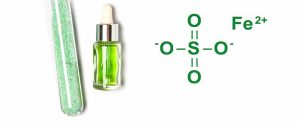
Sulfosalicylic Acid Method for Protein Detection
Principle: Strong acid environment denatures and coagulates proteins, producing turbidity.
Applications: Qualitative, semi-quantitative, and turbidimetric determination of urine protein, cerebrospinal fluid protein, biological agents, and serum protein. Routine method in clinical laboratories and biochemistry labs.
Metal Ion Colorimetric and Quantitative Methods Determines:
Forms different colored complexes at different pH levels, used in spectrophotometric analysis.
Uses: As a metal indicator in complexometric titration.
Masks interfering ions during analysis, eliminating interference from coexisting ions and improving detection accuracy.
Acidity Adjustment and Buffer Reagents
Being strongly acidic, it is used to prepare acidic colorimetric solutions and standard buffer systems for analysis, controlling the pH value of the detection system.
Other Analytical Scenarios
Indirect colorimetric determination of nitrates and nitrites.
Analysis of inorganic minerals, building materials, and metallurgical raw materials.
Water quality monitoring: analysis of impurities and ions in wastewater, drinking water, and industrial circulating water.
Detection of drug purity and impurities in active pharmaceutical ingredients.
1. Excellent Water Solubility: Purely water-soluble, requiring no organic solvents such as ethanol, simple preparation, and no solvent interference.
Wide Acidity Range: Stable color development in strong to weak acidic environments, resistant to strong acids; sample acid leachates can be directly measured, and pH adjustment is simple.
2. Strong Anti-interference Ability: High tolerance to common anions and cations; can also be used as a masking agent to shield interfering ions such as aluminum and chromium; simple pretreatment.
3. Moderate Sensitivity and Good Reproducibility: Wide linear range, suitable for macro and semi-micro iron determination; stable data in batch detection.
4. Multi-purpose: Can be used as an iron colorimetric reagent, as well as for measuring titanium, aluminum, rare earth metals, proteins, adjusting acidity, and acting as a masking agent.
5. Low Cost and Availability: Inexpensive and widely available, suitable for large-scale routine testing in industrial and mining applications, environmental applications, and water quality.
Higher Safety: Low toxicity and low irritation; more environmentally friendly than thiocyanate, bipyridine, and aniline colorimetric reagents; waste liquid is easy to treat.
6. Good compatibility: It has good compatibility with common buffer solutions, salts, and sample matrices, and is not prone to turbidity or precipitation.
5-Sulfosalicylic acid dihydrate is a functional molecule that combines strong acidity with complexing ability, playing an indispensable role in many industrial and scientific research fields.
High-Purity Sodium Thiocyanate: A Cornerstone for Modern Industrial Solutions
In the rapidly evolving landscape of global chemical manufacturing, sourcing reliable and high-purity reagents is paramount for maintaining production quality and efficiency. Unilong Industry Co., Ltd. is proud to highlight its premium offering of sodium thiocyanate, a versatile inorganic compound that serves as a critical building block across a multitude of sectors. With the CAS number 540-72-7 and the molecular formula NaSCN, Sodium Thiocyanate from Unilong Industry is engineered to meet the rigorous demands of modern textile, pharmaceutical, and chemical processing industries. This article provides an in-depth look at the comprehensive capabilities and distinct advantages of this essential chemical.
Sodium thiocyanate is an inorganic salt characterized by its white orthorhombic crystalline structure or fine powder appearance. This compound is highly valued for its exceptional solubility in water, ethanol, and acetone, which allows sodium thiocyanate to integrate seamlessly into various liquid-phase industrial processes. With a melting point of approximately 287°C, Sodium Thiocyanate demonstrates remarkable thermal stability, ensuring the compound remains effective even under demanding processing conditions.
A defining chemical characteristic of sodium thiocyanate is its unique reactivity. When introduced to iron salts, Sodium Thiocyanate produces a distinctive blood-red coloration, a property that has made the compound a staple in analytical chemistry for the precise detection of iron. Furthermore, Sodium Thiocyanate is hygroscopic, meaning the compound readily absorbs moisture from the atmosphere. Unilong Industry ensures that sodium thiocyanate is packaged and stored under strict conditions to maintain its dry, free-flowing state and high purity levels upon delivery.
The utility of sodium thiocyanate extends far beyond a single use case. Unilong Industry supplies Sodium Thiocyanate for a diverse range of critical applications:
In the textile sector, Sodium thiocyanate serves an irreplaceable role as a solvent. Specifically, Sodium thiocyanate is used as the primary solvent for spinning polyacrylonitrile (acrylic) fibers. By effectively dissolving the polymer, Sodium thiocyanate facilitates the extrusion of high-quality synthetic fabrics that are durable and weather-resistant. This application is vital for manufacturers producing clothing, outdoor gear, and industrial textiles.

For laboratories and research facilities, high-purity sodium thiocyanate is an indispensable analytical reagent. Beyond its reaction with iron, Sodium Thiocyanate functions as a masking agent, a precipitating agent, and a colorimetric reagent. Analytical chemists rely on Sodium Thiocyanate for the accurate determination of various metals, including silver, copper, and niobium in steel alloys. The precision provided by laboratory-grade Sodium Thiocyanate ensures reliable data in complex chemical analyses.

The electroplating industry utilizes sodium thiocyanate to enhance the aesthetic and protective qualities of metal finishes. Sodium thiocyanate is frequently added to cyanide copper plating and silver plating baths as a performance-enhancing additive. Additionally, Sodium thiocyanate plays a key role in black nickel plating solutions, helping to achieve a uniform, corrosion-resistant dark finish on metal components.

In organic synthesis, Sodium thiocyanate is employed to convert alkyl halides into thiocyanates, serving as a crucial intermediate in chemical production. The pharmaceutical industry utilizes sodium thiocyanate as a precursor in the synthesis of various drugs and medical intermediates. In agriculture, Sodium thiocyanate acts as a defoliant for certain crops and as a herbicide for vegetation control on infrastructure such as airport roads.
Unilong Industry Co., Ltd. distinguishes its sodium thiocyanate through superior technical specifications. The sodium thiocyanate supplied by Unilong Industry typically boasts a purity level exceeding 98%, with strictly controlled limits on impurities such as iron, chlorides, and sulfates. This high level of purity guarantees that sodium thiocyanate will not introduce unwanted contaminants into sensitive production lines, thereby protecting the integrity of the final product.
Safety is a top priority when handling industrial chemicals. While sodium thiocyanate is highly effective, the compound is classified as harmful if swallowed, inhaled, or absorbed through the skin. Unilong Industry emphasizes the importance of using proper personal protective equipment, such as gloves and safety goggles, when handling sodium thiocyanate. To prevent moisture absorption and clumping, Sodium thiocyanate should always be stored in a cool, dry, and well-ventilated environment.
As industrial demands continue to grow, the need for a dependable partner in chemical supply becomes increasingly important. Unilong Industry Co., Ltd. is committed to providing top-tier sodium thiocyanate tailored to meet specific industrial requirements. Whether for use as a robust analytical reagent, a specialized textile solvent, or a key component in pharmaceutical synthesis, Sodium thiocyanate from Unilong Industry delivers consistent quality and performance.
For detailed technical data sheets, safety information, or to inquire about bulk procurement of Sodium Thiocyanate, please feel free to reach out to the dedicated sales team at Unilong Industry Co., Ltd. Visit the official website or contact us directly to discover how high-quality chemical solutions can elevate your production capabilities.
Phytic acid (myo-inositol hexakisphosphate), with the chemical formula C₆H₁₈O₂₄P₆ and CAS number 83-86-3, is a naturally occurring phosphorus-rich compound. It is predominantly found in plant seeds, nuts, grains, and legumes, acting as the primary storage form of phosphorus. As a white to slightly yellowish viscous liquid in its purified form (often supplied as a 50% aqueous solution), Phytic acid is renowned for its unique molecular structure—six phosphate groups attached to an inositol ring.
This structure grants it an exceptional ability to chelate multivalent metal ions such as calcium, iron, zinc, and magnesium. Notably, Phytic acid is also recognized as a powerful antioxidant. Despite being historically labeled as an “antinutrient” due to its mineral-binding properties in the digestive tract, modern science has redefined Phytic acid as a versatile, value-added ingredient with extensive industrial, medical, and food-related applications. Its natural origin, biodegradability, and low toxicity make Phytic acid a highly attractive alternative to synthetic chemicals.
The core functionalities of Phytic acid derive primarily from its strong chelating and antioxidant capacities.
First, as a metal ion chelator, Phytic acid forms stable, soluble complexes with cations like Ca²⁺, Fe³⁺, Cu²⁺, and Zn²⁺. This property is crucial in preventing metal-catalyzed oxidation reactions, thereby extending the shelf life of food and industrial products. For example, adding Phytic acid to seafood prevents discoloration and “black spot” formation caused by copper and iron ions.

Second, Phytic acid exhibits significant antioxidant activity, surpassing many conventional antioxidants. By inhibiting the Fenton reaction (iron-dependent hydroxyl radical generation), Phytic acid protects lipids and proteins from oxidative damage.
Third, in medical and dental applications, Phytic acid can reduce enamel demineralization and inhibit the formation of calculus when incorporated into oral care products.
Fourth, in agriculture, Phytic acid serves as a natural soil amendment and corrosion inhibitor. Moreover, Phytic acid has been found to modulate cell signaling pathways in cancer research, showing potential in reducing the risk of colon and breast cancers. Each of these roles highlights why Phytic acid is far more than just an “antinutrient”; it is a multifunctional tool for modern industry.
The application prospects for phytic acid are expanding rapidly across multiple sectors. In the food industry, Phytic acid is used as a natural preservative, color stabilizer, and fermentation regulator.
With increasing consumer demand for clean-label products, Phytic acid is replacing synthetic chelators like EDTA in canned vegetables, dressings, and meat products.

In the pharmaceutical and nutraceutical fields, emerging research suggests that low doses of phytic acid may help prevent kidney stones, reduce blood cholesterol, and manage insulin resistance. Clinical trials are currently investigating phytic acid as a dietary supplement to modulate immune function.
In cosmetics, Phytic acid acts as a gentle exfoliant and skin-whitening agent due to its ability to chelate copper from tyrosinase, an enzyme critical for melanin production. Several high-end skincare lines have already incorporated phytic acid into serums and toners.

Industrially, phytic acid is gaining traction as an eco-friendly corrosion inhibitor for metal surfaces and a scale remover in water treatment systems.

Another breakthrough area is in textile processing, where phytic acid is being developed as a flame retardant for cotton fabrics.
Environmentally, since phytic acid is fully biodegradable, it offers a green solution to replace persistent synthetic chemicals. As production costs decrease via fermentation-based bioprocesses, the market penetration of phytic acid is expected to grow exponentially by 2030.
In summary, Phytic acid (CAS 83-86-3) is a naturally derived, multi-centered chelator and antioxidant that has successfully transitioned from being perceived as a mere antinutrient to a star functional ingredient. Its ability to bind metals, prevent oxidation, and support human health positions Phytic acid as a key player in sustainable chemistry and preventive medicine. The diverse functionalities of Phytic acid—spanning food preservation, cancer prevention, oral care, corrosion inhibition, and flame retardancy—demonstrate its unparalleled versatility.
As research continues to unlock new mechanisms of action, the global demand for phytic acid is set to rise significantly. Manufacturers, researchers, and regulators should collaborate to establish optimized usage guidelines, ensuring that phytic acid can be safely and effectively utilized. Ultimately, embracing phytic acid means embracing a greener, healthier, and more resource-efficient future. With repeated evidence supporting its efficacy, Phytic acid is not just a chemical compound; it is a pillar of next-generation bio-based material innovation.
In the vast landscape of industrial maintenance and metal processing, corrosion remains a silent but costly enemy. Whether it is the rust forming on heavy machinery, the scale buildup in oil pipelines, or the oxidation of precision instruments, the degradation of metal surfaces leads to significant economic losses and safety hazards. To combat this, the chemical industry relies on powerful, multifunctional agents capable of not only stopping rust but also cleaning surfaces effectively.

Enter Laurylamine Dipropylene Diamine, widely recognized by its CAS number 2372-82-9. This unique organic amine compound has garnered significant attention in recent years, particularly among professionals searching for “effective rust removers” and “corrosion inhibitors for metalworking fluids.” Unlike traditional acids that can damage the base metal, Laurylamine Dipropylene Diamine offers a sophisticated approach to surface treatment. It acts as a bridge between cleaning and protection, making it an indispensable raw material in the formulation of high-performance industrial cleaners and preservatives.
Laurylamine Dipropylene Diamine is a long-chain alkyl amine derivative. Its chemical structure is characterized by a lipophilic (oil-loving) lauryl group and hydrophilic (water-loving) amine groups. This amphiphilic nature is the secret behind its versatility. At room temperature, it typically appears as a colorless to pale yellow liquid. It is soluble in organic solvents and, due to its amine functionality, can be neutralized with acids to form water-soluble salts.
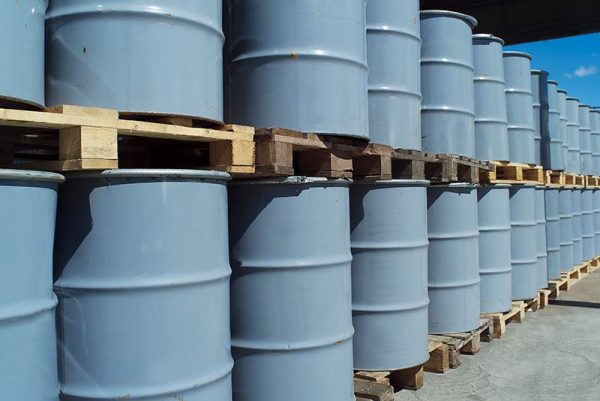
A search analysis of industry trends reveals a growing demand for “bio-based” or “greener” alternatives to harsh mineral acids for rust removal. Laurylamine Dipropylene Diamine fits this niche perfectly. It is valued for its low toxicity profile relative to other industrial amines and its ability to function effectively at low concentrations. Its dual capability—acting as both a surfactant and a corrosion inhibitor—makes it a cost-effective choice for chemical formulators looking to simplify their ingredient lists without sacrificing performance.
One of the most searched applications for CAS 2372-82-9 is its use in rust removal formulations. How does it work?
Chelation: The amine groups in the molecule have a strong affinity for metal ions, particularly iron oxides (rust). They chelate the iron, effectively lifting the rust from the metal surface.
Conversion: In specific formulations, it acts as a rust converter, transforming unstable iron oxides into a stable, protective complex that prevents further oxidation.
Cleaning: Simultaneously, its surfactant properties help emulsify oils and greases that often trap moisture against the metal, ensuring a deep clean.
In the metalworking industry, preventing rust is just as important as removing it. Laurylamine Dipropylene Diamine is a key ingredient in:
Cutting Fluids and Coolants: It forms a molecular barrier on the metal surface, repelling water and preventing flash rust during machining operations.
Engine Coolants: It protects the internal components of engines from cavitation and corrosion.
VCI (Volatile Corrosion Inhibitors): It can be used in papers and films to protect metal parts during storage and shipping.
Beyond rust, this compound is highly effective against biological contaminants. It acts as a cationic surfactant, which disrupts the cell membranes of bacteria and algae. This makes it an excellent choice for:
Industrial Water Treatment: Controlling slime and bacterial growth in cooling towers and pipelines.
Oilfield Chemicals: Preventing microbiologically influenced corrosion (MIC) in oil and gas extraction, where sulfate-reducing bacteria are a major concern.
The primary advantage of Laurylamine Dipropylene Diamine is its ability to replace multiple ingredients. A formulator might otherwise need a separate surfactant for cleaning and an inhibitor for protection. This product does both, reducing formulation complexity and potential compatibility issues between ingredients.
Unlike some waxy amine inhibitors that solidify or become difficult to handle in winter, Laurylamine Dipropylene Diamine maintains good fluidity at lower temperatures. This ensures consistent dosing and mixing in manufacturing plants located in colder climates.

It exhibits excellent synergistic effects when blended with other alkanolamines or carboxylates. This allows chemical engineers to fine-tune the pH and protection levels of a formulation to meet specific industry standards, such as ASTM or DIN specifications for corrosion testing.
While Laurylamine Dipropylene Diamine is an effective industrial chemical, it must be handled with care. It is classified as corrosive and can cause severe skin burns and eye damage. It is also harmful to aquatic life with long-lasting effects. Therefore, adherence to safety protocols is mandatory.
PPE: Always wear chemical-resistant gloves, safety goggles, and protective clothing when handling the raw material.
Ventilation: Use in a well-ventilated area to avoid inhaling vapors, which can irritate the respiratory tract.
First Aid: In case of contact with skin, wash immediately with plenty of water. If it gets into the eyes, rinse cautiously with water for several minutes and seek medical advice.
To maintain its quality, store Laurylamine Dipropylene Diamine in a cool, dry, and well-ventilated warehouse. Keep the containers tightly closed when not in use to prevent the absorption of carbon dioxide from the air, which can lead to the formation of carbamates and affect the product’s clarity and performance. It should be kept away from strong oxidizing agents and acids.

As industries move towards more efficient and sustainable maintenance solutions, Laurylamine Dipropylene Diamine (CAS 2372-82-9) stands out as a versatile and reliable chemical building block. Its unique ability to tackle rust, inhibit corrosion, and control microbial growth makes it a staple in the formulation of modern industrial chemicals. Whether you are developing a heavy-duty degreaser or a long-term rust preventive, this compound offers the performance and reliability required for demanding applications.
Unilong Industry Co.,Ltd is a leading supplier of high-quality amine derivatives, including Laurylamine Dipropylene Diamine. We are committed to providing raw materials that meet international quality standards, ensuring the success of your formulations. Our team of experts is ready to assist you with technical data, samples, and logistics support. If you are looking for a reliable partner for your chemical sourcing needs, contact us today to discuss how we can support your business.
Hydroxypropyl beta-cyclodextrin helps upgrade the pharmaceutical and chemical industries.
In modern pharmaceutical research and development and fine chemical production, the poor solubility of active ingredients has always been a key bottleneck restricting product bioavailability and stability. With the increasing market demand for highly effective and safe formulations, hydroxypropyl-β-cyclodextrin (CAS 128446-35-5), with its excellent inclusion capacity and extremely high safety, has become a “golden excipient” for solving the solubility problem of poorly soluble drugs and improving product stability, and is widely used in injectable, oral formulations, and high-end cosmetics.

Hydroxypropyl beta-cyclodextrin (HP-β-CD) is a hydroxypropylated derivative of beta-cyclodextrin (β-CD). Through chemical modification, it overcomes the shortcomings of natural beta-cyclodextrin, such as poor water solubility and high nephrotoxicity. Its core mechanism lies in its unique “externally hydrophilic and internally hydrophobic” cavity structure, which can encapsulate poorly soluble drug molecules or active ingredients within its cavity like a “molecular capsule,” forming an inclusion complex. This significantly improves the physicochemical properties of the drug without altering its chemical structure.
This is the most prominent characteristic of HP-β-CD. For many drugs that are almost insoluble in water (such as paclitaxel and itraconazole), HP-β-CD can increase their solubility by hundreds or even thousands of times through inclusion. This makes it possible to develop high-concentration injections or oral solutions, directly improving the bioavailability of the drugs.

Compared to traditional solubilizers, HP-β-CD exhibits extremely low toxicity and minimal hemolytic activity. It is one of the cyclodextrin derivatives with the lowest known nephrotoxicity, and is therefore widely approved for use in injectable drug delivery systems. It is also suitable for oral and topical administration, meeting the stringent standards of major global pharmacopoeias (such as USP, EP, and ChP).
In food and some pharmaceutical applications, HP-β-CD can effectively encapsulate molecules with bitter, fishy, or irritating tastes, improving the product’s palatability and aroma. Simultaneously, it can reduce drug irritation to the gastrointestinal tract or injection site, improving patient compliance.
Many drug molecules are sensitive to light, heat, and oxygen, and are easily degraded and rendered ineffective. HP-β-CD encapsulates drug molecules within a cavity, forming a physical barrier that effectively blocks the influence of the external environment, thereby preventing drug oxidation, hydrolysis, or volatilization and extending the product’s shelf life.
As an injectable excipient, HP-β-CD is the preferred choice for developing poorly soluble injectable drugs. It ensures stable drug transport in the bloodstream, reduces side effects caused by excipients, and is widely used in antitumor, antifungal, and cardiovascular injectable drugs.
In tablets, capsules, or oral solutions, HP-β-CD accelerates drug disintegration and dissolution, allowing for faster absorption and more rapid onset of action.
In high-end skincare products, Hydroxypropyl beta-cyclodextrin HP-β-CD is used to encapsulate vitamins, retinol, or skin-brightening ingredients. Hydroxypropyl beta-cyclodextrin not only increases the solubility of these ingredients in aqueous formulations but also promotes transdermal absorption, reaching the skin’s deeper layers while maintaining the formula’s gentleness.
It is used to stabilize volatile flavorings or as a carrier for functional food additives, ensuring the longevity of food flavors and the activity of nutrients.
Hydroxypropyl beta-cyclodextrin HP-β-CD is typically an amorphous powder with low hygroscopicity and good flowability, making it highly suitable for mixing, tableting, and filling operations in industrial production. Unlike natural cyclodextrins, it does not easily crystallize.
As an environmentally friendly chemical excipient, HP-β-CD adheres to green chemistry principles in its production and use. Its production process is mature, quality is controllable, and it fully meets the high standards for excipients required for international drug registration.
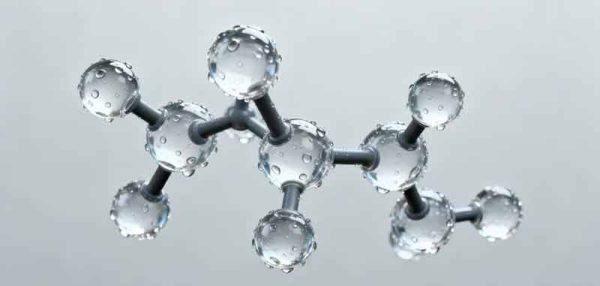
Although its unit price is higher than ordinary excipients, HP-β-CD can significantly reduce the amount of expensive active pharmaceutical ingredients used (by improving utilization) and reduce the risk of research and development failure. From the perspective of overall formulation cost and therapeutic effect, it brings significant economic benefits to manufacturers.
Hydroxypropyl beta-cyclodextrin (CAS 128446-35-5), with its superior solubilizing ability, excellent safety, and wide applicability, has become an indispensable key material in modern pharmaceutical technology. It not only solves the solubility problem that has plagued the industry but also provides strong technical support for the development of more efficient and safer pharmaceutical and chemical products.
As a professional raw material supplier, we offer high-purity hydroxypropyl beta-cyclodextrin products that meet the standards of multiple pharmacopoeias and can provide customers with comprehensive technical support from formulation screening to process optimization. If you are looking for efficient solubilizing solutions or need high-quality HP-β-CD raw materials, please feel free to contact our technical sales team. We are dedicated to serving you.
Unilong is a professional manufacturer and supplier of specialty chemicals, offering N-Oleoylsarcosine (CAS 110-25-8)–a high-purity, multifunctional corrosion inhibitor designed specifically for industrial applications. With exceptional adsorption properties, thermal stability, and low-dosage efficiency, this product provides reliable rust protection for ferrous metals in metalworking fluids, rust preventive oils, industrial cleaners, and temporary coatings.
N-Oleoylsarcosine is an N-acyl amino acid derivative consisting of a sarcosine head and an oleoyl tail (C18:1). Its unique amphiphilic structure allows it to adsorb strongly onto metal surfaces via the polar carboxyl group, while the long hydrophobic hydrocarbon chain forms a dense, water-repellent monolayer. This mechanism effectively blocks moisture, oxygen, and corrosive electrolytes, making it an outstanding contact-type corrosion inhibitor for ferrous metals.
Unlike traditional inhibitors (e.g., sulfonates or fatty acid salts), N-oleoylsarcosine exhibits high thermal stability (>220℃ decomposition temperature), excellent oil solubility, and very low effective concentrations – typically 0.01 – 0.5% in finished formulations.

In addition, N-oleoylsarcosine is biodegradable and contains no heavy metals or halogens, making it an environmentally friendlier choice compared to many traditional inhibitors such as nitrites or amine-carboxylates. This aligns with the growing industrial demand for sustainable and low-toxicity additives.
As low as 0.01% active N-oleoylsarcosine can provide significant rust protection on cast iron and steel surfaces (based on standard humidity cabinet and salt spray tests). This cost-effectiveness allows formulators to reduce additive costs while maintaining superior performance.
Unlike many organic inhibitors that decompose above 150–180℃, N-oleoylsarcosine remains stable up to >220℃. This makes it ideal for high-temperature metalworking operations such as grinding, heavy-duty cutting, and hot-mixing of rust preventive greases.
The carboxylate group forms a chemical bond with the metal surface, while the oleoyl chain orients outward, creating a hydrophobic barrier. This self-assembled monolayer is thin (nanometer scale) yet highly effective, and it does not interfere with subsequent painting, plating, or assembly processes.
N-Oleoylsarcosine is fully soluble in mineral oils (paraffinic and naphthenic), synthetic esters, and most organic solvents. It is also compatible with common industrial additives such as extreme pressure (EP) agents, antioxidants, and other corrosion inhibitors, allowing flexible formulation design.
Unlike overbased sulfonates or heavy waxy inhibitors that leave thick, sticky residues, N-oleoylsarcosine forms a thin, non-tacky film that does not attract dust or interfere with subsequent processing. When protection is no longer needed, the residue can be easily removed with mild alkaline cleaners or common organic solvents, saving time and reducing cleaning costs.

| ITEM | STANDARD |
| Appearance | Yellow-brown, vicous liquid |
| Acid value (mgKOH/g) | 153-163 |
| Water content (%) | ≤0.7 |
| pH | ≤4 |
| Active ingredient (%) | ≥90 |
| Fatty acid (%) | ≤10 |
| Gardner Color Scale | 0-8 |
| Density (20℃) | 0.94-0.97 |
Used in both short-term (in-process) and long-term (storage/transport) rust preventive oils. Typical dosage: 0.1–2.0%.
(1)Provides thin, non-tacky film that does not attract dust
(2)Easy to remove with alkaline cleaners or solvents
(3)Protects gears, bearings, hydraulic components, and finished parts
It performs particularly well in multi-metal protection, showing no adverse effects on copper, brass, or aluminum while offering excellent protection for ferrous substrates.
Added to soluble oils, semi-synthetic, and fully synthetic metalworking fluids to protect both the workpiece and the machine tool from rust. Typical dosage: 0.2–1.0%.
(1)Prevents flash rust on freshly machined surfaces
(2)Stable under high shear and high temperature
(3)Does not interfere with emulsion stability
Because it does not promote bacterial growth, N-oleoylsarcosine helps extend fluid sump life and reduces the frequency of biocide addition, lowering overall maintenance costs.
In aqueous parts washers and spray cleaners, N-Oleoylsarcosine (when neutralized with an amine) provides residual rust protection after cleaning. Typical dosage: 0.05–0.3%.
(1)Prevents flash rust during drying and storage
(2)Leaves a thin protective residue that can be easily removed later
(3)Works synergistically with non‑ionic surfactants
Formulated into solvent-based or water-based temporary coatings for metal parts in storage or transit. Dosage: 0.5–2.0%.
(1)Can be applied by spraying, dipping, or brushing
(2)Removable with mild alkaline cleaners
(3)Offers protection for 3–12 months depending on environment

1. Manufacturer direct-full control over quality, purity, and supply consistency
2. Multiple purity grades (≥90% and ≥98%) for different cost-performance needs
3. Stable production capacity-reliable delivery for R&D samples to bulk orders
4. Technical support-formulation guidance, compatibility testing, and troubleshooting
5. Customized solutions-pre-neutralized water-dispersible grades available upon request
Contact Information
Whether you are formulating anti-rust oils, metalworking fluids, industrial cleaners, or temporary coatings, Unilong’s N-Oleoylsarcosine delivers reliable, cost-effective corrosion protection.
Request a sample, technical data sheet (TDS), or safety data sheet (SDS) today.
Specialty Surfactant CAO (CAS 68155-09-9): A Comprehensive Market Outlook
Introduction: As the global personal care and industrial cleaning industries accelerate their shift toward green, mild, and high-performance formulations, Cocamidopropyl Amine Oxide (CAO, CAS 68155-09-9) is emerging as a versatile workhorse for formulators. This article provides an in-depth analysis of this specialty amphoteric surfactant from four perspectives: basic information, core functions, application prospects, and industry conclusions.
Cocamidopropyl Amine Oxide, abbreviated as CAO, is registered under CAS number 68155-09-9. Structurally, it belongs to the alkyl amine oxide class of surfactants, featuring a coconut oil-derived amidopropyl hydrophobic group and an amine oxide hydrophilic head group. This unique structure gives CAO a remarkable pH-responsive behavior—weakly cationic under acidic conditions and non-ionic in neutral and alkaline environments.

CAO is commercially supplied as a 30%–35% active matter content product, appearing as a colorless to pale yellow transparent viscous liquid. Key quality specifications include: active content (≥30%), free amine content (≤1.0%), pH (5–9 in 1% aqueous solution), and tightly controlled peroxide levels. With excellent biodegradability (meeting OECD 301 standards) and very low residual solvent levels, CAO is increasingly favored in markets with stringent environmental regulations, particularly Europe and North America.
CAO stands out among numerous surfactants due to the following four core functionalities:
When co-formulated with anionic surfactants (such as AES or LAS), CAO forms wormlike micellar structures through electrostatic interactions with the micelle surface, significantly increasing formulation viscosity. Simultaneously, it stabilizes foam even in hard water conditions, producing richer, finer, and longer-lasting foam—an essential property for shampoos, body washes, and facial cleansers.
As an amine oxide surfactant, CAO exhibits significantly lower skin and eye irritation compared to traditional alkyl sulfates (K12) and sulfonates. More importantly, when combined with anionic surfactants, CAO reduces the adsorption of anionic surfactant monomers onto the skin through intermolecular complexation, providing a synergistic irritation-mitigating effect. Toxicological data indicate a Primary Irritation Index (PII) typically below 2.0 (on a 0–8 scale), classifying CAO as a mild ingredient.
CAO’s unique pH-responsive behavior positions it as a key component in smart formulation design. Under acidic pH (e.g., facial cleansing gels, acid cleaners), its weak cationic character enhances adsorption onto negatively charged surfaces, improving wetting and detergency. Under neutral conditions, its non-ionic nature minimizes charge conflicts with other ingredients, offering better formulation compatibility.
In hard water or high ionic strength conditions, CAO demonstrates superior electrolyte tolerance compared to other non-ionic surfactants. It effectively emulsifies oils and particulate soils while reducing oil-water interfacial tension, thereby significantly boosting detergency efficiency in laundry liquids, hard surface cleaners, and industrial degreasers.
Based on the functional advantages above, CAO demonstrates broad application potential in the following three major areas:
1.Personal Care and Cosmetics
Premium shampoos, baby body washes, mild facial cleansing foams, and sulfate-free formulations represent core growth segments for CAO. As consumers increasingly favor “tear-free” and “suitable for sensitive skin” claims, formulators are replacing conventional thickeners (e.g., CMEA) and foam stabilizers with CAO. The Asia-Pacific personal care amine oxide market is projected to grow at a CAGR of 5.8% through 2028.

In concentrated laundry liquids, automatic dishwasher detergents, and multi-purpose hard surface cleaners, CAO serves as both a thickening agent and detergency booster, enabling suspension stability at low viscosity and compatibility under high ionic strength. Particularly in healthcare and food service sectors that demand low residue and high biodegradability, CAO has become a mainstream alternative to APEO-based products.

In industrial degreasing, electronics cleaning, textile processing, and oilfield chemicals, CAO leverages its salt tolerance, acid/alkali resistance, and low surface tension. It is suitable for acidic or alkaline heavy-duty cleaning systems, as well as a co-emulsifier and corrosion inhibition synergist in fracturing fluids and drilling muds.
In summary, CAO (Cocamidopropyl Amine Oxide, CAS 68155-09-9) is not an ordinary commodity surfactant but a multifunctional intermediate combining mildness, thickening ability, pH-responsiveness, and environmental compatibility.
Currently, three major market trends favor the adoption of CAO: regulatory and consumer demand for biodegradable ingredients, the clean beauty movement in personal care, and the industrial shift toward highly effective yet low-toxicity cleaning formulations. CAO satisfies market requirements across all three dimensions.
For formulators and manufacturers, strategic use of CAO can significantly enhance product added value—reducing irritation while improving sensory experience, and achieving differentiated performance without prohibitive cost increases. Relevant R&D directions include synergistic studies with polymers and cationic guar gum, as well as development of higher active-content grades (e.g., above 40%).
Over the next five years, CAO’s share of the global surfactant market is expected to shift from a niche ingredient toward a mainstream functional additive. Supply chain participants should focus on controlling peroxide residues during production and ensuring batch-to-batch consistency to meet increasingly stringent regulatory and brand-owner quality requirements.
What is Strontium chloride hexahydrate and applation
Strontium chloride hexahydrate (CAS 10025-70-4) is a colorless needle-like or white crystal, readily deliquescent and soluble in water. It is an important inorganic strontium salt, mainly used in the manufacture of red fireworks and signaling agents, desensitizing toothpaste, specialty glasses and ceramics, and also in electroplating, metal processing, and laboratory analytical reagents.
Strontium chloride hexahydrate possesses physicochemical properties between barium chloride and calcium chloride, with a melting point of 115°C. It is easily efflorescent in dry air and deliquescent in humid air. This unique intermediate property makes it a “universal key” across multiple industries.
This is not merely a desensitizing ingredient in toothpaste; its deeper medical applications make it a versatile ingredient.
Core Medical Treatments of Strontium chloride hexahydrate:
The most important value of strontium chloride hexahydrate lies in its role as a precursor to a radioactive isotope.
Targeted Therapy for Bone Cancer: It is a direct precursor for the radiopharmaceutical Strontium-89 (⁸⁹Sr) chloride injection. Strontium is chemically similar to calcium and specifically accumulates in areas of abnormally active bone metabolism (i.e., bone tumor lesions). Its released beta rays can precisely kill tumor cells, making it an important tool for the clinical treatment of bone metastases and the relief of bone pain. Clinical data shows a pain relief rate of up to 82%.
Improved Bone Health: Along another pathway, strontium compounds such as strontium ranelate have been shown to optimize bone metabolism, increase bone mass, and have been approved for the treatment of severe osteoporosis in postmenopausal women.
Oral Care
Toothpaste Desensitizer: This is the most well-known application of strontium chloride hexahydrate. It effectively seals exposed dentinal tubules, thereby blocking the transmission of external stimuli to the dental nerve and relieving tooth sensitivity.
The Chinese National Standard HG/T 5211-2017 clearly stipulates that this standard applies to “strontium chloride for toothpaste (also known as strontium chloride hexahydrate for toothpaste),” and points out that its main use is as a toothpaste desensitizer.

Medical Imaging and Laboratory Research
Bone Imaging: Used as a contrast agent in X-rays or bone scans, it enhances the visualization of bone structure and abnormalities, helping doctors diagnose bone diseases.
Research Tool: In the laboratory, it is the source of standard solutions for the determination of strontium content by flame atomic absorption spectrometry (FAAS) and is also used as an alternative model for calcium ion channel research.
In industry, strontium chloride hexahydrate is mainly utilized for its physicochemical properties, influencing the visual appearance, structure, and performance of products.
Fireworks and Luminescent Materials
Luminescent Material Raw Material: Strontium chloride hexahydrate is used to prepare fluorescent materials suitable for luminescent coatings and markings, significantly improving their brightness and being applied to luminous signs, etc.
Glass and Ceramic Manufacturing
Optical Glass Additive: Added to liquid crystal glass and optical glass, it effectively improves the refractive index and dispersion coefficient of the glass, thereby reducing chromatic aberration and improving the imaging quality of lenses.

Strontium Titanate Thin Films: A key raw material for preparing mesoporous strontium titanate thin films, these films have potential applications in electronics and catalysis.
Sodium Electrolysis Flux: In the electrolytic process for preparing metallic sodium, its addition lowers the melting point of the electrolyte (sodium chloride and calcium chloride), improving conductivity, thereby saving energy and increasing yield.
Aluminum Corrosion Inhibitor: As a corrosion inhibitor for aluminum, it effectively inhibits corrosion on the surface of metallic aluminum, extending its service life.
Alloy Additive: Used in the metallurgical industry as an alloying component to improve the performance of metallic materials.
Magnetic and Luminescent Materials: Often used as an additive in the preparation of magnetic materials to precisely adjust magnetic properties, it is applied in high-end electronic components and other fields; it can also be used to produce luminescent materials such as luminescent coatings. 3. Cutting-Edge Scientific Research Fields
Strontium chloride hexahydrate plays an indispensable role in cutting-edge technologies.
Energy Storage Materials: It is used to develop novel composite phase change materials for thermal energy storage systems. For example, scientists have found that materials containing strontium chloride hexahydrate can increase heat storage density by approximately 20%, showing promising applications in solar thermal storage and industrial waste heat recovery.
Battery Technology: Used in battery manufacturing, especially in the research and development of new battery technologies, it acts as an electrolyte or electrode modifier.
Nanomaterial Preparation: A key player in the synthesis of novel functional nanomaterials such as cadmium sulfide nuclear photocatalytic nanoparticles, used to prepare new materials such as photocatalysts.

Spectroscopic Calibration: In analytical chemistry, it serves as a standard substance for atomic absorption spectroscopy, ensuring the accuracy of strontium analysis.
Strontium chloride hexahydrate also has applications in other fields.
Marine Aquarium Systems: In marine aquariums, trace additions can provide essential strontium for corals, plankton, and other organisms to synthesize their calcareous skeletons.
Cosmetic Additives: In some cosmetic formulations, it can be used as an auxiliary ingredient such as a skin conditioning agent.
Basic Chemical Raw Material: It is also a basic chemical raw material for the production of other strontium salts (such as strontium carbonate, strontium oxide, strontium nitrate, etc.), pigments, or dyes.
The core advantage of strontium chloride hexahydrate lies in the combination of its unique physicochemical properties and highly diverse applications, making it a strategic raw material connecting basic chemistry with high-value-added industries such as pharmaceuticals, optoelectronics, and new energy, resulting in continuously growing market demand.
1. High Purity First: With increasingly stringent safety regulations for pharmaceuticals and daily chemicals, high-purity products are particularly favored. Manufacturers are focusing their efforts on improving purity to meet regulatory standards.
2. Green Transformation: The entire industry is accelerating the adoption of environmentally friendly manufacturing processes to reduce pollutant emissions. This is not only a compliance cost but also a competitive barrier.
With the global total capacity of strontium salt new materials approaching the $1.5 billion mark and the strontium chloride hexahydrate sub-market continuing to expand in 2025, this product is expected to upgrade from “industrial MSG” to a high-value-added core product category that is of key national focus. Faced with a market environment where the window of opportunity is narrowing, only companies that seize the initiative in capacity layout, high-end quality control, and innovative R&D will be able to secure a winning position in the next growth cycle.
Beta-cyclodextrin (β-CD) a cyclic oligosaccharide derived from starch through enzymatic conversion, is widely used as an additive in food, cosmetics, and pharmaceuticals due to its unique ability to encapsulate lipophilic compounds—improving stability, solubility, and bioavailability of active ingredients. As its application scope expands, concerns about its safety have gradually emerged among consumers and industry professionals. After rigorous evaluation by global regulatory bodies and decades of practical application data, β-CD is generally recognized as safe (GRAS) for oral and topical use within approved limits, though its safety varies significantly by administration route, dosage, and purity. Below is a structured, data-driven analysis of its safety profile, regulatory status, potential risks, and practical application guidelines.
Major international and national regulatory authorities have established consistent safety thresholds for β-CD, confirming its low toxicity and safety under normal use scenarios through long-term toxicological studies:
1.JECFA (Joint FAO/WHO Expert Committee on Food Additives): Set an Acceptable Daily Intake (ADI) of 0–5 mg/kg body weight (bw) based on a 1-year chronic toxicity study in dogs, where the No-Observed-Effect Level (NOEL) was determined to be 470 mg/kg bw/day. A 100-fold safety factor was applied to ensure protection for all population groups, including children and pregnant women.
2. EFSA (European Food Safety Authority): Reaffirmed the 5 mg/kg bw/day ADI in its 2016 re-evaluation report, emphasizing that less than 1% of orally ingested Beta-Cyclodextrin β-CD is systemically absorbed. Most of it is metabolized by gut microbiota into glucose and maltose, which are then safely utilized by the body, with no accumulation in vital organs.
3.FDA (U.S. Food and Drug Administration): Classified β-CD as GRAS (Generally Recognized as Safe) for food use, with no upper limit specified for most applications such as baked goods, beverages, and confectionery, as its intake from normal diet is far below the ADI.

4. China (National Health Commission, NHC): Included β-CD in the National Food Safety Standard GB 2760, allowing its use in candies, beverages, processed meats, and dairy products. The purity requirement is set at ≥98% (per GB 1886.180), with strict limits on heavy metals (lead ≤1 mg/kg, arsenic ≤0.5 mg/kg) and microbial contamination to ensure raw material safety.
The safety of β-CD is primarily attributed to its poor systemic absorption and non-toxic metabolic pathway, which have been verified by numerous animal and human studies:
1.Acute toxicity: Beta-Cyclodextrin β-CD has extremely low acute toxicity. Oral toxicity studies in rats show a median lethal dose (LD₅₀) of 18.8 g/kg bw, which is far higher than the maximum possible daily intake from food, cosmetics, or pharmaceuticals—even for heavy consumers.
2.Chronic toxicity: Long-term animal studies (up to 2 years) have shown no evidence of carcinogenicity, mutagenicity, or reproductive harm when β-CD is administered at or below the ADI. High doses (>1,000 mg/kg bw/day) may cause reversible cecal enlargement in rats, a physiological adaptation to indigestible carbohydrates that has no significant relevance to human health, as human gut physiology differs from that of rats.
3.Topical/cosmetic use: In skin irritation and sensitization tests, Beta-Cyclodextrin was found to be non-irritating to intact or damaged skin and non-sensitizing to sensitive skin populations. It is widely approved in skincare, haircare, and oral care products to encapsulate fragrances, vitamins, and other actives, reducing irritation and improving ingredient stability without posing skin safety risks.

It is important to note that Beta-Cyclodextrin β-CD’s safety is conditional—risks only arise from misuse, excessive intake, or non-oral administration routes, which are avoidable with proper regulation:
1. Oral overconsumption: Exceeding the ADI (>5 mg/kg bw/day) may cause mild gastrointestinal discomfort, such as bloating, gas, or diarrhea, due to the osmotic effect of unmetabolized β-CD in the colon. These symptoms are reversible and subside once intake returns to normal. Rare allergic reactions have been reported in individuals with severe starch allergies, though such cases are extremely uncommon.
2. Parenteral (IV) use: Intravenous administration of Beta-Cyclodextrin poses high risks, as it can accumulate in the kidneys and form insoluble cholesterol complexes, leading to severe nephrotoxicity, renal failure, and even death. For this reason, β-CD is strictly not approved for parenteral use in any country or region.
3.Nutrient/drug interactions: β-CD may transiently bind to lipophilic vitamins (A, D, E, K) or certain lipophilic drugs in the gastrointestinal tract, potentially reducing their absorption. However, this effect is negligible at approved doses and fully reversible, with no long-term impact on nutrient status or drug efficacy.
To ensure the safe use of Beta-Cyclodextrin across industries, manufacturers and consumers should adhere to the following best practices:
1.Food and cosmetics industry: Comply with the ADI (5 mg/kg bw/day) and local usage limits. Source β-CD with a purity of ≥98% from reputable suppliers, and request valid Certificates of Analysis (COA) and Material Safety Data Sheets (MSDS) to verify quality and safety.

2. Oral product manufacturers: Clearly label the content of β-CD on product packaging, and provide warnings for sensitive populations (such as children under 3 years old and pregnant women) to avoid excessive intake.
3. Cosmetic formulators: Beta-Cyclodextrin β-CD can be used in both leave-on and rinse-off products with no concentration restrictions (per global cosmetic regulations), but should be paired with compatible ingredients to avoid potential interactions.
– Strictly prohibit IV use: All formulations, including pharmaceuticals, must avoid intravenous administration of β-CD to prevent renal damage.
In summary, beta-cyclodextrin is safe for its intended oral and topical use when manufacturers and consumers follow global regulatory standards, including the ADI and purity requirements. Its low systemic absorption, non-toxic metabolism, and decades of safe application data support its widespread use in food, cosmetics, and pharmaceuticals. The potential risks are limited to overconsumption or intravenous administration, both of which are easily avoidable with proper formulation, labeling, and compliance. For manufacturers, adhering to regulatory standards ensures product safety and market access; for consumers, normal dietary and cosmetic exposure to β-CD poses no meaningful health risk, making it a reliable and safe additive in daily products.
Benzotriazole (CAS 95-14-7) Role in Advanced Technology and Green Manufacturing
Benzotriazole, commonly abbreviated as Benzotriazole (CAS 95-14-7), is an organic compound appearing as white to light-brown needle-like crystals . Its industrial product purity typically reaches 99% to 99.8%, featuring slightly water-soluble properties while being easily soluble in ethanol, benzene, toluene, chloroform, and other organic solvents.
Benzotriazole’s critical value lies in its exceptional corrosion inhibition performance, especially for protecting copper and copper alloys (such as brass, bronze), earning it the industry title of “Copper Guardian” . The inhibition mechanism works through nitrogen atoms in the Benzotriazole molecular structure forming covalent bonds and coordinate bonds with metal surfaces, generating semi-penetrable polymeric complexes that create stable and dense protective films on metal surfaces, effectively isolating metal from corrosive media.
Beyond corrosion protection, Benzotriazole also functions as a versatile chemical additive. In lubricants, it serves as metal deactivator, antioxidant, and extreme pressure anti-wear agent. It also acts as ultraviolet absorber for polymer materials, antifog agent for photo-sensitive materials, and plays important roles in photography, dyes, and detergents industries.

Benzotriazole serves as the widely applied copper corrosion inhibitor globally, forming stable Cu(I)-Benzotriazole complexes that create inert protective films approximately several nanometers thick on copper surfaces. Benzotriazole effectively inhibits electrochemical corrosion reactions even in chloride-containing media. In industrial circulating cooling water systems, Benzotriazole’s recommended addition concentration is 1-4mg/L, effectively protecting copper heat exchangers, pipelines, and condensers. Benzotriazole remains effective within pH range 5.5-10 and maintains activity even when coexisting with free chlorine. Benzotriazole also provides excellent anti-corrosion effects on aluminum, cast iron, nickel, and zinc when compounded with other corrosion inhibitors. Benzotriazole added to automobile and industrial equipment antifreeze significantly improves anti-corrosion and anti-freezing performance, protecting metal components such as radiators, water pumps, and pipelines in automotive systems and new energy vehicle liquid cooling circuits.
Both traditional fuel vehicles and new energy vehicle coolants require Benzotriazole as essential copper corrosion inhibitor. Benzotriazole content in coolants typically reaches 50-100mg/L, protecting copper components in engine cooling systems and extending radiator service life. Benzotriazole plays multiple functions in lubricants including metal deactivation, oxidation inhibition, and extreme pressure anti-wear protection. Benzotriazole passivates metal active surfaces, slows lubricant oxidation deterioration, and forms protective films under boundary lubrication conditions, reducing friction and wear. Benzotriazole serves as rust inhibitor and corrosion inhibitor extending equipment service life. Benzotriazole in lubricants significantly reduces metal wear and prevents corrosion damage in complex operating environments. Benzotriazole ensures long-term stable operation of automotive transmission systems and engine components.

With electronics industry development toward higher density and miniaturization, Benzotriazole application value in semiconductor manufacturing increasingly emerges. Benzotriazole is the core corrosion inhibitor in copper and copper-containing material chemical mechanical polishing liquid CMP polishing treatments. Benzotriazole selectively adsorbs on copper surfaces forming passivation films during polishing, controlling copper removal rates and preventing over-corrosion and surface damage. Benzotriazole serves as copper corrosion inhibitor in PCB protection, protecting copper conductive traces from moisture and pollutant corrosion. Benzotriazole ensures signal transmission stability on printed circuit boards. Benzotriazole is used for anti-corrosion treatment of precision electronic components, extending product service life. Benzotriazole serves as copper and copper alloy anti-discoloration agent in electroplating industry, forming protective films after electroplating treatment to prevent copper surface oxidation and discoloration. Benzotriazole acts as ultraviolet absorber for polymer materials, protecting plastics, rubber, and coatings from ultraviolet degradation. Benzotriazole serves as antifog agent for photo-sensitive materials, enhancing image quality in optical and imaging applications. Benzotriazole is used as intermediate for synthetic dyes and preservative for synthetic detergents.

Traditionally, Benzotriazole was primarily prepared through ortho-phenylenediamine reaction with sodium nitrite, but this Benzotriazole synthesis method generates large amounts of high-concentration salt and high COD wastewater, creating enormous environmental pressure. Facing increasingly strict environmental regulations, catalytic hydrogenation reduction technology has emerged as the promising alternative Benzotriazole production route. Benzotriazole production wastewater generation reduced by over 80% using catalytic hydrogenation reduction technology, with Benzotriazole waste treatment costs decreased by over 95%. Benzotriazole synthesis features shorter reaction pathways, higher raw material utilization rates, improved product quality and Benzotriazole yield. Benzotriazole production using hydrogen as reducing agent controls pollutants at source. Leading Benzotriazole enterprises have developed wastewater resource treatment technologies, efficiently recovering sodium sulfate and other by-products from Benzotriazole production wastewater, achieving Benzotriazole wastewater compliance discharge and even “zero discharge” status.

Benzotriazole, as important intermediate in fine chemical field, has deeply penetrated corrosion prevention, automotive transportation, electronic semiconductor, and lubricants industries. Benzotriazole continues demonstrating irreplaceable technical value from traditional cooling water treatment to emerging semiconductor manufacturing. Benzotriazole industry development will show two major trends: Benzotriazole application areas continuously expanding toward higher value-added, higher technology threshold fields. Benzotriazole production side unwaveringly pursues green, low-carbon, and circular sustainable development pathways. Benzotriazole enterprises mastering core green synthesis technologies will occupy leading positions in industry upgrade waves. Benzotriazole makes greater contributions to global technological progress and environmental protection causes. Benzotriazole remains essential for protecting metals and ensuring equipment longevity across diverse industrial applications worldwide.
Diglycerin: Unlocking a New Era of Green Chemistry
In the relentless pursuit of a sustainable future, the world stands at a pivotal moment in industrial history—a decisive shift away from finite, petroleum-based resources toward the boundless potential of renewable biomass. This transition represents a fundamental transformation in how modern materials are created. Now let’s take a look at the product called Diglycerin.
From the luxurious texture of a high-end serum to the durable finish of an eco-friendly coating, the market demand for ingredients that are both high-performing and environmentally responsible is reshaping global industries. At the heart of this “green revolution” stands a remarkable molecule: Diglycerin CAS 59113-36-9. More than just a chemical intermediate, this bio-based compound represents the harmonious convergence of nature’s wisdom and scientific innovation, offering a versatile, safe, and powerful solution for a wide array of sectors.
Diglycerin, often perceived as a technical term, is essentially the next evolutionary step of glycerin. Derived from the polymerization of glycerin molecules found in natural vegetable and animal oils, this renewable ingredient retains the beloved safety and skin-friendly profile of its predecessor while unlocking superior functional capabilities. This high-purity substance serves as the bridge that connects raw biological feedstocks to sophisticated, high-value applications, making Diglycerin an indispensable asset in the toolkit of green chemistry.
The true power of this versatile molecule lies in its molecular architecture. By linking two glycerin units, chemists have created a structure with four hydroxyl groups. This structural modification is the key to the material’s versatility. Unlike simple glycerin, this multi-functional Diglycerin offers multiple reactive sites, allowing the substance to be tailored into a vast range of derivatives. This capability makes the compound an exceptional organic synthesis intermediate, capable of undergoing esterification and etherification to create custom-designed molecules. Through the use of this adaptable bio-ingredient, manufacturers can move away from rigid, one-size-fits-all petrochemicals toward flexible, bio-based solutions that meet precise performance criteria.
In the realm of personal care and cosmetics, this premium Diglycerin acts as a powerhouse of hydration. While standard glycerin is a well-known humectant, this advanced derivative takes moisturization to the next level. The larger molecular structure of this specialized Diglycerin allows the ingredient to form a more resilient moisture-retaining film on the skin without the sticky feel often associated with lower molecular weight polyols. Acting as a superior skin conditioning agent, this cosmetic-grade Diglycerin ensures that lotions, creams, and serums deliver long-lasting hydration and a silky, luxurious after-feel. For formulators, this bio-active ingredient is the secret component that transforms a functional product into a sensorial experience.

Beyond personal care, this essential Diglycerin serves as the unsung hero of the food and industrial sectors. This stable compound acts as the foundational backbone for producing Polyglycerin Fatty Acid Esters (PGEs), a class of emulsifiers that are critical for modern food production. Whether ensuring the smooth, creamy texture of ice cream, preventing staling in baked goods, or stabilizing complex beverage emulsions, this food-grade Diglycerin is at work. The ability of this unique molecule to be tuned to specific Hydrophilic-Lipophilic Balance (HLB) values means that manufacturers can seamlessly blend oil and water, creating stable, homogenous products that stand the test of time.

From an industrial perspective, the advantages of this robust Diglycerin are equally compelling. As a solvent, this non-volatile and non-toxic Diglycerin serves as a safer alternative to harsh chemical solvents in metalworking fluids, inks, and cleaning agents. This industrial-grade Diglycerin acts as an effective antifreeze and softener, while also playing a crucial role in the production of biodegradable plastics. By incorporating this sustainable Diglycerin, manufacturers can enhance the flexibility and durability of bioplastics, accelerating the transition away from single-use petroleum plastics.
In an era where regulatory scrutiny and consumer awareness are at an all-time high, safety is non-negotiable. This reliable Diglycerin shines in this regard. The substance is non-flammable, non-explosive, and exhibits low toxicity, making this safe Diglycerin suitable for use in the most sensitive applications, including food and pharmaceuticals. The production process of this eco-friendly Diglycerin is clean, generating no hazardous waste, and the renewable origin of the material ensures a lower carbon footprint compared to traditional synthetic routes.

Partnering with Unilong: Opening a New Chapterin Natural Raw Material Cooperation
Choosing this high-quality Diglycerin is not just a chemical decision; it is a strategic commitment to quality and sustainability. Whether formulating the next breakthrough skincare line, developing a new food product, or engineering industrial materials, this superior Diglycerin provides the reliability and performance required for success.
For detailed technical specifications, safety data sheets (SDS), or to discuss how this versatile Diglycerin can optimize your specific formulation, please reach out to the team.
Embrace the power of renewable chemistry. Choose this premium Diglycerin for a cleaner, more efficient future.
What is Dodecylamine and its applications
Dodecylamine cas 124-22-1 is weakly basic and can form salts with inorganic or organic acids. It can undergo quaternization. It reacts with epoxides to acetylate. It can undergo addition reactions with unsaturated hydrocarbons. Dodecylamine can be oxidized with peroxides. It reacts with halocarboxylic acids to form amphoteric compounds. It reacts with carboxyl chlorides to form amides. Dodecylamine undergoes the Mannish reaction with nucleophiles or phenols to form polyfunctional compounds. It reacts with hydrochloric acid to form dodecylamine hydrochloride.
Dodecylamine is also known as 1-Aminododecan. 1-Dideanamine; 1-Dodecylamine, 98%. Widely used in mineral flotation agents, fiber waterproof and softening agents, dyeing auxiliaries, anti-static agents, pigment dispersants, rust inhibitors, fertilizer anti-caking agents, lubricant additives, disinfectants, etc.
Used as raw material for quaternary ammonium salts such as dodecyl dimethyl benzyl chlorohydrin and dodecyl trimethyl chlorohydrin.
Applications: Hospital disinfection, industrial circulating water sterilization and algae removal, cosmetics anti-corrosion, wet wipes / hand sanitizers, livestock disinfection.
Dodecylamine (CAS No. 124-22-1) Application Scenarios:
Skin and mucous membrane disinfection: Used for preoperative skin preparation, skin wiping before injections, etc.
Medical device disinfection: Used for soaking and disinfecting endoscopes, surgical instruments, etc.
Environmental surface disinfection: Disinfect the object surfaces such as door handles, bed rails, and tabletops in hospital wards and ICUs.

As cationic collectors, used for the flotation of phosphorite, quartz, feldspar, mica, and non-metallic minerals.
Function: Adsorb the surface of minerals, achieve hydrophobic foaming, and separate minerals from impurities.
In dodecylamine flotation practice, in addition to controlling key operating conditions, the following points should be noted:
Dissolution and Preparation: Dodecylamine cas 124-22-1 itself is poorly soluble in water and needs to be neutralized with hydrochloric acid or acetic acid to form a water-soluble ammonium salt before use.
Dosage and Foam: As a cationic collector, dodecylamine has strong foaming properties and usually does not require additional foaming agents. The general dosage is 0.05-0.25 kg/ton of ore. Excessive dosage can easily produce a large amount of viscous foam, which will negatively affect the separation effect.
Impact of Slime: When the content of fine slime (ore slime) in the ore is too high, it will consume a large amount of reagent and produce uncontrollable viscous foam. Therefore, pre-sliming is often required before flotation.
Fabric softeners, anti-static agents, waterproof finishing agents
Improve hand feel, reduce static electricity, and enhance dyeing uniformity.
Quaternary ammonium salt softeners have positively charged molecules that can electrostatically adsorb onto fibers, which are typically negatively charged. After adsorption, their long-chain alkyl groups are neatly arranged on the fiber surface, acting as a “lubricant” and greatly reducing the dynamic and static coefficients of friction between fibers, thus giving the fabric a fluffy, soft, and smooth feel.
Used directly or as derivatives, to encapsulate fertilizer particles and prevent moisture absorption and cakingWidely used in compound fertilizers and urea production.
In the anti-clumping agent for fertilizers, dodecyl primary amine is not usually the main component but rather serves as a core functional raw material. It can fundamentally disrupt the conditions that cause fertilizer to clump, ensuring that the fertilizer remains loose during storage and transportation.
Its mechanism of action can be summarized as a dual protection of “hydrophobic barrier” and “ion anchoring”:
Constructing a hydrophobic barrier: The long-chain alkyl group (C12H25-) forms a dense molecular layer on the surface of the particles. This layer can separate the fertilizer from the external moisture, preventing surface dissolution due to moisture absorption, thus blocking the first step of agglomeration at the source.
Cutting the crystal bridge connection: More importantly, the amino group (-NH₂) at the amine end can act like an “anchor”, actively adsorbing and locking the potassium, ammonium and other metal ions on the surface of the fertilizer. This can effectively prevent the formation of stable “crystal bridges” between adjacent particles, even if there is a slight contact between the particles, they can be easily separated.
Emulsifiers and dispersants for synthetic fungicides, insecticides, and herbicides.
Used as organic amine intermediates in pharmaceutical synthesis.
Pretreatment corrosion inhibitors, metal degreasing agents, anti-rust agents;Adsorb onto the surface of metals to form a protective film and inhibit corrosion.
Industrial Cleaning Agents: Quaternary ammonium salts and nonionic surfactants act as the main cleaning agents, reducing interfacial tension and emulsifying, dispersing, and removing oil and scale.
Metal Corrosion Inhibitors and Protectors: Quaternary ammonium salts (e.g., 1227, 1231) act as pickling corrosion inhibitors, forming a protective film on the metal surface during cleaning to prevent corrosion caused by “over-cleaning.”
Circulating Water System Cleaning: Quaternary ammonium salts (e.g., 1227) act as slime removers, peeling off and removing bacteria, algae, slime, and deposits from the inner walls of pipes.
Metalworking Fluids: Quaternary ammonium salts and primary amine derivatives act as rust inhibitors/lubricants, providing rust prevention and lubrication protection for metals during cutting, rolling, and other processes.
Emulsion polymerization, coating / pigment dispersants.
Plastic / rubber anti-static agents, internal lubricants.
Oilfield chemicals: oil displacement, scale prevention, corrosion inhibition.
Papermaking auxiliaries, dye intermediates, chromatography reagents, water treatment chelating agents.
1. Efficient emulsification and stability: Dodecylamine can significantly reduce the interfacial tension between oil and water, and the emulsified liquid prepared with it remains stable even in harsh conditions such as high temperature and high salt. The emulsifier prepared with it has a service life that is over 50% longer than that of traditional C8-C10 amine products.
2. Selective Adsorption: In the application of mineral flotation, it acts like a “molecular lock”, precisely adhering to the surfaces of specific minerals (such as quartz, potassium salts), enabling efficient separation.
3. Superior film-forming protection: It can adhere to the metal surface to form a dense protective film. Acting as a corrosion inhibitor, it can significantly reduce the corrosion rate in acidic environments, and the corrosion inhibition efficiency can reach over 95% in acidic conditions.
4. Broad-spectrum bactericidal: The quaternary ammonium salt-based bactericides derived from it have excellent killing effects on various bacteria, molds, and algae. Their mechanism of action can effectively prevent microorganisms from developing resistance.
5. Mildness and Comfort: When applied to personal care products, its derivatives have low irritation and can provide excellent anti-static and softening effects, enhancing the user experience of the product.
6. Dodecylamine cas 124-22-1 Green environmental potential: Compared to some traditional industrial additives (such as aromatic amines). Dodecylamine has better biodegradability and is more in line with modern environmental protection requirements.
Stable growth in downstream demand for Dodecylamine: Quaternary ammonium salts, a key derivative of dodecylamine, are core raw materials for bactericides, disinfectants, and surfactants. The rigid demand from these downstream products in personal care, industrial water treatment, and other fields provides a stable market foundation for upstream raw materials.
Dominant position of Dodecylamine in China: China is the world’s largest producer and consumer of dodecylamine, with significant industrial clusters formed in East and North China.
Technological innovation and application expansion: The industry is moving towards higher purity and lower impurities for use in more advanced products. Its application scenarios are also continuously expanding, such as in emulsifiers and agrochemicals in high-temperature and high-salt environments.
Dodecylamine is a crucial bridge connecting oil/alcohol raw materials with cationic surfactants. It is irreplaceable in mineral processing, road asphalt, corrosion prevention, and daily chemical sterilization, offering both strong economic benefits and practicality.
In the rapidly evolving landscape of polymer chemistry and industrial manufacturing, the search for high-performance, safer, and more efficient curing agents has never been more critical. As industries pivot away from traditional solid curing agents due to handling difficulties and health concerns, Dimethyl Thio-Toluene Diamine (DMTDA), identified by CAS 106264-79-3, has emerged as a premier solution. We are pleased to announce the immediate availability of high-purity DMTDA, a liquid aromatic diamine chain extender designed to meet the rigorous demands of the global polyurethane (PU) and epoxy markets.
DMTDA represents a significant technological leap forward in the formulation of elastomers. Unlike its predecessors, which often required complex melting processes and posed significant occupational health risks, DMTDA offers a streamlined, user-friendly experience without compromising on physical performance.
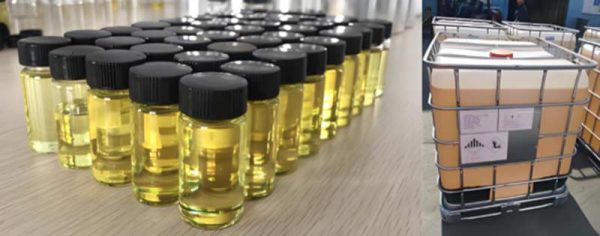
DMTDA (chemically known as 2,4-diamino-3,5-dimethylthiotoluene) is a liquid curing agent that serves as a superior alternative to traditional solid diamines. It is characterized by its low viscosity and liquid state at room temperature, which facilitates easier mixing and processing.
Product Name: Dimethyl Thio-Toluene Diamine (DMTDA)
CAS Number: 106264-79-3
Molecular Formula: C9H14N2S2
Appearance: Pale Yellow Transparent Liquid
Purity: ≥95% (Total Amine Content)
Function: Chain Extender / Curing Agent / Crosslinker
The chemical structure of DMTDA allows it to act as an effective crosslinker, providing exceptional mechanical properties to the final polymer product. Its liquid nature eliminates the need for heating or melting prior to use, a common requirement for solid curing agents like MOCA, thereby saving energy and improving workplace safety.
For decades, 3,3′-dichloro-4,4′-diaminodiphenylmethane (MOCA) was the industry standard for curing polyurethane elastomers. However, MOCA has faced increasing scrutiny and regulation due to its classification as a potential carcinogen. DMTDA has established itself as the most viable, high-performance replacement.
Health and Safety: DMTDA is considered a low-toxicity, environmentally friendlier alternative compared to chlorinated aromatic amines.
Processing Efficiency: Being a liquid, it can be used directly at room temperature or with mild heating. This reduces the “pot life” issues associated with solid agents and allows for faster demolding times.
Superior Physical Properties: Elastomers cured with DMTDA exhibit excellent tensile strength, tear resistance, and resilience.
DMTDA is not just a chemical reagent; it is a versatile component that enhances the performance of materials across a wide spectrum of industries. Its unique properties make it suitable for various polymer systems.
In Cast Polyurethane (CPU) systems, DMTDA acts as a robust chain extender. It is particularly valued in the production of:
Industrial Rollers and Wheels: Providing high load-bearing capacity and abrasion resistance.
Mining Screens and Liners: Offering durability in harsh, abrasive environments.
Seals and Gaskets: Ensuring long-term elasticity and chemical resistance.
The reactivity of DMTDA can be tuned by blending it with other amines (such as DETDA) to adjust the cure speed. This makes it ideal for RIM applications where precise control over the reaction is necessary to produce complex automotive parts, such as bumper fascias and body panels. In SPUA systems, it contributes to the formation of dense, waterproof, and protective coatings used in roofing and containment liners.
Beyond polyurethanes, DMTDA serves as an effective curing agent for epoxy resins. In this context, it imparts:
High Glass Transition Temperature (Tg): Essential for heat-resistant composites.
Chemical Resistance: Vital for coatings used in marine and chemical processing environments.
Mechanical Strength: Enhancing the structural integrity of adhesives and composite materials.
The two-component adhesive market benefits from DMTDA’s ability to cure at lower temperatures while maintaining high bond strength. This is crucial for bonding dissimilar materials in construction and automotive assembly.

Understanding the volatility of the global chemical supply chain, we are committed to providing stability and reliability to our international partners. We currently have immediate spot stock available of DMTDA (CAS 106264-79-3).
To accommodate various logistical needs, our DMTDA is packaged in:
200kg Galvanized Iron Drums: Standard export-quality packaging ensuring product integrity during transit.
1000kg IBC Totes: For larger volume requirements, optimizing container load efficiency.
ISO Tanks: Available for bulk shipments to major industrial ports.
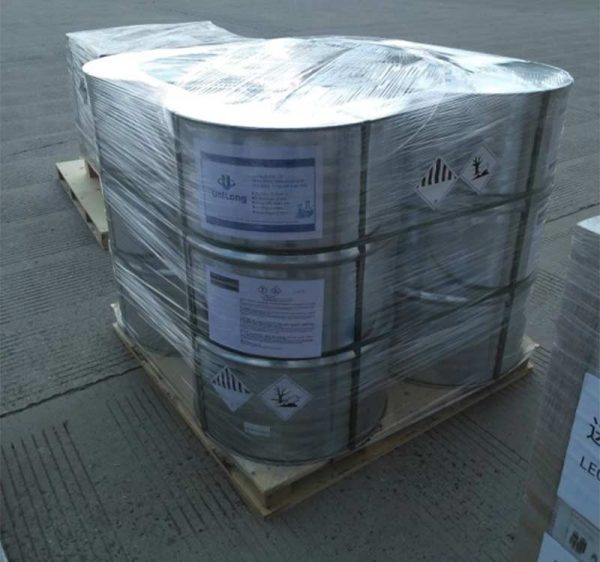
The product should be stored in a cool, dry, and well-ventilated area, protected from direct sunlight and moisture. Under proper storage conditions, the shelf life is optimized to ensure peak performance upon usage.
As the global market demands higher quality standards and stricter adherence to environmental regulations, DMTDA (CAS 106264-79-3) stands out as the material of choice for forward-thinking manufacturers. Whether you are formulating high-performance tires, durable industrial coatings, or advanced epoxy composites, DMTDA delivers the consistency and performance required for success.
With our current stock ready for immediate dispatch, we invite international buyers and distributors to contact us for quotations and technical data sheets. Let us help you upgrade your formulations with the efficiency of liquid curing technology.
Is Tetrasodium Glutamate Diacetate Natural or Synthetic?
Tetrasodium glutamate diacetate, commonly abbreviated as GLDA-Na₄, is a widely used chelating agent in cosmetics, cleaning products, food additives, and industrial applications. A common question surrounding this compound is whether it is natural or synthetic. To answer this clearly, we need to distinguish between its raw material origin and manufacturing process, as well as clarify misconceptions about “natural” vs. “synthetic” in chemical ingredients. Below is a structured analysis to resolve this confusion.
Tetrasodium glutamate diacetate is an organic salt with the chemical formula C9H9NO8Na4 and CAS number 51981-21-6. As a chelating agent, its core function is to bind metal ions (such as calcium, magnesium, and iron) in formulations, preventing oxidation, discoloration, and deterioration of products, thus extending their shelf life. It is odorless, highly soluble in water, stable over a wide pH range, and biodegradable, making it a popular green alternative to traditional chelating agents like EDTA.
The key raw material for producing tetrasodium glutamate diacetate is L-glutamic acid, an amino acid that exists widely in nature. L-glutamic acid is a natural and renewable substance: it is found in various foods (such as meat, vegetables, and grains) and can be produced through microbial fermentation of plant-based raw materials (e.g., corn starch). This natural origin of its primary raw material often leads to the misunderstanding that tetrasodium glutamate diacetate itself is natural. However, raw material origin alone does not determine whether the final product is natural.

Despite its natural raw material, tetrasodium glutamate diacetate is definitely a synthetic compound, as it cannot be formed naturally and must be produced through chemical reactions in industrial settings. The main manufacturing processes include the following steps and routes:
1.Raw material preparation: L-glutamic acid (or its sodium salt, monosodium glutamate) is first neutralized with sodium hydroxide to form glutamate disodium, which enhances its reactivity.
2.Key condensation reaction: The most commonly used industrial route is the chloroacetic acid route, where glutamate disodium reacts with neutralized chloroacetic acid under alkaline conditions to form the target product. Other routes include the hydrocyanic acid route and ethylene oxide route, but these are less commonly used due to safety risks or low yield.
3. Purification and processing: After the reaction, by-products (such as sodium chloride) are removed through filtration, and the solution is concentrated under reduced pressure to obtain tetrasodium glutamate diacetate in liquid or powder form, which meets industrial application standards.
These chemical reactions and industrial processing steps are artificial and do not occur in nature, confirming the synthetic nature of the compound.

To avoid confusion, it is critical to clarify the scientific definition of “natural” and “synthetic” compounds in chemistry:
1. Natural compounds: Substances that exist in nature without human intervention, or are extracted directly from natural sources without changing their chemical structure (e.g., vitamin C extracted from citrus fruits, natural essential oils).
2. Synthetic compounds: Substances that are not naturally occurring and are produced by humans through chemical reactions, even if their raw materials are natural. The chemical structure of the final product is either not found in nature or requires artificial synthesis to obtain.
Tetrasodium glutamate diacetate falls into the latter category: its chemical structure (a derivative of L-glutamic acid with two acetate groups attached) does not exist in nature, and it can only be obtained through artificial chemical synthesis.
Many people mistakenly regard tetrasodium glutamate diacetate as natural, mainly due to two reasons, which need to be clarified:
1. Misconception : “Natural raw materials mean natural products”. As mentioned earlier, the use of natural L-glutamic acid as a raw material does not make the synthetic product natural. For example, ethanol can be produced by fermenting natural grains (natural process) or by chemical synthesis from ethylene (synthetic process); similarly, tetrasodium glutamate diacetate’s natural raw material does not change its synthetic nature.
2. Misconception : “Biodegradable = natural”. Tetrasodium glutamate diacetate is highly biodegradable (degradation rate over 80% in 28 days), which makes it environmentally friendly, but biodegradability is a property related to environmental impact, not a criterion for distinguishing natural from synthetic compounds.
In summary, tetrasodium glutamate diacetate GLDA-4Na is a synthetic compound, even though its core raw material (L-glutamic acid) is natural. Its unique chemical structure and industrial manufacturing process (including neutralization, condensation, and purification) are artificial and do not occur in nature. This distinction is important for understanding its safety and application: as a synthetic chelating agent, it is rigorously tested for safety and has been approved for use in cosmetics, food, and industrial fields due to its low toxicity, environmental friendliness, and high efficiency. Recognizing its synthetic nature helps us make rational use of this ingredient while avoiding misunderstandings about its origin.
In recent years, the global materials science industry has witnessed a surge in demand for high-purity inorganic precursors capable of meeting the stringent requirements of advanced manufacturing. Among these critical raw materials, Titanium Oxysulfate (TiOSO4), with the CAS number 123334-00-9, has emerged as a pivotal compound. This article delves into the unique chemical properties, diverse industrial applications, and technical advantages of Titanium Oxysulfate, providing a comprehensive guide for researchers and industry professionals seeking high-performance titanium sources.
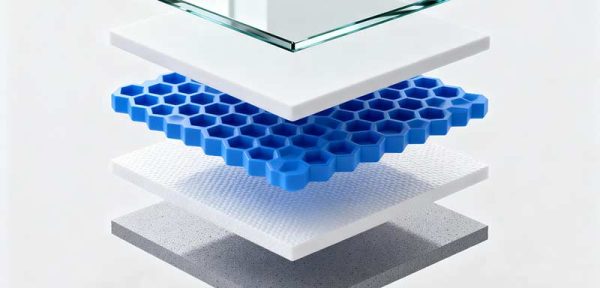
Titanium Oxysulfate, often abbreviated as TiOSO4, is a complex inorganic salt derived from titanium tetrachloride (TiCl4) and sulfuric acid (H2SO4). Unlike simple titanium salts, this compound features a unique oxy-sulfate structure where the titanium cation is coordinated with both oxide and sulfate anions. This structural characteristic grants it superior solubility in aqueous environments compared to titanium dioxide (TiO2) powder, making it an ideal “liquid titanium” source for various synthesis processes.
Typically, Titanium Oxysulfate appears as a pale yellow to yellowish-brown crystalline solid or a concentrated solution. The solid form is highly hygroscopic, readily absorbing moisture from the air. When dissolved in water, it forms a clear or slightly turbid acidic solution. The product with the specific CAS 123334-00-9 generally refers to the hydrated form or specific industrial-grade composition widely utilized in coating and catalyst industries.

One of the most significant applications of Titanium Oxysulfate lies in the synthesis of nano-structured photocatalysts. Due to its high reactivity, TiOSO4 serves as an excellent precursor for preparing nano-titanium dioxide (Nano-TiO2). These nanomaterials are the backbone of photocatalytic technologies used in:
Air Purification: Breaking down volatile organic compounds (VOCs) and nitrogen oxides (NOx) in industrial exhaust and indoor air.
Self-Cleaning Surfaces: Creating hydrophilic and anti-fogging coatings for glass and building facades.
Water Treatment: Degrading organic pollutants and bacteria in wastewater under UV light irradiation.
In the paint and coating industry, Titanium Oxysulfate is utilized to enhance the performance of protective layers. When incorporated into coating formulations, it can:
Improve Adhesion: Form a robust chemical bond with metal substrates, significantly enhancing the adhesion of topcoats.
Boost Corrosion Resistance: Act as a passivation agent, forming a dense protective film that shields metals (especially steel and aluminum) from rust and oxidation.
Enhance Weatherability: Increase the resistance of coatings to UV degradation, preventing chalking and fading.
The sulfate groups in the molecule can act as active sites or anchors in catalytic processes. TiOSO4 is used in the preparation of supported catalysts for sulfuric acid production and organic synthesis. Additionally, it is employed as a mordant in the textile industry to fix dyes onto fabrics, improving color fastness and vibrancy.
High-grade Titanium Oxysulfate is characterized by its high purity. Low levels of heavy metal impurities ensure that the final products (such as catalysts or electronic materials) are not poisoned or degraded by unwanted elements. This is crucial for applications in the electronics and pharmaceutical sectors.

Compared to solid titanium dioxide, the dissolved state of TiOSO4 offers a massive specific surface area. This allows for homogeneous mixing with other reagents at the molecular level, leading to more uniform particle size distribution in the final synthesized materials. Its liquid form simplifies the manufacturing process, reducing the need for high-energy grinding or milling steps.
As a by-product of the titanium pigment industry (sulfate process), Titanium Oxysulfate offers a more economical route to high-purity titanium compounds compared to chloride-based precursors. This makes it a cost-effective solution for large-scale industrial applications without compromising quality.

Titanium Oxysulfate is classified as an acidic salt. It is corrosive to metals and can cause skin and eye irritation upon contact. Therefore, it is essential to handle this material with appropriate personal protective equipment (PPE), including gloves, goggles, and protective clothing.
To maintain product stability, Titanium Oxysulfate should be stored in a cool, dry, and well-ventilated warehouse. It must be kept separate from alkalis and food-grade chemicals. Due to its hygroscopic nature, the packaging must be kept tightly sealed to prevent moisture absorption, which can lead to caking or dilution.
As the demand for green energy and advanced materials continues to grow, Titanium Oxysulfate (CAS 123334-00-9) remains a cornerstone chemical in the transition towards sustainable industrial solutions. Its versatility as a precursor for photocatalysts, corrosion-resistant coatings, and functional additives highlights its irreplaceable role in modern chemistry.
Unilong is a professional manufacturer and supplier of high-quality inorganic chemicals, including Titanium Oxysulfate. We maintain strict quality control standards to ensure the purity and consistency of our products. If you have any requirements for Titanium Oxysulfate raw materials or need technical support for your R&D projects, please feel free to contact us. We offer competitive pricing and reliable logistics solutions to support your business growth.
Terephthalaldehyde (TPA): Core intermediate for high-performance materials
Molecular characteristics: The molecular structure of Terephthalaldehyde (TPA),CAS 623-27-8 is symmetricaal, with highly active aldehyde groups (-CHO) at both ends, giving it strong chemical reactivity and thermal stability.
Physical properties: melting point 114–116°C, easily soluble in alcohol, ether, hot water, slightly soluble in cold water.
Mainstream process: It is produced by catalytic oxidation of paraxylene (green process) or halogenated hydrolysis (traditional process). The industry is currently accelerating the transformation to chlorine-free, low energy consumption, and highly selective gas phase oxidation technology.
Market size (2025): The global market is approximately RMB 14.968 billion, and the Chinese market is approximately RMB 4.104 billion. It is expected that by 2032, the global compound annual growth rate (CAGR) will reach 5.21%.
Market structure: The Asia-Pacific region dominates global production and consumption. The production capacity of China’s leading enterprises is highly concentrated (CR5 reaches 68.3%), and products are being upgraded from industrial grade to Pharmaceutical grade and Electronic grade.
In the context of the global chemical industry accelerating its transformation into high value-added fine chemicals, terephthalaldehyde, as an important organic synthesis intermediate, is moving from behind the scenes to the front. It not only carries the basic foundation of the traditional fluorescent whitening agent industry, but also shows amazing “cross-border” potential in cutting-edge fields such as new optoelectronic materials and pharmaceutical synthesis.
This is the most mature application area for terephthalaldehyde. In the plastics, textile, and paper industries, it is used as the core raw material for the synthesis of ER series fluorescent whitening agents. Through condensation reaction, it can greatly improve the whiteness and visual effect of the product. In addition, in the synthesis of terephthalaldehyde-coal pitch COPNA resin, it serves as a cross-linking agent to significantly improve the rheological properties of the material, and is an important monomer for the preparation of high-grade carbon materials.
With the development of flexible displays and high-end optical devices, research on the application of terephthalaldehyde in the field of optoelectronic materials has made breakthrough progress. Researchers synthesized new phosphorus-containing flame retardants and imidazole fluorescent organic materials through the reaction of terephthalaldehyde and DOPO (9,10-dihydro-9-oxa-10-phosphaphenanthrene-10-oxide). This type of material utilizes the rigidity and conjugation of DOPO to not only reduce energy transfer losses, but also has excellent physical properties and is widely used in the research and development of organic photodiodes and new fluorescent sensors.

In the field of medicine, terephthalaldehyde is a key precursor for the synthesis of a variety of complex drug molecules. Taking advantage of the high reactivity of its aldehyde group, researchers have successfully synthesized 1,4-bis(6-phenyl-1,2,4,5-tetrazin-3-yl)benzene with anti-tumor activity, as well as 1,4-dihydropyridine derivatives for the treatment of cardiac arrhythmia. At the same time, in the field of agricultural chemicals, it is also an important intermediate for the synthesis of new pesticides with high efficiency and low toxicity.
The application of terephthalaldehyde is rapidly expanding from traditional fields to high value-added directions such as new energy, electronic information, biomedicine, and environmentally friendly materials, with broad prospects.
Driving factors: New energy vehicles have a surge in demand for lightweight, high-temperature-resistant, and insulating materials.
Application: Used to synthesize special polyamide and polyester, manufacture battery components, connectors, and structural parts, and improve the heat resistance and mechanical strength of materials.
Trend: Demand growth exceeds 12%, becoming the second largest application field.
Driving factors: 5G, semiconductor, and OLED industries have rigid demand for high-purity, low-metal ion electronic chemicals.
Application:
Photoresist: Used as a cross-linking agent to improve resolution and heat resistance.
Packaging materials: synthetic epoxy curing agent, PI film, used for chip packaging.
Data: Electronic grade TPA demand CAGR is as high as 23.4%.
Driving factors: innovative drug research and development, CDMO industry expansion, and precision medicine development.

Covalent organic framework materials (COFs): As building blocks, high specific surface area materials are synthesized and used for gas separation (CO₂ capture), energy storage, and water treatment.
Fluorescent whitening agents: a traditional rigid demand field with steady demand growth.
High-end products: The proportion of high-purity grade (99.95%+) demand will increase from 58% in 2025 to 75%+ in 2030.
Greening production: The popularization of continuous flow catalytic oxidation technology has increased the yield by 20% and reduced waste by 15%.
Regionalization of the supply chain: Chinese companies are accelerating to break through high-purity technology barriers, and their global share continues to increase.
Terephthalaldehyde is a core hub intermediate connecting basic chemical industry with high-end new materials, biomedicine, electronic information and other strategic industries. The unique chemical structure of its dialdehyde group makes it irreplaceable in the fields of high-performance polymer synthesis, optical material manufacturing and biomedicine.
Looking to the future, with the further advancement of global new energy transformation, autonomous semiconductor control, pharmaceutical innovation and green and low-carbon development strategies, high-purity, low-impurity, customized terephthalaldehyde products will usher in a golden development period with both volume and price rising. The focus of industry competition will shift from production capacity scale to technical purity, green processes and downstream application service capabilities. Terephthalaldehyde is not only a chemical intermediate, but also a key strategic material supporting the development of modern high-tech industries.