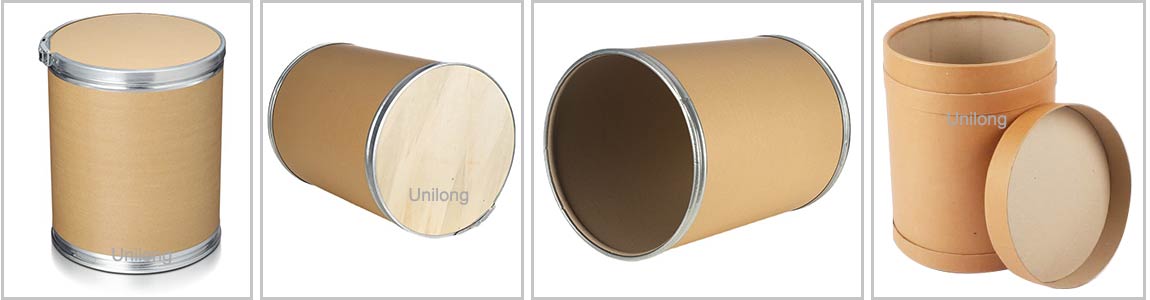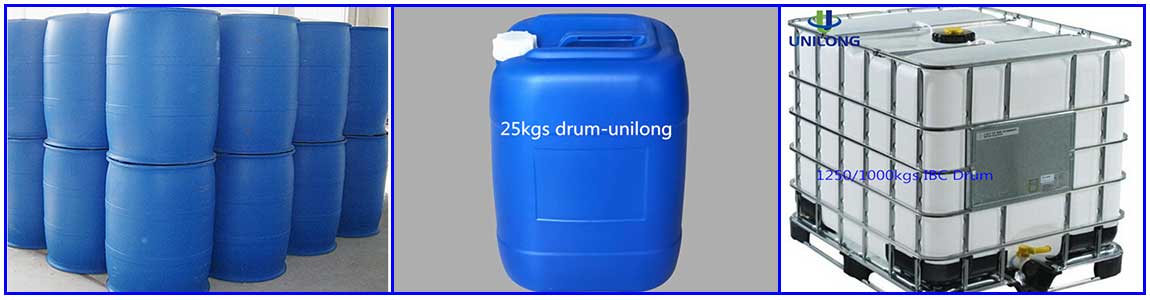
You are here:

Dibutyl sebacate DBS CAS109-43-3

CAS:109-43-3
Molecular formula:C18H34O4
Molecular weight:314.46
EINECS:203-672-5
Synonyms: DIBUTYLSEBACATE,TECH.; dibutyl-1,10-decanedioate; Decanedioicaciddibutyl; Dibutylsebacate,Sebacicaciddibutylester; DibutylChemicalbookSebacate(1mL)(AS)

What is Dibutyl sebacate ?

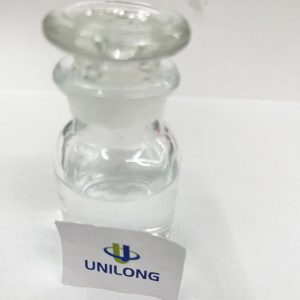
Dibutyl sebacate is a colorless or light yellow transparent liquid, It is obtained from the esterification of sebacic acid and butanol under the catalysis of sulfuric acid. The amount of catalyst is 0.3%, the temperature is 130-140°C, the esterification is about 4-6 hours under normal pressure, and 0.Chemicalbook1-0.3% activated carbon is added during esterification. The crude ester obtained is neutralized, dealcoholized and filtered to obtain the finished product. The raw material sebacic acid is prepared from castor oil. Raw material consumption (kg/t) sebacic acid 665 butanol 525.Slightly soluble in water, and soluble in organic solvents such as alcohol, ether, chloroform, acetone, and benzene. Used as a cold-resistant plasticizer for synthetic rubber, spice preparation, and organic synthesis.

Specification

Item Standard
Ester Content(%)≥       99.0
Acidity Value mgKOH/g≤ 0.03
FlashPoint(Open-Cup,℃)≥


180
Colour(APHA)≤  40
Loss on Heating(%)≤


0.30
SPECIFIC GRAVITY(20℃,g/cm3)


0.934-0.940
Appearance


Colorless transparent oily liquid
Moisture(%)≤ 0.15

Application

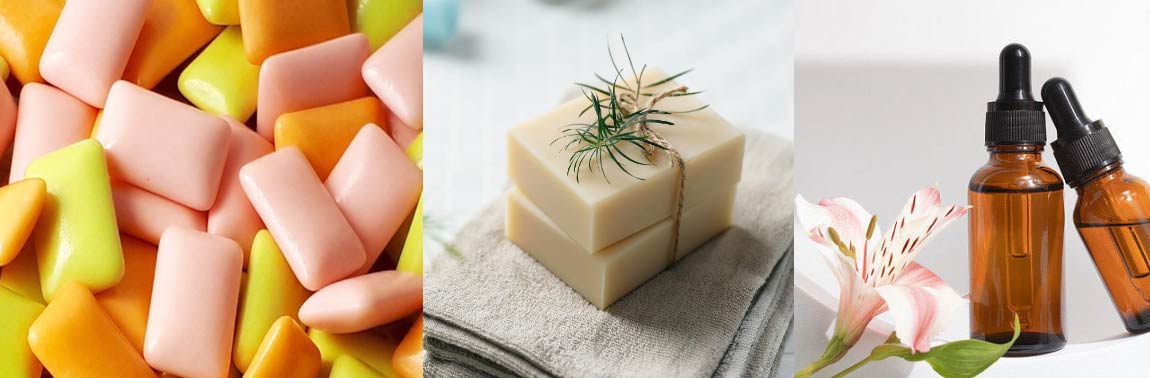
1. Dibutyl sebacate used as cold-resistant plasticizer and spice for synthetic rubber. Mainly used for preparing fruit-based flavors. Plasticizer (used in packaging materials).
2. Cold-resistant plasticizer, compatible with most resins and synthetic rubber, and can be used as the main plasticizer. This product is non-toxic and can be used in packaging materials that come into contact with food. The products have a good feel. This product is used as a plasticizer for many synthetic rubbers, giving products excellent low-temperature properties and oil resistance. The main disadvantage of this product is that it has a large volatilization loss and is easily extracted by water, soapy water and detergent solutions, so it is often used together with phthalate plasticizers.
3. Dibutyl sebacate used as gas chromatography stationary solution, plasticizer and rubber softener. It is also used in spice preparation and organic synthesis.
4. Gas chromatography stationary solution (maximum operating temperature is 75°C, solvent is ethanol, ether). Separation and analysis of hydrocarbons and esters. Plasticizer. Rubber softener. Cosmetics, fragrances. condiment.

Packaging

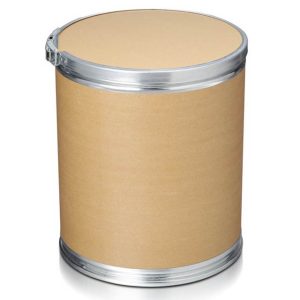
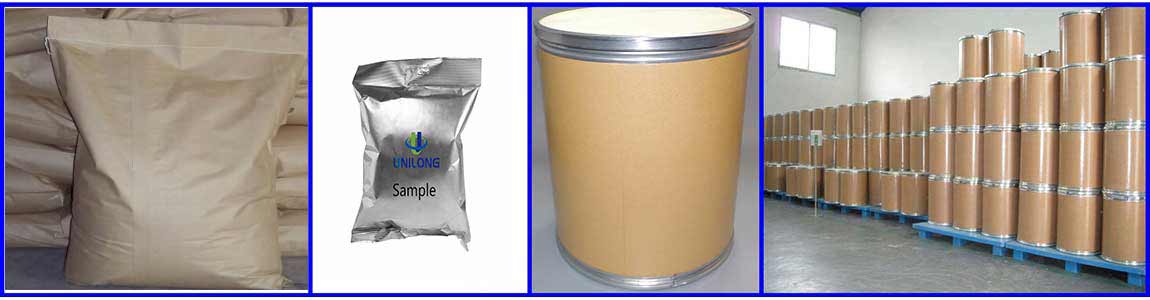
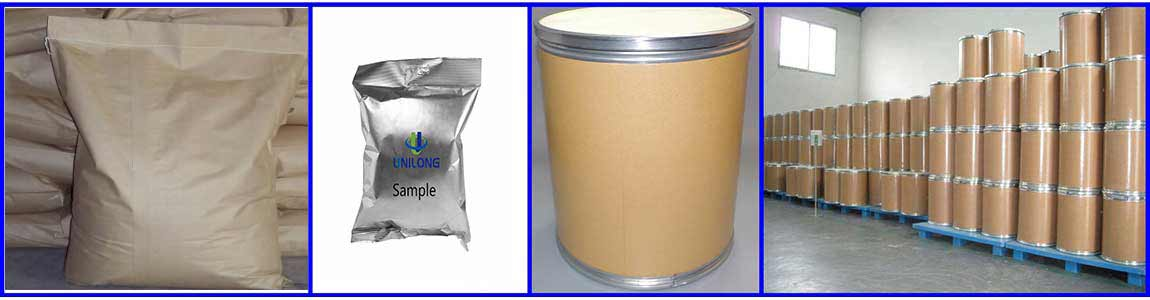
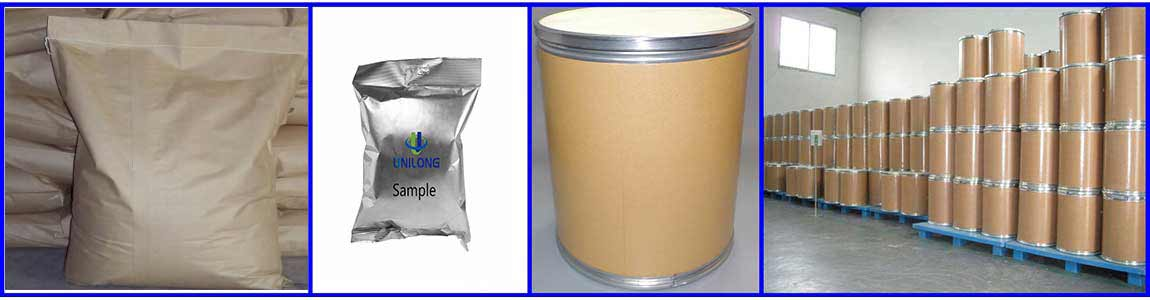
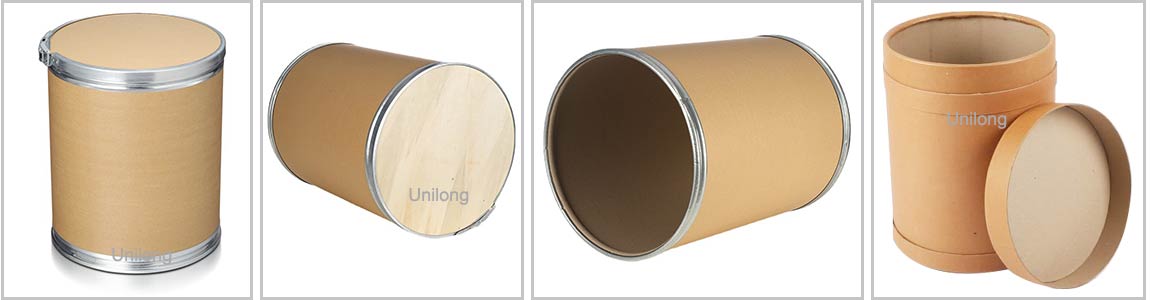
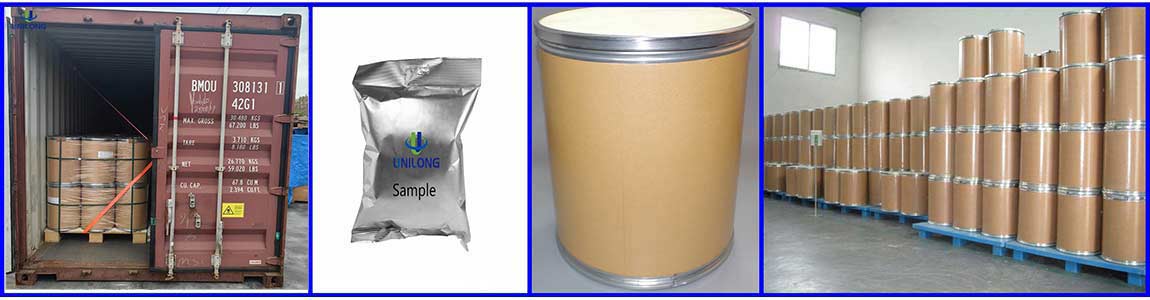
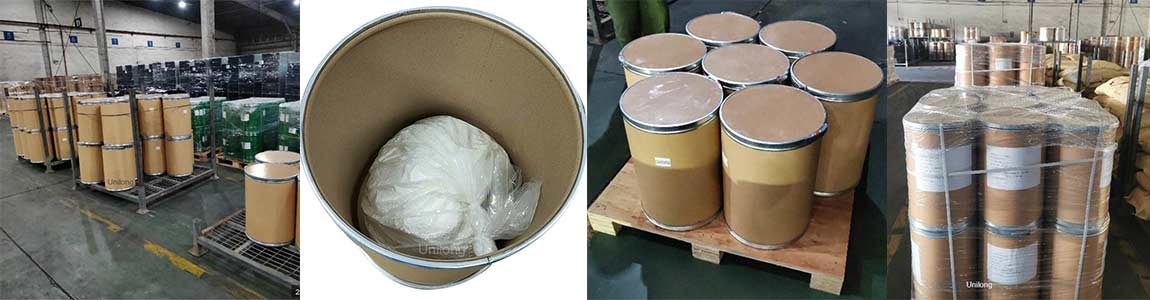
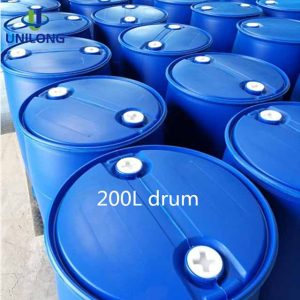
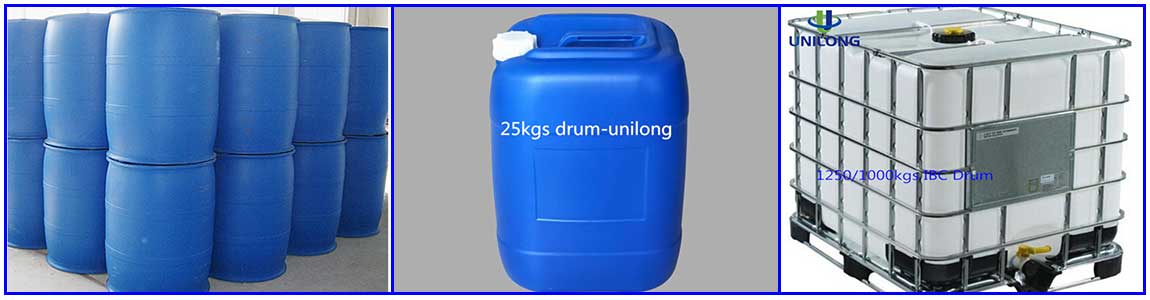
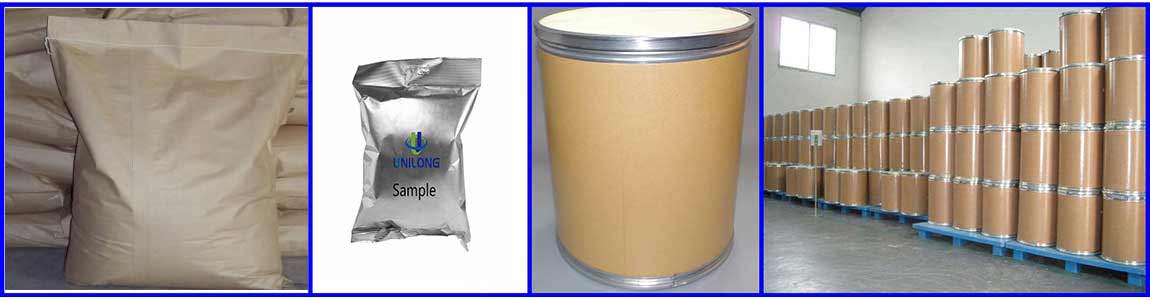
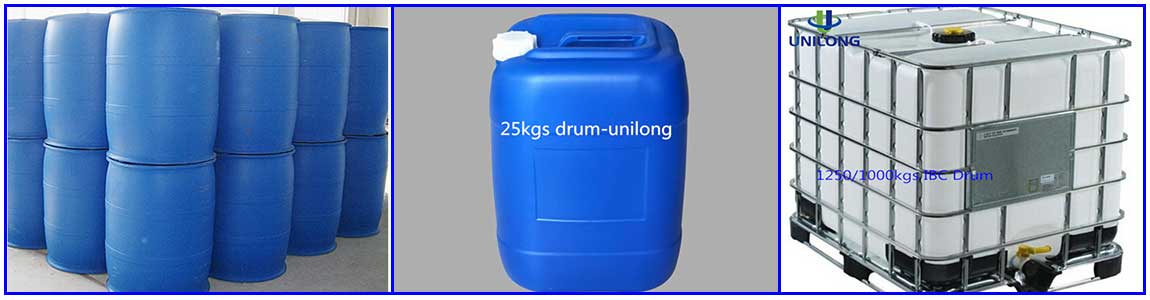
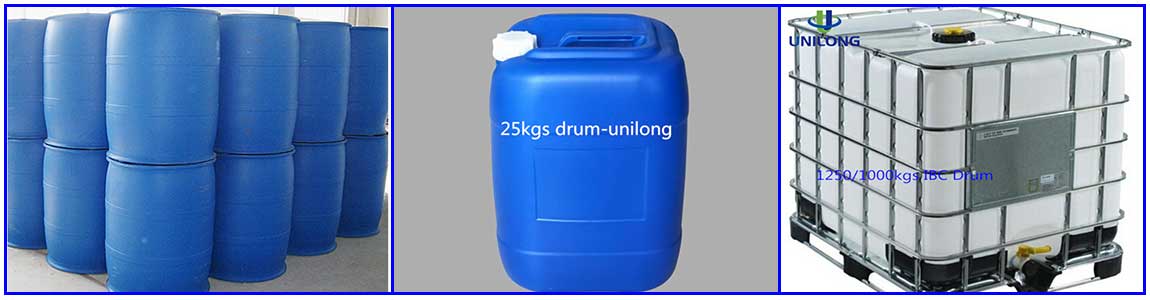
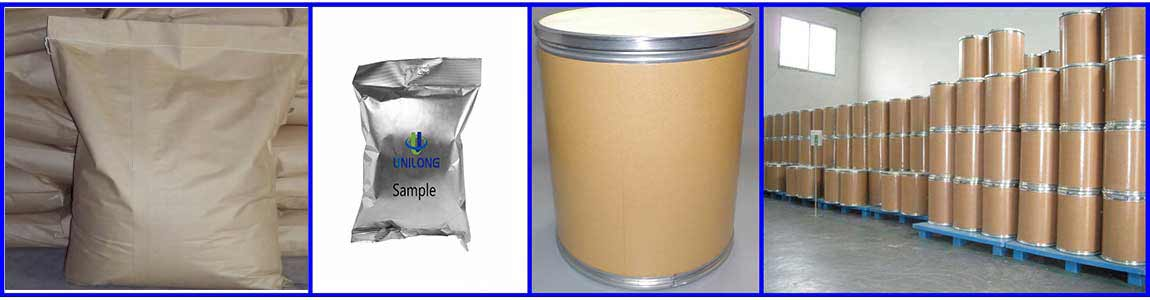
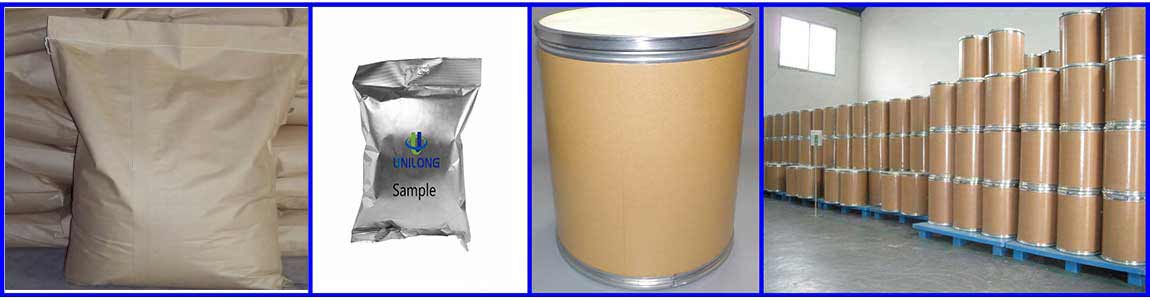
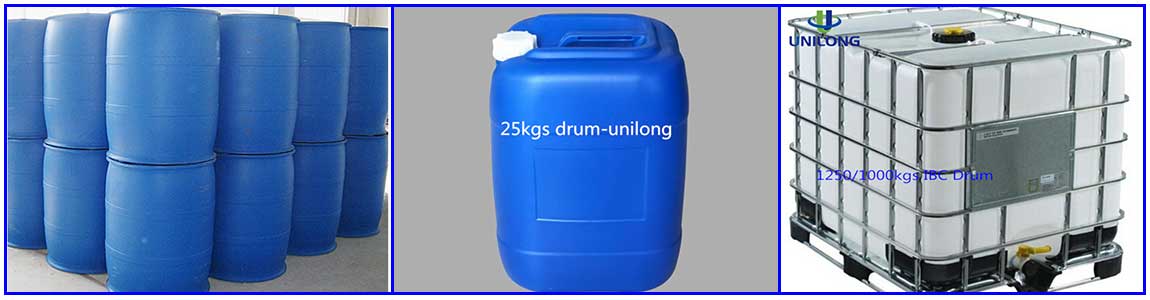
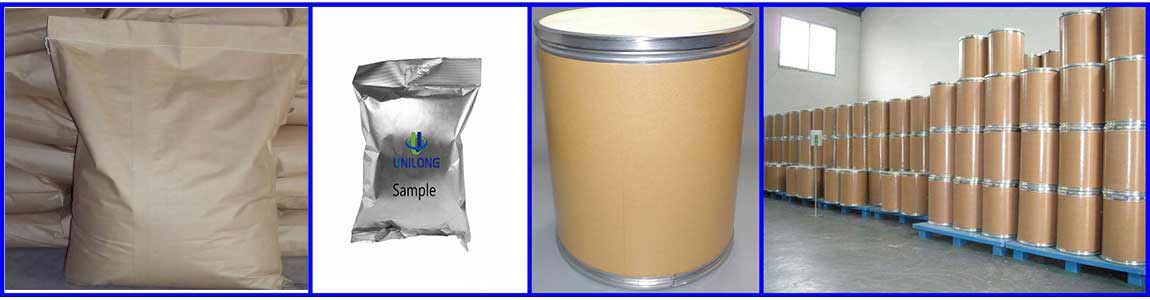
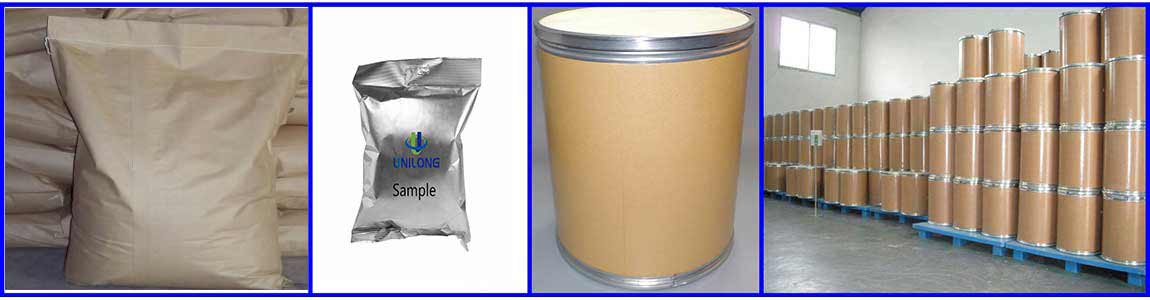
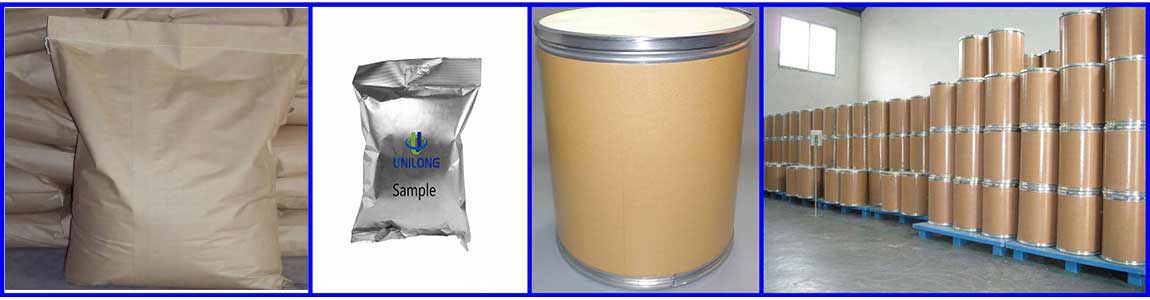
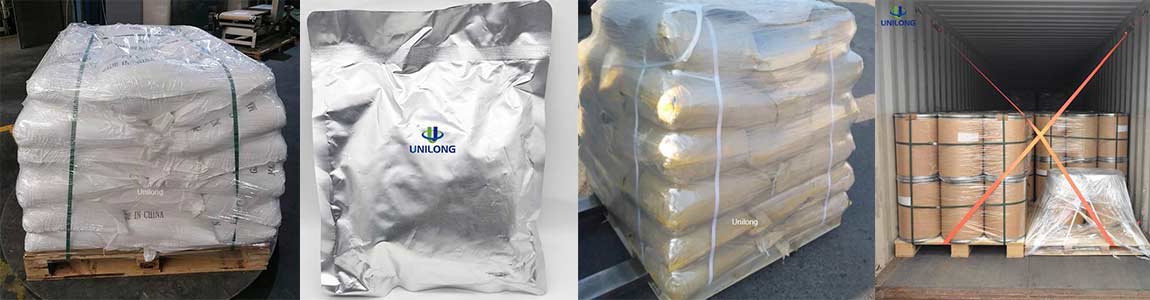
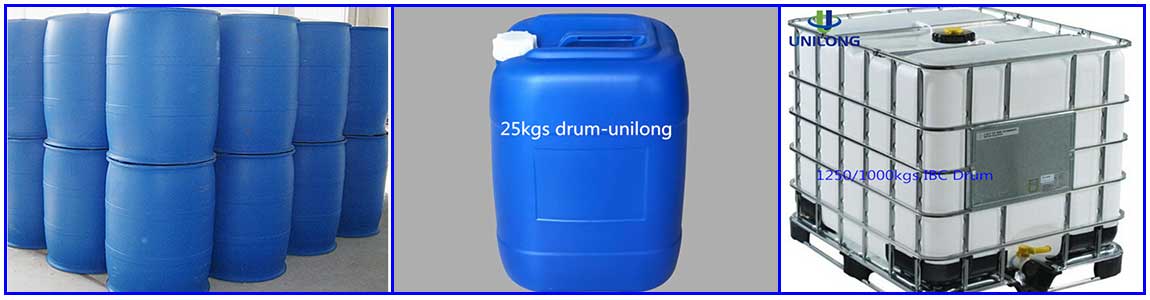
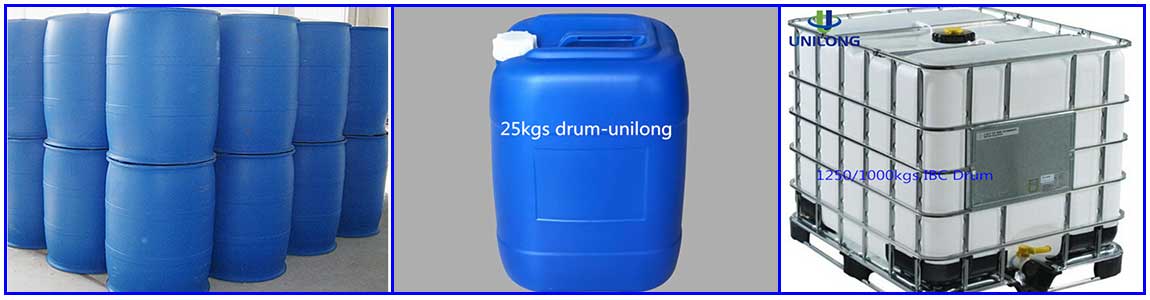
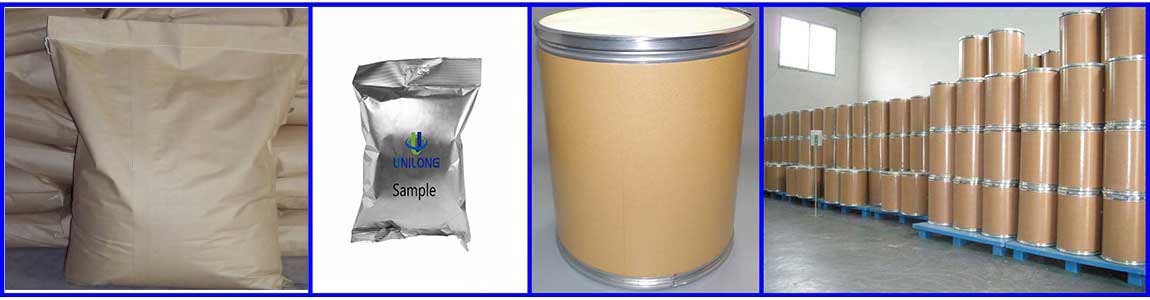
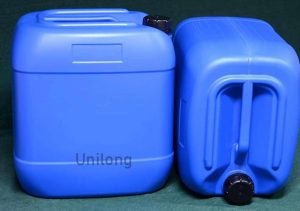
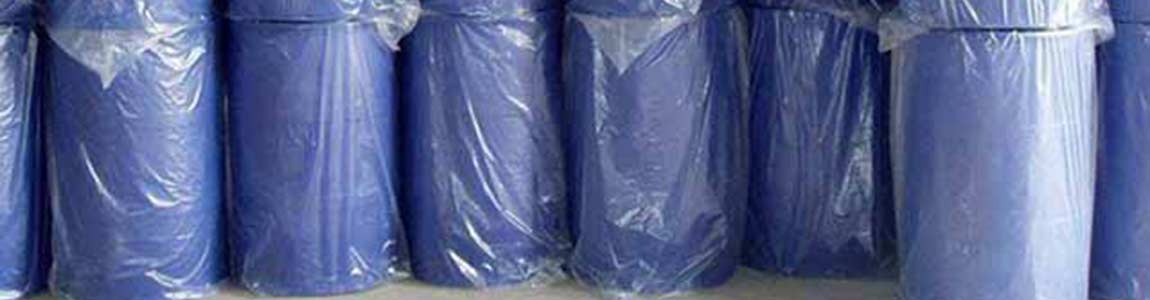
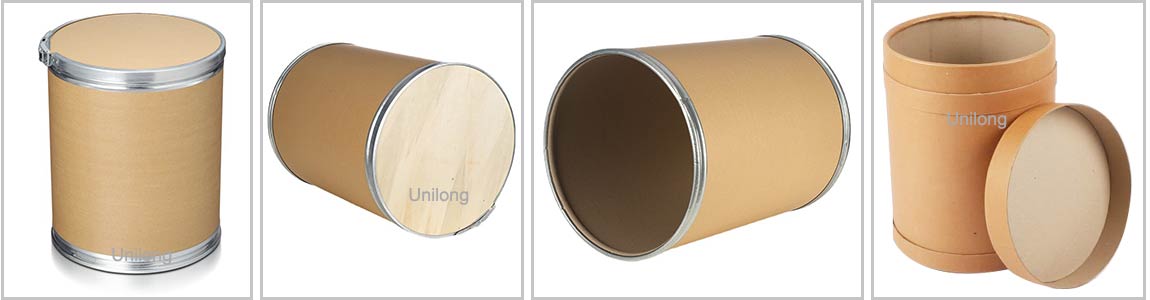
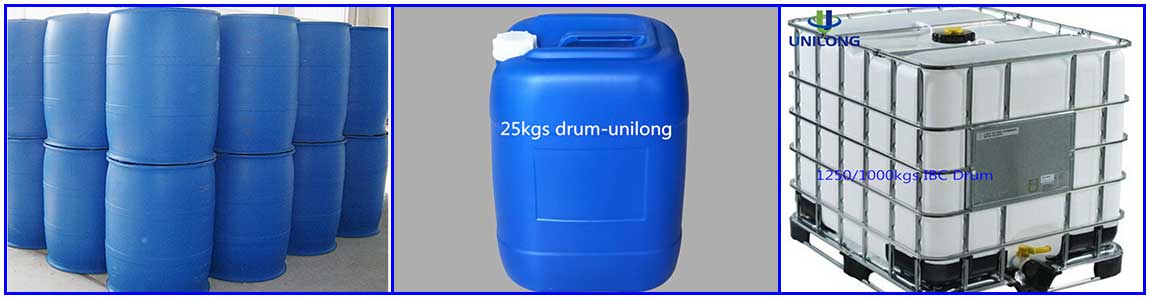
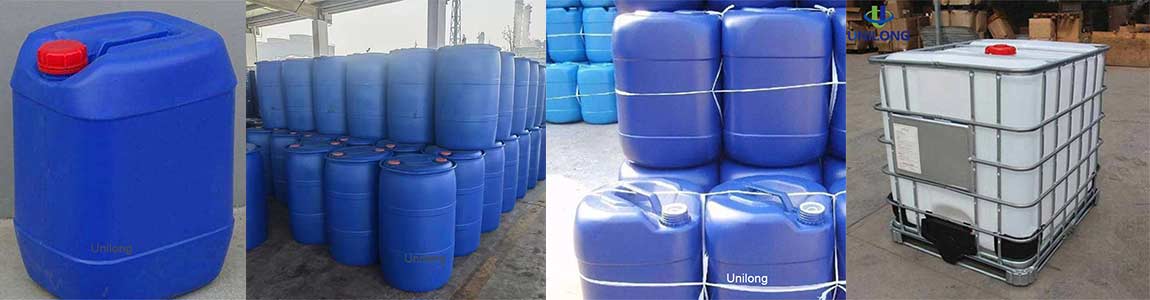
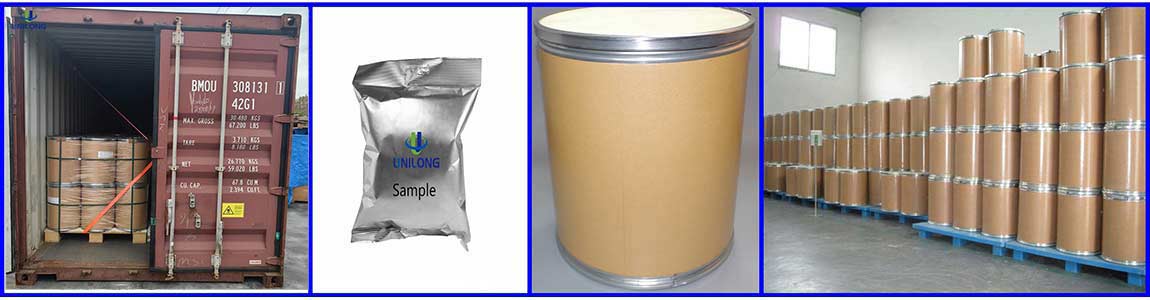
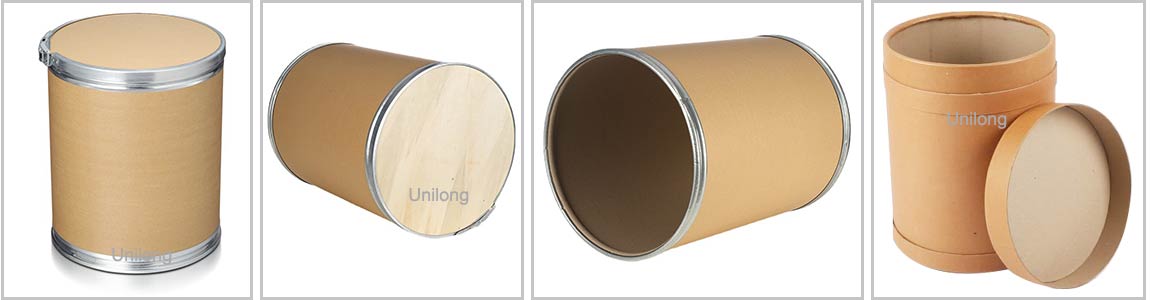
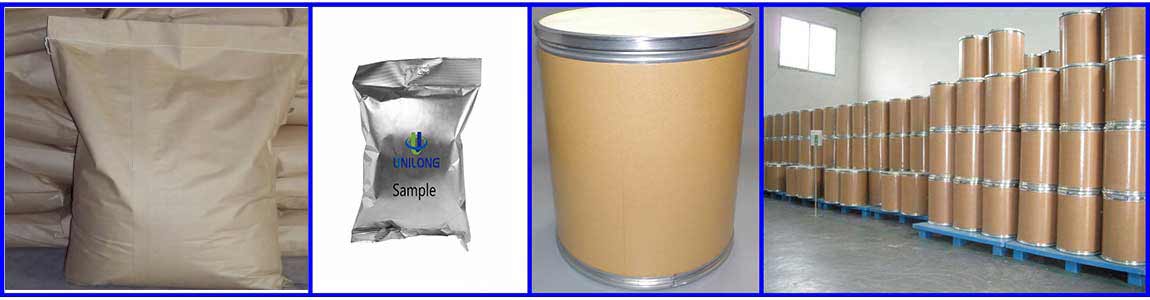
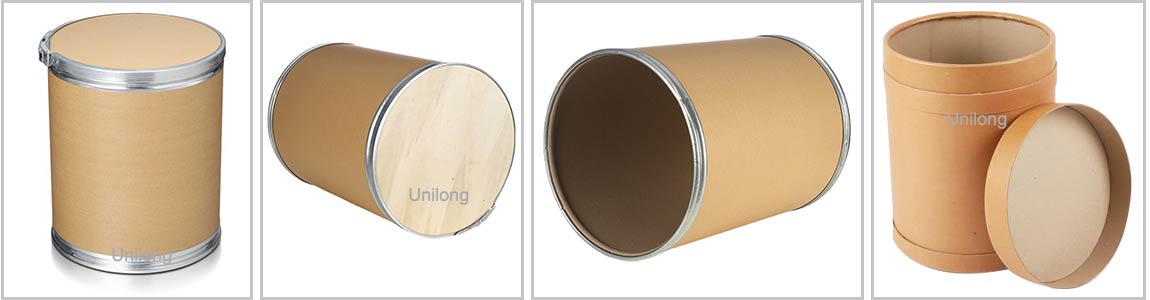
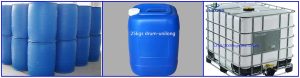
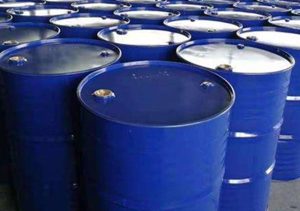
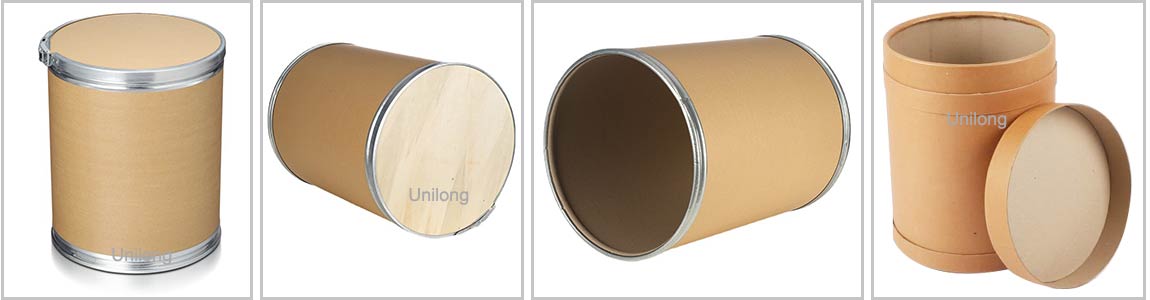
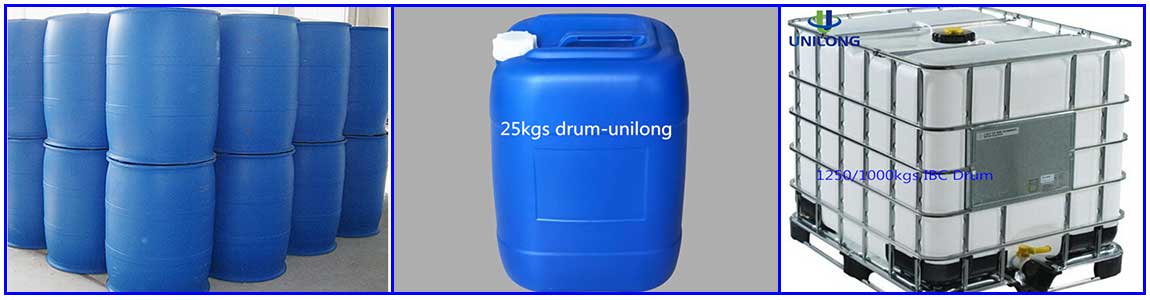
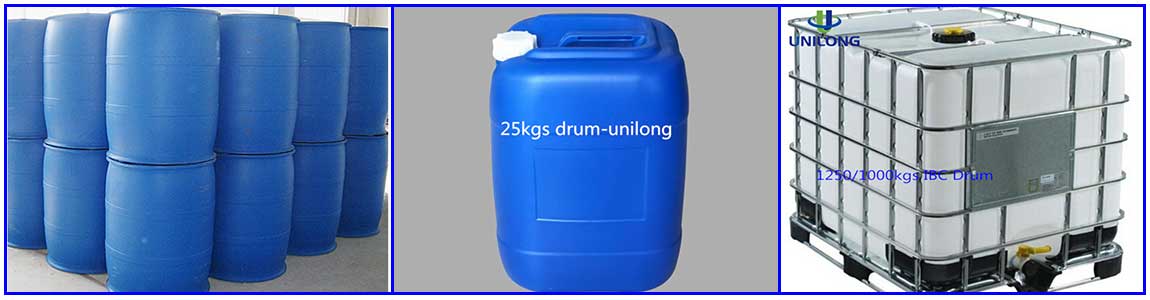
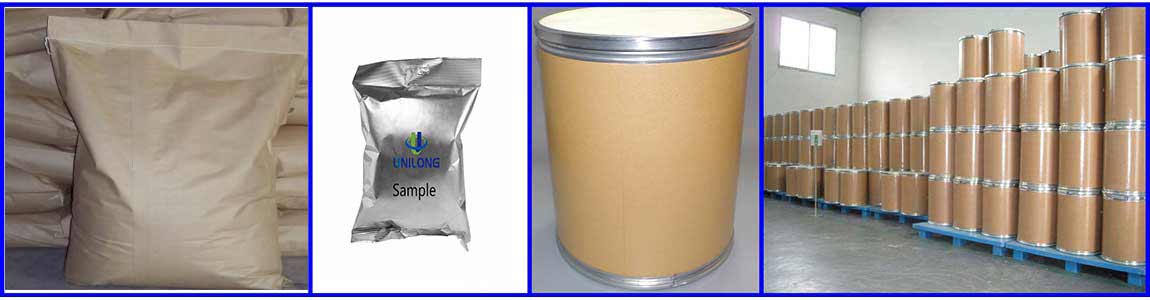
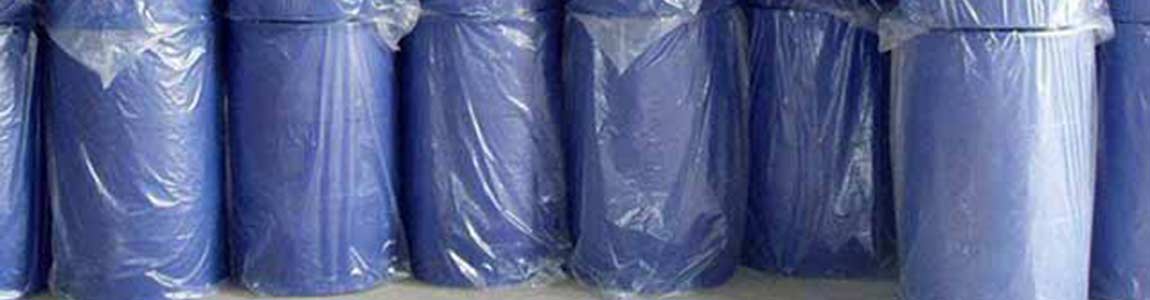
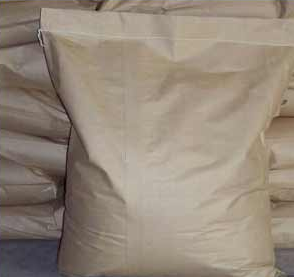
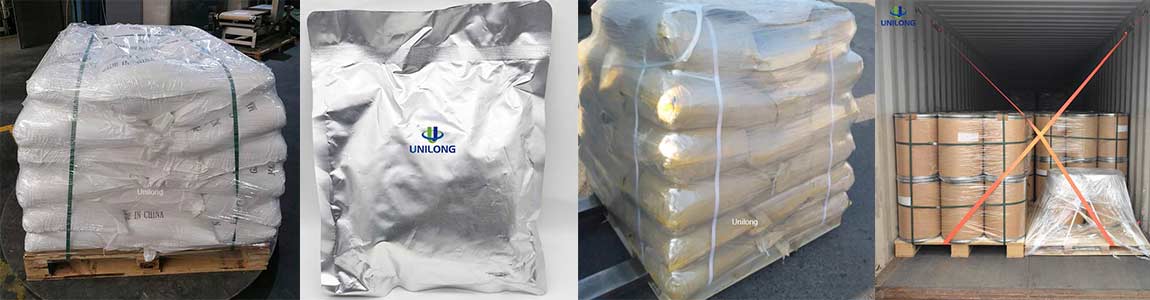
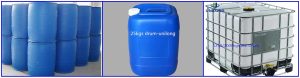
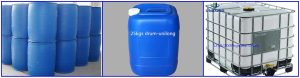
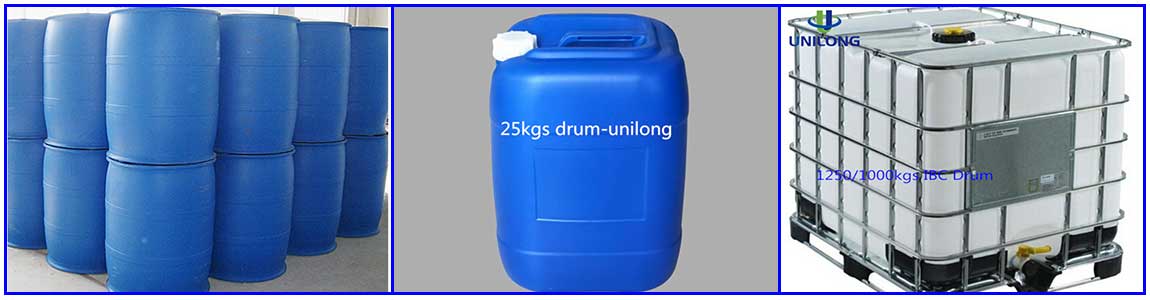
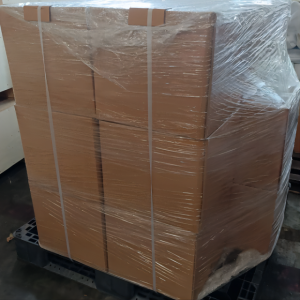
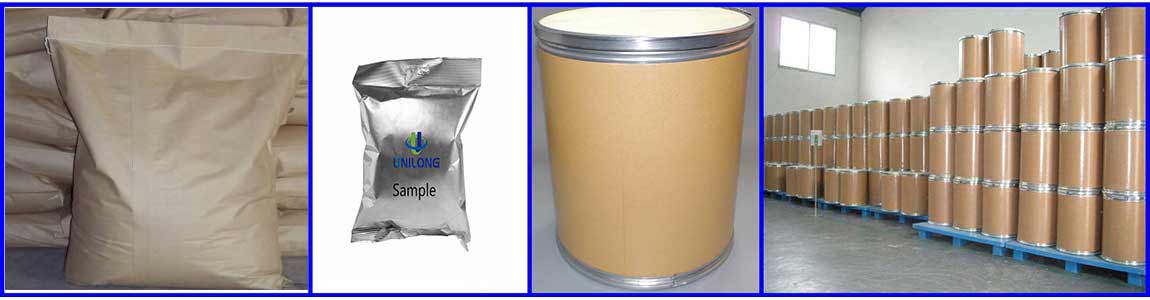
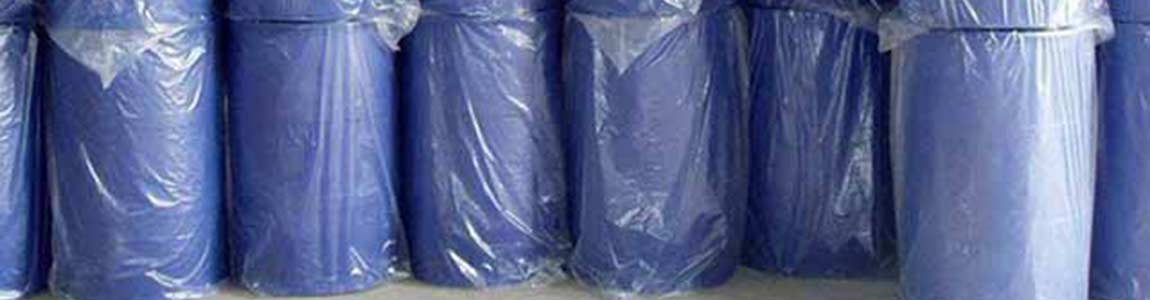
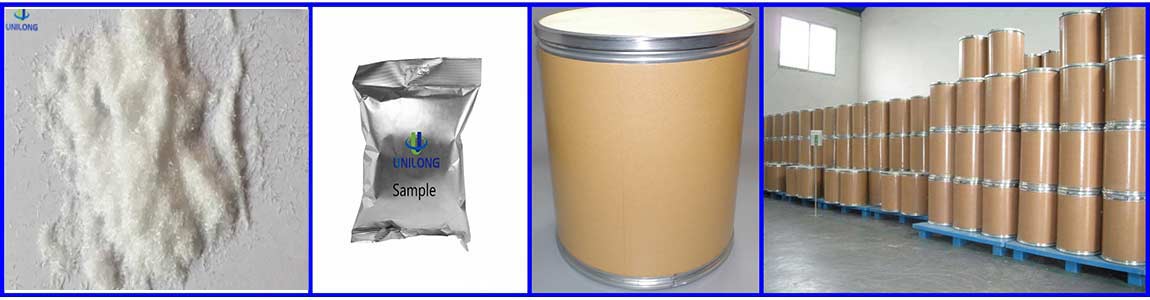
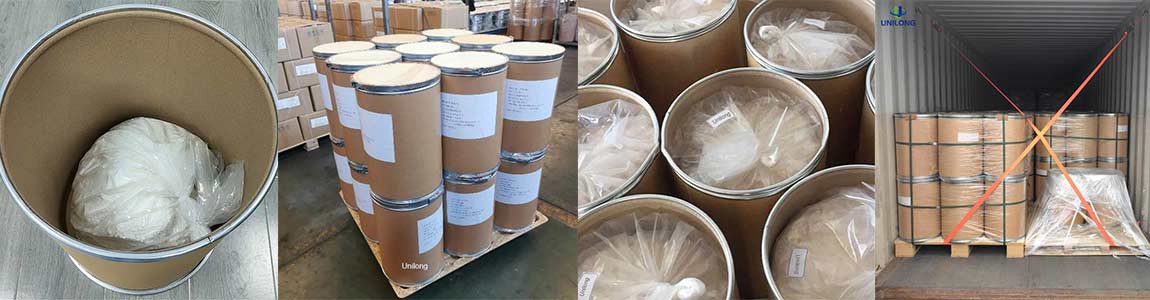
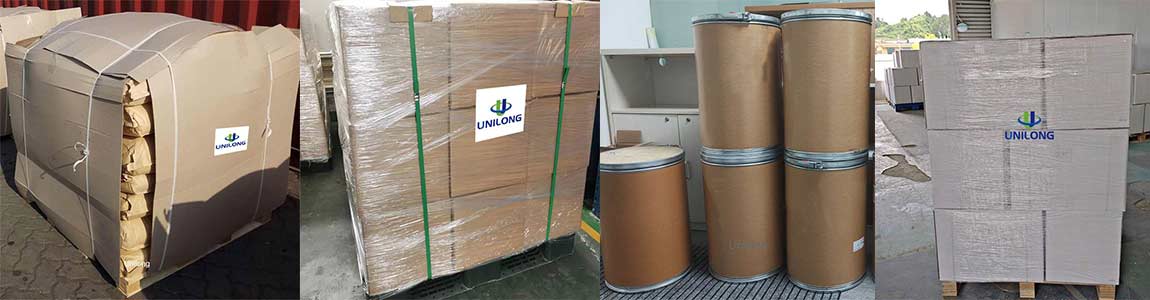
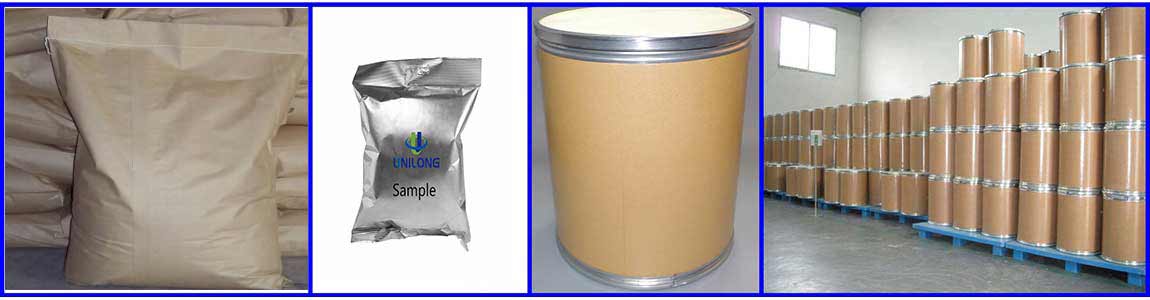
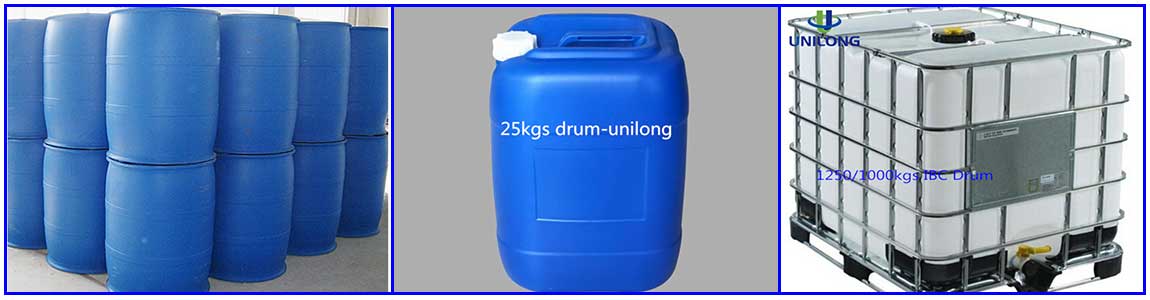
190kg/drum,Sealed in dry,Room Temperature

Dibutyl sebacate

CAS: 109-43-3
MF: C18H34O4
EINECS: 203-672-5

Polyethylene Glycol CAS 25322-68-3

Cas:25322-68-3
EINECS:500-038-2
Melting point:64-66 °C
Boiling point:>250°CDensity:1.27 g/mL at 25 °C

Synonyms:1,2-ethanediol,homopolymer; 2-ethanediyl),.alpha.-hydro-.omega.-hydroxy-Poly(oxy-1;AlcoxE160; AlcoxE30; alcoxe30;PolChemicalbooky(ethyleneoxide),approx.M.W.600,000

What is Polyethylene Glycol ?

The properties vary depending on the relative molecular weight, ranging from colorless and odorless viscous liquid to waxy solid. Those with a molecular weight of 200 to 600 are liquid at room temperature, and those with a molecular weight above 600 gradually become semi-solid. The properties also vary with the difference in average molecular weight. From colorless and odorless viscous liquid to waxy solid. As the molecular weight increases, its moisture absorption capacity decreases accordingly. This product is soluble in water, ethanol and many other organic solvents. Low vapor pressure, stable to heat, acid and alkali. Does not work with many chemicals. It has good hygroscopicity, lubricity and adhesion. Non-toxic and non-irritating. The average molecular weight is 300, n=5~5.75, the melting point is -15~8℃, and the relative density is 1.124~1.130. The average molecular weight is 6Chemicalbook00, n=12~13, the melting point is 20~25℃, the flash point is 246℃, and the relative density is 1.13 (20℃). The average molecular weight is 4000, n=70~85, and the melting point is 53~56℃. Under normal conditions, polyethylene glycol is very stable, but it can react with oxygen in the air at temperatures of 120°C or higher. In an inert atmosphere (such as nitrogen and carbon dioxide), it will not change even if it is heated to 200~240℃. When the temperature rises to 300℃, thermal cracking will occur. Adding antioxidants, such as phenothiazine with a mass fraction of 0.25% to 0.5%, can improve its chemical stability. Any of its decomposition products are volatile and will not form a crusty or slimy sediment.

Specification

Item Appearance(25℃) Color
Pt-Co
Hydroxyl value mgKOH/g MW Freezing point  Water(%) pH
PEG-200 colorless transparent liquid ≤20 510~623 180~220 ≤1.0 5.0~7.0
PEG-300 colorless transparent liquid ≤20 340~416 270~330 ≤1.0 5.0~7.0
PEG-400 colorless transparent liquid ≤20 255~312 360~440 4~10 ≤1.0 5.0~7.0
PEG-600 colorless transparent liquid ≤20 170~208 540~660 20~25 ≤1.0 5.0~7.0
PEG-800 Milky white paste ≤20 127~156 720~880 26~32 ≤1.0 5.0~7.0
PEG-1000 Milky white paste ≤20 102~125 900~1100 38~41 ≤1.0 5.0~7.0
PEG-1500 Milky white solid ≤20 68~83 1350~1650 43~46 ≤1.0 5.0~7.0
PEG-2000 Milky white solid ≤20 51~63 1800~2200 48~50 ≤1.0 5.0~7.0
PEG-3000 Milky white solid ≤20 34~42 2700~3300 51~53 ≤1.0 5.0~7.0
PEG-4000 Milky white solid ≤20 26~32 3600~4400 53~54 ≤1.0 5.0~7.0
PEG-6000 Milky white solid ≤20 17.5~20 5500~7000 54~60 ≤1.0 5.0~7.0
PEG-8000 Milky white solid ≤20 12~16 7200~8800 55~63 ≤1.0 5.0~7.0

Application

  1. Polyethylene Glycol Gas chromatography stationary liquid (maximum operating temperature 200°C, solvents are acetone, chloroform, methylene chloride), separate and analyze oxygen-containing compounds such as alcohols, ketones, aldehydes, moisture in polytetrafluoroethylene, fatty amines, and volatile oils. It is widely used as a carrier and as a modifier for the inner wall of capillary columns. Organic Synthesis.
  2. Polyethylene Glycol used in softeners, lubricants, etc.
  3. Polyethylene Glycol used as matrix in cosmetics and cosmetics, and as dispersant, lubricant, emulsifier, etc. in rubber, metal processing, pesticide and other industries.
  4. Organic synthetic media, humectants for daily cosmetics and industrial use, inorganic salt solubilizers, viscosity regulators, etc. are used as flocculants, fluid antifriction agents, textile sizing agents, retention and filter aids, binders, solubilizers, etc. Thickeners and denture fixatives, etc.
  5. Polyethylene Glycol used as a matrix in the cosmetics industry and as a dispersant and lubricant in the rubber, metal processing, pesticide and other industries. Used in cosmetics, pharmaceuticals, chemical fiber, rubber, papermaking, paint, electroplating, pesticides, metal processing and food processing. and other industries
  6. Polyethylene Glycol used as a moisturizer in cosmetics, industry, and the wood industry. Used as a molding agent, lubricant for metal wire drawing, stamping and molding, lubricant in the papermaking industry, cutting fluid, grinding fluid cooling lubrication, and polishing agent. Used as PVC. Lubricants, masterbatch additives, textile softeners, pigment dispersants, etc.
  7. Polyethylene Glycol as a papermaking additive, it can improve the retention rate of fillers and fine fibers. When the relative molecular mass is above 3 million, it has good dispersion, certain wettability, drag reduction and pyrolysis properties. It is an effective deflocculant. Adding it to pulping can increase the viscosity of slurry, prevent fibers from adhering to each other, improve paper evenness, reduce pulping power consumption, and improve physical strength.

Packaging

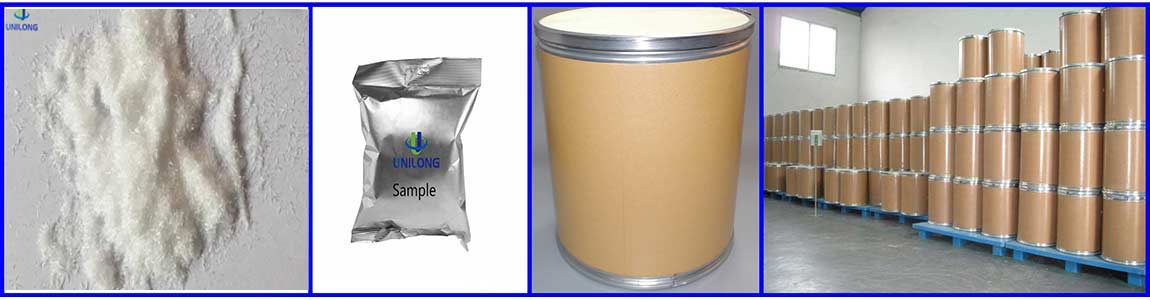
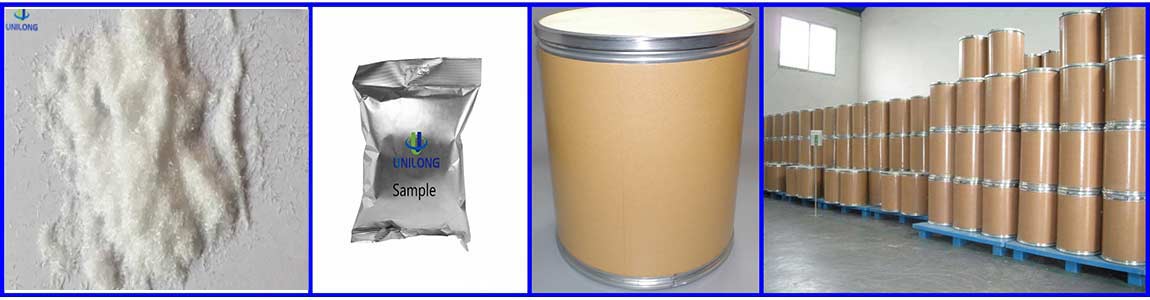
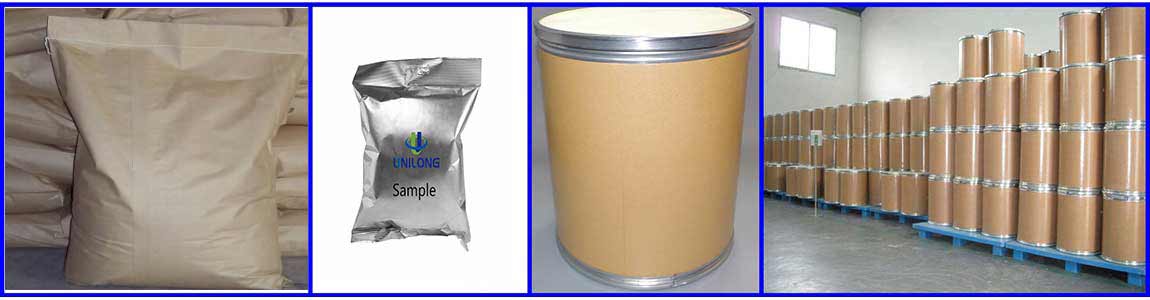
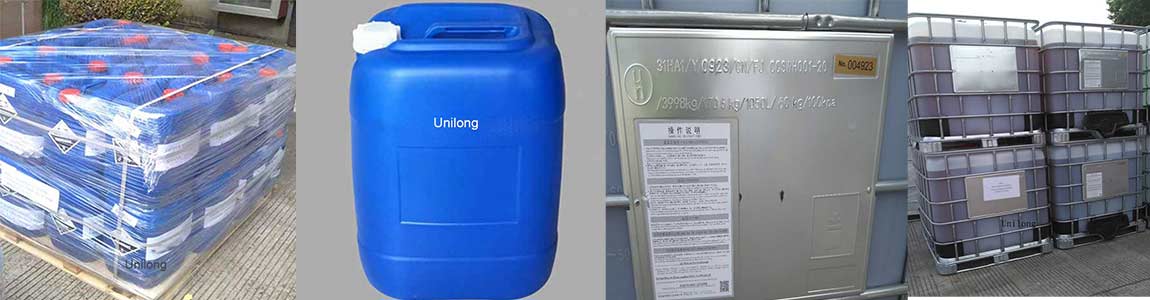
Packaging, storage and transportation: PEG200, 400, 600, 800, 1000, 1500, 2000 and 3000 are packed in 200kg iron drums or 50kg plastic drums; PEG-4000, 6000 and 8000 are packed in 20Kg woven bags after being sliced. This series of products is non-toxic and non-flammable and should be stored and transported as general chemicals. Store in a dry and ventilated place. Shelf life two years

Polyethylene Glycol  packing

Monosodium Glutamate with Cas 32221-81-1

CAS No.:32221-81-1
Molecular Formula:C5H8NNaO4
Molecular Weight:169.11109
EINECS:200-533-0
Product Categories: Nutrition Health, Food additive
Synonym: DL-monosodiumglutamate; sodiumglutamate(1-); sodiumacidl-glutamate; Monosodiumglutamate; Sodium5-oxido-5-oxonorvaline; Monosodiumglutamatewithotherflavour-enhancers; α-Amiopetandioicacidmonosodiumsalt; Glutamicacid,monosodiumsalt,DL-

What Is Monosodium Glutamate with Cas 32221-81-1?

Monosodium glutamate is white prismatic crystal or crystalline powder, odorless, with special meat flavor. The relative density is 1.635, the melting point is 195 ℃, and the filling specific volume is 1.20. It is easily soluble in water, and the pH of 5% aqueous solution is 6.7-7.2. It is difficult to dissolve in ethanol and ether. Without moisture absorption, the crystal water starts to be lost at 120 ℃, and the intramolecular dehydration starts at 150-160 ℃ to form sodium pyroglutamine, which loses its fresh taste. It begins to decompose into pyrrole at about 270 ℃.

Specification

ITEM STANDARD
Appearance White Crystal
Purity ≥ 99.00%
Specific Rotation +24.9-25.3
PH(5% Solution) 6.7-7.5
Chloride ≤0.1%
Loss on drying ≤0.5%
Arsenic(As2SO3) ≤0.5ppm
Lead(pb) ≤1ppm
Heavy metals(as pb) ≤10ppm
Translucent rate ≥98

Application

1.It is the most widely used flavoring agent at home and abroad. When it coexists with salt, it can enhance its flavor presenting effect. When it is used with sodium 5 ‘- inosine or sodium 5’ – guanylate, it has a multiplying effect.
2.Used as food flavoring

Packing

25kgs/bag or requirement of clients.

CAS: 32221-81-1
MF: C5H8NNaO4
Purity: 98%min

UVA PLUS CAS 302776-68-7

CAS: 302776-68-7
Molecular Formula: C24H31NO4
Molecular Weight: 397.51
EINECS: 443-860-6
Appearance: White to Almost white powder

Synonyms: BENZOICACID,2-(4-DIETHYLAMINO)-2-HYDROXYBENZOYL)-,HEXYLESTER; uvabsorberAPLUS; UVAPlus/DHHB; UVAPLUS; DiethylaminoHydroxybenzoylHexylBenzoat; Hexyl2-[4-(Diethylamino)-2-hydroxybenzoyl]benzoate(ThisproductisonlyavailableinJapan.); 2-(4-Diethylamino-2-hydroxybenzoyl)-Benzoesurehexylester; 2-[4-(Diethylamino)-2-hydroxybenzoyl]benzoicacidhexylester

What Is UVA PLUS CAS 302776-68-7?

UVA PLUS CAS 302776-68-7 belongs to organic peroxides, it has a strong oxidizing effect and is prone to producing highly active free groups during thermal decomposition. It has thermal instability and may decompose at relatively low temperatures. During the decomposition process of diethylaminohydroxybenzoyl benzoate, a large amount of heat and gas are released, which increases the temperature and accelerates the decomposition.

Specification

ITEM STANDARD
Appearance White Powder
Color (Gardner) 8.20MAX
ASSAY (%) 98.00MIN
IDENTIFICATION(UV) 352NM-356NM
SPECIFIC ABSORPTION (E1/1) 910-940

Application

UVA PLUS CAS 302776-68-7 is a new type of UVA ultraviolet absorbent. The UV absorption band of this product is similar to that of traditional Avobenzone, and it has good photochemical stability and compatibility with other oils. It can be widely used as a sunscreen in cosmetics

Package And Storage

Avoid sunlight, high temperatures, and humidity, as well as light stabilizers containing sulfur or halogenated elements. It needs to be stored and stored under sealed, dry, and dark conditions.

UVA PLUS CAS 302776-68-7-package

Oxalic acid dihydrate Cas 6153-56-6

CAS:6153-56-6
Molecular Formula:C2H6O6
Molecular Weight:126.07
EINECS:612-167-2
Synonyms:OxalateAcid; Twowateroxalicacid; OXALICACID2HYDXTL; Oxalicacidtestsolution(ChP); Hastwoacid; OxalicaciddihydrateManufacturer; OXALICACIDSOLUTION, 10%W/VOXALICACIDSOLUTION, 10%W/VOXALICACIDSOLUTION, 10%W/VOXALICACIDSOLUTION, 10%W/V; OXALICACID,DIHYDRATE, HIGHPURITYOXALICACID, DIHYDRATE, HIGHPURITYOXALICACID, DIHYDRATE,HIGHPURITYOXALICACID, DIHYDRATE,HIGHPURITY

What is Oxalic acid dihydrate

Oxalic acid dihydrate is a colorless and transparent monoclinic crystal, often found in rhubarb and other plants in the form of calcium salts. It is highly acidic, not easy to burn, soluble in hot water, ethanol and glycerin, slightly soluble in ether, and has a stronger effect when exposed to water.

Specification

Test items  

Detection Indicator


Test data


Appearance


White crystal powder


Qualified


content


≥99.50%


99.60%


Sulfate


≤0.001%


not detected


Ash


≤0.08%


0.02%


Heavy metals (as Pb)


≤0.0001%


0.0001%


Iron (as Fe)


none


none


Chloride (as CI)


≤0.003%


0.001%


Moisture


≤0.3%


0.28%

Application

Oxalic acid can be used as reducing agent, bleaching agent, decontamination reagent, and analytical reagent, and its anhydrate can be used as dehydrating agent in organic synthesis. In addition, oxalic acid can be prepared into oxalate to play a role

Package

25kg/bag 20’FCL can hold 22 tons

Related Keywords

OxalateAcid; Twowateroxalicacid; OXALICACID2HYDXTL; Oxalicacidtestsolution(ChP); Hastwoacid; OxalicaciddihydrateManufacturer; OXALICACIDSOLUTION, 10%W/VOXALICACIDSOLUTION, 10%W/VOXALICACIDSOLUTION, 10%W/VOXALICACIDSOLUTION, 10%W/V; OXALICACID,DIHYDRATE, HIGHPURITYOXALICACID, DIHYDRATE, HIGHPURITYOXALICACID, DIHYDRATE,HIGHPURITYOXALICACID, DIHYDRATE,HIGHPURITY

CAS: 6153-56-6
MF: C2H6O6
Purity: 99%

Ultraviolet Absorber UV-571 Cas 125304-04-3

CAS:125304-04-3
Molecular Formula:C25H35N3O
Molecular Weight:393.57
EINECS:401-680-5
Synonyms:UltravioletAbsorberUV-571; LightstabilizerUV-571; 2-(2H-BENZOTRIAZOL-2-YL)-6-DODECYL-4-; 2-(2h-benzotriazol-2-yl)-6-dodecyl-4-methyl-phenobranchedandlinear; 2-(2h-benzothiazol-2-yl)-6-(dodecyl)-4-methylphenol; -(2H-Benzothiazol-2-yl)-6-(dodecyl)-4-methylphenol; UV-571; BENZOTRIAZOLYLDODECYLp-CRESOL

What is Ultraviolet Absorber UV-571

UV-571 is a yellow transparent viscous liquid benzotriazole ultraviolet absorber, which can give a variety of polymers with good light stability. Soluble in many solvents, monomers, or intermediates, and easily emulsified in water-based adhesives. UV absorber UV-571 has the characteristics of high compatibility to a variety of substrates, low volatility even at high temperatures, and high absorption and protection efficiency.

Specification

Test items  

Detection Indicator


Test data


Appearance


Light yellow viscous liquid


Qualified


Volatile content%


≤2.0


0.80


Ash%


≤0.005


0.002


Effective content %


≥95


99.1


Transmittance%


450nm≥80


90.0

Transmittance% 460nm≥85 91.5
Transmittance% 500nm≥95 97.1

Application

UV absorber UV-571 is widely used in thermoplastic PUR coatings and integral foams, hard plasticized polyvinyl chloride, PVB, PMMA, PVD, EVOH, EVA high temperature curing unsaturated polyester and spinning AIDS for PA, PET, PUR and PP fibers. The UV absorber UV-571 is also suitable for use in latex, wax, adhesives, styrene homopolymers – and copolymers, elastomers and polyolefins.

Package

25kg/drum, 200kg/drum

Related Keywords

UltravioletAbsorberUV-571; LightstabilizerUV-571; 2-(2H-BENZOTRIAZOL-2-YL)-6-DODECYL-4-; 2-(2h-benzotriazol-2-yl)-6-dodecyl-4-methyl-phenobranchedandlinear; 2-(2h-benzothiazol-2-yl)-6-(dodecyl)-4-methylphenol; -(2H-Benzothiazol-2-yl)-6-(dodecyl)-4-methylphenol; UV-571; BENZOTRIAZOLYLDODECYLp-CRESOL

CAS: 125304-04-3
MF: C25H35N3O
Purity: 95%

MethylCyclotrisiloxane Cas 2374-14-3

CAS:2374-14-3
Molecular Formula:C12H21F9O3Si3
Molecular Weight:468.54
EINECS:219-154-7
Synonyms:(3,3,3-TRIFLUOROPROPYL)METHYLCYCLICSILOXANES; (3,3,3-TRIFLUOROPROPYL)METHYLCYCLOSILOXANES; (3,3,3-TRIFLUOROPROPYL)METHYLCYCLOTRISILOXANE; (3,3,3-TRIFLUOROPROPYL)METHYLSILOXANES; 1,3,5-TRIMETHYL-1,3,5-TRIS(3Chemicalbook,3,3-TRIFLUOROPROPYL)CYCLOTRISILOXANE; 1,3,5-TRI[(3,3,3-TRIFLUOROPROPYL)METHYL]CYCLOTRISILOXANE; 1,3,5-TRIS[(3,3,3-TRIFLUOROPROPYL)METHYL]CYCLOTRISILOXANE; (3,3,3-trifluoropropyl)methylsiloxanecyclictrimer

What Is MethylCyclotrisiloxane

MethylCyclotrisiloxane is the main monomer for preparing fluorosilicone rubber, resin, and fluorosilicone oil, and can be copolymerized with a variety of monomers. It is an intermediate for the synthesis of drugs, cosmetics, and surfactants.

Specification

Analytical Item  

Analytical Standard


Analytical Result


Appearance


White crystal, colorless and transparent liquid after melting


White crystal, colorless and transparent liquid after melting


Assay %


≥99.80


99.86


Water %


≤0.0100


0.0032

Application

MethylCyclotrisiloxane is the main monomer for preparing fluorosilicone rubber, resin, and fluorosilicone oil, and can be copolymerized with a variety of monomers. It is an intermediate for the synthesis of drugs, cosmetics, and surfactants.

Package

250kg/ drum 20’FCL can hold 10 tons

Related Keywords

(3,3,3-TRIFLUOROPROPYL)METHYLCYCLICSILOXANES; (3,3,3-TRIFLUOROPROPYL)METHYLCYCLOSILOXANES; (3,3,3-TRIFLUOROPROPYL)METHYLCYCLOTRISILOXANE; (3,3,3-TRIFLUOROPROPYL)METHYLSILOXANES; 1,3,5-TRIMETHYL-1,3,5-TRIS(3Chemicalbook,3,3-TRIFLUOROPROPYL)CYCLOTRISILOXANE; 1,3,5-TRI[(3,3,3-TRIFLUOROPROPYL)METHYL]CYCLOTRISILOXANE; 1,3,5-TRIS[(3,3,3-TRIFLUOROPROPYL)METHYL]CYCLOTRISILOXANE; (3,3,3-trifluoropropyl)methylsiloxanecyclictrimer

CAS: 2374-14-3
MF: C12H21F9O3Si3
Purity: 99%min

Polyvinylpyrrolidone PVP-K Series PVP K12 K15 K17 K25 K30 K60 K90

CAS No.:9003-39-8
MF: (C6H9NO)n
MW: 16.04246
Purity:99%
Other Names:Polyvinylpyrrolidone; pvp; PVPK30; PVPK90POLYVINYLPYRROLIDONE K 25; POLYVINYLPYRROLIDONE K 30; POLYVINYLPYRROLIDONE K 90; POLYVINYLPYRROLIDONE K 60; POLYVINYLPYRROLIDONE K 15; POLYVINYLPYRROLIDONE

What is Polyvinylpyrrolidone (PVP)?

PVP series soluble in water, alcohol, amine and halogenated hydrocarbons, insoluble in acetone, ether, etc. It has excellent solubility, biocompatibility, physiological inertness, film forming, membrane protection ability and the ability to combine a variety of organic and inorganic compounds. It is stable to acid, salt and heat, so it has a wide range of uses.

Specification

TYPE PVP K12 PVP K15 PVP K17 PVP K25 PVP K30 PVP K60 PVP K90
Appearance White powder
K Value 10.2-13.8 12.75-17.25 15.3-18.36 22.5-27.0 27-32.4 54-64.8 81-97.2
Singel impurity
(impurity A)
(CP2005/USP26) %max 0.1 0.1 0.1 0.1 0.1 0.1 0.1
(USP31/EP6/BP2007) ppm max 10 10 10 10 10 10 10
Water % max 5.0 5.0 5.0 5.0 5.0 5.0 5.0
Content % min 95 95 95 95 95 95 95
pH  (5% aqueous solution) 3.0-5.0 3.0-5.0 3.0-5.0 3.0-5.0 3.0-5.0 4.0-7.0 4.0-7.0
Sulfate ash% max 0.1 0.1 0.1 0.1 0.1 0.1 0.1
Nitrogen content﹪ 11.5-12.8 11.5-12.8 11.5-12.8 11.5-12.8 11.5-12.8 11.5-12.8 11.5-12.8
2-P content % max 3.0 3.0 3.0 3.0 3.0 3.0 3.0
Aldehyde ppm max 500 500 500 500 500 500 500
Heavy metal ppm max 10 10 10 10 10 10 10
Hydrazine ppm max 1 1 1 1 1 1 1
Hydrogen peroxide ppm max 400 400 400 400 400 400 400

Application

Povidone is widely used in the field of medicine and is one of the three new pharmaceutical excipients advocated internationally. The most widely used adhesives are tablets and granules. It can also be used as a flow aid for capsules, detoxification and lubricant for eye drugs, a co-solvent for injections, a dispersant for liquid preparations, and a stabilizer for enzymes and heat-sensitive drugs. Povidone can also be synthesized with iodine povidone iodine (PVP-I) disinfectant. In contact lenses, PVP is used as a component of contact lenses to increase their hydrophilicity. PVP can also be used as a cryogenic preservative in medicine.

pvp-application

Packing

25kgs/drum,9tons/20’container
25kgs/bag,20tons/20’container

Polyvinylpyrrolidone-PACK

Related keywords

CAS 9003-39-8; polyvinylpyrrolidone buy; polyvinylpyrrolidone polymer; cheap polyvinylpyrrolidone; buy polyvinylpyrrolidone; polyvinylpyrrolidone suppliers; china polyvinylpyrrolidone k25; pvp k30 price; pvp k30 powder; food grade polyvinylpyrrolidone pvp povidone k30; cas number 9003-39-8; buy pvp k30; polyvinylpyrrolidone k-90; pvp polyvinylpyrrolidone; pvp K90; pvp K60; polyvinylpyrrolidone k15; polyvinylpyrrolidone k17; polyvinylpyrrolidone manufacturers; wholesale polyvinylpyrrolidone

ALUMINUM POTASSIUM SULFATE With CAS 10043-67-1

Product name:ALUMINUM POTASSIUM SULFATE
CAS:10043-67-1
EINECE:233-141-3
MF:AlKO8S2
MW:258.21
Synonyms:Potassiumaluminumsulfate,anh; Sulfuricacid,aluminumpotassiumsalt(2:1:1); aluminumpotassiumsulfate(alk(so4)2); aluminumpotassiumsulfate(kal(so4)2); aluminumpotassiumsulfate,alum; aluminumpotassiumsulfate,anhydrous; aluminumpotassiumsulfatealum

What is ALUMINUM POTASSIUM SULFATE ?

It is a kind of colorless transparent block shaped crystals or crystalline powders, odorless, with a slightly sweet and sour taste. Easy to dissolve in water.

Specification

KAI(SO4)2 ≥96.5%
Pb ≤0.0005%
As ≤0.0002%
Se ≤0.001%
F ≤<0.003%
Dry decrement ≤13%

Application

1.The acidic components of chemical leavening agents.

2. Used for baking food.

Packing

25kg/bag

Related words

POTASSIUM ALUMINUM SULFATE; ALUMINUM POTASSIUM SULFATE; ALUM POTASSIUM; ALUMINIUM POTASSIUM SULPHATE; ALUMINIUM POTASSIUM SULFATE; 7784-24-9aluminiumpotassiumbis(sulphate); alum,n.f.; aluminiumpotassiumbis(sulfate); aluminumpotassiumalum; aluminumpotassiumdisulfate; exsiccatedalum
; potassiumaluminiumsulfate,anhydrous; potassiumaluminumsulfate(1:1:2)

1,4-Dihydroxyanthraquinone CAS 81-64-1

Product Name: 1,4-Dihydroxyanthraquinone
CAS Number: 81-64-1
EC / EINECS No.: 201-368-7
Specification: Strength 100%; Moisture content <=5%; Water-insoluble matter <=0.5%
Appearance: Deep orange powder
Package: 25kg/bag
Application: Used as an intermediate for vat, disperse and reactive dyes, and for coloring oils, plastics and resins

What is 1,4-Dihydroxyanthraquinone ?

Those that precipitate from acetic acid are orange crystals. Appropriate amount of it dissolves in ethanol and turns red, dissolves in ether and turns brown and yellow fluorescence, dissolves in caustic alkali and ammonia and turns purple. Using phthalic anhydride and p-chlorophenol as raw materials, the two are condensed, ring closed, and hydrolyzed to obtain the product. After filtering, drying and crushing, the finished product is obtained. Phthalic anhydride and hydroquinone can also be used as raw materials, and the product can be obtained through condensation and ring closure. After filtering, drying and crushing, the finished product is obtained.

Specification

Item Standard Result
Appearance Orange to Deep Orange Powder Deep Orange Powder
 Strength  100% 100%
 coloured light Approximate to micro Approximate
 Moisture content (%) ≤5% 3.979%
 Water insoluble matter (%) ≤0.5% 0.41%
 Fineness (um) ≤5% 3.1

Application

  1. Intermediates used in the manufacture of vat dyes, disperse dyes and reactive dyes
  2. Transparent Orange 2G is mainly used for oil coloring. It can also be used for coloring various plastics, resins and their products.
  3. This product is an important dye intermediate. It is dispersed brown GL (C.I.58050). Used to produce dispersed blue HSR, dispersed blue 5R, dispersed blue B, dispersed deep blue RB, acidic anthraquinone blue R, weak acid brilliant blue RAW weak acid green GS, reduced gray BG, reduced brown BR, etc.; and used to produce intermediate 1, 4-Diaminoanthraquinone. 1,4-dihydroxyanthraquinone-2-sulfonic acid can be obtained by sulfonation of 1,4-dihydroxyquinone.
  4. Organic synthesis, manufacturing anthraquinone reduced dyes and other intermediates. It is dispersed brown GL (C.I.58050).

Packing

25kg/bag

1,4-Dihydroxyanthraquinone CAS 81-64-1

CAS: 81-64-1
MF: C14H8O4
Molecular weight: 240.21

Capryl Glucoside With Good Price

Appearance(25℃):Pale yellow liquid
Odour:weak characteristic
Solid Content:50.6
Free Fatty Alcohol:0.2
Viscosity(20℃):310

What is Capryl Glucoside

Capryl Glucoside is extracted from plants and is an alkyl glycoside surfactant. It has low irritation and is stable, and can reduce the irritation of other surfactants. Used as surfactant in cosmetics.

Specification

Items  

Unit


Specification


Results


Appearance(25℃)


Pale yellow liquid


Pale yellow liquid


Odour


weak characteristic


weak characteristic


Solid Content


%


50.0-52.0


50.6


pH Value

(20%in15%IPA aq.)


11.5-12.5


12.0


Free Fatty Alcohol


%


≤1.0


0.2


Viscosity

(20℃)


mPa·s


200-600


310


Color


Hazen


≤50


17

Application

Colorless to light yellow transparent aqueous liquid, easily soluble in water, relatively easily soluble in commonly used organic solvents, with low surface tension, fine and stable foam, resistance to strong alkali and acid, strong wetting power, and can be compounded with various surfactants. The synergistic effect is obvious, and it is non-toxic, harmless, non-irritating and biodegradable quickly.

In shampoo, it can reduce the irritation of other active agents compounded with it. Therefore, it is one of the raw materials in low-irritation shampoo and children’s shampoo. Its mildness has a protective effect on damaged hair and can be used as an active agent on hair. It is suitable for dyeing and ironing. It can be compounded with protein hydrolyzate to produce styling properties and is easy to rinse. Formulate shampoo and body wash with strong foaming power and fine foam.

Package

220kg/drum 1000kg/IBC drum 20’FCL can hold 20 tons

Related Keywords

CAPRYLYL/CAPRYL GLUCOSIDE

MF: C22H46O6
MW: 406.59704
Appearance(25℃): Pale yellow liquid

Decyl Glucoside Cas 141464-42-8

Product Name: Decyl Glucoside
CAS Number: 141464-42-8
Synonyms: C10APG; Decyl Glucoside
Specification: Solid content 50.0-52.0%; pH 11.5-12.5; Free fatty alcohol <=1.0%; Viscosity 1000-2000 mPa.s; Color <=50 Hazen
Appearance: Pale yellow liquid
Package: 220kg/drum or 1000 IBC drum
Application: Used as an emulsifier in cosmetics such as shaving lotions, sunscreen lotions, shampoos, skin care lotions and related personal-care formulations

What is Decyl Glucoside Cas 141464-42-8

Decyl Glucoside is a new type of nonionic surfactant A PG. It has the characteristics of ordinary nonionic and anionic surfactants. Usually, the industrial product is 50% to 70% colorless to light yellow transparent water liquid, which is easily soluble in water. Easily soluble in commonly used organic solvents, with low surface tension, rich, delicate and stable foam, resistant to strong alkali and acid, strong wetting power, can be compounded with various surfactants, has obvious synergistic effects, and is non-toxic and harmless , non-irritating, rapid biodegradation, complete and sterilization and other unique properties, it is a green surfactant with comprehensive performance.

Specification

Items  

Unit


Specification


Results


Appearance(25℃)


Pale yellow liquid


Pale yellow liquid


Odour


weak characteristic


weak characteristic


Solid Content


%


50.0-52.0


50.5


pH Value

(20%in15%IPA aq.)


11.5-12.5


12.0


Free Fatty Alcohol


%


≤1.0


0.6


Viscosity

(20℃)


mPa·s


1000-2000


1150


Color


Hazen


≤50


20

Application

The use of C10APG as an emulsifier in cosmetics can reduce the irritation of the formula, increase the moisturizing effect of the formula, and improve the efficacy of functional products. C10APG is different from traditional emulsifiers.

First of all, it is derived from natural raw materials and does not contain ethylene oxide or other chemical solvents;

Secondly, the hydrophilic and lipophilic parts of its molecular structure are connected by a particularly stable glycosidic ether bond (-C-O-C-), which is resistant to strong acid It is very stable in a strong alkali environment and will not undergo hydrolysis reaction;

Thirdly, it has a strong ability to promote the formation of lamellar liquid crystals in the formula, so it can improve the moisturizing effect of the lotion and is more suitable for functional products.

Fourth, it has good compatibility with vegetable oils, mineral oils, silicone oils, sunscreens, powders, pigments and various active ingredients (AHA, plant extracts, etc.) . Therefore, it can be used to manufacture shaving lotions, sunscreen lotions, shampoos, skin care lotions and other beauty, hair and skin care cosmetics for electric shavers.

Package

220kg/drum 1000/IBC drum 20’FCL can hold 20 tons

Related Keywords

DECYL GLUCOSIDE;D-Glucopyranose, oligomeric, C8-16-alkyl glycosides;GREENAPG 1214;GREENAPG PC 0814;DECYL GLUCOSIDE 50 %;DECYL GLUCOSIDE APG 1214;DECYL GLUCOSIDE APG 0810;DECYL GLUCOSIDE APG IC

CAS: 141464-42-8
MF: C16H32O6
MW: 320.42168

Coco Glucoside With Good Price

Appearance(25℃):Pale yellow liquid
Odour:weak characteristic
Solid Content:51.4
Free Fatty Alcohol:0.5
Viscosity(20℃):2600

What is Coco Glucoside

Coco Glucoside is a colorless to light yellow liquid or paste.

Specification

Items  

Unit


Specification


Results


Appearance(25℃)


Pale yellow liquid


Pale yellow liquid


Odour


weak characteristic


weak characteristic


Solid Content


%


50.0-52.0


51.4


pH Value

(20%in15%IPA aq.)


11.5-12.5


12.0


Free Fatty Alcohol


%


≤1.0


0.5


Viscosity

(20℃)


mPa·s


2500-4000


2600


Color


Hazen


≤50


21

Application

Widely used as a stain remover. Such as: personal care products, household cleaning, tableware washing, food industry cleaning, industrial cleaning, textile cleaning and other fields. In particular, it can be used at high alkali contents.
It is widely used as foaming agent and foam stabilizer.
It is widely used as emulsifier and emulsion stabilizer. Such as: pesticides, emulsion polymerization, personal care products and other fields. In particular, it has no cloud point and has a wider range of applications than polyether nonionic surfactants.
Used as a solubilizing agent.
As an intermediate, other surfactants are synthesized. Such as: quaternary ammonium salts, etc.
As an air-entraining agent, it is used in the concrete industry.
As an auxiliary, it is used in food, medicine and other fields.

Package

220kg/drum 1000kg/IBC drum 20’FCL can hold 20tons

Related Keywords

COCO-GLUCOSIDE

Appearance(25℃): Pale yellow liquid
Free Fatty Alcohol: 0.5
Viscosity (20℃): 2600

DL-Menthol Cas 89-78-1

CAS:89-78-1
Molecular Formula:C10H20O
Molecular Weight:156.27
EINECS:201-939-0
Synonyms:Mentol;(1R,2R,5S)-5-methyl-2-propan-2-yl-1-cyclohexanol; Menthol89-78-1; componentofDermoplast; componentofRobitussincoughdrops; componentofTheragesic; Cyclohexanol,2-isopropyl-5-methyl-; cyclohexanol,2-isopropyl-5-methyl-

What Is DL-Menthol Cas 89-78-1

DL-Menthol has antipruritic, analgesic, antiseptic, stimulating, anesthetic, cooling and anti-inflammatory effects, and can treat headaches, neuralgia, itching and respiratory inflammation, atrophic rhinitis, hoarseness, etc. It is widely used as flavoring agent for cigarettes, cosmetics, toothpaste, perfume, toilet water, beverages and candies.

Specification

Test items  

Standard Requirements


Testing Result


Appearance


White solid


Qualified


odor


Strong mint cool smell


Qualified


menthol Content


>99%


99.92%

Application

DL-Menthol can be used as a flavoring agent, flavor enhancer, candies (mints, gummy candies), beverages, ice cream, etc. Both menthol and racemic menthol can be used as flavoring agents for chemical books such as toothpaste, perfume, beverages and candies. It is used as a stimulant in medicine, acting on the skin or mucous membranes, and has a cooling and antipruritic effect; taken orally, it can be used as a carminative for headaches and inflammation of the nose, pharynx, larynx, etc.; its esters are used in spices and medicines.

Package

25kg/drum 20’FCL can hold 9 tons

Related Keywords

Mentol;(1R,2R,5S)-5-methyl-2-propan-2-yl-1-cyclohexanol; Menthol89-78-1; componentofDermoplast; componentofRobitussincoughdrops; componentofTheragesic; Cyclohexanol,2-isopropyl-5-methyl-; cyclohexanol,2-isopropyl-5-methyl-

CAS: 89-78-1
MF: C10H20O
Purity: 99%

Ascorbyl Palmitate with CAS 137-66-6

CAS:137-66-6
Molecular Formula:C22H38O7
Molecular Weight:414.53
Appearance:White Crystals Powder
EINECS:205-305-4
Synonyms: PALMITOYLL-ASCORBICACID;6-O-Palmitoylascorbate;Palmitoylascorbate;AscorbylPalmitate(2g);AscorbylPalmitate(2g)(AS);ASCORBChemicalbookYLPALMITATE(ASCORBICACID-6-PALMITATE)(P);AscorbylpalMitate/6-PalMitoylascorbicacid;VitaMinCOilSoluble/L-AscorbylPalMitate

What Is Ascorbyl Palmitate with CAS 137-66-6?

Ascorbyl Palmitate also known as ascorbyl-6-palmitate and palmitic acid ascorbate, is a white or yellowish white powder with a slight citrus smell.
It can be used in oily food, edible oil, animal and vegetable oil and high-grade cosmetics, as well as in various infant food and milk powder. It has antioxidant and nutritional strengthening functions As an antioxidant brightener of VE, it has obvious antioxidant effect in oil and is resistant to high temperature. It is suitable for medicine, health products, cosmetics, etc. and it is also suitable for baking and frying oil. Its antioxidant effect on lard is better than that of vegetable oil

Specifications

ITEM STANDARD
Appearance White Powder
Purity ≥95.0
Whiteness ≥68
Specific rotation[a]25D +21~+24
Melting range 107-117
Dry weight loss ≤2.0
Burning residue ≤0.1
Lead ≤2
Arsenic ≤3

Application

1.Ascorbyl Palmitate can be used as antioxidants; Color fixative; Nutrition fortifier.
2.As an antioxidant, it can be used in fatty foods, instant noodles, edible oils and hydrogenated vegetable oils, with a maximum dosage of 0.2g/kg; It can also be used in infant formula food, and the maximum dosage is 0.01g / kg (calculated by ascorbic acid in oil). In addition, it is also used as a food nutritional fortifier (the dosage refers to vitamin C).
3.Stimulate collagen synthesis, significantly increase skin elasticity, antioxidants in vivo and in vitro
4.Food additives. It is mainly used as a nutritional enhancer and antioxidant preservative, and is widely used in food and beverage fields
5.It is widely used in food, medicine and other fields as dyes, pesticides and pharmaceutical intermediates

Packing

25kgs drum or requirement of clients

CAS: 137-66-6
MF: C22H38O7
Purity: ≥95.0

Magnesium silicate Cas 1343-88-0

CAS:1343-88-0
Molecular Formula:MgO3Si
Molecular Weight:100.39
EINECS:215-681-1
Synonyms:avibest;bitesorb40; FLORISIL(R) PR, 60-100 MESH; FLORISIL(R) PR NORMAL-PHASE ADSORBENT; FLORISIL(R) TLC;FLORISIL(TM); FLORISIL, 60-100 MESH; FLORISIL, -200 MESH

What Is Magnesium silicate Cas 1343-88-0

The composition of synthetic magnesium silicate can vary, but the average molar ratio of magnesium oxide (MgO) and silicon dioxide (SiO2) is 2:5. White fine powder, Chemicalbook is odorless, tasteless and non-gritty. Slightly hygroscopic. Susceptible to decomposition by inorganic acids. The pH value of 10% suspension is 7.0~10.8. Insoluble in water and ethanol.

Specification

Appearance White freely flowing granule or

powder.

Odour No data available
Odour Threshold No data available
pH 8~10
Melting point/freezing point No data available
Initial boiling point and boiling range No data available
Flash point No data available
Evaporation rate No data available
Flammability (solid, gas) No data available
Upper/lower flammability or explosive limits No data available
Vapour pressure No data available
Vapour density No data available
Relative density(g/L) 300~550
Water solubility Insoluble
Partition coefficient: noctanol/water No data available
Autoignition temperature No data available
Decomposition temperature No data available
Viscosity No data available

Application

Anti-caking agent; filter aid; coating agent; candy polishing glaze agent; gum candy dusting agent; rice coating agent. It is classified as a processing aid according to GB 2760-90. The FDA stipulates that it can be used as table salt with a limit of 2%. EEC is used in table salt, powdered sugar, candies, rice and gum.

Package

25kg/drum 20’FCL can hold 9 tons

Related Keywords

avibest;bitesorb40; FLORISIL(R) PR, 60-100 MESH; FLORISIL(R) PR NORMAL-PHASE ADSORBENT; FLORISIL(R) TLC;FLORISIL(TM); FLORISIL, 60-100 MESH; FLORISIL, -200 MESH

MF: MgO3Si
Purity: 98%

CAS 5232-99-5 Etocrilene UV-3035

CAS 5232-99-5
Molecular Formula:C18H15NO2
Molecular Weight:277.32
Appearance:White to Almost white powder
Synonyms:2-cyano-3,3-diphenyl-2-propenoicaciethylester; 2-cyano-3,3-diphenyl-acrylicaciethylester; 2-Propenoicacid,2-cyano-3,3-diphenyl-,ethylester;uvabsorber-2; uvinuln35; ETHYLDIPHENYLMETHYLENECYANOACETATE; ETHYL2-CYANO-3,3-DIPHENYLACRYLATE; ETHYL-2-CYANO-3,3-DIPHENYLPROPENOATE

What Is UV-3035?

UV absorber UV-3035 is a cyanoacrylate type UV absorber that can absorb 270-340 nanometers of ultraviolet light, with a peak absorption of 302 nanometers. The molecular structure does not contain phenolic hydroxyl groups and has excellent chemical stability. Through the modification of ester group structure, it has excellent coating resin compatibility. It is suitable for polystyrene, styrene copolymer, PVC, polycarbonate, acrylate coating, polyurethane coating, varnish coating, gel coating, container coating, acrylic acid and vinyl adhesive.

Specification

ITEM

分析项目

STANDARD

技术指标

Appearance white crystalline powder
Purity ≥99.5%
Loss on drying ≤ 0.5%
Maximum single impurity ≤0.3%
K va(E 303nm) ≥46.00

Application

Used as a UV absorber in plastics, coatings, dyes, automotive glass, cosmetics, and sunscreen

Package And Storage

25kg/drum or requirement of clients. Keep it in cool space.

purity: 98%min
MF: C18H15NO2
CAS: 5232-99-5

PHYTOL CAS 150-86-7

CAS 150-86-7

Molecular Formula:C20H40O

Molecular Weight:296.53

Appearance:Light Yellow to Yellow oil

EINECS:205-776-6

Synonyms:Phytol,90.0%(GC); (7R,11R,E)-3,7,11,15-Tetramethylhexadec-2-en-1-ol; [R*,R*-(E)]-3,7,11,15-TETRAMETHYL-2-HEXADECEN-1-OL;PHYTOL; phytol,mixtureofisomers; 3,7,11,15-tetramethylhexadec-2-en-1-ol; Phytolsynthetic.

What Is PHYTOL WITH CAS 150-86-7?

Colorless or light yellow oily liquid with an aromatic odor. Relative density d254 0.8497, bp203-204 ℃ (1.33kPa), refractive index (n20D) 1.4595. Insoluble in water, soluble in general organic solvents.

Specification

ITEM  STANDARD LIMITS
Appearance Light Yellow to Yellow oil
density 0.85
melting point 25°C
boiling point 202-204 °C (10 mmHg)


Application

Used as a basic raw material for producing vitamin K1, vitamin E, etc

Package And Storage

25kg/drum or requirement of clients. Keep it in cool space.

purity: 98%min
MF: C20H40O
CAS: 150-86-7

1,4-Dichlorobenzene CAS 106-46-7

Product name:1,4-Dichlorobenzene
Cas:106-46-7
Purity:99%
Molecular formula:C6H4Cl2
Molecular weight:147
EINECS:203-400-5
Synonyms:Benzene,1,4-dichloro-,compd.withtetrakis(4-methylpyridine)bis(thiocyanato-N)iron(1:1); Benzene,p-dichloro-; caswellno632; dichlorobenzene(non-specificname); Dichlorobenzene,p-;

What is 1,4-Dichlorobenzene ?

White crystals with pungent odor. Insoluble in water, soluble in ethanol, ether, benzene and other organic solvents.

Specification

Item Standard


Result
Appearance Crystalline solid Crystalline solid
Purity ≥99.8%


99.942%
Chlorobenzene ≤0.01% 0.009%
Low boiling point

materials

≤0.01% 0.001%
high boiling point

materials

≤0.1% 0.009%
MDCB ≤0.01% 0.006%
ODCB ≤0.05% 0.015%
water content ≤0.03% 0.028%

Application

1. 1,4-Dichlorobenzene used in the synthesis of bright red base GG, reactive bright yellow and other dyes, used as pesticide intermediates, fumigation insecticides, fabric mothproofing agents, and also used in organic synthesis
2.1,4-Dichlorobenzene used as organic analysis reagents, solvents, insecticides, and moth repellents
3. Paradichlorobenzene is an intermediate of the insecticide fenithiocarb, the herbicides dicamba and quizalofop. It is also an intermediate of dyes and pharmaceuticals, and can be used as household insecticides and moth repellants.
4. Organic synthetic raw materials, 1,4-Dichlorobenzene used for synthetic dyes (big red base GG and red base 3GL, active bright yellow and red RC) and pesticide intermediates, used as fumigation insecticides, fabric mothproofing agents, antifungal agents, and air deodorants , 65%-70% is used to make sanitary balls, and a small amount is used as special pressure lubricant and corrosion inhibitor. This product is also used in solvents.
5. 1,4-Dichlorobenzene used for leather preservatives, pesticides, organic synthesis, etc. It can be used as insecticide fumigant, moth-proofing agent, deodorant, preservative, analytical reagent and for organic synthesis.

Packing

Liquid: 200Lt plastic or iron drum,20L, 10L, 5L HDPE, FHDPE, Co-EX, PET drum,1Lt, 500mL, 200mL, 100mL, 50mL HDPE, FHDPE, Co-EX, PET bottle,Shrink film, measure cap.
Powder:25kg/bag

CAS: 106-46-7
MF: C6H4Cl2
EINECS: 203-400-5

Toltrazuril CAS 69004-03-1

Product name:Toltrazuril
Cas:69004-03-1
Molecular weight:425.38
Appearance: White or off-white moldable powder
EINECS:614-893-5
Synonyms:Toltrazuril, >=99%; bay-i9142; TOLTRAZURIL; 1-METHYL-3-[3-METHYL-4-[4-(TRIFLUOROMETHYLTHIO)PHENOXY]PHENYL]-1,3,5-TRIAZINE-2,4,6 (1H,3H,5H)-TRIONE; Bayvi 9142;

1.What is Toltrazuril?

Toltrazuril is a triazone compound and a new broad-spectrum special anti-coccidial drug. Toltrazuril is a white or off-white crystalline powder; odorless. Soluble in ethyl acetate or methylene chloride, slightly soluble in methanol, insoluble in water.

Specification

Appearance Should be white or almost white crystalline powder, odorless Almost white crystalline powder, odorless
Solubleness Should dissolved in the ethylacetate orchloroform, sparingly soluble in methanol, insoluble in water Dissolved in the ethylacetate or chloroform, sparingly soluble in methanol, insoluble in water
Melting point 193℃-196℃ 194℃-195℃
IR Should be concordant with the RS spectrum Concordant with theRS spectrum
HPLC The retention time of the main peak of the test solution should be consistent with that of the control solution Consistent with that of the control solution
Clarity & color Should be colorless and clear. If it is turbid, it shall not be more intense than standard turbidity solution No. 1.If the color is developed, it shall not be darker than the standard yellow colorimetric solution No.1. Colorless and clear
Fluorides ≥12.0% 12.5%
Loss on drying ≤0.5% 0.04%
Residue on ignition ≤0.1% 0.02%
Heavy metals ≤0.001% <0.001%
Assay (Dry) ≥98% 99.6%

Application

1.The mechanism of action of Toltrazuril is to interfere with coccidial cell nuclear division and mitochondria, affect the respiratory and metabolic functions of the worm, and can cause the endoplasmic reticulum to expand and cause severe vacuolization, thus causing the death of coccidia. It mainly affects coccidia. The stages of schizogeny and gametogenesis.
2. Toltrazuril often used as anticoccidial drugs. For the treatment of poultry coccidiosis. This product is effective against Eimeria in chickens, brucella, giant, tender, poisonous and mild; Eimeria in turkeys, Eimeria in turkeys; and Eimeria in geese. It has good inhibitory effect on Eimeria truncatula and Eimeria truncatula.
3. Toltrazuril is an antiprotozoal drug that acts against coccidial parasites. Toltrazuril induces changes in the subtle structure of coccidia during development, mainly due to swelling of the endoplasmic reticulum and Golgi apparatus and abnormalities in the surrounding nuclear space, which interferes with nuclear division. Toltrazuril causes a reduction in parasite respiratory enzymes.

Packing

1kg/bag,25kg/drum

Toltrazuril-package

CAS: 69004-03-1
MF: C18H14F3N3O4S
EINECS: 614-893-5

Trixylyl phosphate TXP CAS 25155-23-1

CAS:25155-23-1
MF:C8H11O4P
MW:202.144301
EINECS:246-677-8
Synonym:TXP; Trixylylphosphat; dimethyl-pheno phosphate; dimethylphenol phosphate; Trixylyl phosphate, isomer mixture
; O,O,O-Tris(csylyl)phosphate; Ncgc00090799-01; Trixylenyl phosphate mixed isomers; Antiblaze 524; Antiblaze TXP; Dimethylphenol 1,1′,1”-phosphate; Durad 220X; Trixylenyl Phosphate (Txp); Trixylyl phosphate, purified ion m/z 410 (heaxamethyl=TXP); Trixylyl phosphate, technical mixture; TRIXYLYL PHOSPHATE(25155-23-1); CCRIS 4891; EC 246-677-8; HSDB 6094

What Is Trixylyl phosphate TXP CAS 25155-23-1?

TXP is a kind of colorless oily liquid. Slightly odorous. Slightly soluble in water, soluble in general organic solvents.

Specification

FEATURE SPECIFICATION
Optical density (ALPHA) 400 ALPHA max
Viscosity at 50 C0 23.0 – 33.0
Density at 20 C0 1.130 – 1.150
Flash point C0 240 min
Mass water content % 0,07 max
Tendency to foaming, cm3 at 24 C0 25 max
Mass xylenol content % 0,15 max
Ignition point C0 350 min
Freezing pint C0 – 17 min

Application

1. Flame retardant
2. Fire-resistant oil base oil

Packing

230 kg/drum

C12-15 AEO-pack

Related Keywords

coalitentp; dimethylphenolphosphate(3:1); dimethylphenophosphate(3:1); ivviol-3; Phenol,dimethyl-,phosphate(3:1); phosflex179; phosphoricacid,trixylylester; reofos95; tri-dimethylphenylphosphate; trixylylphosphate,mixtureofisomers; xylenol,phosphate(3:1); TRIXYLENYL PHOSPHATE; TRIXYLYL PHOSPHATE; xylylphosphate
; Phenol, diMethyl-,1,1′,1”-phosphate; Flame Retardant TXP

CAS: 25155-23-1
MF: C8H11O4P
Purity: 97%

Sodium L-Ascorbyl-2-Phosphate with CAS 66170-10-3

CAS:66170-10-3
Molecular Formula:C6H10NaO9P
Molecular Weight:280.1
Appearance:White Powder
EINECS:1308068-626-2
Product Categories:cosmetic raw material
Synonyms:2-PHOSPHO-L-ASCORBIC ACID TRISODIUM; SODIUM ASCORBYLPHOSPHATE(SAP); L-Ascorbinsure-2-(dihydrogenphosphat),Trinatriumsalz; SODIUM L-ASCORBYL-2-PHOSPHATE

What Is Sodium L-ascorbyl-2-phosphate CAS 66170-10-3?

L-ascorbic acid-2-phosphate trisodium salt Chinese alias vitamin C sodium phosphate, sap, L-ascorbic acid-2-phosphate sodium salt. L-ascorbic acid-2-phosphate trisodium salt can be used as an intermediate in pharmaceutical and chemical synthesis.

Specification

Appearance White to faintly fawn powder
Odour Odourless
Purity(HPLC)% ≥95
Vitamin C % VC ≥ 45
Solubility% (10% aqueous solution) Clear and almost colorless
Identification By IR
pH (3% aqueous solution) 9.00 -10.00
Water % ≤ 11%
As ppm ≤ 2
Co ppm ≤ 1
Cr ppm ≤ 1
Hg ppm ≤ 1
Ni ppm ≤ 1
Pb ppm ≤ 5
Heavy Metals ppm (Pb) ≤ 20

Application

1.It is used in scientific research reagents, widely used in molecular biology, pharmacology and other scientific research, and is strictly prohibited to be used in human body.
2. It is used for biocatalysis dephosphorylation, power generation and electrochemical detection.
3. It can be used in cell differentiation and tissue engineering. Asc-2p is used in the study of gene inhibition, such as the inhibition of Dickkopf-1 expression induced by dihydrotestosterone.
4. It can be used as the catalytic substrate of alkaline phosphatase. Alkaline phosphatase (ALP) is an important biomarker. Its abnormal expression is related to many diseases, such as breast cancer, prostate cancer, bone disease, diabetes and liver dysfunction. It can also be used for the preparation of a photoelectric chemical parathion sensor.

Packing

25kgs drum or requirement of clients

Related Keywords

L-Ascorbic acid 2-phosphate trisodium salt, Sodium L-ascorbyl-2-phosphate; Sodium L-ascorbyl-2-; SodiuM(R)-5-((S)-1, 2-dihydroxyethyl)-4-hydroxy-2-oxo-2, 5-dihydrofuran-3-ylphosphate; L-Ascorbic-2-Phosphate;

CAS: 66170-10-3
MF: C6H10NaO9P
Purity: ≥95%

2-Methyl-3-furanthiol CAS 28588-74-1

Cas:28588-74-1
Purity:99%
Molecular formula:C5H6OS
Molecular weight:114.17
EINECS:249-094-7
Synonyms:2-METHYL-3-FURYLTHIOL; 2-METHYL-3-MERCAPTOFURANFEMANO.3188; 2-METHYL-3-FURANETHIOL,CA.90%,BALANCEOXIDIZEDCOMPOUND; 2-Methyl-3-furanethiol,balanceoxidizedcompound

What is 2-Methyl-3-furanthiol ?

2-Methyl-3-furanthiol is colorless oily liquid with aroma like roasted meat and coffee. Natural products are found in coffee, etc.

Specification

Item Standard Result
Colour and lustre Light pink to pale orange Light orange
State liquid liquid
Sweet smell It has a barbecue aroma It has a barbecue aroma
Relative density of 25℃ / 25℃ 1.100-1.150 1.128
Rerefractive index 20℃ 1.1090-1.5300 1.5119
content% ≥97.0 99.52

Application

  1. 2-Methyl-3-furanthiol used as seasoning and essence
  2. 2-Methyl-3-furanthiol used for food flavors such as meat flavor.

Packing

Liquid: 200Lt plastic or iron drum,20L, 10L, 5L HDPE, FHDPE, Co-EX, PET drum,1Lt, 500mL, 200mL, 100mL, 50mL HDPE, FHDPE, Co-EX, PET bottle,Shrink film, measure cap.

2-Methyl-3-furanthiol-pack

CAS: 28588-74-1
MF: C5H6OS
Purity: 99%

C12-15 PARETH-2 C12-15 AEO CAS 68131-39-5

Product name:C12-15 PARETH-2
Cas:68131-39-5
Appearance: colorless transparent liquid
EINECS:500-195-7
Application:Penetrating agent; organic chemical raw materials; emulsifier
Synonyms:C12-15 PARETH-2; C12-15 PARETH-4; C12-15 PARETH-5;C12-15 PARETH-7; C12-15 PARETH-11; Neodol-12; ETHOXYLATEDC12-15EO8ALCOHOL; ETHOXYLATEDC12-15EO9ALCOHOL

What is C12-15 PARETH-2?

C12-15 Alkanol Polyether-2 is a nonionic surfactant with a longer carbon chain. It is usually composed of alkanol and polyether groups composed of 12 to 15 carbon atoms.

Specification

Specification Apperance (25℃)↵ Color

Pt-Co  ↵

Cloud point ℃

(1% water solution)

Hydroxyl value mgKOH/g Water(%) pH

( 1 % water solution )

HLB
AEO-3 colorless transparent liquid ≤20 170~180 ≤1.0 5.0~7.0 6~7
AEO-5 colorless transparent liquid ≤20 130~140 ≤1.0 5.0~7.04 10~11
AEO11 Milky white paste ≤20 70~95 ≤1.0 5.0~7.0 13~14

Note: * means measured in 5% NaC1 solution

Application

  1. Surface activity: C12-15 alkanol polyether-2 has strong surface activity, which can reduce the surface tension of the liquid surface, making the liquid easier to wet and penetrate.
  2. Mildness: C12-15 Alkanol Polyether-2 is a mild surfactant that generally does not cause irritation or discomfort when in contact with skin and eyes.
  3. Emulsifying properties: C12-15 alkanol polyether-2 has good emulsifying properties and can mix oil and water to form a stable emulsion.
  4. Permeability: C12-15 Alkanol Polyether-2 has good permeability and can accelerate the dissolution rate of substances in the solution.
  5. Product stability: C12-15 alkanol polyether-2 has good alkali resistance and electrolyte resistance, and can maintain its surface activity in a certain concentration of salt solution.

Packing

25kgs drum, 200L drum, IBC drum or pack as customer requirements.

C12-15 AEO
C12-15 AEO
CAS: 68131-39-5
EINECS: 500-195-7
Application: Penetrating agent; organic chemical raw materials; emulsifier

1,3:2,4-Bis(3,4-dimethylobenzylideno) sorbitol CAS 135861-56-2

CAS:135861-56-2
Molecular Formula:C24H30O6
Molecular Weight:C24H30O6
EINECS:413-110-2

Synonyms:Bis(3,4-dimethylbenzylidene)sorbitol;DIMETHYLDIBENZYLIDENESORBITOL;1,3:24-BIS(3,4-DIMETHYLOBENZYLIDENO)SORBITOL;DMDBS;NucleatingAgent3988;1,3:24- BIS (3,4-DIMETHYLOBENZYLIDENO)SORBITOL (DMDBS);

What Is 1,3:2,4-Bis(3,4-dimethylobenzylideno) sorbitol CAS 135861-56-2?

1,3:2,4-Bis(3,4-dimethylobenzylideno) sorbitol CAS 135861-56-2 is a sorbitan nucleating transparent agent, by providing crystal nuclei to promote the crystallization of resin, so that the structure of the grain is fine, so as to improve the stiffness of the product, thermal deformation temperature, dimensional stability and transparency and surface gloss.

Specification

ITEM STANDARD
Appearance White loose powder
Purity 98.0(%≥)
Melting Point 270±5(℃)
Volatile Matter 1.0(%≤)
Odor Odorless

Application

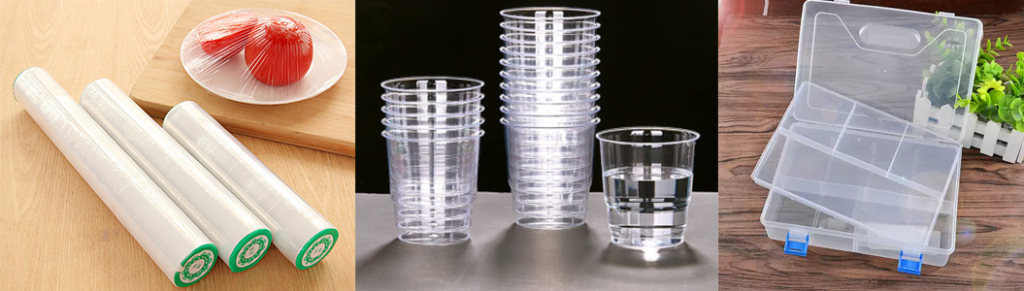
Nucleating agent HX-3, as a nucleating transparent agent, is suitable for transparent materials such as plastic wrap, disposable water cups, tableware and stationery.

4-Bis(3,4-dimethylobenzylideno)-sorbitol-CAS-135861-56-2-application

Package

1,3:2,4-Bis(3,4-dimethylobenzylideno) sorbitol CAS 135861-56-2-PACKAGE

Ethylene glycol diacetate Cas 111-55-7

CAS:111-55-7
Molecular Formula:C6H10O4
Molecular Weight:146.14
EINECS:203-881-1
Synonyms:2-(Acetyloxy)ethyl acetate; Aceticacid2-acetoxy-ethylester; CH3C(O)OCH2CH2OC(O)CH3; diacetated’ethyleneglycol; Ethylene diacetin; Ethylene glycol acetate; Ethylene gycol diacetate; ethylenediethanoate

What Is Ethylene glycol diacetate Cas 111-55-7

Ethylene glycol diacetate is colorless liquid. Melting point -31℃, boiling point 190-191℃, relative density 1.1063 (20/20℃), refractive index 1.4159, flash point 82℃. Miscible with ethanol, ether and benzene, and soluble in 7 parts of water.

Specification

inspection items Standard Results
Total ester content: ≥98% 98.75%
Appearance (colorless and transparent) : qualified qualified
Chroma (Pt-Co) Number: ≤50# <50#
Water ≤0.2 % 0.1007%

Application

1.Used as a solvent for oils, cellulose esters, and explosives.

2.Used as a solvent and also used in organic synthesis

Package

Related Keywords

2-(Acetyloxy)ethyl acetate; Aceticacid2-acetoxy-ethylester; CH3C(O)OCH2CH2OC(O)CH3; diacetated’ethyleneglycol; Ethylene diacetin; Ethylene glycol acetate; Ethylene gycol diacetate; ethylenediethanoate

CAS: 111-55-7
MF: C6H10O4
Purity: 98%min

POLY(3-HYDROXYBUTYRATE-CO-3-HYDROXYVALERAT PHBV With CAS 80181-31-3

Product name:PHBV
CAS:80181-31-3
MF:C27H42O12X2
MW:558.62
Synonyms:POLY(3-HYDROXYBUTYRATE-CO-3-HYDROXYVALERATE); POLY(3-HYDROXYBUTYRIC ACID-CO-3-HYDROXYVALERIC ACID); copolymer of (R)-3-hydroxybutyric acid + -valeric acid (9:1); copolymer of (R)-3-hydroxybutyric acid + -valeric acid 7/3; POLY(3-HYDROXYBUTYRIC ACID-CO-3-HYDROXY- VALERIC ACID), ; NATURAL ORIGIN, 12% PHV; POLY(3-HYDROXYBUTYRIC ACID-CO-3-HYDROXY- VALERIC ACID), ; NATURAL ORIGIN, 8% PHV; POLY(3-HYDROXYBUTYRIC ACID-CO-3-HYDROXY- VALERIC ACID), ; NATURAL ORIGIN, 5% PHV; COPOLYMER OF (R)-3-HYDROXYBUTYRIC ACID &; 3-HYDROXYBUTANOICACID-3-HYDROXYPENTANOICACIDCOPOLYMER; POLY(3-HYDROXYBUTYRIC ACID)/POLY(3-OH-VALERIC ; ACID)COPOLY/NAT/MW); POLY(3-HYDROXYBUTYRATE-CO-3-HYDROXYVALERATE) 12%-; POLY(3-HYDROXYBUTYRATE-CO-3-HYDROXYVALERATE) 20%-; POLY(3-HYDROXYBUTYRATE-CO-3-HYDROXYVALERATE) 5%-; 3-hydroxybutyric acid/ 3-hydroxyvaleric acid copolymer

What Is PHBV With CAS 80181-31-3?

Some people call it “green plastic”, which is the abbreviation for biodegradable plastic. PHBV refers to the copolymer of a new biopolymer, 3-hydroxybutyrate and 3-hydroxyvalerate. It is a biomaterial produced using starch as raw material and fermentation engineering technology. It is a biopolyester produced by bacteria, which can be digested by bacteria and completely decomposed into carbon dioxide, water, and biomass under soil or composting conditions.

Specification

Item Data
Specific Gravity 1.25
Melt Flow Index


10-25


Yield Stress ( MPa) 31-36
Tensile Strength (MPa) 39
Elongation at Break (%) 3.8
Young’s Modulus(MPa) 1600-2100
Flexural Modulus (MPa) 2200-2900
Vicat Softening Temperature (℃) 166
Izod Impact (J/m) 55-60
Heat Deflection Temperature ( ℃) 157-165
DSC Melting Point (℃) 175-180

Application

PHBV has complete biocompatibility and high barrier to water and gas, so it has broad application prospects in various fields such as medical materials (sutures, bone nails), film materials (plastic films, shopping bags, compost bags), disposable items (pens, tableware), packaging materials (especially food packaging), and so on. The raw material for PHBV production is corn, and China is a major agricultural country with abundant corn resources. The promotion of PHBV materials will undoubtedly make significant contributions to reducing human dependence on petroleum resources, curbing white pollution, controlling the greenhouse effect, and promoting sustainable socio-economic development.

Package

10kg/bag

Related Words

3-hydroxybutyric acid/ 3-hydroxyvaleric acid copolymer; PHBV; Poly(3-hydroxybutyric acid-co-3-hydroxyvaleric acid) natural origin, PHV ; content 8 Mol %; Poly(3-hydroxybutyric acid-co-3-hydroxyvaleric acid) natural origin, PHV ; content 12 Mol %; Biopol PHBV; Poly(3-hydroxybutanoate-co-3-hydroxypentanoate); Poly(a-hydroxybutyrate-co-a-hydroxyvalerate); Poly (3-hydroxybutyric-co-3-hydroxyvaleric acid)

Electroluminescence Phosphor EL Powder

Product name:Electroluminescence Phosphor
Packing:1kg/Bag
Appearance:Powder
Brand:Unilong
Synonym:Electroluminescence Phosphor EL Powder;EL power;EL (electroluminescent) phosphors

What Is Electroluminescence Phosphor EL Powder?

EL (electroluminescent) phosphors are inorganic materials that directly convert electricity to light. They are widely used in EL wires and EL panels and can be applied to glass or flexible plastic and powered by either DC or AC drivers. EL phosphor panels can be manufactured into a wide range of colors including blue, cyan, green, orange, white, red, and even the infrared. EL phosphor panel fabrication techniques include screen printing, spray painting, and sputtering. The most common EL phosphors are based on copper-doped and manganese-doped zinc sulfide (ZnS:Cu and ZnS:Mn).

Specification

ITEM Particle sizeμm chrominance 0.1molsilver nitrate

Solution soaking

Relative brightness
%
Average particle size x y
B-AA(M) 26.5 0.150±0.01 0.205±0.015 >400h 100∽103
B-AAA(M) 0.153±0.01 0.205±0.015  >1000h 105∽110

Application

Electroluminescence phosphor widely used in electronic products and transportation, ships, medical equipment ,Instruments and meters, fire emergency signs, various sign lights,Luminous silk thread, various advertising lightboxes, road signs, buildings, luminous craft gifts, and toys.

EL-Phosphor-application

Package

1kg/Bag,25kg/drum

Keywords

Electroluminescence phosphor; Electroluminescence phosphor powder; EL Phosphor; Wholesale phospheescent powder; Electroluminescent Phosphor ( EL ); China Electroluminescent Powder; Electroluminescent Pigment; Electroluminescent Powder; el phosphor powder; electroluminescent phosphor powder supplier; buy electroluminescent phosphor; electroluminescent phosphor for sale; electroluminescent phosphor supplier


prodct: Electroluminescence Phosphor

CAS 16919-27-0 Potassium hexafluorotitanate

CAS:16919-27-0
Molecular Formula:F6K2Ti
Molecular Weight:245.05
Appearance:White Solid
EINECS:233-634-3
Synonyms: Parbenate; 4-DIMETHYLAMINOBENZOICACIDETHYLESTER; ETHYLP-(N,N-DIMETHYLAMINO)BENZOATE; ETHYLP-DIMETHYLAMINO BENZOATE; ETHYL4-(N,N-DIMETHYLAMINO)BENZOATE; ETHYL4-DIMETHYLAMINOBENZOATE; RARECHEMALBI0079; SPEEDCUREEDB

What Is Potassium hexafluorotitanate?

Colorless monoclinic crystal. Slightly soluble in inorganic acids and cold water, soluble in hot water, insoluble in ammonia.Bright transparent crystals. Heating to 500 ℃ in air decomposes to produce titanium dioxide and potassium fluoride.

Specification

ITEM

分析项目

STANDARD

技术指标


Appearance


White Powder


Assay(K2TiF6)


≥98


Cl


≤0.5


Fe


≤0.05


Pb


≤0.02


Si


≤0.4


Application

It is a component of metal phosphating surface regulator, used as a catalyst for polypropylene synthesis, etc

Package And Storage

25kg/bag or requirement of clients. Keep it in cool space.

purity: 98%min
MF: F6K2Ti
CAS: 16919-27-0

CAS 1675-54-3 BISPHENOL A DIGLYCIDYL ETHER RESIN

CAS 1675-54-3

Molecular Formula:C21H24O4

Molecular Weight:340.41

Appearance:White liquid

EINECS:216-823-5

Synonyms:p,p’-Dihydroxydiphenyldimethylmethanediglycidylether; Propane,2,2-bis(4-(2,3-epoxypropoxy)phenyl)-; Propane,2,2-bis[p-(2,3-epoxypropoxy)phenyl]-; propane,2,2-bis(p-(2,3-epoxypropoxy)phenyl).

What Is ISPHENOL A DIGLYCIDYL ETHER RESIN?

Bisphenol A diglycidyl ether is a monomer used in the synthesis of epoxy resin through bulk polymerization. It can be used as an epoxy resin and has advantages such as good color, low epoxy equivalent, low organic chlorine content, and low cost. It has a wide range of uses for hardenable resins composed of various hardeners, fillers, and other materials such as Chemicalbook, and can be used as various profiles, insulation paints, coatings, adhesives, etc Packaging materials for electronic components such as semiconductors and integrated circuits.

Specification

检验项目

Items

执行标准

Factory Inner Standard


Appearance


Light yellow transparent solid

Epoxy equivalent

( g/mol)

450-560
Viscosity  (25℃)  

Softening point 60-76
Inorganic chlorine w/% ≤0.01
Easily sapon ified  Chlorine w/%  

≤0.2

Volatile matter(150℃ , 60min)w/%  

≤0.5

Application

  1. Used as an adhesive, anti-corrosion coating, and also for casting processes
  2. It is used in the coating industry to make food can coating, agricultural spray coating, silicon steel sheet and enameled wire coating, etc

Package And Storage

25kg/drum or requirement of clients. Keep it in cool space.

purity: 98%MIN
MF: C21H24O4
CAS: 1675-54-3

TRANS-1,2-DICHLOROETHYLENE CAS 156-60-5

CAS: 156-60-5
Purity: 99%
Molecular Formula: C2H2Cl2
Molecular Weight: 96.94
EINECS: 205-860-2

Synonyms: 1,2-DICHLOROETHYLENE; TRANS-SYM-ACETYLENEDICHLORIDE; TRANS-ACETYLENEDICHLORIDE; TRANS-1,2-DICHLOROETHENEChemicalbook; TRANS-1,2-DICHLOROETHYLENE; 2-dichloro-(e)-ethylen; Acetylenedichloride,trans-; Dichloroethylene,trans-

What is TRANS-1,2-DICHLOROETHYLENE CAS 156-60-5

TRANS-1,2-DICHLOROETHYLENE CAS 156-60-5 is a chemical, a colorless, volatile liquid with a pungent odor. It is flammable and its vapor can form an explosive mixture with air.

Specification

Item Standard
Appearance White Crystalline powder
Assay ≥99.00%
Melting Point 89.0-93.0℃
Loss on drying ≤0.50%
Residue on lgnition ≤0.10%
Chloride ≤0.50%

Application

In industry, it is mainly used as an extraction agent for heat-sensitive substances or as a solvent for certain polymer materials and as raw materials for organic synthesis. Solvent for fats, phenols, camphor, etc. Dyes, fragrances, paints, thermoplastics. Degreaser.

Packing

25kgs/bag,9tons/container and keep it away from light at a tempreature below 25 degree packing

TRANS-1,2-DICHLOROETHYLENE CAS 156-60-5 package

1-decanol n-decyl alcohol CAS 112-30-1

Cas Number: 112-30-1
Purity: 99%
Molecular formula: C10H22O
Molecular weight: 158.28
1 Decanol Density: 0.825 – 0.833g/ml(20℃)
EINECS: 203-956-9
Synonyms: NONYLCARBINOL; N-DECANOL; N-DECYL ALCOHOL; primarydecylalcohol; Prim-n-Capricalcohol; Royaltac;Royaltac M-2; Royaltac-85

What is 1-decanol n-decyl alcohol CAS 112-30-1 ?

1-Decanol, also known as n-decyl alcohol or 1-Dec, is a long-chain fatty alcohol with excellent chemical stability and high purity. Slightly soluble in water, solubility in water is 2.8% (weight). Soluble in glacial acetic acid, ethanol, benzene, petroleum ether, and very easily soluble in ether. Our product, 1-Decanol 99% (cas 112 30 1), is widely used in chemical synthesis, surfactants, cosmetics, industrial lubricants, and specialty chemical production.
N-decanol is used in the manufacture of artificial rose oil, neroli and acacia flavors, etc. Also used in the manufacture of lubricant additives, plasticizers, adhesives, etc.

Specification

ITEM Analysis Method Specificatlon RESULT
Appearance Visual check Colourless liquid

to white solid


Colourless liquid


Colour,APHA ASTM D5386


0-10


3
Acid  value.mgKOH/g ISO660-2009  0-0.1


<0.01


Sap.  value,mgKOH/g ISO3657:2013(E)  0-0.5


0.08
Hydroxyl  value.mgKOH/g Water content,% ASTM E1899-08  351-356


355.2
Chain distribution.% ASTM E203-16 0-0.3


0.014
lodine value,g lodine/100g AOCS Cd IC-85  0-0.1 <0.01

Applications of 1-Decanol

Cosmetics & Personal Care:

  • Acts as an emollient, thickening agent, and fragrance carrier.
  • Improves texture and stability in creams, lotions, and hair care products.

Chemical Synthesis:

  • Serves as an intermediate in the production of esters, surfactants, lubricants, and plasticizers.
  • Used to synthesize decyl esters for fragrances and flavor compounds.

Industrial Uses:

  • Key raw material in coatings, adhesives, and industrial lubricants.
  • Enhances performance and consistency of specialty chemical formulations.

1-Decanol n-decyl alcohol CAS 112-30-1-Application

Advantages of Our 1-Decanol

  • High purity ensures stable performance and reliable reactions.

  • Competitive decanol price, suitable for bulk supply or small orders.

  • Consistent quality and reliable supply chain.

  • Strict quality control, meeting both industrial and laboratory standards.

Why Choose Us?

1. High purity exceeding 98%, with minimal impurities.

2. Excellent emulsifying and wetting properties, making it suitable for manufacturing highly effective, mild surfactants and detergents.

3. Customizable packaging specifications available upon request.

Packing

Liquid: 200Lt plastic or iron drum,20L, 10L, 5L HDPE, FHDPE, Co-EX, PET drum,1Lt, 500mL, 200mL, 100mL, 50mL HDPE, FHDPE, Co-EX, PET bottle,Shrink film, measure cap.
Solid: 25kg, 20kg, 10kg, 5kg fibre drum, PP bag, craft paper bag,1kg, 500g, 200g, 100g, 50g, 20g Aluminum foil bag. Carton: plastic wrapped carton. (The package can be made as the customer’s requirement.)

1-Decanol n-decyl alcohol CAS 112-30-1-package

Barium oxide CAS 1304-28-5 With 97% min

Product name:Barium oxide
CAS:1304-28-5
MF:Barium oxide
MW:153.33
EINECS:215-127-9

What is Barium oxide CAS 1304-28-5?

Barium oxide is a colorless cubic crystal. Soluble in acid, insoluble in acetone and ammonia.

Specification

Item Standard
Barium Oxide 97% MIN
Chloride (as Cl) 0.01% MAX
Water insoluble

matter

0.5% MAX
Fe 0.005% MAX
Pb 0.005% MAX

Application

1. Used in glass and ceramic industries, and also used in beet sugar refining. It is a raw material for manufacturing barium peroxide and barium salts. It can also be used as dehydrating agent and desiccant for higher education. ,
2. Used as a desiccant, and also used in the ingredients of optical glass and in the electronics, instrumentation, and metallurgical industries.
3. Desiccant for gases, manufacturing barium peroxide and barium salts, etc. Used to prepare getters and superconducting materials for black and white and color picture tubes and various electric vacuum tubes.

Package

20kg/box


Realted Keyword

BARIUM (II) OXIDE;BARIUM OXIDE;BARIUM MONOXIDE;Barium protoxide;Bariumoxide,anhydrous;BARIUM OXIDE, TECHNICAL GRADE, POWDERBARIUM OXIDE,;TECHNICAL GRADE, POWDERBARIUM OXIDE, TECHNICAL GRADE, ;POWDERBARIUM OXIDE, TECHNICAL GRADE, POWDER BARIUMOXIDE,ANHYDROUS,POWDER

CAS: 1304-28-5
MF: BaO
Purity: 97%

Sodium naphthalene-1-acetate sodium naphthalenesulphonate CAS 61-31-4

Cas:61-31-4
Purity:98%
Molecular formula:C12H11NaO2
Molecular weight: 210.21
EINECS:200-504-2
Synonyms:SODIUM,α-NAPHTHALENEACETICD; 1-Naphtylacetic acid sodium salt; 1-Naphthaleneacetic acid, sodium salt (1:1); Caswell no. 589d; Einecs 200-504-2;

What is Sodium naphthalene-1-acetate?

Pure white crystal, with the smell of naphthalene, easily soluble in water, soluble in methanol, ethanol, acetone and other organic solvents. High-purity sodium α-naphthalene acetate is a white powder (free acid) without any impurities and color Chemicalbook , water- and oil-soluble, no precipitation or oil slick, stable storage under normal conditions. The melting point is 109-120℃, it is a low-toxic plant growth regulator, and the LD50 is 1-5.9g/kg.

Specification

Appearance  

Off-White Powder


Conform


Content


≥98% 98.03%
Insoluble Matter


≤0.2% 0.08%
Water


≤2.0% 1.7%
PH 7.0-10.0 8.5

Application

1.Sodium naphthalene acetate can promote the formation of adventitious roots and root formation, so it can be used to promote the rooting of seeds and cuttings, but too high a concentration can inhibit rooting.
2.Sodium naphthalene acetate can promote the expansion of fruits and roots and tubers, so it can be used as a swelling agent. Field tests have proven that it is effective in kiwi fruits, grapes, watermelons, cucumbers, tomatoes, peppers, eggplants, pears, apples, and other crops. Significantly increase output and improve quality. At the same time, it promotes the rapid expansion of cells, and the treated solanaceous fruits have a miraculous change in their growth rate. Mushrooms are particularly effective without reducing the quality of the fruit.
3.Sodium naphthalene acetate has the function of preventing flowers and fruits from falling. In addition, sodium naphthylacetate also has the functions of general auxin, such as promoting growth, promoting chlorophyll synthesis, and promoting the differentiation of buds and flower buds. Therefore, sodium naphthylacetate can promote flowering and fruit setting, promote lush branches and leaves, increase yield, improve quality, and improve the crops’ resistance to drought, cold, lodging and other stresses.

Packing

25kgs/bag,9tons/container and keep it away from light at a tempreature below 25 degree

CAS: 61-31-4
MF: C12H11NaO2
Purity: 98%
Molecular weight: 210.21

Polyoxyethylene stearate Cas 9004-99-3

CAS:9004-99-3
Molecular Formula:C34H70O9
Molecular Weight:622.91
EINECS:618-405-1
Synonyms:MYRJ(TM) 53; MYRJ(TM) 59; MYRJ 58; MYRJ 59; MYRJ(R) 53; MYRJ(TM) 45; MYRJ 45; PEG 200 STEARATE

What is Polyoxyethylene stearate

Polyoxyethylene stearate is a white waxy solid, soluble in isopropyl alcohol, mineral oil butyl stearate, glycerin, peroxyethylene, gasoline solvents, dispersed in water.

Specification

Test items  

Detection Indicator


Test data


Appearance


Milky white to slightly yellow solid


Qualified


Acid value (mgKOH/g)


≤10


3.0


Saponification value (maKOH/g)


110~130


124.15


Moisture,%


≤0.5


0.38

Application

Polyoxyethylene stearate is used as an emulsifier for oils and esters during liquid or paste emulsification in lubricant production. It can also be used as a thickening agent and stabilizer in paper powder coating, lubricants and softeners for textiles, lubricants for multichannel transmission wires in cable pipelines, and lubricants for paper sizing.

Package

Realted Keyword

MYRJ(TM) 53; MYRJ(TM) 59; MYRJ 58; MYRJ 59; MYRJ(R) 53; MYRJ(TM) 45; MYRJ 45; PEG 200 STEARATE

CAS: 9004-99-3
MF: C34H70O9
Grade: Industry grade

Silica Dimethyl Silylate Cas 68611-44-9

CAS:68611-44-9
Molecular Formula:C2H6Cl2O2Si2
Molecular Weight:189.14
EINECS:271-893-4
Synonyms:Silane, dichlorodimethyl-, reaction products with silica; DICHLOROMETHYLSILANE,REACTIONPRODUCTWITHSILICA; DIMETHYLDICHLOROSILANE, REACTION PRODUCTS WITH SILICA

What is Silica Dimethyl Silylate

Silica Dimethyl Silylate is usually light yellow or light gray, soft, porous and light. It is commonly used in industry as insulation materials, filter materials, fillers, grinding materials, water glass raw materials, decolorizing agents and diatomite filter aids, and catalyst carriers. etc.

Specification

Item  

Indicator range


Test result


Individual judgment


Remaining on 325 mesh sieve   %


≤0.1


Trace amount


Qualified


D50 μm


<11.0


10.2


Qualified


Whiteness


≥87


88.2


Qualified


Loss on drying  %


≤3.0


0.4


Qualified


Wet density g/cm3


≤0.62


0.58


Qualified


Oil absorption rate %


70-120


78.00


Qualified


SiO2  %


≥85.0


89.8


Qualified

Application

1.The important use of diatomite is as a filter aid. Its main application areas include beer industry, pharmaceutical industry, water filtration, oil industry, mailing solution, coatings and dyes, fertilizers, acids, alkalis, seasonings, sugars, and wine. Class filtering.

2.The second largest use of diatomite is as functional filler, which is mainly used in coatings, plastics, rubber, medicine, papermaking, abrasives, precision castings and microporous ceramics. Diatomite as a filler in paints and coatings can improve the stability, elasticity, dispersion, etc. of the product, and improve the strength, wear resistance and acid resistance of the product. As a functional filler, diatomaceous earth can also play a matting role. For example, adding diatomaceous earth to silicone rubber can enhance the oil resistance and heat resistance of the rubber and improve the processing performance.

3.The adsorption of diatomite is mainly physical adsorption, with fast adsorption rate and strong adsorption capacity. It is mainly used for urban sewage, papermaking wastewater, printing and dyeing wastewater, slaughter wastewater, oily wastewater and heavy metal wastewater. The application of diatomite as an adsorbent is similar to that of a filter aid. When used for adsorption and refining of food, it is required to meet hygienic standards.

Package

20kg/bag 1FCL can hold 10 tons

Related Keywords

Silane, dichlorodimethyl-, reaction products with silica; DICHLOROMETHYLSILANE,REACTIONPRODUCTWITHSILICA; DIMETHYLDICHLOROSILANE, REACTION PRODUCTS WITH SILICA

CAS: 68611-44-9
MF: C2H6Cl2O2Si2
Purity: 85%

Cyclohexanol Cas 108-93-0

CAS:108-93-0
Molecular Formula:C6H12O
Molecular Weight:100.16
EINECS:203-630-6
Synonyms:HEXAHYDROPHENOL; HEXALIN; HYDROXYCYCLOHEXANE; CYCLOHEXYL ALCOHOL; CYCLOHEXANOL; CYCLOHEXANOL, REAGENTPLUS, 99%; CYCLOHEXANOL REAGENTPLUS(TM) 99%; CYCLOHEXANOL GC STANDARD

What is Cyclohexanol

Colorless oily flammable liquid that appears as white crystals below the freezing point. Melting point 24℃ (freezing point 25.15℃), boiling point 161.10℃, relative density 0.9493 (20/4℃), refractive index 1.4648, flash point (open cup) 67.2℃, viscosity (30Chemicalbook℃) 41.067mPa·s. It is miscible with organic solvents such as ethanol, ethyl acetate, linseed oil, aromatic hydrocarbons, ether, acetone, chloroform and other organic solvents, and is slightly soluble in water. The explosion limit when mixed with air is 1.52%-11.1% (volume). It has a camphor-like odor and is hygroscopic.

Specification

project unit control index analysis results
Chroma APHA ≤20 9
Cyclohexanol % ≥99.7 99.90
Methylcyclopentanol PPm ≤500 12
Bicycloethyl ether PPm ≤1500 417
light component PPm ≤1000 231
heavy component PPm ≤2000 292
moisture PPm ≤500 238
distillation residue % ≤0.3 <0.04

Application

Cyclohexanol is an important chemical raw material, mainly used in the production of adipic acid, hexamethylenediamine, cyclohexanone, and caprolactam. It can also be used as a stabilizer for soap, to manufacture disinfectant soaps and descaling emulsions, and for rubber, Chemicalbook solvents for resins, nitrocellulose, metal soaps, oils, esters, and ethers, admixtures for paint, leather degreasing agents, release agents, dry cleaning agents, and polishing agents. Cyclohexanol is also a raw material for fiber finishing agents, pesticides, and plasticizers. Cyclohexanol reacts with phosgene to obtain cyclohexyl chloroformate, which is the intermediate of the initiator dicyclohexyl peroxydicarbonate.

Package

185kg/drum 1FCL can hold 14.8tons

Related Keywords

HEXAHYDROPHENOL; HEXALIN; HYDROXYCYCLOHEXANE; CYCLOHEXYL ALCOHOL; CYCLOHEXANOL; CYCLOHEXANOL, REAGENTPLUS, 99%; CYCLOHEXANOL REAGENTPLUS(TM) 99%; CYCLOHEXANOL GC STANDARD

CAS: 108-93-0
MF: C6H12O
Purity: 99%min

Phosphorous acid Cas 13598-36-2

CAS:13598-36-2
Molecular Formula:H3O3P
Molecular Weight:82
EINECS:237-066-7
Synonyms:Phosphorous acid, extra pure, 98%; Phosphorus trihydroxide; phosphorustrihydroxide; Trihydroxyphosphine; PHOSPHOROUSACID,REAGENT; Phosphonsure; Phosphorous acid, 98%, extra pure; AURORA KA-1076


What is Phosphorous acid

Phosphorous acid is colorless crystal. Easily soluble in water and alcohol.

Specification

Items of analysis  

Results


purity


98.6%Min


Chlorides


0.002%Max


Sulfates


0.006%Max


Phosphates


0.1%Max


Iron


0.004%Max


Heavy metals (in pb)


0.001%


Remark


70% water dissolution test: clear and colorless

Application

1.Used as reducing agent, nylon whitening agent, phosphite raw material, pesticide intermediate

2.It is a raw material for manufacturing phosphite, as well as plastic stabilizers (such as dibasic lead phosphite) and organophosphorus pesticides. Used as a stabilizer for polycarbonate. Also used as an antioxidant for nylon 1010.

3.Determination of mercury, gold, silver and lead, reducing agent, determination of iodic acid, copper and cadmium. Industrially, phosphorous acid is a raw material for manufacturing plastic stabilizers. Also used in the manufacture of synthetic fibers and phosphites.

Package

25kg/bag 25kg/drum 1FCL can hold 24tons

Phosphorous acid

Related Keyword

Phosphorous acid, extra pure, 98%; Phosphorus trihydroxide; phosphorustrihydroxide; Trihydroxyphosphine; PHOSPHOROUSACID,REAGENT; Phosphonsure; Phosphorous acid, 98%, extra pure; AURORA KA-1076


CAS: 13598-36-2
MF: H3O3P
Purity: 98%min

Polyoxyethylene Alkyl Ethers with 9004-98-2

CAS:9004-98-2

Product name:POLYETHYLENE GLYCOL MONOOLEYL ETHER

EINECS:500-016-2

MW:709.00344

MF:C38H76O11

What is of Polyoxyethylene Alkyl Ethers with 9004-98-2?

Polyoxyethylene lauryl ether is a non-ionic surfactant with polar groups in the form of polyoxyethylene separated by polyethylene chains. Its molecular structure includes polyethylene glycol (PEG) single chain. It is slightly soluble in water and has hydrophobicity.

Specification 


Items Standards Result
Appearance at 25°C Milky white solid Conform
Color(PtCo) 0~200 90
Hydroxyl

number(mgKOH/g)

150~ 160 156.7
PH 5.0~7.0 6.2
Water(% m/m) ≤0.5 0.23
 

Conclusion

Qualified

Application

1.This product is used as an emulsifying wetting agent, as a dispersant in the rubber industry, and as one of the components of oil spill dispersants in the petroleum industry and environmental protection industry.
2.Used as ether ester nonionic surfactant.

Packing 

25kgs/drum, 9tons/20’container
25kgs/bag, 20tons/20’container


CAS 102-76-1 Triacetyl Glycerin

CAS 102-76-1

Molecular Formula:C9H14O6

Molecular Weight:218.2

Appearance:Clear colorless liquid

EINECS:203-051-9

Synonyms:TRIACETIN;TRIACETIN (C2:0); Triacetyl glycerin; FEMA 2007; GLYCEROL TRIACETATE; GLYCERYL TRIACETATE; GLYCERIN TRIACETATE; 1,3-Diacetyloxypropan-2-yl acetate

What Is Triacetin?

Colorless transparent oily liquid, slightly bitter, slightly soluble in water, soluble in various organic solvents, with general ester properties. Boiling point 258 ℃ (0.101 mpa), flash point 138 ℃ (closed cup), melting point 3 ℃. Strong solvation effect can endow products with good flexibility.

Specification

ITEM STANDARD
Appearance Colorless oily viscous liquid
Purity ≥99
Acid value (calculated as HAc),% ≤0.005
Water ≤0.05
(As)mg/kg,≤ ≤1.0

Application

1>Triacetyl Glycerin is mainly used as the plasticizer of cellulose diacetate, the filter tip of cigarettes, as well as as the fixative and lubricating matrix of essence, fragrances and cosmetics;

2>In addition, triacetyl glycerin is also used as a plasticizer and solvent for ink coatings, such as nitrocellulose, cellulose acetate, ethyl cellulose, and cellulose acetate butyrate;

3>In casting, triacetyl glycerin is used as a self hardening agent for molding sand.

Package And Storage

240kg/drum.

MF: C9H14O6
purity: 102-76-1
CAS: 102-76-1

Potassium peroxymonosulfate CAS 70693-62-8

CAS: 70693-62-8
Purity: 99%
Molecular Formula: H3K5O18S4
Molecular Weight: 614.74
EINECS: 274-778-7

Synonyms: Potassiumperoxymonosulfate,ActiveOxygen≥4.5%; Potassiumhydrogenmonopersulfate; Potassiumperoxymonosulfatejoyce; Potassiumhydrogenperoxymonosulfate; PotassiuM3-sulfotrioxidan-1-ide; PotassiuMMonopersulfatecoMpound; Oxone,potassiummonopersulfate

What Is Potassium peroxymonosulfate CAS 70693-62-8?

Potassium peroxymonosulfate CAS 70693-62-8 refers to a compound salt of potassium hydrogen persulfate, which is an inorganic acidic oxidant. Potassium hydrogen persulfate composite salt is a new type of active oxygen disinfectant. As a fifth generation disinfectant, it has a very strong and effective non chlorine oxidation ability. Its aqueous solution is acidic, making it very suitable for disinfection of various water bodies. After dissolution, it produces various highly active small molecule free radicals, reactive oxygen species and other derivatives, and does not form toxic by-products in water, making it highly safe.

Specification

ITEM STANDARD
 

Appearance


White powder or granule


Available Oxygen %


≥4.50


Loss on drying %


≤0.10


Bulk Density    g/L


≥800


pH Test (10g/L,25)


2.0-2.3

Partical size (0.850~

0.075mm) %


≥90.0

Application

  • Pharmaceutical/chemical synthesis is the basic raw material for the preparation of ketone peroxides (Dioxirasnes) series catalysts such as DMD and TFD. Ketone peroxides, with their mild reaction conditions, efficient oxidation activity, and excellent selectivity, have opened up new pathways for asymmetric reactions and Chemicalbook natural drug synthesis. In the design of olefin asymmetric reaction catalysts, chiral amines, chiral imine salt polymerization initiators, and polymerization reactions of vinyl acetate, ethyl acrylate, and acrylonitrile can be in-situ oxidized; Polymerization reaction of vinyl monomers; Adhesive, blending agent.
  • Used for oral cleaning, disinfection of swimming pools and hot spring water bodies, pulp bleaching, etc

Package And Storage

25kg/drum or requirement of clients. Keep it in cool space.

Potassium peroxymonosulfate CAS 70693-62-8 package

CAS 1100-8-5 Benzyltriphenylphosphonium Chloride

CAS 1100-88-5
Molecular Formula:C25H22ClP
Molecular Weight:388.87
Appearance:White to almost white powder
EINECS:214-154-3

Synonyms:(phenylmethyl)triphenyl-phosphoniuchloride; (phenylmethyl)triphenylphosphoniumchloride; Benzyltriphenylchlorophosphine; benzyltriphenylphosphonidechloride; benzyltriphenyl-phosphoniuchloride; Phosphonium,triphenyl(phenylmethyl)-,chloride;triphenyl(phenylmethyl)-phosphoniuchloride; triphenyl(phenylmethyl)phosphoniumchloride

What Is Benzyltriphenylphosphonium chloride?

Benzyltriphenylphosphonium Chloride (BPP or BTPPC, CAS No. 1100-88-5) is an important quaternary phosphonium salt compound with a molecular formula of C₂₅H₂₂ClP and a molecular weight of 388.87. Benzyltriphenylphosphonium chloride is used as an organic synthesis reagent for several compounds, including stable phosphine ylides containing saturated oxygen heterocycles, and is also used to synthesize novel substituted cis-stilbene derivatives with antibacterial activity.

Specification

Item Standard
Appearance White crystal
Purity ≥99%min
Moisture ≤1%

Application

1. Fluororubber vulcanization accelerator
Core application: in combination with bisphenol AF, as an accelerator for crosslinking of fluororubber (addition amount 0.5%–0.7%), significantly improving the compression deformation, chemical corrosion resistance and thermal stability of rubber.
Industrial case: Benzyltriphenylphosphonium Chloride used for crosslinking of tubular halloysite/fluoroelastomer nanocomposites to optimize processing performance.

2. Organic synthesis catalyst
Wittig reaction: key ylide precursor for synthesizing fine chemicals such as trans-stilbene, cinnamate, and light-driven molecular brake (pentatriene).
Phase transfer catalysis: promotes alkylation, polymerization and other reactions, suitable for the synthesis of pharmaceutical intermediates (such as non-chiral hydroxyformamide inhibitors) and liquid crystal monomers.

3. Polymer material additives
Curing accelerator: Benzyltriphenylphosphonium Chloride accelerates the curing process of epoxy resins and powder coatings.
Asphaltene modification: Benzyltriphenylphosphonium Chloride participates in the formation of the “island structure” of petroleum asphaltene to improve material properties

Package And Storage

25kg/drum or requirement of clients. Keep it in cool space.

purity: 99%MIN
MF: C25H22ClP
CAS: 1100-88-5

POLY(METHYLENE-CO-GUANIDINE), HYDROCHLORIDE with CAS 55295-98-2

CAS:55295-98-2
MF:C3H8ClN5O
MW:165.58
EINECS:NO
Synonyms:decolorizing flocculant; decolorizing flocculant china; decolorizing flocculant factory; Decolorizing Flocculant manufacturers; Decolorizing Flocculant suppliers

What is of POLY(METHYLENE-CO-GUANIDINE), HYDROCHLORIDE with CAS 55295-98-2?

POLY(METHYLENE-CO-GUANIDINE) HYDROCHLORIDE (CAS 55295-98-2), commonly referred to as BWD-01 Water Decoloring Agent, is a cationic polymer used widely in the wastewater treatment industry. BWD-01 water decoloring agent effectively removes color, COD, and suspended solids from industrial wastewater, especially in textile dyeing, printing, paper-making, and chemical manufacturing.

As a strong cationic flocculant, BWD-01 neutralizes anionic dyes and impurities, promoting fast sedimentation and clear effluent. BWD-01 water decoloring agent works well across a wide pH range and can be used alone or with inorganic coagulants such as PAC or polyaluminum chloride.

If you are looking for a high-performance water decoloring agent, POLY(METHYLENE-CO-GUANIDINE) HYDROCHLORIDE (BWD-01) is your ideal choice for efficient, cost-effective wastewater color removal.

Specification


Product Name


POLY(METHYLENE- CO-GUANIDINE),

HYDROCHLORIDE

Lot No. JL202307017
Produce Date JUL. 17,2023
CAS 55295-98-2 Analysis Date JUL. 17,2023
Item  

Standard

Analysis Result
 

Appearance

Colorless sticky liquid conforms
 

Solid Content (120℃ ,2h)


≥50.0


50.67


PH Value(30% water

solution)


3.0~5.0


3.15


Viscosity (cps 20℃)


30-500


50

Applications

1. Textile and Dyeing Wastewater

Efficiently removes reactive dye, acid dye, and disperse dye residues.

Commonly used in textile mills, printing houses, and dyeing factories.

2. Paper and Pulp Industry

Treats colored effluent from paper manufacturing and pulp bleaching processes.

3. Chemical and Pigment Wastewater

Ideal for chemical plants, pigment, and ink production wastewater treatment.

4. Other Industrial Applications

BWD-01 (cas no 55295 98 2) can be used in mining, food, and leather wastewater treatment for color and COD reduction.

Key Features

  • Excellent Decolorization Efficiency
    Removes over 90% of color from wastewater containing reactive, acid, or disperse dyes.

  • Cationic Polymer Flocculant
    Strongly adsorbs and neutralizes negatively charged dye molecules.

  • Wide pH Adaptability
    Performs effectively across pH 4–12.

  • Fast Sedimentation and Clarification
    Produces clear effluent with low sludge volume.

  • High Compatibility
    Works synergistically with inorganic coagulants like PAC and aluminum chloride.

Packing

25kgs/drum, 16tons/20’container

50kgs/drum,20tons/20’container

packing


purity: 50%
CAS: 55295-98-2
MF: C3H8ClN5O

Dicalcium Phosphate/DCP CAS 7757-93-9

CAS: 7757-93-9
Purity: 97%
Molecular formula: CaHO4P
Molecular weight: 136.06
EINECS: 231-826-1

Synonyms: calciumdibasicphosphate; calciumperphosphate,ammonified,granular; calciumphosphate(1:1); CALCIUMORTHOPHOSPHATE; CALCIUChemicalbookMMONOHYDROGENPHOSPHATE; CALCIUMMONOHYDROGENPHOSPHATE,DIBASIC; CALCIUMPHOSPHATE,DIBASIC; CALCIUMHYDROGENORTHOPHOSPHATE

What is Dicalcium Phosphate CAS 7757-93-9?

Dicalcium Phosphate CAS 7757-93-9 is a chemical compound that usually exists as a dihydrate (with the chemical formula CaHPO4 · 2H2O ), but can be converted to anhydrous form by heating. Dicalcium phosphate is almost insoluble in water, with a solubility of only 0.02 g/100 mL at 25 °C.

Specification

ITEM STANDARD
Appearance White crystalline powder
Total effective content(%) ≥98.0
Calcium Content(%) 16.6-17.5
Melting Point(℃) 280±2
Heap Density(g/mL) 0.2-0.4
Heating Decrement(%) ≤1.0
Particle Size(μm) 99%≤40μm

Application

1.Polymer material additives
Used as a heat stabilizer for polyvinyl chloride (PVC) and other plastics, it can improve the heat resistance and degradation resistance of the materials.
As a crosslinking agent or catalyst, it is used in polymer synthesis and modification to improve the mechanical properties of the materials;

2.Catalysts and chemical synthesis
In organic synthesis reactions, calcium acetylacetonate can be used as a metal catalyst to improve reaction efficiency.
In the preparation of polymer materials, it acts as a crosslinking catalyst to promote the reaction;

3.Coatings and inks
As an additive in coatings and inks, it can improve heat resistance, corrosion resistance and adhesion.
In metal surface coating applications, it improves weather resistance and protection;

4.Rubber industry
Used as a rubber vulcanization accelerator to increase the vulcanization rate and durability of the finished product;

Packing

25kg/bag


Dicalcium Phosphate CAS 7757-93-9 - Package-3

Fatty acids, soya/Soya Fatty Acids CAS No.68308-53-2

Cas:68308-53-2
EINECS:269-657-0
Storage conditions :Store at -20°C
Solubility:Soluble in DMSO
Appearance:Light yellow oily transparent liquid
Synonyms:Fatty acids, soya; SOY ACID; Fettsuren, Soja; Sojalfettsure; Soya bean oil fatty acid; SOYAFATTYACIDS; Soya oil acid; TIANFU-CHEM CAS NO.68308-53-2 Fatty acids, soya

What is Fatty acids, soya?

The main components of soybean oil are linoleic acid and oleic acid, and also contain small amounts of palmitic acid, stearic acid and linolenic acid. Among them, the chemical name of linoleic acid is Z, Z-9,12-octadecadienoic acid (C18Chemicalbook:2), and the chemical name of oleic acid is 9-octadecenoic acid (C18:1). Soybean oleic acid mainly exists in the form of triglycerides in a variety of vegetable oils, such as soybean oil, rapeseed oil, rice bran oil, etc.

Specification

Item Standard Result
Iodine value


100-150 142.1
Acid valueKOH mg/g


190-203 196.3
Saponification valueKOH mg/g


190-205 197.7
Freezing point


  18
Color (iron-drill method) 3-5 3.5#

Application

  1. Fatty acids, soya widely used in paint industry, grease, emulsified grease, emulsifier, cosmetics, detergent, rubber and other industrial sectors.
  2. Fatty acids, soya mainly used in paints, soaps, detergents, surfactants, rubber antioxidants, plastic plasticizers, etc.
  3. Fatty acids, soya used in the coating industry, it can replace soybean oil to modify alkyd resin, which can shorten the reaction time, reduce production costs, and improve paint quality.
  4. Fatty acids, soyaalso used in the manufacture of candles, crayons, brighteners and other products.

Packing

180kg/drum,14.4Mt/20’HCL

Fatty Acids, Soya-Liquid

CAS: 68308-53-2
EINECS: 269-657-0
Appearance: Light yellow oily transparent liquid

Alkyl Ketene Dimer/AKD Cas No.144245-85-2

Cas:144245-85-2
Purity:20.82%
EINECS:284-932-5
Classification:Chemical Auxiliary Agent
Application:Paper Chemicals/Paper Internal Sizing and Surface SizingSynonyms:Alkylketene dimer; AKD; PaperMaking CheMicals series; AKD WAX 1840; AKD WAX 1865; AKD CAS NO.144245-85-2; Alkyl Ketene Dimer – Liquid; ALKYL KETENE DIMER ,AKD WAX

What is Alkyl Ketene Dimer?

Alkyl Ketene Dimer liquid is a kind of milky liquid with CAS number 144245-85-2. The Chinese name of AKD is Alkyl Ketene Dimer. AKD began to be industrialized in 1956 and is only used in special papers that require heavy sizing. In recent years, cultural paper has basically been changed to AKD neutral sizing. , with more application areas.Alkyl Ketene Dimer can be used as Paper Chemicals,Paper Internal Sizing,Surface Sizing

Specification

Item Standard Result
Appearance Milky white liquid Milky white liquid
Solid content% 20±1 20.82
PH 2.0-5.0 2.41
Viscosity 60rpm/25℃ mpa.s ≤50 11

Application

  1. Alkyl Ketene Dimer can be used as Paper Chemicals,Paper Internal Sizing,Surface Sizing
  2. Alkyl Ketene Dimer can give the paper high water resistance, improve the gloss of the paper, and reduce the yellowing rate.
  3. Alkyl Ketene Dimer can be used as Improve the printability of paper, increase the retention rate of fine fibers and fillers, reduce pulp consumption, and reduce costs.
  4. Alkyl Ketene Dimer can be used as Simplify the sizing process, improve the paper machine’s paper-making performance, avoid paper-making obstacles, and have fast curing speed.
  5. Alkyl Ketene Dimer can be used as Neutral papermaking reduces equipment corrosion and extends equipment service life.

Packing

200kgs/drum,16tons/container and keep it away from light at a tempreature below 25 degree

Alkyl Ketene Dimer-Packing


CAS: 144245-85-2
Purity: 20.82%
EINECS: 284-932-5
Application: Paper Chemicals/Paper Internal Sizing and Surface Sizing

Glycyl-L-glutamine monohydrate Cas 13115-71-4

CAS:13115-71-4
Molecular Formula:C7H13N3O4
Molecular Weight:203.2
EINECS:700-144-0
Synonyms:Gly-Gln-OH; Gly-L-Gln-OH; N2-Glycyl-L-glutamine; Glycyl-L-glutaminemonohydrate,99%; β-Endorphin(30-31)(bovine,camel,mouse,ovine)Gly-Gln; GlutaMine,N2-glycyl-,L-(8CI); L-GlutaMine,N2-glycyl-; (S)-5-AMino-2-(2-aMinoacetaMido)-5-oxopentanoicacid

What is COA Glycyl-L-glutamine monohydrate

Glycine and L-glutamine are used as the main raw materials, glycine is protected with phthalic anhydride, the resulting intermediate product is aminated with sulfoxide chloride to form acyl chloride, and then aminated with L-glutamine, and finally the product is deprotected with hydrazine hydrate in methanol, and the crude product can reach the medicinal grade level after one refining.

Specification

Items of analysis Specification Results
Appearance White or off-white crystalline or crystalline powder White crystalline powder
Identication IR spectrum is in concordance with that of CRS Conforms
Specific rotation -1.2°~-2.4° -1.7°
pH 4.5~6.0 5.3
Chloride ≤0.02% Conforms
Sulfate ≤0.02% Conforms
Fe ≤0.001% Conforms
Ammonium salt ≤0.10% Conforms
Arsenic salt ≤0.0001% Conforms
Water 7.0%~9.0% 8.2%
Residue on ignition ≤0.1% 0.02%
 

Related substances

Cyclo(gly-gln)≤0.5% Not Detectable
  (Pyroglutamic acid)≤0.5% Not Detectable

Application

Glycyll-glutamine is used as a heat-stable substitute for glutamine in mammalian cell culture medium. As an amino acid nutritional drug, it can be used to improve the cellular immune function of patients. Effectively reduce the risk of Chemicalbook infection in critically ill patients, especially for the treatment and recovery of critically ill patients such as severe infections and malignant tumors. The raw material can be used as a drug alone, can also be combined with other amino acids, and can also be developed as health products.

Package

20kg/drum, 1FCL can hold 9 tons

Related Keywords

Gly-Gln-OH; Gly-L-Gln-OH; N2-Glycyl-L-glutamine; Glycyl-L-glutaminemonohydrate,99%; β-Endorphin(30-31)(bovine,camel,mouse,ovine)Gly-Gln; GlutaMine,N2-glycyl-,L-(8CI); L-GlutaMine,N2-glycyl-; (S)-5-AMino-2-(2-aMinoacetaMido)-5-oxopentanoicacid

CAS: 13115-71-4
MF: C7H13N3O4
Purity: 99%

Luteolin With CAS 491-70-3

Product name:Luteolin
CAS:491-70-3
MF:C15H10O6
MW:286.24
EINECS:207-741-0
Synonyms:2-(3,4-DIHYDROXY-PHENYL)-5,7-DIHYDROXY-CHROMEN-4-ONE; 5,7,3′,4′-TETRAHYDROXYFLAVONE; LUTEOLOL;LUTEOLIN; LUTEOLIN-3′,7-O-DIGLUCURONIDE

What Is Luteolin With CAS 491-70-3?

Pure luteolin is a yellow crystalline powder. It is a very representative natural flavonoid. It is a weakly acidic tetrahydroxyflavonoid compound and is widely distributed in the plant kingdom.

Specification

ANALYSIS SPECIFICATION
Assay(HPLC) 98%
Appearance Yellow Powder
Odor Odorless
Loss on Drying ≤5.0%
Particle size 100%pass 80 mesh
Extract Solvent Water & Alcohol
Residual Solvent <0.5%
Heavy Metal <10ppm
As <5ppm
Pesticides Negative
Microbiology

Total Plate Count

<1000cfu/g
Yeast&Mold <100cfu/g
E.Coli(MPN/100g) Negative


Application

1.Used as an antitussive, expectorant and anti-inflammatory drug

2.Hydroxyflavonoid derivatives are strong antioxidants and free radical scavengers and play an important role in anti-cancer.

Package

25kg/drum

Related words

2-(3,4-dihydroxyphenyl)-5,7-dihydroxy-4h-1-benzopyran-4-on; 3′,4′,5,7-TETRAHYDROXYFLAVONE,FLACITRAN,LUTEOLOL; 2-(3,4-DIHYDROXYPHENYL)-5,7-DIHYDROXY-4H-1-BENZOPYRAN-4-ONE

CAS: 491-70-3
Purity: 98%
MF: C15H10O6

Polyimide resin Powder With CAS 62929-02-6

CAS:62929-02-6
Appearance:powder
MF:C35H28N2O7
MW:588.60602
EINECS:214-686-6
Synonyms:PI; PI resin; Polyimideresins; Polyimides; 1,3-Isobenzofurandione,5,5-carbonylbis-,polymerwith1(or3)-(4-aminophenyl)-2,3-dihydro-1,3,3(or 1,1,3)-trimethyl-1H-inden-5-amine;5(6)-Amino-1-(4-anilino)-1,3,3-tetramethylindan-benzophenonetetracarboxylic;Matrimid5218

What Is Polyimide resin With CAS 62929-02-6?

Polyimide resin has many excellent properties that other engineering plastics do not have: high temperature resistance, low temperature resistance, corrosion resistance, self-lubrication, low wear, excellent mechanical properties, good dimensional stability, small thermal expansion coefficient, high insulation, low thermal conductivity, non melting, and non rusting. They can replace metals, ceramics, polytetrafluoroethylene, and engineering plastics in many cases.

Specification

Item Unit Standard
density g/cm3 1.40
tensile strength MPa 96
elongation at break % 10
bending strength MPa 148
compressive strength MPa 152
impact Strength KJ/m2 90
distortion temperature >300
long term use temperature 350


Application

1.Widely used in fields such as petrochemicals, mining machinery, precision machinery, automotive industry, microelectronics equipment, medical devices, etc., it has a good cost performance ratio.

2.Widely used in aviation, aerospace, microelectronics, nanomaterials, liquid crystals, separation membranes, lasers and other fields.

Package

10kg/box, 25kg/box

Related words

2,3-dihydro-1,3,3(or1,1,3)-trimethyl-1h-inden-5-amine; 3-isobenzofurandione,5,5’-carbonylbis-polymerwith1(or3)-(4-aminophenyl)

CAS: 62929-02-6
MF: C35H28N2O7
Appearance: powder

Glyoxylic Acid Monohydrate CAS 563-96-2 with White Powder

Product Name: Glyoxylic acid monohydrate
CAS Number: 563-96-2
EC / EINECS No.: 679-230-4
Synonyms: Formylformic acid; Oxoethanoic acid
Specification: Assay 98%; Oxalic acid <=1%; Glyoxal <=0.01%
Appearance: White or off-white crystal
Package: 25kg/drum
Application: Used for urine-protein determination, synthesis of methyl vanillin and ethyl vanillin, pharmaceutical intermediates, allantoin production, and intermediates for dyes, plastics and agricultural chemicals

What Is Glyoxylic Acid Monohydrate CAS 563-96-2?

Glyoxylic Acid Monohydrate CAS 563-96-2 is a ketone acid related to the atmosphere. Found in nature in immature fruits and tender green leaves; It is also found in very tender beets.

Specification

ITEM STANDARD
Appearance White or off-white crystal
Oxalic acid ≤1%
Glyoxal ≤0.01%
Assay ≥98%

Application

1.Glyoxylic Acid Monohydrate CAS 563-96-2 combines the properties of aldehydes and acids, and can be used for the determination of protein in urine;
2.Glyoxylic acid monohydrate is also used to synthesize a highly efficient dienophilic sulfinylmaleate, which is used in the enantioselective Diels Alder cycloaddition reaction.
3.Glyoxylic acid monohydrate is used as raw material for the production of methyl vanillin and ethyl vanillin in the spice industry.
4.Glyoxylic Acid Monohydrate CAS 563-96-2 used in the pharmaceutical industry as a synthetic intermediate for antihypertensive drugs such as atenolol, DL p-hydroxyphenylglycine, broad-spectrum antibiotics (oral), acetophenone, amino acids, etc,
5.Glyoxylic acid monohydrate used as an intermediate for varnish raw materials, dyes, plastics, and agricultural chemicals,
6.Glyoxylic acid monohydrate can also be used to produce allantoin. allantoin is an intermediate of anti ulcer pharmaceutical products and daily chemicals.

Glyoxylic Acid Monohydrate CAS 563-96-2-application

Package

25kg/drum

Glyoxylic Acid Monohydrate CAS 563-96-2-PACKAGE

Sodium Cumenesulfonate with CAS 28348-53-0

CAS:28348-53-0
Molecular Formula:C9H11NaO3S
Appearance: Colorless liquid
EINECS:248-983-7
Product Categories:Health Care& Household Care-Organic Chemistry
Synonyms:
Eltesol SC 40 F; Sodium Cumenesulfonate,40%; Sodium cumenesulfonate factory; (1-methylethyl)-benzenesulfonicaci sodium salt; Benzenesulfonicacid,(1 methylethyl)-,sodiumsalt; Sodium cumene sulphatee 40%; (1-METHYLETHYL)-BENZENESULPHONICACID,SODIUMSALT

What Is Sodium Cumenesulfonate with CAS 28348-53-0?

Sodium Cumenesulfonate with CAS 28348-53-0 is colorless liquid. It can be used as co-solvent, coupling agent and auxiliary agent in detergent production and other industries; used in organic synthesis, daily chemicals and chemical reagents. Used as a solubilizer for nonionic surfactants in alkaline systems, it can effectively improve the stability and solubility of the system.

Specification

ITEM STANDARD
Appearance Colorless liquid
PH(10%, 20) 6.5-9.0
Sodium sulphate ≤0.4%
Density(20) 1.13-1.15g/ml
Dry content ≥40%

Application

Sodium Cumenesulfonate can be used as co-solvent, coupling agent and auxiliary agent in detergent production and other industries; used in organic synthesis, daily chemicals and chemical reagents. Used as a solubilizer for nonionic surfactants in alkaline systems, it can effectively improve the stability and solubility of the system.

Package

225kg/drum

CAS: 28348-53-0
MF: C9H11NaO3S
EINECS: 248-983-7

Sodium Cocoyl Apple Amino Acids CAS 68188-38-5

CAS: 68188-38-5
EINECS: 614-365-4
Solid content: 28-32 %
Appearance: Colorless yellowish transparent liquid
Product Categories: Health Care& Household Care-Surfactants

Synonyms: Apple Amino Acid Surfactant, Sodium Cocoyl Fruit Amino Acid, Apple-Derived Amino Acid Surfactant, Sodium Coco-Apple Amino Acid Cleanser, Sodium Cocoyl Amino Acid Complex, Mild Apple Amino Surfactant, Apple Amino AcidCleansing Agent, Eco Surfactant Apple Amino Acids.

What Is Sodium Cocoyl Apple Amino Acids CAS 68188-38-5?

Sodium Cocoyl Apple Amino Acids (CAS 68188-38-5) is a mild anionic surfactant derived from natural apple amino acids and coconut fatty acids. It is widely used in personal care and cosmetic formulations due to its gentle cleansing, moisturizing properties, and excellent skin compatibility.

Sodium Cocoyl Apple Amino Acids is a lipid amino acid surfactant, which is acylated from the amino acid essence in apple juice. The lipid amino acid structure gives it a very mild foam. It is especially popular in high-end cleansing products, baby care, and sulfate-free personal care solutions.

As professional sodium cocoyl apple amino acids suppliers, we provide high-quality material that can replace French Seppic’s equivalent grade — delivering the same quality performance at a much more competitive price.

sodium_cocoyl_apple_amino_acids

Specification

ITEM  STANDARD LIMITS
Appearance Colorless yellowish transparent liquid
Solid content 28-32 %
Sodium chloride ≤5%
pH 6.5~7.5
Total bacterial population ≤100

Application

  • Facial Cleansers – Gentle, sulfate-free cleansing, ideal for sensitive skin

  • Shampoos & Conditioners – Provides mild foam and smooth after-feel

  • Baby Care Products – Non-irritating, skin-friendly, safe for delicate skin

  • Body Washes & Shower Gels – Moisturizing cleansing with rich lather

  • Premium Cosmetics – Favored in sulfate-free, natural, and eco-friendly formulations

With its biodegradable nature and skin-friendly profile, sodium cocoyl apple amino acids has become a go-to surfactant for brands focusing on mild and natural formulations.

Our Product Features

1. Rich foam: The formula demonstrates excellent foaming performance under various pH conditions, especially at the neutral pH of 7, where the foam is most abundant and dense, meeting the needs of different skin types and providing a gentle cleansing experience.

Changes in Foaming Properties of Formula Samples Under Different pH Conditions
2. Excellent moisturizing performance: The moisturizing rates at 6 hours, 12 hours and 24 hours are 67.6%, 66.3% and 62.7% respectively, providing long-lasting moisture and making it an ideal choice for high-end facial cleansers.

Comparison of Moisturizing Rate Test Results

3. It is the top choice for children’s care products and can effectively solve the core pain points such as the imbalance between cleaning power and gentleness of infant and toddler care products and dryness after washing.

Why Choose Us as Your Supplier?

  • Trusted sodium cocoyl apple amino acids suppliers with global reach

  • Competitive wholesale price compared with Seppic, with the same quality performance

  • Bulk and customized packaging available for different production needs

  • Technical support for formulation development and optimization

Whether you are looking to buy sodium cocoyl apple amino acids bulk, compare cas 68188-38-5 price, or find an alternative to French Seppic products, we can provide the right solution for your business.

Package

200kg/drum

Sodium cocoyl apple amino acids CAS 68188-38-5-package

Copper Peptide/ Tripeptide-1 with CAS 49557-75-7

what is of Copper Peptide with CAS 49557-75-7?

Copper Peptide it is formed from three amino acids, also known as blue copper peptides; Glycyl-L histidine L-lysine. Tripeptide is a ternary molecule composed of three amino acids connected by two peptide bonds, which can effectively block the nerve conduction of an acetylcholine substance, relax muscles, and improve dynamic wrinkles.

Specification 

TEST SPECIFICATION RESULT
Appearance White powder Conforms
Identity by HPLC The   retention   is same with the reference substance  

Conforms

Identity by MS 340.12±1 340.38
Solubility ≥100mg/ml(H2 O) Conforms
Peptide purity (By HPLC) ≥98.0% 99.47%
Water Content (Karl Fischer) 8.0% 4.11%
Acetic acid Content 15.0% 14.06%
pH (1% water solution) 6.0-8.0 6.95
Peptide Content ≥80.0% 81.39%


Application 

It is used as anti carbonylation properties, protecting collagen from damage by activated carbon groups, promoting the growth of type III collagen, antioxidant properties, and anti glycosylation effects.


Packing 

25kgs/drum, 16tons/20’container

50kgs/drum,20tons/20’container


CAS 10287-53-3 Ethyl 4-dimethylaminobenzoate Photoinitiator EDB

CAS:10287-53-3
Molecular Formula:C11H15NO2
Molecular Weight:193.24
Appearance:White to pale yellow podwer
EINECS:233-634-3
Synonyms: Parbenate;  4-DIMETHYLAMINOBENZOICACIDETHYLESTER; ETHYLP-(N,N-DIMETHYLAMINO)BENZOATE; ETHYLP-DIMETHYLAMINO BENZOATE;

What Is EDB?

EDB is an efficient amine complexing agent, used together with free radical (II) type photoinitiator, suitable for UV polymerization of monomers and oligomers with single or multi-functional groups; EDB is a solid amine synergist, used for lithography Printing ink, adhesive, silk flex screen printing ink, solder mask ink and other sub-products. Generally used with ITX or 907

Specification

ITEM

分析项目

STANDARD

技术指标

Appearance Crystalline Powder
Color White to pale yellow
Assay ≥98.5
refractivity ≥1.5080
Acidity coefficient 2.56±0. 12

Application

Photoinitiator EDB is a photosensitizing additive, which itself has no photosensitizing effect, but can be used with free radical photoinitiators to increase photosensitivity. Also known as synergist.

Package And Storage

25kg/bag or requirement of clients. Keep it in cool space.

P-Phenylenediamine

purity: 99%MIN
MF: C11H15NO2
CAS: 10287-53-3

CAS 68987-32-6 CYANOGEN BROMIDE-ACTIVATED MATRIX

CAS:68987-32-6
Molecular Formula:CD00163385
Molecular Weight:N/A
Appearance:White to pale yellow podwer
EINECS:N/A
Synonyms:CYANOGENBROMIDE-ACTIVATEDMATRIX; CNBR-ACTIVATEDSEPHAROSE6MB;CNBR-ACTIVATEDSEPHAROSE4B; cyanogenbromide-activatedsepharose4B;

What Is CYANOGEN BROMIDE-ACTIVATED MATRIX?

CYANOGEN BROMIDE-ACTIVATED MATRIX is a lactose-stabilized lyophilized powder that can be used for affinity chromatography, protein chromatography, protein interactions, antibody labeling, antibody modification, and attachment of antibodies to agarose beads.

Specification

ITEM

分析项目

STANDARD

技术指标


form


lyophilized powder


matrix


Sepharose 4B

matrix reactive group cyanate or related structures
 

matrix isolation zone


1 atom (when ligands are coupled via isourea derivative or related linkage)

swelling  

1 g swells to 4-5 mL


Application

Cyanogen bromide-activated Sepharose® can be used for affinity and protein chromatography. Cyanogen bromide-activated Sepharose® has been used in the discovery of insecticides, the generation of polyclonal antibodies against the sugar groups of yeast invertase, and the study of immune processes underlying xenograft rejection.

Package And Storage

1g/bag or requirement of clients. Keep it -20℃.


MF: CD00163385
CAS: 68987-32-6
purity: 99%

Squalene CAS 7683-64-9 With 70%

Product name:Squalene
CAS:7683-64-9
MF:C30H50
EINECS:203-826-1
Synonyms: 2,6,10,14,18,22-Tetracosahexaene,2,6,10,15,19,23-hexamethyl-; Skvalen; Sqalene; SQUALENEOIL; SQUALENE; SPINACENE; 2,6,1 ,15,19,23-HEXAMETHYL-2,6,10,14,18,22-TETRACOSAHEXAENE; 2,6,10,15,19,23-HEXAMETHYL-2,6,10,14,18,22-TETRACOSAHEXENE

What Is Squalene with CAS 7683-64-9?

Squalene belongs to the triterpene class of compounds. Oily liquid. After absorbing oxygen in the air, it turns into a viscous liquid similar to linseed oil.

Specification

ITEMS SPECIFICATIONS
Appearance Light yellow to colorless transparent liquid
Odor Mild characteristic
Total Squalene Content ≥70.0%
Iodine Value 280-330 g/100g
Acidity ≤1.0

Application

Squalene has biological activities such as improving hypoxia tolerance, inhibiting microbial growth, antibacterial and anti-inflammatory, and regulating cholesterol metabolism. Moreover, squalene is a non-toxic enhancer with anti-aging and anti-cancer effects. Squalene has a wide range of sources and is found in microorganisms, plant seeds, microalgae, shark liver and human sebum.

Package

25kg/drum

CAS: 7683-64-9
MF: C30H50
Purity: 70%

Sodium Carboxyl Methylstarch with CAS 9063-38-1

CAS:9063-38-1
Molecular Formula:(C3H5ClO·C2H7N·H3N)x
Appearance: White or off-white powder
EINECS:618-597-7
Product Categories:Health Care& Household Care-Organic chemistry
Synonyms:
sodium carboxyl methylstarch; SODIUM STARCH GLYCOLATE; SODIUM STARCH GLYCOLLATE; PRIMOJEL(R); CARBOXYMETHYL STARCH SODIUM; CARBOXYMETHYL STARCH SODIUM SALT; SodiumStarchGlycolateExtraPure; Primojel

What Is Sodium Carboxyl Methylstarch with CAS 9063-38-1?

Sodium Carboxyl Methylstarch with CAS 9063-38-1 is white or off-white powder. It is a kind of food additive or pharmaceutical excipient like disintegrants and fillers, etc..

Specification

ITEM  STANDARD LIMITS
Appearance White or off-white powder
Sodium chloride % ≤6.0
Sodium glycolate % ≤2.0
pH 5.5~7.5
Loss on drying % ≤10.0
Iron salt % ≤0.002
Heavy metal % ≤0.002
Content(sodium) % 2.0~4.0
Chloroacetic acid ≤0.2
Microbial Limit Qualified

Application

Sodium carboxyl methylstarch is a derivative of starch and is mainly used as a disintegrant for solid preparations. It has good water-absorbing swelling properties, can accelerate the disintegration of tablets and is compressible, which can improve the formability of tablets and increase the hardness of tablets without affecting their disintegration.

Package

25kg/bag

CAS: 9063-38-1
MF: (C3H5ClO·C2H7N·H3N)x
EINECS: 618-597-7

Sorbitol with CAS 50-70-4

CAS:68140-00-1
Molecular Formula:C6H14O6
Molecular Weight:182.17
Appearance: Colorless, transparent viscous liquid
EINECS:200-061-5
Product Categories:Personal care-Oral Care Raw Materials
Synonyms:
Esasorb; Glucitol, D-;Gulitol; Hexahydric alcohol; Hydex 100 gran.206; Karion, sionit; L-gulitol; Liponic 70-NC

What Is Sorbitol with CAS 50-70-4?

Sorbitol, also known as sorbitol, hexadecyl alcohol, and D-sorbitol, is a non-volatile polysaccharide alcohol with stable chemical properties and not easily oxidized by air. It is a kind of colorless, transparent viscous liquid.

Specification

ITEM  STANDARD LIMITS
Appearance Colorless, transparent viscous liquid
Water % 27.5-32.5
Refractive index 1.4590-1.4620
Density  ≥1.290
Reducing sugar% ≤0.15
Total sugar% 6.0-10-0
pH 5.0-7.5
Nickel% ≤0.0001
Oxide% ≤0.001
Sulfate% ≤0.002
Heavy metals (Pb)% ≤0.0001
Arsenic salt (As2O3)% ≤0.0001
Burning residue% ≤0.10
Total number of colonies cfu/mL ≤100
Solid content % 67.5-72.5
Mannitol content (accounting for dry matter)% ≤8.0
Sorbitol content (accounting for dry matter)% 71-83

Application

It is widely used in industrial fields such as food, medicine, toothpaste, cosmetics, cigarettes, surfactants, textiles, and papermaking.

Package

200L/drum

CAS: 50-70-4
MF: C6H14O6
Solid content %: 67.5-72.5

Vinylene carbonate CAS 872-36-6 With 99.99 min

CAS:872-36-6
MF:C3H2O3
MW:86.05
EINECS:212-825-5

Synonyms:WITH HYDROQUINONE; Vinylene carbonate 99.5%, acid <200 ppm, H2O <100 ppm; Vinylene carbonate, 97%, stabilized; VINYLENE CARBONATE;
Carbonic acid, cyclic vinylene ester; carbonicacid,cyclicvinyleneester; Vinylene carbonate (stabilized with HQ); Vinylenecarbonate,97%; VINYLENE CARBONATE, STAB.

What is Vinylene carbonate?

Vinyl carbonate is a colorless or light yellow transparent liquid with a melting point of 19-22 ℃ and a boiling point of 162 ℃. It is used as an intermediate in organic synthesis and an additive in lithium battery electrolyte.

Specification

ITEM INDEX
Appearance Colorless and transparent,

without mechanical

impurities

Chroma, HAZEN ≤10
Moisture,ppm ≤20
Purity ≥99.99
Free acid (HF),ppm ≤50
BHT 80±20
Cl-,ppm ≤1
SO4 2-,ppm ≤1
Na,ppm ≤1
K ,ppm ≤1
Ca,ppm ≤1
Pb,ppm ≤1
Fe,ppm ≤1

Application

1.Used as an intermediate in organic synthesis and an additive in lithium battery electrolyte

2.Lithium battery additives, monomers of biodegradable materials

Package

200kg/drum

Vinylene carbonate CAS 872-36-6 pack

Calcium Ascorbate Dihydrate with CAS 5743-28-2

CAS:5743-28-2
Molecular Formula:C6H12CaO7
Appearance: White to light yellow crystalline powder
EINECS:611-529-7
Product Categories:Nutrition-Nutrition Health
Synonyms:
Hemicalcium L-ascorbate hydrate; Vitamine C-Ca; Calcium Ascorbate; CalciuM ascorbate USP; CalciuM L-ascorbate dihydrate 99%; -2-hydroxy-1-oxidoethyl); -4-hydroxy-2-((S); -5-oxo-2,5-dihydrofuran-3-olate dihydrate

What Is Calcium Ascorbate Dihydrate with CAS 5743-28-2?

Calcium Ascorbate Dihydrate with CAS 5743-28-2 is white to light yellow crystalline powder. Odorless. Soluble in water, slightly soluble in ethanol, insoluble in ether.

Specification

ITEM  STANDARD LIMITS
Appearance White to light yellow crystalline powder
Heavy metal ≤0.001%
Arsenic  ≤0.0003%
pH 6.8―7.4
Loss on drying ≤0.10%
Assay ≥98.0%

Application

1. Food additives: widely used in the pharmaceutical, food and feed industries, it does not change the original taste of food, maintains Vc activity, and has the effect of calcium supplementation (easy to absorb).
2. It is used for direct compression of oral and chewable tablets, and can also be used for the compression of multivitamins and vitamin-mineral complex tablets.

Package

25kg/drum

CAS: 5743-28-2
MF: C6H12CaO7
Purity: ≥98.0%

P-Phenylenediamine CAS 106-50-3

CAS:106-50-3
Molecular Formula:C6H8N2
Molecular Weight:108.14
EINECS:203-404-7
Synonyms:JAROCOL PPD; fur black 41866; C.I. 76060; BENZENE-1,4-DIAMINE; 1,4-PHENYLENEDIAMINE; 1,4-DIAMINOBENZENE; 1,4-BENZENEDIAMINE; 4-AMINOANILINE

What is P-Phenylenediamine?

Para-phenylenediamine, also known as Ursi D, is one of the simplest aromatic diamines. The pure product is white to lavender red crystals. It turns Chemicalbook purple red or dark brown when exposed to the air. . It can be used to prepare azo dyes and high molecular polymers, and can also be used to produce fur dyes, rubber antioxidants and photo bleaching agents.

Specification

ITEM STANDARD
Melting Point 139 – 147 °C
Boiling Point 267 °C
Flash Point 165 °C (closed cup)
Auto-ignition Temperature > 480 °C

Application

1.It is an important dye intermediate, mainly used to manufacture azo dyes and sulfur dyes, and can also be used to produce fur black D and rubber antioxidant DNP, etc.

2.Used as a fluorescent indicator, analytical reagent and fur dye, and also used in the synthesis of dyes

3.It is mainly used in the manufacture of azo dyes and sulfur dyes, and is also used in the production of Fur Black D, Fur Blue Black DB, Fur Brown NZ, and rubber antioxidants DNP, 288, DOP, and DBP. Paraphenylenediamine is also used as raw material for cosmetic hair dye Ursi D, gasoline polymerization inhibitor and developer.

4.Mainly used for fur dyeing, it can also be dyed together with other dyes, and is often used as a mordant.

Package

25kg/drum 500kg/bag

P-Phenylenediamine

Related Keywords

JAROCOL PPD; fur black 41866; C.I. 76060; BENZENE-1,4-DIAMINE; 1,4-PHENYLENEDIAMINE; 1,4-DIAMINOBENZENE; 1,4-BENZENEDIAMINE; 4-AMINOANILINE

CAS: 106-50-3
MF: C6H8N2
Purity: 99%

Calcium hydroxide CAS 1305-62-0 With 90%min

CAS: 1305-62-0
Purity: 99%
Molecular Formula: CaH2O2
Molecular Weight: 74.09
EINECS: 215-137-3

Synonyms: CALCIUMHYDROXIDE,POWDER,REAGENT,ACS; CALCIUMHYDROXIDE,POWDER,USP,EP,BP,JP; CALCIUMHYDROXIDE,TECH(HYDRATEDLIM)(ChemicalbookBULK; CALCIUMHYDROXIDE,TECHNICAL; CARBIDELIME; Calciumhydroxid8; CalciumHydroxde; CalciumHydroxide,Powder,Reagent

What Is Calcium hydroxide CAS 1305-62-0

Calcium hydroxide CAS 1305-62-0, inorganic compound, chemical formula Ca(OH)2, commonly known as hydrated lime or slaked lime. Is a white powdery solid, added to water, in two layers, the upper aqueous solution is called clarified lime water, the lower suspension is called lime milk or lime Chemicalbook slurry. The upper clear lime water can test carbon dioxide, and the lower turbid liquid lime milk is a building material. The solubility of calcium hydroxide decreases with the increase of temperature. Insoluble in alcohol, soluble in ammonium salt, glycerol, and can react with acid to produce the corresponding calcium salt. At 580℃, it decomposes into calcium oxide and water.

Specification

Analysis Project Actual value %
Ca(OH)2 90.60
SiO2 0.36
Fe2O3 0.01
Al2O3 0.02
Ca0² None
MgO None
fH2O 0.41
CO2 None
CaCO3 0.81
CaO 0.32

Application

It is used to make bleaching powder, hard water softener, water disinfection and clarifying agent and construction industry

Used to make bleaching powder, hard water softener, hair removal agent, disinfectant, acid inhibitor, astringent and various calcium salts

Test for carbon dioxide, gas absorption. Leather hair removal, insecticide, water treatment

Used as an analytical reagent, carbon dioxide absorber, and also in organic synthesis

Package

25kg/bag, 1FCL can hold 20 tons

Calcium hydroxide CAS 1305-62-0 package

Realted Keywords

CALCIUMHYDROXIDE,POWDER,REAGENT,ACS; CALCIUMHYDROXIDE,POWDER,USP,EP,BP,JP; CALCIUMHYDROXIDE,TECH(HYDRATEDLIMBULK; CALCIUMHYDROXIDE,TECHNICAL; CARBIDELIME; Calciumhydroxid8; CalciumHydroxde; CalciumHydroxide,Powder,Reagent

Coconut Oil Monoethanolamide/CMEA with CAS 68140-00-1

CAS:68140-00-1
Molecular Formula:C14H29NO2
Appearance: White to light yellow flake solid
EINECS:268-770-2
Product Categories:Health Care& Household Care-Surfactants
Synonyms:
N-(Hydroxyethyl)amide coconut; coconut oil monoethanolamide; Amides,coco,N-(hydroxyethyl); COCAMIDE MEA; Coconut acid monoethanolamide(Detergent6501; Coco fatty acid monoethanolamide; Amide,Kokos-,N-(Hydroxyethyl); N-hydroxyethyl cocamide

What Is Coconut Oil Monoethanolamide/CMEA with CAS 68140-00-1?

This product is an amidation product of coconut oil and monoacetamide (MEA) as raw materials. It is commonly known as coconut oil monoethanolamide, CMEA, 6501 tablets, etc. It is a white to light yellow flake solid at room temperature, CAS: 68140-00-1 ; Widely used in shampoo, soap, solid toilet cleaner (blue bubble) and other products. It has excellent thickening and foam stability; Insoluble in water, can be dispersed into hot surfactant solutions; Has excellent emollient, fragrance retention, stain removal and hard water resistance; It has emulsifying and light-shielding properties and is suitable for the production of pearlescent slurry and pearlescent products.

Specification

ITEM STANDARD
Appearance White to light yellow flakes
Melting point (℃) 65±5
Amine value (mgKOH/g) ≤30
PH value (10g/L, 10% ethanol solution) 8.0-10.0
Assay ≥96

Application

Coconut Oil Monoethanolamide/CMEA is used as a thickener, detergent, rheology regulator, foaming and weighing agent in pearlescent shampoos, solid toilet cleaners, soaps, ointments, etc.;
Coconut Oil Monoethanolamide/CMEA is often used to prepare pearlescent detergents and is also used as Synthetic raw material for amide ether surfactants.

Package

25kg/bag or requirement of clients.

CAS: 68140-00-1
MF: C14H29NO2
Purity: 96%min
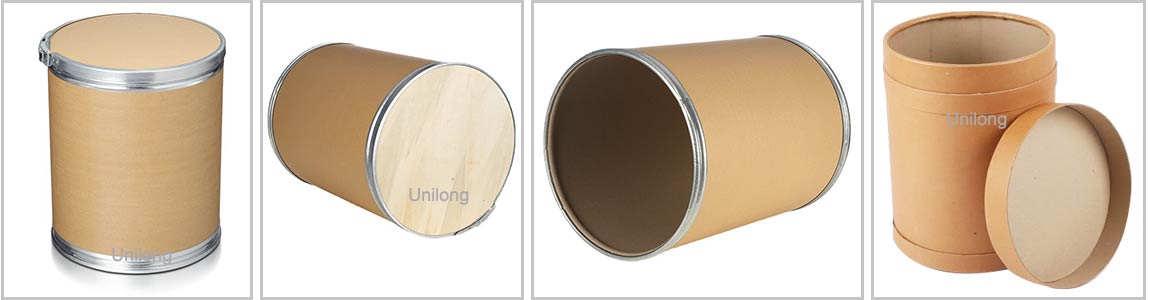
Butyltin tris(2-ethylhexanoate) CAS 23850-94-4

CAS:23850-94-4

MOLECULAR FORMULA:23850-94-4

MOLECULAR WEIGHT:605.43

APPEARANCE:Yellow liquid

EINECS:245-912-1

SYNONYMS:N-BUTYLTRIS(2-ETHYLHEXANOATE)TIN; BUTYLTINTRIS(2-ETHYLHEXANOATE); Butyltrisethylhexanoatetin; Stannane,butyltris(2-ethyl-1-oxohexyl)oChemicalbookxy-; Derivativeofmonobutyltin; Monobutyltin-tris-(ethylhexoate); Butyltintris-(2-ethoxyhexanoate); Butyltris(2-ethylhexanoyloxy)tin(IV)

What is Butyltin tris(2-ethylhexanoate)?

Monobutyl tin triisooctanoate is a light yellow transparent liquid that is soluble in most organic solvents and insoluble in water. It is a type of esterification catalyst Chemicalbook that is resistant to hydrolysis and has low addition and high catalytic activity. It is mainly used for esterification and condensation reactions at temperatures ranging from 210 to 240 “C, with a maximum reaction temperature of up to 250C. The catalyst is neutral and has no corrosive effect on equipment.

Specification

ITEM

分析项目

STANDARD

技术指标

Appearance Light yellow transparent oily liquid
Purity ≥99%
Tin content 18.5-20.5
Water ≤1

Application

Monobutyl triisooctanoate tin is an organic tin compound that can be used for the synthesis of saturated polyester used in powder coatings, coil (steel) coatings, insulation coatings, etc; Used for the synthesis of unsaturated polyester; Used for the synthesis of PBT engineering resins and other esterification and ester exchange reaction products.

Package

25kg/drum or requirements of clients.Direct skin contact should be prevented

purity: 99%min
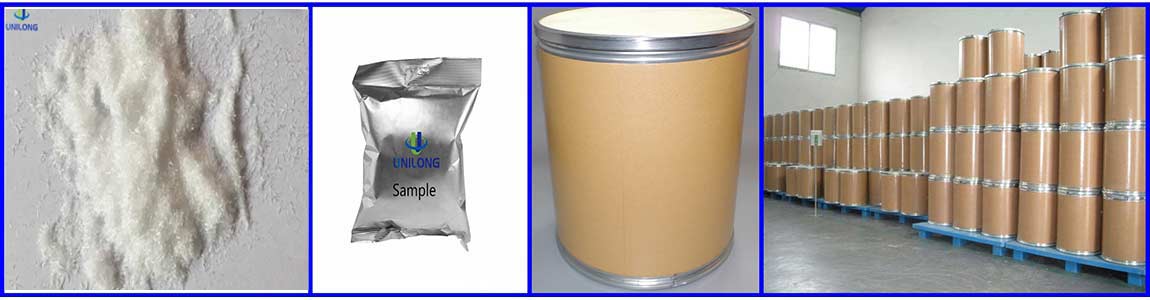
CAS: 23850-94-4
MF: C28H54O6Sn

Sodium Benzoate CAS 532-32-1

CAS:532-32-1

MOLECULAR FORMULA:C7H5NaO2

MOLECULAR WEIGHT:144.10317

APPEARANCE:White Crystals

EINECS:208-534-8

SYNONYMS:SODIUM BENZOATE; PUROX S;femanumber3025; sobenate;sodiumbenzoate,medicinal; sodiumbenzoicacid; ucephan; BENZOTRON(R)


What is Sodium Benzoate?

Sodium benzoate, also known as sodium benzoate, is currently a commonly used food preservative in the food industry in China. It has no odor or a slight scent of benzoin, and has a sweet and astringent taste. Stable in the air, can absorb moisture when exposed to the air. Naturally present in blueberries, apples, plums, cranberries, prunes, cinnamon, and cloves.

Specification

ITEM

分析项目

STANDARD

技术指标

Appearance White crystal
Purity ≥99%
Sodium content 35.0%-41.0%
Water content ≤1.5%
Iron ≤0.001%
Chloride content ≤0.05%


Application

  1. Sodium benzoate can be used as a food additive (preservative), a fungicide in the pharmaceutical industry, a mordant in the dye industry, a plasticizer in the plastic industry, and as an intermediate in organic synthesis such as spices.
  2. Co solvent for serum bilirubin test.
  3. Used in the pharmaceutical industry and plant genetic research, as well as as as dye intermediates, fungicides, and preservatives.

Package

25kg/bag or requirements of clients.Direct skin contact should be prevented

purity: 99%min
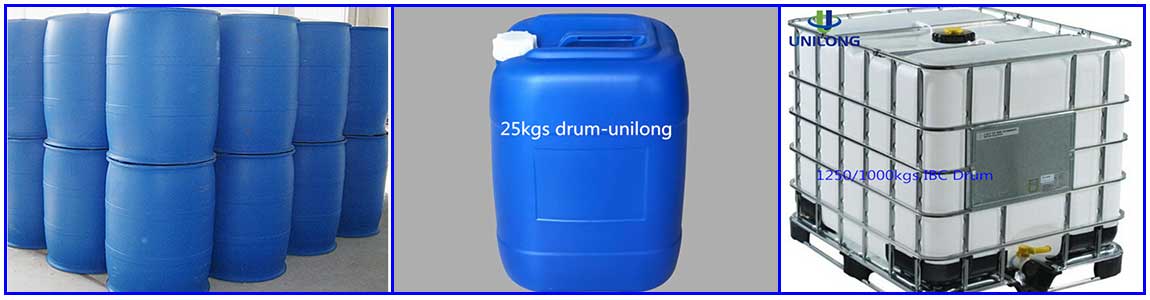
MF: C7H5NaO2
CAS: 532-32-1

Hydroxyapatite CAS 1306-06-5 cheap price

CAS: 1306-06-5
Molecular Formula: Ca5HO13P3
Molecular Weight: 502.31
APPEARANCE: White solid
EINECS: 215-145-7

SYNONYMS:CALCIUMPHOSPHATE,HYDROXIDEPURIFIED; Hydroxyapatite(Calciumhydroxyapatite); Calciumphosphatehydroxide,Durapatite,Hydroxylapatite; CALCIUMPHOSPHATE,HYDROXIDEREAGENT; ApatiteHAP; apatite,hydroxy

What is Hydroxyapatite CAS 1306-06-5?

Hydroxyapatite (HAP) is a calcium phosphate material with a chemical formula of Ca₁₀(PO₄)₆(OH)₂. It is the main inorganic component of human bones and teeth, making it highly biocompatible and widely used in oral care, biomedical, and industrial fields. Our products include nano hydroxyapatite powder for high-end applications and micron-sized hydroxyapatite for industrial use.

Hydroxyapatite CAS 1306-06-5, abbreviated as HAP, is the most widely used crystalline phase of calcium phosphate. Calcium phosphate is the main mineral component of vertebrate bones and teeth. Among calcium phosphate, hydroxyapatite is the most thermodynamic stable crystalline phase of calcium phosphate in body fluids, which is most similar to the mineral parts of human bones and teeth. The ratio of calcium to phosphorus in hydroxyapatite is influenced by the synthesis method, and its composition is relatively complex without a fixed calcium phosphorus ratio.

We are a professional hydroxyapatite supplier in China, offering stable quality and competitive hydroxyapatite powder price for global customers.

Specification

ITEM STANDARD
Appearance White powder
Purity ≥97%
Forms Available 20 nm, 60 nm, 200 nm nanoparticles; 20–1000 μm micron grade powders
Heavy metals 15ppm max
Loss on drying 0.85 %

Applications of Hydroxyapatite Powder

1. Oral Care & Toothpaste

  • Used in hydroxyapatite toothpaste as an active additive.

  • Fills exposed dentinal tubules, relieving tooth sensitivity.

  • Nano hydroxyapatite (200 nm and 60 nm grades) helps remineralize tooth enamel and improve oral health.

  • Widely used in whitening, anti-sensitivity, and high-end toothpaste formulations.

2. Pharmaceutical & Biomedical Use

  • Nano hydroxyapatite powder (20 nm) is widely used in orthopedics and dental implants.

  • Acts as a bone substitute material for bone defect filling, repair, and regeneration.

  • Enhances bioactivity and accelerates osteointegration.

3. Industrial Applications

  • Micron-sized hydroxyapatite powder (20–1000 μm) is applied in water treatment as an efficient adsorbent for heavy metals and fluoride.

  • Functions as a polishing and abrasive material.

  • Can be customized for different industrial applications.

Why Choose Our Hydroxyapatite Powder?

  • Wide particle size range: nano (20–200 nm) and micro (20–1000 μm).

  • Pharmaceutical, cosmetic, and industrial grade available.

  • Reliable quality control from a professional hydroxyapatite supplier.

  • Flexible packaging and bulk supply.

  • Competitive hydroxyapatite powder price.

Whether you are looking for hydroxyapatite powder suppliers for toothpaste, bone repair materials, or industrial use, we provide complete solutions.

Package

25kg/bag or requirements of clients.Direct skin contact should be prevented

Hydroxyapatite CAS 1306-06-5-package

Potassium Chloride CAS 7447-40-7 With 99.9%

Product name:Potassium chloride
CAS:7447-40-7
MF:ClK
EINECS:231-211-8

What is Potassium chloride?

Potassium chloride is a kind of colorless cubic crystals or white crystals. Easily soluble in water, slightly soluble in glycerol, slightly soluble in ethanol, insoluble in concentrated hydrochloric acid and acetone.

Specification

Item Standard
Appearance white crystalline powder
Assay 99.5%
PH complies
solution clarity complies
sulfate ≤0.01%
Na complies
Mn complies
I complies
Br ≤0.1%
Ba complies
Ca complies
Mg ≤0.001%
Fe ≤0.0003%
Loss on dry ≤1.0%
Heavy metal ≤5ppm
As ≤0.0001%

Application

1.Used to manufacture potassium salts such as potassium carbonate, produce G salts and reactive dyes, used in photography, electroplating, steel heat treatment, and can also be used as a flame retardant

2.Used as crop fertilizer

3.Used as analytical reagents, reference reagents, chromatographic analysis reagents and buffers

Package

25kg/drum


Related Keywords

Chlorid draselny;chloriddraselny;chlorideofpotash;Chloropotassuril;Chloropotassuril diffu-K;Kaleorid;Kaleorod;Kalitabs

CAS: 7447-40-7
MF: ClK
Purity: 99.9%min

Ethylene Carbonate CAS 96-49-1 EC

CAS:96-49-1
Molecular Formula:C3H4O3
Molecular Weight:88.06
Appearance:Colourless liquid or solid
EINECS:202-510-0
Synonyms:ETHYLENE CARBONATE (EC); Ethylencarbonat; Carbonic acid, cyclic ethylene ester; carbonicacid,cyclicethyleneeste; carbonicacid,ethyleneester; Cyclic ethylene carbonate; Cyclic ethylene ester; cyclicethylenecarbonate

What is Ethylene carbonate?

Ethylene carbonate is a kind of colorless and transparent liquid with slightly pungent odor. Insoluble in water, soluble in organic solvents such as alcohol and ether.

Specification

ITEM INDEX
Assay ,% ≥99.97
Water ,% ≤0.005
ETHYLENE OXIDE ,% ≤0.005
Ethylene glycol, % ≤0.005
Diethylene glycol ,% ≤0.005
Colourity (Pt-Co) ≤10

Application

1.EC High purity can be used as electrolyte for rechargeable lithium-ion batteries;

2:spinning fluid in textiles;

3.directly used as a solvent for removing acid gases and additives for concrete.

Ethylene-carbonate-use

Package

250kg/drum

Related Keywords

ETHYLENE CARBONATE (EC);Ethylencarbonat;Carbonic acid, cyclic ethylene ester;carbonicacid,cyclicethyleneester;carbonicacid,ethyleneester;Cyclic ethylene carbonate;Cyclic ethylene ester;cyclicethylenecarbonate

CAS: 96-49-1
MF: C3H4O3
Purity: 99.99%

Factory Sepply Polaprezinc Cas 107667-60-7

CAS:107667-60-7
Molecular Formula:C9H12N4O3Zn
Molecular Weight:289.61
EINECS:600-848-7
Synonyms:POLAPREZINC;zinc l-carnosine complex;zinc n-(3-aminopropionyl)histidine;ZINC CARNOSINE;[b-Alanyl-kN-L-histidinato(2-)-kN,kO]-zinc;b-Alanyl-L-histidinato Zinc;Promac;Z 103

What is Polaprezinc

Polaprezinc is a chelate of zinc and L-carnosine, its full name is: Beta-alanyl-L-Histidinato Zinc. It contains 23% zinc and 77% L-carnosine.

Specification

Items of analysis Specification Results
Appearance White or off-white powder Off-white powder
Odor Odorless Odorless
Carnosine Content 76.0%~80.0% 77.6%
Zinc Content 21.5%~23.0% 22.9%
Water ≤5.0% 2.3%
Specific rotation +8°~+9° +8.1°
Total Plate Count ≤1000cfu/g 65cfu/g
Yeasts & Molds ≤100cfu/g 35cfu/g
E.coli Negative/g Negative/g
Salmonella Negative/10g Negative/10g

Application

Polyprezine is an L-carnosine zinc complex. L-carnosine is a dipeptide composed of beta-alanine and L-histidine, which is an antioxidant; zinc can promote wound healing. Clinical experimental data shows that Polyprezinc Chemicalbook has antioxidant and membrane stabilizing effects, thereby maintaining the homeostasis of the gastric mucosa and protecting gastric mucosal cells. At the same time, it can also promote wound healing, enhance the role of defense factors, and achieve prevention and treatment. Effects of peptic ulcers.

Package

1kg/bag, 25kg/drum

cas 107667-60-7

Related Keywords

POLAPREZINC;zinc l-carnosine complex;zinc n-(3-aminopropionyl)histidine;ZINC CARNOSINE;[b-Alanyl-kN-L-histidinato(2-)-kN,kO]-zinc;b-Alanyl-L-histidinato Zinc;Promac;Z 103


CAS: 107667-60-7
MF: C9H12N4O3Zn
MW: 289.61

Sodium Phytate with CAS 14306-25-3

CAS:14306-25-3
Molecular Formula:C6H6O24P6Na12
Molecular Weight: 684.03
Appearance: white crystal
EINECS:238-242-6
Product Categories:Organic chemistry
Synonyms:INOSITOLHEXAPHOSPHORICACIDDODECASODIUMSALT; INS(1,2,3,4,5,6)P6; INS(1,2,3,4,5,6)P6,DODECASODIUMSALT; D-INS(1,2,3,4,5,6)P6,12NA; D-MYO-INOSITOL1,2,3,4,5,6-HEXAKISPHOSPHATE,DODECASODIUMSALT; D-MYO-INOSITOL1,2,3,4,5,6-HEXAKISPHOSPHATE,DODECASODIUMSALT,ZEAMAYS; SODIUMPHYTATE; SODIUMINOSITOLHEXAPHOSPHATE

What Is Sodium Phytate with CAS 14306-25-3?

Sodium phytate is a widely used phytate. Its appearance is white needle-like crystals, generally containing 12 crystal waters. Easily soluble in water and acidic water, insoluble in alcohol.

Specification

ITEM STANDARD RESULT
Appearance White Crystal Conform
Inorganic phosphorus % ≤0.02 <0.015
Chloride % ≤0.02 <0.01
Sulfate % ≤0.02 <0.01
Calcium Salt % ≤0.02 <0.015
Heavy metal % ≤0.001 <0.0001
Arsenic % ≤0.0001 <0.0001
PH value

1% aqueous solutione

11.0~12.5 11.3
Loss on drying ≤25 21
Miscellaneous protein % ≤0.2 ≤0.1
Assay ≥96 96.2

Application

Sodium phytate has a stable structure and is an active ingredient in daily chemicals, metal surface treatment and other industries.

Package

25kg/drum

Related Keywords

INOSITOLHEXAPHOSPHORICACIDDODECASODIUMSALT; INS(1,2,3,4,5,6)P6; INS(1,2,3,4,5,6)P6,DODECASODIUMSALT; D-INS(1,2,3,4,5,6)P6,12NA; D-MYO-INOSITOL1,2,3,4,5,6-HEXAKISPHOSPHATE,DODECASODIUMSALT; D-MYO-INOSITOL1,2,3,4,5,6-HEXAKISPHOSPHATE,DODECASODIUMSALT,ZEAMAYS; SODIUMPHYTATE; SODIUMINOSITOLHEXAPHOSPHATE

MF: C6H6O24P6Na12
CAS: 14306-25-3
Purity: 96%min

Iso Amyl Laurate with CAS 6309-51-9

CAS:6309-51-9
Molecular Formula:C17H34O2
Molecular Weight: 270.45
Appearance: colorless oily liquid
EINECS:228-626-1
Product Categories:Organic chemistry
Synonyms:
3-Methylbutyl dodecanoate;Dodecanoic acid, 3-methylbutyl ester;Dodecanoicacid,3-methylbutylester;Isoamyl dodecanoate;iso-Amyl n-dodecanoate;Lauric acid, isopentyl ester;LAURIC ACID ISOAMYL ESTER;FEMA 2077

What Is Iso Amyl Laurate with CAS 6309-51-9?

Iso Amyl Laurate is a kind of colorless oily liquid. It has a faint oily and fat aroma. Soluble in ethanol, insoluble in water. Boiling point is 190°C (2666Pa).

Specification

ITEM STANDARD RESULT
Acid Value 1.0 max 0.4
Iodine Value 1.0 max 0.2
Saponification Value 200-220 209
Cloud Point -15 -19
APHA 70 52

Application

As a very refreshing emollient oil, it has an excellent skin feel. It is light and non-greasy after use, and has good softness and touch. It can help eliminate the stickiness of heavy emollients.

Package

25kg/drum

MF: C17H34O2
CAS: 6309-51-9
MW: 270.45

Poly(vinyl alcohol) (PVA) CAS 9002-89-5

CAS: 9002-89-5
Molecular Formula: C2H4O
Molecular Weight: 44.05256
Appearance: White solid powder
EINECS: 209-183-3
Product Categories: Organic chemistry

Synonyms: POLYVINYLALCOHOL2000; Polyvinylalcohol,86-89%hydrolyzed,mediummolecularweight; Polyvinylalcohol,98-99%hydrolyzed,mediummolecularweight; Polyvinylalcohol,98-99%hydrolyzed,hiChemicalbookghmolecularweight; Poly(vinylAlcohol)n=1750+/-50; Poly(vinylAlcohol)n(=:)2,000(degree’sofsaponificationca.80mol%); POLYVINYLALCOHOL98-99%HYDROLYZED; POLYVINYLALCOHOL99%POWDER

What Is Poly(vinyl alcohol) (PVA) CAS 9002-89-5?

Poly(vinyl alcohol) (PVA) CAS 9002-89-5 is a water-soluble synthetic polymer. It can be coating agent; lubricant; solubilizer; tackifier.

Specification

ITEM STANDARD RESULT
Appearance White solid powder Qualified
Viscosity  21.0~33.0 28
PH value 5.0~8.0 6.7
Degree of hydrolysis% 85~89 89
Loss on drying% ≤5.0 Qualified
Burning residue% ≤1.0 Qualified
Water insoluble impurity% ≤0.1 Qualified
Methanol and methyl acetate% ≤1.0 Qualified
Acid value% ≤3.0 Qualified
Heavy metal ≤10ppm Qualified
Assay% 85.0%~115.0% Qualified

Application

1. Application in pharmaceutical preparations or preparation processes:
2. Polyvinyl alcohol is mainly used in topical and ophthalmic preparations;.
3. Polyvinyl alcohol can be used as a stabilizer in emulsions.
4. Polyvinyl alcohol is also used as a tackifier in viscous preparations such as ophthalmic products.
5. Polyvinyl alcohol is used for lubrication in artificial tears and contact lens solutions, and is also used in oral sustained-release preparations and transdermal patches.
6. Polyvinyl alcohol can also be mixed with glutaraldehyde solution to form microspheres.

Package

25kg/drum

Poly(vinyl alcohol) (PVA) CAS 9002-89-5 package

LECITHIN 3-SN-PHOSPHATIDYLCHOLINE CAS 97281-47-5

What Is LECITHIN?

LECITHIN (soybean) is a type of phosphatidylcholine extracted from soybeans, which can be used for the preparation of liposomes and as a carrier for animal drug delivery.It is a liquid or paste product refined from transparent phospholipids or powdered phospholipids as raw materials.

Specification

ITEM

分析项目

STANDARD

技术指标

RESULT

实测结果

Appearance White loose granular solids  (Visual Inspection) Confirm


Assay


Phosphatidylcholine>70% 79.62%
 

Odor


Unique Smell of Lecithin


Confirm
Texture


Viscous liquid,Paste, Powder,Granular or Block


Paste


Acetone Insoluble


≧60%


97.39%


Loss On Drying


≦2.0%


0.68%


Application

LECITHIN is one of the main functional factors of health products such as brain building and lipid lowering.

Package And Storage

25kg/bag or requirement of clients. Keep it in cool space.

purity: 99%min
MF: C42H80NO8P
CAS: 97281-47-5

Hydroquinone bis(2-hydroxyethyl)ether CAS104-38-1

CAS:104-38-1
Molecular Formula:C10H14O4
Molecular Weight:198.22
EINECS:203-197-3
Synonyms: HQEE;2,2′-(1,4-Phenylenebis(oxy))diethanol; Hydroquinonebis(2-hydroxyethyl)ether98%; chainextender


What Is Hydroquinone bis(2-hydroxyethyl)ether CAS104-38-1?

HQEE, Hydroquinone bis(2-hydroxyethyl)ether CAS104-38-1 , is white flake.

Specification

Inspection Item Index Results
Appearance White Flake White Flake
Purity % 98.0 99.19
Moisture Contert% 0.2 0.14
Melting Point ≥100 103.5-104.6
OH Group ValueKOH mg/g 550580 557.37

Application

It is a symmetric aromatic diol chain extender.

Package

25kg/drum

HQEE-packing


Related Keywords

Vernatzer30/10; Hydroquinonebis(2-hydroxyethyl)ether99+%; 2,2′-(p-Phenylenebisoxy)diethanol; Hydroquinonedi(2-hydroxyeth; 1,4-Di(2-hydroxyethoxy)benzeneHydroquinoneBis(2-hydroxyethyl)EtherHydroquinoneDi(2-hydroxyethyl)Ether

MF: C10H14O4
purity: 99.9%
CAS: 104-38-1

Ethyl Methyl Carbonate CAS 623-53-0 With 99.9%

CAS:623-53-0
MF:C4H8O3
MW:104.1
EINECS:433-480-9

Synonyms:Sycarbonicacidethylestermethylester; Ethoxyaceticacid,methylester; Methylethylcarbonate; CARBONICACIDETHYLMETHYLESTER; ETHYLMETHYLCARBONATE; EthylMethylCarbonate(Emc);Carbonicacidethylmethyl; Carbonicacidmethylethyl

What is Ethyl Methyl Carbonate CAS 623-53-0?

Ethyl Methyl Carbonate CAS 623-53-0 is clear liquid, a kind of lithium-ion battery electrolytes.

Specification

ITEM INDEX RESULT
Ethyl Methyl Carbonate,% ≥99.99 99.9968
Methanol,% ≤0.002 0.0000
Ethanol,% ≤0.002 0.0000
Water,% ≤0.003 0.0006
Colourity,Hazen(Pt-Co) ≤5 <5
Appearance Colorless Transparent Liquid Colorless Transparent Liquid
Relative Density 1.0100-1.0200 1.0148
Na,μg/mL ≤1.0 0.0000
K,μg/mL ≤1.0 0.0000
Cu,μg/mL ≤1.0 0.0003
Fe,μg/mL ≤1.0 0.0102
Pb,μg/mL ≤1.0 0.2273
Zn,μg/mL ≤1.0 0.0384
Cr,μg/mL ≤1.0 0.0028
Cd,μg/mL ≤1.0 0.0107
Ni,μg/mL ≤1.0 0.0290

Application

Ethyl methl carbonate is used as a solvent for lithium-ion battery electrolytes and as a solvent for special spices and intermediates.

Ethyl Methyl Carbonate CAS 623-53-0-application

Package

25kg/drum or requirement of clients.

Ethyl Methyl Carbonate CAS 623-53-0-package

Sodium Methylparaben CAS 5026-62-0

CAS:5026-62-0
MF:C8H9NaO3
MW:176.15
EINECS:225-714-1
Synonyms:4-hydroxybenzoicacidmethylestersodiumsalt;methylp-hydroxybenzoatesodiumsalt;METHYLPARABENSODIUM

What Is Sodium methylparaben?

Sodium methylparaben are widely used in the preservation of pharmaceuticals, food, textile industries, as well as other fields such as cosmetics, feed, and daily industrial products. They are used in dairy products, pickled products, beverages, fruit juices, jellies, and pastries, with the maximum usage being the same as propyl p-hydroxybenzoate

Specification

Item Specification Test Results
Appearance White Crystalline Powder White Crystalline Powder
Identification Passed Passed
Clarity and Color of Solution Clear and Transparent Clear and Transparent
Assay % 99.0-102.0 99.47
PH 9.5-10.5 9.9
Sulfate % ≤0.03 Passed
Organic Passed Passed

Application

1.Used in dairy products, pickled products, beverages, fruit juices, jellies, and pastries (maximum usage is the same as propyl p-hydroxybenzoate).

2.Widely used for anti-corrosion in the pharmaceutical, food, textile industries, as well as in other fields such as cosmetics, feed, and daily industrial products

Package And Storage

25kg/bag or requirement of clients. Keep it in cool space.

MF: C8H9NaO3
CAS: 5026-62-0

Tinuvin-1130 CAS 104810-47-1 UV Absorber 1130

CAS:104810-47-1

Synonyms:UVAbsorber1130;HRsorb-1130;poly(oxy-1,2-ethanediyl),alpha-[3-[3-(2h-benzotriazol-2-yl)-5-(1,1-dimethyleth;yl)-4-hydroxyphenyl]-1-oxopropyl]-oChemicalbookmega-[3-[3-(2h-benzotriazol-2-yl)-5-(1,1-d;alpha-[3-(3-(2H-benzotriazol-2-yl)-5-(1,1-dimethylethyl)-4;Tinuvin-1130/A;uvabsorberuv-1130;UV-1300

Molecular Formula:C20H23N3O3

Molecular Weight:353.42

Appearance:Light yellow viscous liquid

EINECS:600-602-9

Product Categories:Health care&household care UV

What Is Aluminium potassium sulfate dodecahydrate?

UV 1130 is a hydroxyphenyl benzotriazole type UV light absorber with a light yellow to light amber viscous liquid appearance. It is easily soluble in polar and non-polar solvents, insoluble in water, and can effectively protect the coating luster from cracking and spots. The product is easy to emulsify and is particularly suitable for water-based systems. Its dispersion in water-based systems can be obtained by dissolving in water-soluble solvents such as diethylene glycol diethyl ether

Specification

ITEM

分析项目

STANDARD

技术指标

RESULT

实测结果

Appearance Clear or canary yellow liquid Conform
Content (%) 84.00 85.2
Transmittance:
460nm 95.00 96.50
500nm 97.00 99.00


Application

  1. It has good high-temperature resistance and extraction resistance characteristics, especially suitable for industrial and automotive coatings with high weather resistance requirements, and can also provide sufficient protection for sensitive substrates such as wood. Commercially sold coatings are shared with hindered amines (HALS), such as light stabilizers 292 Chemicalbook or 123. These shared synergistic agents can significantly improve coating performance and prevent loss of gloss, cracking, foaming, detachment, and discoloration.
  2. Light stabilizers can be added to car gloss varnish or primer. However, based on our experience, adding light stabilizers to the topcoat provides the best protection.

Production.Package And Storage

25kg/drum or requirement of clients. Keep it in cool space.

purity: 99%
CAS: 104810-47-1
MF: C20H23N3O3

1-Hexanol CAS 111-27-3

CAS:111-27-3
Molecular Formula:C6H14O
Molecular Weight:102.17
EINECS:203-852-3

Synonyms: 1-Hexyl alcohol;1-Hexylalcohol;alcooln-hexylique;Capronicalcohol;Caproyl alcohol;caproylalcohol;Epal 6;epal6

What Is 1-Hexanol CAS 111-27-3?

1-Hexanol CAS 111-27-3 is used for essence base and preparation of essential oil (such as geranium oil) as a part of the first fragrance, can also be used in violet, osmanthus, magnolia, ylang-ylang type flavor, to modify or increase the tender flavor, can also be used in trace for edible coconut formula, berries and various fruit flavor; It is used as a solvent and analytical reagent, and is also used in the pharmaceutical industry to make preservatives and sleeping pills. For the production of surfactants, plasticizers, fatty alcohols, etc. Used as chromatographic analysis reagent, also used in organic synthesis and so on.

Specification

TEST ITEMS STANDARD TEST RESULTS
APPEARANCE COLORLESS TRANSPARENT LIQUID CONFORM
 

DENSITY


0.82


0.82


WATER


0. 10%MAX


0.095%


ASSAY

≥98.0% 99. 13%

Application

1.Often used in essence base and preparation of essential oil (such as geranium oil) as a part of the head fragrance, can also be used in violet, osmanthus, magnolia, ylang-ylang type flavor, to modify or increase the tender flavor, can also be used in trace for edible coconut formula, berries and various fruit flavor

2.In industry, it is generally obtained by reducing acetic acid. Laboratory preparation can obtain butyl magnesium bromide by reacting bromobutane with magnesium chips, and then reacting with ethylene oxide to obtain ethanol

Package And Storage

25kg/DRUM or requirement of clients. Keep it in cool space.

1-Hexanol CAS 111-27-3-package

Factory Price PARTIALLY HYDROGENATED ROSIN Cas 65997-06-0

CAS:65997-06-0
Molecular Weight:0
EINECS:266-041-3
Synonyms:Fully hydrogenated rosin;Rosin,hydrogenated;rosin,partiallyhydrogenated;RESIN CH;RESIN ROSIN, HYDROGENATED;PARTIALLY HYDROGENATED ROSIN;Colophony, hydrogenated;Einecs 266-041-3

What is PARTIALLY HYDROGENATED ROSIN

Hydrogenated rosin is an important rosin modified product with good antioxidant properties, low brittleness, high thermal stability, and light color. It is widely used in adhesives, synthetic rubber, coatings, inks, papermaking, electronics, food and other industries. department.

Specification

Item Standard Result
Appearance White to yellow crystal or powder Pass Test
Acid mgKOH/g % ≥150 167.5
Ethanol insoluble

matter%


≤1.0


0.012

Unsaponifiable

matter%


≤10.0


6.10

Abietic acid% ≤5.0 1.38
Dehydroabietic acid ≤20.0 6.5

Application

Widely used in industrial sectors such as adhesives, synthetic rubber, coatings, inks, papermaking, electronics, and food.

Used in rubber, food, medicine, electronics, papermaking, building materials, etc.

Package

225kg/drum, 1FCL can hold 18 tons

cas 65997-06-0

Related keywords

Fully hydrogenated rosin;Rosin,hydrogenated;rosin,partiallyhydrogenated;RESIN CH;RESIN ROSIN, HYDROGENATED;PARTIALLY HYDROGENATED ROSIN;Colophony, hydrogenated;Einecs 266-041-3

Ammonium Glycyrrhizinate with cas 1407-03-0

CAS No.:1407-03-0
Other Names:Ammonium Glycyrrhizinate
MF:C42H65NO16
EINECS No.:258-887-7
Type:Syntheses Material Intermediates
Purity:99%

what is  of  Ammonium Glycyrrhizinate with cas 1407-03-0?

Ammonium Glycyrrhizinate is a white powdered substance, soluble in ammonia, insoluble in glacial acetic acid. Melting point is >148°C.

Specification

Impurity A 4.5%
18α-glycyrrhizic acid
9.2%
1.0Max
Boiling point >148°C.
Any other impurity 1.5%
Sum or other impuritie 6.1%

Application 

Ammonium Glycyrrhizinate has been used as flavoring agent, flavoring agent

Packing  

25kgs/drum, 16tons/20’container

CAS: 1407-03-0
MF: C42H65NO16

FERROUS GLUCONATE DIHYDRATE CAS 12389-15-0 D-GLUCONIC ACID

CAS:12389-15-0

Synonyms: D-GLUCONICACID,IRON(II)SALTDIHYDRATE;GLUCONICACIDIRON(II)SALTDIHYDRATE;GLUCONICACIDIRON(II)SALTHYDRATE;FERROUSGLUChemicalbookCONATEDIHYDRATE;IRON(II)D-GLUCONATEDIHYDRATE;IRON(II)GLUCONATE;IRON(II)GLUCONATEDIHYDRATE;IRON(II)GLUCONATEHYDRATEMolecular Formula:C12H26FeO16

Molecular Weight:482.17

Appearance:Yellow gray or light yellow green particles or powder

EINECS:235-166-5

Product Categories:Nutrition,Nutrition health

What Is FERROUS GLUCONATE DIHYDRATE?

Ferrous gluconate is a yellow gray or light yellow green crystalline particle or powder with a slight caramel odor. Soluble in water, 5% aqueous solution is acidic and almost insoluble in ethanol, with a theoretical iron content of 12%. Ferrous gluconate is easily absorbed, has no stimulation or side effects on the digestive system, and has no impact on the sensory performance and flavor of food. It can also be used as a drug to treat anemia

Specification

Test item Requirement Inspection method Inspection

value

Color Grey yellow or light yellow green  

Take an appropriate

amount of the sample and place it in a white, clean,

and dry container. Observe its color, state, and odor

under natural light.

Grayish

yellow

texture Crystalline powder or particles Crystalline

powder

smell Has a caramel like odor Caramel like

odor


Application 

  1. Nutritional supplements (iron fortifiers); Pigment additives; Stabilizer.
  2. Used as a feed iron fortifier, with better absorption effect than inorganic iron

Package And Storage

25kg/bag or requirement of clients. Keep it in cool space.

purity: 99%min
CAS: 12389-15-0
MF: C12H26FeO16

Bakuchiol CAS 10309-37-2

CAS: 10309-37-2
Purity: 99%
Molecular Formula: C18H24O
Molecular Weight: 256.38
EINECS: 685-515-4

Synonyms: BAKUCHIOL; P-(3,7-DIMETHYL-3-VINYLOCTA-TRANS-1,6-DIMETHYL)PHENOL; 7-dimethyl-1,6-octadienyl)-4-(3-ethenyl-(s-(e))-pheno; BACTRISGASIPAESFRUITJUICE; (S)-Bakuchiol; 4Chemicalbook-[(1E,3S)-3,7-Dimethyl-3-vinyl-1,6-octadienyl]phenol; 4-[(1E,3S)-3-Vinyl-3,7-dimethyl-1,6-octadienyl]phenol; 4-[(S,E)-3-Ethenyl-3,7-dimethyl-1,6-octadienyl]phenol

What is Bakuchiol CAS 10309-37-2?

Bakuchiol is a phenolic substance extracted from the herb psoralen. It is the main component of the commonly used traditional Chinese medicine psoralen volatile oil, accounting for more than 60%. It is an isoprenylphenol terpenoid compound.

Specification

ITEM STANDARD RESULT
Appearance Yellowish brown viscous liquid Conform
Identification Positive Positive
Psoralen ≤25ppm ND
Solvent Residues ≤25ppm Conform
Water content ≤0.6% 0.21%
Heavy Metals ≤ 1ppm Conform
Lead ≤ 1ppm Conform
Arsenic ≤ 1ppm Conform
Mercury ≤ 1ppm Conform
Cadmium ≤ 1ppm Conform
Total Plate Count < 100cfu/g Conform
Yeast& Mold < 10cfu/g Conform
E.Coli Absent in 1g Absent
Salmonella Absent in 10g Absent
Staphylococcus Absent in 1g Absent
Purity ≥99% 99.82%

Application

1.Regulate retinoic acid receptors and related downstream genes.
2.Promote collagen production
3.Oil control and anti-acne effects: down-regulate 5α-reductase, inhibit matrix metalloproteinases, inhibit lipid peroxidation; inhibit acne bacteria, staphylococcus aureus, etc., inhibit NFKD pro-inflammatory factors, and soothe inflammatory reactions.
4.Regulate the expression of aquaporin
5.Anti-aging and anti-wrinkle effects: Inhibits matrix metalloproteinases, eliminates free radicals, accelerates cell renewal, promotes the growth of collagen, and reduces wrinkles.

Package

25kg/drum or requirement of clients.

Bakuchiol CAS 10309-37-2 package

Zinc Sulfate Monohydrate with CAS 7446-19-7

CAS:7446-19-7
Molecular Formula:ZnSO4·H2O
Molecular Weight:181.47
Appearance: White flow powder
EINECS:616-096-8
Product Categories:Organic Chemistry
Synonyms:
SULFURIC ACID ZINC SALT MONOHYDRATE;ZINC SULFATE-1-HYDRATE;ZINC SULFATE MONOHYDRATE;ZINC SULFATE;ZINC SULPHATE H2O;ZINC SULPHATE MONOHYDRATE;Gunningite;Zinc mesosulfate (ZnH2SO5)

What Is Zinc Sulfate Monohydrate with CAS 7446-19-7?

Zinc sulfate monohydrate is white flowing powder, easily soluble in water, slightly soluble in alcohol, insoluble in acetone, easily deliquescent in air.

Specification

ITEM STANDARD RESULT
Cd(as Cd) max 10ppm 4ppm
Arsenic(as As) max 5ppm 3ppm
Lead (as Pb)  max 10ppm 4ppm
Screen Analysis(60mesh),% min 95 ≥95
Assay (ZnSO4), % min 96 97.3
Assay (Zn), % min 35 35.5

Application

1.Livestock application: Feed grade zinc sulfate monohydrate can be used as a nutritional supplement for zinc in animals. Raw materials for organic and inorganic chelates.
2.Agricultural applications: Agricultural grade zinc sulfate monohydrate can be used as water-soluble fertilizer, trace element fertilizer, etc. to improve soil nutrient distribution and promote crop growth.
3.Industrial application: Industrial grade zinc sulfate monohydrate is an important auxiliary material for viscose fiber and vinylon fiber, and it is also used in printing and dyeing, electroplating, flotation, and circulating cooling water treatment.

Package

25kg/bag or requirement of clients.

CAS: 7446-19-7
MF: ZnSO4·H2O
Purity: 35%min

Sodium Laurimino Dipropionate CAS 14960-06-6

CAS: 14960-06-6
Molecular Formula: C18H35NO4.Na
Molecular Weight: 352.47
EINECS: 239-032-7

Synonym: N-Dodecyl-B-iminodipropionicaciddisodiumsalt; Sodium lauriminodipropionate; Sodium lauryl iminodipropionate; N-lauryl-beta-iminopropionicacid,sodiumsalt; [3,3′-(Dodecylimino)bis(propionicacid)]1-sodiumsalt; 3-[Dodecyl[2-(sodiooxycarbonyl)ethyl]amino]propionicChemicalbookacid; N-(2-Sodiooxycarbonylethyl)-N-dodecyl-β-alanine; N-(2-Carboxyethyl)-N-dodecy-beta-alaninesodiumsalt; 3,3′-(Dodecylimino)dipropionicacidmonosodiumsalt; Monosodium3,3′-(dodecylimino)dipropionate

What Is Sodium Laurimino Dipropionate CAS 14960-06-6?

Sodium Laurimino Dipropionate, CAS No. 14960-06-6, molecular formula C18H33NNa2O4, It is a particularly mild amphoteric amino acid surfactant with excellent cleaning power, emulsification, anti-static properties, and no irritation to eyes and skin.

Specification

Item Standard
Appearance Colorless transparent liquid
Content 30
ph 6.74
Density 1.11
EINECS 239-032-7

Application

Sodium Laurimino Dipropionate CAS 14960-06-6 can be used as a mild amphoteric amino acid surfactant with excellent cleaning power, emulsification, and antistatic properties, without irritation to the eyes and skin.

Sodium Laurimino Dipropionate CAS 14960-06-6-application

Package

Sodium Laurimino Dipropionate CAS 14960-06-6-package

L(-)-Thiazolidine-4-carboxylic acid CAS 34592-47-7

CAS: 34592-47-7
Molecular Formula:C4H7NO2S
Molecular Weight:133.17
EINECS:252-106-3

What Is L(-)-Thiazolidine-4-carboxylic acid CAS 34592-47-7?

L(-)-Thiazolidine-4-carboxylic acid is white power,It is used as an intermediate in organic synthesis,The melting point is  190-200 °C.

Specification

Test Item Specification Test Result
Appearance white powder Conforms
Specific Rotation[α]20/D – 137° ~- 145°(C=2,H2O) – 141.9°
Sulphate(SO42-) ≤0.03% <0.03%
Ammonium(NH4+) ≤0.02% <0.02%
Iron(Fe) ≤10ppm <10ppm
Heavy metal(Pb) ≤10ppm <10ppm
Arsenic ≤1ppm <1ppm
Other amino acids Chromatographically              not

detectable

Conforms
Assay ≥98.0% 99. 1%
Loss on drying ≤0.50% 0.07%
Conclusion The results conform with manufacutrer’s standard.

Application

1.L-Thioproline used as an intermediate in organic synthesis.

2.L-Thioproline for or peptide coupling reactions.

Package

25kg/bag or requirement of clients

Related Keywords

thiazolidinecarboxylicacid;(R)-(-)-THIAZOLIDINE-4-CARBOXYLICACID;(R)-THIAZOLIDINE-4-CARBOXYLICACID;THIOPROLINE;THIAPROLINE;L-Thiaolidine-4-carboxylicacid;L-THIAPROLINE;L(-)-THIAZOLIDINE-4-CARBOXYLICACID

purity: 99
CAS: 34592-47-7
MF: C4H7NO2S

beta-Hydroxyisovaleric Acid CAS 625-08-1

CAS: 625-08-1
Molecular Formula:C5H10O3
Molecular Weight: 118.13
EINECS:626-699-8

What Is beta-Hydroxyisovaleric Acid CAS 625-08-1?

Beta-Hydroxyisovaleric Acid is pale yellow liquid.

Specification

Item Specification Analysis results
appearance pale yellow conform
 density 1.1 1.1
  purity ≥90.0% 93.40%


Application

β- Hydroxy isovaleric acid, also known as 3-hydroxy-3-methylbutyric acid. 3-hydroxy-3-methylbutyric acid (also known as“ β- Hydroxyl group- β- Methylbutyric acid “,” 3-hydroxyisovaleric acid “,” HMB “, is a metabolite of essential amino acids leucine. It has beneficial functions such as reducing muscle tissue damage during exercise, increasing muscle and muscle strength, improving the recovery ability of muscle tissue damage, improving the balance of muscle synthesis and decomposition, maintaining muscle and muscle strength, reducing body fat, tightening, and improving basal metabolism.

Package

200kg/drum

Related Keywords

RARECHEMALBO2324;?Hydroxyisovalericacid;β-Hydroxy-β-MethylButyricacid;(S)-2-HydroxyisovalericAcid;3-Hydroxyisovalericacid;3-B-HYDROXYBUTYRICACID;3-HYDROXY-3-METHYLBUTANOICACID;3-HYDROXY-3-METHYLBUTYRICACID

CAS: 625-08-1
Purity: 90%
MF: C5H10O3

CALCIUM GLUCONATE MONOHYDRATE CAS 66905-23-5 GLUCONIC ACID CALCIUM SALT

CAS:66905-23-5
Synonyms:GLUCONICACIDCALCIUMSALT;GLUCONICACIDCALCIUMSALTMONOHYDRATE;D-GLUCONICACIDCALCIUMSALTMONOHYDRATE;CALCIIGLUCONAS;CALCIUMD-GLUCChemicalbookONATEMONOHYDRATE;CALCIUMGLUCONATEMONOHYDRATE;CALCIUMGLUCONATEUSP;Calcium(2R,3S,4R,5R)-2,3,4,5,6-pentahydroxyhexanoatehydrate
Molecular Formula:C6H16CaO8
Molecular Weight:256.26
Appearance:Off-White Powder
EINECS:206-075-8
Product?Categories:Nutrition,Nutrition health

What Is CALCIUM GLUCONATE MONOHYDRATE?

Calcium gluconate is an organic calcium salt with the chemical formula C12H22O14Ca. It appears as a white crystalline or granular powder, with a melting point of 201 ℃ (decomposition), odorless and tasteless. It is easily soluble in boiling water (20g/100mL), slightly soluble in cold water (3g/100mL, 20 ℃), and insoluble in organic solvents such as ethanol or ether. The aqueous solution appears neutral (pH approximately 6-7). Calcium gluconate is mainly used as a calcium fortifier and nutrient in food, as a buffer, solidifying agent, and chelating agent.

Specification

INSPECTION ITEM QUALITY STANDARD EXECUTIVE STANDARD RESULT
 Appearance A white particle or crystalline powder,

odorless

visual

observation

Whitecrystalline powder,odorless
Content,W/ %  99.0-102.0  GB15571-2010  99.53
Chloride((Calculated as Cl ),

W/ % ≤

0.05 GB15571-2010 <0.05
 Sulfate((Calculated as  SO4 ),

W/ % ≤

0.05 GB15571-2010 <0.05
Reducing substances((Calculated as  C6H12O6 ),

W/ % ≤


1.0


GB15571-2010


0.13


Application

Calcium gluconate is mainly used as a calcium fortifier and nutrient in food, as a buffer, solidifying agent, and chelating agent.

Production.Package And Storage

25kg/bag or requirement of clients. Keep it in cool space.

purity: 99%MIN
CAS: 66905-23-5
MF: C22H21O2P

Benzophenone- 4 CAS 4065-45-6 Uv absorber BP-4

CAS:4065-45-6
Molecular Formula:C14H12O6S
Molecular Weight:308.31
EINECS:223-772-2

Synonyms: 2-hydroxy-4-methoxybenzophenone-5-sulfonic acid bp-4; benzophenone 4 in skin care; benzophenone-4 for skin; uv-284 manufacturers

What Is Benzophenone- 4 CAS 4065-45-6?

Benzophenone- 4 CAS 4065-45-6 belongs to the benzophenone class of compounds. 2-Hydroxy-4-methoxybenzophenone-5-sulfonic acid is white or light yellow powder at room temperature, which can effectively absorb 285~325Im of ultraviolet light. UV-284 is a kind of broad spectrum ultraviolet absorber with high absorption rate, non-toxic, no photosensitization, no teratogenicity, and good light and heat stability. Benzophenone-4 is widely used in sunscreen, honey, lotion, oil and other cosmetics.

Specification

ITEM STANDARD
Appearance Off-White Powder
Purity(HPLC) 99.50%min
Melting Point Deg.C 160.0℃min
Dry loss 2.0%max
PH,1%Aqueous Solution@25C 1.20-2.20
Gardner

colour(10%

4.0max
16.0NTU max
UV absorbance

E1%cm,in water

at max.285nm

460min
UV absorbance

E1%cm,in water

at max.325nm


290min

K-Value@285nm, L/g-cm 46.0-50.0
Heavy metals as Pb 20ppm max


Application

1.As a UV resistant finishing agent, benzophenone-4 has good anti-aging and softening effects on cotton and polyester fibers.

2. Benzophenone- 4 CAS 4065-45-6 widely used as anti ultraviolet finishing agent in sunscreen cosmetics such as sunscreen, cream, honey, lotion, oil, etc

3. Benzophenone- 4 CAS 4065-45-6 can also be used as a UV absorber in other water-soluble inks, coatings, etc

Benzophenone- 4 CAS 4065-45-6-application

Production.Package And Storage

25kg/bag or requirement of clients. Keep it in cool space.

Benzophenone- 4 CAS 4065-45-6-package

POLYGLYCERYL-4 LAURATE CAS 75798-42-4 Four Glycerol Monolaurate

Product Name: Polyglyceryl-4 Laurate
CAS Number: 75798-42-4
Synonyms: Polyglyceryl-4 Laurate; Four glycerol monolaurate
Specification: Acid value <=6.0 mgKOH/g; Iodine value <=5.0 gI2/100g; Lead <=2.0 mg/kg; Saponification 40-70 mgKOH/g
Appearance: Colorless or pale yellow viscous liquid
Package: 25kg/drum or 200kg/drum
Application: Used as a mild non-ionic surfactant and emulsifier in personal-care and cosmetic formulations

What Is POLYGLYCERYL-4 LAURATE?

Polyglyceryl-4 Laurate (CAS 75798-42-4) is a non-ionic surfactant derived from polyglycerol and lauric acid. It is widely used in personal care and cosmetic formulations due to its excellent emulsifying and skin-friendly properties. This compound typically appears as a pale yellow to light liquid and is highly soluble in oils and compatible with a variety of cosmetic ingredients.
As a professional Polyglyceryl-4 Laurate supplier and manufacturer, we provide high-quality products suitable for formulations requiring mild, biodegradable, and eco-friendly surfactants.

Specification

Item STANDARD
Color Colorless or pale yellow liquid
Appearance Viscous liquid
Acid Value,mgKOH/g ≤6.0
Iodine Value,gI2/100g ≤5.0

(Pb)/Lead

Value,mg/kg

≤2.0
Saponification,mgKOH/g 40-70

Application

  • Cosmetics & Personal Care
    Used in creams, lotions, and makeup products as a natural emulsifier to stabilize oil-in-water emulsions and improve texture.

  • Skincare Formulations
    Provides gentle cleansing and moisturizing properties, suitable for sensitive skin products such as facial cleansers and baby care items.

  • Hair Care Products
    Applied in shampoos and conditioners to improve foam stability and enhance conditioning effects.

  • Eco-Friendly Formulations
    Biodegradable and derived from renewable resources, ideal for natural or green cosmetic products.

POLYGLYCERYL-4-LAURATE-application

Our POLYGLYCERYL-4 LAURATE Advantages

1. Available in three grades: industrial grade, cosmetic grade, and food grade.
2. Contains no harmful substances such as dioxane, diethylene glycol, and acrolein.
3. Biodegradable: Easily biodegrades and is environmentally friendly.

Package And Storage

25kg/drum or requirement of clients. Keep it in cool space

CAS: 75798-42-4
purity: 99.9%
MF: C24H48O10

4-Benzoylbiphenyl CAS 2128-93-0

CAS No.:2128-93-0
Molecular Fomula:C19H14O
Molecular weight:258.31
Appearance: Off Whitepowder
Assay: ≥99%

Synonym: 4-PHENYLBENZOPHENONE; UV Photoinitiator PBZ; P-PHENYLBENZOPHENONE; (1,1’-biphenyl)-4-ylphenyl-methanon; [1,1’-biphenyl]-4-ylphenyl-methanon; 4-BENZOYLBIPHENYL; 4-BENZOYLDIPHENYL; ((1,1′-BIPHENYL)-4-YL)PHENYLMETHANONE; SPEEDCURE PBZ; 4-Benzoylbiphenyl 99%; 4-BENZOPHENONE HYDRAZONE; IHT-PI PBZ; Photoinitiator PBZ; Speedcure PBZ, Genocure PBZ; Omnirad 4-pbz; photoinitiator PBZ

What is 4-Benzoylbiphenyl CAS 2128-93-0?

4-Benzoylbiphenyl is a highly efficient free radical (II) type solid photoinitiator, mainly used with tertiary amine synergist for unsaturated prepolymer (such as: acrylate) UV curing. 4-Benzoylbiphenyl belongs to the long-wave absorbing molecular structure of the initiator, mainly used in colored UV curing formulations as a light-curing initiator. 4-Benzoylbiphenyl unique odorless characteristics, can be used in direct contact with food, widely used in a variety of food packaging UV ink, varnish and other systems have strong absorption properties. The recommended dosage is 2-5%w/w.

Photoinitiator PBZ is an efficient free radical photoinitiator used for UV polymerization of corresponding resins with co initiator tertiary amine. It is suitable for paints, adhesives, plastic coatings, wood coatings, and printing inks

Specification

ITEM STANDARD LIMITS
Product Name PBZ
CAS Number  2128-93-0
Content ≥99%
Appearance white powder
Density 1.11g/cm3
Melting point 100-104℃
Flash point 184.3℃
Ash ≤0.3%
Absorption wavelength 289nm

Application

UV Curable Coatings and Inks

Important intermediates and photosensitizers for the synthesis of benzimidazole and photosensitive resins

Intermediate of antifungal drug bifonazole

UV Cured Coatings and Inks

Used as a pharmaceutical intermediate and photocuring initiator

Packing

20kg/carton box. With in 5-7 working days. Stored in a cool dry place out of direct sunlight.

Keywords


Molecular Fomula: C19H14O
Assay: ≥99%
CAS: 2128-93-0

4-chlorobenzophenone Cas 134-85-0

Cas No.: 134-85-0
Molecular formula: C13H9ClO
Molecular weight: 216.66
EINECS:205-160-7
Appearance(Visual): White crystalline powder
Assay: 99%
Synonym:para-chlorobenzophenone; p-CBP

What is 4-chlorobenzophenone Cas 134-85-0?

4-Chlorobenzophenone is a cream-white or off-white to slightly reddish-white crystal, which is widely used as a raw material for the synthesis of pharmaceutical and pesticide products such as the lipid-lowering drug fenofibrate and the preparation of heat-resistant polymer . In addition, 4-Chlorobenzophenone, as an important chemical intermediate, is widely used in medicine, pesticides, dyes and other organic synthesis

Specification

Appearance(Visual) White crystalline powder
Water, % 1.0Max
ASH, % 0.5Max
Assay ,% 99 Min
Loss on drying . % 2.0Max

Application

4-Chlorobenzophenone is mainly used as a photoinitiator for UV-curable coatings and inks. It has no special odor and strong anti-yellowing ability. It is also widely used as an intermediate for medicines and pesticides, such as antitussives and coughs.

Packing

20kgs/carton or drum. Store in a cool, ventilated warehouse. Keep away from fire and heat sources. Keep the container sealed. Should be stored separately from oxidants, acids, and food chemicals.

Keywords

p-Chlorodiphenylketone; p-Chlorophenyl phenyl ketone; 2-BROMO-1-(4-CHLOROPHENYL)ETHAN-1-ONE; 4-CHLORO-2′-BROMINE ACETOPHENONE; 4-CHLOROPHENACYL BROMIDE; ALPHA-BROMO-P-CHLOROACETOPHENONE; A-BROMO-P-CHLOROACETOPHENONE; 4-CHLOROBENZOPHENONE 98% (GC); Methanone, (4-chlorophenyl)phenyl-; p-CHLOROBENZOPHENONE extrapure; chlorobenzophenone

Molecular Fomula: C13H9ClO
Assay: 99%
CAS: 134-85-0

Calcium Propionate Cas 4075-81-4 With 99%min

CAS:4075-81-4
Molecular Formula:C3H8CaO2
Molecular Weight:116.17
Appearance:White powder
EINECS:223-795-8
Synonyms:biobanc;calciumpropanoate;CALCIUMPROPIONATECALCIUMPROPIONATECALCIUMPROPIONATECALCIUMPROPIONATE;Propanoicacid,calciumsalt;propionatedecalcium;PROPIONICACIDHEMICALCIUMSALT;PROPIONICACIDCALCIUMSALT;CALCIUMPROPIONATE

What Is Calcium Propionate

Calcium propionate is white crystalline particles or crystalline powder. Odorless or slightly propionic acid smell, hygroscopic, soluble in water, insoluble in alcohols.

Specification

Item


FCC/FOOD GRADE STANDARD


TEST RESULT


Identification


Conform To Standard


CONFORM TO STANDARD


Appearance


White Powder


White Powder


Assay


>99.0%


99.55%


Acidity


1%


1%


Alkalinity


1%


1%


Insoluble in Water


≤ 0.3%


0.14%


Heavy Metals (as Pb)


≤ 10 Ppm


LESS THAN 10 PPM


Arsenic (as As)


≤ 3 Ppm


LESS THAN 3 PPM


Loss On Drying


≤ 5.0%


3.85%


Lead


≤ 2Ppm


LESS THAN 2 PPM


Mercury


≤ 1Ppm


NONE


Iron


≤ 5Ppm


LESS THAN 5 PPM


PH (10% Solution )


7.5.0-10.5


7.6


Fluoride


< 0.003%


< 0.003%

Application

Calcium propionate is a relatively new food antifungal agent. It is the calcium salt of acidic antifungal agent propionic acid. It is white crystal or powder, odorless or slightly specific propionic acid smell, stable to light and heat, and hygroscopic. Easily soluble in water, the aqueous solution is weakly alkaline, slightly soluble in methanol and ethanol, and insoluble in benzene and acetone.

Package

25kgs/bag, 1FCL can hold 18 tons

Realted keywords

biobanc;calciumpropanoate;CALCIUMPROPIONATECALCIUMPROPIONATECALCIUMPROPIONATECALCIUMPROPIONATE;Propanoicacid,calciumsalt;propionatedecalcium;PROPIONICACIDHEMICALCIUMSALT;PROPIONICACIDCALCIUMSALT;CALCIUMPROPIONATE

MF: C3H8CaO2
Purity: 99%min

Oxydipropyl dibenzoate CAS 27138-31-4 With 98%min

CAS:27138-31-4
Molecular Formula:C20H22O5
Molecular Weight:342.39
EINECS:248-258-5

Synonyms:BENZOIC ACID N-DIPROPYLENEGLYCOL DIESTER;K-FLEX DP;DIPROPYLENE GLYCOL DIBENZOATE;DIPROPANEDIOL DIBENZOATE;DPGDB;3,3′-OXYDI-1-PROPANOL DIBENZOATE;Dipropylenglycoldibenzoate;oxybis-propanodibenzoate

What Is Oxydipropyl dibenzoate CAS 27138-31-4 ?

Dipropylene glycol dibenzoate (DPGDB) is a kind of highly soluble benzoate plasticizer, the main component of which is dipropylene glycol dibenzoate. As an alternative to the phthalic plasticizers recommended by the EU, As an environmentally friendly plasticizer, it is widely used in water-based adhesives (white latex, woodworking glue, plywood glue, Chemicalbook paper packaging glue, film glue, smoke glue, etc.), polysulfide sealant, polyurethane sealant, gap filler, PVC products (toys, elastic floor, gloves, PVC impregnated plastic products, Tesling, water hose, artificial leather, etc.), polyurethane elastic Body/roller, paint, ink and pesticides, fluorescent materials and other fields.

Specification

Test items Quality Index Test result
Character Colorless transparent oily liquid Transparent oily
Ester content ≥98% 99.3
Density ≥1.126(25℃) 1.128
Flash point ≥212℃(open cup method) 213
Acid value ≤0.2mgKOH/g 0.09
Boiling point 232℃ 232
Freezing point ≥-20℃ -20

Application

Dipropylene glycol dibenzoate as a high solubility benzoate plasticizer, because of its low toxicity and environmental protection, low sol temperature, high plasticizing efficiency, large filling capacity, cold resistance, good pollution resistance and so on. Approved and recommended by the European Union, replacing conventional Chemicalbook phthalic plasticizers, and used as environmentally friendly plasticizers, widely used in polyvinyl chloride synthetic plastics, water-based adhesive, polysulfide sealant, polyurethane sealant, artificial leather and synthetic rubber and other fields, and reflect its superior performance and plasticizing effect.

Package

225kg/drum

Tert-Butyl Acetoacetate CAS 1694-31-1

CAS No.:1694-31-1
Molecular Fomula: C8H14O3
Molecular weight: 158.19
Appearance: Colorless transparent liquid
Assay: 99%
EINECS:216-904-5
Synonym:T-BUTYL ACETOACETATE; TBAA; tert-Butyl acetoacetate, 97% 100ML; tert-Butyl Oxobutyrate; Acetyl tertiary butyl acetate; ter’-Butylacetoacetate; tert-Butyl 3-oxobutanoate; tert-Butyl 3-Oxobutyrate

What Is Tert-Butyl Acetoacetate CAS 1694-31-1?

Tert-Butyl acetoacetate was a colorless and odorless transparent liquid, slightly soluble in water and soluble in xylene. Molecular weight 158.195; Melting point (℃)-38; Boiling point (℃)190; Relative density (water = 1)0.97; Flash point (° C)76.

Specification

Item Specifications
Appearance Colorless transparent liquid
Purity ≥97.5%
Acid(as acetic a acid) ≤0.15%
Moisture ≤0.10%

Application

Tert-Butyl acetoacetate is an ester organic matter, which is widely used as an acetylation reagent, an organic synthesis intermediate and a pharmaceutical intermediate, and can be used in laboratory research and development processes and chemical production processes.

Package

200kg / plastic drum. Keep a distance from high temperatures, Mars and flames.  Stay away from things that can make fire.  Store in a closed container.  Store in a cool, dry, well-ventilated area away from incompatible materials.


MF: C8H14O3
Purity: 99%
Cas: 1694-31-1

1,3-Diamino-2-propanol CAS 616-29-5 With 99%min

Product Name: 1,3-Diamino-2-propanol
CAS Number: 616-29-5
EC / EINECS No.: 210-474-2
Specification: Assay >=98.0%; Specific rotation -137 deg to -145 deg (C=2,H2O); Sulphate <=0.03%; Ammonium <=0.02%; Iron <=10 ppm; Heavy metal <=10 ppm; Loss on drying <=0.50%
Appearance: White powder
Application: Mainly used for acidic gas absorbers, formaldehyde absorbers, and pyrimidine intermediates

What is 1,3-Diamino-2-propanol CAS 616-29-5 With 99%min

1,3-diamino-2-hydroxypropane 99% is white crystal, an organic reagent mainly used for acidic gas absorbers, formaldehyde absorbers, pyrimidine intermediates, etc.

Specification

Test Item Specification Test Result
Appearance white powder Conforms
  Specific Rotation[α]20/D -137°~-145°(C=2,H2O) -141.9°
Sulphate(SO42-) ≤0.03% <0.03%
Ammonium(NH4+) ≤0.02% <0.02%
Iron(Fe) ≤10ppm <10ppm
Heavy metal(Pb) ≤10ppm <10ppm
Arsenic ≤1ppm <1ppm
Other amino acids Chromatographically                not detectable Conforms
Assay ≥98.0% 99.1%
 Loss on drying ≤0.50% 0.07%


Application

1,3-Diamino-2-propanol is mainly used for acidic gas absorbers, formaldehyde absorbers, pyrimidine intermediates, etc.

Package

25 kgs/drum

Ammonium bicarbonate with 1066-33-7

CAS No:1066-33-7
Molecular formula:CH5NO3
Molecular weight: 79.06
EINECS No: 213-911-5
Synonyms: acidammoniumcarbonate; AmmoniumBicarbonate(99.5%min); AMMONIUMBICARBONATE,REAGENTAMMONIUMBICARBONATE,REAGENTAMMONIUMBICARBONATE,REAGENT; foodgradeAmmoniumbicarbonateforbakedgoods; ammoniumbicarbonat; Ammoniumbicarbonate

What Is Ammonium bicarbonate 1066-33-7?

Ammonium bicarbonate is white powder or massive crystal with a slight ammonia odor, relative density 1.58, melting point 107.5°C (rapid heat). Soluble in water, the aqueous solution is alkaline, weakly alkaline, insoluble in ethanol and acetone. Easy to absorb moisture and caking. Chemically unstable, it slowly decomposes into carbon dioxide, ammonia and water at room temperature. The decomposition rate accelerates with the increase of temperature and humidity.

Specification

ITEM  

SPECIFICATION


RESULT

TOTALALKALI(AS NH4HCO3)  

99.2—100.5 %


99.43%

SULPHATE  (AS SO₄)  

0.007% MAX

<0.007%
 

NON-VOLATILE SUBSTANCES


0.05%MAX


0.02%

CHLORIDE (AS CL)  

0.003% MAX

<0.003%
ARSENIC(AS)  

0.0002% MAX

<0.0002%
HEAVY METAL(PB)  

0.0005% MAX

<0.0005%

Application

1. Used as nitrogen fertilizer, suitable for various soils, can provide ammonium nitrogen and carbon dioxide required for crop growth at the same time, but the nitrogen content is low and easy to agglomerate
2. Used as analytical reagent, also used in the synthesis of ammonium salts and fabric degreasing.
3. As a chemical fertilizer, it can promote crop growth and photosynthesis, promote seedlings to grow leaves, can be used as top dressing, and can also be used as base fertilizer for direct application.
4. Used as a food leavening agent and expansion agent. It is used as a chemical leavening agent and a high-grade food leavening agent. Combined with sodium bicarbonate, it can be used as a raw material for leavening agents in bread, biscuits, pancakes, etc.

Package And Storage

25kg/bags. Dry, ventilated and protected from light.

CAS: 1066-33-7
MF: CH5NO3
Purity: 99%

Propylene carbonate with CAS 108-32-7

CAS:108-32-7
Molecular Formula:C4H6O3
Molecular Weight:102.09
Appearance: Colorless clear liquid
EINECS:203-572-1
Synonyms:1,2-propanediolcarbonate;1,2-Propanediylcarbonate;1,2-propanediylcarbonate;1,3-Dioxolan-2-one,4-methyl-;1,Chemicalbook3-dioxolane-2-one,4-methyl;1-Methylethylenecarbonate;1-methylethylenecarbonate;2-Propanediolcycliccarbonate

What Is Propylene carbonate CAS 108-32-7?

Propylene carbonate  is an organic sulfur compound with the chemical formula C4H6O3. It is is an excellent polar high boiling point solvent and surfactant raw material, widely used in fields such as plastics, printing and dyeing, polymer synthesis, gas separation, and electrochemistry.

Specification

No . TESTS SPECIFICATIONS Results
1 Apperance( By observation) Colorless transparent  liquid Colorless transparent  liquid
2 Assay( GC) 99.7 %Min 99.9566%
3 Propylene Oxide( PO)  ppm 200. Max 54
4 Propylene Glycol( PG)  ppm 500 . Max 179
5 Moisture( K. F) 0. 1% Max 0.0073%
6 Density(20Degree celsius) 1.203±0 .005 G/ ML 1 .203 G/ ML
7 Color(Apha) 10 max 5

Application

1. It used as an oily solvent, spinning solvent, olefin and aromatic extraction agent, carbon dioxide absorber, dispersant for water-soluble dyes and pigments, etc
2.It used as a stationary liquid and solvent for gas chromatography, as well as in the synthesis of polymer materials
3.UV Cured Coatings and Inks;
4. It used as a solvent for synthetic fibers and other polymers, as well as as as an extractant, plasticizer, etc

Package And Storage

200kg/drum. Dry, ventilated and protected from light.

CAS 1120-71-4

Keywords

1,2-propanediolcarbonate;1,2-Propanediylcarbonate;1,2-propanediylcarbonate;1,3-Dioxolan-2-one,4-methyl-;1,Chemicalbook3-dioxolane-2-one,4-methyl;1-Methylethylenecarbonate;1-methylethylenecarbonate;2-Propanediolcycliccarbonate

purity: 99%
CAS: 108-32-7
MF: 108-32-7

Cysteamine CAS 60-23-1 With 95%min

CAS: 60-23-1
Molecular Formula: C2H7NS
Molecular Weight: 77.15
EINECS: 200-463-0

Synonyms: 2-Amino-1-ethanethiol; 2-amino-ethanethio; 2-Aminoethyl mercaptan; 2-aminoethylmercaptan; 2-MERCAPTOETHYLAMINE; 2-MERCAPTOETHYLAMINE, POLYMER-BOUND; 2-AMINOETHANETHIOL

What Is Cysteamine CAS 60-23-1?

Cysteamine CAS 60-23-1 is a white to light yellow solid powder at normal temperature and pressure, with a certain degree of alkalinity. It can be used as an intermediate of medicine and pesticide. It is used in the determination of cobalt, copper, zinc, cadmium, etc. in capacity analysis, and can also be used as a masking agent. Because it is easily oxidized in the air, it needs to be freshly prepared before use.

Specification

Item Specification Test Result
Description White to off white crystalline powder Compliance
Assay (Titration) 95.0% min. 97.03%
Purity (HPLC) 95.0% min. 96.62%

Application

Cysteamine CAS 60-23-1 is a strong dopamine-β-hydroxylase inhibitor, leading to the accumulation of dopamine, which strongly promotes the synthesis and secretion of GH in the hypothalamus. The active ingredients contained in Chemicalbook can improve the body’s nutrient absorption and transformation, increase the growth rate of livestock and poultry, reduce body fat deposition, inhibit protein degradation, and promote protein synthesis and other physiological regulation.

Package

1kg/bag 25kgs/drum

Cysteamine CAS 60-23-1 package


Triizopropanolamin CAS 122-20-3 AMIX TI With 85 min

CAS:122-20-3
Molecular Formular:C9H21NO3
Weight:191.27
Appearance:white crystalline
EINECS:204-528-4
Synonyms:2-Propanol,1,1′,1”-nitrilotri-; AMIXTI85%; (MixtureofisoMer); TriisopropanolaMine; 1,1′,1″-NITRILOTRI-2-PROPANOLFORSYNTHE; TriisopropanolaMine,MixtureofisoMers

What Is Triizopropanolamin

Triizopropanolamin is white crystalline solid with weak alkalinity. Used as a solvent for pharmaceutical raw materials, imaging and development solutions, as a solvent for paraffin oil in artificial fibers, as an emulsifier in cosmetics, etc

Specification

Item Specification Test Result
COLOUR ≤50 11
WATER CONTENT ≤15.0 12.6
ASSAY ≥85.0 85.7

Application

Triizopropanolamin can be used as a gas absorbent and antioxidant; Cement industry as grinding aids; Used in the fiber industry as refining agents, antistatic agents, dyeing aids, and fiber wetting agents; Used as an antioxidant and plasticizer in lubricating and cutting oils; Used as a crosslinking agent in the plastic industry; It can also be used as a dispersant for titanium dioxide, minerals, and as a curing agent in the polyurethane industry.

Package

25kg/drum,200kg/drum


Related Keywords

2-Propanol,1,1′,1”-nitrilotri-;AMIXTI85%;(MixtureofisoMer);Triisopropanola Mine Triisopropanola Mine,98% 5GR;TriisopropanolaMine,98%5GR;1,1′,1″-NITRILOTRI-2-PROPANOLFORSYNTHE;TriisopropanolaMine,MixtureofisoMers

CAS: 122-20-3
Purity: 85%
MF: C9H21NO3

Ethoxyquin CAS 91-53-2 With 95min

CAS:91-53-2
Molecular Formula: C14H19NO
Molecular Weight: 217.31
Appearance:Yellowish brown liquid
EINECS: 202-075-7
Synonyms: 1,2-dihydro-2,2,4-trimethyl-6-ethoxyquinoline; 2,2,4-trimethyl-6-ethoxy-1,2-dihydroquinoline; 6-ethoxy-1,2-dihydro-2,2,4-trimethyl-quinolin; 6-Ethoxyl-2,2,4-trimethyl-1,2-dihydrquinoline;amea100; antageaw; AntioxidantAW; antioxidantec

What Is Ethoxyquin

Ethoxyquin is abbreviated as EQ or EMQ. Yellow to yellowish brown viscous liquid with a special odor. Insoluble in water, soluble in benzene, gasoline, ether, alcohol, carbon tetrachloride, acetone, and dichloride. Under natural light, it is prone to oxidation. When exposed to air and oxygen, its color darkens and becomes dark brown, with an increase in viscosity. It should be kept away from light and sealed, and the darkened color of the solution will not affect the effectiveness of use.

Specification

Item Specification Test Result
Ignited Residue

Content

≤0.2% 0.2%
C14H19NO ≥95.0% 97.3%
Pb ≤10.0 mg/kg 2.33 mg/kg

Application

1. Mainly used for rubber aging prevention, it has excellent protective performance against cracking caused by ozone, especially suitable for rubber products used under dynamic conditions.
2. Ethoxyquinoline is generally sprayed on the feed surface by spray method, which can effectively prevent the rancidity of oil and protein in the feed, and prevent the deterioration of vitamins. It has antioxidant effect.
3. Ethoxyquinoline has preservation and antioxidant effects. Mainly used for fruit preservation, to prevent and control apple skin disease, pear and banana black skin disease.

Package

200kg/DrumEthoxyquin-factory-pack-

Related Keywords

1,2-dihydro-2,2,4-trimethyl-6-ethoxyquinoline;2,2,4-trimethyl-6-ethoxy-1,2-dihydroquinoline;6-ethoxy-1,2-dihydro-2,2,4-trimethyl-quinolin;6-Ethoxyl-2,2,4-trimethyl-1,2-dihydrquinoline;amea100;antageaw;AntioxidantAW;antioxidantec

Purity: 95% min
MF: C14H19NO