Polyvinylpyrrolidone PVP-K Series PVP K12 K15 K17 K25 K30 K60 K90

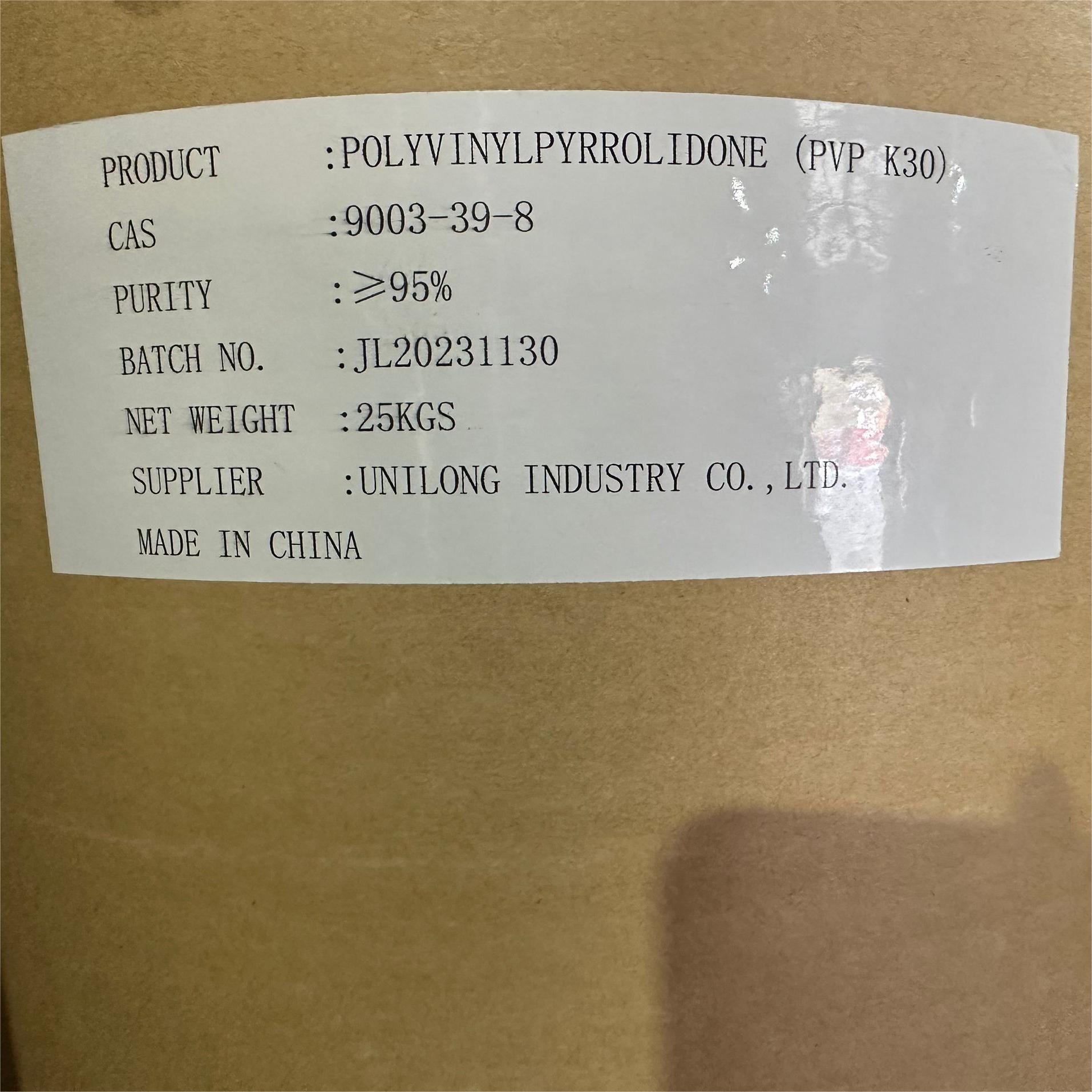
PVP K Series · CAS 9003-39-8

Polyvinylpyrrolidone / Povidone grades K12–K90 for pharmaceutical, personal care, adhesive, coating and industrial formulations.

Available Grades
K12 · K15 · K17 · K25 · K30 · K60 · K90

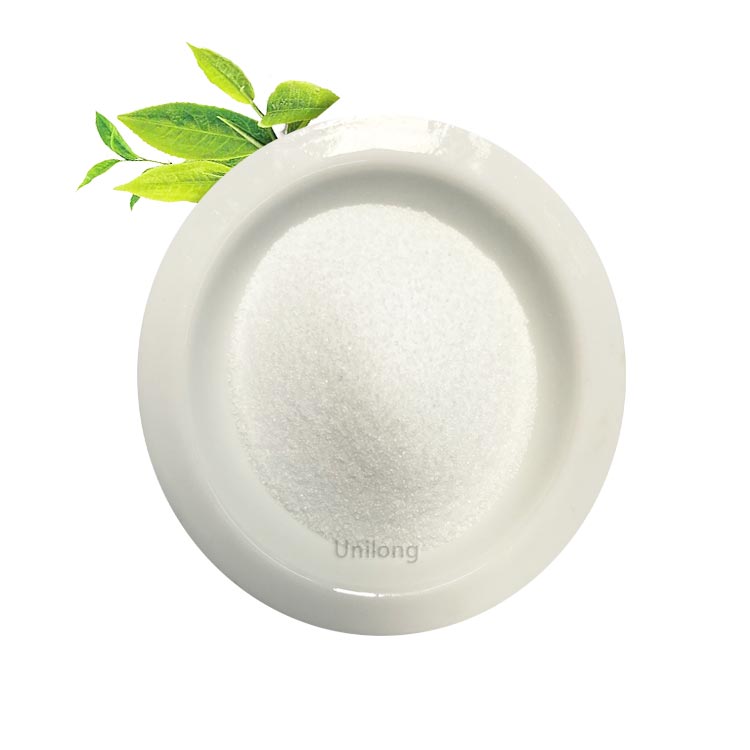
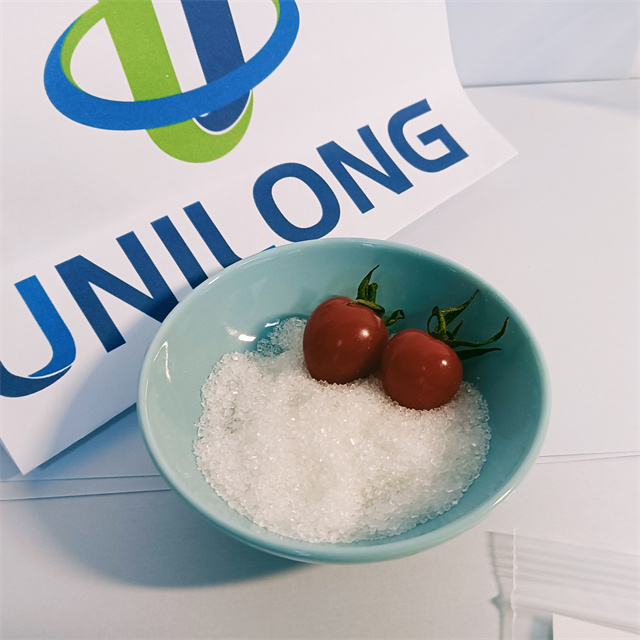
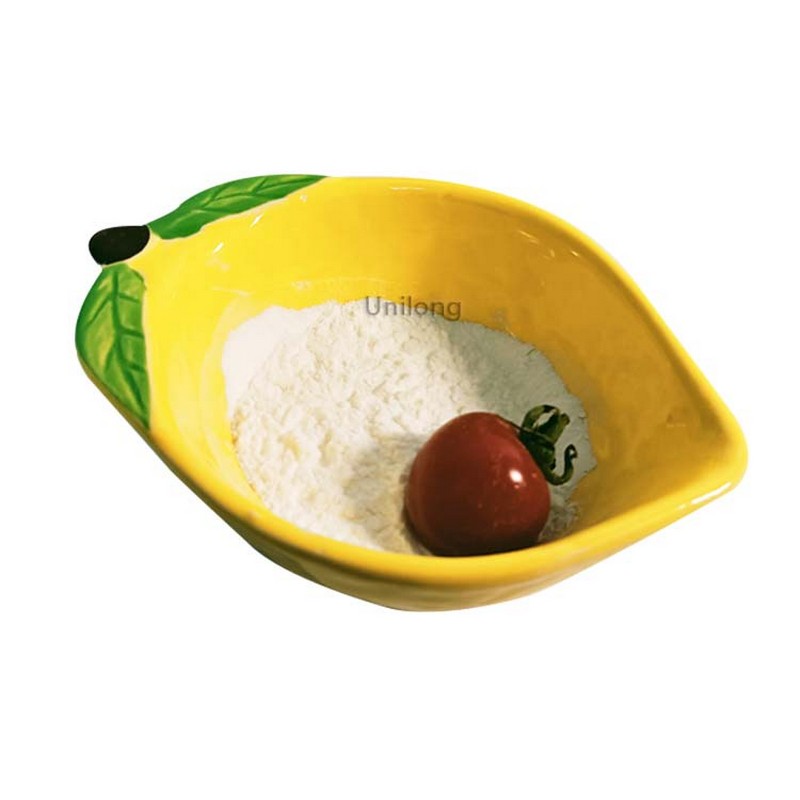
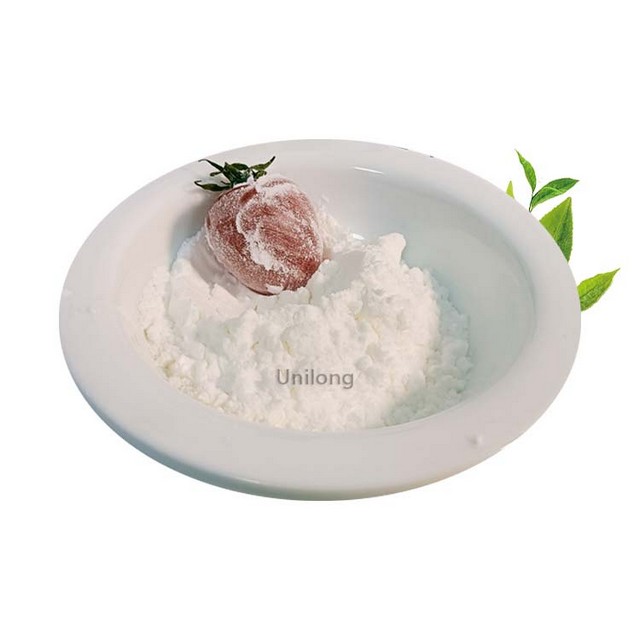
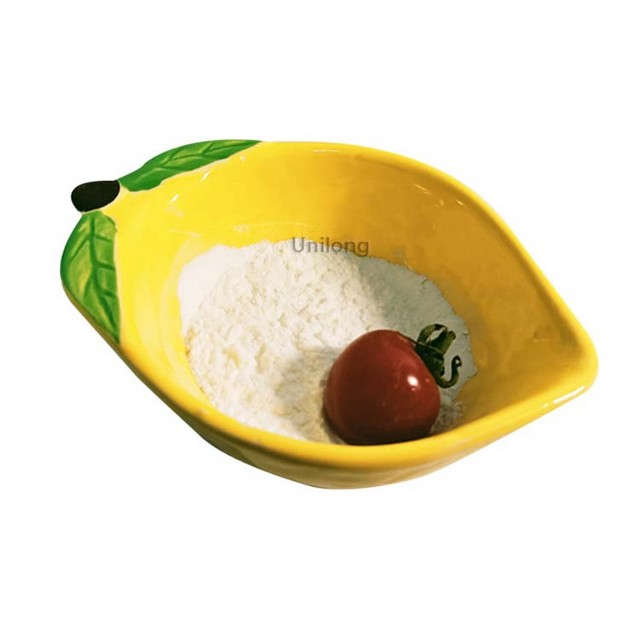
Appearance
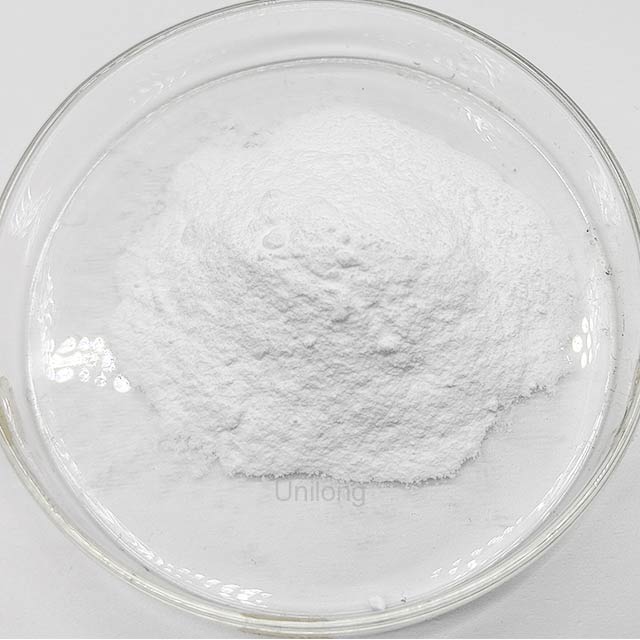
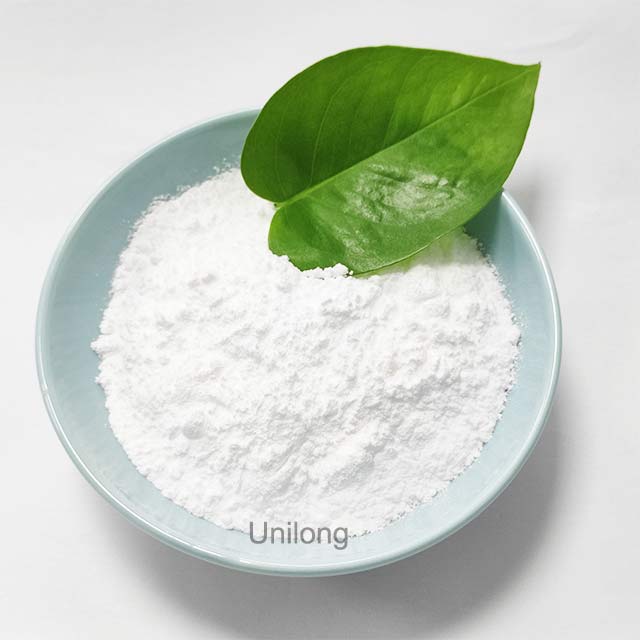
White Powder

CAS No.
9003-39-8

Standard Packaging
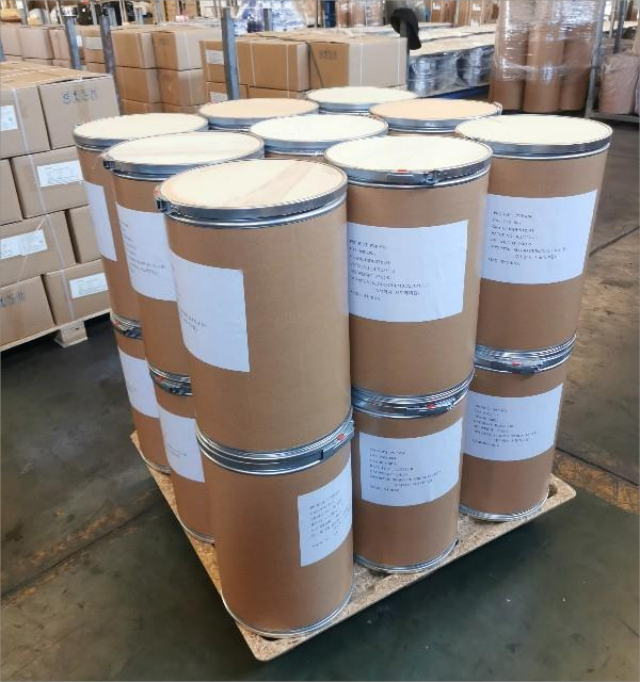
25 kg Drum / Bag

Technical Documents
K30 / K90 COA & TDS · SDS Available

For RFQ
Send grade, quantity, destination & document requirements

    Get a Quote Now!

    We are happy to provide a quotation for your reference at the earliest possible time. You're also welcome to use the live chat on our website for a quick response.

    Supply at a Glance

    Quick Procurement Information

    Unilong supplies PVP K Series grades from K12 to K90 for pharmaceutical formulation, personal care, adhesives, coatings and other industrial applications. Buyers can select a grade according to required solution viscosity, binding performance, film formation and processing conditions.

    PRODUCT
    PVP K Series
    Polyvinylpyrrolidone / Povidone / PVP

    CAS NO.
    9003-39-8

    AVAILABLE GRADES
    K12 / K15 / K17 / K25 / K30 / K60 / K90

    APPEARANCE
    White Powder

    STANDARD PACKAGING
    25 kg/drum or 25 kg/bag

    DOCUMENTS
    COA / TDS / SDS

    For quotation or product evaluation:
    provide the required PVP grade, application, estimated quantity and destination.

    Water-Soluble Polymer · Multiple K-Value Grades

    PVP K Series Overview

    Polyvinylpyrrolidone (PVP), also known as Povidone, is a nonionic, water-soluble polymer supplied in different K-value grades. The K-value is used to distinguish PVP grades and is related to polymer molecular size and solution viscosity.

    Unilong’s PVP K Series includes K12, K15, K17, K25, K30, K60 and K90, covering low- to high-viscosity grades for different formulation and processing requirements.

    Lower K-value grades generally produce lower solution viscosity, while higher K-value grades provide higher viscosity and stronger binding or film-forming characteristics. The appropriate grade depends on the application, concentration, solvent system and target formulation properties.

    For general background on the polymer, see

    What Is Polyvinylpyrrolidone (PVP)
    .
    This page focuses on PVP K Series grade selection, specifications, documentation and procurement.

    Grade Range
    K12 → K90
    Lower K-Value
    K12 · K15 · K17
    Medium K-Value
    K25 · K30
    Higher K-Value
    K60 · K90

    Available PVP Grades

    The following K-value ranges are based on Unilong’s existing PVP K Series specification. Relative viscosity and selection descriptions are intended as practical grade-selection guidance rather than guaranteed formulation performance.

    Grade K-Value Relative Viscosity Selection Direction
    PVP K12 10.2–13.8 Low Lowest-viscosity grade in the current series
    PVP K15 12.75–17.25 Low Low-viscosity formulations
    PVP K17 15.3–18.36 Low Low-viscosity formulations
    PVP K25 22.5–27.0 Medium Moderate viscosity and binding
    PVP K30 27–32.4 Medium General-purpose medium K-value grade
    PVP K60 54–64.8 High Higher viscosity and binding
    PVP K90 81–97.2 Very high High viscosity and stronger binding / film formation
    Exact molecular-weight values are not used here because molecular-weight data should be based on the specification for the individual supplied grade rather than inferred from other PVP products.

    How to Select the Right PVP Grade

    PVP grade selection usually starts with the viscosity and functional performance required in the formulation.

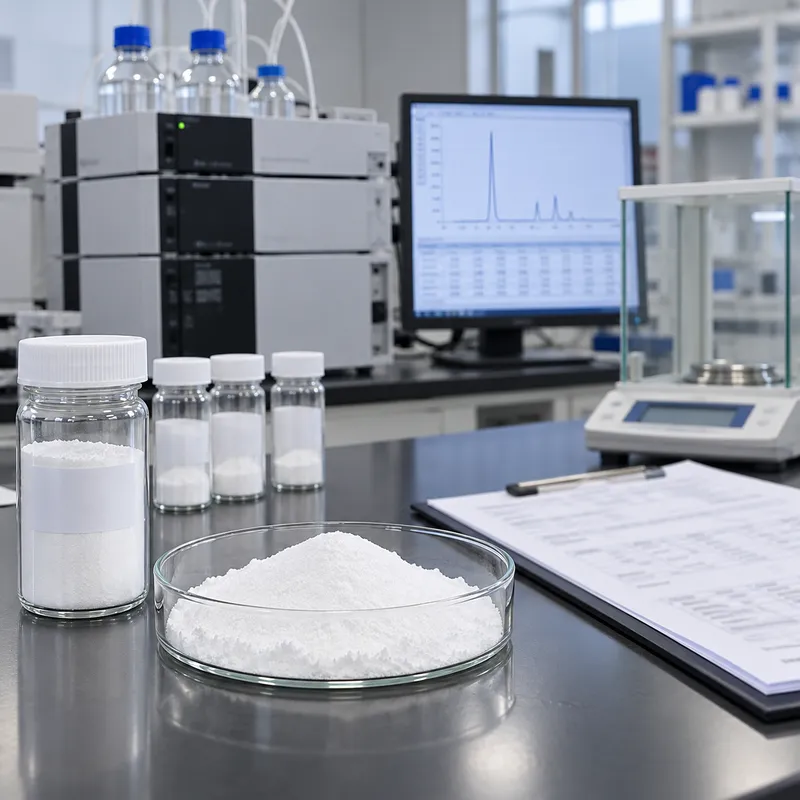
    PVP K Series grade selection and viscosity evaluation

    PVP grade and solution-viscosity evaluation

    LOWER K-VALUE
    K12, K15 & K17
    These grades produce comparatively lower solution viscosity and are suitable for evaluation where good flow and easier handling are important.

    MEDIUM K-VALUE
    K25 & K30
    These grades provide a balance between viscosity, binding and film formation. PVP K30 is commonly evaluated as a medium K-value grade for pharmaceutical binders, personal care formulations, adhesives, coatings and other general industrial systems.

    HIGHER K-VALUE
    K60 & K90
    Higher K-value grades produce substantially higher solution viscosity and generally provide stronger binding and film-forming characteristics. They are considered where cohesion, film strength or viscosity build is a key formulation requirement.

    For development work, adjacent or functionally relevant grades can be compared. K25 and K30 may be evaluated where medium viscosity is required, while K60 and K90 may be compared for higher-viscosity or stronger-binding systems.

    For grade evaluation, provide the application, solvent system, concentration range and target viscosity when requesting technical support.

    Key Properties & Formulation Considerations

    Water Solubility
    PVP is a water-soluble polymer and can be evaluated in aqueous and polar formulation systems.

    Nonionic Character
    PVP is nonionic and does not introduce an additional ionic charge. Compatibility should still be evaluated in the complete formulation system.

    Hygroscopicity
    PVP powder is hygroscopic and can absorb moisture from surrounding air. Packaging should remain tightly closed and protected from humidity during storage and after opening.

    Binding & Film Formation
    PVP is widely used as a binder and film-forming polymer. Medium and high K-value grades are commonly evaluated where stronger cohesion or film formation is required.

    Dispersing & Stabilizing
    PVP can also function as a dispersing and stabilizing polymer in systems containing pigments, particles or other dispersed components.

    Dissolution & Handling
    Add PVP gradually under adequate agitation to reduce lump formation. Higher K-value grades generate viscosity more quickly and may require additional mixing time compared with lower K-value grades.

    K-Value and Solution Viscosity

    K-value is one of the main parameters used to distinguish PVP grades. In general, solution viscosity increases as K-value and polymer concentration increase.

    Mixing & dissolution
    Pumping & processing
    Binder performance
    Film formation
    Coating behavior
    Formulation viscosity

    Specifications

    The following parameters are based on Unilong’s existing PVP K Series specification. For batch-specific results, request the COA for the grade being evaluated.

    Grade-Dependent Parameters

    Parameter K12 K15 K17 K25 K30 K60 K90
    K-Value 10.2–13.8 12.75–17.25 15.3–18.36 22.5–27.0 27–32.4 54–64.8 81–97.2
    pH, 5% aqueous solution 3.0–5.0 3.0–5.0 3.0–5.0 3.0–5.0 3.0–5.0 4.0–7.0 4.0–7.0

    Other Specification Parameters

    Parameter Specification
    Appearance White powder
    Content ≥95%
    Water ≤5.0%
    Single impurity (Impurity A), CP2005/USP26 reference ≤0.1%
    Impurity, USP31/EP6/BP2007 reference ≤10 ppm
    Sulfated ash ≤0.1%
    Nitrogen content 11.5–12.8%
    2-Pyrrolidone ≤3.0%
    Aldehyde ≤500 ppm
    Heavy metals ≤10 ppm
    Hydrazine ≤1 ppm
    Hydrogen peroxide ≤400 ppm
    The pharmacopoeial references above are reproduced from the existing Unilong specification. They should not by themselves be interpreted as confirmation that every PVP K Series grade complies with the corresponding pharmacopoeia. Grade-specific compliance should be confirmed separately when required.

    Applications

    PVP grade selection should consider both the target industry and the functional role required in the formulation. Binding, film formation, dispersion, stabilization and viscosity requirements can lead to different K-value selections.

    Formulation & Application Evaluation

    PVP is evaluated across pharmaceutical, personal care, adhesive, coating, ink and other industrial formulations according to the function required from the polymer.

    For additional background on common PVP application fields, see

    what polyvinylpyrrolidone is used for
    .

    Polyvinylpyrrolidone PVP formulation and application evaluation

    Pharmaceutical & Excipient Applications

    Povidone is widely used in pharmaceutical formulations as a binder, film former, solubilizing aid, dispersing aid and viscosity modifier.

    Medium K-value grades such as PVP K25 and K30 are commonly evaluated for soluble binding applications, while higher K-value grades can provide stronger binding and higher viscosity.

    For regulated pharmaceutical use, the required pharmacopoeial specification and regulatory status should be confirmed for the specific Unilong grade during supplier qualification.

    Personal Care & Cosmetics

    PVP is used in personal care formulations as a film former, binder, dispersant and stabilizing polymer.

    Grade selection depends on the desired formulation viscosity and film characteristics. Medium and higher K-value grades may be evaluated where different levels of film formation and viscosity are required.

    If a specific cosmetic or regulatory grade is required, include this requirement in the inquiry.

    Adhesives

    PVP can provide binding, adhesion and film-forming properties in water-based and remoistenable adhesive systems. Medium grades can be considered where manageable processing viscosity is required, while higher K-value grades may be evaluated where greater viscosity or cohesive film strength is desired.

    Coatings & Inks

    In coating and ink formulations, PVP can function as a dispersing, stabilizing and film-forming polymer. Grade selection depends on pigment loading, solvent system, required viscosity and coating process.

    Industrial Formulations

    PVP is also used in industrial formulations that require a water-soluble binder, dispersant, stabilizer or film-forming polymer.

    It may also be evaluated in polymer membrane processing, where grade and physical form should be selected according to the casting system and processing requirements.

    Quality Control & Batch Documentation

    Unilong supports purchasing and incoming quality review with product and batch documentation for PVP K Series.

    Product Specification

    K-value, pH, water, content and impurity limits are provided for purchasing and incoming QC review.
    Batch COA

    COA documentation supports lot-specific review and incoming inspection. COA files for PVP K30 and PVP K90 are currently available on the product page.
    TDS

    Technical data sheets are available for PVP K30 and PVP K90 and can be used for preliminary technical evaluation.
    SDS

    An SDS for Polyvinylpyrrolidone CAS 9003-39-8 is available for handling, safety and logistics review.

    If documentation for another grade is required, specify the grade and document type in the inquiry so availability can be confirmed before ordering. Batch documentation can be used by procurement and QA teams to support incoming QC and lot-to-lot review.

    PVP K Series quality control and batch documentation

    Regulatory & Compliance Documentation

    Regulatory requirements vary by grade, application and destination market.

    If your purchasing specification requires REACH/SVHC information, pharmacopoeial documentation or another market-specific statement, include the exact requirement in the RFQ so the applicable documentation and product status can be confirmed.

    USP/NF, EP / Ph. Eur., BP, JP and application-specific product status should be confirmed against documentation for the individual supplied grade rather than assumed from general PVP industry use.

    If the intended application requires pharmaceutical, food-related or cosmetic-use documentation, state the requirement during supplier qualification.

    Packaging, Storage & Handling

    Packaging

    Packaging Container Loading
    25 kg/drum Approximately 9 tons per 20′ container
    25 kg/bag Approximately 20 tons per 20′ container

    If an alternative packaging configuration is required, include the requirement in the inquiry so availability can be confirmed.

    Storage & Handling

    PVP powder is hygroscopic.

    Store in a cool, dry place.
    Protect the product from humidity.
    Keep the original packaging tightly closed.
    Reseal opened packaging promptly.
    Refer to the SDS for complete handling and safety information.

    Supply Support

    Sample, Bulk Supply & Technical Support

    For PVP K Series sourcing, provide the required grade or grades, intended application, target quantity, packaging requirement, destination and required documentation.

    1. Required Grade
    PVP K12, K15, K17, K25, K30, K60 or K90.
    2. Intended Application
    Tell us where and how the PVP will be used.
    3. Required Quantity
    Trial or commercial purchasing quantity.
    4. Packaging
    Preferred drum, bag or other requirement.
    5. Destination
    Destination country or port.
    6. Documents
    COA, TDS, SDS or supplier-qualification documents.

    If grade selection is still under evaluation, also provide the solvent system, concentration range and target viscosity. For initial testing, include the required grade and sample requirement so current sample availability, quantity and conditions can be confirmed.

    Frequently Asked Questions

    Which PVP grades does Unilong supply?
    This PVP K Series page covers PVP K12, K15, K17, K25, K30, K60 and K90, all under CAS 9003-39-8.
    How do I select a PVP grade for evaluation?
    Start with the required formulation viscosity and function. K12–K17 are lower-viscosity grades, K25–K30 are medium grades, and K60–K90 provide higher viscosity and stronger binding or film-forming characteristics. Application, solvent system and concentration should also be considered.
    Can I request PVP K30 or PVP K90 documentation?
    Yes. COA and TDS files for PVP K30 and PVP K90 are available on the product page, together with an SDS for CAS 9003-39-8.
    What if I need documentation for another PVP grade?
    Include the required grade and document type in your inquiry so current document availability can be confirmed before purchase.
    Can I request a PVP sample?
    Include the required grade, application and sample requirement when contacting Unilong. Sample availability, quantity and conditions can then be confirmed for the specific grade.
    Can I inquire about several PVP grades at the same time?
    Yes. Multiple grades can be listed in the same RFQ so specifications and quotation requirements can be reviewed together.
    What information should I provide for a PVP quotation?
    Provide the grade, estimated quantity, preferred packaging, destination and required documentation. Application and target viscosity information are also useful when grade selection is still being evaluated.
    How should PVP powder be stored after opening?
    Keep the package tightly resealed and store it in a cool, dry environment away from moisture. Because PVP is hygroscopic, prolonged exposure to humid air should be avoided.

    PVP K Series Supply

    Request PVP K Series Specifications or a Bulk Quote

    Send the required PVP grade, application, quantity, destination and documentation requirements for review. Unilong can provide the corresponding specification and sourcing information.


    Request a Quote

      Get a Quote Now!

      We are happy to provide a quotation for your reference at the earliest possible time. You're also welcome to use the live chat on our website for a quick response.

      Related Products