CAS: 6419-19-8
Molecular Formula: C3H12NO9P3
Molecular Weight: 299.05
EINECS: 229-146-5
Synonyms: NITRILOTRIMETHANEPHOSPHONICACID; NITRILOTRI(METHYLPHOSPHONICACID); NITRILOTRIS(METHYLENEPHOSPHONICACID)
ATMP Amino tris(methylene phosphonic acid) CAS 6419-19-8
CAS: 6419-19-8
Molecular Formula: C3H12NO9P3
Molecular Weight: 299.05
EINECS: 229-146-5
Synonyms: NITRILOTRIMETHANEPHOSPHONICACID; NITRILOTRI(METHYLPHOSPHONICACID); NITRILOTRIS(METHYLENEPHOSPHONICACID)
ATMP Amino tris(methylene phosphonic acid), also known as amino-trimethyl-phosphonic acid (ATMP), has good chelation, low limit inhibition and lattice distortion. Can prevent the formation of scale salts in water, especially the formation of calcium carbonate scale. Amino trimethylphosphonic acid has stable chemical properties in water and is not easily hydrolyzed. When the concentration in water is higher, it has a good corrosion inhibition effect.
| Appearance | Colorless or pale yellow liquid |
| PH (1%) | ≤2 |
| Active content (as acid) % | 48-50 |
| Chloride (as Cl–) % | ≤1 |
| Fe ppm | ≤35 |
| Density (20°C) g/cm3 | ≥1.3 |
| Color Hazen | ≤50 |
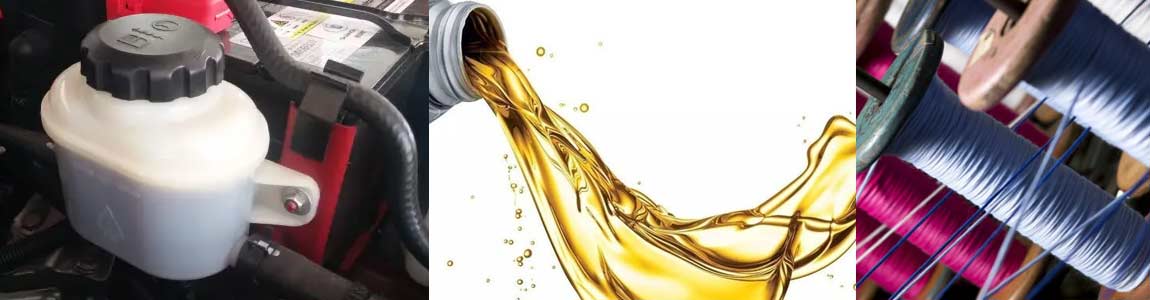
Amino tris(methylene phosphonic acid) CAS 6419-19-8 is used in the circulating cooling water of thermal power plant, oil refinery and oil field reinjection system. It can reduce the corrosion and scaling of metal equipment or pipelines. Amino trimethylphosphonic acid is used as metal ion chelating agent in textile printing and dyeing industry, and can also be used as metal surface treatment agent.
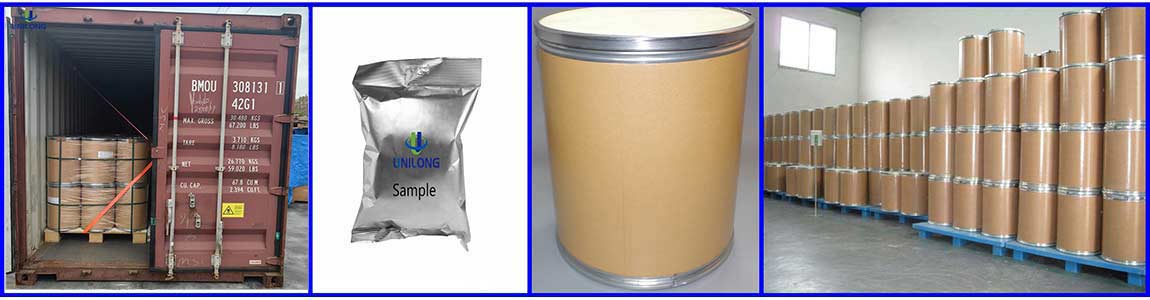
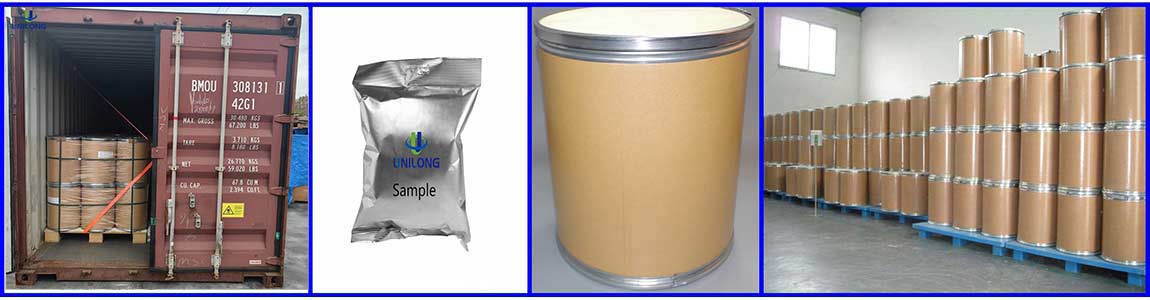
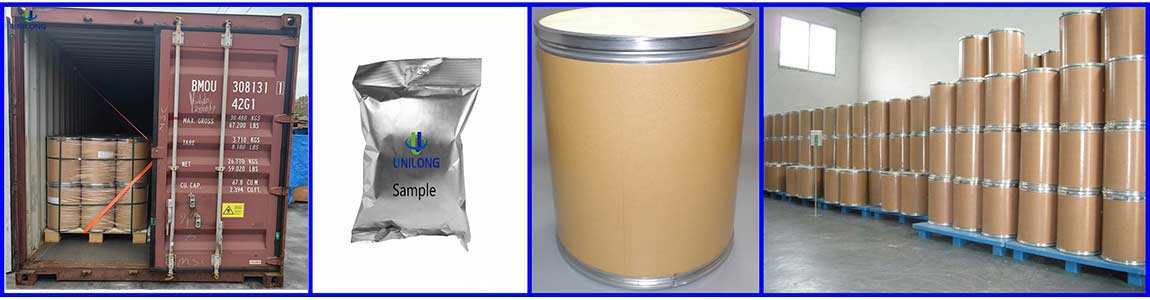
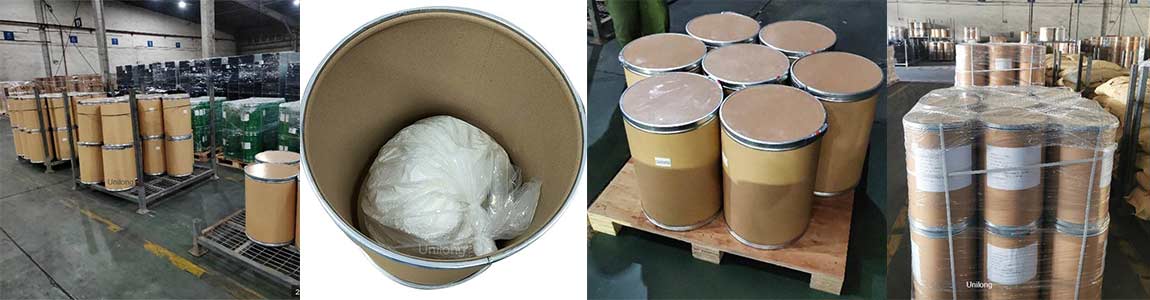
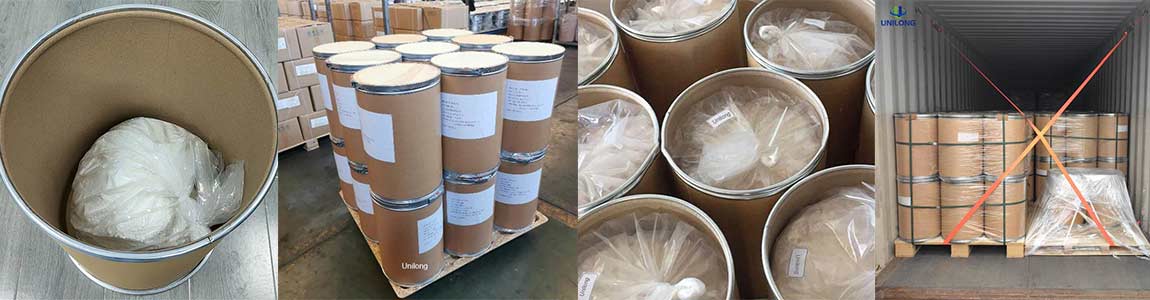
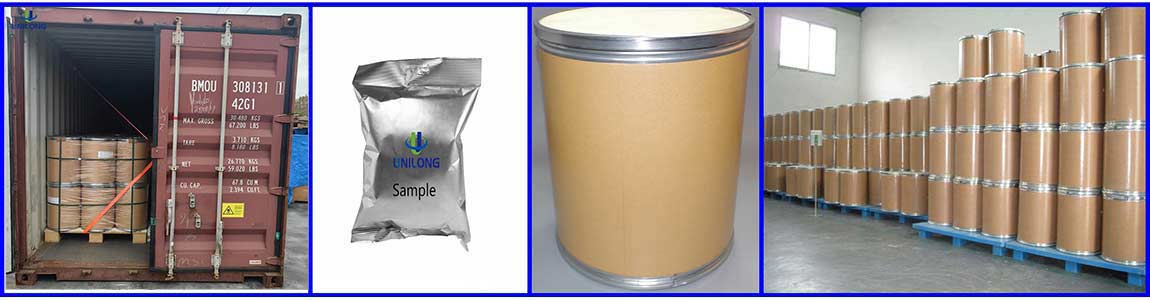
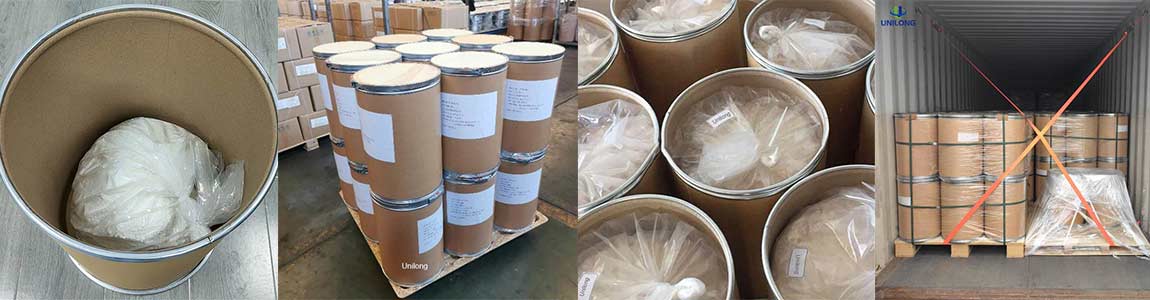
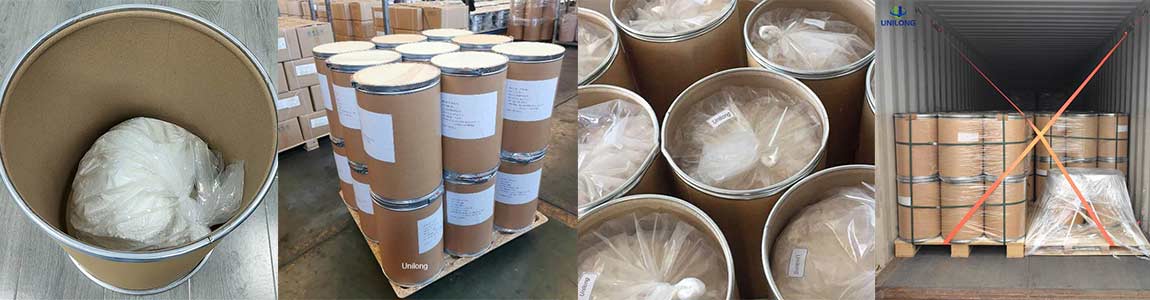
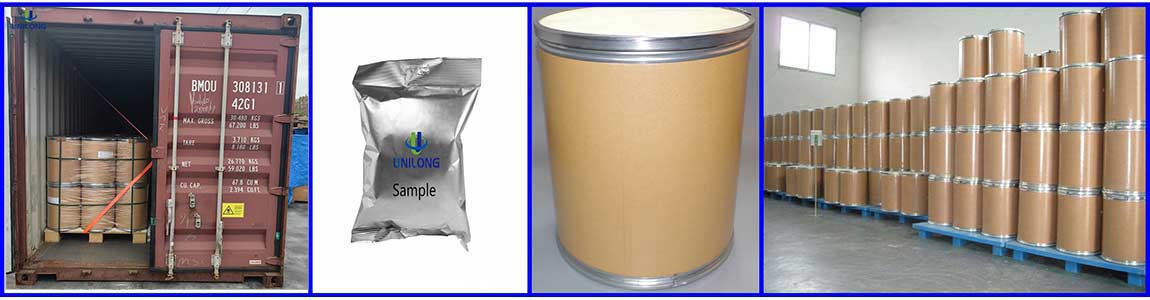
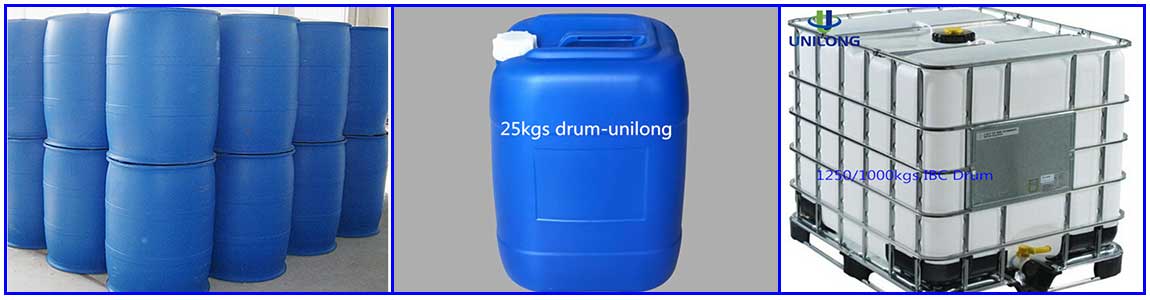
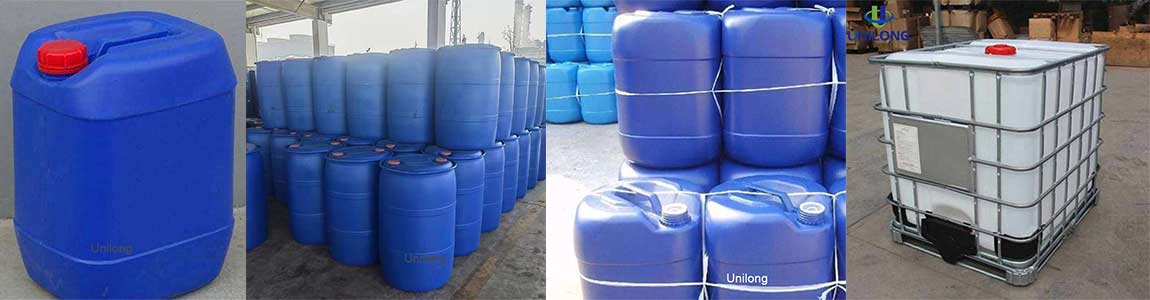
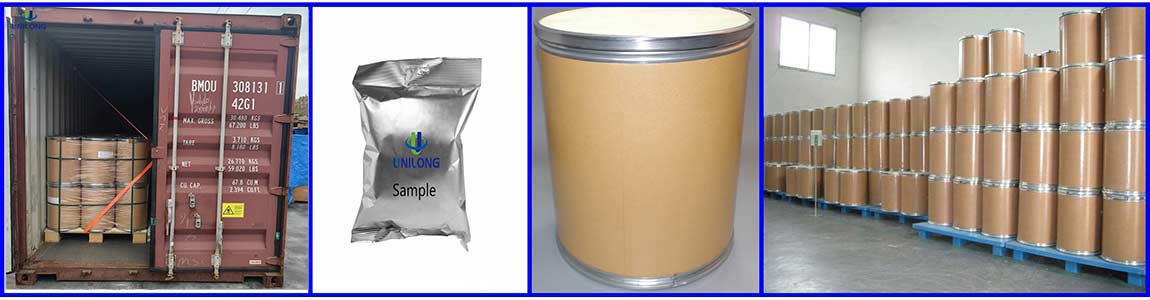
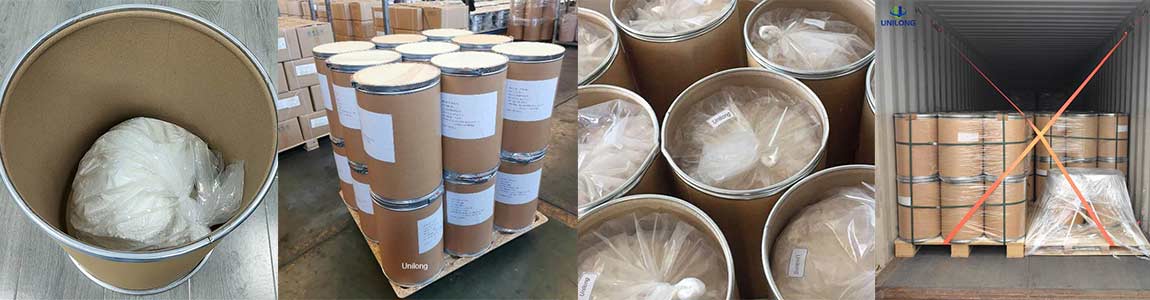
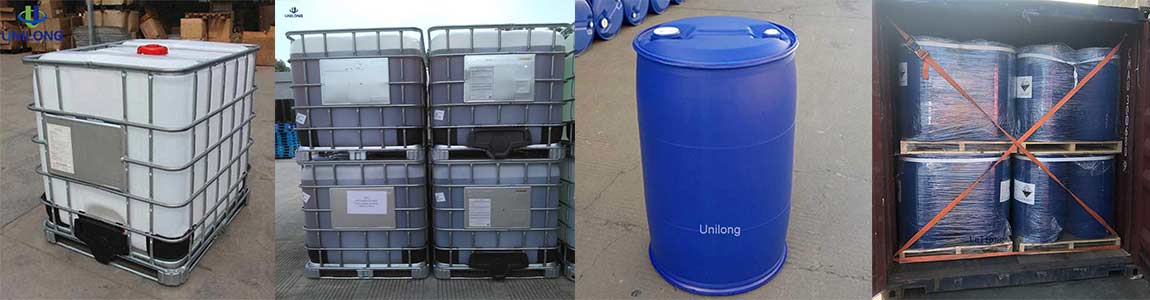
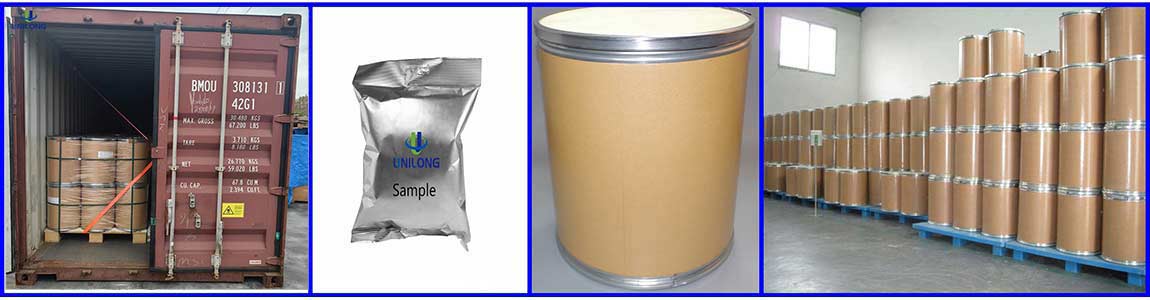
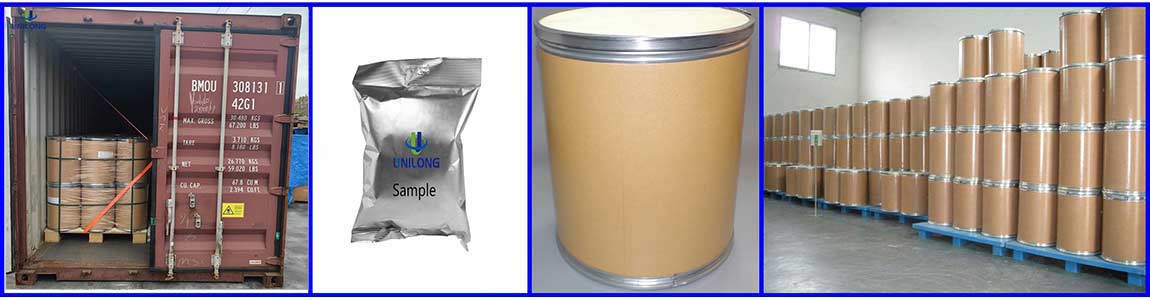
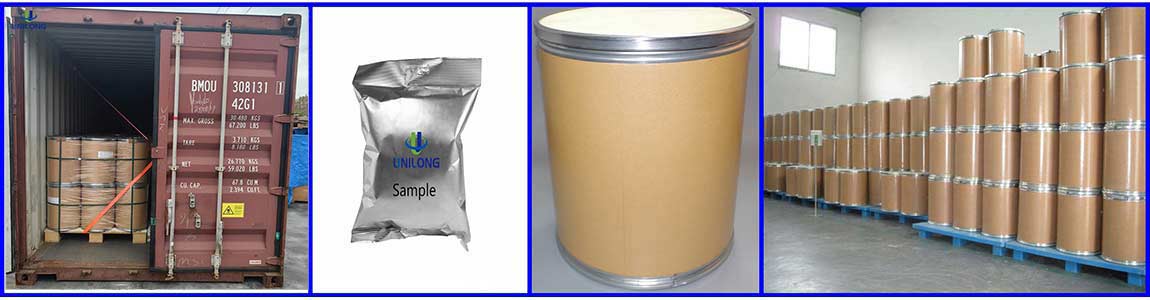
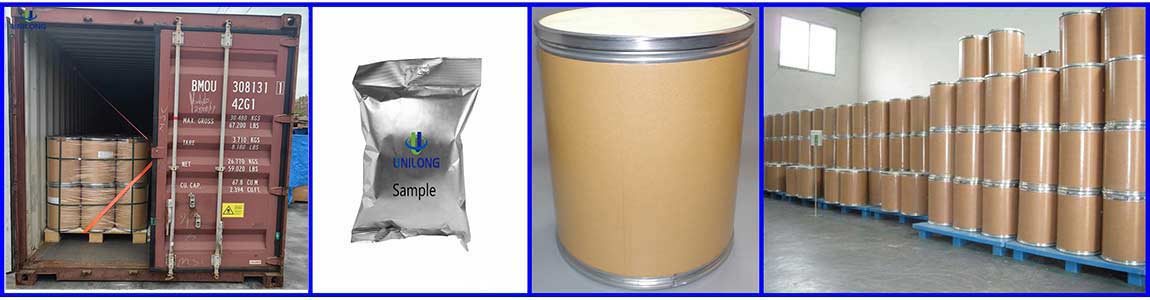
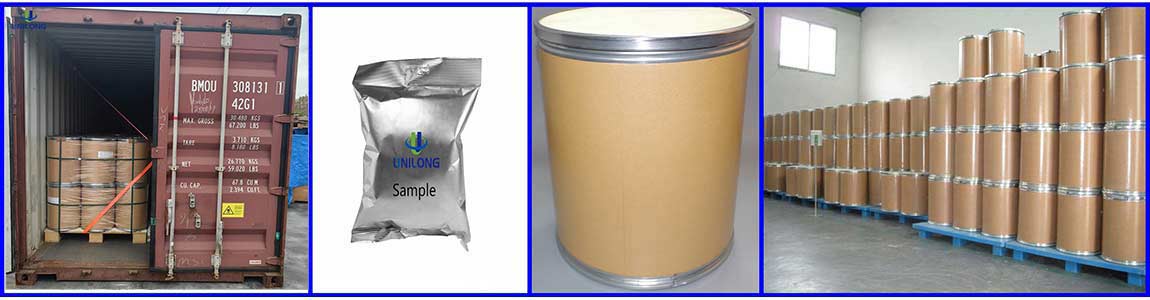
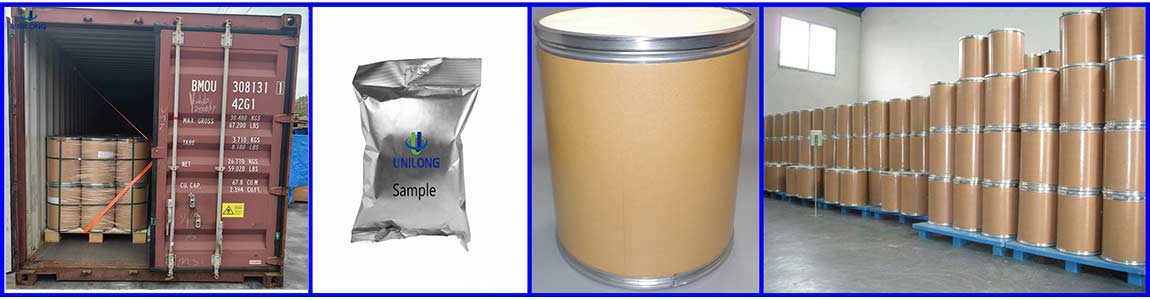
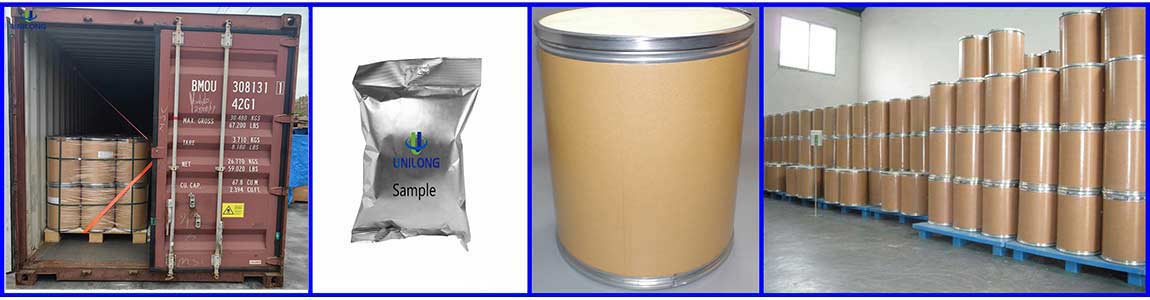
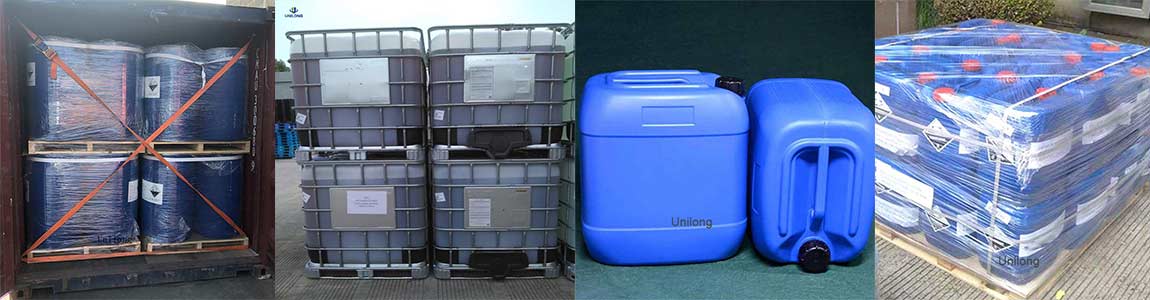
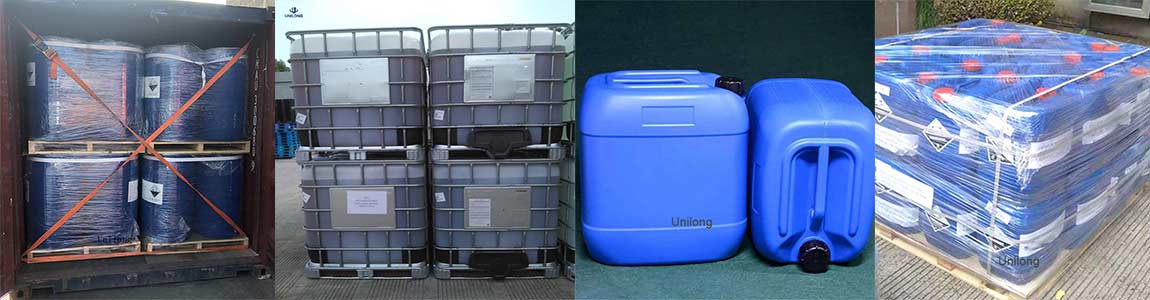
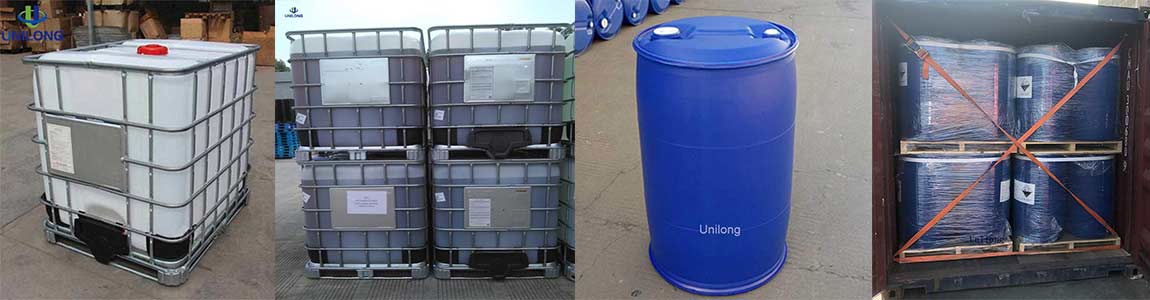
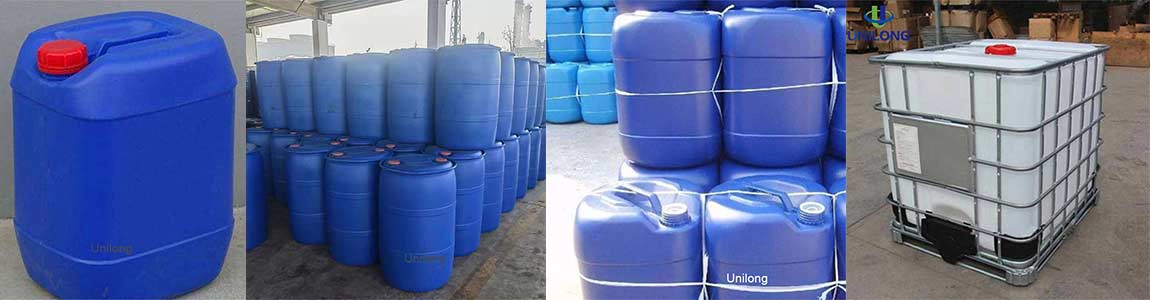
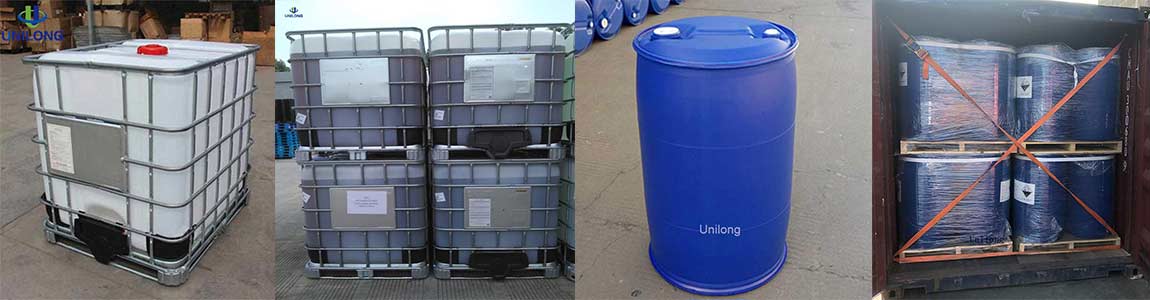
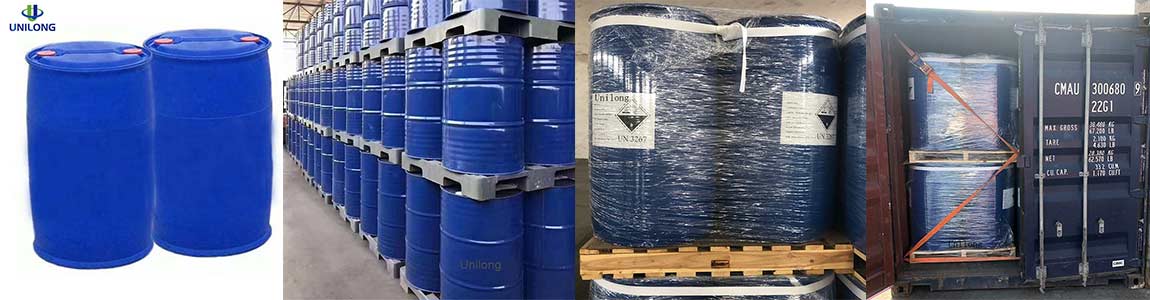
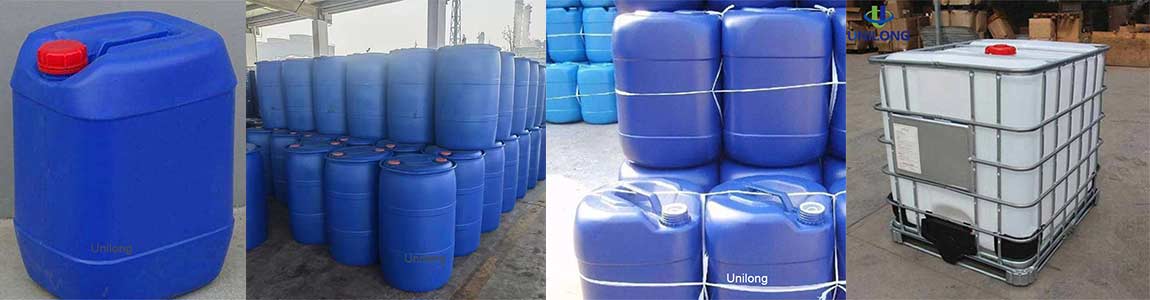
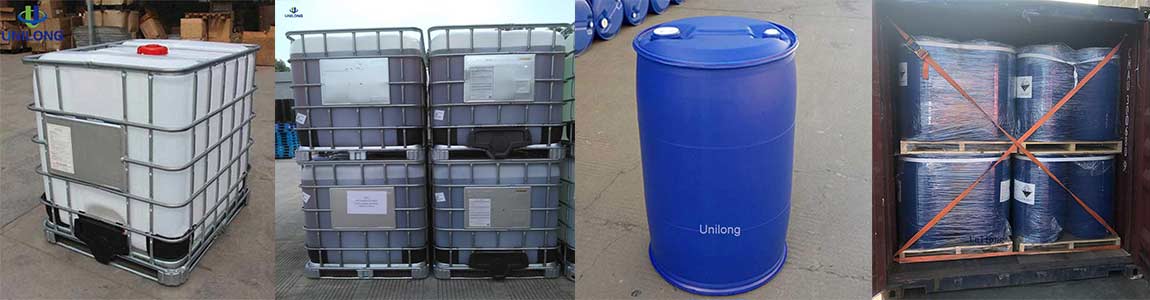
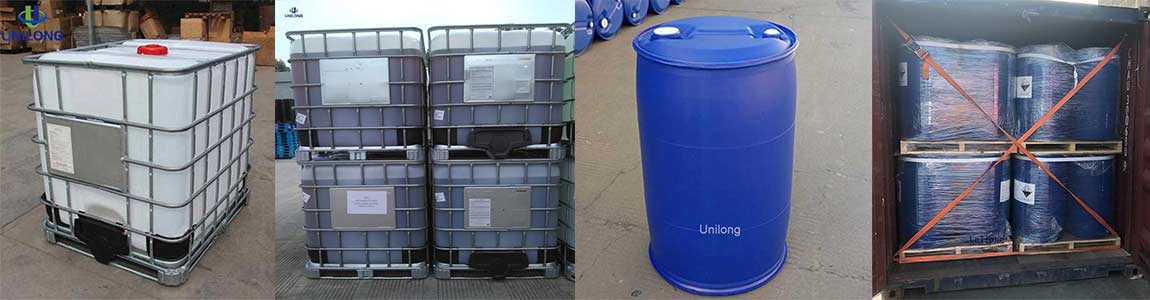
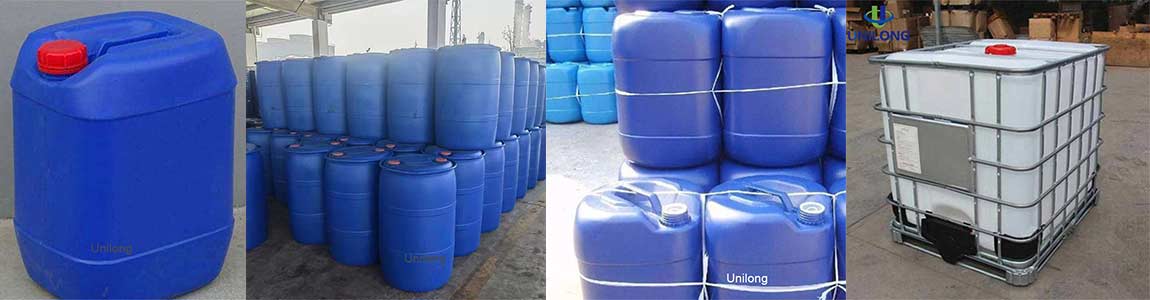
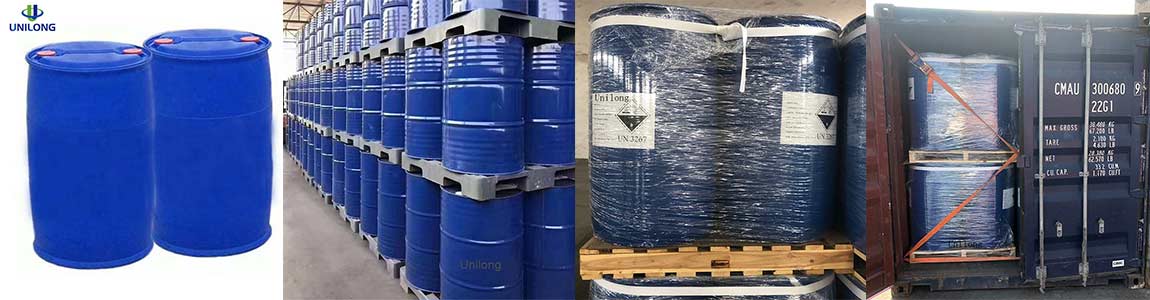
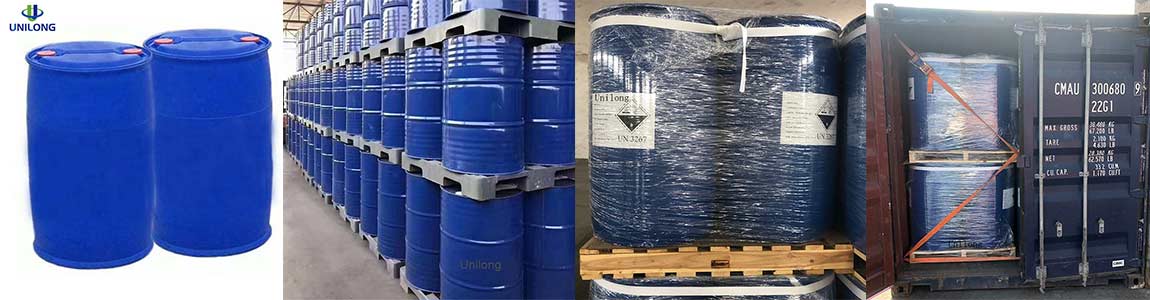
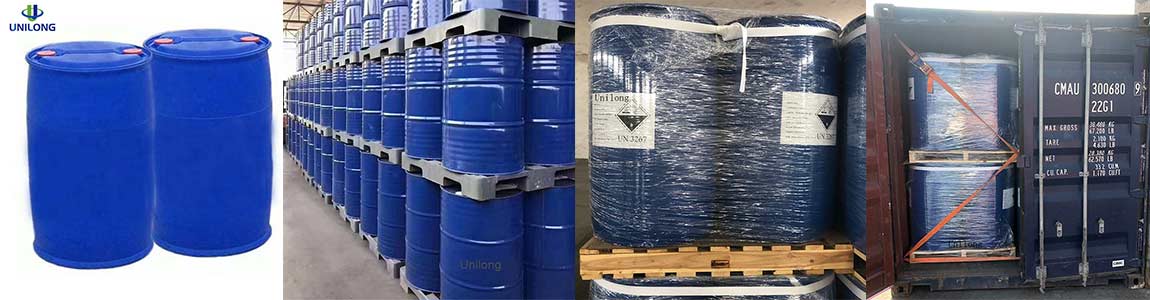
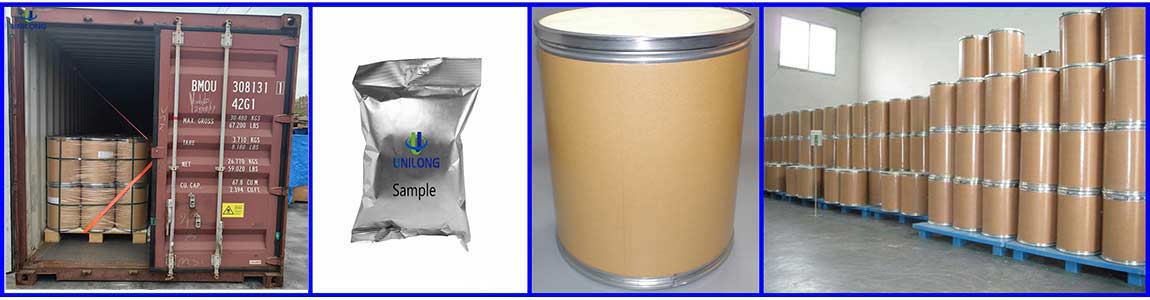
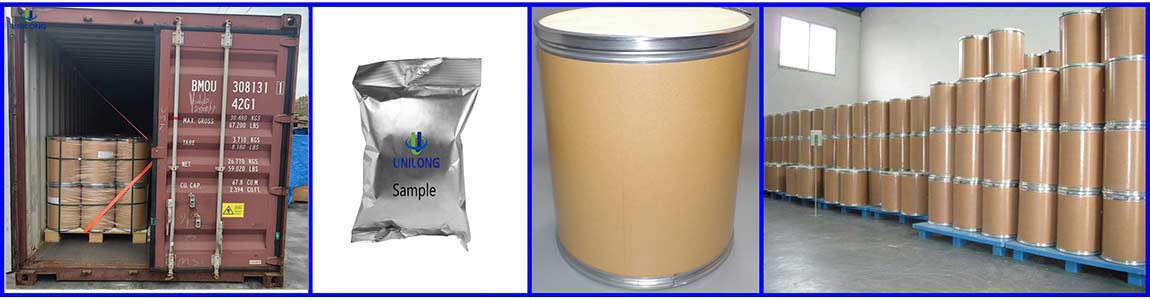
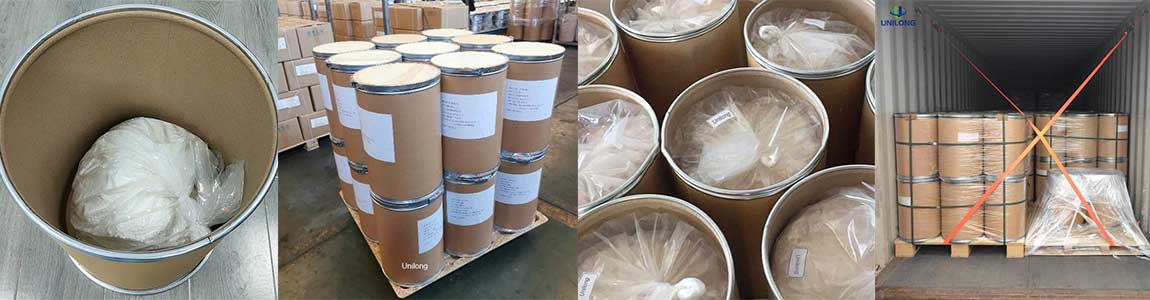
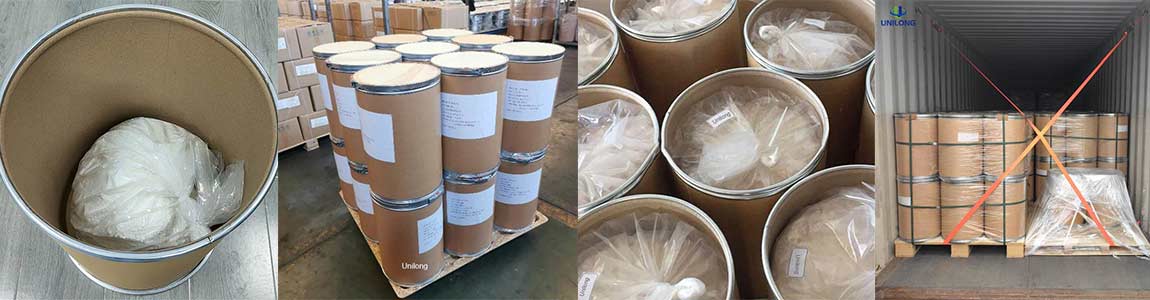
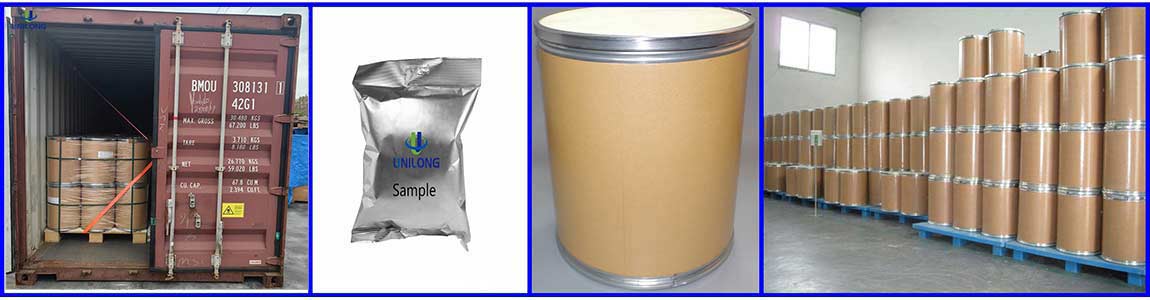
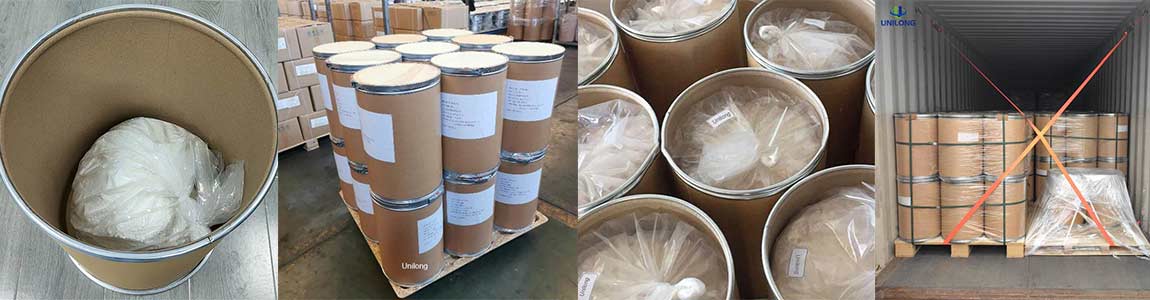
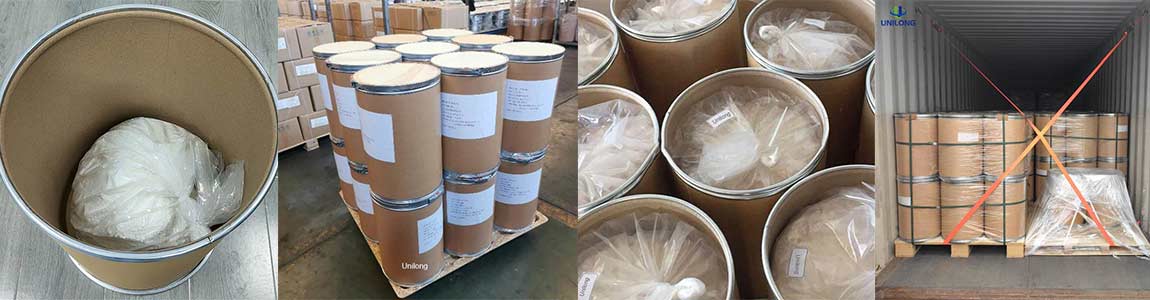
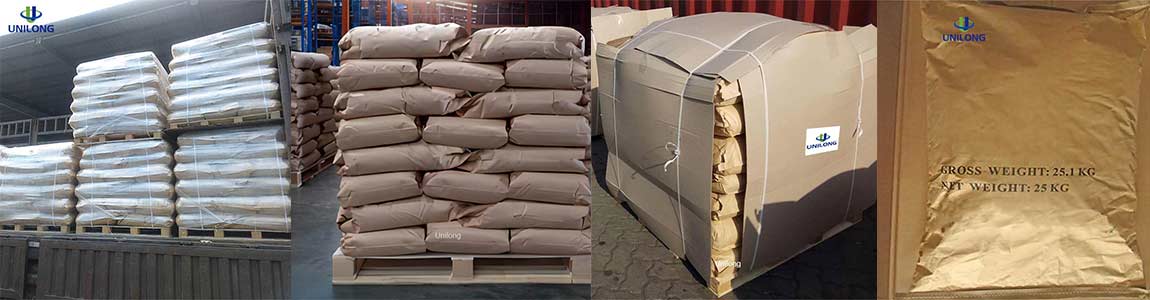
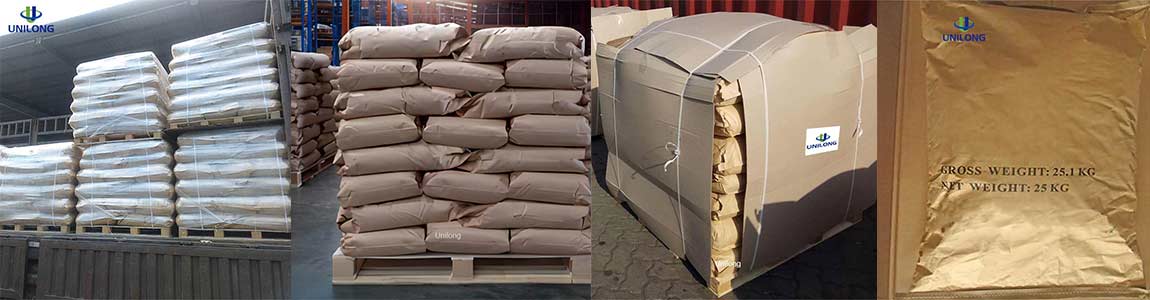
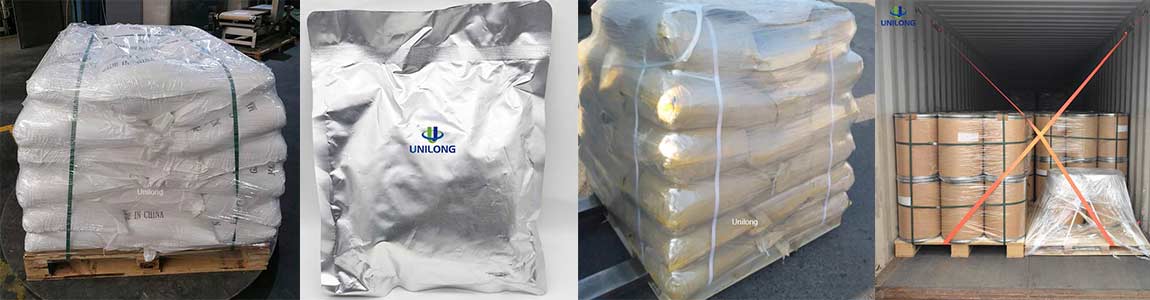
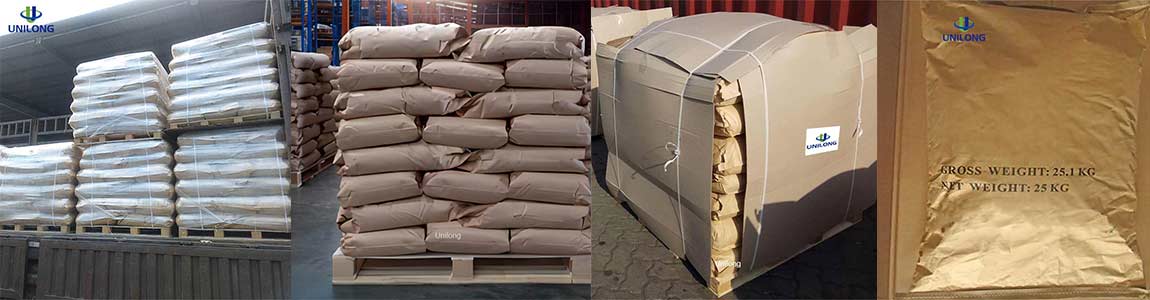
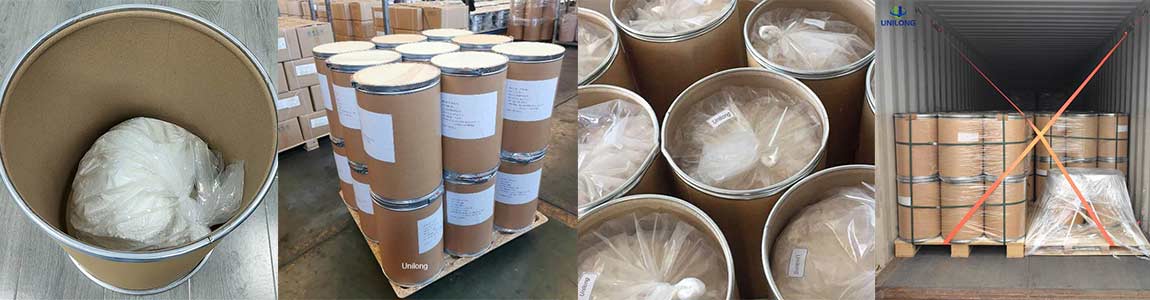
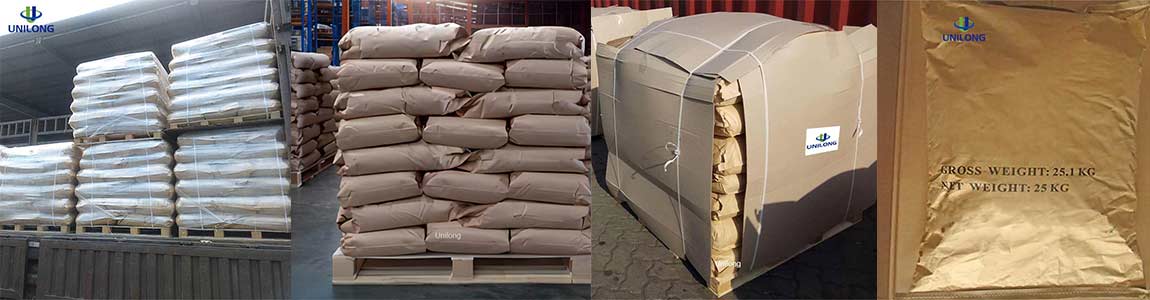
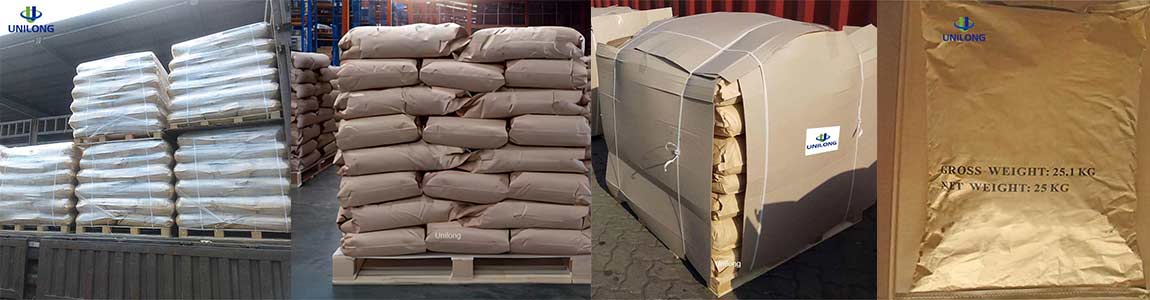
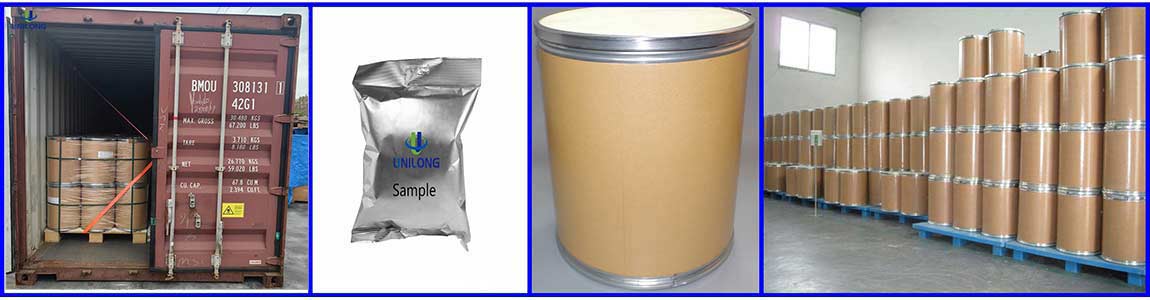
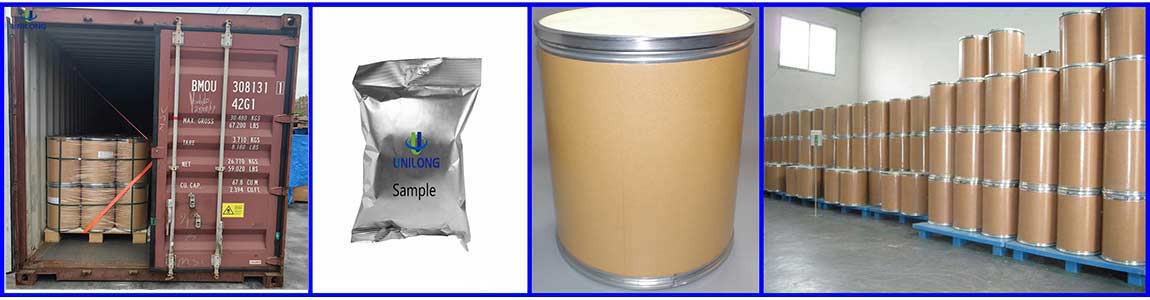
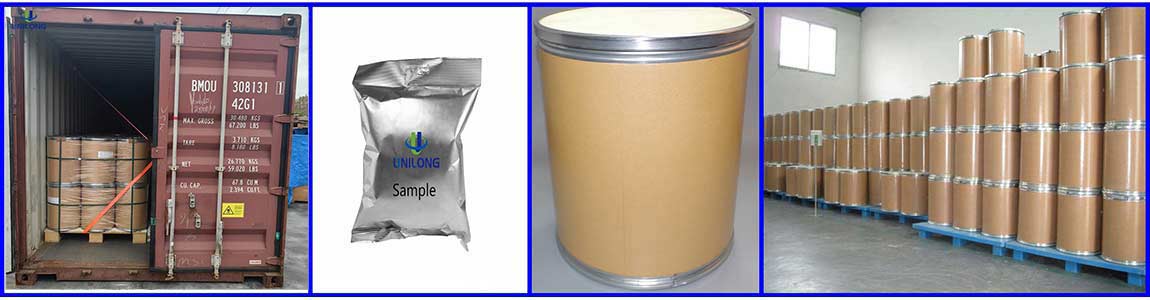
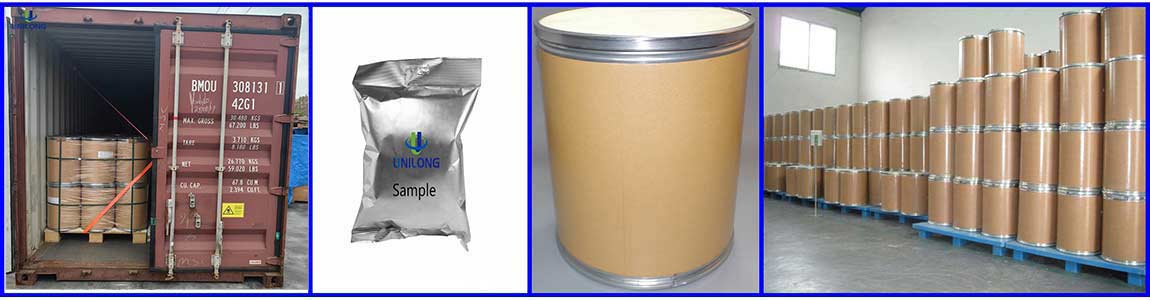
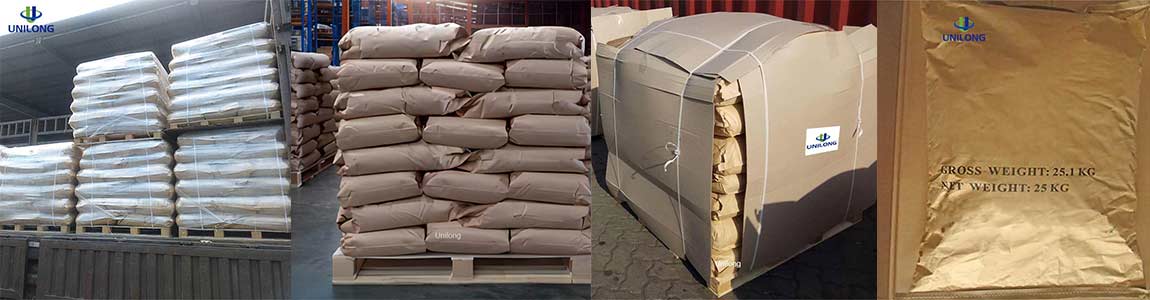
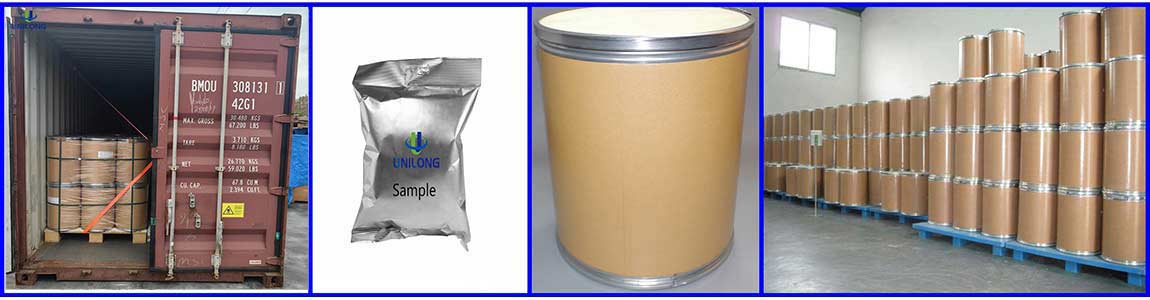
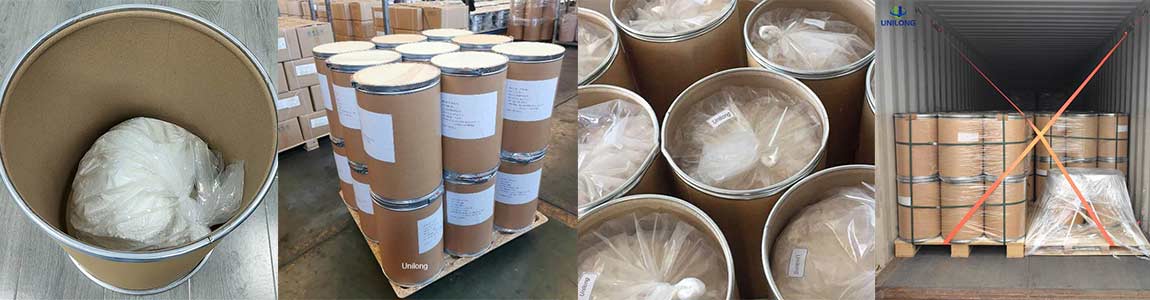
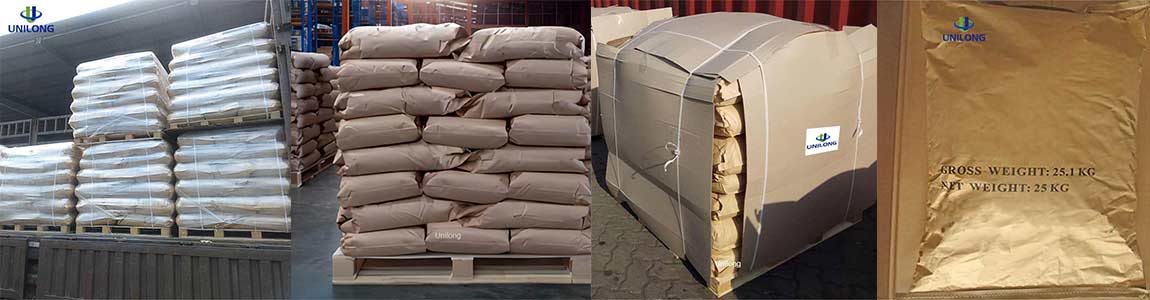
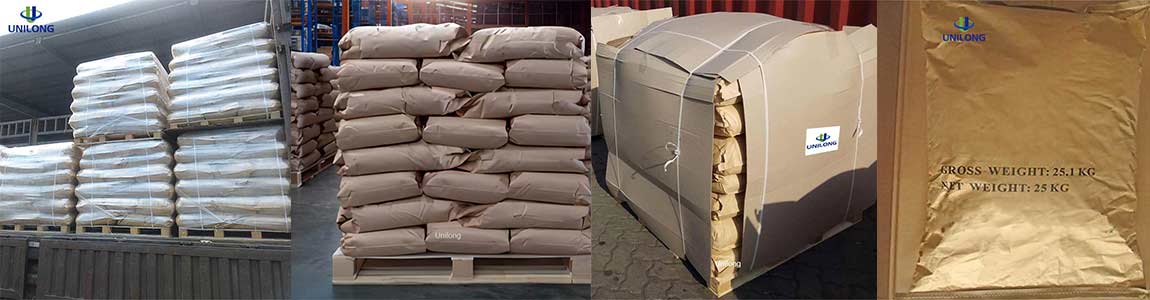
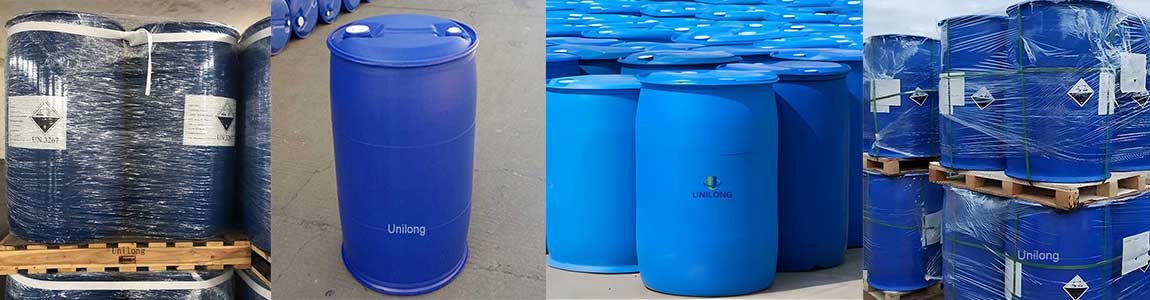
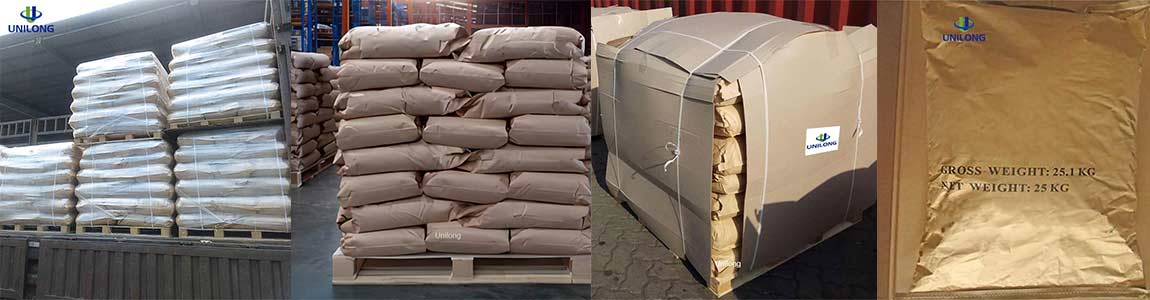
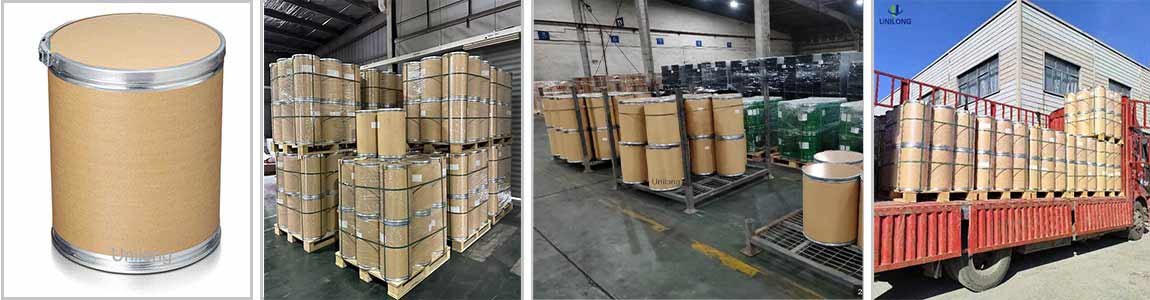
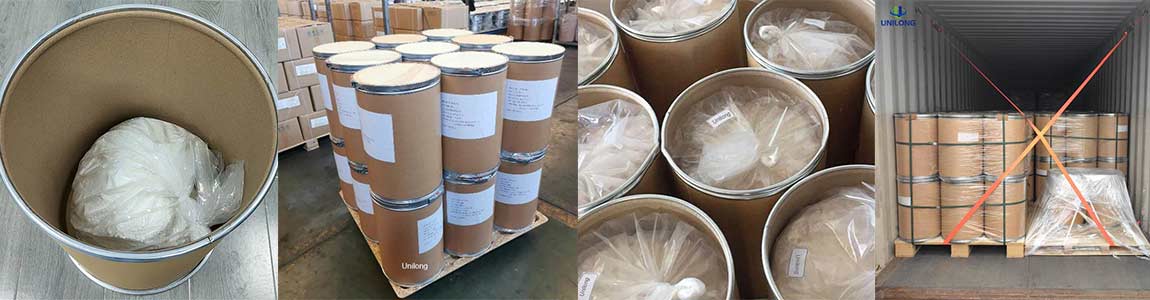
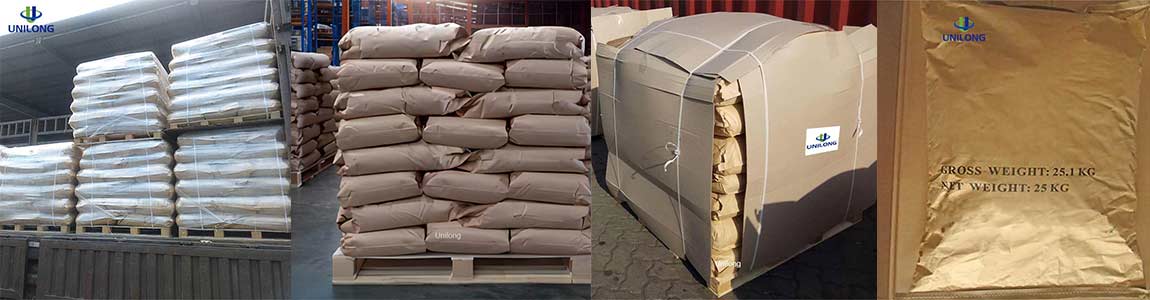
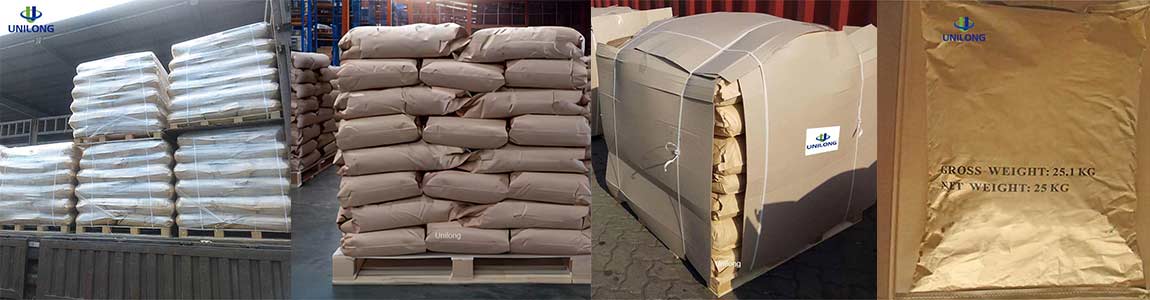
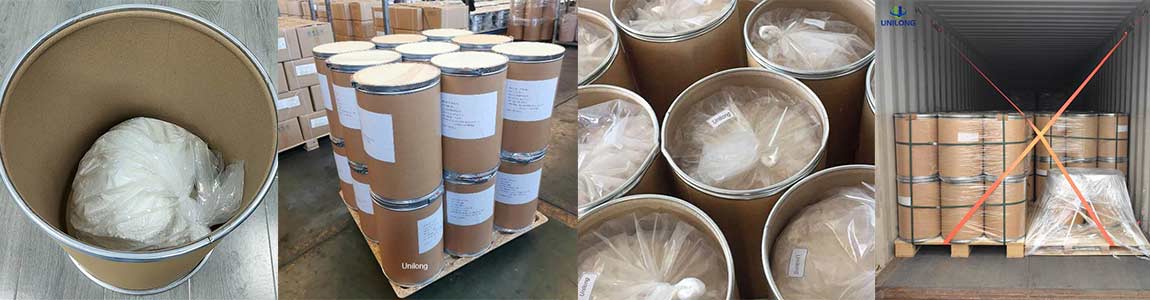
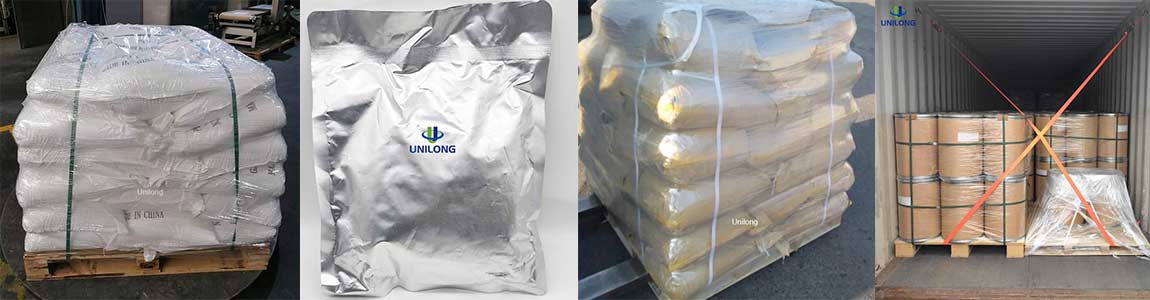
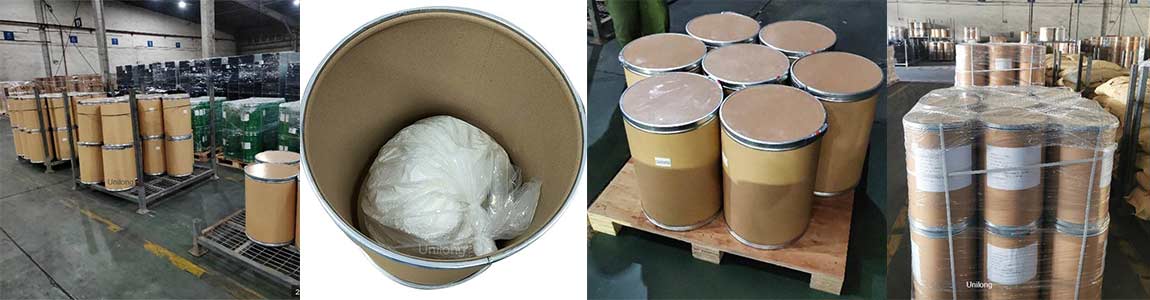
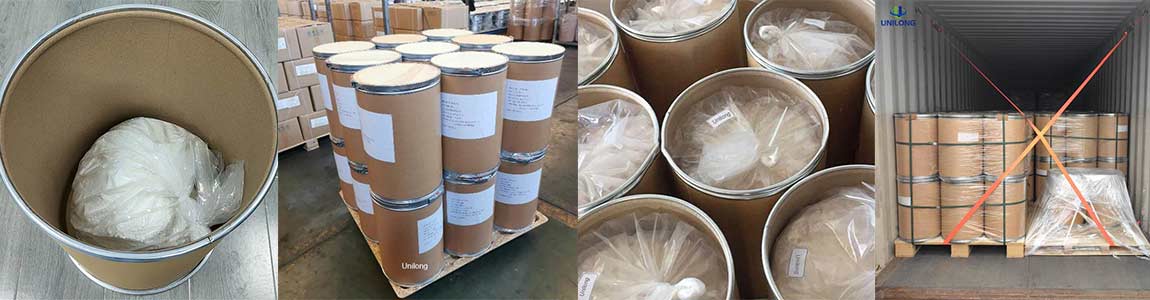
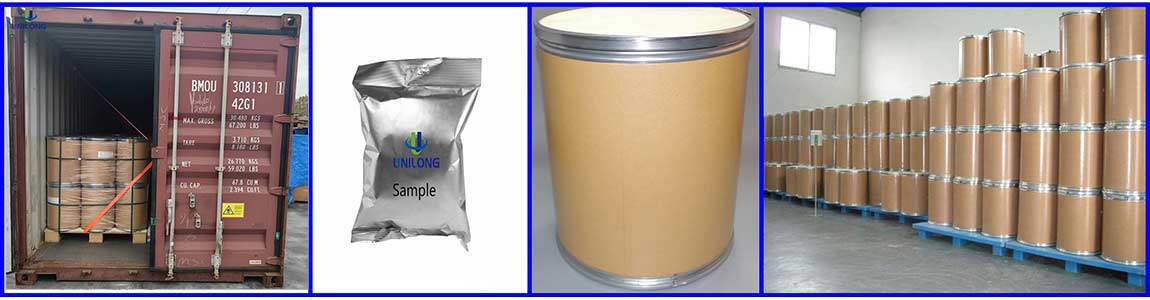
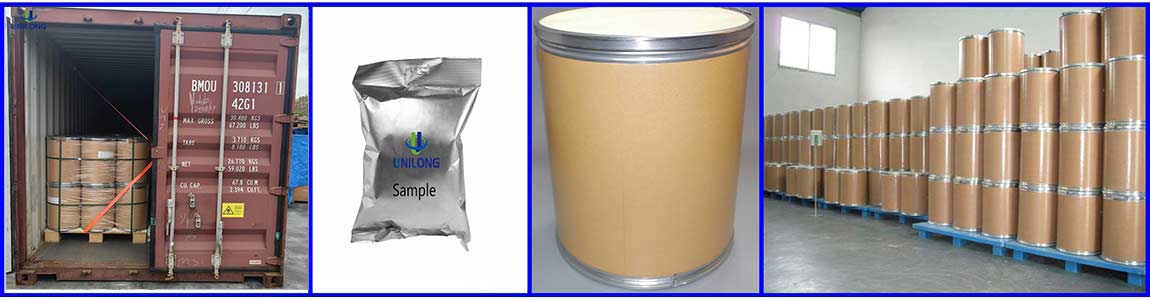
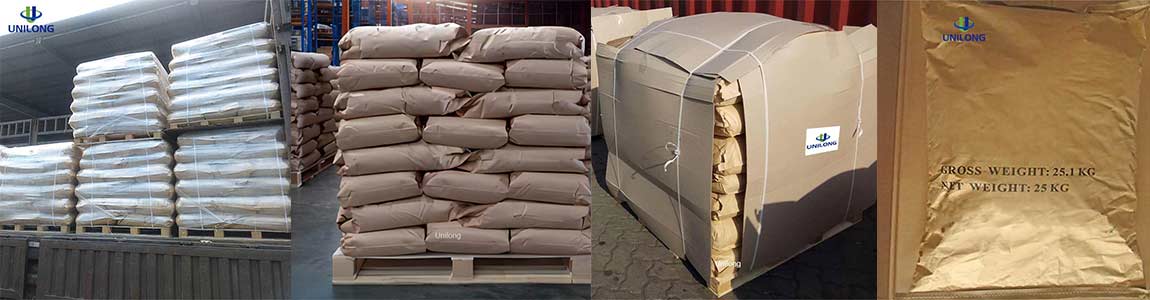
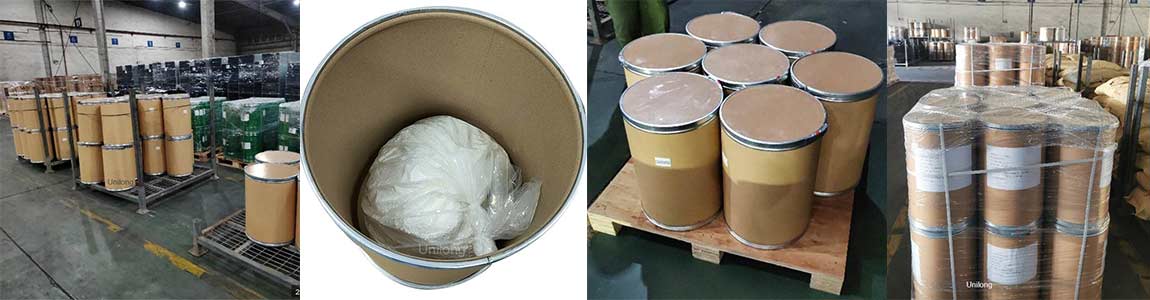
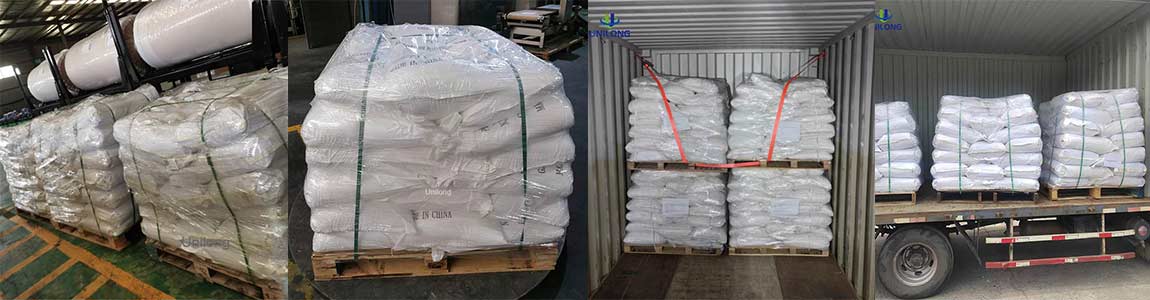
25kg/drum or according to customer requirements.

Etidronic Acid HEDP CAS 2809-21-4
CAS: 2809-21-4
Purity: 60%min
Molecular Formula: C2H8O7P2
Molecular Weight: 206.03
EINECS: 220-552-8
Storage Period: 1 year
Synonyms: ETHANE-1-HYDROXY-1,1-DIPHOSPHONICACID,95+%; (1-Hydroxyethylidene)biphosphonicacid; HydroxyethylideneDiphosphonicacid(HEDP); 1-Hydroxyethylidene-1,1-diphosphonicacid,min.95%HEDP; 1-Hydroxyethan-1,1-diphosphonsure; 1-HYDROXYETHYLIDENE-1,1-DIPHOSPHONICACIDHEDP; 1-Hydroxyethylidene-1,1-bis-(phosphonicacid); 1-HYDROXYETHYLIDENE-1,1-DIPHOSPHONICACID,98%HEDP
Hydroxyethylenediphosphonic acid, also known as HEDP, is a diphosphonate compound used in dish soap, water purification processes, cosmetics and pharmaceutical production. The salt produced by this acid has the formula MnHEDP (M is the cation and n is the number of M, up to 4).
| Appearance | Clear colorless to pale tan liquid, free from foreign matter |
| Odor | Slight to none |
| Active Acid (%) | 60.0 min |
| Phosphorous acid(%) | 2.0 max |
| Phosphoric acid (%) | 0.8 max |
| Chloride as Cl (ppm) | 100 max |
| Sequestrant value mg/g as product at PH 11-12 | 500 min |
| PH | 2.0 max |
| Density | 1.440 min |
| Iron content | 35.0 max |
| Colour | 80 max |
Hydroxy-ethylenediphosphonic acid is a new type of chlorine-free electroplating complexing agent, which is used as the main agent for water quality stability in circulating cooling water system and plays the role of corrosion inhibition and scale inhibition.Hydroxyethylenediphosphonic acid is a kind of cathodic corrosion inhibitor and a kind of non-chemical equivalent scale inhibitor. When combined with other water treatment agents, it shows an ideal synergistic effect.
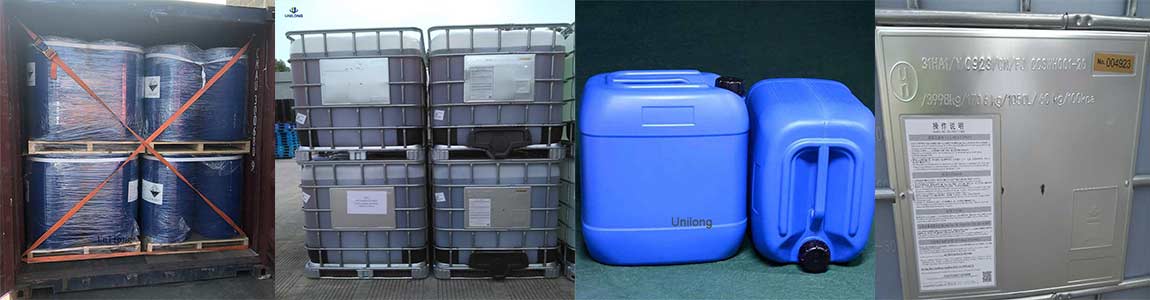
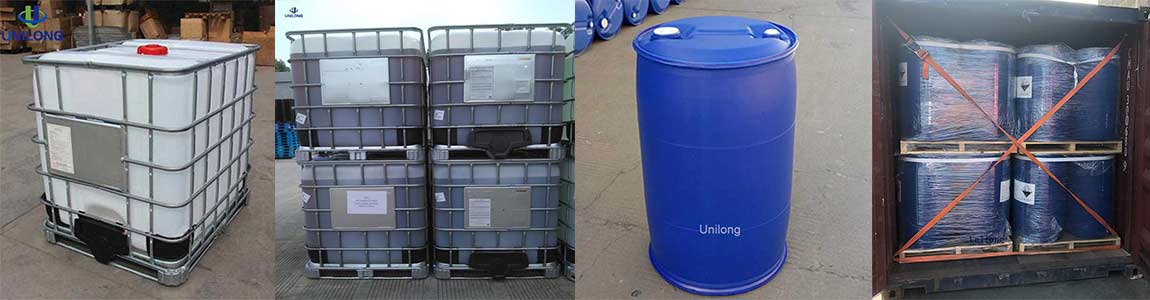
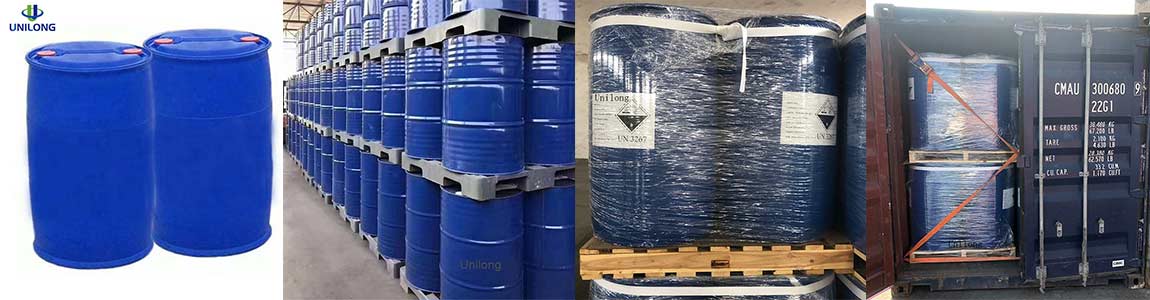
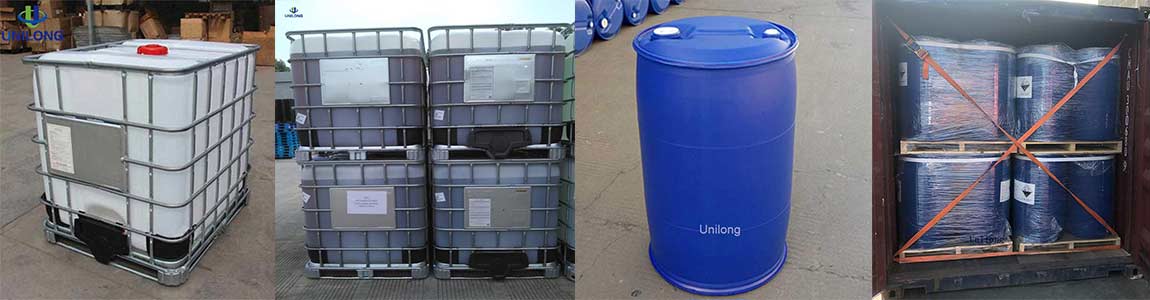
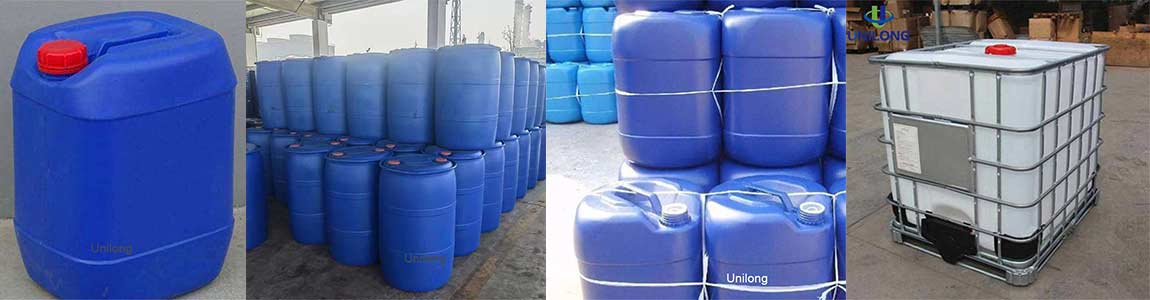
Usually packed in 200kg/drum, and also can be do customized package.

CAS: 688-74-4
Purity: 98%
Molecular Formula: C12H27BO3
Molecular Weight: 230.16
EINECS: 211-706-5
Storage Period: 1 year
Synonym: Tributy borate; Tri-n-butyl borate; Tributyl borate,98%; Boric acid tributylester, Tributoxyborane; Tributyl borate >=99.0% (T); Tributhyl Borate; tributyl broate; Tributyl borate; Tributyl borate ,99%
Tributyl borate CAS 688-74-4 (TBBO) is an organic boron compound that usually exists as a colorless, transparent liquid with a slight pungent odor. It is synthesized by the reaction of boric acid and butanol and is widely used in many industries, especially in chemical synthesis, agriculture, plastics and coatings.
| ITEM | STANDARD |
| Appearance | Colorless transparent liquid |
| Molecular formula | C12H27BO3 |
| Molecular weight | 230.16 |
| Purity | ≥99.5% |
| Residue on Ignition(%)≤ | ≤0.05 |
1. Catalyst in organic synthesis
Tributyl borate plays an important role as a catalyst in organic synthesis, especially in the following reactions:
Esterification reaction: Tributyl borate can effectively catalyze esterification reactions and is used to synthesize various ester compounds.
Polymerization reaction: As a catalyst for certain polymerization reactions, especially olefin polymerization and other cyclization polymerization reactions. .
2. Plastic and coating industry
Plasticizer: Tributyl borate is used in materials such as plastics, resins and rubbers. As a plasticizer, it can improve the flexibility, ductility and processing properties of the materials.
Stabilizer: It is also used as a heat stabilizer to help improve the stability of plastics and coatings at high temperatures and avoid material aging and decomposition.
3. Electronics industry
In the electronics industry, tributyl borate is used as an important raw material and participates in the manufacture of electronic components. It can be used for:
Lubrication and adhesives: In the electronic manufacturing process, tributyl borate is sometimes required as a lubricant or adhesive to ensure high-precision processing and assembly.
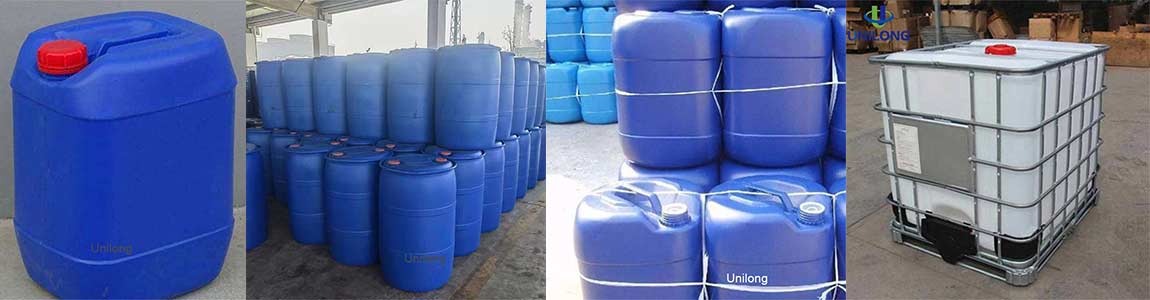
Usually packed in 200kg/drum, and also can be do customized package.

CAS:767-00-0
MF:C7H5NO
MW:119.12
EINECS:212-175-2
Synonyms:p-hydroxy benzonitrile,p-cyano phenol; 4-HYDROXYBENZONITRILE FOR SYNTHESIS; AKOS B004225; AKOS 217-25; 4-CYANOPHENOL
4-Cyanophenol is acidic, slightly soluble in water, easily soluble in hot water, soluble in methanol, acetone, ether, chloroform and other organic solvents. 4-Cyanophenol is chemically stable, stored at room temperature and pressure, and cannot be placed together with strong oxidants. The pure product is a scaly white crystal with luster.
| Item | Specification |
| Melting point | 110-113 °C(lit.) |
| Boiling point | 146 °C / 2mmHg |
| Density | 1.1871 |
| Refractive index | 1.5800 |
| Water solubility | slightly soluble |
| Acidity coefficient (pKa) | 7.97(at 25℃) |
4-Cyanophenol is an intermediate of organophosphorus insecticides chloronitrile and phenylonitrile, and an intermediate of herbicide bromophenol. 4-Cyanophenol is an intermediate of liquid crystal materials, spices, etc.
25kg/drum or according to customer requirements.

CYANOPHENOL(4-); P-HYDROXYBENZONITRILE; p-Cyanolphenol.AKOS 217-25,4-CYANOPHENOL,CYANOPHENOL(4-),P-HYDROXYBENZONITRILE,p-Cyanolphenol.
CAS:611-20-1
MF:C7H5NO
MW:119.12
EINECS:210-259-3
Synonyms:2-Hydroxybenzonitrile,97+%; 2-CyanophenolSynonyMs:2-Hydroxybenzonitrile; O-hydroxybanzonitrile; O-HYDROXYBENZONITRILE; SALICYLICACIDNITRILE
2-Cyanophenol is grayish white powdery solid, very pungent odor, a small amount can make people breathe affected, the smell is bitter; If a small amount of salicylonitrile is left open in the absence of ventilation, the smell can quickly spread throughout the room. 2-Cyanophenol has certain water solubility and is unstable to strong alkali and oxidant.
| Item | Specification |
| Melting point | 92-95 °C (lit.) |
| Boiling point | 149 °C/14 mmHg (lit.) |
| Density | 1.1052 |
| Vapor pressure | 0.17Pa at 25℃ |
| Refractive index | 1.5372 |
| Flash point | 149°C/14mm |
| LogP | 1.66 at 30℃ |
| Acidity coefficient (pKa) | 6.86(at 25℃) |
2-Cyanophenol can be used as a pharmaceutical intermediate to synthesize the treatment of hypertension and angina pectoris drug buniolol hydrochloride. 2-Cyanophenol as a pesticide intermediate, can be synthesized fungicide pyrimidin, but also can be synthesized a variety of spices and liquid crystal materials.
25kg/drum or according to customer requirements.

SALICYLONITRILE; 2-CYANOPHENOL(2-HYDROXYBENZONITRILE); O-HYDROXYBENZONITRIL.
2,2-Bis(bromomethyl)propane CAS 3296-90-0
CAS:3296-90-0
MF:C5H10Br2O2
MW:261.94
EINECS:221-967-7
Synonyms:2,2-Dibromomethyl-1,3-propanediol; DIBROMONEOPENTYL GLYCOL(DBNPG); 3-Propanediol,2,2-bis(bromomethyl)-1; Dibromopentaerythritol; Emery 9336; FR 1138; Fr 522; fr1138
2, 2-BIS (bromomethyl)propane, a bromine derivative of pentaerythritol with bifunctional and symmetrical structure, is an important organic reagent and pharmaceutical intermediate. 2, 2-BIS (bromomethyl)propane has been widely used as a new brominated flame retardant.
| Item | Specification |
| Melting point | 112-114 °C(lit.) |
| Boiling point | 235°C |
| Density | 1.8049 |
| Vapor pressure | 10 mm Hg ( 178 °C) |
| Refractive index | 1.5120 |
| LogP | 1.08 |
| Acidity coefficient (pKa) | 13.57±0.10(Predicted) |
2, 2-BIS (bromomethyl)propane is a reactive flame retardant that can be used to achieve a more rigid flame retardant effect. 2, 2-BIS (bromomethyl)propane can be used as an intermediate in organic synthesis.
25kg/drum or according to customer requirements.

Emery 9336,FR 1138,Fr 522,fr1138,FR-521,NCI-C55516.
CAS: 112-88-9
Molecular Formula: C18H36
Molecular Weight: 252.48
EINECS: 204-012-9
Synonyms:α-Octadecylene; 1-OCTADECENE; 1-Octadecene, tech., 90% 1LT; 1-Octadecene [Standard Material for GC]; Gulftene 18; Linealene 18; NSC 66460; 1-Octadecene >=95.0% (GC)
1-octadecene CAS 112-88-9 is a long-chain alkene with many isomers that have different double bond positions. 1-OCTADECENE is one of many isomers, belonging to the alpha-olefin group, which is a relatively inexpensive solvent and is soluble with oleic acid. 1-octadecene can be used for the synthesis of colloidal quantum dots, but in the process, it can be replaced by a heat transfer fluid.
| Item | Specification |
| Melting point | 14-16 °C(lit.) |
| Boiling point | 179 °C15 mm Hg(lit.) |
| Density | 0.789 g/mL at 25 °C(lit.) |
| Vapor pressure | 1.3 hPa (20 °C) |
| Refractive index | n20/D 1.444(lit.) |
| Flash point | 300 °F |
| LogP | 9.470 (est) |
1. Intermediate for surfactant synthesis (main applications)
1-octadecene (CAS 112-88-9) is processed through sulfonation and ethoxylation reactions to produce α-olefin sulfonates (AOS), non-ionic emulsifiers, and wetting agents; the downstream products are used in detergents, industrial cleaning, and the synthesis of some hair care ingredients.
2. High-molecular polyolefin industry
(1) Polyethylene copolymer monomers, modified PE materials, to enhance flexibility and low-temperature resistance;
(2) Synthesis of poly-α-olefin (PAO) base oils, high-end lubricant raw materials;
(3) Synthesis of special waxes, maleic anhydride copolymers, and other resin products.
3. Lubricants and metalworking additives
1-octadecene can be used to synthesize lubricant additives, demulsifiers, viscosity regulators; raw materials for metalworking fluids.
4. Pesticide fine chemicals
1-octadecene can be used to synthesize pesticide emulsifiers, spreading and wetting additives; organic synthesis intermediates, and the synthesis of some dyes and flavor derivative compounds.
5. Papermaking
Alkyl vinyl ketene diol (AKD) is an upstream intermediate for sizing agents, used for paper sizing to improve water resistance of paper.
Usually packed in 200kg/drum, and also can be do customized package.
1-octadecene, CAS 112-88-9. Store in a cool, ventilated warehouse at a temperature of 20-30℃; avoid freezing at low temperatures; keep away from open flames, strong oxidants; shield from light; seal to reduce oxidation.
Shelf life: 12-18 months when sealed; use up as soon as opened.
Q: What is the minimum order quantity? Can samples be provided?
A: For regular bulk orders, the minimum quantity is 25kg. We can provide 100g – 1kg samples along with COA and MSDS. The packaging for bulk orders: 25kg barrels, 200kg barrels, and IBC ton barrels.
Q: What is the delivery cycle for 1-octadecene-cas-112-88-9?
A: It’s available in stock. After payment confirmation, the goods will be dispatched within 2-3 working days.
Q: Can it be directly used in cosmetic formulas?
A: It is mainly used as a synthetic intermediate. It is generally not directly added to cosmetic formulas.
Q: Does the material solidify in winter? Is it defective?
A: The melting point is approximately 18℃. The freezing at low temperatures is a physical phenomenon. Heating the liquid can restore it to a liquid state. Color deepening and odor indicate oxidation and deterioration.
Q: What materials can be provided?
A: COA quality inspection reports, MSDS, and TDA can be provided. Relevant customs clearance documents can also be offered.
CAS:8068-05-1
MF:C30H25ClN6
MW:505.01
Synonyms:Eucalin; Indulin A; Indulin AG; Indulin AT 1369; Indulin ATR; KL 2; KL 2 (binder); KL 88
Lignin Alkalie, one of the three main components of lignocellulose, is a biological polymer with a three-dimensional network structure and widely exists in woody tissues. Lignin Alkalie is the second largest biomass resource after cellulose and the only renewable aromatic raw material in nature.
| Item | Specification |
| Melting point | 257℃ |
| Solubility | Soluble in water |
| Density | 1.3 g/mL at 25 °C |
| PH | 6.5 (25℃, 5%, aqueous solution) |
Lignin Alkalie can be used as a stabilizer for dye solutions, as a cement grinding aid, as a dispersant for insecticide and fungicide, as a stabilizer for clay or solid fuel water suspension, as a modifier for drilling mud, and as a corrosion and scale inhibitor for circulating condensate. Lignin Alkalie sulfonates can also be used as emulsifiers for petroleum, bitumen, wax, etc.
25kg/drum or according to customer requirements.

Indulin alcohol soluble,Indulin spirit soluble,Spirit induline,INDULIN AT.
CAS: 556-50-3
Purity: 99%
Molecular Formula: C4H8N2O3
Molecular Weight: 132.12
EINECS: 209-127-8
Storage Period: 1 year
Synonym: (2-Amino-acetylamino)-aceticacid; [(Aminoacetyl)amino]acetic acid; DIGLYCINE; GLYCYLGLYCINE; GLY-GLY-OH; GLY-GLY; H-GLY-GLY-OH; Glycylglycine, Free Base
Glycylglycine is a white leaf-shaped crystal with a melting point of 260-262°C (decomposition). Its solubility in water at 25°C is 13.4 g/100 mL. It is easily soluble in hot water, poorly soluble in alcohol, and insoluble in ether.
| Item | Specification |
| Melting point | 220-240 °C (dec.) |
| Boiling point | 267.18°C |
| Density | 1.5851 |
| Vapor pressure | 0.058Pa at 20-50℃ |
| Refractive index | 1.4880 |
| LogP | -0.92 at 25℃ and pH6 |
| Acidity coefficient (pKa) | 3.139(at 25℃) |
1. High Purity & Stable Quality
Our Glycylglycine is produced under strict quality control systems, featuring ≥99% high purity and outstanding batch-to-batch consistency. It is ideal for high-standard pharmaceutical, cosmetic, and biotech formulations, fully complying with the strict quality specifications and regulatory requirements.
2. Excellent Biocompatibility & Safety
Glycylglycine demonstrates excellent biocompatibility, low irritation, and high safety profile. It is widely applied in skincare formulations, peptide synthesis, and cell culture media, and fully complies with gobal’s cosmetic safety standards, making it a trusted raw material for high-end product development.
25kg/drum or according to customer requirements.

CETEARYL ALCOHOL CAS 8005-44-5
CAS:8005-44-5
MF:C16H34O
MW:242.4
EINECS:267-008-6
Synonyms:LANETTE AOK; CETYL ALCOHOL – STEARYL ALCOHOL; C16-C18 n-Hexadecyl-stearyl alcohol (mixed); CETOSTEARYLALCOHOL,NF; DEHYQUARTD
CETEARYL ALCOHOL is a white pellet, flake or lump with a greasy taste and becomes a transparent oily liquid after melting. CETEARYL ALCOHOL is readily soluble in ethanol and almost insoluble in water.
| Item | Specification |
| Appearance 30℃ | White bead |
| Colour Hazen | ≤25 |
| Acid Value mgKOH/g | ≤0.05 |
| Asponification ValuemgKOH/g | ≤1.0 |
| Lodine Value gi/100g | ≤0.4 |
CETEARYL ALCOHOL is an alcoholic organic matter, which can be used as pharmaceutical excipients, lubricants, emulsifiers and thickeners. CETEARYL ALCOHOL acts as a thickening agent in cosmetics, reducing the amount of surfactant needed to form a stable system.
25kg/drum or according to customer requirements.

hexadecan-1-ol,octadecan-1-ol; Cetearyl alcohol (1618 alcohol); Tego Alkanol 6855.
CAS:129-64-6
MF:C9H8O3
MW:164.16
EINECS:204-957-7
Synonyms:2-Methyl-5-(prop-1-en-2-yl)cyclohex-2-enecarboxylicanhydride;cis-5-Norbornene-endo-2,3-dicarboxylic; (3aR,4S,7R,7aS)-rel-3a,4,7,7a-Tetrahydro-4,7-Methanoisobenzofuran-1,3-dione
Carbic anhydride CAS 129-64-6 precipitated from petroleum ether is orthomorphic white columnar crystal with delixability and melting point 164 ~ 165℃. Slightly soluble in petroleum ether, soluble in benzene, toluene, acetone, carbon tetrachloride, chloroform, ethanol, ethyl acetate. When heated beyond its melting point, it is transformed into a cis-balanced mixture. It reacts with water to form the corresponding acid. It has an irritating effect on the skin mucosa.
| Item | Specification |
| Melting point | 165-167 °C(lit.) |
| Boiling point | 251.61°C |
| Density | 1.08 |
| Sensibility | Moisture Sensitive |
| Refractive index | 1.4365 |
Carbic anhydride CAS 129-64-6 is mainly used as curing agent of epoxy resin, suitable for casting, laminating, powder molding and so on. The cured material has excellent weather resistance, heat resistance and electrical properties. The product can also be used as polyester resin, alkyd resin, plasticizer, stability, pesticide raw materials. Some derivatives and their uses are as follows: Diallyl norbornalate is used as a heat-resistant copulator for unsaturated polyesters. This is an excellent epoxy stabilizer of polyvinyl chloride, which can be obtained by esterification and epoxidation of decyl alcohol. The product is also used as a modifier of ureA-formaldehyde resin, melamine resin, rosin, rubber vulcanization modifier, resin plasticizer, surface activator, textile finishing penetrant.
25kg/drum or according to customer requirements.

CAS:826-62-0
MF:C9H8O3
MW:164.16
EINECS:212-557-9
Synonyms:3,6’-Endomethylene-1,2,3,6-tet; ENDO-CIS-HIMICANHYDRIDE; ENDO-CIS-5-NORBORNENE-2,3-DICARBOXYLICANHYDRIDE; NADICANHYDRIDE
Himic anhydride, also known as cis-5-norbornene-2, 3-dihydride, has bicyclic structure and has two spatial isomers, inner and outer. Appearance is white columnar crystal, melting point >150℃, relative density: 1.417, soluble in benzene, toluene, acetone, chloroform, etc., deliquescence.
| Item | Specification |
| Melting point | 165-167 °C(lit.) |
| Boiling point | 251.61°C |
| Density | 1.2132 |
| Refractive index | 1.5260 |
| LogP | -0.040 (est) |
Himic anhydride, as an important chemical material, has been widely used in organic synthesis as solvent, catalyst, manufacturing assistant, etc., and has excellent properties as a foaming catalyst for polyurethane plastics. Himic anhydride is used as hardener for hardened glass, intermediate for rubber softener, surface activator for plastics, wire, enamel, resin, insecticide, high boiling solvent, etc.
25kg/drum or according to customer requirements.

3,6-Endomethylenephthalicanhydride.; 5-NORBORNENE-2,3-DICARBOXYLICANHYDRIDE:NA; Nadicanhydrous; 5-NORBORNENE-2,3-DICARBOXYLICANHYDRIDE98%.
Methylhexahydrophthalic anhydride CAS 25550-51-0
CAS:25550-51-0
MF:C9H12O3
MW:168.19
EINECS:247-094-1
Synonyms:VLOOKUP(C14,[1]Export!$D:$H,5,0); hexahydromethyl-1,3-Isobenzofurandione; Methylhexahydrophthalicanhydrid; 1.MethylHexahyd
Methylhexahydrophthalic anhydride is a colorless transparent liquid. Methylhexahydrophthalic anhydride has the formula C9H12O3 and the molecular weight 168.19. Methylhexahydrophthalic anhydride belongs to the class of thinners.
| Item | Specification |
| Boiling point | 299℃[at 101 325 Pa] |
| Density | 1.162 |
| Vapor pressure | 0.274Pa at 25℃ |
| Refractive index | 1.479Nd(25°C) |
| LogP | 2.59 at 25℃ |
| Acidity coefficient (pKa) | 4.12[at 20 ℃] |
Methylhexahydrophthalic anhydride is an excellent organic solvent used in a wide range of applications, mainly as a solvent for oils and fats, as an extractant, as an electrolytic solvent for lithium batteries, as a chlorine-based solvent stabilizer, as a drug intermediate and as a raw material for copolyformaldehyde. Methylhexahydrophthalic anhydride can also be used as silk finishing agents and as a material for sealers.
Usually packed in 200kg/drum, and also can be do customized package.

Hexahydromethylphthalsureanhydrid; methyl-1,2-cyclohexanedicarboxylicanhydridemixtureofisomers; 1,3-Isobenzofurandione,hexahydromethyl-; 1.MethylHexahydrophthalicAnhydride(MHHPA).
Aron Oxetane OXT 221 CAS 18934-00-4
CAS:18934-00-4
MF:C12H22O3
MW:214.3
EINECS:620-240-5
Synonyms:3-Ethyl-3[[(3-ethyloxetane-3-yl)methoxy]methyl]oxetane; 3,3′-(oxydiMethanediyl)bis(3-ethyloxetane); 3-Ethyl-3; AronOxetaneOXT221
Aron Oxetane OXT 221 is a clear, colorless liquid with a molecular formula of C12H22O3 and a molecular weight of 214.3. Aron Oxetane OXT 221 belongs to the thinner category.
| Item | Specification |
| Boiling point | 275℃ |
| Density | 0.992 |
| Flash point | 91℃ |
Aron Oxetane OXT 221 is mainly used in UV polymerization, synthesis of coatings and resins. Aron Oxetane OXT 221 is a UV-curable monomer material that can be used in UV inks, UV coatings and UV adhesives. Aron Oxetane OXT 221 can be used as a raw material for other UV-curable monomers, and its properties and functions are equivalent to OXT-221.
Usually packed in 200kg/drum, and also can be do customized package.

Di[1-ethyl-(3-oxetanyl)methyl]ether; Oxetane,3,3′-(oxydimethylene)bis[3-ethyl-(8CI); Oxetane,3,3′-[oxybis(methylene)]bis[3-ethyl-; OXT221.
3-Ethyl-3-oxetanemethanol CAS 3047-32-3
CAS:3047-32-3
MF:C6H12O2
MW:116.16
EINECS:221-254-0
Synonyms:2-HYDROXYMETHYL-2-ETHYL-1,3-EPOXYPROPANE; 3-ETHYL-3-OXETANEMETHANOL; 3-ETHYL-3-HYDROXYMETHYLOXETANE
3-Ethyl-3-oxetanemethanol is a colorless transparent liquid with a molecular formula of C6H12O2 and a molecular weight of 116.16. 3-Ethyl-3-oxetanemethanol belongs to the category of diluent. 3-Ethyl-3-oxetanemethanol is a UV-curable monomer material.
| Item | Specification |
| Boiling point | 96 °C/4 mmHg (lit.) |
| Density | 1.019 g/mL at 25 °C (lit.) |
| Vapor pressure | 3.1Pa at 25℃ |
| Refractive index | n20/D 1.453(lit.) |
| Flash point | 227 °F |
| LogP | 0.6 at 25℃ |
| Acidity coefficient (pKa) | 14.58±0.10(Predicted) |
3-Ethyl-3-oxetanemethanol is mainly used in UV polymerization, coatings and resin synthesis. 3-Ethyl-3-oxetanemethanol is a UV-curable monomer material that can be used in UV inks, UV coatings and UV adhesives. 3-Ethyl-3-oxetanemethanol can be used as a raw material for other UV-cured monomers, and its properties and functions are equivalent to OXT-101.
Usually packed in 200kg/drum, and also can be do customized package.

3-HYDROXYMETHYL-3-ETHYLOXETANE; Trimethylolpropaneoxetane,TMPO; 3-Ethyl-(hydroxymethyl)oxetane; Trimethylolpropaneoxetane; 3-ethyl-3-oxetanemethano.
Trimethylolpropane triglycidyl ether CAS 30499-70-8
CAS:30499-70-8
MF:C9H19ClO4
MW:226.7
EINECS:222-384-0
Synonyms:TRIMETHYLOLPROPANETRIGLYCIDYLETHER; 1,3-Propanediol,2-ethyl-2-(hydroxymethyl)-,polymerwith(chloromethyl)oxirane; Trimethylolpropane,(chloromethyl)oxiranepolymer
Trimethylolpropane triglycidyl ether is a clear, colorless liquid. Trimethylolpropane triglycidyl ether has the formula C9H19ClO4 and the molecular weight 226.7. Trimethylolpropane triglycidyl ether is a diluent.
| Item | Specification |
| Density | 1.157 g/mL at 25 °C (lit.) |
| Refractive index | n20/D 1.477(lit.) |
| Flash point | >230 °F |
Trimethylol propane triglycidyl ether is used to prepare pharmaceutical filler complexes.
25kg/drum or according to customer requirements.

1,1,1-Trimethylolpropanetriglycidyletherhomopolymer; TrihydroxyMethylpropanetriglycidylether; 2,2′-(((2-ethyl-2-((oxiran-2-ylMethoxy)Methyl)propane-1,3-diyl)bis(oxy))bis(Methylene))bis(oxirane); TrimethylolPropaneTriglycidylEther(Tmpeg);3-epoxypropoxy)methyl]butane.
Pentaerythritol glycidyl ether CAS 3126-63-4
CAS:3126-63-4
MF:C17H28O8
MW:360.4
EINECS:221-507-5
Synonyms:1,3-bis(2,3-epoxypropoxy)-2,2-bis[(2,3-epoxypropoxy)methyl]propane; PENTAERYTHRITOL,TETRAGLYCIDYLETHER; Pentaerythritolglycidylether
Pentaerythritol glycidyl ether is a light yellow liquid in its form. The molecular formula of Pentaerythritol glycidyl ether is C17H28O8 with a molecular weight of 360.4. Pentaerythritol glycidyl ether belongs to the category of diluent.
| Item | Specification |
| Boiling point | 412.43°C |
| Density | 1.2029 |
| Refractive index | 1.4430 |
Pentaerythritol glycidyl ether is mainly used in coatings, composites, adhesives and electronics industries.
Usually packed in 200kg/drum, and also can be do customized package.

1,3-Bis(oxiranylmethoxy)-2,2-bis(oxiranylmethoxymethyl)propane; 2,2′-[[2,2-Bis(oxiran-2-ylmethoxymethyl)-1,3-propanediyl]bis(oxymethylene)]bisoxirane.
Triethyleneglycol divinyl ether CAS 765-12-8
CAS:765-12-8
MF:C10H18O4
MW:202.25
EINECS:402-600-1
Synonyms:Brn1768098; Tri(ethyleneglycol)divinylether98%; TriethyleneGlycolDivinylEther(stabilizedwithKOH); Triethyleneglycoldiethyleneglycolether; TRI(ETHYLENEGLYCOL)DIVINYLETHER
Triethyleneglycol divinyl ether is a colorless transparent liquid in its form. Triethyleneglycol divinyl ether has a molecular formula of C10H18O4 and a molecular weight of 202.25. Triethyleneglycol divinyl ether belongs to the thinner category.
| Item | Specification |
| Boiling point | 120-126 °C18 mm Hg(lit.) |
| Density | 0.99 g/mL at 25 °C(lit.) |
| Vapor pressure | 20 mm Hg ( 137 °C) |
| Refractive index | n20/D 1.453(lit.) |
| Flash point | >230 °F |
Triethyleneglycol divinyl ether is a reactive diluent suitable for UV and peroxide cured adhesives and sealants. Triethyleneglycol divinyl ether is a component of sulfur-based sealant compounds. It can be used as cross-linking agent in the production of polyacrylate ion exchange resin.
Usually packed in 190kg/drum, and also can be do customized package.

DIVINYLTRIETHYLENEGLYCOLDIETHER; 3,6,9,12-Tetraoxatetradeca-1,13-diene; divinyletheroftriethyleneglycol.
Diethylene glycol divinyl ether CAS 764-99-8
CAS:764-99-8
MF:C8H14O3
MW:158.2
EINECS:212-133-3
Synonyms:1-(2-[2-(Vinyloxy)ethoxy]ethoxy)ethylene; 1,1-[oxybis(2,1-ethanediyloxy)bis]ethene; 1,1’-[oxybis(2,1-ethanediyloxy)]bis-ethen
Diethylene glycol divinyl ether is a colorless transparent liquid with a molecular formula of C8H14O3 and a molecular weight of 158.2. Diethylene glycol divinyl ether belongs to the class of diluents.
| Item | Specification |
| Melting point | -21°C |
| Boiling point | 198-199 °C (lit.) |
| Density | 0.968 g/mL at 25 °C (lit.) |
| Vapor pressure | 17Pa at 20℃ |
| Refractive index | n20/D 1.446(lit.) |
| Flash point | 160 °F |
| LogP | 1.8 at 23℃ |
Diethylene glycol divinyl ether is mainly used for the synthesis of intermediate ethers in materials.
Usually packed in 200kg/drum, and also can be do customized package.

3,6,9-Trioxaundeca-1,10-diene; Divinyletherdiethylenglykolu; Divinylcarbitol; divinyletherdiethylenglykolu; Dvedeg.
Di(ethylene glycol) vinyl ether CAS 929-37-3 Cheap Price
CAS:929-37-3
Molecular Formula:C6H12O3
Molecular Weight:132.16
EINECS:618-888-9
Synonyms:VinylCarbitol2-(2-Vinyloxyethoxy)ethanol; DiethyleneGlycolMonovinylEtherEthanol,2-[2-(ethenyloxy)ethoxy]-; Degmve; VINYLCARBITOL
Di(ethylene glycol) vinyl ether is a colorless transparent liquid with molecular formula C6H12O3 and molecular weight 123.16. Di(ethylene glycol) vinyl ether is a diluent.Di(ethylene glycol) vinyl ether has ether bonds, double bonds and hydroxyl groups. It is an organic synthesis intermediate and functional polymerization monomer. It can be used in the polymerization reaction of various unsaturated systems such as fluorocarbon, UV coatings, inks, adhesives, etc.
| Item | Specification |
| Melting point | -50.3°C |
| Boiling point | 196 °C(lit.) |
| Density | 0.968 g/mL at 25 °C(lit.) |
| Specific gravity | 1.45 |
| Refractive index | n20/D 1.448(lit.) |
| Flash point | 181 °F |
Di(ethylene glycol) monovinyl ether is a widely used green and environmentally friendly chemical due to its special structure. It is mainly used as a starter for synthesizing a new generation of high-performance concrete water reducers. It can also be used in high-end coatings, medical materials, microelectronics, aerospace and other fields.
Usually packed in 200kg/drum, and also can be do customized package.

3-Cyclohexene-1-methanol CAS 1679-51-2
CAS:1679-51-2
MF:C7H12O
MW:112.17
EINECS:216-847-6
Synonyms:1,2,3,6-TETRAHYDROBENZYLALCOHOL; RARECHEMALBD0004; cyclohex-3-ene-1-methanol; 1,2,5,6-Tetrahydrobenzylalcohol
3-Cyclohexene-1-methanol is a colorless transparent liquid with the molecular formula C7H12O and molecular weight 112.17. 3-Cyclohexene-1-methanol belongs to epoxy resin.
| Item | Specification |
| Boiling point | 190-192 °C (lit.) 80-85 °C/18 mmHg (lit.) |
| Density | 0.961 g/mL at 25 °C (lit.) |
| Refractive index | n20/D 1.484(lit.) |
| Flash point | 169 °F |
| LogP | 1.500 (est) |
| Acidity coefficient (pKa) | 15.20±0.10(Predicted) |
3-Cyclohexene-1-methanol is widely used in important organic intermediates and pharmaceutical intermediates.
Usually packed in 200kg/drum, and also can be do customized package.

4-(HYDROXYMETHYL)-1-CYCLOHEXENE; CYCLOHEX-3-EN-1-YLMETHANOL; 1,2,3,6-Tetrahydrobenzylalcohol,Cyclohexen-4-ylmethanol; 3-Cyclohexene-1-carbinol.
Syna Epoxy 60 (ERLX4360) CAS 20249-12-1
CAS:20249-12-1
MF:C22H32O6
MW:392.49
Synonyms:1,4-Cyclohexanedimethanolbis(3,4-epoxycyclohexanecarboxylate);7-Oxabicyclo[4.1.0]heptane-3-carboxylicacid,3,3′-[1,4-cyclohexanediylbis(methylene)]ester; SynaEpoxy60(ERLX4360)
Syna Epoxy 60 (ERLX4360) is a colorless liquid with a molecular formula of C22H32O6 and a molecular weight of 392.49. Syna Epoxy 60 (ERLX4360) is an alicyclic epoxy resin.
| Item | Specification |
| EEW (g/mol) | 200-220 |
| Boiling point | 504.3±35.0 °C |
| Density | 1.203 |
Syna Epoxy 60 (ERLX4360) is mainly used for cationic curing resin raw materials (varnish, ink, adhesive, light curing molding products), electronic and electrical castables, high temperature adhesives and special high temperature resistant materials.
Usually packed in 200kg/drum, and also can be do customized package.

1,4-Cyclohexanedimethanolbis(3,4-epoxycyclohexanecarboxylat…; Cyclohexane-1,4-diylbis(methylene)bis(7-oxabicyclo[4.1.0]Heptane-3-carboxylate).
Poly[2-(3,4-epoxy)cyclohexyl-5,5-spiro(3,4-epoxy)cyclohexane-m-dioxane] CAS 64034-70-4
CAS:64034-70-4
MF:C15H22O4
Synonyms:Spiro(1,3-dioxane-5,3′-(7)oxabicyclo(4.1.0)heptane),2-(7-oxabicyclo(4.1.0)hept-3-yl)-,homopolymer; Poly[2-(3,4-epoxy)cyclohexyl-5,5-spiro(3,4-epoxy)cyclohexane-m-dioxane]; Spiro[1,3-dioxane-5,3′-[7]oxabicyclo[4.1.0]heptane],2-(7-oxa…
Poly[2-(3,4-epoxy) Cyclohexyl-5,5-spiro(3,4-epoxy)cyclohexane-m-dioxane] is a colorless liquid with the formula C15H22O4 and is an alicyclic epoxy resin.
| Item | Specification |
| EEW (g/mol) | 130-160 |
| APHA Color | 100 max |
| Viscosity (mPa·s/25°C) | 10000~40000 |
Poly[2-(3,4-epoxy) cyclohexane-m-dioxane] is mainly used for cationic curing resin raw materials (varnish, ink, adhesive, light curing molding products). Electronic and electrical castable, high temperature adhesive, high temperature resistant coating, special high temperature resistant material, special performance composite material.
Usually packed in 200kg/drum, and also can be do customized package.
![Poly[2-(3,4-epoxy)cyclohexyl-5,5-spiro(3,4-epoxy)cyclohexane-m-dioxane]-pack](https://unilongindustry.com/wp-content/uploads/2024/04/Poly2-34-epoxycyclohexyl-55-spiro34-epoxycyclohexane-m-dioxane-pack.jpg)
Poly[2-(3,4-epoxy)cyclohexyl-5,5-spiro(3,4-epoxy)cyclohexane-m-dioxane]; Spiro[1,3-dioxane-5,3′-[7]oxabicyclo[4.1.0]heptane],2-(7-oxa…
4,4′-Methylenebis(N,N-diglycidylaniline) CAS 28768-32-3
CAS:28768-32-3
MF:C25H30N2O4
MW:422.52
EINECS:249-204-3
Synonyms:4,4’-Methylenebis(diglycidylaniline); n,n’-(methylenedi-4,1-phenylene)bis[n-(oxiranylmethyl)-oxiranemethanamin
As the matrix resin of fiber composites, 4,4′-Methylenebis(N,N-diglycidylaniline) has long pot life, excellent fiber impregnation, and good processability.In addition, 4,4′-Methylenebis(N,N-diglycidylaniline) has excellent corrosion resistance, chemical resistance, and weather resistance, high bonding strength, and good mechanical properties.
| Item | Specification |
| Boiling point | 619.3±35.0 °C |
| Density | 1.15 g/mL at 25 °C |
| Vapor pressure | 0Pa at 24.85℃ |
| Refractive index | n20/D 1.601(lit.) |
| Flash point | >230 °F |
| LogP | 2.12 at 22℃ |
| Acidity coefficient (pKa) | 4.58±0.50 |
4,4′-Methylenebis(N,N-diglycidylaniline) is applicable for filament winding, pultrusion molding, RTM molding, and other molding processes.4,4′-Methylenebis(N,N-diglycidylaniline) can be widely used in composite resin, high-temperature resistant adhesive, automobile lightweight, communication cable, rail transit, sports equipment, coating corrosion resistance, and other fields.
Usually packed in 200kg/drum, and also can be do customized package.

4,4′-METHYLENEBIS(N,N-DIGLYCIDYLANILINE); tetraglycidyl-4,4’-methylenedianiline; 4,4′-methylenebis[N,N-bis(2,3-epoxypropyl)aniline]; Oxiranemethanamine,N,N-(methylenedi-4,1-phenylene)bisN-(oxiranylmethyl)-; 4,4′-Methylenbis(N,N-bis(2,3-epoxypropyl)anilin).
3,3′-Bi-7-oxabicyclo[4.1.0]heptane CAS 37777-16-5
CAS:37777-16-5
MF:C12H18O2
MW:194.27
Synonyms:3,3′-Bi-7-oxabicyclo[4.1.0]heptane; 4-(7-oxabicyclo[4.1.0]heptan-4-yl)-7-oxabicyclo[4.1.0]heptane; (3,4,3′,4′-dicycloxyl)bicyclohexane
3,3′-Bi-7-oxabicyclo[4.1.0]heptane has very low viscosity and strong dilution capacity. 3,3′-Bi-7-oxabicyclo[4.1.0]heptane is suitable for high filling systems. When the addition of more than 20% in the formula, there will be a significant dilution effect.
| Item | Specification |
| Content(%) | 95.0 min |
| Epoxy equivalent (g / eq) | 100~110 |
| Viscosity (mpa.s/25℃) | 50~70 |
| Chroma | 50 APHA max |
| Water(%) | 0.10 max |
| Acidity(%) | 0.10 max |
3,3′-Bi-7-oxabicyclo[4.1.0]heptane is widely used in composite materials, electrical insulation materials, electronic embedded materials (semiconductor sealant, LED packaging adhesive and base filler adhesive), cationic curing resin raw materials (varnishes, inks, adhesives, UV curing formed products) and other fields.
Usually packed in 200kg/drum, and also can be do customized package.
![3,3'-Bi-7-oxabicyclo[4.1.0]heptane-pack](https://unilongindustry.com/wp-content/uploads/2024/04/33-Bi-7-oxabicyclo4.1.0heptane-pack.jpg)
4-(7-oxabicyclo[4.1.0]heptan-4-yl)-7-oxabicyclo[4.1.0]heptane,CAS 37777-16-5.
Dicyclopentadiene diepoxide CAS 81-21-0
CAS:81-21-0
MF:C10H12O2
MW:164.2
EINECS:201-334-1
Synonyms:Bicyelopentadienedioxide; BICYCLOPENTADIENEDIEPOXIDE; DICYCLOPENTADIENEDIEPOXIDE; DICYCLOPENTADIENEDIOXIDE
Dicyclopentadiene diepoxide is an organic intermediate that can be prepared from dicyclopentadiene by oxidation of hydrogen peroxide or other peroxides. Dicyclopentadiene diepoxide is flammable and produces irritating smoke when burned. Dicyclopentadiene diepoxide is a colorless transparent liquid, and the molecular formula of Dicyclopentadiene diepoxide is C10H12O2.
| Item | Specification |
| Melting point | 185-189 °C(lit.) |
| Boiling point | 120°C 10mm |
| Density | 1,331 g/cm3 |
| Vapor pressure | 1.5460 |
| Flash point | 120°C/10mm subl. |
Dicyclopentadiene diepoxide can be used to make paint, the paint can be used for heat resistant, wear resistant car primer.
Usually packed in 200kg/drum, and also can be do customized package.

DICYCLOPENTADIENEDIOXIDE,97%,MIXTURE; Dicyclopentadienediepoxide,99%; 2,4-Methano-2H-indeno1,2-b:5,6-bbisoxirene,octahydro-.
CAS:96-08-2
MF:C10H16O2
MW:168.23
EINECS:202-475-1
Synonyms:CAJEPUTENEDIOXIDE; LIMONENEDIOXIDE;CINENEDIOXIDE; Dipentenedioxide; P-MENTHA-1,8-DIENEDIOXIDE; 1-METHYL-4-(2-METHYLOXIRANYL)-7-OXABICYCLO[4.1.0]HEPTANE
CINENE DIOXIDE is an intermediate in epoxy resins. The molecular formula of the DIOXIDE level is C10H16O2 and the molecular weight of the DIOXIDE level is 168.23.
| Item | Specification |
| Boiling point | 237.18°C |
| Density | 0.9607 |
| Refractive index | 1.4480 |
| LogP | 0.663 (est) |
CINENE DIOXIDE is an intermediate in epoxy resins. CINENE DIOXIDE is mainly used as a coating for food packaging materials. CINENE DIOXIDE is also used in light modeling to make medical models. CINENE DIOXIDE is also used in electronic material intermediates, automotive primers and high-voltage cables.
Usually packed in 200kg/drum, and also can be do customized package.

1-METHYL-4-(1-METHYLEPOXYETHYL)-7-OXABICYCLO[4.1.0]HEPTANE; 1,2,8,9-Diepoxylimonene.
4-Vinylcyclohexene dioxide CAS 106-87-6
CAS:106-87-6
MF:C8H12O2
MW:140.18
EINECS:203-437-7
Synonyms:1-EPOXYETHYL-3.4-EPOXYCYCLOHEXANE; 3-(epoxyethyl)-7-oxabicyclo(4.1.0)heptan; 3-epoxyethyl-7-oxabicycloheptane
The molecular formula of the dioxide level is C8H12O2 and the molecular weight of the dioxide level is 140.18. The dioxide level of 4-Vinylcyclohexene is a source of a toxic compound, which is a source of heat and can explode in closed containers.
| Item | Specification |
| Melting point | -55°C |
| Boiling point | 230-232 °C(lit.) |
| Density | 1.094 g/mL at 25 °C(lit.) |
| Refractive index | n20/D 1.477(lit.) |
| Flash point | 225 °F |
| Water solubility | 154.7g/L(20 ºC) |
Vinyl cyclohexene dioxide (VCD) as an ovarian toxin can be used to study its toxicity. The mechanism of toxic effects of VCD on ovarian follicle and epithelial cell differentiation was studied.
Usually packed in 200kg/drum, and also can be do customized package.

3-oxiranyl-7-oxabicyclo(4.1.0)heChemicalbookptan; 3-oxiranyl-7-oxabicyclo(4.1.0)heptane; 3-oxiranyl-7-oxabicyclo(4.1.0)heptene; 3-oxiranyl-7-oxabicyclo[4.1.0]heptan;Vinylcyclohexenedioxid.
CAS:106-86-5
MF:C8H12O
MW:124.18
EINECS:203-436-1
Synonyms:1,2-EPOXY-4-VINYLCYCLOHEXANE; 3-VINYL-7-OXABICYCLO[4.1.0]HEPTANE; 3-ETHENYL-7-OXABICYCLO[4.1.0]HEPTANE; 4-VINYL-1-CYCLOHEXENE1,2-EPOXIDE
Epoxide 101 is a colorless liquid, Epoxide 101 has a molecular formula of C8H12O, and Epoxide 101 has a molecular weight of 124.18. Epoxide 101 itself has an extremely low viscosity, low halogen content, and contains both carbon-carbon double bonds and epoxy groups.
| Item | Specification |
| Melting point | -100°C(lit.) |
| Boiling point | 169 °C(lit.) |
| Density | 0.952 g/mL at 25 °C(lit.) |
| Refractive index | n20/D 1.469(lit.) |
| Flash point | 115 °F |
Epoxide 101 is equivalent to CEL2000, which is used for addition polymerization of light-emitting materials, electronic chip packaging agent, sealant, coupling agent, silicone synthesis, microelectronics and so on.
Usually packed in 200kg/drum, and also can be do customized package.

4-Vinyl-1,2-epoxycyclohexane; 4-Vinylcyclohexane1,2-epoxide; 4-Vinylcyclohexanemonoepoxide; 4-vinylcyclohexane,1,2-epoxide.
CAS:82428-30-6
MF:C11H16O3
MW:196.24
EINECS:688-147-2
Synonyms:3,4-Epoxycyclohexylmethylmethacrylate; Methacrylicacid7-oxabicyclo[4.1.0]hept-3-ylmethylester; Methacrylicacid(3,4-epoxycyclohexan-1-yl)methylester;
METHB has low viscosity, good heat resistance, good weather resistance and electrical insulation. METHB is a light yellow liquid with the molecular formula C11H16O3.
| Item | Specification |
| Boiling point | 275℃ |
| Density | 1.079 |
| Vapor pressure | 19-89hPa at 20-50℃ |
| Flash point | 110℃ |
| LogP | 2.4 at 20℃ |
| Surface tension | 48.8mN/m at 1g/L and 20℃ |
METHB has low viscosity, good heat resistance, good weather resistance, and electrical insulation. It is mainly used for epoxy resin reactive diluent, electronic component pot-sealing, coatings, fiber reinforced composite materials, LED packaging, optical adhesives and light curing products, stabilizers, high-power molds, etc. METHB can also be used in adhesives for automotive and building materials, automotive coatings, and other insulating materials.
Usually packed in 200kg/drum, and also can be do customized package.

METHB;METHB; 2-Propenoicacid,2-Methyl-,7-oxabicyclo[4.1.0]hept-3-ylMethylester; 3,4-Epoxycyclohexylmenthylmethacrylate; 3,4-EpoxycyclohexylmethylmethacrylateCOATDSpriceMSDSinstock.
CelloxideEHPE3150 CAS 244772-00-7
CAS:244772-00-7
MF:(C8H12O2)n.(C8H12O2)n.(C8H12O2)n.C6H14O3
EINECS:219-207-4
Synonyms:Poly[(2-oxiranyl)-1,2-cyclohexanediol]2-ethyl-2-(hydroxymethyl)-1,3-propanediolether(3:1); CycloaliphaticEpoxyResin; MixtureofTTA3150&TTA21(TTA3150CE)
TTA3150 has excellent transparency and high heat resistance when cured with methyl-hexahydrophthalic anhydride. The Tg of methyl tetrahydrophthalic anhydride curing is slightly lower and the color is yellowish. It should be noted that the color after curing is brown and translucent. It should be noted that the TGA data show that the thermal decomposition temperature of TTA3150 and MHHPA curing products is the highest, while the Tg of TTA3150 and MNA curing products is the highest, but the thermal decomposition temperature is the lowest.
| Item | Specification |
| Content(%) | 95.0 min |
| Epoxy equivalent (g / eq) | 170~200 |
| Chroma | 50 APHA max |
| Softening Point (℃) | 70~90 |
CelloxideEHPE3150 is widely used in composite materials, electrical insulation materials, electronic adhesives, powder coatings and other fields.
Usually packed in 200kg/drum, and also can be do customized package.

Poly[(2-oxiranyl)-1,2-cyclohexanediol]2-ethyl-2-(hydroxChemicalbookymethyl)-1,3-propanediolether; QS3150; Poly[(2-oxiranyl)-1,2-cyclohexanediol]2-ethyl-2-(hydroxymethyl)-1,3-propanediolether(3; CelloxideEHPE3150; Poly[(2-oxiranyl)-1,2-cyclohexanediol]2-ethyl-2-(hydroxymet…
CAS:3130-19-6
MF:C20H30O6
MW:366.45
EINECS:221-518-5
Synonyms:hexanedioicacid,bis(7-oxabicyclo(4.1.0)hept-3-ylmethylester; Hexanedioicacid,bis(7-oxabicyclo[4.1.0]hept-3-ylmethyl)ester; Bis((3,4-epoxycyclohexyl)methyl)adipat; Adipicacidbis(3,4-epoxycyclohexane-1-ylmethyl)ester
UVR-6128 (ERL-4299) is a high-purity 85% 1, 4-butadiol diglycidol ether, UVR-6128 (ERL-4299) is a colorless liquid in its form and is an excellent adhesive for electronics and building materials, automotive coatings, insulation materials and wind turbine blades.
| Item | Specification |
| Boiling point | 457.21°C |
| Density | 1.149 g/mL at 25 °C |
| Vapor pressure | 0Pa at 25℃ |
| Refractive index | n20/D 1.493(lit.) |
| Flash point | >230 °F |
| LogP | 2.98 at 20℃ |
UVR-6128 can be used as an intermediate of epoxy resin and a coating of food packaging materials. The UVR-6128 can also be used in light modeling, making medical models, electronic material intermediates, automotive primers, and high-voltage cables.
Usually packed in 200kg/drum, and also can be do customized package.

Adipicacidbis(7Chemicalbook-oxabicyclo[4.1.0]heptan-3-ylmethyl)ester; Adipicacidbis[(7-oxabicyclo[4.1.0]heptane-3-yl)methyl]ester; Hexanedioicacidbis(7-oxabicyclo[4.1.0]heptane-3-ylmethyl)ester; Hexanedioicacidbis[(7-oxabicyclo[4.1.0]heptan-3-yl)methyl]ester.
CAS:54686-97-4
MF:C22H26O6
MW:386.44
EINECS:611-185-8
Synonyms:1,3:2,4-di-p-methylbenyliedenesorbitol; IRGACLEARDM; NucleatingAgent3940; Thaclear3940; IgraclearDM
Thaclear 3940 is the second generation of sorbitol nucleating transparent agent and the polyolefin nucleating transparent agent largely produced and consumed in the current world. Compared with all the other nucleating transparent agents, it is the most ideal one that can give the plastic products superior transparency, luster and other mechanical properties.
| Item | Specification |
| Melting point | 255-262°C |
| Boiling point | 602.853ºC at 760 mmHg |
| Density | 1.516 g/cm3 |
| Flash point | 275.67ºC |
| LogP | 2.55340 |
Thaclear 3940 is a second generation sorbitol nucleating transparent agent that gives plastic products superior clarity, gloss and other mechanical properties. Thaclear 3940 nucleating transparent agent can improve the mechanical properties of the material. It is suitable for the production of plastic products, and is also widely used in the production of transparent polypropylene sheets and pipes. It can be used directly after dry mixing with polypropylene, and can also be made into 2.5~5% seed particles.
25kg/drum or according to customer requirements.

D-GlucitoChemicalbookl,bis-O-(4-methylphenyl)methylene-; DI(4-TOLYLIDENE)SORBITOL; (1,3:2,4)-DIPARAMETHYLDIBENZYLIDENESORBITOL98%.
CAS:85209-91-2
MF:C29H44NaO4P
MW:510.63
EINECS:286-344-4
Synonyms:12H-Dibenzo[d,g][1,3,2]dioxaphosphocin,2,4,8,10-tetrakis(1,1-dimethylethyl)-6-hydroxy-,6-oxide,sodiumsalt; 12h-dibenzol[d,g][1,3,2]dioxaphosphocin,2,4,8,10-tetrakis(1,1-dimethylethyl)-6
Nucleating agent refers to the functional chemical additives that can change part of the crystallization behavior, improve the transparency, rigidity, surface gloss, impact toughness and thermal deformation temperature of the product, shorten the molding cycle of the product, and improve the processing and application performance of the product.
| Item | Specification |
| Melting point | >300°C |
| Density | 1.18[at 20℃] |
| Vapor pressure | 0.11Pa at 20℃ |
| Water solubility | 1.85g/L at 20℃ |
| LogP | 0.8 at 20℃ |
| Acidity coefficient (pKa) | 2.1[at 20 ℃] |
Nucleating agent is suitable for polyethylene, polypropylene and other incomplete crystalline plastics, by changing the crystallization behavior of the resin, accelerate the crystallization rate, increase the crystallization density and promote the grain size of the fine, to shorten the molding cycle, improve the product transparency, surface gloss, tensile strength, rigidity, thermal deformation temperature, impact resistance, creep resistance and other physical and mechanical properties of the new functional additives.
25kg/drum or according to customer requirements.

12h-dibenzol[d,g][1,3,2]dioxaphosphocin,2,4,8,10-tetrakis(1,1-dimethylethyl)-6-hydroxy-,6-oxide,sodiumsalt; -hydroxy-,6-oxide,sodiumsalt; SODIUM2,2′-METHYLENE-BIS(4,6-DI-TERT-BUTYLPHENYL)PHOSPHATE.
Nucleating Agent N21 CAS 151841-65-5
CAS:151841-65-5
MF:C58H85AlO9P2
MW:1015.24
Synonyms:Bis(2,4,8,10-tetra-tert-butyl-6-hydroxy-12H-dibenzo[d,g][1,3,2]dioxaphosphocin-6-oxide)aluminumhydroxide; aluminiumhydroxybis[2,2′-methylen-bis(4,6-di-tert-butylphenyl)phosphate]
Nucleating Agent N21 is mainly used for polyolefins, which can effectively improve transparency and physical properties. Compared with conventional Nucleating agents, Nucleating Agent N21 has excellent performance even at low load. Nucleating Agent N21 is odorless.
| Item | Specification |
| Melting point | ≥210℃ |
| Volatile matter | ≤0.50% |
| Appearance | White powder |
Nucleating Agent N21 is a polymerization nucleating agent.
25kg/drum or according to customer requirements.

ALUMINIUMHYDROXYBIS22METHYLENEBIS46DITERTBUTYLPHENYLPHOSPHATE; Bis(2,4,8,10-tetra-tert-butyl-6-hydroxy-12H-dibenzo[d,g][1.3.2]-dioxaphophosyn-6-oxide)aluminumhydroxide; NucleatingAgentN21; Aluminum,hydroxybis[2,4,8,10-tetrakis(1,1-dimethylethyl)-6-(hydroxy-.kappa.O)-12H-dibenzo[d,g][1,3,2]dioxaphosphocin6-oxidato]-; Nucleatingagent21.
CAS:15305-07-4
MF:C18H15AlN6O6
MW:438.34
EINECS:239-341-7
Synonyms:UV510; N-NITROSO-N-PHENYLHYDROXYLAMINEALUMINIUMSALT; n-nitroso-n-phenylhydroxylaminealuminumsalt; aluminiumN-nitrosophenylhydroxyamine
N-nitroso-n-phenylhydroxylamine ammonium salt is an important analytical reagent, which can form water-insoluble precipitates with copper, iron, aluminum, titanium, etc., and can be extracted by chloroform, ethyl acetate and other organic solvents.
| Item | Specification |
| Melting point | 167-170°C |
| Boiling point | 168-170°C |
| Density | 1.389[at 20℃] |
| Vapor pressure | 0Pa at 20℃ |
| Water solubility | 280μg/L at 20℃ |
N-nitroso-n-phenylhydroxylamine ammonium salt can be used as inhibitor and inhibitor of UV formula products, and the effect of polymerization inhibitor is better than that of traditional common polymerization inhibitor hydroquinone, p-methoxyphenol and other products, and can be used to extend the storage time of olefin resin. It is widely used in UV inks, UV coatings, UV adhesives, photoresists, unsaturated polyester resins, vinyl monomers and acrylate oligomers.
25kg/drum or according to customer requirements.

CAS:21850-44-2
MF:C21H20Br8O2
MW:943.61
EINECS:244-617-5
Synonyms:tetrabromo-bisphenol-a-bis(2,3-dibromopropaneether); JADEWINBDDP; 5,5′-(propane-2,2-diyl)bis(1,3-dibroMo-2-(2,3-dibroMopropoxy)benzene)
Octabromo ether, molecular formula C21H20O2Br8, molecular weight 934.26, melting point about 105℃, soluble in benzene, acetone, chloroform, insoluble in water alcohol, decomposition temperature 270℃, is the main product of tetrabromobisphenol A deep processing, flame retardants better. In the polymer flame retardant, octabromo ether belongs to the additive flame retardant, which is often used for the flame retardant of polypropylene, polyethylene, polybutene and many polyolefin copolymers.
| Item | Specification |
| Melting point | 117°C |
| Boiling point | 676.5±55.0 °C(Predicted) |
| Density | 2.169±0.06 g/cm3(Predicted) |
| Vapor pressure | 0.029Pa at 20℃ |
| Water solubility | 144ng/L at 20℃ |
| LogP | 7.2 |
Octabromo ether is used as additive flame retardant for polypropylene, polyethylene, polybutene and many polyolefin copolymers, ABS resins, rubber, fibers and other polymer materials. Octabromo ether is a good flame retardant of olefin resin, mainly used in various grades of polypropylene fiber, styrene butadiene rubber, butadiene rubber and so on, flame retardant effect is remarkable.
25kg/drum or according to customer requirements.

Bis(2,3-dibromopropoxy)tetrabromobisphenolA; Octaether; TetrabromobisphenolAbis(2,3-dibromopropylether)(BDDP); 2,2-BIS[4-(2,3-DIBROMOPROPOXY)-3,5-DIBROMOPHENYL]PROPANE; 2,2-BIS[3,5-DIBROMO-4-(2,3-DIBROMOPROPOXY)PHENYL]PROPANE.
Flame retardant DDP CAS 63562-33-4
CAS:63562-33-4
MF:C17H15O6P
MW:346.27
EINECS:426-480-5
Synonyms:2-[[(6H-Dibenzo[c,e][1,2]oxaphosphorin6-oxide)-6-yl]methyl]butanedioicacid; 6-(2,3-Dicarboxypropyl)-6H-dibenz[c,e][1,2]oxaphosphorin6-oxide
Flame retardant DDP is a white powder with low solubility in hydrocarbon and ketone solvents and is easily soluble in DMF, DMSO and other organic solvents. Flame retardant DDP has high melting point, good thermal stability and non-volatile type. The synthetic flame retardant slice can be drawn film, spun filament, strong dyeability, after multiple washing or dry cleaning, flame retardant performance does not migrate, does not decay. It has a long time flame retardant performance, and has the characteristics of low smoke density, good anti-droplet effect, and non-toxic smoke.
| Item | Specification |
| Melting point | 191-192 °C |
| Boiling point | 578.3±60.0 °C(Predicted) |
| Density | 1.48±0.1 g/cm3(Predicted) |
| Vapor pressure | 0.03-0.26Pa at 20-37.75℃ |
| LogP | 1.8 at 20℃ |
| Acidity coefficient (pKa) | 4.13±0.23(Predicted) |
Flame retardant DDP is an organophosphorus heterocyclic compound containing two hydroxyl groups. It is a halogen-free reactive flame retardant. Flame retardant DDP is mainly applied to the flame retardant treatment of high-end PET, nylon, epoxy resin, polyurethane, unsaturated polyester resin and other polymer materials, so as to achieve excellent flame retardant effect of the product.
25kg/drum or according to customer requirements.

6-(2,3-Dicarboxypropyl)6H-dibenzo[c,e][1,2]oxaphosphorin6-oxide; 9,10-Dihydro-10-(2,3-dicarboxypropyl)-9-oxa-10-phosphaphenanthrene10-oxide; [(6-Oxido-6H-dibenz[c,e][1,2]oxaphosphorin-6-yl)methyl]butanedioicacid.
CAS:99208-50-1
MF:C18H13O4P
MW:324.27
EINECS:619-409-6
Synonyms:10-(2,5-Dihydroxyphenyl)-10H-9-oxa-10-phosphaphenantbrene-10-oxide; 9,10-dihydroxy-9-oxa-10-[2,3-di(2-hydroxyethoxycarbonyl)propyl]-phosphaphenanthrene-10-oxide
ODOPB appearance is white or slightly yellow, can be partially dissolved in hot methanol, ethanol, toluene and other organic solvents, almost insoluble in water. ODOPB molecular formula C18H13O4P, molecular weight 324, melting point 247 ~ 253℃, with high thermal stability, for products that must meet the requirements of ROHS, synthesis of reactive flame retardant intermediates and so on.
| Item | Specification |
| Melting point | 245-255 °C |
| Boiling point | 592.9±60.0 °C(Predicted) |
| Density | 1.49±0.1 g/cm3(Predicted) |
| Water solubility | 1.15mg/L at 20℃ |
| LogP | 1.2 at 25℃ |
| Acidity coefficient (pKa) | 9.29±0.48(Predicted) |
Flame retardants are halogen-type flame retardants for the production of halogen-free flame retardant epoxy resins, flame retardants that can be used for packaging semiconductor materials, printed circuit boards, led light tubes, etc., for products that must meet rohs requirements, intermediates for synthesizing reactive flame retardants, etc.
25kg/drum or according to customer requirements.

10-(2,5-Dihydroxyphenyl)-10H-9-0xa-10-Phospha-phenanthrene-10-OChemicalbookxide; 2-(10H-9-Oxa-10-phospha-1-phenanthryl)hydroquinonephosphorusoxide; HCA-HQ; ODOPB; 10-(2,5-Dihydroxyphenyl)-10H-9-oxa-10-phosphaphenanthrene10-oxide; 10-(2,5-Dihydroxyphenyl)-9,10-dihydro-9-oxa-10-phosphaphenanthrene10-oxide.
CAS:35948-25-5
MF:C12H9O2P
MW:216.17
EINECS:252-813-7
Synonyms:DOP; 10H-9-Oxa-10-phosphaphenanthrene10-oxide; 9H,10H-9-Oxa-10-phosphaphenanthrene-10-oxide; 9-Oxa-10-phospha-9,10-dihydrophenanthrene10-oxide
9, 10-dihydro-9-oxaze-10-phosphame-10-oxide, also known as 9,10 ‑ dihydro-9 ‑ oxaze-10 ‑ phosphame-10 ‑ oxide (DOPO), is an important new reactive phosphorous flame retardant. The flame retardants synthesized from DOPO and its derivatives have the characteristics of high efficiency, halogen-free, smokeless, non-toxic, non-migration and long-lasting flame retardancy.
| Item | Specification |
| Melting point | 119°C |
| Boiling point | 399.7±25.0 °C(Predicted) |
| Water solubility | 3.574g/L at 25℃ |
| Vapor pressure | 0.004Pa at 25℃ |
| LogP | 1.87 |
DOPO can be used as a flame retardant of a variety of polymer materials, such as linear polyester, epoxy resin, bismaleimide, etc., and is widely used as a flame retardant of electronics, synthetic fibers, semiconductor packaging materials, etc. DOPO and its derivatives can also be used for chemical modification of polymer materials due to their special functions. In addition, DOPO can also be used as insecticide, fungicide, curing agent, antioxidant, stabilizer, photoinitiator, binder, blocking agent of harmful metal ions, pale agent of organic matter, UV absorber.
25kg/drum or according to customer requirements.

PD-3710; 9,10-DIHYDRO-9-OXA-10-PHOSPAPHENANTHRENE-10-OXIDE(DOPO); 9,10-Dihydro-9-oxa-10-phosphaphenanthrene; 9,10-DIHYDRO-9-OXA-10-PHOSPAPHENANTHRENE-.
Melamine cyanurate CAS 37640-57-6
CAS: 37640-57-6
Purity: 99%
Molecular Formula: C6H9N9O3
Molecular Weight: 255.2
EINECS: 253-575-7
Storace Perod: 2 years
Synonyms: MELAMINECYANURATE; 1,3,5-triazine-2,4,6(1h,3h,5h)-trione,compd.with1,3,5-triazine-2,4,6-triam; 1,3,5-triazine-2,4,6(1h,3h,5h)-trione,compd.with1,3,5-triazine-2,4,6-triamin; 1,3,5-TChemicalbookriazine-2,4,6(1H,3H,5H)-trione,compd.with1,3,5-triazine-2,4,6-triamine(1:1); FR-MC; Melaminecyanurate(1:1); MelamineCyanurate(MC); 2,4,6-triamino-s-triazincompd.withs-triazine-triol
Melamine cyanuric CAS 37640-57-6 is a halogen-free flame retardant, also known as melamine cyanuric acid ester, the appearance of white crystalline powder, insoluble in water, soluble in ethanol, formaldehyde and other organic solvents; It is weakly acidic, can be well dispersed in oil medium, non-toxic, environmental protection, tasteless, stable at 300℃, 350℃ endothermic decomposition, sublimation. Melamine cyanuric acid is non-flammable, chemical properties are very stable, widely used in nylon, acrylic emulsion, polytetrafluoroethylene resin and other olefin resins as halogen-free flame retardant components.
| ITEM | STANDARD |
| Melamine Cyanurate% | 99.54 |
| Moisturet % | 0.122 |
| PH value | 5.8 |
| Gravity g/mL | 0.660 |
| Granular | 8-18 |
| Melamine (%) | Not have |
| Cyanuric acid (%) | 0.135 |
Melamine cyanuric acid is widely used as halogen-free flame retardant in nylon, acrylic emulsion, polytetrafluoroethylene resin and other olefin resins. It is especially suitable for nylon 6 and nylon 66, which are two pure nylon, with good flame retardant effect, small processing smoke, and can easily achieve the flame retardant effect of UL94V-O level. It has the advantages of extremely low application cost, superior electrical properties, mechanical properties and coloring properties, and at the same time, it is used as a mixed additive to manufacture flame retardant masterbatch, due to its own good thermal stability and excellent balance between high efficiency flame retardant, so it has the advantage of easy processing.
25kg /bag

Fluorescent Brightener 220 CAS 16470-24-9
CAS:16470-24-9
MF:C40H45N12NaO16S4
MW:1101.1
EINECS:240-521-2
Synonyms:3,5-triazin-2-yl)amino)–6-((4-sulfophenyl)amino)-tetrasodiumsalt; 3,5-triazin-2-yl]amino]–6-[(4-sulfophenyl)amino]-tetrasodiumsalt
The fluorescent whitening agent BBU is a styrene-tetrasulfonic acid type fluorescent whitening agent with good water solubility and stable performance. It is not sensitive to hard water, does not react with reducing agents and oxidants, and Ca2+ and Mg2+ do not affect the whitening effect. It is suitable for brightening cotton fiber and viscose fiber.
| Item | Specification |
| Water solubility | 10-650g/L at 20-26℃ |
| Density | 0.526-1.56[at 20℃] |
| Vapor pressure | 0-0Pa at 25℃ |
| LogP | -11.8–1 at 25℃ |
The fluorescent whitening agent BBU is suitable for paper coating. The general dosage of fluorescent whitening agent BBU is: liquid whitening agent to dry pulp weight: 0.5-1%; The maximum dosage should not exceed 1.5%.

25kg/drum or according to customer requirements.

Fluorescent Brightener 87 CAS 12768-91-1
CAS:12768-91-1
MF:C40H40N12O16S4.4Na
MW:1165.05
Synonyms:Kayaphor S; fluorescent brightener 87; Fluorescent brightening agent 87; Optical Brightener BA(C I 113); Fluorescent Brightener 87 (Technical Grade); Fluorescent Brightener 87 ISO 9001:2015 REACH
Fluorescent whitening agent is a colorless organic compound that can produce fluorescence, which can improve the whiteness and luster of the substance. Mainly used in textile, paper, plastic and synthetic detergent industries.
| Item | Specification |
| Melting point | >300°C |
| Solubility | Slightly soluble in water |
| Content | ≥99.0% |
| Moisture | ≤5.0% |
| Fluorescence intensity | 100 |
Fluorescent whitening agent 87 belongs to stilbene type fluorescent whitening agent, is the largest variety and quantity of fluorescent whitening agent, mainly used in cotton fiber, paper and detergent industry, such as fluorescent whitening agent DMS has blue fluorescence. With the basic structure of coumarone, it is used for brightening wool, silk and nylon fabrics, and also used in plastics industry.
25kg/drum or according to customer requirements.

Kayaphor S,fluorescent brightener 87,Fluorescent brightening agent 87,Optical Brightener BA(C I 113),Fluorescent Brightener 87 (Technical Grade).
Fluorescent brightener 85 CAS 12224-06-5
CAS:12224-06-5
MF:C36H34N12Na2O8S2
MW:872.8403
EINECS:602-364-1
Synonyms:fluorescentbrightener85; OpticalBrighteneChemicalbookrVBL; OpticalBrighteningAgentVbl; Fluorescentbrighteningagent85
Fluorescent brightener 85 is a pale yellow powder. It is an anionic compound that dissolves in soft water and condenses when it begins to dissolve, diluted with water and fully stirred to obtain a clear liquid. Fluorescent brightener 85 bath dye needs to be neutral or slightly alkaline. It can be mixed with anionic and non-ionic active agents, anionic dyes, and should not be used in the same bath as cationic dyes and cationic surfactant synthetic resin.
| Item | Specification |
| Appearance | Pale yellow to yellow powder |
| Content | ≥99.0% |
| Fluorescence intensity | 100 |
| Water insoluble matter | ≤0.5% |
| Moisture | ≤5.0% |
Fluorescent brightener 85 mainly used for brightening cellulosic fabrics and paper, brightening of light coloured fabrics and whitening of dial-dye prints. Fluorescent brightener 85 Fluorescent Brightener 85 Fluorescent Brightener is similar to dye in that it can be promoted with salt, sodium sulfate and slow dyed with levelling agent. Temperature is closely related to time and degree of fluorescent staining. Fluorescent brightener 85 Fluorescent Brightener 85 has low price, good affinity, high fluorescence intensity and is widely used in industry.
25kg/drum or according to customer requirements.

FluorescentbrightenerVBL(C.I.85); opticalbrightenerVBL(OBA85); yinguangzhengbuaji.
1,4-Bis(4-cyanostyryl)benzene CAS 13001-40-6
CAS:13001-40-6
MF:C24H16N2
MW:332.4
EINECS:235-836-7
Synonyms:opticalbrightener199; 1,4-BIS(4-CYANOSTYRYL)BENZENE; 4,4′-(p-phenylenediethene-2,1-diyl)bisbenzonitrile; OpticalBrighteningAgentERC.I.199
1, 4-bis (4-cyanostyryl)benzene is a greenish-yellow crystal. Soluble in most organic solvents. Stable for cationic softeners. It can be used with sodium hypochlorite, hydrogen peroxide and reducing bleach in the same bath. Fast to sunlight and sublimation, strong suitable for various dyeing methods.
| Item | Specification |
| Melting point | 230-234°C |
| Boiling point | 571.3±50.0 °C |
| Density | 1.18±0.1 g/cm3 |
1, 4-BIS (4-cyanostyryl) was used to enhance the whiteness of polyester, acetate, polyamide and polyester/cotton blended fabrics. After treatment with it, the fabric has high whiteness and pure color. 1, 4-BIS (4-cyanostyryl) is suitable for whitening and brightening of polyester fiber. It also has good whitening effect on polyethylene, polystyrene and other plastics and products.
25kg/drum or according to customer requirements.

BChemicalbookenzonitrile,4,4-(1,4-phenylenedi-2,1-ethenediyl)bis-; 1,4-BIS(2-CYANOSTYRYL)BENZENE99+%; FluorescentWhiteningAgentER; BrightenerERfordacron.
Optical Brightener ER-II CAS 13001-38-2
CAS:13001-38-2
MF:C24H16N2
MW:332.4
EINECS:235-834-6
Synonyms:2-[2-[4-[2-(4-cyanophenyl)ethenyl]phenyl]ethenyl]benzonitrile;ER-2; C.I.199-2; fluorescentbrightenerer-ii; 1-(2-CYANOSTYRYL)-4-(4-CYANOSTYRYL)BENZEChemicalbookNE
Optical Brightener ER-II is a stilbene fluorescent brightener with a pale yellow powder appearance and blue-purple fluorescence. With good low temperature coloring ability, suitable for immersion dyeing, pad dyeing. It is especially suitable for whitening and brightening of polyester and its blended fabrics and acetate fibers.
| Item | Specification |
| Melting point | 181-186°C |
| Boiling point | 573.5±50.0 °C |
| Density | 1.18±0.1 g/cm3 |
| Vapor pressure | 0Pa at 25℃ |
| LogP | 1.527 at 20℃ |
Optical Brightener ER-II is mainly used for brightening and brightening of polyester, polyester cotton, polyester silk, polyester yarn, polyester wool, polyester linen and other blended textiles. Optical Brightener ER-II is also used for brightening and brightening of artificial leather, coatings and other industries.
25kg/drum or according to customer requirements.

2-[2-[4-[2-(4-cyanophenyl)vinyl]phenyl]vinyl]benzonitrile; FluorescentBrightener199:1; Benzonitrile,2-2-4-2-(4-cyanophenyl)ethenylphenylethenyl-.
Fluorescent Brightener ER CAS 13001-39-3
CAS:13001-39-3
MF:C24H16N2
MW:332.4
EINECS:235-835-1
Synonyms:FluorescentBrightenerER; 1,4-BIS(2-CYANOSTYRYL)BENZENE; 2,2’-(1,4-phenylenedi-2,1-ethenediyl)bis-benzonitril; 2-[(E)-2-[4-[(E)-2-(2-cyanophenyl)ethenyl]phenyl]Chemicalbookethenyl]benzonitrile
Fluorescent whitening agent ER-I is a stilbene fluorescent whitening agent. It is yellowish-green powder in appearance, and its color light is blue-purple fluorescence. It has excellent light and heat resistance, and does not react with reducing agents, oxidants, hypochlorous acid compounds. It has the characteristics of good compatibility, small amount of addition, high fluorescence intensity and good whitening effect. It is suitable for whitening and brightening of polyester and its blended fabrics and acetate fibers.
| Item | Specification |
| Melting point | 229-231 °C |
| Boiling point | 575.7±50.0 °C |
| Density | 1.18±0.1 g/cm3 |
| Vapor pressure | 0Pa at 25℃ |
| Water solubility | 24μg/L at 25℃ |
Fluorescent whitening agent ER-I is suitable for polyester and its blended fabrics, acetate fiber brightening and brightening, with good low temperature coloring ability, suitable for dry dyeing or pad dyeing process, for reducing agents, oxidants, hypochlorous acid compounds are stable, the fluorescence intensity is very high, as long as a small amount of addition can brightening and brightening. General recommended dosage of fluorescent whitening agent ER-I: 0.02-0.05%.
25kg/drum or according to customer requirements.

ER-1; 2,2’-(1,4-phenylenedi-2,1-ethenediyl)bis-Benzonitrile; FluorescentBrightenerER-I; 2,2′-(p-phenylenediethene-2,1-diyl)bisbenzonitrile.
Dispersing Agent NNO CAS 36290-04-7
CAS:36290-04-7
Molecular Formula:C11H10O4S
Molecular Weight:238.26
Appearance:light brown powder
Synonyms:Sodium salt of polynaphthalene sulphonic acid; Sodiumsaltofpolynaphthalenesulphonicacid; 2-Naphthalenesulfonicacid,polymer with formaldehyde,sodium salt; FORMALDEHYDE-2-NAPHTHALENESULFONIC ACID-SODIUM SALT POLYMER); Naphthalenesulfonic acid/formaldehyde condensation product; 2-naphthalenesulfonic acid/formaldehyde sodium salt; sodiuM salt of polyMerized naphthalene sulfonate; Cutamol NNO; Formaldehyde-2-naphthalenesulfonic acid copolymer sodium salt
Dispersing Agent NNO is light yellow to yellow-brown powder, an anion surface active agent, which has excellent diffusive and protective colloid performance, Easily soluble in water, acid, alkali and hard water. It has good dispersing property and affinity with protein and polyamide.
Dispersing Agent NNO is easily soluble in water, resistant to acid, alkali, salt and hard water, and has good diffusion properties.Dispersing Agent NNO is mainly used as a dispersant in disperse dyes, vat dyes, reactive dyes, acid dyes and leather dyes.Dispersing Agent NNO has excellent grinding effect, solubilization and dispersibility.Dispersing Agent NNO can also be used as a dispersant for textile printing and dyeing, wettable pesticides, and a dispersant for papermaking. Electroplating additives, latex, rubber, construction, water-soluble paint, pigment dispersant, petroleum drilling, water treatment agent, carbon black dispersant, etc.
| Item | Standard |
| Appearance | light brown powder |
| Solubility | Easily soluble |
| composition | Sodium methylene dinaphthalene sulfonate |
| Ion type | Negative |
| Sodium sulphate content,% | 18 max |
| PH
(1% water solution) |
7-9 |
| Content of calcium and magnesium
Ion ,PPM |
4000 |
| Solid content, % min | 92 |
1) Printing and dyeing industry:Dispersing Agent NNO is mainly used for reducing dye suspension, dyeing, dispersing and dyeing of soluble VAT dyes. Dispersing Agent NNO can also be used for dyeing silk/wool interwoven fabric, which makes the silk uncolored. In dye industry Dispersing Agent NNO is mainly used as dispersant and dispersant agent.
2) Building materials industry: Dispersing Agent NNO is mainly used as an early strength cement to reduce water, which makes cement has good dispersion effect after cement shock, strengthen cement strength, shorten construction period, save cement and save water. The dispersant NNO has improved the tensile, anti-seepage, antifreeze and compressive elastic modulus of the mixed soil.
3)Agricultural industry:Dispersing Agent NNO can be widely used in wet pesticide, has good dispersion and solubilization, can obviously improve the efficiency.
4) Electroplating industry: the addition of dispersant NNO in color electroplating can disperse the pigment uniformly, which can obviously improve the brightness of the electroplating surface.
5) Rubber industry: in the production process of rubber (latex) industry. For dispersing materials such as sulphur promoters, antioxidant zinc oxide fillers (such as barium sulfate and calcium carbonate), the dispersion effect can be improved and the ball milling time can be shortened.
6) Paper industry: Water-soluble paint, pigment dispersant, water treatment agent, carbon black dispersant.
25kg/bag or requirement of clients.

Fluorescent Brightener 378 CAS 40470-68-6
CAS:40470-68-6
MF:C30H26O2
MW:418.53
EINECS:254-935-6
Synonyms:UVITEXFP; FluorescentBrightenerFP; FP; 1,1-Biphenyl,4,4-bis2-(2-methoxyphenyl)ethenyl-; 4,4”-BIS(2-METHOXYSTYRYL)-1,1”-BIPHENYL:1,1”-BIPHENYLChemicalbook-
Fluorescent Brightener 378 has the molecular formula C30H26O2 with a molecular weight of 418.53, promising fluorescent applications. Fluorescent Brightener 378 is light lemon color with fluorescent and smells faintly of lime.
| Item | Specification |
| Melting point | 216-222°C |
| Boiling point | 590.3±50.0 °C(Predicted) |
| Density | 1.133±0.06 g/cm3(Predicted) |
| Vapor pressure | 10Pa at 25℃ |
| LogP | 7.7 at 25℃ |
Fluorescent Brightener 378 is suitable for brightening polyvinyl chloride and polystyrene products and other thermoplastics. Fluorescent Brightener 378 is used for brightening artificial leather, synthetic leather and printing ink coatings.
25kg/drum or according to customer requirements.

OPTICALBRIGHTENER378; OpticalBrightenerFP-127; 1-Methoxy-2-(2-{1-[2-(2-Methoxyphenyl)ethenyl]-4-phenylcyclohexa-2,4-dien-1-yl}ethenyl)benzene.
Fluorescent Brightener KS-N CAS 5242-49-9
CAS:5242-49-9
MF:C29H20N2O2
MW:428.48
EINECS:226-044-2
Synonyms:4-(Benzoxazol-2-yl)-4′-(5-methylbenzoxazol-2-yl)stilbene; 2-[4-[2-[4-(Benzoxazol-2-yl)phenyl]vinyl]phenyl]-5-methylbenzoxazol
Fluorescent Brightener KS-N brightens fluorescent brightener very well and enjoys a reputation as the king of brightener in the country, often used in high-end plastics with high whitness requirements. Fluorescent Brightener KS-N appearance yellowish-green crystalline powder melting point; Fluorescent Brightener KS-N is insoluble in water, odorless and stable.
| Item | Specification |
| Melting point | >273°C (dec.) |
| Boiling point | 578.9±39.0 °C(Predicted) |
| Density | 1.26 |
| Solubility | DMSO |
| Acidity coefficient (pKa) | 2.65±0.10(Predicted) |
Fluorescent Brightener KS-N has a similar chemical structure to OB-1, but brightens polyester and plastic products better than OB-1, and has better compatibility with plastics than OB-1, producing very good whitening in small amounts, which is far less fluorescent than OB-1. Fluorescent Brightener KS-N is used for fluorescent brightening in all plastics especially in synthetic fibers, but also for brightening and brightening colors in paints, inks, paints and other industries.
25kg/drum or according to customer requirements.

2-{4-{2-[4-(2-Benzoxazolyl)-pheChemicalbooknyl]-vinyl}-phenyl}-5-methylbenzoxazole; 4-BIS(5-METHYL-2-BENZIAZOLYL)ETHLENE,99.5+%; OPTICALBRIGHTENER368; FBA368; OpticalBrightenerKSN; KSNFluorescentBrightener]-.
optical brightenerKSB(FBA369) CAS 1087737-53-8
CAS:1087737-53-8
MF:C26H18N2O2
MW:390.43
Synonyms:1-[(2-phenoxy-1-naphthyl)diazenyl]-2-naphthol; optical brightenerKSB(FBA369); 2-Naphthalenol, 1-[(1E)-2-(2-phenoxy-1-naphthalenyl)diazenyl
optical brightenerKSB(FBA369) is a yellow-green powder with a blue-white fluorescent color. Maximum absorption wavelength 370nm. optical brightenerKSB(FBA369) has the characteristics of good compatibility, easy precipitation, small amount of addition, good whitening effect, excellent heat and light resistance, and does not react with blowing agents and crosslinkers. optical brightenerKSB(FBA369) is suitable for brightening and brightening polyester fibers and polyester blended fabrics.
| Item | Specification |
| Melting point | 200.5-201.5 °C |
| Boiling point | 606.0±40.0 °C(Predicted) |
| Density | 1.21±0.1 g/cm3(Predicted) |
| Acidity coefficient (pKa) | 11.70±0.50(Predicted) |
optical brightenerKSB(FBA369) is suitable for material film, press film molding materials, injection molding materials, etc. Excellent brightening effect on polyolefin, PVC, foamed PVC, TPR, EVA and PU foam, synthetic rubber, etc.optical brightenerKSB(FBA369) can also be used for brightening paint, natural paint, etc. It has special effect on foamed plastics, especially EVA and PE foam.
25kg/drum or according to customer requirements.

1-[(2-phenoxy-1-naphthyl)diazenyl]-2-naphthol,optical brightenerKSB(FBA369),CAS 1087737-53-8.
Fluorescent Brightener 367 CAS 5089-22-5
CAS:5089-22-5
MF:C24H14N2O2
MW:362.38
EINECS:225-803-5
Synonyms:2,2’-(1,4-naphthalenediyl)bis-benzoxazol; FluorescentBrightener367; FluorescentBrightenerKCB; KCB; OpticalBrighteninChemicalbookgAgentKCBC.I.367; DIBENZOXAZOYLNAPHTHALENE
Fluorescent Brightener 367 Fluorescent Brightener 367 appears as a yellow-green powder with blue-white fluorescent color. Fluorescent Brightener 367 soluble in toluene, acetone, mesitylene, polyvinyl chloride, carbon tetrachloride, dimethylformamide, Max absorption wavelength 370nm, Max fluorescence emission wavelength 437nm. Fluorescent Brightener 367 features good compatibility, easy precipitation, low addition, good whitening, excellent heat and light resistance, and does not react with foaming agents and crosslinkers.
| Item | Specification |
| Melting point | 210-212°C |
| Boiling point | 521.9±33.0 °C(Predicted) |
| Density | 1.320±0.06 g/cm3(Predicted) |
| LogP | 7.57 at 25℃ |
| Acidity coefficient (pKa) | 1.24±0.10(Predicted) |
Fluorescent Brightener 367 is suitable for use in plastics, fibres and also has significant brightening for coloured plastics. Fluorescent Brightener 367 is especially suitable for brightening EVA, TPR, PVC, PU.
25kg/drum or according to customer requirements.

1,4-BIS(BENZOXAZOLYL-2-YL)NAPHTHALENE; 1,4-BIS-BENZOXAZOLYL-NAPHTHALENE.
CAS:7128-64-5
MF:C26H26N2O2S
MW:430.56
EINECS:230-426-4
Synonyms:bbot150; Benzoxazole,2,2′-(2,5-thiophenediyl)bis(5-tert-butyl-; Benzoxazole,2,2′-(2,5-thiophenediyl)bis*5-(1,1-dimethylethyl)-; Benzoxazole,2Chemicalbook,2′-(2,5-thiophenediyl)bis[5-(1,1-dimethylethyl)-
BBOT150 is a yellow-green powder. The melting point of BBOT150 is 200 ~ 201℃, and the decomposition temperature is greater than 220℃. BBOT150 is insoluble in water and soluble in alkanes, fats, mineral oils, waxes and common organic solvents.
| Item | Specification |
| Melting point | 199-201 °C(lit.) |
| Boiling point | 531.2±45.0 °C(Predicted) |
| Density | 1.26 |
| Refractive index | 1.6360 (estimate) |
| Flash point | >350°C |
| LogP | 8.6 at 25℃ |
| Acidity coefficient (pKa) | 3.03±0.10(Predicted) |
BBOT150 is used for brightening polyvinyl chloride, polystyrene, ABS resin, polyolefin and polyester, as well as for brightening acetate fiber, polymethyl methacrylate and foam leather. Also used in varnishes, paints, UV-curable coatings, printing inks, fats, oils, packaging materials. It can be used as anti-counterfeiting mark in printing ink. BBOT150 can be used in photography to improve the whiteness of the non-image area of the photo, which can be converted into fluorescence when the photo is irradiated by ultraviolet light, resulting in a brightening effect.
25kg/drum or according to customer requirements.

LABOTEST-BBLT00053574; CIFLUORESCENTBRIGHTENER362; DERIVATIVEOFSTILBENEDISULFONICACID; BBOT.
Chimassorb 119 CAS 106990-43-6
CAS:106990-43-6
MF:C132H250N32
MW:2285.61
EINECS:401-990-0
Synonyms:CHIMASSORB119; TETRAKIS(4,6-BIS(N-BU-N-PENTAME-4-PIPERI; LS-119; Chimassorb 119 ISO 9001:2015 REACH; UV STABILIZER TRUELICHT UV; 2-yl]-1,5,8,12-tetraazadodecane
Chimassorb 119 is a white powder with a molecular formula of C132H250N32 and a molecular weight of 2285.61. Chimassorb 119 is soluble in chloroform, methylene chloride and toluene. Chimassorb 119 is a substance that improves the light stability of polymer materials. It can shield ultraviolet light waves and reduce the transmission of ultraviolet light.
Advantages of using Chimassorb 119
1. Ultra-high molecular weight, low volatility, resistant to migration and water extraction. During extrusion and injection molding, there is almost no volatile smoke; the products can be used outdoors for a long time without flaking or frosting, and the advantages of agricultural films and outdoor products in resisting rain erosion are prominent.
2. Low alkalinity, resistant to weak acidic environment: can tolerate acidic pesticides, acidic fillers / color powders; suitable for agricultural greenhouse films, avoiding the poisoning and failure of common HALS when encountering acidic media; the performance of the talc-filled PP system is excellent.
3. The colored products have excellent color retention performance, reducing interference with pigments and color mother, and the outdoor weather resistance color difference of colored polyolefins is small, and they are not prone to fading and color change.
4. Chimassorb 119 has good compatibility with PP, PE, EVA, TPO, EPDM, PA, ABS, ASA, and powder coatings; it can be compounded with UV absorbers and antioxidants, and the synergistic effect is significant.
5. Chimassorb 119 has long-term thermal stability, and at the same time improves the thermal oxidation aging performance of the products, suitable for fibers and automotive exterior parts.
| Item | Specification |
| Zr(HPO4)2·H2O | 99%Min |
| Zr(ZrO2) | 40%Min |
| P(P2O5) | 45%Min |
| D50(μm) | 1.5±0.5μm |
| LOI | 12%Max |
| SSA | 2-3m2/g |
| PH | 3-5 |
Chimassorb 119 is especially suitable for the use of PE agricultural greenhouse film, PP fiber, PP filled talc powder, TPO auto parts. In addition to powder coatings, it can also be used for EVA, EPDM, PA, PET, PMMA and other materials. Chimassorb 119 is used as an analytical reagent, coagulant and radioactive phosphorus reagent.
25kg/drum or according to customer requirements.
Storage temperature: Avoid direct sunlight; Keep away from heat sources; Do not stack at high temperatures to prevent particle adhesion and agglomeration; Store in a dry environment with a relative humidity of 40-70%; Pay attention to anti-static in a dry environment.
Store in an airtight manner, using a PE bag liner in a cardboard barrel; Do not leave it open to prevent moisture absorption and dust contamination; The product is in solid particles, and static electricity is likely to be generated in a dry environment. Be careful to prevent static electricity during operation.
Separate storage: Keep away from strong oxidants and strong acids; Avoid storing together with strong acid-based additives; Although it can withstand weak acidity, it should not come into long-term contact with concentrated acid.
Original factory sealed shelf life: 24 months; After opening, tightly seal the inner bag and use it within 12 months.

Q: Can it be used together with acidic additives and acidic agricultural chemical additives?
A: It can tolerate weakly acidic environments and is suitable for contact with acidic pesticides on agricultural films. It cannot be exposed to strong acids for a long time. Strong acids will deactivate the blocked amine functional groups and lose their light-stabilizing effect.
Q: What are the benefits of using it in combination with UV absorbers?
A: 119 (HALS) free radical capture + UV absorber synergy significantly improves outdoor weathering life. It is a standard combination for outdoor plastics and is recommended for combined use.
Q: If there is a lump during storage, does the product become ineffective?
A: Slight compression of the lump, after crushing and testing, if it is qualified, it can be used normally; severe melting and lumping due to moisture and heat indicates local overheating. It is not recommended for use.
Q: What is the minimum order quantity (MOQ)?
A: For industrial bulk goods, the regular MOQ is 25 kg; small samples can be provided for formula testing. Samples are charged for, and the sample fee can be negotiated as a deduction for large order.
Q: What is the delivery lead time?
A: For in-stock products: 3-7 working days after receiving the full payment, the goods will be arranged for shipment.
For high-purity customized specifications orders: 15-22 working days; confirm the inventory before placing the order.
CAS:61167-58-6
MF:C26H34O3
MW:394.55
EINECS:262-634-6
Synonyms:2,2’-methylenebis(4-methyl-6-tert-butylphenol)monoacrylate; Antioxidatant3Chemicalbook052; PowerNox3052; HS3052; ANGM; antioxidantGM
The form of antioxidant 3052 is white to white powder, the molecular formula of antioxidant 3052 is C26H34O3, the molecular weight is 394.55, the melting point of antioxidant 3052 is 128-133°C, the boiling point is 491 °C, and the density is 1.03. Antioxidant 3052 is slightly soluble in chloroform and ethyl acetate.
| Item | Specification |
| Melting point | 128-133°C |
| Boiling point | 491℃ |
| Density | 1.03 |
| Acidity coefficient (pKa) | 11.66±0.48(Predicted) |
| Water solubility | 123ng/L at 20℃ |
| Flash point | 185℃ |
The antioxidant AO-3052 was used to study the mechanical properties of plasticizers and non-PVC stretch films for retail fresh meat packaging. The antioxidant AO-3052 can be used as a heat stabilizer for butadiene-styrene copolymers.
25kg/drum or according to customer requirements.

Antioxidatant 3052,PowerNox 3052,HS 3052,AN GM,antioxidant GM.
Distearyl thiodipropionate CAS 693-36-7
CAS:693-36-7
MF:C42H82O4S
MW:683.16
EINECS:211-750-5
Synonyms:3,3-ThiodipropionicAcidDi-N-Octadecy; 3-[(3-keto-3-stearyloxy-propyl)thio]propionicacidstearylester; octadecyl3-(3-octadecoxy-3-oxopropyl)sulfanylpropanoate
The antioxidant DSTP can give the material excellent long-term thermal stability and is often used in combination with phenolic antioxidants. White crystalline powder. The melting point of antioxidant DSTP is 63-69 ° C. The antioxidant DSTP is soluble in benzene, chloroform, carbon disulfide and carbon tetrachloride, insoluble in dimethylformamide and toluene and insoluble in acetone, ethanol and water.
| Item | Specification |
| Melting point | 65-67°C |
| Boiling point | 664.53°C |
| Density | 0.8994 |
| Maximum wavelength (λmax) | 410nm(H2O)(lit.) |
| Refractive index | 1.5220 |
| LogP | 17.7 at 25℃ |
Antioxidant DSTP is used as an antioxidant in rubber, soaps, oils, lubricants, greases and polyolefins. Antioxidant DSTP is used as an auxiliary antioxidant and phenolic antioxidant, and its antioxidant aging yield is better than thiodipropionic acid dilauric acid. The product is not colored, no pollution, so it is suitable for white and brilliant products.
25kg/drum or according to customer requirements.

octadecyl3-(3-octaChemicalbookdecoxy-3-oxo-propyl)sulfanylpropanoate; Distearylthiodiprop; 3,3′-Thiobis(propionicacidoctadecyl); 3,3′-Thiobis(propionicacidoctadecyl)ester; Di-n-octadecyl3,3′-Thiodipropionate.
CAS:16545-54-3
MF:C34H66O4S
MW:570.95
EINECS:240-613-2
Synonyms:DI-N-TETRADECYL3,3′-THIODIPROPIONATE; DIMYRISTYL3,3′-THIODIPROPIONATE; DIMYRISTYLTHIODIPROPIONATE; DITETRADECYL3,3′-THIODIPROPIONATE; Einecs240-613-2
The form of DMTDP is white granular powder,DMTDP molecular formula is C34H66O4S, molecular weight is 570.95,DMTDP soluble in benzene, acetone and other organic solvents, insoluble in water.
| Item | Specification |
| Melting point | 48-53 °C(lit.) |
| Boiling point | 624.1±40.0 °C(Predicted) |
| Density | 0.934±0.06 g/cm3(Predicted) |
| LogP | 13.954 (est) |
DMTDP is an organic auxiliary antioxidant, suitable for PP, PE, ABS,PVC and fiber plastics, etc. DMTDP has good compatibility with resin, and its excellent resistance is similar to DLTDP and DSTDP, which are also thioesters.
25kg/drum or according to customer requirements.

Propanoicacid,3,3′-thiobis-,1,1′-Chemicalbookditetradecylester; 3,3-ThiodipropionicAcidDitetradecylEster,Technical.
CAS:119345-01-6
MF:C26H32Cl3OP
MW:497.86
EINECS:432-130-2
Synonyms:IRGAFOSP-EPQ; ethylethyl)phenol; irganoxxp,anitoxidantprocessingstabilizerblends; tetrakis(2,4-di-tert-butylphenyl)4,4’-biphenyldi; CibaSCIrgafosP-EPQ; AntioxidantP-EPQ
IRGAFOS P-EPQ is a white solid powder, soluble in alcohol, methylene chloride, chloroform, toluene and other organic solvents, almost soluble in water. IRGAFOS P-EPQ is hydrolyzable.
| Appearance | Off white powder |
| Acid Value | Max.5.0 mg KOH/gm |
| Color of Solution 425nm(%) | Min.86.0% |
| Color of Solution 500nm(%) | Min.94.0% |
| Volatile Loss | Max.0.5% |
| 2,4-DTBP Content | Max.3.5% |
| P Content | 5.4 to 5.9% |
| Melting Point | 85~110℃ |
IRGAFOS P-EPQ is suitable for polyolefins, olefin copolymers such as polyethylene (such as HDPE, LLDPE), polypropylene, polybutene, ethylene vinyl acetate copolymers, as well as polycarbonate, polyacetal, polyamide. IRGAFOS P-EPQ can also be used for polyester, styrene homopolymer and copolymer products, adhesives and natural and synthetic thickeners, elastomers such as BR, SEBSSBS, and other organic substrates. The general dosage is 0.1-0.5%.
20KG/BAG or according to customer requirements.

Diethylene glycol with CAS 111-46-6
CAS:111-46-6
MF: C4H10O3
MW: 106.12
EINECS:203-872-2
Synonyms:
3-OxapentaMethylene-1,5-diol; NSC36391;2,2′-OxydiethanolBis(2-hydroxyethyl)Ether; Di-ethyleneglycol,Ethylenediglycol; Diethyleneglyco; Diethyleneglycol,Bis(2-hydroxyethyl)ether; Diethyleneglycol,StandardforGC,>=99.5%(GC); Diethyleneglyc
Diethylene glycol with CAS 111-46-6, is a kind of colorless yellowish transparent liquid. It is used for preparing plasticizers, as well as extractants, desiccants, insulation agents, softeners, and solvents.
| Appearance |
Colorless Transparent Liquid |
| Chroma | ≤15 |
| Moisture(%m/m) | <0.10 |
| Initial Boiling Point (℃) | ≥242 |
| Dry Point (℃) | ≤250 |
| Purity(%m/m) | ≥99.6 |
| Ethylene glycol(%m/ m) | ≤0.15 |
| Triethylene glycol(% m/m) | ≤0.20 |
| Fe(mg/kg) | ≤0.50 |
| Acid content (as acetic acid)(mg/kg) | ≤100 |
1.Diethylene glycol used for preparing plasticizers, as well as extractants, desiccants, insulation agents, softeners, and solvents.
2.Diethylene glycol is mainly used for dehydration of natural gas and aromatics extraction, as a solvent for ink bonding and textile dyes, and also for production of rubber and resin plasticizer, polyester resin, fiber glass, carbamate foam, lubricant viscosity improver and other products.
3.Diethylene glycol used as a gas dehydrating agent and aromatic hydrocarbon extraction solvent, as well as a lubricant, softener, and finishing agent for textiles, as well as solvents such as plasticizers, humidifiers, sizing agents, nitrocellulose, resins, and oils.

200kg/drum

Dilauryl thiodipropionate CAS 123-28-4
CAS:123-28-4
MF:C30H58O4S
MW:514.84
EINECS:204-614-1
Synonyms:didodecylester; DILAURYLTHIOPROPIONATE; Didodecyl-3,3′-thiodipropionat; PROPANOICACID,3,3′-THIOBIS-,DIDO(SUR); 3,3′-ThiodipropionicaChemicalbookciddidodecyl
Dilauryl thiodipropionate is a white powder or scale. Soluble in benzene, toluene, slightly soluble in ethanol. No pollution, no coloring, low volatility, small thermal processing loss. Non-toxic, non-flammable, non-corrosive, no Chemicalbook stimulation, good storage stability.
| Item | Specification |
| Melting point | 40-42 °C(lit.) |
| Boiling point | 570.34°C (rough estimate) |
| Density | 0.915 g/mL at 25 °C(lit.) |
| Vapor pressure | 0.2 mm Hg ( 163 °C) |
| Refractive index | 1.5220 (estimate) |
| Flash point | >230 °F |
| LogP | 11.916 (est) |
Dilauryl thiodipropionate is an antioxidant. It can be used as a freshness keeping agent for oily foods and edible oils, as well as fruits and vegetables. The maximum use is 0.2g/kg. Dilauryl thiodipropionate is used as an auxiliary antioxidant and is widely used in polypropylene, polyethylene and ABS resins, as well as in rubber processing grease.
25kg/drum or according to customer requirements.

Laurylthiodipropionate; Didodecyl3,3′-thiobis[propionate]; 3-[(3-keto-3-lauryloxy-propyl)thio]propionicacidlaurylester.
CAS:147315-50-2
MF:C27H27N3O2
MW:425.52
EINECS:411-380-6
Synonyms:TINUVIN1577;UV-1577; 2-(4,6-Diphenyl-1,3,5Chemicalbook-triazin-2-yl)-5-[(hexyl)oxy]-phenol; AbsorbentUV-1577; 5-TRIAZIN-2-YL)-5-((;2-(4,6-Diphenyl-1,3,5-triazin-2-yl)-5-[(hexyl)oxy]-phenolUV-1577
UV absorbent UV-1577 is a triazine UV absorber with good compatibility with polymers and other additives. It is especially suitable for engineering plastics, polycarbonate, laminated film and other materials to improve the durable light stability of products.
| Item | Specification |
| Melting point | 147-151 °C(lit.) |
| Boiling point | 645.6±65.0 °C(Predicted) |
| Density | 1.150±0.06 g/cm3(Predicted) |
| Acidity coefficient (pKa) | 8.48±0.40(Predicted) |
| LogP | 6.24 at 25℃ |
UV absorber UV-1577 is a very low volatile UV absorber and stabilizer. Polycarbonate and polyester can achieve better weather resistance than traditional benzotriazole UV absorbers. The low chelation tendency allows it to be used in polymer formulations containing residual catalysts.
25kg/drum or according to customer requirements.

UV Absorber 1577,Absorber UV-1577,Ultraviolet Absorbent UV-1577,UV Absorber UV-1577.
CAS:1843-05-6
MF:C21H26O3
MW:326.43
EINECS:217-421-2
Synonyms:[2-Hhydroxy-4-(octyloxy)phenyl]phenylmethanone; 2-HYDROXY-4-N-OCTOXYBENZOPHENONE; 2-HYDROXY-4-N-OCTYLOXYBENZOPHENONChemicalbookE; 2-HYDROXY-4-(OCTYLOXY)BENZOPHENONE
UV absorber UV-531 is a benzophenone ultraviolet absorber, light yellow needle crystalline powder at room temperature, is a high efficiency anti-aging additives with excellent performance, can strongly absorb 270 ~ 340nm ultraviolet light, with light color, non-toxic, good compatibility, small migration, easy to process and other characteristics.
| Item | Specification |
| Melting point | 47-49 °C(lit.) |
| Boiling point | 424.46°C (rough estimate) |
| Density | 1.160g/cm3 |
| Acidity coefficient (pKa) | 7.59±0.35(Predicted) |
| Refractive index | 1.6000 (estimate) |
| Flash point | 102℃ |
| LogP | 7.360 (est) |
UV absorber UV-531 is widely used in PE, PVC, PP, PS, PC, polycarbonate, plexiglass, polypropylene fiber and vinyl acetate. And for dry phenolic and alkyd varnishes, polyurethanes, acrylics, epoxies and other air drying products and automotive finishing paints, powder coatings, rubber and other products, to provide them with a good light stabilization effect. Dosage 0.1-0.5%.
25kg/drum or according to customer requirements.

2-HYDROXY-4-(OCTYLOXYL)-BENZOPHENONE; CHIMASSORB81;BENZOPHENONE-12; Octabenzone.
CAS:2985-59-3
MF:C25H34O3
MF:382.54
EINECS:221-049-6
Synonyms:UV538;4-(DODECYLOXY)-2-HYDROXYBENZOPHENONE; [4-(dodecyloxy)-2-hydroxyphenyl]phenyl-methanon; [4-(dodecyloxy)-2-hydroxyphenyl]phenyl-MethanoChemicalbookne
The molecular formula of UV 538 is C25H34O,UV absorber UV-1200 is the replacement of UV-531 and UV-9. The product is non-toxic, non-flammable, non-explosive, non-corrosive, good storage stability, can absorb 270-340nm ultraviolet light, prevent photoaging, cracking and brittleness of polymer materials, and greatly extend the service life of materials.
| Item | Specification |
| Melting point | 49-50 °C |
| Boiling point | 506.3±35.0 °C(Predicted) |
| Density | 1.029±0.06 g/cm3(Predicted) |
| Acidity coefficient (pKa) | 7.58±0.35(Predicted) |
Uv-538 is a replacement of UV-531 and UV-9. The product is non-toxic, non-flammable, non-explosive, non-corrosive, good storage stability, can absorb 270-340nm ultraviolet light, prevent photoaging, cracking and brittleness of polymer materials, and greatly extend the service life of materials. Because of its excellent performance, it is widely used in polyethylene, polypropylene, acrylic, various high-grade coatings and automotive paints abroad.
25kg/drum or according to customer requirements.

2-Hydroxy-4-(dodecyloxy)benzophenone; 2-Hydroxy-4-DodecoxyBenzophenone; 2-Hydroxy-4-dodecyclobenzophenone; 2-Benzoyl-5-(dodecyloxy)phenol.
Antioxidant 5057 CAS 68411-46-1
CAS:68411-46-1
MF:C20H27N
MW:393.655
EINECS:270-128-1
Synonyms:IRGANOX5057; Benzenamine,N-phenyl-,reactionproductswith2,4,4-trimethylpentene; Liquidoctylated/butylateddiphenylaMine
Antioxidant 5057 has low toxicity and is safe to use; Compared with phosphite esters, no ash, no phosphorus, no environmental pollution; It also has a unique liquid property, easy to measure and transport. It has the characteristics of outstanding thermal stability and high temperature oxidation resistance. At the same time, it has good compatibility with oil.
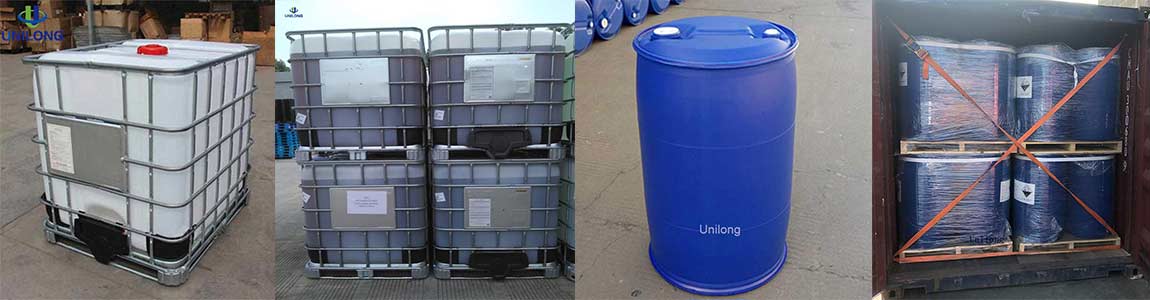
| Item | Specification |
| Water solubility | 4μg/L at 20℃ |
| Density | 0.969[at 20℃] |
| Vapor pressure | 0.002Pa at 20℃ |
| LogP | 6.7 at 23℃ |
Antioxidant 5057 for: polyethers and polyurethanes, rubber and elastomers, lubricants. Antioxidant 5057 is a clear amber liquid, is a liquid hindered amine high temperature antioxidant additive, in foreign countries has been widely used in the field of synthetic lubricants and polymer materials, especially its use of high temperature, can be used in high-grade lubricants.
Usually packed in 200kg/drum, and also can be do customized package.

N-Phenylbenzenamine,reactionproductwithdiis; Antioxidant5057,Irganox5057,Quantox-557,Alkyldiphenylamine; N-Phenylbenzenamine,reactionproductwithdiisobutylene.
Antioxidant3114 CAS 27676-62-6
CAS:27676-62-6
MF:C48H69N3O6
MW:784.08
EINECS:248-597-9
Synonyms:3,5-Triazine-2,4,6(1H,3H,5H)-trione,1,3,5-tris[[3,5-bis(1,1-dimethylethyl)-4-hydroxyphenyl]methyl]1; ChemicalbookAntioxidant3114; -hydroxyphenyl]methyl]-
Antioxidant 3114 is a hindered phenolic antioxidant with three functional groups, which is non-polluting and non-colored. Due to the high molecular weight and melting point, the volatility is very small, the migration is small, and the water extraction resistance is good, which can give the plastic excellent heat oxidation and light oxidation resistance.
| Item | Specification |
| Melting point | 218-220 °C(lit.) |
| Boiling point | 757.9±60.0 °C(Predicted) |
| Density | 1.03g/cm3 |
| Vapor pressure | 0Pa at 25℃ |
| Flash point | 289°C |
| LogP | 15.18 |
Antioxidant 3114 can prevent the polymer from aging due to heat and oxidation, and also has anti-light properties. Antioxidant 3114 is mainly used as an antioxidant for polypropylene, polyethylene, etc., with heat and light stabilization. It has synergistic effect with light stabilizer and auxiliary antioxidant when used. The product has low toxicity. Can be used in contact with food polyolefin products, the amount does not exceed 15% of the main material.
25kg/drum or according to customer requirements.

1,3,5-Tris(3,5-di-tert-butyl-4-hydroxybenzyl)isocyanuricacid; AgeRiteGT; MarkAO-20; 1,3,5-Tris(3′,5′-di-t-butyl-4-hydroxybenzyl)isocyanuricacid.
Antioxidant 1098 CAS 23128-74-7
CAS:23128-74-7
MF:C40H64N2O4
MW:636.95
EINECS:245-442-7
Synonyms:3,3′-Bis(3,5-di-tert-butyl-4-hydroxyphenyl)-N,N’-hexamethylenedipropiomide; IRGANOX1098; BENZENEPROPANAMIDE,N,N’-1,6-HEXANEDIYL-BIS[3,5-BIS(1,1-DIMETHYLETHYL)-4-HYDROXY]
Antioxidant 1098 is a hindered phenolic antioxidant, is the most widely used antioxidant, generally used as the main antioxidant, often combined with the auxiliary antioxidant, has a good processing stability and long-term thermal stability. Phosphite antioxidants are co-antioxidants, often used in combination with main antioxidants, stable and effective processing, but phosphite antioxidants are easy to hydrolysis, resulting in black spots, corrosion, acid catalytic degradation and other problems.
| Item | Specification |
| Melting point | 156-161°C |
| Boiling point | 740.1±60.0 °C(Predicted) |
| Density | 1.021±0.06 g/cm3(Predicted) |
| Acidity coefficient (pKa) | 12.08±0.40(Predicted) |
| LogP | 9.6 at 25℃ |
Antioxidant 1098 is a kind of general antioxidant with high performance, such as no discoloration, no pollution, heat oxidation and extraction resistance. It is mainly used in polyamides, polyolefin, polystyrene Chemicalbook ethylene, ABS resin, acetal resin, polyurethane and rubber polymers, and can also be used with auxiliary antioxidants containing phosphorus to improve the oxidation resistance.
25kg/drum or according to customer requirements.

N,N’-HEXAMETHYLENE-BIS-(3,5-DI-TERT-BUTYL-4-HYDROXYHYDROCINNAMIDChemicalbookE); N,N’-HEXANE-1,6-DIYLBIS[3-(3,5-DI-TERT-BUTYL-4-HYDROXYPHENYL)PROPIONAMIDE]; N,N’-Hexamethylenebis[3-(3,5-di-tert-butyl-4-hydroxyphenyl)propionamide]; At1098; N,N’-(Hexane-1,6-diyl)bis(3-(3,5-di-tert-butyl-4-hydroxyphenyl)propanaMide).
Antioxidant 1135 CAS 125643-61-0
CAS:125643-61-0
MF:C25H42O3
MW:390.6
EINECS:406-040-9
Synonyms:ylesters; octyl-3,5Chemicalbook-di-tert-butyl-4-hydroxy-hydrocinnamate; IRGANOX1135; AN-1135; Octyl-Di-Tert-Butyl-4-Hydroxy-Hydro-Cinnamate
Antioxidant 1135 is a highly effective, low volatile liquid product that is used in combination with amine antioxidants. Antioxidant 1135 is a liquid hindered phenolic antioxidant designed for polyurethane products. It has the characteristics of good compatibility with polyurethane, low volatility and good solubility of Chemicalbook, and has good processing stability and long-term oxidation resistance to polymers.
| Item | Specification |
| Water solubility | 30-121μg/L at 20℃ |
| Boiling point | 343-370.65℃[at 101 325 Pa] |
| Density | 0.96-0.97[at 20℃] |
| Vapor pressure | 0-0.002Pa at 20-25℃ |
| LogP | 7.18-9.2 at 0-30℃ |
Antioxidant 1135 is suitable for polyethers and polyurethanes, rubber and elastomers. Antioxidant 1135 can be used as lubricant additive, metal deactivator, extreme pressure agent, bacteria and oxidation inhibitor, and can also be used as antioxidant in internal combustion engine oil.
Usually packed in 200kg/drum, and also can be do customized package.

3-(3,5-ditert-butyl-4-hydroxyphenyl)propanoicacid2-ethylpentylester.
Antioxidant 1024 CAS 32687-78-8
CAS:32687-78-8
MF:C34H52N2O4
MW:552.79
EINECS:251-156-3
Synonyms:IRGANOXMD1024; LABOTEST-BBLT00261277; 1,2-BIS(3,5-DI-TERT-BUTYL-4-HYDROXYHYDROCINNAMOYL)HYDRAZINE; 1,2-Di[-(3,5-di-tert-butyl-4-hydroxyp-henyl)propionyl]hydrazine
Antioxidant 1024 is a non-polluting antioxidant with excellent performance, soluble in methanol and ethyl acetate, insoluble in water, with a dual structure of hindered phenol and hydrazine, and has antioxidant and metal deactivator functions.
| Item | Specification |
| Melting point | 60-67°C |
| Boiling point | 652.6±55.0 °C(Predicted) |
| Density | 1.054±0.06 g/cm3(Predicted) |
| Acidity coefficient (pKa) | 11.10±0.50(Predicted) |
| LogP | 4.8 at 23℃ |
Antioxidant 1024 can be used alone or with other antioxidants, has a good synergistic effect. Suitable for polypropylene, polyethylene and other resins. It is mainly used in the processing and use of polyolefin insulated wires and cables. Antioxidant 1024 acts as an effective extraction stabilizer in finished colloids (synthetic or natural rubber latex pellets), especially in hoses of NBR fuel and gasoline.
25kg/drum or according to customer requirements.

3,3’-bis(3,5-di-tert-butyl-4-hydroxyphenyl)-n,n’-bipropionamide; bis(3,5-di-tert-Butyl-4-hydroxyhydrocinnamoyl)hydrazine.
CAS:3806-34-6
MF:C41H82O6P2
MW:733.03
EINECS:223-276-6
Synonyms:-2,4,8,10-tetraoxa-3,9-diphosphaspiro[5.5]undecane; 3,9-Bis(octadecyloxy); DistearylPentaerythritylDiphsoChemicalbookphite
Antioxidant 618 has a white waxy solid form. Antioxidant 618 has a melting point of 54 to 56 ° C, a relative density of 0.940 to 0.960 and an refractive index of 1.4610 to 1.4660. The solubility was 14.7 for benzene, 0.3 for hexane, 45.0 for chloroform, 0.3 for acetone and 0.3 for methanol. Antioxidant 618 is insoluble in water.
| Item | Specification |
| Melting point | 44-47 °C(lit.) |
| Boiling point | 692.2±55.0 °C(Predicted) |
| Density | 1.05[at 20℃] |
| Vapor pressure | 0Pa at 25℃ |
| Flash point | >230 °F |
| LogP | 16.4 at 25℃ |
Antioxidant 618 is an auxiliary antioxidant suitable for polyethylene, polypropylene, polyvinyl chloride and polyester. The product has good transparency, no pollution, and has a synergistic effect with ultraviolet absorption of past combat heroes. Antioxidant 618 is widely used as a process stabilizer and thermal oxygen stabilizer for polyolefin, polystyrene, ABS resin, polycarbonate, polyester
25kg/drum or according to customer requirements.

Weston618; 2,4,8,10-Tetraoxa-3,9-diphosphaspiro5.5undecane,3,9-bis(octadecyloxy)-; CYCLICNEOPENTANETETRAYLBIS(OCTADECYLPHOSPHITE); AO-118.
CAS:68610-51-5
MF:C10H12.C7H8O.C4H8
MW:296.45
EINECS:271-867-2
Synonyms:Polymeric sterically hindered phenol; Great Lakes Lowinox CPL Powder And Pellets; p-cresol/ dicyclopentadiene/ isobutylene; Antioxidant AOE (CPL+DLTP); Poly(dicyclopentadiene-co-p-cresol) solid; Rubber Antioxidant L; TH-CPL; Antioxidant CPL; JADEWIN AN 616; Winstray L
TH-CPL is light milky powder or light yellow to brown transparent flake with a melting point above 105℃. Soluble in benzene, toluene and other organic solvents, insoluble in water.TH-CPL is a high activity, low volatility, multi – purpose, non – pollution, non – red polyphenol antioxidant.
| Item | Specification |
| Melting point | 105°C |
| Boiling point | 320℃[at 101 325 Pa] |
| Density | 1.1 g/mL at 25 °C(lit.) |
| Vapor pressure | 0Pa at 25℃ |
| LogP | 7.93 at 25℃ |
TH-CPL mainly used to protect light color, colorless compounds, such as: natural rubber and latex, ABS, BR, NBR, NR, SBR and carboxylated SBR rubber, SBS, SIS, and so on derived.
25kg/drum or according to customer requirements.

CAS:96-69-5
MF:C22H30O2S
MW:358.54
EINECS:202-525-2
Synonyms:4,4′-Thiobis(6-tert-butyl-3-methylphenol); 5-t-Butyl-4-hydroxy-2-methylphenylsulfide; antagecrystal; antioxidantao; antioxidChemicalbookanttmb6; Bis(4-hydroxy-5-tert-butyl-2-methylphenyl)sulfide
4,4′ -thiobisol (6-tert-butyl-m-cresol) is a white or light yellow powder, also known as antioxidant 300, is a non-polluting, highly effective multi-functional sulfur-containing phenolic antioxidant. The compound is soluble in benzene, ethanol, acetone, ether, slightly soluble in petroleum ether, insoluble in water, has the characteristics of oxidation resistance, heat resistance and acid resistance, suitable for the manufacture of a variety of plastic and rubber products, especially added in the protective sleeve of crosslinked polyethylene cable has a good aging resistance, is difficult to replace other antioxidants.
| Item | Specification |
| Melting point | 160-165 °C |
| Boiling point | 460.94°C (rough estimate) |
| Density | 1.06~1.12g/cm3 |
| Vapor pressure | 0.001Pa at 20℃ |
| Refractive index | 1.5200 (estimate) |
| Flash point | 215 °C |
| LogP | 5.24 at 25℃ |
Antioxidant 300, as an antioxidant, is suitable for polyolefin, polyester, polystyrene, ABS resin and polyvinyl chloride. It is also suitable for white, brilliant or transparent products. Antioxidant 300 is an efficient main antioxidant for rubber, polyolefin, plastic and other products, especially as an antioxidant for polyethylene cable and wire materials.
25kg/drum or according to customer requirements.

bis(4-hydroxy-5-tert-butyl-2-methylphenyl)sulfide; DisperseMB-61.
Antioxidant 245 CAS 36443-68-2
CAS:36443-68-2
MF:C34H50O8
MW:586.77
EINECS:253-039-2
Synonyms:(oxy-2,1-ethanediyl)ester; Benzenepropanoicacid,3-(1,1-dimethylethyl)-4-hydroxy-5-methyl-,1,2-ethanediylbis(oxy-2,1-ethanediyl)ester; Ethylenbis(oxyethylChemicalbooken)bis[3-(5-tert.-butyl-4-hydroxy-m-tolyl)propionat]
Antioxidant 245 is a highly efficient asymmetric hindered phenol antioxidant, which is characterized by high antioxidant efficiency, low volatility, good oxidation resistance and coloration, and significant synergistic effect with auxiliary antioxidants (such as thioester or phosphite ester), and can be used with light stabilizer to give products excellent weather resistance.
| Item | Specification |
| Melting point | 79-81℃ |
| Boiling point | 602.88°C (rough estimate) |
| Density | 1.0397 (rough estimate) |
| Acidity coefficient (pKa) | 11.44±0.25(Predicted) |
| Refractive index | 1.6000 (estimate) |
| Flash point | >150 °C |
| LogP | 4.7 at 23℃ |
Antioxidant 245 has good compatibility with polymers and high thermal oxygen resistance. It is suitable for high impact polystyrene, ABS resin, AS resin, MBS resin, polyvinyl chloride, polyformaldehyde, polyamide, polyurethane, hydroxylated styrene butadiene rubber and styrene butadiene latex. It is also a chain terminator in PVC polymerization. In the field of polyurethane materials, it can be used in RIM, TPU, spandex, polyurethane adhesive, sealant and other products. It can be combined with auxiliary stabilizer, light stabilizer and its functional stabilizer.
25kg/drum or according to customer requirements.

triethyleneglycolbis-3-(3-t-butyl-4-hydroxy-5-methylphenyl)propionate; 3-tert-Butyl-4-hydroxy-5-methylphenylpropionicacidtriethyleneglycolester; Irganox245(CibaSC); CibaIrganox245.
CAS:187393-00-6
MF:C38H49N3O5
MW:627.81
EINECS:425-950-7
Synonyms:CGF1607;FAT70’884;TinosorbSAqua; BIS-ETHYLHEXYLOXYPHENOLMETHOXYPHENYLTRIAZINChemicalbookE; 2,4-Bis[4-(2-ethylhexyloxy)-2-hydroxyphenyl]-6-(4-methoxyphenyl)-1,3,5-triazine
Diethylhexoxyphenol methoxyphenyl triazine is an oil-soluble organic compound that is added to sunscreen to absorb UV rays. It is a wide area (broadband) purple Chemicalbook external line absorber, extremely light stability, can absorb UVB to UVA, its absorption peak has two, respectively located at the wavelength 310 and 340 nm.
| Item | Specification |
| Melting point | 83-85°; mp 80° (Mongiat) |
| Boiling point | 782.0±70.0 °C(Predicted) |
| Density | 1.109±0.06 g/cm3(Predicted) |
| Acidity coefficient (pKa) | 8.08±0.40(Predicted) |
| LogP | 7.647 (est) |
Diethylhexoxyphenol methoxyphenyl triazine is a broad spectrum UV absorber that absorbs both UVA and UVB rays and is added to a variety of sunscreen products to absorb UV rays.
25kg/drum or according to customer requirements.

Tinosorb S Bemotrizinol; uv absorber UV-S.
CYASORB UV-3638 CAS 18600-59-4
CAS:18600-59-4
MF:C22H12N2O4
MW:368.34
EINECS:418-280-1
Synonyms:2,2′-(1,4-PHENYLENE)BIS-4H-3,1-BENZOXAZIN-4-ONE18600-59-4UV-3638; 18600-59-4UV-36382,2′-Benzene-1,4-diylbis(4H-3,1-benzoxazin-4-one)
Light stabilizer 3638 is a new generation of environmentally friendly and efficient ultraviolet absorber. For UVB,UVC has high efficiency absorption. Light stabilizer 3638 is of high molecular weight, low volatility and colorless stain. Especially suitable for high transmittance color requirements of the optical industry. Light stabilizer 3638 has a high thermal stabilizer with a TGA(10%) greater than 371 degrees Celsius.
| Item | Specification |
| Melting point | 315-317 °C |
| Boiling point | 522.8±20.0 °C(Predicted) |
| Density | 1.41±0.1 g/cm3(Predicted) |
| Vapor pressure | 0-0Pa at 20-25℃ |
| Water solubility | 112μg/L at 20℃ |
| Acidity coefficient (pKa) | 1.98±0.20(Predicted) |
| LogP | 4.7 at 22℃ |
Uv-3638 provides very strong and extensive UV absorption, colorless pollution. The UV-3638 is suitable for thermoplastic polyester, nylon, and defense industries with high processing temperatures and strict requirements for UV absorption. High molecular weight, low volatility, colorless stain. It is especially suitable for the optical industry that requires the transmittance color, such as PET,PC optical material lenses, light diffuser of backlit liquid crystal display devices, etc.
25kg/drum or according to customer requirements.

CyasorbUV-36382,2′-(1,4-PHENYLENE)BIS-4H-3,1-BENZOXAZIN-4-ONE; -(1,4-PHENYLENE)BIS-Chemicalbook4H-3,1-BENZOXAZIN-4-ONE; 2-[4-(4-oxo-3,1-benzoxazin-2-yl)phenyl]-3,1-benzoxazin-4-one; 1-Benzoxazin-4-one,2,2’-(1,4-phenylene)bis-4H-3; 2,2′-(1,4-PHENYLENE)BIS-4H-3,1-BENZOXAZIN-4-ONE; 2,2′-(p-Phenylen)di-3,1-benzoxazin.
CAS:3864-99-1
MF:C20H24ClN3O
MW:357.88
EINECS:223-383-8
Synonyms:2-(3′,5′-DI-TERT-BUTYL-2′-HYDROXYPHENYL)-5-CHLOROBENZOTRIAZOLE; 2-(3,5-DI-TERT-BUTYL-2-HYDROXYPHENYL)-5-CHLOROBENZOTRIAZOLE
UV absorber UV-327 is an excellent benzotriazole UV absorber, usually light yellow or white powder, soluble in styrene, benzene, toluene and other solvents. The absorption wavelength range is greater than the ultraviolet absorber UV-P, can strongly absorb 300-400 mm of ultraviolet light, the highest absorption peak is 353 nm, and the chemical stability is good, small volatility.
| Item | Specification |
| Melting point | 150-153 °C(lit.) |
| Boiling point | 469.2±55.0 °C(Predicted) |
| Density | 1,26 g/cm3 |
| Acidity coefficient (pKa) | 9.23±0.48(Predicted) |
| Flash point | 234°C |
UV absorber UV-327 is an excellent light stabilizer and has good synergistic effect with antioxidant. The product has low volatility, good compatibility with resin, suitable for polypropylene, polyethylene, polyformaldehyde and polymethyl methacrylate, etc., especially suitable for polypropylene fiber.
25kg/drum or according to customer requirements.

2-(5-Chloro-2H-benzotriazol-2-yl)-4,6-bis(1,1-dimethylChemicalbookethyl)-phenol; 2,4-DI-T-BUTYL-6-(5-CHLORO-2H-BENZOTRIAZOL-2-YL)PHENOL.
CAS:3896-11-5
MF:C17H18ClN3O
MW:315.8
EINECS:223-445-4
Synonyms:2-T-BUTYL-6-(5-CHLORO-2H-BENZOTRIAZOL-2-YL)-4-METHYLPHENOL; BUMETRIZOLE; LABOTEST-BBLT00138024; TINUVIN326
UV Absorber 326 is a light yellow crystalline powder with a melting point of 137-141℃. It is soluble in solvents such as styrene, benzene and toluene, and can effectively absorb ultraviolet light of 270-380nm. UV Absorber 326 has low volatile chemicalbooks and good compatibility with resins.
| Item | Specification |
| Melting point | 144-147 °C(lit.) |
| Boiling point | 460.4±55.0 °C(Predicted) |
| Density | 1.26±0.1 g/cm3(Predicted) |
| Vapor pressure | 0Pa at 20℃ |
| Acidity coefficient (pKa) | 9.31±0.48(Predicted) |
| Water solubility | 4μg/L at 20℃ |
| LogP | 6.580 (est) |
The Absorber is stable and non-toxic. The absorber is mainly used in polyolfins, polyvinyl chloride, unsaturated polyester, polyamide, polyurethane, epoxy resin, ABS resin and cellulose resin, and is suitable for natural rubber and synthetic rubber.
25kg/drum or according to customer requirements.

ULTRA-VIOLETABSORBERUV-326; ULTRAVIOLETABSORBENChemicalbookTUV-326.
CAS:3846-71-7
MF:C20H25N3O
MW:323.43
EINECS:223-346-6
Synonyms:4,6-Di-tert-butyl-2-(2H-benzotriazole-2-yl)phenol; HDBB; 2-Benzotriazole-2-yl-4; 6-di-tert-butylphenol; 3,5-Dibutylhy-2-droxyphenylbenzoChemicalbooktriazole
UV-320 is a light yellow crystalline powder with a high efficiency light stabilizer. UV-320 molecular formula is C20H25N3O, molecular weight is 323.43, soluble in chloroform, methanol, UV-320 general storage conditions of 2-8°C.
| Item | Specification |
| Melting point | 152-154°C |
| Boiling point | 444.0±55.0 °C(Predicted) |
| Density | 1.10±0.1 g/cm3(Predicted) |
| Acidity coefficient (pKa) | 9.41±0.48(Predicted) |
| Flash point | 215°C |
UV-320 is a highly efficient light stabilizer, widely used in plastics and other organic matter, including unsaturated polyester, PVC, PVC plastic, etc., in polyurethane, polyamide, synthetic fibers, especially in the application of polyester, epoxy resin.
25kg/drum or according to customer requirements.

2-(3,5-Di-t-butyl-2-hydroxyphenyl)benzotriazole; 2-(2H-Benzo[d][1,2,3]triazol-2-yl)-4,6-di-tert-butylphenol; uvabsorberuv-320.
UV absorber UV BP-6 CAS 131-54-4
CAS:131-54-4
MF:C15H14O5
MW:274.27
EINECS:205-027-3
Synonyms:Benzophenone,2,2′-dihydroxy-4,4′-dimethoxy-; bis(2-hydroxy-4-methoxyphenyl)-methanon; CyasorbUV12; 2,2-DIHDROXY-4,Chemicalbook4-DIMETHOXYBENZOPHENONE
UV absorber UV-BP-6 is a light yellow crystal. The melting point of UV absorber UV-BP-6 is 139-140 ° C. UV absorber UV BP-6 is soluble in ethyl acetate, methyl ethyl ketone and toluene, and insoluble in water. UV absorber UV-BP-6 is flammable and stimulates smoke by thermal decomposition.
| Item | Specification |
| Melting point | 133-136 °C(lit.) |
| Boiling point | 377.26°C (rough estimate) |
| Density | 1.2662 (rough estimate) |
| Acidity coefficient (pKa) | 6.81±0.35(Predicted) |
| Refractive index | 1.5000 |
| LogP | 3.9-4.1 |
UV absorber UV BP-6 is a benzophenone ultraviolet absorber. Uv absorber is the most common light stabilizer used as ultraviolet absorber, widely used in paints and plastics. UV absorber UV-BP-6 is also suitable for polyvinyl chloride, acrylic resin, epoxy resin, phenolic resin, cellulose nitrate and polyurethane.
25kg/drum or according to customer requirements.

UV-6,BP-6; UVabsorberUVBP-6; 2,2′-Dihydroxy-4,4′-dimethoxybenzophenone≥99%; BENZOPHENONE-6.
CAS:131-53-3
MF:C14H12O4
MW:244.24
EINECS:205-026-8
Synonyms:enzophenone-8; (2-Hydroxy-4-methoxyphenyl)(2-hydroxphenyl)-methadone(UV24); 2,2”-DIHYDROXY-4-METHOXYBENZOPHENONE/DIOXYBENZONE
Enzophenone-8 is an ultraviolet absorbent, which is suitable for polyvinyl chloride, ABS resin, acrylic resin, polyurethane, melamine resin, cellulose resin and many other plastics.Enzophenone-8 is light yellow powder, freezing point 68℃, boiling point 170-175℃, relative density 1.382, insoluble in water.
| Item | Specification |
| Melting point | 73-75 °C(lit.) |
| Boiling point | 170-175 °C1 mm Hg(lit.) |
| Density | 1.2379 (rough estimate) |
| Vapor pressure | 0-0Pa at 20-25℃ |
| Refractive index | 1.5389 (estimate) |
| Acidity coefficient (pKa) | 7.11±0.35(Predicted) |
| LogP | 2.33 at 23.5℃ |
Enzophenone-8 is a UV absorber suitable for many plastics such as polyvinyl chloride, ABS resin, acrylic resin, polyurethane, melamine resin, cellulose resin, etc. Enzophenone-8 has good compatibility with the resin, the general dosage is 0.25-3%, and has good light stabilization effect in the paint.
25kg/drum or according to customer requirements.

BP-8; 2-2′-DihydChemicalbookroxy-4-methoxy-benzophenone(UV-24); 2,2-Dihydroxy-4-MethoxyBenzophenone(Benzophenone8); 2′-Dihydroxy-4-Methoxybenzophenone; Dioxybenzone(150mg).
CAS:131-55-5
MF:C13H10O5
MW:246.22
EINECS:205-028-9
Synonyms:2,2,4,4-Tetrahydroxybenzophenol; 2,2’,4,4’-tetrahydroxy-benzophenon; 2,2’,4,4’-tetrehydroxybenzophenone; 2,2,4,4TETRAHYDROXYBENZOPHENONE
2,2′,4,4′ -tetrahydroxybenzophenone ultraviolet absorber, belongs to the benzophenone ultraviolet absorber series products, absorption wavelength range of 320-400nm, there are symmetrical benzene rings and hydroxyl groups on both sides, its thermal photochemical Chemicalbook performance is stable, Are superior to BP-1(UV-O), currently widely used in plastics, resins, coatings, synthetic rubber, photosensitive materials and cosmetics industries, in recent years, the application of fabrics by the textile industry attention, the scope is more and more wide.
| Item | Specification |
| Melting point | 198-200 °C(lit.) |
| Boiling point | 349.21°C (rough estimate) |
| Density | 1.216 |
| Acidity coefficient (pKa) | 6.98±0.35(Predicted) |
| Refractive index | 1.4825 (estimate) |
| LogP | 3.091 (est) |
2, 2 ‘, 4, 4 ‘-tetrahydroxybenzophenone is used as pharmaceutical intermediates, photosensitive materials, anti-ultraviolet additives for cosmetics, etc. 2, 2 ‘, 4, 4 ‘-tetrahydroxybenzophenone is also widely used in plastics, resins, coatings, synthetic rubber and other fields. In recent years, its application in fabrics has been paid more and more attention in the textile industry.
25kg/drum or according to customer requirements.

2,4Chemicalbook,2′,4′-Tetrahydroxybenzophenone; 2,4,2’,4’-tetrahydroxybenzophenone; Benzophenone,2,2′,4,4′-tetrahydroxy-; bis(2,4-dihydroxyphenyl)-methanon.
UV Stabilizer UV-1 CAS 57834-33-0
CAS:57834-33-0
MF:C17H18N2O2
MW:282.34
EINECS:260-976-0
Synonyms:Ethyl 4-[[(methylphenylamino)methylene]amino]benzoate; UvAbsorberUv-1>98.5%; Light Stablizer UV-1; UV Absorbers; Ultraviolet absorber UV-1; UV Stabilizer UV-1; 4-[(N-methylanilino)methylideneamino]benzoic acid
UV Stabilizer UV-1 (CAS 57834-33-0) is a highly effective ultraviolet light absorber used to protect polymers, coatings, and plastics from UV-induced degradation. Also referred to as Light Stabilizer UV-1 or Omnistab UV 1, this compound belongs to the benzophenone derivative family and provides excellent light stability by absorbing harmful UV radiation.
UV Stabilizer UV-1 is of light yellow liquid with molecular formula C17H18N2O2, molecular weight 282.3, moisture ≤1.0%, boiling point of 188 ~ 190℃/13Pa, relative density: 1.127, viscosity (20℃) of about 4752mPa·s, refractive index of 1.64. Solubility: >50 in ethanol, >50 in isopropyl alcohol, >50 in butyl acetate, and zero in water. In terms of PU,UV-1 is better than other anti-ultraviolet agents, and is used in foaming materials, coatings, leather and plates.
It is particularly suitable for transparent and light-colored systems, where long-term protection against discoloration, brittleness, and loss of mechanical strength is critical. As a China UV Absorber UV-1 supplier, we provide consistent quality and competitive pricing for global customers.
| Item | Specification |
| Acidity coefficient (pKa) | 6.94±0.50(Predicted) |
| Boiling point | 188 °C |
| Density | 1.05±0.1 g/cm3(Predicted) |
| Vapor pressure | 78Pa at 25℃ |
| Water solubility | 34.7mg/L at 20℃ |
| LogP | 4.46 at 25℃ |
UV Stabilizer UV-1 is widely used in different industries:
Plastics & Polymers: Effective in PVC, PET, PS, PC, and engineering plastics to enhance weather resistance.
Coatings: Applied in automotive coatings, wood finishes, and industrial coatings to prevent fading and surface degradation.
Adhesives & Sealants: Improves durability and resistance to sunlight exposure.
Fibers & Films: Extends service life of synthetic fibers, packaging films, and agricultural films.
Usually packed in 200kg/drum, and also can be do customized package.

2,4-Dihydroxybenzophenone CAS 131-56-6
CAS:131-56-6
MF:C13H10O3
MW:214.22
EINECS:205-029-4
Synonyms:(2,4-dihydroxyphenyl)phenyl-methanon; (2,4-Dihydroxyphenyl)-phenylmethanon(2,4-dihydroxybenzophenon); 2,4-DHBP
2,4-Dihydroxybenzophenone has a colorless or yellowish crystal appearance. It can dissolve in gasoline, benzene, acetone and other organic solvents. 2,4-Dihydroxybenzophenone has very little solubility in water and is not decomposed by concentrated alkali and concentrated acid. 2,4-Dihydroxybenzophenone can be ionized with heavy metals to form salts. Can absorb 270 ~ 280nm wavelength of ultraviolet light. Melting point 130 ~ 131℃.
| Item | Specification |
| Melting point | 144.5-147 °C(lit.) |
| Boiling point | 194 °C (1 mmHg) |
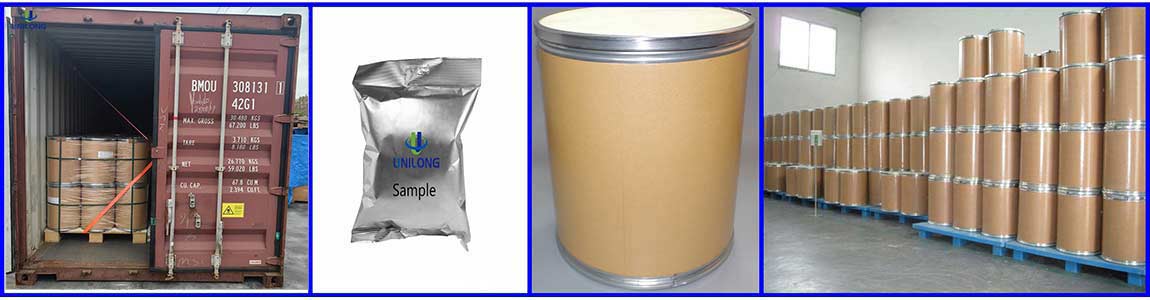
| Density | 1,32 g/cm3 |
| Vapor pressure | 0Pa at 25℃ |
| Refractive index | 1.5090 (estimate) |
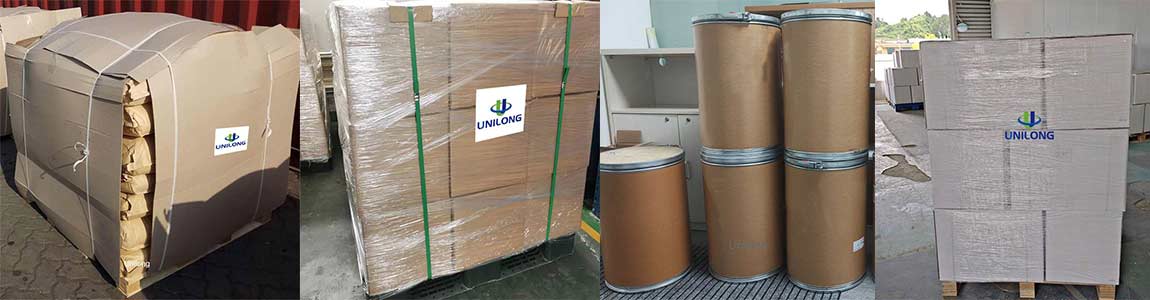
| Flash point | 125 °C |
| LogP | 2.964 at 25℃ |
| Acidity coefficient (pKa) | 7.72±0.35(Predicted) |
2,4-Dihydroxybenzophenone is mainly used in polyester, chlorinated polyester, acetate, polyvinyl chloride, polystyrene, plexiglass, polyacrylonitrile and other resins. The stability in transparent products is better than in colored products. The amount in the product is 0.% ~ 0.5%.
25kg/drum or according to customer requirements.

2,Chemicalbook4-Dihydroxtbenzophenone; 2,4-Dihydroxybenzofenon; 2,4-dihydroxy-benzophenon; 2,4-dihydroxydiphenylketone; Advastab48.
Methyl 2-benzoylbenzoate CAS 606-28-0
CAS:606-28-0
MF:C15H12O3
MW:240.25
EINECS:210-112-3
Synonyms:O-BENZOYLBENZOIC ACID METHYL ESTER; O-BENZOYL BENZOMETHOXYCARBONYL; OBM; IHT-PI OMBB; methyl 2-phenylcarbonylbenzoate
Methyl 2-benzoylbenzoate is a white or yellowish crystal particle with molecular formula C15H12O3 and molecular weight 240.25. Its solution point is 49-53℃. Methyl 2-benzoylbenzoate is soluble in alcohol and alkali solution, and is almost insoluble in water in acid.
| Item | Specification |
| Melting point | 48-53 °C (lit.) |
| Boiling point | 352 °C |
| Density | 1,69 g/cm3 |
| Vapor pressure | 0Pa at 20℃ |
| Refractive index | 1.5740 (estimate) |
| Flash point | >230 °F |
| LogP | 2.8 at 25℃ |
Methyl 2-benzoylbenzoate Methyl o-benzoylbenzoate is used as an anti-ultraviolet absorbent and as a preservative in food and beverage. Methyl 2-benzoylbenzoate is also widely used in UV curing coatings and inks.
25kg/drum or according to customer requirements.

o-Methyl-benzoyl Benzoate; OMNIRADOMBB; 2-(Methoxycarbonyl)benzophenone.
4-Acryloylmorpholine CAS 5117-12-4
CAS:5117-12-4
MF:C7H11NO2
MW:141.17
EINECS:418-140-1
Synonyms:ACRYLOYL MORPHOLINE; 4-ACRYLOYLMORPHOLINE; N-ACRYLOYLMORPHOLINE; 4-(1-oxo-2-propenyl)-Morpholine; N-Acrolylmorpholine
N-acryloylmorpholine, 4-Acryloylmorpholine, light yellow transparent liquid at ambient temperature and pressure, soluble in water and common organic solvents but not n-hexane. N-acrylyl morpholine is a morpholine amide compound, because the structure contains a terminal double bond unit, it shows high chemical reactivity, mainly used as a diluent and modifier of UV-curable resin, has a good application in the field of polymer resin industrial production.
| Item | Specification |
| Melting point | −35 °C(lit.) |
| Boiling point | 158°C 50mm |
| Density | 1.122 g/mL at 25 °C(lit.) |
| Vapor pressure | 1.03-1.64Pa at 25-29.9℃ |
| Refractive index | n20/D 1.512(lit.) |
| Flash point | >230 °F |
| LogP | -0.46 at 20.5-21℃ |
N-acrylyl morpholine belongs to acrylamide active diluent, which can be used as diluent and modifier of UV-cured resin. It is widely used in the polymer resin industry, which has little irritation to the skin and low odor, and is widely used in various fields such as chemical industry, medicine and biology. In the aspect of UV photocuring, N-acrylomorpholine has fast curing speed, good dilution, low volume shrinkage, excellent heat resistance, and belongs to the active diluent with high performance and low toxicity, which has a good application prospect.
1. Low odor and low skin irritation compared to ordinary acrylics and NVP. The odor advantage is significant. The volume shrinkage rate during curing is low, resulting in small internal stress in the product. Excellent adhesion to glass, metal, ITO, PC, and PMMA substrates.
2. Fast UV curing speed, good solubility in photoinitiators, and can reduce the release of photoinitiators; excellent dispersion performance of pigments and fillers, suitable for ink and inkjet systems.
3. The morpholine ring structure gives hydrolytic resistance, acid and alkali resistance, and heat resistance. The resin has high thermal stability after curing; can be used in water-based UV systems, hydrogels, biological materials, and medical dressings.
4. Does not contain free acrylamide, providing relatively better biocompatibility, suitable for contact coatings and contact lens material formulations.
5. Reference addition amount: UV formulation 5-30%; hydrogel synthesis 10-60%; adjust according to the formulation ratio for polymer copolymerization; note that excessive addition will increase the hydrophilicity of the system and affect water resistance.
Usually packed in 200kg/drum, and also can be do customized package.
Storage temperature: Preferably stored at 2-8℃ in refrigeration and protected from light; in a regular warehouse, control the temperature between 5-25℃. Strictly prohibit temperatures above 30℃. Keep away from heat sources, UV light, and direct sunlight; exposure to high temperature and light will consume the MEHQ anti-aging agent, causing self-polymerization and gelation.
Separation storage: Keep away from peroxides, strong oxidants, and free radical initiators. Do not store together; keep away from strong acids and strong bases.
Original factory sealed shelf life: 12 months; after opening, the seal must be tightened. It is recommended to use it within 3-6 months; long-term storage without sealing will lead to consumption of the anti-aging agent, with a risk of spontaneous gelation.

Q: What causes the gel clumping during storage?
A: High temperature exposure, ultraviolet radiation, the presence of peroxides / heavy metal impurities, and the consumption of the polymerization inhibitor leading to the self-polymerization of free radicals; once the gel forms, the entire barrel is scrapped and cannot be used after filtration.
Q: Can ACMO be mixed directly with peroxides and photoinitiators for long-term storage?
A: No; ACMO is an active monomer and long-term coexistence with initiators will accelerate self-polymerization; it is recommended to prepare and use the material immediately during production, and the mixed liquid should not be stored for a long time.
Q: ACMO has good water solubility, but why does it show stratification when exposed to UV?
A: ACMO itself is miscible with water; stratification is usually due to poor compatibility of other resins / additives in the system, not an issue with ACMO itself. The emulsification system needs to be adjusted.
Q: What is the minimum order quantity (MOQ)?
A: For industrial bulk goods, the regular MOQ is 25 kg; small samples can be provided for formula testing, and sample fees will be charged for the small samples. Large order quantities can be negotiated to offset the sample fees.
Q: How long is the delivery cycle?
A: 4-Acryloylmorpholine CAS 5117-12-4: In stock: After receiving the full payment, the goods will be dispatched within 5-10 working days;
Customized / high-purity specification orders: 12-20 working days; confirm the inventory before placing the order.
Q: What export documents can be provided?
A: COA analysis report, MSDS (SDS), packing list, commercial invoice; support FOB/CIF/CFR and other trade terms.
2-Isopropylthioxanthone CAS 5495-84-1
CAS:5495-84-1
MF:C16H14OS
MW:254.35
EINECS:226-827-9
Synonyms:QUANTACURE ITX; SPEEDCURE 2-ITX; 2-Isopropylthioxanthon; Photocure-Itx; SPEEDCURE ITX; 2-Isopropylthioxanthen-9-one; 2-(1-Methylethyl)-
2-isopropyl thioxanthrone is solid in form, yellow in color, generally soluble and effective at low concentrations. Absorption wavelength 250 ~ 400nm. 2-isopropyl thioxanthrone is a highly effective UV curing initiator.
| Item | Specification |
| Melting point | 76 °C |
| Boiling point | 398.9±32.0 °C(Predicted) |
| Density | 1.199±0.06 g/cm3(Predicted) |
| Vapor pressure | 0Pa at 20℃ |
| Flash point | 210 °C |
| LogP | 5.59 at 20℃ |
2-isopropyl thioxanthone is an efficient free radical type II photoinitiator, which is suitable for light curing materials composed of unsaturated polyester and acrylic monomer, etc. It can be used in colorless or colored UV curing inks, wood furniture, decorative coatings, adhesives, automotive metal parts coatings, optical fiber manufacturing, print luminous materials, etc. It acts as a sensitizer when used with a cationic photoinitiator, and can also be used as a photosensitizer to enhance the curing efficiency of photoinitiator 907.
25kg/drum or according to customer requirements.

Isopropyl Thioxanthone (Mixture of 2 IsoMers and 4 IsoMers).
CAS:84170-74-1
MF:[H2C=CHCO2(C3H6O)nCH2]2C(CH3)2
MW:328
Synonyms:NEOPENTYLGLYCOLPROPOXYLATEDIACRYLATE; neopentylglycolpropoxylate(1po/oh)diacrylate; NEOPENTYLGLYCOLPROPOXYLATE(1PO/OH)DIACRYLATE,AVERAGEMNCA.328
2PO-NPGDA is a transparent colorless liquid with molecular formula [H2C=CHCO2(C3H6O)nCH2]2C(CH3)2 and molecular weight of 328. 2PO-NPGDA is a promising organic chemical.
| Item | Specification |
| Color (APHA) | ≤50 |
| Acid value (mgkOH/g) | ≤0.5 |
| Viscosity (cps@25℃) | 10-15 |
| Moisture % | ≤0.2 |
| Inhibitor (ppm) | ≤300 |
| Refractive index | 1.447 |
| Surface tension Dynes/cm,20℃ | 30.6 |
| Glass transition temperature Tg,℃ | 32 |
2PO-NPGDA is widely used in PVC paint, plastic paint, metal paint, offset printing ink, flexographic printing, screen printing, gloss varnish and other fields, with good prospects for development.
Usually packed in 200kg/drum, and also can be do customized package.

Neopentylglycol [2 PO] diacrylate,NPG2PODA,Photomer 4127,CAS 84170-74-1.
CAS:3147-75-9
MF:C20H25N3O
MW:323.43
EINECS:221-573-5
Synonyms:LABOTEST-BBLT00053579; EUSORB323; 2-(2′-HYDROXY-5′-TERT-OCTYLLPHENYL)BENZOTRIAZOLE
Ultraviolet absorber UV-329, i.e. 2-(2′ -hydroxy-5 ‘-teroctyl phenyl) benzotriazole, is a highly effective anti-aging agent with excellent properties, soluble in benzene, styrene Chemicalbook, dichloromethane and cyclohexane, slightly soluble in alcohol substances, insoluble in water; Can effectively absorb 270-380 nm ultraviolet light; Non-flammable, non-explosive, non-toxic, safe and harmless to use.
| Item | Specification |
| Melting point | 106-108 °C(lit.) |
| Boiling point | 471.8±55.0 °C(Predicted) |
| Density | 1.10±0.1 g/cm3(Predicted) |
| Vapor pressure | 0Pa at 20℃ |
| Acidity coefficient (pKa) | 8.07±0.45(Predicted) |
| Water solubility | 2μg/L at 20℃ |
| LogP | 7.290 (est) |
UV absorber UV-329 is widely used in PE, PVC, PP, PS, PC, polypropylene fiber, ABS resin, epoxy resin, resin fiber and ethylene vinyl acetate and other Chemicalbook surface, and can be used in plastic containers and food packaging materials, providing them with good light stabilization effect. Almost does not absorb visible light, especially suitable for colorless transparent and light-colored products.
25kg/drum or according to customer requirements.

2-(2′-HYDROXY-5′-TERT-OCTYLPHENYL)BENZOTRIAZOLChemicalbookE; 2-(2-HYDROXY-5-TERT-OCTYLPHENYL)BENZOTRIAZOLE.
CAS:64401-02-1
MF:C25H28O6
MW:512
EINECS:200-001-8
Synonyms:BiChemicalbooksphenolA,ethoxylated,acrylate; ethoxylatedbisphenol”a”diacrylate(4molese.o.); is[omega-[(1-oxo-2-propenyl)oxy]-
BPA20EODA is a colorless transparent liquid with a molecular formula of C25H28O6, a molecular weight of 512 and a viscosity of 800-1000. BPA20EODA has the advantages of low viscosity, low volatilization and fast curing.
| Item | Specification |
| APHA | ≤150 |
| Acid value (mgkOH/g) | ≤1.0 |
| Density | 1.15 g/mL at 25 °C |
| Viscosity (cps@25℃) | 800-1000 |
| Refractive index | n20/D 1.545 |
| Flash point | >230 °F |
BPA20EODA is mainly used in wood paint, PVC paint, plastic paint, metal paint, offset printing ink, flexographic printing, screen printing, gloss varnish and other fields.
Usually packed in 200kg/drum, and also can be do customized package.

2,2-BIS[4-(2-ACRYLOXYETHOXY)PHENYL]PROPANE,BPA2EODA,BPA20EODA,BPA30EODA.
CAS:50974-47-5
MF:(C2H4O)nC18H26O2
MW:450
EINECS:213-426-9
Synonyms:Polyethyleneglycolmono-nonylphenylesteracrylate; (4)ethoxylatednonylphenolacrylate; PolyChemicalbookethyleneglycolnonylphenyletheracrylate
4EO-NPA is a colorless liquid, molecular weight is 450, refractive index is 1.495, 4EO-NPA has good flexibility, good adhesion, good leveling, good compatibility and other excellent characteristics.
| Item | Specification |
| Color (APHA) | ≤100 |
| Acid value (mgkOH/g) | ≤1.0 |
| Viscosity (cps@25℃) | 100 |
| Moisture % | ≤0.2 |
| Inhibitor (ppm) | 300 |
| Refractive index | 1.495 |
| Surface tension Dynes/cm,20℃ | 34.3 |
| Glass transition temperature Tg,℃ | -28 |
4EO-NPA is mainly used in PVC coatings, plastic coatings, metal coatings and other fields.
Usually packed in 200kg/drum, and also can be do customized package.

ACRYLATEETHYLENEOXIDEMODIFIEDNONYLPHENOL; 2-[2-[2-[2-(4-nonylphenoxy)ethoxy]ethoxy]ethoxy]ethylprop-2-enoate.
L-Selenomethionine CAS 3211-76-5
CAS:3211-76-5
MF:C5H11NO2Se
MW:196.11
EINECS:608-705-0
Synonyms:(S)-(+)-2-AMINO-4-(METHYLSELENO)BUTANOICACID; (S)-2-AMINO-4-(METHYLSELENO)BUTYRICACID; SEMET; SELENOMETHIONINE,LChemicalbook-(+)-
L-SelenoMethionine is the L-isomer of Selenomethionine, which is the main natural food form of selenium. L – SelenoMethionineChemicalbook is a kind of cancer chemoprevention agent, can reduce the incidence rate of cancer by dietary supplement and inducing cancer cell apoptosis. L-SelenoMethionine can also increase the expression of glutathione peroxidase.
| Item | Specification |
| Melting point | 265 °C |
| Specific rotation | 18 º (c=1, 1N HCl) |
| Boiling point | 320.8±37.0 °C(Predicted) |
| Refractive index | 18 ° (C=0.5, 2mol/L HCl) |
| Storage condition | -20°C |
| Solubility | H2O:50 mg/mL |
| LogP | 0.152 (est) |
L-selenomethionine is a natural component of the diet and is estimated to make up at least half of all dietary selenium. L-selenomethionine is an essential trace element for humans and other animals. Selenium is bound to an enzyme molecule called glutathione peroxidase (GPX). This important enzyme protects red blood cells and cell membranes from the adverse effects of soluble peroxides. The dependence of glutathione peroxidase on the nutrient selenium elucidates the antioxidant effects of this essential micronutrient. Good selenium nutrition is a key metabolism for antioxidant defense and efficient energy.
25kg/drum or according to customer requirements.

SELENO-L-METHIONINE; L-(+)-2-AMINO-4-(METHYLSELENO)BUTANOICACID; L-(+)-SELENOMETHIONINE; L-SELENOMETHIONINE.
CAS:112-52-7
MF:C12H25Cl
MW:204.78
EINECS:203-981-5
Synonyms:N-DODECYL CHLORIDE; 1-Chlordodecan; DODECYL CHLORIDE; LAURYL CHLORIDE; 1-CHLORODODECANE; 1-CHLORODODECANE(LAURYL CHLORIDE); Barchlor(R) 12
1-Chlorododecane, also known as 1-chlorododecane, is a long-chain halogenated hydrocarbon that is transparent to light yellow at room temperature. As a halogenated alkane, 1-chlorododecane is insoluble in water, soluble in benzene and soluble in ethanol, and can be used as surfactants, plasticizers and intermediates in organic synthesis. It should be noted that the substance has strong irritation to the eyes, mucosa and skin, and users need to pay attention to protective measures.
| Item | Specification |
| Melting point | -9.3 °C |
| Boiling point | 260 °C |
| Density | 0.867 g/mL at 20 °C (lit.) |
| Vapor pressure | 55.2-316.9hPa at 162.35-216.25℃ |
| Refractive index | n20/D 1.443 |
| Flash point | 130 °C |
1-chlorododecane can be used as surfactants, plasticizers and intermediates in organic synthesis. 1-chlorododecane can be used as a raw material for nonionic surfactants, a class of molecules that improve dispersion, emulsification and wettability in liquids. In some industrial and consumer applications, they can be used in cleaners, detergents, emulsifiers and lubricants, among others. The chemical can also be used as a raw material for plasticizers in the plastics industry, and by introducing the substance into plastics, the physical properties of plastics can be improved to make them more suitable for specific applications, such as pipes, wire insulation materials and films.
Usually packed in 200kg/drum, and also can be do customized package.

N-DODECYL CHLORIDE,1-Chlordodecan,DODECYL CHLORIDE,LAURYL CHLORIDE,1-CHLORODODECANE.
2-(Vinyloxy)ethanol CAS 764-48-7
CAS:764-48-7
MF:C4H8O2
MW:88.11
EINECS:212-124-4
Synonyms:ethylenglycolmonovinylester; Mveeg; Vinyloxyethanol; ETHYLENE GLYCOL MONOVINYL ETHER (STABILIZED WITH KOH); Vinyl (2-hydroxyethyl) ether
Ethylene glycol monovinyl ether, also known as 2-vinyl oxyethanol, is an organic raw material. Due to its structural characteristics, vinyl can be used for polymerization, and the hydroxyl group has hydrophilic properties, so it can be used as a precursor raw material for water reducing agents used in industrial Chemicalbook. With the development of China’s construction market, the demand for water reducing agents is increasing, and the demand for ethylene glycol monovinyl ether as a precursor raw material for a new generation of water reducing agents will also be increasing.
| Item | Specification |
| Boiling point | 143 °C(lit.) |
| Density | 0.982 g/mL at 25 °C(lit.) |
| Refractive index | n20/D 1.436(lit.) |
| Flash point | 120 °F |
| pKa | 14.20±0.10(Predicted) |
2-ethylene oxyethanol can be used in the production of adhesives, lubricants, hairspray, elastomers, foams, pesticides and surface protection materials. In addition, vinyl ether containing hydroxyl group has good performance advantages in the polycarboxylic acid superplasticizer industry, and its sensitivity to mud and stone powder in sand and stone aggregate is low, and its application effect in commercial concrete is better than that of traditional polycarboxylic acid superplasticizer prepared by methylallyl alcohol and 3-methyl-3-butene-1-alcohol.
Usually packed in 250kg/drum, and also can be do customized package.

ETHYLENE GLYCOL MONOVINYL ETHER; ETHYLENE GLYCOL VINYL ETHER; 2-VINYLOXYETHANOL.
2,5-Furandimethanol CAS 1883-75-6
CAS:1883-75-6
MF:C6H8O3
MW:128.13
EINECS:217-544-1
Synonyms:RARECHEMALBD0012; BIS(HYDROXYMETHYL)FURAN; 5-(HYDROXYMETHYL)FURFURYLALCOHOL
The appearance of 2, 5-furandimethanol is white to yellowish powder. 2, 5-furandimethanol, as a bio-based furan-derived compound, has a very wide application potential and has been paid more and more attention by academia and industry in recent years.
| Item | Specification |
| Appearance | Sandybrown powder |
| Purity (%) | ≧98.0 |
| Moisture(%) | ≦0.5 |
| Melting Point (°C) | 74-77 ºC |
| Boiling Point (°C) | 275 ºC |
As a raw material, 2, 5-furandimethanol can be used to synthesize drug intermediates, nucleoside derivatives, crown ether and furan, etc., and can also be used as a solvent, softener, wetting agent, binder, surfactant, synthetic plasticizer, etc. Secondly, it can be used as a monomer to synthesize polyester, polyurethane and other polymeric materials to reduce the content of volatile organic compounds in clothing coatings. 2, 5-furandimethanol is expected to completely or partially replace propylene glycol in coating materials; In addition, 2, 5-furanedimethanol itself can also be used as an artificial receptor in molecular recognition studies.
25kg/drum or according to customer requirements.

2,5-FURANDIMETHANOL; 2,5-BIS(HYDROXYChemicalbookMETHYL)FURAN; 2,5-dihydroxymethylfuran; furan-2,5-diyldimethanol; 2,5-Bis(hydroxymethyl)furan,2,5-Furandimethanol.
CAS:917-54-4
MF:CH3Li
MW:21.98
EINECS:213-026-4
Synonyms:METHYLLITHIUM; MELI; LITHIUMMETHANIDE; LITHIUMMETHYL; Methyllithiumlithiumbromidecomplexsolution; MethyllithiChemicalbookumsolution
At room temperature, methyl lithium is a colorless transparent to slightly yellow liquid, extremely sensitive to air and water, and can spontaneously ignite in the air. Density 0.732g/cm3. Freezing point -17 chemical book℃. Ether is generally used as a solvent, usually formulated between 1.00M and 2.50M. Commonly used organic bases and methylation reagents, widely used in organic synthesis and catalysts.
| Item | Specification |
| Appearance | clear and transparent |
| Effective content | 2.45M-2.55M |
| Quality percentage | 6.34%-6.59% |
| Diethoxymethane | 94%±2% |
| Impurity | <0.30% |
Methyllithium can methylate a variety of functional groups, can remove protective groups, synthesize other methylated organometallic reagents, can be used as a base and reduce transition metals. Solvents and halogens have a great influence on the reaction using non-solvated methyl lithium. Lithium methyl is a common organic base and methylation reagent, widely used in organic synthesis and catalyst.
Usually packed in 200kg/drum, and also can be do customized package.

METHYLLITHIUMSOLUTION,~5%INDIETHYLETHER.
O-Cresolphthalein CAS 596-27-0
CAS:596-27-0
MF:C22H18O4
MW:346.38
EINECS:209-881-8
Synonyms:3’,3’’-dimethyl-phenolphthalei; cresolphthalein; Di-o-Cresolphthalide; o-Cresolphalein; o-cresolphtaleine; 3,3-bis(4-hydroxy-3-methylphenyl)-1(3h)-isobenzofuranon
O-Cresolphthalein is a white or reddish yellow crystalline powder. O-Cresolphthalein has a melting point of 223 ° C and is soluble in ethanol, ether and glacial acetic acid. O-Cresolphthalein is purple in dilute alkali, slightly soluble in water, and insoluble in benzene.
| Item | Specification |
| Melting point | 223-225 °C |
| Boiling point | 401.12°C (rough estimate) |
| Density | 1.1425 (rough estimate) |
| Refractive index | 1.4400 (estimate) |
| pKa | 9.40(at 25℃) |
O-Cresolphthalein is used as an acid-base indicator with a discoloration range of pH8.2(colorless) to 9.8(red).
25kg/drum or according to customer requirements.

3,3-Bis(4-hydroxy-3-methylphenyl)-1-(3H)-iso-benzofuranone.
CAS:124-07-2
MF:C8H16O2
MW:144.21
EINECS:204-677-5
Synonyms:1-Heptanecarboxylic acid; caprylic acid free acid; Octanoic Acid (1.00193); CAPRYLIC ACID (OCTANOIC ACID); OCTANOIC ACID, 99.5+%
Octanoic acid is a colorless oily liquid, solidified into flake crystals after cooling, slightly uncomfortable odor and burnt, diluted to fruity aroma. Melting point 16.3℃, boiling point 240℃, refractive index (nD20)1.4278. Slightly soluble in cold water, soluble in hot water and most organic solvents such as ethanol and ether. Caprylic acid is a medium chain fatty acid. It has eight carbons in its chain, so it’s also called caprylic acid. Caprylic acid is considered an essential fatty acid and is essential for proper functioning of the human body. Lack of it can lead to memory or concentration problems.
| Item | Specification |
| Octanoic acid (C8) purity | ≥99% |
| Moisture content | ≤0.4% |
| Acid value (OT-4) | 366~396 |
| As | ≤0.0001% |
| Heavy metal (as Pb) | ≤0.001% |
| Burning residue check sample (10g) | ≤0.1% |
| Related density (d2525) | 0.908~0.913 (25/25℃) |
| Refractive index (nD20) | 1.425~1.428 |
Octanoic acid is used in organic synthesis and pharmaceutical industry, for the synthesis of dyes, perfumes, pharmaceuticals, the preparation of pesticides, fungicides, plasticizers and so on. Octanoic acid can be used as a standard for gas chromatographic analysis. Octanoic acid is used in the manufacture of preservatives, fungicides, perfumes, dyes, plasticizers and lubricants. Octanoic acid is used in the manufacture of dyes, medicines, fragrances, etc. Octanoic acid can also be used as insecticide, antifungal agent, rust inhibitor, corrosion inhibitor, foaming agent, defoamer, etc.
Usually packed in180kg/drum, and also can be do customized package.

OCTANOIC ACID 98+% NATURAL FCC; OCTANOIC ACID 98+%; N-CAPRYLIC ACID EXTRA PURE.
CAS:8016-03-3
Colour:brown
Appearance:Liquid
Synonyms:Oils,davana; DAVANA OIL; FEMA 2359; ARTEMISIA PALLENS FLOWER OIL; davana flower oil; artemisia pallens herb oil
Davana Oil is obtained by steam distillation of the overground parts of the flowering herb, Artemisia Pallens. The plant grows in the same parts of southern India where also sandalwood is grown. Davana Oil is very dark green or brownish green (similarity to several other artemisia oils). Its odor is sharp, penetrating, bitter-green, foliage- like and powerfully herbaceous with a sweetbalsamic, tenacious undertone.
| Item | Specification |
| Melting point | 0.958 g/mL at 25 °C |
| Appearance | Liquid |
| Colour | brown |
| Flash point | 210°C |
| Refractive index | n20/D 1.488 |
| Density | 0.958 g/mL at 25 °C |
Davana Oil is commonly used as a food spice and is also used in sausages and various pork processed foods.
25kg/drum or according to customer requirements.

DAVANA OIL,FEMA 2359,ARTEMISIA PALLENS FLOWER OIL,davana flower oil,artemisia pallens herb oil.
CAS:8015-88-1
Packaging: 250kg/drum
Appearance:light yellow liquid
Category: Organic Intermediate
Synonyms:DAUCUS CAROTA SATIVA (CARROT) SEED OIL; Cafrot seed oil; CARROT OIL; CARROT OLEO RESIN; CARROT SEED OIL; FEMA 2244; daucusoil; Oils,carrot
Carrot seed oil is a light yellow oily liquid. The relative density is 0.8753, the refractive index is 1.4919, the specific rotation is -64.6°, the acid value is 0.21, the saponification value is 3.06, and the smell is strong, spicy and sweet. Carrot seed oil belongs to the variety used to extract essential oils, and is wild carrots, not the carrots we eat every day. In addition to the seeds that can be used to extract essential oils, the roots of wild carrots can also be soaked in vegetable oil to obtain carrot-soaking oil.
| Item | Specification |
| Relative density: | 0.900~0.943 |
| Refractive index: | 1.483~1.493 |
| Acid value: | ≤5 |
| Saponification value: | 9 ~ 58 |
| Solubility | 1ml soluble in 0.5ml 95% alcohol |
| Optical rotation: | -4° ~ -30° |
Carrot Seed Oil is rich in beta carotene, vitamins A and E and pro-vitamin A. Carrot Seed Oil helps to heal dry, chapped and cracked skin, balances the moisture in skin, and well conditions the hair. Suitable for all skin types, especially for dry or mature aging skin.
250kg/drum or according to customer requirements.

Cafrot seed oil,CARROT OIL,CARROT OLEO RESIN,CARROT SEED OIL,FEMA 2244,daucusoil.
Sodium pyrophosphate CAS 7758-16-9
CAS:7758-16-9
MF:H5NaO7P2
MW:201.97
EINECS:231-835-0
Synonyms:DisodiuMpytophospha; TwosodiuMpyrophosphatetwohydrogen; AmyloidPrecursorProteinβ,Secreted; ANTI-DSPP(N-TERM)antibodyproducedinrabbit
Sodium pyrophosphate appears as a white monoclinic crystalline powder or a molten solid. The relative density is 1.86. Soluble in water, insoluble in ethanol. The aqueous solution is hydrolyzed to phosphoric acid by heating with dilute inorganic acid. Sodium phosphate is slightly hygroscopic and forms six crystalline hydrates after absorbing water. When heated above 220℃, it decomposes to form sodium metaphosphate. When used as a leavening agent, an appropriate amount of aluminum salt and/or calcium salt may be included to control the reaction rate.
| Item | Specification |
| Melting point | decomposes 220℃ [MER06] |
| density | (hexahydrate) 1.86 |
| vapor pressure | 0Pa at 20℃ |
| storage temp | -70°C |
| solubility | H2O: 0.1 M at 20 °C, clear, colorless |
| PH | 3.5-4.5 (20℃, 0.1M in H2O, freshly prepared) |
Disodium dihydrogen pyrophosphate can be used as baking powder to control the fermentation speed and improve the production intensity. Used for instant noodles, reduce the rehydration time of the finished product, do not stick to rot. Used for biscuits and pastries, shorten the fermentation time, reduce the breakage rate of products, loose gaps neatly, can extend the storage period. Disodium dihydrogen pyrophosphate can be used as a quality modifier, which can improve the complex metal ions, pH value and ionic strength of food, thereby improving the binding strength and water retention of food.
25kg/drum or according to customer requirements.

DChemicalbookentinsialophosphoprotein; SodiuMpyrophosphatedibasicpracticalgrade; SODIUMPYROPHOSPHATEDIBASICBIOULTR.
1,10-Dibromodecane CAS 4101-68-2
CAS:4101-68-2
MF:C10H20Br2
MW:300.07
EINECS:223-871-0
Synonyms:Dibromodecane,95%; TIMTEC-BB SBB008900; DECAMETHYLENE BROMIDE; DECAMETHYLENE DIBROMIDE; 1,10-DIBROMODECANE; 1,10-DECAMETHYLENE BROMIDE; 1,10-DECAMETHYLENE DIBROMIDE; 1,10-DECANE DIBROMIDE
1, 10-dibromodecane is often used as an important raw material or intermediate in the synthesis of medicine and pesticides, and plays an important role in the synthesis of alkanes. 1, 10-dibromodecane is harmful if inhaled, taken orally or absorbed through the skin, and its vapor or mist can irritate the eyes, skin, mucous membranes and respiratory tract. Inhalation of 1, 10-dibromodecane can cause chemical pneumonia and pulmonary edema.
| Item | Specification |
| Melting Point | 25-27 °C (lit.) |
| Boiling Point | 160 °C/15 mmHg (lit.) |
| Density | 1.335 g/mL at 25 °C (lit.) |
| Storage | Sealed in dry,Room Temperature |
| Flash point | 26°C |
1, 10-dibromodecane is used as an intermediate in organic synthesis.1, 10-dibromodecane is often used as an important raw material or intermediate in the synthesis of medicine and pesticides, and plays an important role in the synthesis of alkanes.
25kg/drum or according to customer requirements.

TIMTEC-BB SBB008900,DECAMETHYLENE BROMIDE,DECAMETHYLENE DIBROMIDE,CAS 4101-68-2.