CAS: 629-73-2
Purity: 99%
Molecular Formula: C16H32
Molecular Weight: 224.43
EINECS: 211-105-8
Synonyms: CETENE; CETANE; LINEAR ALPHA OLEFIN C16; TIMTEC-BB SBB008801; 1-Cetene; 1-n-hexadecene; alpha-Hexadecene; 1-HEXADECENE
CAS: 629-73-2
Purity: 99%
Molecular Formula: C16H32
Molecular Weight: 224.43
EINECS: 211-105-8
Synonyms: CETENE; CETANE; LINEAR ALPHA OLEFIN C16; TIMTEC-BB SBB008801; 1-Cetene; 1-n-hexadecene; alpha-Hexadecene; 1-HEXADECENE
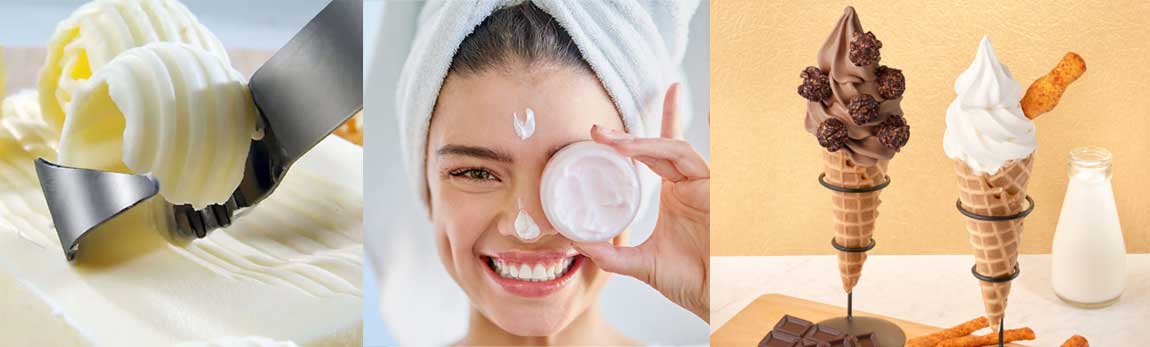
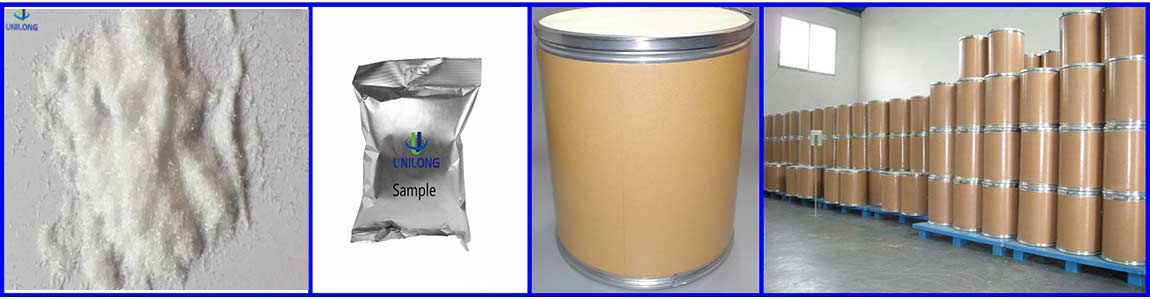
1-Hexadecene CAS 629-73-2 also known as cetene, 1-cetene. 1-Hexadecene can be separated by distillation from normal alkane obtained by adsorption of straight-run crude oil. Or by ethylene oligomerization process, can also be separated from the paraffin pyrolysis of C15-C18 ene fractions. 1-Hexadecene is used as raw material for synthetic detergent, synthetic plasticizer and other chemical products and fine chemical products.
| Item | Specification |
| Total paraffins | ≤0.20% |
| Water content | ≤100ppm |
| Peroxide content | ≤3ppm |
| Carbonyl | ≤15ppm |
| Density | 0.776-0.785 |
| Color (Pt-Co) | ≤5 |
1-Hexadecene used as raw materials for synthetic detergents, synthetic plasticizers and other chemical products and fine chemical products.
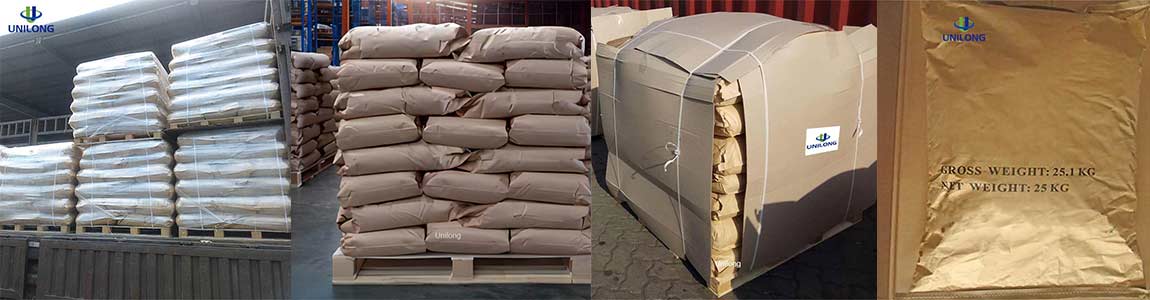
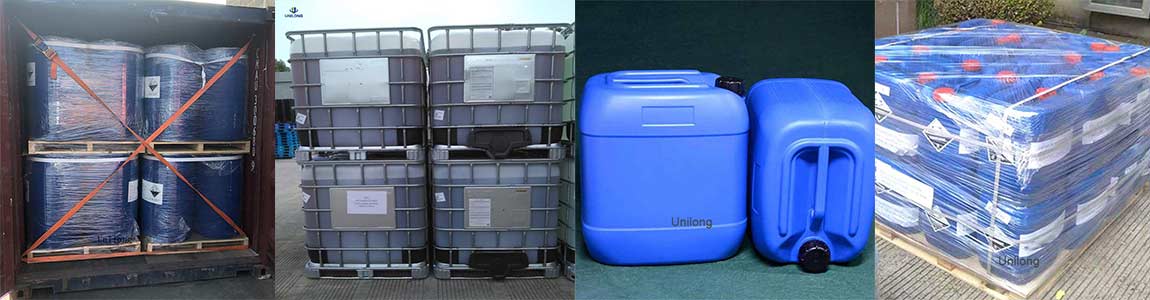
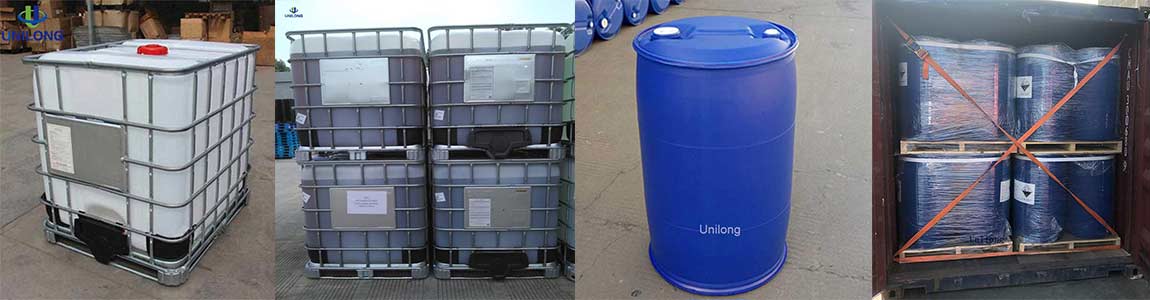
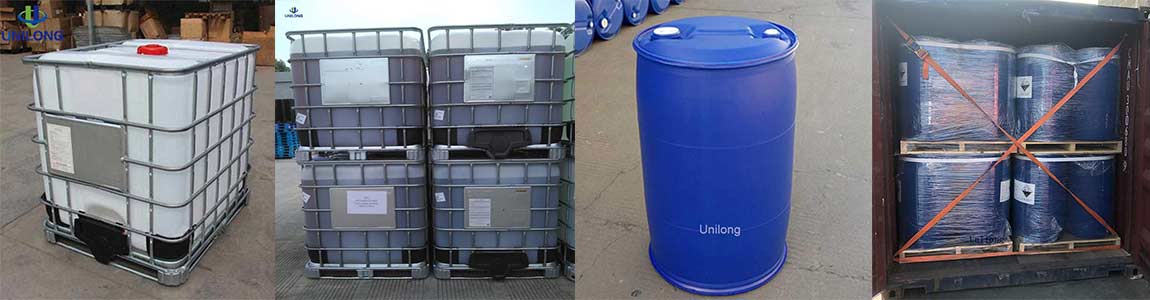
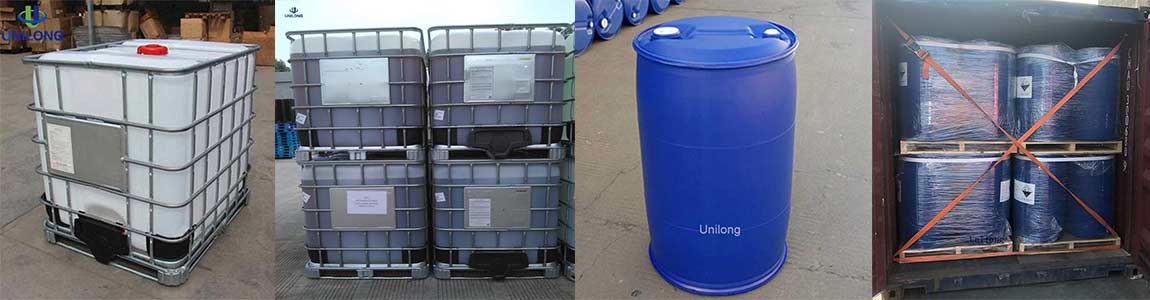
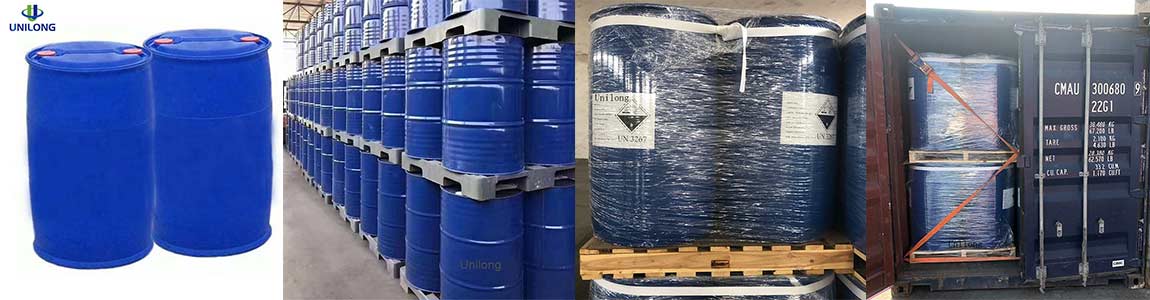
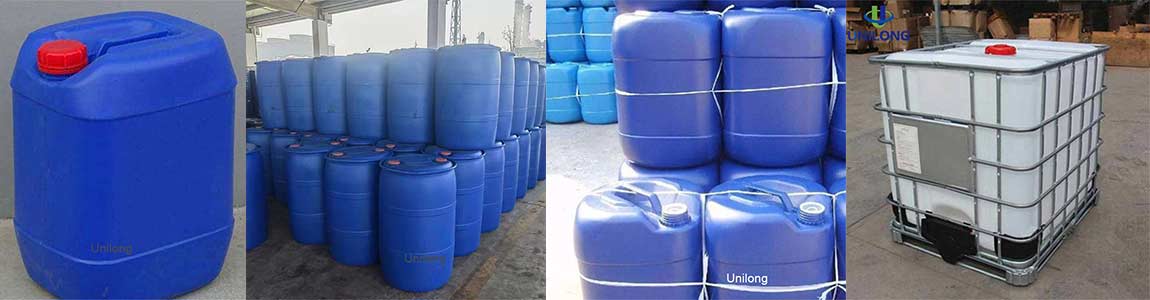
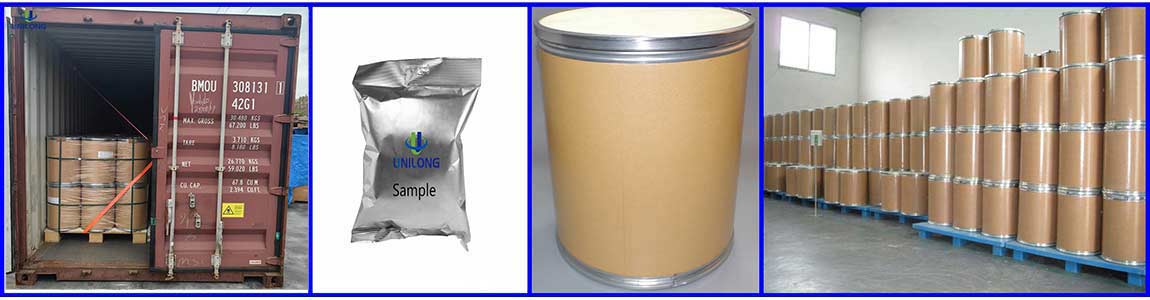
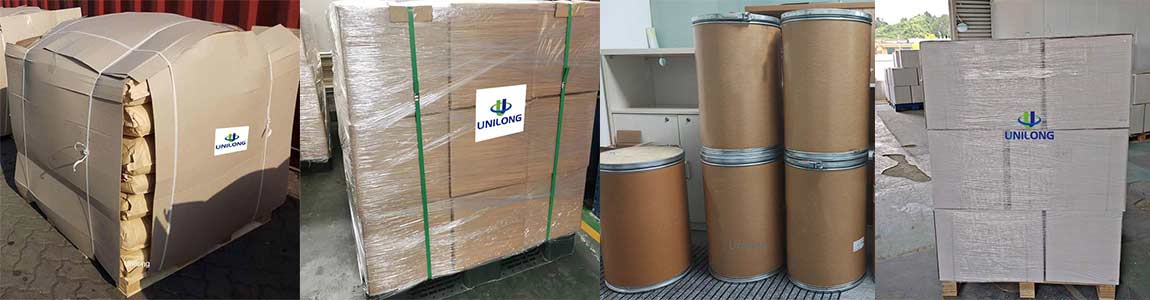
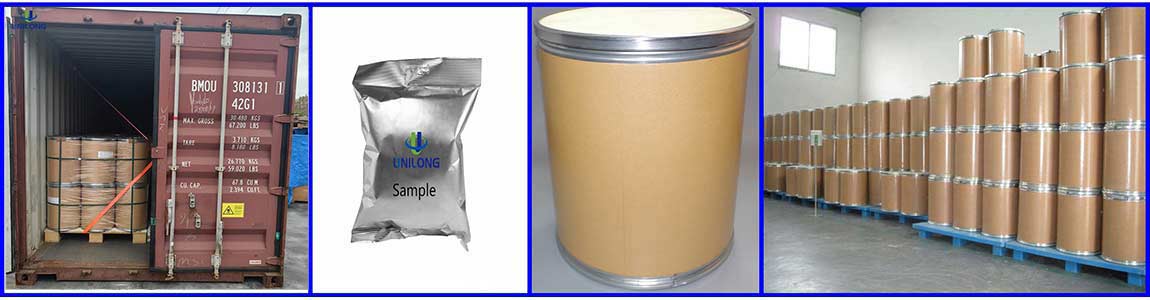
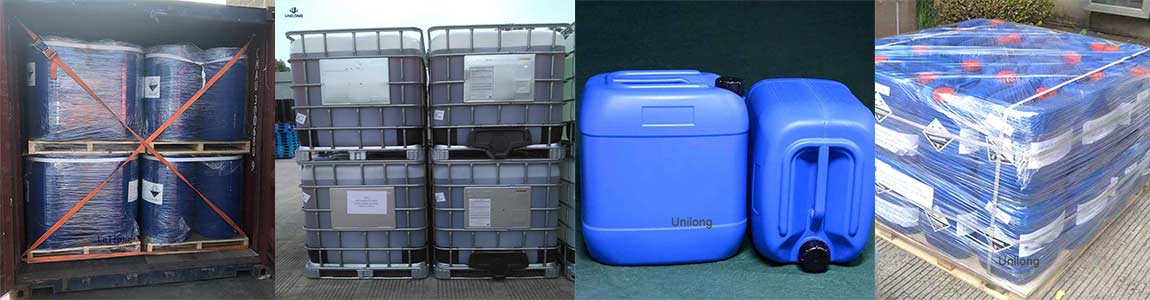
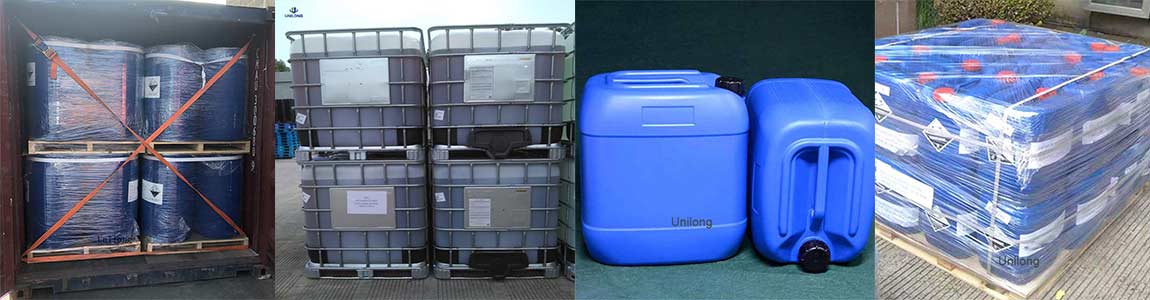
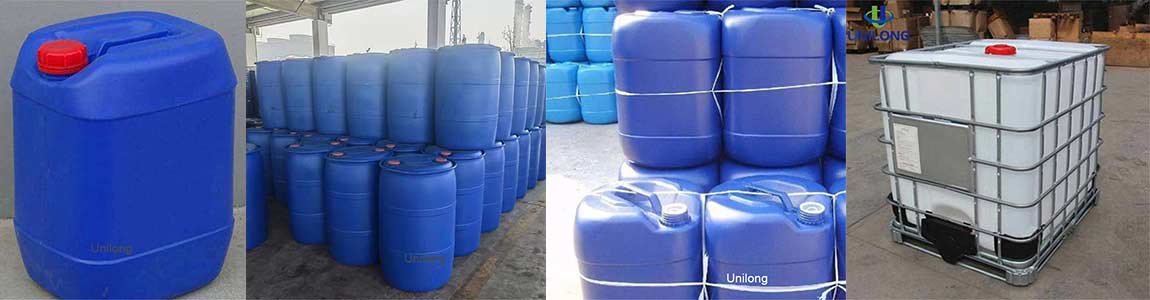
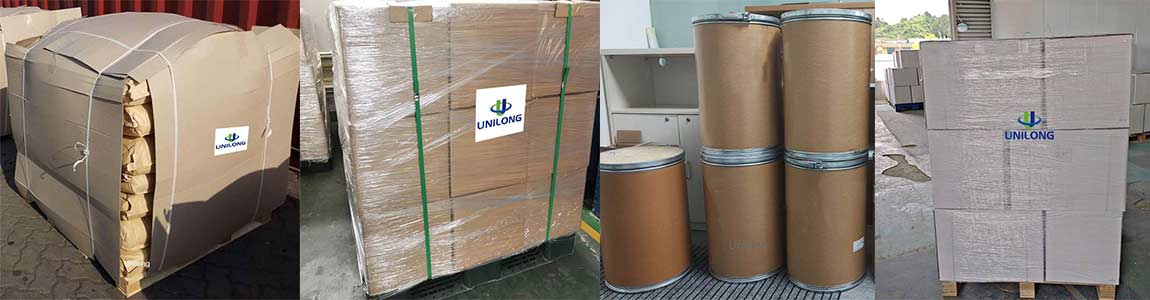
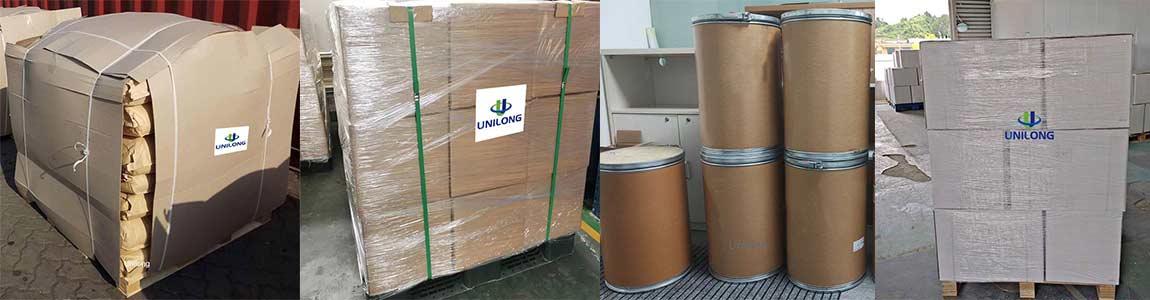
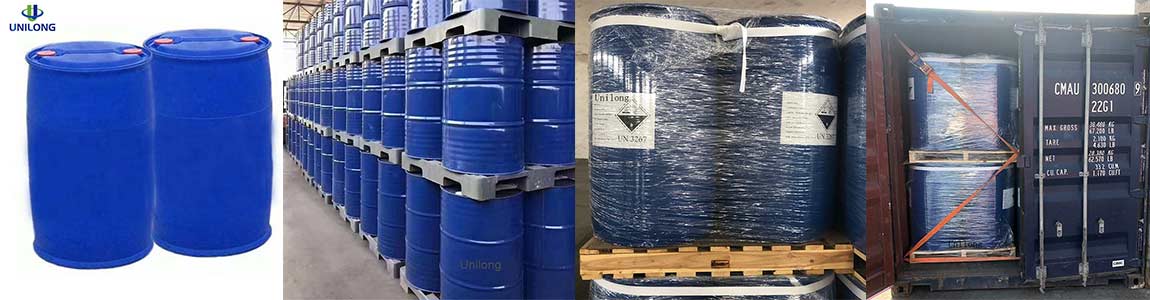
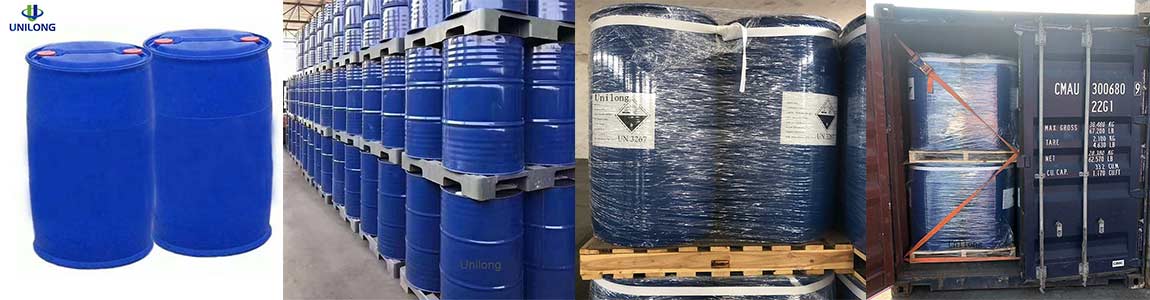
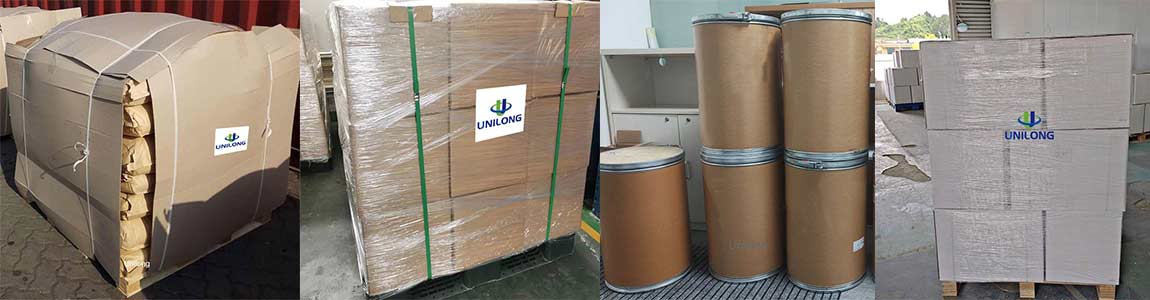
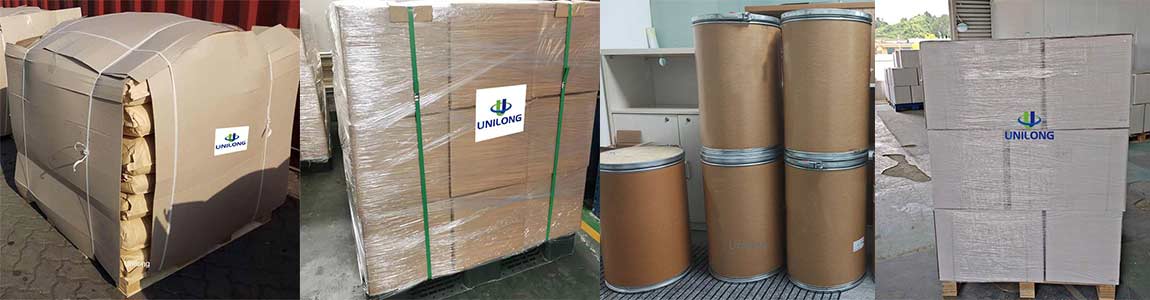
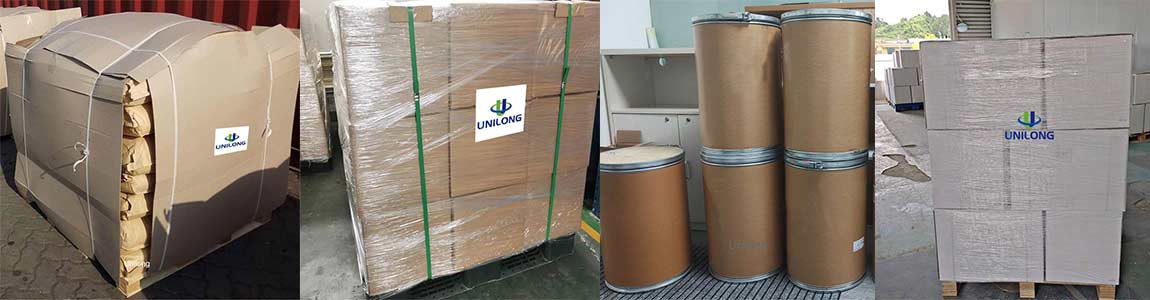
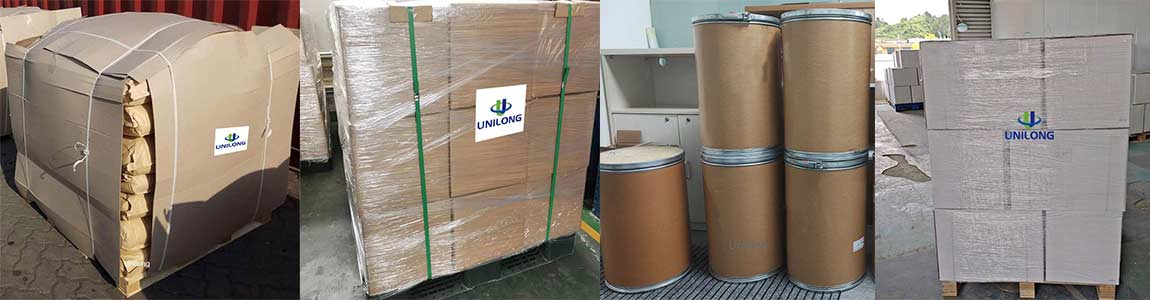
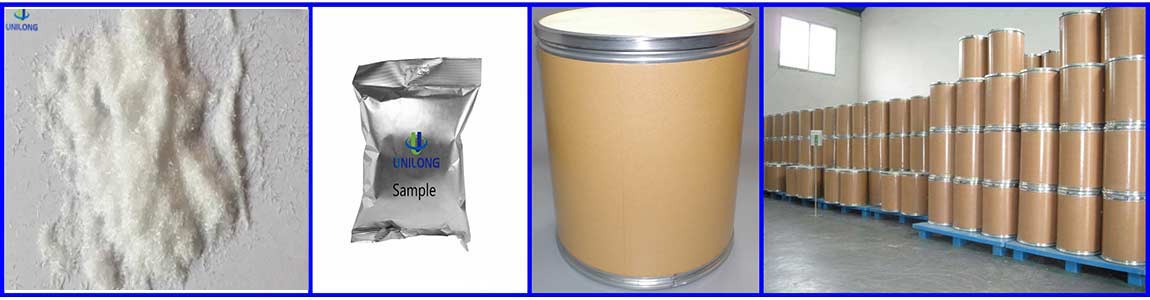
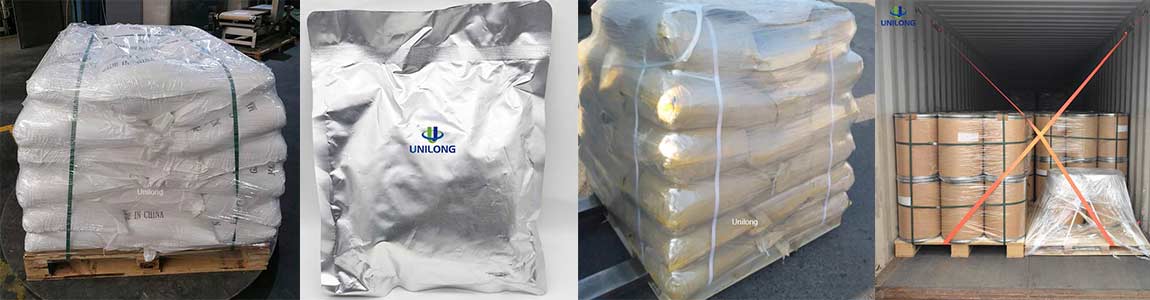
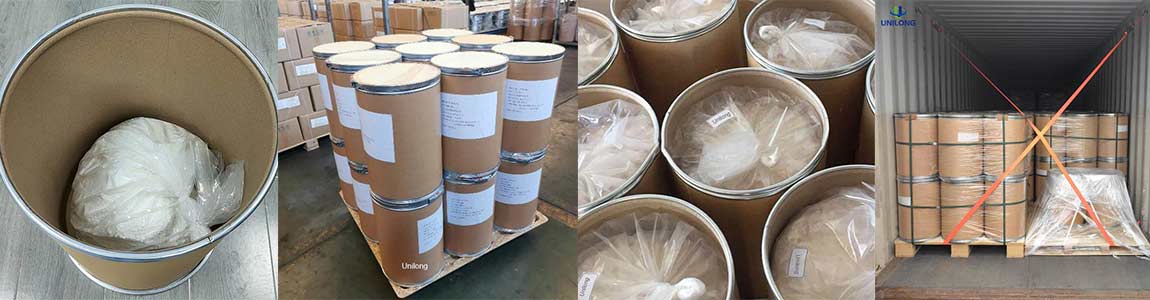
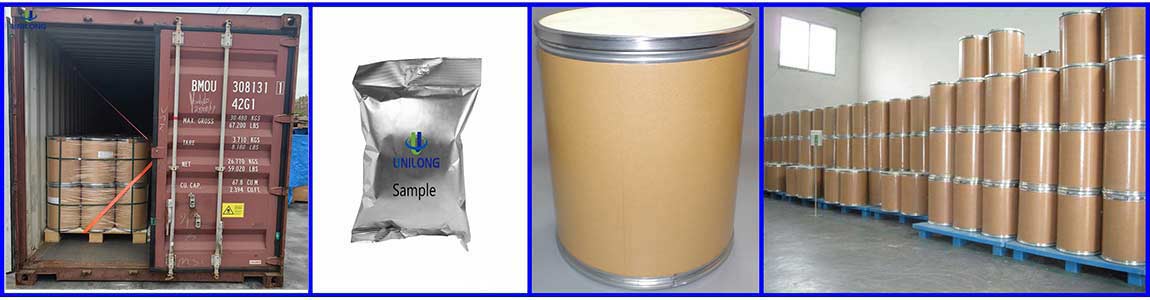
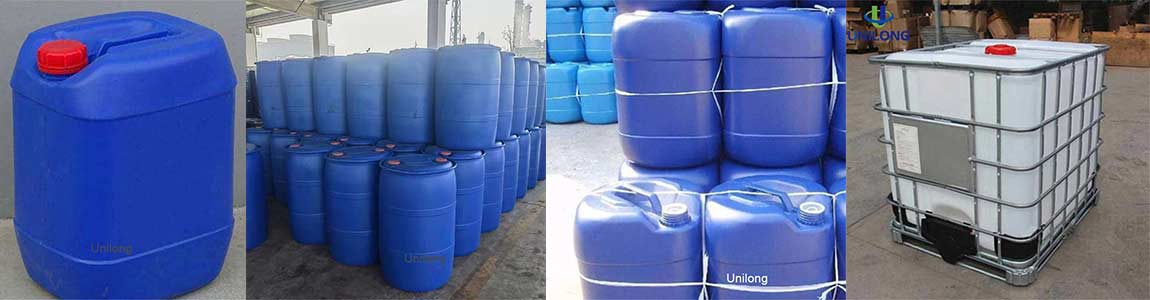
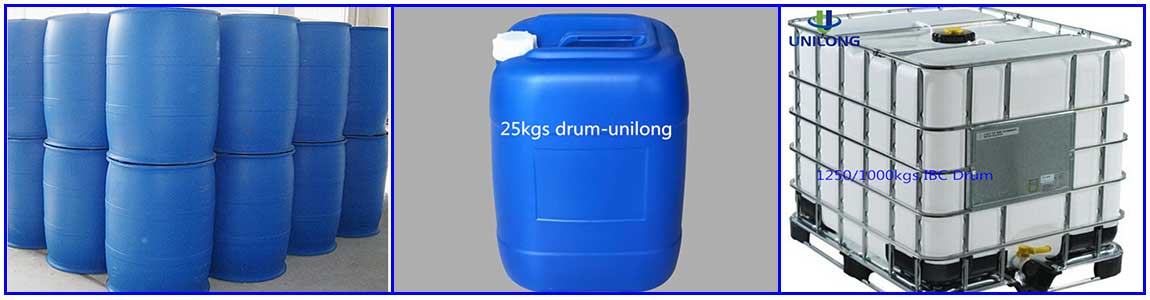
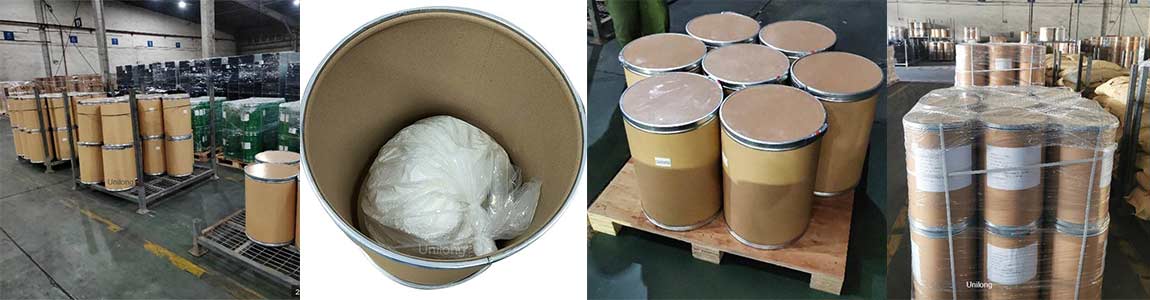
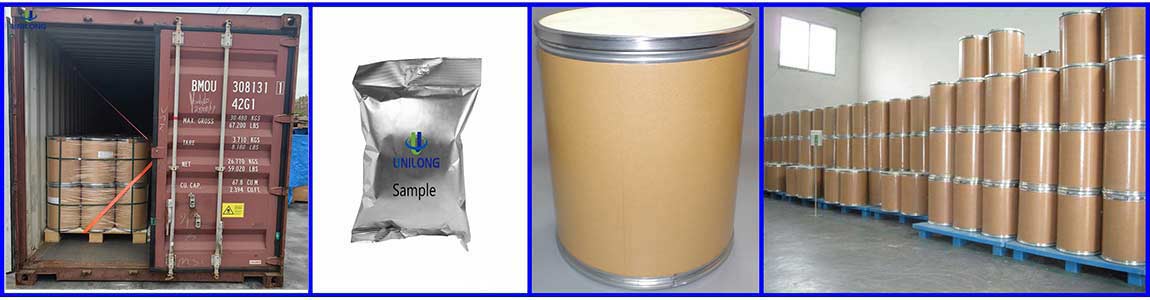
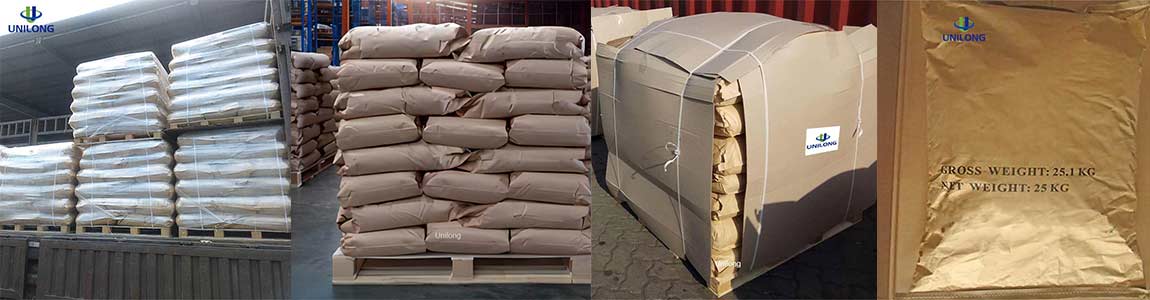
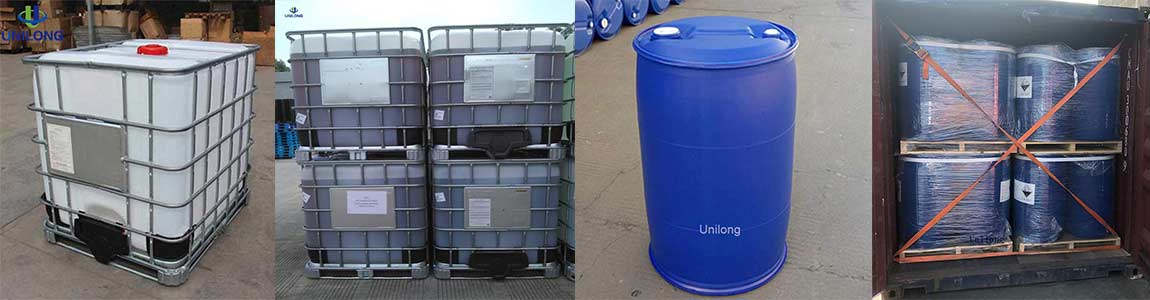
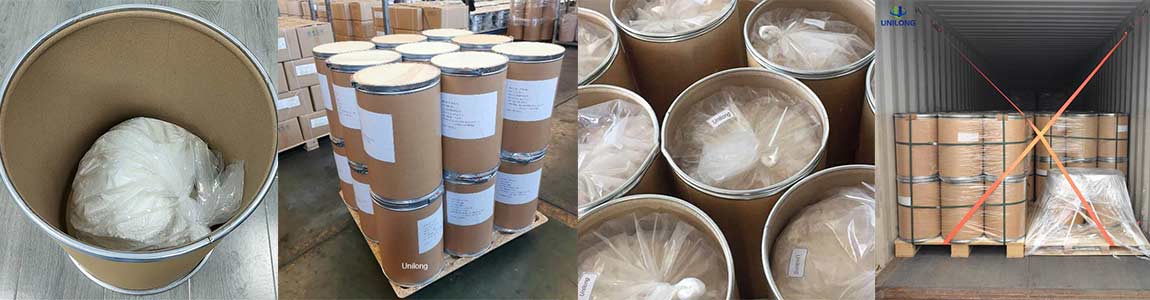
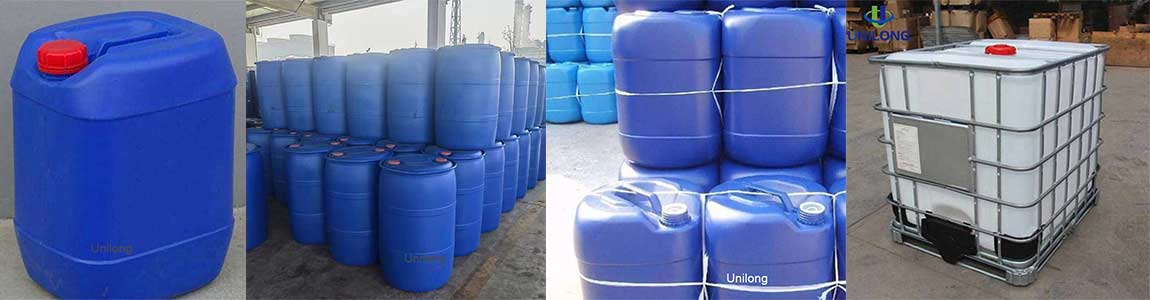
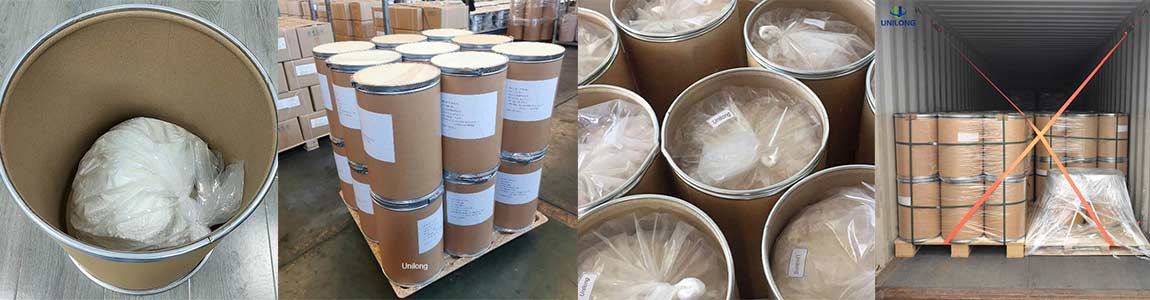
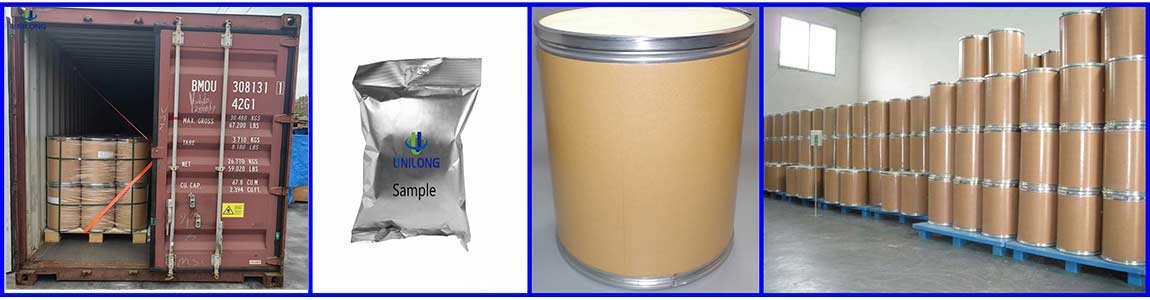
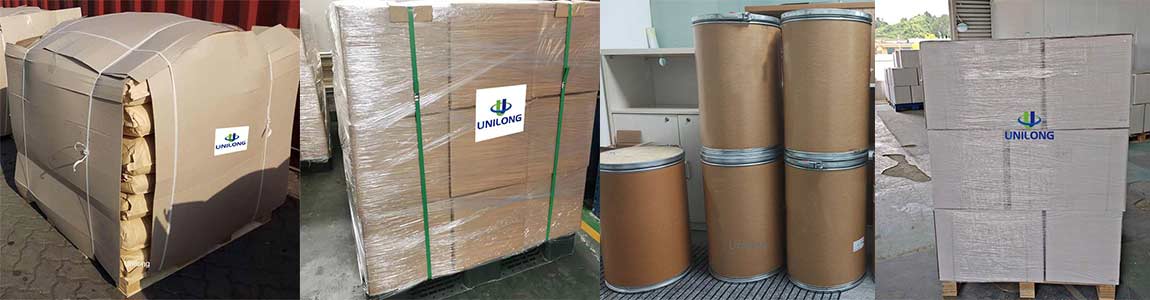
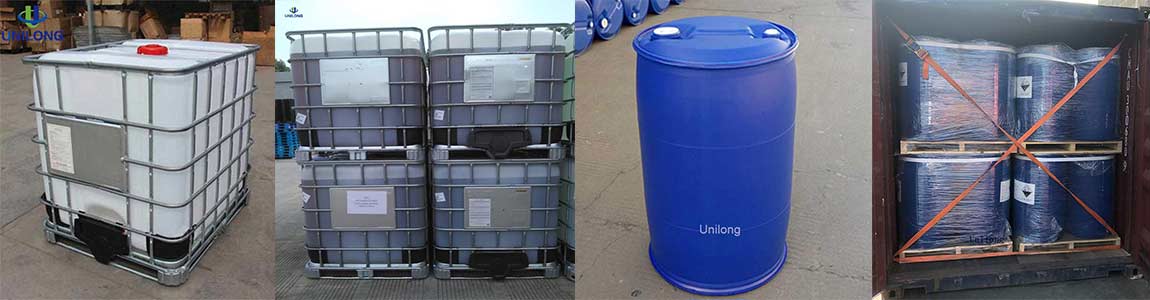
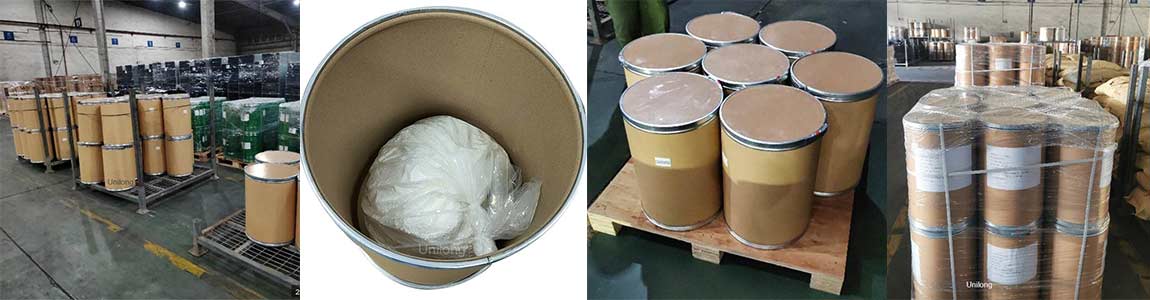
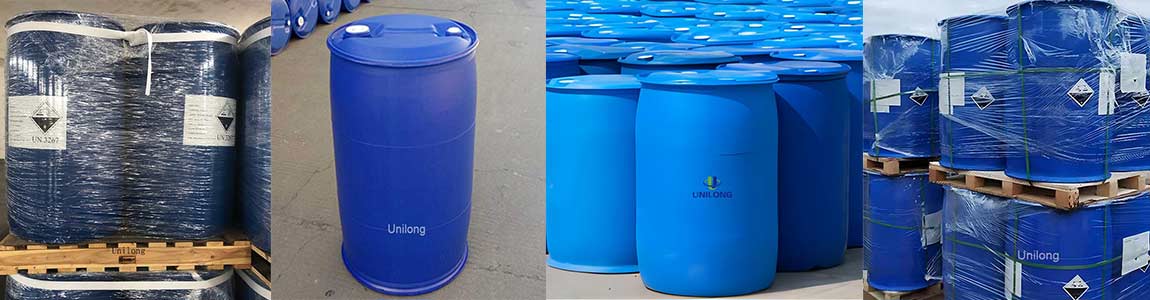
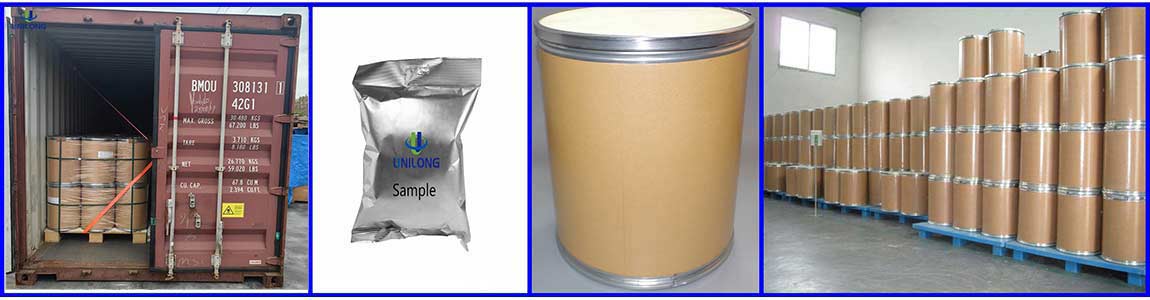
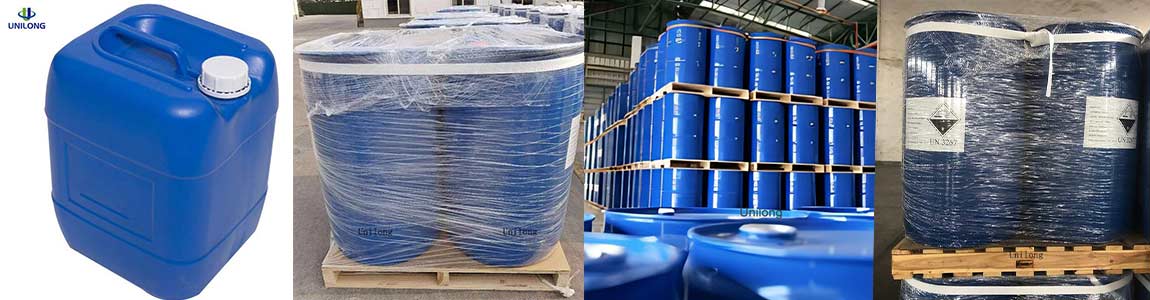
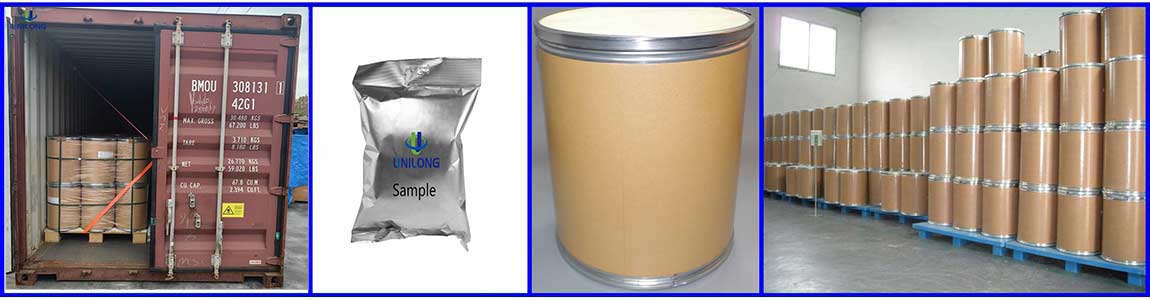
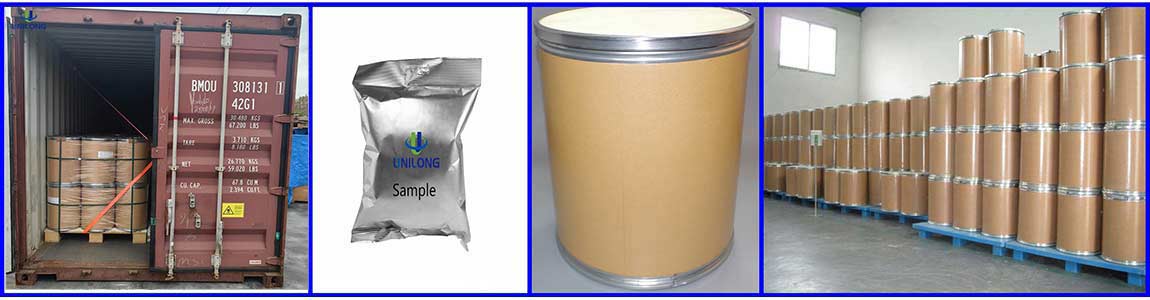
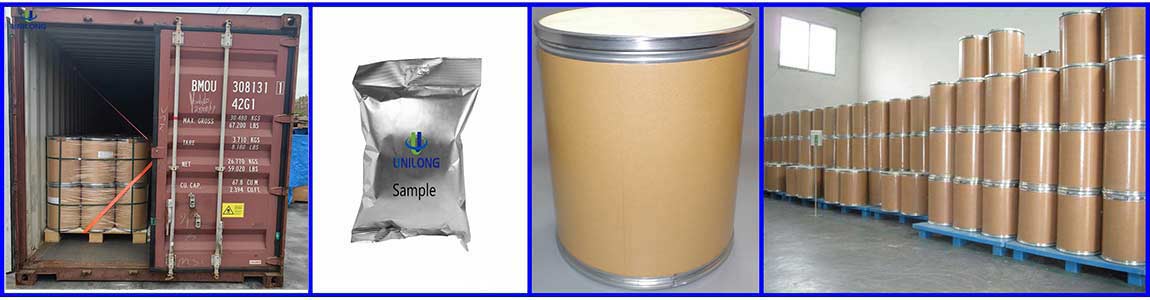
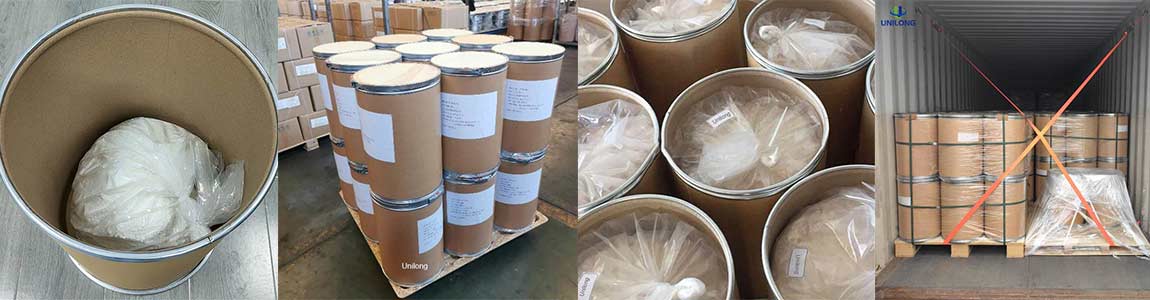
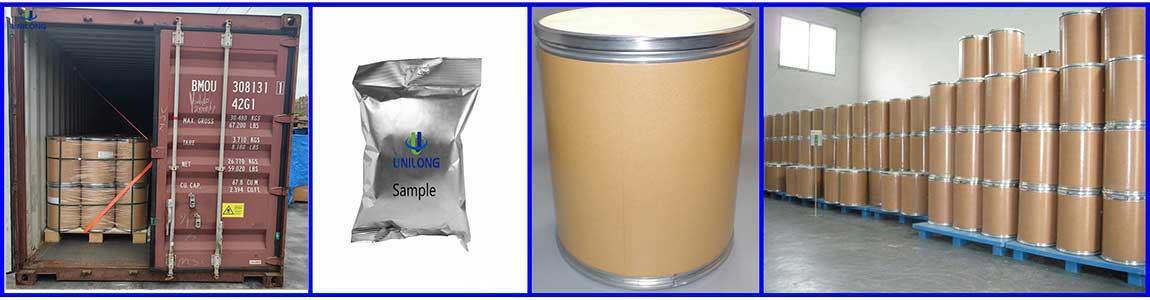
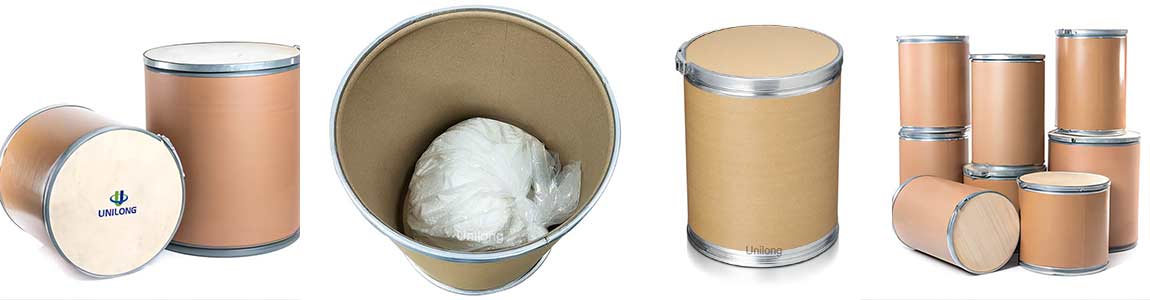
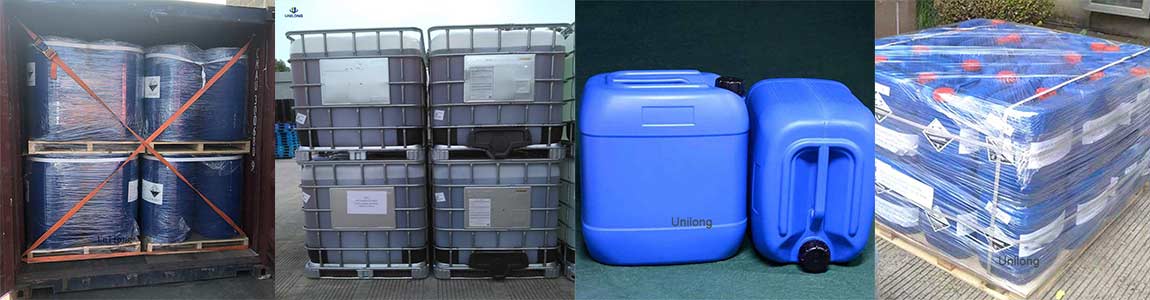
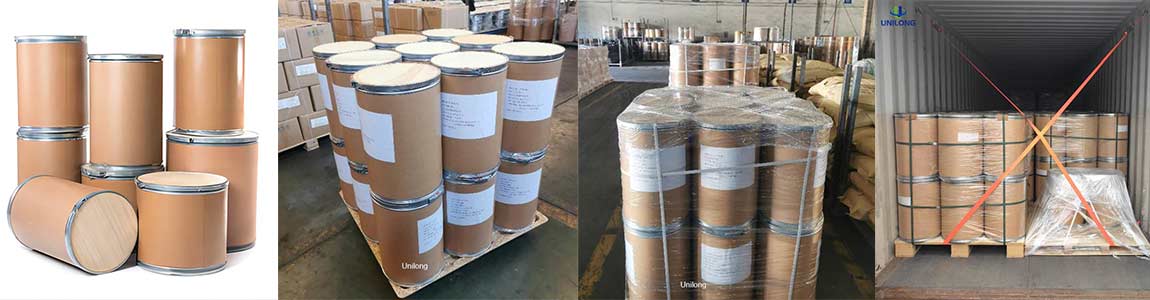
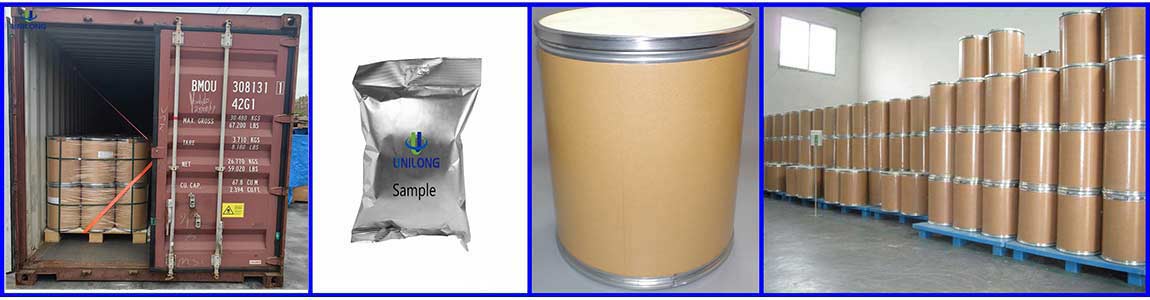
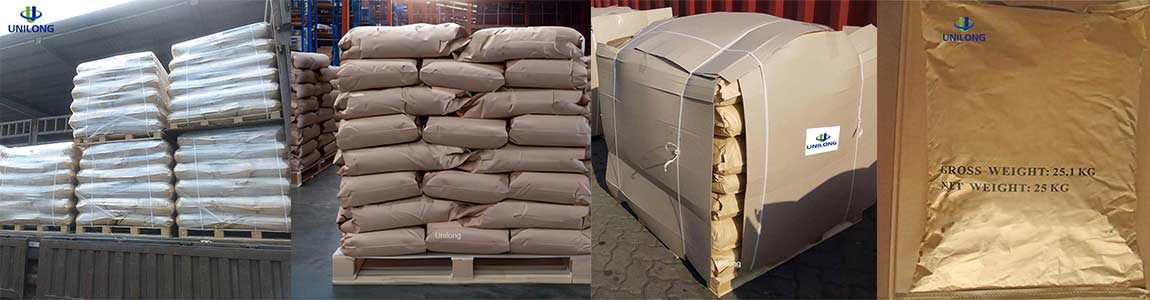
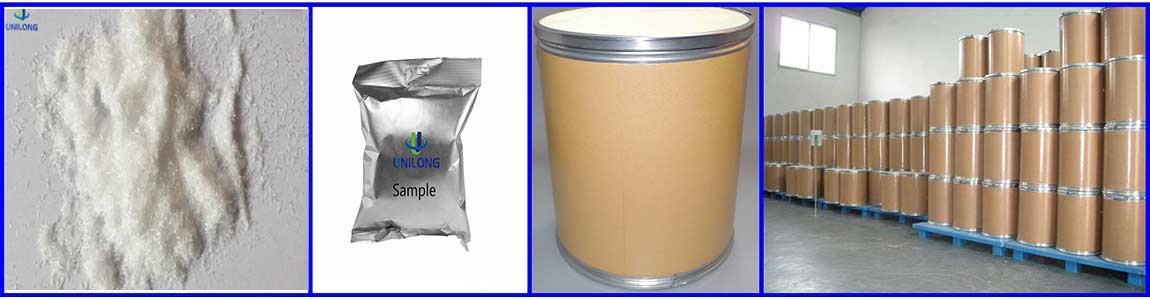
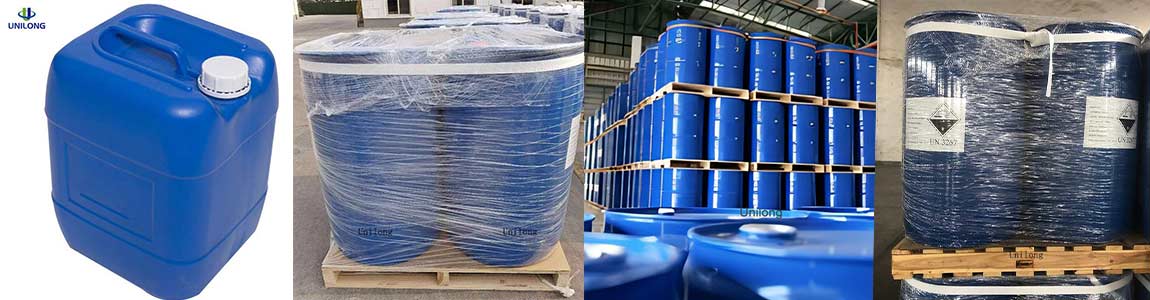
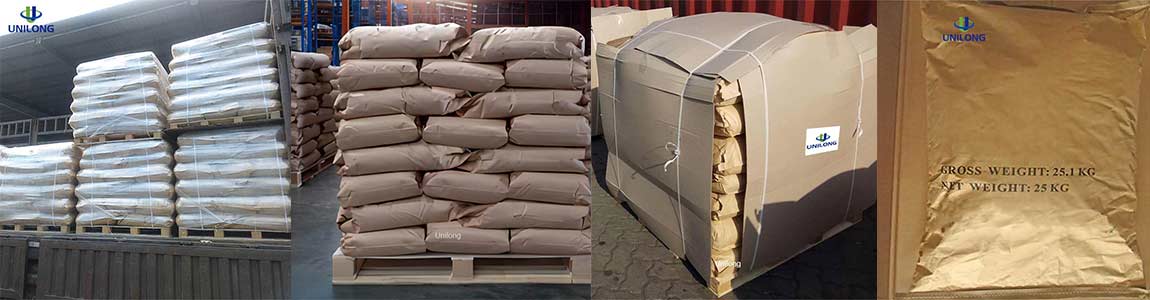
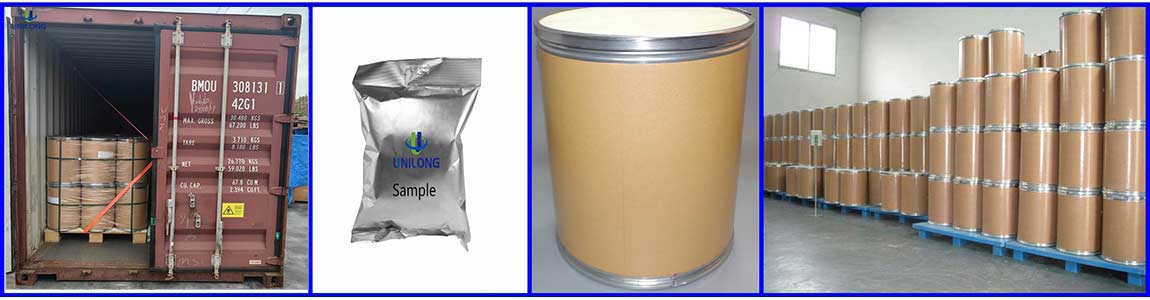
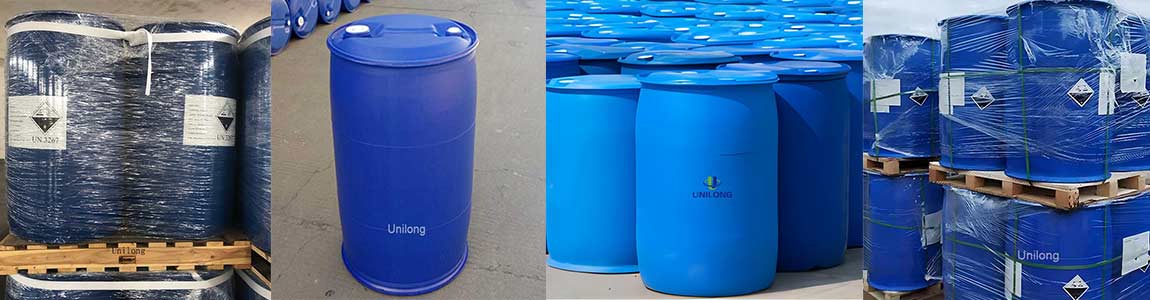
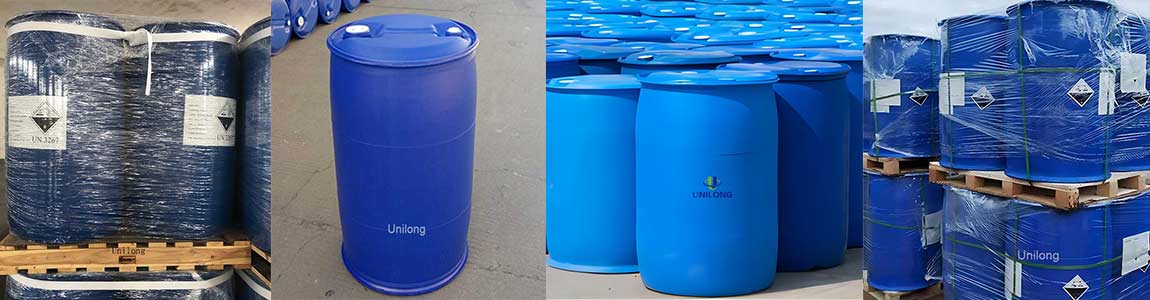
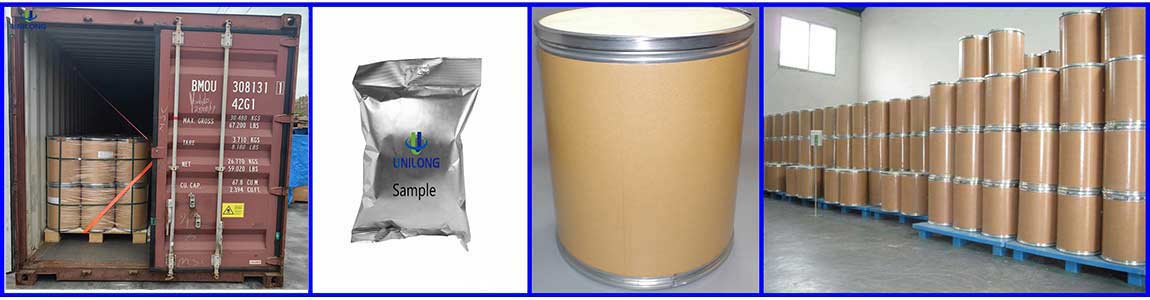
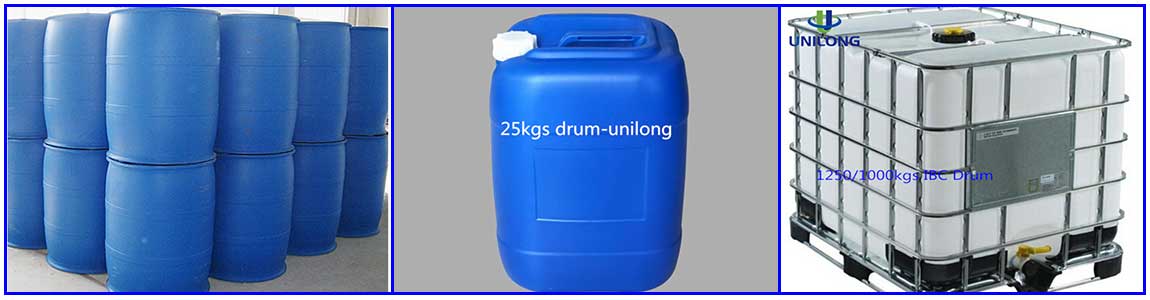
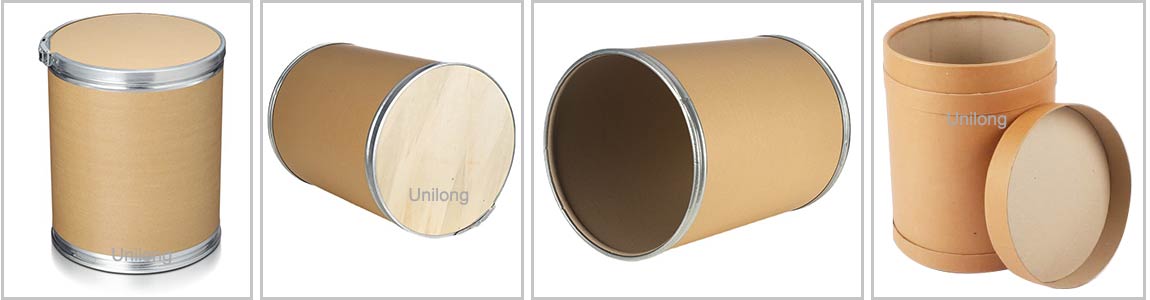
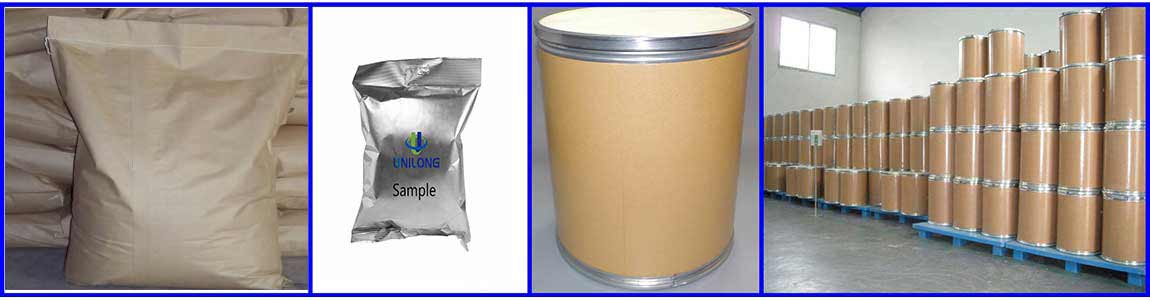
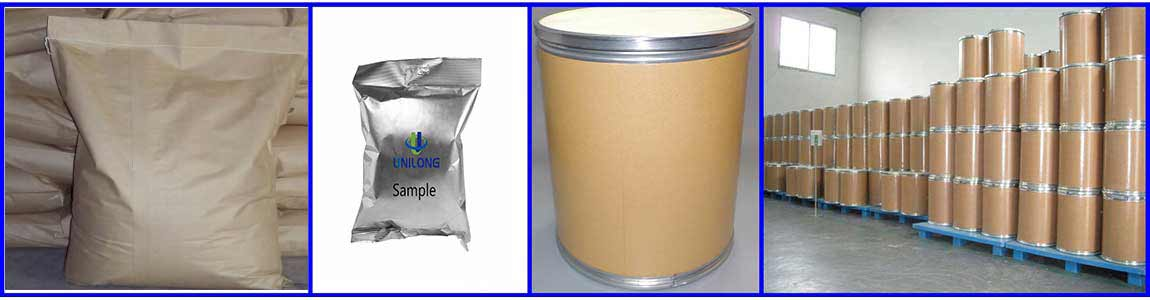
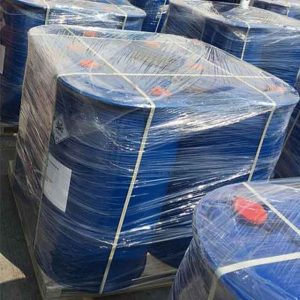
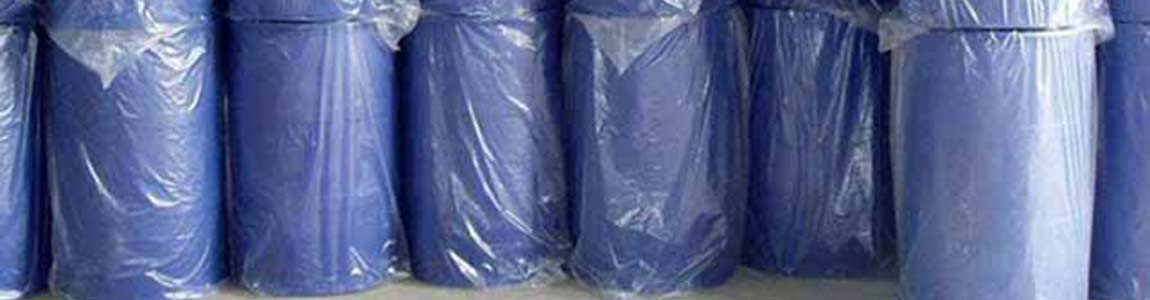
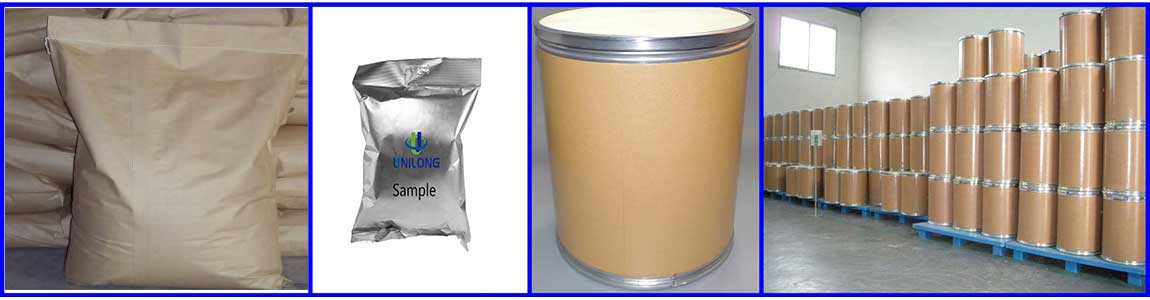
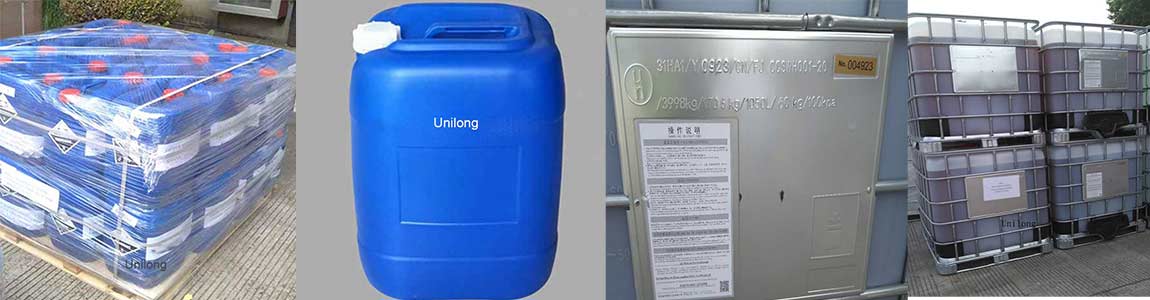
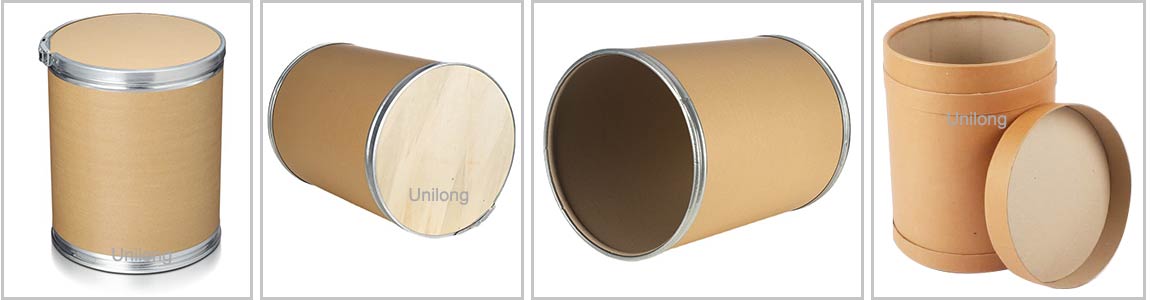
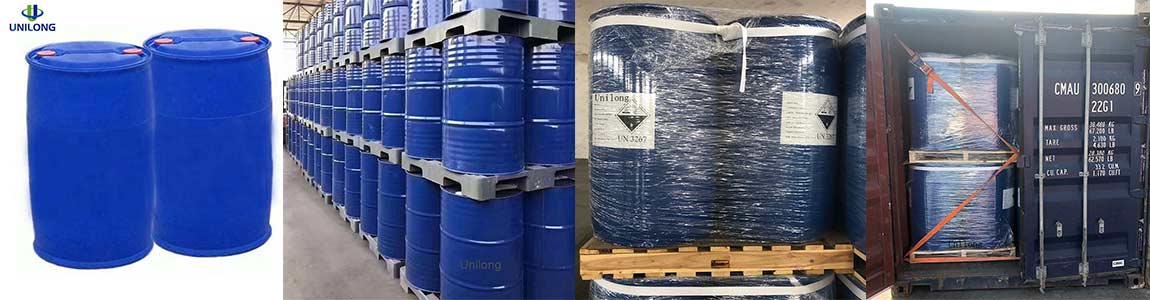
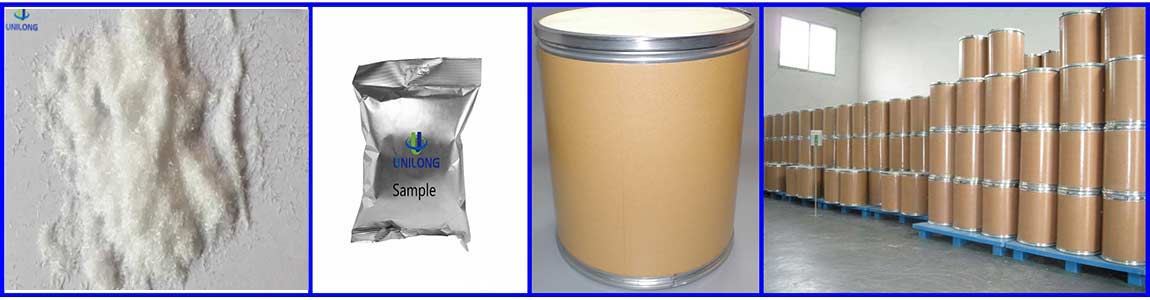
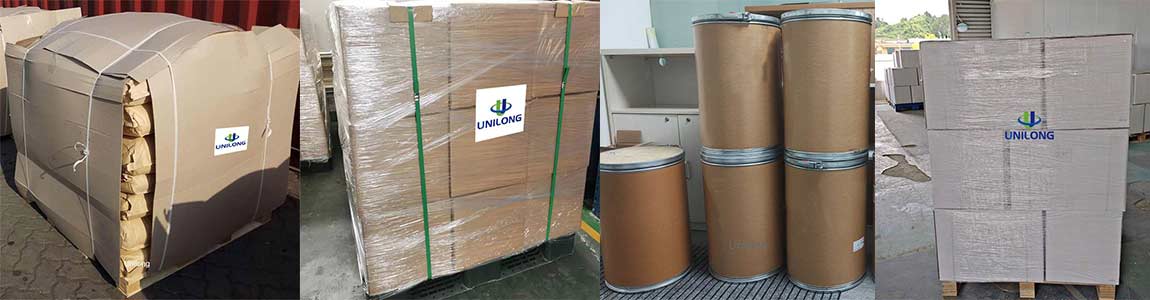
160kg /drum, or as your requirements.

CAS:121-34-6
MF:C8H8O4
MW:168.15
EINECS:204-466-8
Synonyms:PROTOCATECHUIC ACID 3-METHYL ETHER; TIMTEC-BB SBB008280; RARECHEM AL BO 0061; VANILLIC ACID; VENILLIC ACID; 4-HYDROXY-3-METHOXYBENZOIC ACID
Vanillic acid is white acicular crystal, odorless, can sublimate, does not decompose. Melting point 210℃. Soluble in ethanol, soluble in ether, slightly soluble in water. It does not show color when acted with ferric chloride. Oxalic acid is one of the effective components of Coptis chinensis. The structure of coptis officinalis contains vanillic acid, ferulic acid and cinnamyl group respectively, which are vanillic acid, ferulic acid and cinnamic acid after hydrolysis. Vanillic acid is one of the antibacterial components of Coptis officinalis. The determination of vanillic acid content can be used as an index to measure the quality of Coptis officinalis.
| Item | Specification |
| Fusing point | 208-210 °C(lit.) |
| Boiling point | 257.07°C |
| density | 1.3037 |
| Refractive index | 1.5090 |
| LogP | 1.30 |
Vanillic acid is the raw material for the preparation of the fungicide hexazolol, which has antibacterial and fungal effects, is used in organic synthesis and the manufacture of flavors, and can also be used as a precursor for the synthesis of a variety of bio-based epoxies and polyesters.
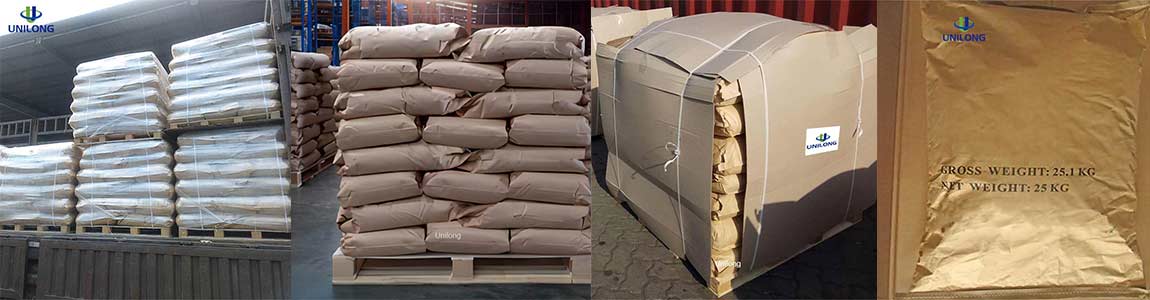
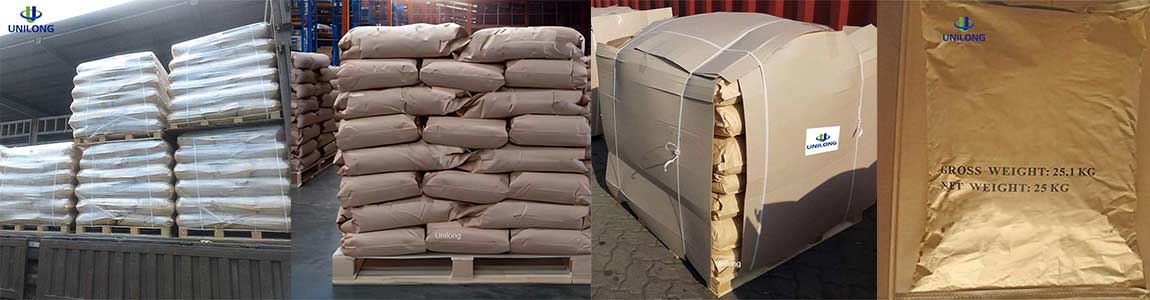
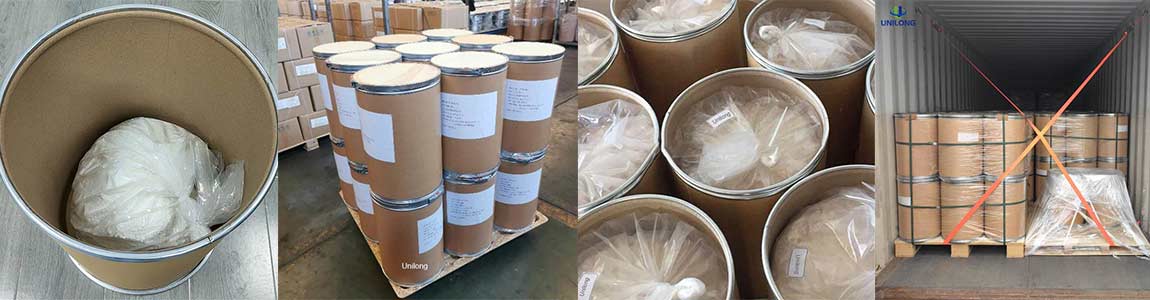
25kg/Drum

AKOS BBS-00003785; FEMA 398; p-Vanillic acid; p-vanillicacid; VA; RARECHEM AL BO 0061; VANILLIC ACID
Eriochrome Black T CAS 1787-61-7
CAS:1787-61-7
MF:C20H12N3NaO7S
MW:461.38
EINECS:217-250-3
Synonyms:1-naphthalenesulfonicacid,3-hydroxy-4-((1-hydroxy-2-naphthalenyl)azo)-7-nitro; 1-naphthalenesulfonicacid,3-hydroxy-4-[(1-hydroxy-2-naphthalenyl)azo]-7-nitro
Eriochrome Black T indicator, also known as mordye black 11, alias Elai Chrome black T indicator, scientific name 1-(1-hydroxy-2-naphthol azo) -6-nitro-2-naphthol – 4-sulfonate sodium salt, is a comprehensive indicator for the determination of barium, cadmium, indium, magnesium, manganese, calcium, lead, scandium, strontium, zinc, zirconium, etc.
Eriochrome Black T (also known as Mordant Black 11, EBT dye) is a widely used complexometric indicator and azo dye with excellent metal-ion binding properties. It is commonly used in EDTA titration for water hardness testing, textile dyeing, ceramics and construction materials coloration, and biological reagent manufacturing.
As a trusted Eriochrome Black T supplier, we provide high-purity analytical grade and industrial grade products with strict QC control and stable global supply.
| Item | Specification |
| PH | 3.7 (10g/l, H2O, 20℃) |
| Colour index | 14645 |
| Acidity coefficient (pKa) | pK1:6.3;pK2:11.55 (25°C) |
| Density | 1.109 g/mL at 25 °C |
| Merck | 14,3667 |
| BRN | 4121162 |
Eriochrome Black T is widely recognized as the standard indicator for determining calcium and magnesium hardness in water using EDTA titration. It delivers precise color transition and is essential for municipal water quality labs, boiler water analysis, and industrial water treatment monitoring.
Eriochrome Black T can function as a mordant dye for natural fibers such as wool, cotton, and silk. It provides deep, stable black to navy shades and is favored in specialty textile labs and material R&D centers requiring advanced color effect and metal-ion reactive dye behavior.
This dye is used as a pigment for ceramic glazes and sometimes pigment formulations in cement-based materials. It delivers consistent dark coloration and is applied in ceramic decorative coatings, tile production R&D, and experimental building-material pigment systems.
Eriochrome Black T is used in metal-binding biochemical experiments, especially for studying ion-transport and enzyme mechanisms in academic labs. It is also a raw material for biological reagent manufacturers producing EDTA-based detection kits, indicator solutions, and laboratory buffer systems.
25kg/barrel,Store at+15°C to+25°C.

CAS: 3416-24-8
MF:C6H13NO5
MW:179.17
EINECS:222-311-2
Synonyms:2-Amino-2-deoxyglucose; D-Glucose,2-amino-2-deoxy-; SHRIMP-DERIVEDGLUCOSAMINE; SYNTHETICGLUCOSAMINE
Glucosamine, also known as glucosamine, glucosamine, glucosamine, 2-deoxyglucosamine, is a common amino sugar, is a derivative of glucose. A compound in which the hydroxyl group on the second carbon atom of glucose is replaced by an ammonia Chemicalbook group. A hydrogen atom on the amino group is often replaced by an acetyl group to form n-acetylglucosamine. Glucosamine rarely exists free in living organisms and is mainly a component of chitin, glycoprotein and proteoglycan.
| Item | Specification |
| Boiling point | 311.69°C (rough estimate) |
| Density | 1.3767 (rough estimate) |
| Refractive index | 1.4240 (estimate) |
| Acidity coefficient (pKa) | pKa 8.04(H2O,t = 15.5,I=0.00,N2)(Approximate) |
| LogP | -2.175 (est) |
Glucosamine is widely used in the production of health drugs, health food, beauty cosmetics and other fields. It plays an important role in health care for improving the life rate of human activities and promoting the growth of tissues that synthesize life substances.
1kg/Bag; 25kg/Drum

2-amino-2-deChemicalbookoxy-d-glucos; 2-amino-2-deoxy-d-glucose; 2-Amino-2-deoxy-beta-D-glucopyranose; 2-Amino-2-deoxy-α-D-glucopyranose.
Calcium Thiosulphate CAS 10124-41-1
CAS:10124-41-1
MF:CaH4O3S2
MW:156.23
EINECS:233-333-7
Synonyms:CalciuMthiosulfate,pure,30-50%solutioninwater; calciumthiosulphate; Thiosulfuricacid(H2S2O3),calciumsalt(1:1).
Calcium thiosulfate, a vital compound in the biomedical sector, serves as an essential source of sulfur for combating sulfur depletion in plants. Moreover, it boasts potential as an effective antidote for cyanide toxicity when administered alongside sodium nitrite, demonstrating significant versatility in medical applications.
| Item | Specification |
| Fusing point | decomposes [CRC10] |
| Density | 1.870 |
| Cadmium | ≤1ppm |
| Insolubles | ≤0.02% |
| Fe | ≤0.01 |
| Specific Gravity | 1.21-1.24 |
Calcium Thiosulphate may be blended with other fertilizers, or applied as a foliar treatment on selected crops. When used as a foliar fertilizer, CaTs should first be diluted with water before applying.CaTs may be applied to a wide variety of crops. The calcium requirement for most crops increases during periods of rapid growth and early fruit development.CaTs is an effective water-soluble source of calcium and thiosulfate sulfur which aids in the correction of these nutrient deficiencies in crops. CaTs may be used as a fertilizer and as a soil amendment.As a soil amendment, CaTs may be used to improve water infiltration and aid in the leaching of harmful soil salts.
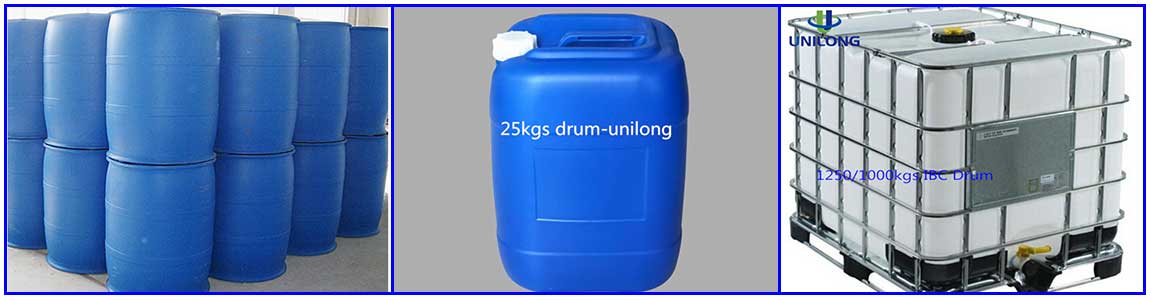
250KG plastic drum or IBC or pack according to the customer’s requirement.

CalChemicalbookciumthiosulfatehexahydrate; calciumhyposulfite;calciumthiosulfate[ca(s2o3)]; tecesal; thiosulfuricacid,calciumsalt.
2.2.4-trimethyl-1.3-pentanediol CAS 144-19-4
CAS:144-19-4
MF:C8H18O2
MW:146.23
EINECS:205-619-1
Synonyms:2,2,4-Trimethylpentandiol;1,3-PENTANEDIOL,2,2,4-TRIME;2,2,4-TRIMETHYLPENTANE-1,3-DIOL96%;2,2,4-TriMethyl-1,3-pentanediol(TChemicalbookMPD)
2.2.4-trimethyl-1.3-pentanediol, referred to as TMPD, is one of the organic chemical intermediates of Texanol ester and TXIB plasticizer. 2.2.4-trimethyl-1.3-pentanediolis is commonly used in the synthesis of unsaturated polyester, printing ink, surfactant, plasticizer, synthetic lubricating oil, insect repellent, fragrance, polyurethane, extractant and other products. Therefore, it shows a wide range of applications and high commercial value in surface coatings and petroleum processing industries.
| Item | Specification |
| Appearance | White Crystal |
| Assay | ≥98.00% |
| Moisture | ≤0.500% |
| Acid Value, mgKOH/g | ≤0.500 |
| Flash point | >230 °F |
| Acidity coefficient (pKa) | 14.81±0.20(Predicted) |
2.2.4-trimethyl-1.3-pentanediol mainly used in the manufacture of polyester resin, paint alkyd resin, also used in the synthesis of ester products, in coatings, plastics as plasticizer, etc.
25kg/bag,by sea, by air, by courier.

2,2,4-Trimethylpentane-1,3-diol,96%;2,2,4-Trimethylpentane-1,3-diol,98%;2,2,4-TriMethyl-1,3-pentandiol;UNII:WT1X081P0L.
CAS:122-98-5
MF:C8H11NO
MW:137.18
EINECS:204-588-1
Synonyms:2-anilino-ethano; Aniline,N-(2-hydroxyethyl)-; Aniline,N-(beta-hydroxyethyl)-; Benzenamine,N-(2-hydroxyethyl); Emery5700.
2-Anilinoethanolis Primrose yellow liquid,melting point is -30℃, the boiling point is 268℃, 167℃(2.27 kPa), and the relative density is 1.085. Slightly soluble in water, soluble in ethanol, ether, chloroform.
| Item | Specification |
| Identification(by GC) | Conform to the standard |
| Appearance | Primrose yellow liquid |
| N-hydroxyethyl aniline % | 99.0min |
| Aniline % | 0.40max |
| N,N-dihydroxyethyl aniline % | 0.40max |
| Another assay% | 0.20max |
2-Anilinoethanol used in organic synthesis and dye intermediates.
200KG/drum

CAS:54959-35-2
MF:C10H12FeN2O8.K
MW:383.16
EINECS:259-411-0
Synonym:potassium[[N,N’-ethylenebis[N-(carboxymethyl)glycinato]](4-)-N,N’,O,O’,ON,ON’]ferrate(1-); Potassiumferricethylenediaminetetraacetate;
EDTA FeK is a chemical that comes in the form of a white powder. The molecular formula of EDTA FeK is C10H12FeN2O8.K and its molecular weight is 383.16.
| Item | Specification |
| Density | 1.621[at 20℃] |
| Water solubility | 310g/L at 20℃ |
| LogP | -8.09 |
| Ferric content | 12.0%±0.5% |
| PH (1% Solution) | 3.5-5.5 |
EDTA FeK is mainly used as fertilizer feedstock.
25kgs/bag,20tons/20’container

Einecs259-411-0; Ferrate(1-),((N,N’-1,2-ethanediylbis(N-((carboxy-kappao)meChemicalbookthyl)glycinato-kappan,kappao))(4-))-,potassium(1:1),(oc-6-21)-; Ferrate(1-),((N,N’-1,2-ethanediylbis(N-(carboxymethyl)glycinato))(4-)-N,N’,o,o’,on,on1)-,potassium,(oc-6-21)-; Ethylenediaminetetraaceticacidferricpotassiumsalt; EDTAFeK/potassium[[N,N’-ethylenebis[N-(carboxymethyl)glycinato]](4-)-N,N’,O,O’,ON,ON’]ferrate(1-).
CAS:17084-02-5
MF:C10H14FeN2O7
MW:330.07
EINECS:241-142-5
Synonym:[N-[2-[bis(carboxymethyl)amino]ethyl]-N-(2-hydroxyethyl)glycinato(3-)]iron; Iron(2-),[N-[2-[bis(carboxy-.kappa.O)methyl]amino-.kappa.N]ethyl]-N-[2-(hydroxy-.kappa.O)ethyl}glycinate(3-)-.kappa.N,.kappa.O]
Iron is constantly required during plant growth. Iron is a component of many enzymes and catalyzes the formation of precursors of chlorophyll – that group of materials that gives plants their characteristic green color. Chlorophylls and various iron-containing enzymes (eg ferredoxin or cytochrome b6f complex) are required for the light reactions in the plant, which provides the necessary energy for the plant growth. Therefore, iron is essential for the plant. In order to ensure optimal growth, this micro element should always be available.
| Item | Specification |
| Solubility in water | 700 g/l (20 °C) |
| Chromium | max. 50 |
| Cobalt | max. 25 |
| Storage Temperature | 15 – 25 °C |
| Mercury | max. 1 |
Iron HEDTA and other similar chelates like Fe EDTA have been applied as liquid fertilizers in soil and foliar applications for many years to address micronutrient deficiencies in plants. This product is intended for use in residential and commercial areas on lawns, commercial right of ways, golf courses, parks and playgrounds to control weeds, algae and moss using ground equipment.
25kg/ barrel

iron,[n-[2-[bis(carboxymethyl)amino]ethyl]-n-(2-hydroxyethyl)glycinato(3-)]; Iron,[N-[2-[bis[(caChemicalbookrboxy-.kappa.O)methyl]amino-.kappa.N]ethyl]-N-[2-(hydroxy-.kappa.O)ethyl]glycinato(3-)-.kappa.N,.kappa.O].
Epoxydihydrolinalool CAS 1365-19-1
CAS:1365-19-1
MF:C10H18O2
MW:170.25
EINECS:215-723-9
Synonym:Epoxydihydrolinalool; LINALOOLOXIDE; (2S)-α,α,5-Trimethyl-5β-ethenyltetrahydrofuran-2α-methanol; (2S,5S)-α,α,5-Trimethyl-5β-vinyltetrahydrofuran-2α-methanol.
Epoxydihydrolinalool, also known as 2-methyl-2-vinyl-5 -(A-hydroxy-isopropyl) tetrahydrofuran, has a strong, fresh sweet, woody and floral aroma, which exists in natural plants, and is safe and stable.Oxidized linalool appears in two distinct structural forms in natural raw materials. The most common structural form is based on five “members”, similar to a furan ring structure. The less common form is based on six “members”, similar to a pyran structure.
| Item | Specification |
| Boiling point | 188 ºC |
| Density | 0.935-0.950 |
| Refractive index | 1.440-1.460 |
| Flash point | 63 ºC |
| LogP | 2.15 |
Epoxydihydrolinalool The product is used in daily chemical flavor, mainly for soap flavor, the dosage is less than 5%. In addition, it is also used to prepare artificial essential oils such as lavender oil.Linalool oxide has the fragrance of flowers and herbs, which can enhance the aroma and taste of essence such as fruits and tea.
200kg/drum

5β-Ethenyltetrahydro-α,α,5-trimethyl-2αChemicalbook-furanmethanol; 5β-Ethenyltetrahydro-α,α,5-trimethylfuran-2α-methanol; (2R,5R)-2-(1-Hydroxy-1-methylethyl)-5-methyl-5-vinyltetrahydrofuran; (2R,5R)-α,α,5-Trimethyl-5-vinyltetrahydrofuran-2-methanol
Polyethylene Glycol Monolaurate CAS 9004-81-3
CAS:9004-81-3
MF:C12H23O2.(C2H4O)n.H
MW: average Mn ~400
EINECS:618-396-4
Synonym:THESIT(R); PEG 600 MONOLAURATE; PEG 4000 MONOLAURATE; PEG 400 MONOLAURATE; PEG 6000 MONOLAURATE
Pegosperse(R) 600 ML is a high HLB surfactant, nonionic and compatible with cationic, amphoteric, anionic and nonionic surface active agents. Polyethylene glycol monolaurate is a versatile, mid HLB range, surface active agent suggested for use in PVC plastisols (viscosity modifier), coatings (defoaming agent), cosmetic formulations (dispersant, emulsifier, emollient) and textiles (emulsifier).
| Item | Specification |
| Refractive index | n20/D 1.455 |
| bp | >260 °C (lit.) |
| Hydroxyl number | 140 mg KOH/g |
| Lodine number | 10 |
| Density | 0.985 g/mL at 25 °C |
Polyethylene glycol monolaurate is a surfactant, detergent, and emulsifier in cosmetic formulations.Polyethylene glycol monolaurate is used as emulsifier for personal care and water treatment and as processing aid in textile industry.
25kg/drum

Oxyethylenated Laurylalcohol; PEG(4.5) Monolaurate; PEG(4.5)ML.
CAS:13254-36-4
Molecular Formula: C10H12N2Na4O8.4H2O
Molecular Weight:452
EINECS: 205-358-3
Synonym:EDTA4NA/EthyleneDiamineTetChemicalbookraaceticAcidTetrasodium; EDTATetrasodiumDihydrate(EDTA-4NA2H2O); Ethylendiaminetetraaceticacidtetrasodiumsalttetrahydrate.
EDTA 4NA.4H2O is soluble in water and can be chelated with a variety of metal ions. In a variety of pH range and various concentrations of calcium-containing hard water have the ability to complex, and pH≥8 at the highest effectiveness. With a 1:1 molar ratio of calcium ions, it has good thermal stability in water, and will not decompose even in superheated water, and is a very effective hard water softener.
| Item | Specification | |
| Content% | ≥99.0% | |
| Chloride(Cl)% | ≤ 0.01% | |
| Sulfate(SO4)% | ≤ 0.05% | |
| Metal chelate(Pb)% | ≤ 0.001% | |
| Iron(Fe)% | ≤ 0.001% | |
| PH Value | 10.5-11.5 |
EDTA 4NA.4H2O is used as water softener, synthetic rubber catalyst, acrylic fiber polymerization terminator, printing and dyeing additives, detergent additives, and bleaching fixing solution for color sensitive materials washing processing. In chemical analysis is also used for titration, can accurately titration a variety of metal ions.
25kg/bag or as requested.

SodiuM2,2′,2”,2”’-(ethane-1,2-diylbis(azanetriyl))tetraacetate; EDTA-4Na.4H2O; EDTA4Na.4H20.
Potassium Bromide CAS 7758-02-3
CAS:7758-02-3
Molecular Formula:BrK
Molecular Weight:119
EINECS:231-830-3
Synonym:bromuredepotassium; Hydrobromicacidpotassiumsalt; KBr; Potassiumbromide(KBr); potassiumbromide(kbr).
Potassium bromide is a white, slightly deliquable crystal or powder. Soluble in water, slightly soluble in ethanol. In dilute solution, potassium bromide is sweet, slightly strong, bitter, and salty when extremely strong (mainly because of the presence of potassium ions; Sodium bromide tastes salty at any concentration). Concentrated potassium bromide solutions strongly irritate the gastric mucosa, causing nausea and vomiting (which is also the nature of any soluble potassium salt). It can be used as a nerve tranquilizer.
| Item | Specification |
| Melting point | 734 °C (lit.) |
| Boiling point | 1435 °C/1 atm (lit.) |
| Density | 3.119 g/mL at 25 °C(lit.) |
| Vapor pressure | 175 mm Hg ( 20 °C) |
Potassium Bromide is mainly used in the manufacture of photographic film developer and film thickener, and is also used as a nerve sedative, making special soaps, engraving and lithography, as well as in the pharmaceutical industry, and for infrared detection in the tablet pressing process.
25kg/ barrel,Store at +5°C to +30°C.

Potassiumbromidecrystalopticrectangle,38.5mmx19.5mmx4mm,unpolished; Potassiumbromidecrystalopticrectangle,41mmx23mmx6mm,unpolished.
Sodium Myristoyl Glutamate CAS 38517-37-2
CAS:38517-37-2
Molecular Formula: C19H34NNaO5
Molecular Weight: 379.46673
EINECS:253-981-4
Synonym:sodiumhydrogenN-(1-oxotetradecyl)-L-glutamate; SODIUMMYRISTOYLGLUTAMATE; L-Glutamicacid,N-(1-oxotetradecyl)-,monosodiumsalt
Sodium myristyl glutamate belongs to the amino acid group of surfactants, Sodium myristyl glutamate has a relatively mild cleaning and decontamination ability, and resistance to hard water, no degreasing, but also has foaming and slight antibacterial function.
| Item | Specification |
| Active substance content % | ≥95 |
| Moisture % | ≤5 |
| Sodium chloride % | ≤1 |
| PH (5% solution, 25 ℃) | 5.0~6.5 |
| Heavy metals (in Pb) mg/Kg | ≤20 |
| Arsenic mg/Kg | ≤2.0 |
1.Sodium Myristoyl Glutamate is mild and non allergic. It can be applied to all kinds of sensitive skin and baby products.
2.Sodium Myristoyl Glutamate is easier to thickener with traditional surfactants.
3.Sodium Myristoyl Glutamate can be used as an assistant emulsifier to enhance the special skin feeling.
25kg/drum,Keep in a well-closed,light-resistant, dry and cool place

L-Glutamicacid,N-(1-oxotetradecyl)-,monosodiumChemicalbooksalt(9CI); L-Glutamicacid,N-(1-oxotetradecyl)-,monosodiumsalt(9CI); SodiumMyristylGlutamate; Sodiummyristoylglutamat; sodiumhydrogenN-(1-oxotetradecyl)-L-glutamateUSP/EP/BP.
N-Glycyl-L-Tyrosine CAS 658-79-7
CAS:658-79-7
Molecular Formula: C11H14N2O4
Molecular Weight:238.24
EINECS:211-525-1
Synonym:L-Tyrosine, glycyl-; Glycyl-Tyrosine, N-Glycyl-L-Tyrosine; H-Gly-Tyr-Oh Hydrate; GLY-L-TYR; GLY-TYR; H-GLY-TYR-OH; L-Tyrosine, N-glycyl-
N-Glycyl-L-Tyrosine is a peptide compound, also known as glycinyltyrosine or Gly-L-Tyr. N-Glycyl-L-Tyrosine consists of glycine and L-tyrosine linked by peptide bonds.N-Glycyl-L-Tyrosine’s properties glycyll-tyrosine is a colorless crystal or white powder, soluble in water and acidic solutions. It is a stable compound and does not decompose easily under normal conditions.
| Item | Specification |
| Fusing point | 278-285°C(dec.) |
| Boiling point | 568.4±50.0°C(Predicted) |
| Density | 1.362±0.06 g/cm3(Predicted) |
| Vapor pressure | 0Pa at 25℃ |
| Refractive index | 47.5°(C=1,H2O) |
As an parenteral nutrition drug, N-Glycyl-L-Tyrosine can be used to improve the cellular immune function of patients.N-Glycyl-L-Tyrosine can effectively reduce the risk of infection in critically ill patients. It plays an important role in the treatment and recovery of critically ill patients, such as malignant tumors. N-Glycyl-L-Tyrosine can also be used as a combination of other amino acids.In addition, the two peptide of casein can be used as a cosmetic product. 6.Anti-pressure, anti-fatigue, anti-infection, anti-tumor, improve immunity.
25kg/drum; keep it in dry and ventilating place.

N-(Aminoacetyl)-4-hydroxyphenylalanine,Gly-Tyr-Oh Hydrate,GLY-L-TYR,GLY-TYR,H-GLY-TYR-OH.
4-Methylbenzophenone CAS 134-84-9
CAS:134-84-9
MF: C14H12O
MW:196.24
EINECS: 205-159-1
Synonyms:P-TOLYL PHENYL KETONE;P-METHYLBENZOPHENONE;PHENYL P-TOLYL KETONE;PHENYL4-TOLYLKETONE;P-BENZOYL TOLUENE.
4-methylbenzopenone is a white flake solid with a density of 1.068g/cm³, refractive index of 1.534 and absorption wavelength of 260nm. 4-methylbenzopenone is a common photoinitiator.4-methylbenzopenone Mainly used for ultraviolet absorbers, pharmaceutical intermediates, UV curing coatings and inks.
| Item | Specification |
| Appearance | White crystals powder |
| Purity | 99.0%min |
| Melting Point | 53-57℃ |
| Boiling point | 326 °C(lit.) |
| Flash point | 143 °C |
| Loss on drying | ≤0.5% |
4-methylbenzophenone is a highly effective free radical type II photoinitiator, which is mainly used for UV polymerization of corresponding resins with tertiary amine complexes. Varnish, plastic coatings, wood coatings, adhesives, lithographic printing inks, screen printing inks, flexographic inks, electronic products.
Packing: 20kg/carton,Store in a cool, dry, ventilated place.

(4-methylphenyl)phenyl-methanon;4-METHYLBENZOPHENONE;(4-METHYLPHENYL)PHENYLMETHANONE;4-Methylbenzophenone95%;p-Phenyl tolyl ketone.
CAS:32760-80-8
MF:C14H7F6FeP
MW:376.02
EINECS:402-340-9
Synonyms:(cumene)cyclopentadienyliron(ii)hexa-fluorophosp; Iron(1+),(.eta.5-2,4-cyclopentadien-1-yl)(1,2,3,4,5,6-.eta.)-(1-methylethyl)benzene-,hexafluorophosphate(1-).
Chemical name is Lotcure261 of pale yellow powder. The photocatalytic activity is very high and the thermal stability is good. Lotcure261 will not decompose when heated alone to above 300 ℃. Even when mixed with epoxy resin, Lotcure261 will not solidify when heated to 210 ℃. However, the polymerization initiation activity of iron aromatic hydrocarbons on epoxy resins is lower than that of sulfur anchor salts of triaromatic hydrocarbons.
| ITEM | STANDARD LIMITS |
| Product Name | Lotcure261 |
| CAS | 32760-80-8 |
| Appearance | Yellow powder |
| Purity | 98% |
| Melting point | 80-84 °C
|
| absorption peak | 300nm;350nm;490nm |
Lotcure261 has a relatively wide range of ultraviolet absorption and can extend to the visible light region. Suitable for LED light sources, ultraviolet rays, X-rays.Can be used for UV curable coatings, inks, photoresists, PCB corrosion inhibitors, etc., and can also be used for water-based photopolymerization systems
Avoid sunlight, high temperatures, and humidity, as well as light stabilizers containing sulfur or halogenated elements. It needs to be stored and stored under sealed, dry, and dark conditions.

(PI6-Cumene)-(PI5-cyclopentadienyl)-ironhexafluorophosphate;(η-cyclopentadienyl)(η-cumenyl)iron(1+)hexafluorophosphate(1-);(cumene)cyclopentadienyliron(II)hexafluorophosphate;(5-Cyclopentadienyl)(6-isopropylbenzene)ironhexafluorophosphate.
CAS:63148-62-9
MF:C6H18OSi2
MW:162.38
EINECS:613-156-5
Synonyms: DIETHYL ETHER RECTIFIED; ETHYL ACETATE PESTINORM SUPRA TRACE;Hexamethyloxy disilane; HMDO; dimethylsilicone fluid.
Silicone Oil, also known as polydimethylsiloxane (PDMS), is a clear, odorless, and highly stable liquid with excellent thermal and chemical stability. With its unique silicone-based structure, it offers low surface tension, lubricity, and water-repellent properties, making it widely used in cosmetics, pharmaceuticals, industrial applications, and personal care products.
Since silicone oil is very compatible with many cosmetic ingredients and is insoluble in water, it lessens the stickiness of the final product. In addition to having a low temperature viscosity coefficient, low vapor pressure, low surface tension, good water-increasing properties, and lubricity, silicone oil also has excellent electrical properties, including high breakdown voltage resistance, arc resistance, corona resistance, and low dielectric loss. It is also more than 20 times more compressible than regular mineral oil, making it an ideal liquid spring. Its benefits include non-toxicity to the human body and high light transmittance.
As a leading China Silicone Oil manufacturer, we provide high-quality silicone oil with competitive pricing and reliable global supply.
| Item | Standard |
| Appearance | Colorless, transparent,liquid |
| viscosity(25℃ , mpa.s) | 350±20 |
| Refractive index(nD25) | 1.4020-1.4040 |
| Volatile content ≤ (150℃,2h)% | 1 |
Net 25kg/50kg/1000kg/1200kg in Plastic woven bags with PE lining,25MT/20FCL’; 20MT~24MT/20FCL’ with pallets.

Bis-aminopropyl dimethicone ,CAS 63148-62-9,PDMS,Silicone oil.
2,2′,4,4′,6,6′-Hexamethylbenzophenone HMBP CAS 5623-45-0
CAS:5623-45-0
MF:C19H22O
MW:266.38
EINECS:227-052-9
Synonyms:2,2′,4,4′,6,6′-hexamethylbenzophenone;Bis(2,4,6-trimethylphenyl)ketone;Dimesitylketone;bis(2,4,6-trimethylphenyl)methanone.
2,2′,4,4′,6,6′-Hexamethylbenzophenone is low volatility, low odor, environmentally friendly product. 2,2′,4,4′,6,6′-Hexamethylbenzophenone can be used for pharmaceutical and food packaging, with the characteristics of low volatility and low odor.
| ITEM | STANDARD LIMITS |
| Product Name | 2,2′,4,4′,6,6′-Hexamethylbenzophenone |
| CAS | 5623-45-0 |
| Appearance | White powder |
| Purity | 98% |
| absorption peak | 207nm;267nm |
2,2′,4,4′,6,6′-Hexamethylbenzophenone can be used for pharmaceutical and food packaging, with the characteristics of low volatility and low odor.
25kgs/drum, 16tons/20’container.

Dimesitylketone;bis(2,4,6-trimethylphenyl)methanone;2,2′,4,4′,6,6′-hexamethylbenzophenon;Methanone,bis(2,4,6-trimethylphenyl)-; 2,2′,4,4′,6,6′-Hexamethylbenzophenone,
PET Polyethylene Terephthalate CAS 25038-59-9
CAS:25038-59-9
MF:C10H12O6
MW:228.19868
EINECS:25038-59-9
Synonyms: polyethylene terephthalate glycol copolymer 3D printing filament;Esters;Hydrophobic Polymers;Polymer Science
PET (polyethylene terephthalate) can maintain excellent physical and mechanical properties over a wide temperature range. PET has excellent fatigue resistance, friction resistance, excellent aging resistance, and outstanding electrical insulation. PET is stable to most organic solvents and inorganic acids, has low production energy consumption and good processability. Therefore, it has been widely used in plastic packaging bottles, films and synthetic fibers.
|
Item |
JL102 | JL102B | JL102C | JL104 | JL105 | JL104H |
|
Water bottle grade |
Edible oil, beverage bottles |
Sparkling
beverage and CSD bottles grade |
Hot-filling bottle grade |
Rapid endothermic grade |
|
| Premium grade | Premium grade | Premium grade | Premium grade | Premium grade | Premium grade | |
| Intrinsic Viscosity | 0.800±0.015 | M0±0.015 | 0.840±0.015 | 0.870±0.015 | 0.750±0.015 | 0.870±0.015 |
| Color (L) | ≥83 | ≥83 | ≥83 | ≥83 | ≥83 | ≥83 |
| Color (B) | ≤0 | ≤0 | ≤0 | ≤0 | ≤0 | ≤0 |
| Melting Point | 248±2 | M2±2 | 247±2 | 249±2 | 252±2 | 245±2 |
| Content of Acetaldehyde | ≤1.0 | ≤1.0 | ≤1.0 | ≤1.0 | ≤1.0 | ≤1.0 |
| Density | 1.40±0.01 | 1.40±0.01 | 1.40±0.01 | 1.40±0.01 | 1.40±0.01 | 1.40±0.01 |
| Carboxyl End | ≤35 | ≤35 | ≤35 | ≤35 | ≤35 | ≤35 |
| Weight of 100 | 1.7±0.2 | 1.7±0.2 | 1.7±0.2 | 1.7±0.2 | 1.7±0.2 | 1.7±0.2 |
| DEG | 1.3±0.2 | 1.3±0.2 | 1.3±0.2 | 1.1±0.2 | 1.1±0.2 | 1.1±0.2 |
These applications demonstrate the broad applicability and importance of PET as a material in multiple fields
Net 25kg/50kg/1000kg/1200kg in Plastic woven bags with PE lining,25MT/20FCL’; 20MT~24MT/20FCL’ with pallets.

Polyethylene Terephthalate;CAS 25038-59-9;PET;Polymers;PET;Hydrophobic Polymers;Materials Science;Polymer Science
Polyquaternium-10 CAS 81859-24-7
CAS:81859-24-7
MF:C8H6O6
MW:198.12964
EINECS:210-239-4
Synonyms:HYDROXYETHYL-CELLULOSE-ETHOXYLAT,QUATERNISIERT; QUATERNIUM-19; Polyquaternium-10(1000MPA.Sat2%)
Polyquaternium-10 is a cationic cellulose polymer that is compatible with anionic, cationic, non-ionic, and zwitterionic surfactants, with low irritation. Its unique cationic properties can repair damaged hair protein matrices and maintain hair moisture.
| ITEM
|
STANDARD
|
| Appearance | Light yellow powder |
| Loss on Drying % | ≤ 6.0 |
| pH Value
(2%Aqueous Solution ) |
5.0~7.0 |
| Viscosity mPa ·s
(2% Dry Basis Aqueous Solution) |
300~500 |
| Nitrogen Content % | 1.5~2.2 |
| Ash % | ≤ 3.0 |
can be used as antistatic agent and emulsifier in cosmetics Polyquaternium-10 can Provides excellent moisturizing performance, improves damaged hair, is used on the skin, provides excellent post use sensation, enhances skin’s UV resistance, and has excellent moisturizing and moisturizing properties.
25kgs/drum, 16tons/20’container

HYDROXYETHYL-CELLULOSE-ETHOXYLAT,QUATERNISIERT; cellulose2-hydroxyethyl2-[2-hydroxy-3-(trimethylammonio)propoxy]ethyl2-hydroxy-3-(trimethylammonio)propyletherchloride;celluloseetherwitha-[2-hydroxy-3-(trimethylammonio)propyl]-w-hydrChemicalbookoxypoly(oxy-1,2-ethanediyl)chloride
DIMETHYL SUCCINYLOSUCCINATE DMSS CAS 6289-46-9
CAS:6289-46-9
Molecular Formula:C10H12O6
Molecular Weight:228.2
EINECS:228-528-9
Synonyms:DMSS; DIMETHYLSUCCINYLOSUCCINATE; DIMETHYLSUCCINYLSUCCINATE;
DIMETHYLSUCCINYLOSUCCINATE is white fine crystalline powder.
| Item |
Standard |
Result |
|
Appearance |
white powder |
white powder |
|
Purity (%) |
≥99.0 |
99.47 |
|
Melting Point |
154-157℃) |
154.9- 156.0 |
|
Volatilization (%) |
≤0.50 |
0.36 |
|
Conclusion |
Qualified | |
DIMETHYLSUCCINYLOSUCCINATE is Used for the synthesis of quinolone pigments such as pigment red 122 and pigment purple 19, it is an intermediate in the synthesis of 1,4-cyclohexanone and photosensitive polymers.
25kgs/drum, 16tons/20’container

DIMETHYL1,4-CYCLOHEXANEDIONE-2,5-DICARBOXYLATE; DIMETHYL2,5-DIOXO-1,4-CYCLOHEXANEDICARBOXYLATE; DIMETHYL2,5-DIOXOCYCLOHEXANE-1,4-DICARBOXYLATE; SUCCINYLOSUCCINICACIDDIMETHYLESTER; 2,5-DIOXO-1,4-CYCLOHEXANEDICARBOXYLICACIDDIMETHYLESTER
Tri Nonyl Phenyl Phosphite with CAS 26523-78-4
CAS No.:26523-78-4
MF:C45H69O3P
MW:689.01g/mol
DENSITY:0.986 g/cm3
Solubility;Water solubility below 0.1g/l
Synonym: TRIS(NONYLPHENYL) PHOSPHITE; TRIS(NONYLPHENYL) PHOSPHITE ESTER;
What is Antioxidant TNPP?
Tris(nonylphenyl) phosphite (TNPP) is an antioxidant that is majorly used as a stabilizer to improve the performance of polyethylene by decomposing the hydroperoxides. It can also be used to enhance the thermal stability by extending the polymeric chains.
Specification
| ITEM | STANDARD |
| Appearance | Colorless or amber viscous liquid |
| Chroma | ≤100 |
| Refractive index | 1.522- 1.529 |
| Density(25℃ g/cm3) | 0.9850~0.9950 |
| Viscosity(25℃,cps) | 3000-8000 |
Applicaton
TNPP in combination with irganox is used to protect polyamide 6 (PA6) from oxidative degradation during the preparation of flame retardant nanocomposites. TNPP can be used as a stabilizer that prevents the molecular weight reduction and increases the tensile strength of the composite.[4] It can also be used as a chain extender to improve the polymeric viscosity during the melt-blending of poly(hydroxybutyrate-co-hydroxyvalerate) based clay nanocomposites which find potential application as packaging materials.
Packing
200kgs/drum, 16tons/20’container

Antioxidant 168 with CAS 31570-04-4
CAS:31570-04-4
MF:C42H63O3P
EINECS No.:250-709-6
Synonym:Phenol,2,4-bis(1,1-dimethylethyl,phosphite; ANTIOXIDANT168IRGANOX168;
Antioxidant 168 is an excellent phosphate ester antioxidant with a white powder appearance. It is easily soluble in organic solvents such as benzene, chloroform, and cyclohexane, slightly soluble in ethanol and acetone, insoluble in polar solvents such as water and alcohol, and slightly soluble in esters. Low toxicity, low volatility, high thermal stability, excellent hydrolysis resistance, and effective decomposition of hydroperoxides generated during thermal processing of polymer materials.
| Appearance | White powder | |
| Solubility | Clear | |
|
Light transmittance(% ) |
425nm | ≥98.0 |
| 500nm | ≥98.0 | |
| Volatile matter(wt%) | ≤0.30 | |
| Melting point(℃) | 183.0~187.0 | |
| Hydrolysis resistance
° |
Qualified | |
| (95 C in water 5h)(h)
Acid value(mgKOH/g) |
≤0.30 | |
| Main content(wt%) | ≥99.0 | |
| Free 2.4-di-tert-butylphenol(wt%) | ≤0.20 | |
Widely used in polyolefins (such as polyethylene, polypropylene) and olefin copolymers, polyamides, polycarbonates, PS resins, PVC, engineering plastics, rubber and petroleum products, ABS resins and other polymer materials. Complex compounds can also be used for adhesives, natural or synthetic adhesive resins, etc.
25kgs/drum, 16tons/20’container

2,4-bis(1,1-dimethylethyl)-phenophosphite(3:1),Tris(2,4-di-tert-butylphenyl) Phosphite,HRao-168,Antioxidant 168 (irgafos 168),Antioxidant Joyce
CAS: 36653-82-4
Molecular formula: C16H34O
Molecular weight: 242.44
EINECS:253-149-0
Synonyms:n-1-Hexadecanol; n-Cetyl alcohol; n-cetylalcohol; n-Hexadecan-1-ol; n-Hexadecanol; 1-Hexadecyl alcohol; 1-hexadecylalc;
White crystals with a rose scent. Insoluble in water, soluble in ethanol, ether and chloroform. It is mainly used as detergent, surfactant, lubricant, pharmaceutical intermediate, spice and daily chemical raw material, rice field insulation agent, analytical chemical reagent, and also used as gas chromatography stationary liquid.
| ITEM | STANDARD |
| Acid Value(mgKOH/g) | 0.10 MAX |
| Colour(APHA) | 10 MAX |
| Hydroxyl value(mgKOH/g) | 225 – 235 |
| Iodine value(%I2 absorb) | 0.30 MAX |
| Moisture(%) | 0.20 MAX |
| Saponification value(mgKOH/g) | 0.50 MAX |
| C14&below(%) | 2.0 MAX |
| C16(%) | 98 MIN |
| C18&hiqher(%) | 2.0 MAX |
| Total Alcohol(%) | 99.0 MIN |
| Hydrocarbon(%) | 0.5 MAX |
25kg/bag or packaging according to customer needs.

CAS: 112-53-8
Molecular formula: C12H26O
Molecular weight: 186.33
EINECS:203-982-0
Synonyms:RARECHEM AL BD 0157; TIMTEC-BB SBB008734; N-DODECYL ALCOHOL; 1-Hydroxydodecane; 1-DODECANOL 98+%
Dodecanol appears as a colorless liquid with a weak but persistent grease smell, and solidifies into a solid below 20°C. Insoluble in water, soluble in ether and ethanol. It is flammable and can form explosive mixtures with air. It is irritating to the eyes and Chemicalbook skin. It is mainly used as raw material for organic synthesis, preparation of spices, and manufacture of fatty alcohol ether sodium sulfate. It is a raw material for detergents, cosmetics, textile auxiliaries, chemical fiber oils, emulsifiers, and flotation agents. raw material.
| ITEM | STANDARD |
| Appearance @ 25°C | Colorless transparent liquid/white solid |
| Color(APHA) | 10 MAX |
| Acid Value(mg KOH/g) | 0.03 Max |
| Saponification Value(mg KOH/g) | 0.20 Max |
| Hydroxyl Value(mg KOH/g) | 298.0 – 304.0 |
| Moisture(%) | 0.10 Max |
| Iodine Value(I2/100g sple) | 0.10 Max |
| Alcohol Compositiong | – |
| C-10(%) | – |
| C-12(%) | 98.00 Min |
| C-14(%) | – |
| Others(%) | – |
170kg/drum or packaging according to customer needs.

Zinc diricinoleate with CAS 13040-19-2
CAS:13040-19-2
Molecular Formula:C18H34O3Zn
Molecular Weight:363.85
EINECS:235-911-4
Synonyms:9-Octadecenoicacid,12-hydroxy-,zincsalt(2:1),(9Z,12R)-; Zincricinolate; Bis[(9Z,12R)-12-hydroxy-9-octadecenoicacid]zincsalt;
Zinc diricinoleate is an efficient and environmentally friendly new type of deodorization raw material, which can be used for deodorization of fabrics, kitchens, bathrooms, pets, car interiors, food factories, sewage treatment plants, and other objects, with a wide range of applications.
| Item |
Standard |
Result |
| PH | 6-7 | 6.5 |
| Water content | ≤3 | 2.77% |
| Active substance content | 60-70% | 67% |
| sterilizing rate | 70-90% | 81% |
| impurity substance | 4.0 | 2.7 |
| Appearance | Light yellow / pale yellow | Micro yellow |
Zinc diricinoleate can be used as antistatic agent and emulsifier in cosmetics.
Zinc diricinoleate can remove most of the odors generated in household life, with a thorough deodorization effect. The odors no longer regenerate and the air is fresh. They are also easily biodegradable, non-toxic, and the residues will not cause harm to the human body.
25kgs/drum, 16tons/20’container

4-Nitro-3-trifluoromethyl aniline CAS 393-11-3
CAS: 393-11-3
MF: C7H5F3N2O2
MW: 206.12
EINECS: 206-884-6
Synonym: 5-AMINO-2-NITROBENZOTRIFLUORIDE; 4-NITRO-3-(TRIFLUOROMETHYL)ANILINE; 4-NITRO-ALPHA,ALPHA,ALPHA-TRIFLUORO-M-TOLUIDINE;
4-Nitro-3-trifluoromethyl aniline is a yellow crystalline solid at ambient temperature and pressure. 4-nitro-3-trifluoromethyl aniline can be used as an intermediate in chemical synthesis and pharmaceutical chemistry, and is mostly used in the modification and derivatization of drug molecules, luminescent material molecules and biological small molecule inhibitors.
| Melting point | 125-129°C(lit.)
|
| Boiling point | 326.4±42.0°C(Predicted)
|
| Density | 1.4711(estimate)
|
| Storage conditions | 2-8°C
|
| Solubility | Soluble in DMSO (a little), methanol (a little)
|
| Acidity coefficient (pKa) | -0.22±0.10(Predicted) |
4-nitro-3-trifluoromethyl aniline can be used as an intermediate in organic synthesis and pharmaceutical chemistry, and is mostly used in the synthesis of drug molecules.
25kgs/drum, 9tons/20’container
25kgs/bag, 20tons/20’container

Guanidine Sulfamate CAS 51528-20-2
CAS: 51528-20-2
Molecular Formula:CH8N4O3S
Molecular Weight:156.16
Appearance:white powder
EINECS:256-886-6
Synonyms:GUANIDINE SULFAMATE; GUANIDINIUM SULFAMATE; GUSU; GUANIDINE SULFAMAT; AMIDOGUANIDINE SULFO ACID; Einecs 256-886-6; Sulfamic acid, compd with guanidine (1:1); SULFAMIC ACID – GUANIDINE
Guanidine sulfonate is a chemical substance with the molecular formula CN4H8SO3. It is mainly used as a flame retardant in the processing of wallpaper, fibers, carpets, curtains, wood, furniture, and other materials.
Guanidine sulfonate is mainly used as a flame retardant in the processing of wallpaper, fibers, carpets, curtains, wood, furniture, and other materials.
| ITEM | STANDARD |
| Appearance | White Powder |
| Content | ≥95% |
| Moisture | ≤1% |
| Insoluble in water | ≤0.1% |
| Dicyanodiamide | ≤2.0% |
| Ammonium Sulphate | ≤1.0% |
25kg/bag or requirement of clients.

GUANIDINE SULFAMATE; GUANIDINIUM SULFAMATE; GUSU; GUANIDINE SULFAMAT; AMIDOGUANIDINE SULFO ACID; Einecs 256-886-6; Sulfamic acid, compd with guanidine (1:1); SULFAMIC ACID – GUANIDINE
Poly(ethylene glycol) Distearate CAS 9005-08-7
CAS:9005-08-7
Molecular Formula:C19H40O4
Molecular Weight:332.5185
Appearance:White to light yellow waxy powder or flake
Synonyms:DIETHYLENE GLYCOL DISTEARATE; DGD; Polyethyleneglycol3distearate; polyethyleneglycoldistearate#1000; polyglycoldistearate; s1009; s1013; stabogel
Poly(ethylene glycol) distearate is a kind of macromolecular non-ionic surfactant, which can be dissolved in water, ethanol and other solvents after heating. Poly(ethylene glycol) distearate is widely used for thickening liquid detergents such as shampoo, bath liquid and facial cleanser, and can also be used as emulsifier of cosmetics. In addition, Poly(ethylene glycol) distearate is also a very widely used industrial emulsifier, which is used as a plasticizer for various resins.
Poly(ethylene glycol) distearate is widely used for thickening liquid detergents such as shampoo, bath liquid and facial cleanser, and can also be used as emulsifier of cosmetics. Generally used for hair shampoo, liquid soap, liquid detergent thickening, can significantly increase the consistency of shampoo, hair conditioning, soft effect, prevent hair dry, but also reduce static electricity. When used with amphoteric surfactant, it has synergistic effect.
In addition, Poly(ethylene glycol) distearate is also a very widely used industrial emulsifier, which is used as a plasticizer for various resins.
| Specification | Appearance(25℃) | Acid value mgKOH/g |
Saponification valuemgKOH/g | HLB |
| EGMS | Lunatia to cream color solid | ≤ 5 | 170~185 | 2~4 |
| EGDS | Lunatia to cream color solid | ≤10 | 185~200 | 1.5 |
| DEGMS | Lunatia to cream color solid | ≤ 5 | 160~170 | 3.5 |
| DEGDS | Lunatia to cream color solid | ≤10 | 184~194 | 3 |
| PEG400MS | Lunatia to cream color solid | ≤ 5 | 75~95 | 10.7~11.7 |
| PEG400DS | Lunatia to cream color solid | ≤10 | 110~130 | 7.2~8.2 |
| PEG6000DS | Lunatia to cream color solid | ≤ 8 | 14~22 | 18 |
| PEG200ML | Colorless to light yellow liquid | ≤ 5 | 140~155 | 9.5 |
| PEG200DL | Colorless to light yellow liquid | ≤10 | 195~210 | 8 |
| PEG400ML | Colorless to light yellow liquid | ≤ 5 | 90~110 | 13 |
| PEG400DL | Colorless to light yellow liquid | ≤10 | 130~155 | 10.5 |
| PEG400MO | Amber liquid | ≤ 5 | 75~95 | 11~12 |
| PEG400DO | Amber liquid | ≤10 | 100~130 | 7~8 |
| PEG600MO | Amber liquid | ≤ 5 | 60~75 | 13~14 |
| PEG600DO | Amber liquid | ≤10 | 85~105 | 10~11 |
| PEG4000MO | Yellow solid | ≤ 5 | 10~15 | 18~18.5 |
| PEG6000MO | Yellow solid | ≤ 5 | 5~10 | 19 |
25kg/drum or requirement of clients.

DIETHYLENE GLYCOL DISTEARATE; DGD; Polyethyleneglycol3distearate; polyethyleneglycoldistearate#1000;
Triisopropyl borate Cas 5419-55-6
Cas number: 5419-55-6
Molecular formula: C9H21BO3
Molecular weight: 188.07
EINECS: 226-529-9
Purity: >98%
Synonym :Triisorpopyl borate; Triisoproyl borate; Triisopropyl Borate (TIPB); TRIISOPROPYL BORATE, 98+%;
Triisopropyl borate is a colorless liquid that is flammable. It has a low boiling and flash point and a molecular weight of 163.9. Triisopropyl borate is less toxic, but it can irritate eyes and skin.
| CAS | 5419-55-6 |
| Density | 0.815 g/mL at 25 °C (lit.) |
| Melting point | -59 °C |
| Boiling point | 139-141 °C (lit.) |
| Flash point | 62.6°F |
| Water solubility | decomposes |
| Steam pressure | 76 mm Hg (75 °C) |
| Solubility | miscible with ethyl ether, ethanol, isopropyl alcohol and benzene. |
| Refractive index | n20/D 1.376(lit.) |
| Storage condition | Store below +30°C |
Triisopropyl borate has many uses in the field of chemistry. It can be used as a chemical agent for organic synthesis reactions, such as esterification of boric acid and dehydration of alcohol. It can also be used as a solvent for extracting and separating compounds. In addition, triisopropyl borate can also be used as an additive for coatings and plastics to improve their heat and fire resistance.
160kg per barrel

CAS: 80-59-1
MF: C5H8O2
MW: 100.12
EINECS: 201-295-0
Synonym: (E)-2-METHYL-2-BUTENOIC ACID; E-2,3-DIMETHYLACRYLIC ACID; FEMA 3599; trans-2,3-Dimethylacrylic acid~(E)-2-Methyl-2-butenoic acid
Tiglic acid is a monocarboxylic unsaturated organic acid. Tiglic acid exists in croton oil and several other natural products. Tiglic acid acts as a plant metabolite.
| item | specifications |
| EINECS No. | 201-295-0 |
| MF | C5H8O2 |
| Color | white powder |
| Purity | 99% |
| Type | Flavor & Fragrance Intermediates |
| Application | Flavor |
Tigric acid is an acid derivative that can be used as a food flavoring.
25kg/drum or requirement of clients. Keep it in cool space.

SILICOTUNGSTIC ACID HYDRATE CAS 12027-38-2
CAS: 12027-38-2
MF: H6O41SiW12
MW: 2896.19
EINECS: 234-719-8
Synonym: SILICOTUNGSTIC ACID; SILICOTUNGSTIC ACID HYDRATE; WOLFRAMOSILICIC ACID HYDRATE; TUNGSTOSILICIC ACID; TUNGSTOSILICIC ACID HYDRATE; Silicotungeticacid; tetrahydrogen
Silicotungstic acid, also known as tungstosilicic acid or tungstosilicic acid hydrate, is an inorganic compound composed of four elements: tungsten, silicon, hydrogen, and oxygen. It is an inorganic acid composed of hydrogen ions and silicotungstic acid anions.
| Item | Specifications |
| EINECS No. | 234-719-8 |
| MF | H6O41SiW12 |
| Color | white powder |
| Purity | 99% |
| Type | Syntheses Material Intermediates |
| Application | Chemical usage |
Silicotungstic acid mainly used as a biochemical reagent, but also in the pigment industry and other fields.
25kg/drum or requirement of clients. Keep it in cool space.

CAS: 96949-22-3
Purity: 99%
Molecular Formula: /
Molecular Weight: 0
EINECS: 619-250-2
Synonyms: WELAN GUM; welan; Biozan; Kelco Crete; Fixed gel; weilanjiao; weilangjiao; Wenlaixiao
Welan gum CAS 96949-22-3 is a soluble extracellular polysaccharide produced by Alcaligenes sp. through aerobic submerged fermentation. Due to its good thickening and anti-segregation properties,Welan gum is used as a good stabilizer and thickener. Cement mortar, concrete and other building materials fields.
| Appearance | Off-white to tan powder |
| Solubility | Hot or cold water |
| Viscosity
1% gum to 1%KCL Brookfield, LVT. 60 rpm, spring 3, 25oC |
Min.1500 mPa.s |
| Loss on drying | max.13.0% |
| PH (of 1% solution) | 5.0-9.5 |
| Particle size | 92% through 60 mesh |
In the food industry, Welan gum can be used in the processing of baked products, dairy products, juices, milk drinks, sugar coatings, frostings, jams, meat products and various desserts.
In the petroleum industry, Welan gum can be used to prepare drilling mud to maintain the viscosity of water-based drilling fluid and control its rheological properties. Welan gum is also a new type of oil-displacing agent, which is used for tertiary oil recovery of oil wells. When Welan gum is prepared into an aqueous solution of suitable concentration and injected into the well, and pressed into the oil layer to displace oil, the oil recovery rate can be greatly improved. In addition, Welan gum can also be used as a flow improver in well completion, workover, formation fracturing and heavy oil transportation.
25kgs/bag,16tons/container and keep it away from light at a tempreature below 25 degree

Spermidine Trihydrochloride CAS 334-50-9
CAS:334-50-9
Molecular Formula:C7H22Cl3N3
Molecular Weight:254.63
Appearance:White to off-white powder
EINECS:206-379-0
Synonyms:N-[3-AMINOPROPYL]-1,4-BUTANEDIAMINE3HCL; N-(3-AMINOPROPYL)-14-BUTANEDIAMINEHYDROCHLORIDE; N-(3-AMINOPROPYL)-1,4-BUTANEDIAMINETRIHYDROCHLORIDE; N-(3-AMINOPROPYL)-1,4-DIAMINOBUTANE3HCL; N-(3-AMINOPROPYL)-1,4-DIAMINO-BUTANETRIHYDROCHLORIDE; SPERMIDINE3HCL; SPERMIDINEHYDROCHLORIDE; SPERMIDINETRIHYDROCHLORIDE
Spermidine Trihydrochloride is a polyamine compound widely present in human cells and various food sources. Spermidine Trihydrochloride plays a crucial role in cellular function and is known to be involved in processes such as DNA synthesis, protein synthesis, and cell growth. Numerous studies have shown that this compound works by inducing autophagy, a process in which human cells recover damaged structures and clear harmful waste, thereby restoring cell vitality. Another study found that in addition, Spermidine Trihydrochloride has shown promising results in slowing down the progression of age-related cognitive decline.
| Item | Standard |
| Appearance | White to off-white powder |
| Identification | HNMR confirms to structure |
| Solubility | Soluble in water |
| Loss on drying | ≤1.0% |
| Residue on ignition | ≤0.2% |
| Melting point | 257-259ºC |
| Heavy metals | ≤10ppm |
| Pb | ≤0.5ppm |
| As | ≤0. 15ppm |
| Cd | ≤2.5ppm |
| Hg | ≤1.5ppm |
| Argentometric titration | 99.0- 101.0% |
| HCIO4 titration | ≥99.0% |
| ASSAY | ≥98.0% |
Although Spermidine Trihydrochloride is naturally present in various foods, its content varies greatly. Foods rich in Spermidine Trihydrochloride include certain types of cheese (such as aged cheese), mushrooms, whole grains, legumes, and soy products, such as fermented soybeans. However, obtaining sufficient levels of Spermidine Trihydrochloride solely through diet may be challenging. Therefore, dietary supplements containing Spermidine Trihydrochloride are widely popular as a convenient way to ensure intake. This compound is mainly used as a dietary supplement, and its benefits are profound, as it can prevent muscle loss, nourish hair and skin.
1kg/bag,25kg/drum or requirement of clients.

Polybutylene succinate PBS CAS 25777-14-4 Cheap Price
CAS:25777-14-4
Molecular formula:C24H36O12X2
Molecular weight:516.536
Synonyms:pbs polybutylene succinate; polybutylene succinate manufacturer; polybutylene succinate pbs; polybutylene succinate price; polybutylene succinate suppliers; polybutylene succinate for sale; polybutylene succinate manufacture; polybutylene succinate pellet for sale; polybutylene succinate pellets; polybutylene succinate products; polybutylene succinate wholesale; pbs polymer; pbs biodegradable polymer; pbs polymer price; pbs polymer manufacturers; pbs polymer supplier
Polybutylene succinate PBS CAS 25777-14-4 is produced by succinic acid (SA) and 1,4-butanediol (BDO) polycondensation . PBS can be produced both by monomers derived from petro-based sources and by bacterial fermentation route . Unilong Group specializes in the research, development, production and operation of biological materials and green solvents. It is a high-tech enterprise integrating the research, development and production of new environmentally friendly and degradable materials..
| Item | MFR (190℃,2160g)/g/10min | Density/g/cm³ | Carboxyl End Groups/Mol/mt | Moisture/% | Melt Point/℃ | Hundred-grain Weight/g/100 grain | Shore Hardness/(D/15) | Tensile Strength/MPa |
| JL10-16 | 10- 16 | 1.27 | 15-20 | ≤0.05 | 114 | 1.6 | 68 | 41 |
| JL25-30 | 25-30 | 1.27 | 15-20 | ≤0.05 | 114 | 1.6 | 68 | 41 |
| JL4-8 | 4-8 | 1.27 | 15-20 | ≤0.05 | 114 | 1.6 | 70 | 43 |
| JL16-20 | 16-20 | 1.27 | 15-20 | ≤0.05 | 114 | 1.6 | 68 | 39 |

25kgs/bag,16tons/container and keep it away from light at a tempreature below 25 degree

Sorbitan Sesquioleate CAS 8007-43-0
CAS:8007-43-0
Molecular Formula:C66H126O16
Molecular Weight:1175.7
Appearance:yellow to orange oily liquid
EINECS:232-360-1
Synonyms: SPAN 83; SPAN NO 83; SORBITAN SESQUIOLEATE; Sorbitan sesquioleata; anhydrohexitolsesquioleate; crill16; crillk16; emasol41s
At room temperature, Sorbitan sesquioleate is a yellow to amber viscous oily liquid. Soluble in ethanol, ethyl acetate, petroleum ether, and toluene, insoluble in water. Sorbitan sesquioleate has properties such as emulsification, stability, lubrication, and thickening, and Sorbitan sesquioleate is a W/O type emulsifier with an HLB value of 3.7.
| Item | Standard |
| Appearance | yellow to orange oily liquid |
| Colour Lovibond (R/Y) | ≤3R 20Y |
| Acid Value
(mg KOH/g)
|
≤14.0 |
| Saponification Value
(mg KOH/g)
|
143~165 |
| Hydroxyl Value
(mg KOH/g)
|
182~220 |
| Moisture(%) | ≤1.5 |
| Mercury (mg/kg) | ≤1 |
| Lead(mg/kg)
|
≤10 |
| Arsenic(mg/kg)
|
≤2 |
| Cadmium(mg/kg)
|
≤5 |
Sorbitan sesquioleate is used as an emulsifier, solubilizer, stabilizer, softener, and antistatic agent in the pharmaceutical, cosmetics, textile, and paint industries.
25kg/drum,200kg/drum or requirement of clients.

β-Nicotinamide Mononucleotide (NMN) CAS 1094-61-7
CAS:1094-61-7
Molecular Formula:C11H15ClN2O5
Molecular Weight:334.22
Appearance:White to off-white powder
EINECS:214-136-5
Synonyms:BETA-NMN; BETA-NICOTINAMIDEMONONUCLEOTIDE; BETA-NICOTINAMIDERIBOSEMONOPHOSPHATE; 3-(aminocarbonyl)-1-(5-O-phosphonato-beta-D-ribofuranosyl)pyridinium; B-NICOTINAMIDEMONONUCLEOTIDE; NMN; NICOTINAMIDE-1-IUM-1-BETA-D-RIBOFURANOSIDE5′-PHOSPHATE; NICOTINAMIDERIBOTIDE
NMN is a key precursor of coenzyme nicotinamide adenine dinucleotide (NAD+). This naturally occurring compound is a nucleotide derivative of vitamin B3, also known as niacin or niacinamide. NAD+is a key molecule involved in multiple metabolic pathways. As we age, the levels of NAD+in our body naturally decrease, leading to impaired cellular function and increased susceptibility to age-related diseases. Multiple studies have shown that increasing NAD+levels by supplementing with NMN may have profound health benefits. By increasing NAD+levels, NMN is believed to activate certain enzymes involved in DNA repair.
| Item | Standard |
| Appearance | White to off-white powder |
| Purity | ≥99.5% |
| Water | ≤0.5% |
| PH | 3.0-4.0 |
| Ethanol | ≤500ppm |
| Pb | ≤0.1 ppm |
| Hg | ≤0.1 ppr |
| Cd | ≤0.2 ppm |
| As | ≤0.1 ppm |
| Total microbial count | ≤500CFU/g |
| Coliform | ≤0.92MPN/g |
| Mold and yeas | ≤50CFU/g |
| Staphylococcus aureus | 0/25g |
| Salmonella | 0/25g |
Niacinamide mononucleotide is a fascinating molecule, and the main components of NMN are niacin and adenosine, which are important coenzymes in the human body. As a precursor of NAD+, supplementing NMN can generate energy. And research has shown that, β- Nicotinamide mononucleotide is considered an effective way to supplement coenzyme I.
30kg/drum or requirement of clients.

Nicotinamide Riboside Chloride CAS 23111-00-4
CAS:23111-00-4
Molecular Formula:C11H15ClN2O5
Molecular Weight:290.7
Appearance:White to off-white powder
EINECS:200-184-4
Synonyms:Nicotinamideribosidechloride; NicotinamideB-DRibosideChloride(WX900111); NicotinamideRiboside.Cl; Nicotimideribosidechloride; Pyridinium,3-(aminocarbonyl)-1-β-D-ribofuranosyl-,chloride(1:1); 3-carbamoyChemicalbookl-1-((2R,3R,4S,5R)-3,4-dihydroxy-5-(hydroxymethyl)tetrahydrofuran-2-yl)pyridin-1-iumchloride; 3-Carbamoyl-1-(β-D-ribofuranosyl)pyridiniumchloride; 3-Carbamoyl-1-beta-D-ribofuranosylpyridiniumchloride
Nicotinamide Riboside Chloride is a biomolecule that is a derivative of vitamin B3 and can be absorbed and metabolized into a precursor of coenzyme NAD+(nicotinamide adenine dinucleotide). Nicotinamide Riboside Chloride is a precursor of nicotinamide adenine dinucleotide (NAD+). NAD+ is a coenzyme that plays an important role in many biological processes.The biological effects of Nicotinamide Riboside Chloride have been extensively studied by providing NAD+sources, and supplementing with Nicotinamide Riboside Chloride can increase NAD+levels.
| Item | Standard |
| Appearance | White to off-white powder |
| Purity | ≥97.0% |
| Water | ≤2% |
| Organic Solvent | ≤0.1% |
| Pb | ≤0.1 ppm |
| Hg | ≤0.1 ppr |
| Cd | ≤0.2 ppm |
| As | ≤0.1 ppm |
| Total microbial count | ≤500CFU/g |
| Coliform | ≤0.92MPN/g |
| Mold and yeas | ≤50CFU/g |
| Staphylococcus aureus | 0/25g |
| Salmonella | 0/25g |
Nicotinamide Riboside Chloride is a widely studied biomolecule derived from vitamin B3, which is a precursor of coenzyme NAD+ in vivo and plays an important biological role. With the continuous deepening of research on Nicotinamide Riboside Chloride, its application prospects are also becoming increasingly broad. In addition, the chemical synthesis method of Nicotinamide Riboside Chloride has been continuously improved, and the production cost has been continuously reduced, which also provides greater possibilities for its application in the pharmaceutical field. Therefore, Nicotinamide Riboside Chloride is expected to become a biomolecule with broad application prospects in the future.
25kg/drum or requirement of clients.

CAS: 3615-82-5
Molecular Formula: C6H22CaMgO24P6
Molecular Weight: 728.44
EINECS: 222-798-1
Synonym: Calciumphytate,Ca:20.0~24.0%; calcium magnesiumphytate; eviunis; forglesan; fosforodeangeli; hexakis(dihydrogenphChemicalbookosphate),calciummagnesiumsalt,myo-inosito; Calciumphytate; myo-Inositolhexakis(dihydrogenphosphate)calciumsalt
Calcium phytate CAS 3615-82-5 is a complex salt formed by phytic acid and metal ions such as calcium and magnesium. It has antioxidant and chelating effects on metal ions and is widely used in industries such as dry food and medicine
| Analysis Items | Specifications |
| DESCRIPTION | White or slight off-white powder |
| IDENTIFICATION | Reaction |
| Precipitation reaction | |
| TOTAL PHOSPHORUS(Dry Base) | ≥19% |
| CaMg PHYTATE CONTENT | ≥85% |
| CALCIUM | ≥17.0% |
| MAGNESIUM | 0.5%–5.0% |
| RESIDUE ON IGNITION | 68.0%–78.0% |
| HEAVY METAL | ≤20ppm |
| ARSENIC | ≤3.0ppm |
| LEAD | ≤3.0ppm |
| CADMIUM | ≤1.0ppm |
| MERCURY | ≤0. 1ppm |
| LOSS ON DRYING | ≤10.0% |
| MESH SIZE | 14–120 |
1. As a nutritional medicine, calcium phytate has functions such as promoting metabolism, enhancing appetite and nutrition, and promoting development. Calcium phytate is suitable for treating various diseases of nervous system, as well as vascular hypotonia, hysteria, neurasthenia, rickets, chondrosis, anemia, tuberculosis, etc. Calcium magnesium phytate is also used to enrich trace amounts of niobium.
2. Calcium phytate mainly used in industries such as food, fats, pharmaceuticals, and feed
3.Calcium phytate precipitates inside the dentin lumen, avoiding loss and destruction caused by external mechanical friction, and induces remineralization in vivo to further seal the lumen. This method of occluding dentin tubules, lateral root canals and apical foramina can be used to treat dentin hypersensitivity, improve adhesion and improve root canal treatment.

25 kg/drum

decyl D-glucoside With CAS 54549-25-6
Product Name: Decyl D-glucoside
CAS Number: 54549-25-6
EC / EINECS No.: 259-218-1
Synonyms: APG10; 1-Decyl-D-glucopyranoside
Specification: Solid content 50.0-52.0%; pH 7.0-9.0; Free fatty alcohol <=1.0%; Viscosity 500-2000
Appearance: Yellow liquid
Package: 220 kg/drum
Application: Used in cosmetic surfactant cleansing preparations and industrial or institutional hard-surface cleaners
Decyl D-glucoside is a nonionic surfactant made from renewable raw materials, decyl alcohol derived from coconut or palm kernel oil and glucose derived from corn. Its superior properties include: detergency, wetting, dispersing and surface tension reduction, compatibility,especially foaming property.
| Appearance(25℃) | yellow liquid | yellow liquid |
| Odour | Weak characteristic | Weak characteristic |
| Solid content % | 50.0-52 | 51.0 |
| pH Value (20%in15%IPA aq.) | 7.0-9.0 | 8.2 |
| Free Fatty Alcohol | ≤1.0 | 0.3 |
| Viscosity (20℃) | 500-2000 | 685 |
| Color (30g+45ml40%(v/ Gardner v)IPA) | <3.0 | 1.3 |
Its good dermatological compatibility make it very suitable for use in cosmetic surfactant cleansing preparations.Decyl D-glucoside is also a good choice for industrial and institutional (I&I) cleaners, especially for hard surface cleaning and processing for its high alkaline stability and hydrotroping ability.
220 kg/drum

decyl D-glucoside; D-Glucopyranoside, decyl; Einecs 259-218-1; APG10; 1-decyl-D-glucopyranoside; C10 Alkyl glucoside; GreenAPG IC 10
Product Name: Laureth-4
CAS Number: 68439-50-9
EC / EINECS No.: 500-213-3
Synonyms: Alcohols, C12-14, ethoxylated; Laureth-4
Specification: Colour (Pt-Co) <=40; Hydroxyl value 150-160 mgKOH/g; pH (1% aqueous solution) 5.0-7.0; Water <=1.0%
Appearance: Colorless liquid
Package: 200kgs/drum
Application: Used as an antistatic agent and emulsifier in cosmetics
LAURETH-4 has antifoam properties. Polyether defoamer is a major variety of defoamer at present. It has the advantages of non-toxic, tasteless, non-irritating, resistant to hard water, acid and alkali, and good compatibility with the system. Compared with another class of silicon-containing defoamer, although its defoamer performance is not high, its anti-foam performance is quite excellent
| Item |
Standard |
Result |
|
Appearance |
Colorless liquid | Colorless liquid |
| Colour (Pt–Co) | ≤40 | 20 |
|
Hydroxyl value(mgKOH/g) |
150~ 160 |
154.6 |
|
PH (1% aque. solu.) |
5.0~7.0 | 6.2 |
|
Water(% m/m) |
≤1.0 | 0.21 |
It can be used as antistatic agent and emulsifier in cosmetics.
200kgs/drum, 16tons/20’container

1,2,4-Trihydroxybenzene with CAS 533-73-3
CAS:533-73-3
Molecular Formula:C6H6O3
Molecular Weight:126.11
Appearance: Brown Powdery Crystal
EINECS:208-575-1
Synonyms: OXYHYDROQUINONE;1,2,4-TRIHYDROXYBENZENE;1,2,4-BENZENETRIOL;1,3,4-Benzenetriol;1,3,4-Trihydroxybenzene;2,5-Dihydroxyphenol;2-Hydroxy-1,4-hydroquinone;Hydroquinone, hydroxy-
This product is Brown Powdery Crystal;It is used as a Hair Dye Intermediates,Organic synthesis intermediate, gas analysis absorbent.
| ITEM | STANDARD |
| Appearance | Brown Powdery Crystal |
| Melting Point | 137-140℃ |
| Moisture | ≤0.5% |
| Ash | ≤0.5% |
| Assay | ≥90% |
It is used as a Hair Dye Intermediates,Organic synthesis intermediate, gas analysis absorbent.
25kg/drum or requirement of clients.

Tannic Acid With CAS 1401-55-4
Product name:Tannic acid
CAS:1401-55-4
EINECS:215-753-2
MF:C76H52O46
MW:1701.2
Synonyms:TANNIC ACID TANAL B; TANNIC ACID TANEX A; TANNIC ACID, PH HELV; TANNIC ACID POWDER, EXTRA PURE, U. S. P.; TANNIC ACID, A.C.S. REAGENT
; TANNIC ACID USP; TANNIC ACID, PH. EUR; TANNIC ACID FOOD GRADE 90%; TANNIC ACID ACS; TANNIC ACID 95%; Anti-Yellow LVP; Brewtan SI; Tannic Acid Floctan
Tannic Acid (CAS 1401-55-4) is a naturally occurring polyphenolic compound widely found in plants such as gallnuts, tara pods, and sumac. Available in Tannic Acid Powder form, it has astringent properties and is commonly used in industries including food, pharmaceuticals, leather, and chemical manufacturing.
For customers looking to Buy Tannic Acid or check Tannic Acid Price, we provide high-purity products suitable for a variety of applications. Our Tannic Acid is known for its stable quality, high solubility, and effectiveness in multiple industrial processes.
| Items | Specification |
| The amount of tannic acid content (dry basis) (%) | 81.0 min |
| Loss on drying (%) | 9.0 max |
| Water Insoluble (%) | 0.6 max |
| Color (Luo Weibang units) | 2.0 max |
Tannic Acid has a wide range of uses across industries:
Food Industry: Used as an antioxidant, clarifying agent in beverages, and flavor modifier.
Pharmaceuticals: Acts as an astringent, anti-diarrheal agent, and raw material for medicine production.
Leather & Textile Industry: Used in tanning leather and improving fabric durability.
Chemical Industry: Serves as a complexing agent, corrosion inhibitor, and raw material in adhesives and inks.
Other Applications: Can be used in wine, tea processing, and water treatment for its clarifying and stabilizing properties.
25kg/bag

We are professional Tannic Acid Suppliers and Manufacturers, offering high-quality Tannic Acid CAS 1401-55-4 with stable performance and competitive Tannic Acid Price. Whether you are looking to Buy Tannic Acid for food, pharmaceutical, leather, or industrial applications, we provide reliable supply, technical support, and flexible packaging options to meet your production needs.
EDTA 2NA Anhydrous with CAS 139-33-3
CAS No.:139-33-3
MF:C10H14N2Na2O8
EINECS No.:205-358-3
Purity:99%min
Molecular weight:336.21
Synonym: aceticacid(ethylenedinitrilo)tetra-,disodiumsalt,dihydrate; disodiumedtadihydrate; ethylenediaminetetraaceticacidsodiumsaltdihydrate(disodiumedta; ethylenediaminetetraaceticacidsodiumsaltdihydrate(disodiumedtadihChemicalbookydrate);
EDTA-2NA is a white crystalline powder without crystal waters. It has good water solubility. The pH value of 5% aqueous solution is 4-5. It is difficult to dissolve in ethanol, ether, etc. organic solvents.
| ITEM | STANDARD |
| Appearance | White or off white crystalline powder |
| Purity | ≥99.0% |
| Dissolution | Soluble in water, almost insoluble in methanol / ethanol or chloroform |
|
Identify |
1) Comply with the standard
2) Infrared light absorption spectrum should be consistent with the control spectrum (spectrum set 978) 3) Identification reaction of sodium salt should be shown |
| Complex force
experiment |
Comply with the regulations |
| Clarity and color of solution | Clear and colorless |
| PH | 4.0-5.0 |
| Chloride | ≤0.004% |
| Loss on drying | 8.7%-11.4% |
| Amino triacetic acid | ≤0.1% |
| Fe | ≤0.002% |
| Heavy metal | ≤0.0001% |
It is an important complexing agent, used to complex metal ions and separate metals. This product is used as a bleaching fixative for the processing of color photosensitive materials, as well as a dyeing auxiliary, a fiber treatment agent, and a cosmetic additive, medicine, food, agricultural chemical micro-fertilizer production, blood anticoagulant, complexing agent, detergent, stabilizer, synthetic rubber, polymerization initiator and heavy metal quantitative analysis agent, etc.
25kgs/bag,20tons/20’container

CAS:538-23-8
Molecular Formula:C27H50O6
Molecular Weight:470.68
Appearance:Colorless Liquid
EINECS:208-686-5
Synonyms: 1,2,3-tris-(octanoyloxy)-propane; 2,3-Bis(octanoyloxy)propyl octanoate; Caprylic triglyceride; Captex 8000; Glycerol trioctanoate; Glyceroltrioctanoate; Glyceryl tricaprylate-caprate; Maceight
Trioctanoin is a raw material that is widely used in cosmetic products.
1. Trioctanoin can be used as cosmetic raw material.
2. Trioctanoin can be used in moisturize skin.
3.Trioctanoin can be used in good oxidation stability, replacing vegetable oil.
4. Trioctanoin can be used in all kinds of skin care products such as sun block, make-up product etc.
| ITEM | STANDARD |
| Appearance | slight yellow to colorless transparent oily liquid |
| Iodine value (g I2/100g) | ≤ 1 |
| Acid value (mg KOH/g) | ≤ 0.1 |
| Saponification value (mg KOH/g) | 325 – 360 |
| Specific gravity (g/cm3) | 0.940 – 0.960 |
| Arsenic (as As ), % | ≤ 0.0002 |
| Heavy metals (as Pb ), % | ≤ 0.001 |
25kg/drum or requirement of clients.

1,2,3-tris-(octanoyloxy)-propane; 2,3-Bis(octanoyloxy)propyl octanoate; Caprylic triglyceride; Captex 8000; Glycerol trioctanoate; Glyceroltrioctanoate; Glyceryl tricaprylate-caprate; Maceight
Cellulose Triacetate CAS 9012-09-3
CAS:9012-09-3
Molecular Formula:C40H54O27
Molecular Weight:966.84056
Appearance:White to slightly yellow Powder
EINECS:227-712-6
Synonyms: CELLULOSETRIACETATE; CELLULOSETRIACETATETETRACHLOROETHANESOLUBLE; TRIACETYLCELLULOSE; cellulosetriacetatemicrocrystalline; CELLULOSETRIACETATEMICROCRYSTALLINE FORHPLC <10UM; CELLULOSETRIACETATEMICROCRYSTALLINE FORHPLC 15-25UM; size15-25umforthechromatographicseparationofenantiomers; CellulosetriacetateNF
We have powdered Cellulose Triacetate, the concentration is 99%.Plastic grade cellulose triacetate is TAC applied to protective or compensation film of polarizer, with combined acetic acid above 59%.
| Melting point | 120-160 °C |
| Density | 1.29 g/cm3 |
| Appearance | Granular |
| Colour | White to light yellow |
Cellulose Triacetate is used in the production of various types of film supports, used in photographic film base.
25kg/drum or requirement of clients.

CELLULOSETRIACETATE; CELLULOSETRIACETATETETRACHLOROETHANESOLUBLE; TRIACETYLCELLULOSE; cellulosetriacetatemicrocrystalline; CELLULOSETRIACETATEMICROCRYSTALLINE FORHPLC <10UM; CELLULOSETRIACETATEMICROCRYSTALLINE FORHPLC 15-25UM; size15-25umforthechromatographicseparationofenantiomers; CellulosetriacetateNF
Polyacrylamide with CAS 9003-05-8
Product name: Polyacrylamide
CAS: 9003-05-8
MF: (C3H5NO)x
MW: 71.08
EINECS: 231-545-4
Synonym: acrylamide,polymers; acrylamidehomopolymer; americancyanamidkpam; americancyanamidp-250; aminogenpa; ap273; CPAM; pam1800
Polyacrylamide series are water-soluble cationic polymerized electrolytes with relatively strong positive active group.They haveexcellent fl occu lating effect, are relatively easily soluble in water and are insoluble norganic solvent like alcohol and acetone.These products arenon-toxic. colorless and tasteless and are easy to absorb moisture.
| ITEM | STANDARD |
| Appearance | White or off-white particles |
| Solid Content % | ≥90.0 |
| Cation degree % | 0-100 |
| Viscosity mpa.s | 100~10000 |
| Dissolution time min | ≤90 |
1.Polyacrylamide pam is mainly used in the treatment of industrial waste, solid-liquid separation in chemical production, printing and dyeing wastewater treatment, and source water clarification treatment of waterworks, acting as a coagulant aid; the equipments mainly used are sedimentation tank, efficient coagulation pool, and some sludge dewatering equipments.
2.Polyacrylamide is used in tertiary oil recovery, increasing oil displacement efficiency, enhancing oil recovery ratio; it may also be used as a thickener, stabilizer and flocculant of drilling fluid.
3.Polyacrylamide may be used as a retention and drainage aid, reinforcing agent, and dispersing agent; meanwhile, it may be used in the treatment of paper making source water and waste water.

25kg/bag or packing as customer’s requirement

9003-05-8 anionic polyacrylamide; anionic polyacrylamide 9003-05-8; cas 9003-05-8; cas no. 9003-05-8 polyacrylamide; anionic flocculant pam; china anionic flocculant pam; flocculant anionic pam; polyacrylamide pam; Pam polyacrylamide Supplier; polyacrylamide pam factory; polyacrylamide pam manufacturer; wholesale polyacrylamide pam; polyacrylamide; buy polyacrylamide; china pam polyacrylamide powder price; anionic polyacrylamide manufacturer
CAS:97-53-0
Molecular Formula:C10H12O2
Molecular Weight:164.2
Appearance:Colorless to light yellow liquid
EINECS:202-589-1
Synonyms:SYNTHETICCLOVEOIL; PHENOL,4-ALLYL-2-METHOXY; 4-allyl-2-methoxy-pheno; 4-allyl-2-methoxyphenol(eugenol); 4-Allyl-2-rnethoxyphenol(eugenol); 4-Allylcatechol-2-methylether; 4-allylcatechol-2-methylether; 4-Hydroxy-3-methoxyallylbenzene
Eugenol CAS 97-53-0 is one of the key constituents of clove.Eugenol is a thick oily liquid, colorless to pale yellow, with a strong aroma of clove and a pungent aroma.
| Item | Standard |
| Appearance | Colorless to light yellow liquid |
| Scent | Aromas of Cloves |
| Density | 1.063-1.070 |
| Acid Value | ≤1.0 |
| Refractive Index | 1.540-1.543 |
| Solubility(20℃) | dissolve in ethanol 70%(v/v) |
| Content(GC) | ≥99.0% |
Eugenol has a strong bactericidal and local anti-corrosive effect.
Eugenol can be used as fixative and modifier for woody and oriental essence in the spice.
Eugenol is the main essence for preparation of clove and carnation flavor.
Eugenol is also often used in the mint, nut and spicy food flavor and tobacco flavor.
Eugenol can also be used to synthesize vanillin.
25kg/drum or requirement of clients.

CAS: 8047-15-2
Molecular Formula:C27H42O3
Molecular Weight:0
Appearance:Yellow brown fine powder
EINECS:232-462-6
Synonyms:saponins; Saponin; Sapogenin 20-35%; Saponin,BR,10~25%; Saponin,Sapogenin content 10-20%,from Camellia sinensis (L.)O.Kuntze; Saponin Quillaja sp.; sapogenins glycosides; SAPONIN; SAPONIN FOR HEMOLYSIS
Saponin is extracted from the tea seed meal.Saponin is a kind of sugar compound extracted from the seeds of camellia family. Saponin belongs to saponin class and is a kind of natural non-ionic surfactant.After testing, Saponin has good emulsifying, dispersing, foaming, wetting and other functions.Saponin is glycosides, bitter, spicy, can stimulate the mucous membranes in the nose to make people sneeze.The pure tea saponin is white crystal, easy to absorb moisture;Saponin shows obvious acid property to Methyl red, hard to dissolve in the pure Methyl alcohol, doesn’t dissolve in ether, acetone, benzene organic solvent, easy to dissolve in diluted methyl alcohol, diluted ethyl alcohol and Glacial acetic acid, etc. Add HCL to dissolved tea saponin, tea saponin will precipitate.
| (1)GreenTeaExtractEGCG90% | (2)GreenTeaExtractEGCG70% |
| Totalteapolyphenols:>98% | Totalteapolyphenols:>98% |
| Totalteacatechins:>90% | Totalteacatechins:>85% |
| EGCG:>90% | EGCG:>70% |
| Caffeine:<0.5% | Caffeine:<0.5% |
| White powder | light yellow to brown-yellow powder |
| 3)GreenTeaExtractEGCG60% | (4)GreenTeaExtractEGCG50% |
| Totalteapolyphenols:>98% | Totalteapolyphenols:>98% |
| Totalteacatechins:>80% | Totalteacatechins:>75% |
| EGCG:>60% | EGCG:>50% |
| Caffeine:<0.5% | Caffeine:<0.5%~9.0% |
| light yellow to brown-yellow powder | light yellow to brown-yellow powder |
| (5)Green Tea Extract EGCG 45% | (6)Green Tea Extract Polyphenols 50% |
| Totalteapolyphenols:>95% | Totalteapolyphenols:>50% |
| Totalteacatechins:>70% | Totalteacatechins:>30% |
| EGCG:>45% | EGCG:>15% |
| Caffeine:<0.5%~9.0% | Caffeine:<0.5%~12.0% |
| light yellow to brown-yellow powder | light yellow to brown-yellow powder |
1.Daily chemical industry
The surface activity of tea saponin can be used as a shampoo, which not only makes the hair shiny and feels good, but also is non-toxic, safe to use, and has the effect of nourishing hair and skin.The naturalness of tea saponin and its non-destructive effect on protein and cellulose make tea saponin have incomparable advantages in the washing of wool, silk, down, etc.
2.Aquaculture in shrimp culture
Tea saponin can be used as a pond clearing agent to kill harmful fish by its hemolysis and fish toxicity, but it has no effect on shrimp, and saponin is not absorbed by human intestines and stomach, so people can use it at ease.
3. In food and drinks industry
Tea saponin can be used as a foaming aid in cool drinks such as soda and beer because of its strong carbon dioxide absorption characteristics in the food industry.Tea saponin can inhibit the absorption of alcohol, so it is expected to develop sobering tea.
4. Feed Additive
Tea saponin can prevent and control parasites on the surface and inside of livestock and poultry in animal husbandry and breeding. The feed additive made of tea saponin can reduce the diseases of human and livestock.
5. Building materials
Tea saponin is a good natural surfactant. It can be used as foaming agent and foam stabilizer in concrete and light building materials. It has degreasing effect.
1kg/bag,25kg/drum or requirement of clients.

saponins; Saponin; Sapogenin 20-35%; Saponin,BR,10~25%; Saponin,Sapogenin content 10-20%,from Camellia sinensis (L.)O.Kuntze; Saponin Quillaja sp.; sapogenins glycosides; SAPONIN; SAPONIN FOR HEMOLYSIS
Name: D-Galactose
CAS:59-23-4
Molecular formula: C6H12O6
Molecular weight: 180.16
EINECS:200-416-4
Synonyms:D-Galactose,CP; D-(+)-GalactoseD(+)-Galactose,extrapure,PhNed,PhHelv; Galactose(200mg); D-Galactose,D-(+)-Galactose; D(+)- GALACTOSEANHYDROUSCELLCULTURE*TESTED; D(+)-GALACTOSE,FORBIOTECHNOLOGICALPURPOSES; D-(+)-GALACTOSE,BIOTECH
D-Galactose is a monosaccharide composed of six carbons and one aldehyde, classified as an aldose and a hexose. Both D-galactose and L-galactose occur naturally. D-galactose generally exists in milk as a structural part of lactose. Lactose in milk is broken down by the body into glucose and galactose for absorption and utilization.
| Item No. | Item | Internal control index | Test result |
|
1 |
Appearance |
White or almost white powder, no odor,freely soluble in water, no observable impurities in normal eyesight |
Correspond |
| 2 | D-Galactose Content/%
|
≥99.0 | 99.184 |
| 3 | Loss on drying/%
|
≤1.0 | 0.03 |
| 4 | Residue on ignition/%
|
≤0.1 | 0.04 |
| 5 | Specific rotation/O
|
+78.0~+81.5 | +79.127 |
|
6 |
Identification |
The RF of the principal spot of the sample solution corresponds to that of Standard solution |
Correspond |
| 7 | Chloride(Count in Cl-)/%
|
≤0.005 | Correspond |
| 8 | Appearance of solution | Solution clarification | Correspond |
| 9 | Barium(mg/kg)
|
Any opalescence in the sample solution is not more intense than that in the standard solution |
Correspond |
| 10 | Pb(mg/kg)
|
≤0.5 | Correspond |
| 11 | Acidity/ml
|
Consumption of 0.01mol/l sodium hydroxide is not more than 1.5 ml |
0.7 |
| 12 | Total Bacteria Count(CFU/g)
|
≤1000 | Negative |
25KG/full paper drum, lined with two layers of medicinal polyethylene bags; 25KG/carton or paper bag. It can also be packaged according to user needs
Storage: cool and dry place, sealed

CAS:141-43-5
EINECS:205-483-3
Molecular Formula:C2H7NO
Molecular Weight:61.08
Synonym:2-AMINOETHYL ALCOHOL; 2-AminoethanoI; 2-AMINOETHANOL MONOETHANOLAMINE; NH2-(CH2)2-OH; RARECHEM AL BW 0485; 2-Amino-1-ethanol; 2-Aminoaethanol; mea(alcohol); Thiofaco M-50; thiofacom-50; USAF EK-1597; usafek-1597; 1-Amino-2-hydroxyethane; Ethanolamine Monoethanolamine; Ethanolamine solution; MONOETHANOLAMINE MEA BASF; amin oethy alcohol; α-Hydroxyethylamine; ETHANOLAMINE SOLUTION, 70% IN METHANOL; 2-AMINOETHANOL ACS REAGENT; ETHANOLAMINE CELL CULTURE TESTED; 2-AMINOETHANOL (ETHANOLAMIN); ETHANOLAMINE FREE BASE
Monoethanolamine is a colorless, viscous liquid. Easy to absorb moisture and smell of ammonia. As an important chemical raw material, it is used in pharmaceuticals, spices, surfactants, coatings, emulsifiers, etc. It is also a leather softener and pesticide dispersant; it can also be used for gas purification to remove carbon dioxide and hydrogen sulfide in the gas.
| Items | Specifications |
| Monoethanolamine,% | ≥99.5 |
| Mositure,% | ≤0.5 |
| Diethanolamine+Triethanolamine,% | Test value |
| Color(Hazen) | ≤25 |
| Distillation experiment(0oC,101325KP,168-174oC, Distillation volume,ml) | ≥95 |
| Density,20oC,g/cm3 | 1.014-1.019 |
1. Used as gas chromatography stationary solution and solvent.
2. Used as plasticizer, vulcanizing agent, accelerator and foaming agent for synthetic resins and rubbers, as well as intermediates for pesticides, medicines and dyes. It is also a raw material for synthetic detergents and emulsifiers for cosmetics.
3. Used to remove acidic gases from natural gas and petroleum gas, and to manufacture non-ionic detergents, emulsifiers, etc.
4. Solvent. Organic synthesis, removal of carbon dioxide and hydrogen sulfide from gases.
210 kg/drum

Product Name: Sulfanilamide
CAS Number: 63-74-1
EC / EINECS No.: 200-563-4
Synonyms: p-Aminobenzenesulfonamide; Prontosil white
Specification: Assay >=99.0%; Melting point 164.5-166.5 deg C; Iron <=40 ppm; Heavy metals <=10 ppm; Loss on drying <=0.5%; Residue on ignition <=0.1%
Appearance: White or almost white crystals powder
Application: Used as a pharmaceutical intermediate for sulfonamide drugs, analytical reagent for nitrite determination, and topical anti-inflammatory or veterinary formulations
Sulfanilamide CAS 63-74-1 has a broad antibacterial spectrum and has antibacterial effects against Gram positive and negative bacteria such as Streptococcus hemolysis, Neisseria meningitidis, and Staphylococcus aureus. Sulfonamide is a local medication that can be partially absorbed from the wound. Sulfonamide used for traumatic infections such as hemolytic streptococci and Staphylococcus aureus. Sulfonamide can also be used to quickly stop bleeding in wounds. Appearance is white particles or powdery crystals.
| ITEMS | SPECIFICATION |
| Identification | Positive |
| Description | White or almost white
crystals powder |
| Melting point | 164.5℃-166.5℃ |
| Iron | ≤40PPM |
| Heavy metals | ≤10PPM |
| Chloride | ≤0.035% |
| Alkali insoluble matter | Clear |
| Acidity | Neutral to litmus |
| Loss on drying | ≤0.5% |
| Residue on ignition | ≤0.1% |
| Assay | ≥99.0% |
1. Sulfanilamide With CAS 63-74-1 used in the pharmaceutical industry as the main raw material for synthesizing sulfonamide drugs
2. Sulfonamide used as a reagent for determining nitrite and also in the pharmaceutical industry
3. Sulfonamide used as an intermediate for synthesizing other sulfonamide drugs, occasionally used for trauma disinfection and sterilization
4. p-aminobenzenesulfonamide is an intermediate of the herbicide sulfamethoxazole and also an intermediate of pharmaceutical sulfonamide.
5. Veterinary medicine, topical anti-inflammatory drugs, used for analysis and testing.

25kg/drum

Glycyrrhizic Acid With Cas 1405-86-3 For Cosmetic
CAS:1405-86-3
EINECS:215-785-7
Product name:Glycyrrhizic acid
Synonyms:
Glycyrrhizicacid1405-86-3; Glycyrrhizicacid,fromlicorice; GLYCYRRHIZIN;GLYCYRRHIZINATE; GLYCYRRHYCICACID; GLYCYRRHIZICACID; GLYCYRRHETINICACIDGLYCOSIDE; 3-o-(2-o-beta-d-glucopyranuronosyl-alpha-d-glucopyranuronosyl)-18beta-glycyrrhetinicacid
Glycyrrhizic acid comes from the roots and rhizomes of Glycyrrhiza uralensis, a leguminous plant. It is the main active ingredient in Glycyrrhiza uralensis. It is a white to yellowish crystalline powder with no smell and a special sweet taste It is mainly used in food, and also in medicine, cosmetics, cigarettes and other industries. Because glycyrrhizic acid is often accompanied by pseudoaldosteronism in clinical application, experts have carried out a large number of chemical synthesis and structural transformation. Glycyrrhizic acid derivatives have wide clinical applications.
|
ITEM |
STANDARD |
RESULT |
|
|
Appearance |
White Crystalline Powder |
Conform |
|
|
Identification The physical and chemical |
Positive reaction |
Conform |
|
|
Assay(UV) |
≥ 95% |
98.2% |
|
|
Loss on drying |
≤ 6.0% |
4.5% |
|
|
Residue on ignition |
≤ 0.2% |
0.06% |
|
|
Heavy Metals(Pb) |
≤ 10ppm |
Conform |
|
|
Arsenic |
≤ 2ppm |
Conform |
|
|
Microbiological Control |
Total Plate <1000CFU/g |
Conform |
|
|
Yeast & Mold <100 CFU /g |
Conform |
||
|
Escherichia coli Negative |
Conform |
||
|
Salmonella Negative |
Conform |
||
|
Conclusion |
Qualified |
||
1.Soy sauce: glycyrrhizic acid can not only improve the saltiness to improve the inherent taste of soy sauce, but also eliminate the bitterness of saccharin, which has a synergistic effect on chemical flavoring agents.
2.Pickled vegetables: the bitterness of saccharin can be eliminated by using it with saccharin in the brine method of pickled pickled vegetables. In the process of pickling, the shortcomings of fermentation, discoloration and hardening caused by less sugar can be overcome.
3.Seasoning: This product can be added with pickled seasoning liquid, seasoning powder or temporary seasoning during diet to increase sweetness and reduce the strange taste of other chemical seasoning agents.
4.Soy sauce: This product can increase the sweetness and even the taste of pickled herring.
5.glycyrrhizic acid is a natural surfactant, and its aqueous solution has weak foaming property.
6. It has agth like biological activity and has strong bacteriostatic and anti-inflammatory functions. It is often used to treat mucosal diseases, and can prevent dental caries and angular ulcer when used in oral hygiene products.
7.It has wide compatibility. When used in skin care products, it can enhance the efficacy of other active substances in sunscreen, whitening, antipruritic, conditioning and scar healing.
8.It can be used as a high-efficiency antiperspirant in a compound with aescin and aescin.

DMPA 2,2-Bis(hydroxymethyl)propionic Acid CAS 4767-03-7
CAS:4767-03-7
Molecular Formula:C5H10O4
Molecular Weight:134.12
Appearance:white crystal powder
EINECS:225-306-3
Synonyms: 2,2-Bis(hydroxymethyl)propanoicacid; 2,2-BIS(HYDROXYMETHYL)PROPIONICACID98%; 2,2-DIMETHYLOLPROPIONICACID(BISChemicalbookDMPA); 2,2-DIMETHYLOLPROPIONICACID; 2,2-BIS(HYDROXYMETHYL)PROPIONICACID; DIMETHYLOLPROPIONICACID; DMPA(R); DMPA
2,2-Bis(hydroxymethyl)propionic Acid,also known as DMPA.2,2-Bis(hydroxymethyl)propionic Acid is a versatile and hindered diol molecule with both hydroxyl and carboxyl groups. The free acid group can positively improve the water solubility or dispersion of the resin after neutralization with the base. Group, improve the adhesion of the coating and the dyeing properties of the synthetic fiber; increase the alkali solubility of the coating. 2,2-Bis(hydroxymethyl)propionic Acid can be applied to water-soluble polyurethane systems, water-soluble alkyd resins and polyester resins, epoxy ester coatings, polyurethane elastomers and powder coatings.
2,2-Bis(hydroxymethyl)propionic Acid,also known as DMPA.2,2-Bis(hydroxymethyl)propionic Acid can be applied to leather materials, liquid crystals, inks, food additives and adhesive chemicals, especially in the manufacture of water-based polyurethane and leather finishing agents. 2,2-Bis(hydroxymethyl)propionic Acid is both a chain extender and a good polyurethane.Self-emulsification performance, can greatly improve the stability of polyurethane water emulsion, and thus is widely use.Used as addictive in modifying polyester resin; the raw material of making photosensitive resin and liquid crystal; epoxy ester coatings, PU elastomers and powder coating; used in producing magnetic materials and adhesives to make recording tape, video tape, computer tape, data recording tape and magnetic card, etc.
25kg/drum or requirement of clients.

CAS: 17050-09-8
Purity: 99%
Molecular Formula: C4H9N3O2.ClH
Molecular Weight: 167.59
EINECS: 000-000-0
Storace Perod: 2 years
Synonyms: CreatineHCL; CREATINEHYDROCHLORIDE; Glycine,N-(aminoiminomethyl)-N-methyl-,monohydrochloride; N-(Aminoiminomethyl)-N-methylglycinehydrochloride; Glycine,N-(aMinoiMinoMethyl)-N-Methyl-,hydrochloride(1:1); 2-(1-MethylgChemicalbookuanidino)aceticacidhydrochloride; CreatineHCL17050-09-8instockfactoryN-(Aminoiminomethyl)-N-methylglycinehydrochloride; Creatinehydrochloride17050-09-8instockfactoryN-(Aminoiminomethyl)-N-methylglycinehydrochloride
Creatine HCL CAS 17050-09-8 is a white crystalline powder, soluble in water. It has solubility and high thermal stability.Creatine HCL is a weakly acidic substance, and its aqueous solution is acidic
| Items | Specifications |
| Appearance | White crystalline powder |
| Clarity and colour of solution | Clear and colourless |
| Residue on lgnition | 1.00% |
| Melting Point | 134-144oC |
| Assay | 99.0% MIN |
| HCL | 21%-22% |
| Creatinine | 1.0%MAX |
| Creatine | 78%-79% |
| Loss On Drying | 0.5% MAX |
| Heavy metals(Pb) | 10ppm MAX |
| Arsenic | 1ppm MAX |
| Lead | 3ppm MAX |
| Cadmium | 1ppm MAX |
| Mercury | 0.1ppm MAX |
| Bulk density | 0.5-0. 54g/ml |
| Tapped bulk density | 0.74-0.78g/ml |
| Total Plate Count | 1000CFU/G MAX% |
| Salmonella | Negative |
| E-coli | Negative |
| Yeast&Mould | 100CFU/G MAX% |
| Staphylocouus Aureus | Negative |
1.Creatine HCl CAS 17050-09-8 increases the synthesis of a compound called adenosine triphosphate (ATP). ATP is the main energy source of human phosphate energy system. The energy system used by the body to power short, intense muscle contractions and other anaerobic movements.
2.Creatine HCl makes your muscles contract with greater force to increase the number of repetitions, thereby improving your anaerobic exercise capacity. Therefore, creatine HCl allows you to train harder, for longer, and stimulates more muscle growth, which increases muscle strength and size.
25kg/drum

Aluminum sulfate With CAS 10043-01-3
Product name:Aluminum sulfate
CAS:10043-01-3
EINECS:233-135-0
MF:Al2O12S3
MW:342.15
Synonym: ALUMINUM SULFATE 12-HYDRATE; ALUMINUM SULFATE ANHYDROUS EP; Alum, commercial; Aluminium sulfate, extra pure, 99.999%; Sulfuric acid, aluminium salt (3:2); ALUMSLUDGE; Alunogenite; ALUMINIUM SULFATE, 99.999%, EXTRA PURE; Aluminium sulfate, extra pure; aluminumsulfate(al2(so4)3); aluminumsulfate,anhydrous
Aluminum sulfate is one of the common aluminum salts, which is prone to hydrolysis and the aqueous solution is acidic. Aluminum sulfate is used as a mordant in the printing and dyeing industry; it is also used to purify drinking water; in addition, in the paper industry, it is added to the pulp at the same time as rosin to bond the fibers.
| Items | Specifications |
| AL2O3 | ≥16% |
| Fe | ≤0.3% |
| PH Value | ≥3.0 |
| Matter insoluble in water | ≤0.1% |
1. Used in the production of artificial gemstones and high-grade ammonium alum.
2. It is used in papermaking, water purification, and as mordant, tanning agent, pharmaceutical astringent, wood preservative, foam fire extinguishing agent, etc.
25kg/bag,50kg/bag

sulfuricacid,aluminumsalt; ALUMINIUM SULFATE, DEHYDRATE; Aluminium sulfate (anhydrous); Aluminum sulfate, anhydrous, 99.99% trace metals basis; alluminiumsulphate; alum(non-specificname); aluminiumsulfate(non-specificname); aluminumalum; aluminumsulfate; anhydrousaluminumsulfate; dialuminumsulfate
; dialuminumsulphate; filteralum; papermaker’salum; pearlalum; Aluminum Sulphate octadecahydrate; ALUMINIUM SULPHATE FLAKES; ALUMINIUM SULPHATE CHIPS; ALUMINUM SULFATE MIN. 17% AL2O3
Dimethyl disulfide CAS 624-92-0
CAS: 624-92-0
Molecular formula: C2H6S2
Molecular weight: 94.2
EINECS: 210-871-0
Synonyms: MGC126532; MGC138156; YWHAZ; disulfuredemethyle; mds; methyldithiomethane; Sulfa-hitech; Sulfa-hitech 0382
Dimethyl disulfide CAS 624-92-0 is a Light yellow transparent liquid. There is a stench. Insoluble in water, miscible with ethanol, ether and acetic acid.
| Item | Standard | Result |
| APPEARANCE | Colodess or light yellow liquid | Light yellow clear liquid |
| PURITY(% | 99.8 min | 99.91 |
| Color(APHA) | 120MAX | 90 |
| SULFER(% | 68 min | 68% |
| METHYL MERCAPTAN(%) | 0.05 ma | 0.02 |
| METHYL SULFIDE (%) | 0.05 max | 0.03 |
| MOISTURE(% | 0.04 max | 0.02 |
| FLASHPOINT(C) | 16 | 16 |
| VISCOSITY (20℃ | 0.60-0.64 | 0.62 |
| BOILING POINT(C | 108-110 | 108.8 |
| REFRACTIVE INDEX (20℃) | 1.055-1.0625 | 1.060 |
Packed in 200kg iron drum

Polyoxyethylene 10 Tridecyl Ether CAS 78330-21-9
CAS:78330-21-9
Molecular formula: HO(CH2CH2O)n(CH2)mH
Molecular weight: 0
EINECS:500-027-2
Synonyms:2-ethanediyl),.alpha.-isotridecyl-.omega.-hydroxy-Poly(oxy-1;alpha-isotridecyl-omega-hydroxy-poly(oxy-2-ethanediyl); alpha.-isotridecyl-.omega.-hydroxy-Poly(oxy-1,2-ethanediyl); Trikosaethyleneglycolmonododecylether; UnitolL-230
α-isotridecyl-ω-hydroxy-poly(oxy-1,2-ethylene) is a surfactant commonly used in microemulsion delivery. It has a special emulsifying effect on amino silicone oil and dimethyl silicone oil, and can improve the efficacy after use. It uses less amount than ordinary silicone oil emulsifiers, the emulsion is more stable, and has extremely strong penetrating power, and can penetrate into the interior of the fiber. This results in a more satisfying soft feel. Used as metal processing aids, multifunctional detergents, decontamination solubilizers, home care cleaning agents, vehicles, public facilities, and ultrasonic cleaning agents.
| Item | Appearance(25℃) | Hydroxyl value(mgKOH/g) | Water
(%) |
pH
(1% aqueous solution) |
| E-1303 | Colorless to light yellow liquid | 170±5 | ≤1.0 | 5.0~7.0 |
| E-1304 | Colorless to light yellow liquid | 150±5 | ≤1.0 | 5.0~7.0 |
| E-1305 | Colorless to light yellow liquid | 134±5 | ≤1.0 | 5.0~7.0 |
| E-1306 | Colorless to light yellow liquid | 120±5 | ≤1.0 | 5.0~7.0 |
| E-1307 | Colorless to light yellow liquid | 110±5 | ≤1.0 | 5.0~7.0 |
| E-1310 | Colorless to light yellow liquid or milky white paste | 88±5 | ≤1.0 | 5.0~7.0 |
| E-1312 | Milky white paste | 77±5 | ≤1.0 | 5.0~7.0 |
| E-1320 | Milky white paste | 52±5 | ≤1.0 | 5.0~7.0 |
| E-1340 | Milky white flake solid | 29±5 | ≤1.0 | 5.0~7.0 |
Packed in 200kg iron drum and 50kg plastic drum; 1340 is packed in 20KG woven bag.
This series of products is non-toxic and non-flammable and should be stored and transported as general chemicals.
Store in a dry and ventilated place. Shelf life two years

2-Pyridinethione CAS 2637-34-5
CAS:2637-34-5
Molecular Formula:C5H5NS
Molecular Weight:111.16
Appearance:Light yellow to yellow crystalline powder
EINECS:220-131-9
Synonyms: 2-Mercaptopyridin; 2(1H)-PYRIDINETHIONE; 2-PYRIDYL MERCAPTAN; 2-PYRIDINETHIOL; 2-MERCAPTOPYRIDINE; MERCAPTO(2-)PYRIDINE; 2-mercapto; 2-Pyridinethione; 2-Thiopyridine
2-Pyridinethion,also known as 2-Mercaptopyridine,is a yellow powder that is slightly soluble in chloroform, methanol, and dimethyl sulfoxide. Stable. Incompatible with strong alkalis and oxidizing agents.
2-Pyridinethion,also known as 2-Mercaptopyridine,is used as an intermediate in organic synthesis.
1kg/bag or requirement of clients.

Antioxidant 1330 With CAS 1709-70-2
Product name:Antioxidant 1330
CAS:1709-70-2
EINECS:216-971-0
MF:C54H78O3
MW:775.2
Synonym:Phenol, 4,4,4-(2,4,6-trimethyl-1,3,5-benzenetriyl)tris(methylene)tris2,6-;bis(1,1-dimethylethyl)-; 1,3,5-TRIMETHYL-2,4,6-TRIS(3,5-DI-TERT-BUTYL-4-HYDROXYBENZ.IRGANOX330; 1,3,5-TRIMETHYL-2,4,6-TRIS(3,4-DI-TERT-BUTYL-4-; HYDROXYBENZYL)BENZENE; 3,3′,3′′,5,5′,5′′-Hexa-tert.-butyl-alpha,alpha′,alpha′′-(mesitylen-2,4,6-triyl)tri-p-kresol; 1,3,5-TRIMETHYL
Antioxidant 1330 is white crystalline powder with a melting point above 244 ℃, insoluble in water. Its solubility in certain solutions (g/100g solvent) at 18 ℃ is: benzene 20, dichloromethane 31.9, methylcyclohexane 1.7, methanol 0.2, isopropanol 0.1. Stable processability under high temperature, good heat resistance, no pollution, no discoloration, and low toxicity.
Antioxidant 330 belongs to the category of high molecular weight hindered phenolic antioxidants, suitable for thermoplastic polyester, polyamide, styrene resin, polyurethane, natural rubber and other elastic materials such as polyolefins, PET, and PBT. It has good compatibility with resin Chemicalbook, extraction resistance, low volatility, high oxygen resistance efficiency, and good electrical insulation. It is particularly suitable for polyolefin (such as PP, PE, etc.) pipes and injection molded products processed at high temperatures The processing field of products such as wires and cables.
25kg/drum

1,3,5-trimethyl-2,4,6-tris(3,5-di-t-butyl-4-hydroxybenzyl)-benzen;1,3,5-trimethyl-2,4,6-tris(3,5-di-tert-butyl-4-hy;2,4,6-TRIS(3′,5′-DI-TERT-BUTYL-4′-HYDROXYBENZYL)MESITYLENE;1-dimethylethyl)-bis(;4,4’,4’’-[(2,4,6-trimethyl-1,3,5-benzenetriyl)tris(methylene)]tris[2,6-bis(1,1-;dimethylethyl)-Phenol;4,4’,4’’-[(2,4,6-trimethyl-1,3,5-benzenetriyl)tris(methylene)]tris[2,6-phenoahydol;ethanox330;ionox330;2,2,2,6,6,6-hexa-tert-butyl-alpha,alpha,alpha-(mesitylene-2,4,6-triyl)tri-p-;cresol
;Plastic additive 3;Trisdibutylhydroxybenzylmesitylene;3,3′,3”,5,5′,5”-hexa-tert-butyl-alpha,alpha’,alpha”-(mesitylene-2,4,6-triyl)tri-p-cresol
Diethyl pyrocarbonate Cas 1609-47-8
CAS:1609-47-8
Molecular Formula:C6H10O5
Molecular Weight:162.14
EINECS:216-542-8
Synonyms:diethylesterofpyrocarbonicacid; diethylpyrocarbonicacid; Diethylpyrokarbonat; DKD;Ethyl pyrocarbonate; ethylpyrocarbonate; Formic acid, oxydi-, diethyl ester; oxydi-formicacidiethylester
Diethyl pyrocarbonate is an organic ester compound that can be used as a modification reagent for His and Tyr residues in proteins.
It is an ester compound that can be used as a modification reagent for histidine and tyrosine in diethyl pyrocarbonate proteins. It is also a chemical modifier for RNase. It reacts with the imidazole ring of histidine, the active group of RNase, to inhibit it. RNase activity.

diethylesterofpyrocarbonicacid; diethylpyrocarbonicacid; Diethylpyrokarbonat; DKD;Ethyl pyrocarbonate; ethylpyrocarbonate; Formic acid, oxydi-, diethyl ester; oxydi-formicacidiethylester
2-Acetylpyridine Cas 1122-62-9
CAS:1122-62-9
Molecular Formula:C7H7NO
Molecular Weight:121.14
EINECS:214-355-6
Synonyms:1-(2-pyridinyl)-ethanon; 1-(2-Pyridinyl)ethanone; 2-ACETYLPYRIDINEFEMANO.3251; 2-ACETYLPYRIDINE99+%; 2-ACETYLPYRIDINE,STANDARDFORGC; Ethanone,1-(2-pyridinyl)-(9CI); acetylpyridine,2-acetylpyridine; Ethanone,1-(2-pyridinyl)-
The pyridine ring in 2-acetylpyridine can participate in acid-base reactions and exhibit its basic characteristics. At the same time, the carbonyl group in the acetyl group can also participate in acid-base reactions and show acidic characteristics.
1.Heterocyclic spices Spices used in meat, dairy, baked goods, tobacco and other industries
2.Used as tobacco flavor to add aroma to cigarettes
25kg/drum, 200kg/drum

1-(2-pyridinyl)-ethanon; 1-(2-Pyridinyl)ethanone; 2-ACETYLPYRIDINEFEMANO.3251; 2-ACETYLPYRIDINE99+%; 2-ACETYLPYRIDINE,STANDARDFORGC; Ethanone,1-(2-pyridinyl)-(9CI); acetylpyridine,2-acetylpyridine; Ethanone,1-(2-pyridinyl)-
Potassium Triphosphate with CAS 13845-36-8
CAS:13845-36-8
Appearance: White granules or powder
Molecular formula: K5P3O10
Molecular weight: 448.4067
EINECS: 237-574-9
Synonyms:
PotassiuMTripolyphosphate50%; Triphosphoricacid,potassiuMsalt(1:5); POTASSIUMTRIPHOSPHATE; POTASSIUMTRIPOLYPHOSPHATE; PENTAPOTASSIUMTRIPHOSPHATE; Triphosphoricacid,pentapotassiumsalt; PotassiumTripolyphosphateFoodGrade; PotassiumTripolyphosphateTechGrade
Potassium Triphosphate is a kind of white granules or powder, odorless.It is hygroscopic, has a melting point of 620~640℃, and is easily soluble in water.
| ITEM | STANDARD |
| Appearance | White powder |
| pH | 9.2-10.1 |
| Water insoluble matter% | ≤2.0 |
| Heavy metal % | ≤0.0015 |
| As% | ≤0.0003 |
| Fluoride% | ≤0.001 |
| Loss on drying % | ≥0.7 |
| Assay % | ≥85.0 |
Potassium tripolyphosphate is used as a texture improver, chelating agent, and water quality treatment agent in food processing. Industrially, it is mainly used for soil improvement, oil emulsification, buffering agent for liquid detergents, etc.; in the food industry, it is used as a tissue improver, chelating agent, water quality treatment agent, etc.
25kg/bag or requirement of clients.

Trisodium citrate dihydrate CAS 6132-04-3
CAS:6132-04-3
Molecular formula: C6H9Na3O9
Molecular weight:294.1
EINECS:612-118-5
Synonyms:ANTI-BABOONIGM,BIOTIN; BETA-HYDROXY-TRICARBOXYLICACIDMONOHYDRATE; HYDROXYTRICARBALLYLICACIDMONOHYDRATE; CITRICACIDNA3-SALT2H2O
Sodium citrate, also known as sodium citrate, sodium citrate, and trisodium citrate, has the molecular formula Na3C6H5O7·2H2O and a molecular weight of 294.1. It is a colorless crystal or white crystalline powder product, odorless, salty, and cool. It loses crystal water at 150℃ and decomposes at higher temperatures. It is slightly deliquescent in humid air and weatherable in hot air. It is easily soluble in water and glycerin, insoluble in ethanol, and insoluble in alcohols and other organic solvents. Sodium citrate is non-toxic, has pH adjustment properties and good stability, so it can be used in the food industry. Sodium citrate is used as a food additive with the largest demand. It is mainly used as a flavoring agent, buffer, emulsifier, swelling agent, stabilizer and preservative. In addition, sodium citrate is compatible with citric acid and is used in various jams, Gelling agents, nutritional supplements and flavors for jelly, juice, beverages, cold drinks, dairy products and cakes.
| NO. | ITEM | BP2018 | E330 | USP41 | EP8.0 | FCC7 |
| 1 | CHARACTERS | COLORLESS OR WHITE CRYSTAL | COLORLESS OR WHITE CRYSTAL | / | COLORLESS OR WHITE CRYSTAL | COLORLESS OR WHITE CRYSTAL |
| 2 | IDENTIFICATION | PASS THE TEST | PASS THE TEST | PASS THE TEST | PASS THE TEST | PASS THE TEST |
| 3 | LIGHT TRANSMITTANCE | / | / | / | / | / |
| 4 | CLARITY&COLOUR OF SOLUTION | PASS THE TEST | / | / | PASS THE TEST | / |
| 5 | ASSAY | 99.0-101.0% | ≥99.0% | 99.0-100.5% | 99.0-101.0% | 99.0-100.5% |
| 6 | MOISTURE | 11.0-13.0% | ≤13.5% | 10.0-13.0% | 11.0-13.0% | 10.0-13.0% |
| 7 | ACIDITY OR BASICITY | PASS THE TEST | PASS THE TEST | PASS THE TEST | PASS THE TEST | PASS THE TEST |
| 8 | SULPHATE | ≤150ppm | / | / | ≤150ppm | / |
| 9 | OXALATE | ≤300ppm | ≤100ppm | / | ≤300ppm | / |
| 10 | CALCIUM | / | / | / | / | / |
| 11 | HEAVY METALS | ≤10ppm | ≤5ppm | ≤10ppm | ≤10ppm | / |
| 12 | IRON | / | / | / | / | / |
| 13 | CHLORIDE | ≤50ppm | / | / | ≤50ppm | / |
| 14 | READILY CARBONIZABLE SUBSTANCES | NOT EXCEEDING THE STANDARD | / | / | NOT EXCEEDING THE STANDARD | / |
| 15 | TARTRATE | / | / | PASS THE TEST | / | / |
| 16 | PYROGEN | PASS THE TEST | / | / | PASS THE TEST | / |
| 17 | PH | / | / | / | / | 7.5-9.0 |
| 18 | ARSENIC | / | ≤1ppm | / | / | / |
| 19 | MERCURY | / | ≤1ppm | / | / | / |
| 20 | LEAD | / | ≤1ppm | / | PASS THE TEST | ≤2ppm |
| 21 | WATER INSOLUBLE
SUBSTANCES |
/ | / | / | / | / |
1.Trisodium citrate dihydrate is used as a Ph regulator and emulsification enhancer for jams, candies, jelly and ice cream, etc.; it can alleviate the sour taste when combined with citric acid;
2.Trisodium citrate dihydrate also has the function of complexing metal ions. Complexing agents and buffers for electroplating industry
3.Trisodium citrate dihydrate is used as a detergent auxiliary in light industry, etc.
4.Trisodium citrate dihydrate is used as chromatographic analysis reagent and preparation of bacterial culture medium
Solid: 25kg, 20kg, 10kg, 5kg fibre drum, PP bag, craft paper bag,1kg, 500g, 200g, 100g, 50g, 20g Aluminum foil bag. Carton: plastic wrapped carton. (The package can be made as the customer’s requirement.)

Diglycidyl 1,2-Cyclohexanedicarboxylate with CAS 5493-45-8
CAS:5493-45-8
Molecular Formula:C14H20O6
Molecular Weight:284.3
EINECS::226-826-3
Synonyms: 1,2-cyclohexanedicarboxylicacid,bis(2,3-epoxypropyl)ester;1,2-cyclohexanedicarboxylicacid,bis(oxiranylmethyl)-;1,2-Cyclohexanedicarboxylicacid,bis(oxiranylmethyl)ester;cyclohexane-1,2-dicarboxylicacidbis(oxiranylmethyl)ester;diglycidylesterkyselinyhexahydroftalove;diglycidylesterofhexahydrophthalicacid;hexahydro-phthalicacidiglycidylester;lekutherm2159
Diglycidyl 1,2-cyclohexanedicarboxylate has a saturated structure, carbon dioxide and water are produced during electrical decomposition, low viscosity, good fluidity, less or no organic solvent can be used during processing, low chlorine content, especially suitable for insulating materials with high electrical performance requirements, good high temperature insulation, strong arc resistance and leakage resistance.
| ITEM | STANDARD |
| Appearance | Colorless or pale yellow liquid |
| Viscosity | 500-1000 |
| Epoxy equivalent, g/moL | 150-180 |
| Color (Pt-Co),Hazen | ≤100 |
| Water | ≤0.10% |
| Density (25℃),g/mL | 1.140-1.250 |
Used in LED packaging, insulation potting, mold casting, metal surface bonding, adhesives, composite materials, light curing inks and coatings.
200L/Drum or requirement of clients.

Name:Zinc acetate
CAS:557-34-6
Molecular formula: C4H6O4Zn
Molecular weight:183.48
EINECS:209-170-2
Synonyms:Acetic acid, zinc(II) salt; aceticacid,zinc(ii)salt; ai3-04465; Dicarbomethoxyzinc; Zinc acetate, pure, 99%; zinc acetate solution; Zinkdi(acetat); zinc(+2) cation diacetate
Zinc acetate appears as white crystalline powder. The relative density is 1.84, the melting point is 237°C, it decomposes into zinc oxide and acetone when heated to 280°C, and can sublimate at 280°C under low pressure. It is soluble in water and ethanol, and its aqueous solution is weakly acidic. When hydrogen sulfide is introduced, a white precipitate will form.
| Item | Standard | Result |
| Assay % | ≥99.0% | 99.2% |
| PH | 6.0~6.6 | 6.3 |
| Iron | ≤0.005% | 0.002% |
| Insoluble matter | ≤0.03% | 0.01% |
3.Zinc acetate used as catalyst for the production of vinyl acetate and polyvinyl alcohol, mordant for printing and dyeing, medical astringent, wood preservative, porcelain glaze, etc.
Solid: 25kg, 20kg, 10kg, 5kg fibre drum, PP bag, craft paper bag,1kg, 500g, 200g, 100g, 50g, 20g Aluminum foil bag. Carton: plastic wrapped carton. (The package can be made as the customer’s requirement.)

Name:Fast Green FCF
CAS:2353-45-9
Molecular formula:C37H37N2NaO10S3
Molecular weight:788.88
EINECS:219-091-5
Synonyms:1724green; MIDORI3; FASTGREENFCF,CERTIFIED(C.I.42053); FASTGREENFCFCERTIFIED; FASTGREENFCFC.I.42053FORMICROSCOPICALSTAINING; FastGreenFcfForMicroscopyC.I.42053
Fastgreen FCF (fastgreenFCF, molecular formula: C37H34N2O10S3Na2) is a biological stain that can be used as a qualitative labeling reagent for proteins. Red to brown-purple granules or powder with metallic luster. Odorless. Easily soluble in water and ethanol, the neutral aqueous solution is blue-green, the acidic solution is green, and the alkaline solution is blue to blue-violet. It turns brown-orange when dissolved in concentrated sulfuric acid, and turns green when diluted with water. It has good heat resistance, light resistance and reduction resistance, and is stable to tartaric acid and citric acid. Weak alkali resistance. Highly hygroscopic.
| TEST | RESULT |
| Appearance | Maroon powder |
| Identification (IR) | Conforms |
| Assay (on dry basis) | 99.0% |
| Spectroscopy | Peak 624nm ratio 1.13 @609/639nm
Density at peak 0.470 au |
| Arsenic | 0.025mg/kg |
| Chromium | 1.34mg/kg |
| Lead | 3.0mg/kg |
| Solubility (1mg/ml in H2O) | Passes test |
Solid: 25kg, 20kg, 10kg, 5kg fibre drum, PP bag, craft paper bag,1kg, 500g, 200g, 100g, 50g, 20g Aluminum foil bag. Carton: plastic wrapped carton. (The package can be made as the customer’s requirement.)

Sodium stannate CAS 12058-66-1
CAS:12058-66-1
Molecular Formula:Na2O3Sn
Molecular Weight:212.69
EINECS:235-030-5
Synonyms:DI-SODIUM TIN TRIOXIDE; SODIUM TIN(IV) OXIDE; SODIUM M-STANNATE; SODIUM STANNATE; disodiumstannate; Stannic acid sodium salt; Sodium stannate 42-45% SnO2 basis; Stannate (SnO32-),sodium
Sodium stannate appears as white to light brown crystals and is soluble in water. Insoluble in ethanol and acetone. When heated to 140 ℃, the crystal water is lost. It is easy to absorb moisture and carbon dioxide in the air and decompose into tin hydroxide and sodium carbonate, so the aqueous solution is alkaline. When heated to 140 ℃, it loses its crystalline water and becomes anhydrous. Absorbs carbon dioxide in the air to form sodium carbonate and tin hydroxide.
| Item | Specification |
| keyword | DI-SODIUM TIN TRIOXIDE |
| Density | 4.68 g/cm3(Temp: 25 °C) |
| Melting point | 140°C |
| MF | Na2O3Sn |
| MW | 212.69 |
| SOLUBLE | ISlightly soluble in water. |
Sodium stannate resin, fabric fireproof agent, electroplating tin. Mainly used for alkaline tin plating and copper tin alloy plating in the electroplating industry. Used as a fireproof agent and weighting agent in the textile industry. The dye industry uses it as a mordant. Also used for glass. Ceramic and other industries.
Usually packed in 25kg/drum,and also can be do customized package.

DI-SODIUM TIN TRIOXIDE; SODIUM TIN(IV) OXIDE; SODIUM M-STANNATE; SODIUM STANNATE; disodiumstannate; Stannic acid sodium salt; Sodium stannate 42-45% SnO2 basis; Stannate (SnO32-),sodium
CAS:70356-09-1
Molecular formula:C20H22O3
Molecular weight:310.39
EINECS:274-581-6
Synonym:1- (4-tert-butylphenyl) -3- (4-Methoxyphenyl) propan-1,3-dione; Avobenzone SynonyMs 4-tert-Butyl-4′-Methoxy-dibenzoylMethane; Parsol 1789 0; Avobenzon ,Parsol 1789; BF2AVB; 1-(4-tert-Butylphenyl)-3-(4-methoxyphenyl)-1,3-propanedione; Butyl methoxydibenzoylmethane Solution, 100ppm; 1-[4-(1,1-dimethylethyl)phenyl]-3-(4-methoxyphenyl)propane-1,3-dione; 1-(4-Methoxyphenyl)-3-(4-Tert-Butylphenyl)Propan-1,3-Dione; EUSOLEX 9020 95- 105%; 1-(4-TERT-BUTYLPHENYL)-3-(4-METHOXYPHENYL)-PROPANE-1,3-; ; DIONE [AVOBENZONE]; Avobenzone(USP); Butyl-methoxydibenzoylmethane (B-MDM). Sunblock, Parsol1789
Avobenzone (Butyl-methoxydibenzoylmethane, CAS 70356-09-1) is a widely used organic UV filter that absorbs UVA rays, providing broad-spectrum sun protection in cosmetic and personal care products. It appears as a pale yellow to light brown crystalline powder or liquid and is soluble in oils and alcohol-based solvents. Also known as UV Avobenzone or Avobenzone 70356-09-1, it is a key ingredient in sunscreens, lotions, and other UV-protective formulations.
| Parameter | Specification |
| Appearance | Pale yellow to light brown crystalline powder |
| Purity | ≥ 98% |
| Solubility | Soluble in oils and ethanol |
| UV Absorption | Effective UVA filter (320–400 nm) |
Sunscreen Formulations
Used as a UVA filter in lotions, creams, gels, and sprays to prevent skin damage from long-wave UVA radiation.
Cosmetics & Personal Care Products
Incorporated in foundations, lip balms, and makeup products to provide daily UV protection.
Skincare Products
Enhances the UV protection of anti-aging and moisturizing creams while maintaining product stability.
Photostable Formulations
Can be combined with other UV filters or encapsulated to improve photostability and reduce degradation under sunlight exposure.
25 kg/drum

Product name:Oleic acid
CAS:112-80-1
EINECS:204-007-1
MF:C18H34O2
MW:282.46
Synonym:Oleic acid meets analytical specification of Ph, Eur., 65.0-88.0% (GC); oleoate; (13aS,13bS)-13a-Ethyl-2,3,5,6,13a,13b-hexahydro-1H-indolo[3,2,1-de]pyrido[3,2,1-ij][1,5]naphthyridine-12-carboxylic Acid-d4(3α,16α)-EburnaMenine-14-carboxylic Acid-d4; ApovincaMin-22-oic Acid-d4; OleicAcidC18H34O2; OleicAcidExtraPure
; Oleic acid, pract., 95%; Oleic Acid-11,11-D2; oleicacid,(Z)-9-octadecenoicacid; cis-9-octadecenoic acid, pract.; OLEICACID,NF; CIS-9-OCTADECENOATE; OELSAEURE PFLANZLICH; Octadecanoic Acid-17,17,18,18,18-D5; MILDFORM(R) 15NM; TREATMENT OF FORMALIN; (9Z)-9-Octadecenoic acid
Oleic acid is an unsaturated fatty acid containing a carbon-carbon double bond in its molecular structure and is the fatty acid that makes up olein. One of the most widespread naturally occurring unsaturated fatty acids.
| Item | Specification |
| Appearance | Colorless to pale yellow transparent liquid |
| Iodine Value (gI2/100g) | 90.0- 110.0 |
| Acid Value (mg KOH/g) | 195.0-205.0 |
| Saponification Value
(mg KOH/g) |
196.0-207.0 |
| Colour (Lovibond Hazen) | ≤300 |
| Freezing Point (℃) | ≤10 |
| Moisture (%) | ≤0.3 |
1. Used for making soap, lubricants, flotation agents, ointments and oleates, etc. It is also a good solvent for fatty acids and oil-soluble substances.
2. Used for precision polishing of gold, silver and other precious metals and non-metals, and polishing in the electroplating industry
3. Used as analytical reagents, solvents, lubricants and flotation agents, and also used in the sugar processing industry
200kg/drum

Metaupon; neo-Fat 90-04; neo-Fat 92-04; Pamolyn 100 FG; Pamolyn 100 FGK; pamolyn100; Priolene6907
; Priolene6930; StearinOl; Tego-oleic 130; tego-oleic130; Vopcolene 27; vopcolene27; Wecoline OO; wecolineoo; Wochem no. 320
; wochemno.320; Δ9-cis-Octadecenoicacid; Δ9-cis-Oleicacid; OLEIC ACID WITH GC; Oleic Acid, 99.0%(GC&T; Anti-CISH (C-terminal) antibody produced in rabbit
; G18; SOCS
Sodium Poly Naphthalene Sulfonate CAS 9084-06-4
CAS:9084-06-4
Molecular Formula:(C11H7O4SNa)n
Molecular Weight:0
Appearance:Brown powder
EINECS:618-665-6
Synonyms: Sodium poly[(naphthaleneformaldehyde)sulfonate]; Sodium Naphthalene Sulfonate Formaldehyde; atlox4862; barrasuper; bevaloid35; blancol; blancoldispersant; darvan1; darvanno.1; daxad11; Dispersant Mf; Polynaphthalene Sulfonate; Methyl Naphthalene Sulfonate; Dispersing Agent Mf; Dispersing Agent
Sodium Poly Naphthalene Sulfonate is brown powder, easily soluble in water, easy to absorb moisture, non-flammable, has excellent diffusibility and thermal stability, no permeability and foaming, acid and alkali resistance, hard water and inorganic salts, cotton.Sodium Poly Naphthalene Sulfonate has no affinity for fibers;Sodium Poly Naphthalene Sulfonate has affinity for protein and polyamide fibers;Sodium Poly Naphthalene Sulfonate can be used with anionic and nonionic surfactants at the same time, but Sodium Poly Naphthalene Sulfonate cannot be mixed with cationic dyes or surfactants;Sodium Poly Naphthalene Sulfonate can prevent the dispersion and reduction of dye particles by heat and coagulation. Better than diffused NNO. Sodium Poly Naphthalene Sulfonate is an anionic surfactant. Sodium Poly Naphthalene Sulfonate has great grinding effect, high tinting strength, strong dispersing force, good thermal stability(better than dispersing agent N) and so on.
| Item | Standard |
| Appearance | Brown powder |
| Solubility | Easily soluble |
| composition | Naphthalene sulfonate formaldehyde condensate |
| Ion type | Negative |
| Sodium sulphate content,% | 18 max |
| PH
(1% water solution) |
7-9 |
| Content of calcium and magnesium
Ion ,PPM |
4000 |
| Solid content, % min | 91 |
Sodium Poly Naphthalene Sulfonate is mainly used as dispersing agent and filler for vat dyes and disperse dyes. It can make the dye more brightly and colorful, increase color force and uniform coloring.It has good abradability,solubiliazation and dispersion.
Sodium Poly Naphthalene Sulfonate can also be used as stabilizer in rubber industry & auxiliary tanning agent in leather industry.
Sodium Poly Naphthalene Sulfonate can be dissolved in concrete as a strong water-reducing agent, which can shorten the construction period, save cement, save water and increase the strength of cement.
Sodium Poly Naphthalene Sulfonate can also be used as dispersant in textile printing and dyeing,wettable pesticides,dispersant in papermaking ,electroplating additive ,latex , rubber,building,water -soluble paint ,pigment dispersant ,oil drilling ,water treatment agent,carbon black dispersant,etc can be used to treat industrial and mining wastewater.
25kg/bag or requirement of clients.

Acetyl Tributyl Citrate CAS 77-90-7
CAS:77-90-7
Molecular Formula:C20H34O8
Molecular Weight:402.48
Appearance:Colorless Transparent Liquid
EINECS:201-067-0
Synonyms:tributyl2-(acetyloxy)-1,2,3-propanetricarboxylicacid; tributylcitrateacetate; Uniplex 84; butyl acetylcitrate; TRIBUTYL ACETYLCITRATE 98+%; CITROFLEX A4 FOR GAS CHROMATOGRAPHY &; FEMA 3080; ATBC
Acetyl Tributyl Citrate(ATBC) is environment-friendly plasticizer not containing phthalates.Acetyl Tributyl Citrate is a non-toxic,odorless,and safe plasticizer,with excellent heat resistance,cold resistance,light resistance,and water resistance.
Acetyl Tributyl Citrate(ATBC) can be used as plasticizer of PVC,cellulosic resin and synthetic rubber.Acetyl Tributyl Citrate(ATBC) can also be used in PVC prilling,toys,films,plates and printing ink.Besides,Acetyl Tributyl Citrate(ATBC) is used for seal ring of dairy product packing,drink bottle caps and bottled food.Also,it is used as stabilizer of PVDC.
220kg/drum or requirement of clients.

CALCIUM SULFATE HEMIHYDRATE Cas 13397-24-5
CAS:13397-24-5
Molecular Formula:CaH2O5S
Molecular Weight:154.16
EINECS:603-783-2
Synonyms:gips; Gypsite; Phosphogypsum; GYPSUM; CALCIUM SULFATE 0.5-WATER; CALCIUM SULFATE, 1/2-HYDRATE; CALCIUMSULFATE BINDER CAB 30; CALCIUM SULFATE CALCINED
Phosphorus-containing gypsum is a by-product of wet phosphoric acid production. Due to different production processes, there are phosphorus-containing dihydrate gypsum (CaSO4·2H2O) and hemihydrate gypsum (CaChemicalbookSO5·1/2H2O). In addition to calcium sulfate, the main ingredients also contain a small amount of undecomposed phosphate rock powder, free phosphoric acid, iron phosphate, aluminum phosphate and fluorosilicate and other impurities.
| Clotting time | Initial setting time | ≥60min | 210min |
| Final setting time | ≤480min | 225min | |
| Water retention rate | ≥80% | 88% | |
|
strength |
Flexural strength | ≥2.0MPa | 2.9MPa |
| Compressive strength | ≥4.0MPa | 8.9MPa | |
| Tensile bond strength | ≥0.4MPa | 0.5MPa | |
| Calcium sulfate content | ≥30% | 38% | |
| pH value | ≥7 | 12 | |
|
radionuclide limits |
Internal exposure index IRa | ≤1.0 | 0.3
|
| External exposure index Ir | ≤1.0
|
0.2
|
|
| VOC content | ≤10g/kg | not detected | |
| Formaldehyde content | ≤50mg/kg | not detected | |
| Total content of benzene series [limited to benzene, toluene, xylene (including ethylbenzene)] | ≤100mg/kg
|
not detected | |
| Total lead (Pb) content | ≤90mg/kg | not detected | |
|
Soluble heavy metal content |
Cadmium (Cd) content | ≤75mg/kg
|
not detected |
| Chromium (Cr) content | ≤60mg/kg
|
not detected | |
| Mercury (Hg) content | ≤60mg/kg
|
not detected | |
It is used as a raw material for the production of gypsum boards and superphosphate fertilizers. It can also be used as a cement retarder, an additive for bricks, etc.
25kg/bag 20’FCL can hold 9 tons

gips; Gypsite; Phosphogypsum; GYPSUM; CALCIUM SULFATE 0.5-WATER; CALCIUM SULFATE, 1/2-HYDRATE; CALCIUMSULFATE BINDER CAB 30; CALCIUM SULFATE CALCINED
Product name: Diacetin
CAS:25395-31-7
EINECS:246-941-2
MF:C7H12O5
MW:176.17
Synonym:Diacetin technical grade, 50%; di-aceti; Diacetylglycerol; glycerindiacetate; Glycerine diacetate; glycerinediacetate; Hallco C-491; 1,2,3-PROPANETRIOL DIACETATE; ACETIC ACID DIGLYCERIDE; DIACETIN; Diacetinmixture of acetins; GLYCERYL 2,3-DIACETATE; GLYCEROL 2,3-DIACETATE; GLYCEROL ALPHA,ALPHA’-DIACETATE; GLYCEROL-ALPHA,ALPHA-DIACETATE; 2,3-DIACETIN; DIACETIN (MIXTURE OF GLYCEROL DIACETATE; DIACETIN, TECH., 50%
; Carset 522; Diacetin, pract., 98%; Diacetin (Mixture); Diacetin (Technical); 2-(Acetyloxy)-1-(hydroxymethyl)ethyl acetate// Diacetin –; 2-(Acetyloxy)-1-(hydroxymethyl)ethyl acetate; 3-Hydroxypropane-1,2-diyl diacetate; Glycerin diacetate; Glycerol 1,3-diacetate; GLYCEROL DIACETATE; GLYCERYL DIACETATE; Glycerol 1,2-diacetate; Farnesane Impurity 34
Diacetin is a colorless, transparent, water-absorbent, almost oily liquid with a slight fatty odor and a slightly bitter taste.
| Item | Standard |
| Monoacetin | 20-30% |
| Diacetin | 45-50% |
| Triacetin | 20-30% |
| Acid | ≤0.2m/m |
1.Carrier solvent (shellac, resin, etc.).
2.Used as a solvent for resins, camphor, and cellulose derivatives.
3.Diacetate is an excellent, efficient, safe and non-toxic organic solvent.
240 kg/drum

Acetin,; Diacetin,mixedisomers,tech.60%; GLYCERIL-ALPHA,ALPHA’-DIACETATE; GLYCEROLMONO-ANDDIACETATES; DIACETYLATEDGLYCEROL; Glycerin-1,3-di(acetat)
; DIACETIN, MIXED ISOMERS: TECH., 60%; DIACETIN (CONTAINS MONO-, TRI-, GLYCEROL); Diacetin, mixed isomers, tech. ca 50%, remainder triacetin + ; monoacetin
; diacetin, mixed isomers; diacetylglycine; (1-Acetyloxy-3-hydroxypropan-2-yl) acetate; Diacetin, mixed isomers, tech. ca 50%, remainder triacetin and ; monoacetin
; Diacetin,Glycerol diacetate; Diacetin, tech. grade, remainder triacetin and monoacetin, 50%; Glyceryl Diacetate (Diacetin); Diacetin, 50%, tech. grade, reMainder triacetin and Monoacetin; Diacetin, Mixture of acetins 500GR; 1-Hydroxypropane-1,3-diyl diacetate compound with 3-hydroxypropane-1,2-diyl diacetate
Bis(2,3-epoxypropyl) Cyclohex-4-Ene-1,2-Dicarboxylate with CAS 21544-03-6
CAS:21544-03-6
Molecular Formula:C14H18O6
Molecular Weight:282.29
EINECS:244-435-6
Synonyms: bis(2,3-epoxypropyl)cyclohex-4-ene-1,2-dicarboxylate; tetrahydrophthalicaciddiglycidylester; 1,2,3,6-Tetrahydrophthalicaciddiglycidylester; 4-Cyclohexene-1,2-dicarboxylicacidbis(oxiran-2-ylmethyl)ester; 4-Cyclohexene-1,2-dicarboxylicaciddiglycidylester; 4-Cyclohexene-1,2-dicarboxylicacidbis(oxiranylmethyl)ester; Einecs244-435-6; Bis(2,3-epoxypropyl)cyclohex-4-ene-1,2-dicarboxylate(S-182)(CY183)
S182 has strong ultra-low temperature resistance. The shear strength at – 253-196 ℃ is higher than that of bisphenol A epoxy resin. It has good compatibility with other epoxy resins. Mixing with common epoxy resins can reduce viscosity, improve performance and increase reaction activity.
| ITEM | STANDARD |
| Appearance | Colorless and pale yellow liquid |
| Viscosity (CP) @ 25 ℃ | 500-1000 |
| Epoxy equivalent (g / mol) | 150-180 |
| Color | ≤100 |
As an active diluent of epoxy resin adhesive, it can improve processability, low temperature resistance, adhesive strength, etc
200L/Drum or requirement of clients

Photoinitiator TPO-L with CAS 84434-11-7
CAS:84434-11-7
Molecular Formula:C18H21O3P
Molecular Weight:316.33
EINECS:282-810-6
Synonyms: 4-BENZORESORCINOL;4-BENZOYLRESORCINOL;JRcure TPO-L;PI-TPO-L;photo sensitizer TPO-L;Phenyl(2,4,6-trimethylbenzoyl)phosphinic acid ethyl ester;SYNSORB;ethyl phenyl(2,4,6-trimethylbenzoyl)phosphinate
Ethyl (2,4,6-trimethylbenzoyl) phenylphosphinate is a liquid photoinitiator, which is used in the formulation system with low yellow denaturation and low odor. It is commonly used in the fields of screen printing ink, lithographic printing ink, flexographic printing ink, photoresist, gloss coating, printing plate, etc.
| ITEM | STANDARD |
| Appearance | Light yellow viscous clear liquid |
| Purity | ≥98.0% |
| Clarity | Clear |
| Acidity value | ≤1.0mgKOH/g |
1.Commonly used in screen printing ink, lithographic printing ink, flexographic printing ink, photoresist, gloss coating, printing plate and other fields.
2.UV curable coatings and inks
25kgs/drum or requirement of clients.

N-(Isoxazol-5-yl) Sulphanilamide with CAS 7758-79-4
CAS:7758-79-4
Molecular Formula:C9H9N3O3S
Molecular Weight:239.25
EINECS:231-839-2
Synonyms: 4-amino-n-(1,2-oxazol-5-yl)benzenesulfonamide;4-Amino-N-5-isoxazolylbenzenesulfonamide;MONOHYDROGENSODIUMPHOSPHATE;N-(Isoxazol-5-yl)sulphanilamide;SODIUMPHOSPHATE,DIBASIC;SODIUMMONOHYDROGENPHOSPHATE;SODIUMHYDROGENHOSHATE;SEC-SODIUMPHOSPHATE
Industrial production methods include disodium hydrogen phosphate neutralization method and soda ash neutralization method.
1. Disodium hydrogen phosphate and neutralization water of twelve disodium hydrogen phosphate by the ratio of 3:2 add water to dissolve, filtered to remove and add filtrate to neutralizer and neutralization reaction in phosphate mix slowly, pH control in 4.2 ~ 4.6, the reaction solution by evaporating to form crystal film, the cooling crystallization, centrifugal separation, two water sodium dihydrogen phosphate. After drying at 100℃, anhydrous sodium dihydrogen phosphate was prepared. The mother liquor can be returned for dissolving disodium hydrogen phosphate.
2. Soda ash neutralization method: the extracted phosphoric acid is added into the neutralization reactor, and the soda ash solution is slowly added into the neutralization reaction under stirring to generate sodium dihydrogen phosphate, which is filtered, evaporated and concentrated, cooled to 60 ~ 70℃ to precipitate crystallization, and separated by centrifugation to obtain sodium dihydrogen phosphate dihydrate. Anhydrous sodium dihydrogen phosphate was prepared by air drying.
| ITEM | STANDARD |
| Appearance | White or off white crystalline powder |
| Purity | ≥98.0% |
| Insoluble matter | ≤0.05% |
| Chloride | ≤0.014% |
| Sulfate | ≤0.25% |
| Arsenic | ≤0.0005% |
| Heavy metal | ≤0.002% |
| Fluoride | ≤0.005% |
1.Used AS water softener, fabric weight enhancer, fireproof agent, and used in glaze, solder, medicine, pigment, food industry and making other phosphates
2. Used as industrial water treatment agent, printing and dyeing detergent, quality amendment, neutralizer, antibiotic culture agent, biochemical treatment agent, food quality amendment.
25kgs bag or requirement of clients.

CAS: 563-71-3
Molecular formula: CFeO3
Molecular weight: 115.85
EINECS:209-259-6
Synonyms:FERROUSCARBONATE; FERROUSCARBONATESACCHARATED; IRON(II)CARBONATE; IRON(II)CARBONATE,SACCHARATED; blaud’smass; Carbonicacid,iron(2+)salt(1:1)
Ironcarbonate is the main component of siderite. White triangular crystal, easily oxidized to yellow powder when exposed to water and oxygen. Density 3.8g/cm3. Insoluble in water. It starts to decompose into carbon dioxide and ferrous oxide when heated to 282°C in isolation from air, and decomposes into carbon dioxide and iron oxide (positive trivalent) when heated in air. Soluble in acid and carbon dioxide solutions. Its dry product is stable in air. The wet product is oxidized into iron hydroxide in the air and turns into brown color. In addition, ferrous carbonate is often produced by the interaction of alkali metal carbonate and ferrous salt solution. It can be used to make iron salts, veterinary drugs, blood tonics mixed with sugar, and can also be used as negative electrode materials for lithium-ion batteries..
| Item | Standard | Result |
| Fe | 38%min | 38.31% |
| Cd | 0.002%max | 0.0012% |
| HEAVY METALS AS PB | 0.003%max | 0.0014% |
| ARSENIC | 0.001%max | 0.0001% |
| GRANULAR(SIZE) | 95% MIN TO PASS 120MM | Pass
|
Ferrous carbonate is widely used in the steel industry. It is an important type of iron ore that reacts with coke at high temperatures,
Generate carbon dioxide and iron. This reaction is used to produce high-purity iron for the manufacture of steel and other iron products
Product. Ferrous carbonate can also serve as a reducing agent in the smelting process, helping to remove impurities.
Ferrous carbonate, as an important chemical reagent, has a wide range of applications in the laboratory and industry. It can
Used for preparing other iron compounds, such as ferrous oxide, ferrous hydroxide, etc. Ferrous carbonate can also be used as a dye
The raw materials for pigments, such as reddish brown ochre pigment, are made from ferrous carbonate.
Ferrous carbonate can be used as a water treatment agent to remove oxygen and sulfides from water. Carbonate placed in water
Iron reacts with oxygen to form ferrous oxide, which is then precipitated. This reaction can reduce the oxygen content in water,
Reduce corrosion and oxidation reactions. In addition, ferrous carbonate can also react with sulfides in water to form precipitates
Effectively remove sulfide pollution.
Ferrous carbonate has certain applications in agriculture. Adding an appropriate amount of ferrous carbonate to soil can improve soil compaction
Structure and texture, and provide the iron element required for plant growth. The effect of ferrous carbonate on soil acidity, alkalinity, and conductivity
It has a regulating effect and helps to improve soil fertility and crop yield.
Ferrous carbonate has certain applications in wood preservation. Immersing ferrous carbonate solution into wood can reduce
The degree of bacterial and insect erosion on wood prolongs its service life.
25kgs/bag,22tons/container and keep it away from light at a tempreature below 25 degree

CAS:472-15-1
Molecular Formula:C30H48O3
Molecular Weight:456.71
Appearance:White powder
EINECS:207-448-8
Synonyms:Betulinicacidtechnicalgrade,90%; 3BETA-HYDROXY-20(29)-LUPENE-28-OICACID; 3BETA-HYDROXY-20(29)-LUPAENE-28-OICACID; 3B-HYDROXY-20(29)-LUPENE-28-OICACID; (1R,3aS,5aR,5bR,7aR,9S,11aR,11bR,13aR,13bR)-9-hydroxy-5a,5b,8,8,11a-pentaMethyl-1-(prop-1-en-2-yl)icosahydro-1H-cyclopenta[a]chrysene-3a-carboxylicacid; Birchbarkextract/β-Amyrin/betulinicacid; 3-B-HYDROXY-LUPA-20(30)-ENE28-OICACID; BETULINICACID
Betulinic acid (BA),also known as betulinic acid,is a natural lupine pentacyclic triterpene compound.Betulinic acid is a white crystalline powder with slight gas and bitter taste.Betulinic acid was first found in the bark of Rhamnaceae evergreen plants growing in eastern Africa in the 1990s.Betulinic acid has several biological sources, which can be extracted from the leaves of cattail, the bark of Betula platyphylla and the kernel of wild jujube;Betulin can also be obtained by chemical synthesis with betulin as raw material.
| Item | Standard |
| Appearance | Fine powder |
| Color | White |
| Odor | Characteristic |
| Mesh size/Sieve | NLT95% pass 80 mesh |
| Bulk density | NMT0.8gm/ml |
| Loss on Drying | ≤5.0% |
| Residue on Ignition | ≤2.0% |
| Purity | ≥98.0% |
| Heavy Metals | ≤10ppm |
| Lead | ≤2ppm |
| Arsenic | ≤1ppm |
| Mercury | ≤0. 1ppm |
| Cadmium | ≤1ppm |
| Total Plate Count | <1000cfu/g |
| Yeast& Mold | <100cfu/g |
| E.Coli | Negative |
| Salmonella | Negative |
| Staphylococcus | Negative |
Betulinic acid is a highly valuable natural product that can be used in fields such as food, nutrition, and health products.
15kg/Drum or requirement of clients.

D-Camphorsulfonic Acid CAS 3144-16-9
CAS: 3144-16-9
Molecular Formula: C10H16O4S
Molecular Weight: 232.3
Appearance: White to off white powder
EINECS: 221-554-1
Synonyms: (1S)-(+)-Camphor-10-sulphonic acid; D-CAMPHORSULFONIC ACID; D(-)-CAMPHORSULPHONIC ACID; D-CAMPHORSULPHONIC ACID; CSA; D-REYCHLER’S ACID; D-OXO-10-BORNANESULFONIC ACID; (+)-BETA-CAMPHORSULFONIC ACID; (+)-CAMPHOR-10-SULFONIC ACID
D-Camphorsulfonic Acid CAS 3144-16-9 is an important chiral isomer drug enantiomer. The right-handed isomer can be obtained from natural camphor through bromination and sulfonation, or from racemic camphor sulfonic acid through induced crystallization and separation. D-camphor sulfonic acid is a white crystalline or crystalline powder, insoluble in ether, slightly soluble in glacial acetic acid and ethyl acetate, and easily deliquescent in humid air
| Item | Standard |
| Appearance | White to off white powder |
| Optical rotation | +21.0°~+23.0° |
| Loss on drying | ≤1.0% |
| Melting point(℃) | 192℃~200℃ |
| ASSAY | ≥99% |
D-Camphorsulfonic Acid is used as an Organic synthetic intermediates,resolving agents,as well as dipeptide-coupled catalyst.D-Camphorsulfonic Acid can also be used for the separation of pharmaceutical intermediates or isomer products.
25kg/drum or requirement of clients.

CAS:74-96-4
Molecular Formula:C2H5Br
Molecular Weight:108.97
Appearance:Colorless Clear Liquid
EINECS:200-825-8
Synonyms: 1-Bromethan; Bromethan; JACS-74-96-4; SINOBIO;ETHYL BROMIDE extrapure; Bromoethane, 98%, pure; Bromoethane, 99+%, extra pure; Bromoethane, extra pure
Bromoethane, also known as ethyl bromide, is a compound formed by replacing a hydrogen atom with a bromine atom in an ethane molecule. Bromoethane is a colorless, transparent, flammable, and volatile liquid. Bromoethane has an ether odor and a spicy taste. Bromoethane turns pale yellow when exposed to light in the air. Bromoethane can be mixed with ethanol, ether, chloroform, and organic solvents, but is insoluble in water. Easy to evaporate.
| Item | Standard |
| Appearance | Colorless Clear Liquid |
| Assay(GC) | ≥99.5% |
| Relative Density (20℃, g/cm3) | 1.34-1.36 |
| Individual impurity content wt% | ≤0.05% |
| Moisture(K.F.) | 5.0-7.0 |
| PH Value | ≤10 |
| Color (APHA) | ≤50ppm |
| Residue On Evaporation | ≥99% |
Bromoethane can be used in pharmaceuticals, pesticides, dyes, and fragrance industries. Bromoethane is an ethylating agent in organic synthesis, as well as a refrigerant, organic solvent, and fumigation disinfectant.
250kg steel drum or requirement of clients.

Palmitoyl Pentapeptide-4 CAS 214047-00-4
CAS:214047-00-4
Molecular Formula:C39H75N7O10
Molecular Weight:802.07
Appearance:White to off-white powder
EINECS:606-757-9
Synonyms:Palmitoyl Pentapeptide; L-Serine,N2-(1-oxohexadecyl)-L-lysyl-L-threonyl-L-threonyl-L-lysyl-; Matrixyl(PAL-KTTKS); Pal-Lys-Thr-Thr-Lys-Ser-OH; N2-(1-Oxohexadecyl)-L-lysyl-L-threonyl-L-threonyl-L-lysyl-L-serine; PalmitoylPentapeptide PAL-Lys-Thr-Thr-Lys-Ser; PalMitoyl Pentapeptide-4; Matrixyl(PalmitoylPentapeptide); Matrixyl,Palmitoylpentapeptide-4
Palmitoyl pentapeptide-4 is a synthetic short peptide derived from Collagen I fragments.Palmitoyl pentapeptide-4 was launched on the market around 2000 and is one of the earliest and most widely used peptides.As the pioneer of skin care with polypeptide ingredients,palmitoyl pentapeptide-4 has great influence on the cosmetics raw material market.Currently, the palmitoyl series polypeptides launched on the market are mostly developed based on palmitoyl pentapeptide-4.Palmitoyl pentapeptide-4 has good anti-aging and anti-wrinkle effects.
| Item | Standard |
| Appearance | White to off-white powder |
| Identity by ESI-MS | Theoretical MW:802.07 |
| Peptide Content
(By N) |
≥80.0% |
| Water(KF) | ≤7.0% |
| Hydrochloric acid content | ≤15.0% |
| Purity(HPLC) | ≥98.0% |
| Store at | Keep in dark and cool dry place (-20 to 8°C) |
Palmitoyl pentapeptide-4 is used as an antioxidant, skin care products, moisturizers or other preparations in cosmetics and skin care products,Provide anti wrinkle, anti-aging, anti-oxidation, skin firming, moisturizing and other effects in beauty and care products (such as gel, lotion, AM/PM cream, eye cream, facial mask, etc.), and apply them to face, body, neck, hand and eye skin care products.
(1) Resist wrinkles and shape solid contours;
(2) It can smooth fine lines and reduce wrinkles, and can be used as an anti-aging active ingredient in facial and body care;
(3) Suppress nerve transmission and eliminate expression lines;
(4) Improve skin elasticity, skin elasticity and smoothness:
(5) Repair the skin around the eyes, reduce wrinkles and fine lines. It has good anti-aging and anti-wrinkle effects;
1kg/bag or requirement of clients.

CAS:20427-58-1
Molecular Formula:H2O2Zn
Molecular Weight:99.39
Appearance:White powder
EINECS:243-814-3
Synonyms: zincdihydroxide; zinchydroxide(zn(oh)2); ZINC HYDROXIDE; znmc hydroxide; Zinc dihydoxide; Zinc hydroxide≥ 99% (Assay); ZINC HYDROXIDE ISO 9001:2015 REACH
Zinc hydroxide, chemical formula Zn(OH)2, amorphous white powder. Relative density 3.05, in 40 ~ 50℃ after drying in line with the molecular formula composition, heat to 125 ℃ decomposition into zinc oxide and water. Difficult to dissolve in water, dissolved in strong acid to generate zinc salt, dissolved in strong base to generate zinc acid salt, dissolved in excess ammonia to generate zinc ammonia ion. Add appropriate amount of sodium hydroxide solution to zinc nitrate solution, precipitate can be precipitated. Similar to aluminum hydroxide, zinc hydroxide is an amphoteric hydroxide, the following amphoteric equilibrium exists in saturated solution:Zn2-+2OH=H+=Zn(OH)2==(OH-)==2H+(ZNO2)2-. Since zinc oxide is insoluble in water, zinc hydroxide cannot be produced directly by the action of zinc oxide and water, but can be produced by adding an appropriate amount of alkali to a solution of soluble zinc salts.
| Item | Standard |
| Assay | ≥98.00% |
| Appearance | White powder |
| Grain size | 99% through 100 mesh |
| Melting point | 125℃ |
| Loss on drying | ≤5.0% |
Use of zinc hydroxide: used to produce zinc oxide and zinc salt, used in the production of zinc compounds, such as zinc oxide, zinc sulfate, zinc nitrate, etc. Used as an analytical reagent and also in rubber manufacture.
25kg/bag or requirement of clients.

Diethyl 3,5-di-tert-butyl-4-hydroxybenzyl phosphate Cas 976-56-7
CAS:976-56-7
Molecular Formula:C19H33O4P
Molecular Weight:356.44
EINECS:213-551-9
Synonyms:Diethyl3,5-di-tert-buty-4-hydroxy-ben-zylphosphonate; Irganox1222; Phosphonicacid,[[3,5-bis(1,1-dimethylethyl)-4-hydroxyphenyl]methyl]-,diethylester; [[3,5-bis(1,1-dimethylethyl)-4-hydroxyphenyl]methyl]-phosphonicacidiethyl; diethyl4-hydroxy-3,5-di-tert-butylbenzylphosphonate; 3,5-DI-TERT-BUTYL-4-HYDROXYBENZYLPHOSPHONICACIDDIETHYLESTER; diethyl3,5-di-tert-butyl-4-hydroxybenzylphosphate; DIETHYL3,5-DI-TERT-BUTYL-4-HYDROXYBENZYLPHOSPHONATE
White or slightly yellow crystalline powder. Melting point 159-161℃. The dissolved grams in 100 ml of the following solvents at 20°C are: acetone 27, methanol 62, benzene 33, chloroform 50, n-hexane 0.6, ethyl acetate 20, water 0.01.
This product is a phosphorus-containing hindered phenol antioxidant with good extraction resistance. Especially suitable for polyester anti-aging. It is generally added before polycondensation because it is a catalyst for polyester polycondensation. It can also be used as a light stabilizer in polyamide and has antioxidant effects. There is a synergistic effect when used together with UV Chemicalbook absorbers. The general dosage is 0.3-1.0 parts. This product can also be used as a stabilizer for dimethyl terephthalate in storage and transportation. This product has low toxicity. The oral LD50 of mice is >5000mg/kg.
25kg/bag 25kg/drum 20’FCL can hold 9tons

Diethyl3,5-di-tert-buty-4-hydroxy-ben-zylphosphonate; Irganox1222; Phosphonicacid,[[3,5-bis(1,1-dimethylethyl)-4-hydroxyphenyl]methyl]-,diethylester; [[3,5-bis(1,1-dimethylethyl)-4-hydroxyphenyl]methyl]-phosphonicacidiethyl; diethyl4-hydroxy-3,5-di-tert-butylbenzylphosphonate; 3,5-DI-TERT-BUTYL-4-HYDROXYBENZYLPHOSPHONICACIDDIETHYLESTER; diethyl3,5-di-tert-butyl-4-hydroxybenzylphosphate; DIETHYL3,5-DI-TERT-BUTYL-4-HYDROXYBENZYLPHOSPHONATE
Polyethylene Oxidized With CAS 68441-17-8
CAS: 68441-17-8
Molecular formula: C51H102O21Si2
Molecular weight: 0
EINECS:614-498-8
Synonyms:POLYETHYLENE, OXIDIZED;Ethene,homopolymer,oxidized;oxidizedpolyethylene;Ployoxyethylene;POE;POLYETHYLENE OXIDIZED ACID NUMBER 17;POLYETHYLENE OXIDIZED LOW MOLECULAR &;OXIDIZEDPOLYETHYLENEWAXES
Polyethylene Oxidized With 68441-17-8 is a linear polyether that can be liquid, oily, waxy, or solid powder based on the degree of polymerization, with a white to slightly yellow color.
| Average Molecular weight(x104 ) | Viscosity(mPa.S) |
| 5-20 | 4#Cup 10-30 |
| 20-60 | 50-2500 (5%) |
| 60-150 | 2500-7500 (5%) |
| 150-240 | 20-70 (0.5) |
| 240-330 | 70-130 (0.5) |
| 330-430 | 130-250(0.5) |
Polyethylene Oxidized With CAS 68441-17-8 is a non-ionic linear polymer with water solubility and thermoplastic properties, including flocculation, thickening, slow-release, lubrication, dispersion, retention, and water retention. Polyethylene oxidized is non-toxic and non irritating. It has a wide range of applications in industries such as papermaking, coatings, inks, textile printing and dyeing, and daily chemicals.

25 kg/drum

POLYETHYLENE, OXIDIZED; oxidizedpolyethylene; Ployoxyethylene; POLYETHYLENE OXIDIZED ACID NUMBER 17; POLYETHYLENE OXIDIZED LOW MOLECULAR &; OXIDIZEDPOLYETHYLENEWAXES; OXIDISEDPOLYETHYLENEWAX; OXIDIZEDPOLYETHYLENEWAX; POLYETHYLENE,OXIDISED; Ethene,-homopolymer,-oxidized- (SN)
; Polyethylene, partially oxidized; POLYETHYLENE, OXIDIZED, LOW MOLECULAR WE IGHT
Cas:8006-44-8
Purity:99%
EINECS:232-347-0
Synonyms:CANDELILLAWAX; CANDELILLAWAX,NATURAL; FEMA3479; EUPHORBIACERIFERA(CANDELILLA)WAX; ANDELLILAWAX; Candeliilawax; CandelillaWax(250mg); CandelillaResin
Yellow-brown opaque to translucent hard wax block or powder. The relative density is about 0.983, the melting point is 67~68℃, the iodine value is 37, and the refractive index is 1.4555. Soluble in chloroform, hot petroleum ether, toluene and alkali, slightly soluble in ethanol, insoluble in water.
| Item | Standard | Result |
| Melting Point (℃) | 69-73 | 72 |
| Acid Number(mg KOH/g) | 12-22 | 21.01 |
| Ester Number(mg KOH/g) | 31-43 | 36.95 |
| Saponification(mg KOH/g) | 43-63 | 57.96 |
| Color | Yellow | Pass |
| Penetration(dmm)
Typical Value |
0-2 | Pass |
1. Cosmetics industry: Taking advantage of its strong resistance to temperature changes, small shrinkage, and superior moisture-proof performance, it is widely used in lipstick, hair wax and other products;
2. Food industry: used as chewing gum softener and moisture-proof and brightening agent for candies, chocolates, etc.;
3. Other industries: It is also widely used in pigments, pharmaceuticals, electrical appliances, writing paper, leather brighteners, adhesives, pencils, crayons, etc.
Solid: 1kg,25kg, 20kg, 10kg, 5kg fibre drum, PP bag, craft paper bag,1kg, 500g, 200g, 100g, 50g, 20g Aluminum foil bag. (The package can be made as the customer’s requirement.)

N,N-Dimethylcyclohexylamine Cas 98-94-2
Cas: 98-94-2
MF: C8H17N
MW: 127.23
EINECS: 202-715-5
Synonym: N,N-Dimethylcyclohex; LupragenN100Dimethylcyclohexylamine); N,N-Dimethylcyclohexylamine(LupragenN100); N,N-diMethylcyclohaxylaMine; Cyclohexanamine,N,N-dimethyl-;
N,N-Dimethylcyclohexylamine is a clear to pale yellow liquid with a strong amine odor. It is a tertiary amine widely used as a catalyst, intermediate, and chemical additive in various industrial applications, particularly in the production of polyurethane foams, coatings, and resins.
| Product Name: | N,N-Dimethylcyclohexylamine |
| Cas | 98-94-2 |
| Packing | 170KGS/DRUM |
| Quantity | 10000KGS |
| Appearance | Colorless Transparent |
| Water | ≤0.2% |
| Assay | ≥99.0% |
N,N-Dimethylcyclohexylamine (CAS 98-94-2) is widely used as a catalyst in polyurethane foam production. It promotes the reaction between isocyanates and polyols, accelerating foam formation and curing. It is particularly effective in flexible and rigid polyurethane foams used for insulation, furniture, and automotive applications.
As an efficient amine catalyst, N,N-Dimethylcyclohex improves the curing rate of epoxy resins and acrylic coatings. It helps achieve better crosslinking density, enhancing the hardness, adhesion, and chemical resistance of the final film.
This compound serves as a versatile intermediate in organic synthesis, used for producing pharmaceuticals, agrochemicals, corrosion inhibitors, and surfactants.
N,N-Dimethyl is also used as a curing accelerator in rubber compounding and thermosetting resin formulations to improve polymerization speed and control reaction balance.
170KGS/DRUM

Dimethyl succinate With CAS 106-65-0
Product name:Dimethyl succinate
CAS:106-65-0
EINECS:203-419-9
MF:C6H10O4
MW:203-419-9
Synonyms:Dimethyl ester of succinic acid; dimethyl1,4-butanedioate; TwoMethylsuccinic acid; DiMethyl succinate, CP,98%; DBE-4 dibasic ester 98%; Dimethyl succinate Vetec(TM) reagent grade, 98%; METHYL SUCCINATE; FEMA 2396; DIBASIC ESTER (ESTASOL(R)); Dimethyl Succinate(DMS); Butanedioic acid, 1,4-dimethyl ester; DBE-4 DIBASIC ESTER, (DIMETHYL SUCCI NATE); Dimetyl succinate; Dimethyl Succinate >; DIMETHYL SUCCINATE FOR SYNTHESIS; Dimethyl succinate USP/EP/BP; Dimethyl succinate(DMSu); Dimethy succinate(kosher); The Factory Supplies Dimethyl Succinate CAS No. 106-65-0; DBE-4 DIBASIC ESTER, 99% (DIMETHYL SUCCI NATE); SUCCINIC ACID DIMETHYL ESTER; DBE-4 DIBASIC ESTER; DIMETHYL BUTANEDIOATE; Dimethy ? ?succinate; Ethyl Acetate Impurity 74
Dimethyl succinate is a kind of colorless to light yellow liquid (at room temperature), solidifies after cooling. It has wine and ether aroma and fruity and burnt aroma. Slightly soluble in water (1%), soluble in ethanol (3%), miscible in oils. The natural product is found in roasted hazelnuts.
| Items | Specifications |
| Appearance
|
Colorless transparent liquid
|
| Ester Content %
|
99.5 min
|
| Acid Value (mg KOH/g)
|
0.1 max
|
| Color (APHA)
|
15 max |
| Moisture %
|
0.1 max |
1. Used in spice synthesis and pharmaceutical industry.
2. Used in the synthesis of light stabilizers, high-end coatings, fungicides, pharmaceutical intermediates, etc.
3. Used to synthesize food spices, mainly used to prepare fruit and fruit wine flavors. Synthetic light stabilizers, high-end coatings, fungicides, pharmaceutical intermediates, etc.
200kg/drum

BUTANEDIOICACID,DIMETHYLEST; Dimethyl 2,3-butanedioate; Dimethyl succinate, Succinic acid dimethyl ester; Succinic acid dimethyl; Dimethyl succinate,99%
; DiMethyl succinate, 99% 100GR; Succinic Acid Dimethyl Ester Methyl Succinate; DIMETHYL SUCCINATE; BUTANEDIOIC ACID DIMETHYL ESTER; AKOS BBS-00004425
; SUCCINIC ACID BIS-METHYL ESTER; DIMETHYLE SUCCINATE; DIMETHYL SUCCINATE 98+%; methyl butanedioate; Dimethyl succite; 1,4-butanedioicacid,dimethylester; CH3OC(O)CH2CH2C(O)OCH3; DBE-4
Guanylurea Phosphate CAS 17675-60-4
CAS:241-659-6
Molecular Formula:C2H9N4O5P
Molecular Weight:200.09
Appearance:White crystalline powder
EINECS:241-659-6
Synonyms:(aminoiminomethyl)-urephosphate; AMIDINOUREA PHOSPHATE; DICYANDIAMIDINE PHOSPHATE; CARBAMOYLGUANIDINE PHOSPHATE; GUANYLUREA PHOSPHATE 98+%; GUANYLUREA PHOSPHATE 95%; Urea,(aminoiminomethyl)-,phosphate; 1-(Aminoiminomethyl)urea/phosphoric acid
Guanidinium phosphate urea is an organic compound with the chemical formula C2H9N4O5P and a molecular weight of 200.09. Guanidinium phosphate urea is also used as a flame retardant, water repellent and rust inhibitor for wood, fibers, paper and so on.
| Item | Standard |
| Appearance | White crystalline powder |
| Content | ≥99% |
| PH | 3-5 |
| M.P. | 182℃ |
| Loss on Drying | <0.5% |
| ASSAY | ≥99% |
Guanidinium phosphate urea can be used as a flame retardant for wood, paper, fiber and cloth.
25kg/bag or requirement of clients.

(aminoiminomethyl)-urephosphate; AMIDINOUREA PHOSPHATE; DICYANDIAMIDINE PHOSPHATE; CARBAMOYLGUANIDINE PHOSPHATE; GUANYLUREA PHOSPHATE 98+%; GUANYLUREA PHOSPHATE 95%; Urea,(aminoiminomethyl)-,phosphate; 1-(Aminoiminomethyl)urea/phosphoric acid
Lanthanum Chloride Heptahydrate CAS 10025-84-0
Product:Lanthanum Chloride Heptahydrate
CAS number:10099-58-8
Molecular formula:Cl3La
Molecular weight:245.26
EINECS number:233-237-5
Synonyms: Lanthanumchlorideanhydrous≥99.99%(Assay); LANTHANUM(+3)CHLORIDE; LANTHANUM,AASTANDARD; LANTHANUMCHLORIDE; LANTHANUM CHLORIDE
The chemical formula of lanthanum chloride is LaCl3. Molecular weight 245.27. White crystal. Easy to deliquesce. The melting point is 860°C, the boiling point is higher than 1000°C, and the relative density is 3.84225. Very soluble in water (decomposed in hot water), ethanol and pyridine, insoluble in ether and benzene. It is easy to form a complex salt with alkaline hydroxide Chemicalbook. When heated with dry hydrogen iodide below its melting point, lanthanum iodide is formed. When it is mixed with sodium pyrophosphate solution, lanthanum hydrogen pyrophosphate precipitates. This precipitate dissolves when the solution is stirred, but after a few days, crystallizes into small, round white spherical crystals (trihydrate salt).
| PARAMETER | NUMERICAL
VALUE |
UNIT | PARAMETER | NUMERICAL VALUE | UNIT |
| PURITY | >99.98 | % | TREO | 43.75 | % |
| REIMPURITIESCONTENT | NON-REIDMPURITIESCONTENT | ||||
| CeO2/TREO | 0.0011 | % | Fe2O3/TREO | <
0.001 |
% |
| Pr6O11/TREO | <0.001 | % | NH4+/TREO | 0.05 | % |
| Nd2O3/TREO | <0.001 | % | (CaO+MgO)/TRE O | 0.045 | % |
| Sm2O3/TREO | <0.001 | % | SO42-/TREO | <0.01 | % |
| Eu2O3/TREO | <1 | % | Na2O/TREO | 0.06 | % |
| Gd2O3/TREO | <1 | % | BaO/TREO | 0.006 | % |
| Tb4O7/TREO | <1 | % | ThO2/TREO | <
0.0002 |
% |
| Dy2O3/TREO | <1 | % | SrO/TREO | 0.0055 | % |
| Ho2O3/TREO | <1 | % | Radioactivity/TRE O | <1.0 | Bq/g |
| Er2O3/TREO | <1 | % | Pb/TREO | <
0.001 |
% |
| Tm2O3/TREO | <1 | % | ZnO/TREO | <
0.001 |
% |
| Yb2O3/TREO | <1 | % | Color | white | |
| Lu2O3/TREO | <1 | % | |||
| Y2O3/TREO | <0.001 | % | |||
1. Lanthanum Chloride Heptahydrate is used to prepare lanthanum metal and petroleum catalyst raw materials, and can also be used as hydrogen storage battery materials.
2. Lanthanum Chloride Heptahydrate is mainly used as a catalyst for preparing petroleum cracking. It can also be used to extract single rare earth products or smelt and enrich mixed rare earths. Metal raw materials.
25kg/bag,1000kg/bag

Peppermint oil Cas 68917- 18-0
CAS:68917-18-0
EINECS:614-655-0
Appearance:Light yellow oily substance
Synonyms:The spearmint oil is natural; Mentha Arvensis Oil, Partially DeMentholized; Mentha arvensisi oil; Peppermint oil/mint oil; Mentha arvensis flower oil; CORNMINT OIL; CORNMINT OIL, CHINESE; CORNMINT OIL TERPENES
Peppermint oil has a cooling scent and is very versatile. Commonly used as food additives, cooling ointments, essential oils, refreshing products, scented candles, cosmetic additives, mosquito repellent products, daily chemical products – shampoo, shower gel, etc.
| Test items |
Detection Indicator |
Test data |
|
Character
|
Colorless or slightly yellowish clear liquid, special cool and refreshing aroma
|
Qualified |
|
Density(20℃) |
0.758-1.038 |
0.872
|
|
Optical Rotation(20℃) |
-30 °– -11 °
|
-18.45 ° |
|
Refractive Index(20℃)
|
1.346— 1.576
|
1.4581 |
|
Acid value
|
≤1.5 |
0.8
|
|
L-piperitol Content
|
28.0%–40% |
30.7%
|
|
Solubility(20℃) |
Add 1 volume sample to 4 volume of ethanol70%(v/v), obtaining a settled solution.
|
Qualified
|
| Total Alcohol Content
(Ester Content of Acetylation) |
≥50% |
51.3% |
1.It has a very good effect in clearing and moistening the throat, eliminating bad breath, and has a unique effect of soothing the body and mind.
2.It can condition unclean and clogged skin. Its cooling feeling can shrink capillaries, soothe itching, inflammation and burns. It can also soften the skin and is also very effective in clearing blackheads and oily skin.
3.It can drop mint on a sponge to resolve unpleasant odors or fishy smells, such as in cars, rooms, refrigerators, etc. It is not only fragrant, but also repels mosquitoes.
25kg/drum 200kg/drum

The spearmint oil is natural; Mentha Arvensis Oil, Partially DeMentholized; Mentha arvensisi oil; Peppermint oil/mint oil; Mentha arvensis flower oil; CORNMINT OIL; CORNMINT OIL, CHINESE; CORNMINT OIL TERPENES
Creatine monohydrate Cas 6020-87-7
CAS:6020-87-7
Molecular Formula:C4H11N3O3
Molecular Weight:149.15
EINECS:611-954-8
Synonyms:N-GUANYL-N-METHYLGLYCINE; N-GUANYL-N-METHYLGLYCINE,MONOHYDRATE; N-METHYL-N-GUANYLGLYCINEMONOHYDRATE; Glycine,N-(aminoiminomethyl)-N-methyl-,monohydrate;jisuanyisui
Creatine in the human body is formed from amino acids in a chemical process in the liver and then sent from the blood to muscle cells, where it is converted into creatine. The movement of human muscles relies on the decomposition of adenosine triphosphate (ATP) to provide energy. Creatine can automatically regulate the water entering the muscles, causing the cross-sectional muscles to expand, thereby increasing the explosive power of the muscles.
Pharmaceutical raw materials and health care additives. It can inhibit the occurrence of muscle fatigue factors, reduce fatigue and tension, restore physical fitness, accelerate protein synthesis in the human body, make muscles stronger, enhance muscle elasticity, reduce cholesterol, blood lipids, and blood sugar levels, improve muscular atrophy in middle-aged and elderly people, and delay aging.
25kg/bag 20’FCL can hold 12 tons

N-GUANYL-N-METHYLGLYCINE; N-GUANYL-N-METHYLGLYCINE,MONOHYDRATE; N-METHYL-N-GUANYLGLYCINEMONOHYDRATE; Glycine,N-(aminoiminomethyl)-N-methyl-,monohydrate;jisuanyisui
ICHTHOSULFONATE With CAS 8029-68-3
Product name:ICHTHOSULFONATE
CAS:8029-68-3
EINECS:232-439-0
Synonyms:ICHTHAMMOL; albichthol; albichtol; albikhtol; ammonium ichthyolate; Ammonium Sulfobituminate; chthysalle; Ichthol; ichthyn; ichthyolsulfonic acid, ammonium salt; petrosulfo; sulfoichthyolic acid, ammonium salt; thiosept; trasulfane; tumenol; AMMONIUM SULFOICHTOLATE; AMMONIUM ICHTHOSULFONATE; Ammonium icthosulfonate; ICHTHAMMOL,USP; AMMONIUMBITUMINOSULFONATE; Ammonii bituminosulfonat; Ammonium sulfobituminosum; Ammoniumbituminosulfon
Ichthosulfonate is a brown black viscous liquid that dissolves in water and has a special odor. It belongs to the category of disinfectants and preservatives, mainly used in clinical practice for boils. In addition, it can also be extended to be used for phlebitis, combined with antibiotic ointment to treat early stage blepharitis. Ichthosulfonate ointment has anti-inflammatory effects, so external application can treat folliculitis. It has mild irritant and anti-inflammatory effects, as well as anti-corrosion and anti-inflammatory effects.
| Items | Specifications |
| Appearance | Brown black viscous liquid |
| Burning residue | 0.1% |
| Ammonium sulfate | 1.0% |
| Ammonia content | 5.6% |
| Total sulfur content | 13.8% |
| Bacterial count | ≤100/G |
| Total number of molds and yeast | ≤100/G |
| Content | 99% |
| Enterprise standards | USP 32 |
Ichthosulfonate has a mild stimulating anti-inflammatory and anti-corrosion effect, which can reduce inflammation, swelling, and inhibit secretion. Used for skin inflammation, boils, acne, etc.
50 kg/PE drum

ammoniumbithiolicum; ammoniumbituminosulfonatedab; ammoniumsulfoichthyolate; amsubit; ICHTHOSULFONATE; fungichthol; hirathiol; ichden; ichtammon; ichthadone; ichthalum; ichthammonium; ichthium; ichthosan; ichthosauran; ichthosulfol; ichthymall; ichthynat; ichthyol; ichthyopon; ichthysalle; leukichthol
; lithol; perichthol; petrosulpho; piscarol; pisciol; saurol; subitol; sulfogenol; thilaven; thiolin; thiozin; trasulphane;
4-Hexylresorcinol Cas 136-77-6
CAS:136-77-6
Molecular Formula:C12H18O2
Molecular Weight:194.27
EINECS:205-257-4
Synonyms:1-(2′,4′-Dihydroxyphenyl)hexane; 1-(2,4-Dihydroxyphenyl)hexane; 1,3-Benzenediol,4-hexyl-; 1,3-Benzenediol,4-Hexyl-1,3-benzenediol; 1,3-Dihydroxy-4-Hexylbenzene; 1,3-Dihydroxy-4-n-hexylbenzene; 4-hexylresourcinol; Adrover
White or yellow-white needle-like crystals or powder with pungent odor. It is miscible with methanol, ethanol, acetone, chloroform, benzene, ether and vegetable oil, and is slightly soluble in petroleum ether and water. It is extremely astringent and can cause unconsciousness when placed on the tongue.
| Items | Specifications |
| Identification | NMR/LC-MS/HPLC |
| Appearance | White to off white powder |
| Total impurities | ≤1% |
| Single impurity (Max) | ≤0.5% |
| Loss on dry | ≤0.5% |
| Purity (HPLC) | ≥98% |
1.It is a new type of antioxidant color-protecting agent that can inhibit browning. It can be used to prevent browning of shrimps. It should be used in appropriate amounts according to production needs, and the residual amount should not exceed 1mg/kg.
2.Antioxidants; pigment stabilizers; enzyme browning inhibitors; processing aids.
25kg/bag 20’FCL can hold 12 tons

1-(2′,4′-Dihydroxyphenyl)hexane; 1-(2,4-Dihydroxyphenyl)hexane; 1,3-Benzenediol,4-hexyl-; 1,3-Benzenediol,4-Hexyl-1,3-benzenediol; 1,3-Dihydroxy-4-Hexylbenzene; 1,3-Dihydroxy-4-n-hexylbenzene; 4-hexylresourcinol; Adrover
Dibutyl Adipate With CAS105-99-7
CAS:105-99-7
Molecular Formula:C14H26O4
Molecular Weight:258.35
Appearance: Clear and colorless Liquid
EINECS:203-350-4
Synonyms: cetiolb; Dibutyl adipinate; Dibutyl hexanedioate; dibutyladipinate; Dibutylester kyseliny adipove; dibutylesterkyselinyadipove; dibutylhexanedioate; Di-n-butyl adipate; AKOS BBS-00004398; DIBUTYL ADIPATE, 1000MG, NEAT; Dibutyladipat; Hexanedioic acid,1,6-dibutyl ester; Adipic acid dibutyl; JACS-105-99-7; Dibutyl Adipate >; Dibutyl adipate ISO 9001:2015 REACH; Sebacic Acid Impurity 5
Dibutyl adipate is colorless transparent liquid. Melting point -37.5 ℃, boiling point 305 ℃, 183 ℃ (1.86 kPa), relative density 0.9652 (20/4 ℃), refractive index 1.4369. Soluble in ether and ethanol, insoluble in water.
| Items | Specifications |
| Appearance | Clear and colorless Liquid |
| Assay | 99.5% |
| Color (APHA) | ≤ 30 |
| Acid Value mgKOH/g | ≤ 0.15 |
| Water (KF) % | ≤ 0.15 |
1.As an intermediate in organic synthesis.
2.Used as a solvent and also in organic synthesis.
3.Used as a plasticizer, special solvent, etc.
200kg/drum

di-n-butyladipate; dlbutyladipate; Experimental Tick Repellent 3; Experimental Tick Repellent 3PS; experimentaltickrepellent3; experimentaltickrepellent3ps; unitolateb; ADIPIC ACID DI-N-BUTYL ESTER; ADIPIC ACID DIBUTYL ESTER; DIBUTYL ADIPATE; Butyl adipate; Hexanedioic acid dibutyl ester; 3 PS; 3ps; Adimoll DB; Cetiol B
Magnesium chloride CAS 7786-30-3
CAS: 7786-30-3
Purity: 99%
Molecular Formula: Cl2Mg
Molecular Weight: 95.21
EINECS: 232-094-6
Storage Period: 2 year
Synonym:magnesiumdichloride; MAGNESIUMCHLORIDE,98%ANHYDROUS; Slow-Mag; MAGNESIUMCHLORIDESOLUTION,0.025MINWATER,10X1ML; MAGNESIUMCHLORIDESTANDARDSOLUTION,0.5M; additivescreeningsolution22/flukakitno78374; magnesiumatomicspectroscopystandardconcentrate1.00gmg; magnesiumchloridesolution
Anhydrous magnesium chloride is a white, shiny hexagonal crystal that is very easy to deliquesce. It is odorless and bitter. Its relative molecular mass is 95.22. Its density is 2.32g/cm3, its melting point is 714℃, and its boiling point is 1412℃. It is slightly soluble in acetone, but soluble in water, ethanol, methanol, and pyridine. It deliquesces and emits smoke in moist air, and sublimates when it is white hot in a hydrogen gas stream. It is very soluble in water and releases heat violently.
| ITEM | STANDARD |
| Appearance | White; Flake or granular crystals. |
| Magnesium chloride (MgCl2·6H2O) % | ≥99.0 |
| Magnesium chloride (MgCl2) % | ≥46.4 |
| Ca % | ≤0.10 |
| Sulfate (SO4) % | ≤0.40 |
| Water insoluble % | ≤0.10 |
| Chroma Hazen | ≤30 |
| Pb mg/kg | ≤1 |
| As mg/kg | ≤0.5 |
| NH4 mg/kg | ≤50 |
25kg,Kraft paper bag with polyethylene lining

Dimethyl terephthalate CAS 120-61-6
CAS: 120-61-6
Purity: 99.9%
Molecular formula: C10H10O4
Molecular weight: 194.18
EINECS: 204-411-8
Synonyms: 1,4-Benzenedicarboxylicacid,dimethylester; 1,4-Benzenedicarboxylicaciddimethylester; methylp-(methoxycarbonyl)benzoate; NChemicalbookCI-C50055;Terephthalate,dimethyl;
Dimethyl terephthalate CAS 120-61-6 is a white crystalline solid at room temperature and pressure, which contains two ester groups. These ester groups are highly electrophilic and are easily attacked by nucleophiles. Therefore, dimethyl phthalate can participate in a variety of nucleophilic reactions, such as acid-catalyzed ester hydrolysis, nucleophilic substitution reactions, etc. Dimethyl phthalate can undergo transesterification and polycondensation reactions, hydrogenation and hydrogenolysis reactions and hydrolysis reactions.
| Item | Standard
|
Result |
| Acid Number (KOH mg/g) | 0.005 | Max.0.015 |
| Initial Molt Color (APHA Na) | 10 | Max.15 |
| Final Molt Color (APHA No.) | 20 | Max.25 |
| MFB(ppm) | 0.5 | Nax.15 |
| iron(ppm) | 0.20 | Max.1.0 |
| Purity | 99.9% | Min.99.9 |
1kg,25kg,900kg

Diethylene Glycol Butyl Ether Cas 112-34-5
CAS:112-34-5
Molecular Formula:C8H18O3
Molecular Weight:162.23
EINECS:679-230-4
Synonyms:Diethylene glycol monobutyl ether; 2-(2-Butoxyethoxy)ethanol,ButylCARBITOL(R),Butyldiglycol; ButylCarbitol(UnionCarbide); 2-(2-Butoxyethoxy)ethanol,99.5%; 2-(2-N-BUTOXYETHOXY)ETHANOL; N-BUTYLCARBITOL;DOWANOLDB; DIETHYLENEGLYCOLBUTYLETHER; DIETHYLENEGLYCOLMONOBUTYLETHER
Diethylene glycol butyl ether is a colorless liquid, soluble in water and oil. Diethylene glycol butyl ether is prepared by co-heating ethylene oxide and ethylene glycol butyl ether under pressure.
| Appearance | Colorless transparent liquid | Conform |
| COLOR(Pt-Co): | ≤15 | 3 |
| PURITY WT PCT | ≥99.0 % | 99.65% |
| MOISTURE: | ≤0.1 % | 0.020% |
| ACIDITY(HAC): | ≤0.01% | 0.0028% |
| Distillation Range: | 227.0-235.0℃ | 228.61-230.37℃ |
1.Diethylene glycol butyl ether is used as a solvent for nitrocellulose, varnish, printing ink, oil, resin, etc., and as an intermediate for synthetic plastics.
2.Diethylene glycol butyl ether is used as an intermediate for plasticizers and as a diluent for hydraulic brake fluids.
3.Diethylene glycol butyl ether for surfactant analysis.
200kg Drum or requirement of clients.

Imidacloprid with CAS 138261-41-3
CAS:138261-41-3
Molecular Formula:C9H10ClN5O2
Molecular Weight:255.66
Appearance:White Solid
EINECS:428-040-8
Synonyms:bay-ntn33893; confidor200sl; confidorsl; merit(insecticide); provado; (2E)-1-[(6-Chloro-3-pyridinyl)Methyl]-N-nitro-2-iMidazolidiniMine; Couraze;Grubex
What Is Imidacloprid ?
Imidacloprid, also known as imidacloprid, aphid repellent, aphid repellent, or predan, is an efficient and broad-spectrum insecticide with internal absorption. It has gastric toxicity and contact killing effects, and has a long shelf life. It has a good control effect on sucking mouthpiece pests. This drug is a structurally novel compound that acts on the insect nicotinic acid acetylcholinesterase receptor within the insect body, thereby interfering with the insect’s motor nervous system. This is completely different from the mechanism of action of traditional insecticides, and therefore has no cross resistance. This medicine is mainly used to control stinging mouthpiece pests on crops such as rice, wheat, and cotton.
Specification
| ITEM
分析项目 |
STANDARD
技术指标 |
|
Appearance |
White Powder |
|
Loss on drying (%) |
0.5MAX |
|
ASSAY (%) |
97.00MIN |
|
PH value |
5.0-8.0 |
|
Dimethylformamide insoluble substance (%)
|
0.2MAX |
Application
Widely used in crops such as cotton, vegetables, fruit trees, rice, and wheat, effectively controlling pests such as aphids, planthoppers, leafhoppers, and weevils.
Package And Storage
25kg/dru or requirement of clients. Keep it in cool space