You are here:

Dextrin Palmitate Powder CAS 83271-10-7

CAS No.: 83271-10-7
Molecular formula: C₃₄H₆₄O₁₈
Molecular weight: 760.86
Appearance: Powder
Other name: Dextrine palmitate; dextrinpalmitate; Hydroxypropylcellulise; Dextrin, hexadecanoate; RHEOPEARL – DEXTRIN FATTY ACID; RHEOPEARL KL

Dextrin Palmitate CAS 83271-10-7

CAS 83271-10-7 (Dextrin Palmitate, also known as Rheopearl KL2) is a non-ionic polysaccharide-based high-molecular-weight surfactant obtained by esterifying dextrin with palmitic acid. It is mainly used for thickening oils in cosmetics and skin care products, as well as for stabilizing W/O emulsions and forming films.

Specification

Item Specifications
CAS 83271-10-7
Appearance Powder
Melting point 80–130℃
Density 0.53 g/mL (at 25℃)

Application

1. Makeup (Core)
Lip gloss / lip balm / lip gloss: Thickening, shaping, enhancing luster and color retention
Eyelash/ eyeliner: Enhancing adhesive strength of the cream, preventing smudging, and enhancing curling and setting
Foundation / concealer / cream blush: Stabilizing the W/O system, improving application feel, and enhancing coverage and retention
2. Skin Care and Hair Care
Sunscreen lotion / cream (W/O type): Stabilizing the system, enhancing water and sweat resistance, and providing a refreshing sensation
Cream / lotion / essence oil: Thickening, emulsifying, moisturizing, and improving texture
Hair care products: Softening, anti-frizz, increasing shine, and reducing static electricity
3. Food / Medicine (Auxiliary)
Food: Emulsifiers, stabilizers, thickening agents, used in dairy products, beverages, and candies
Medicine: Pharmaceutical excipients, aiding dissolution, stabilizing, and improving the taste of the formulation

Packaging

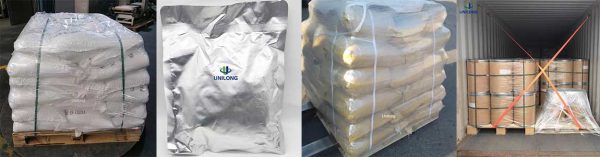
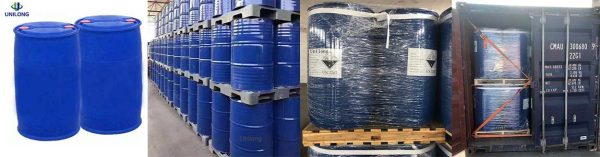
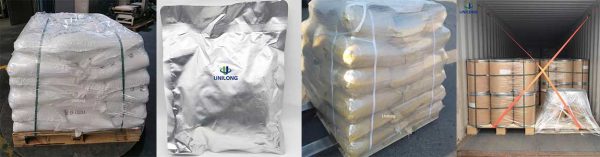
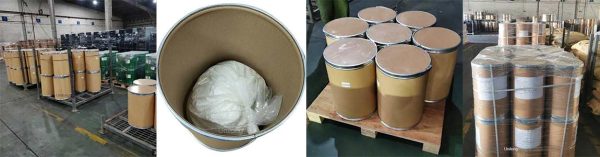
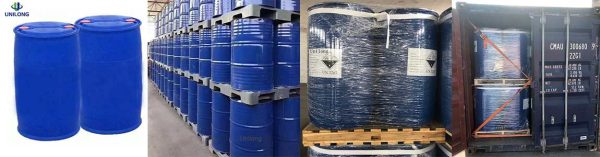
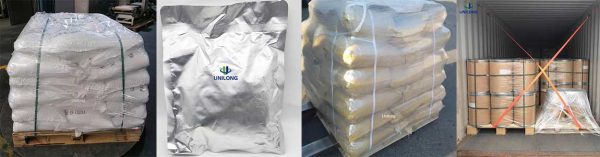
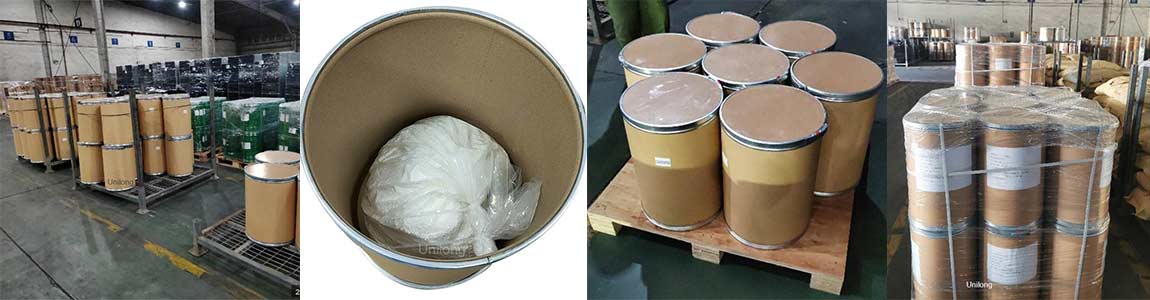
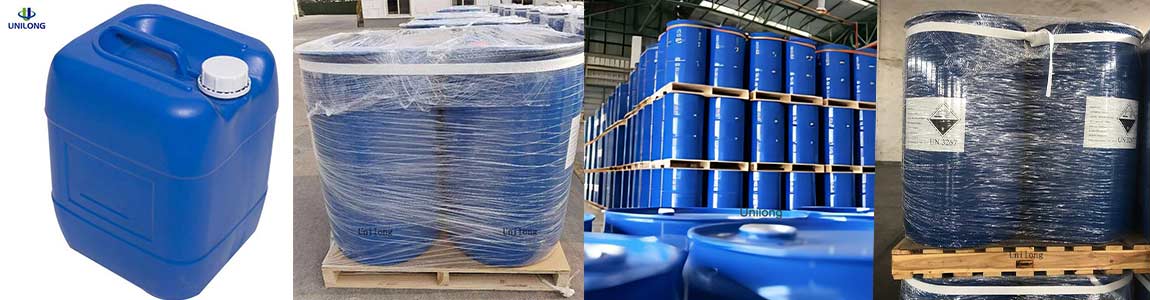
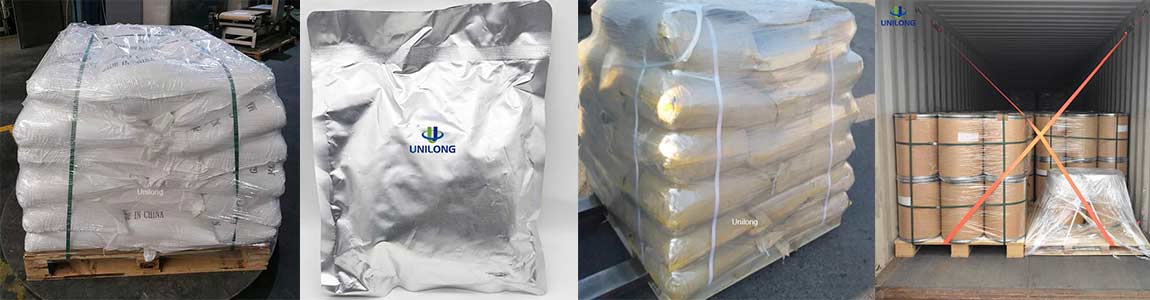
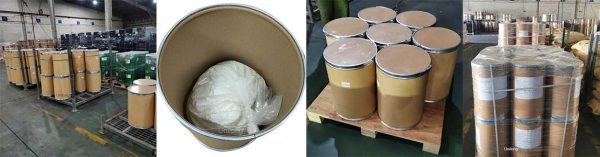
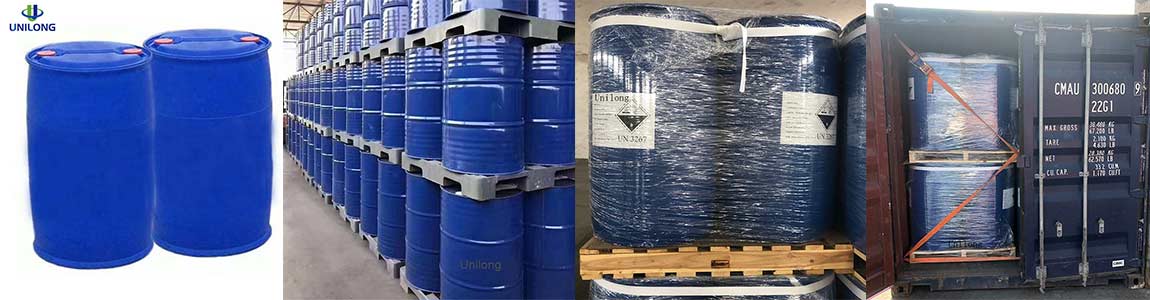
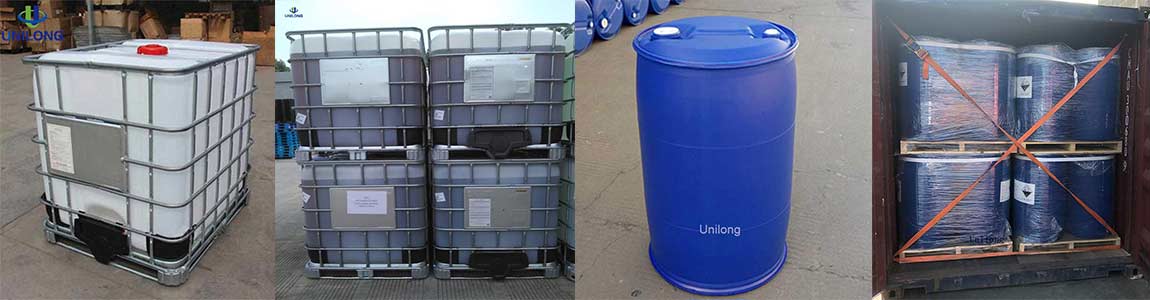
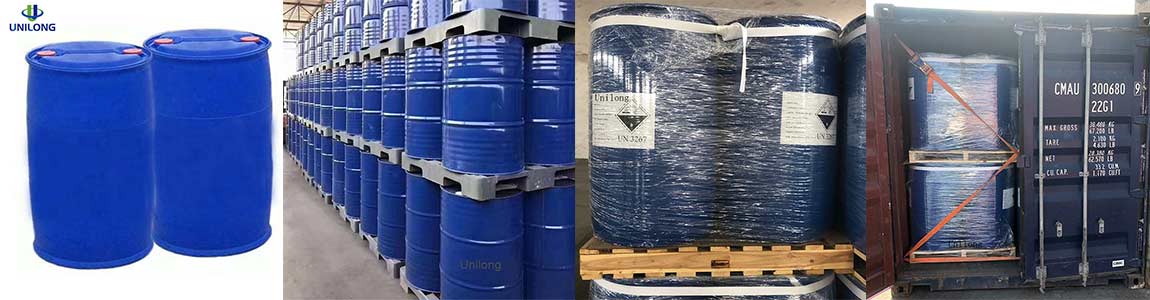
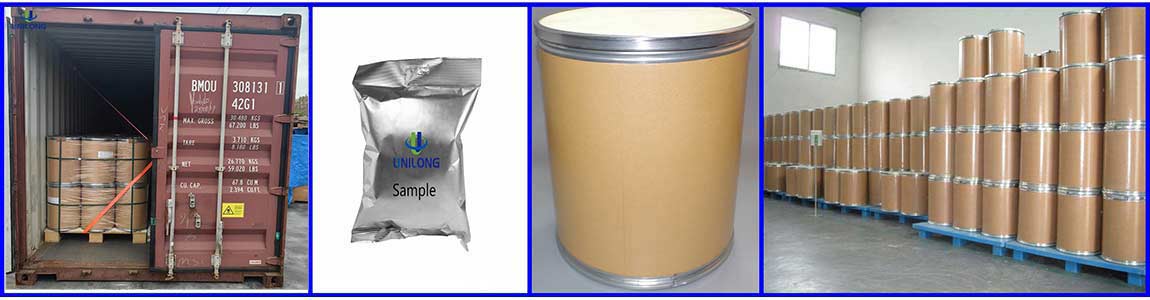
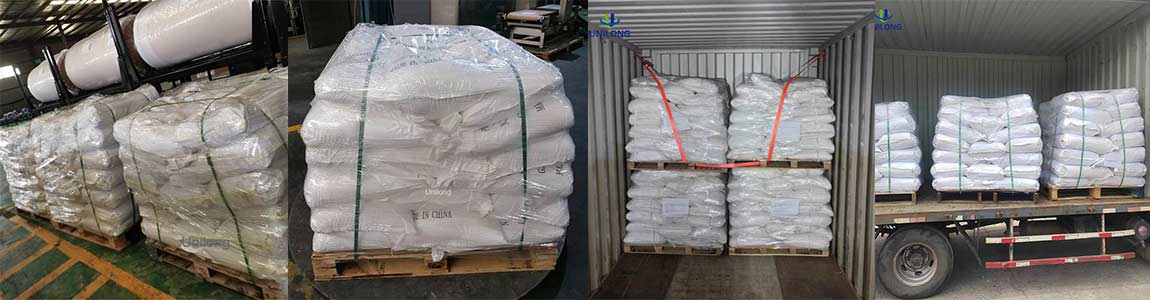
Packing: 25kg/Drum
2,4-Dichlorobenzyl Alcohol CAS 1777-82-8

CAS No.: 1777-82-8
Molecular formula: C₇H₆Cl₂O
Molecular weight: 177.03
EINECS: 217-210-5
Other name: 4-Dichlorobenzyl alcohol; 2,4-dichloro-benzylalcoho; Benzenemethanol, 2,4-dichloro-; 2,4-DICHLOROBENZL ALCOHOL

2,4-Dichlorobenzyl Alcohol CAS 1777-82-8

2,4-Dichlorobenzyl alcohol (CAS 1777-82-8) is a broad-spectrum mild antibacterial preservative, mainly used in oral care, cosmetics preservatives and as a pharmaceutical intermediate. White to pale yellow crystals.

Specification

Item Specifications
CAS 1777-82-8
Appearance White to pale yellow crystals
Melting point 55–58℃
Boiling point 268.4℃ (760 mmHg); 150℃ (25 Torr)
Flash point 115.0℃

Application

Oral Care (Main)
Core antibacterial ingredients in over-the-counter (OTC) mouthwashes, throat lozenges, and oral sprays, which inhibit oral bacteria, fungi, and some viruses, and relieve sore throat and oral ulcers.
Cosmetics and Personal Care Preservation
Used in lotions, creams, gels, and cleansing products to inhibit bacteria/mold and extend shelf life.
Pharmaceutical and Fine Chemicals
Synthetic fungicides, disinfectants, pharmaceutical intermediates; also used in dyes, pigments, and agricultural chemical raw materials.

Packaging

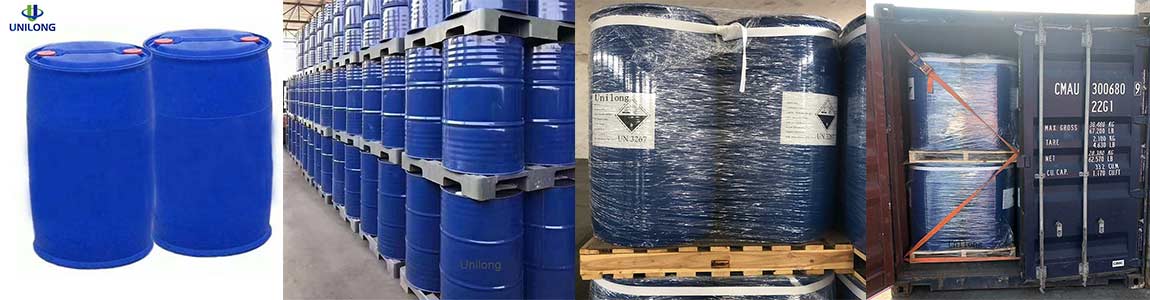
Packing: 25kg/Drum

2,6,10-TRIMETHYLDODECANE CAS 3891-98-3

CAS No.: 3891-98-3
Molecular formula: C₁₅H₃₂
Molecular weight: 212.41
Appearance: Liquid
Other name: dodecane,2,6,10-trimethyl-; Farnesan; FARNESANE; 2,6,10-TRIMETHYLDODECANE; 2,6,10-Trimethyldodecane (Farnesane)

2,6,10-TRIMETHYLDODECANE CAS 3891-98-3

CA 3891-98-3 (2,6,10-TRIMETHYLDODECANE, also known as Farnesane) is a C15 branched aliphatic hydrocarbon, belonging to the class of unicyclic sesquiterpenoids. 2,6,10-TRIMETHYLDODECANE is an important model molecule for biofuels and an industrial solvent / lubricant.

Specification

Item Specifications
CAS 3891-98-3
Appearance Liquid
Density (at 25℃) 0.7682 g/cm³
Boiling point (at 760 mmHg) 249.1℃
Flash point 103.1℃

Application

Vehicle biofuels
As a model fuel, used to study the influence of branched structures on combustion kinetics, emissions and thermal stability.
Cosmetics and personal care
Used as solvents and emollients, providing a refreshing sensation and low volatility.
Industrial lubricants and intermediates
Used in high-temperature lubricants, synthetic lubricating oil base oils; also as fragrances and intermediate substances for the synthesis of fine chemicals.

Packaging

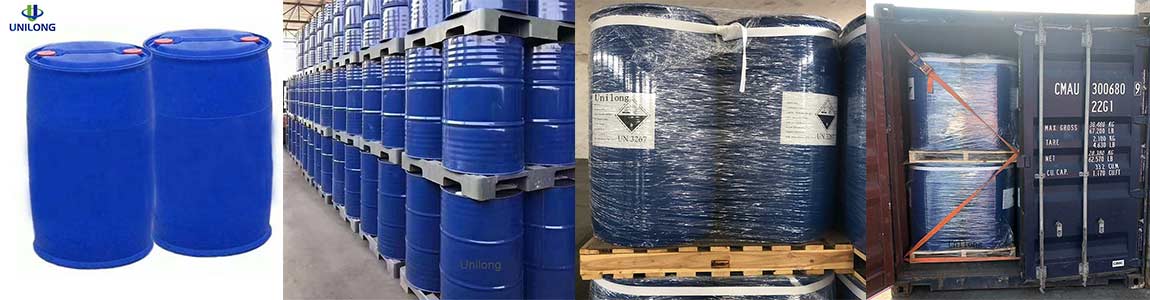
Packing: 25kg/Drum; 200kg/drum

(Hydroxyethyl)urea CAS 1320-51-0

CAS No.: 1320-51-0
Molecular formula: C3H8N2O2
Molecular weight: 104.11
Appearance: Liquid
Other name: N-(Hydroxyethyl)-urea; hydroxyethyl urea aqueous solution

(Hydroxyethyl)urea CAS 1320-51-0

(Hydroxyethyl)urea, with CAS number 1320-51-0, can be used for hair and skin conditioning and as a moisturizer. It is widely used in the cosmetics industry. It is a colorless transparent liquid, usually in the form of a 50% or 60% aqueous solution.

Specification

Item Specifications
CAS 1320-51-0
Appearance Liquid
Melting point 93.5℃
Density 1350 [at 20℃]

Application

Cosmetics and skin care products (mainstream)
Facial masks, lotions, essences, hand creams, body lotions containing high-efficiency moisturizers
Personal care products
Shampoo, conditioner, body wash with moisturizing and smoothing properties
Textiles and coatings
Softening agents, wetting agents, cross-linking agents

Packaging

Packing: 25kg/Drum; 200kg/drum

1,1′-Oxydi-2-propanol CAS 110-98-5

CAS No.: 110-98-5
Molecular formula: C6H14O3
Molecular weight: 134.17
Appearance: Liquid
Other name: 1,1′-Oxydi-2-propanol; 1,1′-Oxydipropan-2-ol; Bis(2-hydroxypropyl) ether; Diisopropylene glycol; DPG

1,1′-Oxydi-2-propanol CAS 110-98-5

1,1′-Oxydi-2-propanol, CAS No. 110-98-5, is a colorless, odorless, low-viscosity, transparent liquid that is refreshing like water. It is mainly used as a solvent for cellulose acetate, nitrocellulose, shellac varnish, and castor oil; it can also be used as a nitrocellulose solvent and an organic synthesis intermediate.

Specification

Item Specifications
CAS 110-98-5
Appearance Liquid
Melting point -40 °C
Boiling point 229 – 232 °C

Application

Personal care, perfumes, cosmetics (main uses)
Perfume preservative solvent, moisturizer, emollient
Common ingredients in skin care products, shampoos, body washes
Coatings, inks, cleaning agents
Film-forming additives, slow-drying solvents, coupling agents
Essential oils and flavorings
As solvent for fragrances, diluent Industry
Antifreeze, hydraulic oil, unsaturated polyester raw materials

Packaging

Packing: 25kg/Drum; 200kg/drum

A variety of EDTA metal chelating salt compound powder EDTA-Mix

Name.: EDTA-Mix
Application: Agriculture / Cosmetics / Industry / Water Treatment, Electroplating, Papermaking

EDTA-Mix

EDTA-Mix is generally composed of the following components: disodium EDTA, EDTA calcium, EDTA magnesium, EDTA iron, EDTA zinc, EDTA copper, EDTA manganese, EDTA boron, etc. It is easily soluble in water but insoluble in organic solvents. Its main functions are chelation, complexation of metal ions, locking of metals, prevention of precipitation, and prevention of failure.

Specification

Item Specifications
Product name EDTA-Mix
Appearance Powder
Characteristics A mixture powder prepared by combining various EDTA metal chelating salts

Application

Agriculture:
Chelated trace element fertilizer is easily absorbed by plants and does not get fixed by the soil.
EDTA-Mix provides iron, zinc, copper, manganese, magnesium, and calcium, preventing yellow leaves and small leaf diseases.
In daily life and industry:
In laundry detergents, cleaning agents, and cosmetics, it softens water quality, removes heavy metals, and stabilizes the formula.
In water treatment, electroplating, and papermaking.
EDTA-Mix combines calcium and magnesium ions to prevent scale formation and stabilize metal ions.
In medicine and laboratories:
EDTA-Mix is used for anticoagulation, chelating heavy metals for detoxification, and as a buffer for reagents.

Packaging

Packing: 25kg/Drum

3,5-DI-TERT-BUTYL-O-BENZOQUINONE DTBQ CAS 3383-21-9

CAS No.: 3383-21-9
Purity: 98%
Molecular formula: C₁₄H₂₀O₂
Molecular weight: 220.31
Appearance: Orange-red to dark red crystals, with ketone-like odor
Other name: 3,5-Di-tert-butyl-o-benzoquinone (DTBQ); 3,5-di-tert-Butyl-ortho-benzoquinone; o-Benzoquinone, 3,5-di-tert-butyl-; Dibutylbenzoquinone

3,5-DI-TERT-BUTYL-O-BENZOQUINONE CAS 3383-21-9

3,5-DI-TERT-BUTYL-O-BENZOQUINONE (CAS 3383-21-9, abbreviated as DTBQ) is a strong oxidizing, orange-red crystalline organic quinone compound, mainly used in organic synthesis, photoinitiation, polymer and catalysis fields.

Specification

Item Specifications
CAS 3383-21-9
Melting point 112–114 °C
Boiling point Approximately 321 °C (estimated)
Density 1.0106 (approximate value)

Application

  1. Organic synthesis oxidants
    Often used as mild and selective oxidants, they are employed for oxidizing phenols, alcohols, amines, sulfides, etc.; they are used in organic synthesis to prepare quinones, carbonyl compounds, and heterocyclic intermediates.
  2. Light initiation and curing
    Used in visible light curing systems (such as 3D printing inks, UV adhesives, coatings), with fast reaction and less yellowing, suitable for electronic-grade applications.
  3. Polymers and rubbers
    Used as polymerization inhibitors, antioxidants, crosslinking aids, to enhance the thermal stability and processing safety of polymers.
  4. Catalysis and coordination chemistry
    As redox ligands, used in metal complexes, mimetic enzyme catalysts, molecular switches, and magnetic materials design.
  5. Electronic chemicals
    High-purity grade (≥99.5%) for OLEDs, photovoltaic materials, with metal ion impurities ≤10 ppm.

Packaging

Packing: 25kg/Drum

Peru Balsam CAS 8007-00-9

CAS No.: 8007-00-9
Appearance: Liquid
EINECS: 232-352-8
Chemical Name: BALSAM OF PERU; BALSAM PERU; Balsam Peru oil; BALSAM PERU RESINOID; FEMA 2116

Peru Balsam CAS 8007-00-9

Peru balsam is a yellow to light brown viscous liquid. It has a fresh ointment-like sweet aroma and a patchouli scent. Crystals often form in the liquid. It is soluble in most oils and has a white turbidity in mineral oil. It is slightly soluble in propylene glycol and almost insoluble in glycerin.

Specification

Item Specifications
CAS 8007-00-9
Refractive index 1.569
Flash point > 110°C
Color Dark brown viscous liquid

Application

Flavors and fragrances: Fixatives for daily perfumes and cosmetics; Food flavors (chocolate, tobacco, baking, beverages); Used in aromatherapy and candles

Medicine / Skin care: Traditionally used for wounds, ulcers, burns for antibacterial and healing promotion; Raw materials for ointments and tinctures; Pay attention to skin irritation and allergy risks, and control the concentration

Industry: Enhancing and stabilizing the fragrance of inks, paints, adhesives; Some are used for wood preservation

Packaging

Packing: 25kg/Drum
Nitrile Butadiene Rubber Latex NBR Latex

Product name: NBR Latex
Sample: Support

Nitrile Butadiene Rubber Latex NBR Latex

Nitrile Butadiene Rubber Latex – Resistant to gasoline, engine oil, diesel, and various types of lubricants. It outperforms ordinary rubber. It has strong adhesion, is easy to penetrate and form a film. It is a water-based emulsion, non-toxic, non-flammable, and has a mild odor.

Specification

Item Specifications
Product name NBR Latex
Packing 25kg/drum 200kg/drum

Application

Disposable nitrile gloves (for medical, food, and industrial protection, in large quantities)
Oil-resistant rubber gloves, labor protection gloves
Rubber products: rubber hoses, sealing rings, gaskets, conveyor belts
Coatings, adhesives, non-woven fabrics, paper waterproof and oil-resistant coatings
Backings for carpets, leather finishes

Packaging 

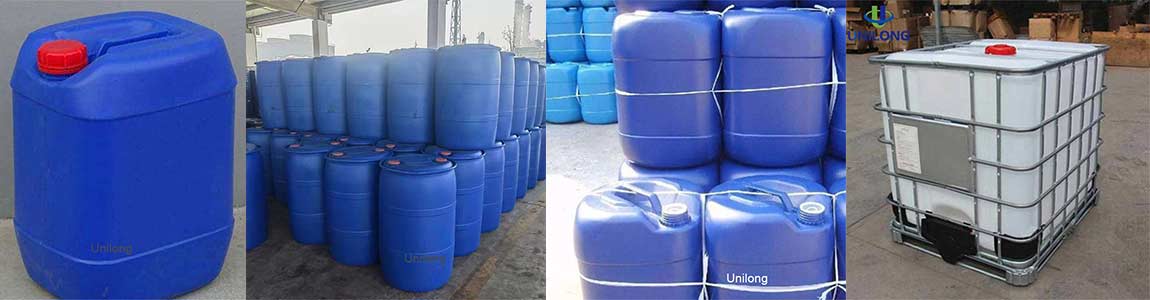
200kg plastic drums / iron drums
1000kg IBC tank
Small packaging: 50kg, 25kg drums

Carbon dioxide absorber

Name: Carbon dioxide absorber
Appearance: Solid

Carbon dioxide absorber

The carbon dioxide absorber can quickly and efficiently adsorb and remove carbon dioxide (CO₂) from a sealed environment. Some of the products have a large absorption capacity and high utilization rate.

Specification

Item Specifications
Product name Carbon dioxide absorber
Appearance Solid

Application

Medical anesthesia / ventilator
Hospital anesthesia breathing circuit, intensive care ventilator, absorbs the exhaled CO₂ from patients, achieving closed-loop oxygen supply.
Closed space rescue / operation
Diving, mines, fire-fighting self-rescue equipment, compartments, enclosed cabins, remove carbon dioxide to ensure breathing safety.
Laboratory & industrial gas purification
Gas analysis, atmosphere control, inert gas purification, remove CO₂ impurities from gases.
Chemical industry, environmental protection
Used in enclosed systems that require strict control of CO₂ concentration, tail gas treatment, atmosphere protection.
Teaching, research, instruments
CO₂ detection, environmental simulation, CO₂ removal units in various instruments.

Packaging and Shipping

25kg/Drum

Sodium Aluminum Oxide CAS 1302-42-7

CAS No.: 1302-42-7
Molecular Formula: Al2Na2O4
Molecular weight: 163.94
Appearance: Powder
EINECS: 215-100-1
Chemical Name: Sodium metaluminate; (Sodiooxy)aluminum oxide; Sodium aluminate(1-); aluminium sodium dioxide

Sodium Aluminum Oxide CAS 1302-42-7

Sodium Aluminum Oxide, CAS No. 1302-42-7, is a white or off-white powder that is highly soluble in water. The aqueous solution is strongly alkaline and does not dissolve in organic solvents. It must be sealed, kept dry and protected from moisture. It releases heat upon contact with water and is a strong alkaline substance.

Specification

Item Specifications
CAS 1302-42-7
Melting point 1800°C
Density 1.5 g/cm³
Refractive index 1.566

Application

Water treatment
Sodium aluminum oxide is used as a water purifying agent and a flocculant, to remove suspended solids and heavy metals from water.
Paper industry
As a precipitant and filler for rosin sizing, it enhances the strength of paper.
Building materials / refractory materials
It is used to produce quick-setting cement, refractory materials, and ceramic adhesives.
Molecular sieves, catalysts, and preparation of alumina
Sodium aluminum oxide is an important raw material for preparing zeolites and active alumina.
Textiles, dyeing
Sodium aluminum oxide is used as a mordant, fixative, and softening agent.

Packaging and Shipping

Packing: 25kg/Drum
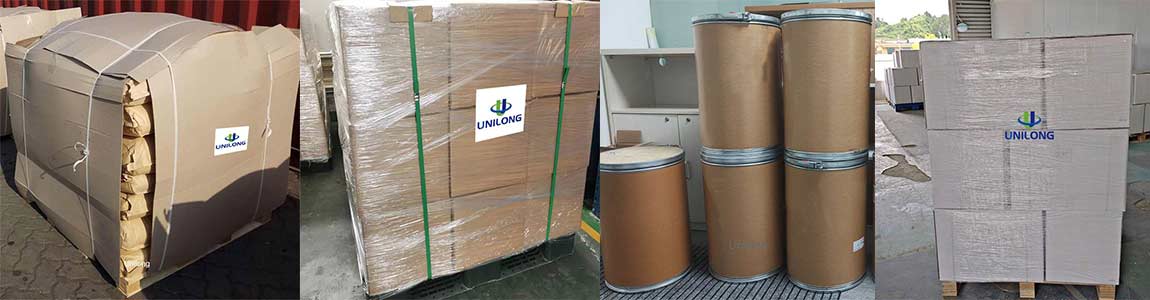
Hydrogenated Polyisobutene Cas 68937-10-0

CAS No.: 68937-10-0
Molecular Formula: C8H16
Molecular weight: 112.2
Appearance: Colorless and transparent
Assay: 100%
Chemical Name: Hydrogenated Polyisobutene; Hydrogenated polyisobutylene; Polyisobutene, hydrogenated

Hydrogenated Polyisobutene Cas 68937-10-0

CAS 68937-10-0 is Hydrogenated Polyisobutene (abbreviated as HPIB), which is a synthetic branched alkanes obtained by hydrogenation and saturation of polyisobutene. Hydrogenated polyisobutene is commonly known as synthetic squalane and is the most commonly used refreshing emollient oil, film-forming agent and viscosity regulator in cosmetics / personal care products.

Hydrogenated polyisobutylene Typical Properties

Item Specifications
Bromine Index ≤1000
Kinematic Viscosity at 210℉ 635 to 690
Haze ≤10
Color APHA(Haze free) ≤20

Hydrogenated polyisobutene Usage

Skin care category
Lotions, creams, essences, sunscreens: act as emollients, humectants, film-forming agents, enhancing skin feel and stability
Sensitive skin / repair products: replace mineral oil and Vaseline, gently lock in moisture without causing acne
Makeup category
Lipsticks, lip glosses: good pigment dispersion, even color showing, long-lasting without stickiness
Foundation, concealer, mascara: thickening, adjusting viscosity, enhancing makeup hold and shine
Hair care / body care
Hair oils, hair conditioners: smooth, de-tangling, increasing shine
Body lotions, hand creams: moisturizing without stickiness, easy absorption
Others: Medical ointments, precision machinery lubricants (low freezing point, high stability)

Hydrogenated polyisobutene Packaging and Shipping

Packing: 180kg/Drum

Delivery: Sea or air

Hydrogenated polyisobutene Storage

A cool, ventilated, dry place.

2′-Hydroxyacetophenone cas 118-93-4

CAS: 118-93-4
Formula: C8H8O2
Molecular Weight: 136.15
Appearance: Pale yellow liquid
Synonyms: o-Hydroxyacetophenone; 1-(2-Hydroxyphenyl)ethanone; 2-Acetylphenol

2′-Hydroxyacetophenone Quick Details

CAS 118-93-4 corresponds to 2′-Hydroxyacetophenone (also known as orthohydroxybenzophenone or 2-acetylbenzene), which is an aromatic ketone organic compound containing phenolic hydroxyl groups. It is naturally present in various foods and plants, and is also an important synthetic intermediate and fragrance raw material.

Specification

Product name   o-Hydroxyacetophenone
Synonyms  2′-Hydroxyacetophenone;

1-(2-Hydroxyphenyl)ethanone;

2-Acetylphenol

EINECS No.   204-288-0
CAS No.   118-93-4
Molecular weight   136.15
Molecular Formula   C8H8O2
Melting Point   4-6 ºC
Boiling Point   213 ºC (717 mmHg)
Appearance   Pale yellow liquid
Purity  98%


2′-Hydroxyacetophenone Usage

2′-Hydroxyacetophenone is used in the synthesis of pharmaceutical intermediates

2′-Hydroxyacetophenone is in application of perfume additive

2′-Hydroxyacetophenone is used for organic synthesis.

2′-HydroxyacetophenonePackaging and Shipping

Packing: 25kg/drum, 200kg/drum

2′-Hydroxyacetophenone Storage

Stored in a cool dry place out of direct sunlight

Polyphosphoric acid CAS 8017-16-1

CAS No: 8017-16-1
Appearance: Colorless viscous clear liquid
Sample: Available
Product Name: Polyphosphoric acids; Polyphosphorsuren; PPA

Polyphosphoric acid CAS 8017-16-1 Quick details:

Polyphosphoric acid (abbreviated as PPA) is a type of linear high-polymer phosphate mixture formed through dehydration condensation of phosphoric acid. The CAS number 8017-16-1 is the commonly used polyphosphoric acid in industry. It is commonly used as a strong acidic dehydrating agent, a cyclizing agent and a catalyst.

Specification

Item Standard
Appearance Colorless viscous clear liquid
Content(P2O5) 83.3%
Content(H3PO4) 115%
Chloride ≤0.001%
Sulphate ≤0.02%
Heavy metals ≤0.0035%
Asenic ≤0.005%
Iron ≤0.0035%

 Usage

Organic synthesis It is commonly used as a strong acidic dehydrating agent, a cyclizing agent and a catalyst.
For the synthesis of intermediates for drugs, fragrances, and dyes.
Metal surface treatment
Phosphating treatment, rust removal, and rust prevention for steel and aluminum parts.
Inorganic and materials
Preparation of phosphates, catalyst carriers, and flame retardant raw materials.
Petrochemical industry
Used as catalysts for hydrocarbon isomerization and polymerization reactions.

Package

Usually packed in 300kg drum, and also can be do customized package.

Storage

This product should be stored in the dark and at room temperature, and the shelf life is one year.

Magnesium Glycinate Powder CAS 14783-68-7

CAS No: 14783-68-7
Molecular Formula: C4H8MgN2O4
Molecular Weight: 172.42232
Assay: 20%min
Appearance: White powder
Synonyms: Magnesium Bisglycinate; Magnesium chelazome; Bis(glycinato)magnesium

Magnesium Glycinate CAS 14783-68-7

CAS 14783-68-7 Magnesium Glycinate ( Diaminoglycine Magnesium), is an amino acid chelate formed by the combination of magnesium ions and glycine. It is a high bioavailability organic magnesium salt and is a mainstream magnesium supplement raw material. Soluble in water, slightly soluble in ethanol; stable under neutral / weakly acidic conditions.

Specification

Item Specifications
Appearance White powder
Assay % ≥20.0
Loss on drying % ≤1.0
PH 10.0-11.0

Usage

1. Use as a food and feed additive

2. Uses Amino acids and their derivatives; amino acids; new magnesium supplements. Food or feed additives.

Packaging and Shipping

Packing: 25KG/ drum

Delivery: 7-10 days after receipt the payment.

Storage

The package is complete and lightly loaded; the warehouse is ventilated, away from open flames, high temperature, and stored separately from oxidants and acids.

Barium Petroleum Sulfonate CAS 61790-48-5

CAS No.: 61790-48-5
Molecular Formula: RSO3Ba
Appearance: translucent, semi-solid or fluid
Chemical Name: VANPLAST 202; sulfonicacids,petroleum,bariumsalts; VANPLAST 202; VANPLAST PL; VANPLAST R; Sulfonic acids,petroleum, barium salts T701

Barium Petroleum Sulfonate CAS 61790-48-5

Barium petroleum sulfonate, with CAS number 61790-48-5 (T701), is a type of petroleum sulfonic acid. It is the most commonly used oil-soluble anti-rust additive in industry and is widely employed in anti-rust oils, lubricating greases, and metal processing fluid formulations.

Typical Properties

Item Specifications
No.1 No.2
Appearance translucent, semi-solid or fluid
Barium sulfonate% ≥ 50 45
Average MW ≥ 1000
Volatile%≤ 5
Chloride% None
Sulfuric acid% None
Moisture% ≤ 0.15
Mechanical impurities%≤ 0.1
pH 7
Barium% ≥ 7.0 6.0
Oil soluble Conform
Rust prevention performance Damp heat test( 49±1℃ ≥95 % ) No.10 Steel piece ≤No.62 Brass piece 72 hoursA1
Seawater impregnation( 25±1℃ 24h )≤No.10 Steel pieceNo.62 Brass piece A1
Conclusion The results conforms with Enterprise standards

Barium petroleum sulfonate Usage

Anti-rust lubricants: Replacement type anti-rust oil, inter-process anti-rust oil, long-term storage oil, anti-rust grease.
Lubrication and anti-rust dual-purpose oils: Hydraulic oil, gear oil, bearing oil, providing both lubrication and anti-rust functions.
Metal processing fluids: Cutting oil, rolling oil, drawing oil, providing anti-rust protection for processes.
Others: Engine oil detergent dispersant, metal anti-rust coating additive.

Specially used in the production of anti-rust grease as an indispensable anti-rust additive.

No. 2 petroleum sulfonate is a fluid, the content is more than 45%, 200 kg vat packaging.

No. 1 petroleum sulfonate is a solid with content of more than 50%, packed in 50 kg plastic drums.

Packaging and Shipping

Packing: Solid plastic bucket 25 kg/drum, fluid 200 kg/iron drum

2-Ethylhexyl Acetate Liquid CAS 103-09-3

CAS No.: 103-09-3
Molecular Formula: C10H6O2
Molecular Weight: 172.26
Purity: 99%min
Appearance: Clear colorless liquid
Other Name: beta-ethylhexylacetate; Ethyl hexyl acetate; Ethyl(2)-hexyl acetate; ethylhexylacetate; ethylhexylacetate(non-specificname)

2-Ethylhexyl Acetate CAS 103-09-3

2-Ethylhexyl Acetate, with CAS number 103-09-3, is a commonly used high-boiling point ester solvent. Colorless and transparent liquid, widely used in paints, inks and adhesives.

2-Ethylhexyl acetate Typical Specification

Item Specifications
Appearance Clear colorless liquid
Isooctyl acetate content≥ ≥99%
Density (d2020) g/cm3 0.865-0.878
Acidity

(calculated as acetic acid) ≤

0.10%
Moisture ≤ 0.10%

2-Ethylhexyl acetate Usage

Paints, ink solvents
Slow drying, good leveling, used for automotive paints, wood finishes, screen printing inks.
Resins, adhesives
Used as solvents for nitrocellulose, acrylic, alkyd resins.
Cleaning agents, metal processing
Used as low-odor, low-volatile industrial cleaning agents and diluents.
Also used as fragrance solvents and plasticizer intermediates.

2-Ethylhexyl acetate Package

200kg/drum

2-Ethylhexyl acetate Storage

Store in a cool, ventilated warehouse

2-Butyl-1-Octanol Liquid CAS 3913-02-8

CAS No.: 3913-02-8
MF: C12H26O
MW: 186.33
Appearance: Colorless liquid
Other Name: 2-butyl-1-octano; 2-Butyloctyl alcohol; 2-butyloctylalcohol; 5-(Hydroxymethyl)undecane; Isododecyl alcohol

2-Butyl-1-Octanol CAS 3913-02-8

2-Butyl-1-Octanol is also known as a specific isomer of isododecanol, with the EC number 223-470-0. 2-Butyl-1-Octanol can be used as a moisturizer, emulsifier stabilizer and solvent. It is applied in face creams, lotions and makeup products, and has good fluidity at low temperatures.

Specification

ITEMS SPECIFICATION
Vapor pressure 8.1 Pa at 37.8℃
Density 0.833 g/mL at 25 °C(lit.)
Melting point -80°C(lit.)
Boiling Point 145-149 °C(lit.)
Refractive index 1.4400 to 1.4440
Flash point 113 °C


2-BUTYL-1-OCTANOL application:

Emollients and Conditioners: Used in cosmetics and personal care products as advanced emollients and skin conditioners, imparting a silky feel and improving the spreadability of formulations.

Dispersants and Solubilizers: Used in industrial formulations as dispersants and solubilizers to help uniformly disperse or dissolve insoluble or poorly soluble substances (such as pigments and fragrances) in liquid media.

Chemical Synthesis Intermediates: Used as alcohol raw materials in the synthesis of high molecular weight esters (such as lubricating oil esters or plasticizers), improving the performance of the final product.

2-BUTYL-1-OCTANOL Packaging and Shipping 

25kg/Drum or customized according to customer needs.

2-BUTYL-1-OCTANOL Storage

The warehouse is well-ventilated, kept at a low temperature and dry.

Benzenesulfonic Acid Sodium Salt Cas 515-42-4

CAS No.: 515-42-4
Molecular Formula:C6H5NaO3S
Molecular weight: 180.16
Appearance: white powder
Assay: 99%
Other Name: Sodium Benzenesulfonate; Dispersant GN; Sodium phenylsulfonate; Sodium benzene sulfonate; Sodium benzene monosulfonate

Benzenesulfonic Acid Sodium Salt Cas 515-42-4

Benzenesulfonic Acid Sodium Salt (CAS No. 515-42-4) belongs to aromatic sulfonates and is a commonly used surfactant additive and chemical intermediate. It is a white crystalline or powder form, odorless, and highly soluble in water. The aqueous solution is neutral.

Specification

Item Standard
Appearance White powder
Purity% ≥98
Chloride(as Cl)% ≤0.01
Iron(as Fe)% ≤0.002
Heavy metals(as Pb)% ≤0.002
Insoluble matter% ≥0.01
Loss on drying % ≤2.0
Single impurity% ≤0.1

Benzenesulfonic acid sodium salt Usage

1.) It can be used as dye intermediates, detergent builders and in the foundry industry.

2.) Used as analytical reagents and organic synthesis intermediates

3.) Biochemical research

Benzenesulfonic acid sodium salt Packaging and Shipping

Packing: 25kg /drum

Delivery: By Express, by sea,by air.

Benzenesulfonic acid sodium salt Storage

Store in a well ventilated area. Keep the container closed.

Ethylenedioxy Dimethanol / EDDM Cas 3586-55-8

CAS No:3586-55-8
Molecular Formula:C4H10O4
Appearance: colorless liquid
Other Name: EDDM; 1,6-Dihydroxy-2,5-dioxyhexane; 2-methyloloxyethoxymethanol; (ethylenedioxy)dimethanol

Ethylenedioxy Dimethanol EDDM Cas 3586-55-8

CAS 3586-55-8 is ethylenedioxy dimethanol, also known as ethylene glycol dihydroxy methyl ether / (ethylene oxide) dimethylol, which is a small molecule diol with two hydroxymethyl ether bonds. Its main applications are as an antibacterial preservative and a pharmaceutical / cosmetic intermediate.

Specification

ITEMS STANDARD
Appearance Colorless or light yellow transparent liquid
Density (20℃, g/ml) 1.18- 1.20
pH value (1% aqueous solution) 6-8
Active substance content, % 90-92
Total aldehyde content, % >45
Flash point, ℃ >100

Features

Ethylenedioxy dimethanol is a slow-release bactericide and desulfurizer that is low-toxic, highly efficient and gas-friendly. It has relative sterilization ability and is suitable for inhibiting the growth and reproduction of microorganisms in various humid environments and preventing the production of putrefaction and foul odors. to ensure the safe operation of the system. It is also widely used in hydrogen sulfide removal applications from crude oil and natural gas.

Usage

Cosmetics / Beauty Products (Antibacterial and Antifungal)
Broad-spectrum antibacterial (bacteria / fungi), often combined with phenoxyethanol and IPBC, used in lotions, creams, cleansing products, wipes
Low irritation, no acne-causing effect, suitable for sensitive skin and children’s products; INCI listed, with high safety rating Pharmaceutical intermediates
Synthetic drugs, dyes, active esters, crosslinking agents; also used as reference substances for glycerol impurities
Industrial applications
Metalworking fluids, cutting fluids, adhesives, coatings – bactericides and fungicides
Hemiacetal reagents, crosslinking agents, solvents in organic synthesis

Package

IBC Drum one 20 ’ container can hold 22MT

Storage

This product should be stored in a dry and cool place. Storage stable for 2 years at room

temperature.

Lauryl Betaine Liquid CAS 683-10-3

CAS No.: 683-10-3
Molecular Formula: C16H33NO2
Molecular Weight: 271.44
Appearance: Transparant light yellow liquid
Synonyms: Laury dimethylaminoacetic acid betaine; (Carboxylatomethyl)dodecyldimethylammonium; 2-(Dodecyldimethylammonio)acetate; Lauryldimethylbetaine; Lauryl-N-betaine

Lauryl Betaine CAS 683-10-3

Lauryl Betaine, with CAS number 683-10-3, is a mild amphoteric surfactant. It has a hydrophobic long chain at one end and a hydrophilic betaine group at the other end. Lauryl Betaine is a colorless to pale yellow transparent liquid. It is mild and has low irritation, much milder than SLES and K12. It is often used in baby care products and cleansers for sensitive skin. Lauryl Betaine has good foaming properties and dense foam. When used alone or in combination with anionic surfactants, it produces rich and stable foam.

Specification

Item Specifications
Appearance Transparant light yellow liquid
Odor Characterristic
PH value 6.0-8.0
Sodium Chloride % ≤7
Free Amine % ≤1
Solid % 33-37
As ≤2
Pb ≤20

Lauryl betaine Usage

It is widely used in middle and high grade shampoos and body washes; it is the main ingredient for preparing mild baby shampoos, baby foam baths, and baby skin care products; it is an excellent

soft conditioner in hair care and skin care formulations; it can also be used as a detergent , Wetting agent, thickener, antistatic agent and bactericide, etc.

Lauryl betaine Packaging and Shipping

Packing: 220kg/drum

Lauryl betaine Storage

Store in a cool place and keep it sealed to avoid direct sunlight

Potassium Bisulfate CAS 7646-93-7

Cas No.: 7646-93-7
Molecular formula: HKO4S
Molecular weight: 136.16884
Assay: 99.0%~101.0%
Appearance: White crystalline powder
Chemical name: Potassium bisulfate; potassium bisulphatel; Potassium hydrogensulpha

Potassium Bisulfate CAS 7646-93-7

Potassium Bisulfate, CAS No. 7646-93-7, is a white crystalline, granular or powder form. It is mainly used for cleaning and de-scaling of metals, tiles and bathrooms, and is milder than hydrochloric acid but still has a strong acidity.

Specification:

Item Standard
Characters White crystalline powder
Assay 99.0%~101.0%
Appearance of solution (Comply with the standard)
Water-insoluble 0.002 %
Chloride 0.0005%
Nitrogen compound 0.002%
Phosphate 0.001%
Silicate 0.001%
Sodium 0.02%
Magnesium 0.0005%
Aluminium 0.001%
Calcium 0.002%
Iron 0.0005%
Arsenic 0.0003%
Heavy metal 0.0005%

Application:

Used as analytical reagent, preservative, and flux when analyzing silicon

Potassium bisulfate (CAS 7646-93-7) has various applications, including use as a catalyst, acidulant, and dehydrating agent. It’s also used in winemaking, analytical chemistry, and as a precursor for other compounds. 

Packing:

25kgs/bag

Cooling Agent WS-12 CAS 68489-09-8

CAS No.: 68489-09-8
Molecular Formula: C18H27NO2
Molecular weight: 289.41
Appearance: White crystallline powder
Assay: 99.0%
Chemical Name: WS 12; N-(4-Methoxyphenyl)-p-menthane-3-carboxamide; N-(4-Methoxyphenyl)-p-menthane-3-carboxamide(WS-12

Cooling Agent WS-12 CAS 68489-09-8

WS-12 is a long-lasting, low-odor, highly refreshing synthetic menthyl amide flavoring agent. It provides a lasting refreshing sensation with extremely low usage, and is a compliant additive for food and cosmetics. It is non-volatile, heat-resistant, and has better formula stability than menthol. It is widely used in food, oral care, and cosmetics.

WS 12 Typical Properties

Item Specifications
Appearance White crystallline powder
Odor Faint, minty, extremely strong cooling
Melting point 175-178
Assay by GLC area% 99.00%

Application

1. Food Industry (Compliance Use)
Oral Care: Chewing gum, mint candies, throat lozenges, mouth sprays
Beverages: Carbonated drinks, functional drinks, mint water
Baking / Confectionery: Chocolate, jelly, ice cream
2. Cosmetics / Beauty Products
Oral Care: Toothpaste, mouthwash, breath fresheners
Personal Care: Lip balm, face cream, body lotion, aftershave lotion, cooling masks
Cleaning Products: Soap, body wash, shampoo, air fresheners
3. Medicine / Others
Topical preparations: Cooling ointments, itch-relieving gels
Tobacco: E-cigarette oil, enhanced cooling taste

Packaging and Shipping

25kg/drum;customized according to customer needs.

1,3-Dibutyl-2-thiourea Powder Cas 109-46-6

CAS No.: 109-46-6
Molecular Formula: C9H20N2S
Molecular Weight:188.33
Assay: 99%
Appearance:White crystalline powder
Synonyms: N,N’-Di-n-butylthiourea; DBTU(1,3-dibutylthiourea); 1,3-Dibutyl-2-thiourea ( DBTU ); 1,3-dibutyl-2-thio-ure

1,3-Dibutyl-2-thiourea Cas 109-46-6

CAS 109-46-6 1,3-Dibutyl-2-thiourea (DBTU) is a special low-temperature vulcanization accelerator. The vulcanized rubber has excellent physical properties, including good tensile strength, heat resistance, and aging stability.

Specification

Item Specification
Appearance White crystal powder
Initial Melting PointºC≥ 60.0
Loss on Drying%≤ 0.50
Ash%≤ 0.30
Residue on 250μm Sieve,%≤ 0.50
Physical property
Density at 20ºC(kg/m³) 1060
Bulk density(kg/m³) 360-390

1,3-Dibutyl-2-thiourea Usage

Rubber vulcanization accelerator It is a common low-temperature vulcanization accelerator for chloroprene rubber and chlorosulfonated polyethylene rubber, especially used in CR adhesives, films, and low-temperature vulcanized rubber.
Metal flotation agents, metal corrosion inhibitors
Organic synthetic intermediates
Used for the synthesis of pharmaceutical and pesticide intermediates.

1,3-Dibutyl-2-thioureaPackaging and Shipping

Packing: 25kg/Bag. Storage in a dark, cool, ventilated, and dry environment

Zinc Undecylenate Powder CAS 557-08-4

CAS No.: 557-08-4
Molecular Formula: C22H38O4Zn
Molecular Weight: 431.92
Appearance: White Powder
Other Name: Bis(10-undecenoic acid)zinc salt; zinc undec-10-enoate; Undecylenic acid zinc; ZINCUNDECYLENATE,USP; Zinc 10-undecenoate; 10-Undecylenic acid zinc sa

Zinc Undecylenate Powder CAS 557-08-4

557-08-4 Zinc Undecylenate is a commonly used topical antifungal agent, widely employed in the fields of medicine and cosmetics. White amorphous powder. Store in a sealed, dry and cool place.

Specification

Item Specifications
Appearance white powder
Assay 98.0-102.0%
Melting point 116℃-121℃
Solubility Practically insoluble in water inetahanol (96%)and in ether
Drying weight lost ≤1.5%
Alkali metals and alkali alkalimetal salts ≤2.0%

Zinc undecylenate Usage

1. This product is an anti-fungal medicine, made into an athlete’s foot ointment, which can be used for skin mycosis.

2. Used in cosmetics and organic synthesis intermediates. It is added as a preservative, bactericide and emulsifier to creams, lotions, shampoos and soaps. It is a common ingredient in anti-dandruff shampoos, with a concentration of 0.5% – 2%, which inhibits Malassezia fungi to reduce dandruff. The addition amount in daily skin care products is generally 0.2% – 1%.

3. Antifungal agents for the treatment of fungal skin infections

Packaging and Shipping

200kg/drum. Stored in cool dry place away from fire and acids

Pentaerythritol tris[3-(1-aziridinyl)propionate] Cas 57116-45-7

CAS: 57116-45-7
Molecular Formula:C20H33N3O7
Molecular weight:427.49
Appearance: colorless to light yellow liquid
Solid content: ≥98.0%
Chemical Name:pentaerythritol tris(3-aziridin-1-ylpropionate); 1-AZIDIRIDINEPROPANOIC ACID; Pentaerythritol tri (3-azipropyl) propionate

Pentaerythritol tris[3-(1-aziridinyl)propionate] Cas 57116-45-7

Pentaerythritol tris[3-(1-aziridinyl)propionate] is a three-functional nitrogen-pyrrolidine type highly efficient crosslinking agent, which is used in water-based systems to enhance water resistance, chemical resistance and adhesion.

Specification

Item Specifications
Appearance colorless to light yellow liquid
Solid content ≥98.0%
Viscosity,cp@25℃ ≤4000cp
PH value 8.0-11.0
Water-soluble mutually dissolved in same water

Pentaerythritol tris[3-(1-aziridinyl)propionate] Usage

1. As Leather improve wet rub resistance, wear resistance and heat resistance of dry, applied primer and coating, can improve the coating adhesion and embossing moldability;

2. To Increase the film adhesion to different substrates, avoiding dragging phenomena during printing ink, ink enhanced resistance to water and chemical resistance, accelerate the curing time;

3. Enhanced adhesion to different substrates face paint, paint to improve resistance to water scrub resistance, chemical resistance, abrasion resistance and high temperature strength;

4. Improve water-based paint to water and chemical corrosion resistance, curing time, reduce volatile organic compounds, enhanced scrub resistance;

5. Improve the adhesion of the protective film coating, shorten the curing time.

6. Aqueous systems can generally improve adhesion on non-porous substrates.

Pentaerythritol tris[3-(1-aziridinyl)propionate] Packaging and Shipping

For small quantity sample or order, we can ship by courier like DHL, Fedex door to door.

For large quantity, Air or Sea both are available, as customized.

Polyepichlorohydrin / Resin Epoxy Cas 24969-06-0

CAS No.: 24969-06-0
Molecular Fomula: C3H5ClO
Appearance: Transparent soild
Assay: 99%
Other name: EPICHLOROHYDRIN RESIN; POLYEPICHLOROHYDRIN; (Chloromethyl)oxirane,homopolymer; (chloromethyl)-oxiranhomopolymer; Epichlorohydrinhomopolymer

Resin Epoxy Cas 24969-06-0

CAS 24969-06-0 is a common bisphenol A type epoxy resin, used for making adhesives, anti-corrosion paints, electronic potting compounds, and floor coatings. It is non-toxic and non-flammable.

Specification

Item Standard
Appearance Colorless solid without obvious mechanical impurity
epoxide equivalent(g/Eq) 450-560
Hydrolyzed chlorine content(ppm) ≤2000
Inorganic chlorine content(ppm) ≤100
softening point℃ 60-76
volatile matter% ≤0.5
colour and lustre ≤1.0

Resin epoxy Usage

Used for anticorrosive coatings, powder coatings, ink, adhesives, insulation materials

Used for bonding, pouring, sealing, etc

Used for laminate, IC printing board and adhesive for building and ship

Used for making heat-resistant and insulating coatings for electronics and electrical appliances

Used for adhesives, photosensitive paint, etc

Used for laminating, bonding, sealing, pouring, etc

Widely used in building corrosion resistant engineering, paint, synthetic resin and adhesive

Resin epoxy Packaging

200kg/drum. Stored in a cool dry place out of direct sunlight.

Lithium Hydroxide Powder CAS 1310-65-2

CAS No.: 1310-65-2
Molecular Fomula: HLiO
Molecular Weight: 23.95
Appearance: White crystal powder
Chemical Name: Lithium hydroxide; Lithium hydroxide anhydrous (Industrial grade and Electronic grade); Lithium hydroxide (Li(OH))

Lithium hydroxide CAS 1310-65-2

Lithium hydroxide is a white crystalline powder or granule, prone to absorbing moisture and having a salty taste. It is mainly used in lithium battery materials, lithium-based lubricating grease, alkaline batteries, chemical synthesis, carbon dioxide absorbents, etc. It is a core raw material in the lithium battery industry.

Specification

Item Specifications%
LiOH ≥56.5
Na ≤0.20
K
Ca ≤0.035
Fe ≤0.003
Cl ≤0.04
SO4 ≤0.030
CO2 ≤0.50
Hydrochloric acid insoluble matter ≤0.01

Usage

Lithium hydroxide is mainly used as raw material for preparing lithium compounds. It can also be used in metallurgy, petroleum, glass, ceramics, and other industries.

Uses: Lithium hydroxide used in making lithium salt and lithium grease, the electrolyte of an alkaline battery, absorption liquid of lithium bromide refrigerator, etc.

Packaging

25kg/drum. It should be sealed and shaded to be stored in a dry, cool, well-ventilated place.

Solvent Violet 36 CAS 61951-89-1

CAS No.: 61951-89-1
Appearance: Purple black powder
Packaging: 25kg/drum
Synonym: Transparent Violet 3R; SOLVENT VIOLET 36; C.I. Solvent Violet 36

Solvent Violet 36 CAS 61951-89-1

Solvent Violet 36 is a high-performance anthraquinone-based red light purple solvent dye. It is resistant to high temperatures, light, and migration. It is mainly used for coloring hard rubber plastics, fibers, and inks. It is oil-soluble and can be dissolved in organic solvents such as toluene, acetone, and esters. It is insoluble in water.

Solvent Violet 36 Typical Properties

Melting Point (): 170 ℃ Starting Temperature of Sublimation () 296℃
Bulking Value (ml / g) 5.6 Physical Estate Solid Powder
Solubility in Water Insoluble in Water Odour Inodorous
Resistance to Chemical ( 1 g / 20 ml / 24 hr )  

5: Excelient; 1:Poor

5 % HCL 5
5 % NaOH 5
ABS Heat Stability   ℃ / min 270 ℃ / 10 min
Light Fastness 8: Excelient;  

1:Poor

Full Shade 4
Tint Shade 4
Contract Bleed   5: Excelient; 1:Poor 5
GP-PS Heat Stability   ℃ / min 280 ℃ / 10 min
Light Fastness

8:   Excelient;


1:Poor

Full Shade 7  — 8
Tint Shade 7  — 8
Contract Bleed   5: Excelient; 1:Poor
PMMA Heat Stability   ℃ / min 250 ℃ / 10 min
Light Fastness 8: Excelient;  

1:Poor

Full Shade 7  — 8
Tint Shade 7  — 8
Contract Bleed   5: Excelient; 1:Poor
HI-PS Heat Stability   ℃ / min 280 ℃ / 10 min
Light Fastness 8: Excelient;  

1:Poor

Full Shade 6
Tint Shade 6
Contract Bleed   5: Excelient; 1:Poor 4  — 5
Toluene 3.10 Pigmental Bleed Dyed (0.1%) PS Tested in water or 10%
Solubility Ethyl Alchohol 0.17 Dyed (0.1%) ABS ethyl alchohol or 2%
Ethyl Acetate 4.90 Dyed (0.1%) SAN
 

g / ml

ethyl acetate:

No


Acetone   4.70 Dyed (0.1%)PMMA
M.E.K.   1.90 Dyed (0.1%) PC
MMAMonomer 5.30 Dyed (0.1%) PVC
Toxicity


Acute Oral Toxicity LD50Tested in Rat >10000 mg /kg
Skin Tolerance   Tested on Rabbits 
Mucous Membrane Tolerance  Rabbits Eye
Extinguishing Media Foam Dry Powder CO2
It is a kind of innocuity solid powder, apyrous, inexplosive.

It is packed in cardboard drum or iton drum,inner linde with double plastic bags. It can’t burnt or explode when it is during storage or transportation.

It will be carefully used. In order to avoid powder pollution, workers should wear appliances for labour protection, such as glovers, gas defence masks etc.

Solvent Violet 36 Usage

Used for coloring of packaging, decoration, paint, ink, polyester, nylon, etc.

Plastics Coloring: The core application area. Excellent transparency and color saturation, widely used for coloring ABS, polycarbonate (PC), PMMA, AS resin, etc.

Polyester Fiber Solution Coloring: In the synthetic fiber industry, used for solution coloring polyester (PET) fibers, imparting a deep and stable purple hue to the fibers.

Inks & Coatings: Used in the manufacture of high-quality inkjet inks, wood stains, transparent coatings, and surface coloring of aluminum foil.

Resins & Stationery: Commonly used for color matching of various transparent resins, ballpoint pen inks, and marker inks.

Solvent Violet 36 Packaging and Shipping

Drum, 25kg/drum. Store in a cool, dry, dark place in a sealed container or tank.

Antioxidant 703 Cas 88-27-7

CAS No.: 88-27-7
Molecular Formula: C17H29NO
Molecular Weight: 263.42
Synonyms: 2,6-Di-tert-Butyl-4-(dimethylamino)methylphenol; IONOX(R) 103; 4-DIMETHYLAMINOMETHYL-2,6-DI-TERT-BUTYLPHENOL; 2,6-DI-TERT-BUTYL-(A-DIMETHYLAMINO)-P-CRESOL; 2,6-Di-tert-butyl-4-(dimethylaminomethyl)phenol

Antioxidant 703 Cas 88-27-7

Antioxidant 703 is a nitrogen-containing hindered phenolic multifunctional antioxidant that possesses both antioxidant and metal ion passivation properties. It is widely used in fields such as rubber and plastics, and lubricants. Antioxidant (capturing free radicals) + Metal ion passivator (chelating metal ions, inhibiting catalytic oxidation). Good thermal stability, low volatility, low migration, and stable long-term performance.

Specification

ProductName IONOX(R) 103
Appearance white solid
CAS NO. 88-27-7
Flash point 138°C
Molecular Weight 263.42
Density 0.9225 (rough estimate)
Melting Point 93-94 °C(lit.)
BoilingPoint 172 °C30 mm Hg(lit.)

Antioxidant 703 Usage

Rubber industry: Antioxidants for natural rubber and synthetic rubbers (such as styrene-butadiene, isoprene, etc.) to prevent aging caused by heat and oxygen
Plastics industry: Antioxidants for polyolefins (PE/PP), polyesters, ABS, PS, cellulose esters, etc., to enhance processing and usage stability
Lubricants / Oils: Antioxidants for mineral oils, synthetic oils, and lubricating greases, to extend the lifespan of oil products
Others: Antioxidants for adhesives, waxes, and food packaging materials, for antioxidant protection

Antioxidant 703 Packaging and Shipping

Packing:25kg/bag. Storage Conditions: Normal Temperature and Light Avoidance

Triphenylphosphine Cas 603-35-0

CAS No.:603-35-0
Molecular Formula: C18H15P
Molecular weight: 262.29
Appearance: white flakes
Assay: 99.8%
Chemical Name: Triphenylphosphine/ TPP; Triphenyl phosphine; Trisphenylphosphine; LPO Assay Triphenylphosphine; TRIPHENYL PHOSPINE (TPP)

Triphenylphosphine Cas 603-35-0

Triphenylphosphine  TPP (CAS 603-35-0) exhibits typical reactivity as a phosphorus ligand and is a crucial basic raw material in the fields of organic synthesis and catalysis. It is widely used in pharmaceutical intermediates, pesticide chemicals, organic synthesis, metal catalysis, polymer materials, and fine chemicals.

Triphenylphosphine Typical Properties

Item Standard
Appearance White flakes
TPP assay 99.8%min
TPPO assay 0.2%max
Melting point 80~82
Loss on drying 0.05%min

Triphenylphosphine Usage

Triphenylphosphine (CAS 603-35-0) is a versatile reagent used in various chemical reactions and industrial applications. It’s a key component in organic synthesis, catalysis, and polymer chemistry. Specifically, it’s used in reactions like the Wittig reaction and Mitsunobu reaction, and as a ligand in homogeneous catalysis. It also finds use in the production of pesticides, stabilizers, antioxidants, and flame retardants.

Here’s a more detailed breakdown:
1. Organic Synthesis:
  • Wittig Reaction:

    Triphenylphosphine is crucial for converting carbonyl compounds (aldehydes and ketones) into alkenes. 

  • Mitsunobu Reaction:

    It facilitates the conversion of alcohols to other functional groups, like esters or ethers, under mild conditions. 

  • Other Reactions:

    It’s used in the synthesis of various compounds, including biaryl compounds, phosphonium salts, and other phosphorus-containing molecules. 

  • Reducing Agent:

    It can be used to reduce aromatic N-oxides to aromatic amines. 

2. Catalysis:
  • Homogeneous Catalysis: It acts as a ligand in transition metal catalysts, particularly those involving palladium, platinum, and rhodium. 
  • Hydroformylation: It’s used as a co-catalyst in hydroformylation processes. 
  • Hydrogenation Catalysis: It can also be used as a ligand in hydrogenation catalysis. 
3. Polymers:
  • Curing Agent: It acts as a curing agent for powder coatings and UV-curable coatings.
  • Stabilizer: It can be used as an additive in the oxidation and UV stabilization of plastics. 

Packaging and Shipping

Packing: 25KG,40KG Bag, Fiber Drum, Steel Drum.

Delivery: delivery within 3-5working days.

Sodium Octanoate Powder CAS 1984-06-1

CAS No.: 1984-06-1
Molecular Formula: C8H15NaO2
Molecular Weight: 166.19
Appearance: White crystals or crystalline powder
Assay: 99.0%
Other Name: Sodium n-caprylate; Sodiumoctanoate=Sodiumcaprylate; Wodium caprylate; Sodium Octanoate-2,4,6,8-13C4; N-OCTANOATESODIUM; Sodium caprylate

Sodium Octanoate Powder CAS 1984-06-1

In the pharmaceutical industry, sodium octoate is contained in a biological preparation (human albumin) as an inactive ingredient. Biologically advanced acid salts are generally used for the special selection of strains. The reason for the use of salts is that salts have greater solubility than the higher acids themselves. And the pH is better adjusted. For example, when cultivating bacteria that can decompose octanoic acid, sodium octanoate is required to be added to the medium. In the field of chemistry: sodium octanoate can be used to obtain high purity n-heptane by decarboxylation.

Specification

Item Standard
Appearance White crystals or crystalline powder
Identification Meets the requirements
pH value 8.0~10.5
Water ≤3.0%
Heavy metals(Pb) ≤5ppm
Chromatographic purity Not more than 0.3% of any impurity is found; Not more than 0.5% of total impurities is found
Assay 99.0~101.0%

Sodium caprylate Usage

Food additives
Preservatives, antibacterial agents, to inhibit molds, yeasts, and bacteria The field of medicine
Used as a protein stabilizer (commonly used in biological drugs and albumin preparations)
Pharmaceutical excipients, bactericides
Industry and biochemistry
Biochemical reagents, metal processing, lubricants, emulsion stabilizers
Organic synthesis intermediates

Sodium caprylate Packing

25kg / fiber drum with PE liner

Notice

1). In the spraying fertilizer period, the cotton boll craze should not early than 60, in case of affecting output and quality.

2).Rainfall after spraying fertilizer will affect the effect, so you’d better notice the weather report.

3). If the product is eaten, absorbed or touched by mistake, it will harm to health and you should go to hospital at once. If it touches skin or eyes, you must wash in clean water immediately.

4). Do not pollute water origin when washing containers or deal with waste liquid medicine.

5). The product should be put away from food, feed and children.

Lithium 12-Hydroxystearate Powder Cas 7620-77-1

Cas No.: 7620-77-1
MF: C18H35LiO3
MW: 306.41
Sample: Available
Other Name: lithium 12-hydroxyoctadecanoate; 12-hydroxystearic acid lithium salt

Lithium 12-Hydroxystearate Cas 7620-77-1

CAS 7620-77-1 is Lithium 12-Hydroxystearate (also known as 12-hydroxy stearic acid monolithium), which belongs to the lithium soap compound category and is the core raw material for manufacturing lithium-based lubricating grease. It has excellent oxidation stability and a high pour point (about 200 °C). It is used in automobiles, construction machinery, bearings, etc., accounting for over 80% of the global lubricating grease production.

Specification

Appearance White Powder
Melting point 200 °C
EINECS No. 231-536-5

Lithium 12-hydroxystearate Application

Lithium 12-hydroxystearate is a white powdery industrial product, which can be obtained by direct reaction of 12-hydroxystearic acid with equimolar lithium hydroxide monohydrate. Can be used to prepare various greases.

Widely used in lubricants, stabilizers, decolorants, thickeners

Lithium 12-hydroxystearate Packaging

25kg/drum

N,N’-Di-sec-butyl-p-phenylenediamine CAS 101-96-2

CAS No.: 101-96-2
Molecular Formula: C14H24N2
Molecular weight: 220.35
Appearance: Amber to red or dark reddish black liquid
Assay: 99 %
Other Name: N,N’-Bis(1-methylpropyl)-1,4-phenylenediamine; N,N’-di-sec-butyl-benzene-1,4-diamine; n,n’-di-sec-butylparaphenylenediamine

N,N’-Di-sec-butyl-p-phenylenediamine CAS 101-96-2

101‑96‑2 is N,N’-Di-sec-butyl-p-phenylenediamine, which is a highly effective amine-based antioxidant and is mainly used for preventing aging of oils and rubber. Used for cracking gasoline and thermal cracking gasoline (high olefin content), it can inhibit oxidation and rubber formation, prevent carbon deposits, with low dosage and excellent effect.

Specification

Item  Specification 
Specific rotation  +39.5 to +41.5°
State of solution(transmittance)  Clear 98.0% min.
Chloride[cl]  0.020% max.
Ammonium [NH4]  0.02% max.
Sulfate[SO4]

 0.020% max

Iron[Fe]  10ppm max.
Heavy metals [Pb]  10ppm max
Arsenic[As2O3]  1ppm max
Other amino acids  Chromatographically not detectable
Loss on drying  0.20% max.
Residue on ignition[sulfated]  0.10% max.
Assay 99.0% min

N,N’-Bis(1-methylpropyl)-1,4-phenylenediamine 101-96-2 Usage

1.An excellent amine antioxidant, especially suitable for use as an additive for pyrolysis or pyrolysis gasoline, which can effectively prevent the oxidation of olefins to produce gel.

2.In addition, this product can also be used as a general-purpose antioxidant for natural rubber and synthetic rubber.

N,N’-Di-sec-butyl-p-phenylenediamine, also known as 101-96-2, is a chemical compound primarily used as an antioxidant and stabilizer in various applications, notably in the petroleum and rubber industries. It is particularly effective in preventing the oxidation and degradation of hydrocarbon products, including gasoline and synthetic rubbers.

Here’s a more detailed breakdown:
1. Antioxidant:
  • Gasoline:

    It’s used as a gum inhibitor and antioxidant in gasoline, preventing the formation of gum deposits that can clog fuel lines and carburetors. 

  • Rubber:

    It acts as an antioxidant and antiozonant in styrene-butadiene rubber, protecting it from degradation caused by oxygen and ozone. 

  • Other Hydrocarbons:

    It’s effective in preventing the degradation of various hydrocarbon products like turbine oils, transformer oils, and lubricants. 

2. Polymerization Inhibitor:
  • It can be used as a polymerization inhibitor in the production of vinyl monomers, such as acrylates. 
3. Curing Agent:
  • It can be used as a curing agent in polyurethane adhesives, enhancing their strength and performance. 

N,N’-Bis(1-methylpropyl)-1,4-phenylenediamine 101-96-2 Packaging and Shipping

According to customer requirement. Keep in a well ventilated area. Keep container tightly closed.

Hydrotalcite Powder CAS 12304-65-3

CAS No: 12304-65-3
Appearance: White powder
EINECS: 234-319-3
Purity: 98%
Name: Synthetic Hydrotalcite; Aluminum magnesium carbonat

Hydrotalcite CAS 12304-65-3

Hydrotalcite, with the CAS number 12304-65-3, is a layered inorganic compound. The natural form is called talc, while in industrial and pharmaceutical applications, it is mostly synthesized artificially.

Specification

Item Index Unit
Mass fraction of MgO 30-34% mg/kg
Mass franction of Al2O3 18-21% mg/kg
Mass franction of Fe ≤100 ppm mg/kg
Heavy metal ≤10 ppm mg/kg
Whiteness 92
Bulk density(g/ml) 0.2-0.3

Synthetic Hydrotalcite Usage

1. Treat Chronic Gastritis Product Synthetic Hydrotalcite

2. Hydrotalcite can be widely used for PVC heat stabilizers .

3. As acid acceptor , it can play the synergetic effect with the anti-oxidant and light stabilizer system ; Ultraviolet absorbents of agricultural films , the composition and structure of the hydrotalcite enable the agricultural films to selectively absorb the ultraviolet;widely used in such materials as fire retardants. catalyzers, medical and sterilization etc .

Packing

25kg/drum.

8-Anilinonaphthalene-1-sulfonicacid,azane,hydrate CAS 206659-00-9

CAS: 206659-00-9
MF: C16H13NO3S.H3N
MW: 316.38
Appearance: Light yellow-green powder or crystalline powder
Other Name: naphthalene-1-sulfonate xhydrate; ANS (ammonium hydrate); 8-anilino-1-naphthalenesulfonic acid ammonium salt hydrate, 97; 8-(Phenylamino)-1-naphthalenesulfonic acid ammonium salt hydrate

8-Anilinonaphthalene-1-sulfonicacid,azane,hydrate CAS 206659-00-9

206659‑90‑9 is 8‑amino‑1‑naphthalene sulfonic acid ammonium salt hydrate. It is a classic hydrophobic fluorescent probe and is mainly used in biological and materials research. CAS number: 206659‑00‑9 (hydrated form); the anhydrous form commonly used has CAS: 28836‑03‑5. It is hygroscopic and sensitive to light; it needs to be sealed, protected from light, and stored in a dry place.

Specifications :

Item Specifications
Appearance Light yellow-green powder or crystalline powder
content% ≥97.0
melting point℃ 238-245
pH 4.0-5.5
Turbidity NTU(0.2% in H2O) ≤2.0
Solubility g/100ml ≥4.0
Solubility(0.2% in H2O) Yellow-green transparent solution
Pb ppm ≤10
Cu ppm ≤10
Mn ppm ≤10
Cd ppm ≤10
Ni ppm ≤10
Co ppm ≤10
Cr ppm ≤10
Zn ppm ≤10

Application

Biochemistry: Protein Conformation and Interactions
Detection of protein hydrophobic sites, monitoring protein folding / denaturation, and denaturation process
Research on protein-ligand, protein-protein, and membrane protein interactions
Measurement of protein surface hydrophobicity, enzyme active site environment
Materials Science: Polymers and Colloids
Detection of hydrophobic sites in polymers such as polyacrylamide and poly N-isopropylacrylamide (PNIPAM)
Research on the formation and structure of thermosensitive hydrogels, micelles, and vesicles
As guest molecules, studying cyclodextrin inclusion, supramolecular assembly
Medicine and Testing
Five-category blood cell reagents for white blood cell fixation
Fluorescence labeling and detection of hydrophobic structures in biological samples
Dye intermediates
Used for the synthesis of weakly acidic dyes (such as weakly acidic dark blue 5R, acidic black BR)

Package 

25kg/drum. keep low-temperature and keep drying

N-(3-Aminopropyl)morpholine Cas 123-00-2

CAS No: 123-00-2
Molecular weight: 144.21
Molecular Formula: C7H16N2O
Appearance: Colorless transparent liquid
Other Name: Aminopropylmorpholine; gamma-Morpholinopropylamine; Morpholine, 4-(3-aminopropyl)-; Morpholine, 4-aminopropyl-; Morpholine, N-aminopropyl-; N-(3-Aminopropyl)morfolin; NAPM; N-AMINOPROPYL-MORPHLINE; N-(3-Aminopropyl) morpholine

N-(3-Aminopropyl)morpholine Cas 123-00-2

N-(3-Aminopropyl) morpholine, abbreviated as APM, CAS 123‑00‑2. A colorless to light yellow transparent liquid. It is used in polyurethane soft foams, hard foams, sponges, coatings, adhesives, and is a low-odor, environmentally friendly amine catalyst.

Specification

ITEMS Unit
Melting point 15℃(lit.)
Boiling Point 224℃(lit.)
Density 0.987g/mL at 25℃(lit.)
Flash point 210F

Application

Polyurethane catalyst (core)
N-(3-Aminopropyl)morpholine used in polyurethane soft foams, hard foams, sponges, coatings, adhesives, it is a low-odor, environmentally friendly amine catalyst.
Epoxy curing agent, epoxy accelerator
Increase curing speed and improve adhesion.
Organic synthesis intermediate
Used for synthesizing:
Surfactants
Pharmaceutical intermediates
Corrosion inhibitors, water treatment agents
Metal corrosion inhibitors
Used for anti-corrosion in boilers and circulating water systems.

N-(3-Aminopropyl)morpholine Package

According customer requirements. Keep in dark place,Inert atmosphere,Room temperature.

Alkylsulfonic Phenyl Ester Cas 91082-17-6

CAS No.: 91082-17-6
Appearance: Light yellow liquid
Other Name: Phenyl 1-pentadecanesulfonate; Mesamoll; Alkyl Sulfonic Acid Phenyl Ester; Sulfonic acids, C10-21-alkane, Ph esters; Alkyl Sulfonic Acid Phenyl Ester(T-50)

Alkylsulfonic Phenyl Ester Cas 91082-17-6

CAS 91082-17-6 is a phenyl alkylsulfonate (a type of alkyl sulfonic acid), also known by the trade name Mesamoll. It is an environmentally friendly main plasticizer for PVC/PU, replacing phthalates and can be used in food contact scenarios. Store in dry, ventilated areas to avoid direct sunlight.

Specification

Item Specifications
Proportion D420 1.02-1.06
Flash point 200-215
Color ≤700
Water % ≤0.05
Viscosity mpa.s 90-100
AciditymgKOH/g ≤0.05
Appearance Light yellow liquid

Alkylsulfonic Phenyl Ester Usage

Alkyl Sulfonic Acid Phenyl Ester (T-50) is a transparent oily liquid. In particular, PVC paste resin has good viscosity and viscosity stability, good compatibility and plasticity. High mechanical properties, good electrical properties, stable at low temperature. Alkylsulfonic Phenyl Ester Cas 91082-17-6 can be partially substituted for dioctyl ester and dibutyl ester as the main plasticizer, which can obviously improve the strength and gloss of products. Suitable for PVC artificial leather, soft board, coil, flooring, gloves, cable granules, wallpapers, etc.

Alkylsulfonic Phenyl Ester Packaging and Shipping

Packing: 200kg/Iron drum

Delivery:Non-dangerous cargo

2,4,6-Tribromophenol CAS 118-79-6

CAS No.: 118-79-6
Molecular Formula: C6H3Br3O
Molecular weight: 330.8
Appearance: White granular or flake
Assay: 99%
Other Name: 1,3,5-TRIBROMO-2-HYDROXYBENZENE; 2,4,6-Tribromohydroxybenzene; TRIBROMOPHENOL; 2,4,6-TribroMophenol-d2

2,4,6-Tribromophenol CAS 118-79-6

2,4,6-Tribromophenol, with CAS number 118-79-6, is mainly used as a bromine-based flame retardant for plastics, rubber, fibers, and epoxy resins. It is also utilized in the synthesis of other flame retardants, pharmaceuticals, and pesticide intermediates.

Specification

Item Specifications
Appearance White granular or flake
Assay% ≥99.5
Melting point ℃ ≥92
αColor (MeOH Solution) ≤ 50
αColor (NaOH Solution) ≤80
αColor ( CHCl2 Solution) ≤ 50
Water% ≤ 0.4
HBr ≤100ppm
Bromine% ≥71.8%

2,4,6-Tribromophenol Usage

1.Reactive flame retardant for plastics such as epoxy resin and polyurethane

2.To be used in the production of high molecular weight brominated epoxy resins

2,4,6-Tribromophenol (TBP), with CAS number 118-79-6, is primarily used as a chemical intermediate and flame retardant. It also serves as a fungicide, particularly in wood preservation.

2,4,6-Tribromophenol Packaging and Shipping

Packing: 1000kg / bag

Delivery: by express, by sea, by air. Stored in cool dry and ventilated place away from fire

(R)-3-Amino-1,2,3,4-tetrahydrocarbazole CAS 116650-33-0

CAS No.: 116650-33-0
Molecular Formula: C12H14N2
Molecular weight: 186.25
Appearance: Almost white or light yellow powder
Chemical Name: (R)-3-amino-1,2,3,4-terahydrocarbazole; (R)-2,3,4,9-tetrahydro-1H-carbazol-3-amine; (R)-3-amino-1,2,3,4-terahydrocarbazole

(R)-3-Amino-1,2,3,4-tetrahydrocarbazole CAS 116650-33-0

(R)-3-Amino-1,2,3,4-tetrahydrocyclohexol (CAS 116650-33-0) is a chiral nitrogen-containing heterocyclic organic compound, mainly used as a pharmaceutical intermediate. It is usually in powder form, and the purity is typically ≥ 98%.

Specification

Item Specifications
Appearance Almost white or light yellow powder
Assay ≥ 98.0%
Isomer Assay ≤0.2%
Max single impurity ≤1.0%
Related substances ≤2.0%
Loss on drying ≤2.0%
Residue on ignition ≤2.0%

(R)-3-amino-1,2,3,4-terahydrocarbazole Usage

Pharmaceutical intermediates

Packing

25kg/drum.

Sodium Tallowate /Fatty Acids, tallow, Sodium Salts CAS 8052-48-0

CAS No.: 8052-48-0/408-35-3/61790-79-2/61789-89-7
EINECS: 232-491-4
Appearance: White to slightly yellow solid
Other name: Fatty acids, tallow, sodium salts; tallow, sodium salt; Sodium Tallowate (Soap)

Sodium Tallowate CAS 8052-48-0

Sodium Tallowate (CAS 8052-48-0, Fatty acids, tallow, sodium salts) is a mixture of fatty acid sodium salts produced by the saponification reaction of animal fat (butter) with sodium hydroxide. Sodium tallowate is a classic anionic surfactant and is the core raw material of traditional soap. Sodium Tallowate has excellent properties such as cleaning, emulsification, foaming, and thickening. It produces abundant and stable foam and remains stable at room temperature. It decomposes into fatty acids when exposed to strong acids and forms insoluble soap-like deposits when in contact with heavy metal salts.

Specification

Item Specifications
CAS 8052-48-0
Name Sodium Tallowate;Fatty acids, tallow, sodium salts
Appearance White to slightly yellow solid
Solubility Insoluble in cold water, soluble in hot water / ethanol, the aqueous solution is slightly alkaline

Sodium tallowate uses:

Sodium tallowate (tallow) is a defoamer, emollient, and intermediate and surface active agent.

Surfactants and Cleansing Agents

Soaps and Detergents—Excellent cleaning and foaming properties, a key ingredient in soap, laundry soap, and detergents.

Personal Care Products—Emulsifiers and thickeners used in personal care products like shampoo, body wash, and toothpaste.

Industrial Lubricants—Lubricants or release agents used in rubber and plastic processing.

Sodium tallowate Packing:

25kg/bag


Triphenyl Phosphite CAS 101-02-0

CAS No.:101-02-0
Molecular Formula: C18H15O3P
Molecular Weight:310.28
Appearance: Colorless Liquid
Synonyms: Phosphorous acid triphenyl ester; Phosphorous acid, triphenyl ester

Triphenyl Phosphite CAS 101-02-0

Triphenyl Phosphite (CAS 101-02-0, abbreviated as TPPi) is a commonly used organic phosphorus auxiliary antioxidant, heat stabilizer and chelating agent, and is widely applied in the fields of high-molecular materials such as plastics, rubber and coatings.

Triphenyl Phosphite Typical Properties

Items Specifications
Assay 99%min
Chroma (platinum-cobalt) ≤60
Refractive index 1.585-1.590
Density 1.183-1.192
Solidification value 19-24
Acid value ≤0.50
PHENOL 2000ppm max

Triphenyl Phosphite Usage

1. Triphenyl Phosphite is used as an auxiliary antioxidant and can stabilizelight. It is suitable for polyvinyl chloride, polypropylene, polystyrene, polyester, ABS resin, epoxy resin, etc.

2. Used as a chelating agent in polyvinyl chloride productstokeep the product transparent and inhibit the color change

3. Used for the production of trimethyl phosphite.

4. Triphenyl Phosphite can reduce the damage of metal chloridewith metal as the main stabilizer.

Triphenyl Phosphite Packaging and Shipping

Packing: 200 kg/drum. Stored in a cool dry place away from sunlight

Chlorhexidine Powder CAS 55-56-1

CAS: 55‑56‑1
Molecular Formula: C₂₂H₃₀Cl₂N₁₀
Molecular Weight: 505.45
EINECS: 200-238-7
Synonyms: 1,1’-hexamethylenebis(5-(p-chlorophenyl)-biguanid; 1,6-bis(5-(p-chlorophenyl)biguandino)hexane; 1,6-bis(p-chlorophenyldiguanido)hexane; 1,6-di(4’-chlorophenyldiguanido)hexane

Chlorhexidine Powder CAS 55-56-1

Chlorhexidine Powder, CAS 55-56-1, is a white to slightly yellow crystalline powder. A highly effective and broad-spectrum disinfectant. Chlorhexidine acts quickly and adheres to the surface of the skin/mucous membranes, maintaining a long-lasting antibacterial effect.

Specification

CAS 55-56-1
Appearance Powder
Refractive index 1.6300 (estimated)
Storage conditions 2-8°C

Application

Chlorhexidine is used for skin disinfection, preoperative hand washing, and wound disinfection.
Oral: Used in mouthwash, toothpaste, and periodontal care (antibacterial, preventing gingivitis, eliminating bad breath)
Gynecology / Urology: Mucosal disinfection, irrigation solution
Chlorhexidine is used for disinfecting medical devices
Cosmetics / Skin care products: Antimicrobial, inhibitory of bacteria

Packaging

25kg/drum.

CAS: 21679-31-2
Purity: 99%

Zinc Dinonylnaphthalene Sulfonate CAS 28016-00-4

CAS: 28016-00-4
Molecular Formula: C56H86O6S2Zn
Molecular Weight: 984.8
EINECS: 248-778-2
Synonyms: zinc bis(dinonylnaphthalenesulphonate); Naphthalenesulfonic acid, dinonyl-, zinc salt; Dinonylnaphthalenesulfonic acid zinc salt, isomer mixture; zinc dinonyl naphthalenesulfonate

Zinc Dinonylnaphthalene Sulfonate CAS 28016-00-4

The CAS number of zinc dinonylnaphthalene sulfonate is 28016-00-4. Zinc bis(dinonylnaphthalenesulphonate) is commonly referred to as T705 zinc salt in the industry. Zinc dinonylnaphthalene sulfonate is an oil-soluble anti-rust / anti-wear / anti-emulsification multi-functional lubricant additive. A light yellow to brownish-red viscous liquid. Highly soluble in mineral oil / synthetic oil; almost insoluble in water (only 229 μg/L at 20℃).

Specification

CAS 28016-00-4
Appearance Light yellow to brownish red viscous liquid
Density Approximately 1.09 g/cm³ (at 20℃)
Vapor pressure 0 Pa at 25℃

Application

Industrial lubricants: hydraulic oil, gear oil, turbine oil, circulation oil, guide rail oil.
Vehicle oils: engine oil, transmission oil, differential oil.
Lubricating greases: general lithium grease, extreme pressure lithium grease, high-temperature grease.
Metalworking fluids: rust preventive oil, cutting oil, rolling oil, water-replacement rust preventive fluid.

Features

Anti-rust: The sulfonate groups strongly adhere to the metal surface, and the nonyl group forms a hydrophobic oil film, isolating water/oxygen/salt fog.
Anti-emulsification: Balances the oil-water interface, quickly separates water, avoiding water-in-oil resulting in rusting and wear.
Anti-wear / Extreme Pressure: Zn and S form ZnS/ZnO protective films at the friction surface, reducing wear and preventing scratches.
Antioxidation: Combined with phenolic compounds and ZDDP, it extends the oxidation life of the oil.

Packaging

25kg/drum. 200kg/drum.

CAS: 21679-31-2
Purity: 99%

ABS Resins Granule CAS 9003-56-9

CAS: 9003-56-9
Molecular Formula: C45H51N3X2
Molecular Weight: 633.91
EINECS: 618-371-8
Synonyms: ACRYLONITRILE-BUTADIENE-STYRENE COPOLYMER; ACRYLONITRILE-BUTADIENE-STYRENE RESIN; POLY(ACRYLONITRILE-CO-BUTADIENE-CO-STYRENE); POLY(ACRYLONITRILE/BUTADIENE/STYRENE)

ABS Resins Granule CAS 9003-56-9

9003-56-9 is the sole CAS registration number for ABS resin (acrylonitrile – butadiene – styrene terpolymer), which is one of the most commonly used general-purpose thermoplastic engineering plastics. ABS Resins can be easily injection-molded, extruded, blown, electroplated, sprayed, and bonded.

Specification

CAS 9003-56-9
Appearance Usually in the form of light yellow / milky white opaque granules or bead-like materials
Density 1.04 – 1.06 g/cm³ (at 25℃)
Pyrolysis temperature > 250℃

Application

Automobile: ABS Resins are used for dashboard, interior components, steering wheel, lamp covers, and exterior parts.
Electronics and appliances: ABS Resins are used for appliance housings, computer/mobile phone casings, switches, sockets, connectors.
Consumer goods and building materials: luggage, toys, pipes, sheets, decorative parts.
Industry: ABS Resins can also be used for mechanical parts, instrument casings, safety helmets, and textile accessories.y.

Packaging

25kg/drum. 25kg/Bag.

CAS: 21679-31-2
Purity: 99%

EDTA Calcium Disodium Powder CAS 62-33-9

CAS: 62-33-9
Molecular Formula: C₁₀H₁₂CaN₂Na₂O₈
Molecular Weight:Approximately 374.27 (anhydrous)
Synonyms: DTA DISODIUM-CALCIUM SALT; EDETATE CALCIUM DISODIUM; EDETATE CALCIUM DISODIUM SALT; DISODIUM CALCIUM ETHYLENEDIAMINETETRAACETATE; DISODIUM CALCIUM SALT TRIHYDRATE

EDTA Calcium Disodium Powder CAS 62-33-9

CAS 62-33-9 is EDTA Calcium Disodium (Calcium Disodium Edetate, abbreviated as EDTA.Na2Ca), a classic chelating agent that is widely used in the fields of medicine, food, and industry. It can also be called Calcium Disodium EDTA; Sodium Calcium Edetate. It is highly soluble in water and almost insoluble in organic solvents such as ethanol.

Specification

CAS 62-33-9
Appearance Powder
Melting point > 300°C
Storage conditions room temperature

Application

Pharmaceutical field
EDTA Calcium Disodium, as a metal poisoning antidote, is mainly used to treat lead poisoning and can also be used as an auxiliary treatment for mercury, plutonium and other heavy metal poisoning. EDTA Calcium Disodium can form stable water-soluble chelates with heavy metal ions in the body, allowing them to be excreted through urine.
Food industry
EDTA Calcium Disodium is used as a food additive as an antioxidant, color stabilizer, and stabilizer. By chelating trace metal ions in food (such as iron, copper), it prevents oil oxidation, fruit and vegetable browning, and beverage turbidity, extending the shelf life and complying with GB 2760 food safety standards.
Industrial and cosmetics
EDTA Calcium Disodium is used as a complexing agent and softener, applied in detergents, cosmetics, textile printing and dyeing, water treatment, etc., to prevent metal ions from interfering with reactions or affecting product stability.

Packaging

25kg/drum.

CAS: 21679-31-2
Purity: 99%

Bisphenol M Cyanate Ester CAS 127667-44-1

CAS: 127667-44-1
Molecular Formula: C₂₆H₂₄N₂O₂
Molecular Weight:396.48
Synonyms: 4,4′-[1,3-Phenylenebis(1-methyl-ethylidene)]bisphenyl cyanate; Bisphenol M cyanate ester; Bixphenol-Mcyanateester; 1,3-Bis(2-(4-cyanatophenyl)propan-2-yl)benzene; 4,4′-[1,3-Phenylenebis(1-methyl-ethylidene)]bisphenyl cyanate

Bisphenol M cyanate ester CAS 127667-44-1

Bisphenol M cyanate ester, with the CAS number 127667-44-1, is a high-performance bisphenol type cyanate ester monomer, which is commonly used in the fields of high-frequency and high-speed electronics and high-performance composite materials. The appearance is usually white to off-white crystalline powder or a low-viscosity liquid.

Specification

CAS 127667-44-1
Appearance White to off-white crystalline powder or a low-viscosity liquid.
Melting point approximately 85–95℃
Storage conditions 2-8°C

Application

High-frequency high-speed copper-clad board / PCB: 5G/6G communication base stations, servers, high-speed RF substrates, ensuring signal integrity.
High-performance composite materials: structural components, radar domes, antennas, balancing lightweight and high-temperature resistance.
Electronic packaging and adhesives: insulation for high-power devices, high-temperature-resistant structural adhesives and encapsulation materials.

Packaging

25kg/drum.

CAS: 21679-31-2
Purity: 99%

4,4′-Methylenebis(2,6-dimethylphenylcyanate) CAS 101657-77-6

CAS: 101657-77-6
Molecular Formula: C₁₉H₁₈N₂O₂
Molecular Weight:306.36
Synonyms: Cyanic acid methylenebis(2,6-dimethyl-4,1-phenylene) ester; tetramethyl bisphenol f cyanate ester; METHYLENEBIS(2,6-DIMETHYL-4,1-PHENYLENE)ESTEROFCYANICA.; CYANICACID,METHYLENEBIS(2,6-DIMETHYL-4,1-PHENYLENE)EST.

4,4′-Methylenebis(2,6-dimethylphenylcyanate) CAS 101657-77-6

4,4′-Methylenebis(2,6-dimethylphenylcyanate) with CAS number 101657-77-6 is a highly performing monomer of bisphenol F type cyanate ester resin. Off-white to white crystalline powder. The dielectric constant (Dk) and dielectric loss (Df) are both at low levels, making it suitable for high-frequency and high-speed signal transmission.

Specification

CAS 101657-77-6
Form Powder
Density 1.14
Flash point 162°C

Application

High-frequency and high-speed electronics: 5G/6G communication PCBs, RF (Radio Frequency) substrates, server/AI hardware circuit boards, ensuring low loss and high signal integrity.
Lightweight structural composite materials, taking into account high temperature resistance, low dielectric constant and lightweight.
High-performance packaging and composite materials: Chip packaging materials, high-power device insulating parts, replacing some epoxy resins and ordinary cyanoacrylates to enhance reliability.

Features

Excellent heat resistance: The glass transition temperature (Tg) after curing is > 250℃, the thermal decomposition temperature (Td) is > 450℃, and the long-term high-temperature stability is excellent.
Resistance to humidity and temperature stability: The water absorption rate is extremely low, the resistance to humidity aging is strong, and the size and performance drift is small in a high-humidity environment.
Balance of rigidity and toughness: The cured product has high mechanical strength, good impact resistance and bending resistance, and is suitable for high-reliability structural components.
Processing compatibility: The melting point is moderate, the melt viscosity is low, the curing heat release is gentle, and it is suitable for lamination, encapsulation, injection molding and other processes.

Packaging

25kg/drum.

CAS: 21679-31-2
Purity: 99%

1,1-Bis(4-cyanatophenyl)ethane CAS 47073-92-7

CAS: 47073-92-7
Molecular Formula: C16H12N2O2
Molecular Weight:264.28
Synonyms: ethylidene bis-4,1-phenylene dicyanate; 1,1-Bis(4-cyatophenyl)ethane; cyanic acid ethylidenedi-4,1-phenylene ester; Bisphenol E cyanate ester

1,1-Bis(4-cyanatophenyl)ethane CAS 47073-92-7

CAS 47073-92-7 is 1,1-Bis(4-cyanatophenyl)ethane , also known as Bisphenol E cyanate ester. It is a high-performance monomer in the family of cyanate ester resins, which is a room-temperature liquid with low viscosity.

Specification

CAS 47073-92-7
Appearance Liquid
Boiling point Approximately 383℃
Storage conditions It is recommended to store at 2–8℃.

Application

Electronic materials: 1,1-Bis(4-cyanatophenyl)ethane, CAS 47073-92-7, is used for high-frequency and high-speed copper clad boards, RF substrates, chip bottom fill, liquid packaging, and insulation for high-power devices.
Composite materials: Lightweight structures, antennas, wind turbine blades, sports equipment.
Adhesives and encapsulation: High-temperature structural adhesives, electronic encapsulation materials, semiconductor packaging.
Modifiers: 1,1-Bis(4-cyanatophenyl)ethane, CAS 47073-92-7, is used as a reactive diluent and toughening agent for epoxy resins and bis-maleimide (BMI).

Features

Room temperature liquid, low viscosity: Can be used without heating, compatible with RTM, VARTM, winding, pultrusion, potting and other liquid molding processes.
Good heat resistance of the cured product: Tg is approximately 220–240℃, with excellent thermal stability.
Low dielectric constant, low loss: Dielectric constant (Dk) is approximately 2.9–3.1, with low dielectric loss (Df), suitable for high-frequency electronic applications.
Low water absorption rate, dimensional stability: Resistant to wet heat aging, suitable for high-reliability electronic and structural components.
Processing-friendly: The curing heat release is gentle, the shrinkage is small, it can be cured alone or mixed with epoxy, BMI, etc. for modification.

Packaging

25kg/drum.

CAS: 21679-31-2
Purity: 99%

Dicyclopentadienylbisphenol Cyanate Ester DCPD CAS 135507-71-0

CAS: 135507-71-0
Molecular Formula: C₂₄H₂₂N₂O₂
Molecular Weight:370.45
Synonyms: dicyclopentadienylbisphenol cyanate ester; Dicyclopentadienyl bisphenol cyanate ester solution

Dicyclopentadienylbisphenol Cyanate Ester DCPD CAS 135507-71-0

CAS 135507-71-0 is a dicyclopentadienylbisphenol cyanate ester, commonly known as polydicyclopentadienyl bisphenol cyanate, and it is a high-performance thermosetting cyanate ester monomer.

Specification

CAS 135507-71-0
Form Liquid
MF C₂₄H₂₂N₂O₂
MW 370.45

Application

High-frequency high-speed copper-clad board / packaging substrate: 5G/6G communication base stations, servers, high-speed routers, high-end PCBs.
Electronic packaging: Dicyclopentadienylbisphenol Cyanate Ester DCPD is used for chip bottom filling, high-power device packaging, and semiconductor plastic encapsulation materials.
High-performance composite materials: Replace epoxy / bis-maleimide, used for lightweight and high-temperature structural components.

Features

Low dielectric constant / low loss: The dielectric constant (Dk) is approximately 2.8–3.0, and the dielectric loss (Df) is extremely low, far superior to epoxy, making it suitable for high-frequency and high-speed signal transmission.
Excellent heat resistance: The glass transition temperature (Tg) is high, the thermal decomposition temperature is high, and the long-term usage temperature stability is good.
Low water absorption: The water absorption rate is extremely low, the dimensional stability is excellent, and it is suitable for high-humidity and high-reliability environments.
Mechanical and weather resistance: The balance of rigidity and toughness is good, resistant to chemical corrosion, and resistant to wet heat aging.
Processing-friendly: Low viscosity, gentle heat release during curing, small curing shrinkage, suitable for lamination, injection molding, and encapsulation.

Packaging

25kg/drum.

CAS: 21679-31-2
Purity: 99%

MGDA-3NA Liquid CAS 164462-16-2

CAS: 164462-16-2
Molecular Formula: C₇H₈NNa₃O₆
Molecular Weight:277.17
Synonyms: N,N-BIS(CARBOXYLATOMETHYL)ALANINE TRISODIUM SALT; N-(1-CARBOXYLATOETHYL)IMINODIACETIC ACID TRISODIUM SALT; TRISODIUM 2-METHYLNITRILOTRIACETATE; TRISODIUM N-(1-CARBOXYLATOETHYL)IMINODIACETATE

MGDA-3NA Liquid CAS 164462-16-2

MGDA-3NA (Trisodium Methylglycine-N,N-Diacetate ), CAS 164462-16-2, as a chelating agent, has excellent toxicological safety and stable biodegradability. MGDA is a metal ion chelating agent that can chelate metal ions to form stable soluble complexes. Na3 can be widely applied within the pH range and has a synergistic effect with fungicides.

Specification

CAS 164462-16-2
Form Liquid
MF C₇H₈NNa₃O₆
MW 271.11

Application

Detergents / Cleaners: Phosphate-free laundry detergent, dishwasher detergent, industrial cleaning agent. MGDA-3NA is used for softening water, removing scale, and removing stains (especially tea stains, starch stains).
Personal care: MGDA-3NA is used in shampoos, body washes, etc., to reduce the irritation of hard water metal ions to the skin/ hair.
Industrial fields: MGDA-3NA is used in electroplating, electronics, textiles, papermaking, oilfield chemicals, water treatment (scale prevention / scale removal).
Agriculture: MGDA-3NA is used as a pesticide additive to improve stability and effectiveness.

Packaging

25kg/drum.

CAS: 21679-31-2
Purity: 99%

DTPA-5K CAS 7216-95-7

CAS: 7216-95-7
Molecular Formula: C₁₄H₁₈K₅N₃O₁₀
Molecular Weight:583.8 g/mol
Synonyms: N,N-bis[2-[bis(Carboxymethyl)amino]ethyl]glycine pentapotassium salt; DTPA 5K; Glycine, N,N-bis[2-[ bis(carboxymethyl)amino]ethyl]-, potassium salt (1:5); Pentapotassiumdiethylenetriaminepentaacetate

DTPA-5K CAS 7216-95-7

DTPA-5K (Glycine, N,N-bis2-bis(carboxymethyl)aminoethyl-, pentapotassium salt) is a strongly basic and highly soluble amino poly-carboxylic acid chelating agent. In industry, it is mainly in the form of a 40%–45% aqueous solution.

DTPA-5K is an alkaline highly soluble chelating agent. It is used for removing sulfate scale in oil fields, as well as in industrial water treatment, electroplating, and general metal control in the cosmetics industry.

Specification

CAS 7216-95-7
Form Liquid
Density 1.25–1.35 g/mL (at 25℃)
pH 11–13 (highly alkaline)

Application

Oilfield Sulfate Scale Removal (Core)
DTPA-5K is specifically designed to dissolve refractory sulfate scales such as barite (BaSO₄), celestite (SrSO₄), and gypsum (CaSO₄).
It is used for descaling oil wells, pipelines, and formations, and is stable in high alkaline environments, outperforming EDTA and DTPA-5Na.
DTPA-5K Industrial Water Treatment
Boiler and cooling water system control scale, scale removal, metal ions, to prevent the Ca/Mg/Fe precipitate.
Hydrogen peroxide bleaching stabilizer, inhibiting the catalytic decomposition of metal ions.
DTPA-5K Electroplating and Metal Processing
It is a metal ion complexing agent for electroplating solutions, enhancing the uniformity and brightness of the coating.
Metal cleaning and surface treatment chelation for removing impurities.
DTPA-5K Cosmetics and Papermaking
Detergents, cleaning agents, soft water, and stain removal enhancement.
Paper bleaching stabilizer and resin control agent. Other
DTPA-5K is used for controlling metal impurities in photographic, printing inks, rubber, synthetic paper, etc.

Packaging

25kg/drum.

CAS: 21679-31-2
Purity: 99%

Lacto-N-neotetraose LNnT CAS 13007-32-4

CAS: 13007-32-4
Molecular Formula: C26H45NO21
Molecular Weight:707.63
Synonyms: Lacto-N-neotetraose ,>=95%; β-D-Gal-(1→4)-β-D-GlcNAc-(1→3)-β-D-Gal-(1→4)-D-Glc; NLCOSE; NLCOSE4; lacto-N-neo-tetraose from human milk

Lacto-N-neotetraose LNnT CAS 13007-32-4

Lacto-N-neotetraose (LNnT) with CAS number 13007-32-4 is a core neutral tetra-sugar in human milk oligosaccharides (HMOs), and it is also one of the commonly used HMO functional components in infant formula milk. Lacto-N-neotetraose is a white / off-white amorphous powder. It is highly soluble in water and slightly soluble in organic solvents such as ethanol.

Specification

CAS 13007-32-4
Form Powder
Density 1.72 ± 0.1 g/cm³
Storage conditions 2-8°C

Application

Infant formula foods (mainstream): Lacto-N-neotetraose LNnT is used in infant formula milk powder, special medical purpose infant formula foods, and children’s formulated milk powder (approved in China).
All age groups: Lacto-N-neotetraose LNnT is used in dairy products, beverages, dietary supplements, and health foods (widely used in Europe and America).
Research: Sugar biology, intestinal microorganisms, immune research tools.

Packaging

25kg/drum.

CAS: 21679-31-2
Purity: 99%

Anthraquinone-2,6-disulfonic Acid Disodium Salt AQDS CAS 853-68-9

CAS: 853-68-9
Molecular Formula: C14H9NaO8S2
Molecular Weight:392.33
EINECS:212-719-9
Synonyms: ANTHRAQUINONE-2,6-DISULFONIC ACID-2NA; ANTHRAQUINONE-2,6-DSA DISODIUM; ANTHRAQUINONE-2; Anthraquinone-2.6 -Sulfonic Acid
(AQDS)

Anthraquinone-2,6-disulfonic Acid Disodium Salt AQDS CAS 853-68-9

Anthraquinone-2,6-disulfonic Acid Disodium Salt (AQDS) dissolves in water and is slightly soluble in organic solvents. Structural characteristics: Sodium salt of the 2,6 double sulfonic acid of the anthraquinone parent nucleus. It can be used as a pharmaceutical intermediate.

Specification

CAS 853-68-9
Form Powder
Melting point 325 °C
Solubility Soluble in water, slightly soluble in organic solvents.

Application

Dye intermediates
ANTHRAQUINONE-2,6-DISULFONIC ACID DISODIUM SALT is used in the synthesis of reactive dyes, acid dyes, and anthraquinone-based dyes, and is a key raw material for the synthesis of high-end dyes.
Desulfurizer
Anthraquinone-2,6-disulfonic Acid Disodium Salt AQDS is used in the water-gas and semi-water-gas desulfurization process of the ammonia industry, and is one of the important components of the desulfurization liquid.
Organic synthesis and materials
Anthraquinone-2,6-disulfonic Acid Disodium Salt AQDS, as a general intermediate of anthraquinone derivatives, is used for the preparation of photosensitive materials, battery electrode materials, and functional polymers

Packaging

25kg/drum.

CAS: 21679-31-2
Purity: 99%

4-Aminobenzoic Acid PABA Powder CAS 150-13-0

CAS: 150-13-0
Molecular Formula: C7H7NO2
Molecular Weight:137.14
EINECS:205-753-0
Synonyms: 4-Aminobenzoic acid Vetec(TM) reagent grade, 98%; p-Aminobenzoic acid, Free Acid; 4-Aminobenzoic Acid (USP); Para-aminobenzoic acid

4-Aminobenzoic Acid PABA Powder CAS 150-13-0

4-Aminobenzoic Acid (PABA Powder) with CAS number 150-13-0, is a white to slightly yellow crystalline powder. It can be used as an analytical reagent, a sunscreen agent, and is also employed in the pharmaceutical and dye industries.

Specification

CAS 150-13-0
Form Powder
Flash point 250 °C
Storage conditions 2 – 8 °C

Application

Sunscreen (Classic Application)
Early UV absorbers, absorbing UVB
4-Aminobenzoic Acid is used in sunscreens, sun lotions, and sunscreen cosmetics
Vitamin B-related / Nutritional supplements
Belongs to vitamin B-related substances (sometimes called Vitamin Bx)
Involved in folic acid synthesis, cellular metabolism
4-Aminobenzoic Acid is used as a feed additive, nutritional fortifier
Pharmaceutical intermediate
Synthetic sulfonamide drugs
Dyes, chemical intermediates
Synthetic azo dyes, reactive dyes
4-Aminobenzoic Acid is used in photosensitive materials, organic synthesis

Feature

Good water solubility
Has ultraviolet absorption ability
Weakly acidic, easily forms salts with bases

Packaging

25kg/drum.

CAS: 21679-31-2
Purity: 99%

Murexide Powder CAS 3051-09-0

CAS: 3051-09-0
Molecular Formula: C8H8N6O6
Molecular Weight:284.19
EINECS:221-266-6
Synonyms: AMMONIUM PERPURATE; AMMONIUM PURPURATE; AMMONIUM PURPURATE ACID; Purpuric Acid, Ammonium Salt; MUREXIDE A.C.S. REAGENT; MUREXIDE FOR COMPLEXOMETRY

Murexide Powder CAS 3051-09-0

CAS 3051-09-0 is Murexide, also known as bone spiral violet and amino purple acid. It is a metal indicator and is mainly used in titration analysis and chemical testing. Murexide can form various colored complexes with many cations. Its aqueous solution appears deep purple, and turns deep blue in alkaline solutions. When combined with calcium ions, it turns red. In acidic solutions, it is colorless. It is slightly soluble in cold water and its aqueous solution easily deteriorates; it is insoluble in alcohols and ethers.

Specification

CAS 3051-09-0
Form Powder
pH value 5 (1g/l, in water, at 20℃)
Water solubility Slightly soluble

Application

1. Complexometric titration indicators (main applications)
They are specifically used for titrating metal ions such as calcium (Ca²⁺), nickel (Ni²⁺), copper (Cu²⁺), cobalt, manganese, and zinc, etc.
In the titration process, the color changes significantly:
Free indicator: yellow / orange yellow
When combined with metal ions: purple / red purple
2. Qualitative test reagents
Used for detecting:
Ammonium salts
Calcium, nickel, copper, cobalt, etc. metal ions

Packaging

25kg/drum.

CAS: 21679-31-2
Purity: 99%

Orcein Powder CAS 1400-62-0

CAS: 1400-62-0
Molecular Formula: C28H24N2O7
Molecular Weight:500.49936
EINECS:215-750-6
Synonyms: ORCEIN, FOR MICROSCOPY; Orcein(CiNaturalRed28); Orcein(NaturalRed28); Orcein, certified, pure

Orcein Powder CAS 1400-62-0

CAS 1400-62-0 is orcein (also known as lichen red or natural red 28), which is a natural dye mixture derived from lichens. Its main applications are in biological tissue staining and pH indicator.

Specification

CAS 1400-62-0
Form Powder
Refractive index 1.5800 (estimated)
Storage condition: room temperature

Application

1. Biological / Medical Staining
Elastic Fiber Staining: Specific staining of elastic fibers and elastic plates in pathological sections
Chromosomes / Cell Nuclei: Acetic acid thionine staining of multiple-stranded chromosomes and cell nuclei, used for genetic observation
Other Tissues: Detection of elastic tissues in sputum, copper-binding proteins, mast cell granules
2. Indicators and Analysis
pH Indicators: Acidic Red, Alkaline Blue, used for acid-base titration and rapid determination of solution pH
3. Dyes and Others
Natural Dyes: Historically used for dyeing wool and silk (Natural Red 28)
Research Reagents: Flagellar, Fluorescent Elastic Fiber Staining, Resin Section Marking

Packaging

25kg/drum. As customized

CAS: 21679-31-2
Purity: 99%

Polybutadiene Diacrylate CAS 9003-17-2

CAS: 9003-17-2
Molecular Weight:54.09044
Synonyms: 1,3-Butadiene,homopolymer; 1,3-butadiene,polymers; POLYBUTADIENE, AVERAGE M.N. CA. 1,800; POLYBUTADIENE, PREDOMINANTLY 1,2-ADDITIO N

Polybutadiene Diacrylate CAS 9003-17-2

CAS 9003-17-2 refers to polybutadiene (also known as cis-butadiene rubber), and polybutadiene diacrylate is a very important synthetic rubber.

Specification

CAS 9003-17-2
Tg -104
Refractive index n20/D: 1.524
Flash point 113 °C

Application

1. Tire Industry
Automobile tires, truck tires, bicycle tires
Enhance wear resistance, fatigue resistance and elasticity
2. Rubber Products
Soles of shoes, tapes, rubber hoses, seals, shock absorbers
Conveyor belts, rubber shock absorbers
3. Plastic Modification
Melt-blending with PS, ABS, HIPS
Make plastics more impact-resistant and less prone to cracking
4. Adhesives, Coatings, Sealants
Liquid polybutadiene used as adhesives, waterproof coatings
5. Others Wire and cable sheaths, elastomer materials, industrial rubber accessories

Feature

Polybutadiene Diacrylate (CAS 9003-17-2) – Excellent elasticity, wear-resistant, low-temperature resistant, and soft.

Packaging

25kg/drum.

CAS: 21679-31-2
Purity: 99%

Benzylamine Liquid CAS 100-46-9

CAS: 100-46-9
Molecular Formula: C7H9N
Molecular Weight:107.15
EINECS:202-854-1
Synonyms: TISSUEPREP EMBEDDING MEDIA; PHENYLMETHYLAMINE; N-BENZYLAMINE; Moringine/omega-Aminotoluene

Benzylamine Liquid CAS 100-46-9

The CAS number of Benzylamine is 100-46-9. Benzylamine is an aliphatic primary amine containing a benzene ring. Benzylamine is a strong basic and highly active organic intermediate, and its core is mainly used in the four major fields of medicine, pesticides, dyes, and chemical synthesis.

Specification

CAS 100-46-9
Appearance Liquid
Flash point 140°F
Storage conditions Store below +30°C.

Application

Pesticides: Key raw materials for insecticides such as pyrethrin and dinotefuran, plant growth regulators, and fungicides.
Organic synthesis: General intermediates, solvents, precipitants, surfactants, preservatives and fungicides, polymer crosslinking agents.
Materials: Dyes, resins, surfactant synthesis.

Packaging

25kg/drum.

CAS: 21679-31-2
Purity: 99%

Glycerol Monohydroxystearate CAS 1323-42-8

CAS: 1323-42-8
Molecular Formula: C21H42O5
Molecular Weight:374.56
EINECS:215-355-9
Synonyms: GLYCERYL MONO-12-HYDROXYSTEARATE; GLYCEROL MONOHYDROXYSTEARATE; hydroxyoctadecanoic acid, monoester with glycerol; GLYCERYL HYDROXYSTEARATE; Hydroxystearic acid monoester with glycerol

Glycerol Monohydroxystearate CAS 1323-42-8

Glycerol Monohydroxystearate, with the CAS number 1323-42-8 (commonly known as: Glycerol Monohydroxystearate, GMHS), is also called Glyceryl Hydroxystearate or Glycerol Monohydroxystearate in English. It is a non-ionic surfactant of the polyol ester type. Under normal usage, it is safe and is a commonly used compliant raw material in cosmetics and personal care products.

Specification

CAS 1323-42-8
Appearance Powder
Density 1.1 [at 20℃]
Water solubility 650 μg/L at 20℃

Application

Personal care: Glycerol Monohydroxystearate is used as a moisturizer, emulsifier, and thickener, and is widely employed in products such as creams, lotions, lipsticks, sunscreens, shampoos, and soaps to enhance the skin feel and the stability of the formula.
Industrial field: Glycerol Monohydroxystearate can be used as a dispersant, lubricant, and additive.

Feature

Glycerol Monohydroxystearate possesses both hydrophilic and lipophilic properties, which can stabilize the oil-water system and enhance the smoothness and moisturizing effect during application.
Glycerol Monohydroxystearate remains stable at room temperature and has good compatibility with most cosmetic raw materials. It is commonly used as a mild conditioning ingredient in skin care products.

Packaging

25kg/drum.

CAS: 21679-31-2
Purity: 99%

alpha-Bisabolol Solution 98% min CAS 23089-26-1

CAS: 23089-26-1
Molecular Formula: C15H26O
Molecular Weight:222.37
EINECS:245-423-3
Purity:≥98%
Synonyms: A-(-)-BISABOLOL; BISABOLOL, A-(-)-; BISABOLOL OXIDE A; DRAGOSANTOL; (-)-alpha-bisabolol

What is alpha‑Bisabolol CAS 23089-26-1 ?

Alpha-Bisabolol is the main active component of the spring chamomile in the traditional herbal family of chamomile. α‑Bisabolol is one of the numerous sesquiterpene compounds found in nature and has been used in traditional medicine for hundreds of years. This natural ingredient has a wide range of applications and possesses multiple benefits such as anti-inflammatory, soothing, and barrier repair. Alpha-Bisabolol can protect the skin from the effects of daily stress and is particularly suitable for products for sensitive skin, baby care, and post-sun exposure.

Specification

CAS 23089-26-1
Appearance Solution
Flash point 135°C
Storage conditions -20°C

Application

Skin care products:
Alpha-Bisabolol is used in facial creams for sensitive skin, repair serums, post-sun care products, soothing lotions, and baby skin care.
Shampoo and body wash products:
Alpha-Bisabolol is used in gentle and sensitive shampoo, body wash, and shampoo (reducing scalp irritation).
Cosmetics:
Alpha-Bisabolol is used in sensitive foundation makeup and as a soothing stabilizer in sunscreen.

Feature

Anti-inflammatory and soothing
Alpha-Bisabolol quickly alleviates redness, stinging, and burning, suitable for sensitive skin and post-sun care.
Repairing the barrier
Alpha-Bisabolol promotes skin barrier repair and reduces dryness and peeling.
Mild antibacterial
Alpha-Bisabolol has a certain inhibitory effect on Propionibacterium acnes and can be used for acne-prone skin care.
Antioxidant and anti-stimulating
Alpha-Bisabolol reduces irritation caused by fragrances, preservatives, and surfactants.

Packaging

25kg/drum.

CAS: 21679-31-2
Purity: 99%

Sodium Aluminate Powder CAS11138-49-1

CAS: 11138-49-1
Molecular Formula: NaAlO₂
Molecular Weight:81.97
EINECS:234-391-6
Synonyms: SodiuM aluMinate technical, anhydrous; BETA-ALUMINA; BETA-ALUMINUM (III) OXIDE; ALUMINUM SODIUM OXIDE; SODIUM ALUMINATE; aluminumsodiumdioxide; Alumiumsodiumoxide

What is Sodium Aluminate Powder CAS11138-49-1 ?

Sodium Aluminate Powder (CAS 11138-49-1) is a white, amorphous powder, granule or sheet-like substance. It is highly soluble in water and the aqueous solution has a strong alkaline nature. It can be used as a dyeing agent, softener, for manufacturing zeolites, milk-white glass and soap, and as an analytical reagent.

Specification

CAS 11138-49-1
Appearance Powder
MF NaAlO₂
Stability Stable. Not compatible with strong oxidants.

Application

1. Water treatment
High-efficiency flocculants, phosphorus removal agents, fluorine removal agents
Sodium aluminate is used for purification of tap water, industrial wastewater and sewage
2. Construction industry
Cement rapid setting agent, early strength agent
Sodium aluminate is used for fast-hardening cement, sprayed concrete, leak sealing mortar
3. Paper industry
Rosin gum sizing precipitant, to enhance paper strength and water resistance
4. Petrochemical, textile, ceramics
Catalyst carrier, molecular sieve raw material
Sodium aluminate is used for fabric treatment, ceramic additives
5. Others
Fire-resistant materials, fire-resistant cement ingredients
Metal surface treatment, zeolite synthesis raw material

Packaging

25kg/drum.

CAS: 21679-31-2
Purity: 99%

Lauroyl Chloride Solution 99% CAS 112-16-3

CAS: 112-16-3
Molecular Formula: C12H23ClO
Molecular Weight:218.76
EINECS:203-941-7
Purity: 98% / 99%
Synonyms: dodecanoicacid,chloride; N-DODECANOYL CHLORIDE; LACL; LAURIC ACID CHLORIDE; LAUROYL CHLORIDE; DODECANOYL CHLORIDE; Lauric chloride

What is Lauroyl Chloride Solution CAS 112-16-3 ?

Lauroyl Chloride is a colorless liquid. Its melting point is -17℃. It is soluble in ether and decomposes in water and alcohols. Lauryl chloride is an important intermediate for surfactants, pharmaceuticals, pesticides and additives.

Specification

CAS 112-16-3
Appearance Solution
Melting point approximately -17℃
Boiling point Approximately 72–75℃

Application

1. Synthesized lauryl sulfonate-based surfactants
Lauryl sarcosine sodium (foaming agent for facial cleansers, toothpaste).
Amino acid surfactants such as lauryl glycinate sodium, lauryl proline salt, etc.
2. Pharmaceutical / pesticide intermediates
Lauroyl Chloride used for synthesizing amide and ester type pharmaceutical or pesticide intermediates.
3. Fragrances, additives, polymer modification
Lauroyl Chloride used as an acylation agent to attach a dodecyl alkyl chain to the molecule.

Packaging

25kg/drum.

CAS: 21679-31-2
Purity: 99%

Polyglyceryl-10 Hexaoleate 99% Solution CAS 65573-03-7

CAS: 65573-03-7
Molecular Formula: C138H254O27
Molecular Weight:523.37
EINECS:265-820-5
Storage Period:
Synonyms: Decaglycerol hexaoleate; 9-Octadecenoic acid (9Z)-, hexaester with decaglycerol; Decaglyceryl hexaoleate; Polyaldo(R) 10-6-O KFG; hexaoleic acid, hexaester with decaglycerol

What is Polyglyceryl-10 Hexaoleate CAS 65573-03-7 ?

CAS 65573-03-7 Polyglyceryl – 10 Hexaoleate (abbreviated as PG-10 Hexaoleate) is a non-ionic polyglyceryl fatty acid ester surfactant. It features high hydrophobicity, strong emulsification, mild safety, and biodegradability. It is widely used in cosmetics, food, medicine, and industrial fields.

Specification

CAS 65573-03-7
Appearance Colorless to pale yellow viscous liquid / paste
HLB value Approximately 6–8
Solubility Approximately 72–75℃

Application

1. Cosmetics and Personal Care (Mainstream)
Emulsifiers: Polyglyceryl-10 Hexaoleate is used to prepare W/O type emulsions, creams, essences, makeup removers, and sunscreens.
Moisturizing / Hydration: Forms a breathable film on the skin, retains moisture, softens, and reduces greasiness.
Makeup: Lipsticks, lip glosses, foundation, eye shadows in oil phase dispersion / stabilization / brightening
Shampooing / Cleansing: Gentle cleansing + hair care / skin care for shampoos and body washes
Baby products: Baby creams, massage oils, diaper ointments (gentle and non-irritating)
2. Food Industry
Food emulsifiers: Polyglyceryl-10 Hexaoleate is used for emulsifying / stabilizing / anti-crystallization in ice cream, chocolate, artificial cream, baking, and beverages.
Quality improvement: Improving taste, extending shelf life, enhancing texture
3. Medical Field
Pharmaceutical excipients: Emulsification / matrix / penetration enhancer for ointments, creams, suppositories, and topical gels
Drug delivery: Encapsulating poorly soluble drugs to increase solubility and bioavailability
4. Industrial Applications
Plastics: Polyglyceryl-10 Hexaoleate is used as an internal lubricant, antistatic agent, and anti-fogging agent in PVC and PE
Coatings / Inks: Dispersants, leveling agents, stabilizers
Textiles / Leather: Softeners, lubricants, uniforming agents

Features

Non-ionic surfactant: Reduces surface tension, possesses emulsifying, dispersing, wetting, and solubilizing functions
Oleophobic dominant: 6 long oleic acid chains + 10 polyglycerol hydrophilic framework, good oil solubility, strong emulsifying power
Mild and low irritation: Extremely low irritation to skin/eyes, suitable for sensitive skin and infant products
Natural and degradable: Derived from plants (glycerin + oleic acid), environmentally friendly
Multifunctional: Acts as emulsifier, moisturizer, humectant, dispersant, and stabilizer simultaneously

Packaging

25kg/drum.

CAS: 21679-31-2
Purity: 99%

Fluorescent Brightening Agent 52 MDAC Powder CAS 12224-03-2

Product Name: Fluorescent Brightening Agent 52 (MDAC)
CAS Number: 12224-03-2
Synonyms: MDAC; Fluorescent Brightening Agent 52
Specification: Insoluble in water; soluble in ethanol and acetone; melting point approximately 72-75 deg C
Appearance: White crystalline powder
Package: 25kg/drum
Application: Used in textile, plastic and polymer industries to absorb UV light and emit blue light for improved whiteness and brightness

What is Fluorescent Brightening Agent 52 CAS 12224-03-2?

CAS 12224-03-2 Fluorescent Brightening Agent 52 (C.I. Fluorescent Brightening Agent 52, also known as Fluorescent Brightening Agent 52) is a classic coumarin-based fluorescent brightening agent. Its main function is to absorb ultraviolet light and emit blue light, thereby counteracting the yellow/grey tones of the material and significantly enhancing whiteness and brightness.
MDAC can absorb ultraviolet light in the range of 300–400 nm and convert it into blue light emission in the range of 420–480 nm; the blue light complements the yellow light emitted by the material itself, resulting in a visually more white and brighter effect.

Specification

CAS 12224-03-2
Appearance White crystalline powder
Solubility Insoluble in water, soluble in organic solvents such as ethanol and acetone
Melting point Approximately 72–75℃

Application

Textile field

Natural / synthetic fibers such as wool, silk, nylon, cotton, etc. for whitening and color enhancement

Fluorescent Brightening Agent 52 can enhance color for light-colored fabrics and increase brightness

Plastics and polymers

PVC, PS, ABS, polyester, etc. for whitening, especially suitable for transparent / semi-transparent products

MDAC can be used to improve the whiteness of plastic films, injection molded parts, and sheets

Other industries

Coatings, inks, paper, leather, detergents, etc. for whitening / brightening

Fluorescent marking, anti-counterfeiting materials, optical detection additives

Features

Light and heat resistant: Good, suitable for high-temperature processing scenarios
Resistant to acids and alkalis / reducing agents: Strong stability, compatible with various processing environments
Good compatibility: Compatible with most resins and additives, not prone to migration or yellowing
Pure white appearance: Blue light color, natural whitening effect without bluish tint

Packaging

25kg/drum.


CAS: 21679-31-2
Purity: 99%

PDRN Poly deoxy ribo nucleotide (Hydrolyzed DNA) PN Sodium DNA CAS 100403-24-5 / 9007-49-2

CAS: 9007-49-2/68938-01-2/100403-24-5
Molecular Formula: C15H31N3O13P2
Molecular Weight:523.37
EINECS:2017-001-1
Storage Period:2 years
Synonyms: Polydeoxyribonucleotide; Polynucleotide; PDRN ; PN; Sodium DNA; Calcium DNA; Magnesium DNA; Zinc DNA; Deoxyribonucleic Acid

PDRN Poly deoxy ribo nucleotide (Hydrolyzed DNA) PN Sodium DNA

PDRN&PN has has the effect of Anti-inflammation, repair and regeneration.

PDRN (Polydeoxyribonucleotide) is a polymeric deoxyribonucleotide extracted from the reproductive cells of salmon, consisting of multiple deoxyribonucleotides (DNA fragments). It has functions such as repairing, anti-inflammatory, promoting cell regeneration, and stimulating collagen regeneration. It is widely used in medical aesthetics, wound healing, and arthritis treatment. Compared to traditional repair components, PDRN Poly deoxy ribo nucleotide (Hydrolyzed DNA) CAS 100403-24-5 can more directly promote DNA repair in cells and tissue regeneration, and is an important component in the field of regenerative medicine.

PN (Polynucleotide) and PDRN Poly deoxy ribo nucleotide (Hydrolyzed DNA) CAS 100403-24-5 are both derived from the reproductive cells of salmon. Through refined separation optimization technology, highly pure polymeric nucleotides are extracted. They also have functions such as repair, anti-inflammation, promoting cell regeneration, and stimulating collagen regeneration. The molecular weight of PN is higher compared to PDRN and belongs to a large molecular structure. Its three-dimensional scaffold structure can meet the requirements of physical filling. At the same time, its slow degradation process can achieve long-term skin improvement.

Plant PDRN Poly deoxy ribo nucleotide (Hydrolyzed DNA) CAS 100403-24-5 refers to a nucleic acid extract obtained from plants such as ginseng, brown algae, pinus massoniana, rose, and snow grass through extraction and purification processes. It also has anti-inflammatory, healing, and soothing effects. Plant-derived raw materials are more accessible and are not limited by factors such as seasons and regions. Moreover, the production process is more environmentally friendly. Due to its compliance with veganism (Vegan Beauty), cruelty-free (Cruelty-Free) and sustainable development concepts, Plant PDRN is highly popular in the markets of Europe and America.

Specification

PDRN Poly deoxy ribo nucleotide (Hydrolyzed DNA) CAS 100403-24-5 PN
A Defined DNA Mixture A High-Molecular-Weight Polymer
Polydeoxyribonucleotide PDRN is a DNA-based polymer derived from natural DNA. Itconsists of defined DNA fragments with nucle-otides linked by phosphodiester bonds, form-ing characteristic double-helix segments. PN (Polynucleotide) is a linear or circular mac-romolecular chain formed by connecting nu-cleotides as basic units through phosphodi-ester bonds, with a molecular weight greaterthan 1000 kDa.
Molecular Weight Lower Molecular Weight Higher (>1000kDa)
Spatial Structure-Relatively Simple Segments Spatial Structure-Compact 3D Network
Primary Application-Skin Boosters (Reparative) Primary Application-Dermal Fillers (Structural)
Solubility (in water, heated)-Up to 4% Solubility (in water, heated)-Up to 2%
Bio-stimulation & Tissue Regeneration Structural Support &Volume Restoration

Application

PDRN Poly deoxy ribo nucleotide (Hydrolyzed DNA) CAS 100403-24-5 raw materials and PN raw materials of large and small molecules have a wide range of applications in pharmaceutical raw materials and cosmetic raw materials.For example: medical mask raw materials, medical gel raw materials, water needle raw materials, baby needle raw materials, makeup raw materials, eye drops raw materials, health food raw materials, etc.

Cosmetic-grade PDRN Poly deoxy ribo nucleotide (Hydrolyzed DNA) CAS 100403-24-5 can achieve anti-inflammatory and repair effects, whitening and fading of spots, as well as skin conditioning and softening. 。 It is mainly used in fields such as skin care products, daily chemical products, and medical aesthetics.

Pharmaceutical grade PDRN Poly deoxy ribo nucleotide (Hydrolyzed DNA) CAS 100403-24-5 is widely applied in the following areas:

Medical aesthetics: Improves skin texture (wrinkles, roughness, pores), enhances firmness, increases skin luster and moisture (often serving as the core component of treatments such as hyaluronic acid injections and microneedling).

Wound healing: Promotes the speed and quality of healing for chronic and difficult-to-heal wounds (such as diabetic foot ulcers, bedsores), burn wounds, and post-operative traumas.

Tissue Regenerative Medicine: Assisting in the repair and regeneration of bone tissue, cartilage tissue, and periodontal tissue in fields such as orthopedics and dentistry.

Recommended dosage:0.01% to 2.0%

Features

1.Tissue repair and regeneration: Accelerate fibroblast proliferation, migration and collagen/elastin synthesis to repair damaged tissues.
2.Vascular proliferation: Stimulates the growth of vascular endothelial cells, improves local microcirculation, and provides more oxygen and nutrients to the damaged area.
3.Anti-inflammatory effect: Regulates the expression of inflammatory factors, reduces the inflammatory response in tissues, and creates a more conducive environment for repair.
4.Cell protection: Reduces oxidative stress damage and protects cell vitality.

Packaging

100g/bottle.1kg/bottle.


CAS: 21679-31-2
Purity: 99%

Hydroxypropyltrimonium Hyaluronate CAS 1714127-68-0

CAS: 1714127-68-0
Purity: /
Molecular Formula: (C14H(20-x)NO11Na(C6H15NOCl)x)n,x: Degree of Cationization
Synonyms: Hydroxypropyltrimonium Hyaluronate; Cationic Sodium Hyaluronate; Cationic Hyaluronate

What is Hydroxypropyltrimonium Hyaluronate CAS 1714127-68-0?

Regarding sodium hyaluronate, its main characteristic is its ultra-high hydration andmoisturizing properties. However, due to its carboxyl functional groups, hyaluronate isnegatively charged, and the surface of human skin and hair is also negatively chargedAs both are negatively charged, unmodified hyaluronate is not easily adsorbed by humanskin and hair, After rinsina with water, most of the sodium hyaluronate is washed away.resulting in poor moisturizing performance, Thus, it cannot achieve a good moisturizing effect.

And cationic sodium hyaluronate solves the problem of insoluble anions and cationiccomponents in sodium hyaluronate, which is prone to charge reactions.

In order to make hyaluronic acid easily adsorbed on the surface of human skin andhair, thereby achieving a moisturizing effect, transparent Cationic modification of hyaluronicacid gives it a positive charge. According to the principle of heteroelectric adsorption, thecationic hyaluronic acid can be well adsorbed on the surface of hair or skin, and is washablewithout affecting the moisturizing properties of sodium hyaluronate.

Specification

Gluconic acid dry basis content 37.0~46.0%
pH value 5.0~7.5
absorbance A280mm≤0.25
transmittance T550mm>99.0%
Loss on drying ≤10.0%
residue on ignition <15%
kinematic viscosity 2~10 mm%s
Cationic degree 0.15~0.60
protein ≤0.1%
Heavy metals (calculated in Pb) <20mg/kg
Total Colony Number ≤100CFU/g
Mold and Yeast <50CFU/g

Application

Cationic Sodium Hyaluronate Solution,In addition to the moisture of sodium hyaluronate, it has good absorption and affinity for skin and hair, is not easy to be washed off, and can play the role of moisturizing and moisturizing continuously and efficiently. It has good conditioning effect, enhances skin moisturizing efficiency and reduces irritation. It further improves the moisture and adhesion function of sodium hyaluronate, effectively improves the flexibility of hair, and effectively repairs damaged hair strands.

Shampoo and hair care: shampoo, hair mask, essential oil, etc

Cleaning: facial cleanser, cleaning soap, body wash, clothing finishing agent, etc

Skin care: toner, lotion, cream, etc

Features

1.Natural and mild, it can significantly enhance the hydration and moisturizing ability of the scalp, moisturize the scalp and improve itching and dandruff

2.With excellent adsorption and high affinity, rinse-resistant, can play a lasting, efficient moisturizing and nourishing role

3.It can significantly reduce the stimulation of surfactants on the skin and make the skin feel silky and non-sticky

4.It can effectively reduce UV damage to hair and skin, regulate metabolism, promote scalp cell repair, and improve scalp barrier function

Packaging

100g/bottle.1kg/bag, 5kg/bag


CAS: 21679-31-2
Purity: 99%

Sodium Hyaluronate Crosspolymer CAS 105524-32-1 With Fast Delivery

CAS:105524-32-1
Purity:95%min
Storage Period:2 year
Synonyms:SODIUM HYALURONATE CROSSPOLYMER; cross-linked sodium hyaluronate; Sodium hyaluronate cross-linked polymer; Crosslinked HA

What is Sodium Hyaluronate Crosspolymer CAS 105524-32-1?

Sodium hyaluronate cross-linked polymer CAS 105524-32-1 is a cross-linked HA obtained throughcross-linking technology, with a dense network structure. Cross-linking reaction Local aggregation and folding of HA macromolecules should be avoided, which can combine with more water molecules to achieve membrane formation and hydration on the skinsurface Protective effect; it can also serve as a free radical cleaner to reduce pain andblisters after exposure to sunlight. Hyaluronic acid after crosslinking, not only.As the relative molecular weightincreases, its volume also increases, forming a network structure, and its morphologyis also influenced by the solTransformed into gel, its structure and function have alsobeen strengthened.

Sodium Hyaluronate Crosspolymer is a sodium hyaluronate crosspolymer made from the natural source of sodium hyaluronate (HA) through the cross-linking reaction. It has a soft and elastic skin feel and can form a long-lasting biological protective network on the skin surface.

Specification

Appearance White or off white powder or fibrous particles
Glucuronic acid reaction The test solution in the sample tube under the content
determination item appears purple red after reaction.
Appearance of solution Clear;A600nm≤0.01
pH 5.5 ~8.0 (0.5% solution)
Light transmittance Clear;T550nm≥99.0%
Burning residue ≤18.0%
lead <10mg
Loss on drying ≤15.0%
Protein content ≤0. 1%
Bacterial Endotoxins <0.5 IU/mg
Total colony ≤500 cfu/g
Molecular weight Report the test value
Content 95.0% 105.0% (on the driedsubstance)
Molds & Yeasts ≤100 cfu/g

Application

Sodium Hyaluronate Crosspolymer is a three-dimensional mesh structure, which is uniformly covered on the skin surface to form a breathable protective film, which enhances the skin barrier function, reduces the evaporation of water inside the skin, and resist the damage to the skin by external factors such as ultraviolet rays, dust and so on.

Crosslinked HA can be applied to cosmetics And hairproducts can also be used as delivery systems for water-soluble or oil-soluble activesubstances. Can be used for moisturizing, anti-aging, anti-pollution and other effects of cream, lotion, essence, water, mask and other products.
1.Face Shaping
Hyaluronic acid gel can effectively shape and filler, high nose bridge, sexy lips, perfect face shape.. .. upgrade your appearance, you only need a single needle, you can achieve the “gold standard” Face shape, without surgery, make the effect more durable and shape more three-dimensional.
2.Lock in moisture
Hyaluronic acid is abundantly present in the deep layers of the skin, with the highest content in baby skin. Hyaluronic acid can absorb 500cc of water, so that the skin is no longer “thirsty”. After hyaluronic acid absorbs water, it will keep the elastic fibers and collagen in the skin in a moist environment for a long time, making the skin more hydrated and elastic in an instant.
3.Intensive wrinkle reduction
It can smooth out large and small wrinkles. After the injection of hyaluronic acid, the surface of the skin is restored to a plump state, and wrinkles are instantly smoothed, giving people an instant youthful and natural beauty.

Features

1.Improve skin barrier

2.Reduce water loss in the stratum corneum

3.Resist UV intrusion

4.Maintain multiple times of moisture

5.Form a strong surface protective film

Packaging

 100g/bottle,500g/bottle,1kg/bottle


CAS: 21679-31-2
Purity: 99%

Unilong Supply Zinc Hydrolyzed Hyaluronate

Molecular Formula: (Zn(C14H20NO11)2)n
Storage Period: 1 year
Synonyms: ZINC HYDROLYZED HYALURONATE
Recommended addition: 0.1%-0.5%

What is Zinc Hydrolyzed Hyaluronate?

Zinc is an essential microelement in the human body, and widely distributed in tissues of life. Zinc plays an important role in skin diseases, immune function, wound healing, growth and development, and hair growth.

Zinc hyaluronate has dual effects which include the moisturizing, repairing, and nourishing effects of hyaluronic acid and the antibacterial,soothing, antioxidant and other effects of zinc.

Specification

Product Name Zinc Hydrolyzed Hyaluronate
Molecular Formula  (Zn(C14H20NO11)2)n
Recommended addition 0.1%-0.5%
Solubility Easily soluble in water
Application Skin care products

Application

Zinc hyaluronate is Easily soluble in water, can be directly added to the water phase.Zinc hyaluronate can be used in all kinds of skin care products, body care products to soothe, repair, moisturize, control oil and so on.It can be added to lotion, cream, essence, mask, facial cleanser, toothpaste, mouthwash, shampoo and other products with moisturizing and skin protection functions.

Features

Low molecular weight HA is easier to penetrate the surface of the skin, and when HA is combined with zinc ions, Zinc hyaluronate possesses good heat resistance and acid and alkaline resistance.It can alleviate mild inflammation and infections caused by skin damage, and effectively prevent the occurrence and spread of infections.

Packaging

100g/bag,500g/bottle,1kg/bottle.


CAS: 21679-31-2
Purity: 99%

Pharmaceutical Grade Sodium Hyaluronate CAS 9067-32-7

CAS: 9067-32-7
Purity: 95%min
Molecular Formula: C14H22NNaO11
Molecular Weight: 403.31
EINECS: 618-620-0
Storage Period: 2 year
Synonyms: cockscomb; Hyaluronesodium;hyaluronic; Si-4402; Sl-1010; Sph; HYALURONIC ACID SODIUM FROM*STREPTOCOCCU S ZOOEPIDEM;

What is Pharmaceutical Grade Sodium Hyaluronate CAS 9067-32-7?

Pharmaceutical Grade Sodium hyaluronate, the sodium salt form of hyaluronic acid, is a natural substance widely existing in human and animal bodies, and is the main component of soft connective tissues such as human skin, eye vitreous body and joint synovial fluid. Sodium hyaluronate is a polymer acidic mucopolysaccharide composed of n-acetylglucosamine and D-glucuronic acid disaccharide units. Its irregular crimp state in solution and its fluid dynamics characteristics give it important physical properties, such as moisture retention, lubricity, viscoelasticity and pseudoplasticity. Moreover, due to its good biocompatibility, sodium hyaluronate has been developed. It is widely used in the field of medicine.

Specification

Appearance White or almost white powder or granular or fibrous solid, without visible foreign objects to the naked eye
Infrared Absorption The infrared absorption spectrum

should be consistent with the control spectrum

Sodium hyaluronate content (%) 95.0~105(Calculated by dry product)
Appearance of solution The solution should be clarified, A600nm≤0.01
Nucleic acids A260nm≤0.5
pH 5.0-8.5
Average molecular weight Measured values
Intrinsic viscosity (m3/kg) Measured values
Protein content (%) ≤0.10
Dry weight loss (%) ≤15.0
Residue on ignition (%) ≤10
Chlorides (%) ≤0.5
Iron (ppm) ≤80
Total Colony Number (CFU/g) ≤100
Fungi and yeasts (CFU/g) ≤20
Bacterial endotoxin (EU/mg) ≤0.5

Application

Pharmaceutical grade sodium hyaluronate products can be used as raw materials or auxiliary materials of drugs or medical devices for ophthalmic preparations, intra-articular preparations, postoperative anti-adhesion agents, wound healing external preparations and soft tissue fillers and other medical products, which are divided into two specifications: eye drop grade and injection grade.

Features

Sodium hyaluronate is widely distributed in the vitreous body, joints, umbilical cord, skin and other parts of the human body, and is an irreplaceable natural substance in the human body. The unique human self origin, biocompatibility, strong water locking ability, and viscoelastic lubricity make sodium hyaluronate highly valuable for application.

Pharmaceutical grade sodium hyaluronate can play important physiological roles in the body, such as retaining water, lubricating joints, promoting wound healing, and anti-aging.

Packaging

100g/bottle, 200g/bottle, 1kg/bag, 5kg/bag, 10kg/bag


CAS: 21679-31-2
Purity: 99%

Glyceryl Behenate With Cas 77538-19-3

CAS: 77538-19-3
Molecular Formula: C25H50O4
Molecular Weight: 414.66
EINECS: 278-717-5
Synonyms: Docosanoic acid, ester with 1,2,3-propanetriol;1,2,3-Propanetriol docosanoate;Glyceryl behenate

What is Glyceryl Behenate With Cas 77538-19-3?

Glyceryl behenate is white or off-white powder or hard wax block; it has a slight odor. Soluble in chloroform and almost insoluble in water or ethanol. ORIGIN OF THE RAW MATERIALS The product is manufactured from raw materials of strictly vegetable origin.

Specification

Product Name:

Glyceryl behenate

Batch No.

JL20220629

Cas

77538-19-3

MF Date

Jun. 29, 2022

Packing

20kgs/bag

Analysis Date

Jun. 30, 2022

Quantity

1MT

Expiry Date

Jun. 28, 2024

ITEM

STANDARD

RESULT

Appearance

Fine powder, having a faint odor

Conform

Assay

Monoglycerides 15.0-23.0%

17.1%

Diglycerides 40.0-60.0%

50.2%

Triglycerides 21.0-35.0%

29.6%

Solubility

Soluble in chloroform ; practically insoluble in waterand in alcohol

Conform

Identification

A . It meets the requirements for the content of diglycerides in the Assay .

Conform

B . It meets the requirements for Fats and Fixed Oils , Fatty Acid Composition in Specific Tests

Conform

C .Melting point : 65-77℃

72-73℃

Free Glycerin

NMT 1.0%

0.78%

Water

NMT 1.0%

0.12%

Residue on ignition

NMT 0.1%

0.03%

Acid value

NMT 4

2.7%

Fats and fixed oils

Palmitic acid ≤3.0 %

0.094%

Stearic acid ≤5.0 %

0.19%

Arachidic acid ≤10.0 %

1.45%

Behenic acid ≥ 83 . 0 %

94.3%

Erucic acids≤3.0 %

Undetected

Lignoceric acids≤3.0 %

Application

1.Dermal drug delivery: consistency agent (thickener) for silicone gelling agents and emulsions
2.Oral drug delivery: modified-release agent.
3.Oral drug delivery: lubricant for tablets and capsules.
4.Oral drug delivery: excipient for direct compression.
5.Taste masking agent
6.Emulsifier in food.
7.Daily chemical products such as facial cleanser, toner, shampoo, toothpaste

Packaging

1kg/bag, 5kg/carton, 20kg/drum, 20kgs/bag or requirement of clients. Keep it away from light at a temperature below 25℃.


CAS: 21679-31-2
Purity: 99%

Galaxolide CAS 1222-05-5

CAS : 1222-05-5
MF: C18H26O
MW: 258.4
Storage conditions: Sealed in dry,Room Temperature
Synonyms: 1222-05-5; Galaxolide ; Galaxolide 1222-05-5; HHCB ; Galaxolide solution; Galaxolide Price; Galaxolide Buy

What is Galaxolide CAS 1222-05-5?

GALAXOLIDE (CAS 1222-05-5) is a synthetic polycyclic musk. Its chemical name is 1,3,4,6,7,8-hexahydro-4,6,6,7,8,8-hexamethyl-cyclopenta(g)-2-benzopyra (abbreviated as HHCB). Galaxolide is one of the most widely used musk flavorings globally, and is widely used in the fields of cosmetics and perfumes.

Specification

ITEM

STANDARD

Appearance

Colorless transparent liquid

Total effective content(%)

99%

Application

Cosmetic Fragrances: Soap fragrances, detergent fragrances, fabric softeners, providing a lasting musky base note and enhancing the aroma layers of the products.
Perfumes and Cosmetics: High-end perfumes, colognes, moisturizers, shampoos, etc., serving as the fixative and core of the fragrance composition, extending the retention time of the fragrance.
Industries and Others: Air fresheners, scented candles, tobacco fragrances, etc., Galaxolide 1222-05-5used for blending complex fragrances, masking odors and providing long-lasting aroma.

Features

1. Sample is available for testing.
2. Stable price and long-term supply.
3. Customized packaging is available.
4. Ample stock and expedited shipping available.

Packaging

Usually packed in 25kg/drum,and also can be do customized package.


CAS: 21679-31-2
Purity: 99%

Tricalcium Silicate CAS 12168-85-3

CAS:12168-85-3
Purity:95%
Molecular Formula:Ca3H4O5Si-8
Molecular Weight:232.34826
EINECS:235-336-9
Storage Period:2 years
Synonyms:tricalcium silicon pentaoxide; Calcium oxide silicate (Ca3O(SiO4)); c3s [cement component];

What is Tricalcium Silicate CAS 12168-85-3?

Tricalcium silicate is an inorganic compound with the chemical formula Ca₃SiO₅, often abbreviated as C₃S. Tricalcium silicate is the most important and abundant mineral component in Portland cement clinker (accounting for approximately 50-70%), and is known as “Alite” in cement chemistry. Its core chemical characteristic is its extremely rapid hydration reaction and large heat release during hydration, which determines that it is a key substance that imparts early strength to cement.

Specification

ITEM STANDARD
Appearance White solid powder, no visible foreign matter or clumps
Physical Structure ≥95%.
Particle size <30um
Trace Elements
Content
Pb ≤30ug/g
Hg ≤5 ug/g
As ≤3 ug/g
Cd ≤5 ug/g

Application

1. Dentistry: As a core component of novel bioactive root canal sealants and pulp capping materials, tricalcium silicate hardens within moist root canals and induces the formation of hydroxyapatite, achieving excellent marginal sealing and promoting dentin repair.
2. Orthopedics: As an active ingredient in injectable bone cement, it is used for vertebral body shaping and bone defect filling. Tricalcium Silicate CAS 12168-85-3 hardens rapidly in vivo, exhibits high initial mechanical strength, and can chemically bond with bone tissue.
3. Bioceramics: As a component of bioactive ceramics, tricalcium silicate is used to manufacture bone repair scaffolds or coatings; its rapid surface reaction capability facilitates early osseointegration.

Features

  1. Rapid bioimmobilization
  2. Active induced regeneration
  3. Strength, reliability, and innovative breakthroughs in cutting-edge biomaterials
  4. Sample testing capabilities available

Packaging

Usually packed in 25kg/drum,and also can be do customized package.

Dicalcium silicate CAS 10034-77-2 packing-3

CAS: 21679-31-2
Purity: 99%

Dicalcium Silicate CAS 10034-77-2

CAS:10034-77-2
Purity:95%
Molecular Formula:Ca2O6Si2
Molecular Weight:232.3234
EINECS:233-107-8
Storage Period:2 years
Synonyms:dicalcium silicate; Silicic acid (H4SiO4), calcium salt (1:2); Dicalcium orthosilicate

What is Dicalcium Silicate CAS 10034-77-2?

Dicalcium silicate is an inorganic compound with the chemical formula Ca₂SiO₄. It is the second largest mineral component in Portland cement clinker (approximately 15-30%) and is known as “Belite” in cement chemistry. Its key characteristics are slow hydration reaction rate and low heat of hydration.

Specification

ITEM STANDARD
Appearance White solid powder,

no visible foreign matter or clumping

Physical Structure ≥95%
Particle size <30μm

Application

In the field of orthopedic medicine, high-purity dicalcium silicate with specific crystal forms exhibits outstanding bioactivity and is widely used in bone repair and regeneration materials. When implanted in the human body, its surface reacts with body fluids to form a hydroxyapatite layer with a composition similar to the inorganic components of human bone, thus forming a strong chemical bond (osseous integration) with the host bone and stimulating new bone growth. Therefore, dicalcium silicate is often used to manufacture artificial bone scaffolds, bone filler particles, bone cement, and as an active coating for orthopedic implants (such as screws and joints).

Features

1. Excellent long-term hardness stability
2. Low heat of hydration and minimal heat release
3. Superior bioactivity and bone integration ability
4. Good degradability and osteogenic properties

Packaging

Usually packed in 25kg/drum,and also can be do customized package.

Dicalcium silicate CAS 10034-77-2 packing-3


CAS: 21679-31-2
Purity: 99%

Diethylaminoethyl methacrylate DEAM CAS 105-16-8

CAS:105-16-8
Purity:99.5%min.
Molecular Formula:C10H19NO2
Molecular Weight:185.26
EINECS:203-275-7
Storage Period:6 month
Synonyms:DEAEMA;beta-(Diethylamino)ethylmethacrylate; beta-(diethylamino)ethylmethacrylate; beta-(N,N-Diethylamino)ethylmethacrylate; beta-(n,n-diethylamino)ethylmethacrylate;

What is Diethylaminoethyl methacrylate DEAM CAS 105-16-8?

Diethylaminoethyl methacrylate contains reactive amino groups and polymerizable vinyl groups, which can increase adhesion and thermosetting properties. Due to the effect of ionic bonds, DEAM can improve crosslinking and coloring properties of dyes and pigments. Diethylaminoethyl methacrylate DEAM can be used to prepare thermosetting coatings, antistatic agents, dyeing auxiliaries, lubricant additives, adhesives, leather processing agents, and combustion improvers.

Specification

Item Index
Purity ≥99.5% (GC)
Acid value (MAA) ≤0.02%
Moisture (w%) ≤0.05%
Color ≤50 (Pt-Co)

Applications 

1. Preparation of thermosetting coatings, adhesives, antistatic agents, dyeing auxiliaries, lubricant additives, leather treatment agents, etc.

2. As a key monomer for pH-responsive smart materials, diethylaminoethyl methacrylate DEAM is used in biomedical fields such as drug delivery systems, gene carriers, and tissue engineering hydrogels.

Features

1. Dual Reactivity: Diethylaminoethyl methacrylate DEAM can polymerize and undergo quaternization and salt formation reactions via amine groups.
2. pH Responsiveness: Its polymer (PDEAEMA) is pH responsive, with a pKa of approximately. DEAM CAS 105-16-8 protonates and swells under acidic conditions and shrinks under neutral or alkaline conditions.
3. Well-established supply chain, stable supply.

Packaging

200kg/drum

High purity, reaching over 99.5%

Low chroma, more transparent and clear

Customizable packaging.

Diethylaminoethyl methacrylate CAS 105-16-8-Package-3


Tylosin Tartrate Buy CAS 74610-55-2

Product Name: Tylosin Tartrate
CAS Number: 74610-55-2
EC / EINECS No.: 616-119-1
Synonyms: Tylosin tartrate; Tylosin hydrogen tartrate
Specification: Acidity pH 5.0-7.2; Tyramine <=0.35%; Loss on drying <=4.5%; Residue on ignition <=2.5%; Granular size 850-180 um >=85%; Tylosin A >=80%
Appearance: White to light yellow crystalline powder
Package: 25kg/drum
Application: Used in animal husbandry for prevention and treatment of respiratory and intestinal infections in swine, poultry, cattle and sheep, often via drinking-water formulations

What is Tylosin Tartrate Buy CAS 74610-55-2?

Tylosin tartrate is a macrolide antibiotic specifically for livestock and poultry. Tylosin tartrate powde is a compound formed by the salt formation of tylosin and tartaric acid. Tylosin itself is produced by the fermentation of *Streptomyces freundii*, and its tartrate form greatly enhances its solubility in water, making it more suitable for administration via drinking water. Tylosin tartrate primarily exerts its antibacterial effect by inhibiting bacterial protein synthesis and exhibits high activity against a variety of Gram-positive bacteria, mycoplasma, and some spirochetes.

Tylosin Tartrate Powder is a white to light yellow crystalline powder. It is readily soluble in water, methanol and ethanol, slightly soluble in acetone, odorless and bitter in taste. It is prone to oxidation when exposed to light and should be stored in a sealed container away from light.

Specification

ITEM STANDARD
Acidity pH value should be 5.0~7.2.
Tyramine Absorption of the sample solution should not be greater that reference solution, The content should be less than 0.35%.
Loss on drying Not more than 4.5%.
Residue on ignition Not more than 2.5%.
Granular Size 850um-180um(%)≥85%
Tylosin A Tylosin A≥80%.

Applications 

Tylosin tartrate is primarily used in animal husbandry for the prevention and treatment of respiratory and intestinal diseases in livestock and poultry caused by susceptible bacteria. Specific applications include:

Swine: Prevention and treatment of swine enzootic pneumonia (swine mycoplasmal pneumonia), swine dysentery (swine bloody dysentery), swine infectious pleuropneumonia (APP), and bacterial enteritis.

Poultry: Prevention and treatment of chronic respiratory disease (CRD, caused by Mycoplasma gallisepticum), infectious sinusitis, staphylococcal infection, and spirochetal infection in chickens.

Other animals: Tylosin tartrate can also be used for mycoplasma infections in cattle and sheep.

Due to its high water solubility, it is often formulated as a soluble powder or solution for administration via group drinking water, making it ideal for the prevention and treatment of group diseases in large-scale farms.

Features

  1. Suitable for large-scale farms for herd-wide prevention and treatment, significantly saving labor costs and improving management efficiency.
  2. One of the first-line drugs for controlling common and difficult-to-treat respiratory diseases such as swine asthma and chicken chronic respiratory disease, with high market recognition.
  3. Its efficacy and safety are relatively well-established, and compared to some newer drugs, it has a significant cost advantage, making it a routine and essential drug for large-scale farming.
  4. A convenient and economical antibiotic for livestock and poultry.

Packaging

25kg/drum

Tylosin tartrate CAS 74610-55-2 packing-3


Disodium 2-naphthol-3,6-disulfonate CAS 135-51-3

CAS:135-51-3
Purity:99%
Molecular Formula: C10H8O4S
Molecular Weight:224.23
EINECS:202-209-4
Storage Period:2 year
Synonym:2-Hydroxy-6-naphthalenesulfonicacid; 2-hydroxy-6-naphthalenesulfonicacid; 2-Hydroxynaphthalene-6-sulfonicacid; 2-Naphtol-6-sulfosaure; 6-hydroxy-2-naphthalenesulfonicaci;

What is Disodium 2-naphthol-3,6-disulfonate CAS 135-51-3?

Disodium 2-naphthol-3,6-disulfonate CAS 135-51-3 is an organic aromatic sulfonic acid compound, generally appearing as a gray white or light yellow crystalline powder, easily soluble in water, and belongs to the intermediate of naphthalene dyes.

Specification

ITEM STANDARD
Appearace Colorless and lustrous filament needle crystal
Assay ≥98%

Applications 

1. Dye industry: Disodium 2-naphthol-3,6-disulfonate is a key intermediate for the production of acid dyes and direct dyes, such as direct sun resistant blue B2RL, direct copper salt blue 2R and other dyes.
2. Pigment industry: Disodium 2-naphthol-3,6-disulfonate can be used to prepare precursors for some organic pigments.
3. Chemical synthesis: Disodium 2-naphthol-3,6-disulfonate used as a reaction aid or intermediate in the synthesis process of some fine chemical products.

Features

1. The chemical properties are relatively stable, and it is not easy to decompose under normal temperature and conventional acid-base conditions (weak acidic to weak alkaline)
2. Good water solubility, can quickly dissolve in water, and can form a uniform solution
3. Belonging to naphthalene derivatives, with sulfonic acid groups and hydroxyl groups in the molecular structure, it has certain reactivity and can participate in various organic synthesis reactions

Packaging

25kg/drum

Disodium 2-naphthol-3,6-disulfonate CAS 135-51-3-Package-1


Starch CAS 9005-25-8 with Safety Delivery

CAS: 9005-25-8
Purity: 99%
Molecular Formula: C30H62O
EINECS: 232-679-6
Storage Period: 2 years
Synonyms:Tapioca,Starh from cassava,Paper-making starch

What is Starch CAS 9005-25-8?

Paper-making starch is a composite modified starch that has undergone multiple chemical modifications. Starch CAS 9005-25-8 is suitable for paper surface coating processing and has unique advantages in preparing high-concentration starch solutions and preparing coatings with high solid content.

Specification

Item Details
Fineness (percentage of passing through 150 μm sample sieve), % ≥96.0


Whiteness(reflectance of blue light at 457 nm), % ≥88.0


Spots, per /cm2 ≤ 5.0


moisture% ≤15.0
pH value (25% starch-water, pH meter) 5.5~9.0


Viscosity (33%, 60 ℃, LVDV -Ⅱ+), cP 100~300

Applications 

  1. Paper surface coating.
  2. Prepare a high-concentration starch slurry and formulate a high-solid-content coating.

Features

(1) The paste has good film-forming property, good fluidity and high bonding strength;
(2) Starch has good compatibility with all components in the coating, and can provide certain colloidal protective effect to the coating;
(3) The paste has good stability, and the prepared coating liquid has stable performance and high stability against the influence of shear force.
4) The preparation of coatings with high solid content ensures excellent fluidity and appropriate viscosity.
(5) Starch can provide the coating with better process applicability, rheological properties and water retention capacity.
(6) Partial substitution with latex can enhance the coating structure, improve the smoothness, surface strength, ink absorption and other performance indicators of paper or paperboard, and also reduce production costs.

Packaging

25kg/drum

Starch-9005-25-8-packing-7


Low Price 2-Methyltetrahydrofuran CAS 96-47-9

CAS:96-47-9
Purity:99.5%min.
Molecular Formula:C5H10O
Molecular Weight:86.13
EINECS:202-507-4
Storage Period:2 years
Synonyms:2-Methyltetrahydrofuran,ForGrignardreaction,anhydrous,stabilized; 2-Methyltetrahydrofuran,99+%,ExtraDry,Stabilized;

What is 2-Methyltetrahydrofuran CAS 96-47-9?

2-Methyltetrahydrofuran CAS 96-47-9 is a colorless liquid that turns pale yellow to brown when exposed to light, left to stand, or stored for a long time, and has an odor similar to ether.

Specification

Item Index
Content (w%) ≥99.5
Density (g/mL, 25℃) 0.86
Moisture (w%) ≤0.1
Boiling point (℃) 78~80
Refractive index 1.4046~1.4066
Antioxidant BHT(ppm) 150~400

Applications 

1. 2-Methyltetrahydrofuran used as a solvent for resins, natural rubber, ethyl cellulose, and chloroacetic acid vinyl acetate copolymers.
2. 2-Methyltetrahydrofuran is a raw material in the pharmaceutical industry and can be used for the synthesis of anti hemorrhoid medicines such as primaquine phosphate.
3. 2-Methyltetrahydrofuran used as a green solvent, it can replace tetrahydrofuran as a Grignard reaction solvent, as well as solvents such as benzene, toluene, chloroform, etc. It is widely used in the synthesis of spices, new materials, etc.
4. 2-Methyltetrahydrofuran CAS 96-47-9 can also be used in the field of automotive fuel additives.

Features

1. Biodegradable.
2. High extraction efficiency.
3. Moderate boiling point, allowing for high-recovery purification via simple distillation, reducing industrial costs.‌‌‌‌

Packaging

25kg/drum

2-Methyltetrahydrofuran CAS 96-47-9-Package-3

OVALBUMIN CAS 9006-50-2

CAS:9006-50-2
Purity :100%
Molecular Formula :C6H8N2O4
Molecular Weight :172.13872
EINECS:618-431-3
Storage Period :2 years
Synonyms: Eggalbumine; eggwhitepowder; Albumin Powder from Eggs; All egg powder; Anti-BSA rabbit polyclonal antibody

What is OVALBUMIN CAS 9006-50-2?

OVALBUMIN is a dried egg product made by processing fresh eggs into a powder form. OVALBUMIN CAS 9006-50-2 retains the nutritional components of both the yolk and white, making it not only an ideal substitute for fresh eggs but also an important multifunctional ingredient in the food industry.

Specification

ITEM STANDARD
sense Powdered or easily loose in shape, light yellow in color. The normal odor of this product is present, without impurities or unpleasant odors.
Moisture ≤4.5
Fat (Chloroform Method) ≥42.0
Protein ≥45.0
Total Bacteria n=5c=2m=5×10⁴M=10⁶
Coliform Group n=5   c=2m=10   M=100
Salmonella n=5c=2m=0
Net Weight ≥20.0

Applications 

Ovalbumin possesses emulsifying, coloring, heat-denaturing, gelling, and foaming properties, making it suitable for use in baked goods, pasta products, condiments, frozen drinks, solid beverages, snack foods, meat products, and concentrated animal feed, exhibiting significant advantages over eggs.

Features

1. Emulsifying property: OVALBUMIN CAS 9006-50-2 can stably mix oil and water, often used in making ice cream and salad dressings to give them a smooth and delicate texture.
2. Foaming property: OVALBUMIN CAS 9006-50-2 can trap air to form stable foam, used in cakes and desserts to make the finished product fluffy and soft.
3. Gelation property: When heated, it can form a gel structure, used in meat products (such as sausages) to improve texture and water retention.‌‌‌‌

Packaging

25kg/drum

OVALBUMIN CAS 9006-50-2 packing-3

Sodium polyglutamate CAS 28829-38-1

Product Name: Sodium Polyglutamate
CAS Number: 28829-38-1
EC / EINECS No.: 201-127-6
Synonyms: gamma-PGA; Sodium Polyglutamate
Specification: Content >=92.0%; pH 5.0-8.0; Transmittance >=95%; Loss on drying <=8.0%; Total bacterial count <=100
Appearance: White to off-white granular powder
Application: Used in cosmetics, food, biomedical products, and agriculture as a moisturizing, thickening, carrier, or water-retaining ingredient

What is Sodium polyglutamate CAS 28829-38-1?

Sodium polyglutamate CAS 28829-38-1 is mostly white or off-white powder in appearance. It has excellent water solubility and can form a transparent viscous solution. The molecular weight varies significantly depending on the degree of polymerization, commonly ranging from 10,000 to 1,000,000g/mol. There are also different specifications such as high molecular weight (> 700 kDa), low molecular weight (70K – 150KDa), and oligomer (< 10KDa).

Sodium polyglutamate has a regular dendritic molecular structure within the pH range of 5 to 8. When the pH deviates from this range, the long chain structure breaks into short fragments or triangular forms. Sodium polyglutamate also has good biocompatibility, is non-toxic and biodegradable.

Specification

Appearance White to off white granular powder
Content % ≥92.0%
Molecular weight Actual Measured value
pH 5.0-8.0
Transmittance ≥95%
Loss on drying ≤8.0%
Mercury ≤1
Lead ≤10
Arsenic ≤2
Chromium ≤5
Total bacterial count ≤100

Applications 

1. In the cosmetics field: Sodium polyglutamate is a high-quality moisturizing ingredient. The high-molecular type can reduce the sticky feeling of hyaluronic acid, while the oligomeric type has a high permeability and can enhance the skin’s water retention capacity. At the same time, low-molecular-weight types can inhibit tyrosinase activity and reduce melanin production. Sodium polyglutamate can also inhibit hyaluronidase activity and delay the formation of skin wrinkles. It is often used in products such as masks, essences, and moisturizing lotions.

2. In the food industry: Products of different molecular weights have different effects. Types with a molecular weight of 1000-1200 kDa can improve the texture of the dough, while those with a molecular weight of 300-400 kDa can enhance the dough’s resistance to freezing. In addition, sodium polyglutamate can also be used as a humectant in bread and cakes, as a thickener in beverages and condiments, to improve the texture and taste of food.

3. In the biomedical field: Sodium polyglutamate, with its biocompatibility, can be used to prepare artificial skin, hemostatic agents, and drug carriers to achieve sustained-release and targeted drug delivery. It can also be used in wound dressings to promote wound healing and as a viscoelastic agent related to the treatment of dry eye syndrome in ophthalmology.

4. In the agricultural field: Sodium polyglutamate can be used as a soil conditioner and water-retaining agent, enhancing the soil’s water retention capacity and facilitating better growth of crops. It is particularly suitable for application in arid areas or regions with poor soil water retention.

Features

1. Excellent water solubility and thickening property

Sodium polyglutamate is a highly water-soluble high-molecular polymer that can quickly dissolve in water to form a transparent and viscous solution. Its viscosity varies with molecular weight and concentration. The thickening effect of high molecular weight specifications is more significant, and the stability of the viscous system is good, and it is not easily affected by small temperature fluctuations.

2. Biocompatibility and degradability

Sodium polyglutamate is polymerized from natural glutamic acid monomers. Sodium polyglutamate is non-toxic, non-irritating, and has good biocompatibility, leaving no residue or pollution in organisms or the environment. It can also be completely degraded by microorganisms into small-molecule substances, meeting the safety requirements of environmental protection and biomedicine.

3. Highly efficient moisture retention and water-locking ability

Sodium polyglutamate contains a large number of hydrophilic groups such as carboxyl groups in its molecular structure, which can combine with hundreds of times its own weight in water. Its moisture retention performance is superior to that of traditional hyaluronic acid. Moreover, the moisturizing mechanisms of sodium polyglutamate with different molecular weights vary: high-molecular-weight ones form a moisturizing film on the skin surface, while low-molecular-weight ones can penetrate into the stratum corneum of the skin for deep hydration.

4. pH responsiveness

Its molecular structure is sensitive to changes in pH value. Within the neutral to weakly alkaline range of pH 5 to 8, the molecules present a regular dendritic extension structure, which can achieve the best thickening and moisture-retaining effects. When the pH deviates from this range, the molecular chains will contract or break, and the performance will change accordingly.

5. Multi-functional application adaptability

Sodium polyglutamate of different molecular weights can meet the demands of various fields: high-molecular-weight ones are suitable for food thickening and soil water retention. Medium and low molecular weight products are suitable for cosmetic moisturizing and the preparation of biomedical materials. This differentiated characteristic enables them to play a role in multiple industries.

Our advantages

1.Promote the accumulation of natural moisturizing factors
Sodium polyglutamate has excellent biocompatibility and film-forming properties. It can not only effectively isolate and maintain a healthy pH environment for the skin, but also promote the accumulation of natural moisturizing components in the skin and increase the content of natural moisturizing factors (NMFS).
2. Slow down the degradation of hyaluronic acid
Sodium polyglutamate can effectively inhibit the activity of hyaluronidase, which is conducive to maintaining the content of hyaluronic acid in the skin, enhancing the function of hyaluronic acid, promoting skin health and improving skin quality.
3. Enhance the skin’s water retention and moisture retention capacity
Polyglutamic acid can reshape the skin’s self-moisturizing system and further enhance the skin’s water retention and moisture retention capacity. It can also penetrate and impregnate the stratum corneum, making the skin smooth and moist.
4. Enhance skin elasticity and softness
Polyglutamic acid can activate cells and effectively promote the synthesis of collagen and elastin by skin fibroblasts, thereby enhancing skin elasticity and softness, reducing fine lines and delaying skin aging.
5. Inhibit melanin production
Sodium polyglutamate can effectively inhibit the activity of tyrosinase, reduce the production of melanin, whiten the skin and even out skin tone.
6. Synergistic enhancement
Sodium polyglutamate and hyaluronic acid, when used in combination, can work synergistic with each other, providing a smoother and more moisturizing feel and reducing stickiness. The anionic functional groups on each monomer of polyglutamic acid can attract some functional components and construct an embedded sustained-release system, promoting its more effective absorption and utilization. It can also enhance the skin’s resistance to external stimuli and slow down allergic and inflammatory responses.

Packaging

25kg/drum

unilong-package

Tremella polysaccharide CAS 9075-53-0

CAS:9075-53-0
EINECS:202-592-8
Storage Period :2 years

Synonyms:tremellapolysaccharide; umbellatuspolysaccharide; TremellaPolysaccharides; TremellaFucifamisBerte; polyporusumbellatusfries; tremellapolysaccharideUSP/EP/BP; ChulingP.E.; HighQualityTremellaPolysaccharidesCAS:9075-53-0

What is tremella polysaccharide CAS 9075-53-0?

Tremella polysaccharide is a polysaccharide obtained from Tremella fuciformis through deep culture. Tremella polysaccharide is an acidic heteropolysaccharide composed of xylose, mannose, fucose, glucose, glucuronic acid, etc., with a sugar content of over 75%. In addition to the polysaccharide, the preparation also contains a white powder containing spores. Tremella polysaccharide is soluble in hot water but insoluble in alcohols, ethers, and other organic solvents.

Specification

ITEM STANDARD
Appearance White powder
Particle size ≦200 µm

Applications 

In skincare products, its core advantages are “highly effective moisturizing + soothing and repairing.” Tremella polysaccharide CAS 9075-53-0 not only provides long-lasting hydration but also relieves skin discomfort caused by dryness and sun exposure, strengthens the skin barrier, and is suitable for all skin types, including sensitive skin.

Features

  1. Appearance and Form: The pure product is a white or pale yellow amorphous powder, odorless and non-irritating, with good flowability, easily mixed with other raw materials, and does not affect the appearance of the final product (such as the color and texture of cosmetics and food).
  2. Excellent Solubility: Tremella polysaccharide is extremely soluble in water, forming a transparent, viscous colloidal solution; it is insoluble in organic solvents such as ethanol and ether; the viscosity of the aqueous solution increases significantly with increasing concentration and remains stable over a wide temperature range (4~80℃), making it suitable for various aqueous phase formulations.
  3. Molecular Weight and Structural Characteristics: Tremella polysaccharide has a wide molecular weight range (10⁴~10⁶ Da), mainly composed of monosaccharides such as glucose, mannose, xylose, and fucose, containing a large number of hydroxyl groups (-OH), which can bind to water molecules through hydrogen bonds. Tremella polysaccharide also possesses good film-forming and adsorption properties.‌‌‌‌

Our advantages

  1. The products can be customized, the production cycle is short, the geographical location is superior, and the base has raw materials
  2. Can support the number of samples including packaging and products, sample delivery 7-15 days, free samples and has a number of well-known logistics and transportation companies, can provide express and sea and air logistics distribution services
  3. Many years of production experience and quality testing department, strict control of product quality and quality, good service
  4. In stock, small quantities can be ready to ship at any time

Packaging

25kg/drum

unilong-package

Sodium Benzotriazole CAS 15217-42-2

CAS: 15217-42-2
Purity:99%
Molecular Formula:C6H5N3.Na
Molecular Weight:142.11
EINECS:239-269-6
Storage Period:2 year

Synonym:
BENZOTRIAZOLE,SODIUMSALT; COBRATEC(R)40S; 1H-Benzotriazole,sodiumsalt; 1-Sodio-1H-benzotriazole; Sodiumbenzotriazolate; 1H-Benzotriazole,sodiumsalt(1:1

What is Sodium Benzotriazole CAS 15217-42-2?

Sodium benzotriazole is an organic compound with the chemical formula C ₆ H ₄ N ∝ Na and a molecular weight of 141.11. Its appearance is mostly a light yellow transparent liquid. Its density is 1.13-1.19g/ml (24 ℃), boiling point is 276.1 ℃, melting point is -15 ℃, flash point is 133.9 ℃, and it is non toxic, non corrosive, and non explosive. This substance is easily soluble in water, chloroform, benzene, etc., and can also be mixed with lower alcohols and ethylene glycol in any proportion. Sodium benzotriazoles core function is to form a protective film on the metal surface to achieve corrosion inhibition and rust prevention.

Specification

ITEM STANDARD
Appearance Light yellow toyellow transparent liquid
Solid content% two hundred and fifty
Density (20 ℃) g/cm3 1.20+0.1
PH value (10% aqueous solution) 11.0-12.0

Applications 

1. Industrial cooling system: Suitable for cooling systems such as power plant boilers and nuclear power plant reactors, and can also be used in cooling tower equipment. It works in conjunction with scale inhibitors and algae killing agents to prevent corrosion of metal components in the system, as well as to avoid small hole corrosion of aluminum components caused by copper ion migration.

2. In the field of automobiles and internal combustion engines: Sodium benzotriazole can be used as a protective agent for the cooling system of automobile engines, as well as an additive for internal combustion engine oil and lubricating oil, playing a role in anti-oxidation and reducing the activation of metal ions, reducing the impact of metal corrosion on engine performance during oil use.

3. Metal processing and protection: Sodium benzotriazole is a rust inhibitor and corrosion inhibitor for various metals such as copper, silver, and zinc, and can be used to protect metal coatings in metal plating solutions; Sodium benzotriazole can also be used as an anti discoloration agent for metals such as copper and silver, to prevent oxidation and discoloration of metals during storage and transportation.

4. Other fields: Sodium benzotriazole can be used as additives in coatings and inks to enhance the protection of products against metal substrates; Sodium benzotriazole can also be applied to the injection water system in oil fields during oil extraction to prevent the corrosion of metal components of extraction equipment by formation water.

Features

1. Convenient and efficient to use: Due to its good water solubility, sodium Benzotriazole can be directly added and used without additional pre dissolution and pre mixing steps, which can save operation time and labor costs in industrial production, especially suitable for batch pipeline processing scenarios.
2. High safety: Sodium Benzotriazole does not belong to hazardous chemicals, has no corrosive hazards to operators and equipment, and is low toxic. Its harm to aquatic organisms in the environment is much lower than traditional heavy metal corrosion inhibitors, and the pressure for subsequent wastewater treatment is relatively low.
3. Wide protection range: Sodium Benzotriazole not only has a significant protective effect on common non-ferrous metals such as copper and brass, but also has a good anti rust and corrosion inhibition effect on various metals such as silver, lead, and nickel, and is suitable for industrial scenes with multiple types of metal materials.
4. Low addition amount: In the circulating water system, only 2-4mg/L of addition amount is needed to achieve the ideal corrosion inhibition effect, without the need for a large amount of addition to ensure the protective effect.

Our advantages

1. Low cost adaptation to alkaline systems: solves the problem of poor solubility and effectiveness of traditional corrosion inhibitors in alkaline systems, and does not require additional cosolvents, greatly reducing the comprehensive cost of anti-corrosion in alkaline industrial systems.
2. Strong green compliance: low toxicity, non corrosive, easily degradable, in line with current environmental policies for industrial chemicals, can help enterprises avoid environmental compliance risks, and is suitable for the production of products with high environmental standards.
3. Unrestricted application scenarios: Sodium Benzotriazole CAS 15217-42-2 is suitable for heavy industry scenarios such as large-scale industrial cooling and oil extraction, as well as fine fields such as precision metal processing and electronic component metal coating protection, meeting the differentiated anti-corrosion needs of different industries.
4. In stock

Packaging

200kg/drum

unilong-Package-1

Vital Wheat Gluten CAS 8002-80-0

CAS:8002-80-0
Purity:82%
EINECS:232-317-7
Storage Period:2 years

Synonyms:Glutens; GLUTEN; Gluten (wheat); gluten crude; TRITICUM VULGARE (WHEAT) GLUTEN; fromwheat82%protein;gluten from whea;wheat Peptide;Top sale food grade Vital wheat gluten

What is Vital Wheat Gluten CAS 8002-80-0?

Gluten is essentially a natural protein extracted from wheat flour through a washing process. When flour and water are mixed, the two main proteins—glutenin and gliadin—combine to form a viscoelastic network structure called gluten. After washing away starch and other components, the remaining gelatinous substance is dried and pulverized to obtain gluten.

Specification

ITEM STANDARD
Appearance &Color Light yellow powder
Odor &Taste Normaltaste,grain sweet smell
Protein Min.82% (N.x 6.25 on drybasis)
Ash Max.1.0% (on drybasis)
Moisture Max.9% (normal 9.0%)

Applications 

1. Enhances flour gluten strength: Added to medium- and low-gluten flour, it’s used in making bread, bagels, pizza crusts, and other baked goods requiring strength and high expansion, improving dough structure, gas retention, and baking volume.
2. Creates vegetarian meat (gluten): When mixed with water, vital wheat gluten forms a fibrous structure similar to meat. It’s a key ingredient in traditional vegetarian products such as vegetarian chicken, vegetarian duck, and vegetarian ham.
3. Improves noodle elasticity: Vital wheat gluten used in high-gluten noodles, instant noodles, and pasta, increasing elasticity and cooking resistance, reducing breakage and mushy texture.
4. High-grade aquatic feed: Acts as a binder, keeping feed stable in water while providing high-quality protein

Features

  1. All-purpose flour improver
  2. Catering to the health food trend, made with natural ingredients
  3. Can absorb approximately twice its own weight in water, helping to maintain product moisture and flavor.
  4. Sample testing available.

Packaging

25kg/drum, 25kg/bag

Vital Wheat Gluten CAS 8002-80-0 packing-3


Sodium Lauroyl Methylaminopropionate CAS 21539-58-2

CAS:21539-58-2
Purity:28-32%
Molecular Formula:C16H30NNaO3
Molecular Weight:307.40407
Storage Period:1 year

Synonym: sodium N-methyl-N-(1-oxododecyl)-beta-alaninate; SODIUM LAUROYL METHYLAMINOPROPIONATE;3-[Dodecanoyl(methyl)amino]propionic acid sodium salt

What is Sodium Lauroyl Methylaminopropionate CAS 21539-58-2?

Sodium lauroyl Methylaminopropionate is a widely used amino acid-based surfactant, which is often employed as a core raw material in the personal care and other related fields.

Specification

ITEM STANDARD
Appearance Colorless transparent liquid
Total effective content(%) 28-32%

Applications 

I. Personal Care Products

This is its core application field. In facial cleansers, sodium lauroyl methylaminopropionate is a common ingredient in high-end formulations. Combining it with other surfactants to deliver a mild and refreshing cleansing experience with no post-rinse greasiness or acne-causing risk. In hair care products, its weak cationic property under weakly acidic systems makes hair soft and easy to comb after washing. In addition, sodium lauroyl methylaminopropionate is suitable for mid-to-high-end body washes, especially those dedicated to children and pregnant women, as its weakly acidic nature will not cause strong acid-base irritation to the skin.

III. Pet Care Products

As a mild amino acid-type surfactant, it meets the high requirements for gentleness in pet care products. When added to pet shampoos, sodium lauroyl methylaminopropionate can not only effectively remove stains from pet fur but also avoid irritating pets’ delicate skin, while improving the smoothness of pet hair, making it a high-quality cleaning ingredient in pet care products.

III. Other Cleaning and Chemical Fields

In household cleaners, sodium lauroyl methylaminopropionate can be used to formulate products with low irritation to human skin by virtue of its excellent cleaning and foaming capabilities. In the industrial chemical field, it is also used in the synthesis of surfactants and emulsifiers to provide basic raw materials for the production of related chemical products. However, the application scale in this field is far smaller than that in the personal care sector.

Features

1. Wide application value;
2. Mild performance;
3. As an amino acid-based surfactant, its safety risk factor is only 1, and there is no risk of causing acne.

Packaging

25kg/drum, 25kg/bag

Sodium Lauroyl Methylaminopropionate CAS 21539-58-2 - package- 1


MES hydrate CAS 1266615-59-1

CAS:1266615-59-1
Molecular Formula:C6H15NO5S
Molecular Weight:213.25
Storage Period:1 year

Synonym: MES hydrate Vetec(TM) reagent grade, >=99%;MES HYDRATE PH 2.5-4.0 (20 C, 0.5 M;MES HYDRATE, BIOPERFORMANCE CERTIFIE;MES, hydrate, ≥99.5%

What is MES hydrate CAS 1266615-59-1?

MES hydrate, with the molecular formula of C₆H₁₃NO₄S・xH₂O, is a type of zwitterionic buffer. MES hydrate CAS 1266615-59-1 has extremely weak binding capacity to common metal ions such as calcium and magnesium, thus avoiding interference with biological experiments involving metal ions.

Specification

ITEM STANDARD
Appearance Colorless transparent liquid
Total effective content(%) 99%

Applications 

1. Cell and Plant CultureIt is a commonly used buffer for cell and plant culture. For instance, MES hydrate can be used to prepare MS medium for the growth of Arabidopsis thaliana seedlings, stabilizing the pH of the medium at around 5.8, which is suitable for the growth of most plants. MES hydrate can also resist the pH decrease caused by plant root exudates. Meanwhile, the organic acids it contains can facilitate plants’ absorption of elements such as calcium and magnesium, enhancing plant stress resistance. In regular cell culture, MES hydrate can also create a stable acid-base environment for cells, ensuring their normal growth and differentiation.

2.Daily Chemical and Cleaning FieldsThanks to its excellent emulsifying, dispersing and foaming properties, MES hydrate is also applied in daily chemical products like facial cleansers and shampoos, as well as cleaning products including dish detergents and hand sanitizers. MES hydrate can not only uniformly disperse grease and dirt to improve cleaning efficacy, but also stabilize foam. Additionally, it has low irritation to the skin, delivering a mild user experience.

Features

Wide application value;
Mild performance;
As an amino acid-based surfactant.

Packaging

25kg/drum, 25kg/bag

MES hydrate CAS 1266615-59-1 - package- 1


Methyl isonicotinate CAS 2459-09-8

CAS: C10H16O4S
Molecular Formula: C7H7NO2
Synonyms: METHYL4-PYRIDINECARBOXYLATE;METHYLISONICOTINATE; METHYLPYRIDINE-4-CARBOXYLATE; PYRIDINE-4-CARBOXYLICACIDMETHYLESTER; RARECHEMALBF0097; 4-Carbomethoxypyridine; 4-Methoxycarbonylpyridine

What is Methyl isonicotinate CAS 2459-09-8?

Methyl isonicotinate, whose chemical name is methyl pyridine-4-carboxylate, is an important organic chemical intermediate.

Specification

Melting Point 8-8.5 °C (lit.)
Density 1.161 g/mL at 25 °C (lit.)
Appearance Colorless to brown liquid
Content ≥99%

Applications 

1. Core use: drug synthesis intermediates
2. General building blocks for organic synthesis
3. Synthesis of pesticides and fine chemicals

Features

1. Core use: drug synthesis intermediates
2. General building blocks for organic synthesis
3. Synthesis of pesticides and fine chemicals

Packaging

25kg/drum, 25kg/bag

Methyl isonicotinate CAS 2459-09-8 package-3


4-Bromobenzaldehyde CAS 1122-91-4

CAS:1122-91-4
Purity:99.5%
Molecular Formula:C7H5BrO
Molecular Weight:185.02
EINECS:214-365-0
Storage Period:2 years

Synonyms:4-Brombenzaldehyd; 4-bromo-benzaldehyd; Benzaldehyde, p-bromo-; Benzaldehyde,4-bromo-; p-bromo-benzaldehyd; AKOS BBS-00003194; 4-BROMOBENZYLALDEHYDE; 4-BROMOBENZALDEHYDE

What is 4-Bromobenzaldehyde CAS 1122-91-4?

4-Bromobenzaldehyde CAS 1122-91-4 colorless or slightly yellow leaf-shaped crystals. Melting point 67℃, boiling point 66-68℃ (0.27kPa). Easily soluble in ethanol and benzene, insoluble in water.

p-Bromobenzaldehyde is an important fine chemical. 4-Bromobenzaldehyde serves as an intermediate in chemical synthesis to synthesize many benzene-containing compounds and has wide applications in the pharmaceutical, pesticide, and dye industries.

Specification

Items Grade
Appearance White Crystalline Powder
Purity % ≥99.8
Moisture % ≤0.3
Melting point ℃ 115.5~118
Chloride ppm ≤50
Heavy metals ppm ≤8
Insoluble matter % ≤0.05

Applications 

1. Pharmaceuticals: Key intermediates in the synthesis of various drug molecules.
2. Liquid Crystal Materials: 4-Bromobenzaldehyde CAS 1122-91-4 used in the synthesis of liquid crystal monomers and electronic chemicals. High-end liquid crystal materials in liquid crystal displays (LCDs).
3. Pesticides and Dyes: Intermediates in the synthesis of highly effective and low-toxicity pesticides and organic dyes/pigments. Novel pesticides, high-performance dyes and pigments.
4. Academia and Research: 4-Bromobenzaldehyde CAS 1122-91-4 used to construct more complex organic molecules; a commonly used reagent in basic research. Novel functional molecules, ligands, polymer materials, etc.

Packaging

25kg/drum, 25kg/bag

4-Bromobenzaldehyde CAS1122-91-4-package-3


MICROCRYSTALLINE WAX CAS 63231-60-7

CAS: 63231-60-7
EINECS:264-038-1
Storage Period :2 years
Synonyms:Floorwax; VANFRE HYP; VANFRE M; VANFRE UN; VANFRE VAM; Multiwax ML-445; Multiwax W-445; Multiwax W-835

What is MICROCRYSTALLINE WAX CAS 63231-60-7?

MICROCRYSTALLINE WAX is a synthetic wax refined from petroleum, featuring a fine crystal structure, high flexibility, strong adhesion, as well as good waterproof and insulating properties. MICROCRYSTALLINE WAX is different from common paraffin wax, with a higher molecular weight and more stable properties.

Specification

ITEM STANDARD
Drop Melting point, C 77 -< 82
Colour ≤1
Penetration (35℃),1/10mm report
Penetration (25℃),1/10mm ≤30
Oil content, %. ≤3.0
Total n-alkane content of C60

and below (mass fraction) /%

report
Total non-normal alkanes

content of C60 and below (mass

fraction) /%

report
Water-soluble acid and

alkali

N/M

Applications 

1. Cosmetics and personal care: MICROCRYSTALLINE WAX is a key ingredient in products such as lipsticks, lipsticks, hair wax, and cold creams, which can increase the viscosity of the products, provide a smooth feeling, and play a shaping role.
2. Packaging and Coatings: MICROCRYSTALLINE WAX used for paper coating, providing water resistance and gloss; It is also used as an additive in inks and coatings to improve print clarity and coating durability
3. Rubber and plastic: As a softener in rubber processing, it improves the surface smoothness and weather resistance of the products. Improve fluidity and wear resistance in plastic processing.

Features

1. Excellent flexibility and ductility: Soft in texture, it is not prone to cracking at low temperatures and can withstand deformation without breaking
2. Strong adhesion: MICROCRYSTALLINE WAX has excellent adhesion to various material surfaces (metal, paper, skin, etc.)
3.Good oil absorption: MICROCRYSTALLINE WAX has excellent oil absorption performance and can form stable and uniform pastes with various solvents and waxes. MICROCRYSTALLINE WAX also has emulsifying properties and is often used in the processing of cosmetics, shoe polish and other products.

Packaging

25kg/drum, 25kg/bag

MICROCRYSTALLINE WAX CAS 63231-60-7 packing-3


D-Glucosamine Sulfate CAS 29031-19-4

CAS:29031-19-4
Molecular Formula :C6H15NO9S
Molecular Weight :277.25
EINECS:249-379-6
Storage Period :2 years
Synonyms:D-GLUCOSAMINE SULFATE SODIUM SALT USP; Arthro;Cevolox; Chitosamine Sulfate; (2R,3R,4S,5R)-2-Amino-3,4,5,6-tetrahydroxyhexanal xsulfate; D-Glucosamine Sulfate Salt; DONA; D-Glucosamine sulfat

What is D-Glucosamine Sulfate CAS 29031-19-4?

D-Glucosamine sulfate is usually regarded as a monosaccharide residue in complex oligosaccharides and polysaccharides. Glucosamine is an amino derivative of the monosaccharide glucose. Glucosamine sulfate can significantly relieve the pain of patients with arthritis and rheumatism, and improve, prevent, treat and repair connective tissue damage

Specification

ITEM STANDARD
Description White Crystalline Powder
 

Identification

IR Absorption

Chloride, Potassium, Sulfate test

HPLC

Specific Rotation(25℃) ≦200 µm
Residue on Ignition ≧98.0
Organic Volatile Impurities clear
Loss on Drying ≤0.5%
PH(2%,25℃) 3.00~5.00
Sodium Meet requirement
Heavy Metal ≤10ppm
Arsenic ≤0.5ppm
Chromium ≤1ppm
Chloride 11.1%-12.3%
Potassium 11.8%-12.5%
Mesh Size Pass through 80MESH

Applications 

D-Glucosamine Sulfate can be used to prevent and treat various types of osteoarthritis, such as osteoarthritis in the knee joint, hip joint, spine, shoulder, hand, wrist and ankle joints, as well as systemic osteoarthritis.

Features

1. The D-Glucosamine Sulfate can be customized, the production cycle is short, the geographical location is superior, and the base has raw materials
2. Can support the number of samples including packaging and products, sample delivery 7-15 days, free samples and has a number of well-known logistics and transportation companies, can provide express and sea and air logistics distribution services
3. Many years of production experience and quality testing department, strict control of product quality and quality, good service
4. In stock, small quantities can be ready to ship at any time

Packaging

25kg/drum, 25kg/bag

D-Glucosamine sulfate CAS 29031-19-4 packing-3


N-Succinimidyl S-Acetylthioglycolate CAS 76931-93-6

CAS:76931-93-6
Purity: ≥95%
Molecular Formula:C8H9NO5S
Molecular Weight:231.23
EINECS:678-479-6
Storage Period:1 year
Synonym: MTS & Sulfhydryl Active Reagents;Building Blocks;Chemical Biology;Chemical Synthesis;Crosslinkers;Crosslinking;Heterobifunctional Cross-Linking Reagents;

What is N-Succinimidyl S-Acetylthioglycolate CAS 76931-93-6?

N-Succinimidyl S-Acetylthioglycolate can precisely control the grain growth during the electroplating process, significantly improving the uniformity and density of the coating. N-Succinimidyl S-Acetylthioglycolate is suitable for high-end precision electronic components, precious metal decorative coatings and other scenarios. When DPS is used in combination with polyether surfactants and wetting agents, it can achieve grain refinement in the medium current density zone and solve problems such as pitting and burning of the coating.

Specification

ITEM STANDARD
Appearance White crystals
Purity ≥95%
Water ≤1%

Applications 

1. Introduction of thiol groups: SATA is a protein modifier that can introduce thiol groups into protein molecules. N-Succinimidyl S-Acetylthioglycolate adds thiol groups to proteins and other amine-containing molecules in a protected form, forming stable covalent amide bonds through the reaction of NHS esters with primary amines, and then generates thiol groups through a deprotection process.
2. Biomolecular coupling: SATA is often used to prepare enzyme immunocrosslinkers and hapten carrier molecular conjugations. N-Succinimidyl S-Acetylthioglycolate can achieve the coupling of proteins, peptides and other biomolecules, and has wide applications in the fields of biotechnology and medicine. For example, in immunoassay, it can be used to couple antibodies with enzymes or other markers, improving the sensitivity and specificity of the detection.

Features

1 Wide application value;

2 Mild performance;

3 Purity ≥ 95%, exceeding industry standard

Packaging

25kg/drum, 25kg/bag


2-Iminothiolane CAS 4781-83-3

CAS:4781-83-3
Purity:≥95%
Molecular Formula:C6H14NNaO3S3
Molecular Weight:267.35
EINECS:242-644-7
Storage Period:1 year
Synonym: Iminothiolane,98%;2-Iminothiolane hydrochloride,2-Thiolanimine hydrochloride, 2IT, Dihydro-2(3H)-thiophenimine hydrochloride, Traut’s reagent

What is 2-Iminothiolane CAS 4781-83-3?

2-Iminothiolane is a white to grayish-white powder and a thiolating reagent of primary amines. When the pH is between 7 and 10, the amidine bond reacts to form free thiol groups. 2-Iminothiolane is used for the preparation of disulfide and/or sulfide bond conjugates.

Specification

ITEM STANDARD
Appearance White crystals
Purity ≥95%
Water ≤1%

Applications 

1. Biomolecular thiolation modification: As a thiolation reagent, 2-iminothiane hydrochloride can specifically react with the primary amino groups on biomolecules such as proteins, peptides, and polysaccharides under pH conditions of 7-9, introducing thiol groups. This process not only provides new active sites for biomolecules but also retains the charge properties of the original amino groups, which is conducive to subsequent functional modifications.
2. Biomolecular coupling and crosslinking: The introduced thiol groups can be used to prepare conjugates linked by disulfide or thioether bonds, achieving coupling between biomolecules. For instance, in proteomics research, 2-Iminothiolane can be used for peptide labeling and the study of biomolecular interactions, as well as for RNA-protein cross-linking, which is conducive to in-depth exploration of the structural and functional relationship of biomolecules.

Features

1. Purity ≥ 95%, exceeding industry standard;
2. Moisture content ≤1%, the insulation performance great;
3. Excellent thermal stability
4. In stock

Packaging

25kg/drum, 25kg/bag


Sodium Coco Sulfate SCS CAS 97375-27-4

CAS: 97375-27-4
EINECS: 306-683-4
Other name: Sulfuric acid, monococo alkyl esters, sodium salts; Sulfuric acid, monococo alkyl esters, sodium salts; Schwefelsure, Mono-kokos-alkylester, Natriumsalze

What is Sodium Coco Sulfate SCS CAS 97375-27-4?

Sodium coco sulfate SCS CAS 97375-27-4 is a common anionic surfactant mainly prepared from lauryl alcohol extracted from coconut oil. Sodium Coco Sulfate Powder can be used for various forms of products such as water-based, paste like, and emulsion, and is suitable for different production needs.

Specification

ITEM STANDARD
Appearance White to pale yellow needle shaped solid
Active Ingredient Content (%) ≥90.0
Petroleum Ether-Soluble Matter Content (%) ≤2.5
Sulfate Content (%) 0.5-2.0
Sodium Chloride Content (%) ≤0.1
Moisture (%) ≤3.0
pH Value (1% Aqueous Solution) 7.5-10.5

Applications 

1. In the field of personal care: Sodium Cococo Sulfate can be used in toothpaste, shampoo, body wash, hand sanitizer, facial cleanser, etc.
2. In the field of household cleaning: Sodium Coco Sulfate SCS are used in dishwashing agents, laundry detergents, kitchen cleaners, etc.
3. Industrial field: Metal cleaners, detergents and emulsifiers for the textile industry.

Features

1. High foaming property: Rich and delicate foam can be quickly produced in water, and foam has strong stability.
2. Strong cleaning power: Sodium Coco Sulfate Powder can effectively remove oil, dirt, and dust from the skin, hair, or surface of objects.
3. Good solubility: Sodium Coco-Sulfate can quickly dissolve in room temperature water without the need for additional high-temperature heating.
4. Good compatibility: Sodium Coco Sulfate can be stably mixed with other surfactants, preservatives, essence and other ingredients without adverse reactions.

Packaging

25kg/drum, 25kg/bag

Sodium coco sulfate CAS 97375-27-4 -Package-1


Barium dinonylnaphthalenesulfonate CAS 25619-56-1

CAS:25619-56-1
Purity:99%min.
Molecular Formula:C56H86BaO6S2
Molecular Weight:1056.74
EINECS:247-132-7
Storage Period:2 years
Synonyms:BARIUMDINONYLNAPHTHALENESULFONATE; dinonyl-naphthalenesulfonicacibariumsalt; Dinonylnaphthalenesulfonicacidbariumsalt; Naphthalenesulfonicacid,dinonyl-,bariumsalt; Rustpreventiveagent705; Nsc49580; bariumbis(dinonylnaphthalenesulphonate); BARIUMDINONYLNAPHTHALENESULFONATE50%INMINERALOIL.

What is Barium dinonylnaphthalenesulfonate?

Barium dinonylnaphthalenesulfonate T705 is a versatile, high-performance oil additive. Its strong oil solubility allows it to adhere firmly to metal surfaces, forming a uniform film that prevents oxygen and other harmful gases from contacting the metal surface, providing rust protection. It offers excellent lubricity and wear resistance, and its performance is stable even in wet conditions.

Specification

Item Standard
Density (20°C), g/cm³ 1.000-1.050
Flash point (open), °C ≥165
Moisture content (%) ≤0.1
Viscosity (100°C), mm²/s 50-100
Mechanical impurities (%) ≤0.1
Barium content (%) ≥11.5
Total base number (TBN), mgKOH/g 35-55
Moisture and heat resistance, hours ≥96
Oil solubility Pass
Appearance Brown, transparent, viscous liquid

Applications of Barium Dinonylnaphthalenesulfonate (CAS 25619-56-1)

  1. Lubricating Oils and Greases: Used as an effective rust inhibitor in synthetic lubricating oils and greases, enhancing corrosion resistance while maintaining the original lubricant performance.

  2. Industrial Rust Prevention Solutions: Applied in petroleum ether cleaners, water-displacement rust-preventive solutions, and other industrial anti-rust formulations to protect metal surfaces.

  3. Metal Protection: Provides reliable rust prevention for metals and metal products, prolonging service life in various industrial environments.

  4. Acid Neutralization and Corrosion Inhibition: Acts as a corrosion inhibitor and acid neutralizer in industrial lubricants and metalworking fluids.

  5. Extreme Pressure Greases: Enhances rust prevention in extreme pressure greases without compromising their high-pressure performance.

  6. Specialized Industrial Lubricants: Serves as an anti-rust additive in diamond machine oils, papermaking machine oils, hydraulic press lubricants, turbine oils, circulating oils, and other water-containing industrial lubricants.

  7. Synergistic Rust Prevention: Can be combined with other rust inhibitors to significantly improve overall rust prevention performance in lubricant and metal protection systems.

Features

  1. Excellent rust prevention, providing excellent resistance to salt spray and heat and humidity.
  2. Excellent demulsification properties, suitable for formulating water-displacement and wax film rust preventive oils.
  3. Excellent acid neutralization, suitable for use in acidic environments.

Why Choose Us?

  1. Excellent salt spray and heat resistance.
  2. More effective in preventing chlorine corrosion on metal parts in lubricant formulations containing chlorinated paraffin.
  3. Stable supply and fast delivery.

Packaging

200kg/drum

Barium dinonylnaphthalenesulfonate CAS 25619-56-1-Package-3

Nisin CAS 1414-45-5

CAS:1414-45-5
Purity:99%
Molecular Formula:C143H230N42O37S7
Molecular Weight:3354.07
EINECS:215-807-5
Storace Perod:Normal temperature storage
Synonyms:
NISIN;nsc-112903; Streptococcuselement(element); NisinfromLactococcuslactis; NISINSTREPTOCOCCUSLACTIS; nisinfromstreptococcuslactis.

What is Nisin?

Nisin is a polypeptide antibacterial agent produced by Streptococcus lactis, composed of 34 amino acids. It is a natural, non-toxic food preservative that is fully digestible in the human body, breaking down into amino acids without leaving residues. Nisin does not induce drug resistance and does not disrupt the beneficial probiotics in the digestive system.

Specification

ITEM STANDARD
Appearance Milky white to light brown powder
Content ≥900 IU/mg
Weight loss on drying ≤3.0%
Sodium chloride ≥50%
pH(1% solution 3.2-3.8
Lead (Pb ≤1mg/Kg
Total colony count ≤10cfu/g
Escherichia coli <3.0MPN/g
Coliform bacteria <3.0MPN/g
Salmonella not detectable

Applications of Nisin (Innis) – Natural Food Preservative

  1. Dairy Products: Nisin is widely used in milk, cheese, yogurt, and other dairy products to inhibit spoilage bacteria such as Bacillus and Listeria, effectively extending shelf life while maintaining taste and nutritional quality.

  2. Canned and Processed Foods: When added to canned foods, ready-to-eat meals, or processed meats, Nisin helps reduce sterilization temperature and time, preserving original flavor, color, and nutrients.

  3. Beverages: Nisin can be applied in fruit juices, soft drinks, and other beverages to prevent contamination by Gram-positive bacteria, ensuring safety and freshness.

  4. Meat and Seafood Products: It is effective against Staphylococcus aureus, Bacillus cereus, and Clostridium botulinum, helping maintain product quality and prolong shelf life in cooked, smoked, or vacuum-packed meats and seafood.

  5. Functional Foods and Supplements: Nisin’s natural and non-toxic properties make it suitable for use in functional foods, health supplements, and probiotic products without affecting beneficial gut flora.

Features

Nisin is a narrow-spectrum antibacterial agent that can only kill and inhibit Gram-positive bacteria and is ineffective against yeasts, Gram-negative bacteria and molds. In China, it is stipulated that it can be used in meat products and dairy products, with a maximum usage of 0.5g/kg. The maximum usage in plant protein beverages and cans is 0.2g/kg.

Packaging

1. 500 grams per plastic bottle, 20 bottles per box

2. 1 kilogram per bag, 10 kilograms per box

3. 25 kilograms per drum, with two layers of inner polyethylene plastic bags and composite aluminum foil bags, and outer cardboard drums.


1H,1H,2H,2H-Perfluorodecyltriethoxysilane CAS 101947-16-4

CAS: 101947-16-4
Purity:98%
Molecular Formula:C16H19F17O3Si
Molecular Weight:610.38
Storage Period:2 year
Synonym:
PERFLUOROALKYLTRIETHOXYSILANE; TRIETHOXY-1H,1H,2H,2H-PERFLUORODECYLSILANE; 1H,1H,2H,2H-PERFLUORODECYLTRIETHOXYSILANE; (HEPTADECAFLUORO-1,1,2,2-TETRAHYDRODECYL)TRIETHOXYSILANE; (HEPTADECAFLUORO-1,1,2,2-TETRAHYDRODECYL)-1-TRIETHOXYSILANE; 1H,1H,2H,2H-Perfluorodecyltriethoxysilane97%; 1H,1H,2H,2H-Perfluorodecyltriethoxysilane97%; (Heptadecafluoro-1,1,2,2-tetrahydrodecyl)triethoxysilane Perfluorodecyltriethoxysilane.

What is 1H,1H,2H,2H-Perfluorodecyltriethoxysilane?

1H,1H,2H,2H-Perfluorodecyltriethoxysilane is a high-performance organosilicon compound widely used as a surface modifier. It features excellent hydrophobicity, oleophobicity, and chemical resistance, making it suitable for advanced surface treatments and functional coatings.

Specification

ITEM STANDARD
Appearance Colorless liquid
Purity ≥98%

Applications

  1. Glass and Ceramic Surface Treatment: Ideal for hydrophobic and anti-fouling coatings on optical lenses, touch screens, display panels, and tiles.

  2. Textiles and Fabrics: Imparts water- and oil-repellent properties to fibers like cotton, wool, and synthetic textiles without affecting texture or color.

  3. Metal and Plastic Protection: Enhances corrosion resistance and reduces adhesion of dirt and oils.

  4. Advanced Coatings: Used in microelectronics, anti-fingerprint coatings, and self-cleaning surfaces.

Packaging

25KG/DRUM

DTPMP Na5 CAS 68155-78-2

CAS:68155-78-2
Purity:≥99.9%
Molecular Formula:C9H29N3NaO15P5
Molecular Weight:597.2
Storage Period:1 year

Synonym:
DTPMPheptasaodiumsalt;Phosphonicacid,P,P’,P”,P”’-[[(phosphonomethyl)imino]bis[2,1-ethanediylnitrilobis(mChemicalbookethylene)]]tetrakis-,sodiumsalt(1:7);SodiumSaltofDiethyleneTriaminePenta(MethylenePhosphonicAcid).

What is DTPMP Na5 ?

DTPMP Na5 (Sodium Pentasodium Diethylenetriaminepenta(methylene phosphonate)) is a high-performance phosphonate chelating and scale-inhibiting agent. It exhibits excellent sequestration, corrosion inhibition, and scale prevention properties, making it widely used in industrial water treatment, boiler systems, cooling water, detergents, and textile processing.

Specification

ITEM STANDARD
Appearance Colorless transparent liquid
Total effective content(%) ≥99.5%

Applications

1. Industrial Water Treatment

DTPMP Na5 is widely used as a scale inhibitor and chelating agent in cooling water, boiler water, and closed-loop systems. It prevents calcium carbonate, calcium sulfate, and other mineral scale formation, maintaining system efficiency and reducing maintenance costs.

2. Detergents & Cleaning Agents

It functions as a sequestrant and water softener in industrial and household cleaning products, enhancing cleaning performance by binding hard water ions and improving detergent efficiency.

3. Textile & Dyeing Industry

Used in textile processing and dyeing, DTPMP Na5 acts as a chelating agent to stabilize metal ions, prevent fiber damage, and improve color uniformity in dyeing and finishing processes.

4. Oilfield & Petrochemical Applications

It is employed in oilfield water treatment and scale control, preventing scale deposition in pipelines, heat exchangers, and injection water systems.

5. Other Applications

DTPMP Na5 can also be used in cooling tower maintenance, paper industry, and other industrial processes requiring metal ion sequestration and scale inhibition.

Features

1. The moisture content is strictly controlled at ≤0.05%;

2. The purity is far higher than the industry standard, with each batch ≥99.9%;

3. Wide application value;

4. Mild performance.

Packaging

200kg/Drum, 1000kg/IBC Ton Drum

DTPMP Na5 CAS 68155-78-2 - package- 1

Zinc Stannate CAS 12027-96-2

CAS:12027-96-2
Purity :≥40%
Molecular Formula :O6SnZn
Molecular Weight :280.08
Storage Period :2 years
Synonyms:Zinc oxostannanediolate; Zinc hydoxystannate; ZincHydroxyStannate; Stannate (Sn(OH)62-), zinc (1:1), (OC-6-11)-; Zinc hexahydroxystannate; 12027-96-2 ZINC STANNATE.

What is Zinc Stannate?

Zinc Stannate is a high-performance inorganic compound widely used as a flame retardant, smoke suppressant, and synergistic additive in plastics, coatings, rubbers, and electronic materials. It offers excellent thermal stability, non-toxicity, and environmental friendliness, making it an ideal choice for halogen-free flame-retardant formulations.

Specification

ITEM STANDARD
SN 42min
Fe ≤0.02
Pb ≤0.002
As ≤0.001
Sb ≤0.0025
Free base (NaOH)  

≤3.5

Nitrate (NO3)


≤0.1


Alkali insoluble


≤0.1

Applications

1. Plastics Industry

Zinc Stannate is used as a halogen-free flame retardant in plastics such as PVC, polyethylene, polypropylene, and ABS. It enhances flame resistance, prevents fire propagation, and is often combined with synergists like aluminum trihydrate or antimony trioxide to optimize performance.

2. Coatings & Paints

It acts as a flame-retardant additive and smoke suppressant in coatings, inks, and paints. Zinc Stannate improves heat resistance, reduces smoke density, and maintains the coating’s mechanical and aesthetic properties.

3. Rubber & Elastomers

Used in rubber formulations to enhance flame retardancy and thermal stability. It improves safety in rubber products without affecting flexibility or processability.

4. Electronic Materials

Applied in wire insulation, electronic housings, and circuit boards to provide halogen-free fire protection. Its high thermal stability ensures reliability under extreme operating conditions.

5. Other Applications

It is also used in ceramics, adhesives, and composite materials requiring flame-retardant and smoke-suppressing properties.

Key Features of Zinc Stannate (CAS 12027-96-2)

1. Environmentally Friendly

Zinc Stannate is a non-toxic, halogen-free flame retardant that meets RoHS and REACH environmental standards. It can effectively replace traditional toxic antimony trioxide, reducing environmental impact and health risks, making it an ideal choice for sustainable polymer, coating, and electronic material applications.

2. Excellent Smoke Suppression

Compared with antimony trioxide, Zinc Stannate exhibits superior smoke suppression, significantly reducing smoke generation during combustion. This property minimizes harm to humans and the environment, enhancing safety in plastics, rubbers, coatings, and electronic components.

3. Good Thermal Stability

Zinc Stannate maintains high thermal stability under typical processing conditions, generally suitable for polymer processing below 180℃. Its stability ensures that flame-retardant and smoke-suppressing functions remain effective during material fabrication, though higher-temperature processes may require alternative solutions.

4. High Flame Retardant Efficiency

Through the synergistic action of multiple flame-retardant mechanisms, Zinc Stannate offers high flame-retardant efficiency, effectively preventing flame propagation and enhancing the fire safety of plastics, rubbers, coatings, and other materials.

5. Additional Functional Properties

Zinc Stannate has high bulk density and excellent dispersibility, facilitating uniform incorporation in various matrices. It also provides additional functionalities such as antibacterial effects and UV protection, expanding its applications to cosmetics, leather, and specialty material formulations.

Packaging

25kg/drum

ZINC STANNATE CAS 12027-96-2 Packing-3

Calcium Sodium Aluminosilicate CAS 1344-02-1

CAS:1344-02-1
Molecular Formula :AlCaNaO4Si+2
Molecular Weight :182.132408
EINECS:215-684-8
Storage Period :2 years
Synonyms:ALUMINUMCALCIUMSODIUMSILICATE; ALUMINUMSODIUMSILICATE.

What is Calcium Sodium Aluminosilicate?

Calcium sodium aluminosilicate is a multifunctional inorganic material composed of calcium, sodium, aluminum, and silicon oxides, covering both natural minerals and synthetic products. It features high adsorptive capacity, strong anti-caking performance, and excellent thermal and chemical stability. It is widely used in food additives, pharmaceuticals, feed production, coatings, plastics, ceramics, and catalyst carriers.

Specification

ITEM STANDARD
Sodium silicate 97.5
Barium Ba 4.9×10²
Lead Pb 11.0
Chromium Cr 26.0
Antimony Sb ND
Selenium Se ND
Cadmium Cd ND
Arsenic As 3.5
Mercury Hg ND
Fluorine F <1
Iodine I 32

Applications of Calcium Sodium Aluminosilicate

1. Food & Beverage Industry

Calcium sodium aluminosilicate is widely used as a food-grade anti-caking agent. It prevents powdered ingredients from clumping, maintains free-flowing properties, and enhances product stability. Common applications include table salt, powdered dairy products, baking mixes, and instant beverage powders, ensuring consistent quality during storage and handling.

2. Chemical & Petrochemical Industry

In the chemical sector, it functions as a catalyst, adsorbent, and ion-exchange material. Its unique porous structure allows for efficient adsorption of gases, moisture, and organic vapors, while serving as a support for catalysts. It is essential in fine chemical synthesis, industrial gas purification, and petrochemical refining.

3. Coatings, Paints & Inks

It serves as a functional filler and performance modifier in coatings and paints. It enhances rheology, provides matting effects, improves dispersion, and prevents settling. These properties contribute to smoother surfaces, improved durability, and uniform appearance in coatings and inks.

4. Plastics & Rubber

Calcium sodium aluminosilicate acts as a reinforcing filler in plastics and rubber, improving mechanical strength, thermal resistance, and dimensional stability. It also enhances processing flowability, anti-blocking properties, and surface finish in materials such as PVC, PE films, rubber compounds, and engineering plastics.

5. Pharmaceutical & Nutraceutical Applications

Used as an excipient in tablets and capsules, it improves powder flow, uniform mixing, compressibility, and moisture resistance. This ensures consistent dosage, high manufacturing efficiency, and superior product quality for vitamins, minerals, and medicinal formulations.

6. Animal Feed Industry

It functions as an anti-caking and flow-enhancing agent in feed premixes and additives. Its moisture-absorbing properties maintain feed stability, prevent clumping, and improve handling efficiency during production and storage.

7. Ceramics & Glass Manufacturing

Calcium sodium aluminosilicate improves sintering behavior, structural stability, and texture control in ceramic and glass products. Its thermal stability and chemical inertness make it ideal for high-temperature processing, ensuring consistent quality and durability.

Key Features of Calcium Sodium Aluminosilicate (CAS 1344-02-1)

1. Excellent Chemical Stability

Calcium sodium aluminosilicate is highly chemically stable and insoluble in water, ethanol, and most dilute acids (except hydrofluoric acid) at room temperature. It exhibits a broad range of acid and alkali resistance (stable from pH 2 to 12), does not decompose or volatilize at high temperatures below 800℃, and remains inert with most organic materials such as plastics, oils, and fragrances. These properties make it ideal for high-temperature processing, strong acid formulations, and complex industrial applications.

2. Strong Adsorption and Dispersion Capabilities

This synthetic amorphous aluminosilicate has a highly porous structure with a specific surface area of 100–300 m²/g, enabling it to adsorb 10–30% of its own weight in water or oil. It can be uniformly dispersed in liquid or powder systems, effectively preventing particle agglomeration, caking in food powders, or pigment sedimentation in coatings, ensuring stable product performance and enhanced processability.

3. High Safety and Biocompatibility

Calcium sodium aluminosilicate is certified for safety by multiple authorities, including China’s GB 2760, the US FDA GRAS, and the EU EFSA. It has extremely low oral toxicity (LD₅₀ > 10 g/kg in rats), is not absorbed by the human body, and is excreted naturally. Additionally, it does not cause skin sensitization, making it suitable for use in food, feed, and daily chemical products, including formulations intended for infants and young children.

Packaging

25kg/bag

Calcium sodium aluminosilicate CAS 1344-02-1 packing-3

Sodium Alkylbenzene Sulfonate CAS 68411-30-3

CAS:68411-30-3
Purity:99%min.
Molecular Formula:RSO3Na(R=C10~C13)
Molecular Weight:0
EINECS:270-115-0
Storage Period:2 years
Synonyms:LINEARALKYLBENZENESULFONATES; LINEARALKYLBENZENESULPHONATES; C10-13ALKYLBENZENESULFONICACID,SODIUMSALT; SODIUMALKYLBENZENESULPHONATE; ALKYLBENZENESULPHONATES; LINEARALKYLBENZENESULPHONATESODIUMSALT; SODIUM(C9-C12)ALKYLBENZENESULPHONATE.

What is sodium alkylbenzene sulfonate?

Sodium Alkylbenzene Sulfonate, also known as Linear Alkylbenzene Sulfonate (LAS), is produced through a sophisticated process involving sulfonation and extraction.It has a corrosion inhibitory effect on metals and exhibits excellent emulsification and rust prevention properties. It is an anionic surfactant widely used in detergents, cleaning chemicals, and industrial formulations. It features powerful emulsifying, wetting, dispersing, and foaming properties, making it a preferred surfactant in household and industrial cleaning products.

Specification

Item Standard
Base oil content, % ≤50
Sodium sulfonate content, % ≥50
pH value 7.0-8.0
Odor None
Water content, % <1.0
Appearance Brown or brownish-red oily liquid
Density (20°C), g/cm³ 0.960-1.000
Viscosity (open cup), mm²/s 20-100
Flash point (open cup), °C ≥165
Mechanical impurities, % ≤1
#10 steel sheet ≤0
#62 brass sheet ≤50

Applications of Sodium Alkylbenzene Sulfonate (HABS)

Sodium alkylbenzene sulfonate (HABS) is widely used across multiple industrial sectors due to its strong hydrophobicity, excellent emulsifying, dispersing, and wetting abilities, and good resistance to hard water and alkaline environments.

1. Oilfield Tertiary Oil Recovery

Used as a key surfactant additive in enhanced oil recovery (EOR) processes. HABS improves crude oil fluidity, reduces interfacial tension, and enhances oil–water emulsification efficiency to significantly increase oil extraction rates.

2. Lubricating Oils & Anti-Rust Oils

Applied in the formulation of lubricating oils, anti-rust oils, and emulsified oils. It functions as an emulsifier and corrosion inhibitor, helping form stable protective films on metal surfaces and improving oil dispersion stability.

3. Metalworking Fluids

Serves as an emulsifying and wetting component in emulsified cutting fluids, wire-cutting fluids, and hydraulic transmission fluids. It enhances lubrication, cooling, and chip-removal performance, ensuring smoother machining and longer equipment life.

4. Industrial & Workshop Cleaning Agents

Commonly used in industrial degreasing agents, workshop detergents, and oil-removal cleaning solutions. HABS effectively dissolves grease and particulate contaminants, delivering fast detergency and rich, stable foam.

5. Textile Printing & Dyeing

Acts as a multifunctional textile auxiliary, including refining agent, desizing agent, and leveling agent. It improves fiber penetration, removes impurities and sizing, assists dye dispersion, and ensures uniform dyeing results.

6. Papermaking Industry

Used as a resin dispersant and felt cleaning agent in papermaking processes. It prevents resin agglomeration, enhances pulp dispersion, and cleans papermaking felt to maintain paper machine efficiency.

7. Leather Processing

Works as a penetrating and degreasing agent in leather processing. HABS promotes deep fiber penetration, emulsifies fats, and facilitates uniform degreasing, improving softness and finish quality of leather goods.

Key Features of Sodium Alkylbenzene Sulfonate (HABS)

1. Strong Hydrophobicity & Superior Interfacial Activity

Thanks to its higher-carbon alkyl chain structure (typically C₁₈–C₂₈), HABS delivers much stronger hydrophobicity and interfacial performance than conventional sodium dodecylbenzene sulfonate (LAS). This long-chain structure allows for more efficient oil–water interface reduction, improved penetration, and enhanced emulsification in heavy-duty systems.

2. Excellent Surface Activity

HABS offers multifunctional surface-active properties essential for industrial applications, including:

  • Significant surface tension reduction

  • Powerful emulsifying and detergency performance

  • Effective dispersing and wetting abilities

  • Stable high-foam generation and foam persistence

3. Strong Formulation Compatibility

Compatible with most anionic and nonionic surfactants, allowing flexible formulation combinations. This enhances system performance in oilfield chemicals, metalworking fluids, industrial cleaners, and textile auxiliaries.

4. High Solubility in Water & Alkaline Systems

Dissolves readily in water and alkaline media, ensuring fast dispersion and stable solution behavior across a wide pH range.

5. Hard Water & Alkali Resistance

Provides superior resistance to hard-water ions and alkaline conditions, maintaining high cleaning and emulsification efficiency—ideal for oilfield enhanced oil recovery, degreasing fluids, and industrial detergents.

6. Corrosion Inhibition & Anti-Rust Function

In addition to its core surfactant functions, HABS also demonstrates corrosion-inhibiting and rust-preventive properties, making it suitable for applications in rust-proof oils, lubricants, and metal processing chemicals.

Packaging

200kg/drum

Sodium alkylbenzene sulfonate CAS68411-30-3-Package-3