
CAS: 28016-00-4
Molecular Formula: C56H86O6S2Zn
Molecular Weight: 984.8
EINECS: 248-778-2
Synonyms: zinc bis(dinonylnaphthalenesulphonate); Naphthalenesulfonic acid, dinonyl-, zinc salt; Dinonylnaphthalenesulfonic acid zinc salt, isomer mixture; zinc dinonyl naphthalenesulfonate
Zinc Dinonylnaphthalene Sulfonate CAS 28016-00-4
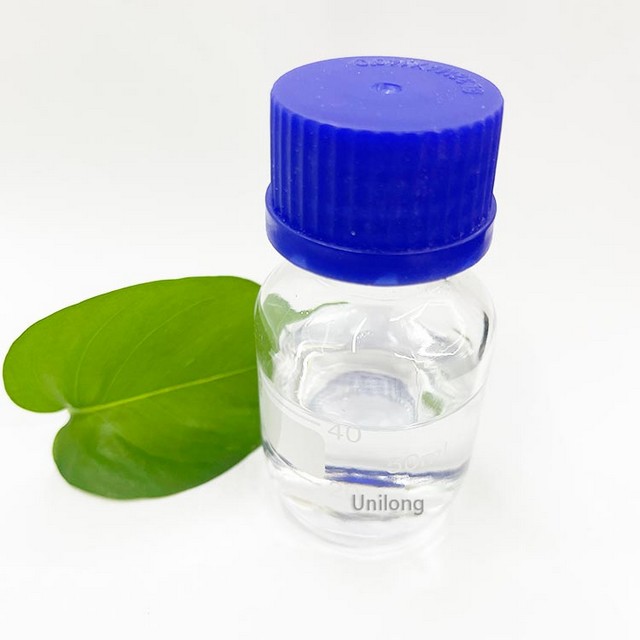
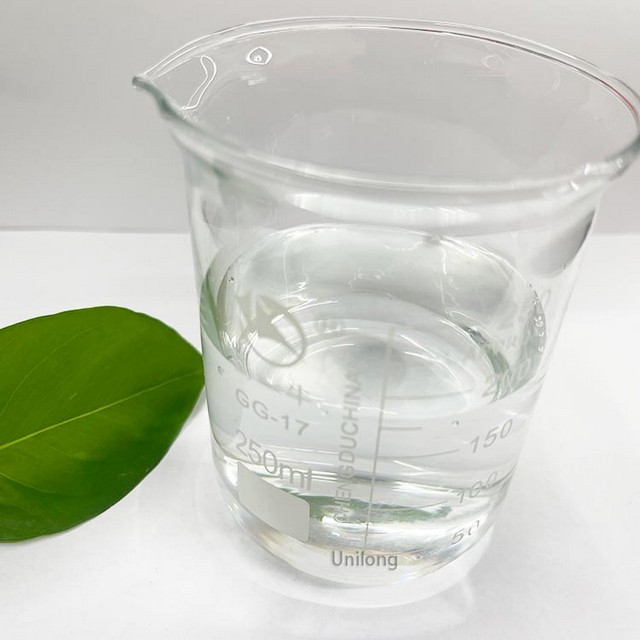
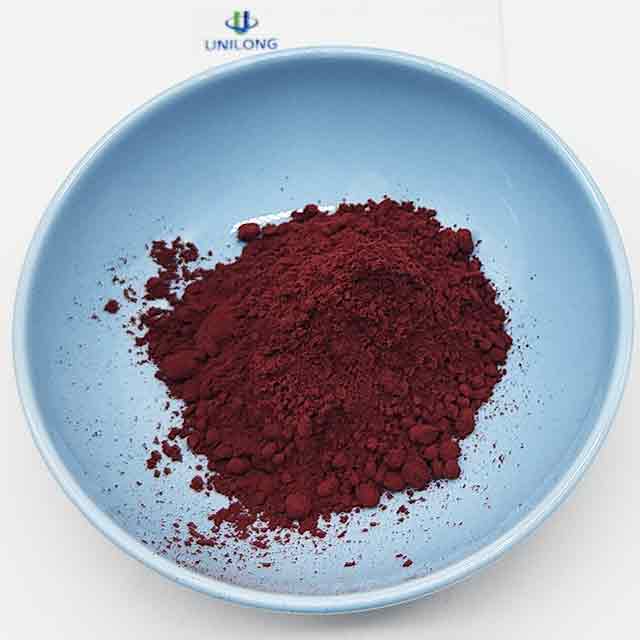
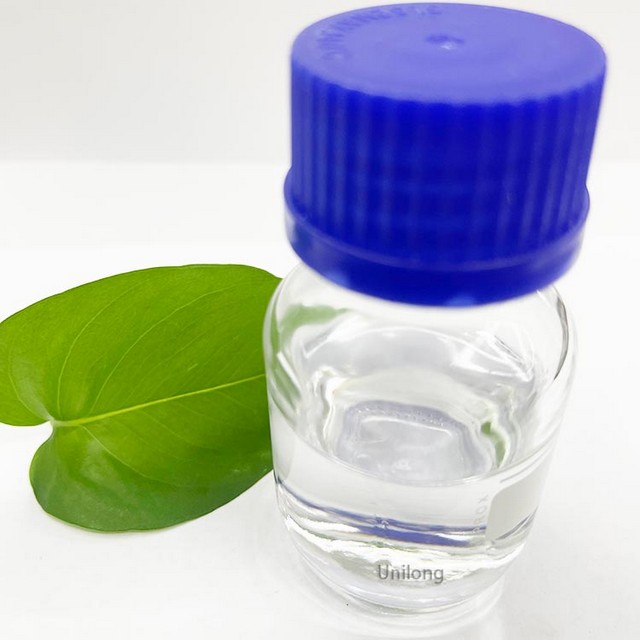
The CAS number of zinc dinonylnaphthalene sulfonate is 28016-00-4. Zinc bis(dinonylnaphthalenesulphonate) is commonly referred to as T705 zinc salt in the industry. Zinc dinonylnaphthalene sulfonate is an oil-soluble anti-rust / anti-wear / anti-emulsification multi-functional lubricant additive. A light yellow to brownish-red viscous liquid. Highly soluble in mineral oil / synthetic oil; almost insoluble in water (only 229 μg/L at 20℃).
Specification
| CAS | 28016-00-4 |
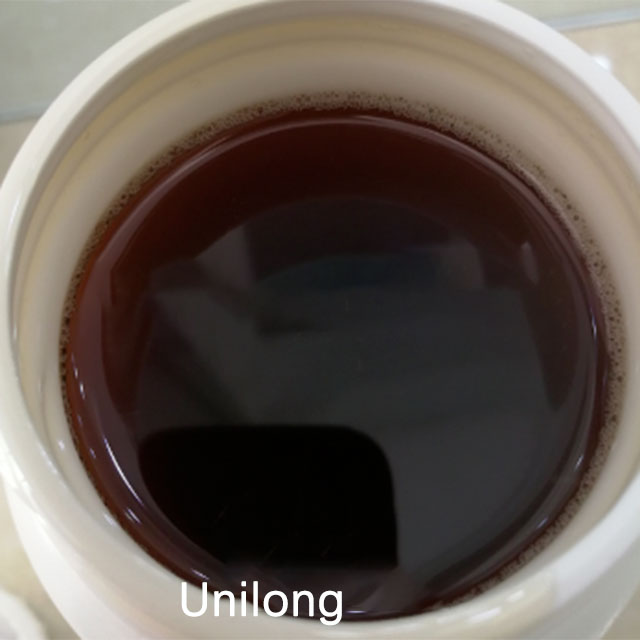
| Appearance | Light yellow to brownish red viscous liquid |
| Density | Approximately 1.09 g/cm³ (at 20℃) |
| Vapor pressure | 0 Pa at 25℃ |
Application
Industrial lubricants: hydraulic oil, gear oil, turbine oil, circulation oil, guide rail oil.
Vehicle oils: engine oil, transmission oil, differential oil.
Lubricating greases: general lithium grease, extreme pressure lithium grease, high-temperature grease.
Metalworking fluids: rust preventive oil, cutting oil, rolling oil, water-replacement rust preventive fluid.
Features
Anti-rust: The sulfonate groups strongly adhere to the metal surface, and the nonyl group forms a hydrophobic oil film, isolating water/oxygen/salt fog.
Anti-emulsification: Balances the oil-water interface, quickly separates water, avoiding water-in-oil resulting in rusting and wear.
Anti-wear / Extreme Pressure: Zn and S form ZnS/ZnO protective films at the friction surface, reducing wear and preventing scratches.
Antioxidation: Combined with phenolic compounds and ZDDP, it extends the oxidation life of the oil.
Packaging
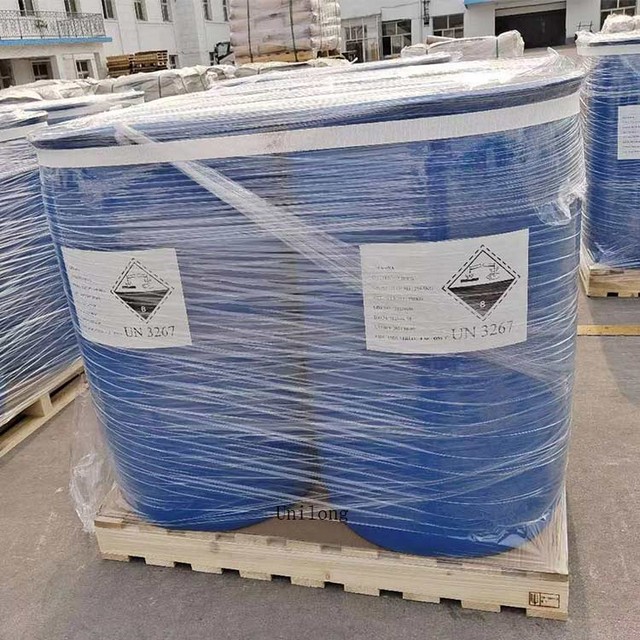
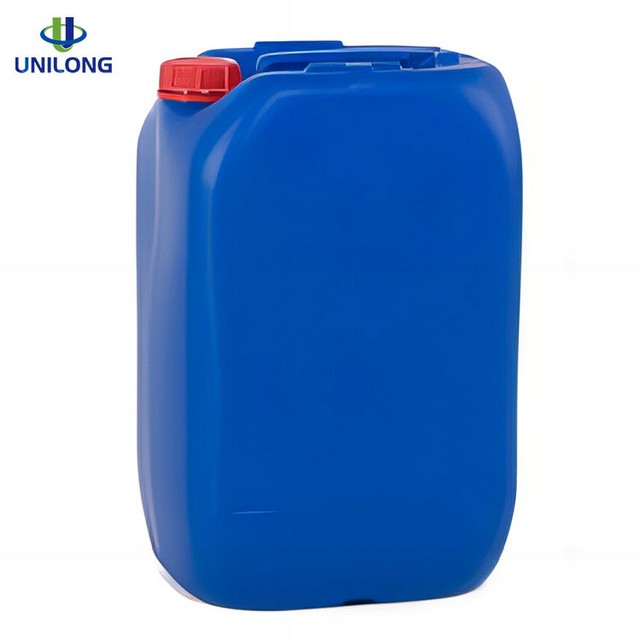
25kg/drum. 200kg/drum.
FAQ
Q: What are the storage conditions and shelf life?
A: Store in a sealed manner in a cool and ventilated warehouse, avoiding direct sunlight and prolonged high temperature (above 60℃), and keeping away from strong oxidants. The original sealed packaging has a shelf life of **24 months**. In a low-temperature environment, the viscosity increases, and after heating and stirring, the fluidity returns, without affecting the product performance.
Q: Packaging specifications, MOQ, delivery time?
A: Regular 200kg iron drums; 1000kg IBC tanker drums. MOQ: 200kg; Shipment can be made within 3-7 days, and large orders can be scheduled for production.
Q: What are the differences between T705 di-nonyl naphthalene sulfonate zinc and T704 di-nonyl naphthalene sulfonate barium (CAS 25619-56-1)?
A: Both belong to di-nonyl naphthalene sulfonate rust inhibitors, with different bases:
– T705 zinc salt: Has more outstanding anti-emulsification performance, better thermal stability, less sludge formation, and is more suitable for hydraulic oil, industrial lubricants, and long-term circulating oil systems; Its salt spray rust prevention is slightly weaker than the barium salt.
– T704 barium salt: Has stronger salt spray and seawater rust prevention capabilities, and is mostly used in heavy-duty rust prevention oil and long-term storage rust prevention oil; Its anti-emulsification performance is weaker than that of the zinc salt.
Q: What is the recommended addition amount?
A: Adjust according to the rust prevention grade and oil product system. Generally, 0.5–5%; higher salt spray and marine storage formulas require a higher addition amount. It is recommended that customers conduct salt spray, wet heat box, and anti-emulsification small tests in advance.
Q: Will it separate or precipitate during storage?
A: Normal sealed storage has good stability; if water enters or polar impurities are mixed in, a small amount of precipitation may occur during long-term storage at low temperatures. The formula system strictly controls moisture, and it is necessary to thoroughly stir before use.