
CAS No: 8017-16-1
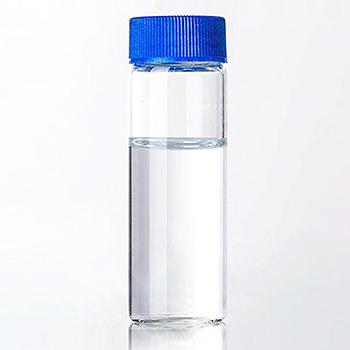
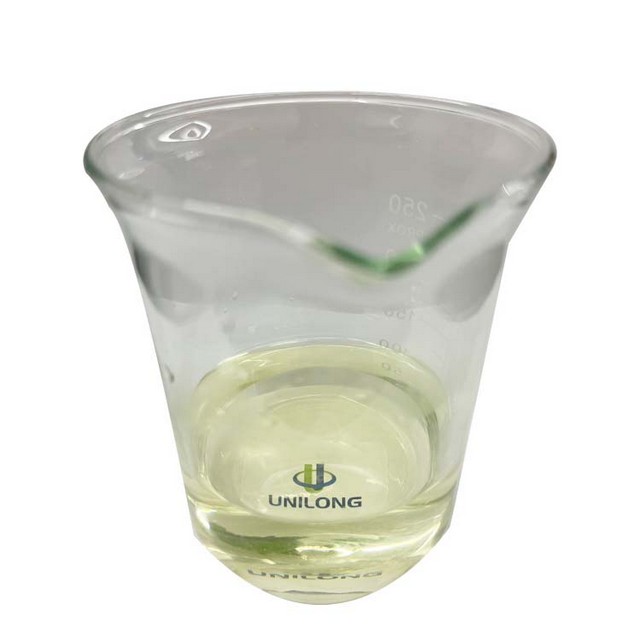
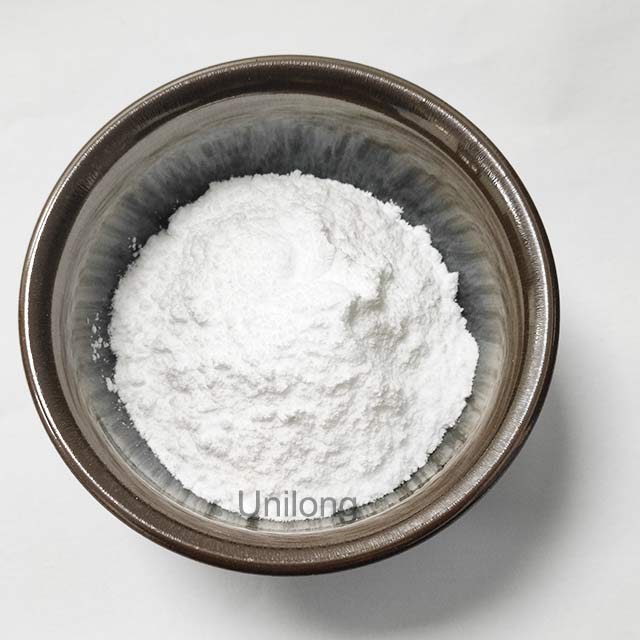
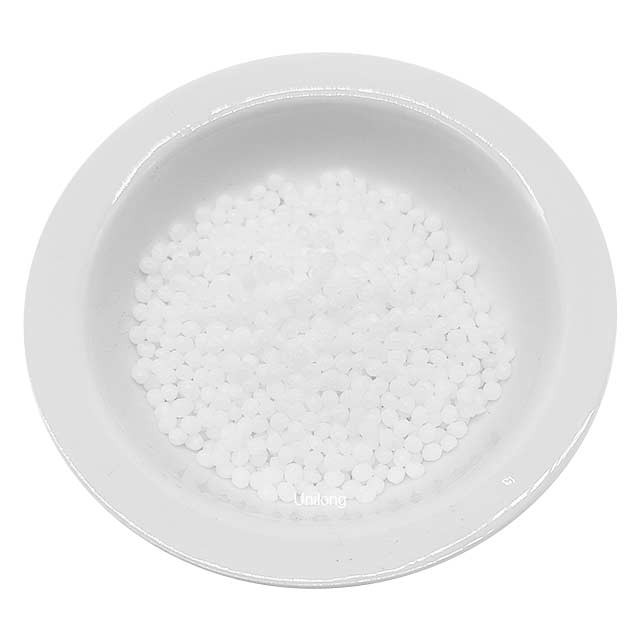
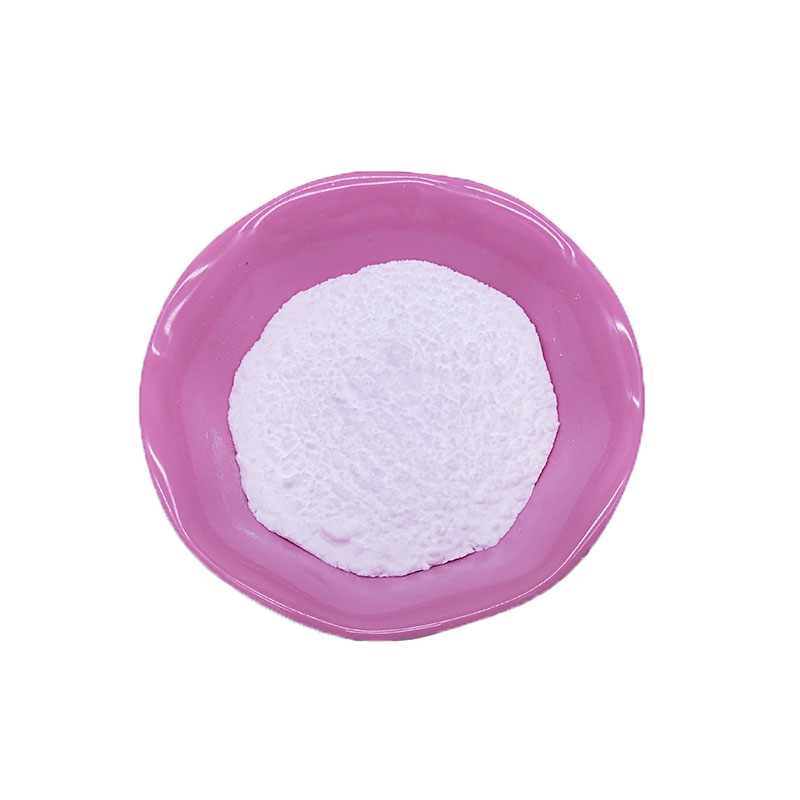
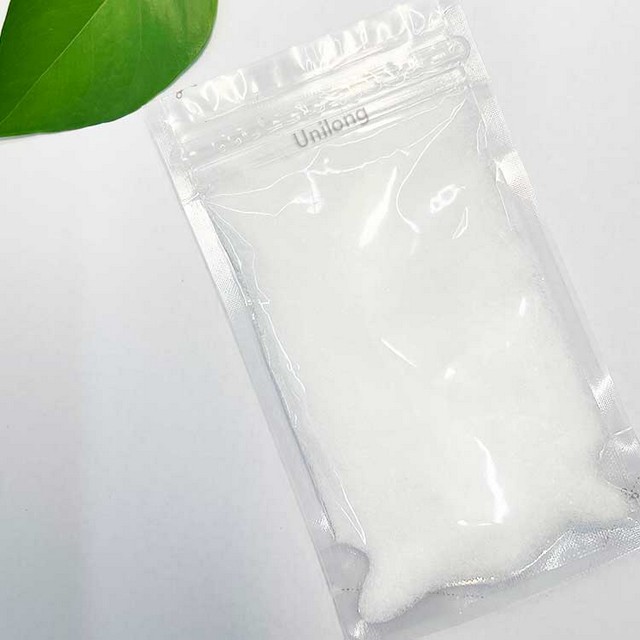
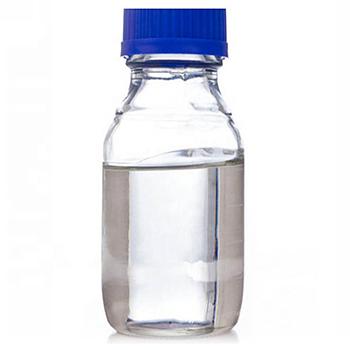
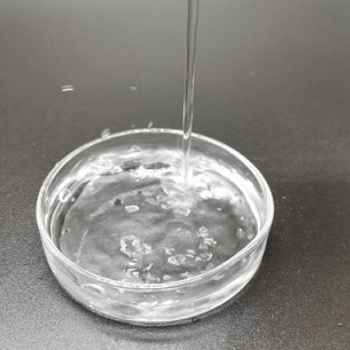
Appearance: Colorless viscous clear liquid
Sample: Available
Product Name: Polyphosphoric acids; Polyphosphorsuren; PPA
Polyphosphoric acid CAS 8017-16-1 Quick details:
Polyphosphoric acid (abbreviated as PPA) is a type of linear high-polymer phosphate mixture formed through dehydration condensation of phosphoric acid. The CAS number 8017-16-1 is the commonly used polyphosphoric acid in industry. It is commonly used as a strong acidic dehydrating agent, a cyclizing agent and a catalyst.
Specification
| Item | Standard |
| Appearance | Colorless viscous clear liquid |
| Content(P2O5) | ≥83.3% |
| Content(H3PO4) | ≥115% |
| Chloride | ≤0.001% |
| Sulphate | ≤0.02% |
| Heavy metals | ≤0.0035% |
| Asenic | ≤0.005% |
| Iron | ≤0.0035% |
Usage
Organic synthesis It is commonly used as a strong acidic dehydrating agent, a cyclizing agent and a catalyst.
For the synthesis of intermediates for drugs, fragrances, and dyes.
Metal surface treatment
Phosphating treatment, rust removal, and rust prevention for steel and aluminum parts.
Inorganic and materials
Preparation of phosphates, catalyst carriers, and flame retardant raw materials.
Petrochemical industry
Used as catalysts for hydrocarbon isomerization and polymerization reactions.
Package
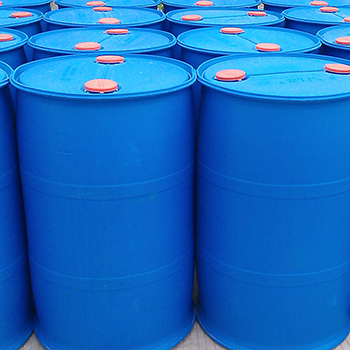
Usually packed in 300kg drum, and also can be do customized package.
Storage
This product should be stored in the dark and at room temperature, and the shelf life is one year.
FAQ
Q: What is the appearance like?
A: Colorless to light amber viscous syrup-like liquid; it will thicken and solidify at low temperatures, and regain fluidity when heated.
Q: What happens when PPA is added to water?
A: It undergoes intense heat release and gradually hydrolyzes to form orthophosphoric acid; dilution operations must slowly add PPA to cold water; it is strictly prohibited to pour water into PPA as it will splash and cause burns.
Q: What is the temperature range for use?
A: Commonly used in organic synthesis at 80–180℃; at low temperatures below 20℃, the viscosity significantly increases; it is recommended to store and feed materials at a temperature range of 40–60℃ for easier transportation.
Q: What is the recommended addition amount of PPA for asphalt modification?
A: The conventional addition amount in asphalt systems is 0.3–1.5%, adjusted according to the asphalt grade and project indicators.
Q: Storage conditions and shelf life?
A: Store in a sealed container in a cool and ventilated warehouse, away from alkalis, reducing agents, and water sources; it is recommended to store with insulation to prevent solidification; normal sealed storage has a shelf life of 24 months.
Q: Regular packaging and MOQ?
A: Regular packaging: 30kg in plastic drums, IBC ton drums; MOQ: 30kg. COA, MSDS, and TDS can be provided.
Q: How long is the delivery lead time?
A: Regular inventory available; after receiving the deposit, the goods will be dispatched within 3–7 working days; large IBC orders will take 7–12 working days; without inventory, the production cycle for scheduling orders is 15–20 working days.