
CAS:5117-12-4
MF:C7H11NO2
MW:141.17
EINECS:418-140-1
Synonyms:ACRYLOYL MORPHOLINE; 4-ACRYLOYLMORPHOLINE; N-ACRYLOYLMORPHOLINE; 4-(1-oxo-2-propenyl)-Morpholine; N-Acrolylmorpholine
4-Acryloylmorpholine CAS 5117-12-4
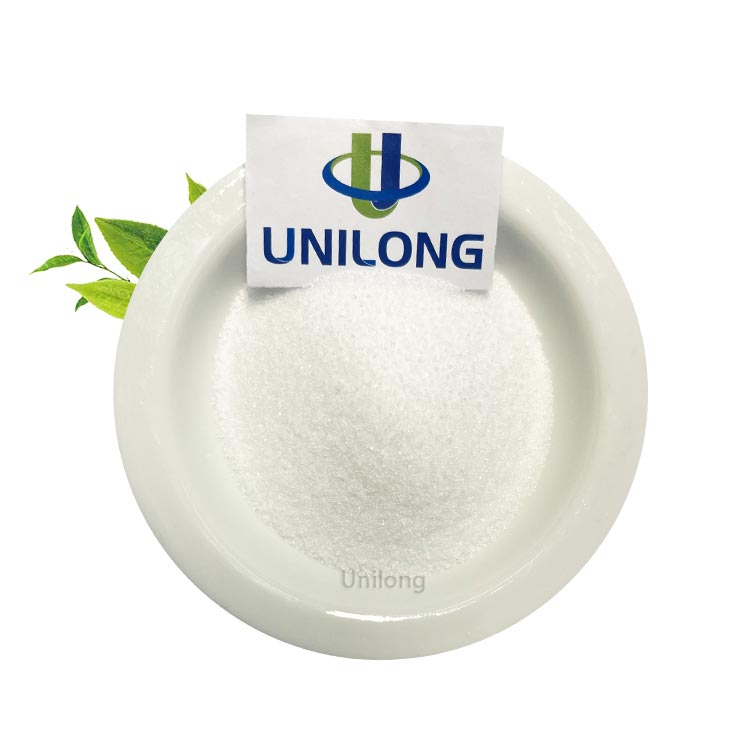
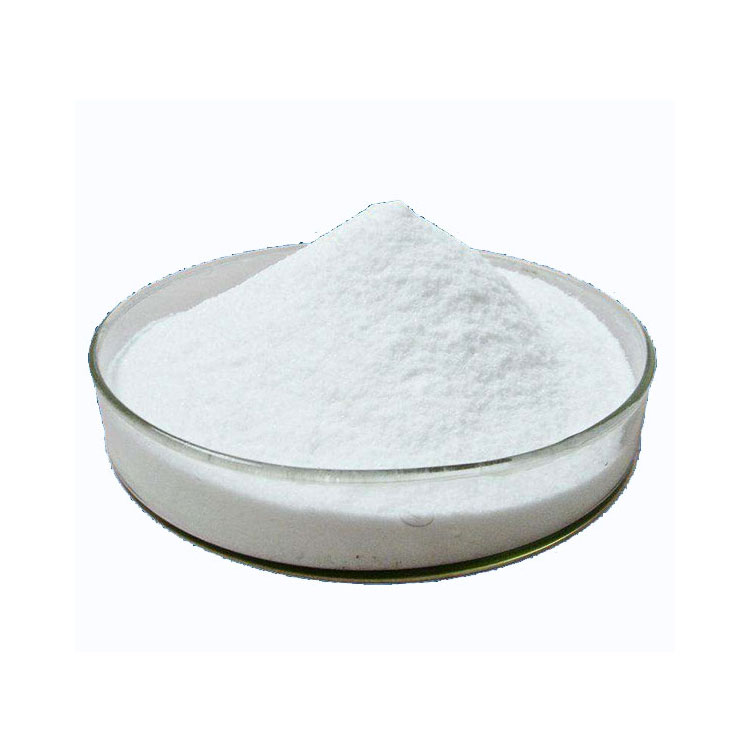
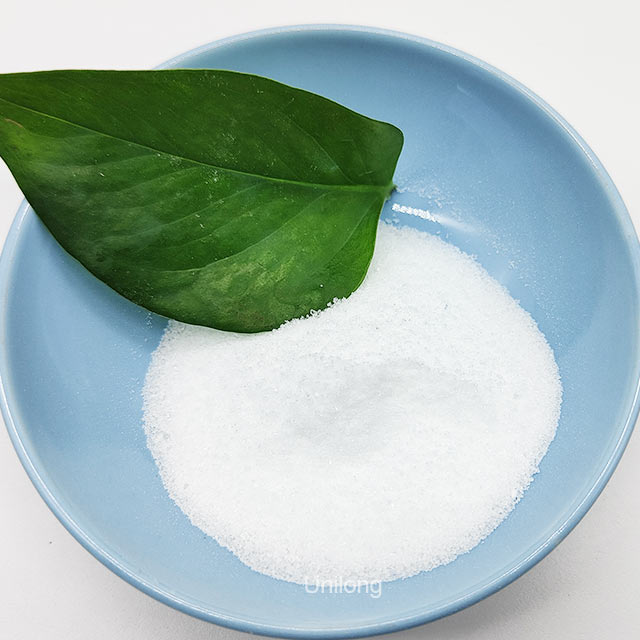
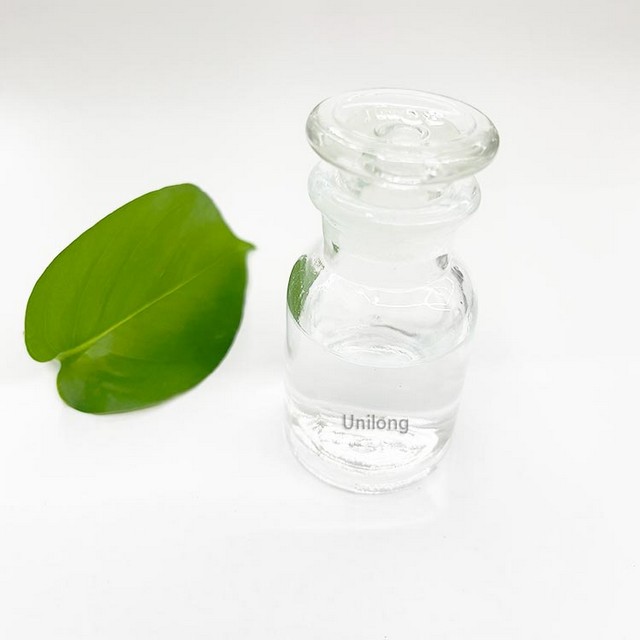
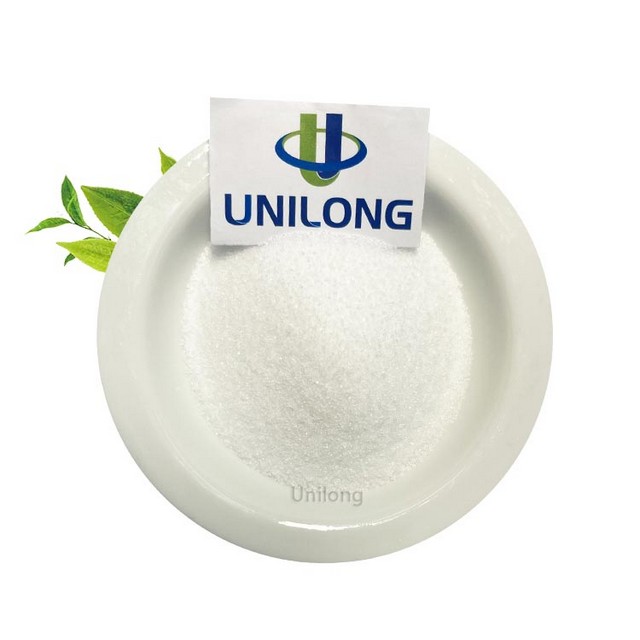
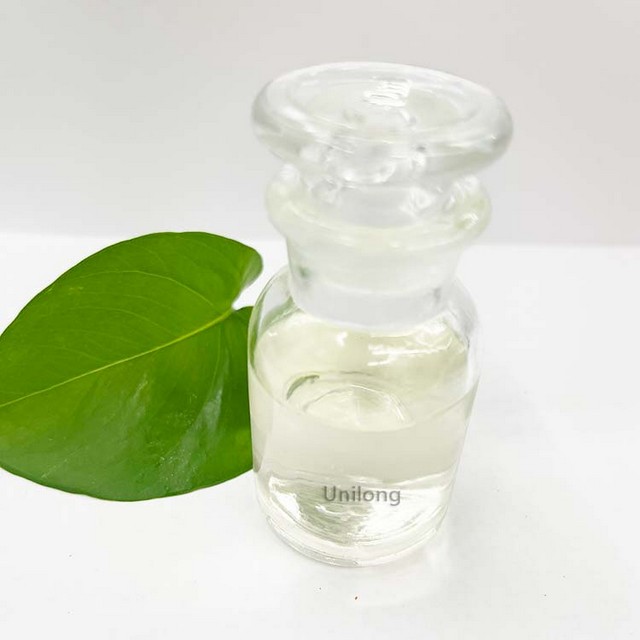
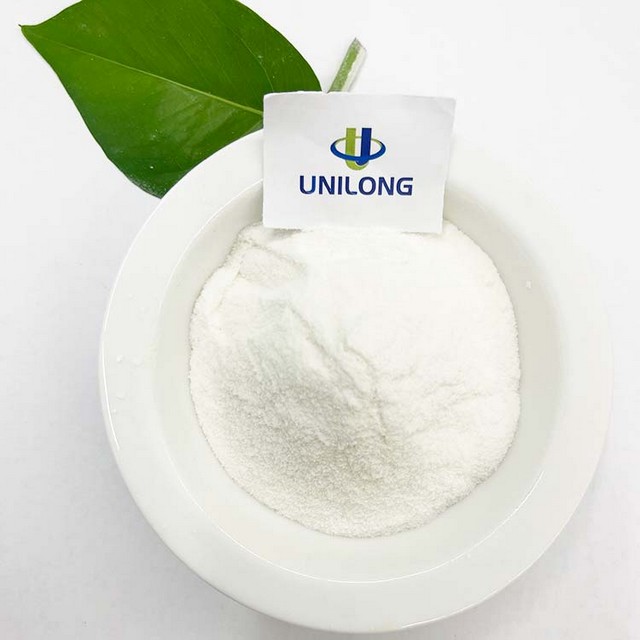
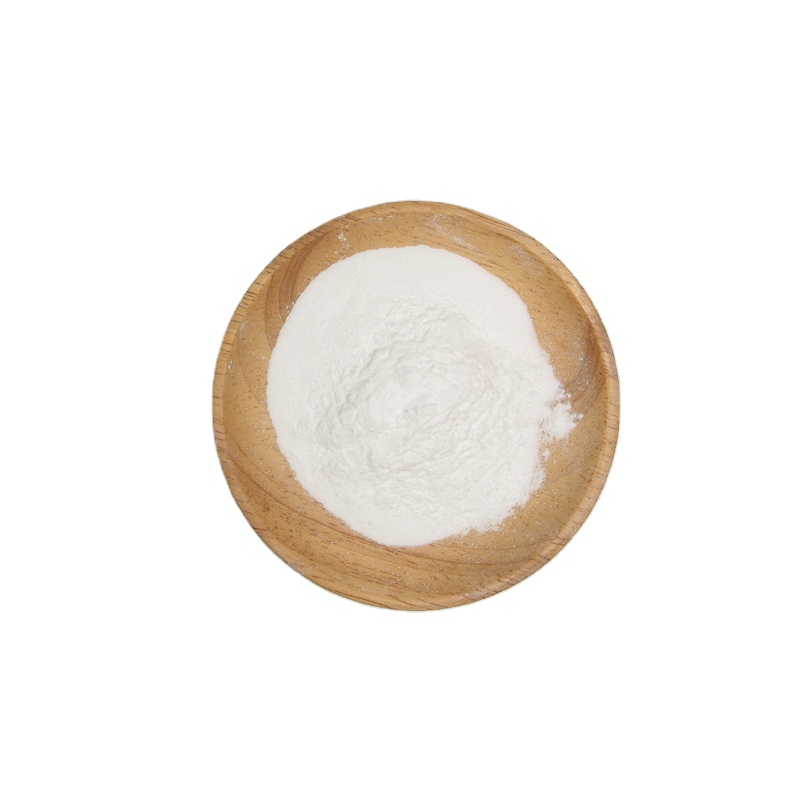
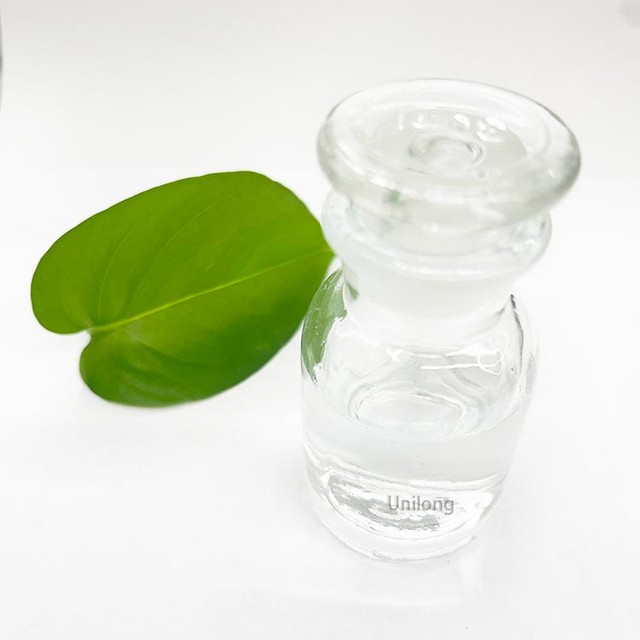
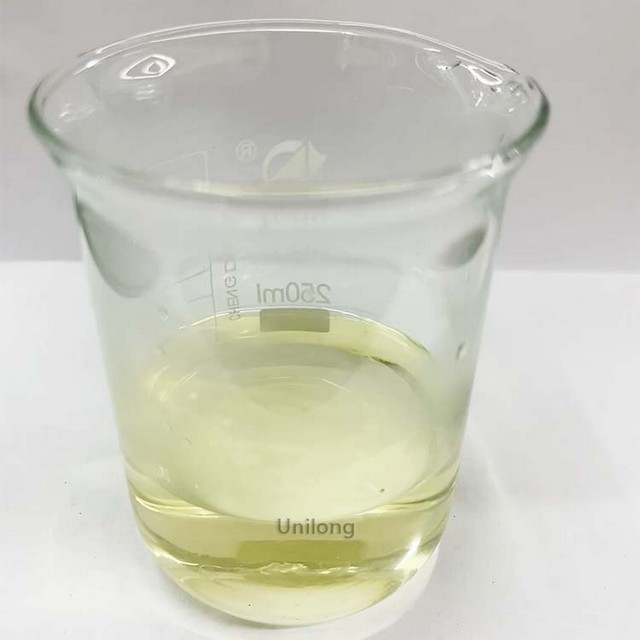
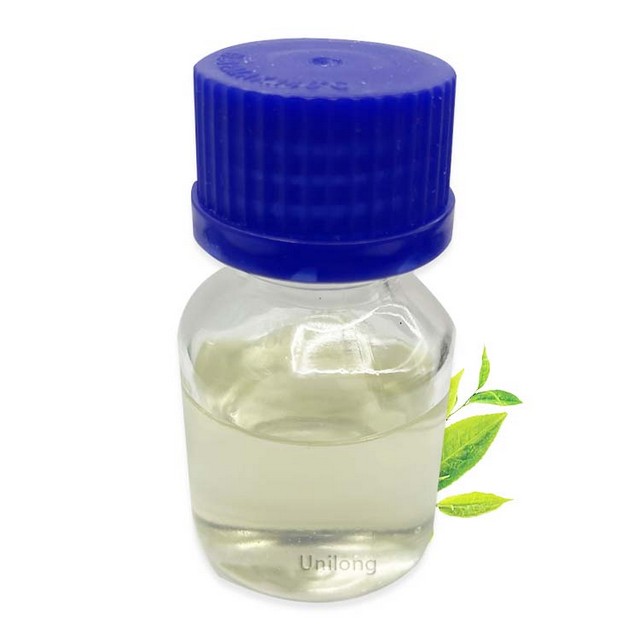
N-acryloylmorpholine, 4-Acryloylmorpholine, light yellow transparent liquid at ambient temperature and pressure, soluble in water and common organic solvents but not n-hexane. N-acrylyl morpholine is a morpholine amide compound, because the structure contains a terminal double bond unit, it shows high chemical reactivity, mainly used as a diluent and modifier of UV-curable resin, has a good application in the field of polymer resin industrial production.
Specification
| Item | Specification |
| Melting point | −35 °C(lit.) |
| Boiling point | 158°C 50mm |
| Density | 1.122 g/mL at 25 °C(lit.) |
| Vapor pressure | 1.03-1.64Pa at 25-29.9℃ |
| Refractive index | n20/D 1.512(lit.) |
| Flash point | >230 °F |
| LogP | -0.46 at 20.5-21℃ |
Application
N-acrylyl morpholine belongs to acrylamide active diluent, which can be used as diluent and modifier of UV-cured resin. It is widely used in the polymer resin industry, which has little irritation to the skin and low odor, and is widely used in various fields such as chemical industry, medicine and biology. In the aspect of UV photocuring, N-acrylomorpholine has fast curing speed, good dilution, low volume shrinkage, excellent heat resistance, and belongs to the active diluent with high performance and low toxicity, which has a good application prospect.
Advantages of Use
1. Low odor and low skin irritation compared to ordinary acrylics and NVP. The odor advantage is significant. The volume shrinkage rate during curing is low, resulting in small internal stress in the product. Excellent adhesion to glass, metal, ITO, PC, and PMMA substrates.
2. Fast UV curing speed, good solubility in photoinitiators, and can reduce the release of photoinitiators; excellent dispersion performance of pigments and fillers, suitable for ink and inkjet systems.
3. The morpholine ring structure gives hydrolytic resistance, acid and alkali resistance, and heat resistance. The resin has high thermal stability after curing; can be used in water-based UV systems, hydrogels, biological materials, and medical dressings.
4. Does not contain free acrylamide, providing relatively better biocompatibility, suitable for contact coatings and contact lens material formulations.
5. Reference addition amount: UV formulation 5-30%; hydrogel synthesis 10-60%; adjust according to the formulation ratio for polymer copolymerization; note that excessive addition will increase the hydrophilicity of the system and affect water resistance.
Packaging and Storage
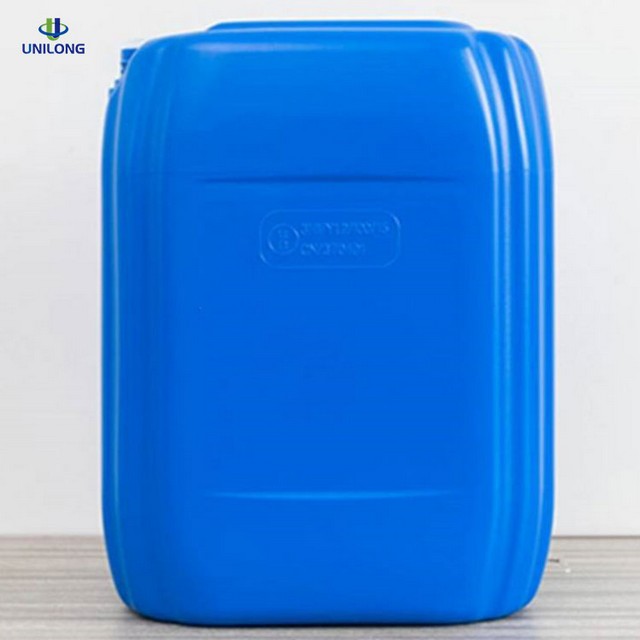
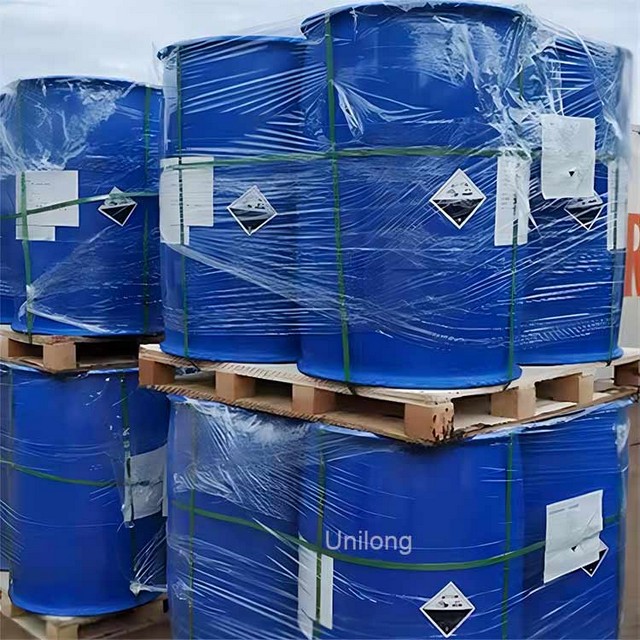
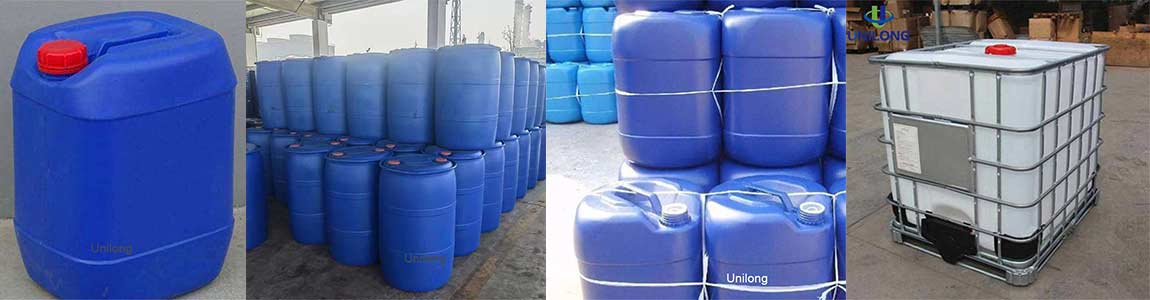
Usually packed in 200kg/drum, and also can be do customized package.
Storage temperature: Preferably stored at 2-8℃ in refrigeration and protected from light; in a regular warehouse, control the temperature between 5-25℃. Strictly prohibit temperatures above 30℃. Keep away from heat sources, UV light, and direct sunlight; exposure to high temperature and light will consume the MEHQ anti-aging agent, causing self-polymerization and gelation.
Separation storage: Keep away from peroxides, strong oxidants, and free radical initiators. Do not store together; keep away from strong acids and strong bases.
Original factory sealed shelf life: 12 months; after opening, the seal must be tightened. It is recommended to use it within 3-6 months; long-term storage without sealing will lead to consumption of the anti-aging agent, with a risk of spontaneous gelation.
FAQ
Q: What causes the gel clumping during storage?
A: High temperature exposure, ultraviolet radiation, the presence of peroxides / heavy metal impurities, and the consumption of the polymerization inhibitor leading to the self-polymerization of free radicals; once the gel forms, the entire barrel is scrapped and cannot be used after filtration.
Q: Can ACMO be mixed directly with peroxides and photoinitiators for long-term storage?
A: No; ACMO is an active monomer and long-term coexistence with initiators will accelerate self-polymerization; it is recommended to prepare and use the material immediately during production, and the mixed liquid should not be stored for a long time.
Q: ACMO has good water solubility, but why does it show stratification when exposed to UV?
A: ACMO itself is miscible with water; stratification is usually due to poor compatibility of other resins / additives in the system, not an issue with ACMO itself. The emulsification system needs to be adjusted.
Q: What is the minimum order quantity (MOQ)?
A: For industrial bulk goods, the regular MOQ is 25 kg; small samples can be provided for formula testing, and sample fees will be charged for the small samples. Large order quantities can be negotiated to offset the sample fees.
Q: How long is the delivery cycle?
A: 4-Acryloylmorpholine CAS 5117-12-4: In stock: After receiving the full payment, the goods will be dispatched within 5-10 working days;
Customized / high-purity specification orders: 12-20 working days; confirm the inventory before placing the order.
Q: What export documents can be provided?
A: COA analysis report, MSDS (SDS), packing list, commercial invoice; support FOB/CIF/CFR and other trade terms.