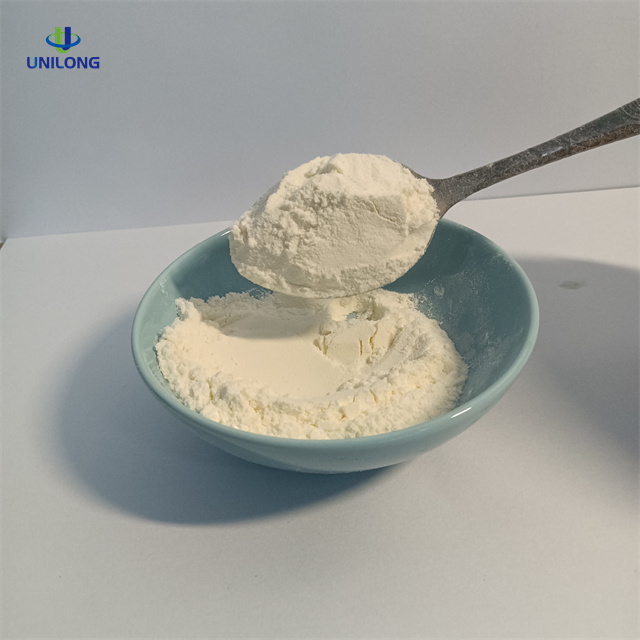
PSSA Polystyrene Sulfonic Acid CAS 28210-41-5
PSSA Polystyrene Sulfonic Acid CAS 28210-41-5 is a polymer, English name abbreviation PSSA, molecular formula is (C8H8O3S)n.PSSA is a polymer used as a hole injection electrode in polymer-based light-emitting devices.
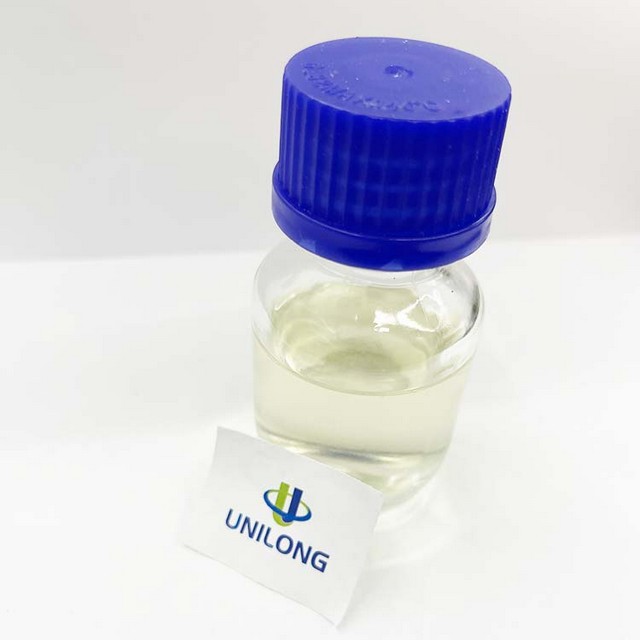
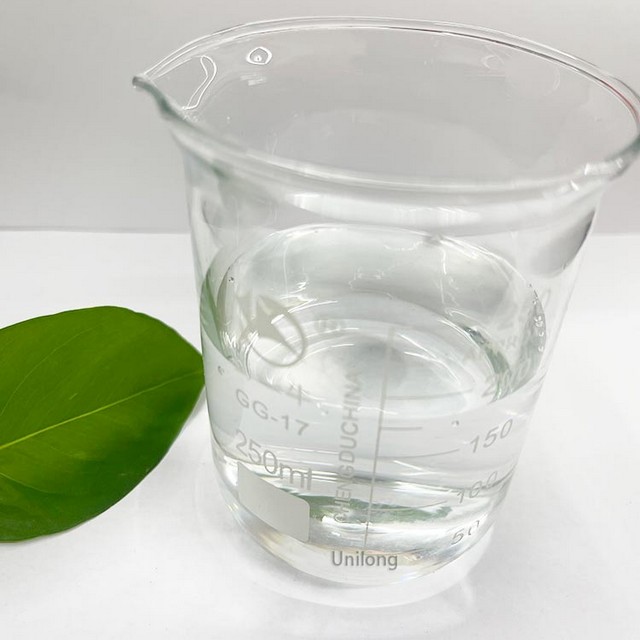
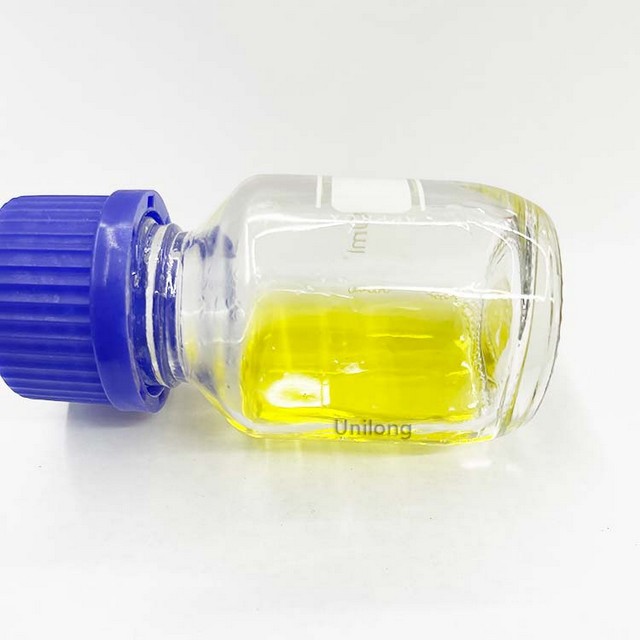
Appearance: Light yellow – amber transparent viscous liquid, no precipitation; density 1.11 g/mL (25℃); aqueous solution is strongly acidic, pH ≈ 1 – 2.
Solubility: Can be infinitely miscible with water, methanol, ethanol, and polyols; almost insoluble in alkanes, aromatic hydrocarbons, and non-polar solvents such as esters.
Properties: The high molecular chain carries a large number of sulfonic acid groups, with strong ionization ability, excellent ion exchange, chelation, dispersion, and film-forming performance; viscosity significantly increases with the increase of molecular weight and solid content.
Specification
| ITEM |
STANDARD |
| Iron, ppm
|
≤ 20
|
| Free Sulfuric Acid% |
≤ 5
|
| Solids (%) |
29-33 |
| Solid (%) |
3.0-7.0 |
| Brookfield Viscosity,cps
|
75-1000 |
| Color,hazen |
≤2000 |
| PH |
≤2 |
Application
Polystyrene sulfonic acid (PSSA) CAS 28210-41-5 is a very important water-soluble polymer template polymer in functional polymer materials, and its aqueous solution is a common raw material in industrial production. PSSA has strong chemical reactivity, high conductivity and easy film formation, and has been widely used in polymer light, anti-static coating, fuel cell, water treatment ultrafiltration membrane and other fields.
Core advantage
PSSA Polystyrene Sulfonic Acid has excellent film-forming performance, a wide humidity adaptation range after film formation, stable conductive / anti-static effects, and is a key doping dispersant for the PEDOT:PSS system. It is a mainstream material for OLED, OPV, and flexible electronics.
PSSA Polystyrene Sulfonic Acid has strong proton conductivity and can be used as a proton exchange membrane and solid acid catalyst. Its thermal stability is superior to many small molecule sulfonic acids and is not prone to volatilization and loss.
PSSA Polystyrene Sulfonic Acid has strong chelating dispersing ability and can complex with calcium and magnesium heavy metal ions, and is used in water treatment, softening, flocculation, and retention and filtration assistance.
The molecular weight can be adjusted, and low / medium / high molecular weight grades can be selected according to requirements; it does not contain phosphorus or VOC, has good formulation compatibility; it can be neutralized and converted into sodium salt (polystyrene sulfonic acid sodium) for use.
PSSA Polystyrene Sulfonic Acid has good water solubility, and the processing is mainly based on water phase systems, with a small amount of organic solvent usage.
Packing and Storage
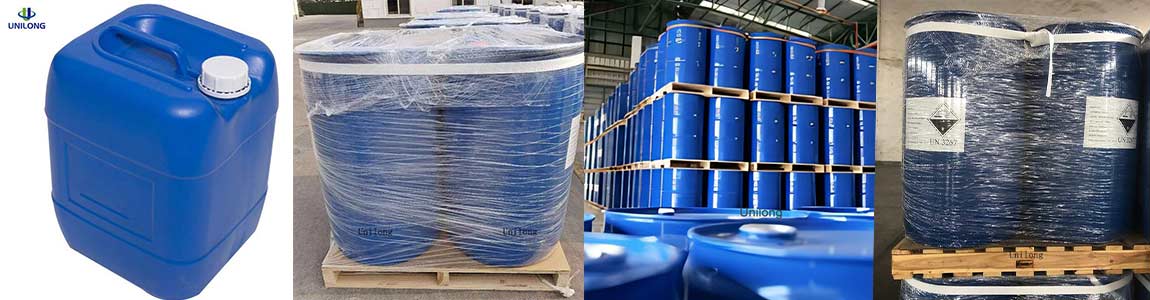
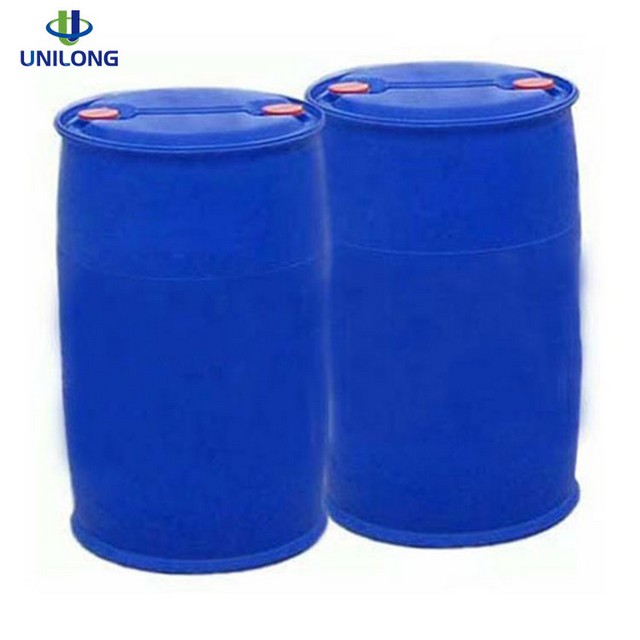
200kgs/drum, 16tons/20’container
Temperature: 10 – 25℃, in a cool and dark place in the storage room. Avoid direct sunlight and do not store at temperatures above 40℃; high temperatures can cause the acid catalytic chain to break, resulting in a decrease in molecular weight and performance decline; for long-term storage, it is recommended to store in a dark environment at 2 – 8℃, which can significantly extend the shelf life.
Store in an airtight manner, sealed in an HDPE plastic bucket. Do not leave it open to prevent water absorption and dilution, as well as contact with air for oxidation; do not use ordinary carbon steel containers as they will be corroded; only plastic, PTFE, or enamel containers can be used.、
Separate storage: Keep away from strong alkalis, strong reducing agents, and metal powders; strong alkalis can neutralize sulfonic groups, and strong reducing agents will damage the main chain of the polymer; do not store together with alkaline chemicals.
Shelf life: In the original factory sealed environment, it can be stored at room temperature and in the dark for 6 – 12 months; in refrigerated conditions, it can be extended; after opening, it is recommended to use it within 3 months.
FAQ
Q: What are the reasons for the presence of a small amount of turbidity and flocculent substances in the storage?
A: The main reasons are high-temperature degradation, the introduction of metal ion impurities, and the precipitation of high-concentration polymers under low-temperature conditions; if there is still turbidity and precipitation after rewarming and shaking, it indicates degradation and contamination, and the material should not be added.
Q: Can it be directly mixed with alkaline raw materials?
A: It is not recommended to mix directly; PSSA is a strong acid, and mixing it with alkali will cause intense heat release and a neutralization reaction, losing its original proton conductivity; if pH adjustment is needed, it must be diluted at a low temperature and added slowly while stirring.
Q: What are the differences in usage when the molecular weights are different?
A: Low molecular weight: low viscosity, suitable for dispersion, chelation, and water treatment applications; high molecular weight: better film formation, higher membrane strength, used for conductive coatings, PEDOT:PSS, proton membranes; Selecting the wrong molecular weight will directly lead to film cracking and non-compliance with conductivity standards. Purchase must confirm the molecular weight indicators.
Q: What is the minimum order quantity (MOQ)?
A: For industrial bulk goods, the regular MOQ is 25 kg; small samples for formula testing can be provided in 100 – 500g; small samples will charge a sample fee, and large order can negotiate to offset the sample fee.
Q: How long is the delivery cycle?
A: For spot inventory: After receiving the full payment, hazardous chemicals will be arranged for shipment within 3 – 7 working days;
For custom molecular weight / special concentration orders: The order scheduling needs to be carried out based on the actual situation.
Q: What export documents can be provided?
A: COA analysis report, MSDS (SDS), packing list, commercial invoice; Hazardous materials declaration materials can be provided, supporting FOB/CIF/CFR terms.


![1,5-Diazabicyclo[4.3.0]non-5-ene-manufacturer](https://unilongindustry.com/wp-content/uploads/2024/07/15-Diazabicyclo4.3.0non-5-ene-manufacturer.jpg)