
Product Name: 3,4-Dimethylpyrazole phosphate (DMPP)
CAS Number: 202842-98-6
EC / EINECS No.: 2017-001-1
Synonyms: DMPP; 3,4-Dimethyl-1H-Pyrazolium dihydrogen phosphate
Specification: Purity 99%; Melting point 167-169 deg C; Soluble in water
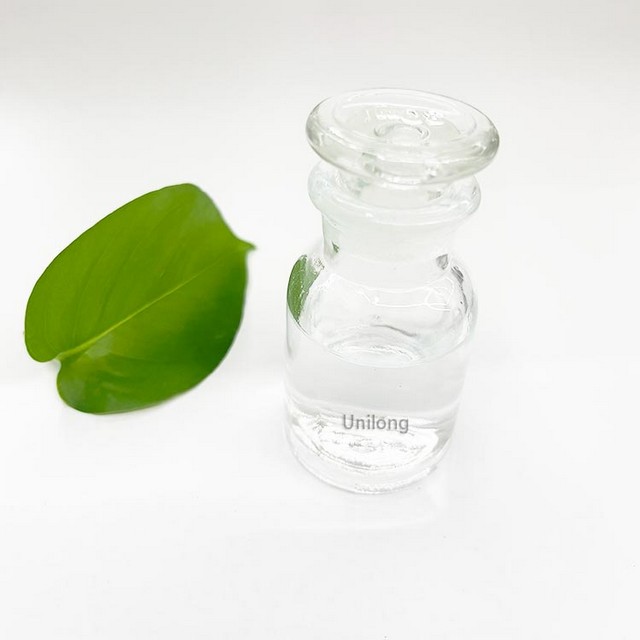
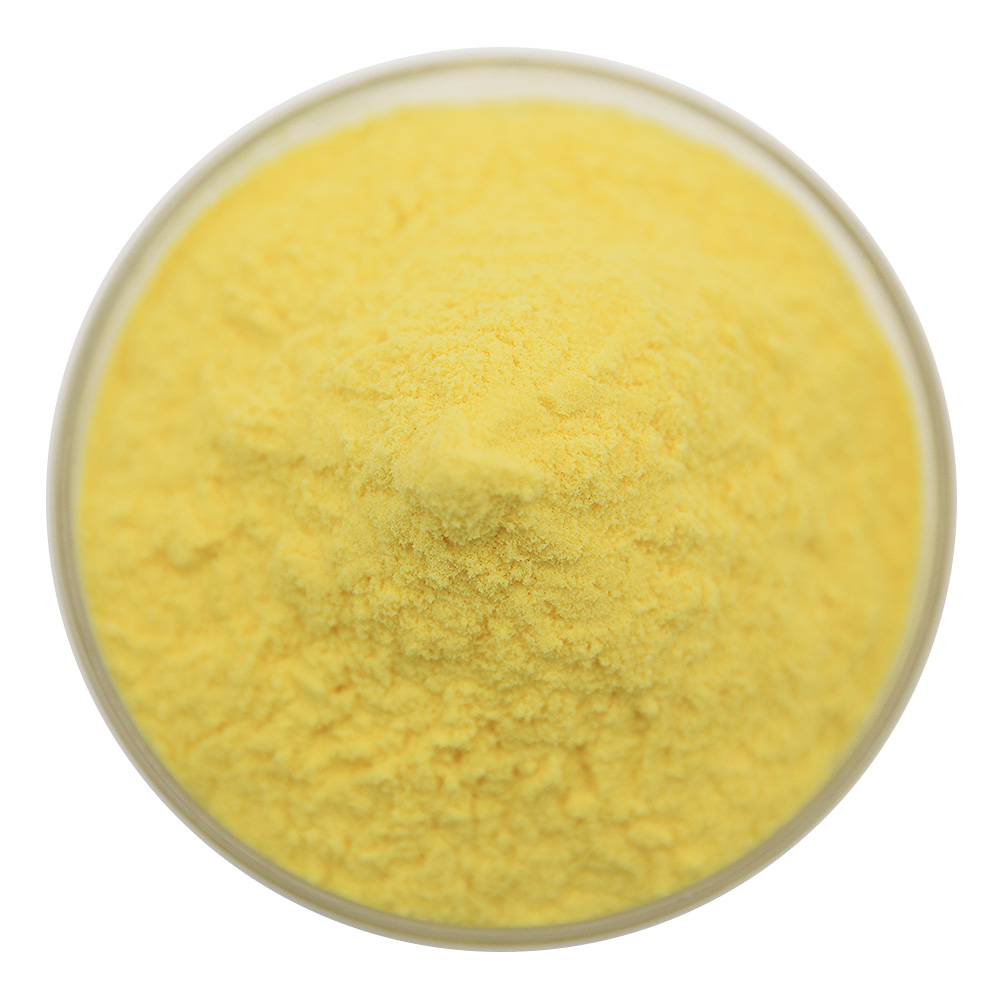
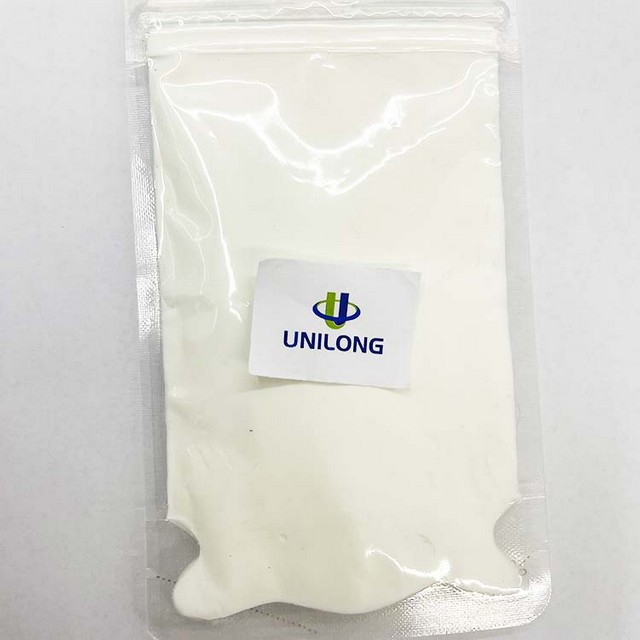
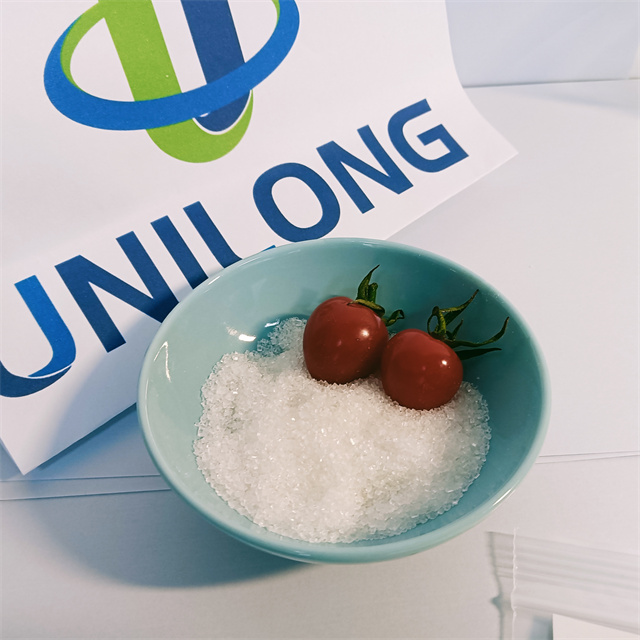
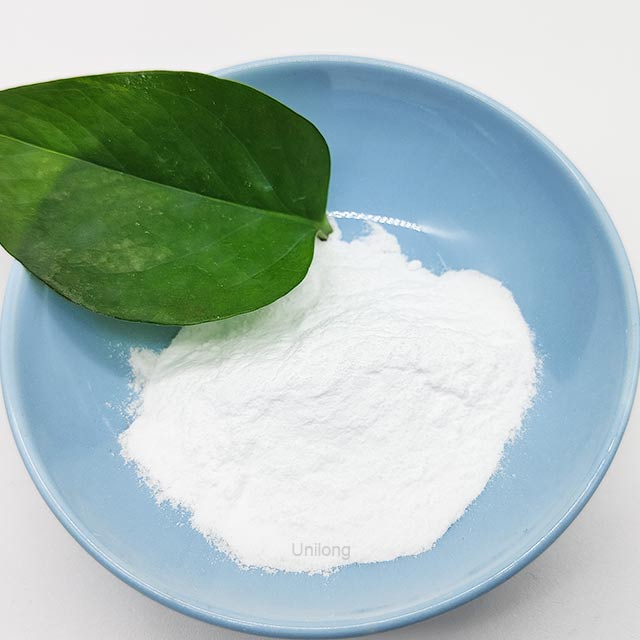
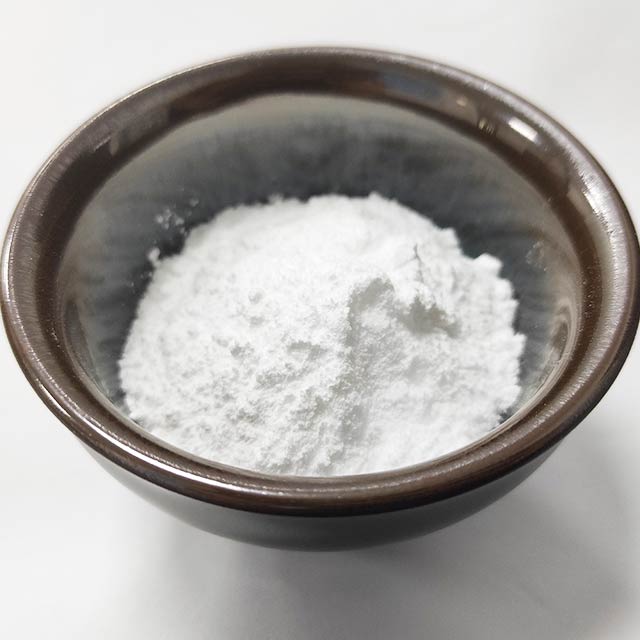
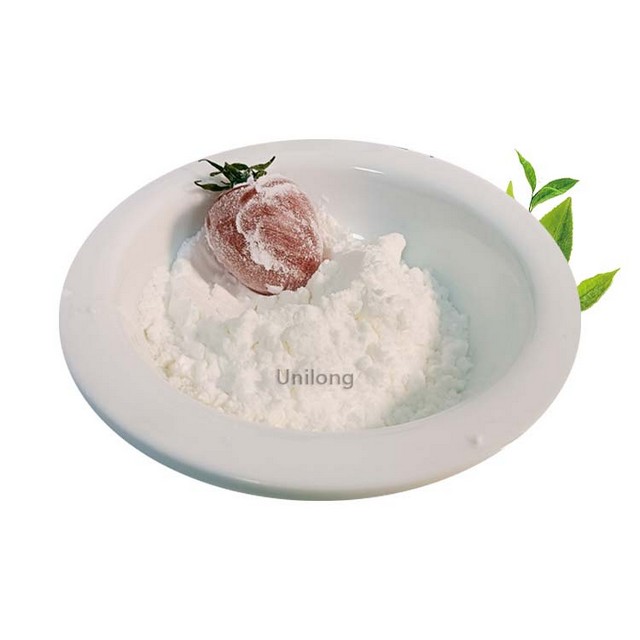
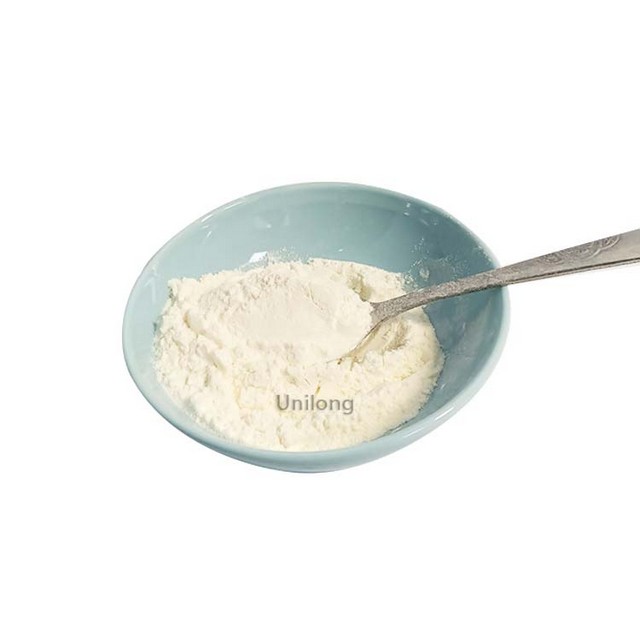
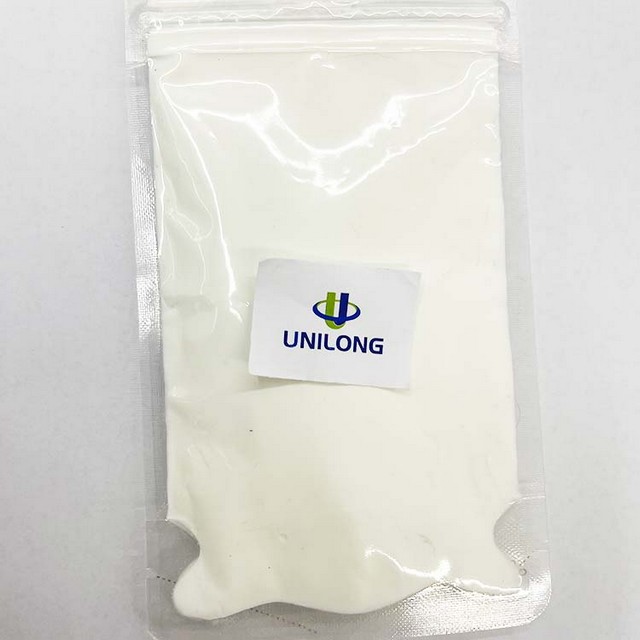
Appearance: White powder
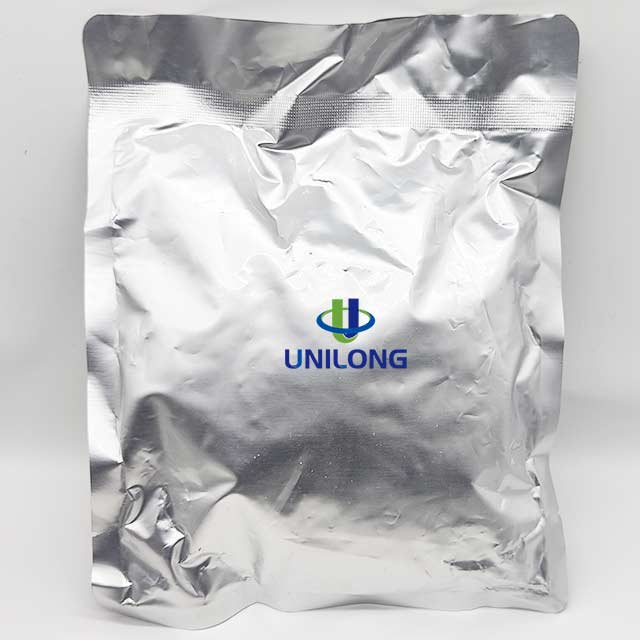
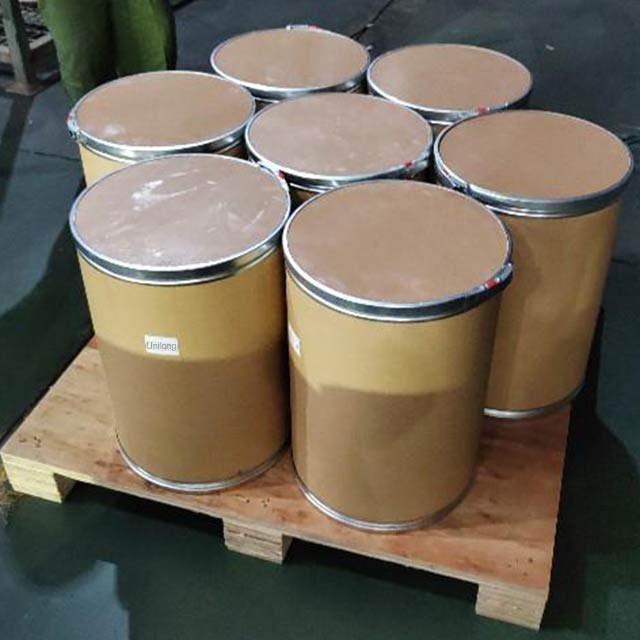
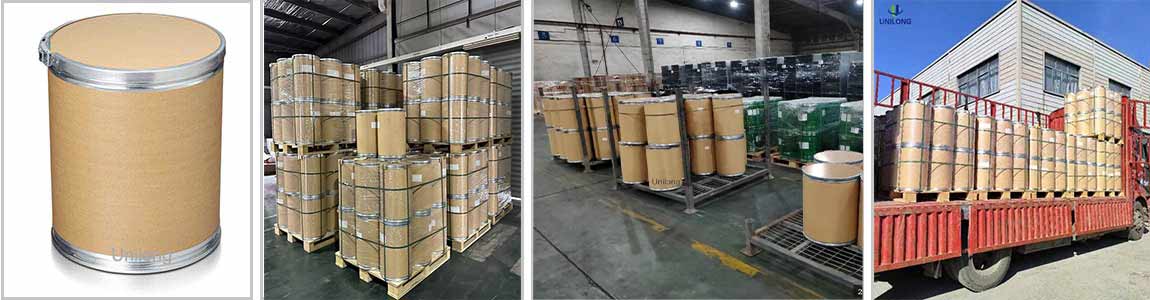
Package: Usually packed in 25kg/drum
Application: Used as a nitrification inhibitor in solid and liquid fertilizers
What is 3,4-Dimethylpyrazole phosphate CAS 202842-98-6?
3,4-Dimethylpyrazole phosphate DMPP CAS 202842-98-6 appearance white powder, molecular formula C5H8N2.H3O4P molecular weight 194.13 EINECS number 2017-001-1.
DMPP (3,4-Dimethylpyrazole phosphate) is high efficiency nitrification inhibitor for stabilized nitrogen fertilizer. Selectively retard ammonium nitrogen conversion, greatly reduce nitrogen leaching & N₂O emission, improve nitrogen use efficiency. Very low dosage (0.5–1.5‰), compatible with granular urea, compound fertilizer & liquid nitrogen fertilizer. Reduce nitrate accumulation in crops, improve harvest quality. Environmentally friendly, less residual than DCD. Complete export documents available.
Specification
| Item | Specification |
| Melting point | 167-169°C |
| Solubility | Soluble in water |
| MF | C5H8N2.H3O4P |
| Purity | 99% |
| MW | 194.13 |
| Storage conditions | Inert atmosphere,2-8°C |
Application
I. Application of Fertilizer Formulations
1. Solid Granular Fertilizers
– Stable Urea: Encapsulated granular urea / Mixed addition for production of long-lasting and slow-release urea;
– NPK Compound Fertilizers, Compound Fertilizers: Used as an additive to produce stable compound fertilizers;
– Addition Ratio: 0.5–1.5‰ of total nitrogen of nitrogen fertilizer, with minor addition. Can be directly granulated, rolled and sprayed with coating, with good processing thermal stability, and the fertilizer granulation at high temperature is not prone to decomposition.
2. Liquid Nitrogen Fertilizers
– UAN Liquid Urea Ammonium Nitrate Solution, Ammonium Salt Liquid Fertilizers, Nitrogen-rich Drip Fertilizers, Drip Irrigation Fertilizers;
– Water-soluble, suitable for water-fertilizer integration, drip irrigation, and drenching systems, with good stability in liquid fertilizers.
II. Applicable Crops
– Field Crops: Wheat, Corn, Rice, to improve nitrogen fertilizer utilization rate, reduce the frequency of topdressing, and increase yield;
– Fruit and Economic Crops: Tomato, leafy vegetables, apples, citrus, grapes; to reduce nitrate accumulation in fruits and vegetables, improve vitamin C and sugar content, and improve the quality of agricultural products;
– Horticulture / Nursery Plants: Flowers, nurseries, garden green plants, long-term supply of nitrogen, reducing the risk of nitrogen fertilizer loss to groundwater pollution;
– Special Economic Crops: Chinese medicinal herbs, tobacco, etc.
Packaging
Usually packed in 25kg/drum,and also can be do customized package.
FAQ
Q: How is its solubility?
A: It is soluble in water; it dissolves in polar solvents such as methanol; it is insoluble in non-polar hydrocarbon solvents. The powder is prone to absorbing moisture, so the packaging must be moisture-proof.
Q: What is the recommended addition ratio?
A: Based on the total nitrogen mass of the fertilizer, it is 0.5–1.5‰, and it should be added in a trace amount. It can be used alone or combined with the urease inhibitor NBPT for compounding, simultaneously inhibiting ammonia volatilization and nitrate loss, achieving dual nitrogen stabilization.
Q: What are the effects of soil conditions on the DMPP efficacy?
A: The effect is optimal in neutral and slightly alkaline soils; the activity decreases in acidic soils; in low-temperature environments, it still maintains a good inhibitory effect compared to DCD.
Q: Will the fertilizer granulation processing lead to decomposition and loss of efficacy?
A: It has good thermal stability and is unlikely to decompose under the normal granulation temperature of compound fertilizers; however, the processing environment humidity should not be too high, and the raw materials getting wet will affect the final stability.
Q: What causes the agglomeration during storage?
A: DMPP has a strong moisture absorption property. If the packaging is damaged or the environmental humidity is high, it will absorb moisture and form agglomerates; after agglomeration, the physical and chemical activity decreases, and it needs to be sealed and stored in a moisture-proof environment.
✅ Shelf life: 12 months under sealed and dry conditions.
Q: Storage conditions?
A: Sealed, in a cool, dry, and ventilated warehouse; away from direct sunlight and heat sources; strictly moisture-proof; not mixed with strong alkalis; the packaging uses a PE moisture-proof bag, cardboard barrel with inner lining.