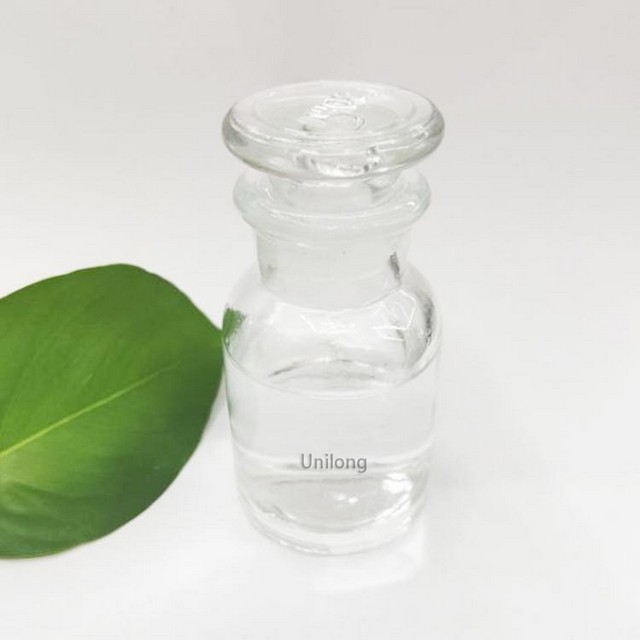
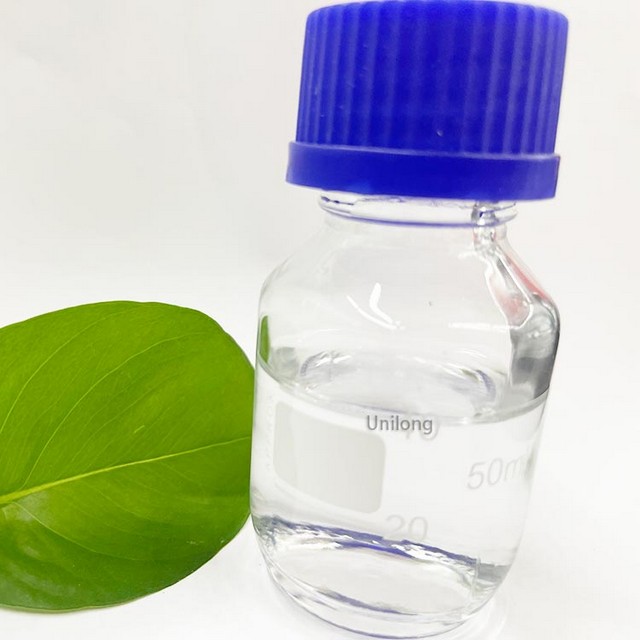
What is of (3-Glycidyloxypropyl)triethoxysilane with cas 2602-34-8?
It can improve the physical properties and water resistance of waterborne coatings and waterborne adhesive systems, and at the same time improve the storage stability and mechanical properties. Modified version of KH-560.
Specification
|
Items
|
Specifications
|
|
Melting point
|
<-50°C
|
|
Boiling point
|
270°C
|
|
density
|
1.004 g/mL at 20 °C(lit.)
|
|
refractive index
|
n20/D 1.427
|
|
Fp
|
125°C
|
Application
1. Silane coupling / bonding promotion (main application)
Connect inorganic phases (glass, metal, silica sand, ceramics, fillers) with organic phases (epoxy, polyurethane, acrylic, phenolic, polysulfide, etc.), significantly enhancing the interface bonding strength, water resistance, humidity resistance and aging resistance.
Typical scenarios:
Coatings / Adhesives / Sealants: Improve adhesion to glass, metal, concrete, enhance water resistance, corrosion resistance.
Glass fiber / Composite materials: Fiberglass wetting agent, enhance mechanical strength and electrical performance of fiberglass reinforced plastic, epoxy copper clad laminate.
Filler modification: Treat calcium carbonate, talc, silica, quartz, etc., improve dispersion and compatibility in resin.
Casting / Grinding tools: Used in polyurethane resin sand, enhance the bonding force between sand particles and resin, improve water resistance.
2. Crosslinking agents and surface modification
Used as crosslinking agents in wet curing systems (such as polyurethane, silicone sealants).
Perform surface pretreatment on metals, glass, ceramics to enhance coating adhesion and corrosion resistance.
Used in electronic packaging (epoxy molding compound), improve insulation and humidity resistance reliability.
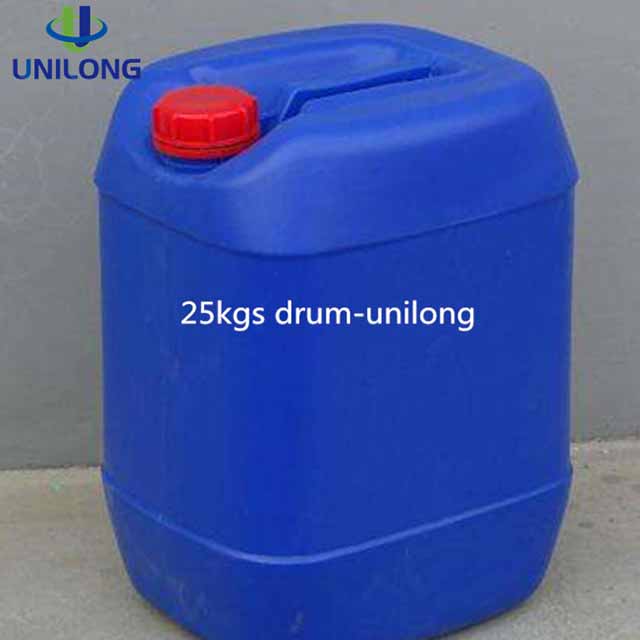
Packing
200kgs/drum, 16tons/20’container