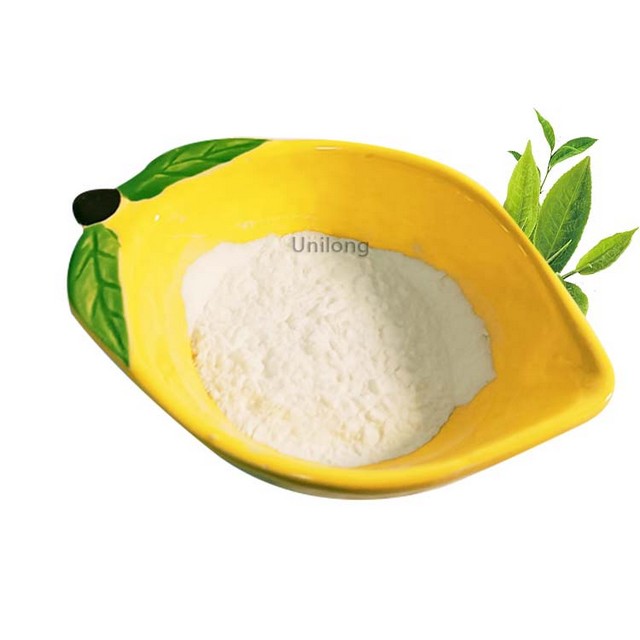
Cellulose Acetate Butyrate CAS 9004-36-8
Cellulose acetate butyrate is considered the most important product in cellulose mixed esters.Cellulose acetate butyrate is a type of cellulose mixed fatty acid ester.The solubility range of cellulose acetate butyrate is wider, as it not only dissolves in highly polar solvents, but also in alcohol solvents with high butyryl content.
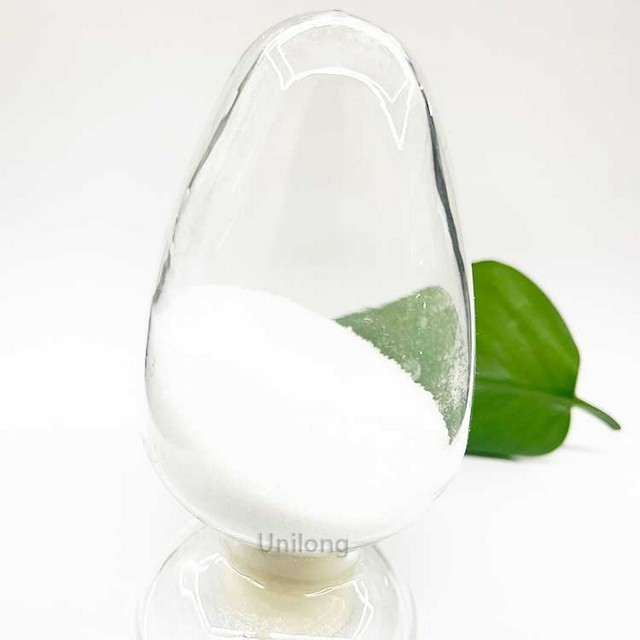
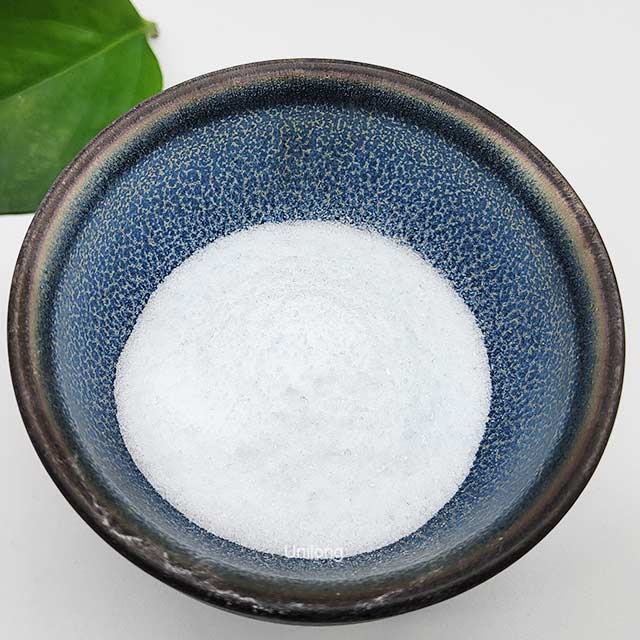
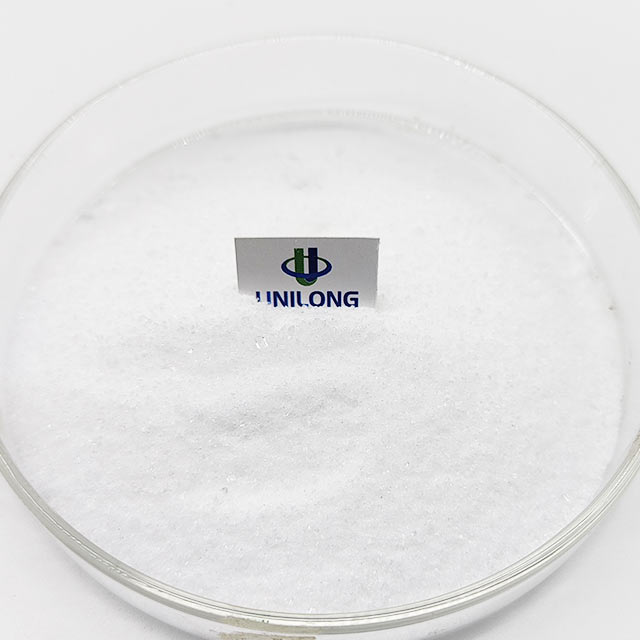
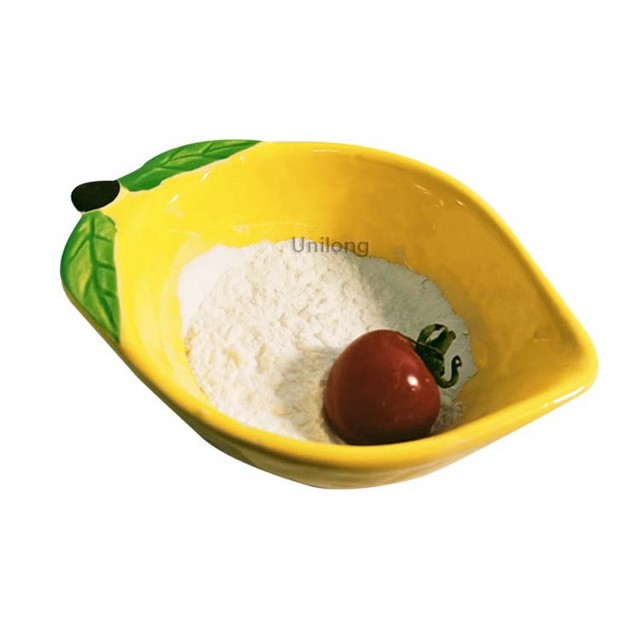
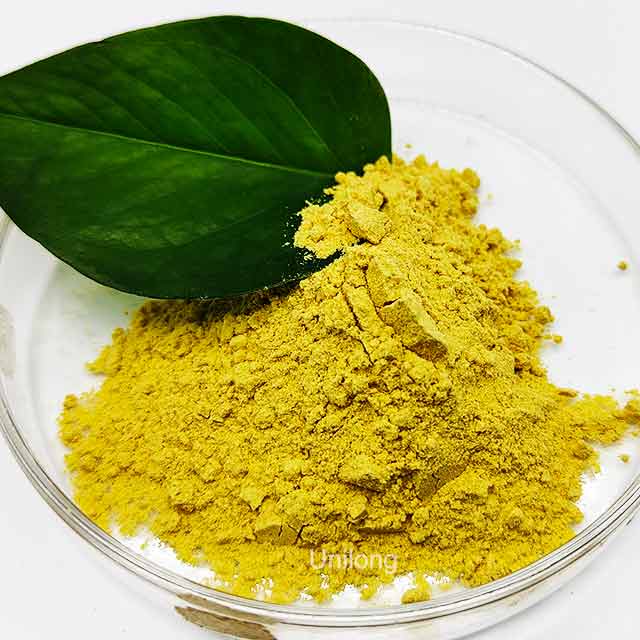
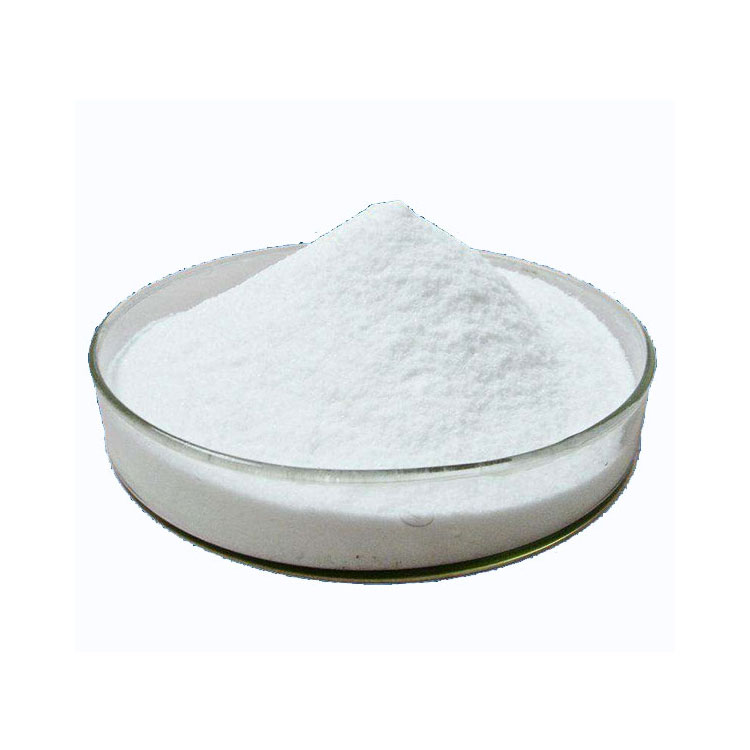
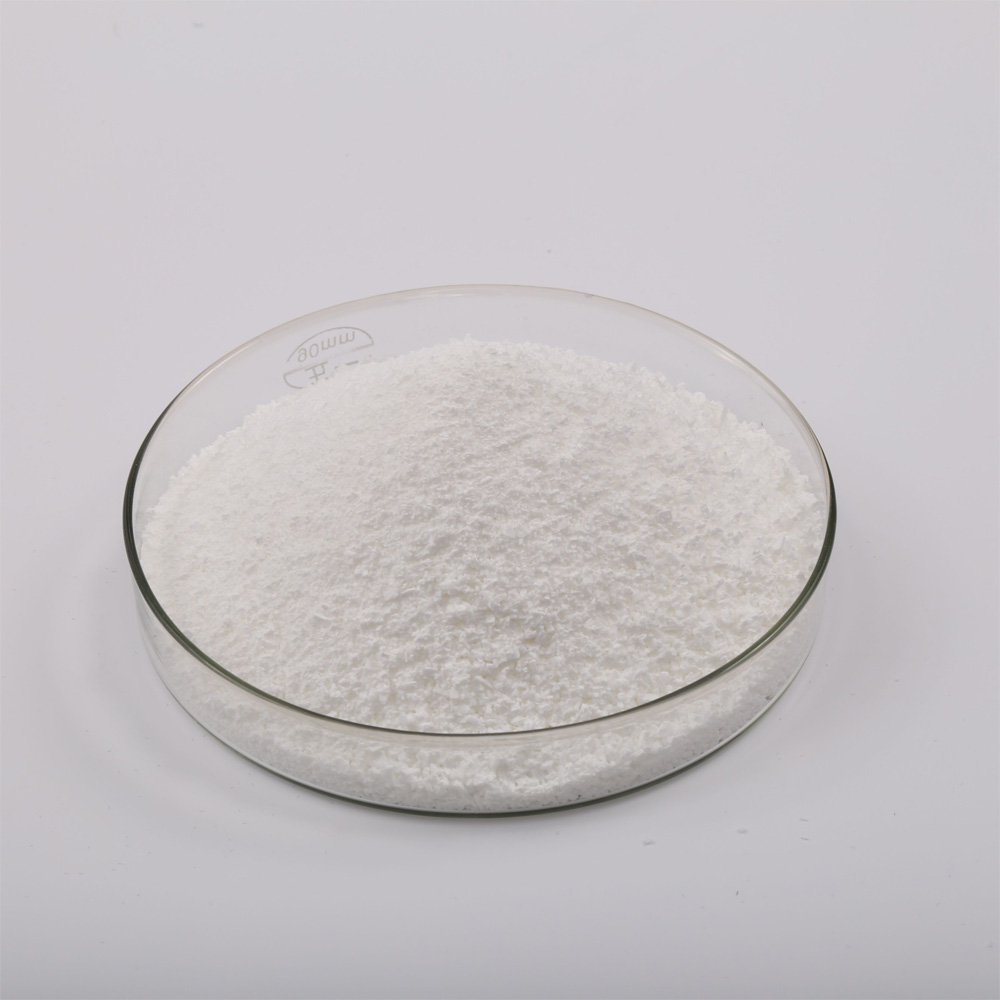
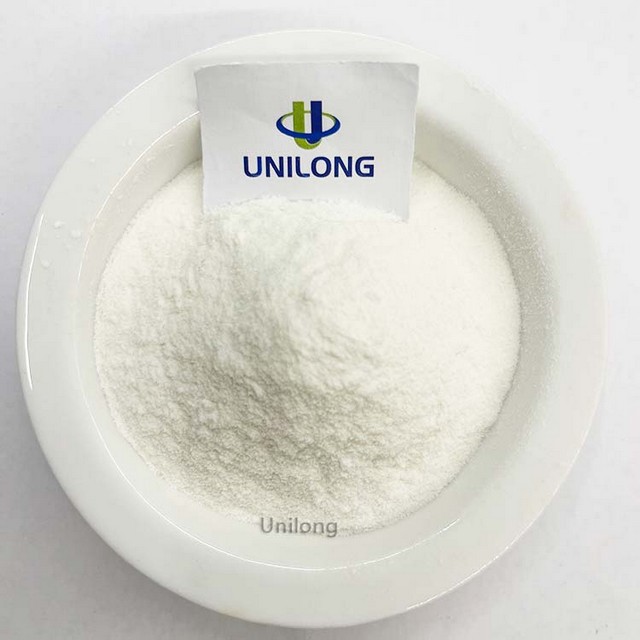
Cellulose acetate butyrate is abbreviated as CAB. It is a type of mixed cellulose ester, a white powder / granular thermoplastic resin. Based on the differences in viscosity, diacetyl and acetate, we can offer CAB 381.0.1, CAB 381-0.5, CAB 381-2, CAB 551-0.01, and CAB 551-0.2.
Specification
|
Items
|
Specification
|
|
Butyryl content %
|
15~18
|
|
Acetyl content %
|
29~33
|
|
Intrinsic viscosity ml/g
|
0.4~0.75
|
|
Water content %
|
≤3
|
|
Acidity (by acetic acid) %
|
≤0.04
|
Application
Cellulose acetate butyrate is a type of cellulose mixed fatty acid ester, widely used in leather brighteners, wood coatings, automotive paints, inks and other fields. Cellulose acetate butyrate is used as a leveling agent and film-forming material in the production of high transparency and good weather resistance plastic film substrates, films, and various coatings.

Package
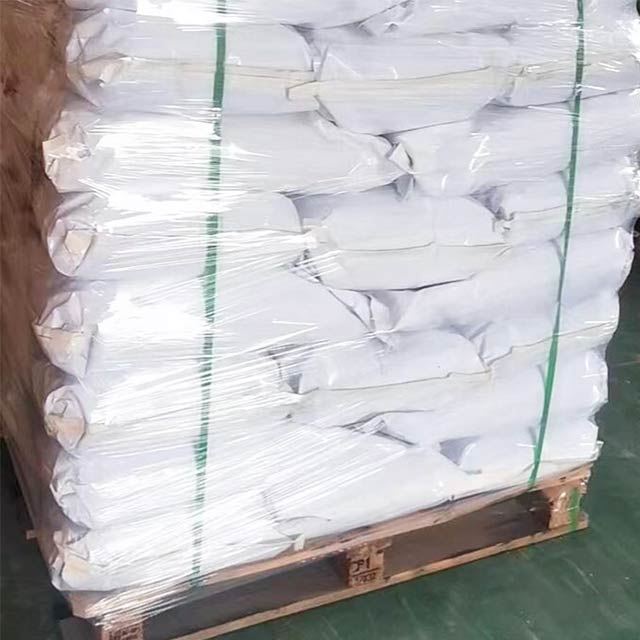
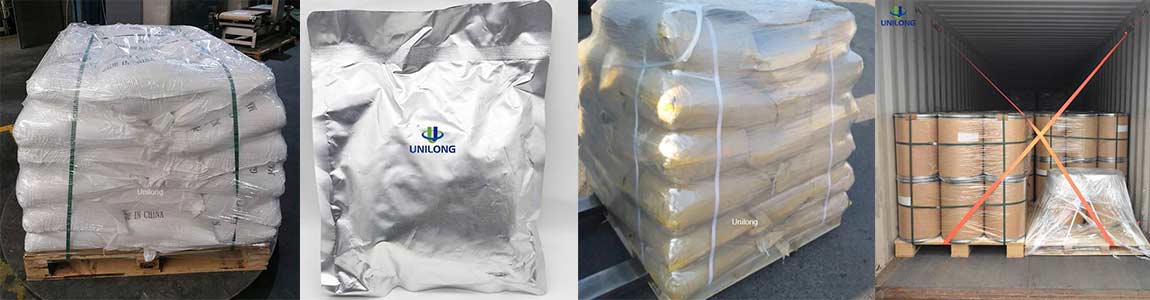
20kg/bag or requirement of clients.
FAQ
Q: What role does CAB play in the paint? What is the addition amount?
A: Function: Directional arrangement of aluminum powder (core value), improving leveling, reducing viscosity, enhancing paint film flexibility, UV resistance, reducing primer adhesion, shortening drying time.
Addition amount: 1–5% of the total formula, usually as an auxiliary resin, not the main film-forming material; excessive addition will affect the hardness and solvent resistance of the paint film.
Q: How to solve the problem of easy agglomeration during the dissolution process?
A: CAB powder tends to aggregate. It cannot be directly poured into the solvent. Recommended operation: Slowly sprinkle CAB into the solvent under stirring, then conduct high-speed dispersion. If necessary, increase the temperature by 40–50°C and maintain stirring at a constant temperature; or make a mother solution first and then add it to the formula.
Q: Will storage cause hydrolysis?
A: Stable at room temperature in a dry and sealed environment; in long-term high-temperature and high-humidity conditions, it will slowly hydrolyze and the acid value will increase; after hydrolysis, it will affect the water resistance and stability of the paint film. Shelf life: 24 months (sealed).
Q: Packaging form?
A: 25kg composite paper bag / cardboard barrel (with PE bag inside).
Samples / Delivery date / Payment method (for export directly reused)
Q: Sample policy?
A: Samples can be provided. After placing an order for large quantities, the sample fee can be refunded.
Sample delivery time: 1–3 working days for inventory preparation, international delivery takes 3–7 days (depending on the destination country).
Q: Delivery time for large quantities?
A: Regular CAB is available on a spot basis: 7–12 working days after receiving the deposit.