

In the dynamic landscape of global chemical supply chains, stability is the ultimate currency. As industries ranging from aquaculture to high-end cosmetics face increasing pressure to maintain product efficacy, a specific class of Vitamin C derivatives has emerged as a critical solution. We are witnessing a significant surge in demand for L-Ascorbic Acid Polyphosphate and its closely related counterpart, L-Ascorbic Acid 2-Phosphate (CAS 23313-12-4).
Ⅰ Product Overview
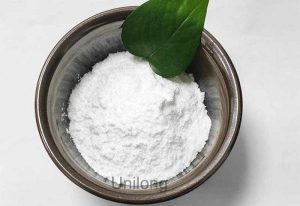
Unlike traditional Ascorbic Acid, which is notorious for its instability when exposed to heat, light, and moisture, these phosphate-esterified derivatives offer a robust solution. By introducing a phosphate group to the Vitamin C molecule, manufacturers have successfully shielded the oxidation-prone sites. This chemical modification results in a product—often appearing as a white to off-white powder—that maintains high stability even under the rigorous conditions of industrial processing.
Ⅱ Beyond Basic Nutrition: Diverse Applications Driving Growth
We supply both monophosphate (LAMP) and polyphosphate (LAPP) grades. The monophosphate form contains one phosphate group, balancing stability and cost-effectiveness. The polyphosphate variant features multiple high-energy phosphate bonds, offering superior bioavailability, longer-lasting effects, and additional nutritional benefits for cells. Our products are white crystalline powder, 99% purity, compliant with USP/EP standards, with strict control over heavy metals and microbial impurities.
Unlike traditional Ascorbic Acid, which is notorious for its instability when exposed to heat, light, and moisture, these phosphate-esterified derivatives offer a robust solution. By introducing a phosphate group to the Vitamin C molecule, manufacturers have successfully shielded the oxidation-prone sites. This chemical modification results in a product—often appearing as a white to off-white powder—that maintains high stability even under the rigorous conditions of industrial processing.
Ⅲ Versatile Applications
1. Polyurethane Elastomers (CPU)
Aquaculture and Animal Nutrition: In the production of animal feed, particularly for aquatic species like shrimp and fish, feed pellets must withstand high-temperature pelleting and extrusion processes. Standard Vitamin C degrades rapidly under such heat. However, L-Ascorbic Acid Polyphosphate and Monophosphate demonstrate exceptional resistance to high temperature and pressure, ensuring that the active vitamin content remains intact until consumed. Once ingested, the phosphate esters are hydrolyzed by phosphatase in the animal’s gut, releasing active Vitamin C to boost immunity, enhance stress resistance, and promote collagen synthesis.

2.Cosmetics and Personal Care
In the beauty industry, stability equals shelf life. These derivatives are highly prized in anti-aging formulations. They stimulate collagen formation and expression without the rapid oxidation issues associated with pure L-Ascorbic Acid, making them ideal for serums and creams targeting skin brightening and elasticity.
3.Cell Culture and Biotechnology
For the pharmaceutical and research sectors, L-Ascorbic Acid 2-Phosphate serves as a long-acting Vitamin C source. It is extensively used in culture media to induce the osteogenic differentiation of human adipose stem cells (hASCs), significantly increasing alkaline phosphatase (ALP) activity.
4.Area Situation
Southeast Asia: A Rapidly Growing Hot Market
The demand for vitamin C phosphate salts is growing rapidly in Southeast Asia, thanks to the booming cosmetics manufacturing industry, the need for stable skin care ingredients in high-humidity environments, and the expansion of aquaculture. Countries like Indonesia, Vietnam, and Thailand are leading consumers: 55% to 60% of the essence formulas in Indonesia rely on imported stable vitamin C derivatives; the aquaculture industry (shrimp, catfish) in Vietnam needs a large amount of polyphosphate for feed supplementation. The region tends to choose cost-effective and stable products, so our monophosphate and polyphosphate grades are popular.
South America: Stable Demand in the Food and Feed Sector
The market in South America mainly focuses on food fortification and animal feed. Brazil and Argentina are the main consumers. Brazil’s national iron deficiency program combines vitamin C derivatives with iron supplements to improve absorption rates. The large-scale livestock and aquaculture industries in the region prefer to use polyphosphate grades because they have better stability in tropical climates and better effects on animal nutrition. The demand is stable, and buyers value reliable supply and competitive prices.
Ⅳ Monophosphate vs. Polyphosphate: Tailored Solutions
It is crucial for buyers to understand that while they share the same CAS registry in many contexts due to their functional similarities, the degree of polymerization matters. L-Ascorbic Acid 2-Phosphate (Monophosphate): Often preferred for its specific solubility profile and precise stoichiometry in chemical reactions and cell cultures. L-Ascorbic Acid Polyphosphate LAAP: Renowned for its superior stability in long-term feed storage and harsh pelleting environments.Understanding the distinction allows for better application targeting, whether for a sensitive cosmetic serum or a durable fish feed pellet.
Ⅴ Supply and Logistics: Immediate Availability
Understanding the volatility of the global chemical supply chain, we are committed to providing stability and reliability to our international partners. We currently have immediate spot stock available of LAAP (CAS 23313-12-4).
Ⅵ Packaging Options:
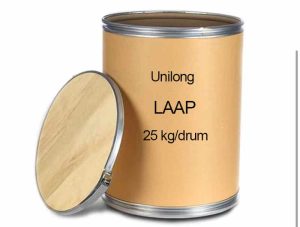
To accommodate various logistical needs, our LAAP(LAPP) is packaged in:
25kg Drums: Standard export-quality packaging ensuring product integrity during transit.
25kg Bag: For larger volume requirements, optimizing container load efficiency.
Ⅶ Storage and Handling:
The product should be stored in a cool, dry, and well-ventilated area, protected from direct sunlight and moisture. Under proper storage conditions, the shelf life is optimized to ensure peak performance upon usage.
Ⅸ Conclusion
L-Ascorbic acid polyphosphate LAAP (CAS 23313-12-4) is a high-value, stable vitamin C derivative with strong, growing demand across Southeast Asia, South America, and North America. Its versatility in cosmetics, pharmaceuticals, and animal feed, combined with our full product range (mono & polyphosphate) and ready stock, makes us your ideal supplier. Contact us today for bulk quotes and technical support!
: The Rising Global Demand for Stable Vitamin C Derivatives)