

I. Introduction: Revolutionizing Materials with a Sustainable Polymer
In the quest for high-performance, sustainable materials, Cellulose Acetate Butyrate (CAS 9004-36-8) has emerged as a versatile polymer with diverse applications across coatings, plastics, textiles, and specialty chemicals. This unique compound, a cellulose derivative modified with acetyl and butyryl groups, combines the natural biodegradability of cellulose with enhanced physical properties. With its excellent compatibility, solubility, and rheological control, Cellulose Acetate Butyrate has become a cornerstone in modern formulations, offering improved durability, processability, and eco-friendly solutions. This article delves into its key characteristics, applications, technical advantages, and future prospects.
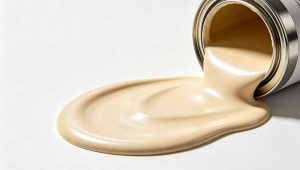
II. What is Cellulose Acetate Butyrate (CAS 9004-36-8)?
1. Chemical Structure and Identification
Cellulose Acetate Butyrate (CAB) is a copolymer ester of cellulose, acetic acid, and butyric acid. Its chemical structure features variable ratios of acetyl (–COCH₃) and butyryl (–COC₃H₇) substituents, typically ranging from 30-54% butyryl content, with the remaining groups as acetyl and hydroxyl. This tunable composition allows customization for specific applications. CAS No. 9004-36-8, it is available in multiple grades with different viscosities and molecular weights.
2. Key Properties
– Appearance: White fibrous powder or solid.
– Solubility: Insoluble in water but soluble in ketones (e.g., MEK), esters (e.g., ethyl acetate), and high-boiling solvents.
– Physical Properties: Viscosities range from 0.06 to 0.40 Pa·s (depending on grade), with molecular weights from 12,000 to 70,000.
– Chemical Stability: Resistant to hydrolysis and offers excellent compatibility with resins and plasticizers.
III. Core Applications: Where CAB Shines
1. Automotive and Industrial Coatings
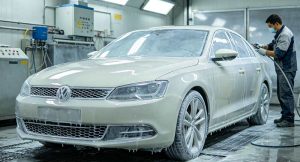
– Basecoat Additive: CAB enhances flow and leveling in automotive paints, preventing solvent “biting” and improving impact resistance.
– Flow Modifier: Its rheological properties control sagging and orange peel effects in high-solids coatings.
– Metallic Effects: Enables uniform orientation of aluminum flakes in metallic coatings for superior aesthetics.
2. Plastics and Masterbatch Formulations
– Impact Modifier: Increases toughness and flexibility in PVC, PET, and engineering plastics.
– Processing Aid: Facilitates melt flow and reduces torque during extrusion or molding.
– Masterbatch Carrier: Ideal for dispersing colorants and additives due to its high pigment wetting ability.
3. Textile and Leather Coatings
– Waterproof Fabric Treatments: Provides durable coatings for outdoor fabrics (e.g., tents, umbrellas) with soft touch and weather resistance.
– Leather Finishes: Imparts gloss, abrasion resistance, and flexibility to leather surfaces.
4. Specialty Applications
– UV-Curable Coatings: As a rheology modifier in radiation-curable systems.
– Packaging Films: High clarity and barrier properties in food or medical packaging.
– 3D Printing Materials: Enables smooth printing and post-processing of filaments.

IV. Technical Advantages and Differentiators
1. Tunable Properties by Grade
CAB’s versatility stems from customizable grades:
– Low Butyryl (30-35%): Ideal for high-solids coatings and flow control.
– Medium Butyryl (35-50%): Balances viscosity and compatibility for plastics.
– High Butyryl (44-54%): Excellent solvent resistance and pigment dispersion in masterbatches.
2. Eco-Friendly Profile
As a cellulose derivative, CAB offers:
– Biobased origin (from renewable wood pulp).
– Reduced reliance on petrochemicals.
– Potential for end-of-life recycling or biodegradation.
3. Processing Efficiency
– Low-temperature processability.
– Compatibility with waterborne and solvent-based systems.
– Cost-effective formulation due to high efficiency at low loadings (1-5% by weight).
V. Safety, Handling, and Storage
– Non-Hazardous: Classified as non-toxic and non-flammable.
– Handling: Store in cool, dry conditions; avoid moisture exposure.
– Disposal: Follow local regulations; biodegradable options available.
VI. Market Outlook and Future Trends
Driven by demand for sustainable coatings, lightweight plastics, and advanced materials, CAB’s market is projected to grow significantly. Key trends include:
– Electronics: Utilization in flexible displays and protective coatings.
– Electric Vehicles: Applications in battery casing materials.
– Circular Economy: Development of fully recyclable CAB-based composites.
VII. Conclusion: A Polymer for Tomorrow’s Challenges
Cellulose Acetate Butyrate (CAS 9004-36-8) bridges natural origins with advanced performance, offering formulators a sustainable and high-efficiency solution. As industries prioritize eco-friendly materials and process efficiency, CAB’s role in coatings, plastics, and emerging technologies will continue to expand. Its tunability, compatibility, and biobased credentials position it as a key enabler for next-generation products.
: A Versatile Polymer for Next-Generation Materials and Coatings)