

I. TMPD CAS 144-19-4 introduce
2,2,4-Trimethyl-1,3-pentanediol TMPD CAS 144-19-4 is a high-value-added chemical intermediate with the molecular formula C8H18O2 and a molecular weight of 146.23. It has one primary hydroxyl group and one secondary hydroxyl group, and an asymmetric structure.
1. Asymmetric branched structure and differentiated polarity of dual hydroxyl groups: Imparts high stability in waterborne polyester formulations, significantly enhancing adhesion to various substrates.
2. Low toxicity: Widely used as an intermediate in coatings, polyurethanes, and food-contact coatings. Exhibits a superior safety profile compared to ethylene glycol.
3. Excellent compatibility: The synthesized resins can be readily modified with acrylic resins and amino resins.
4. Strong hydrophobicity: Ideally suited for preparing water-resistant and hydrolysis-resistant solvent-borne polyesters, powder coating resins, solvent-free polyurethane elastomers, and various hydrophobic synthetic ester products.
II. Stable, large-scale supply of TMPD CAS: 144-19-4 has been achieved.
The product meets high-end industry standards for purity, enabling import substitution in sectors such as water-based coatings, polyester resins, polyurethane materials, and eco-friendly plasticizers.
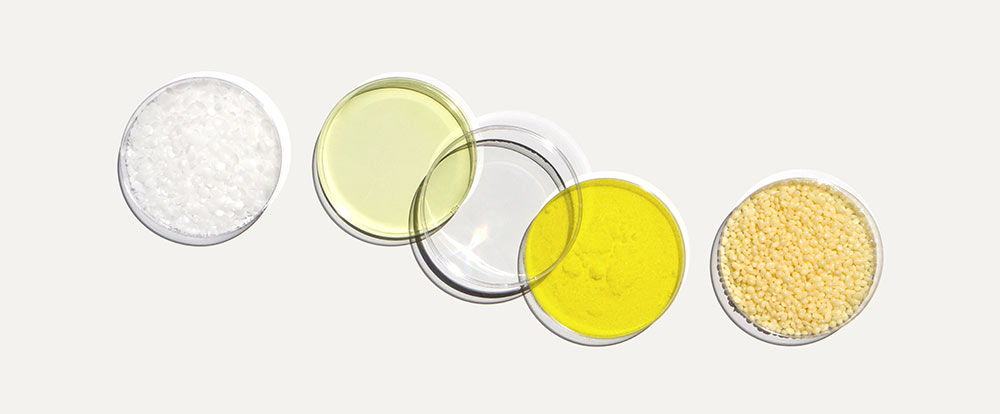
TMPD is a specialty branched diol with the molecular formula C₈H₁₈O₂ and a molecular weight of 146.23. At room temperature, it appears as a white crystalline solid with a melting point of 50–53°C, a boiling point of 232°C, and a flash point of 113°C; it is sparingly soluble in water but readily soluble in alcohols, ketones, and aromatic solvents. Its unique sterically hindered structure imparts excellent hydrolytic stability, weather resistance, and flexibility to synthetic resins, making it a core monomer for producing alkyd resins, saturated polyesters, polyurethanes, and the eco-friendly film-forming aid TXIB.
Historically, the domestic market for high-end TMPD relied heavily on overseas supplies; issues such as supply chain volatility and long delivery times hindered formulation upgrades for domestic coatings and polymer material enterprises. The newly commissioned TMPD facility utilizes an optimized synthesis process, matching mainstream overseas products in terms of color, hydroxyl value, and impurity control. The TMPD CAS 144-19-4 is suitable for applications including architectural water-based latex paints, industrial anti-corrosion coatings, adhesives, sealants, and non-phthalate plasticizer systems, aligning with industry trends toward stricter VOC regulations and the adoption of green materials.
“The branched structure of TMPD allows for the balancing of resin hardness and flexibility while enhancing the hydrolysis resistance of the paint film, offering significant value in low-VOC coating systems. Following the project’s commissioning, we will ensure a stable supply and provide supporting technical services to assist downstream customers with formulation replacement and product validation.”
Industry insiders note that as global environmental regulations tighten and the markets for low-VOC coatings and phthalate-free plasticizers expand, the demand for TMPD—a key intermediate—is steadily rising. The establishment of large-scale domestic production capacity will diversify supply chain options for specialty diols and reduce raw material procurement risks for downstream polymer material enterprises.
III. Demand Side: Low-VOC Coatings as the Core Growth Engine
1. Industry data indicates that the domestic coatings industry is steadily advancing its green transformation; solvent-based coatings are increasingly being replaced by water-borne and high-solids products, directly driving the growth of TMPD consumption. There are two core downstream sectors for TMPD: first, modified saturated polyesters and alkyd resins used in industrial anti-corrosion coatings, automotive paints, and high-end architectural latex paints.
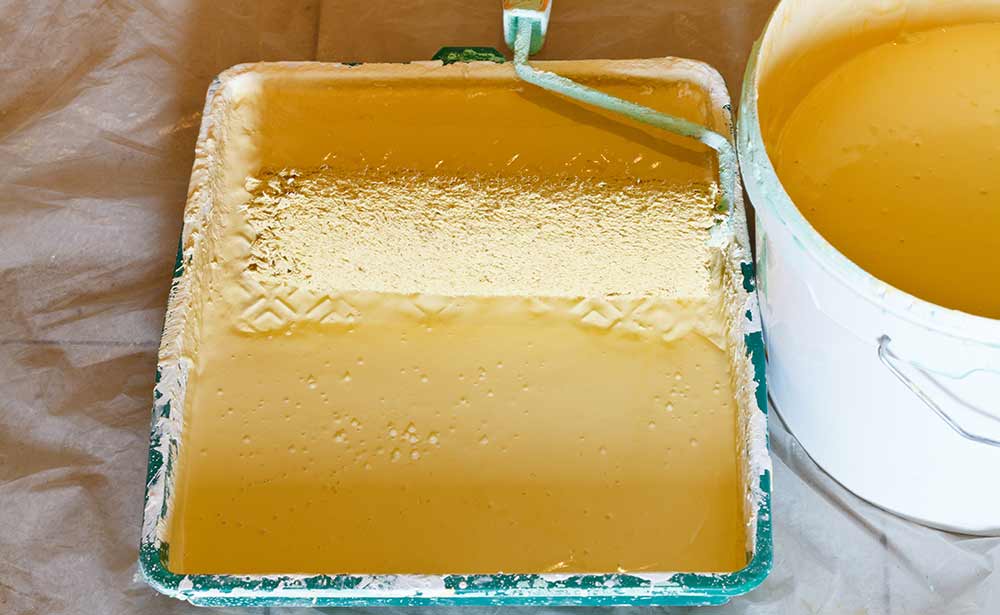
2. The esterification process to produce TXIB (an eco-friendly coalescing agent) and non-phthalate plasticizers, which are widely used in water-borne coatings and plastic additives.
Beyond its primary application in coatings, TMPD is seeing expanding use in niche areas such as adhesives, sealants, specialty polyurethane elastomers, and fine chemicals. Downstream formulation engineers favor TMPD for balancing coating film hardness, flexibility, and water resistance, and it serves as a key component in high-end projects with stringent requirements for weatherability and hydrolysis resistance. As environmental regulations tighten globally, demand for TMPD in overseas markets is also rising steadily.

The export orders of TMPD produced by Unilong have increased significantly. The products have been sold to markets such as Southeast Asia, Turkey, and India. At the same time, they have received visits and negotiations from customers from multiple countries.

IV. Industry Outlook
As TMPD continues to penetrate both domestic and international markets, the autonomy and controllability of the supply chain are further improving. Downstream enterprises in the coatings and resin sectors benefit from a more diversified range of raw material suppliers; this allows them to simultaneously advance the validation of domestically produced alternatives and mitigate the risks associated with relying on a single overseas source.
In the long term, market growth for TMPD will depend on the pace at which waterborne and high-solids coatings gain market share, as well as the progress made in expanding into new application areas such as polyurethane elastomers and composite materials. Domestic manufacturers will continue to focus on producing high-purity grades, ensuring batch consistency, and securing international market certifications, thereby steadily increasing the influence of domestically produced TMPD within the global specialty diol market.
