

2,2,4-Trimethyl-1,3-pentanediol, abbreviated as TMPD, is an organic chemical intermediate for Texanol esters and TXIB plasticizers. It is commonly used in the synthesis of unsaturated polyesters, printing inks, surfactants, plasticizers, synthetic lubricants, insect repellents, fragrances, polyurethanes, and extractants. Therefore, it shows wide application and high commercial value in industries such as surface coatings and petroleum processing.
I. 2,2,4-Trimethyl-1,3-pentanediol Introduction:
2,2,4-Trimethyl-1,3-pentanediol, commonly abbreviated as TMPD or trimethylpentanediol, is an important organic chemical intermediate. Its molecular structure contains two hydroxyl groups (-OH), giving it unique chemical reactivity and making it a cornerstone for the synthesis of various polymer materials and fine chemicals.
2,2,4-Trimethyl-1,3-pentanediol is a chemical intermediate. It is a white crystalline solid, soluble in alcohols, ketones, and aromatic solvents, but sparingly soluble in water and aliphatic hydrocarbons. It is mainly used in the synthesis of unsaturated resins, alkyd resins, synthetic fragrances, and insect repellents.
Ⅱ.2,2,4-Trimethyl-1,3-pentanediol CAS 144-19-4 Application:
1.In unsaturated polyester resins, the core value of TMPD lies in its unique molecular structure, which brings a series of excellent properties to the resin.
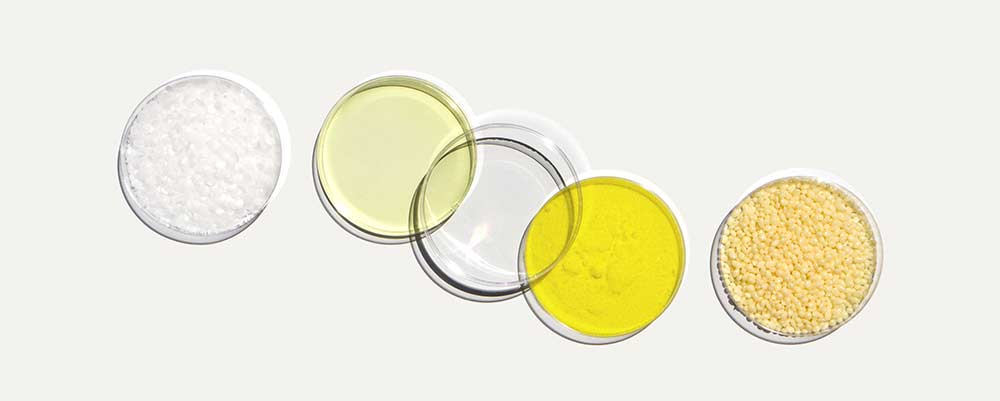
(1) Improved Processing Performance: The steric hindrance effect of the side groups (isopropyl and methyl) in the TMPD molecule gives TMPD-based unsaturated polyester resin excellent storage stability at room temperature (minimal gel time drift) while maintaining sufficient reactivity under heating conditions, providing a “double advantage” for processing.
(2) Reduced Exothermic Peak: Compared with propylene glycol or ethylene glycol-based resins, TMPD-based resins exhibit significantly lower exothermic peak temperatures during curing. This reduces thermal stress generated during curing, making it possible to manufacture larger, thick-walled castings without sacrificing structural integrity.
(3) Better Dimensional Stability: The lower curing shrinkage rate of TMPD-based resins means more precise finished product dimensions.
(4)Superior Chemical Resistance: The TMPD molecular structure “shields” easily hydrolyzed ester bonds, resulting in resins with superior resistance to water, acids, alkalis, and other chemicals. For example, after immersion in boiling water for one month, the flexural strength retention rate of TMPD resin (41%) is significantly higher than that of propylene glycol resin (23%).
2.Alkyd resin: An important raw material for alkyd resins used in coatings.
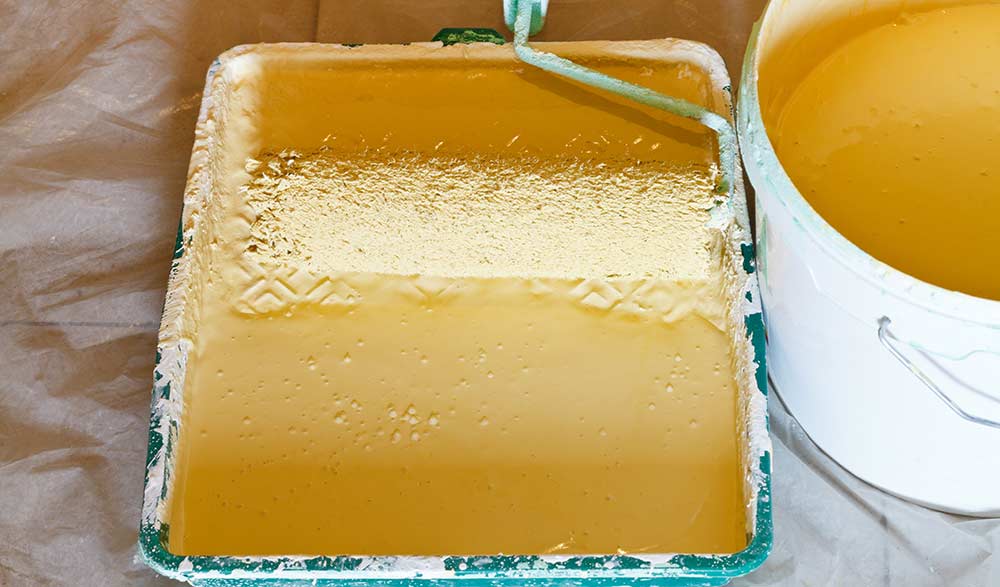
(1) Enhanced hydrolysis resistance and durability: The steric hindrance in TMPD molecules can “shield” easily hydrolyzed ester bonds in resins, resulting in coatings with excellent water resistance, alkali resistance, moisture resistance, and corrosion resistance, making them particularly suitable for high-humidity or chemical-contact environments.
(2) Achieving low-VOC environmentally friendly coatings: The branched structure of TMPD effectively reduces the viscosity of alkyd resins, allowing for the use of less organic solvent in formulations. This helps coatings meet low-VOC (volatile organic compound) environmental standards, complying with increasingly stringent regulations.
(3) Improved adhesion and compatibility: The asymmetric polar structure of TMPD significantly improves the adhesion of coatings to various substrates. Furthermore, the resins synthesized from it exhibit excellent compatibility with acrylic resins, amino resins, etc., facilitating modification.
(4) Application in fast-drying resin formulations: Patents show that TMPD is one of the key raw materials for preparing fast-drying alkyd resins compatible with polyurethane curing agents, enabling the resulting resins to possess characteristics such as fast drying, good matting properties, and good hardness and sandability. In the more challenging field of waterborne alkyd resins, TMPD is also used as a raw material to help improve the overall performance of coatings.
3.Polyurethane: Used in the synthesis of polyurethane (polyurethane) resin.
(1) Reduced resin viscosity, contributing to environmental protection: The side chains of TMPD increase intermolecular repulsion, effectively preventing macromolecular chains from approaching and entangled, thus significantly reducing the viscosity of polyurethane prepolymers. This characteristic is crucial because it allows for the reduction or elimination of organic solvents in synthesis, enabling the preparation of low-VOC (volatile organic compound) environmentally friendly waterborne polyurethanes that meet increasingly stringent environmental regulations.
(2) Improved water and solvent resistance: The side chain structure of TMPD introduces a steric hindrance effect, increasing the steric hindrance of the polymer chains, thereby greatly improving the water and solvent resistance of polyurethane. For example, studies have shown that waterborne polyurethane leather finishing agents using TMPD as a chain extender do not experience sludge loss after 24 hours of soaking in toluene at room temperature.
(3) Enhanced adhesion strength: TMPD, as a chain extender, can also improve the adhesion strength of polyurethane. For example, in waterborne polyurethane electrostatic flocking adhesives, it is used to enhance the adhesion between the adhesive layer and the flocking and substrate.
4. Other important applications: Besides being used as a resin raw material, TMPD has wide applications in several industries:
(1) Plastics and plasticizers: As an intermediate for plasticizers (such as TXIB plasticizers), it is used to improve the processing properties and flexibility of plastics and coatings.

(2) Inks and lubricants: Used in the production of printing inks and synthetic lubricants.
(3) Fine chemicals: Used as a raw material for the synthesis of surfactants, fragrances, insect repellents, bactericides, etc.
Ⅲ.Key performance advantages of 2,2,4-Trimethyl-1,3-pentanediol CAS 144-19-4
1. Used in highly stable waterborne polyester formulations, significantly improving adhesion to various substrates; *Excellent chemical, coloring, and corrosion resistance;
2. Low viscosity and low density, exhibiting excellent solubility in solvents;
3. Excellent corrosion resistance in glass fiber reinforced plastics; *Asymmetric structure provides good polarity, significantly improving adhesion to polar substrates, suitable for adhesive formulation improvement.
Ⅳ.Market situation and prospects of 2,2,4-Trimethyl-1,3-pentanediol CAS 144-19-4
1. Environmental regulations are the core driving force: As global regulations on volatile organic compounds (VOCs) in coatings become increasingly stringent, low-VOC, environmentally friendly waterborne coatings are becoming the mainstream trend. TMPD, as a key intermediate in the production of high-performance waterborne coating film-forming aids and plasticizers, is therefore experiencing sustained demand.
2. Clear regional development opportunities: The focus of market growth is in the Asia-Pacific region, particularly China. Rapid urbanization, infrastructure construction, and a booming construction industry in this region directly drive demand for architectural and industrial coatings, creating a huge market space for TMPD and its downstream products.
3. The downstream derivatives market is experiencing significant growth: TMPD’s two main downstream products—film-forming aids and plasticizers—are both showing clear market growth potential.
Ⅴ.Conclusion
Stricter global environmental regulations are driving the expansion of the waterborne coatings market, directly boosting demand for downstream TMPD products (such as film-forming aid Texanol and plasticizer TXIB). TMPD, with its unique performance advantages, occupies an important position in the field of environmentally friendly and high-performance materials, and its market demand is expected to maintain steady growth in the future.
