
CAS number: 7646-85-7
English name: Zinc chloride
Molecular formula: Cl2Zn
Molecular weight: 136.3
Shelf life: 24 months
Zinc Chloride CAS 7646-85-7
Zinc Chloride, with CAS number 7646-85-7, is soluble in water, ethanol, and glycerol; its aqueous solution is acidic. When heated, it decomposes and releases corrosive chlorine gas. There are industrial grade and battery grade versions.
Characteristics
1. Strong hygroscopicity (key characteristic): Anhydrous zinc chloride readily absorbs moisture from the air. The packaging must be sealed to prevent moisture ingress, and storage and transportation should avoid dampness; it will form lumps after absorbing moisture.
2. Lewis acid, excellent desiccant, condensation catalyst.
3. Acidic aqueous solution, capable of corroding metals; has strong irritation / burning risks to skin, eyes, and respiratory tract.
4. Non-flammable, but decomposes at high temperatures to produce toxic hydrogen chloride fumes; reacts vigorously with strong bases.
5. Zinc Chloride can form various hydrates. For export, anhydrous ZnCl₂ is usually shipped.
Specification
| Items | Specification |
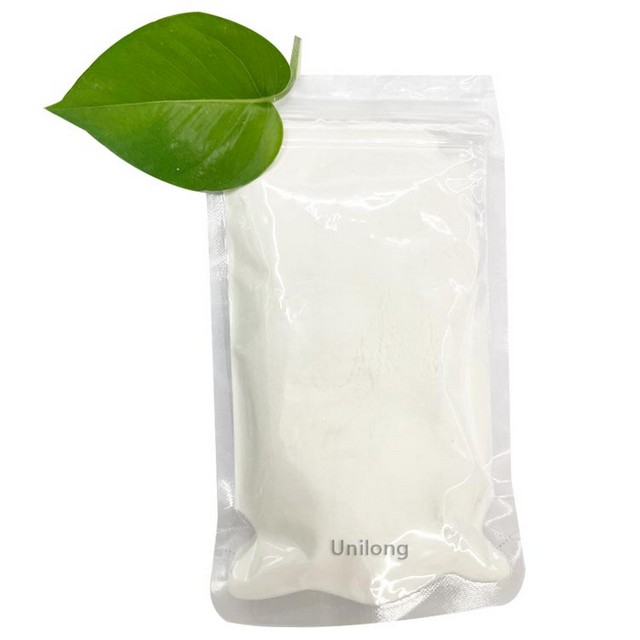
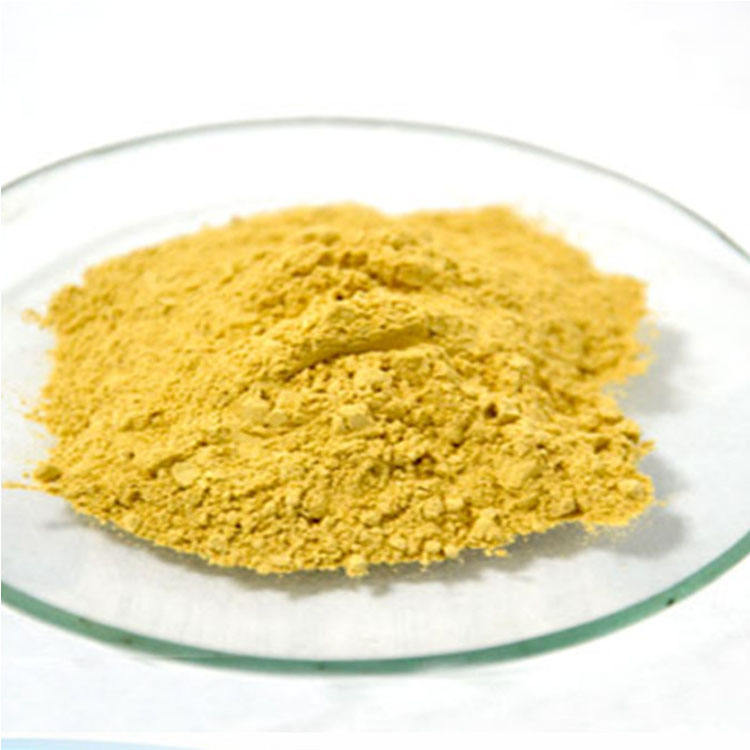
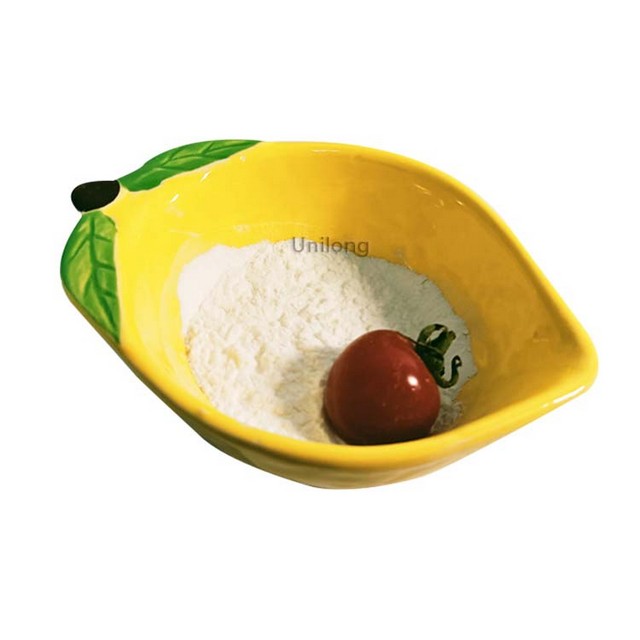
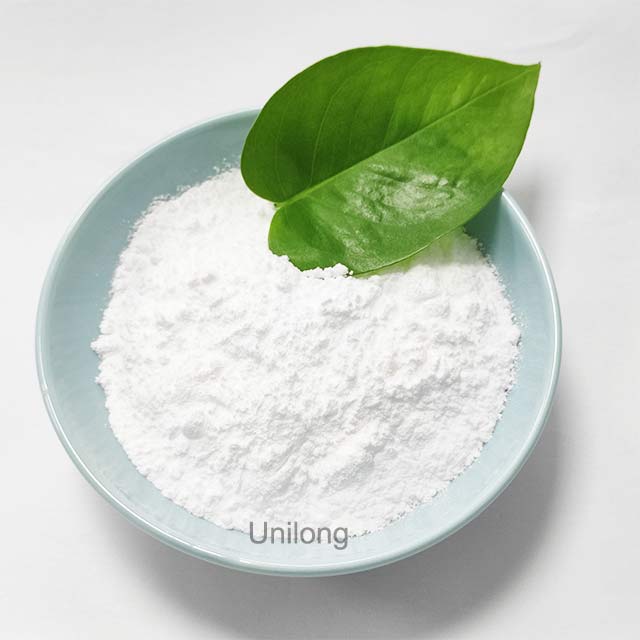
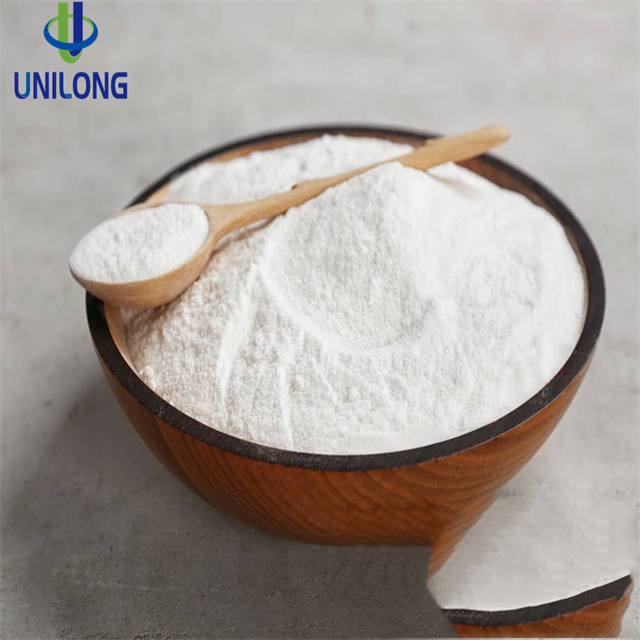
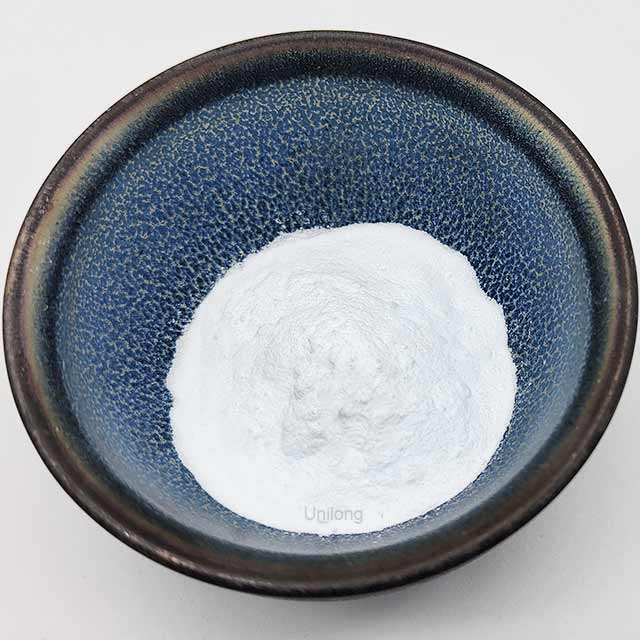
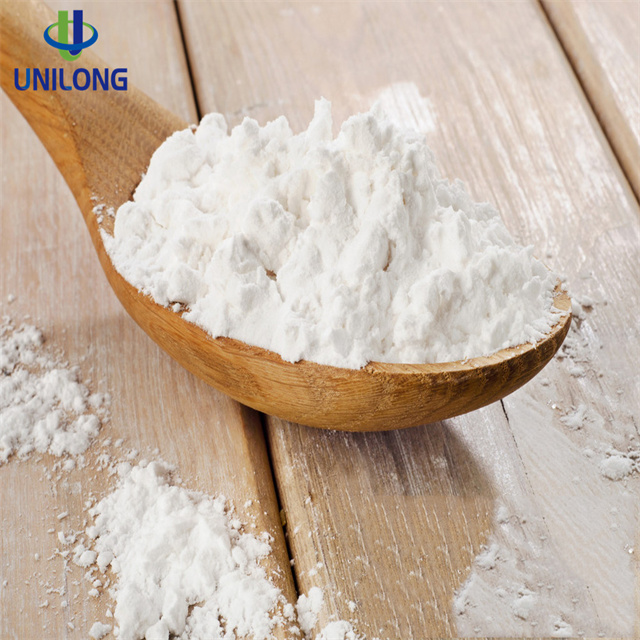
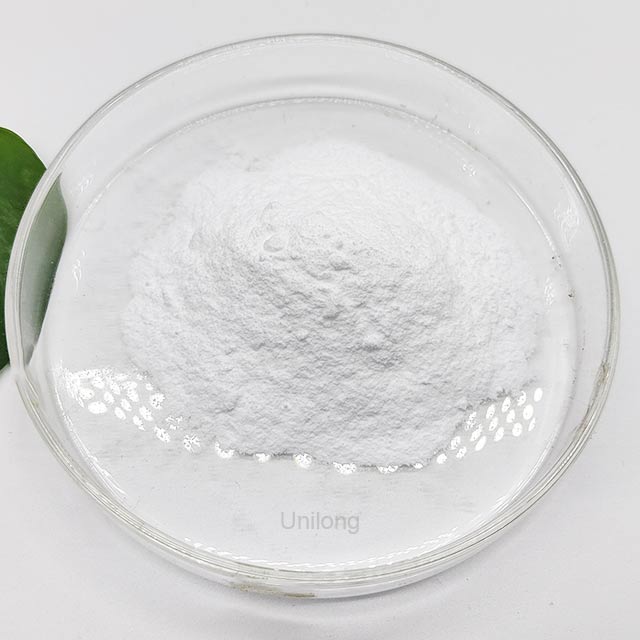
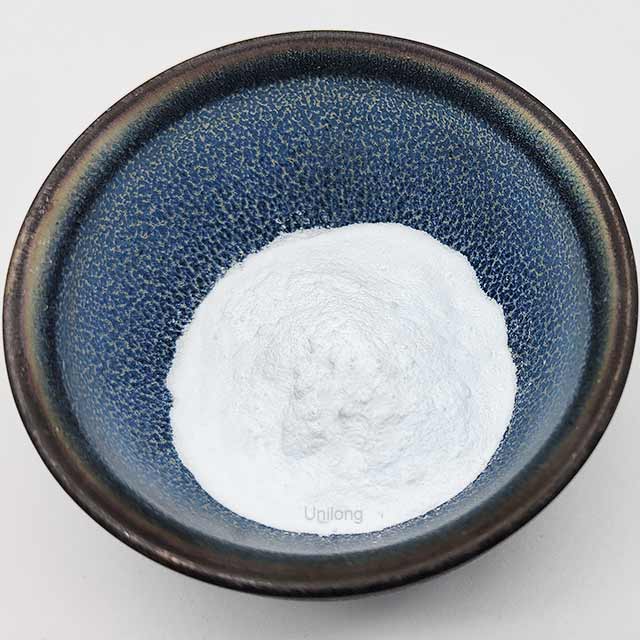
| Appearance | Powder |
| Flash point | 732 °C |
| Boiling point | 732 °C (lit.) |
| Storage conditions | 2 – 8 °C |
Application
1. Metallurgy / Hot-dip galvanizing, welding flux activator: Pre-treatment for hot-dip galvanizing of steel, welding flux activator for copper / brass, removing the oxide layer on the metal surface.
2. Organic synthesis: Dehydrating agent, condensation catalyst, Friedel-Crafts reaction catalyst.
3. Wood industry: Wood preservative, wood flame-retardant impregnation treatment, anti-mildew and anti-corrosion.
4. Electroplating industry: Raw materials for zinc plating electrolyte.
5. Battery industry: Dry batteries, electrolyte components of zinc-manganese batteries.
6. Textile printing and dyeing: Mordant, sizing and weight-increasing agent.
7. Others: Activated carbon, petroleum refining, dental cement, glass etching, rubber vulcanization agent.
Packaging and Storage
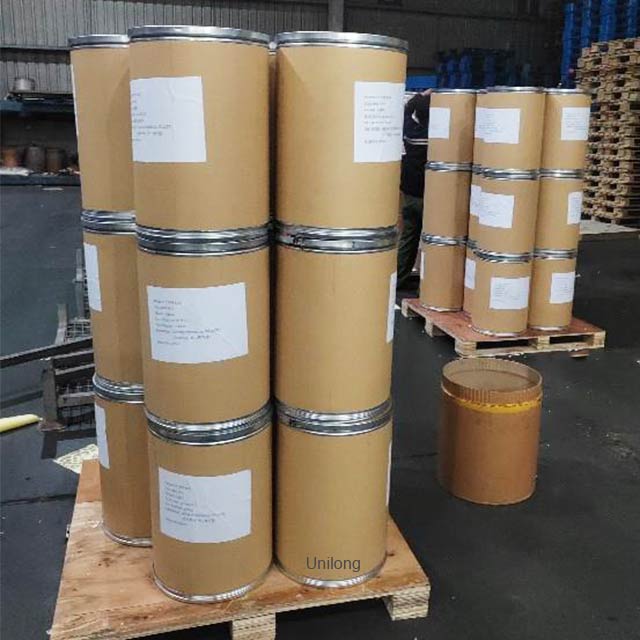
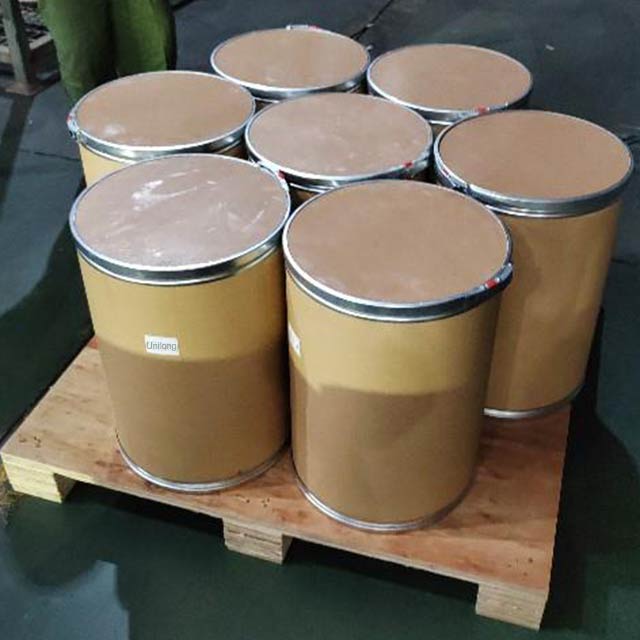
25kg/drum standard model.
Warehouse environment: Cool, dry, well-ventilated warehouse; relative humidity < 60%, temperature ≤ 30℃;严禁露天堆放, contact with rainwater or condensation.
Separation storage: Store separately from strong alkalis, strong oxidants, food/feed; it is recommended to do ground waterproofing in the warehouse, and it is not advisable to directly discharge into the sewer.
Container requirements: Maintain complete sealing throughout the process; after unpacking and use, the seal must be resealed immediately.
Shelf life: Iron drum sealed: 24 months; woven bag packaging: It is recommended to use within 6 months. The woven bag has weak moisture-proof ability and is prone to absorbing moisture and forming lumps if stored for a long time.
FAQ
Q:Shelf life?
A:24 months in sealed iron drum, stored in cool dry place. For PP woven bag packing, suggest consume within 6 months to avoid caking.
Q:What documents can you provide?
A:English SDS, COA, packing list, commercial invoice, DG certificate, dangerous goods declaration.
Q:What are main applications?
A:Metallurgical flux for galvanizing, wood preservative, electroplating raw material, organic synthesis catalyst, textile mordant, activated carbon activator.
Q:If caking happens, can it still be used?
A:Depends on moisture content. If moisture slightly increased and purity still meets specification, it can be dissolved and used for flux /water treatment. But not recommended for high-sensitive catalytic synthesis.