

In the intricate world of industrial chemistry, certain compounds serve as the silent engines driving innovation across multiple sectors. Among these foundational materials, C12-14 Tertiary Amine stands out as a premier intermediate. As the primary raw material for producing cationic quaternary ammonium salts, this chemical compound is not merely a reagent; it is the cornerstone of modern formulation technology. From keeping our water systems sterile to ensuring the softness of our clothes and the efficiency of oil extraction, C12 – 14 Tertiary Amine plays a pivotal role in enhancing product performance and safety. Its unique carbon chain structure—derived from natural fatty alcohols—offers an ideal balance of hydrophobicity and reactivity, making it the preferred choice for chemists formulating high – performance surfactants.
I. Unmatched Reactivity and Core Applications
The true value of C12-14 Tertiary Amine lies in its exceptional chemical versatility. It acts as a “universal adapter” in synthesis, capable of reacting with various alkylating agents to produce a diverse range of functional derivatives. This adaptability allows manufacturers to tailor surfactants for specific industrial needs, ranging from heavy – duty sanitation to delicate personal care formulations.
1. The Backbone of Biocides: Synthesis of Benzalkonium Chloride (1227)
One of the most critical applications of C12-14 Tertiary Amine is its reaction with benzyl chloride to produce Benzalkonium Chloride, commonly known in the industry as 1227. This reaction yields a potent cationic surfactant that serves as a broad – spectrum biocide.
Mechanism: The tertiary amine’s nitrogen atom attacks the benzyl group, forming a stable quaternary structure that disrupts microbial cell membranes.
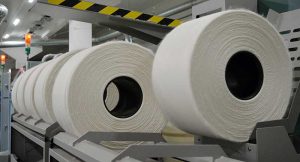
Applications: The resulting 1227 is widely used as a bactericide and algaecide. In the textile industry, it prevents mold growth on fabrics during storage and transport. In papermaking, it acts as a slimicide, controlling bacterial growth in the paper pulp water system, which is essential for maintaining paper quality and machine efficiency. Furthermore, it is a standard ingredient in industrial water treatment to prevent biofouling in cooling towers.
2. Versatile Quaternization for Textiles, Daily Chemicals, and Oilfields
Beyond benzyl chloride, C12-14 Tertiary Amine reacts efficiently with other quaternizing agents such as methyl chloride, dimethyl sulfate, and diethyl sulfate. These reactions generate various cationic quaternary ammonium salts, each with distinct properties suited for different environments.
Textile Industry: When quaternized with methyl chloride or dimethyl sulfate, the resulting salts are excellent fabric softeners and antistatic agents. They adsorb onto fiber surfaces, reducing friction and static electricity, thereby improving the hand feel of garments.
Daily Chemicals (Personal Care): In shampoos and conditioners, these cationic salts provide conditioning benefits, detangling hair and imparting a smooth shine without weighing it down.
Oilfield Services: In the petroleum industry, these derivatives function as corrosion inhibitors and clay stabilizers. They protect metal pipelines from acidic environments and prevent clay swelling in reservoirs, ensuring smoother oil extraction processes.

3. Production of Mild Amphoterics: Betaine BS – 1214
For markets demanding gentler chemistry, C12-14 Tertiary Amine reacts with sodium chloroacetate to produce Betaine BS – 1214 (Lauramidopropyl Betaine). This reaction transforms the cationic precursor into an amphoteric surfactant.
Significance: Unlike purely cationic surfactants, BS – 1214 carries both positive and negative charges depending on the pH. This makes it extremely mild to skin and eyes.
Usage: It is a staple ingredient in baby shampoos, facial cleansers, and high – end body washes. Additionally, it acts as a foam booster and viscosity modifier, helping to stabilize formulations and improve the sensory experience of liquid soaps.
4. Oxidation to Amine Oxides: Superior Foam Stabilizers
Another key transformation involves the reaction of C12-14 Tertiary Amine with hydrogen peroxide (H2O2). This oxidation process produces Amine Oxides.
Functionality: Amine oxides are non – ionic at high pH but can become cationic at low pH. They are renowned for their ability to stabilize foam and increase viscosity.
Application: In household cleaning products like dishwashing liquids and hard surface cleaners, Amine Oxides derived from C12 – 14 chains provide rich, creamy lather that consumers associate with cleaning power. They also help solubilize oils and grease, enhancing the overall cleaning efficacy of the product.
II. Safety, Quality, and Sustainability Considerations
When selecting C12-14 Tertiary Amine for production, purity and safety are paramount. High – grade variants typically boast a purity of over 95%, minimizing the presence of unreacted amines or by – products that could cause odor issues or skin irritation in final products.
From a sustainability perspective, C12 – 14 Tertiary Amine is often derived from coconut or palm kernel oil – based fatty alcohols. This renewable origin makes it a more environmentally friendly alternative to purely petrochemical – based surfactants. Furthermore, the biodegradability of the C12 – 14 carbon chain ensures that the downstream products break down more readily in the environment compared to longer or branched alkyl chains.
However, handling the raw tertiary amine requires strict safety protocols. As a corrosive substance with a characteristic ammonia – like odor, it must be stored in cool, ventilated areas away from strong oxidizers. Proper Personal Protective Equipment (PPE), including chemical – resistant gloves and eye protection, is mandatory during handling to prevent burns or respiratory irritation.
III. Conclusion
C12-14 Tertiary Amine is far more than a simple chemical intermediate; it is a catalyst for functionality across the industrial spectrum. Whether it is being converted into the sterilizing power of 1227, the gentle cleansing of Betaine BS – 1214, or the foaming richness of Amine Oxides, its versatility is unmatched. For manufacturers in the textile, paper, oilfield, and personal care sectors, securing a reliable supply of high – purity C12-14 Tertiary Amine is essential for maintaining product quality and competitive advantage.
As industries continue to evolve towards greener and more efficient solutions, the role of this versatile amine will only grow. By understanding its reactivity and potential, formulators can unlock new levels of performance in their products.
