

In the rapidly evolving landscape of polymer chemistry and industrial manufacturing, the search for high-performance, safer, and more efficient curing agents has never been more critical. As industries pivot away from traditional solid curing agents due to handling difficulties and health concerns, Dimethyl Thio-Toluene Diamine (DMTDA), identified by CAS 106264-79-3, has emerged as a premier solution. We are pleased to announce the immediate availability of high-purity DMTDA, a liquid aromatic diamine chain extender designed to meet the rigorous demands of the global polyurethane (PU) and epoxy markets.
DMTDA represents a significant technological leap forward in the formulation of elastomers. Unlike its predecessors, which often required complex melting processes and posed significant occupational health risks, DMTDA offers a streamlined, user-friendly experience without compromising on physical performance.
Ⅰ. Product Overview and Chemical Profile
DMTDA (chemically known as 2,4-diamino-3,5-dimethylthiotoluene) is a liquid curing agent that serves as a superior alternative to traditional solid diamines. It is characterized by its low viscosity and liquid state at room temperature, which facilitates easier mixing and processing.
Key Technical Specifications:
Product Name: Dimethyl Thio-Toluene Diamine (DMTDA)
CAS Number: 106264-79-3
Molecular Formula: C9H14N2S2
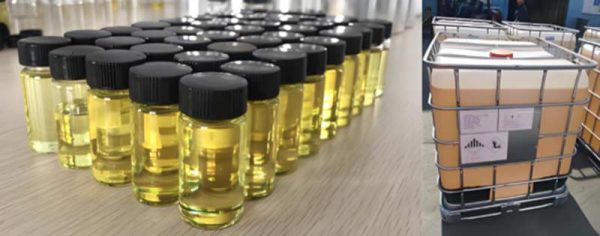
Appearance: Pale Yellow Transparent Liquid
Purity: ≥95% (Total Amine Content)
Function: Chain Extender / Curing Agent / Crosslinker
The chemical structure of DMTDA allows it to act as an effective crosslinker, providing exceptional mechanical properties to the final polymer product. Its liquid nature eliminates the need for heating or melting prior to use, a common requirement for solid curing agents like MOCA, thereby saving energy and improving workplace safety.
Ⅱ. Why Choose DMTDA? The Shift from MOCA
For decades, 3,3′-dichloro-4,4′-diaminodiphenylmethane (MOCA) was the industry standard for curing polyurethane elastomers. However, MOCA has faced increasing scrutiny and regulation due to its classification as a potential carcinogen. DMTDA has established itself as the most viable, high-performance replacement.
Health and Safety: DMTDA is considered a low-toxicity, environmentally friendlier alternative compared to chlorinated aromatic amines.
Processing Efficiency: Being a liquid, it can be used directly at room temperature or with mild heating. This reduces the “pot life” issues associated with solid agents and allows for faster demolding times.
Superior Physical Properties: Elastomers cured with DMTDA exhibit excellent tensile strength, tear resistance, and resilience.
Ⅲ. Versatile Applications
DMTDA is not just a chemical reagent; it is a versatile component that enhances the performance of materials across a wide spectrum of industries. Its unique properties make it suitable for various polymer systems.
1. Polyurethane Elastomers (CPU)
In Cast Polyurethane (CPU) systems, DMTDA acts as a robust chain extender. It is particularly valued in the production of:
Industrial Rollers and Wheels: Providing high load-bearing capacity and abrasion resistance.
Mining Screens and Liners: Offering durability in harsh, abrasive environments.
Seals and Gaskets: Ensuring long-term elasticity and chemical resistance.
2. Reaction Injection Molding (RIM) and Spray Polyurea (SPUA)
The reactivity of DMTDA can be tuned by blending it with other amines (such as DETDA) to adjust the cure speed. This makes it ideal for RIM applications where precise control over the reaction is necessary to produce complex automotive parts, such as bumper fascias and body panels. In SPUA systems, it contributes to the formation of dense, waterproof, and protective coatings used in roofing and containment liners.
3. Epoxy Systems
Beyond polyurethanes, DMTDA serves as an effective curing agent for epoxy resins. In this context, it imparts:
High Glass Transition Temperature (Tg): Essential for heat-resistant composites.
Chemical Resistance: Vital for coatings used in marine and chemical processing environments.
Mechanical Strength: Enhancing the structural integrity of adhesives and composite materials.
4. Adhesives and Sealants
The two-component adhesive market benefits from DMTDA’s ability to cure at lower temperatures while maintaining high bond strength. This is crucial for bonding dissimilar materials in construction and automotive assembly.

Ⅳ. Supply and Logistics: Immediate Availability
Understanding the volatility of the global chemical supply chain, we are committed to providing stability and reliability to our international partners. We currently have immediate spot stock available of DMTDA (CAS 106264-79-3).
Ⅴ. Packaging Options:
To accommodate various logistical needs, our DMTDA is packaged in:
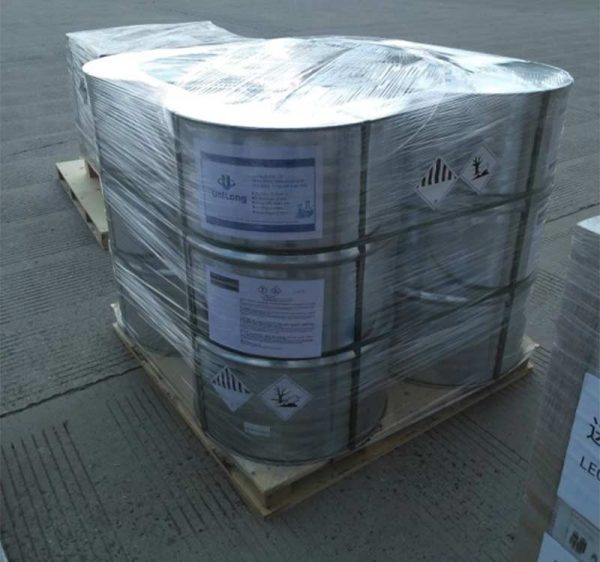
200kg Galvanized Iron Drums: Standard export-quality packaging ensuring product integrity during transit.
1000kg IBC Totes: For larger volume requirements, optimizing container load efficiency.
ISO Tanks: Available for bulk shipments to major industrial ports.
Ⅵ. Storage and Handling:
The product should be stored in a cool, dry, and well-ventilated area, protected from direct sunlight and moisture. Under proper storage conditions, the shelf life is optimized to ensure peak performance upon usage.
Ⅶ. Conclusion
As the global market demands higher quality standards and stricter adherence to environmental regulations, DMTDA (CAS 106264-79-3) stands out as the material of choice for forward-thinking manufacturers. Whether you are formulating high-performance tires, durable industrial coatings, or advanced epoxy composites, DMTDA delivers the consistency and performance required for success.
With our current stock ready for immediate dispatch, we invite international buyers and distributors to contact us for quotations and technical data sheets. Let us help you upgrade your formulations with the efficiency of liquid curing technology.
: The High-Performance Liquid Curing Agent for Modern Polyurethane Applications)