

Polyetheramine, identified by the CAS number 9046-10-0, represents a distinct class of polymers that serve as a bridge between the flexibility of polyethers and the reactivity of amines.
Ⅰ.Basic Information and Physical Properties
Polyetheramine is produced through the catalytic amination of polypropylene glycol, resulting in a liquid product with specific physical traits that facilitate easy processing.
1.Chemical Structure
The molecule consists of a hydrophobic polypropylene oxide chain flanked by two reactive primary amine groups. This amphiphilic nature contributes to its compatibility with various resins and its ability to modify surface properties.
2.Physical Properties
Variable molecular weight: Commercial grades typically have a molecular weight between 230 and 2000+ Daltons. Low molecular weight, fast reaction and high crosslinking density; High molecular weight provides higher flexibility and elongation.
Low viscosity: Low viscosity at room temperature, good flowability, easy to pump, mix and apply, can effectively wet fillers and substrates, and help prepare void free composite materials.
Color and stability: High purity products are water white to light yellow in color, with good antioxidant and UV resistance properties, suitable for light or transparent systems.
Solubility: Easily soluble in various organic solvents and compatible with epoxy resins; Although the hydrophobic main chain has limited solubility in water, it can be effectively dispersed in aqueous systems after emulsification.
Ⅱ.Key Applications Across Industries
The versatility of polyetheramine allows it to serve diverse roles across several major industries. Its applications are driven by the need for materials that combine strength with resilience.
1. Wind Energy and Advanced Composite Manufacturing
The global shift toward renewable energy has placed immense pressure on the wind energy sector to produce larger, more efficient, and longer-lasting turbine blades. This is where polyetheramine finds one of its most critical applications: as a curing agent for epoxy resin systems in composite manufacturing.

Wind turbine blades are subjected to relentless cyclic loading, gravitational forces, and extreme weather conditions over a lifespan that often exceeds 20 years. Traditional curing agents can result in brittle composites that are prone to micro-cracking under such stress. Polyetheramine, however, imparts exceptional flexibility and toughness to the cured epoxy matrix. This inherent flexibility allows the composite material to absorb and dissipate energy rather than fracturing.
Specifically, polyetheramine helps prevent two catastrophic failure modes in blade manufacturing: micro-cracking and delamination. By reducing the cross-linking density slightly while maintaining structural integrity, Polyetheramine creates a resin system that can withstand the fatigue of constant flexing in high winds. This ensures the long-term structural reliability of the blades, reducing maintenance costs and preventing premature failures. As turbines grow larger—some now exceeding 100 meters in blade length—the demand for high-performance curing agents like polyetheramine becomes even more pronounced, making it a cornerstone of the green energy revolution.
2. Protective Coatings and Lining Materials
Infrastructure degradation due to corrosion is a multi-billion dollar problem globally. Polyetheramine has emerged as a game-changer in the realm of protective coatings and linings, particularly when used to cure epoxy resins or synthesize polyurea elastomers.
In applications ranging from ship decks and offshore platforms to industrial flooring and wastewater treatment plants, coatings must adhere strongly to substrates while resisting harsh chemicals, abrasion, and impact. Polyetheramine-cured epoxies offer superior adhesion even on difficult surfaces and provide excellent chemical resistance. Furthermore, their low viscosity allows for easier application and better penetration into porous substrates.
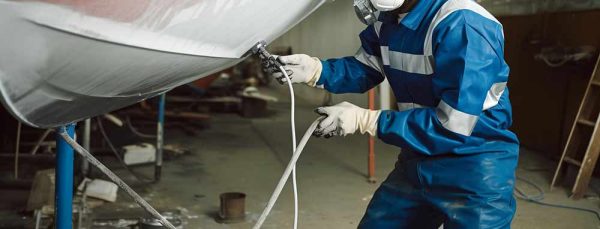
The most notable application in this field is in pipeline and tank linings. Here, speed and performance are paramount. Polyetheramine-based polyurea systems can cure within seconds to minutes, forming a seamless, joint-free, and highly flexible barrier. This rapid cure time minimizes downtime for industrial facilities, while the resulting membrane acts as an impenetrable shield against corrosive agents. The flexibility of the coating is crucial; it allows the lining to expand and contract with the substrate (due to temperature changes or pressure fluctuations) without cracking, thereby preventing leaks and extending the asset’s life significantly.
3. Adhesives and Sealants
The modern world is built on joining dissimilar materials, a task that requires adhesives and sealants capable of handling differential thermal expansion. Polyetheramine is increasingly used as a key component in high-performance adhesives and sealants for both the construction and automotive industries.
In the automotive sector, the trend toward lightweighting involves bonding metals to plastics and composites. Rigid adhesives often fail at these interfaces due to vibration and thermal cycling. Polyetheramine-modified adhesives retain a degree of elasticity after curing, allowing them to absorb shock and accommodate the different expansion rates of metal and plastic. This ensures that bonds remain intact over the lifetime of the vehicle, contributing to safety and structural rigidity.
Similarly, in construction, polyetheramine-based sealants are ideal for sealing expansion joints in bridges, buildings, and pavements. These joints must stretch and compress daily as temperatures fluctuate. The elastic nature of polyetheramine-cured sealants allows them to recover their shape after deformation, maintaining a watertight and airtight seal where rigid materials would crumble or pull away. This adaptability makes them indispensable for infrastructure designed to last decades in varying climates.
4. Oilfield Chemistry
While often associated with polymers, polyetheramine derivatives play a vital role in the upstream petroleum industry as demulsifiers. Crude oil extracted from the ground is rarely pure; it is often emulsified with water in stable “water-in-oil” formations, stabilized by natural surfactants like asphaltenes and resins.
Separating this water is critical for meeting pipeline specifications and refining efficiency. Polyetheramine-based demulsifiers are highly effective because of their amphiphilic nature—they possess both hydrophilic (water-loving) and lipophilic (oil-loving) characteristics. When added to the crude stream, these molecules migrate rapidly to the oil-water interface. There, they displace the natural stabilizing film, causing the water droplets to coalesce and separate from the oil.
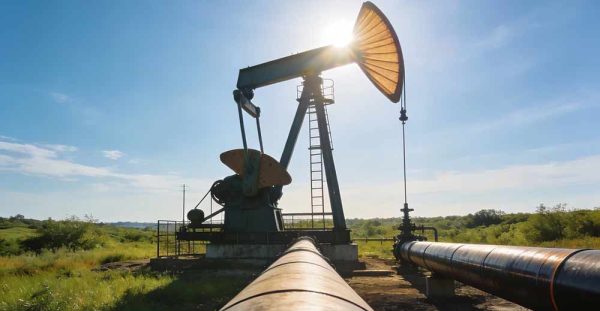
The efficiency of polyetheramine demulsifiers leads to faster separation times, reduced energy consumption in heating treaters, and higher quality crude oil with lower water and sediment content. In an industry where margins are tight and throughput is king, the effectiveness of these chemicals directly impacts profitability and operational smoothness.
5. Thermoplastic Modification
Finally, polyetheramine serves as a powerful toughening agent for engineering thermoplastics, such as Nylon (Polyamide). While these plastics are strong, they can be brittle, especially at low temperatures.
By reacting polyetheramine with the terminal groups of thermoplastic chains or blending them as additives, manufacturers can create materials with significantly enhanced impact strength, particularly in sub-zero environments. This modification does not come at the expense of other mechanical properties; rather, it creates a balanced material that is both strong and ductile.
Polyetheramine application is crucial for automotive components (like bumpers and under-hood parts) and outdoor equipment that must survive freezing winters without shattering upon impact. It allows engineers to replace heavier metal parts with lighter, tougher plastics, contributing to fuel efficiency and design freedom.
Ⅳ.Conclusion
In summary, polyetheramine (CAS 9046-10-0) is a versatile and high-performance chemical intermediate that plays a pivotal role in modern material science. From reinforcing wind turbine blades to protecting pipelines and enhancing automotive plastics, polyetheramine applications are vast and growing. By combining flexibility, reactivity, and durability, polyetheramine enables the development of advanced solutions that meet the rigorous demands of today’s industries. For international partners and manufacturers, understanding the capabilities of this material opens new avenues for innovation and product optimization.
