Poly(propylene glycol) bis(2-aminopropyl ether) CAS 9046-10-0
Poly(propylene glycol) bis(2-aminopropyl ether) CAS 9046-10-0 is an organic compound that is liquid at room temperature, featuring low viscosity, good solubility and other physical properties. It also has the activity of an amine group and can undergo chemical reactions with various substances, such as reacting with isocyanate to form polyurethane and other chemical properties.
Polyetheramine (D230), aliphatic difunctional primary amine terminated polyether. Low viscosity, light color, long pot life, mild exotherm. Cured epoxy shows high clarity, low blush, good toughness, impact resistance, thermal shock resistance, water & alkali resistance. Widely used as epoxy curing agent for clear casting, floor coating, anti-corrosion paint, electronic potting, structural adhesive; also as chain extender for polyurea, gasoline detergent, oilfield demulsifier. Batch stable, suitable for solvent-free systems.
Specification
| ITEM |
Standard |
| Fusing point |
-29 °C |
| Boiling point |
232℃[at 101 325 Pa] |
| Density |
0.997 g/mL at 25 °C |
| Flash point |
>230 °F |
| Appearance |
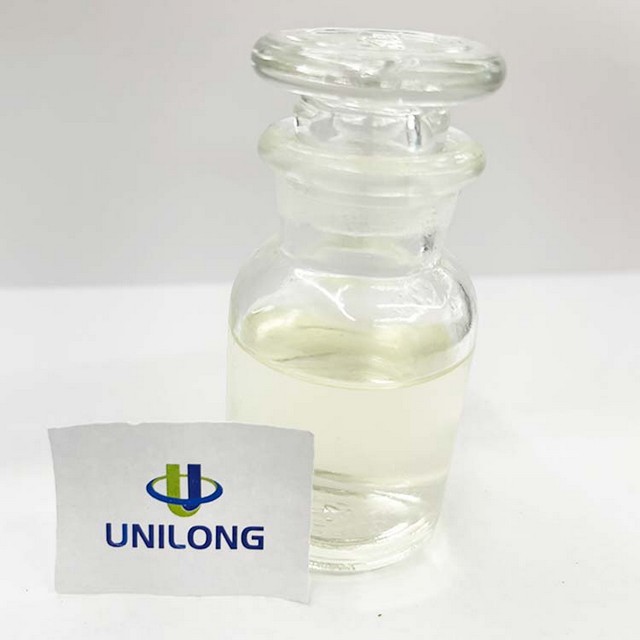
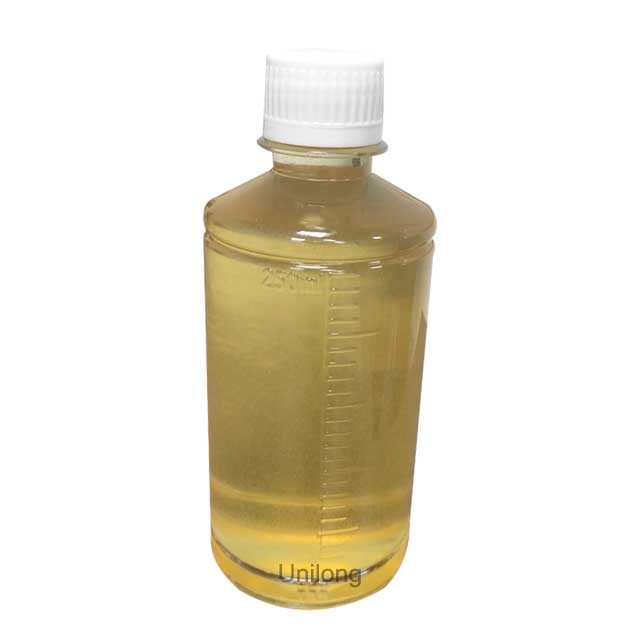
Light yellow Liquid |
Application
Poly(propylene glycol) bis(2-aminopropyl ether) CAS 9046-10-0 is a type of compound with wide applications. The following are its main applications in different fields:
1.In the automotive industry
Polyetheramine can be used to produce components such as bumpers, instrument panels, and engine hoods for automobiles, which helps enhance the impact resistance and dimensional stability of the parts. At the same time, it is also one of the key components of automotive fuel additives, which can effectively prevent the formation of carbon deposits inside the engine, keep the fuel system clean, improve fuel efficiency and reduce exhaust emissions.
2.In the field of electronics and electrical engineering,
Poly propylene glycol bis 2-aminopropyl ether has excellent electrical insulation performance and thermal stability. It is often used to manufacture packaging materials and insulating coatings for electronic components, which can protect electronic devices from the influence of the external environment, improve their reliability and service life.
3.In the construction industry
Polyetheramine is used as a curing agent in architectural coatings, which can enhance the adhesion, weather resistance and chemical corrosion resistance of the coatings. It can also be used to produce building sealants, which have good flexibility and adhesion. They can adapt to the expansion and contraction deformation of buildings caused by factors such as temperature changes, effectively preventing water penetration and gas leakage.
4.In the textile industry
Polyetheramine can be used as a textile auxiliary, which can improve the softness, antistatic property and water resistance of fabrics, and enhance the quality and wearing comfort of textiles.
5.Other fields
Poly propylene glycol bis 2-aminopropyl ether can also be used to produce high-performance elastomers, adhesives, surfactants and other products. In the field of oil extraction, it can be used as an additive for drilling fluids to enhance their performance.
Product Feature
1. Low-viscosity liquid, good fluidity at room temperature, easy to stir, pump, and wet the filler and substrate. Less or no solvent can be added, suitable for solvent-free and high-solid-content formulations.
2. Light color (water white to pale yellow), high transparency after curing, less prone to whitening and oil film formation. Compared with ordinary fatty amines and modified amines, the risk of yellowing is lower.
3. Polyether flexible main chain + terminal amine reaction group. The reaction releases heat gently and has a low peak. The applicable period (operational time) is longer, less prone to explosion polymerization, suitable for large-volume casting and thick-layer encapsulation.
4. Outstanding toughness, the cured product combines strength and elongation, reduces epoxy brittleness, resistant to impact, cold and heat cycling, cracking, and good thermal shock resistance.
5. Wide compatibility: good compatibility with epoxy resins, polyols, isocyanates, and various additives; can be cured alone, or can be mixed with other amines, acids, and anhydrides to adjust activity.
6. Excellent water and alkali resistance, good electrical insulation performance; moderate acid resistance, suitable for humid, underwater, and underground conditions.
7. Low vapor pressure, lower than that of small molecule amines, the irritation is relatively controllable (still belongs to corrosive amines, protection is required).
Why Choose Us
1. High transparency with low yellowing: Ideal for crystal drop glues, jewelry, transparent encapsulation, and light-colored paints. The finished product has a clean shine without white fog.
2. Low VOC friendly formula: Low viscosity and solvent reduction, meeting the requirements of solvent-free flooring, solvent-free anti-corrosion, and environmentally friendly electronic encapsulation.
3. Long-lasting toughness and crack resistance: Solves the problem of ordinary epoxy being hard and brittle, and cracking during cold and hot cycles, improving the fatigue resistance and impact resistance of the product.
4. High process tolerance rate: Long working time, gradual heat release, suitable for large-scale casting, large-piece composite materials, and on-site construction without easy scrapping.
5. Multi-functional raw materials: Not only epoxy curing agent, but also polyurea chain extender, gasoline detergent intermediate, demulsifier / corrosion inhibitor additive. One material for multiple uses.
6. Batch stability: Controllable molecular weight distribution, stable amine value, good formula repeatability, suitable for mass production; can be compared with the Jeffamine D230 alternative solution.
Packaging & Storage
1. Standard packaging: 195kg / 200kg blue painted sealed iron drums, with nitrogen gas replacement inside for protection, equipped with anti-ammonia sealing gaskets, preventing moisture absorption and carbon dioxide intrusion.
2. Storage conditions: Keep in a cool, dry and well-ventilated warehouse. Recommended storage temperature is ≤ 30℃, with a maximum temperature not exceeding 40℃. Temperatures above 60℃ will cause rapid yellowing and quality degradation.
3. Key risks: Poly(propylene glycol) bis(2-aminopropyl ether) readily absorbs moisture and CO₂ from air to form carbamates. This directly leads to reduced amine value, inaccurate mixing ratios, whitening of cured epoxy, loss of transparency and viscosity rise. Tightly reseal containers immediately after each use. Continuous nitrogen blanketing is recommended for long-term tank storage.
4. Segregation requirement: Store separately. Do not co-store with strong acids, acid anhydrides, isocyanates or strong oxidizing agents to prevent violent reactions. Keep away from ignition sources as the product is flammable. The storage area shall have impermeable flooring, spill containment trays and absorbent materials available.

FAQ
Q: What is the minimum order quantity?
A: Sample order MOQ 1kg. The regular commercial order quantity is 1 barrel (195/200kg); for bulk orders, IBC ton barrels (1000L) can be accepted. For large quantities, tanker transportation can be negotiated. The unit price for small batch samples and large orders is different. The price is more favorable for large quantities.
Q: Can samples be provided?
A: Samples can be provided. The regular sample specifications are: 100g, 250g, 500g, 1kg. PP sealed sample bottles, nitrogen-sealed protection. The samples are accompanied by COA and MSDS.
Q: How long will it take to dispatch the samples? How long is the delivery time for the large orders?
A: Immediate samples: After receiving the freight, samples will be arranged to be dispatched within 1-2 working days;
Immediate large orders: Within 3-5 working days, the containers or trucks will be arranged for loading;
Scheduled production orders: 7-15 working days, the delivery time will be confirmed according to the contract.
Q: What kinds of documents can be provided?
A: COA, SDS (MSDS), TDS, dangerous goods packaging certificate, customs declaration form, origin certificate, etc. They can be provided as needed.
Q: Is the increase in viscosity in winter a sign of deterioration?
A: The increase in viscosity at low temperatures is a normal physical phenomenon. When the temperature rises back to 25℃, it will return to clarity and the amine value remains unchanged, and it can be used normally. If it becomes cloudy or white crystals precipitate, it is due to CO₂ absorption deterioration. It is not recommended for use in transparent and light-colored formulations.