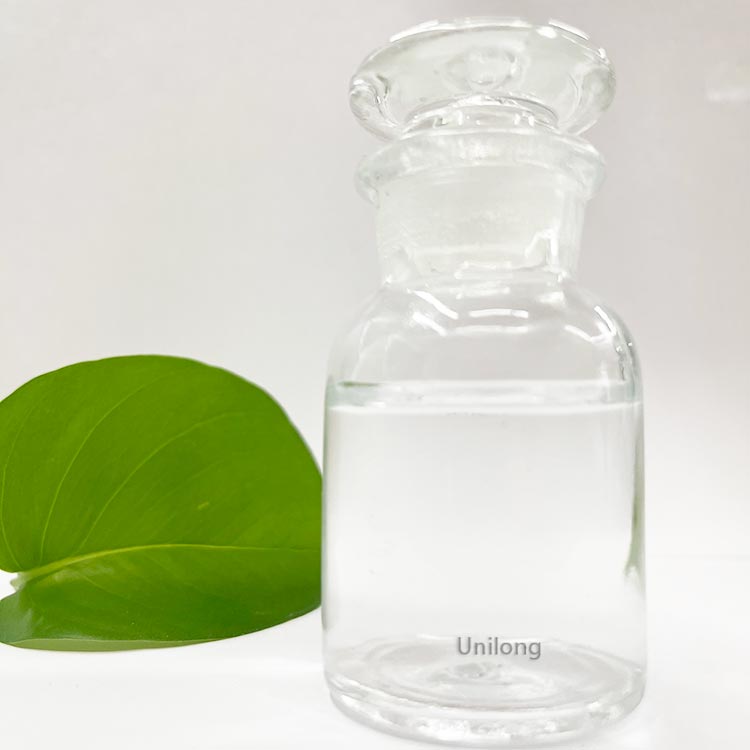
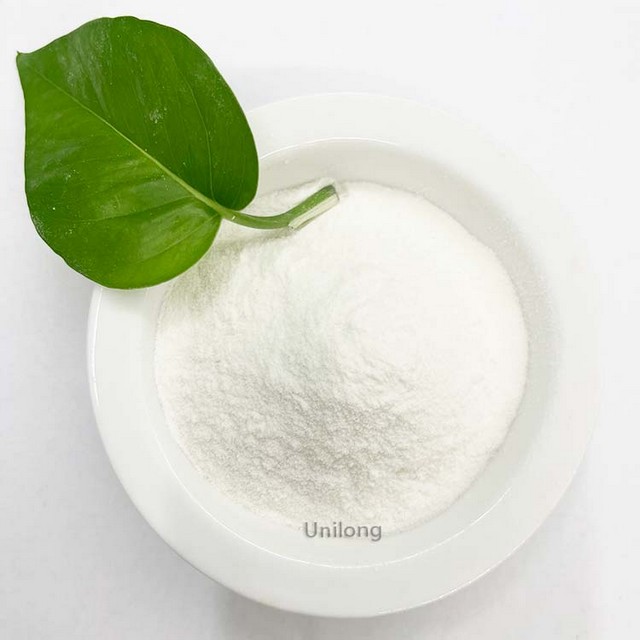
Methyl Alpha-D-Glucopyranoside CAS 97-30-3
We supply high-quality methyl alpha-d-glucopyranoside CAS 97-30-3. The minimum order quantity is flexible and samples are available for support.
CAS: 97-30-3
Molecular Formula: C7H14O6
Molecular Weight: 194.18
EINECS: 202-571-3
Synonyms: METHYL-ALPHA-D-GLUCOPYRANOSE;METHYLALPHA-D-GLUCOPYRANOSIDE;METHYLALPHA-D-GLUCOSIDE;METHYLA-D-GLUCOPYRANOSIDE;A-D-METHYLGLUCOSIDE;ALPHA-D-METHYLGLUCOSIDE;
(CAS 97-30-3), also known as Alpha-D-Methylglucoside, is a naturally derived glucoside compound obtained from renewable glucose sources. With outstanding biocompatibility, non-ionic properties, and excellent solubility, it is widely used in pharmaceutical, cosmetic, and biochemical industries.
This eco-friendly ingredient offers multifunctional benefits — it can dissolve and solubilize active substances, gently cleanse, moisturize, and retain water, while maintaining high chemical stability.
It is available in both pharmaceutical grade and cosmetic grade, ensuring suitability for a wide range of personal care formulations and medical applications.
Specification
| Test Item |
SPECIFICATION |
Result |
| Appearance |
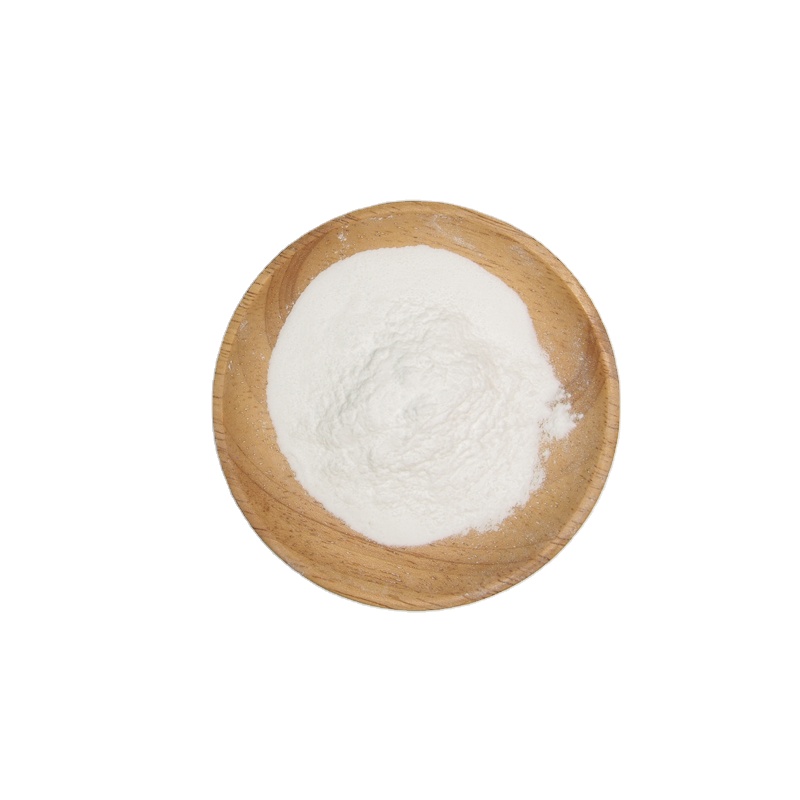
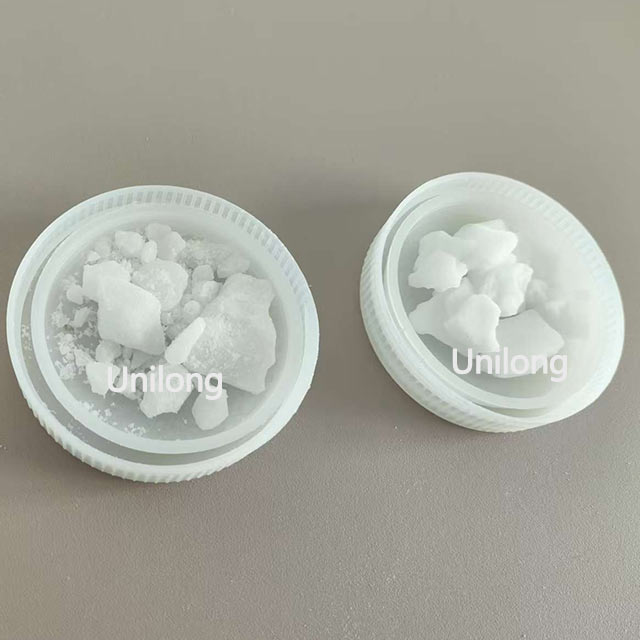
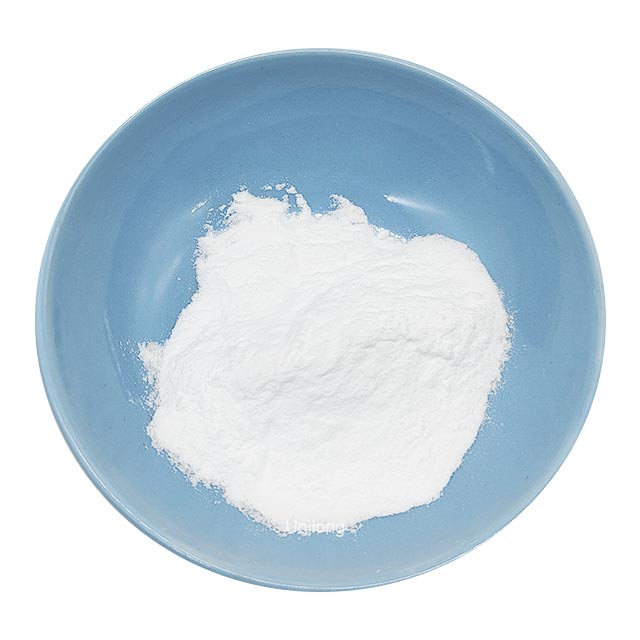
White crystal powder |
White crystal powder |
| Content |
99% min |
99.7% |
| Melting point |
162-168℃ |
166-168℃ |
| Volatile |
0.5% max |
0.20% |
| Ash |
0.1% max |
0.05% |
| Reducing sugar |
0.5% max |
0.05% |
Applications of Methyl Alpha-D-Glucopyranoside
1. Cosmetics & Personal Care
Methyl Alpha-D-Glucopyranoside is a natural sugar-based compound widely used in:
-
Facial cleansers, moisturizing creams, and lotions
-
Shampoos, conditioners, and body washes
-
Serums, toners, and sensitive-skin formulations
It functions as a mild surfactant, humectant, and stabilizer, offering:
-
Gentle and effective cleansing
-
Enhanced hydration and smoothness
-
Improved emulsion stability
-
Reduced irritation for sensitive skin
2. Pharmaceutical Applications
In pharmaceuticals, Alpha-D-Methylglucoside (CAS 97-30-3) serves as:
-
A biocompatible carrier in drug delivery systems
-
A reference material in enzyme activity and carbohydrate metabolism studies
-
An intermediate in the synthesis of bioactive compounds
Its high purity and safety profile make it suitable for formulations requiring non-toxic excipients.
3. Industrial and Green Chemistry Applications
Methyl Alpha-D-Glucopyranoside also acts as a raw material in producing:
-
Biodegradable surfactants
-
Polymeric emulsifiers and dispersants
-
Environmentally friendly cleaning agents
Its renewable origin and mild reactivity make it ideal for eco-conscious formulations.
Key Features and Advantages
1. Pharmaceutical & Cosmetic Grade Available
Our Methyl Alpha-D-Glucopyranoside is produced under strict quality control standards, offering two grades to meet industry needs:
-
Pharmaceutical Grade: High purity and low impurity levels for medical, biochemical, and drug formulation use.
-
Cosmetic Grade: Safe, mild, and ideal for skincare, haircare, and personal cleansing products.
2. Natural Source, Green & Environmentally Friendly
Derived from natural glucose, this product is biodegradable, non-toxic, and compliant with the principles of green chemistry. It helps manufacturers achieve sustainable production goals without compromising performance.
3. Excellent Solubility, Cleansing & Moisturizing Power
Alpha-D-Methylglucoside dissolves quickly in water and enhances the solubility of other active ingredients in formulations.
It provides gentle cleansing, moisture retention, and a soft skin feel, making it ideal for mild formulations for sensitive skin.
In addition, its reactive hydroxyl groups allow chemical modification, enabling the development of functional surfactants, emulsifiers, and glycosides.
Package & Storage
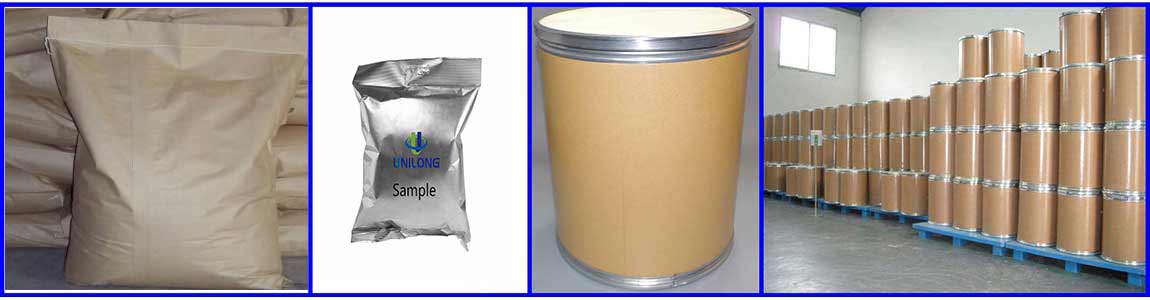
Packaging: The Alpha methyl glucoside samples are packed in sealed plastic bottles; the regular packaging consists of 25kg inner PE double-layer bag cardboard drums, and large packages can also be customized as per requirements; custom English labels for export are supported. This product is a white crystalline powder, with clean and dust-proof packaging to prevent dust contamination and moisture absorption.
Storage: Store in a cool, dry, and well-ventilated warehouse. It is recommended to store at room temperature, protected from light. This product is hygroscopic and the container must remain sealed to prevent moisture absorption and caking. Keep away from heat sources, flammable substances, and prohibit mixing with strong oxidants. The shelf life is 24 months under the original sealed condition.
FAQ
Q: How long is the shelf life of alpha methyl glucoside?
A: Under the condition of original packaging, storage in a cool, dry, and dark place, the shelf life is 24 months.
Q: What are the storage requirements?
A: Store in a cool, dry, well-ventilated warehouse, avoiding light; seal the container to prevent moisture; keep away from heat sources, open flames, and strong oxidants.
Q: What is the minimum order quantity (MOQ)?
A: For bulk orders, the minimum order is 25kg; for custom orders, the minimum order quantity can be negotiated.
Q: What is the sample policy?
A: Samples can be provided; after placing an order for bulk products, the sample fee can be refunded, and the sample comes with the corresponding batch COA.
Q: What is the delivery cycle?
A: Samples will be sent out within 3-5 working days after payment; for regular stock products, the delivery time is 5-7 working days; for custom specifications, the delivery period is approximately 10-15 working days.
Q: What does alpha methyl glucoside CAS 97-30-3 look like? Does it tend to form lumps easily?
A: It is a white crystalline powder with hygroscopic properties. It is prone to form lumps in high-humidity environments. Slight lumps are a physical change, and after gently shaking, the indicators remain unchanged. It is essential to store it sealed.
Q: What is the recommended addition amount?
A: As a moisturizer in skincare products: 1-5%; as a co-emulsifier: 0.5-3%; as a synthetic intermediate, the dosage is determined according to the reaction process, and the final result is based on the results of small-scale tests.
Q: How well does it mix with other raw materials?
A: It has good compatibility with oils, surfactants, thickening agents, and various active ingredients. It has little impact on the foam and viscosity of the system.
Q: How stable is it under heat?
A: It has good stability under the heating process of conventional cosmetics; it may change color after long-term high-temperature exposure or contact with strong acids and strong alkalis.