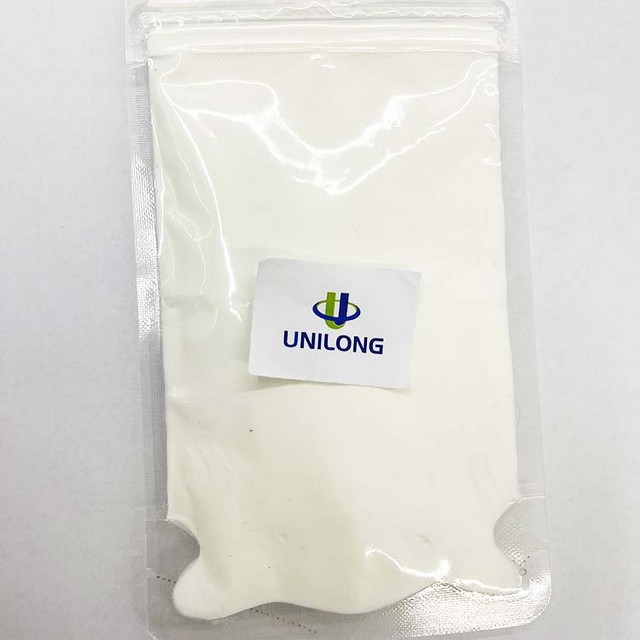
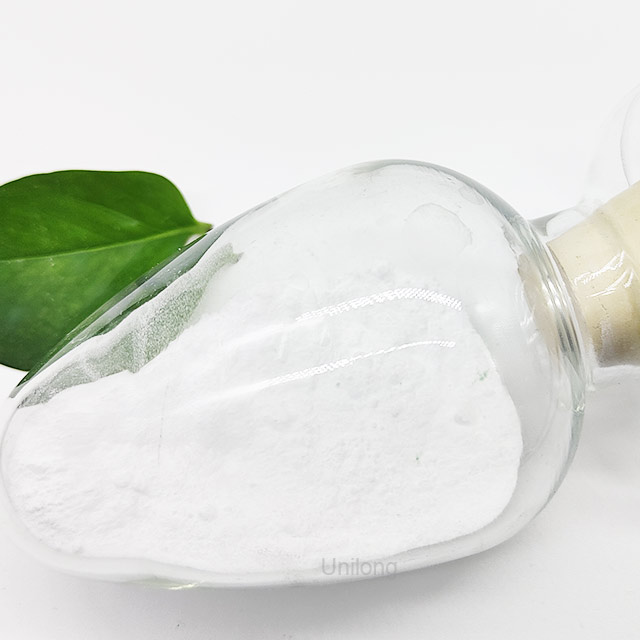
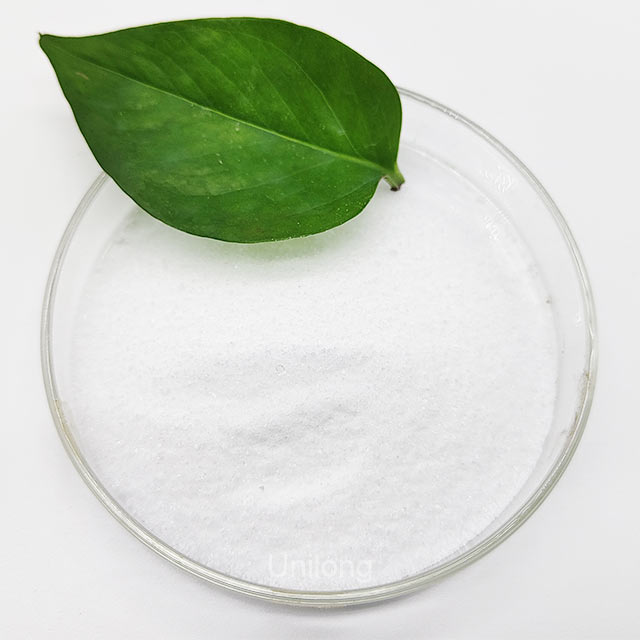
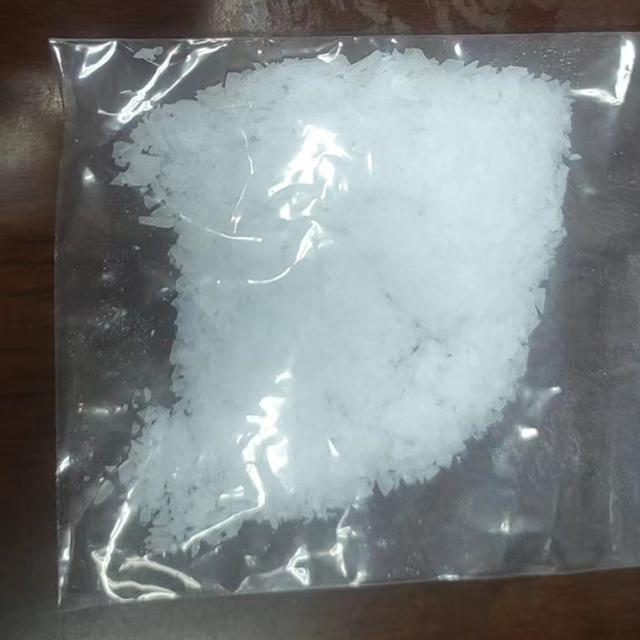
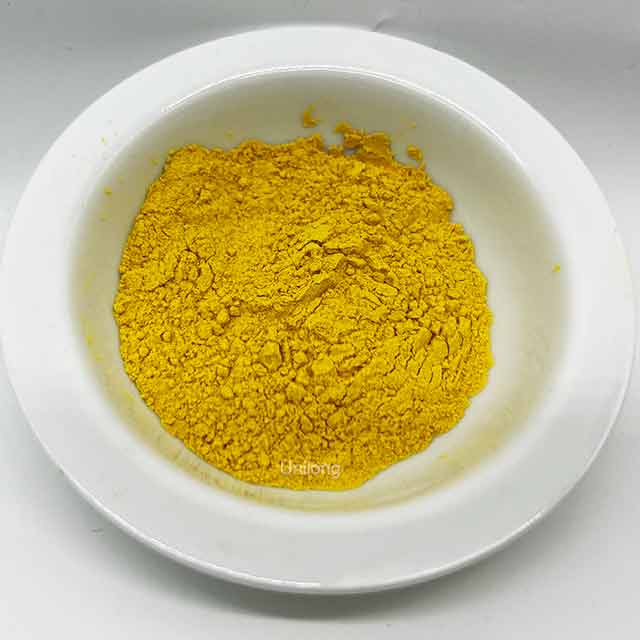
Guanidine carbonate CAS 593-85-1
Guanidine carbonate CAS 593-85-1 is a very widely used organic fine chemical products, mainly used in flame retardants, flocculants, blowing agents, sulfonamides synthesis and so on. Guanidine carbonate is also used as a synergist for synthetic detergents and a raw material for high-grade cosmetics.
Advantages of Use
1. Mild organic guanidine base source, compared with hydrochloric guanidine, it does not contain chloride ions. The synthetic products are not interfered by chloride ion impurities, which is suitable for pharmaceuticals and fine synthesis, reducing the burden of post-treatment desalination.
2. High reactivity guanidine group, used for synthesizing guanidine-based antibacterial drugs, pesticide fungicides, heterocyclic compounds; can be used as guanidine-based reagent.
3. In the resin industry: amine resin pH regulator, stabilizer, antioxidant, improving the curing performance and storage stability of the resin.
4. In analytical chemistry: metal ion precipitant, used for zinc, cadmium, manganese gravimetric determination, separation of magnesium ions in the alkali metal system.
5. Others: cement grouting additive, flame retardant intermediate, surfactant, detergent enhancer.
Specification
| ITEM |
STANDARD |
| Appearance |
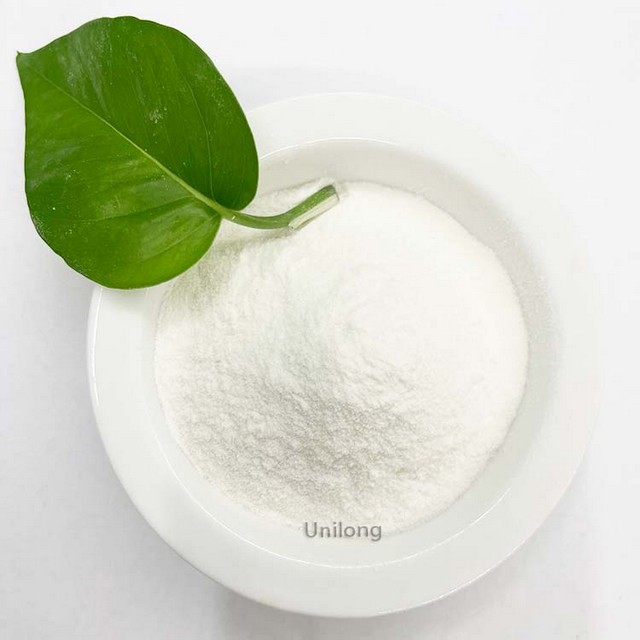
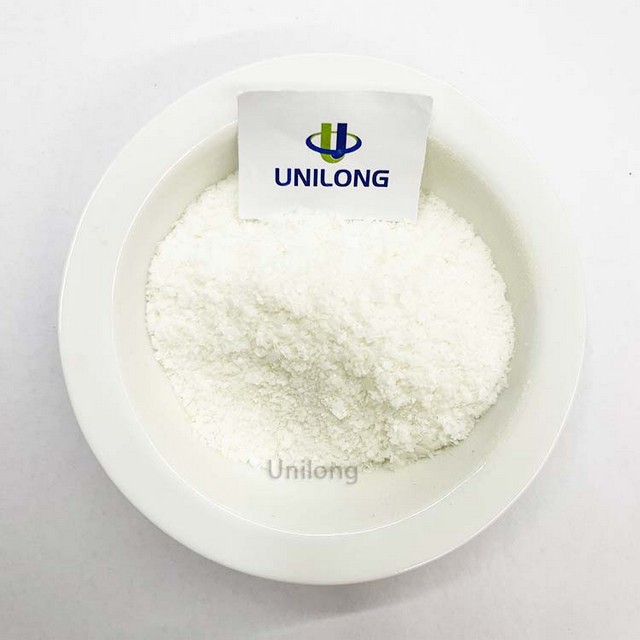
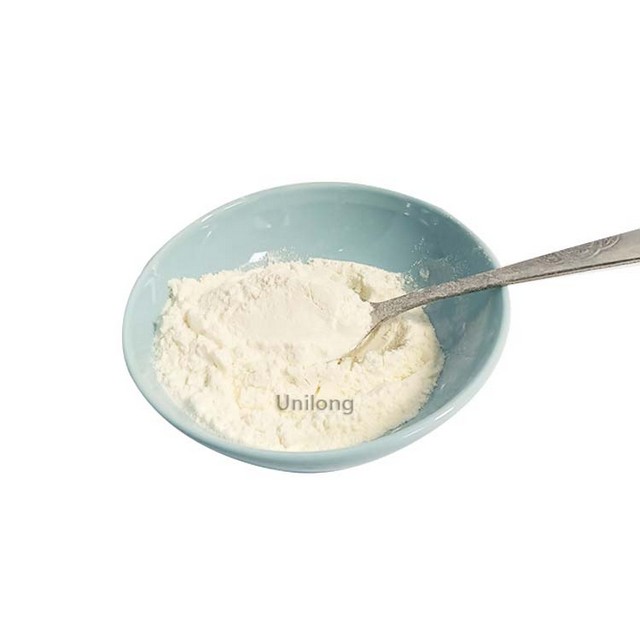
White crystal |
| Content ≥% |
99 |
| Water content ≤% |
0.3 |
| Ash ≤% |
0.3 |
| Solubility test (in water) |
Pass test |
| PH (4%25℃) |
11.0-11.8 |
| Heavy metal (Pb) |
10 ppm max |
Application
Guanidine carbonate CAS 593-85-1 is an organic synthesis material and analytical reagent. It is used as pH regulator of amino resin, antioxidant, resin stabilizer and guanidine soap, etc. It is also used as an additive of cement slurry and surfactant. In the synthetic detergent, it is used as moisture resistant agent and synergist. In the determination of zinc, cadmium and manganese weight, it is used as a precipitating agent and also for the separation of magnesium from alkali metals.
Packing and Storage
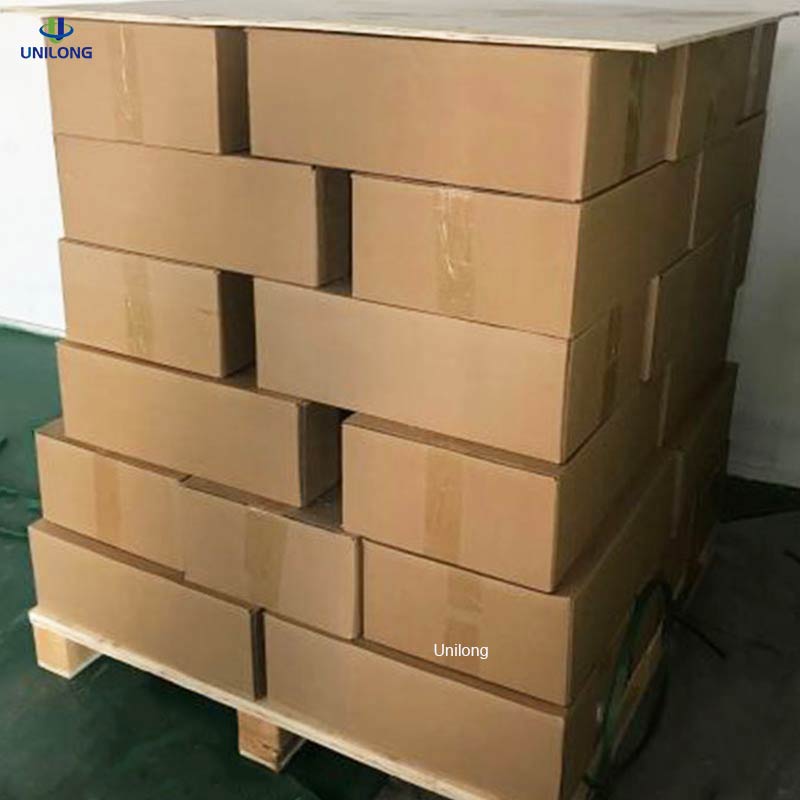
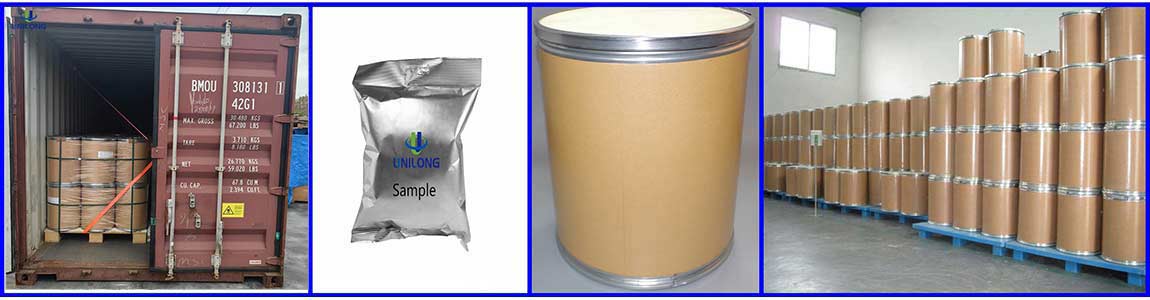
25kgs/drum, 9tons/20’container
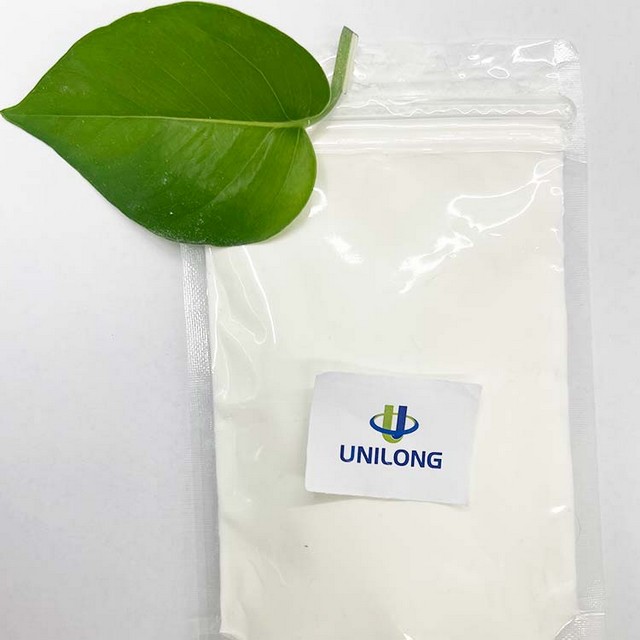
Storage temperature: 5 – 30℃ in a cool, dry, well-ventilated warehouse, with the warehouse temperature not exceeding 35℃; keep away from heat sources, and avoid direct sunlight; high temperatures can cause slow decomposition and release ammonia gas.
Strictly seal and prevent moisture; use PE bagged cardboard barrels; avoid high humidity environment; although it has weak moisture absorption, long-term exposure will absorb moisture and form lumps; prohibit storing together with strong acids and strong oxidants in the same warehouse.
Hazardous substances: Strong acids, strong oxidants; release carbon dioxide when exposed to strong acids; and there is a risk of heat-induced release when in contact with oxidants.
Original factory sealed shelf life: 24 months; after opening, tightly seal the inner bag and use within 12 months.
FAQ
Q: Can carboguanine and guanidine hydrochloride be interchanged directly?
A: No, they cannot be interchanged directly. Carboguanine does not contain chloride ions; guanidine hydrochloride contains Cl⁻; the reaction system, by-products, and post-treatment are completely different; carboguanine releases CO₂ gas when exposed to acid, and the process needs to consider exhaust.
Q: What causes the ammonia smell when the aqueous solution is heated?
A: When the temperature is above 80℃, the carboguanine aqueous solution undergoes hydrolysis, releasing ammonia gas, and simultaneously generating urea; the effective guanidine content decreases after hydrolysis; the aqueous solution should be avoided from being heated for a long time at high temperatures.
Q: What does it mean when a strong ammonia smell is detected during storage?
A: The solid has decomposed; a strong ammonia smell indicates decomposition has occurred, purity has decreased, and it is not recommended for use in synthesis feedstock.
Q: Can they be mixed directly with strong acids?
A: It is not recommended to mix in large quantities directly; when exposed to strong acid, it releases CO₂ rapidly, causing bubbling and spattering of the material; the material should be slowly added under dilution and stirring conditions.
Q: What is the MOQ (Minimum Order Quantity)?
A: For industrial bulk goods, the regular MOQ is 25 kg; small samples can be provided for formula testing; a sample fee is charged for small samples, and the sample fee can be negotiated as a deduction from the large order.
Q: What is the lead time?
A: For spot inventory: 3-7 working days after receiving full payment; for high-purity customized specifications orders: 10-18 working days; confirm inventory before placing the order.
Q: What export documents can be provided?
A: COA (Analysis Report), MSDS (Safety Data Sheet), packing list, commercial invoice; support FOB/CIF/CFR trade terms.