

Ⅰ. Basic Information
2,3-Dimethyl-2,3-diphenylbutane(DMDPB) CAS 1889-67-4, is a non-peroxide, high-energy plastic additive and a carbon-based free radical initiator. It exhibits higher stability compared to traditional peroxides or azo compounds. It has good thermal stability, with an initiation temperature of approximately 230°Cas a multifunctional chemical additive, has become a key support for the green transformation of polymer materials and pharmaceutical chemical industries, with its core value increasingly prominent in flame retardant synergy, polymer modification and organic synthesis.
Ⅱ. Core Functions:
DMDPB mainly used in flame retardant mechanisms,char formation folymer modification,pharmaceutical chemicals and green organic synthesis.
1. Flame Retardant Mechanisms
The core role of 2,3-Dimethyl-2,3-diphenylbutane(DMDPB) is to serve as a high-efficiency flame retardant synergist to optimize various flame retardant systems.
Gas-Phase Radical Quenching
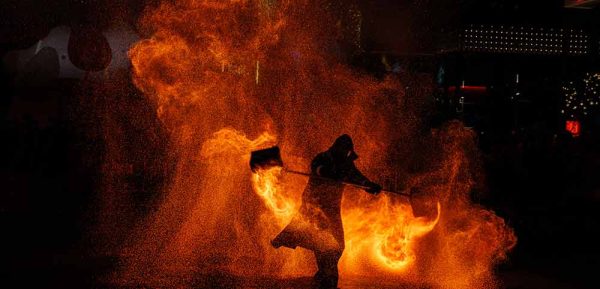
Lianku is a halogen-free, heavy metal-free organic flame retardant synergist. It achieves flame retardancy through three synergistic mechanisms: gas-phase radical quenching, melt dripping, and char formation. Its greatest commercial value lies in its ability to partially or completely replace antimony trioxide (ATO) while significantly reducing the loading of brominated flame retardants, along with improving mechanical properties and environmental compatibility.
Melt Dripping Effect
Lianku induces controlled chain scission at tertiary carbon sites of polymer chains at elevated temperatures, reducing melt viscosity. This allows the polymer in the combustion zone to melt rapidly and drip away, carrying substantial heat energy with it, thereby achieving self-extinguishing behavior.
This mechanism is particularly pronounced in thermoplastics such as polypropylene (PP) and polystyrene (PS), and serves as a key physical auxiliary mechanism for achieving UL-94 V-0 or V-2 flame retardancy ratings.
Char Formation (Condensed-Phase Protection)
The aromatic benzene ring structure in Lianku can undergo condensation reactions at high temperatures to form a dense char layer on the material surface. Raman spectroscopy confirms that Lianku enhances the graphitization degree of the char, improving its thermal stability and compactness.
The resulting char layer provides:
Physical barrier: Blocks oxygen diffusion into the substrate
Thermal barrier: Prevents heat transfer to the interior
Fuel suppression: Reduces the release of volatile combustible products
2. Polymer modification
In polymer modification, 2,3-Dimethyl-2,3-diphenylbutane(DMDPB) is an indispensable free radical initiator and catalytic additive. It acts as a grafting catalyst for general plastics like polystyrene and polypropylene, as well as an efficient polymer crosslinking initiator, triggering free radical reactions under mild conditions to improve processing and application properties of polymer materials. When used with peroxide initiators, it boosts free radical generation efficiency, lowers crosslinking temperature, improves crosslinking density, and solves the pain point of reduced crosslinking efficiency caused by inorganic flame retardants, facilitating large-scale preparation of high-performance crosslinked materials.
3. Pharmaceutical chemicals and green organic synthesis
In addition, 2,3-Dimethyl-2,3-diphenylbutane(DMDPB) plays a vital role in pharmaceutical chemicals and green organic synthesis. It can be used as an initiator and catalyst for pharmaceutical polymer synthesis, supporting efficient and green synthesis of pharmaceutical intermediates, in line with the low-carbon development trend of the chemical industry. With high chemical stability and low toxicity, Dicumene (DMDPB) is widely used in modifying various polymer materials, and a small amount of addition can balance the flame retardancy and mechanical strength of materials to meet the production needs of high-end materials.
Ⅲ. Application prospects
At present, Chinese 2,3-Dimethyl-2,3-diphenylbutane(DMDPB) industry has realized large-scale production, with stable capacity release from leading enterprises to meet market demands. As a compliant and eco-friendly fine chemical, its diversified applications provide a new path for energy conservation, consumption reduction and quality improvement in chemical material industry.
With the accelerated upgrading of downstream industries,DMDPB will further expand application scenarios and continuously boost the high-quality and green development of fine chemical industry.
IV. Conclusion
Lianku (2,3-Dimethyl-2,3-diphenylbutane) is emerging as a pivotal, environmentally friendly organic flame retardant synergist in the field of polymer modification. Against the backdrop of increasingly stringent global regulations on hazardous substances such as RoHS and REACH, Lianku offers a compelling alternative to traditional heavy metal-based synergists like antimony trioxide. Its unique triple-action mechanism—combining gas-phase radical quenching, melt dripping, and char formation—enables significant reductions in brominated flame retardant loadings, often by 50–70%, while maintaining or even enhancing flame retardancy. Furthermore, it improves the mechanical properties and processability of polymers such as polypropylene and polystyrene.
As the industry shifts toward greener, more sustainable material solutions, Lianku represents a critical technological advancement from merely additive functionality to integrated performance enhancement. Its ability to completely replace antimony trioxide without compromising UL-94 V-0 ratings positions it as a key enabler for next-generation halogenated flame retardant systems. Looking ahead, deeper exploration of its synergy with phosphorus-based, nitrogen-based, and intumescent flame retardant systems, along with its application in engineering plastics and thermoplastic elastomers, will further expand its market potential. Lianku is poised to play an increasingly vital role in driving the high-performance, eco-friendly transformation of the polymer industry.