

As an aromatic quinone compound with a stable conjugated structure, CAS 84-65-1 anthraquinone (abbreviated as AQ) is playing a core supporting role in multiple fields such as dyes, papermaking, medicine, and electronics due to its unique chemical properties. With the global industrial upgrading and the tightening of environmental protection policies, this traditional chemical raw material is experiencing an expansion of application scenarios and a transformation towards green production, with its market vitality continuously being released.
I. Anthraquinone in the Dye Industry (Widely Used)
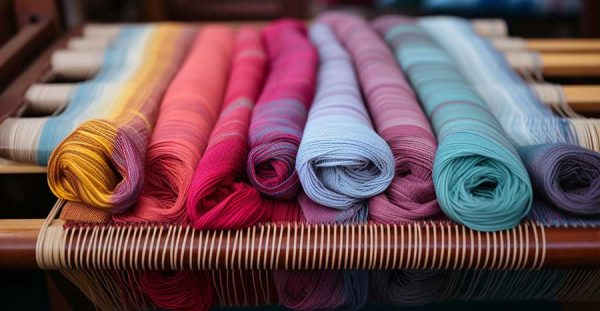
In the dye industry, anthraquinone is an irreplaceable core intermediate, and its greatest advantage lies in the ability to synthesize anthraquinone dyes with bright colors and excellent fastness. According to industry data, anthraquinone dyes account for a significant proportion in the global dye market and are widely used in dyeing various fibers such as cotton, linen, wool, and polyester. They are also important raw materials for coloring products such as inks, plastics, and coatings. Compared with traditional azo dyes, anthraquinone dyes have better lightfastness and wash resistance, and are more environmentally friendly and compatible, making them an important choice for the green transformation of the textile printing and dyeing industry. The technical director of a certain dye enterprise said, “The development and application of anthraquinone derivatives have directly promoted the upgrading of high-end dye products and helped China’s dye exports break through environmental protection trade barriers.”
II. Anthraquinone in the Paper and Pulp Industry (Key Additive)
The papermaking and pulp industry is another key application scenario of anthraquinone. In the alkaline pulping process, anthraquinone, as a cooking aid, can effectively accelerate the removal of lignin while protecting cellulose from excessive damage, thereby increasing the yield and quality of the pulp. Industry experts introduce that after adding anthraquinone, the pulping process can shorten the cooking time, reduce the consumption of chemicals such as caustic soda, and there is no risk of additional wastewater pollution. It is an important technical path for traditional pulping processes to achieve energy conservation and consumption reduction. At present, all major domestic papermaking enterprises have widely applied anthraquinone additives in production processes such as the sulfate method and the caustic soda method, promoting the development of the papermaking industry towards a green and low-carbon direction.

III. The application of anthraquinone in fine chemical synthesis intermediates
With the development of the fine chemical industry, the application boundaries of anthraquinone are constantly expanding. In the field of medicine, its derivatives are important raw materials for the synthesis of antibacterial drugs and anti-tumor drugs, all of which take anthraquinone as the core synthetic unit. The active ingredients in traditional Chinese medicine also belong to anthraquinone derivatives and have pharmacological effects such as laxative and anti-inflammatory. In the fields of electronics and optoelectronics, anthraquinone 84-65-1 has become a key material for new devices such as organic solar cells and organic light-emitting diodes (OLeds) due to its outstanding photoelectric performance. Its photoelectric conversion efficiency can reach over 10%, providing new technical support for the new energy and new display industries. In addition, anthraquinone is also used in the production of photosensitive resins, photosensitive coatings, dispersants and other products, and is widely used in industries such as printing plate making and petrochemicals.
IV. Anthraquinone in other niche uses
Analytical chemistry: As an indicator, it is used for the qualitative and quantitative detection of certain metal ions.
In the agricultural field, some anthraquinone derivatives can be used as plant growth regulators to promote the rooting and sprouting of crops.
At present, China’s anthraquinone production has formed a mature system mainly based on chemical synthesis. At present, the main processes for anthraquinone are the phthalic anhydride method and the oxidation method. Among them, the output of oxidation method accounts for more than 80% of the global total output, and it can achieve the production of products with a purity as high as 99%. Meanwhile, enterprises are actively exploring natural extraction and green synthesis technologies to further reduce energy consumption and pollutant emissions during the production process.
The future development of the anthraquinone industry will focus on two major directions: First, continuously expand high-value-added applications in fields such as new energy, biomedicine, and high-end materials; Second, promote the green transformation of production processes to adapt to increasingly strict global environmental protection requirements. With the continuous breakthroughs in related technologies, anthraquinone 84-65-1 is expected to play a role in more emerging fields and inject new impetus into the high-quality development of multiple industries.
If you are looking for CAS 84-65-1 anthraquinone buy solutions, you can directly cooperate with a professional anthraquinone manufacturer. Unilong industry not only offers stable high-quality products but also provides competitive anthraquinone prices based on your procurement volume and customized requirements, helping you optimize procurement costs while ensuring the reliability of the supply chain.
