

With global restrictions on antibiotic growth promoters in animal husbandry, green, residue-free feed additives have become the mainstream demand of breeding enterprises. Potassium diformate (CAS 20642-05-1), abbreviated as KDF, is a double salt compound composed of formic acid and potassium formate, and it is the first non-antibiotic growth promoter officially approved by the European Union for livestock and poultry feed applications. This article systematically sorts out all core application scenarios and functional values of potassium diformate in pig, poultry, aquaculture and ruminant feed, combining international safety certification and feeding test data, to clarify the multiple practical uses of potassium diformate in full-cycle animal breeding.
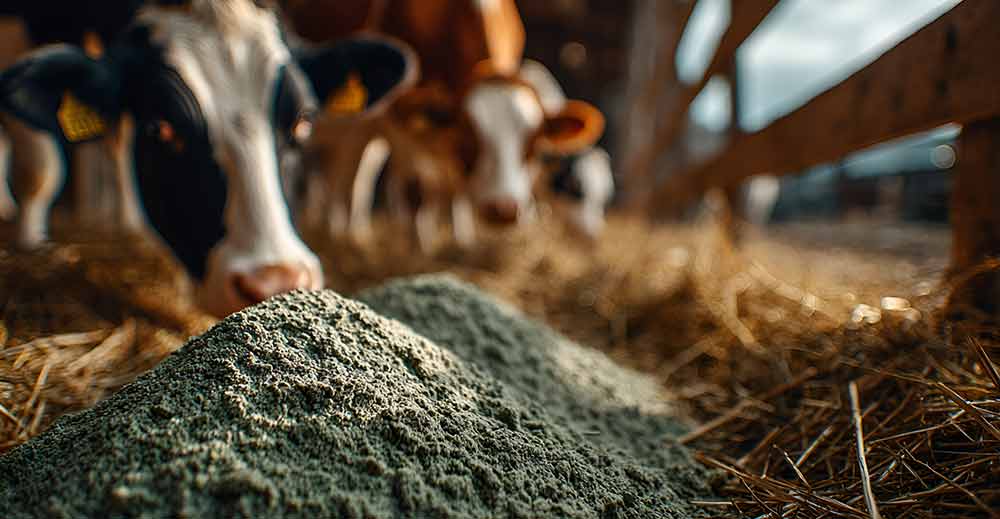
Ⅰ.Potassium Diformate Acts as Broad-Spectrum Antibacterial Agent to Optimize Intestinal Microecology
1.Mechanism of antibacterial action of potassium diformate
After animals ingest feed containing potassium diformate, KDF slowly dissociates in gastric and intestinal environments, releasing formic acid molecules and potassium ions. Formic acid reduces intestinal pH value, destroys the cell wall structure of gram-negative pathogens such as Escherichia coli, Salmonella and Staphylococcus aureus, and inhibits their replication and colonization in the intestinal tract. Unlike liquid formic acid, potassium diformate has no strong corrosiveness or pungent odor, and can smoothly reach the small intestine and cecum to play a lasting bacteriostatic effect, avoiding the defect that single formic acid is only absorbed in the stomach.
2.Regulate balance of intestinal beneficial bacteria
Potassium diformate suppresses pathogenic bacteria and creates a low-acid living environment suitable for Lactobacillus and Bifidobacterium proliferation. Multiple feeding trials on broilers and weaned piglets prove that adding qualified potassium diformate (content ≥98%) to feed can significantly increase the abundance of intestinal probiotics, reduce the diarrhea rate of young animals, and lower the discharge of harmful bacteria in animal feces to reduce cross-contamination risk in farms.
3.Application scenario matching
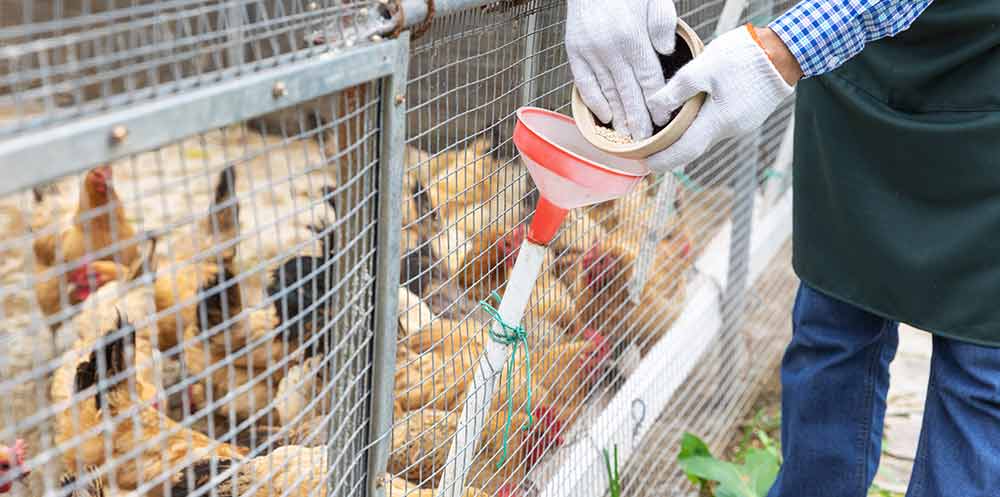
This antibacterial use of potassium diformate applies to all monogastric animal feeds, especially the starter feed of weaned piglets and broiler chicks with fragile intestinal function, which effectively alleviates post-weaning diarrhea syndrome caused by intestinal flora disorder.
Ⅱ.Potassium Diformate Functions as Non-Antibiotic Growth Promoter to Improve Feed Utilization
1. Activate digestive enzyme activity to raise nutrient digestibility
Potassium diformate reduces gastric pH, promotes pepsinogen conversion into active pepsin, and improves the activity of intestinal amylase, lipase and trypsin. When protein, fat and carbohydrate in feed are fully decomposed and absorbed, animals can obtain more nutrients from the same weight of feed, thus lowering the feed conversion ratio (FCR). Pig fattening tests show that adding potassium diformate at 6kg per ton of feed can moderately reduce feed consumption per kilogram of weight gain.
2. Promote animal weight gain and growth performance
For weaned piglets, broilers, laying hens and aquatic fish, dietary potassium diformate supplementation steadily increases average daily gain. In broiler breeding cycles, groups with potassium diformate added gain more live weight before slaughter and present better carcass muscle rate. For gestating and lactating sows, potassium diformate optimizes nutrient absorption, cuts body weight loss during lactation and maintains backfat thickness to support continuous reproductive performance.
3.Synergistic formula advantage
Potassium diformate can be compounded with amino acid additives, plant extracts and trace mineral elements in feed. The synergistic system of potassium diformate + probiotics, potassium diformate + organic trace elements further strengthens growth-promoting effects without producing chemical conflicts, expanding its compatibility use in compound feed formulas.
III. Potassium Diformate Serves as Feed Preservative and Silage Storage Additive
1. Antiseptic and mildew-proof for compound feed
Potassium diformate inhibits the reproduction of mold and yeast in feed raw materials such as corn, soybean meal and bran. Adding a small amount of potassium diformate to complete feed can slow down mycotoxin production in damp feed, reduce feed waste during storage and transportation, and stabilize feed nutritional value for a longer period.
2. Silage fermentation and preservation auxiliary
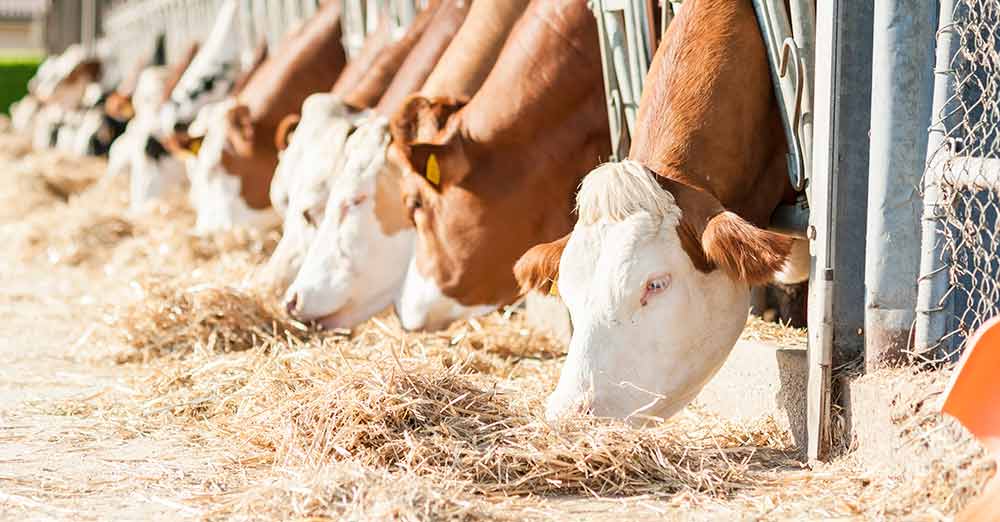
In ruminant roughage processing, potassium diformate added to fresh corn straw and alfalfa silage can lower silage pH, suppress spoilage bacteria, improve fermentation quality, retain crude protein content in forage, and reduce the loss of nutritional components during long-term silage storage. This use makes potassium diformate applicable to beef cattle, dairy cow and sheep feed supporting roughage processing.
3. Mycotoxin auxiliary control
Potassium diformate has weak adsorption capacity for common feed mycotoxins, reduces the toxic damage of aflatoxin and ochratoxin to animal liver and intestinal tract, and reduces the negative impact of moldy feed on animal immunity and production performance.
IV. Potassium Diformate Acts as Potassium Supplement to Balance Animal Electrolytes
1.Relieve breeding stress reaction
High-density feeding, temperature fluctuation, transportation and group switching will cause animal electrolyte imbalance and stress decline. The potassium released by potassium diformate can supplement lost mineral elements, maintain cell osmotic pressure balance, reduce stress-induced feed intake drop and egg production decline of laying hens, and improve animal anti-stress ability.
2.Optimize amino acid metabolism
Potassium ions participate in animal protein synthesis and amino acid transport processes. Moderate potassium supplementation via potassium diformate improves the utilization efficiency of lysine, methionine and other essential amino acids in feed, reducing nitrogen emission from animal manure and lowering environmental breeding pollution load.
V. Conclusion & Consultation Information
As a multi-functional green feed additive, potassium diformate (CAS 20642-05-1) integrates antibacterial intestinal care, growth promotion, feed preservation and mineral supplementation into one product, covering the whole industrial chain demand from feed raw material storage to full-cycle animal breeding. With stricter global restrictions on feed antibiotics, the application scope and dosage of potassium diformate in pig, poultry and aquaculture feed will keep expanding. Breeders and feed manufacturers can select food-grade potassium diformate with complete certification according to animal varieties and feeding stages, reasonably matching formula concentration to give full play to all core uses of potassium diformate, so as to realize win-win progress in animal health, breeding economic benefit and food safety. For detailed product parameters, customized feeding schemes and sample consultation, you can visit our official website link at the top of the document to obtain complete potassium diformate technical materials.
 in Animal Feed)