

The high-value processing of corn is accelerating again. Zein (zein) has become a popular bio-based material in the fields of food, medicine, and packaging due to its film-forming, oxygen-blocking, and degradable properties, pushing the resource utilization of agricultural by-products to a new level.
Ⅰ.Basic Information
Zein CAS 9010-66-6, refers to a type of alcohol-soluble gluten protein extracted from corn. Zein appears as white to yellow powder, soluble in acetic acid, sodium lauryl sulfate, urea and strong alkali, but insoluble in water. Zein has film-forming properties, water resistance, antioxidant properties and heat resistance, and has broad application prospects in the fields of food processing, petrochemical industry, pharmaceutical manufacturing, papermaking and textile industry.
Storage conditions: Avoid light, seal, dry and cool, avoid high temperature, high humidity and odor pollution.
Ⅱ.Core Functions:
1. Excellent Film-Forming and Barrier Function
This is the most crucial and irreplaceable function of corn gluten. It forms a uniform, transparent, and resilient film.
It blocks oxygen, preventing the encapsulated substances (such as pharmaceuticals and food) from oxidizing and deteriorating.
Moisture and Water Resistance: Although insoluble in water, its film has a certain degree of hydrophobicity, which can slow down the penetration or migration of moisture.
Antimicrobial Properties: The film structure physically blocks bacteria and mold, playing a role in preservation.
2. Dry Adhesion
In pharmaceutical preparations, it is a highly efficient wet granulation binder, binding powders together to form granules or compressing them into tablets, preventing tablets from crumbling.
3. Extremely High Resistance
Acid and Oil Resistance: Corn gluten films are very stable in acidic environments (such as fruit juice) and oily environments, without dissolving or decomposing.
Thermal Stability: Its properties are relatively stable within the temperature range of food processing or storage.
4. Nutritional Supplementation
Nutritionally, it is a source of protein (rich in amino acids such as glutamine and leucine), possessing certain nutritional value.
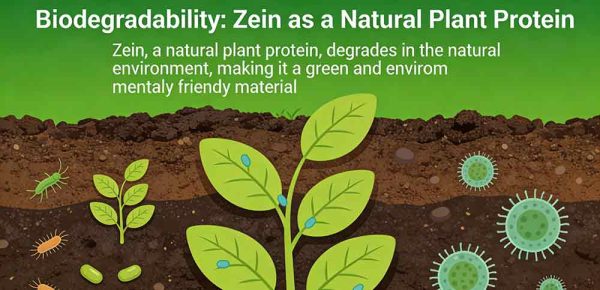
5. Biodegradability
As a natural plant protein, zein can degrade in the natural environment, making it a green and environmentally friendly material.
Ⅲ.Three core application areas of corn gluten
The application scenarios of Zein are extensive, with its core uses primarily divided into three sectors: pharmaceutical, food, and industry .
1.Pharmaceutical Field: The Core Pillar of Drug Delivery and Excipients
As the area with the highest concentration of Zein technology and its most mature applications, its excellent film-forming properties and biocompatibility play an irreplaceable role in pharmaceutical preparations, driving the advancement of drug delivery technologies.
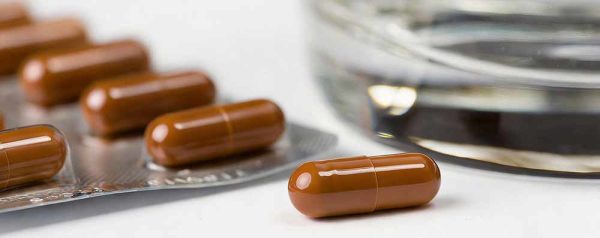
Drug Coating and Taste-Masking Technology
This is the most representative traditional application of Zein. Relying on its good film-forming ability and hydrophobic nature, it forms a smooth, dense protective layer on the tablet surface. This layer effectively isolates moisture and oxygen while precisely masking the bitter taste or irritating odor of the drug itself. This significantly enhances the patient’s medication experience and compliance, making it particularly suitable for pediatric and geriatric patient populations.
2.Food Field: A Key Aid for Natural Preservation and Quality Enhancement
Zein combines excellent barrier properties with edibility, eliminating concerns about chemical residues. It is a highly promising natural preservative material in the food industry, capable of extending the shelf life of food products while retaining their original quality.
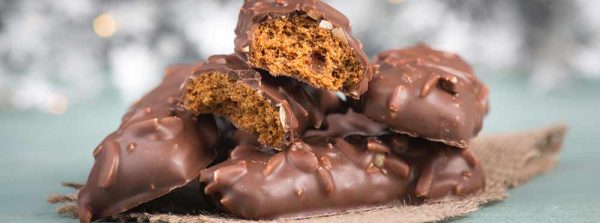
Food Preservation Coating Applications
Utilizing the transparent, dense film formed by Zein, coatings can be directly applied to food surfaces through methods such as spraying or dipping. For example, when applied to premium snacks like chocolates or malted milk balls, it not only enhances the surface gloss but also effectively blocks oil exudation, prevents oxidative rancidity, and extends the freshness period. Simultaneously, this coating can be widely used on perishable items such as nuts and meat products to reduce moisture loss and microbial contamination, ensuring stable product quality.
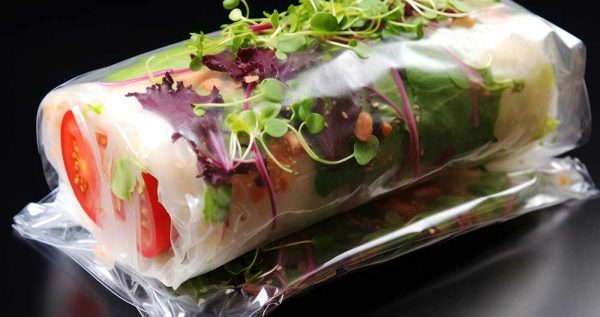
Development of Edible Packaging Films
As a core raw material for edible packaging films, Zein can be used to prepare packaging materials suitable for specific foods, achieving the dual goals of “preservation + environmental protection.” This type of packaging film is edible and requires no additional disposal, reducing the environmental pollution caused by traditional plastic packaging while providing excellent protection for the food. It is suitable for applications such as small snacks or prepared foods.
3. Industrial and Other Fields: Expanding Applications as a Multifunctional Additive
In the paper industry, it can be used as a paper sizing agent to enhance the water resistance and smoothness of paper. In the textile industry, it can serve as an anti-shrinkage coating to improve the dimensional stability of fabrics, thereby expanding the industrial application boundaries of Zein.
Ⅳ.Summary
Zein is an alcohol-soluble protein extracted from corn gluten meal. It appears as a white to yellow powder and possesses excellent film-forming properties, water resistance, and biocompatibility.
In terms of applications, Zein demonstrates broad prospects across three major fields: pharmaceuticals, food, and industry. It is worth noting that the Zein extraction process can also simultaneously yield high-value-added corn yellow pigment, further enhancing the overall economic benefits of the product.
Furthermore, as a natural plant protein, Zein is biodegradable in the natural environment, making it a green and environmentally friendly material.
