
CAS No.:603-35-0
Molecular Formula: C18H15P
Molecular weight: 262.29
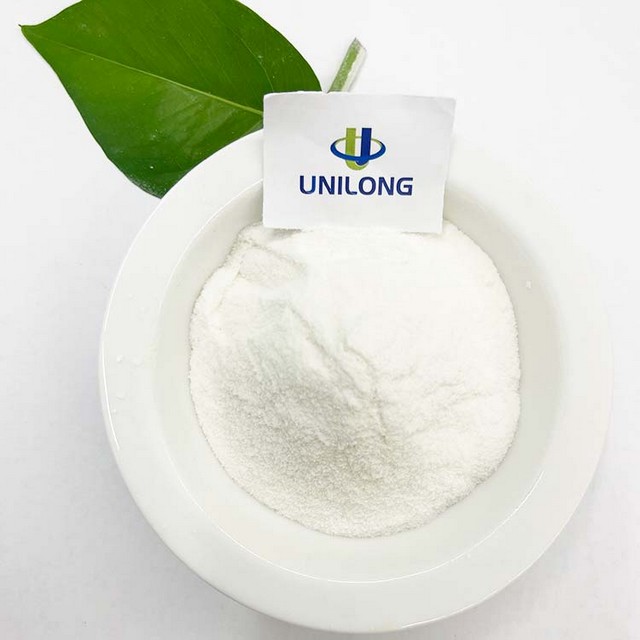
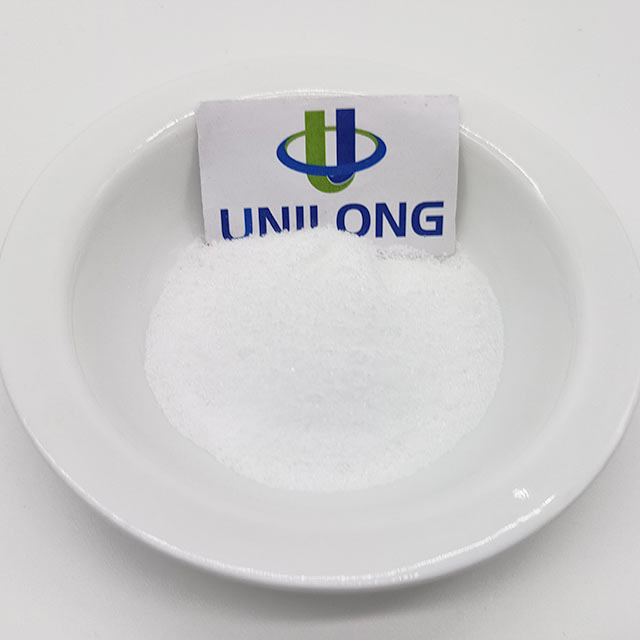
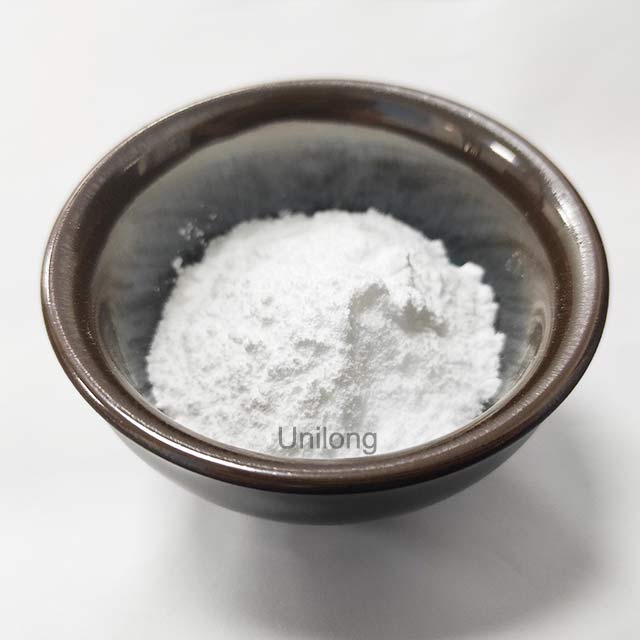
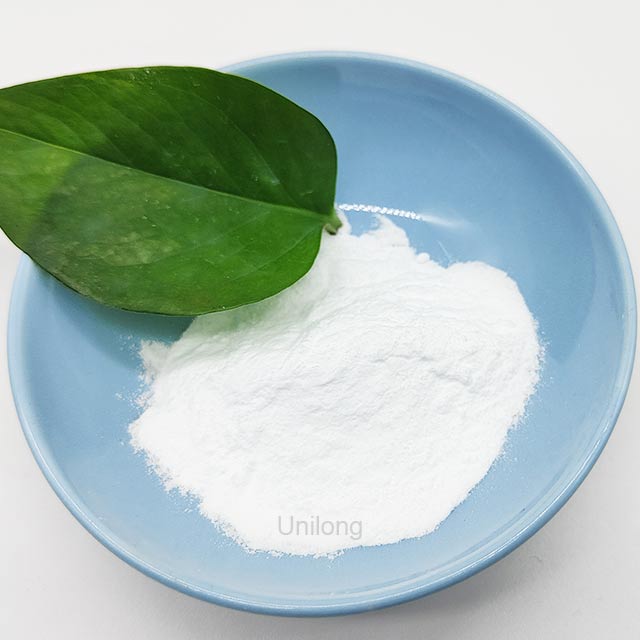
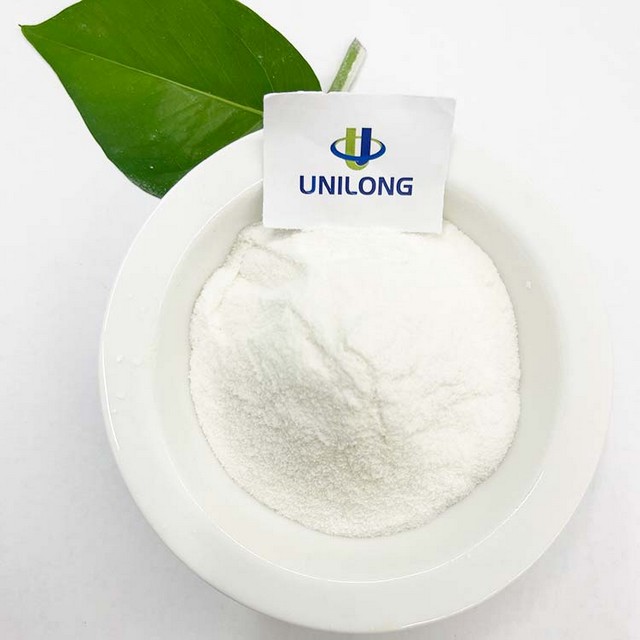
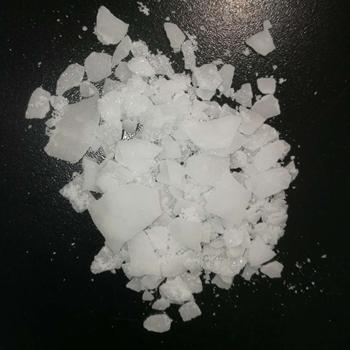
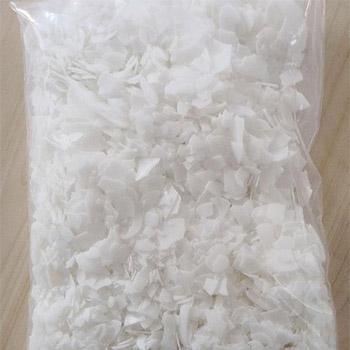
Appearance: white flakes
Assay: 99.8%
Chemical Name: Triphenylphosphine/ TPP; Triphenyl phosphine; Trisphenylphosphine; LPO Assay Triphenylphosphine; TRIPHENYL PHOSPINE (TPP)
Triphenylphosphine Cas 603-35-0
Triphenylphosphine TPP (CAS 603-35-0) exhibits typical reactivity as a phosphorus ligand and is a crucial basic raw material in the fields of organic synthesis and catalysis. It is widely used in pharmaceutical intermediates, pesticide chemicals, organic synthesis, metal catalysis, polymer materials, and fine chemicals.
Triphenylphosphine Typical Properties
| Item | Standard |
| Appearance | White flakes |
| TPP assay | 99.8%min |
| TPPO assay | 0.2%max |
| Melting point | 80~82 |
| Loss on drying | 0.05%min |
Triphenylphosphine Usage
Triphenylphosphine (CAS 603-35-0) is a versatile reagent used in various chemical reactions and industrial applications. It’s a key component in organic synthesis, catalysis, and polymer chemistry. Specifically, it’s used in reactions like the Wittig reaction and Mitsunobu reaction, and as a ligand in homogeneous catalysis. It also finds use in the production of pesticides, stabilizers, antioxidants, and flame retardants.
Here’s a more detailed breakdown:
1. Organic Synthesis:
-
Wittig Reaction:
Triphenylphosphine is crucial for converting carbonyl compounds (aldehydes and ketones) into alkenes.
-
Mitsunobu Reaction:
It facilitates the conversion of alcohols to other functional groups, like esters or ethers, under mild conditions.
-
Other Reactions:
It’s used in the synthesis of various compounds, including biaryl compounds, phosphonium salts, and other phosphorus-containing molecules.
-
Reducing Agent:
It can be used to reduce aromatic N-oxides to aromatic amines.
2. Catalysis:
- Homogeneous Catalysis: It acts as a ligand in transition metal catalysts, particularly those involving palladium, platinum, and rhodium.
- Hydroformylation: It’s used as a co-catalyst in hydroformylation processes.
- Hydrogenation Catalysis: It can also be used as a ligand in hydrogenation catalysis.
3. Polymers:
- Curing Agent: It acts as a curing agent for powder coatings and UV-curable coatings.
- Stabilizer: It can be used as an additive in the oxidation and UV stabilization of plastics.
Packaging and Shipping
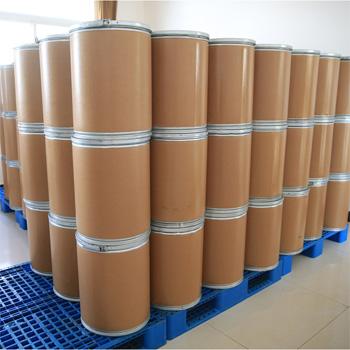
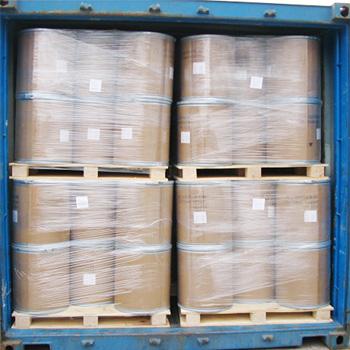
Packing: 25KG,40KG Bag, Fiber Drum, Steel Drum.
Delivery: delivery within 3-5working days.