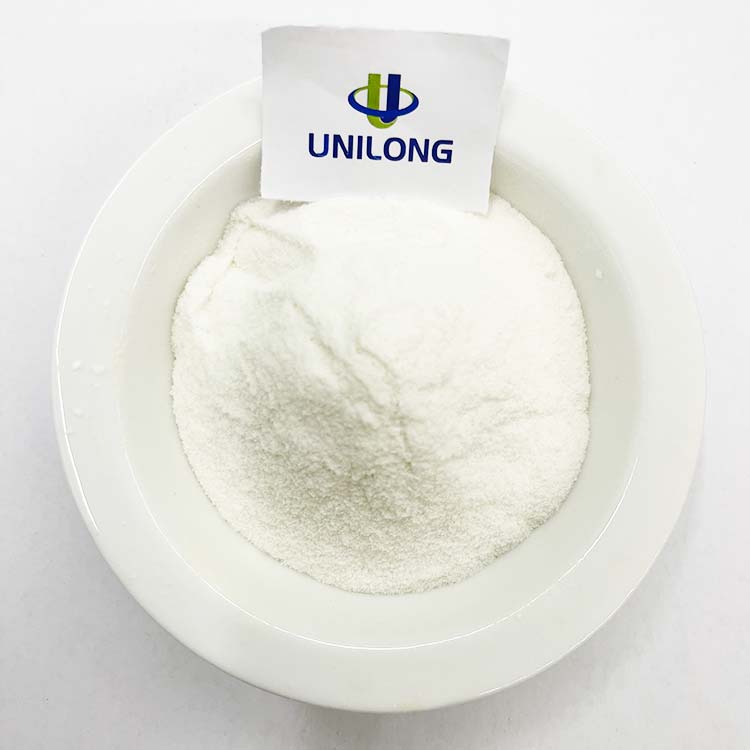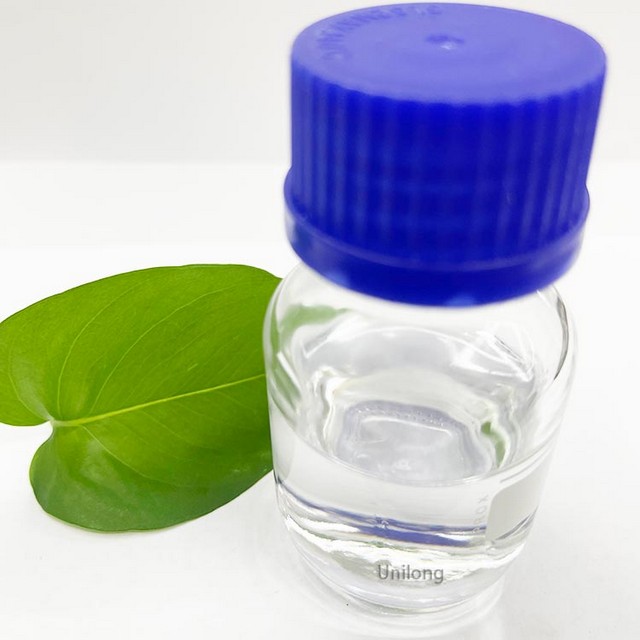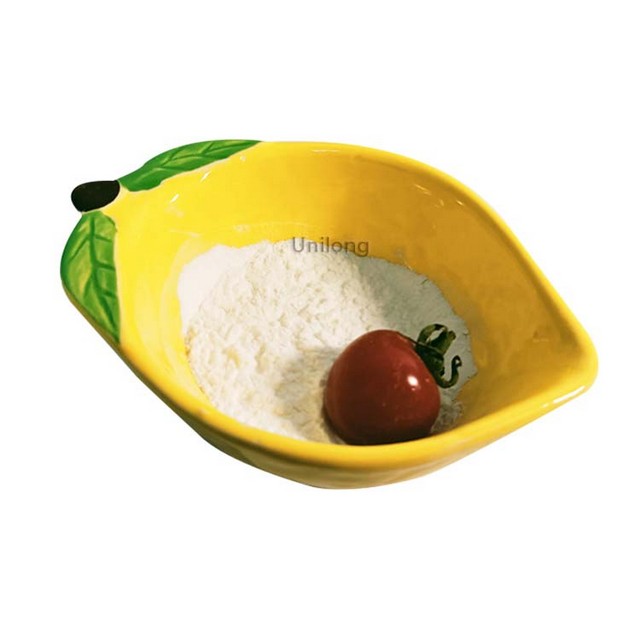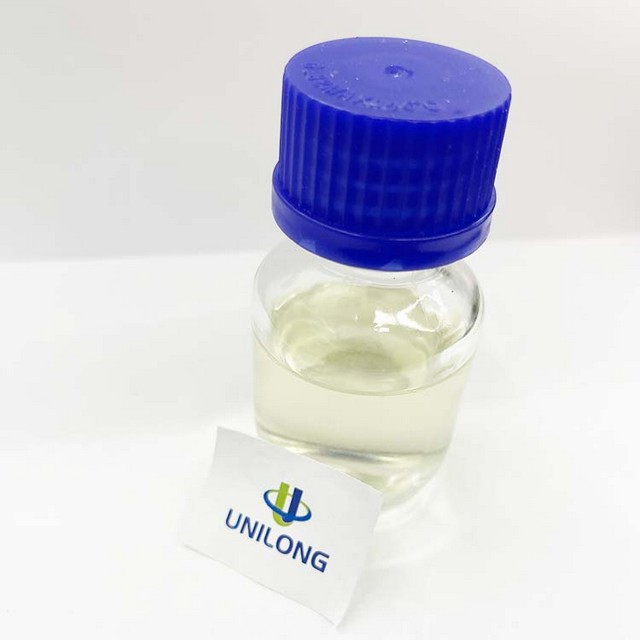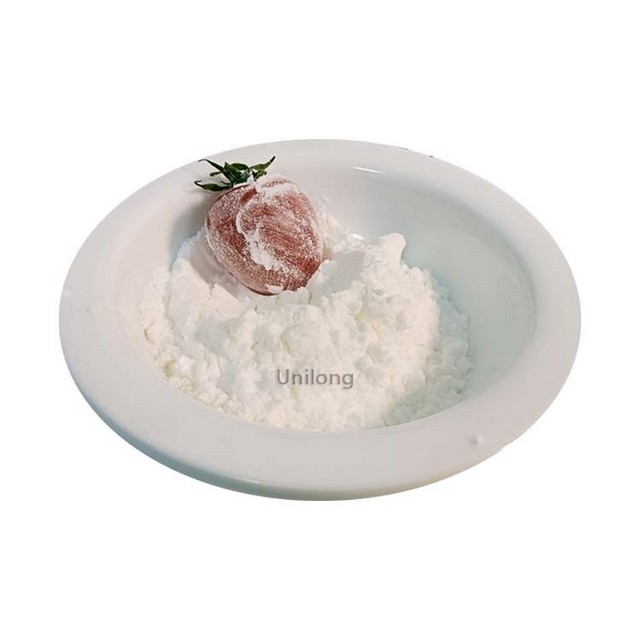

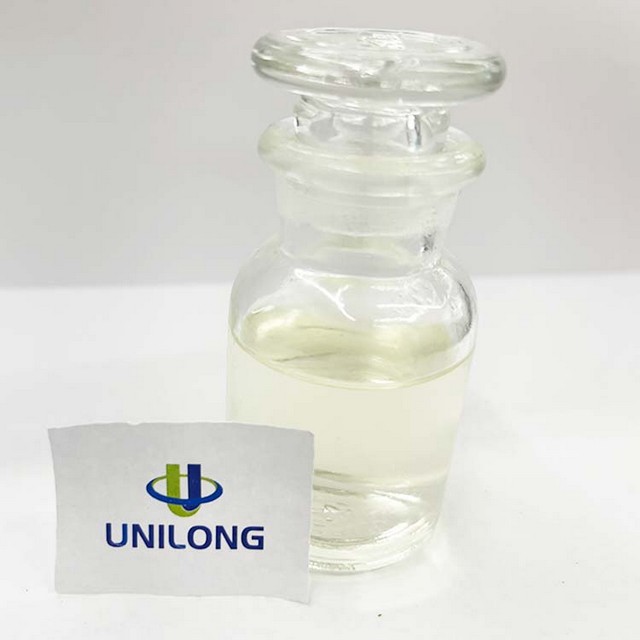
CAS: 101-37-1
Purity: 99%
Molecular Formula: C12H15N3O3
Molecular Weight: 249.27
EINECS: 202-936-7
Storace Perod: Normal temperature storage
Synonyms: 1,3,5-Triazine,2,4,6-tris(2-propenyloxy)-;1,3,5-Triazine,2,4,6-tris(2-propenyloxy)-;2,4,6-Tri(allyloxy)-s-triazine;2,4,6-triprop-2-ynyloxy-s-triazine;2,4,6-tris(allyloxy)-s-triazin;3,5-Triazine,2,4,6-tris(2-propenyloxy)-1;5-triazine,2,4,6-tris(2-propenyloxy)-3;activatoroc
99% Triallyl Cyanaurate TAC CAS 101-37-1
Cross-linked TAC (triallylcyanurate) is a trifunctional cross-linking agent that significantly enhances the strength, rigidity and heat resistance of plastic products, allowing the products to be used for a long time at temperatures around 250℃. Therefore, it is a new type of cross-linking agent for preparing high-performance unsaturated polyester and acrylic series resin products. Triallyl cyanaurate is particularly suitable for the production of glass fiber reinforced plastic products with high temperature resistance and strength; it can also be used in the rubber and cable industries as a sulfurization accelerator for highly saturated rubber to improve the sulfurization effect; it can also be used as a photosensitive agent for polyolefin irradiation cross-linking to reduce the irradiation dose.
Specification
| ITEM | TA-G |
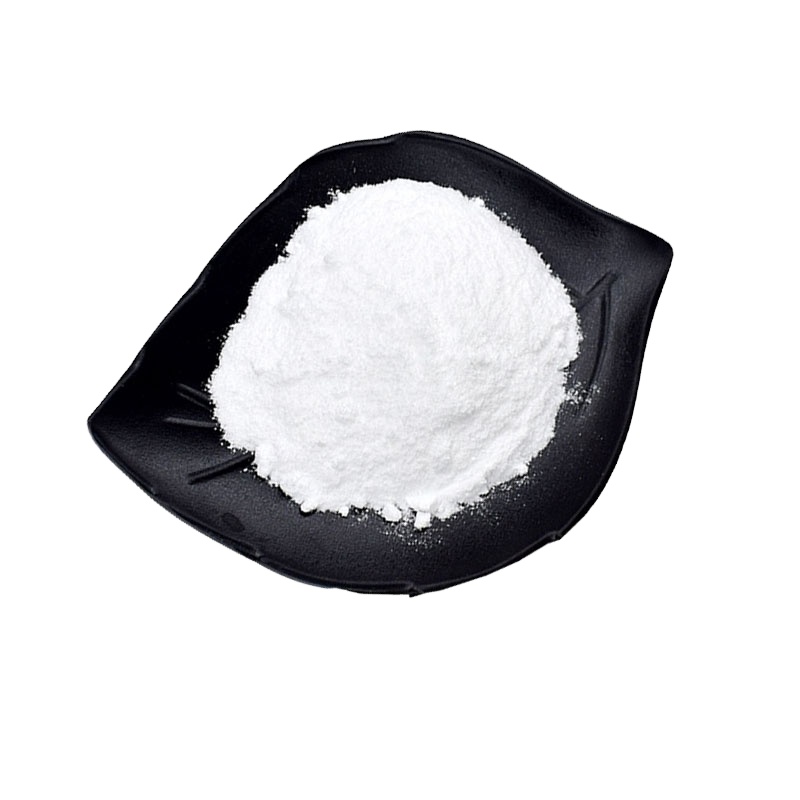
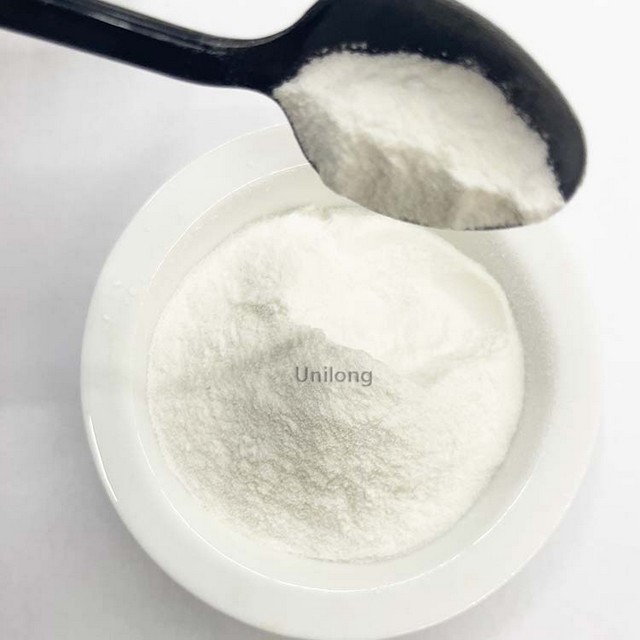
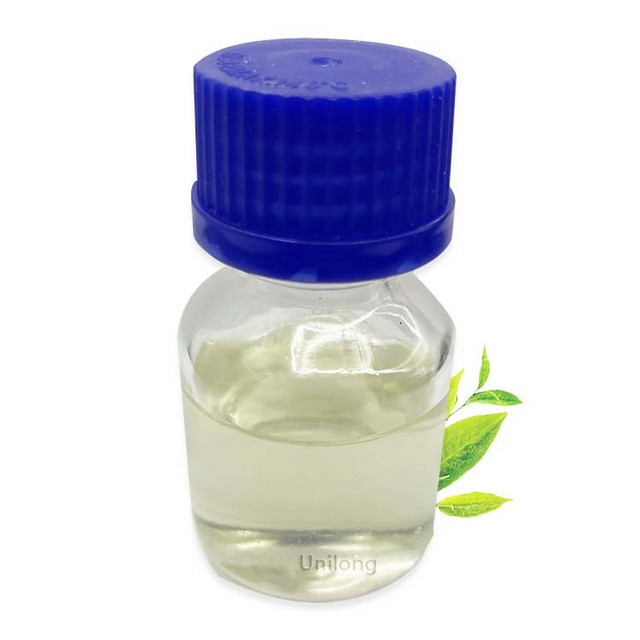
| Appearance | Pale yellow liquid |
| Content (%) | ≥ 98.0 |
| Acid value(mgKOH/g) | ≤ 0.3 |
| Melting point(℃) | 25-27 |
| Moisture(%) | ≤ 0.1 |
| Chroma(APHA) | ≤30 |
| Proportion(23℃, g/cm3 ) | 1.100-1.115 |
Application
1,3,5-Trimellitic acid triacrylate can be used as a crosslinking agent and auxiliary crosslinking agent for rubber and plastics. It is highly effective in increasing the crosslinking degree and reducing the irradiation dose. When used as a sulfurizing agent for ethylene-propylene rubber, chlorinated polyethylene, and polyolefins with peroxides as the vulcanizing agent, TAC is a good crosslinking agent. It has a certain sensitizing effect on the irradiation crosslinking of PVC and can be used as a light radiation crosslinking agent or photosensitizer. It is a coupling agent for peroxide curing reactions. Due to the high crosslinking density of the TAC homopolymer, it is widely used in industrial production of adhesives, cables, paper, and plexiglass.
Features
Cross-linked TAC is a trifunctional crosslinking agent that significantly enhances the strength, rigidity and heat resistance of plastic products, allowing the products to be used for a long time at temperatures around 250℃. Therefore, it is a new type of crosslinking agent for preparing high-performance unsaturated polyester and acrylic series resin products. It is particularly suitable for the production of glass fiber reinforced plastic products with high temperature resistance and strength; it can also be used in the rubber and cable industries as a sulfurization accelerator for highly saturated rubber to improve the sulfurization effect; it can also be used as a photosensitive agent for polyolefin irradiation crosslinking to reduce the irradiation dose.
Packaging and Storage
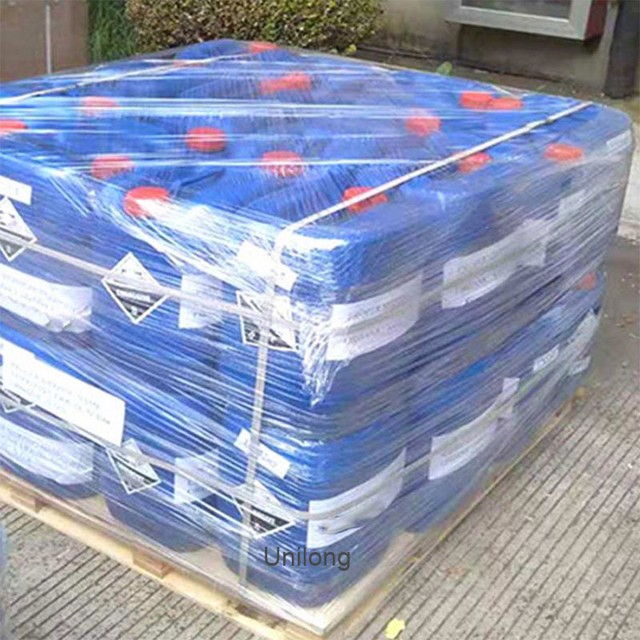
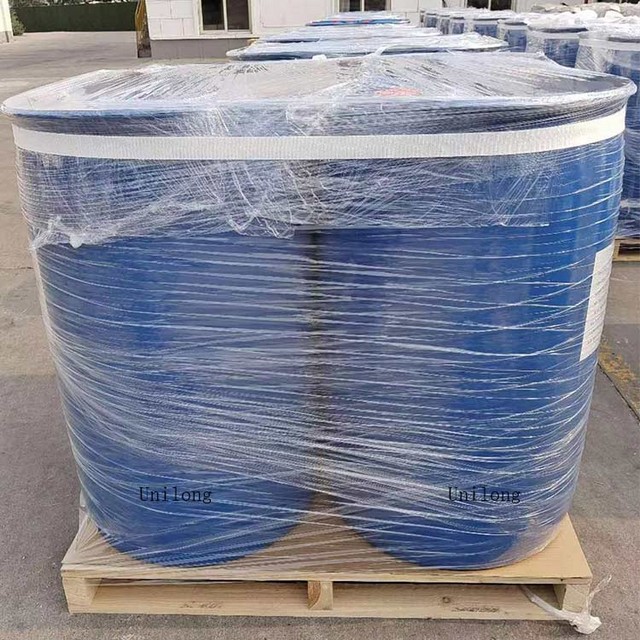
200kg/drum, 25kg/drum
Storage temperature: 10 – 25℃ in a cool, dark, and well-ventilated warehouse. Strictly prohibit exposure to temperatures above 40℃. Keep away from heat sources and direct sunlight. High temperatures will consume the anti-aggregation agent, causing self-aggregation; avoid long-term crystallization at low temperatures as the performance will not change after the crystallization melts.
Separation storage: Prohibit storage together with strong oxidants, peroxides, strong acids, strong bases, and copper and iron metal salts. This will trigger polymerization and decomposition reactions.
Original factory sealed shelf life: 12 months; after opening, it is recommended to use it within 3 – 6 months.
FAQ
Q: If crystallization occurs at low temperatures, will the product deteriorate?
A: No, it won’t. The melting point of TAC is 26-28℃. The formation of crystals at low temperatures is a physical phenomenon; place the barrel in warm water at 35-45℃ and slowly heat it up to fully melt and stir well, then it can be used normally; direct heating with open flames is prohibited.
Q: What will happen if the product is exposed to water and gets damp during storage?
A: TAC is sensitive to water vapor. It will hydrolyze when exposed to water, acids, or alkalis, reducing the cross-linking activity and resulting in insufficient cross-linking degree of the product; be sure to do a good job in sealing and strictly prohibit water ingress.
Q: What is the minimum order quantity (MOQ)?
A: For industrial bulk goods, the regular MOQ is 25 kg; small samples can be provided for formula testing, and a sample fee will be charged for the small samples, while the sample fee can be negotiated to be deducted from the large order.
Q: How long is the delivery cycle?
A: For in-stock products: 3-7 working days after receiving the full payment, the goods will be arranged for shipment;
For custom or large-tonnage orders: 8-15 working days; confirm the inventory and logistics schedule before placing the order.
Q: What export documents can be provided?
A: COA analysis report, MSDS (SDS), packing list, commercial invoice; support FOB/CIF/CFR and other trade terms.