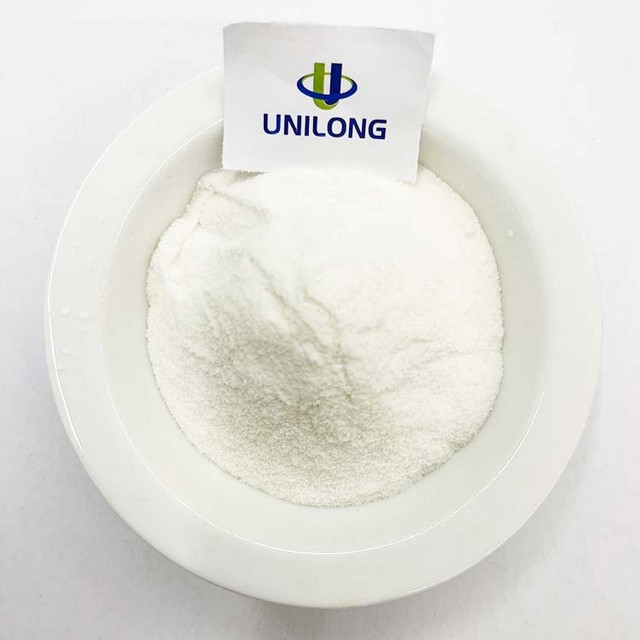
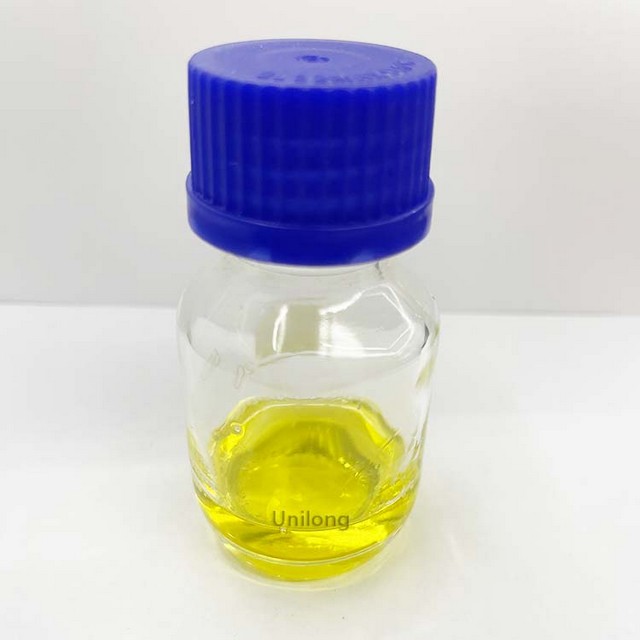
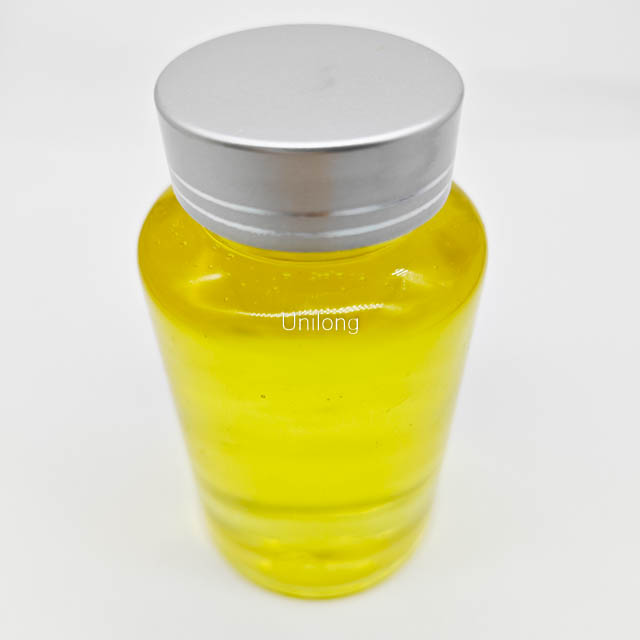
What is Sodium ethylenesulphonate CAS 3039-83-6?
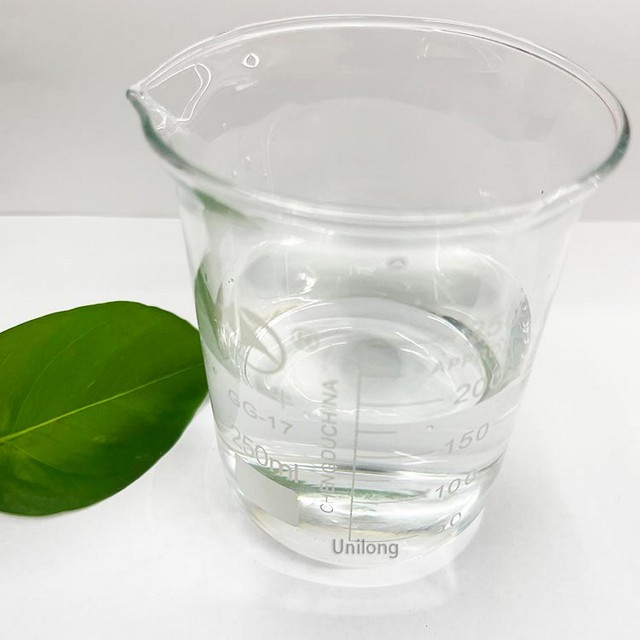
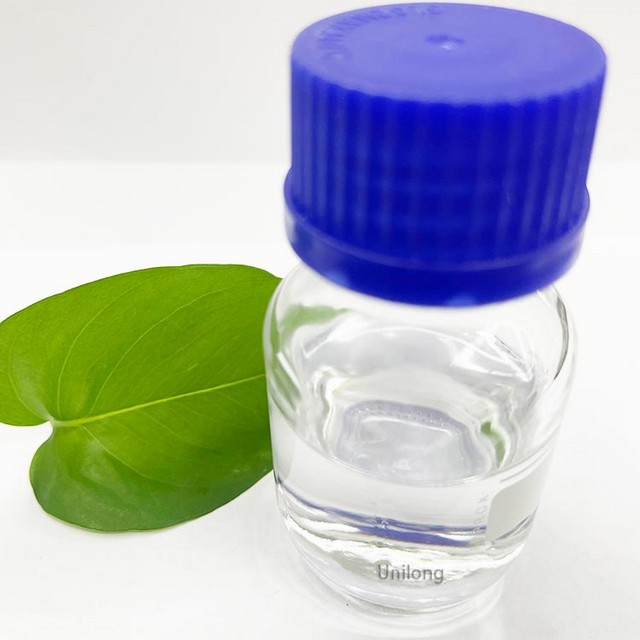
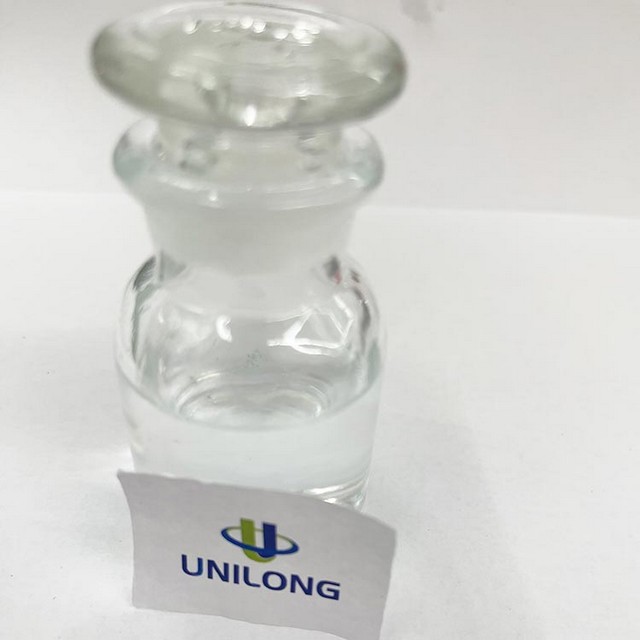
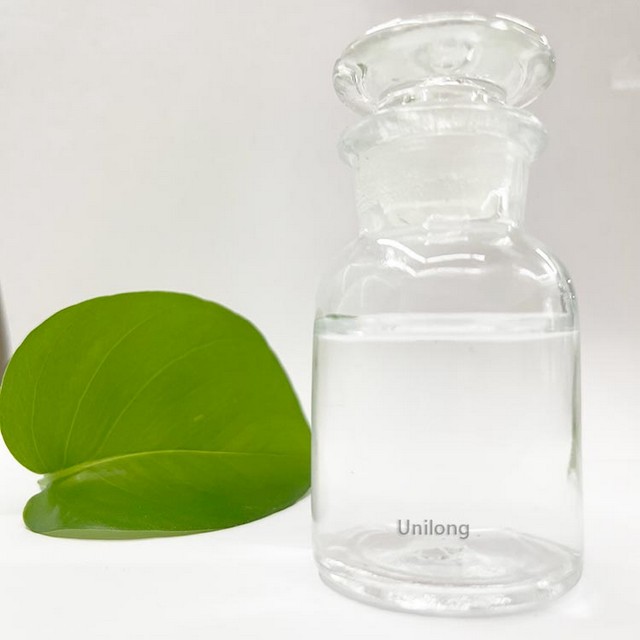
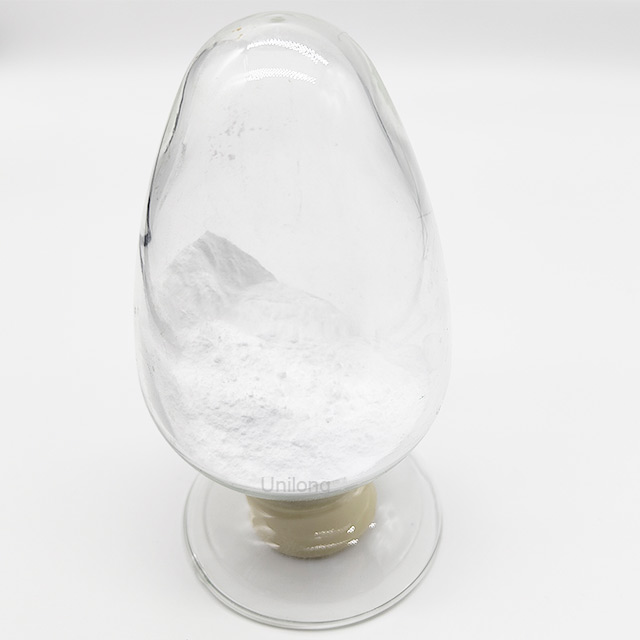
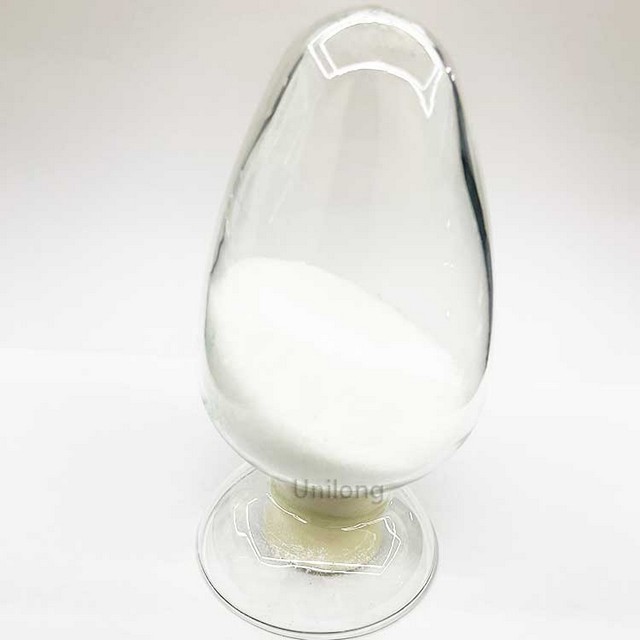
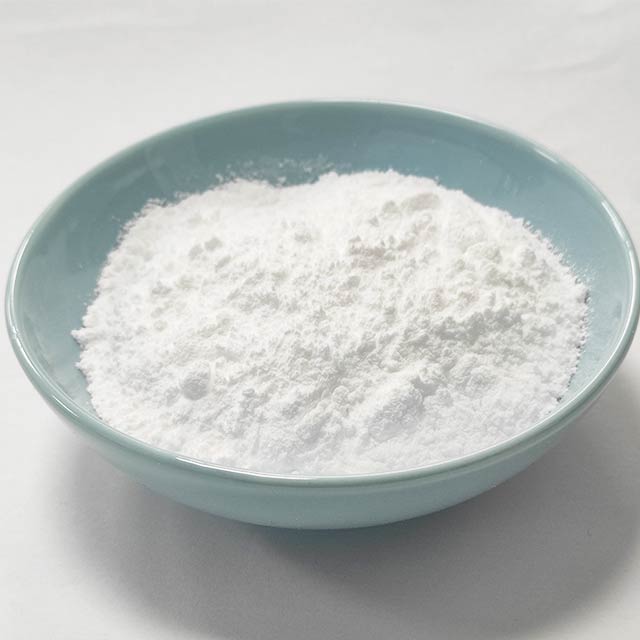
Sodium Ethylenesulphonate (CAS 3039-83-6) is a high-purity water-soluble monomer widely used in polymer synthesis and specialty chemical applications. Its excellent solubility and reactivity make it a preferred choice for producing ion-exchange resins, coatings, adhesives, and other polymer materials.
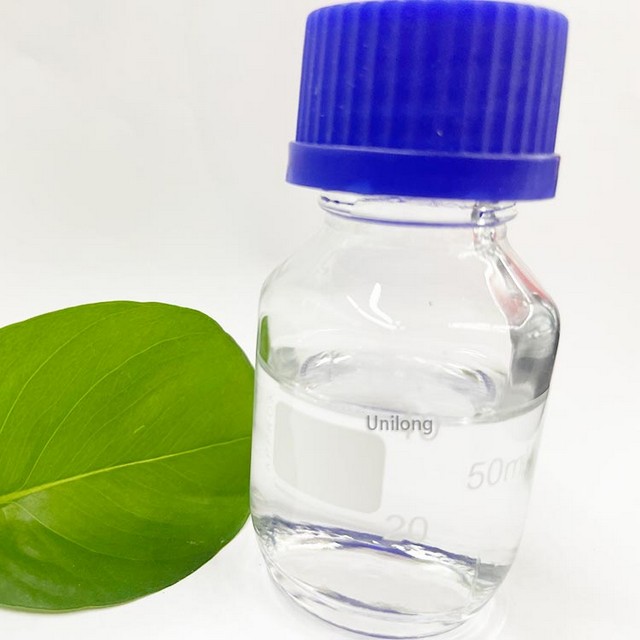
Sodium Vinylsulfonate Solution is available in various concentrations, suitable for industrial formulations. The product offers consistent quality and reliable performance, making it ideal for both research and large-scale production.
Specification
| Item |
Specification |
| Boiling point |
100℃[at 101 325 Pa] |
| Density |
1.176 g/mL at 25 °C |
| Melting point |
-20 °C |
| pKa |
-2.71[at 20 ℃] |
| resistivity |
n20/D 1.376 |
| Storage conditions |
under inert gas (nitrogen or Argon) at 2-8°C |
Application
-
Polymerization Monomer: Copolymerized with acrylates or styrene to produce functional polymers.
-
Water Treatment: Dispersant polymers for scale and corrosion inhibition.
-
Coatings & Paints: Improves adhesion, film formation, and durability in water-based coatings and paints.
-
Batteries: Sodium ethylenesulphonate used in polymer electrolytes and conductive coatings for improved performance.
-
Electroplating: Acts as a stabilizer and dispersant in plating solutions.
-
Specialty Polymers: Sodium ethylenesulphonate used in ion-exchange resins and superabsorbent polymers.
Key Features
-
High Purity: Ensures stable polymerization and reproducible results
-
Excellent Solubility: Easily soluble in water, compatible with various polymer systems
-
Versatile Applications: Used in ion-exchange resins, water treatment polymers, coatings, adhesives, and specialty chemicals
-
Reliable Quality: Each batch meets stringent quality standards
Why Choose Our Sodium ethylenesulphonate?
1. High polymerization modification efficiency: As a functional monomer and reactive emulsifier, only a small amount (such as 1%) is needed to copolymerize with multiple monomers, significantly enhancing the stability of the emulsion, water resistance and adhesion of the paint film, and reducing the use of additional additives.
2. Strong multi-field adaptability: It can not only optimize the surface properties of materials such as coatings, textiles, and papermaking (such as enhancing wear resistance and color fixation), but also serve as an electroplating brightener to improve the brightness and ductility of the coating. Moreover, it can meet the modification requirements of drilling fluids in high-temperature and high-salt environments in oil fields. Improving material performance in the battery and electronics industries is a key functional monomer in the fields of new energy and electronic materials.
3. Stable and economically viable: Chemically stable at room temperature with a long storage period; As a copolymer additive, it can reduce the dosage of other emulsifiers, and it has excellent water solubility and is easily biodegradable, taking into account both usage cost and environmental friendliness.
Packaging and Storage
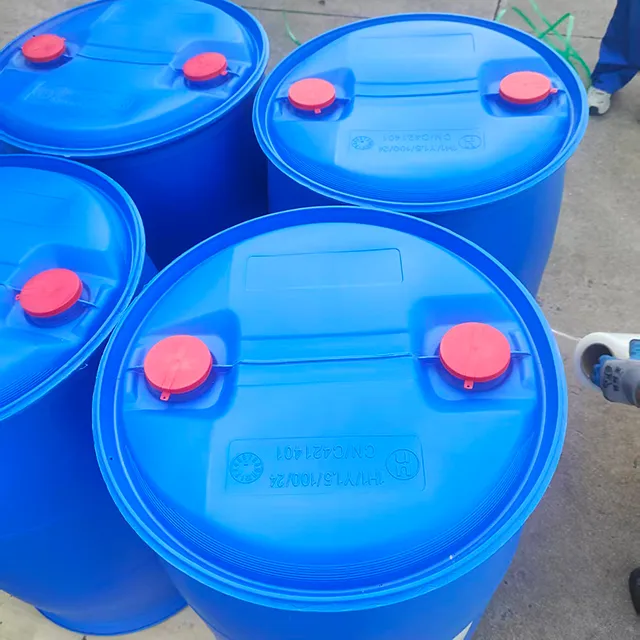
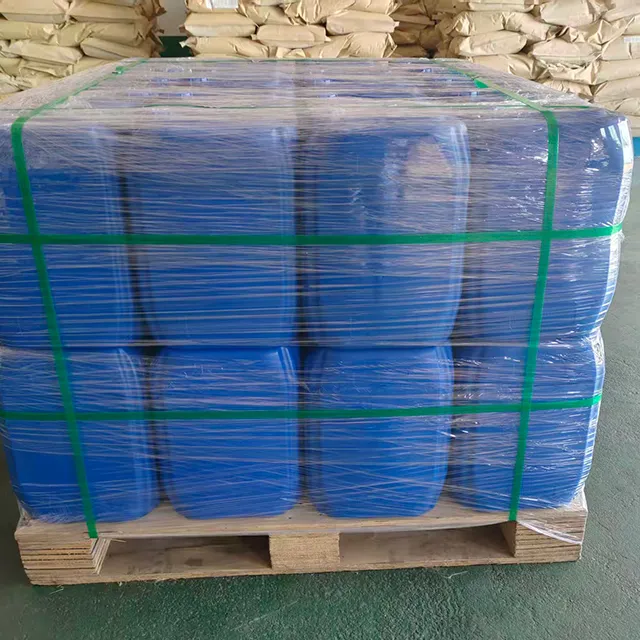
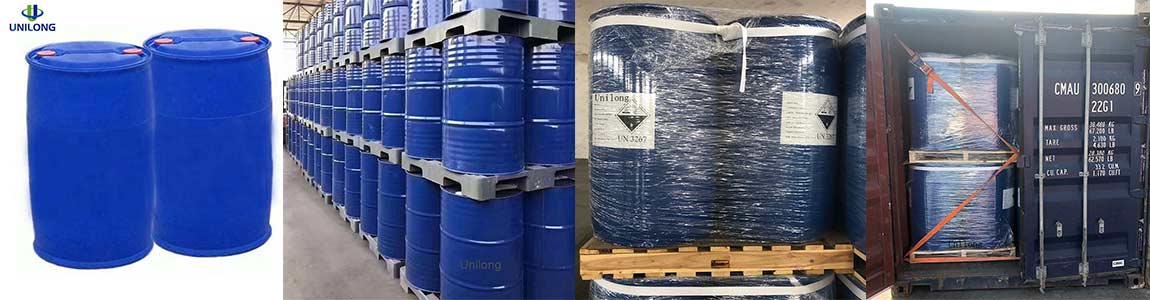
Usually packed in 25kg/drum, 200kg/drum and also can be do customized package.
Storage temperature: 5 – 25℃ in a cool, dark, and well-ventilated warehouse, preferably in a dark and low-temperature environment; strictly prohibit temperatures above 30℃, and avoid direct sunlight; high-temperature and sunlight exposure will consume the anti-aggregation agent, causing self-polymerization and gel formation; for long-term storage, it is recommended to store at 2 – 8℃ for refrigeration.
Separation storage: Keep away from strong oxidants and strong acids; a strong acid environment will accelerate self-polymerization and cause partial degradation, and it is not allowed to be stored together in the same warehouse.
Original factory sealing shelf life: 24 months; after opening, tighten the bucket lid and it is recommended to use it within 6 – 9 months.
FAQ
Q: Can it be directly mixed with strong acids?
A: Sodium ethylenesulphonate is not recommended to mix directly; under strong acid conditions, self-polymerization is accelerated and degradation occurs; if pH adjustment is needed, it must be diluted in a large proportion, and strong acid should be slowly added while vigorously stirring at low temperature.
Q: Can the frozen solution be thawed and used again?
A: Freezing is a physical phenomenon; slowly thaw at room temperature, stir thoroughly, without turbidity or flocculent substances, and if the bromine value test is qualified, it can be used again; do not use open flame heating.
Q: How to choose the specifications of solid powder and 25% aqueous solution?
A: The aqueous solution is convenient for direct feeding; the solid is suitable for systems that require concentration and anhydrous; the aqueous solution has weak stability, so it is preferred to store at low temperatures and in the dark; it can be converted based on the effective content.
Q: What is the minimum order quantity (MOQ)?
A: For industrial bulk goods, the regular MOQ is 25 kg; small samples can be provided for formula testing, and sample fees will be charged for small samples, while large order quantities can be negotiated to offset the sample fees.
Q: What is the lead time for delivery?
A: For ready-made inventory: 3-7 working days after receiving full payment; for custom purified specification orders: 10-18 working days; confirm inventory before placing an order.
Q: What export documents can be provided?
A: COA analysis report, MSDS (SDS), packing list, commercial invoice; support FOB/CIF/CFR trade terms.