
CAS:2495-39-8
Molecular Formula:C3H5NaO3
Molecular Weight:144.12
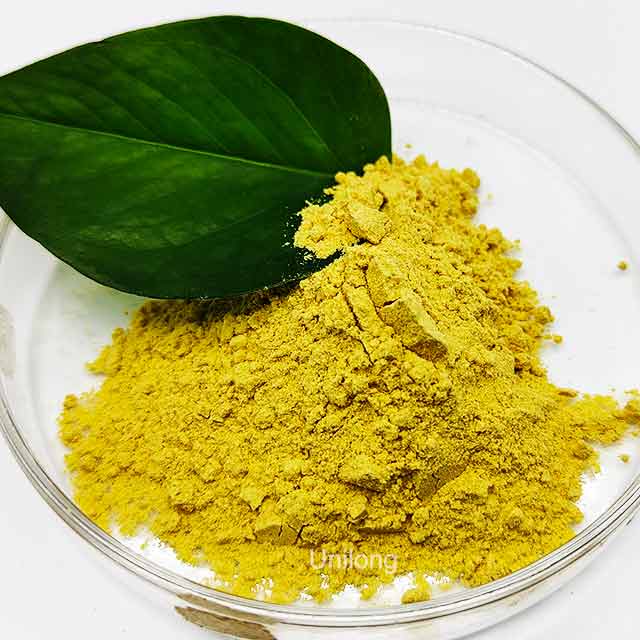
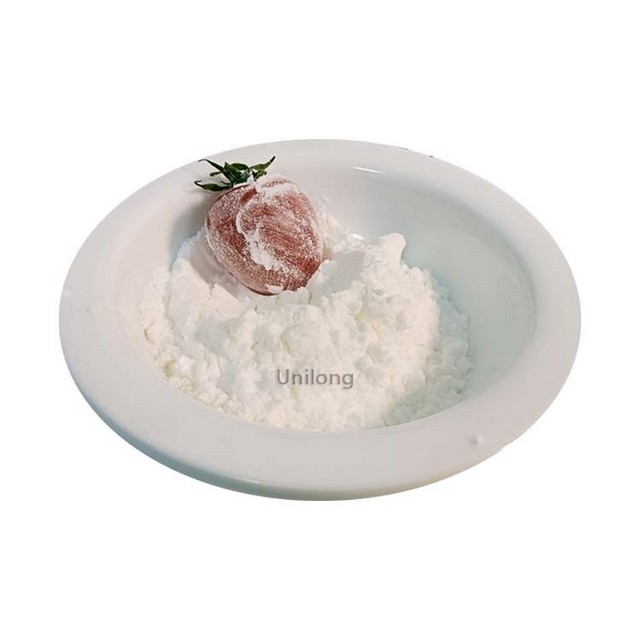
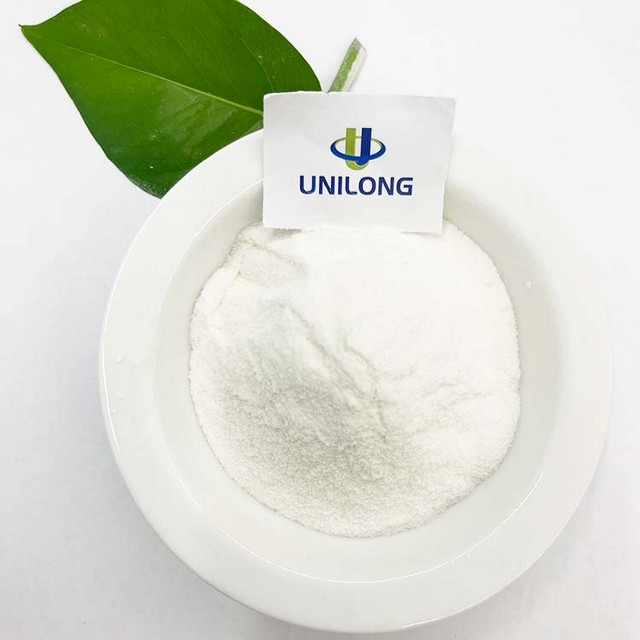
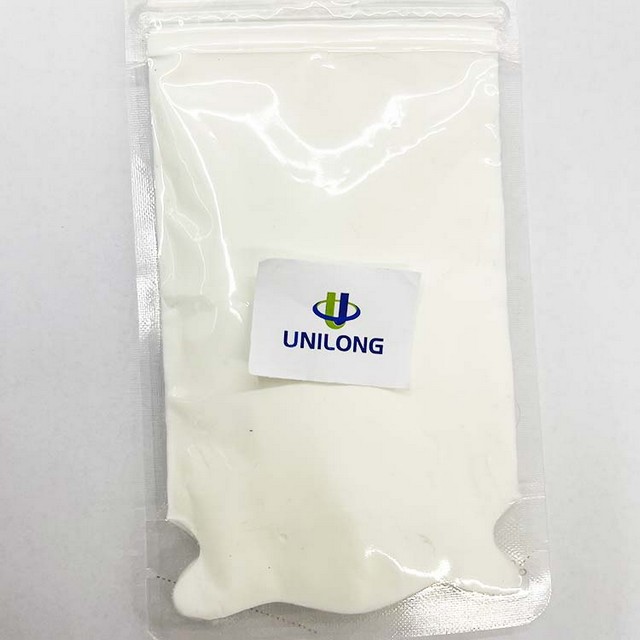
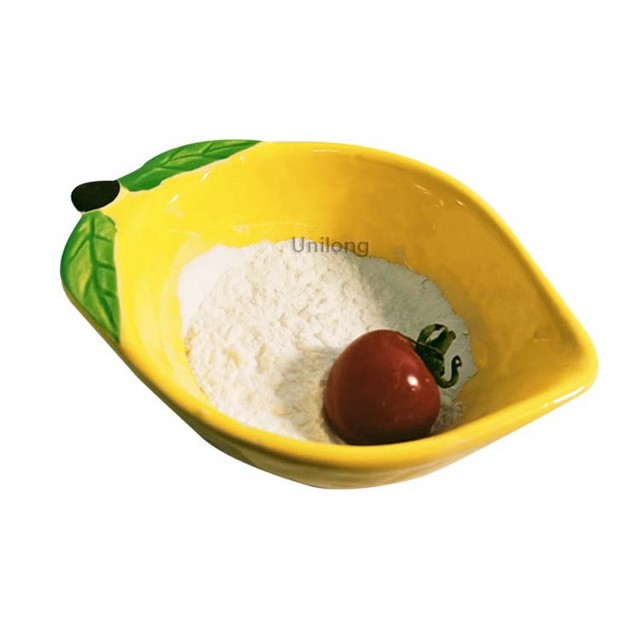
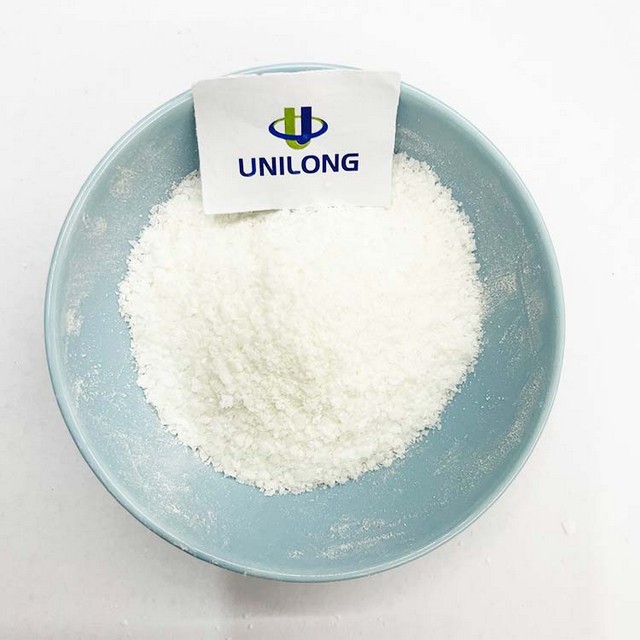
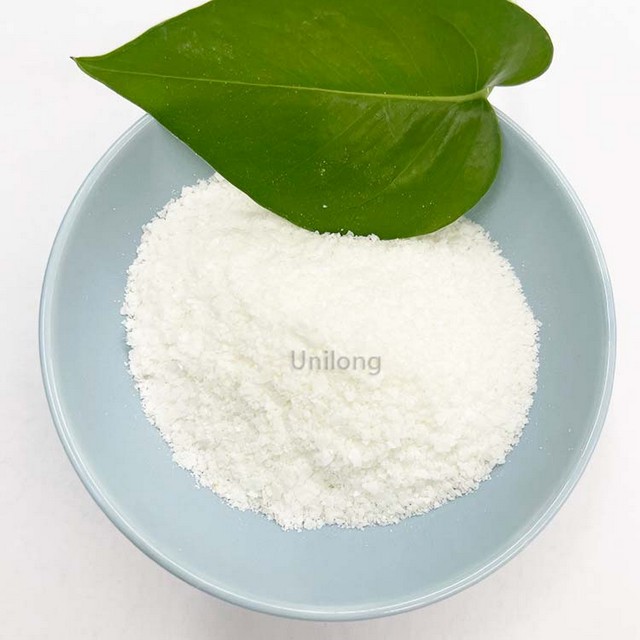
Appearance:White powder
EINECS:701-087-4
Synonyms:Sodium allylsulfonate;Sodium Allyl Sulfonate (SAS);ALLYL SODIUM SULFONATE;Sodium allyl sulfonate solution;
Sodium allylsulfonate CAS 2495-39-8
Sodium allyl sulfonate is white granular powder. It has double bonds on alpha and ß sites, and its reaction properties are active. Used as the third monomer of acrylic fiber, it can improve the heat resistance, elasticity, spinnability and dyeing properties of the fiber, making it fast in absorbing color, strong in fastness and bright in color.
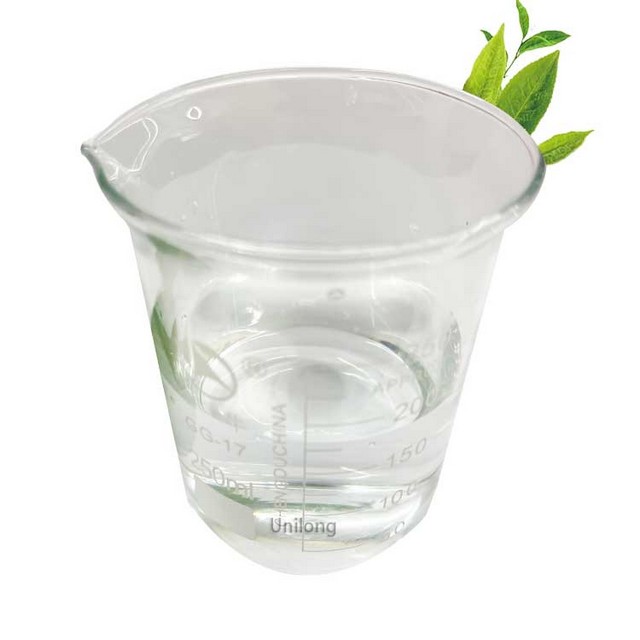
Solid appearance: White crystals / flaky powder; The aqueous solution is colorless – slightly yellow transparent liquid; It is soluble in water and alcohols; It is slightly soluble in benzene solvents.
The molecule contains an allyl double bond + sulfonic acid group: The double bond can undergo free radical copolymerization; The sulfonic acid group provides strong hydrophilicity, anionic charge, and dispersing chelating ability.
The solid powder is stable at room temperature: The aqueous solution is prone to self-polymerization under heat and light conditions; The dry solid has good thermal stability and is not prone to self-polymerization.
pH: The aqueous solution is nearly neutral (pH 6 – 8.5); It is not a strong acid or strong base; It has skin, eye, and respiratory irritation, and is non-flammable.
Specification
| Item | Standard |
| Appearance | White powder |
| Effective active value | ≥ 95% |
| melting point | 242 °C |
| Water solubility | 4 g/100 mL |
Application
Sodium allylsulfonate is used for synthetic fiber, nickel plating brightener, water treatment agent, mud auxiliary and so on.
Package and Storage
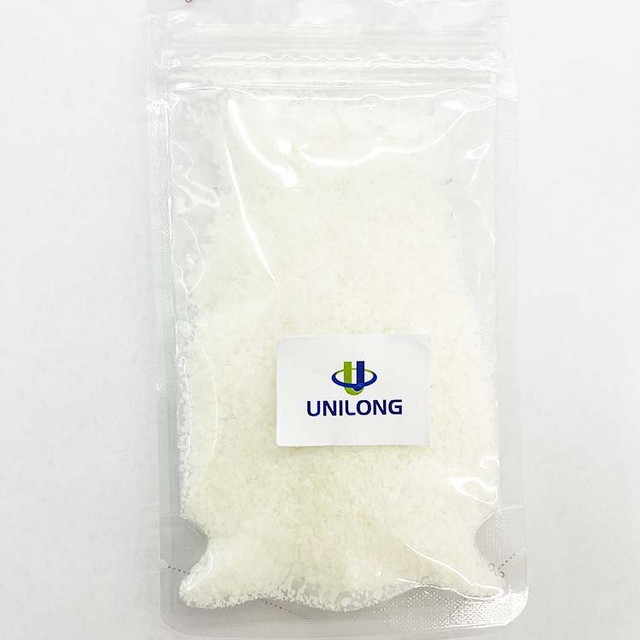
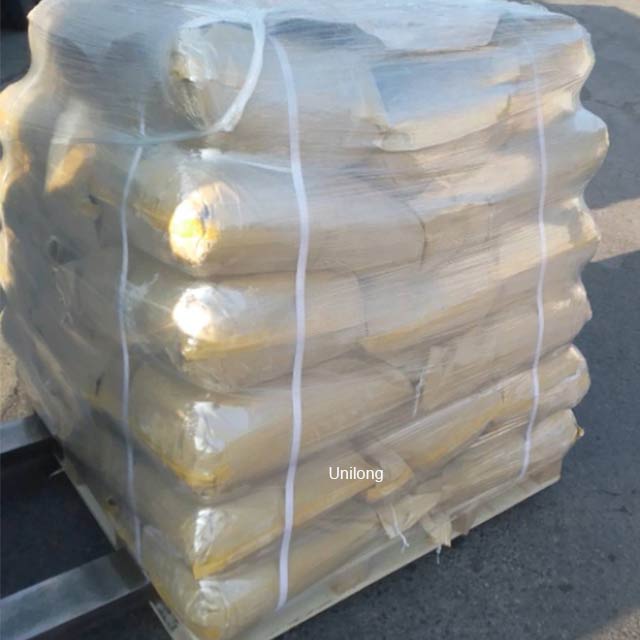
25kg/bag
Storage temperature: 5 – 25℃ in a cool and dry warehouse, with the maximum not exceeding 30℃; protected from direct sunlight; high temperature and sunlight exposure will accelerate the self-polymerization and deterioration of the aqueous solution.
Strictly sealed and moisture-proof: The solid powder has a strong moisture absorption property and will form lumps after absorbing moisture; the solid is packaged in inner plastic and outer woven bags; the aqueous solution is stored in HDPE plastic barrels; it is prohibited to store in an open manner.
Shelf life: The original factory-sealed solid powder has a shelf life of 12 – 24 months.
FAQ
Q: If the solid powder becomes lumpy, does it mean the product is ineffective?
A: Most of the time, it is caused by moisture absorption and physical agglomeration; after drying and crushing, if the purity is tested and found to be qualified, it can still be used; if the lumps are accompanied by discoloration and the appearance of gel-like particles, it indicates local polymerization, and such materials must not be used. Storage must be done with proper sealing and moisture prevention.
Q: Can it be mixed directly with strong acids?
A: It is not recommended to mix directly; adding acid will cause the release of allyl sulfonic acid, making the system more acidic and easily triggering self-polymerization; if acid adjustment is needed, it should be done at a low temperature, with a large proportion of dilution, and then slowly adding acid while vigorously stirring.
Q: What is the minimum order quantity (MOQ)?
A: For industrial bulk goods, the regular MOQ is 25 kg; small samples can be provided for formula testing, and samples will be charged; for large order quantities, the sample fee can be negotiated as a deduction.
Q: How long is the delivery cycle?
A: For in-stock products: after receiving full payment, the goods will be dispatched within 3-7 working days;
For customized purification specifications / large-tonnage orders: 10-18 working days; confirm the inventory before placing the order.
Q: What export documents can be provided?
A: COA analysis report, MSDS (SDS), packing list, commercial invoice; support FOB/CIF/CFR and other trade terms.
Q: Is it a hazardous product? What should be noted during transportation?
A: It is an ordinary chemical product, not hazardous; solid products should be protected against moisture and rain; aqueous solutions should avoid exposure to direct sunlight and high temperatures; ordinary sea and air transportation can be carried out.