
CAS: 9003-20-7
Molecular Formula: C4H6O2
Molecular Weight: 86.08924
EINECS: 203-545-4
Synonyms: Vinyl acetate emulsion adhesive,series; POLY(VINYL ACETATE) USP; Polyvinyl Acetate (1 g); Poly(vinyl acetate), approx. M.W. 170,000 500GR
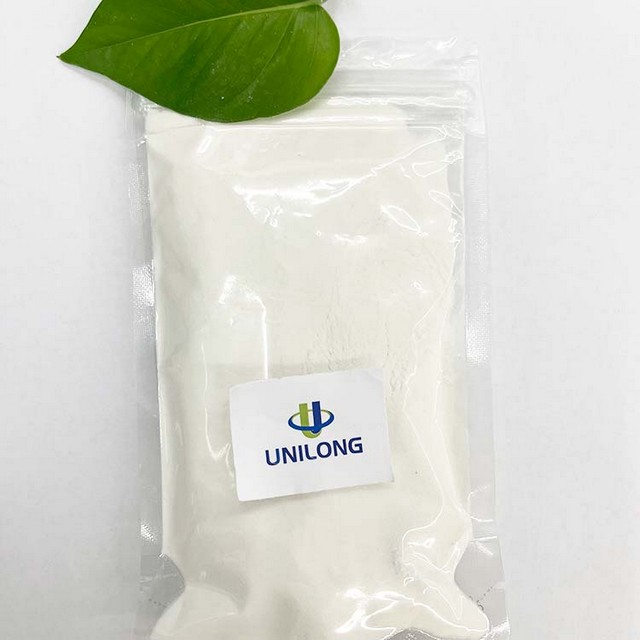
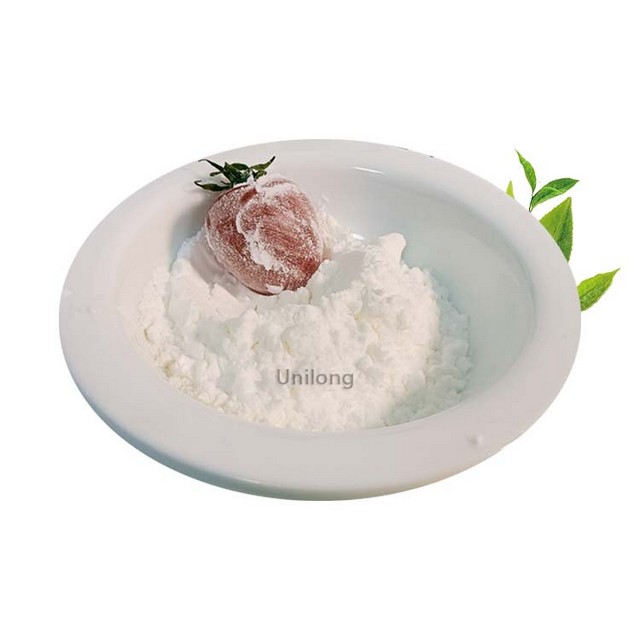
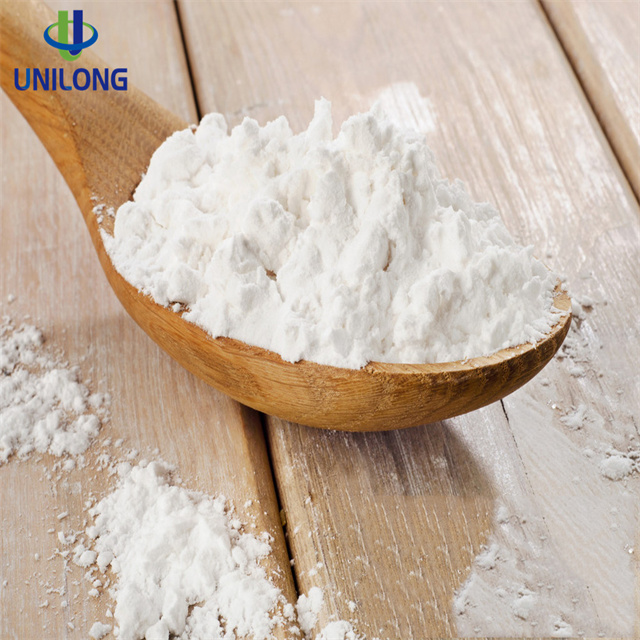
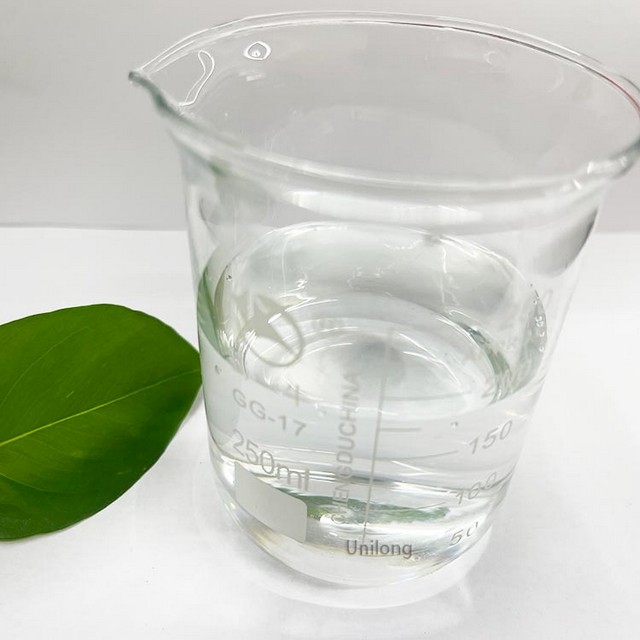
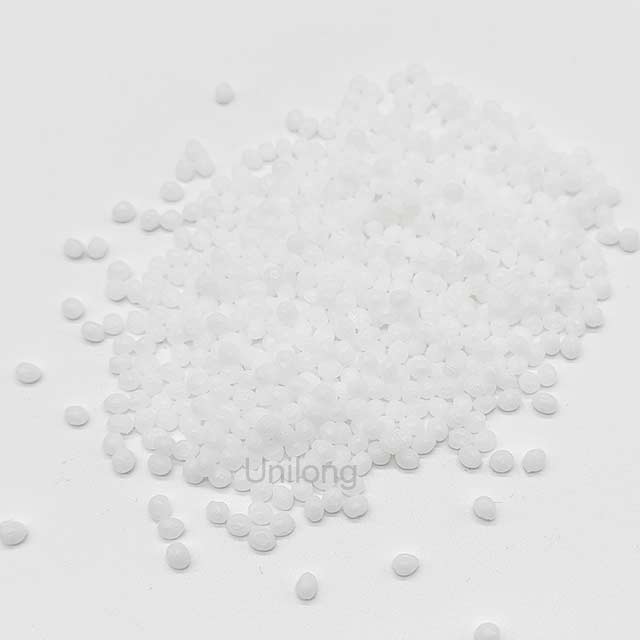
Polyvinyl Acetate (PVAC) is a polymer compound formed by the polymerization of vinyl acetate monomers. It typically appears as a colorless to light yellow, transparent or translucent material, existing in the form of transparent granular solids. It is non-toxic and odorless but has a certain degree of hygroscopicity.
| Item | Specification |
| Appearance | Transparent granules or beads |
| Loss on Drying (%) | <1 |
| Molecular Weight (MW) | 10,000 – 1,000,000 (SEC) |
| Viscosity (mPa·s) | 1.20 – 260.0 (ASTM D445-06, 10% ethyl acetate solution, 20°C) |
| Softening Point (°C) | 85 – 230 |
| Glass Transition Temperature (°C) | 33 – 45 |
1.Adhesives Field (Most Common Use)
White Glue/Wood Glue: PVAC is most commonly used in emulsion form (white glue), widely applied in woodworking, furniture manufacturing, plywood production, etc. It offers excellent adhesion to porous materials (such as wood, paper, fabric, and leather).
Bookbinding: Used for perfect binding, spine gluing, cover lamination, and other post-printing processes.
Cigarette Tipping: Used for bonding cigarette filters to cigarette paper.
2.Coatings and Construction Field
Interior/Exterior Wall Paints: Serves as the film-forming material in latex paints, providing good water resistance and adhesion.
Cement Additive: Added to cement for indoor flooring, waterproofing layers, road patching, etc., improving adhesion and flexibility.
Building Decoration: Used for bonding decorative panels, wood-cement products, etc.
3.Textile and Fiber Processing
Fabric Stiffening: Used for textile sizing and stiffening to give fabrics a crisp feel.
Printing Fixative: Helps fix dyes onto fabrics.
Flocking Adhesive: Used in electrostatic flocking processes.
4. Food and Daily Chemicals Field
Chewing Gum Base: Serves as a base material for chewing gum.
Food Additive: Used as a separating agent, thickener, or stabilizer in products like jelly, cream, and chocolate.
Cosmetics: Acts as a film-forming agent, emulsion stabilizer, and binder in cosmetic formulations.
5.Pharmaceutical Field
Drug Coating: Used for tablet coating to improve stability, palatability, and control drug release.
Oral Formulations: Functions as a film-forming agent and binder in oral medications.
VI. Other Applications
Plastic Modification: Used to produce high-strength, high-transparency plastic products.
Paper Industry: Serves as a paper coating agent and sizing agent.
Automotive Interiors: Used for bonding interior trim components in vehicles.
Leather Processing: Used for leather bonding and treatment.
3. As Intermediate Raw Material
Synthesis of Polyvinyl Alcohol (PVA): PVAC is the primary raw material for producing PVA through hydrolysis or alcoholysis.
Synthesis of Acetal Resins: Used for further preparation of polyvinyl acetal resins.”
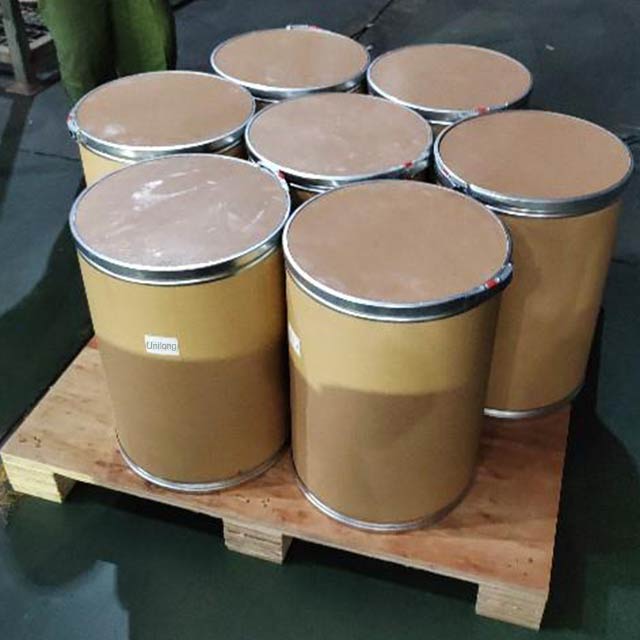
Customized packaging