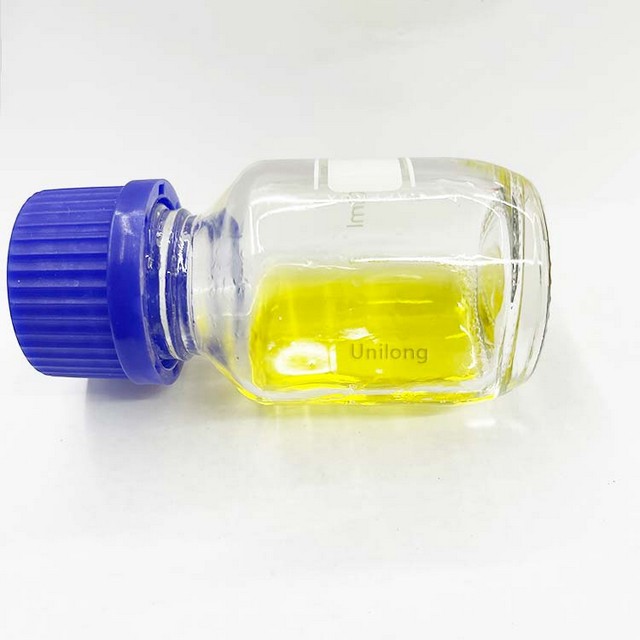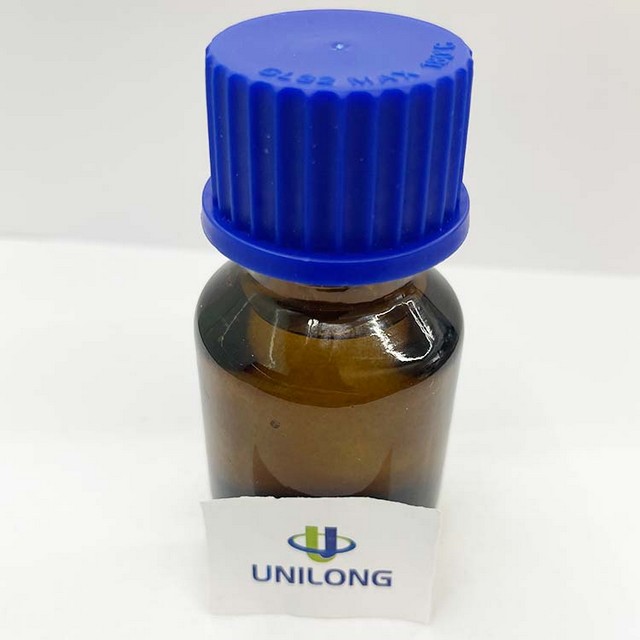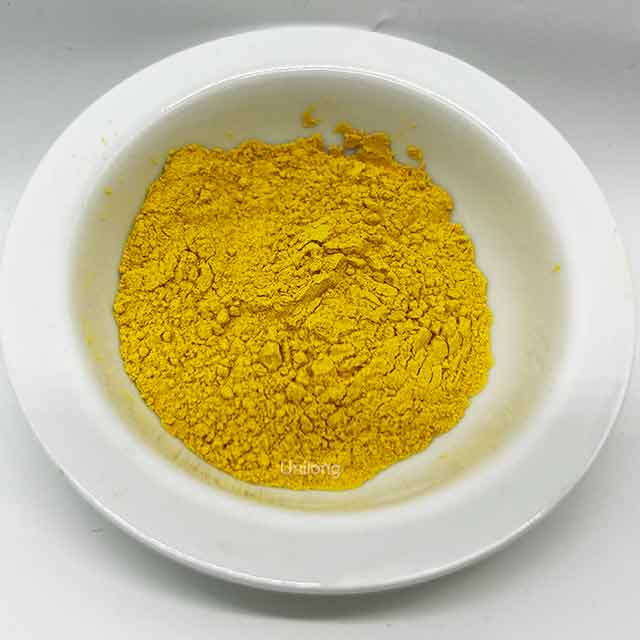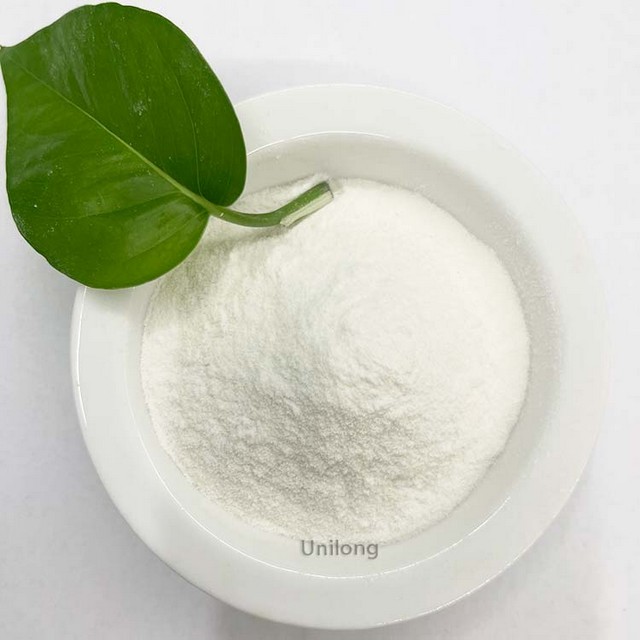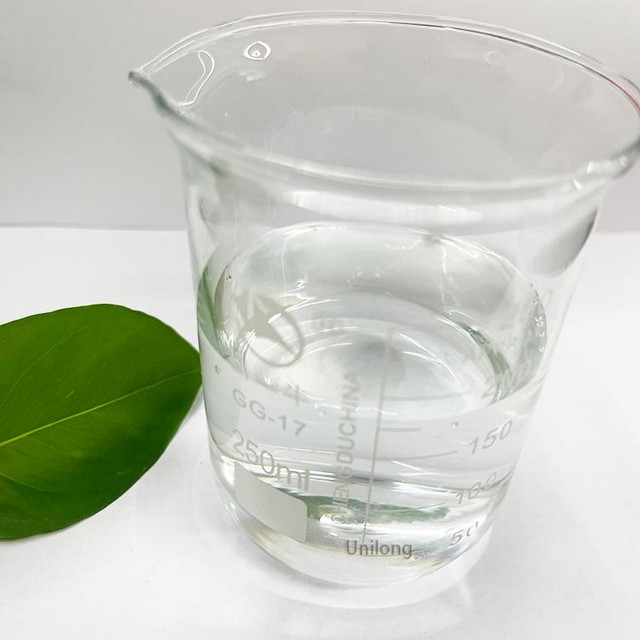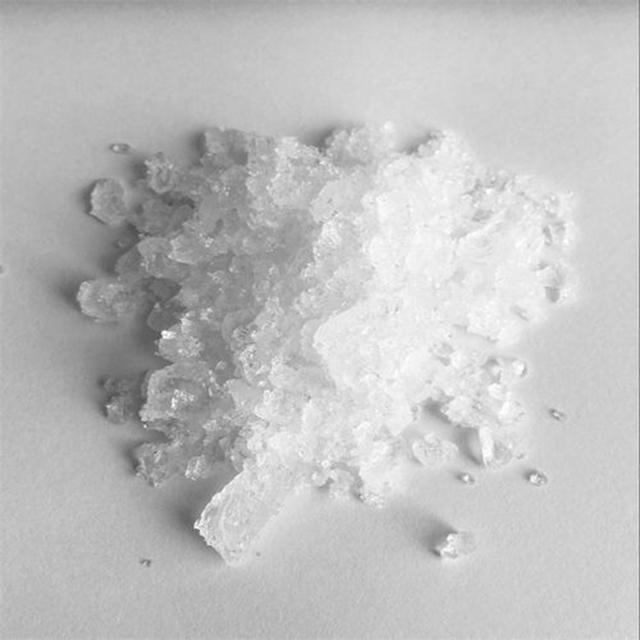

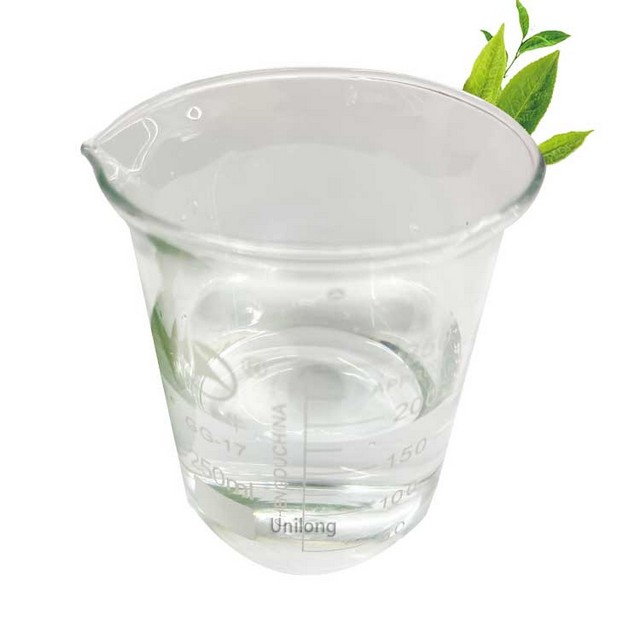
CAS:7398-69-8
Molecular Formula:C8H16ClN
Molecular Weight:161.67
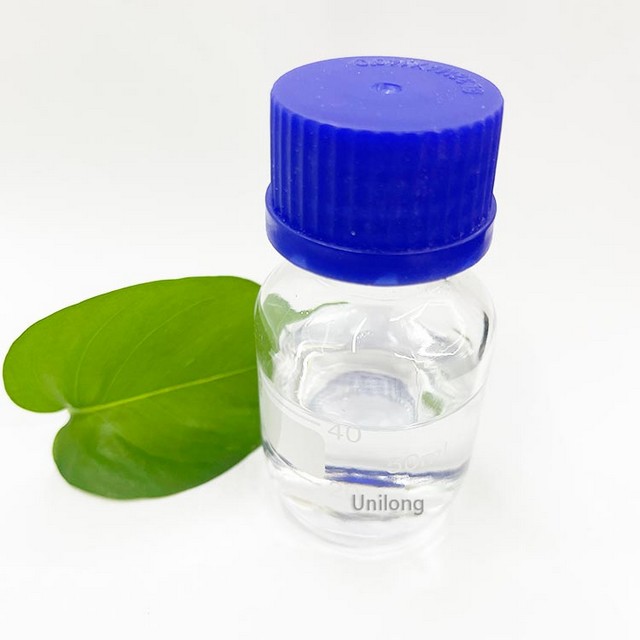
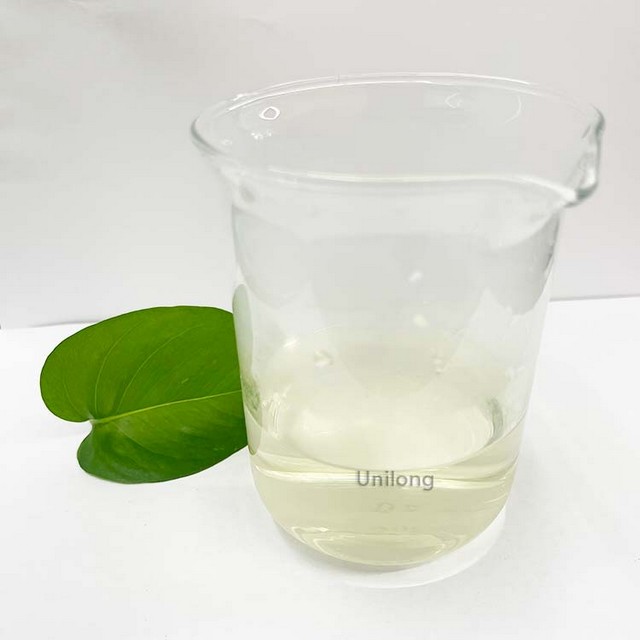
Appearance:Colourless Liquid
EINECS:230-993-8
Synonyms:oride soL;DIALLILDIMETILAMMONIOCLORURO;Diallyldimethylammonium chloride solution,Dimethyldiallylammonium chloride ;Diallyldimethylammonium chloride purum;DiallyldiMethylaMMoniuM chloride DMDAAC;DiMethyldiallylaMMoniuM Chloride (DIMDAC / DADMAC);Elionfix G conc
What Is Diallyldimethylammonium Chloride
Dimethyl diallyl ammonium chloride is an organic compound with the structural formula [(CH3)2N+(CH2CH=CH2)2]·Cl-. Appearance is white or slightly yellow crystal. Very easy to absorb moisture, soluble in water, ethanol, isobutanol, insoluble in acetone, methylene chloride, benzene, toluene and other esters, ketones and other carbohydrates.
Specification
| Appearance | Colorless or light yellow transparent liquid | Complies |
| Content | ≧60% | 60.24 |
| PH Value | 5-7 | 6.03 |
| APHA | ≦50 | 20 |
Application
1. Water treatment field (core application scenarios) :
As raw materials for polymer flocculants: Through polymerization to form polydiallyldimethylammonium chloride (PDADMAC), or copolymerization with acrylamide to form cationic polyacrylamide, diallyldimethylammonium chloride is used in the treatment of industrial wastewater and municipal sewage (such as printing and dyeing wastewater, papermaking wastewater, electroplating wastewater). It can rapidly adsorb anionic pollutants in water (such as suspended particles, organic matter, and heavy metal ions), achieve flocculation and sedimentation, and enhance the efficiency of water purification.
Control of by-products from drinking water disinfection: Diallyldimethylammonium chloride is used in drinking water treatment to adsorb natural organic matter (NOM) in water and reduce the generation of harmful by-products such as trihalomethanes during the disinfection process;
Sludge dewatering: Diallyl dimethyl ammonium chloride, as a sludge conditioner, improves the dewatering performance of sludge, reduces the moisture content of sludge, and facilitates the transportation and disposal of sludge.
2. Petroleum extraction field:
For drilling fluid treatment agent: Cationic polymer generated by polymerization, CAS 7398-69-8 DADMAC
Diallyldimethylammonium chloride can be used as a shale inhibitor for drilling fluid, adsorbing on the surface of shale to form a protective film, preventing shale hydration expansion and wellbore collapse.
Tertiary oil recovery displacement agent: Compounded with other polymers, DADMAC monomer serves as a displacement agent to enhance crude oil recovery (especially suitable for low-permeability oil reservoirs), reducing the interfacial tension between crude oil and water by regulating the surface charge of reservoir rocks.
3. Papermaking and textile fields:
Papermaking additives: DADMAC monomer serves as a paper strengthening agent, retention and filtration aid, enhancing the binding force of pulp fibers, reducing fiber loss, and improving paper strength (such as for coated paper and cultural paper). At the same time, it can improve the sizing effect of paper and enhance its water resistance.
Textile printing and dyeing: Diallyl dimethyl ammonium chloride, as a cationic finishing agent, is used for antistatic treatment of textiles, as a color-fixing agent (especially suitable for the fixation of reactive dyes and direct dyes), to enhance the color fastness of fabrics and reduce the pollutant discharge of dyeing wastewater.
4. Other industrial uses:
Water treatment agents, petroleum extraction chemicals, papermaking auxiliaries, textile printing and dyeing auxiliaries, cosmetic raw materials (antistatic agents), surface treatment agents for electronic materials, etc.
Cosmetics and personal care: Diallyl dimethyl ammonium chloride, as an antistatic agent and conditioner, is used in products such as shampoos, conditioners, and hair gels to reduce static electricity in hair and enhance smoothness (must meet cosmetics-grade standards, purity ≥99%).
Electronic materials: Diallyldimethylammonium chloride is used as a raw material for the synthesis of conductive polymer films and ion exchange resins, and is suitable for surface treatment of electronic components.
Food industry: A small amount is used for water treatment in food processing (such as purification of food wastewater), but it must comply with relevant standards for food contact materials (such as FDA, GB 4806).
Our advantages
1. Advantages of large-scale production and stable supply chain: It has an extremely large production capacity and can meet the global large-scale procurement demands.
2. Comprehensive compliance certifications in multiple fields: To expand domestic and international markets, the factory actively acquires various authoritative certifications.
3. One-stop service enhances customer stickiness: The factory offers full-chain services from pre-sale to after-sale. Before sale, small samples can be provided for customers to try production, reducing procurement risks. During the sales process, we can track the progress of orders and also customize packaging specifications
Package
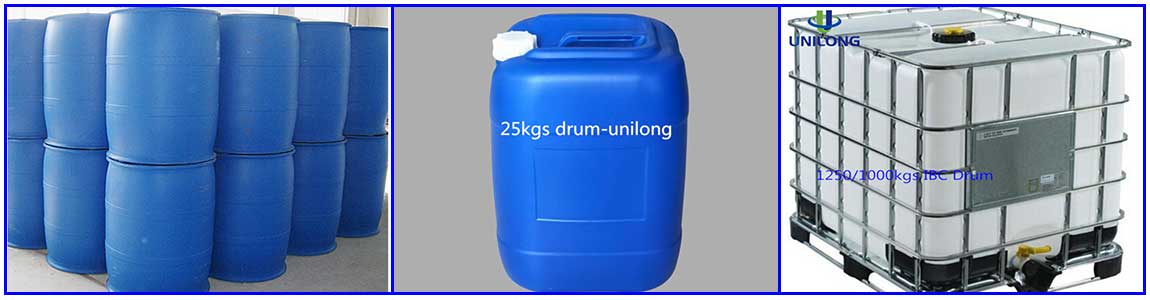
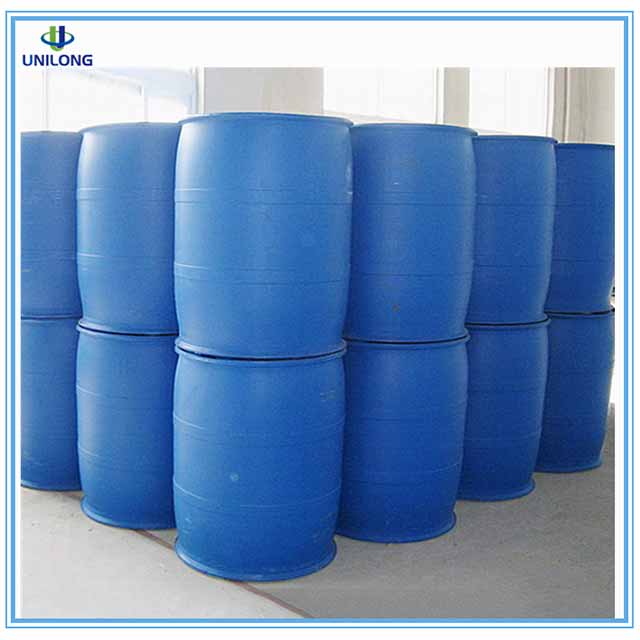
25kg drum or requirement of clients. Keep it away from light at a temperature below 25℃.