
CAS No.:530-62-1
Other Names:1,1′-Carbonyldiimidazole
MF:C7H6N4O
EINECS No:208-488-9
Synonyms:CARBONYLDIIMIDAZOLE; CARBODIIMIDAZOLE; LABOTEST-BB LT00233203; IM2 C O;DI(1H-IMIDAZOL-1-YL)METHANONE; CDI;(DIIMIDAZOL-1-YL)KETONE; AKOS BBS-00004316
What is of Carbonyldiimidazole with cas 530-62-1?
1,1′-Carbonyldiimidazole (N,N′-carbonyldiimidazole) is a versatile peptide-forming reagent.
Specification
|
Product Name:
|
1,1′-Carbonyldiimidazole
|
|
CAS NO:
|
530-62-1
|
|
Melting Point:
|
117-122 °C(lit.)
|
|
Purity:
|
>99%
|
|
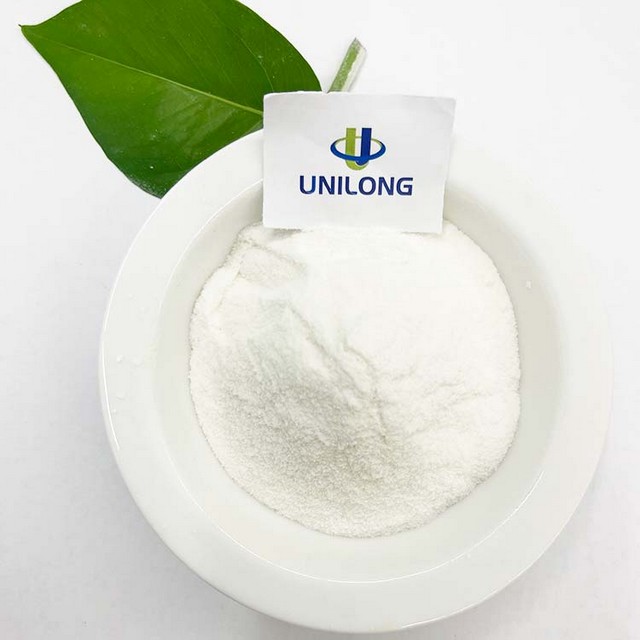
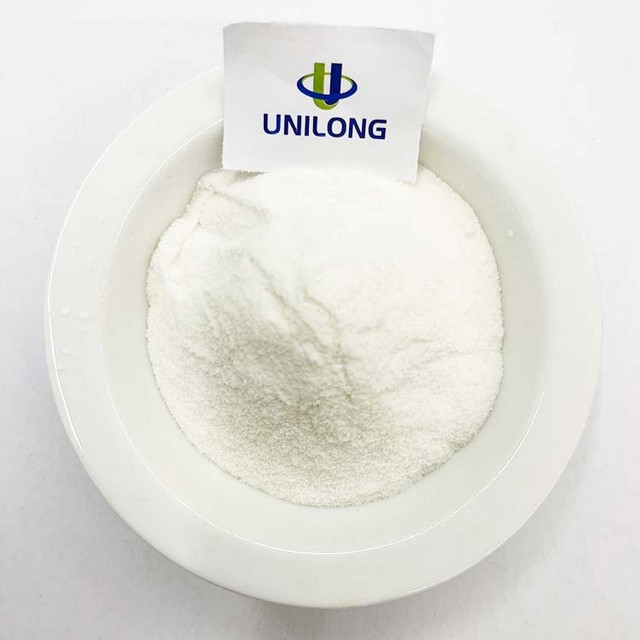
Appearance:
|
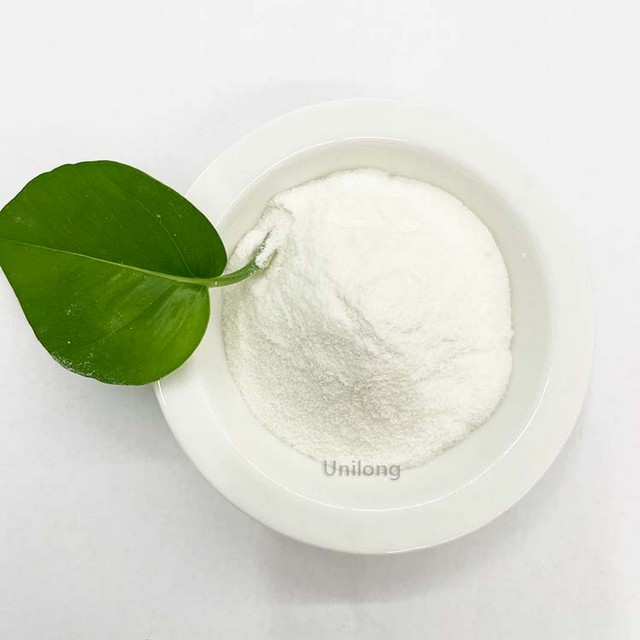
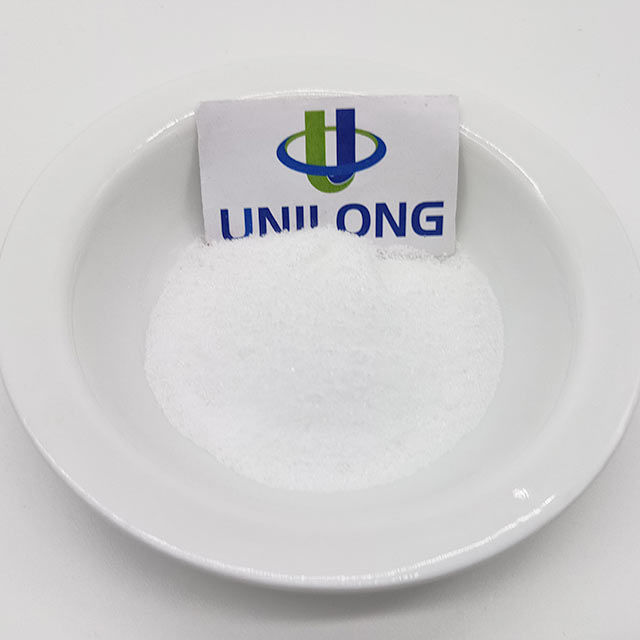
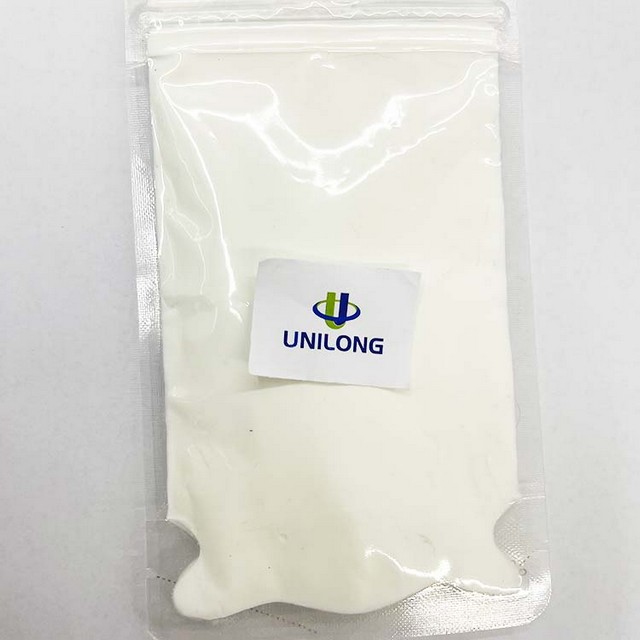
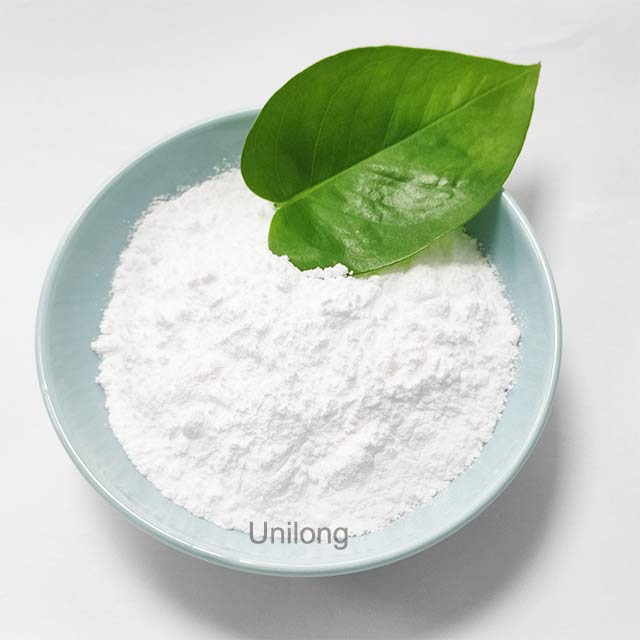
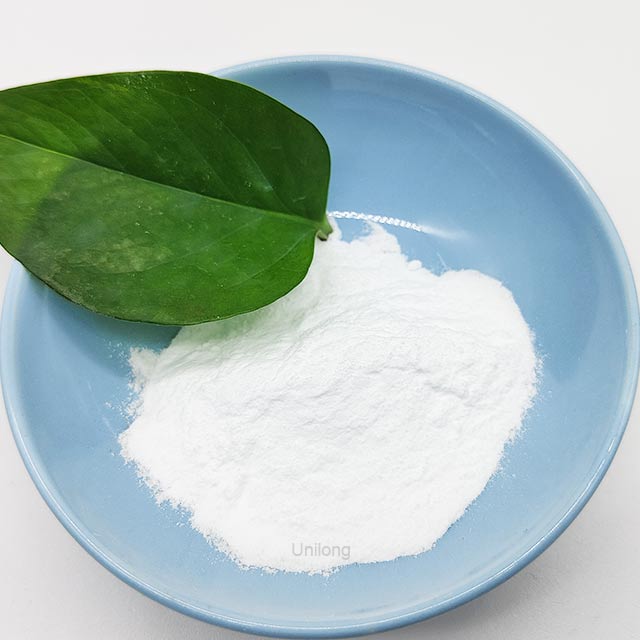
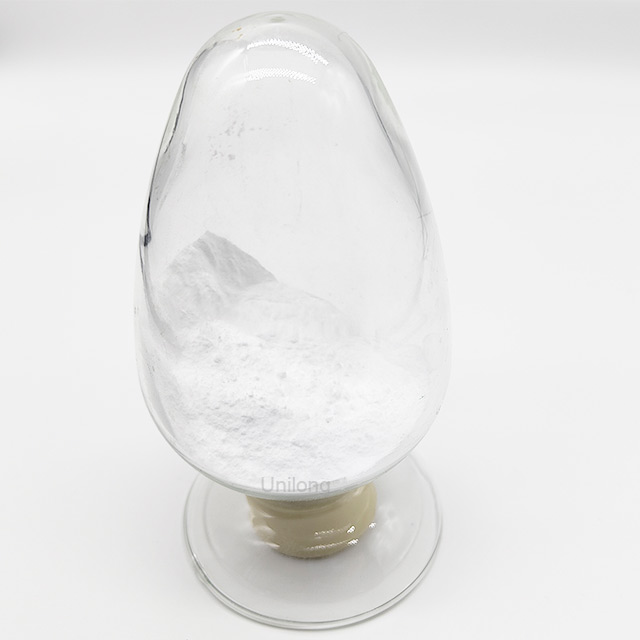
white Powder
|
|
Storage:
|
2-8°C
|
|
Solubility:
|
Insoluble in water
|
Application
In peptide and amide synthesis, CDI is a classic coupling agent. It activates the carboxylic acid group of amino acids to form a reactive intermediate (N-acylimidazole), which then reacts with an amine to form a peptide bond with minimal racemization . This application is fundamental in pharmaceutical research for building complex peptides and proteins .
CDI is a key reagent for the synthesis of esters, carbamates, and ureas. It efficiently converts carboxylic acids into esters when reacted with alcohols . Similarly, it reacts with alcohols and amines to form carbamates and ureas, respectively, which are important intermediates in the production of agrochemicals and pharmaceuticals .
In the field of green chemistry and polymer science, CDI is utilized to create non-isocyanate polyurethanes (NIPUs). It enables the solvent-free, catalyst-free synthesis of polyurethane foams and thermoplastics by forming bis-carbonylimidazole (BCI) monomers, offering a safer and more sustainable alternative to traditional methods that use toxic isocyanates .
CDI is instrumental in bioconjugation and materials science for immobilizing biomolecules. It is used to activate functional groups on polymers or surfaces (such as cellulose membranes) for the attachment of enzymes, affinity ligands, or other biomolecules, aiding in the development of biosensors and targeted drug delivery systems
Packing
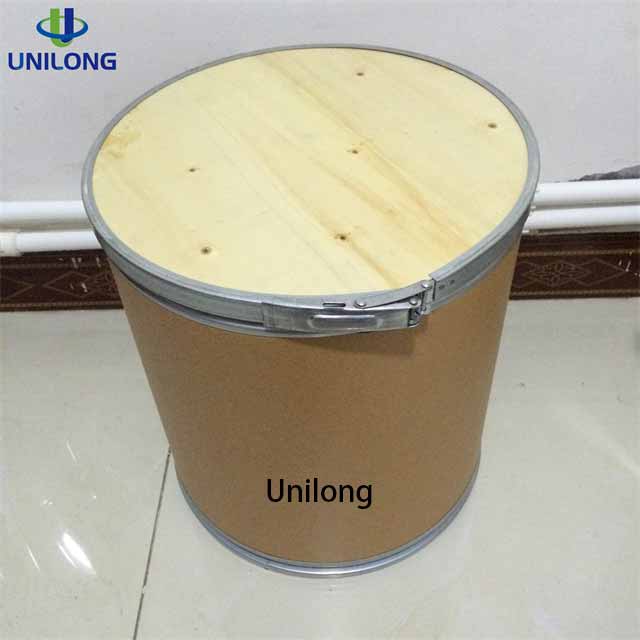
25kgs/drum, 9tons/20’container