
CAS:10222-01-2
MF:C3H2Br2N2O
MW:241.87
EINECS:233-539-7
Other Names:2,2-Dibromo-2-cyanoacetamide
What is of 2,2-Dibromo-2-cyanoacetamide with cas 10222-01-2?
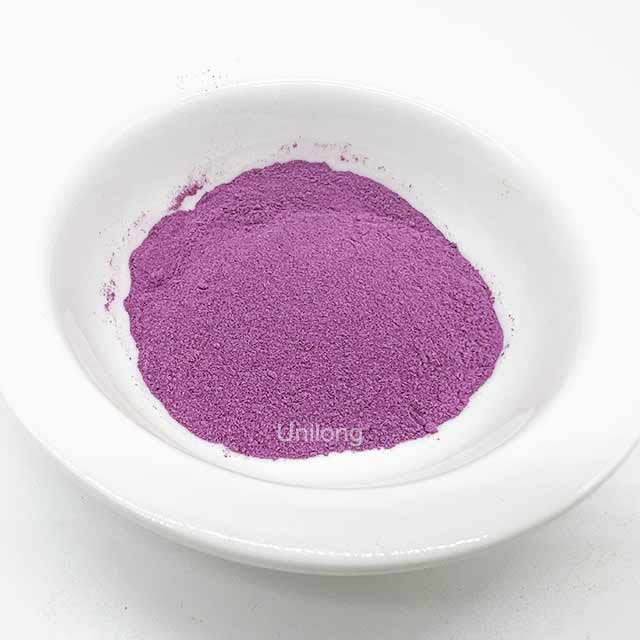
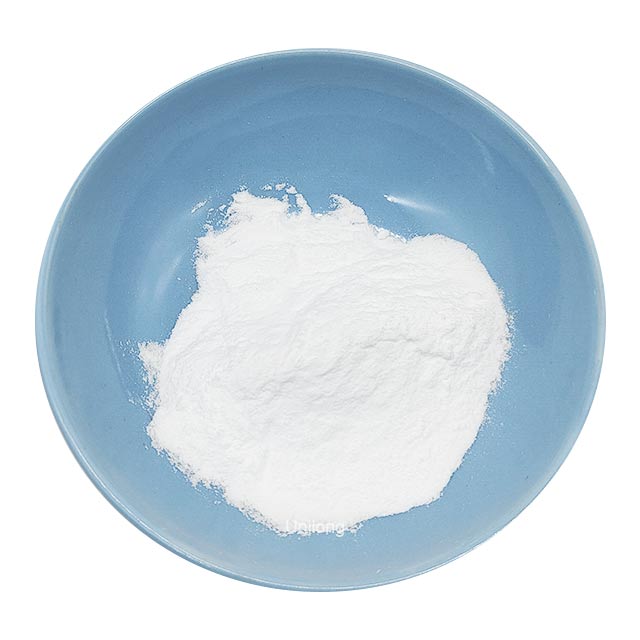
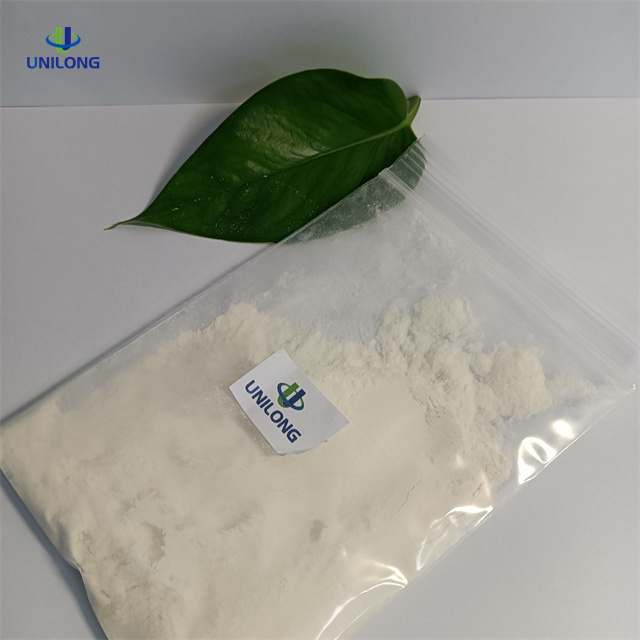
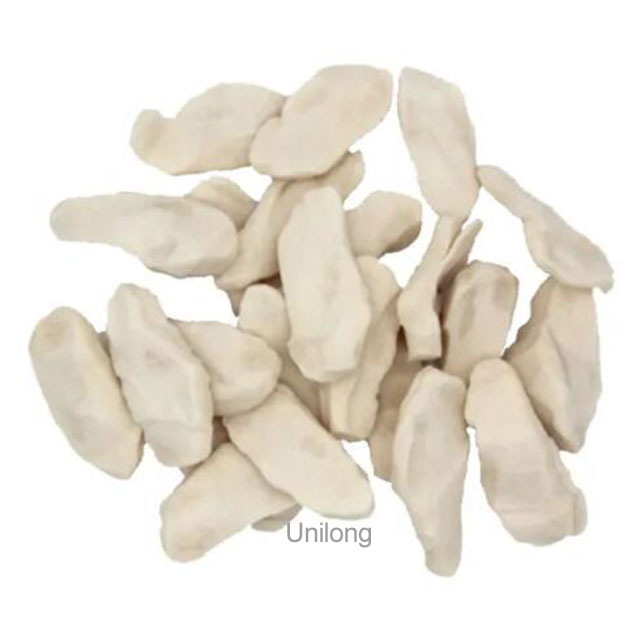
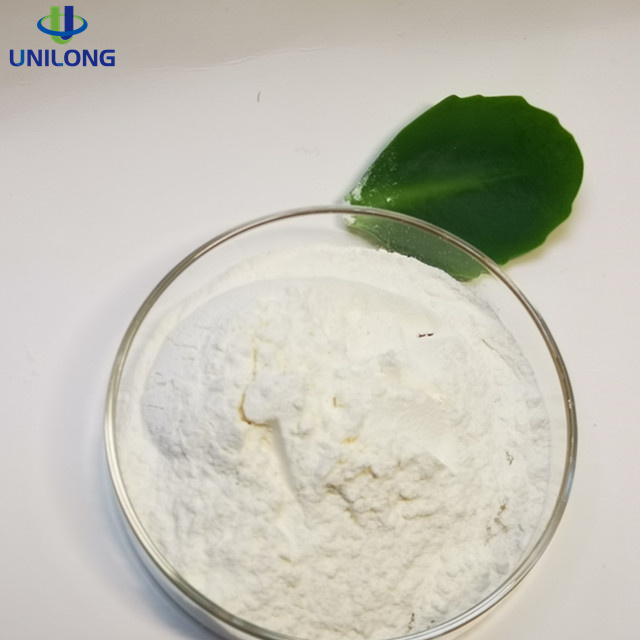
2,2-Dibromo-2-cyanoacetamide, abbreviated as DBNPA, is a white crystalline powder. A chemical additive to control bacterial contamination in ethanol fermentation.
Advantages:
1. 2,2-Dibromo-2-cyanoacetamide works extremely quickly and is a type of rapid-killing agent; it shows effect at a low concentration and has both sterilization and the ability to remove biofilm.
2. Broad-spectrum: effective against bacteria, fungi, yeasts, and algae, with particularly outstanding effect on SRB.
3. Environmentally degradable: it will rapidly hydrolyze under conditions of increased pH, temperature rise, and the presence of reducing agents, without long-term residue. It is a “rapid-acting, rapid-decomposing” disinfectant with low residue after shutdown.
4. DBNPA has good compatibility with most water treatment chemicals such as scale inhibitors and corrosion inhibitors; it is compatible with reverse osmosis membranes (without damaging the membranes at the correct dosage).
5. DBNPA is a non-oxidizing disinfectant, unlike chlorine gas or sodium hypochlorite, which are highly oxidizing. It causes less corrosion to equipment.
Specification
|
Items
|
Specifications
|
|
Appearance
|
White crystalline powder
|
|
Melting point
|
M.P 122.0-127.0℃
|
|
Acidity PH Value(1%aqua)
|
1%W/V PH 5.0-7.0
|
|
Volatile
|
≤0.5%
|
|
Assay Purity, WT%
|
≥99.0%
|
|
Solubility test in 35% DEG
|
N.D
|
Usage
Mechanism of action: Rapidly penetrate the cell membranes of microorganisms, deactivate the sulfhydryl and amino groups of bromination/oxidation enzymes, block metabolism, kill bacteria, fungi, yeasts, and algae, and at the same time remove biofilm sludge.
Industrial circulating cooling water / RO reverse osmosis system: Bactericidal and algicidal, control biofilm, protect membrane elements, inhibit sludge blockage and corrosion under scale (the most common scenario in water treatment).
Oilfield reinjection water: Kill sulfate-reducing bacteria (SRB) and saprophytic bacteria, inhibit H₂S production, prevent pipeline corrosion and formation of formation blockage.
Pulp and paper white water / pulp system: Control sludge, prevent rotten pulp, paper sheet holes, and paper machine biofilm, inhibit paper machine biofilm.
Coatings, latex, plywood, water-based adhesives: Internal tank anti-corrosion, anti-mold and antibacterial.
Central air conditioning cooling water: Control Legionella and algae.
Typical dosage: Generally 5–50 ppm for the system, with intermittent dosing as the main method.
Packing
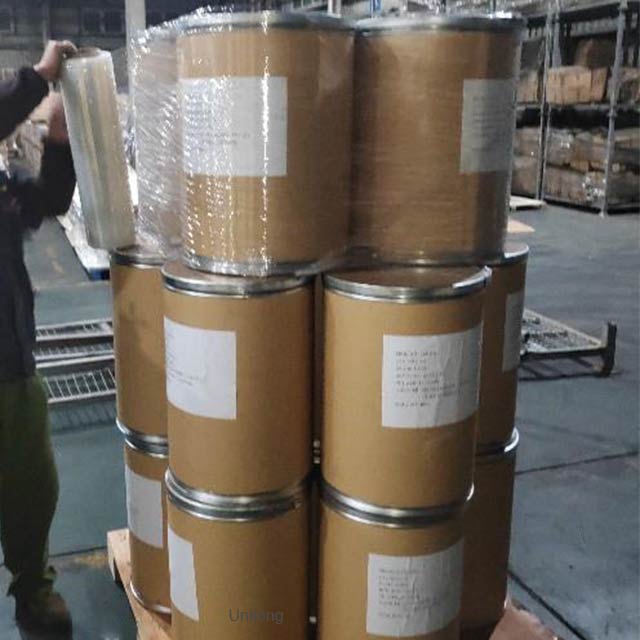
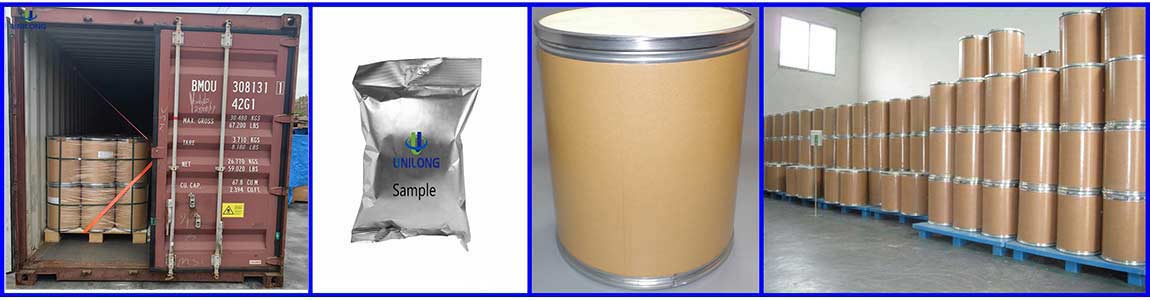
25kgs/drum, 9tons/20’containerPacking
FAQ
Q: What is the pH control range during use?
A: Optimal pH: 5.5 – 7.5; If pH > 8, the efficacy will rapidly decline; If pH > 9, it will hydrolyze almost instantly. It is not recommended for use.
Q: What are the sample and minimum order quantity (MOQ)?
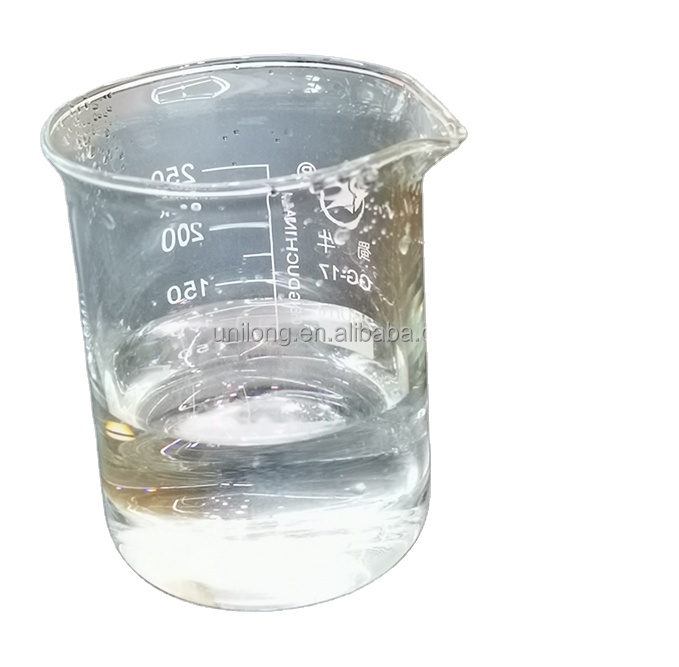
A: Powder samples are generally 100g – 1kg; Regular MOQ: 25kg (paperboard barrel); For liquid 20% DBNPA, the common packaging is 25kg plastic barrel. COA, MSDS, and TDS can be provided.
Q: Is DBNPA safe for RO membranes?
A: At the recommended dosage and short-term intermittent addition, it is compatible with polyamide RO membranes; High concentration and long-term immersion is strictly prohibited. After addition, it is recommended to rinse.
Q: Is there a risk of developing resistance?
A: The mechanism of action is to destroy enzymes. Microorganisms are unlikely to develop resistance; The industry often rotates with other disinfectants to further reduce the risk of resistance.
Q: How long is the delivery period / shipping time?
A: For regular inventory products, the shipment will be arranged within 3 – 7 working days after receiving the deposit. For customized filling, special packaging orders, the delivery period needs to be discussed in detail.