
Product Name: 2,2-Bis-(4-cyanatophenyl)propane / Bisphenol A Cyanate Ester
CAS Number: 1156-51-0
EC / EINECS No.: 214-590-4
Synonyms: Bisphenol A cyanate ester
Specification: Assay 99%; Melting point 80 deg C; Boiling point 391 +/- 52 deg C; Density 1.171 +/- 0.06 g/cm3
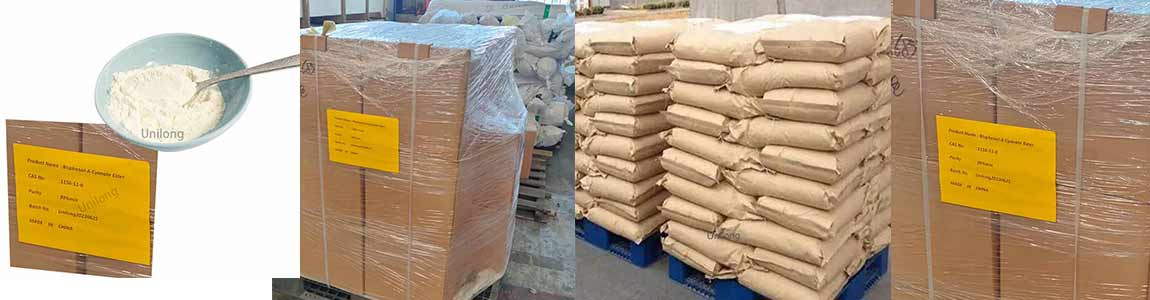
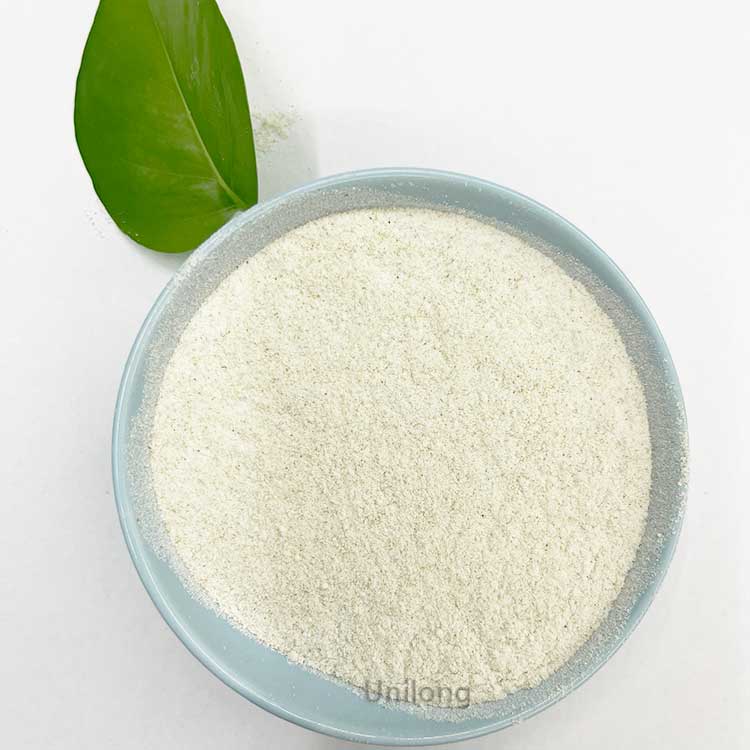
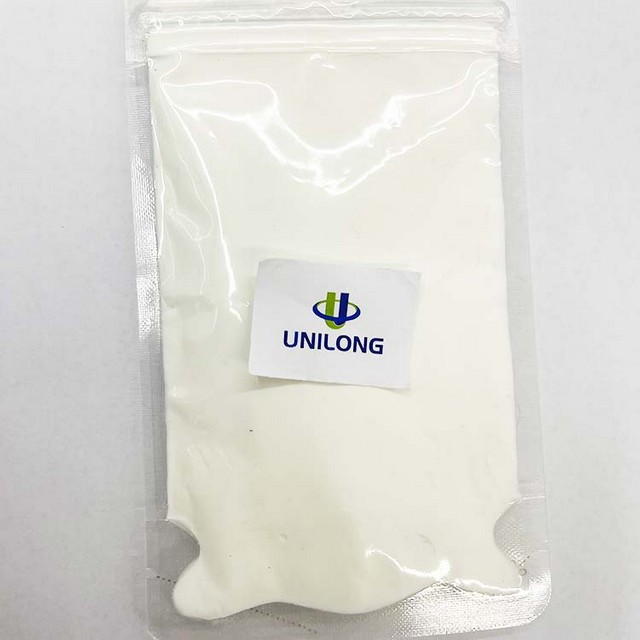
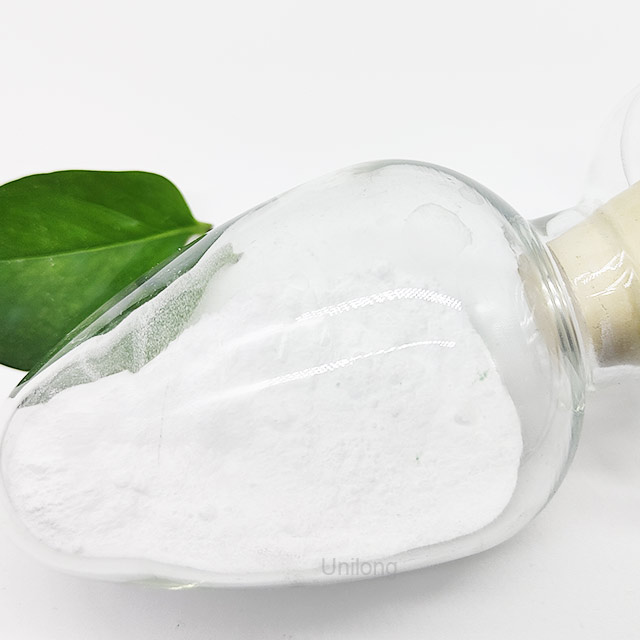
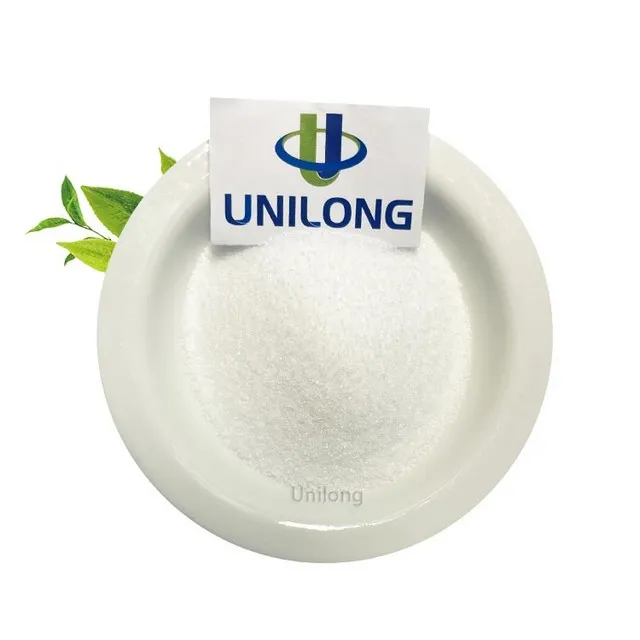
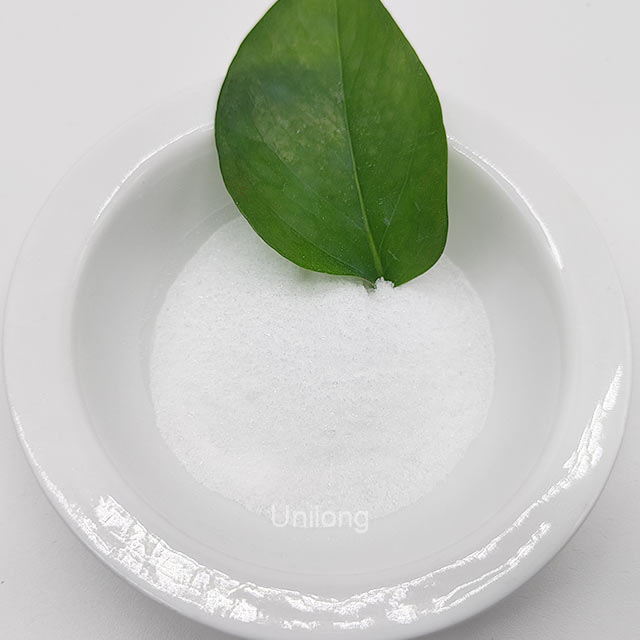
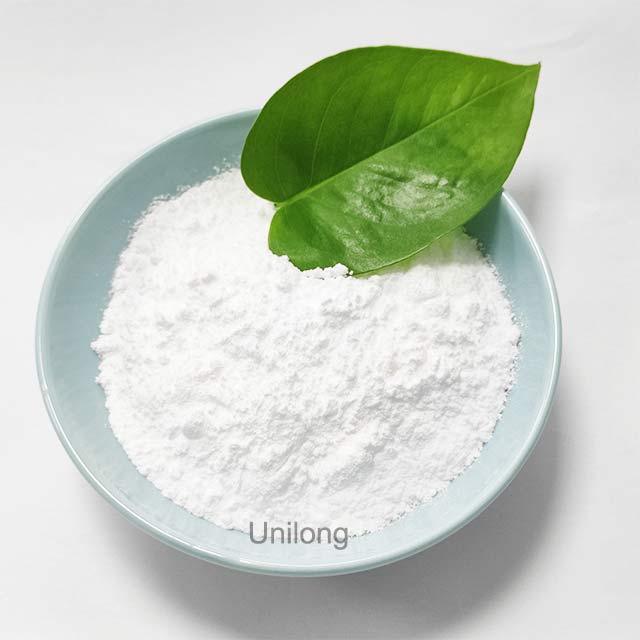
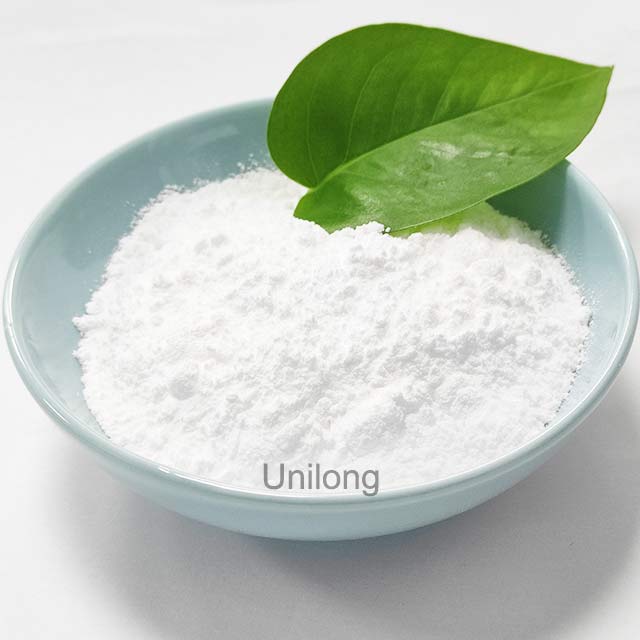
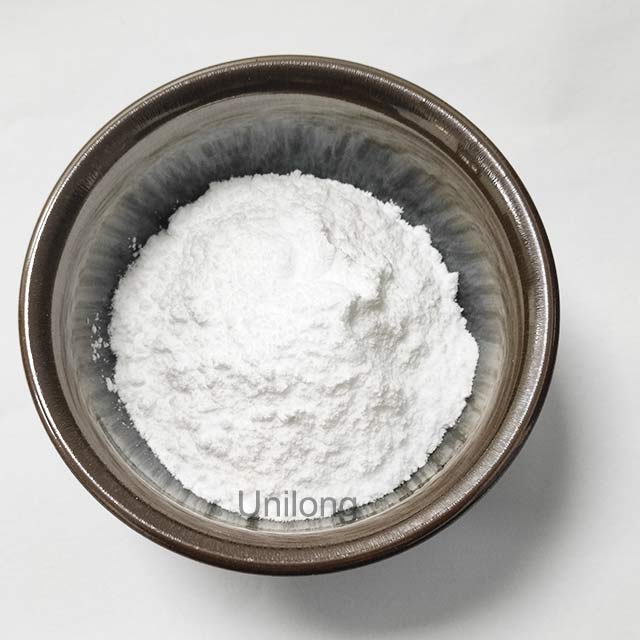
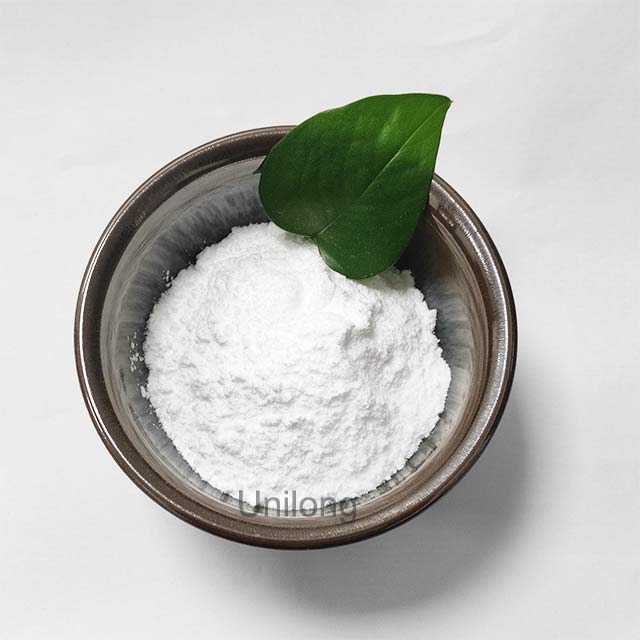
Appearance: White powder
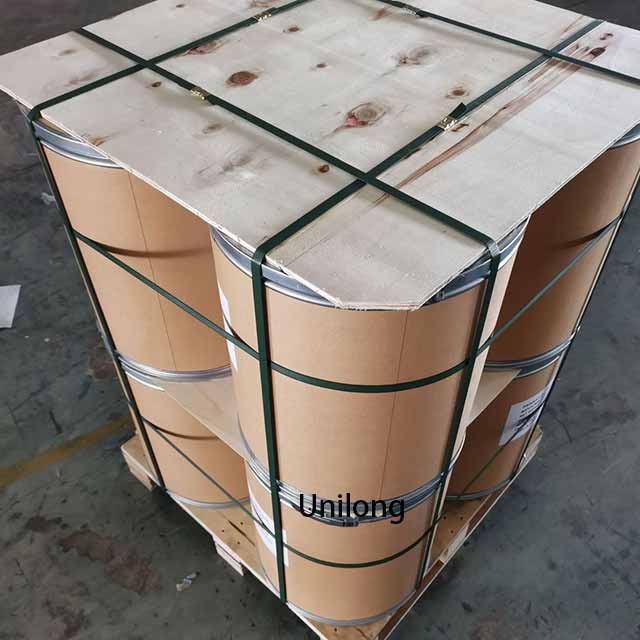
Package: 25kgs/drum
Application: Used as a high-performance thermosetting resin monomer for advanced composites and electronic encapsulation
What is 2,2-Bis-(4-cyanatophenyl)propane with CAS 1156-51-0?
2,2-Bis-(4-cyanatophenyl)propane (CAS 1156-51-0), also known as Bisphenol A cyanate ester, is a high-performance thermosetting resin monomer widely used in advanced composite materials and electronic encapsulation. It features excellent thermal stability, low dielectric constant, and superior mechanical strength, making it a key material in aerospace, electronics, and high-performance composites.
As a difunctional cyanate ester derived from Bisphenol A, it undergoes cyclotrimerization reactions to form triazine ring networks, resulting in highly crosslinked structures with outstanding thermal and dielectric properties.
Specification
|
Product name
|
2,2-Bis-(4-cyanatophenyl)propane
|
|
Cas No
|
1156-51-0
|
|
Appearance
|
White powder
|
|
Assay
|
99%
|
|
Application
|
organic intermediate
|
|
MOQ
|
1kg
|
|
Fast delivery
|
1-5days
|
|
Payment terms
|
T/T;L/C;Money Gram;Trade assurance order
|
|
Melting point
|
80 °C
|
|
Boiling point
|
391.0±52.0 °C(Predicted)
|
|
density
|
1.171±0.06 g/cm3(Predicted)
|
|
storage temp.
|
Sealed in dry,Room Temperature
|
Application
1. Advanced Composite Materials
Bisphenol A cyanate ester (CAS 1156-51-0) is widely used in carbon fiber composites, glass fiber composites, and aerospace-grade laminates. Its crosslinked triazine structure provides:
-
High glass transition temperature (Tg > 250°C)
-
Excellent dimensional stability
-
Low moisture absorption
-
Superior adhesion to reinforcing fibers
These properties make it ideal for aerospace structures, satellite components, and high-performance automotive composites.
2. Electronic and Electrical Applications
Owing to its low dielectric constant and excellent thermal endurance, 2,2-Bis-(4-cyanatophenyl)propane is a key material in:
-
Printed circuit boards (PCBs)
-
Semiconductor encapsulation resins
-
High-frequency electronic substrates
-
Adhesive formulations for electronic packaging
Its low outgassing and minimal dielectric loss ensure stability in microelectronic and communication equipment.
3. Adhesives and Coatings
The reactive cyanate ester groups enable self-polymerization or copolymerization with epoxy or bismaleimide resins. This improves:
-
Crosslink density and mechanical strength
-
Chemical and solvent resistance
-
Long-term heat resistance
Therefore, it’s often used in heat-resistant coatings, adhesive systems, and structural composites requiring durability under extreme environments.

Packing
25kgs/drum, 9tons/20’container