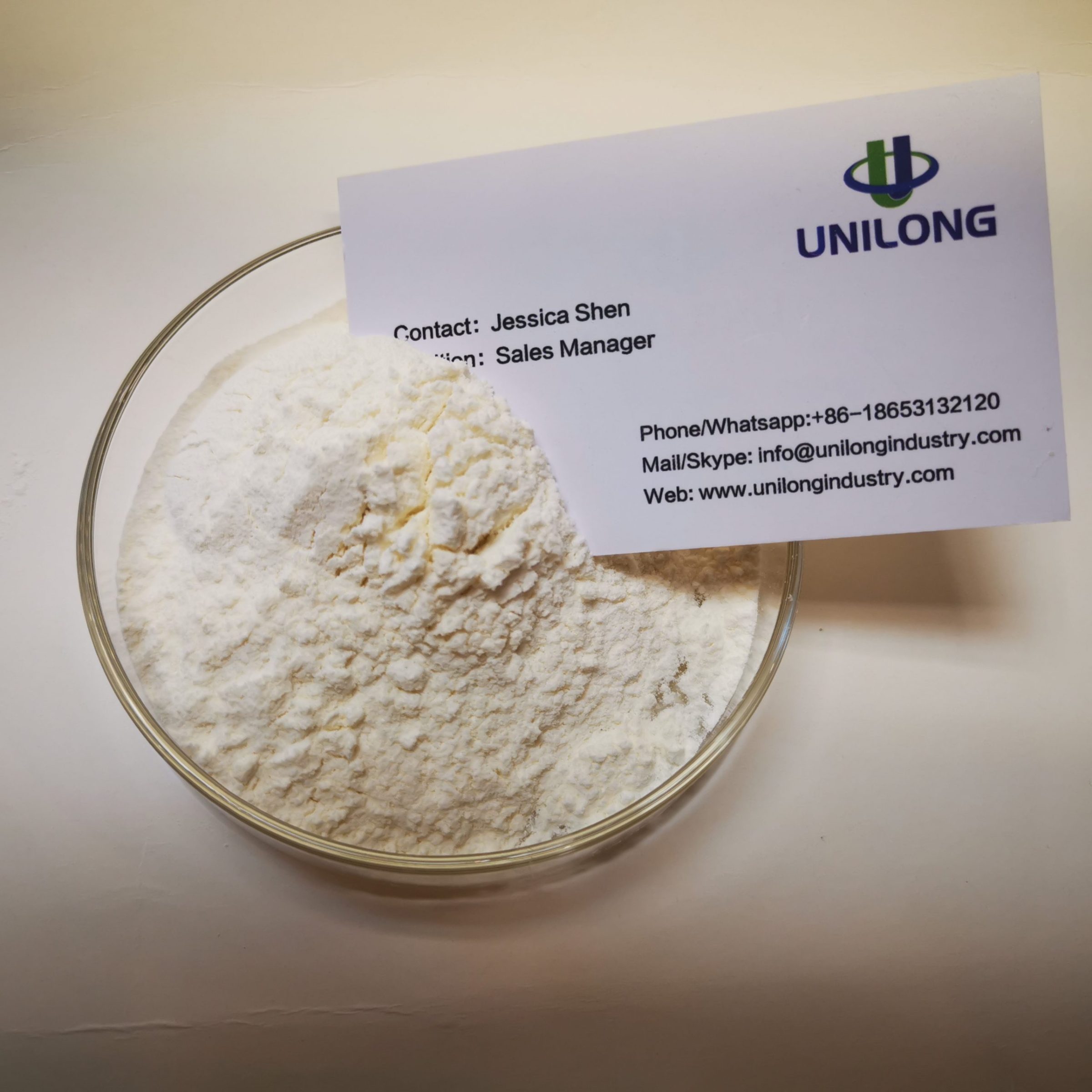
1,3-Bis(4,5-dihydro-2-oxazolyl)benzene CAS 34052-90-9
1,3-Bis(4,5-dihydro-2-oxazolyl)benzene CAS 34052-90-9 is an important organic reaction intermediate. It is a five-membered heterocyclic compound containing two carbons, nitrogen, oxygen and a carbon-nitrogen double bond. Because of its active chemical properties, 1 3-Bis (4 5-dihydro-2-oxazolyl) Benzene can undergo ring-opening reactions with carboxyl, anhydride, amino, epoxy, thiol, phenolic hydroxyl, isocyanate, etc. at a certain temperature. Therefore, bisoxazoline can often be used as a chain extender or cross-linking agent for polymers.
Specification
| ITEM |
STANDARD |
| Appearance |
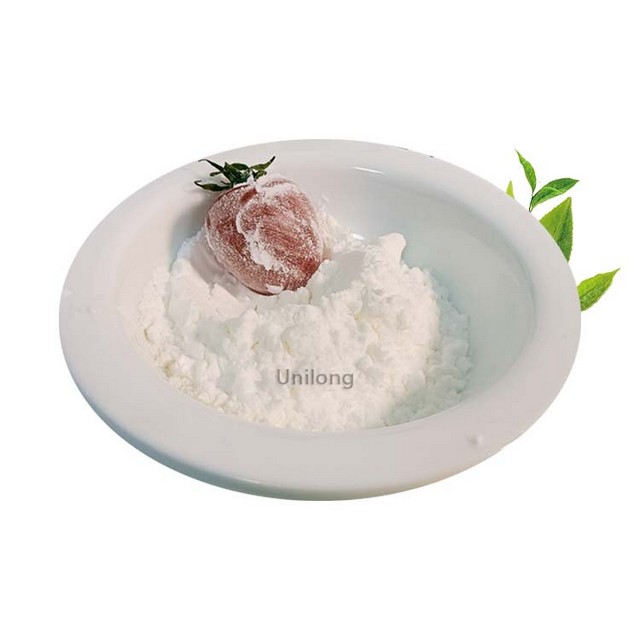
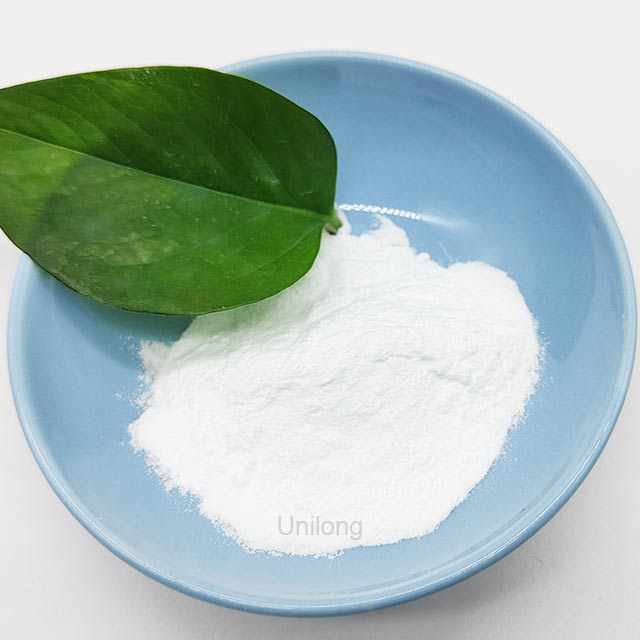
white powder |
| Assay % |
98%min |
| Density (g/mL) |
1.100-1.200 |
| pH value |
3.30-3.55 |
Application
Polymer crosslinking agent (Core Application)
1, 3-bis (4,5-dihydro-2-oxazolyl)benzene is used for crosslinking modification of engineering plastics such as polyester, polyamide, and polyolefin: by reacting with carboxyl and hydroxyl groups in the material to form a three-dimensional network structure, it enhances the heat deflection temperature, impact resistance, and solvent resistance of the plastic (for example: The heat resistance of modified PET polyester makes it suitable for components in high-temperature environments.
Rubber vulcanization crosslinking agent: 1, 3-bis (4,5-dihydro-2-oxazolyl)benzene can replace traditional sulfur or peroxides and is used for the vulcanization of nitrile rubber, chloroprene rubber, etc. It has a high crosslinking efficiency and the tensile strength and aging resistance of the finished rubber are better.
Polymer monomer/copolymer monomer
Participate in copolymerization reactions to prepare functional polymers: for instance, copolymerize with dicarboxylic acids (such as adipic acid) to synthesize polyoxazolin-polyester copolymers, or copolymerize with epoxy monomers to prepare high-performance epoxy resins, which are used in adhesives, coatings, etc.
The graft polymer containing oxazoline groups, 1 3-Bis (4 5-dihydro-2-oxazolyl) Benzene, was prepared for interface modification of composite materials (to enhance the binding force between fibers and matrix resins).
Composite material additives
1 3-Bis (4 5-dihydro-2-oxazolyl) Benzene as an interfacial compatibilizer for glass fiber reinforced plastics (FRP) and carbon fiber composites: The oxazoline ring reacts with the hydroxyl and carboxyl groups on the fiber surface, and at the same time cross-links with the base resin to improve the interfacial bonding and enhance the mechanical properties of the composite material (such as flexural strength and impact strength).
Modification of coatings and adhesives: 1 3-Bis (4 5-dihydro-2-oxazolyl) Benzene is added to polyurethane coatings and epoxy adhesives to enhance the adhesion, water resistance and weather resistance of the products, and is suitable for high-end scenarios such as automobiles, electronics and construction.
Other special uses
Organic synthesis intermediates: 1,3-PBO is used in the synthesis of drug intermediates and fluorescent materials containing oxazoline structures.
Metal ion chelating agents: The O and N atoms in the oxazoline ring can form complexes with metal ions (such as Cu²⁺, Zn²⁺), and 1,3-PBO is used for metal separation or catalytic reactions.
Packing
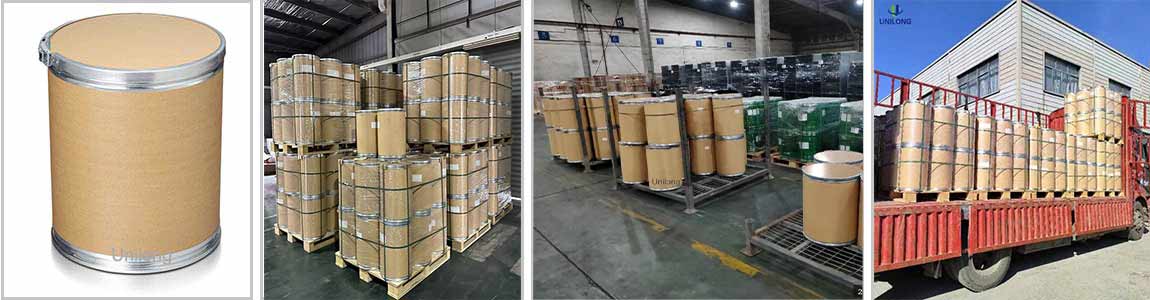
25kgs/drum or Customized according to customer requirements
FAQ
Q: What are the regular quality indicators (COA)?
A: Mainstream purity ≥ 98.0%, high-end ≥ 99.0%
– Appearance: White to light yellow crystalline powder
– Melting point: 147–151℃
– GC purity, moisture, ash content, acid value, heavy metals
Purity + Melting point; impurities can affect cross-linking efficiency and storage stability.
Q: Will it lose its effectiveness during storage?
A: Stable at room temperature in a sealed and dry environment; it will slowly hydrolyze and deactivate when exposed to water or moisture.
Shelf life: 12 months in a sealed and dry environment; use up the product as soon as it is opened. Moisture prevention is crucial.
Q: What causes bubbles in the customer’s paint film?
A: 1,3-PBO itself does not produce gas during cross-linking; bubbles usually come from:
1. Excessive moisture in the resin;
2. Other components in the formula decompose at high temperatures;
3. The raw materials hydrolyze due to moisture absorption, and impurities affect.
Q: What are the storage conditions?
A: Sealed, cool and dry with ventilation, stored at room temperature; strictly prohibit mixing with dampness, water vapor, acidic substances; away from strong acids. The packaging is lined with PE moisture-proof bags.
Q: Can samples be provided?
A: Sample fee is charged; sample fee will be refunded after a large order is placed.
Shipping documents: COA, MSDS; this product is regular bulk goods, can be shipped through the conventional DHL channel.
Sample delivery time: 1–3 working days for inventory preparation, international delivery 3–7 days (depending on the destination country).
Q: Delivery time for large orders?
A: Standard 98% purity in stock: 7–12 working days after receiving the deposit
– Customized specifications with high purity and low impurities: 5–25 working days
Packaging: 1kg aluminum foil bag / 25kg cardboard barrel (lined with PE moisture-proof bag).