

In an era where the global textile industry is demanding higher color fastness, environmental sustainability, and vibrant aesthetics, the role of key chemical intermediates has never been more critical. Leading this charge is Anthraquinone, a versatile organic compound that serves as the backbone for some of the world’s durable and high-performance dyes. Recognizing the surging global demand, Unilong has announced the operational capacity of its state-of-the-art 8,000-ton annual production facility, dedicated specifically to supplying the premium dye sector with high-purity anthraquinone.
Ⅰ. Basic Specification
Product Name: Anthraquinone
CAS No.: 84-65-1
Appearance :Pale yellow to light grey powder
Melting point :283.0°C MIN
Purity :98.5%MIN
Ash :0.5% MAX
Moisture :0.5% MAX
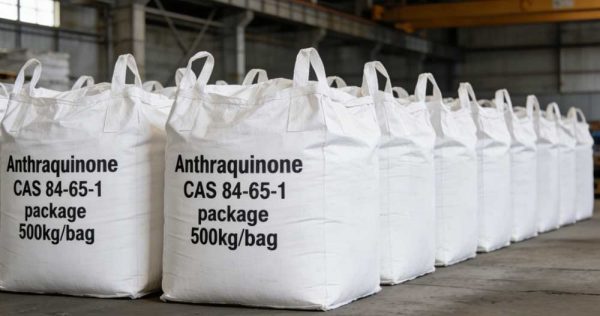
Anthraquinone is a significant quinoid organic compound, typically referring specifically to 9,10-anthraquinone. It exists both as a naturally occurring substance and as a vital synthetic chemical raw material, finding extensive applications in the dye, papermaking, and pharmaceutical industries.
Solubility: Insoluble in water, but soluble in various organic solvents such as ethanol, ether, benzene, and chloroform.
Chemical Properties: It exhibits relatively stable chemical properties and is not easily oxidized; however, it is capable of undergoing reactions such as nitration, sulfonation, and bromination.
Ⅱ. DESCRIPTION
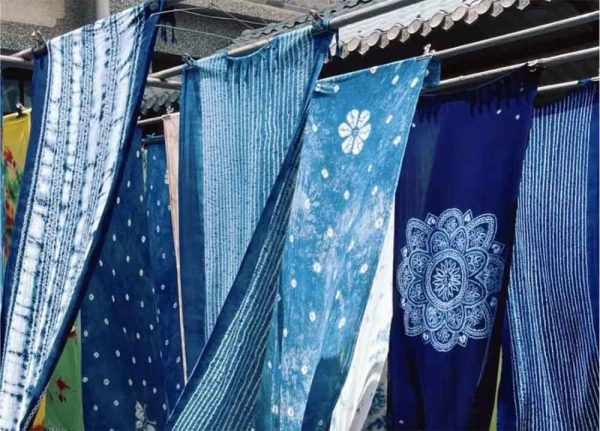
Anthraquinone is not merely a raw material; it is the structural foundation of the “Vat Dyes” and “Disperse Dyes” families, which are renowned for their exceptional resistance to washing, light, and rubbing. Unlike simpler dye structures, Anthraquinone-based dyes penetrate fiber matrices deeply, forming stable bonds that ensure colors remain vivid even after repeated industrial laundering and prolonged exposure to sunlight. This makes them indispensable for high-end applications, including performance sportswear, automotive upholstery, military camouflage, and luxury home textiles.
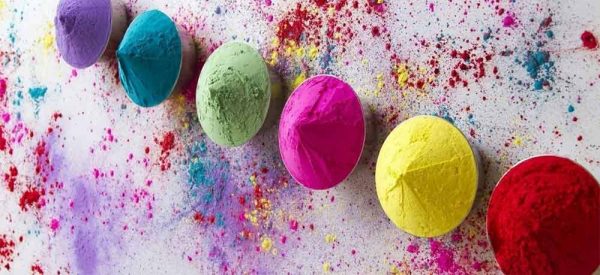
As fashion brands globally tighten their quality control standards, the reliance on high-grade Anthraquinone has intensified. It allows manufacturers to produce a spectrum of brilliant blues, greens, reds, and violets that azo-based dyes often struggle to replicate with the same level of stability. Furthermore, with the global shift away from carcinogenic azo dyes in many regulated markets, Anthraquinone derivatives have emerged as the safer, superior alternative, driving a significant surge in procurement requests from Europe, North America, and increasingly, Southeast Asia.
Ⅲ. Advanced Production: Merging Tradition with Innovation
To meet these rigorous quality demands, Unilong Industry Co., Ltd employs a dual-process strategy, ensuring both versatility and purity. The production line integrates two distinct manufacturing methodologies:
Phthalic Anhydride Condensation: This traditional yet refined process involves the condensation of phthalic anhydride with benzene in the presence of aluminum chloride. Known for producing Anthraquinone with excellent crystalline structure, this method is particularly favored for creating intermediates used in specific vat dyes requiring high thermal stability.
Oxidation of Anthracene: Leveraging modern catalytic oxidation technologies, this process converts crude anthracene (derived from coal tar) into high-purity Anthraquinone. The facility utilizes advanced purification towers and sublimation techniques to remove impurities such as unreacted anthracene and anthrone, achieving purity levels exceeding 98.5%. This grade is essential for sensitive disperse dye applications where even trace impurities can alter hue or reduce fastness.
By maintaining both production lines, the facility offers buyers flexibility. Clients can source specific grades tailored to their unique synthesis requirements, whether they are producing heavy-duty industrial dyes or delicate synthetic fiber colorants. The 8,000-ton annual capacity ensures a stable, uninterrupted supply chain, mitigating the volatility often seen in the global chemical market.
Ⅳ. Quality Assurance and Global Reach
The significance of this production milestone extends beyond volume; it represents a commitment to consistency. In the dye industry, batch-to-batch uniformity is paramount. A slight variation in the purity of Anthraquinone can lead to significant deviations in the final dye product, resulting in costly rejections for textile mills. The new facility employs real-time spectroscopic analysis and automated quality control systems to guarantee that every ton shipped meets international specifications, including strict limits on heavy metals and organic impurities.
“We understand that for our partners in the dye industry, our Anthraquinone is the starting point of their reputation,” said a spokesperson for the manufacturing division. “With 8,000 tons of capacity, we are not just selling a chemical; we are providing the reliability needed for dye makers to fulfill large-scale international contracts with confidence.
Ⅴ. A Sustainable Future for Textile Coloration
Looking ahead, the importance of Anthraquinone is set to grow as the textile industry adopts circular economy principles. The exceptional durability of Anthraquinone-based dyes extends garment lifespans, which reduces replacement frequency and shrinks the fashion industry’s environmental footprint. Furthermore, research into new Anthraquinone derivatives aims to improve exhaustion rates, thereby lowering water and energy consumption during dyeing.
Ⅵ. Summary
Ready to meet your production demands? Our facility is fully equipped with versatile processing capabilities to deliver Anthraquinone that meets your exact specifications. We offer flexible packaging and bulk options to fit your supply chain. Don’t hesitate—reach out to us now for pricing and availability. We look forward to hearing from you!
