

p-Toluenesulfonic acid monohydrate (CAS 6192-52-5) is a widely-used organic sulfonic acid with stable crystal structure. With molecular formula C₇H₁₀O₄S and molecular weight 190.22, this solid acid reagent serves as an effective non-volatile acid catalyst. Compared with traditional mineral acids, it brings many practical benefits for fine chemical synthesis, coating, resin and other industrial fields. This article introduces its core properties, major strengths, mainstream application scenarios, operating tips and storage suggestions for global chemical buyers and process engineers.
I. Basic Physical and Chemical Properties of p-Toluenesulfonic Acid Monohydrate
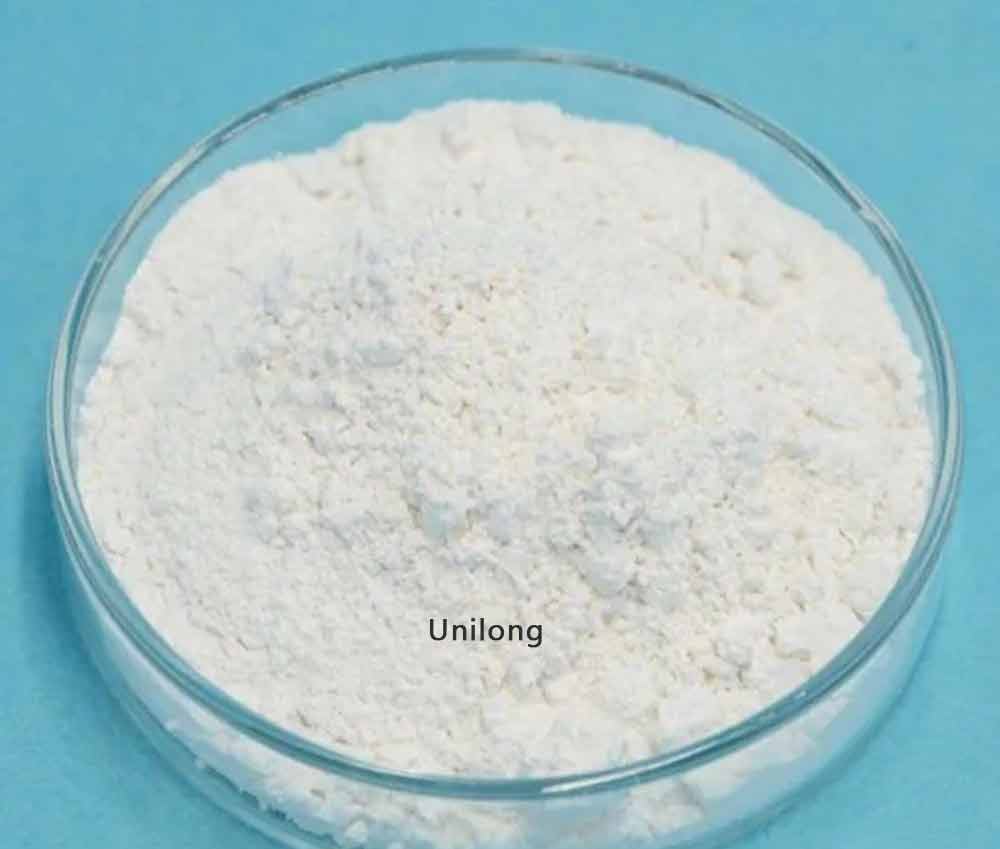
p-Toluenesulfonic acid monohydrate appears as white or off-white crystalline solid. It has good water solubility and can also dissolve in many common organic solvents. Different from strong volatile inorganic acid, this organic acid shows low volatility under normal working conditions.
Its acidity is strong enough for most esterification and condensation reactions. Meanwhile, it will not produce large amounts of corrosive acid fumes. Such stable physical-chemical features simplify transportation and daily factory operation. Industrial-grade goods are usually packed in 25-kg bags for global bulk trade. All typical test data shall be confirmed against batch-specific Certificate of Analysis before purchase.
II. Core Advantages as Industrial Acid Catalyst
The biggest advantage of p-toluenesulfonic acid monohydrate lies in its excellent catalytic performance. It can speed up many organic chemical reactions under mild temperature conditions. It works well for esterification, transesterification and condensation synthesis.
Second, it has low volatility. Concentrated sulfuric acid and hydrochloric acid release harmful vapor during heating. By contrast, this solid sulfonic-acid catalyst hardly gives off smoke, which improves workplace safety and reduces equipment corrosion.
In addition, it offers good selectivity in chemical synthesis. It helps target reactions proceed while lowering unwanted side-reactions. It is easy to separate from final reaction mixtures through neutralization or washing steps. For mass production, it helps manufacturers control product quality and cut post-processing costs.

III. Broad Application Across Multiple Industrial Segments
This catalyst is heavily consumed in fine-chemical synthesis. It is widely applied in esterification reactions to produce esters for fragrance, plasticizer and chemical intermediate manufacturing. It also promotes condensation reactions to make different kinds of organic intermediates for pharmaceutical and agro-chemical industries.
In coating and resin industry, PTS-acid monohydrate acts as curing agent catalyst for amino resin, epoxy resin and powder coating systems. It accelerates cross-linking and shortens curing time for paint and coating products.
Besides above uses, it works as effective curing accelerator for adhesives. It can also be used as polymerization auxiliary agent in polymer production. In some organic-synthesis workflows, it plays the role of dehydrating agent. It supports stable production for perfume, medicine, synthetic resin, paint and adhesive factories worldwide.

IV. Practical Operation Guidance for Process Engineers
Operators should note its corrosive nature. Direct skin or eye contact must be avoided in workshops. Full-set personal protective equipment including gloves, goggles and protective clothing is required during material feeding and sampling.
For synthesis process, the proper dosage depends on specific reaction routes. Engineers need to carry out small-scale lab tests first to confirm feeding amount, reaction temperature and reaction time. Since it is hygroscopic, keep bags well-sealed to prevent moisture absorption before feeding.Do not mix it with strong bases or oxidizing agents in storage or reaction vessels.
For finished downstream products, residual catalyst needs proper neutralization or washing treatment to avoid negative influence on final-product quality.

V. Storage, Packing and Shelf-life Recommendations
Store p-toluenesulfonic acid monohydrate in cool, dry and well-ventilated warehouse space. Keep it away from direct sunlight, heat sources, alkali materials and strong oxidants. Original packaging bags must stay tightly closed after partial taking-out to stop moisture absorption.
Standard export packing is 25 kg per bag. Under qualified storage conditions, its shelf life is 12 months from production date. Before using stored stocks, check appearance and key index. Do not use this material once it passes expiry date. For overseas importers, 25-kg bag packaging fits container loading for large-volume orders.
To sum up, p-Toluenesulfonic acid monohydrate CAS 6192-52-5 is a practical organic acid catalyst for modern chemical industry. Low volatility, reliable catalytic activity and easy post-treatment make it a popular substitute for traditional mineral acid. It will keep supporting stable production of fine chemicals, coatings, resins and adhesives across global manufacturing supply chains.
We are p-Toluenesulfonic acid monohydrate suppliers with stable stock and competitive price. If necessary, please contact us at your earliest convenience.
: Versatile Acid Catalyst for Modern Chemical Manufacturing)