

The petroleum industry has always relied on advanced chemical additives to improve drilling efficiency, stabilize wellbores, and enhance oil recovery. Among these additives, Scleroglucan has gained attention as a high-performance, eco-friendly biopolymer. Known under CAS 39464-87-4, this natural polysaccharide is valued for its ability to control rheology and maintain stability in high-salinity and high-temperature environments.
As oilfield operations become more complex, operators are increasingly turning to Scleroglucan polysaccharide as a reliable solution for drilling fluids, fracturing fluids, and enhanced oil recovery (EOR). In this article, we will explore what Scleroglucan is, its unique advantages, and why it has become an essential material in petroleum applications.

I. What is Scleroglucan?
Scleroglucan is a natural polysaccharide produced by the fermentation of Sclerotium rolfsii, a type of fungus. Chemically, it is composed of a β-1,3-glucan backbone with β-1,6-linked glucose side chains, which give it exceptional viscosity and stability.
It is also commonly referred to as Sclerotium gum, and it belongs to the same family of biopolymers as xanthan gum and guar gum. However, its performance characteristics make it particularly attractive for challenging environments such as oilfield operations.
Key features of Scleroglucan polysaccharide (CAS 39464-87-4):
- High thickening efficiency, even at low concentrations.
- Strong shear-thinning behavior (viscosity decreases under stress, but recovers when stress is removed).
- Excellent salt tolerance and thermal stability.
- Biodegradable and environmentally friendly, making it a sustainable choice.
II. Why Scleroglucan Matters in the Petroleum Industry?
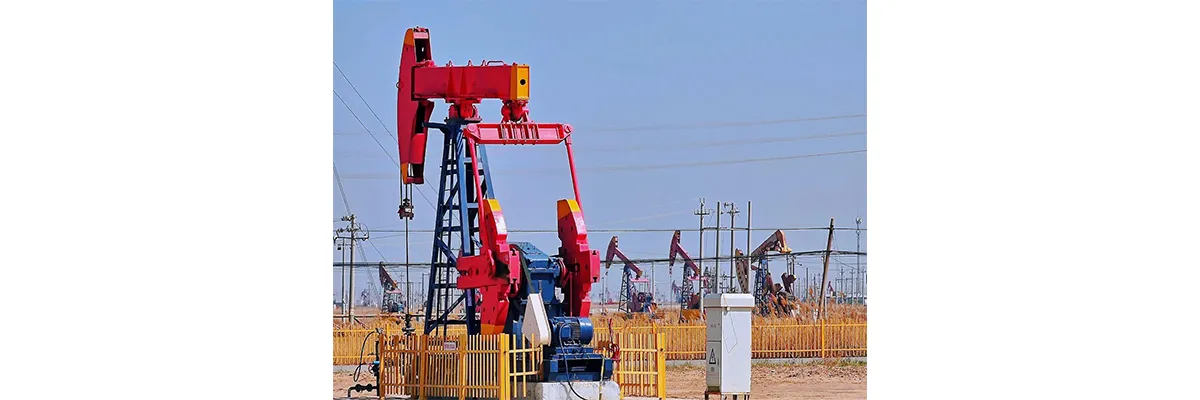
Oilfield conditions often involve extreme salinity, high pressure, and elevated temperatures, where many conventional polymers fail to perform. Scleroglucan stands out for its ability to maintain functionality under these harsh conditions.
1. Rheology Control
One of the biggest advantages of Scleroglucan polysaccharide is its superior rheology control. Even at low concentrations, it can significantly increase viscosity in drilling and fracturing fluids. This helps:
Improve suspension of drill cuttings.
Enhance wellbore cleaning efficiency.
Reduce risks of stuck pipe and drilling failures.
Ensure better fluid flow and operational stability.
2. Salt Tolerance and Thermal Stability
Unlike many polymers that lose viscosity in brines or degrade at high temperatures, Scleroglucan maintains its structure and thickening ability. This makes it ideal for:
High-salinity reservoirs.
Deep wells with elevated temperatures.
Offshore drilling environments.
Its unique molecular structure allows it to resist salt-induced precipitation, ensuring consistent performance where other additives may fail.
3. Compatibility and Stability
Works well with other oilfield additives such as fluid-loss reducers and crosslinking agents.
Stable across a wide pH range.
Can be used in different oilfield fluid formulations without compromising efficiency.
III. Petroleum Applications of Scleroglucan
1. Drilling Fluids
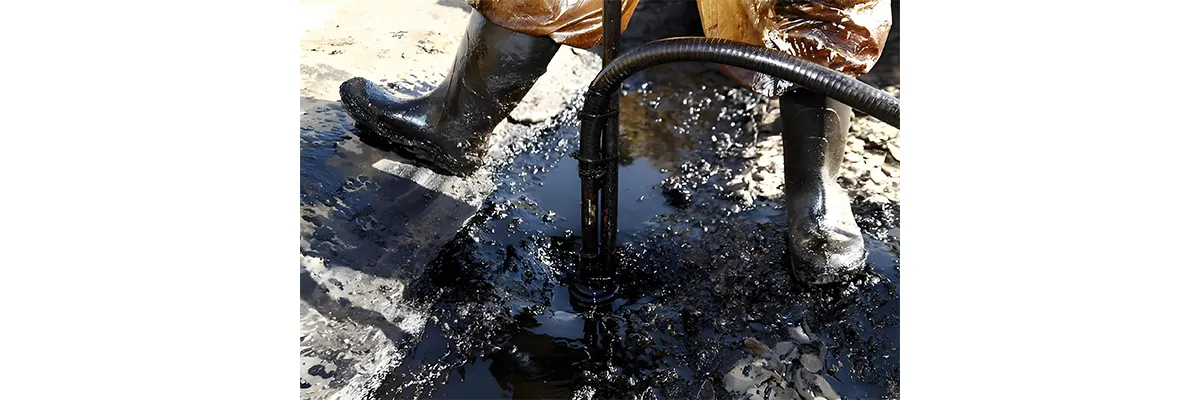
In drilling operations, Scleroglucan polysaccharide improves the carrying capacity of drilling fluids, helping remove cuttings from the wellbore. Its shear-thinning properties ensure that fluids remain pumpable while still delivering strong viscosity at rest.
2. Fracturing Fluids
In hydraulic fracturing, Scleroglucan provides the high viscosity needed to transport proppants deep into fractures. After the operation, it can be broken down efficiently to allow smooth flowback, reducing formation damage.
3. Enhanced Oil Recovery (EOR)
For mature or difficult reservoirs, Scleroglucan CAS 39464-87-4 improves mobility control and sweep efficiency. Its salt and temperature resistance allow it to perform where synthetic polymers often lose effectiveness.

IV. Comparison with Other Polymers
Xanthan gum: While also a polysaccharide, it is less tolerant to high temperatures and extreme salinity compared to Scleroglucan.
Synthetic polymers (such as polyacrylamide, PAM): Effective but not biodegradable, raising environmental concerns.
Scleroglucan: Combines the best of both worlds—high performance in harsh oilfield environments and environmental sustainability.
V. Choosing the Right Scleroglucan Supplier
For oilfield companies, sourcing high-quality Scleroglucan polysaccharide is essential. Unilong as a reliable Scleroglucan supplier can provide:
Consistent product quality across batches.
Technical support for different petroleum formulations.
Customization for drilling, fracturing, or EOR applications.
Competitive pricing and global delivery capabilities.
VI. Conclusion
As the petroleum industry pushes into deeper, hotter, and more saline reservoirs, the need for high-performance and eco-friendly polymers is greater than ever. Scleroglucan, also known as Sclerotium gum, has proven to be an exceptional solution thanks to its rheology control, salt tolerance, and thermal stability.
Whether in drilling fluids, fracturing fluids, or enhanced oil recovery, Scleroglucan polysaccharide CAS 39464-87-4 offers reliability and efficiency where other polymers fall short.
