

As polymer applications push toward longer service life, aggressive environments, and sustainable materials, UV stability has become a critical performance indicator. Among high-performance light stabilizers, Chimassorb 944 — CAS 71878-19-8, also known as UV Absorber 944 or UV 944 — is one of the most trusted and widely used Hindered Amine Light Stabilizers (HALS) for outdoor plastics and fibers.
In this guide, we compare Chimassorb 944 with other HALS systems, analyze its key advantages, application performance, and why global manufacturers prefer it when specifying UV stabilization systems for polyolefins and engineering plastics.
I. What Is Chimassorb 944?
Chimassorb 944 is a high-molecular-weight HALS stabilizer specifically developed to provide long-term UV resistance for polymers with high outdoor exposure. Unlike UV absorbers that absorb UV light, HALS work by neutralizing free radicals generated during photo-oxidation. This makes them particularly effective in maintaining mechanical strength, color, and surface quality in plastics.
Product Overview
| Parameter | Description |
| CAS Number | 71878-19-8/70624-18-9 |
| Trade Names | Chimassorb 944, UV Absorber 944, UV 944 |
| Form | White/off-white powder or granules |
| Function | UV stabilizer (HALS), anti-aging agent |
| Key Features | High molecular weight, low volatility, long-term stabilization, migration resistance |
If you are looking to supply Chimassorb 944 at industrial scale, ensuring consistent molecular weight and purity is critical for stabilization efficiency.

II. How Chimassorb 944 Works: Mechanism & Advantages
1. Working Mechanism
HALS operate through a “radical trapping” or “nitroxyl mechanism”:
- UV exposure triggers polymer oxidation
- Free radicals form, causing chain scission
- Chimassorb 944 intercepts radicals
- HALS converts destructive radicals into stable inactive species
- HALS regenerates and continues stabilizing (catalytic cycle)
This regenerative behavior explains its excellent long-term weather protection.
2. Key Performance Benefits
- Outstanding resistance to sunlight and weather aging
- Sustains tensile strength and impact performance
- Minimizes surface chalking and micro-cracking
- Provides color retention and gloss stability
- Highly efficient at low dosage
- Excellent stability during extrusion/injection processing
- Low volatility — ideal for high-temperature processing
- Minimal migration — suitable for thin-wall and fiber applications
Compared to conventional HALS, Chimassorb 944 delivers superior durability in outdoor environments and long-life industrial components.
III. Chimassorb 944 vs Other HALS Stabilizers
| Property | Chimassorb 944 | Low-MW HALS | Liquid HALS |
| Molecular Weight | High | Low-medium | Medium |
| Migration Resistance | Excellent | Moderate | Lower |
| Volatility | Very low | Medium | Medium |
| Processing Temperature | High tolerance | Fair | Fair |
| Outdoor Lifetime Performance | Superior | Good | Medium |
| Best Uses | Polyolefins, PP fiber/film, automotive, pipes | General plastics | TPU, elastomers, coatings |
For long-service-life outdoor applications (PP, PE, fibers, agricultural films, pipes), Chimassorb 944 is significantly more durable than standard HALS and liquid stabilizers.
IV. Comparing Chimassorb 944 to UV Absorbers
Some users confuse HALS with UV absorbers. They are complementary, not alternatives:
| Feature | Chimassorb 944 (HALS) | UV Absorber |
| Mode | Neutralizes radicals | Absorbs UV light |
| Best For | Thick-section & long-life products | Thin films, coatings |
| Durability | Very high | Moderate-high |
| Migration | Low | Varies |
| Stability | Excellent heat + UV | Heat sensitive (some) |
For maximum performance, Chimassorb 944 is often paired with benzotriazole UV absorbers or antioxidants to build a complete stabilization package.
V. Applications of Chimassorb 944
1. Polypropylene Fibers & Industrial Tapes
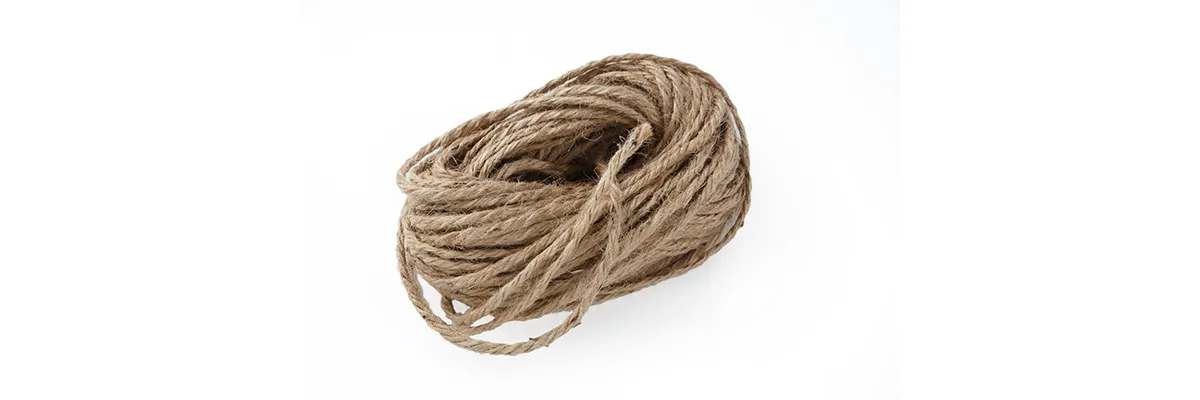
Chimassorb 944 is widely used in polypropylene fibers and tensile tapes for products like woven bags, jumbo bags (FIBCs), carpet yarns, raffia, ropes, and non-woven fabrics. Outdoor-exposed PP fibers often experience chain scission, embrittlement, and strength loss due to sunlight, especially in high-UV regions.
With its superior free-radical trapping capability, UV 944 dramatically enhances fiber tensile retention, prevents chalking and color fading, and allows manufacturers to meet long-service packaging and industrial textile durability standards. For fiber spinning lines and masterbatch producers, it is the preferred HALS solution thanks to its processing stability and low volatility.
2. Agricultural Greenhouse Films & Mulch Films
In agricultural film systems, long-term UV resistance directly determines field performance and cost efficiency. Chimassorb 944 (CAS 71878-19-8) is especially effective in LLDPE and LDPE greenhouse films, mulch films, shading nets, silage stretch films, and irrigation tubes, helping prevent photo-oxidation cracking, haze increase, brittleness, and discoloration under intense solar exposure.
Because agriculture requires multi-season performance, UV Absorber 944 synergizes with other UV absorbers and antioxidants to deliver stable protection, ensuring farmers benefit from longer-lasting film structures, reduced replacement frequency, and improved agricultural output.
3. HDPE / LLDPE Pipes & Cable Insulation
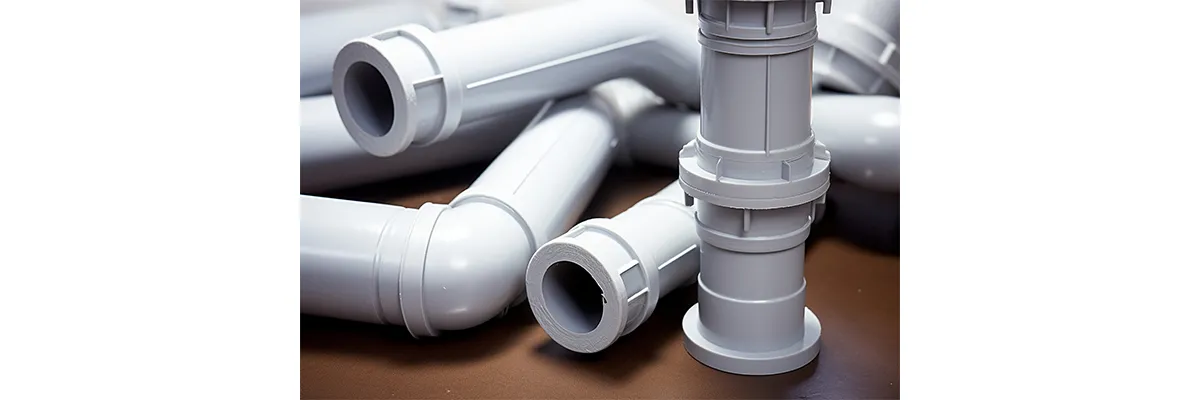
For pipe manufacturers, UV degradation is a major challenge in above-ground and partially buried HDPE pressure pipes, irrigation pipes, water supply pipes, and geomembranes. Chimassorb 944 protects pipe materials from cracking, surface chalking, and mechanical decay caused by long-term sunlight exposure.
Likewise, cable producers widely use UV 944 to stabilize PE- and EVA-based cable jackets and wire insulation against thermal oxidation and outdoor weathering. Its low migration character ensures stable electrical insulation and impact resistance, even in demanding industrial, civil engineering and energy transmission environments.
4. Injection-Molded Polyolefin Components
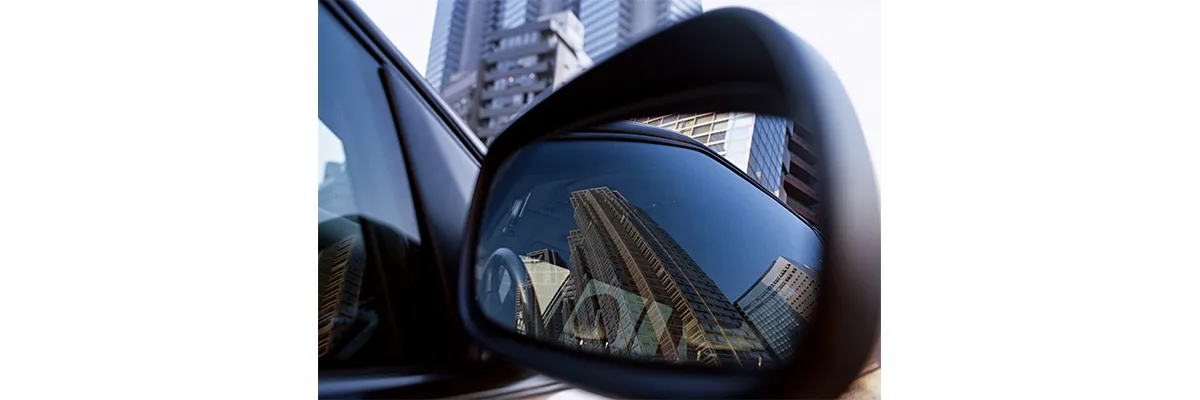
Automotive manufacturers, consumer product brands, and industrial plastic molders rely on Chimassorb 944 for UV stabilization in PP/PE injection-molded components, such as automotive trims, bumpers, battery housings, outdoor furniture, storage bins, garden appliances, sports equipment, and appliance housings. Without high-performance HALS, these parts suffer from surface cracking, fading, and brittleness over time.
Chimassorb 944 enhances gloss retention, prevents stress cracking, improves heat-light aging resistance, and maintains mechanical properties even under extended UV exposure—making it a high-value solution for durable outdoor component manufacturing.
5. Masterbatch & Compound Formulation
UV masterbatch producers and plastic compounders frequently select Chimassorb 944 due to its compatibility with polyolefins, strong thermal stability, and excellent dispersion characteristics in extrusion. It is ideal for combination packages including phenolic antioxidants, phosphite stabilizers, and benzotriazole UV absorbers to build comprehensive stabilization systems for PP and PE.
Masterbatch formulations using UV 944 provide consistent pigment stability and weather performance, meeting performance specifications for high-UV markets like photovoltaic packaging, agricultural plastic film, automotive plastics, and outdoor construction materials.
6. EVA Foams, TPE, TPU & Elastomers
For soft polymer systems such as EVA foam footwear, TPE outdoor components, TPU films, and EPDM-modified compounds, UV exposure can lead to loss of elasticity, cracking, and surface degradation. Chimassorb 944 helps maintain flexibility and mechanical properties over time, ensuring longer-lasting cushioning, insulation, and weather-resistant performance.
It is widely used in sports equipment, cable jackets, shoe midsoles, outdoor cushioning, insulation foams, and elastomer seals, providing long-term UV stability without compromising softness or processability.

7. Engineering Plastics & Specialty Polymers
Although best known for polyolefins, Chimassorb 944 is also used selectively in engineering thermoplastics such as polyamide (PA) and specialty blends that operate outdoors or under high-temperature conditions.
In automotive trims, electrical housings, outdoor tools, and specialty industrial components, UV Absorber 944 enhances color stability, surface integrity, and resistance to micro-cracking during UV exposure. It helps manufacturers meet automotive OEM UV-aging benchmarks and supports long-term performance requirements for industrial-grade plastics.
VI. Recommended Dosage
| Polymer System | Dosage (%) |
| Polypropylene fibers & films | 0.2 – 1.0% |
| Polyethylene (LLDPE, LDPE, HDPE) | 0.1 – 0.7% |
| PP molding components | 0.1 – 0.8% |
| EVA / TPU / Elastomers | 0.1 – 0.8% |
| Recycling / re-processing | +0.2% additional |
Dosage depends on UV intensity, lifetime expectations, polymer thickness, and synergy additives.
VII. Conclusion
With growing demand for durable, weather-resistant plastics in agriculture, packaging, automotive, and industrial applications, choosing the right HALS stabilizer is essential for long-term product performance. Chimassorb 944 (CAS 71878-19-8) delivers exceptional UV stability, superior mechanical property retention, and low-migration durability — making it one of the most trusted solutions for high-performance polyolefin systems worldwide.
As a professional Chimassorb 944 supplier, we are committed to supporting polymer manufacturers, masterbatch producers, and plastic processors with:
- High-purity, industry-grade Chimassorb 944 / UV 944
- Strict batch-to-batch consistency
- Competitive pricing and stable supply capacity
- Technical support for formulations and compounding
- Global logistics support and fast delivery
- Samples available for testing & evaluation
Whether you are producing agricultural films, PP fibers, HDPE pipes, automotive components, or masterbatch, our team can help you develop a more stable and efficient UV stabilization system tailored to your product requirements.
