

In the realm of functional polymer material synthesis, specific monomers dictate the core performance of the final product. Among these, Methacryloyloxyethyltrimethylammonium Chloride, commonly referred to within the industry as DMC or DMC monomer, has become an indispensable key raw material due to its strong cationic properties and excellent reactivity. Its CAS number, 5039-78-1, signifies its definitive chemical identity. This article will comprehensively analyze the critical roles of DMC monomer in papermaking, water treatment, personal care, and oilfield chemistry.
I. What is Methacryloyloxyethyltrimethylammonium Chloride (DMC)?
Methacryloyloxyethyltrimethylammonium Chloride (DMC-80) is a quaternary ammonium salt functional acrylic monomer. Its molecular structure skillfully combines a polymerizable methacryloyloxy group with a positively charged quaternary ammonium group. This unique structure endows it with two major advantages: firstly, it readily incorporates into polymer chains via free radical polymerization; secondly, it imparts permanent and strong cationic character to the resulting polymers. This positive charge attribute forms the chemical foundation for its widespread use in applications such as flocculation, adsorption, and antistatic treatments.
II. Core Application Areas of DMC
1. Papermaking Chemicals, Retention and Drainage Aids
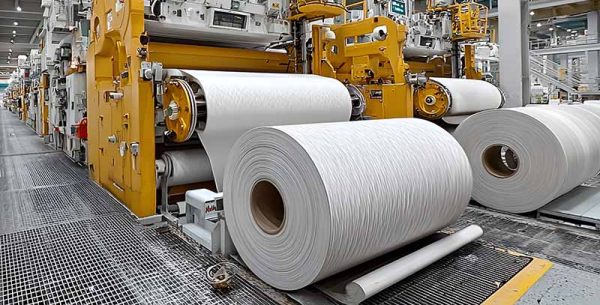
In the paper industry, DMC is a key monomer for synthesizing cationic polyacrylamide (CPAM) and cationic starch modifiers. These polymers, functioning as highly effective retention aids, drainage aids, and strengthening agents, significantly improve the retention of fine fibers and fillers through charge neutralization and bridging mechanisms. They enhance drainage performance while simultaneously improving the strength and quality of the paper sheet. The use of DMC-based polymers is crucial for modern papermaking efficiency.
2. Water Treatment Flocculants
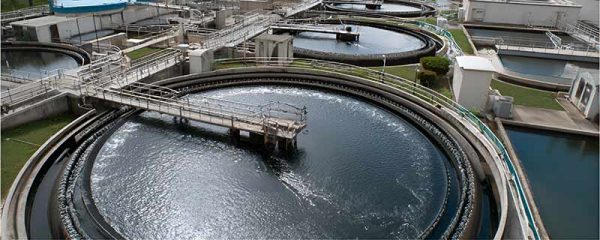
In the environmental protection sector, cationic polymeric flocculants synthesized by copolymerizing DMC monomer play a vital role. They effectively neutralize negatively charged suspended particles, colloids, and organic matter in wastewater, forming large, dense flocs. This enables rapid settling and efficient sludge-water separation, making them widely applicable in municipal wastewater treatment, industrial effluent treatment, and sludge dewatering processes. The cationic monomer structure is key to its flocculation performance.
3. Personal Care and Household Chemicals
DMC holds a significant position in the synthesis of raw materials for cosmetics and personal care products. It is a primary raw material for preparing cationic polymers such as Polyquaternium-37. Due to their excellent substantivity and conditioning properties, these polymers are incorporated as conditioning agents and antistatic agents into shampoos, conditioners, and shower gels, imparting softness, smoothness, and tangle-free manageability to hair. This highlights its role as a versatile functional monomer.
4. Oilfield Chemicals
During petroleum extraction, polymers synthesized with High activity DMC are used as clay stabilizers, drilling fluid additives, and flocculants. They help stabilize the wellbore, control drilling fluid rheology, and treat oily wastewater, meeting the specific chemical demands of oilfield production. The stability offered by the quaternary ammonium group in DMC with 78% content is particularly valuable in harsh downhole conditions.

5. Textile Finishing and Fiber Modification
As an antistatic agent and modifying monomer,High activity DMC is utilized in the modification treatment of textile fibers or in the synthesis of textile auxiliaries. Methacryloyloxyethyltrimethylammonium Chloride imparts durable antistatic properties to fabrics and can improve dyeing affinity and fabric hand feel.

III. Why Choose DMC Monomer? Analysis of Core Advantages
1.Strong Cationic Charge: Provides a durable and stable positive charge, leading tosignificant effectiveness in charge-driven applications.
2.High Reactivity: Contains an acrylic double bond, facilitating easy copolymerization with common monomers like acrylamide, offering flexible synthesis process options. The reactivity of this acrylic monomer allows for tailored polymer designs.
3.Excellent Performance: Confers superior flocculation, adsorption, conditioning, and antistatic functionalities to the final polymer products.
4.Broad Applicability: Spans multiple major industries including papermaking, water treatment, personal care, oilfield, and textiles, indicating substantial market potential. The multifunctionality of Methacryloyloxyethyltrimethylammonium Chloride is a key economic driver.
IV. Conclusion
As a highly efficient and multifunctional building block, Methacryloyloxyethyltrimethylammonium Chloride (DMC, CAS 5039-78-1) continuously provides the core impetus for innovation and performance enhancement in downstream polymer products through its unique cationic chemical properties. With increasing demands across industries for product functionality and environmental compatibility, the demand for and applied research on DMC monomer are poised for further deepening.
If you are seeking high-performance DMC raw material or require technical support for polymer synthesis tailored to specific applications, partnering with a reliable supplier is crucial. Please contact us to obtain detailed technical specifications, application solutions, and market information regarding our DMC-80 products.
: Core Applications and Advantages of the Versatile Cationic Monomer)