

N-Methylolacrylamide (CAS 924-42-5), also known as N-(Hydroxymethyl)acrylamide, is a highly versatile monomer widely used in the modification of polymers for industrial applications. Thanks to its unique reactivity and strong crosslinking ability, it plays an essential role in improving the durability, flexibility, and water resistance of materials used in the paper, textile, and leather industries.
In modern manufacturing, producers are constantly looking for additives that offer both high performance and environmental compliance. N-Methylolacrylamide perfectly meets this demand, offering superior bonding properties while maintaining excellent stability and compatibility with various polymer systems.
If you are planning to buy N-(Hydroxymethyl)acrylamide for use in industrial formulations, understanding its structure, mechanisms, and application advantages can help you optimize your production process and product quality.
I. Chemical Overview of N-Methylolacrylamide
- Chemical Name: N-Methylolacrylamide
- CAS Number: 924-42-5
- Molecular Formula: C₄H₇NO₂
- Synonyms: N-(Hydroxymethyl)acrylamide, Acrylamide N-hydroxymethyl, N-Methylol acrylamide
N-Methylolacrylamide is a derivative of acrylamide that contains both a vinyl group (-CH=CH₂) and a hydroxymethyl group (-CH₂OH). This dual functionality allows it to act both as a reactive monomer and a crosslinking agent, forming stable copolymers with other acrylic monomers. When introduced into polymer systems, it provides improved adhesion, water resistance, and mechanical strength—qualities that make it indispensable in coating and finishing industries.
II. Application in Paper Industry
In the paper industry, N-Methylolacrylamide (CAS 924-42-5) is primarily used to enhance wet strength, surface smoothness, and print quality. It is a key ingredient in wet-strength resins and surface sizing formulations, improving paper performance even under moist conditions.
Key Benefits in Paper Processing:
Improved Wet Strength: By forming chemical bonds with cellulose fibers, it enhances structural integrity, allowing paper to maintain its shape and strength when wet.
Better Surface Finish: N-Methylolacrylamide helps create smoother and brighter surfaces, ideal for coated and printing papers.
Enhanced Filler Retention: It works synergistically with cationic polymers, improving filler distribution and paper uniformity.
Eco-Friendly Advantage: Compared with traditional resins, N-(Hydroxymethyl)acrylamide can be used in formulations that minimize formaldehyde emissions, aligning with sustainable paper production standards.
As a result, many high-performance paper manufacturers use N-Methylolacrylamide-modified resins to produce specialty papers such as packaging board, label paper, and water-resistant printing materials.

III. Application in Textile Finishing
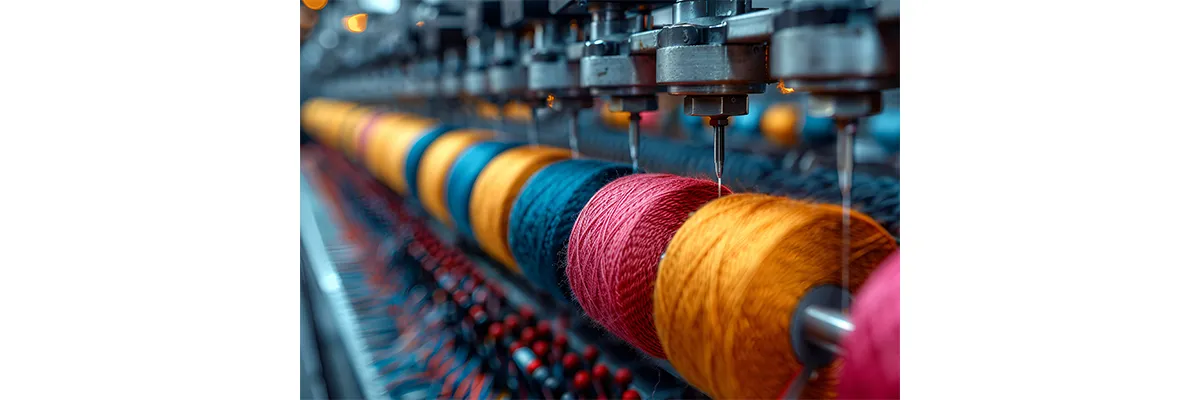
The textile industry extensively uses N-Methylolacrylamide to improve wrinkle resistance, durability, and fabric hand feel. It acts as a reactive crosslinking monomer that binds with cellulose or synthetic fibers, enhancing both mechanical and chemical performance.
Main Advantages for Textile Applications:
Excellent Crosslinking Agent: It reacts with functional groups in fibers, forming stable crosslinked structures that improve wrinkle recovery and dimensional stability.
Enhanced Coating Binder: When copolymerized with acrylic or styrene monomers, N-Methylolacrylamide strengthens the binder film, improving elasticity and color fastness.
Improved Wash and Abrasion Resistance: The polymerized films resist detergent damage and physical wear, ensuring longer garment life.
Soft and Comfortable Touch: Textiles finished with this monomer maintain a natural feel while achieving superior surface performance.
Its versatility makes N-(Hydroxymethyl)acrylamide suitable for use in nonwoven fabrics, technical textiles, and specialty coatings where resilience and softness are equally important.
IV. Application in Leather Treatments
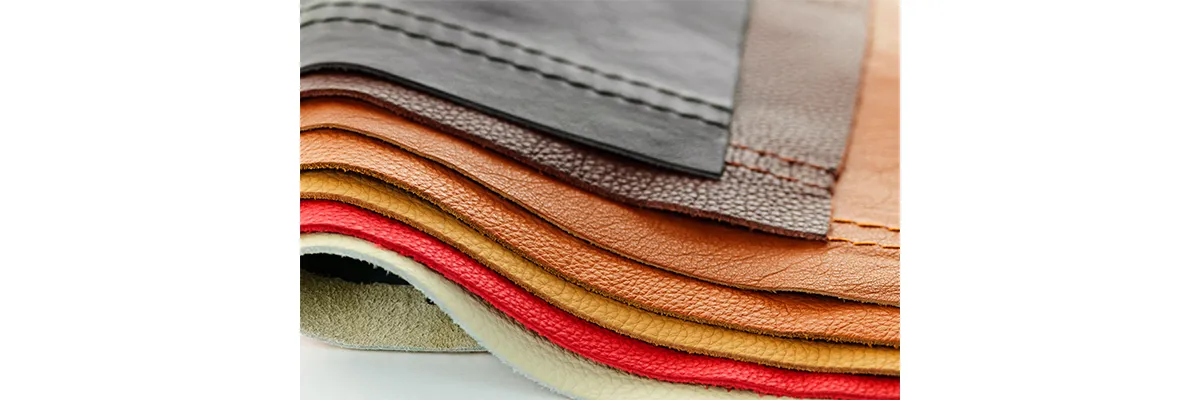
In leather finishing and coating formulations, N-Methylolacrylamide (CAS 924-42-5) is valued for its ability to improve adhesion, flexibility, and resistance to cracking. It enhances both natural and synthetic leather by modifying polymeric emulsions and surface coatings.
Functions in Leather Finishing:
Crosslinking Modifier: It helps build stronger polymer films, resulting in improved adhesion to the leather substrate and resistance to moisture or solvents.
Softness and Elasticity: Copolymers containing N-Methylolacrylamide impart a supple feel, ensuring comfort and durability in footwear, furniture, and automotive leathers.
Color Stability: Treated leathers show better resistance to aging, light exposure, and heat-induced discoloration.
Versatile Surface Effects: Depending on formulation, it can create either matte or glossy finishes, giving designers flexibility in product aesthetics.
These advantages make it a preferred choice in high-end synthetic leather coatings, upholstery leathers, and waterproof leather treatments.
V. Other Industrial Applications
Besides paper, textile, and leather, N-Methylolacrylamide is also used in other polymer-based formulations:
Adhesives and Sealants: Improves film strength and adhesion to various substrates.
Water-Based Coatings: Increases gloss, hardness, and water resistance.
Emulsion Polymerization: Acts as a co-monomer to enhance the crosslink density and stability of latex emulsions.
Construction and Chemical Industries: Used in resins for improving binding strength and chemical resistance in coatings and mortars.
VI. Conclusion
N-Methylolacrylamide (CAS 924-42-5) plays an essential role in modern material finishing, offering high-performance crosslinking, durability, and environmental compatibility. Its versatility across the paper, textile, and leather industries has made it a cornerstone additive in polymer modification.
As demand for sustainable and high-performance materials continues to grow, N-(Hydroxymethyl)acrylamide remains an indispensable ingredient for manufacturers seeking to enhance product quality and efficiency.
If you are searching for a trusted N-Methylolacrylamide supplier, Unilong provides reliable products and technical expertise to help your formulations achieve superior results.
