

Soil-borne diseases and pests can significantly reduce crop yields and quality, making effective soil management a priority for modern agriculture. Dazomet soil fumigant has become a valuable tool for growers seeking to maintain healthy soil conditions before planting. As a granular soil fumigant, dazomet works by releasing methyl isothiocyanate (MITC) gas when it reacts with soil moisture. This gas moves through soil pores to control nematodes, weeds, fungi, and other harmful organisms. Understanding the proper application methods and techniques is essential to achieve reliable results while ensuring safety and environmental responsibility.
I. Soil Moisture Requirements and Their Impact on Efficacy
1. The Role of Water in Activation
Dazomet is not active in its dry granular form. It requires adequate soil moisture to break down and release the active MITC gas. Without sufficient water, the chemical reaction cannot occur properly, leading to poor pest control. Growers must ensure the soil has enough moisture at the time of application to initiate this process effectively.

2. Optimal Moisture Levels
Research and field experience suggest that soil moisture should be at field capacity for optimal performance. This typically means the soil should hold enough water that a handful squeezed firmly will form a loose ball that crumbles easily. If the soil is too dry, the fumigant will not activate fully. If the soil is too wet, the gas cannot move through the soil pores because water blocks the air spaces.
3. Adjusting for Soil Type
Different soils hold water differently. Sandy soils drain quickly and may need irrigation before application to reach the required moisture level. Clay soils retain water longer and may require less pre-application irrigation. Testing soil moisture at multiple depths before applying dazomet helps ensure uniform activation across the treatment area.
II. Selection and Control of Application Depth
1. Matching Depth to Target Pests
The depth of dazomet application should correspond to where the target pests reside in the soil profile. Nematodes, for example, often concentrate in the top 30 centimeters of soil. Applying the fumigant at this depth ensures the gas reaches the zone where pests are active. Deeper applications may be necessary for certain soil-borne pathogens or deep-rooted weed seeds.
2. Equipment Calibration
Proper calibration of application equipment is critical for consistent depth placement. Shanks or injection knives must be set to the correct depth and checked regularly during operation. Worn or bent shanks can create uneven placement, leaving untreated zones where pests can survive. Regular maintenance of application machinery helps maintain precision.
3. Incorporation Techniques
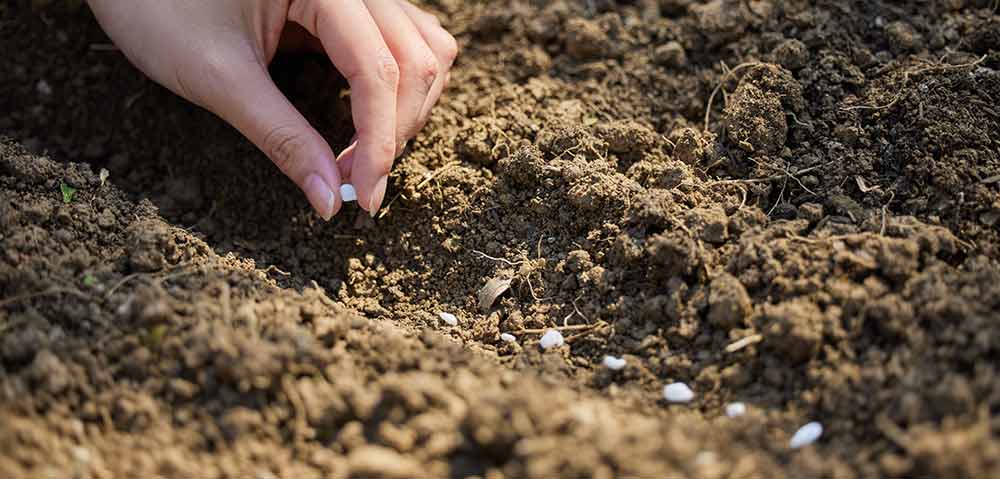
After surface application, dazomet must be incorporated into the soil to the desired depth. Tilling or rotovating immediately after spreading helps mix the granules evenly throughout the target zone. Uniform incorporation prevents hot spots of concentrated chemical and ensures consistent gas distribution during the fumigation period.
III. Tarping Requirements and Sealing Technology
1. Purpose of Surface Sealing
Covering treated soil with impermeable film serves two important functions. It traps the MITC gas within the soil profile, increasing exposure time for target organisms. It also reduces gas emissions into the atmosphere, improving worker safety and environmental protection. Without proper sealing, significant amounts of fumigant can escape, reducing efficacy.

2. Film Selection and Installation
High-barrier films designed specifically for soil fumigation provide superior gas retention compared to standard polyethylene. These films should be laid smoothly over the treated area with minimal wrinkles or gaps. Overlapping seams by at least 30 centimeters and sealing edges with soil or sand prevents gas leakage. Wind conditions during installation should be considered to avoid film damage.
3. Duration of Sealing Period
The tarp should remain in place for a period determined by soil temperature and label instructions. Warmer soils generally require shorter sealing periods because chemical reactions proceed faster. Cooler soils may need extended coverage to allow complete activation and pest exposure. Removing the tarp too early can compromise control, while leaving it too long delays planting schedules.
IV. Safety Operation Precautions
1. Personal Protective Equipment
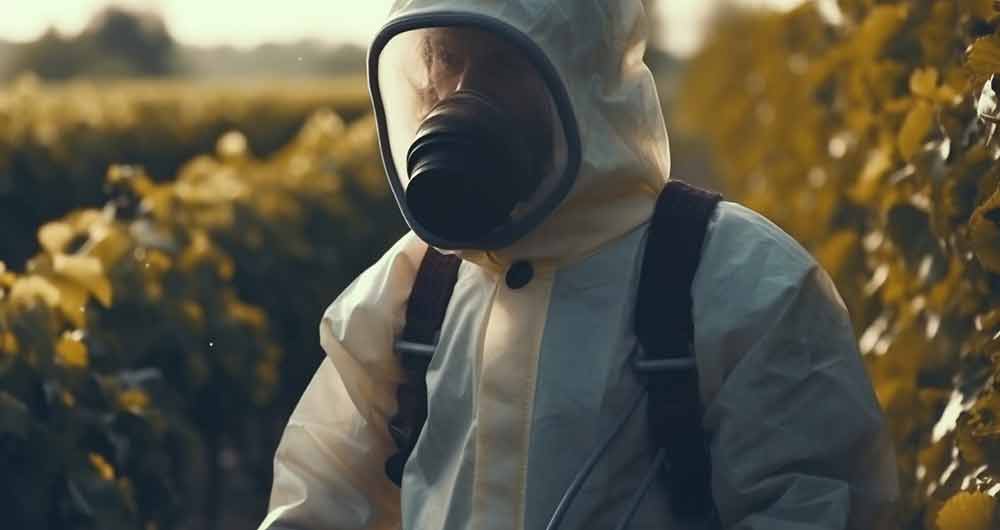
Anyone handling or applying dazomet must wear appropriate personal protective equipment as specified on the product label. This typically includes chemical-resistant gloves, goggles, long sleeves, and respiratory protection during certain operations. Following label requirements protects applicators from exposure to the active ingredient and its breakdown products.
2. Buffer Zones and Neighbor Communication
Maintaining required buffer zones around treated areas protects nearby crops, water sources, and residential areas. Communicating with neighbors before application allows them to take precautions if needed. Posting warning signs at field entrances during the fumigation period alerts others to stay out of treated zones.
3. Emergency Preparedness
Applicators should have spill cleanup materials and emergency contact information readily available. Knowing the location of the nearest medical facility and having safety data sheets accessible ensures quick response if accidents occur. Training all workers in emergency procedures before starting application work reduces risks.
V. Conclusion
Successful use of dazomet soil fumigant depends on careful attention to moisture, depth, sealing, and safety. When applied according to label directions and adapted to site-specific conditions, this tool can support productive and sustainable agriculture. Growers should always consult current product labels and local extension resources for the most up-to-date guidance on dazomet application techniques.If you have any needs for dazomet products and soil disinfection technical services, please feel free to contact our sales team for consultation and communication.
