

High-purity industrial grade anthraquinone (≥98.5%) is a highly efficient pulping catalyst and cooking auxiliary widely used in the paper and pulp industry. It effectively improves pulp yield, enhances paper strength, reduces alkali consumption, shortens cooking time, lowers production costs, and improves the overall quality of pulp. It is an essential additive for kraft pulping processes.
I. Basic Description
Product Name: Anthraquinone
CAS No.: 84-65-1
Formula: C₁₄H₈O₂
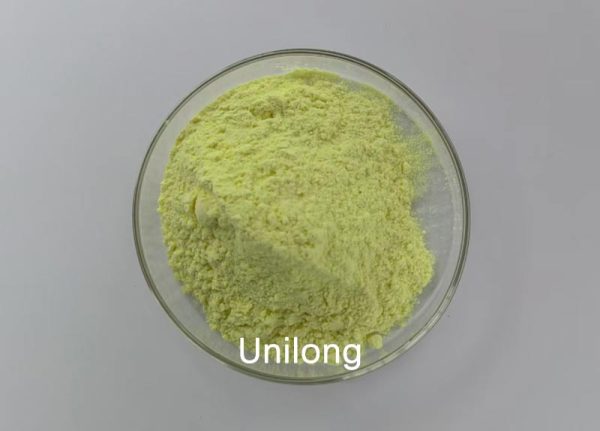
Appearance: Pale yellow to yellow crystalline powder
Purity: ≥98.5%
Phthalic Anhydride Process (Widely Used)
Anthraquinone is an important fine chemical intermediate, mainly produced through the phthalic anhydride process using phthalic anhydride and benzene as raw materials via acylation, condensation, oxidation and refining. This mature process features high yield and stable product purity. Its downstream applications cover pulp & paper, dyes, pharmaceuticals, organic pigments, water treatment, hydrogen peroxide production and other fields. In pulp & paper, it significantly improves pulp yield and reduces production costs, while in the dye industry, it serves as a key raw material for high-end dyes and pigments. Currently, the demand for anthraquinone has shifted from being driven solely by the traditional dye industry to a multi-driven model supported by dyes and pulp & paper. In the future, products with high purity, specialization and green production processes will become the core growth driver of the industry.
Anthracene Oxidation Process (Traditional)Produced from crude anthracene via catalytic oxidation. Limited by coal tar supply, this process is gradually being phased out.
II. Anthraquinone Main Application:
1. Pulp & Paper Industry
1). Cooking Stage Catalysis
Selectively catalyzes lignin degradation and dissolution, accelerating liquor penetration into fibers and shortening cooking time by 10%–20% to boost production capacity.
Protects cellulose and hemicellulose from alkaline degradation via redox reactions, increasing pulp yield by 2%–5% and improving raw material utilization.
Reduces active alkali consumption by 10%–15%, cutting chemical costs and easing the burden of black liquor recovery and environmental treatment.
2). Pulp Quality Enhancement
Significantly improves paper strength properties (tensile, tear, burst strength) by enhancing fiber bonding, ideal for high-strength packaging paper and kraft paper.
Reduces the formation of colored substances during cooking, improving pulp brightness and cleanliness, and lowering bleaching chemical consumption.
Optimizes fiber morphology to enhance pulp drainage, accelerating paper machine runnability and reducing drying energy consumption.
3). Raw Material & Application Scenarios
Applicable to softwood, hardwood, and non-wood fibers (bagasse, bamboo, wheat straw, reed, etc.), making it a core additive for both wood and agricultural residue pulping.
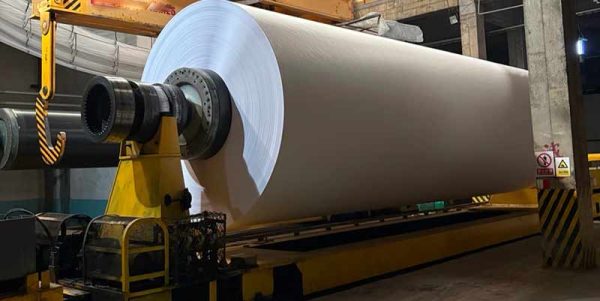
Widely used in the production of kraft linerboard, sack paper, industrial packaging paper, and high-strength cultural papers, balancing cost and performance.
2. Dye Industry
1). Anthraquinone Disperse Dyes
Used for dyeing and printing polyester fibers (sportswear, home textiles, curtains, luggage fabrics).Features: bright color, high light fastness, excellent washing fastness, good high-temperature stability.
2). Anthraquinone Reactive Dyes
Used for dyeing cotton, linen, viscose and other cellulose fibers.Features: high fixation rate, good washing and rubbing fastness, suitable for high-grade fabrics.
3). Anthraquinone Acid Dyes
Used for dyeing wool, silk, nylon and other polyamide/protein fibers.Features: bright color, good leveling property, high light fastness.
4). Anthraquinone Vat Dyes
Used for high-grade cotton fabrics, workwear, denim and outdoor textiles.Features: extremely high fastness, chlorine resistance, washing resistance, light resistance.
5). High-performance Organic Pigments
Used in coatings, inks, plastics, color masterbatches.Features: heat resistance, weather resistance, non-migration, long-lasting color.
6). Other Dyes & Fine Chemicals
Also used in cationic dyes, solvent dyes, leather dyes, optical brighteners and dye intermediates.
Ⅲ. Development
The demand for Anthraquinone has shifted from being driven solely by the traditional dye industry to a multi-driven model supported by dyes and pulp & paper. Over the next 3–5 years, the market will maintain stable volume, optimized structure and high growth.
Anthraquinone products featuring high purity, specialization and green production processes will benefit from the simultaneous rise in both volume and price, making them the core growth engine of the industry.
Anthraquinone (CAS 84-65-1) is a high-value-added fine chemical intermediate with irreplaceable applications in core industries such as pulp & paper, dyes, and water treatment. In pulp & paper manufacturing, it acts as a highly efficient cooking auxiliary to significantly increase pulp yield, reduce alkali consumption, shorten production cycles, and enhance paper strength. In the dye industry, it serves as the core raw material for anthraquinone-based dyes and high-performance organic pigments, supporting the production of textiles and industrial colorants with excellent light and color fastness. Additionally, it functions as an oxygen scavenger and corrosion inhibitor in boiler water treatment to ensure the safe operation of industrial equipment. With a purity of ≥98.5%, stable quality, and reliable supply, our anthraquinone product provides downstream customers with cost-effective and high-performance solutions, making it a key additive for optimizing production and enhancing competitiveness in the pulp & paper and dye industries.
