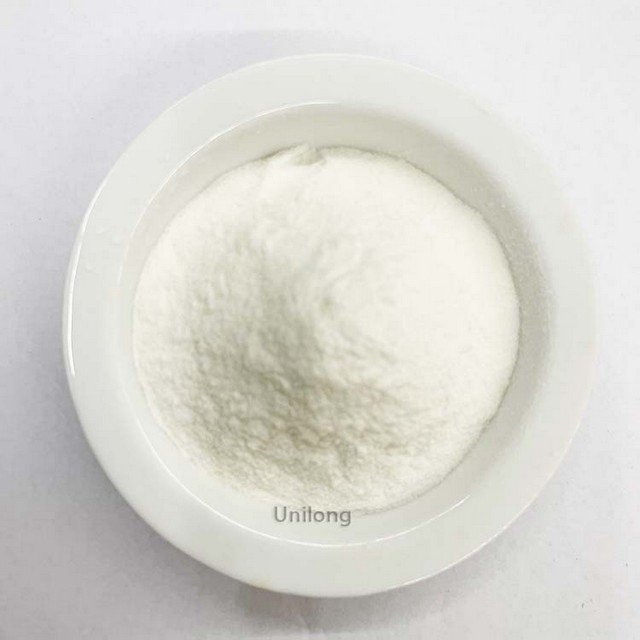
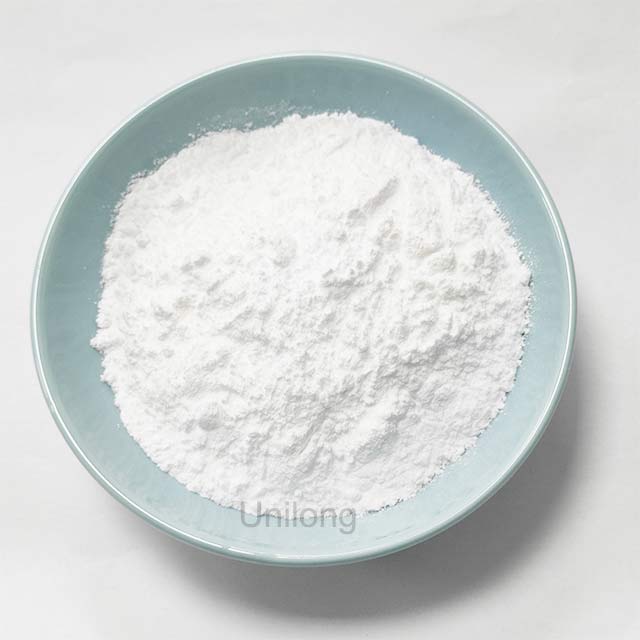
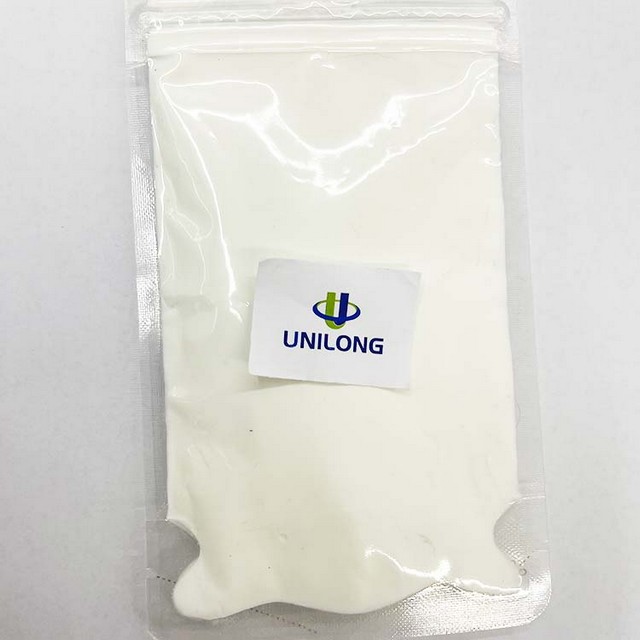
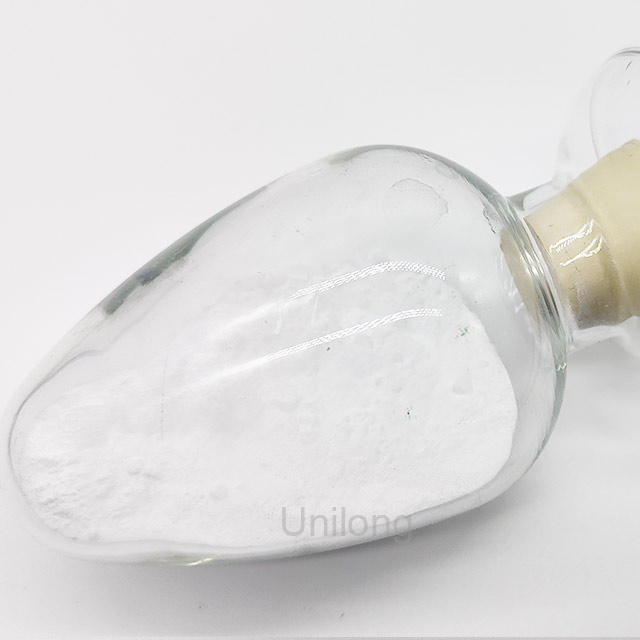
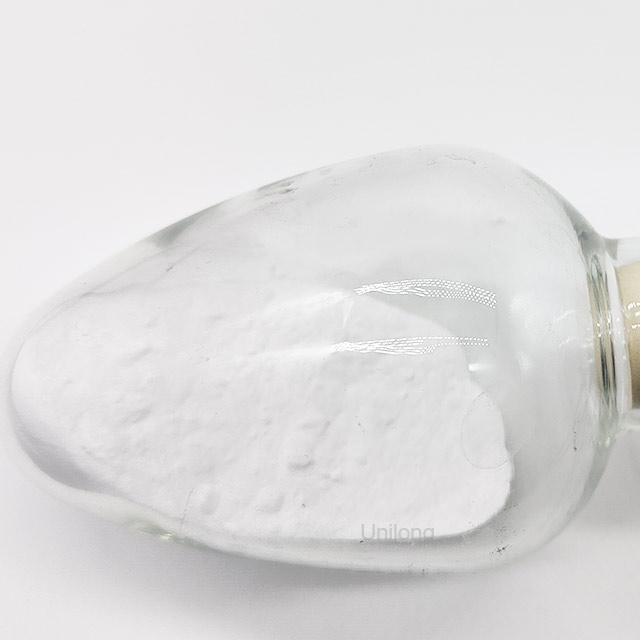
What is p-Toluenesulfonic acid monohydrate CAS 6192-52-5?
p-Toluenesulfonic acid monohydrate CAS 6192-52-5 is carboxylic acid organic matter, can be used as catalyst, pharmaceutical intermediates, pesticide intermediates, casting, resin curing agent, etc.
Advantages of Use
1. Strong organic acid catalyst, with acidity similar to sulfuric acid; used for esterification, condensation, alkylation, deprotection, Beckmann rearrangement; compared to concentrated sulfuric acid, the carbonization by-products are fewer, the substrate is less prone to oxidation, and the reaction selectivity is better.
2. Solid crystals, convenient for feeding measurement; p-Toluenesulfonic acid monohydrate can be washed and neutralized for removal, and the post-treatment is simple; it can be recycled and reused.
3. In the resin industry: amino, epoxy, phenolic resin low-temperature curing agents, coatings, inks, adhesives; the curing speed is fast, and yellowing is low.
4. In the pharmaceutical, pesticide, and dye intermediates: synthesis of streptomycin, sulfonyl chloride, dye intermediates; p-Toluenesulfonic acid monohydrate is also used as an electroplating additive and textile additive.
Specification
| Item |
Standard |
| Appearance |
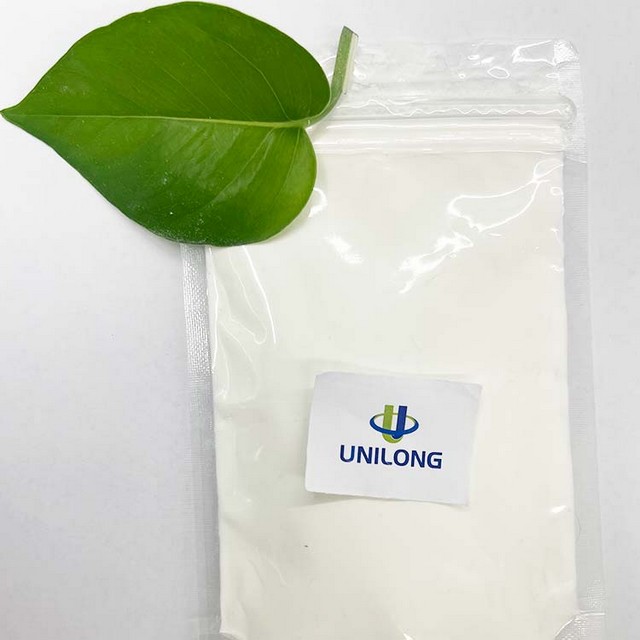
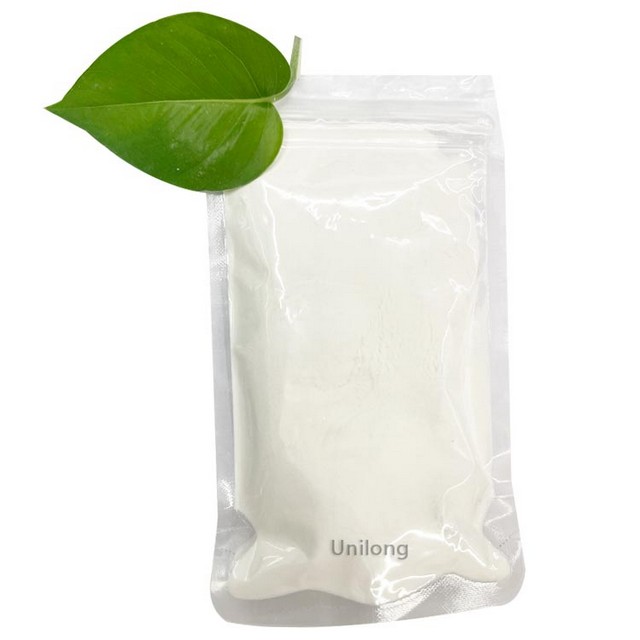
White crystalline |
| Assay(%) |
≥99 |
| Free Acid(%) |
≤0.1 |
| Water(%) |
≤1.0 |
| Iron(ppm) |
≤10 |
| Melting Point(℃) |
102~105 |
| Burning residue (%) |
≤0.02 |
| Ethanol-dissolved Test |
Qualified |
| Water Soluble Test |
Qualified |
Application
Important organic synthetic intermediates, suitable for explosives, medicine, synthetic resins, polyethers, cosmetics, tobacco, food, etc. It is used as catalyst and stabilizer in the reaction units of lipidation, dehydration, alkylation, dealkylation, Beckmann rearrangement, polymerization and depolymerization. In medicine, it is used in the synthesis of doxycycline, pansetin and naproxen, and in the production of amoxicillin and cefoxalexin intermediates. Epoxy and amino resins, coatings and other aspects also have applications.
Packing and Storage
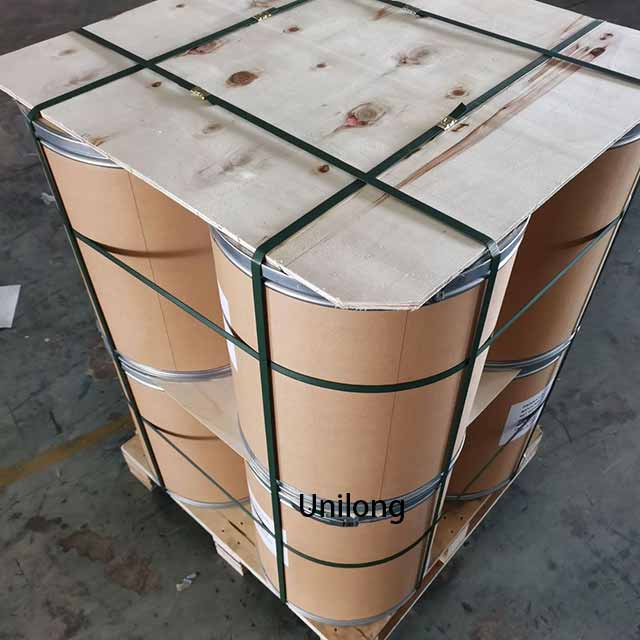
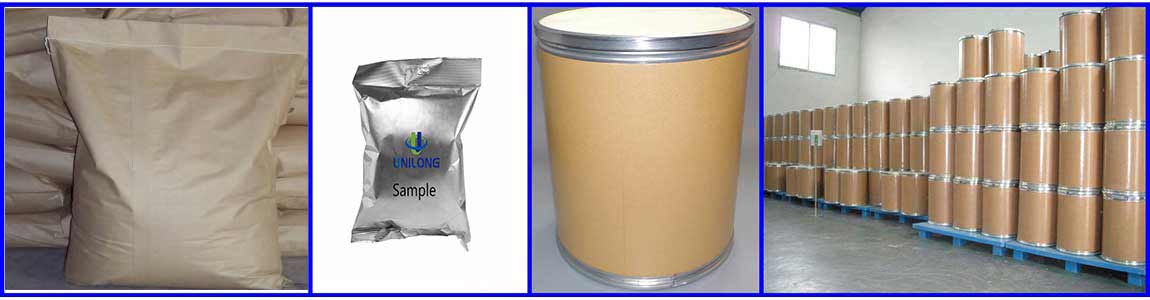
25kgs/drum, 9tons/20’container
25kgs/bag, 20tons/20’container
Storage temperature: 5 – 25℃ in a cool, ventilated hazardous materials storage room, away from heat sources, protected from light; strictly prohibit stacking at high temperatures as high temperatures will cause dehydration and turn into anhydrous substances.
Strictly seal to prevent moisture, using a PE bag and cardboard barrel; highly prone to absorbing moisture, an open container will absorb water, swell and form lumps; ordinary carbon steel containers are prohibited as they will be corroded.
Original factory sealing shelf life: 24 months; after opening, tightly seal the inner bag and use within 12 months as recommended.
FAQ
Q: Can it be directly mixed with strong alkali?
A: Direct and large-scale mixing is prohibited; it will undergo intense neutralization and release heat, causing material splashing; it needs to be added slowly under conditions of extensive dilution and low-temperature stirring.
Q: What causes the resin to turn yellow during curing?
A: Excessive addition amount, excessive baking temperature; reduce the addition amount, adjust the curing temperature and time, and conduct a gradient test.
Q: Can the crystalline water data still be used after storage absorbs moisture?
A: Pure water absorption (adsorption of water, not dehydration of crystalline water); if the acid value is qualified, the water-containing system can continue to be used; the water-free synthesis process is not recommended, and it is not advisable if the moisture content exceeds the limit.
Q: What is the minimum order quantity (MOQ)?
A: For industrial bulk goods, the regular minimum order quantity is 25 kg; small samples can be provided for formula testing; a sample fee will be charged for the small samples, and the sample fee can be negotiated as a deduction from the large order.
Q: What is the delivery cycle/lead time?
A: For spot inventory: 5-12 working days after receiving full payment; for high-purity customized specifications orders: 15-22 working days; confirm inventory and logistics schedule before placing the order.
Q: What export documents can be provided?
A: COA analysis report, MSDS (SDS), packing list, commercial invoice; support FOB/CIF/CFR trade terms.