Sodium lauroyl lactylate CAS 13557-75-0
Sodium lauroyl lactate is a derivative of a natural substance formed by esterification of lauric acid and lactic acid. The raw material is 100% renewable and is a multifunctional cosmetic raw material that can be used as an emulsifier, skin care agent, moisturizer, thickener, foaming agent, and surfactant.
– Solubility: Sodium Lauroyl Lactylate is soluble in hot water and ethanol; its solubility in cold water is limited; HLB ≈ 14, suitable for water-in-oil emulsification systems.
– pH (10% aqueous solution): 3.0 – 6.0, weakly acidic
– Stability: Stable at room temperature; avoid prolonged exposure to high temperature and strong alkali, as it will hydrolyze to form lactic acid and lauric acid; excellent biodegradability.
Specifications
| Appearance |
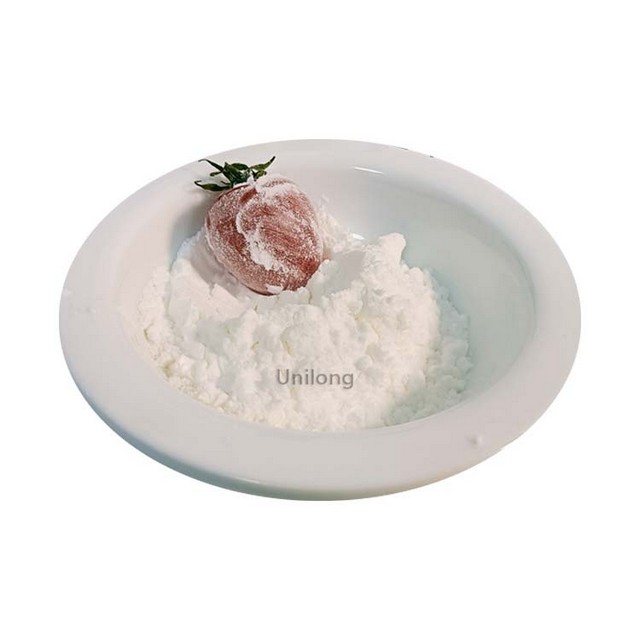
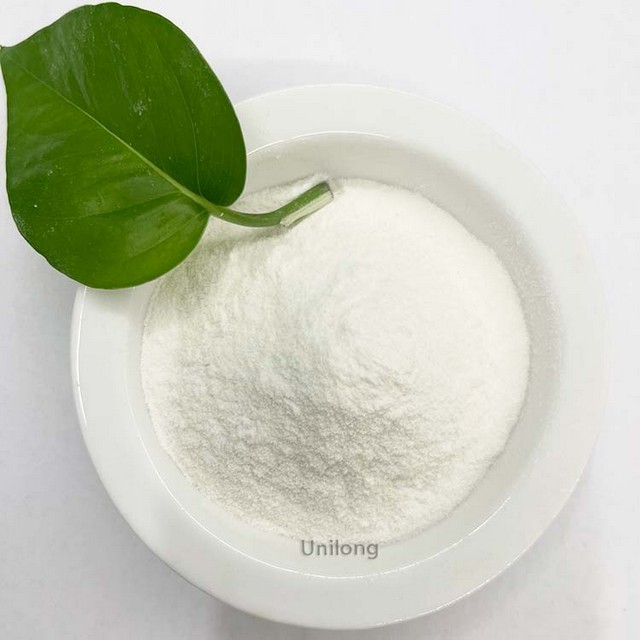
Thick solid |
Conforms |
| Purity |
≥95.0% |
98.2% |
| pH (1% solution) |
6.0~7.0 |
6.50 |
| Ester Value |
160-205mg/g(KOH) |
176mg/g(KOH) |
| Acid Value |
10-20 mg/g (KOH) |
18mg/g(KOH) |
| Heavy Mental
(lead meter) |
≤10PPM |
≤10PPM |
| Lead(Pb) |
≤2PPM |
≤2PPM |
| Arsenic(As) |
≤2PPM |
≤2PPM |
Product Features
Mild and safe: Biodegradable, derived from lauric acid and lactic acid, and recognized as sodium lauroyl lactylate safe for cosmetics.
Excellent emulsifying ability: Creates stable emulsions and enhances texture in creams and lotions.
Skin and hair friendly: Improves moisture retention, leaving skin soft and hair smooth.
Eco-friendly choice: Naturally derived, supporting sustainable and clean beauty formulations.
Applications
1. Sodium Lauroyl Lactylate in Skin Care
Used in creams, lotions, and serums for mild emulsification and enhanced hydration. It also has certain anti-corrosion and efficiency-enhancing effects, assisting in inhibiting mold and yeast, reducing the pressure of adding preservatives, with an addition amount of 1.5–3%.
2. Sodium Lauroyl Lactylate for Hair:
Improves conditioning, reduces static, and enhances manageability in conditioners and treatments. It is mainly used in hair conditioners, hair masks, and wash-off care products.
3. Sodium Lauroyl Lactylate in personal care products
It can be used as the main surfactant or as a cosurfactant, generating thick, creamy foam. It cleans sebum and dirt without overstripping the skin’s own sebum, leaving no dryness after washing, and has moisturizing and conditioning effects, making it ideal for sensitive skin and infant formula. The dosage is generally 2–30%.
4. Sodium Lauroyl Lactylate in food additives
Food-grade grade as GRAS-approved emulsifying stabilizers, applied in bread, pastries, baked pastries, dairy products, spreading sauces; it can interact with gluten protein, enhancing the dough’s tensile strength, increasing the volume of the finished product, improving the delicacy of the internal structure, delaying aging, extending shelf life, and also preventing oil and water stratification.
5.Sodium Lauroyl Lactylate in medicine
Used as emulsifying aids in ointments and creams in medical external preparations, improving the spreadability of the ointment, assisting the penetration of active ingredients through the skin, and being mild and low in irritation.
This product has good compatibility and can be compounded with various raw materials such as xanthan gum, carbopol, sodium hyaluronate, etc., suitable for clean labels and natural organic direction formulations.

Why Choose Our Sodium Lauroyl Lactylate?
1. Very low skin irritation, suitable pH value (4.5-6.0), can be used for baby care products production.
2. Can form breathable moisturizing film on the surface of the skin, reduce moisture loss, can also help to improve dry skin rough problems
3. Easy to mix with water, oil and a variety of cosmetic ingredients, does not affect the overall stability of the product, and can improve the uniformity of the formula system, suitable for lotions, creams, cleaners and other skin care products.
Package and Storage
25kg/drum, Sodium Lauroyl Lactylate should be stored in a cool and dry place, with a storage temperature range of 5 – 30℃. It is prone to moisture absorption and powder caking; keep away from strong alkali; the sealed product is valid for 24 months.
FAQ
Q: Is the raw material sourced from vegetarian sources?
A: Lauric acid comes from coconuts, and lactic acid fermentation sources.
Q: What is the recommended addition amount?
A: For cosmetics, it is 0.5 – 5% by powder; for cleansing cleansers, 1 – 4%; for creams, 0.5 – 2%; for food, it is used according to the national standard E481 limit.
Q: Can it be used as a main surfactant? How about the foam?
A: It can be used as a main surfactant for cleansing products. The foam is dense and creamy, with moderate foam power; usually, it is combined with betaine and other amino acid surfactants to enhance foam and system stability.
Q: Is the clumping a sign of spoilage?
A: It is prone to absorb moisture. Simple clumping is a physical phenomenon; yellowing and unpleasant odor indicate spoilage. It needs to be sealed and stored in a moisture-proof environment.
Q: What is the minimum order quantity? Can samples be provided?
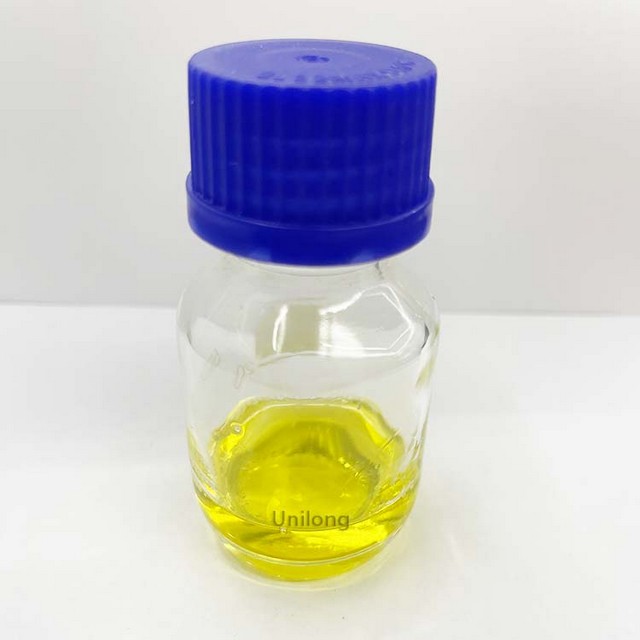
A: The regular order quantity for bulk products is 25kg or more; for small-scale trials, samples ranging from 100g to 1kg can be provided, along with COA and MSDS; the sample price is higher than that of bulk products; there are two specifications: powder and liquid; the food grade / cosmetic grade indicators are different. Please specify the grade when placing an order; the packaging for bulk products is 25kg, and 200kg.
Q: What is the delivery cycle?
A: There is a 2 – 3 working days delivery cycle after payment for in-stock products.
Q: Packaging method?
A: The sample is in a sealed plastic bottle; regular packaging: 25kg barrels, 200kg barrels, 1000kg IBC ton barrels. Customized labels are supported.
Q: Storage requirements?
A: Store in a cool, dry, and clean warehouse with a temperature range of 5–30℃, protected from light. This product has strong moisture absorption properties, so the container must be sealed; keep away from heat sources, strong acids, and strong oxidants. The original sealed packaging has a shelf life of 24 months.
Q: What materials can be provided?
A: TDS, SDS, COA can be provided; for food-grade products, corresponding food safety-related materials can be provided as well.