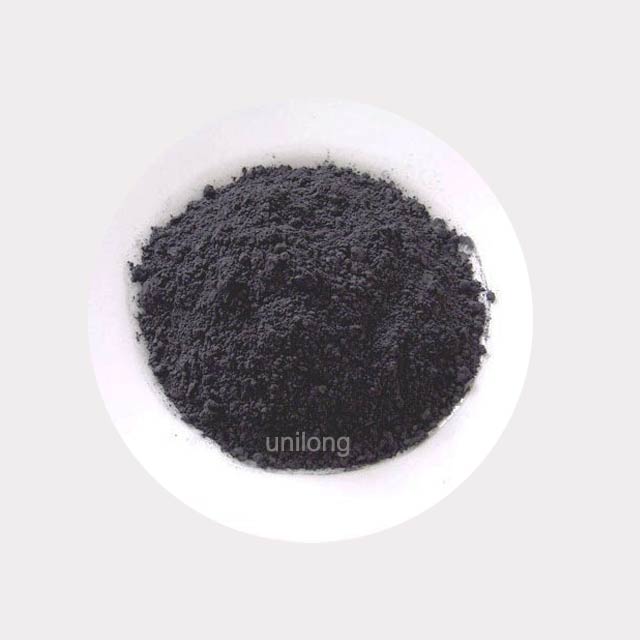

CAS:479-27-6
MF:C10H10N2
EINECS:207-529-8
Purity:99%min
Other Names:1,8-Diaminonaphthalene
-
1,8-Diaminonaphthalene with CAS 479-27-6
1,8-Diaminonaphthalene is an important raw material and intermediate used in organic synthesis, pharmaceuticals and agrochemicals. This product is sensitive to air and oxygen and is prone to oxidation and discoloration. It must be stored in a sealed container, protected from light, in a cool and dry place, and kept away from oxidants.
Description
|
Appearance & Physical State:
|
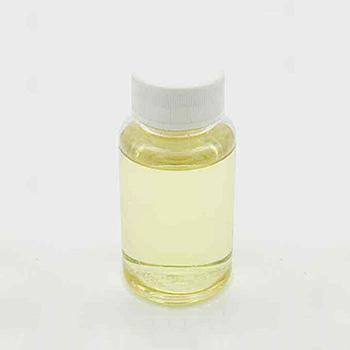
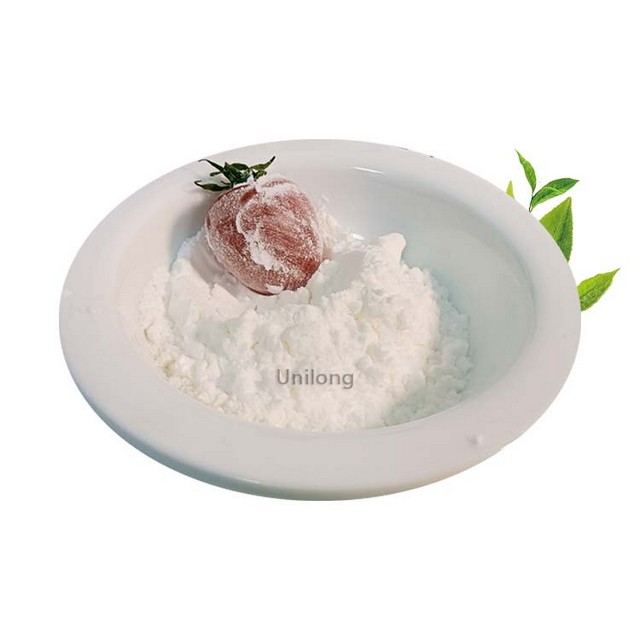
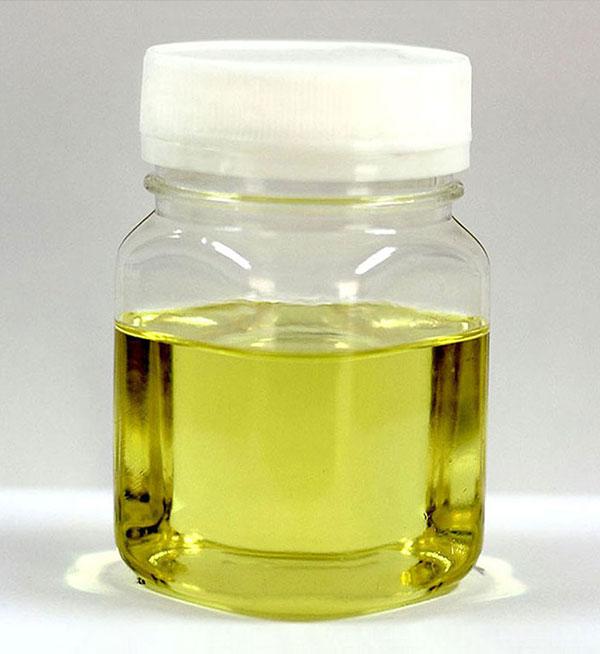
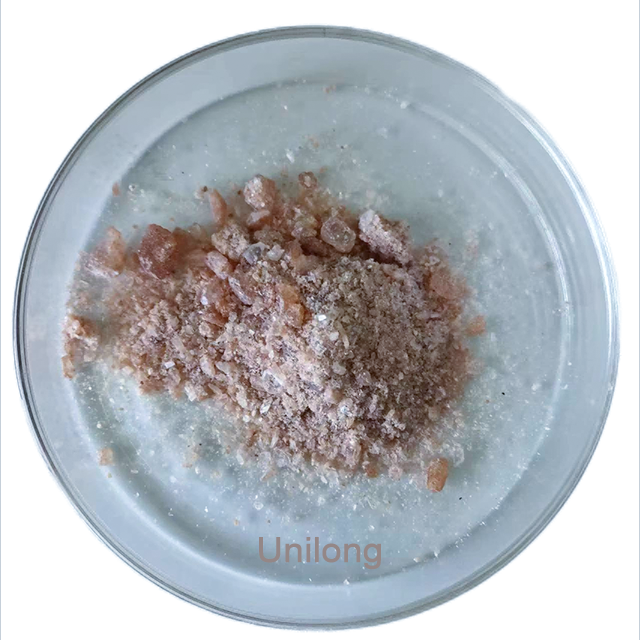
Brown-red solid
|
|
Density:
|
1.234 g/cm3
|
|
Melting Point:
|
63-66ºC
|
|
Boiling Point:
|
205ºC (12 mmHg)
|
|
Flash Point:
|
198.7ºC
|
|
Refractive Index:
|
1.6829
|
|
Water Solubility:
|
slightly soluble
|
|
Stability:
|
Stable at room temperature in closed containers under normal storage and handling conditions.
|
|
Storage Condition:
|
Store below +30°C.
|
|
Vapor Pressure:
|
3.93E-05mmHg at 25°C
|
Application
1. Dye / Fluorescent Pigment Intermediate: The meta-dialkylamino group is highly prone to cyclization and diazotization reactions, which are used for synthesizing azo dyes, fluorescent dyes, functional organic pigments, and to prepare polycyclic heterocyclic chromophoric systems.
2. Organic Synthesis and Heterocyclic Synthesis Building Blocks: 1,8-Diaminonaphthalene (CAS 479-27-6) is used to construct naphthalene-based heterocyclic compounds; it can also serve as a bidentate ligand for coordination chemistry, metal-organic catalysts, fluorescent probes, ion sensors, and the synthesis of organic semiconductor materials.
3. Analytical Chemistry Reagents: 1,8-Diaminonaphthalene (CAS 479-27-6) is used for detecting selenium, nitrite, etc.; it can also be used to prepare chelating reagents and fluorescent detection probes.
4. Lubricant Antioxidants, a small amount used in the synthesis of pharmaceutical and pesticide intermediates.
Product Features & Advantages
✅ Unique forced-position dual amino structure, intramolecular hydrogen bonds, possess ring-forming reaction activity that other naphthalene diamines do not have, very suitable for synthesizing complex cyclic fluorescent heterocyclic molecules. It is a dedicated building block for high-end fluorescent dyes and organic optoelectronic materials, with weak substitutability by competitors;
✅ A wide range of reaction possibilities: can undergo condensation, diazotization, ring closure, and coordination-association reactions, suitable for complex and precise organic synthesis, can derive a large number of functional derivatives;
✅ Conjugated naphthalene ring framework, the synthesized products have a conjugated system, facilitating the realization of fluorescence and optoelectronic properties, suitable for the development of fluorescent probes, organic semiconductors, and optoelectronic materials;
✅ Controllable purity: industrial grade ≥ 98%, high-purity grade ≥ 99%; batch stability, reducing downstream by-products, improving yield;
✅ Stable raw material route, complete export documents: MSDS, COA;
✅ As a coordination ligand, it can stably complex various transition metal ions, having unique application value in catalysis and molecular sensing fields.
Packing
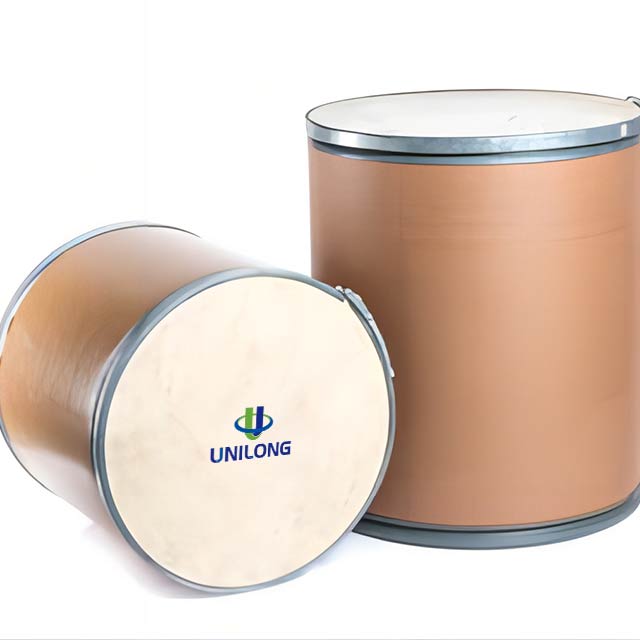
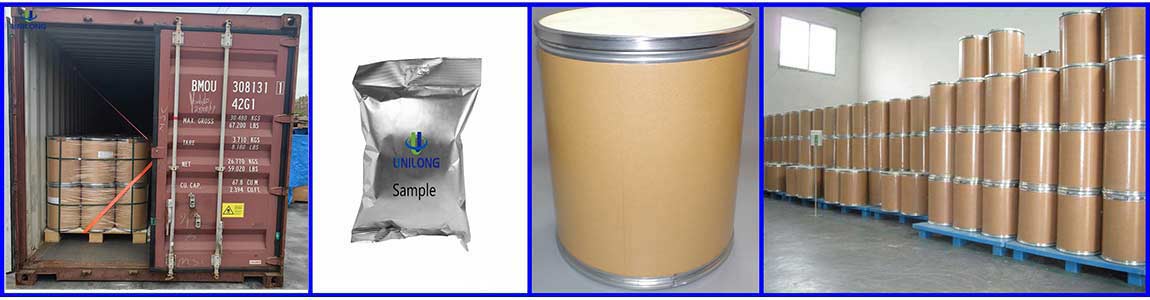
25kgs/drum,9tons/20’container.25kgs/bag,20tons/20’container.
FAQ
Q: How is its solubility?
A: 1,8-Diaminonaphthalene is slightly soluble in water; it is soluble in organic solvents such as methanol, ethanol, and ether; its solubility in non-polar hydrocarbon solvents is very low.
Q: What are the storage conditions and shelf life?
A: Store it in a sealed, dark, cool, and dry place, away from strong oxidants. This product is highly susceptible to air oxidation, and its color will gradually deepen. The shelf life under the original sealed condition is generally 12 months; once opened, it is recommended to use it up as soon as possible.
Q: What is the recommended packaging method?
A: 25kg cardboard drums (lined with aluminum foil bags to isolate air and keep it dark); MOQ: 25kg; the lead time for delivery is 3-7 days; large orders can be scheduled for production.
Q: Why does the color of the product change after storage?
A: 1,8-Diaminonaphthalene has high amino activity in its structure, and it will undergo oxidation when exposed to air and light, which is an inherent property of this substance. The color change is only on the surface and cannot be determined solely by appearance; purity must be determined by HPLC testing; long-term exposure to open air will significantly reduce the content and affect the reaction yield.