

I. Introduction: The Core Functional Monomer for Global Cationic Polymer Applications
Methacryloyloxyethyl trimethyl ammonium chloride (commonly known as DMC, CAS 5039-78-1) is one of the critical functional cationic monomers in the global fine chemical industry. As the key raw material for synthesizing high-performance cationic polymers, it is widely used across wastewater treatment, papermaking, oilfield chemicals, textile dyeing and other fields. With the continuous tightening of global environmental regulations and the upgrading of downstream industrial processes, the demand for DMC with high purity, high stability and excellent copolymerization performance is growing rapidly, making it one of the searched cationic monomers in international trade.
II. Product Characteristics: Tailored for Industrial and Trade Scenarios
Formulation Design for Long-Distance Transportation
The product is mainly supplied as a 75% aqueous solution, with 600ppm of monomethyl ether hydroquinone (MEHQ) added as a polymerization inhibitor. This formulation effectively prevents self-polymerization during long-term storage and long-distance ocean transportation. Under standard storage conditions (sealed, away from light, temperature below 30°C), the product has a shelf life of up to 12 months, which can fully meet the supply cycle requirements of cross-border trade.
Copolymerization Flexibility
As a cationic monomer with dual reactive groups (methacrylate double bond and quaternary ammonium group), CAS 5039-78-1 DMC can be homopolymerized or copolymerized with acrylamide, acrylic acid, styrene and other monomers. By adjusting the ratio of DMC in the copolymerization system, the charge density, molecular weight and hydrophilicity of the polymer can be precisely controlled to meet the customized needs of different downstream applications.
Environmental Compliance
The product meets the registration requirements of the EU REACH regulation, and the final polymer products do not contain formaldehyde, heavy metals and other harmful substances. It can be used in strict application scenarios such as drinking water treatment and textile products that come into contact with skin.
III. Core Application Scenarios: Solving Pain Points in Downstream Industries
Industrial and Municipal Wastewater Treatment
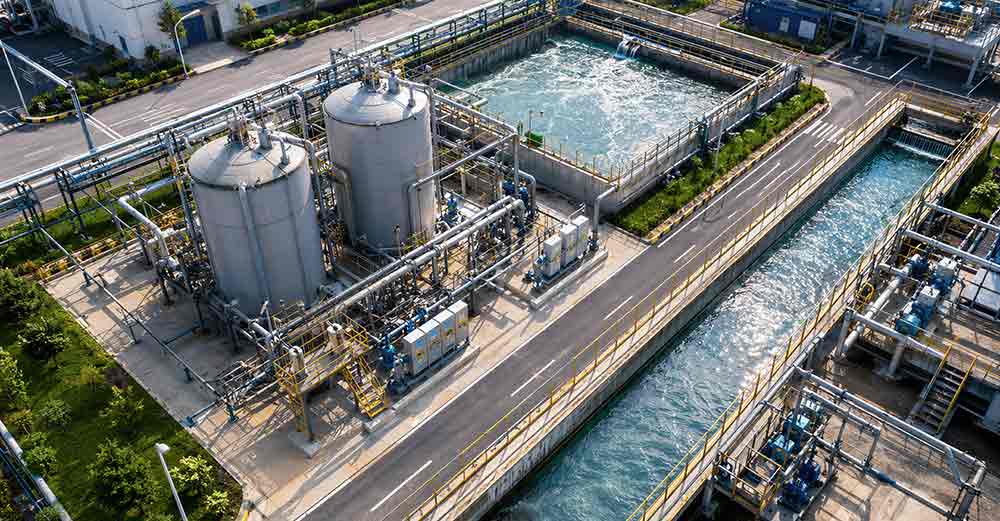
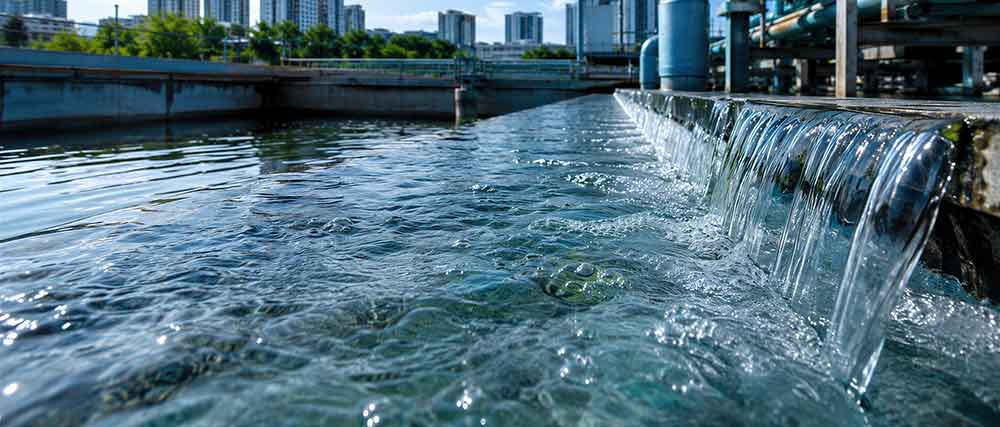
The cationic polyacrylamide synthesized from methacroylcholine chloride has a strong ability to neutralize negative charges. It can quickly flocculate and settle suspended particles, colloidal substances and anionic dyes in wastewater. It is especially suitable for sludge dewatering in municipal sewage treatment plants and decolorization treatment of high-chroma wastewater in printing and dyeing industries. Compared with traditional inorganic flocculants, it has the advantages of small dosage, large floc size and no secondary pollution.
Papermaking Industry
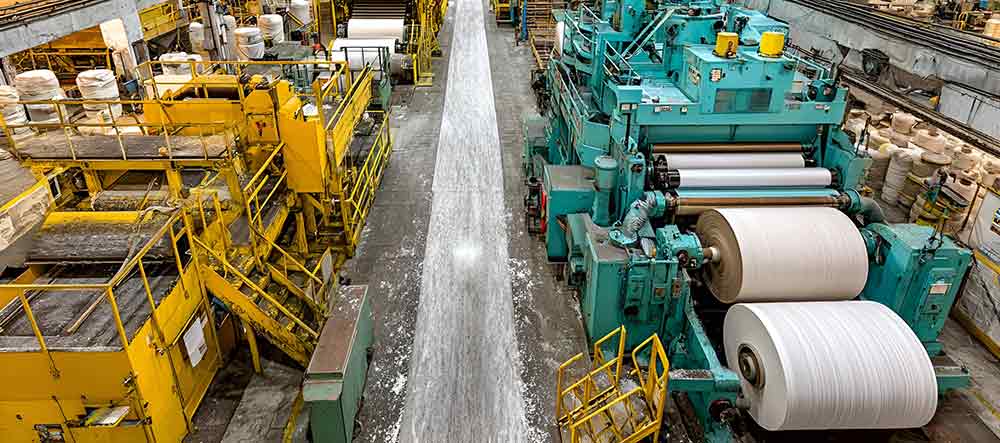
As a cationic retention and drainage agent, DMC copolymer can significantly improve the retention rate of fine fibers and fillers in the papermaking process, reduce the loss of raw materials, and at the same time optimize the drainage performance of the paper machine, reduce steam consumption in the drying section and improve production efficiency. In addition, it can be used as a sizing promoter to enhance the water resistance and surface strength of paper.
Oilfield Chemicals
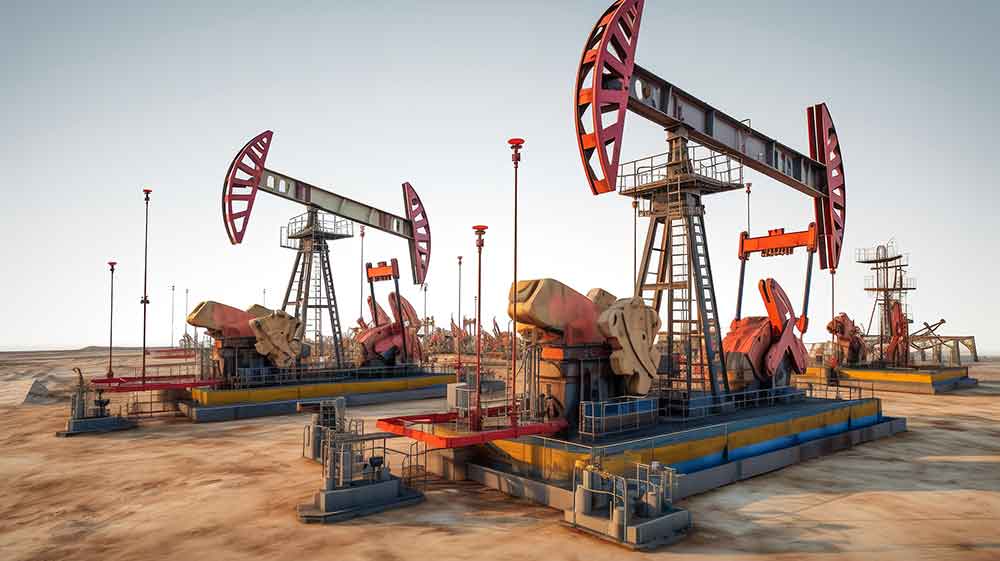
In oilfield exploitation, DMC-based cationic polymers can be used as clay stabilizers to effectively prevent the swelling and migration of clay minerals in the formation, avoid blockage of oil and gas channels, and improve oil recovery. At the same time, it can be used as a thickener for fracturing fluids to adapt to high-temperature and high-salinity reservoir environments.
Textile Dyeing
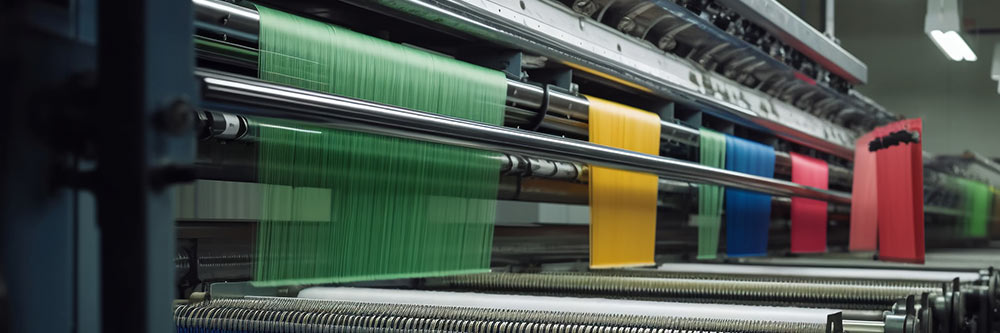
The cationic fixing agent synthesized from DMC can form a transparent film on the surface of fabric fibers, significantly improve the washing and rubbing fastness of dyes, and completely replace traditional formaldehyde-based fixing agents, meeting the environmental requirements of international brands for textile products.
IV. Market Trends and Industry Outlook
According to industry research data, the global DMC market size was about 1.45 billion RMB in 2025, and is expected to maintain a compound annual growth rate of 4.4% in the next five years. The main driving forces include: the upgrading of municipal wastewater treatment facilities in emerging markets in Asia and the Middle East, the continuous growth of paper demand in Europe and North America, and the popularization of environmental protection requirements in the textile industry. In terms of trade, China is a major exporter of DMC globally, with its products being exported to over 50 countries and regions including Europe, the United States, Southeast Asia and South America. The market share has been increasing year by year.
V. Safety and Operation Guidelines
Personal Protection: The product isweakly acidic and has mild irritation to eyes and skin. Operators need to wear protective gloves and goggles to avoid direct contact with the product.
Storage Requirements: Store in a cool, ventilated warehouse away from light, keep the container sealed, and keep it away from oxidants and acidic substances.
Transportation Classification: The product belongs to ordinary chemical products, and meets the packaging and transportation requirements of the International Maritime Dangerous Goods Code (IMDG), and can be transported by ocean, land and air.
VI. Conclusion: The Core Material for Upgrading Cationic Polymer Technology
As a high-performance functional monomer, DMC methacroylcholine chloride plays an irreplaceable role in multiple fields such as environmental protection, resource exploitation and material manufacturing. With the continuous optimization of production processes and the deepening of downstream application research, its performance boundaries and application scenarios will continue to expand. For global buyers, choosing a DMC product with stable quality and reliable supply chain is an important basis for ensuring the performance competitiveness of downstream products.
Unilong is a professional manufacturer of CAS 5039-78-1 DMC. DMC can be stably used in the synthesis of cationic polyacrylamide, sewage treatment flocculants, papermaking retention enhancers, textile fixation anti-static agents, oilfield additives, and daily chemical conditioning agents, among other fields. Unilong has its own production line and strictly controls the process, which enables stable supply of 78% standard specifications. It supports customized content of the polymerization inhibitor as per demand. Each batch comes with a COA quality inspection report. The packaging commonly uses 200kg plastic drums. There is an ample supply of products. It can be combined with export customs declaration and SDS materials. Welcome to request samples and negotiate for long-term cooperation.
: The High-Performance Building Block for Advanced Cationic Polymers)